















































































Support
How much data does a 4G low power Solar camera use per month?
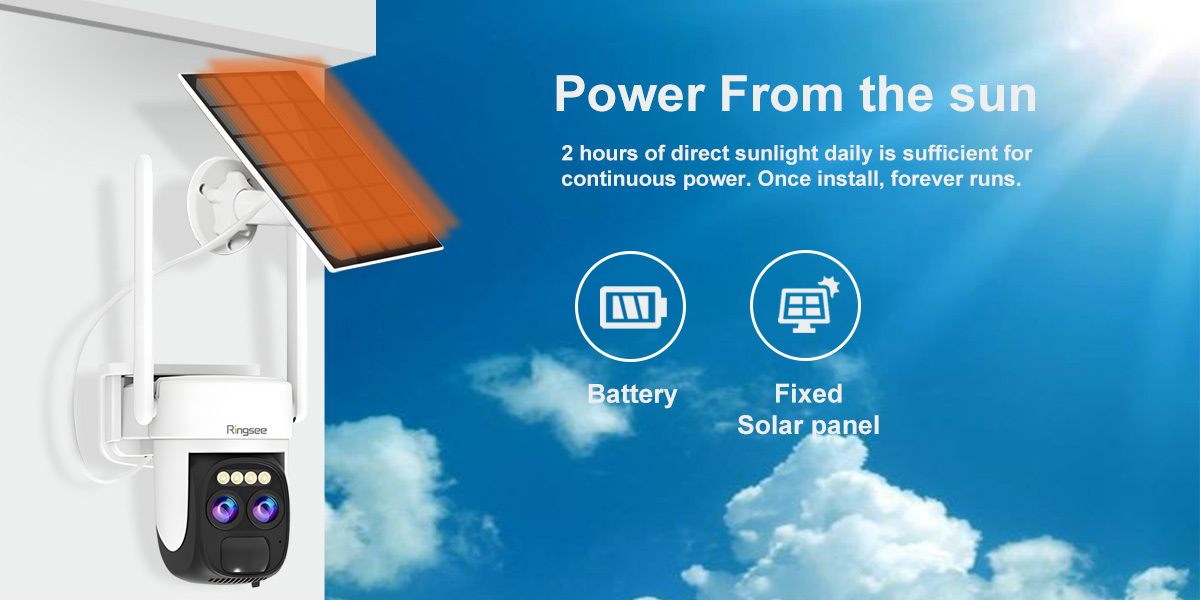
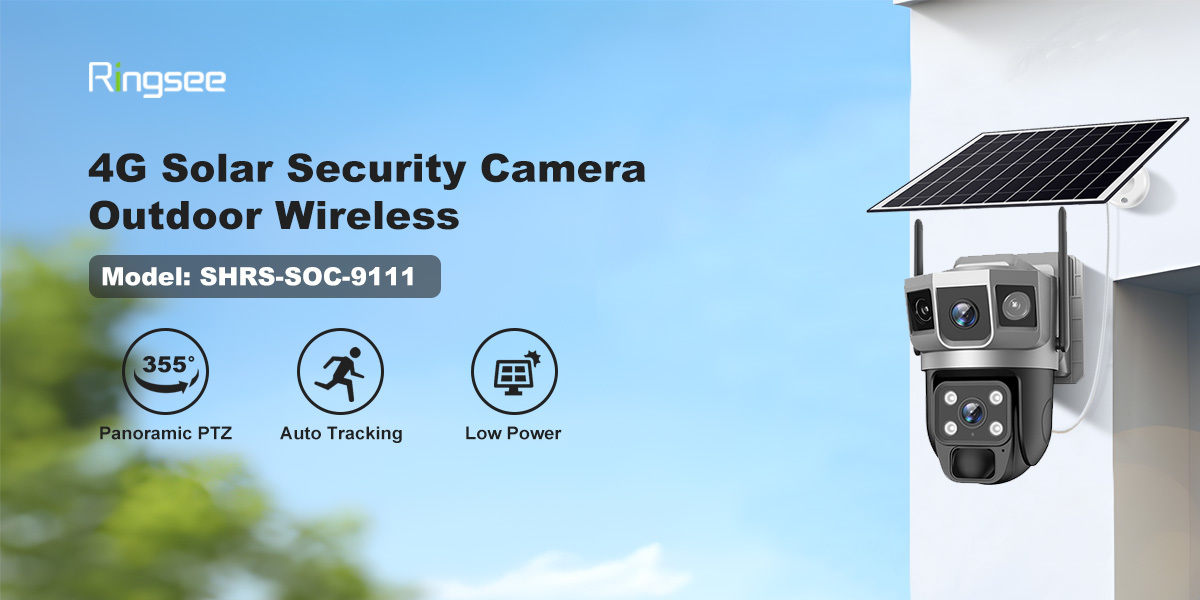
A 4G low-power solar camera is designed to be energy-efficient, often recording and transmitting only when motion is detected or on a set schedule, which reduces its overall data usage compared to a continuous streaming camera. The data usage will depend on factors like the resolution of the video, the frequency of motion detection, and the camera's features. Here’s a breakdown of typical data consumption for such a camera:
Factors Affecting Data Usage:
Motion Detection: Most low-power cameras are triggered by motion, which means they use data primarily when something is detected. This keeps the data consumption low.
Resolution: These cameras are often set to record at lower resolutions to save both power and data.
Frame Rate: Some cameras use a lower frame rate (e.g., 15 or 20 frames per second), which can also reduce the data used.
Video Quality: Low-power solar cameras typically use 720p or 1080p resolution, but may also have a lower-quality setting like 480p to reduce data usage further.
Video Compression: Efficient compression techniques like H.264 or H.265 (HEVC) can reduce the data consumption for a given video quality.
Estimated Data Usage for a Low-Power Solar Camera:
Resolution:
480p (low quality): 0.3–0.6 GB per hour.
720p (standard quality): 0.6–1.5 GB per hour.
1080p (HD quality): 1.5–3 GB per hour.
Motion Detection:
If the camera records and uploads 1–2 minutes of video per day, the data usage can be much lower than continuous streaming:
720p (1-2 minutes per day): Roughly 0.1 GB per day → about 3 GB per month.
1080p (1-2 minutes per day): Roughly 0.15–0.3 GB per day → about 4.5–9 GB per month.
480p (1-2 minutes per day): Roughly 0.05–0.1 GB per day → about 1.5–3 GB per month.
Additional Factors:
Still Images: If the camera also takes periodic still images (e.g., every 10 minutes), each image can use 1–5 MB of data depending on resolution. A low-power camera might send 20–30 images per day, adding an additional 20–150 MB per month.
Alerts: Some cameras use more data when sending alerts or notifications, but these are typically small (a few KB per alert).
Example Scenarios:
Low-Usage Scenario (Motion-triggered, 720p resolution):
Camera records for 2 minutes a day at 720p resolution.
Data usage = 0.1 GB per day → 3 GB per month.
Moderate-Usage Scenario (Motion-triggered, 1080p resolution):
Camera records 3 minutes of video per day at 1080p.
Data usage = 0.2 GB per day → 6 GB per month.
High-Usage Scenario (Higher quality or more frequent recordings):
Continuous use, or several minutes of video each day at 1080p.
Data usage = 0.3 GB per day → 9 GB per month.
For most 4G low-power solar cameras, you can expect data usage in the range of 1.5–9 GB per month based on motion-triggered video recording at 720p or 1080p, depending on how often it records and uploads footage. The exact amount depends on the camera settings, such as resolution, motion detection sensitivity, and how long it records each time.
Links:One Belt Power Technology
Add: 14th Floor, Baoshan Building, Longhua District, Shenzhen China.
Privacy Policy | SEO | CitySite | Support: 300.cn Dongguan