





4G vs. WiFi Solar Security Cameras: Which Is Best for You? | Ringsee™ OEM/ODM Manufacturer in China
Publish:
2025-05-08 10:52
Source:
https://www.ring-see.com
Choosing between 4G and WiFi solar security cameras is essential when planning an off-grid or connected surveillance solution. As a trusted OEM/ODM solar security camera manufacturer in China, Ringsee offers tailored camera systems for distributors, installers, and businesses worldwide.
Choosing between 4G and WiFi solar security cameras is essential when planning an off-grid or connected surveillance solution. As a trusted OEM/ODM solar security camera manufacturer in China, Ringsee offers tailored camera systems for distributors, installers, and businesses worldwide. This guide compares both options in detail, helping you decide which is best for your location, budget, and connectivity needs.Whether you're a homeowner, importer, or reseller, understanding these differences will ensure you invest in the right solution.
Understanding the Connectivity Differences
The key distinction lies in how each camera transmits data:
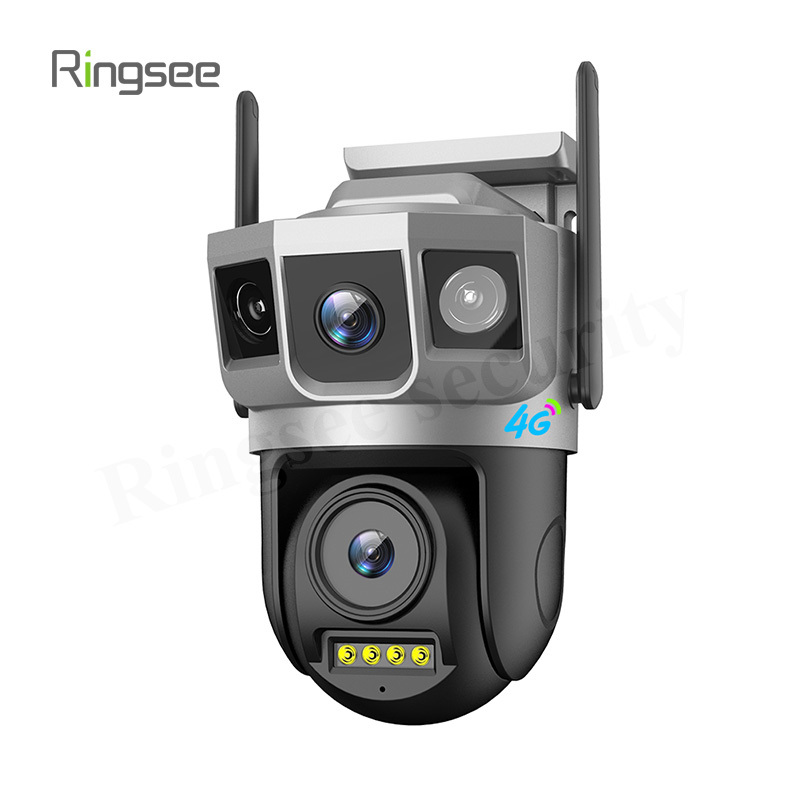
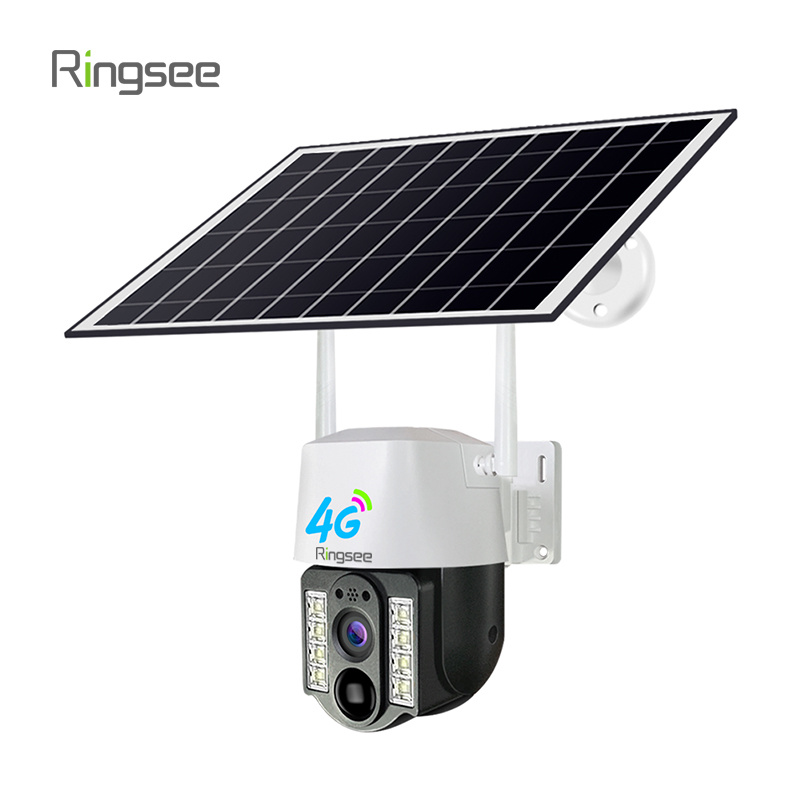
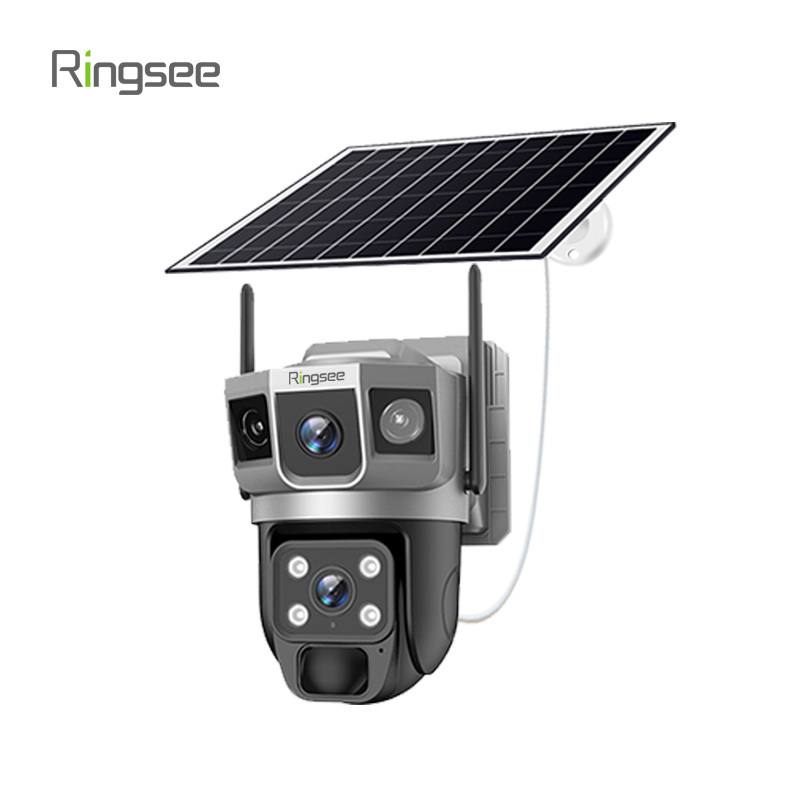
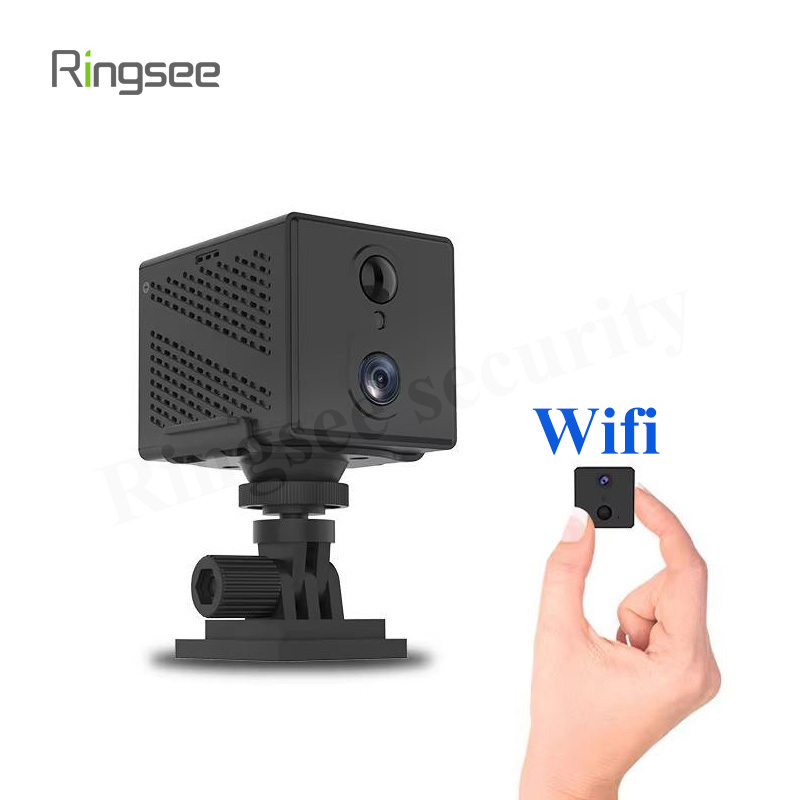
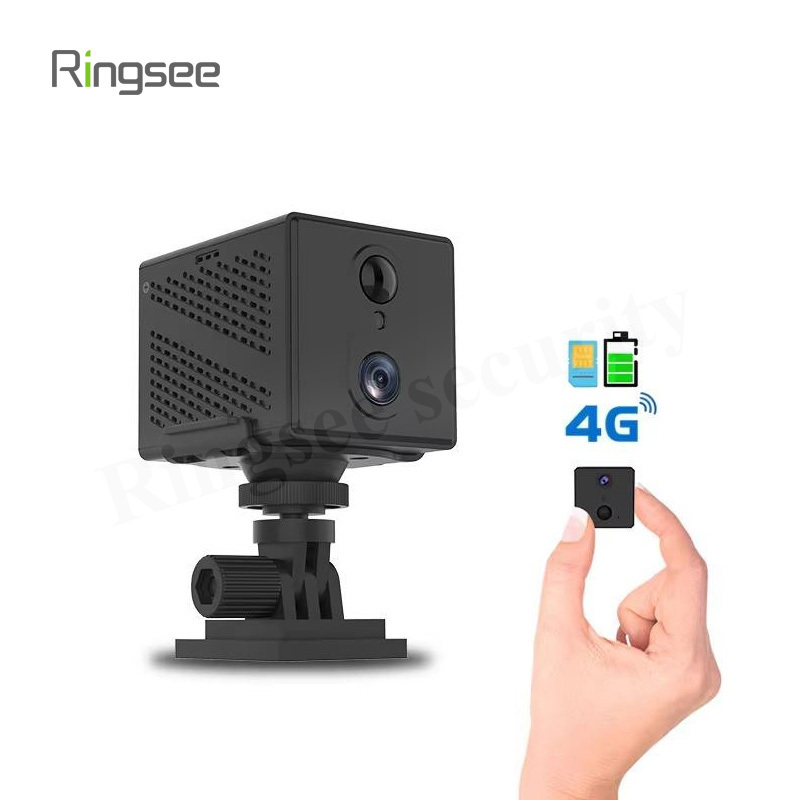
4G Solar Security Cameras: Use a cellular network and SIM card to connect. No WiFi or Ethernet required.
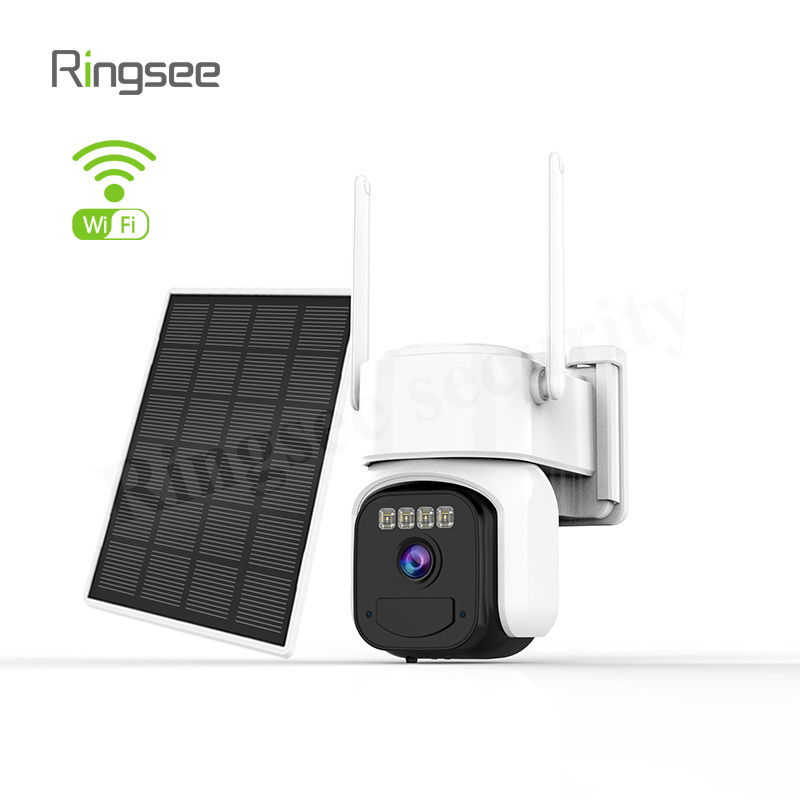
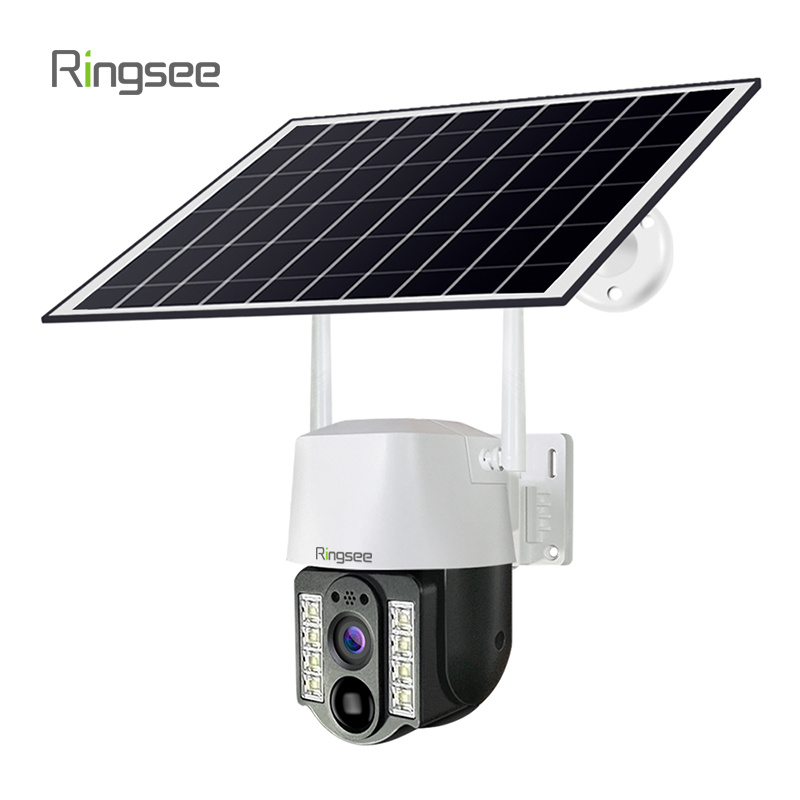
WiFi Solar Security Cameras: Depend on a stable wireless internet connection, typically from a home or office router.
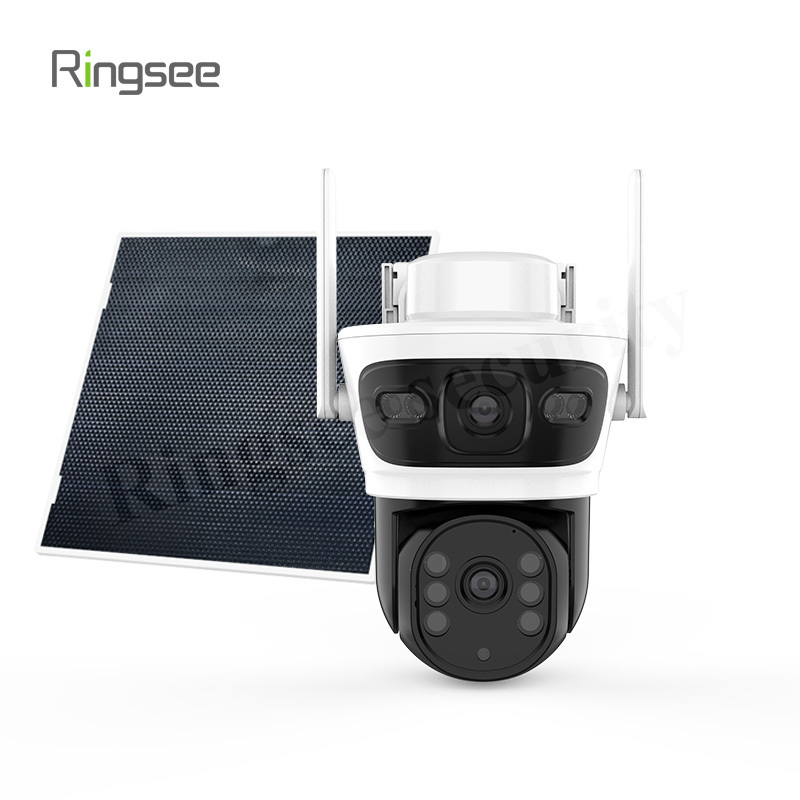
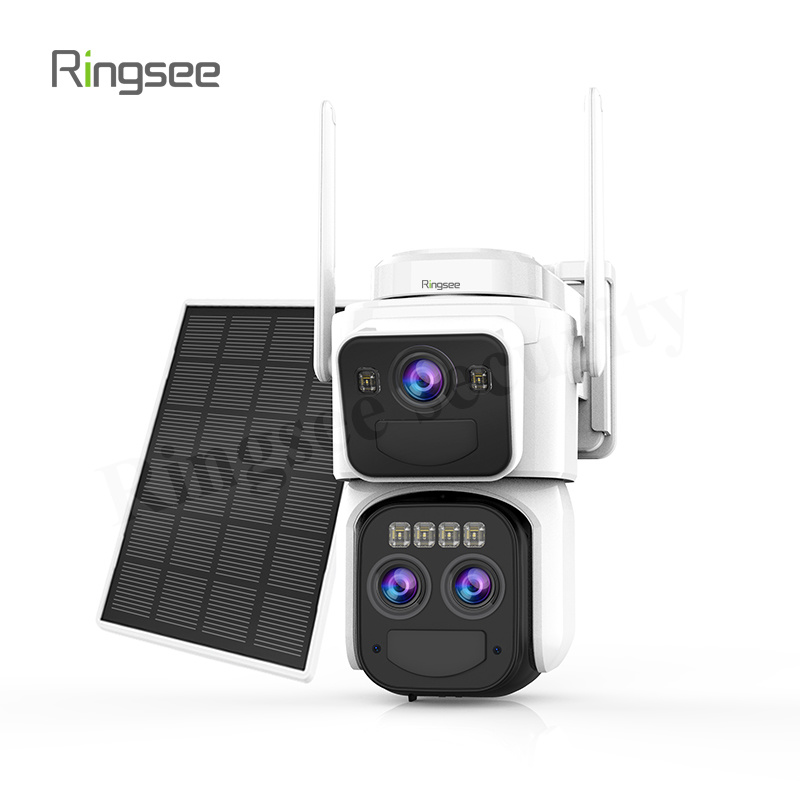
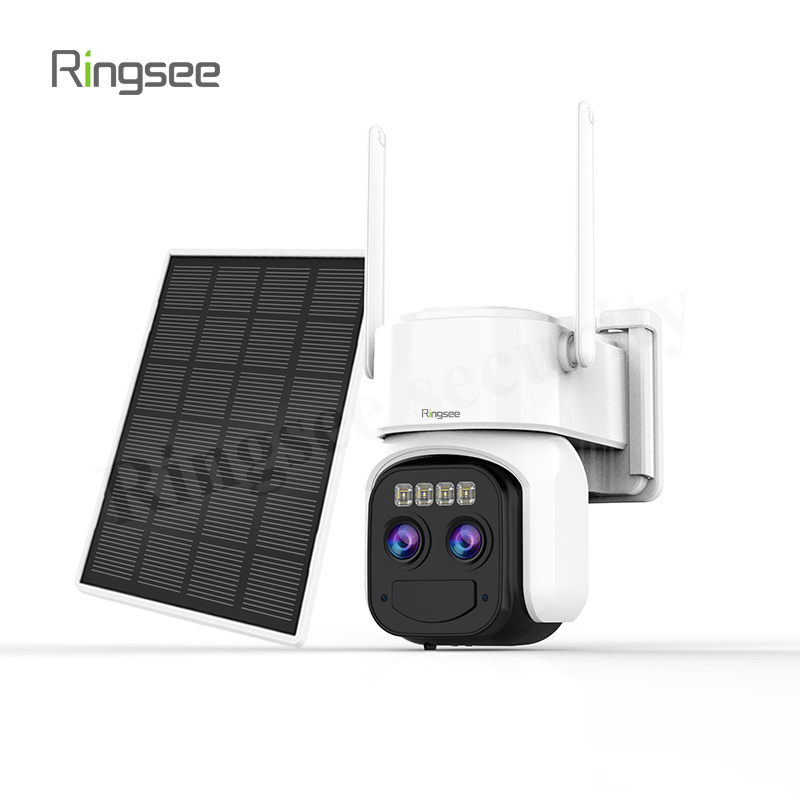
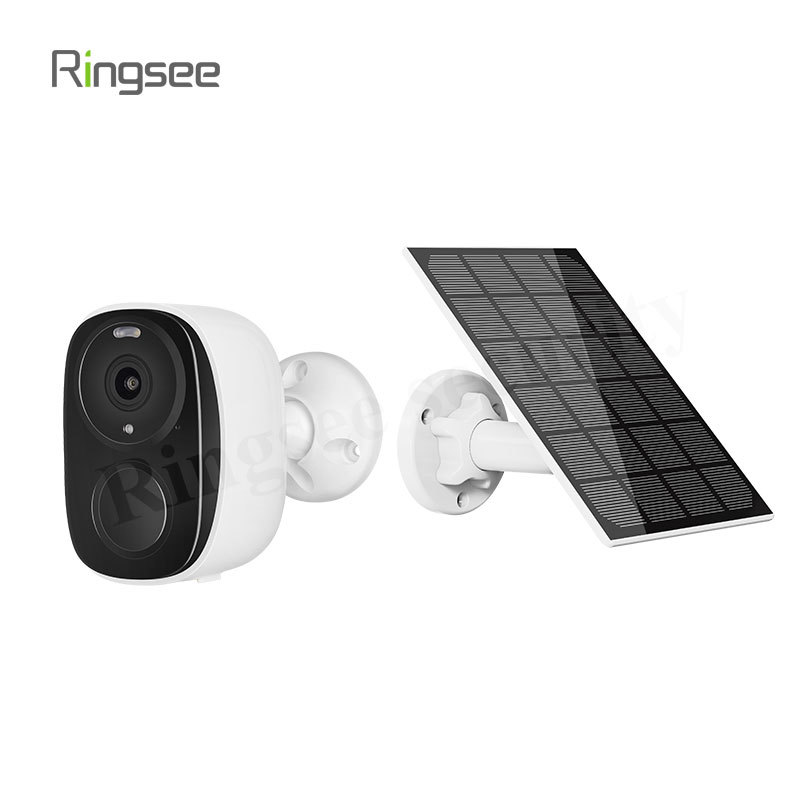
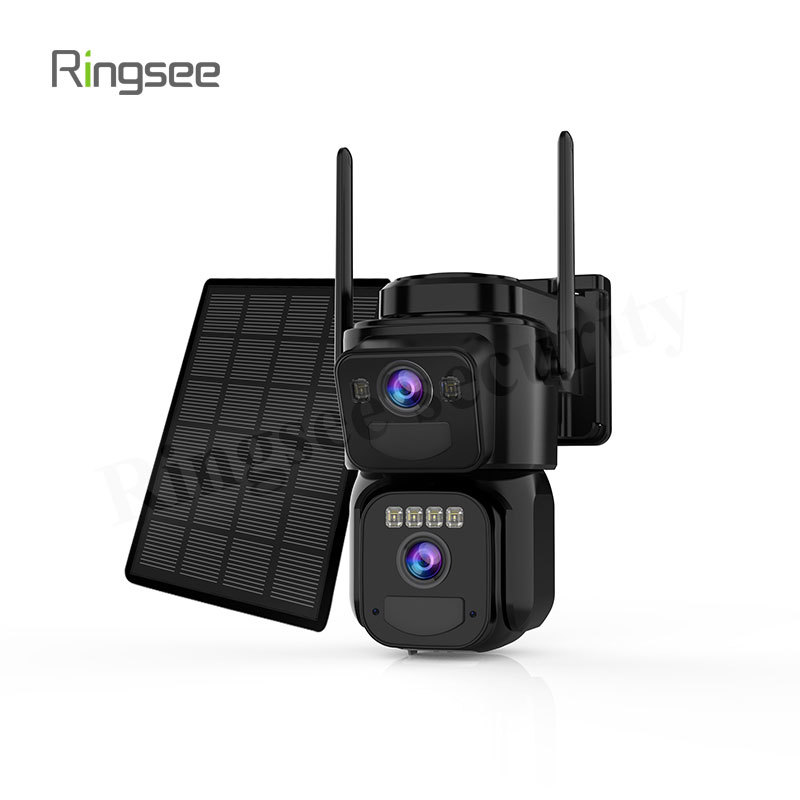
Both camera types are powered by solar panels and rechargeable batteries, enabling completely wire-free installation. As an OEM/ODM supplier, Ringsee offers both solutions, fully customizable to meet your brand and regional network requirements.
Pros and Cons of 4G Solar Security Cameras
Advantages:
Ideal for remote areas without internet infrastructure
Easy deployment for farms, construction sites, and RVs
Continuous operation using solar power and 4G LTE network
Remote monitoring via mobile app, even in off-grid zones
Disadvantages:
Requires a SIM card and monthly data plan
Dependent on mobile signal strength
Higher initial and operational cost compared to WiFi cameras
Manufacturer Note: Ringsee’s 4G solar cameras support global network bands and are available for private label and OEM customizations, including multilingual firmware.
When to Choose a WiFi Solar Camera
WiFi solar-powered cameras are the ideal solution when a strong and reliable wireless connection is available.
Advantages:
No SIM card or mobile plan needed
Lower total cost of ownership
Seamless integration with smart home ecosystems
Suitable for residential homes, offices, and small businesses
Limitations:
Must remain within WiFi range
Dependent on local internet service availability
Not ideal for off-grid or rural environments
OEM Advantage: Ringsee offers OEM WiFi solar cameras with branding, app integration, and firmware customization for smart home markets.
Real-World Applications for 4G LTE Solar Cameras
4G LTE solar cameras excel in locations where WiFi is unavailable or impractical:
Agriculture and livestock monitoring
Construction and job sites
Off-grid cabins and remote vacation homes
Mobile surveillance for trailers, RVs, and parking lots
Temporary event security
These solutions are perfect for distributors targeting industries in rural infrastructure, transportation, and energy projects.
Cost Comparison and Data Plan Considerations
Let’s compare both options in terms of total cost and usability:
| Feature | 4G Solar Camera4G | WiFi Solar CameraWiFi |
|---|---|---|
| Connectivity | 4G LTE (SIM required) | Wireless Internet |
| Monthly Fee | Yes (data plan) | No |
| Setup Location | Remote or mobile | WiFi coverage area |
| Ideal User | Off-grid monitoring | Smart home & business use |
| OEM/ODM Support | ✔ Available | ✔ Available |
Data Costs: Most 4G solar cameras use 1–5 GB/month depending on video quality and frequency. Choosing Ringsee allows B2B partners to optimize data usage through firmware settings and mobile app control.
Final Recommendation Based on Your Location
Choose a 4G solar security camera if your location lacks stable WiFi or is completely off-grid. Ideal for remote monitoring, temporary projects, or agricultural surveillance.
Select a WiFi solar security camera for fixed locations within network range. Great for urban homes, retail shops, and businesses looking for smart surveillance with minimal maintenance.
Why Choose Ringsee as Your OEM/ODM Manufacturer in China?
Ringsee is a trusted solar security camera manufacturer in China, offering:
Full OEM/ODM services for global brands
CE, FCC, and RoHS certified products
15+ years of security industry expertise1
Custom app development, logo printing, packaging, and firmware
Fast lead times and flexible MOQ for distributors
Whether you're launching your own brand or scaling your product line, Ringsee delivers reliable, factory-direct solutions tailored to your market.
Related News
Target readers: security owners, system integrators, and EHS engineers for petrochemical, oil and gas, pharmaceutical, powder processing, and coal mining sites where explosive gas or combustible dust exists. Core takeaway: a normal camera is itself an ignition source in flammable environments. You must use explosion proof cameras certified to ATEX, IECEx, or China Ex, selected by hazard zone, installed with proper grounding, and documented for compliance. This guide gives a reusable selection, install, and acceptance workflow.
Nov 08,2026
4G 5G Cellular Surveillance Camera Guide: Remote Video without Broadband
Target readers: security owners and integrators for farms, orchards, fisheries, construction, oil and mining sites, vehicle fleets, and remote African villages where broadband is scarce. Core takeaway: when there is no fiber, no broadband, and frequent power loss, a SIM card cellular camera is the easiest and most scalable remote video option. This guide gives a reusable architecture covering power, data, backhaul, AI, and compliant deployment.
Nov 08,2026
Analog CCTV Upgrade Guide: Coax HD Reuse vs Full IP Rebuild, Cost and Timeline Compared
Factory, campus and retail chains running analog surveillance for five or six years face the same wall: blurry images, unretrievable footage, and no path to AI analytics on legacy hardware. This guide breaks down pre-upgrade system inventory, compares the coax-HD reuse route against a full IP rebuild, gives bandwidth and storage recalculation formulas, and lays out a zoned, non-disruptive cutover plan with a selection checklist.
Oct 31,2026
CCTV Maintenance Outsourcing: SLA Tiers, Market Rates, KPI and Contract Playbook
Conclusion first: the real cost of a surveillance system is in its operation. Three years of maintenance typically equals 30% to 50% of the build cost, yet most buyers spend the budget at install and leave operation to whoever happens to notice. Lock the maintenance boundary while signing the build contract. This guide breaks down the in-house versus outsourced decision model, a three-tier SLA (P1 / P2 / P3), per-point market rates and how to read a quote, the two KPIs that decide payment (camera online rate and footage integrity), the five clauses every contract must hold, the 90-day handover that most often loses control, plus a selection checklist and acceptance tests.
Oct 25,2026
Links:One Belt Power Technology
Add: 14th Floor, Baoshan Building, Longhua District, Shenzhen China.
Privacy Policy | SEO | CitySite | Support: 300.cn Dongguan