














































































Staying Connected Off the Grid: The Rise of 4G Solar Trail Cameras
Publish:
2025-10-22 14:37
Source:
https://www.ring-see.com
Explore how 4G solar trail cameras are reshaping wildlife research, rural security, and off-grid living. Learn how to choose, deploy, and use them responsibly.
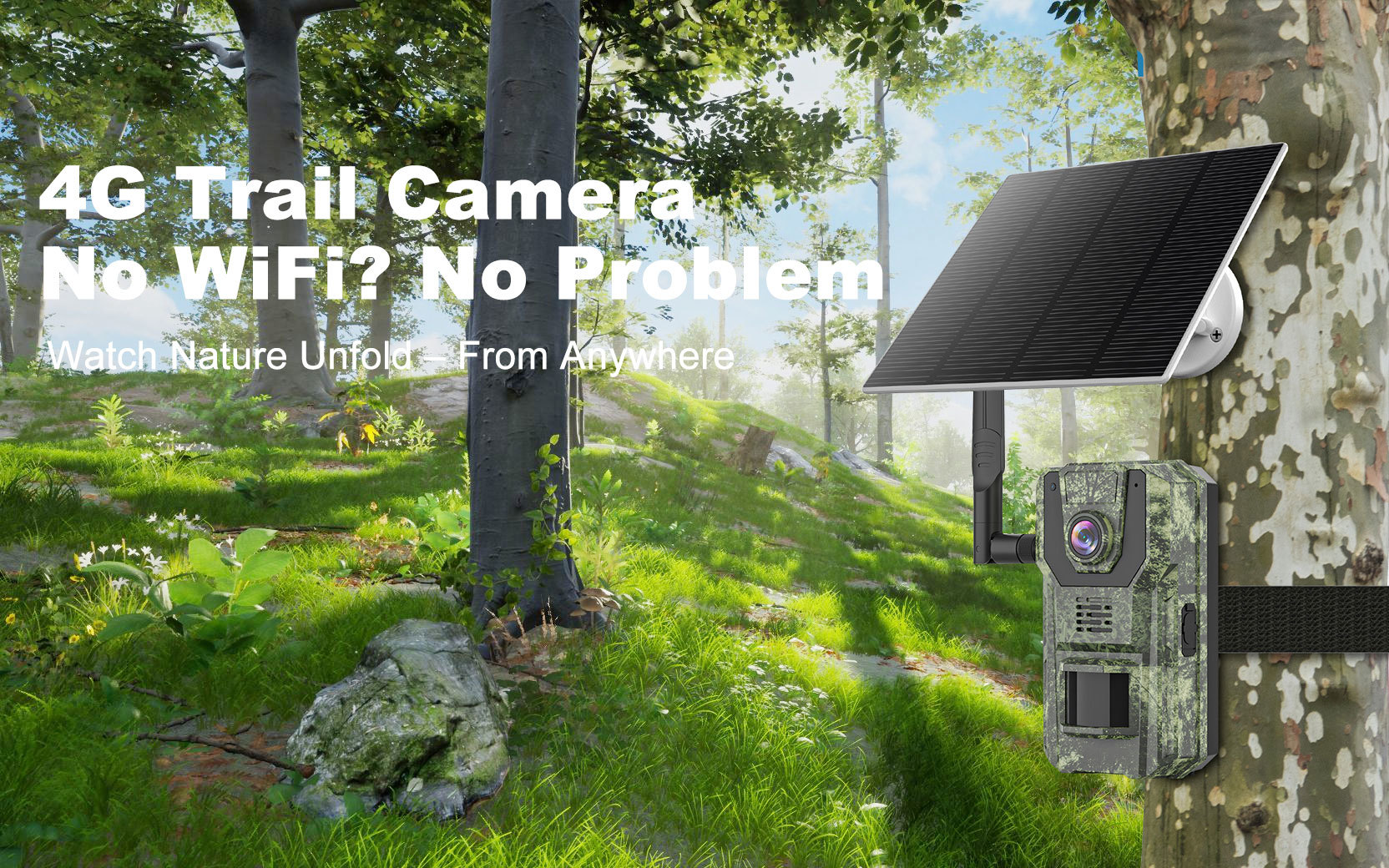
In the quiet edges of forests and across remote farmland, technology is quietly rewriting how we observe the world. The once-simple trail camera—once limited to capturing still photos for hunters and researchers—has evolved into a connected, solar-powered device capable of sending real-time alerts from places miles beyond a Wi-Fi signal.
Welcome to the era of the 4G solar trail camera, a fusion of connectivity and clean energy that’s reshaping wildlife research, rural security, and off-grid living.
Why 4G + Solar Power Matters
Always Connected, Even in Isolation
Traditional trail cameras require manual visits to swap batteries or SD cards. Each visit risks disturbing wildlife and breaking the natural flow of observation. With 4G connectivity, however, every motion-triggered image or video can be transmitted instantly to your phone—whether you’re in the city or hundreds of kilometers away.
From tracking nocturnal animals to keeping an eye on livestock, the camera does the fieldwork while you stay informed in real time.
Endless Energy from the Sun
Solar panels have solved one of the most frustrating issues in trail camera use: battery drain. Powered by sunlight and supported by built-in rechargeable batteries, a solar-powered 4G trail camera can operate for months on end with little to no human maintenance.
For anyone monitoring a wildlife corridor, remote cabin, or agricultural perimeter, that means fewer trips, lower costs, and a significantly smaller environmental footprint.
Where These Cameras Are Changing the Game
Wildlife Research and Conservation

Biologists and citizen scientists now rely on connected trail cameras to monitor migration patterns, feeding behavior, and population changes—all without setting foot in sensitive habitats. The cameras provide a window into natural life while minimizing human impact.
Rural Security and Farm Management
Farmers and ranchers use these systems to keep watch over property lines, machinery, and herds. Instant alerts help them react to predators, trespassers, or unexpected activity—often before a problem grows costly.
In remote areas, where power and network lines don’t reach, 4G solar cameras have become indispensable tools for practical protection.
Anti-Poaching and Environmental Enforcement
Across national parks and protected zones, solar-powered trail cameras are part of networks designed to detect illegal hunting and logging. Their connectivity enables quick responses and supports the growing collaboration between technology companies and conservation organizations.
Hot Topics Shaping the Future
Ethical Wildlife Monitoring
While the goal is to observe, technology also raises ethical questions. Over-use of cameras can stress or alter animal behavior. Responsible placement—using fewer visits, positioning away from nests, and minimizing flash use—ensures data collection remains non-intrusive and sustainable.
Connectivity Choices: 4G vs. NB-IoT vs. 5G
With 5G networks expanding, some new models are experimenting with faster, low-latency connections. However, 4G remains the most balanced option for wide coverage and affordability—especially in rural areas where 5G hasn’t reached.
Power in Challenging Environments
Solar efficiency varies by geography. Dense forests or cloudy regions may limit sunlight exposure, requiring larger panels or hybrid battery setups. Understanding your local climate can make or break your camera’s uptime.
Privacy and Legal Awareness
Deploying a trail camera comes with responsibilities. In some regions, recording people without consent—even accidentally—can breach privacy laws. Clear signage, transparency, and awareness of regional regulations are part of ethical monitoring.
How to Choose the Right 4G Solar Trail Camera
Before buying, ask yourself these key questions:
- Network Compatibility: Does the camera support your carrier’s frequency bands?
- Battery Capacity: What’s the rated standby time and solar panel wattage?
- Image Quality: Minimum 1080p video with infrared night vision ensures clarity day and night.
- Detection System: Adjustable motion sensitivity helps reduce false triggers.
- Storage Options: Prefer dual systems—SD card + cloud backup—for reliability.
- App & Firmware Support: Regular updates keep your device secure and functional.
- Build Quality: Look for waterproof and dustproof ratings (IP65 or higher).
A well-informed choice will save you money and ensure consistent results in the field.
Practical Deployment Tips
- Find the right angle. Mount the camera about chest-high and tilt slightly downward.
- Test your signal. Use your phone to check 4G strength before final placement.测
- Mind the surroundings. Avoid tall grass or tree branches that can trigger false alerts.
- Use camouflage and locks. Prevent theft and tampering in public or shared spaces.使
- Optimize sunlight. Point the solar panel toward the south (in the Northern Hemisphere) for best exposure.
Frequently Asked Questions
How long can a solar trail camera run without sunlight?
Typically several weeks, depending on the built-in battery and event frequency. Quality models buffer power effectively during cloudy days.
Do I need a subscription plan?
Yes. Most 4G trail cameras require a SIM card and data plan. Some manufacturers offer prepaid or regional packages.
Can I use it as a home or cabin security camera?
Absolutely. They’re perfect for off-grid security, construction sites, and remote cabins with no Wi-Fi or electricity.
Final Thoughts
The marriage of solar energy and cellular connectivity has made it possible to watch over the most remote places without leaving a footprint. Whether you’re a wildlife enthusiast, farmer, or researcher, 4G solar trail cameras let you collect insights continuously, responsibly, and sustainably.
As technology advances, we can expect even more intelligent features—AI animal recognition, cloud integration, and smart alerts—that bring clarity to nature and peace of mind to people.
It’s not just surveillance—it’s a smarter, greener way to stay connected with the world beyond our reach.
Related News
Target readers: security owners, system integrators, and EHS engineers for petrochemical, oil and gas, pharmaceutical, powder processing, and coal mining sites where explosive gas or combustible dust exists. Core takeaway: a normal camera is itself an ignition source in flammable environments. You must use explosion proof cameras certified to ATEX, IECEx, or China Ex, selected by hazard zone, installed with proper grounding, and documented for compliance. This guide gives a reusable selection, install, and acceptance workflow.
Nov 08,2026
4G 5G Cellular Surveillance Camera Guide: Remote Video without Broadband
Target readers: security owners and integrators for farms, orchards, fisheries, construction, oil and mining sites, vehicle fleets, and remote African villages where broadband is scarce. Core takeaway: when there is no fiber, no broadband, and frequent power loss, a SIM card cellular camera is the easiest and most scalable remote video option. This guide gives a reusable architecture covering power, data, backhaul, AI, and compliant deployment.
Nov 08,2026
Analog CCTV Upgrade Guide: Coax HD Reuse vs Full IP Rebuild, Cost and Timeline Compared
Factory, campus and retail chains running analog surveillance for five or six years face the same wall: blurry images, unretrievable footage, and no path to AI analytics on legacy hardware. This guide breaks down pre-upgrade system inventory, compares the coax-HD reuse route against a full IP rebuild, gives bandwidth and storage recalculation formulas, and lays out a zoned, non-disruptive cutover plan with a selection checklist.
Oct 31,2026
CCTV Maintenance Outsourcing: SLA Tiers, Market Rates, KPI and Contract Playbook
Conclusion first: the real cost of a surveillance system is in its operation. Three years of maintenance typically equals 30% to 50% of the build cost, yet most buyers spend the budget at install and leave operation to whoever happens to notice. Lock the maintenance boundary while signing the build contract. This guide breaks down the in-house versus outsourced decision model, a three-tier SLA (P1 / P2 / P3), per-point market rates and how to read a quote, the two KPIs that decide payment (camera online rate and footage integrity), the five clauses every contract must hold, the 90-day handover that most often loses control, plus a selection checklist and acceptance tests.
Oct 25,2026
Links:One Belt Power Technology
Add: 14th Floor, Baoshan Building, Longhua District, Shenzhen China.
Privacy Policy | SEO | CitySite | Support: 300.cn Dongguan