














































































Why Low Power Solar-Powered Surveillance Cameras are the Future of Security
Publish:
2024-12-30 16:27
Source:
https://www.ring-see.com
As more security camera manufacturers like Ringsee invest in solar-powered systems, the benefits of these solutions are becoming increasingly clear. In this article, we’ll explore why low power solar-powered surveillance cameras are a game-changer in the security industry and how they can be applied in various settings.
In today’s world, security and sustainability go hand in hand. With advancements in solar power technology, low power solar-powered surveillance cameras have emerged as a smart, energy-efficient alternative to traditional security systems. These cameras not only offer cost savings over time but also provide an eco-friendly solution to monitoring both urban and remote areas. As more security camera manufacturers like Ringsee invest in solar-powered systems, the benefits of these solutions are becoming increasingly clear. In this article, we’ll explore why low power solar-powered surveillance cameras are a game-changer in the security industry and how they can be applied in various settings.

Why Opt for Low Power Solar-Powered Surveillance Cameras?
The popularity of low power solar-powered surveillance cameras is driven by several key advantages that make them stand out in the world of security solutions:
1. Energy Efficiency and Sustainability
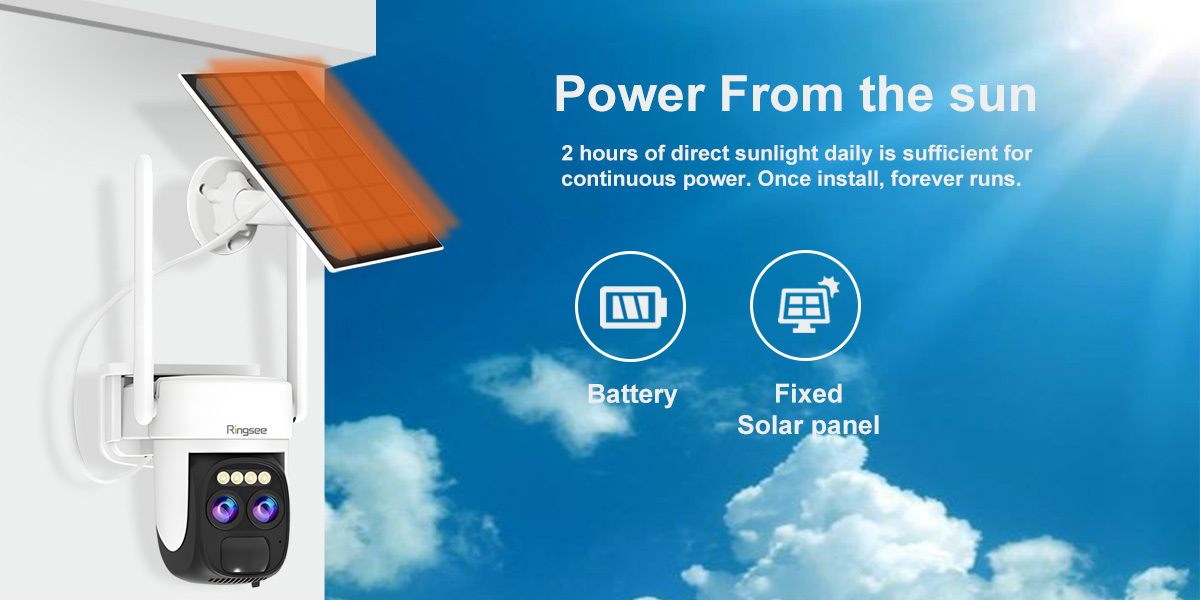
Low power solar-powered cameras harness renewable solar energy, reducing reliance on traditional electrical grids. This makes them a sustainable choice for those looking to lower their carbon footprint and contribute to environmental conservation. By using solar power, these cameras not only help save on electricity costs but also align with growing green initiatives in the security industry. Ringsee’s solar-powered cameras are designed to offer high efficiency while ensuring that the surveillance system remains effective and reliable.
2. Cost Savings and Reduced Maintenance
Once installed, low power solar-powered surveillance cameras incur minimal operating costs. Traditional wired security systems require an ongoing power supply and maintenance to keep batteries charged. Solar-powered cameras, on the other hand, use sunlight to recharge their batteries, resulting in lower energy bills and reduced maintenance costs. The long lifespan of solar-powered systems means fewer replacements and maintenance visits, offering significant long-term savings. Ringsee provides robust and durable solar-powered surveillance options that continue to deliver reliable performance without constant upkeep.
3. Quick and Easy Installation
Traditional security cameras often require complex wiring and installation, which can be costly and time-consuming. Low power solar-powered cameras eliminate the need for extensive wiring by utilizing solar panels for power. This simplifies installation, particularly in areas where electricity may not be easily accessible. Whether you are looking to monitor a remote farm or secure an urban parking lot, solar-powered systems are quick to deploy and flexible enough to suit any installation environment. Ringsee ensures that their solar-powered solutions are designed for easy setup, providing users with hassle-free installation.
4. Eco-Friendly Security Solution
As environmental concerns continue to grow, low power solar-powered surveillance cameras offer a cleaner alternative to traditional systems. Solar-powered cameras contribute to a reduction in energy consumption and carbon emissions, making them an ideal choice for users who prioritize sustainability. By choosing Ringsee’s solar-powered surveillance systems, customers can enjoy peace of mind knowing their security setup is not only effective but also environmentally responsible.
Applications of Low Power Solar-Powered Surveillance Cameras
Low power solar-powered surveillance cameras are highly versatile and can be used in a wide variety of scenarios, offering flexibility and reliability. Below are some of the most common applications for these systems:
1. Remote and Off-Grid Locations
One of the biggest advantages of solar-powered surveillance cameras is their ability to function in locations without access to electrical grids. This makes them perfect for:
Campsites and Cabins: Solar-powered cameras provide an excellent security solution for remote vacation homes or cabins, where running electrical wiring may be difficult or expensive.
Rural Farms and Agricultural Sites: Farms and agricultural properties benefit from solar-powered surveillance cameras, which can monitor crops, livestock, and machinery in areas far from power sources.
Nature Reserves and Wildlife Monitoring: For monitoring wildlife or protecting natural reserves, solar-powered cameras from Ringsee offer reliable, off-grid security systems to deter poaching and ensure conservation efforts run smoothly.
2. Construction Sites
Construction sites are often dynamic environments with changing layouts and limited infrastructure, making solar-powered surveillance cameras an ideal choice. These cameras can be installed quickly to secure equipment, monitor progress, and prevent theft. Ringsee provides solar-powered solutions that are designed for tough construction environments, ensuring that projects are secure even in remote locations.
3. Public Spaces and Outdoor Surveillance
Many public spaces, such as parks, beaches, and recreational facilities, can benefit from solar-powered surveillance cameras:
Parks and Gardens: These spaces require constant surveillance for safety and security. Solar-powered cameras are ideal for such areas, as they are easy to install and don’t require ongoing electrical connections.
Beaches and Waterfronts: With large outdoor spaces that may lack access to power lines, solar-powered cameras provide a simple and effective security solution for monitoring beach areas and waterfront properties.
4. Large Residential and Commercial Properties
For larger estates or commercial properties with extensive grounds, solar-powered surveillance systems offer scalability and affordability. Whether for private residential security or for monitoring warehouses and industrial sites, low power solar-powered cameras from Ringsee ensure that these areas remain secure without the high cost of traditional systems.
5. Environmental and Wildlife Surveillance
Researchers and conservationists often use solar-powered surveillance cameras for environmental monitoring and wildlife protection. These cameras can be placed in remote areas to track wildlife, monitor ecosystems, and prevent illegal activities like poaching. Ringsee designs cameras that are durable enough to withstand harsh outdoor conditions, making them perfect for use in remote ecosystems.
6. Disaster Relief and Emergency Monitoring
In the wake of natural disasters or emergencies, low power solar-powered surveillance cameras can be quickly deployed to monitor evacuation centers, supply distribution points, and disaster-affected areas. Their ability to operate off-grid makes them invaluable in situations where traditional power infrastructure may have been damaged or is not readily available.
7. Traffic and Road Monitoring
Low power solar-powered cameras are also ideal for monitoring highways, toll booths, and other road infrastructure. They can provide real-time surveillance without the need for extensive wiring or power supply, making them an excellent solution for traffic management and accident detection. Ringsee’s cameras are designed for easy integration into traffic monitoring systems, providing valuable data and security insights.
The Future of Surveillance
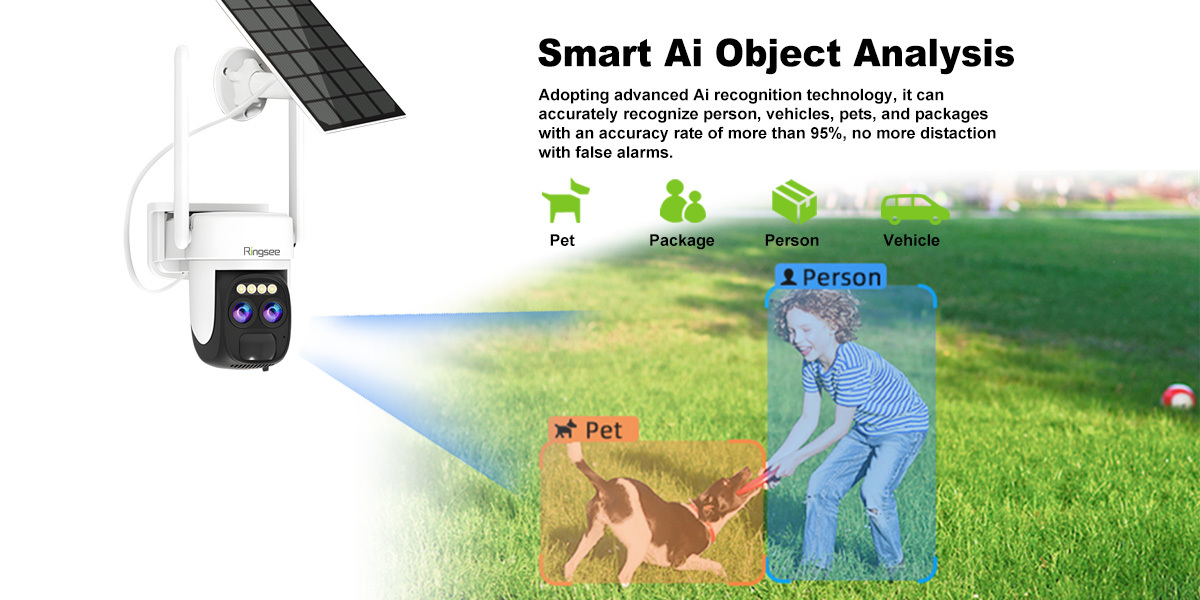
Low power solar-powered surveillance cameras, like those offered by Ringsee, are paving the way for a more sustainable, cost-effective, and flexible approach to security. These cameras provide significant advantages over traditional wired systems, including reduced operating costs, easy installation, and a smaller environmental footprint. Whether for rural properties, urban monitoring, or temporary surveillance, low power solar-powered cameras are proving to be an ideal solution for a variety of applications.As more surveillance camera manufacturers focus on developing solar-powered solutions, we can expect this technology to continue evolving, offering even better performance and enhanced features. By embracing solar-powered surveillance, businesses, homeowners, and organizations can ensure reliable security while contributing to a greener future.For a trusted and reliable solution, Ringsee offers cutting-edge low power solar-powered cameras that cater to all your surveillance needs, from remote monitoring to large-scale security applications.
Related News
Target readers: security owners, system integrators, and EHS engineers for petrochemical, oil and gas, pharmaceutical, powder processing, and coal mining sites where explosive gas or combustible dust exists. Core takeaway: a normal camera is itself an ignition source in flammable environments. You must use explosion proof cameras certified to ATEX, IECEx, or China Ex, selected by hazard zone, installed with proper grounding, and documented for compliance. This guide gives a reusable selection, install, and acceptance workflow.
Nov 08,2026
4G 5G Cellular Surveillance Camera Guide: Remote Video without Broadband
Target readers: security owners and integrators for farms, orchards, fisheries, construction, oil and mining sites, vehicle fleets, and remote African villages where broadband is scarce. Core takeaway: when there is no fiber, no broadband, and frequent power loss, a SIM card cellular camera is the easiest and most scalable remote video option. This guide gives a reusable architecture covering power, data, backhaul, AI, and compliant deployment.
Nov 08,2026
Analog CCTV Upgrade Guide: Coax HD Reuse vs Full IP Rebuild, Cost and Timeline Compared
Factory, campus and retail chains running analog surveillance for five or six years face the same wall: blurry images, unretrievable footage, and no path to AI analytics on legacy hardware. This guide breaks down pre-upgrade system inventory, compares the coax-HD reuse route against a full IP rebuild, gives bandwidth and storage recalculation formulas, and lays out a zoned, non-disruptive cutover plan with a selection checklist.
Oct 31,2026
CCTV Maintenance Outsourcing: SLA Tiers, Market Rates, KPI and Contract Playbook
Conclusion first: the real cost of a surveillance system is in its operation. Three years of maintenance typically equals 30% to 50% of the build cost, yet most buyers spend the budget at install and leave operation to whoever happens to notice. Lock the maintenance boundary while signing the build contract. This guide breaks down the in-house versus outsourced decision model, a three-tier SLA (P1 / P2 / P3), per-point market rates and how to read a quote, the two KPIs that decide payment (camera online rate and footage integrity), the five clauses every contract must hold, the 90-day handover that most often loses control, plus a selection checklist and acceptance tests.
Oct 25,2026
Links:One Belt Power Technology
Add: 14th Floor, Baoshan Building, Longhua District, Shenzhen China.
Privacy Policy | SEO | CitySite | Support: 300.cn Dongguan