





2025: Ultimate Guide to Buying Solar-Powered Security Cameras
Publish:
2025-01-04 11:45
Source:
https://www.ring-see.com
As the world shifts towards more sustainable energy solutions, solar-powered security cameras have gained popularity for their ability to combine cutting-edge technology with environmental consciousness.
As the world shifts towards more sustainable energy solutions, solar-powered security cameras have gained popularity for their ability to combine cutting-edge technology with environmental consciousness. Whether you’re securing a remote property, reducing your energy consumption, or simply looking for a reliable outdoor surveillance system, solar-powered cameras offer a unique advantage. This guide will help you navigate the key factors to consider when purchasing solar-powered security cameras, ensuring you make the right choice for your security needs.
1. Understanding Your Power Requirements
The first step in choosing a solar-powered security camera is understanding your power needs. The amount of power a camera consumes will directly affect its performance, battery life, and the type of solar panel required.
- Battery Life:Look for cameras that offer long-lasting battery life. Higher-capacity batteries will store more energy, ensuring that the camera can operate through the night or on cloudy days.
- Energy Efficiency:Cameras with energy-efficient sensors and processors will use less power, prolonging the battery’s life and extending the operational period between charges.
- Solar Panel Size:Larger solar panels capture more sunlight and are better suited for charging batteries in areas with limited sunlight. The camera should have a panel that provides enough energy to maintain 24/7 functionality.
2. Camera Quality and Key Features
While solar power is a significant factor, the primary function of any security camera is to provide clear and reliable footage. When selecting a solar-powered camera, consider both video quality and additional features that enhance its performance.
- Video Resolution: Aim for at least 1080p HD resolution for crisp, detailed video. For higher clarity, especially for larger areas or detailed monitoring, cameras with 2K or 4K resolution are becoming more common.
- Night Vision: Since security cameras often operate in low-light environments, look for cameras with advanced night vision capabilities—whether infrared (IR) or color night vision. This ensures that the camera captures clear footage even in darkness.
- Motion Detection: Choose cameras with motion sensors that use AI to distinguish between humans, animals, and objects. This prevents false alerts and improves the accuracy of notifications.
- Smart Alerts: Cameras equipped with motion detection and AI capabilities should send real-time alerts to your phone or email. These notifications allow you to monitor your property in real-time and take action if necessary.
- Audio and Two-Way Communication: Cameras with built-in microphones and speakers allow you to hear sounds from your property and communicate with anyone on-site, such as visitors or intruders.
3. Weather Resistance and Durability
Since solar-powered cameras are designed for outdoor use, they must be able to withstand varying weather conditions. Whether you live in a region with heavy rain, extreme heat, or snow, durability is a critical factor.
Weatherproofing: Look for cameras with a high IP rating (Ingress Protection). For outdoor use, an IP65 rating or higher is ideal, as it ensures the camera is protected against dust and water.
Temperature Tolerance: Cameras should be designed to handle temperature extremes, from freezing cold to sweltering heat. Check the manufacturer’s specifications to ensure it can endure your local climate.
Rugged Build: Consider the camera’s build quality. Sturdy materials like metal or reinforced plastic can protect the camera from physical damage or tampering.
4. Solar Panel Placement and Efficiency
One of the biggest advantages of solar-powered cameras is their ability to operate autonomously without relying on the electrical grid. However, the efficiency of the system largely depends on the placement and size of the solar panel.
- Panel Size: The size of the solar panel determines how much energy it can capture. Larger panels are generally more effective, especially in areas with limited sunlight or during winter months when daylight hours are shorter.
- Panel Placement: Ideally, the solar panel should be installed in an area where it will receive ample direct sunlight throughout the day. Some cameras have external, detachable solar panels that allow you to place them in optimal locations without moving the camera itself.
- Placement Flexibility: Ensure that the camera and solar panel can be easily adjusted to maximize exposure to sunlight. This flexibility is especially useful if you need to install the camera in shaded areas or areas where sunlight might be intermittent.
5. Smart Home Integration
If you have a smart home ecosystem, you’ll likely want your solar-powered security camera to integrate with other smart devices. Many modern cameras are designed to work seamlessly with platforms like Amazon Alexa, Google Assistant, and other smart home hubs.
- Voice Control: Some solar-powered cameras allow for hands-free control via voice assistants. For example, you could ask Alexa or Google Assistant to show the live video feed on your smart display or adjust the camera’s settings.
- Automated Alerts and Actions: Cameras that integrate with home automation systems can trigger other smart devices. For example, when motion is detected, the camera could trigger outdoor lights or send alerts to your phone.
6. Hybrid Power Options
In areas with inconsistent sunlight or during periods of heavy cloud cover, you may need additional power sources to ensure the camera continues to operate without interruption.
- Solar + Battery: Many modern solar-powered cameras feature a hybrid system, where the camera is powered by both solar energy and a rechargeable battery. This ensures continuous operation, even when solar energy isn’t sufficient.
- Backup Power Options: Some cameras also offer the option to connect to an AC power source, making them versatile for regions where solar power alone may not suffice.
7. Installation and Ease of Use
Solar-powered security cameras are generally designed to be easy to install, but there are still several factors to consider regarding the installation process.
- Wireless Installation: Most solar-powered cameras are wireless, eliminating the need for complex wiring. Check for cameras that use Wi-Fi or cellular networks for seamless operation.
- Mounting System: A simple, secure mounting system will make installation easier. Look for cameras with adjustable mounts or brackets that allow you to position the camera at the optimal angle.
App Integration: Many cameras come with a mobile app that allows you to set up and control the camera remotely. Ensure the app is intuitive and user-friendly for easy configuration and live-streaming.
8. Budget and Long-Term Value
While solar-powered cameras often come with a higher initial cost compared to traditional wired systems, the long-term savings on electricity and reduced maintenance costs make them a worthwhile investment.
- Initial Cost vs. Savings: Consider the upfront cost of the camera, including any installation fees, as well as ongoing expenses, such as cloud storage subscriptions (if applicable). Over time, the energy savings and reduced maintenance costs can offer substantial savings.
- Warranty and Support: A reliable warranty and strong customer support are important to ensure your camera remains operational for years. Look for warranties that cover both the camera and the solar panel.
What are the advantages and disadvantages of solar powered security cameras?
Advantages | Disadvantages |
| Energy independence | Weather dependence |
| Cost savings | Higher initial costs |
| Environmentally friendly | Battery degradation over time |
| Easy installation | Bulkier size and aesthetics |
| Operates during power outages | Limited features in budget models |
| Portability | Vulnerability to theft/vandalism |
| Scalability | Reduced efficiency in extreme weather |
| Low maintenance | Placement restrictions |
Solar-powered security cameras are an excellent choice for eco-conscious users and remote or off-grid locations. However, for areas with limited sunlight or extreme weather, consider hybrid systems or supplementing solar cameras with alternative power sources.
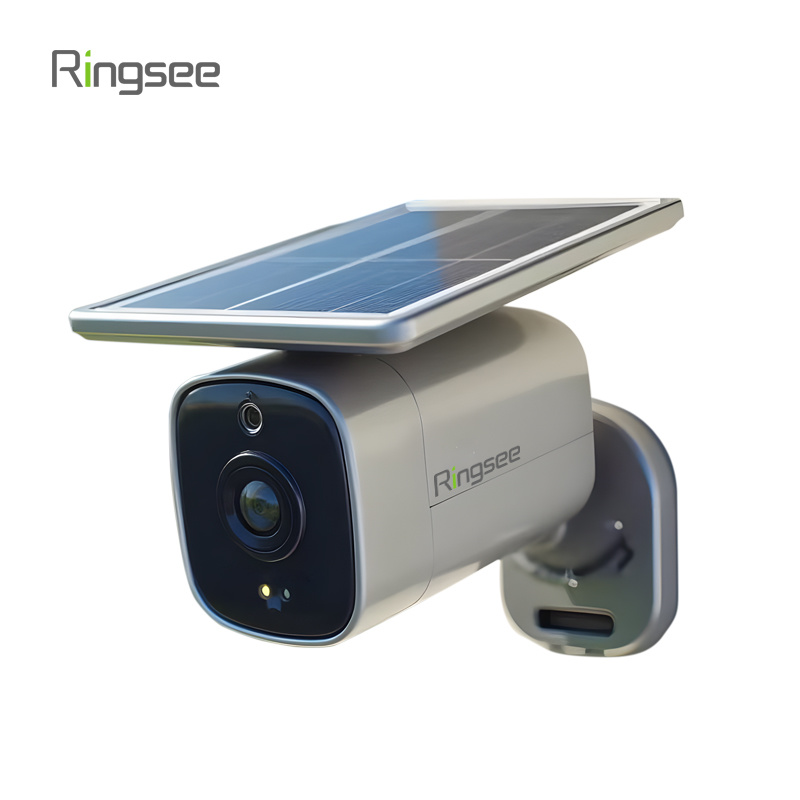
AOV Low power solar camera
Popular Solar-Powered Camera Manufacturers Brands
Eufy Security: Known for providing high-quality cameras with no subscription fees, such as the EufyCam 2C Pro with solar-powered options.
Arlo: Offers premium, high-definition cameras with advanced features like 4K video, color night vision, and AI-based alerts. The Arlo Pro 3 Solar is a standout.
Ring: Known for ease of use, integration with Alexa, and solid performance. The Ring Stick Up Cam Solar is a popular model.
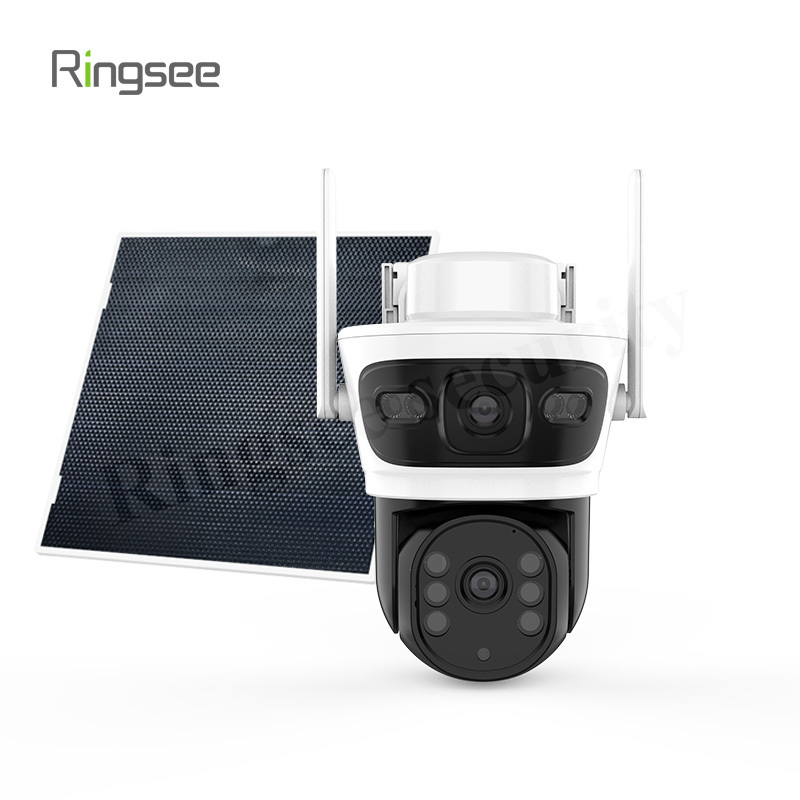
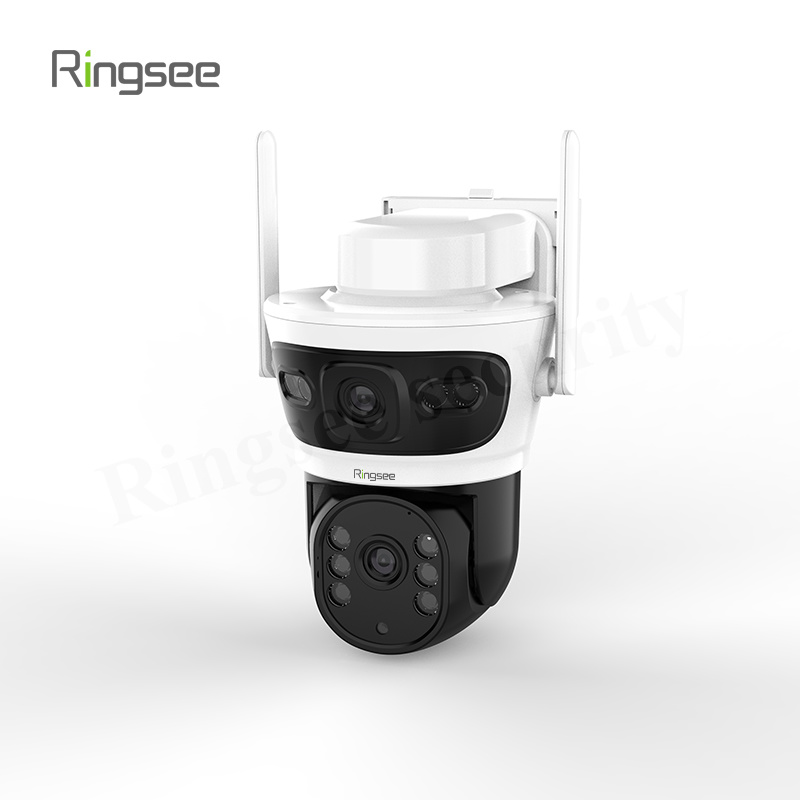
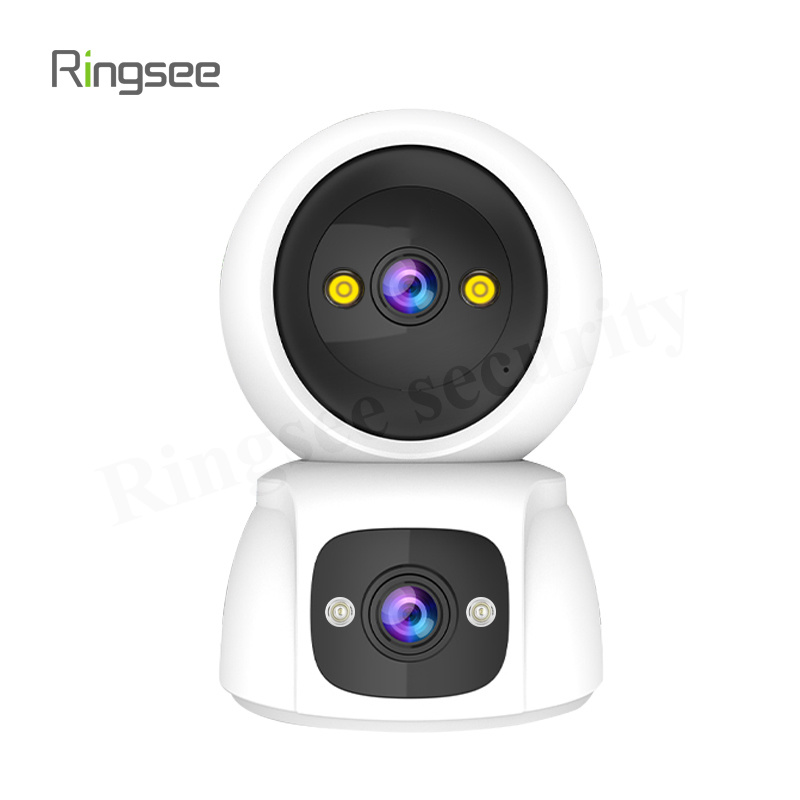
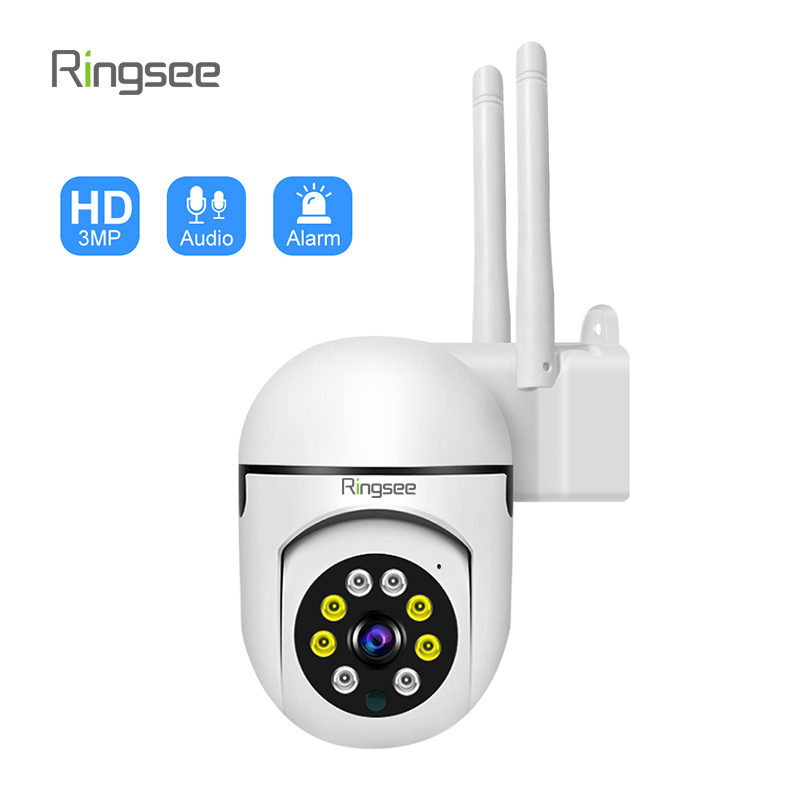
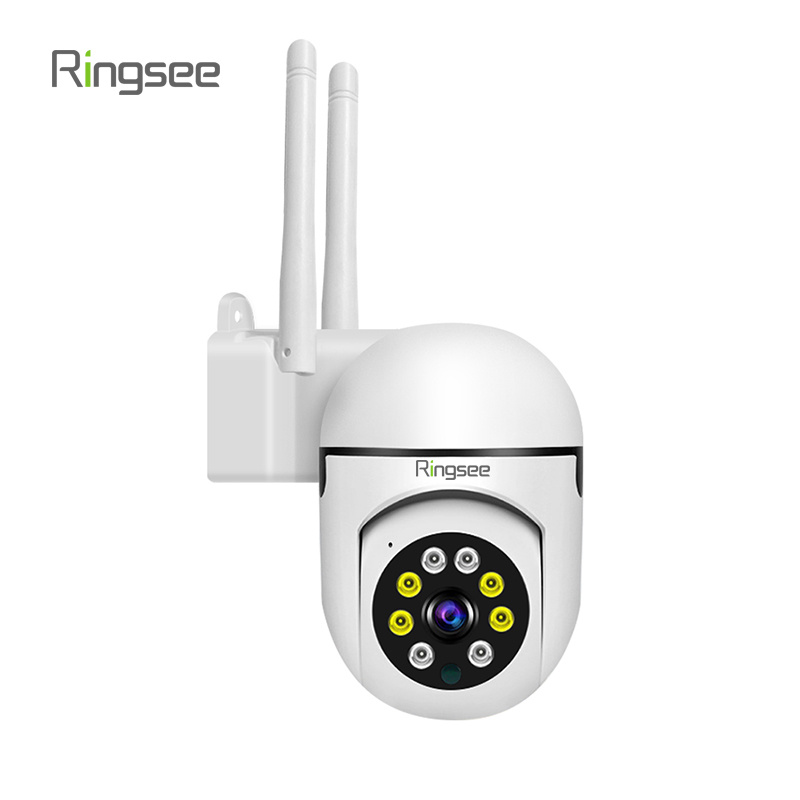
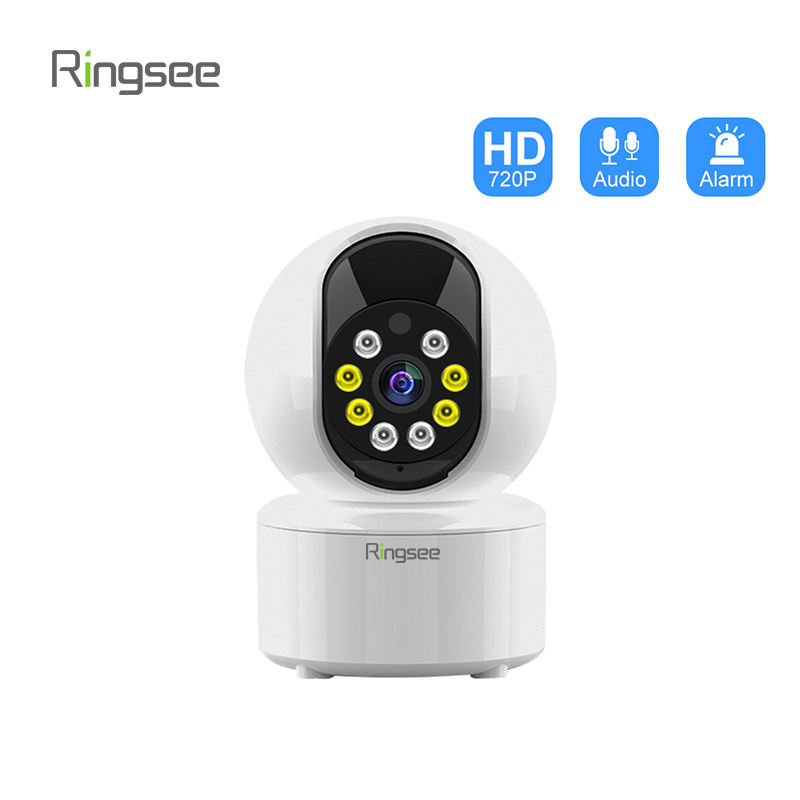
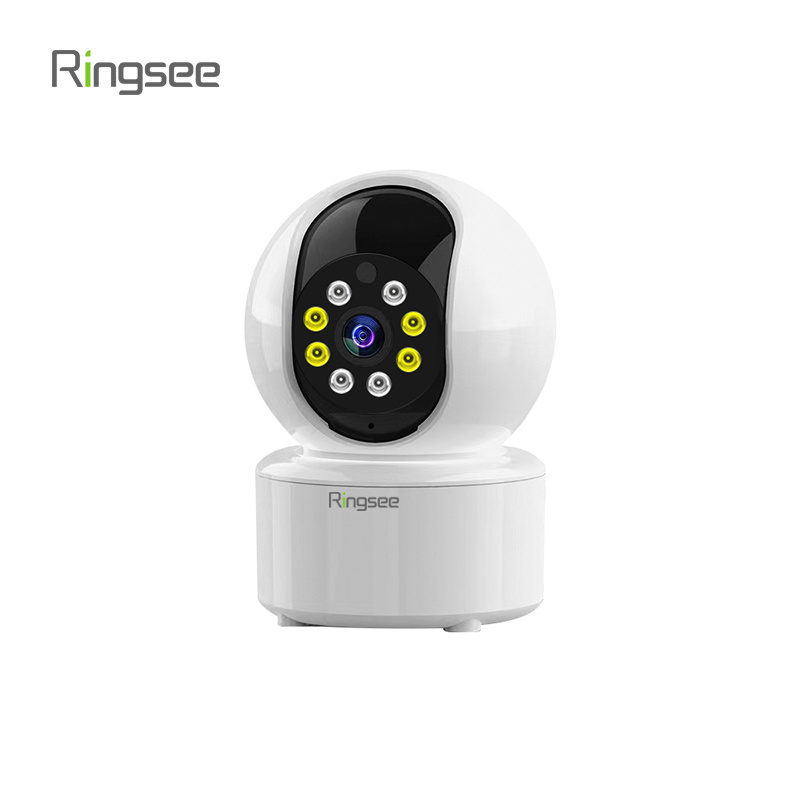
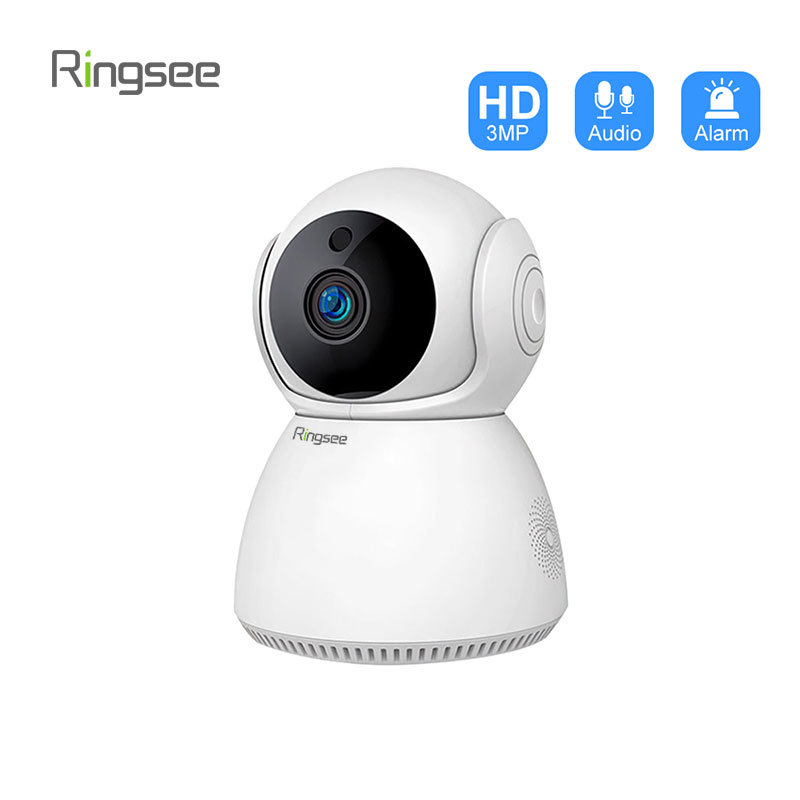
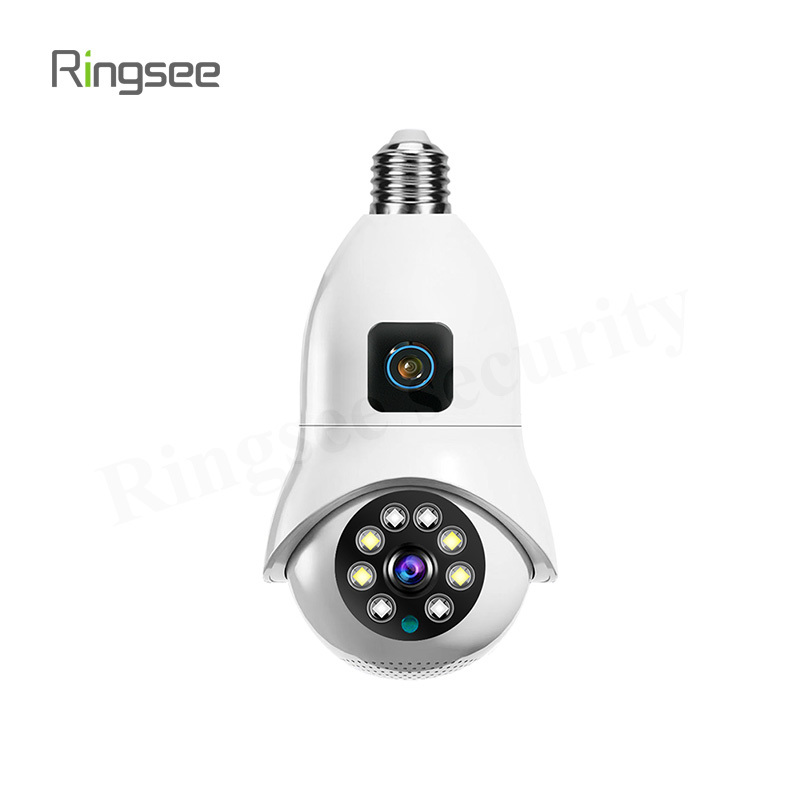
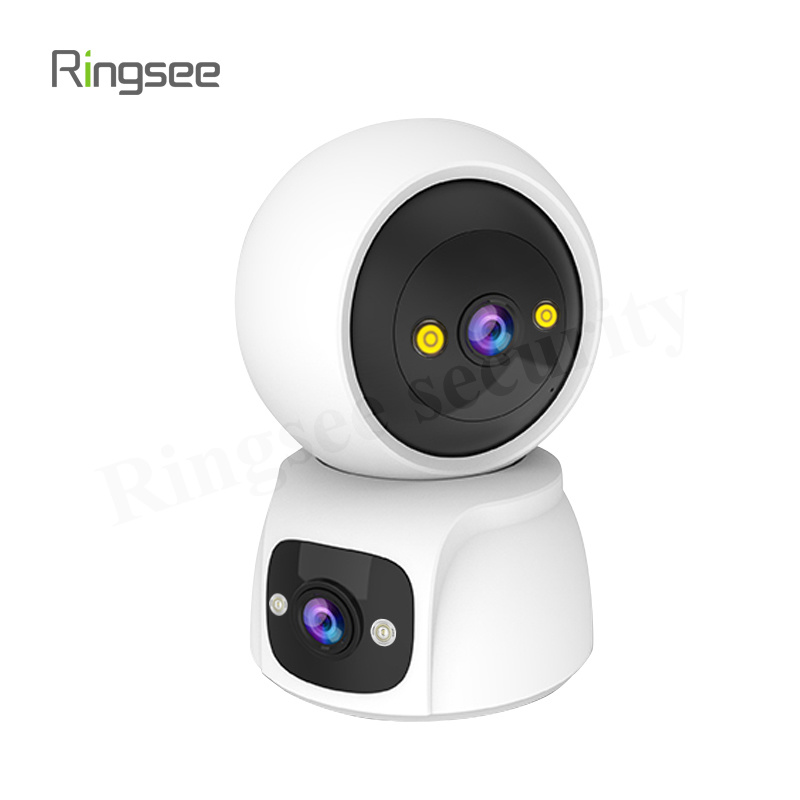
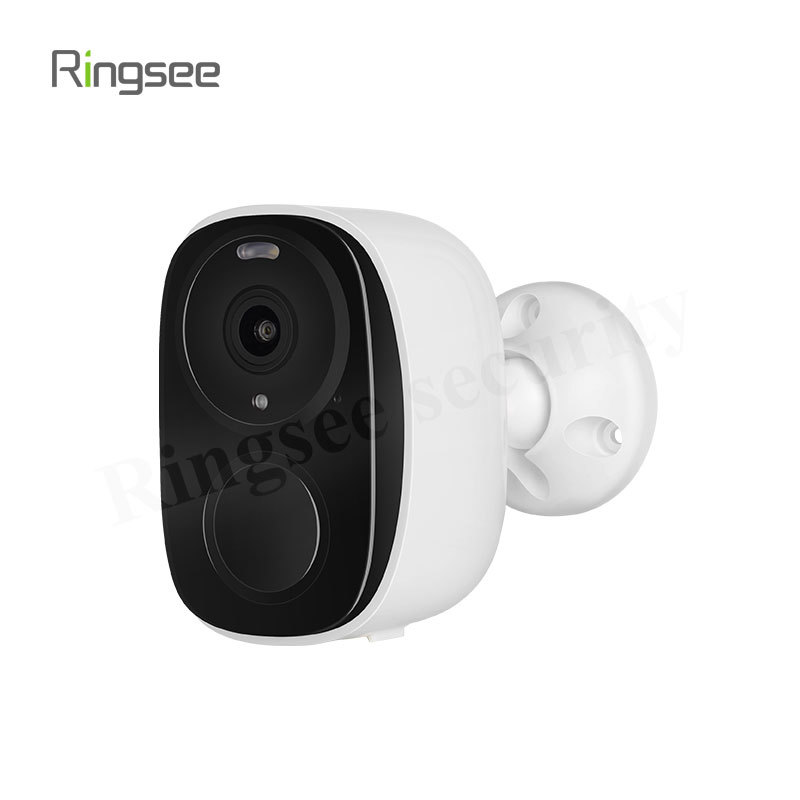
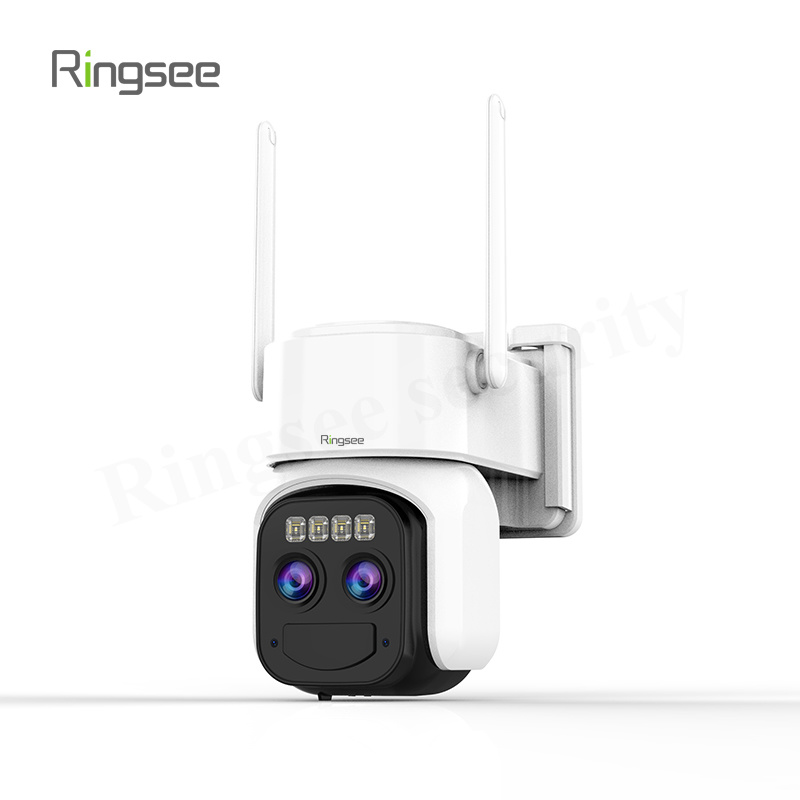
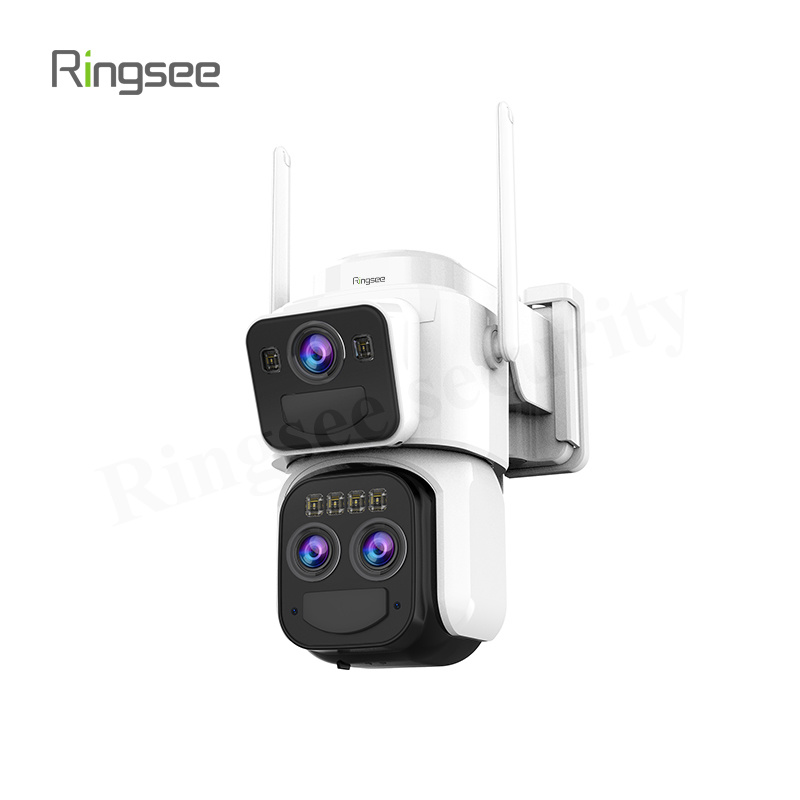
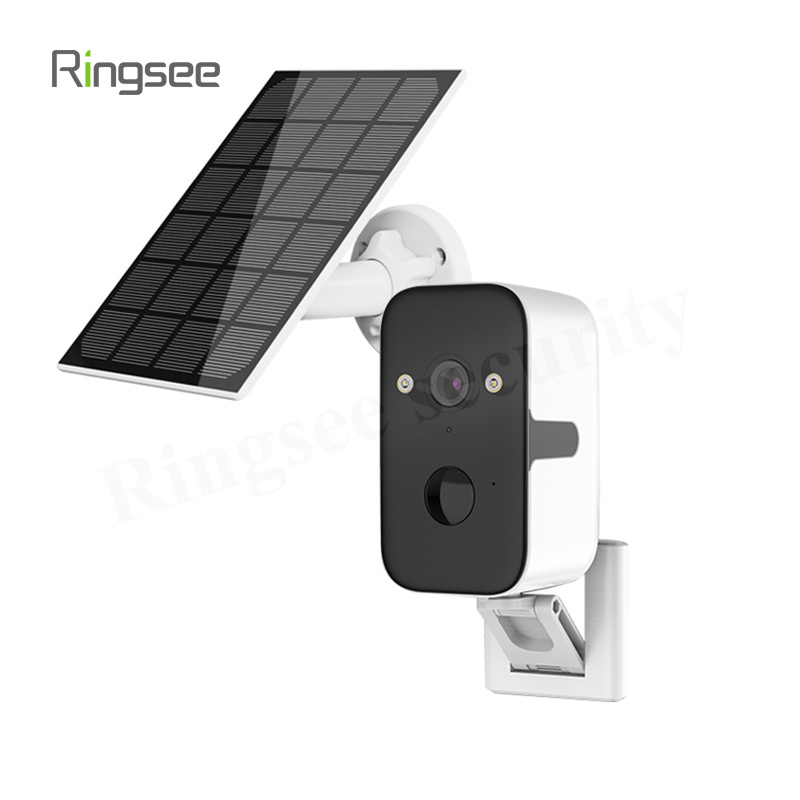
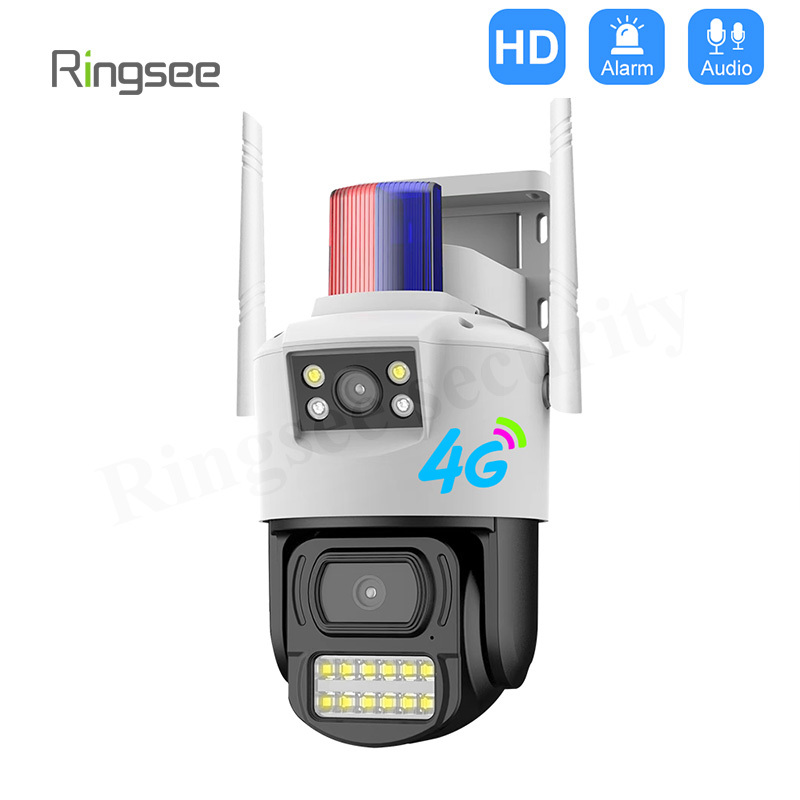
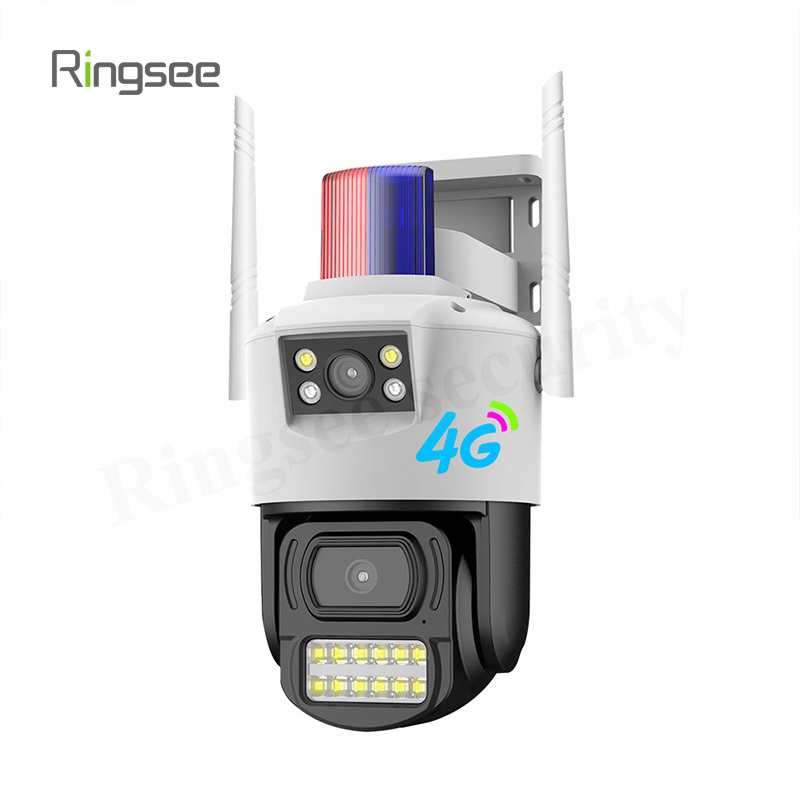
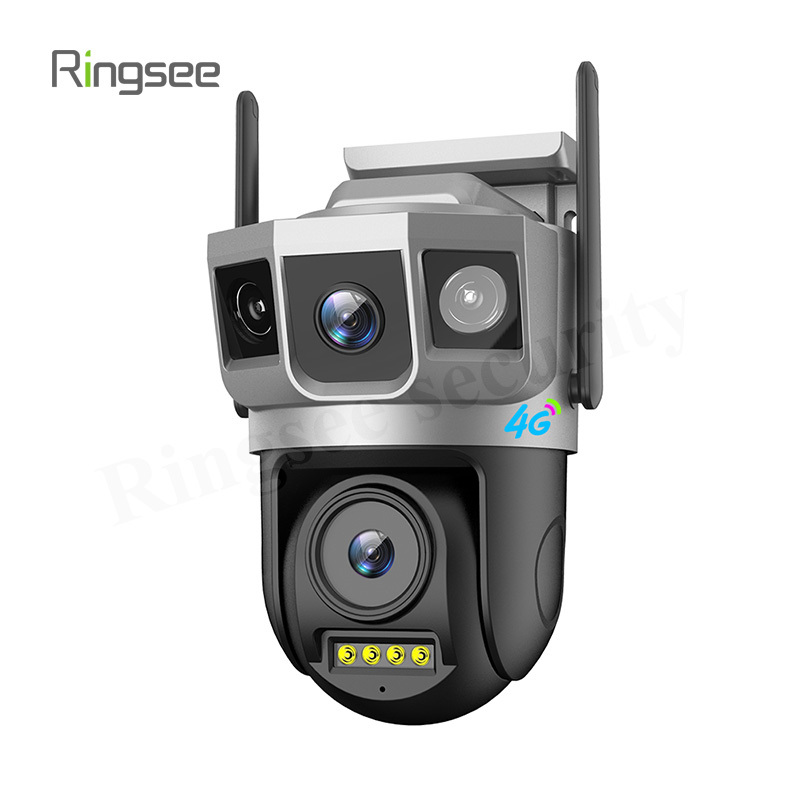
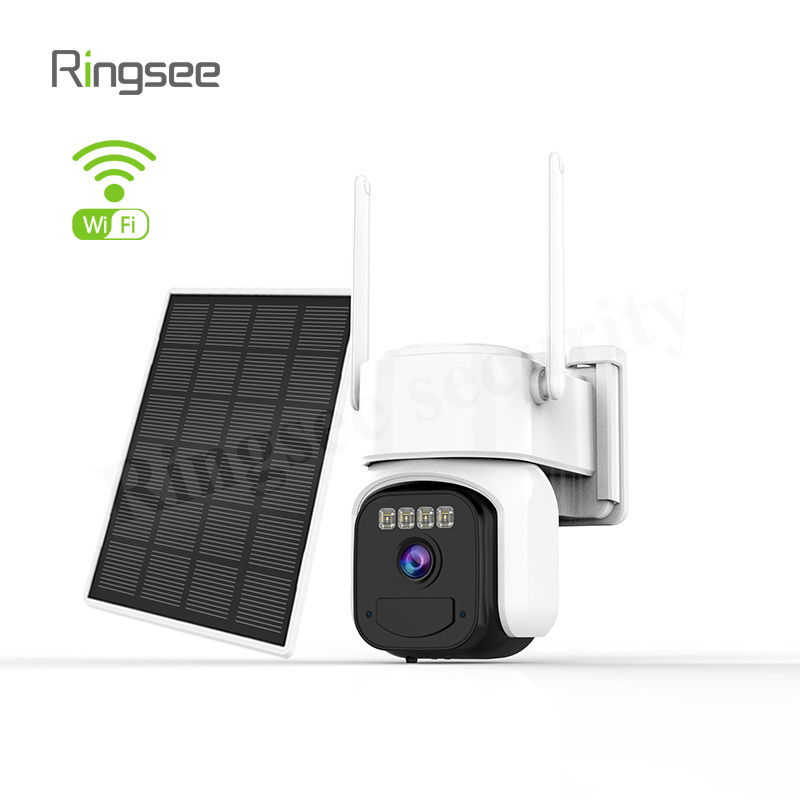
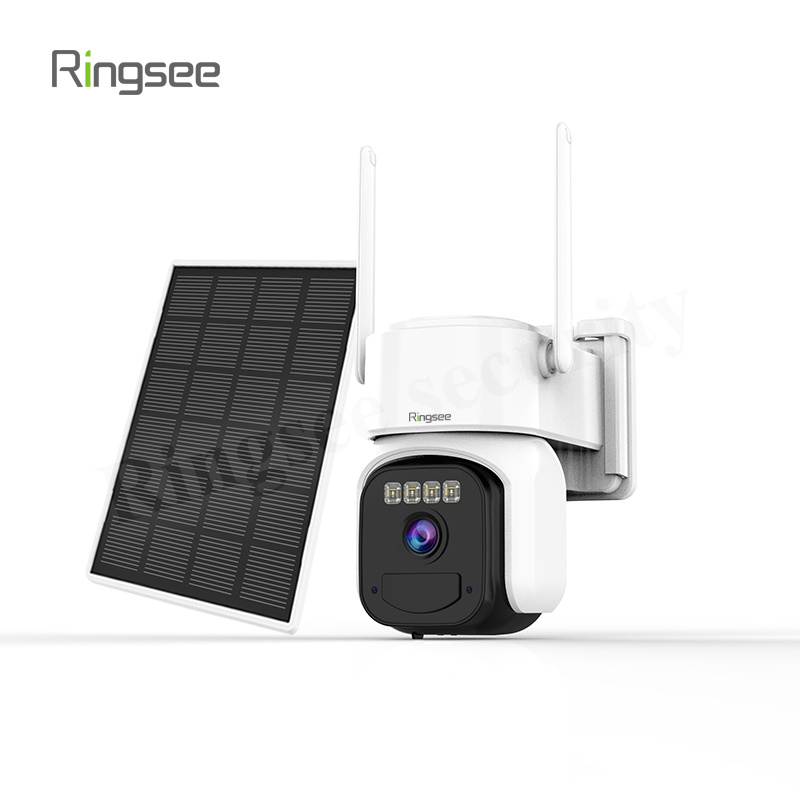
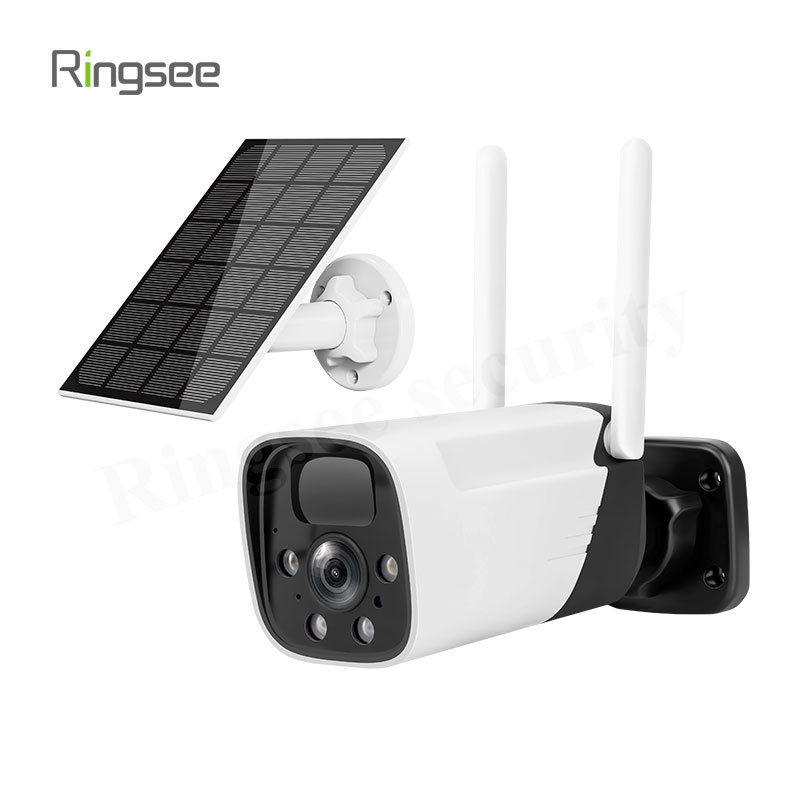
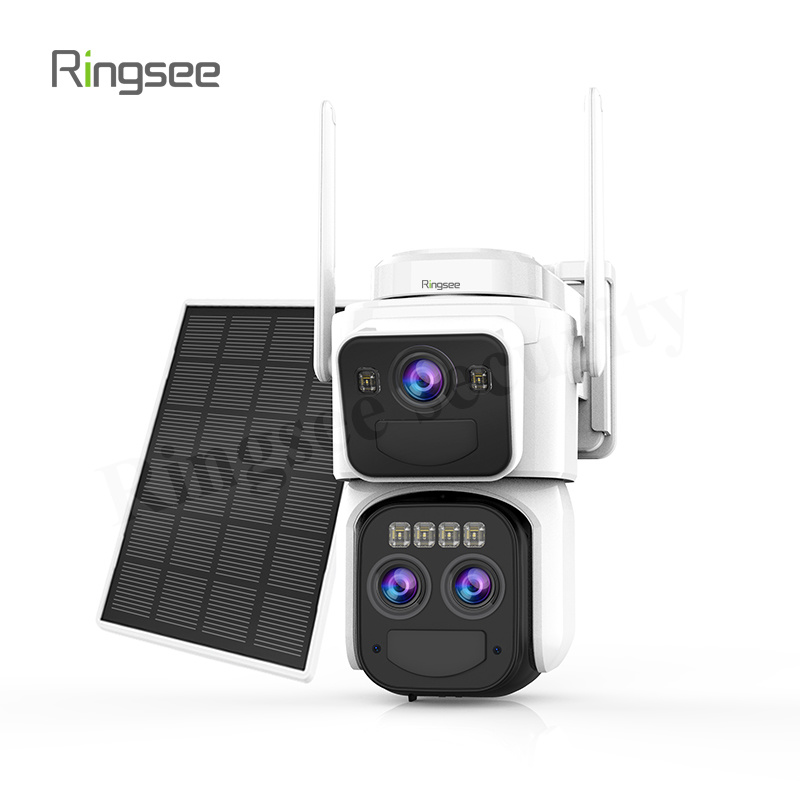
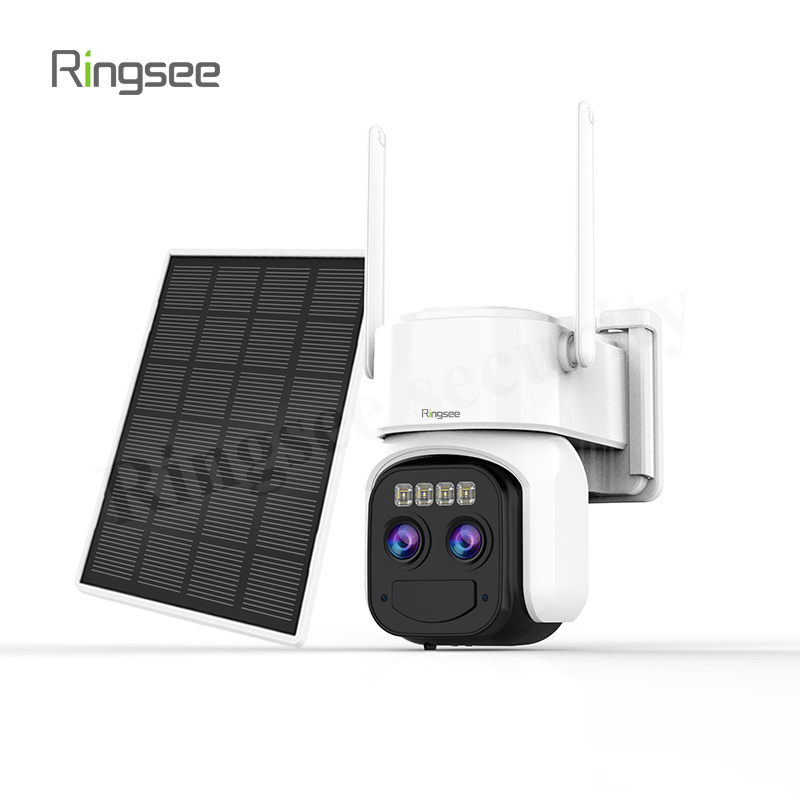
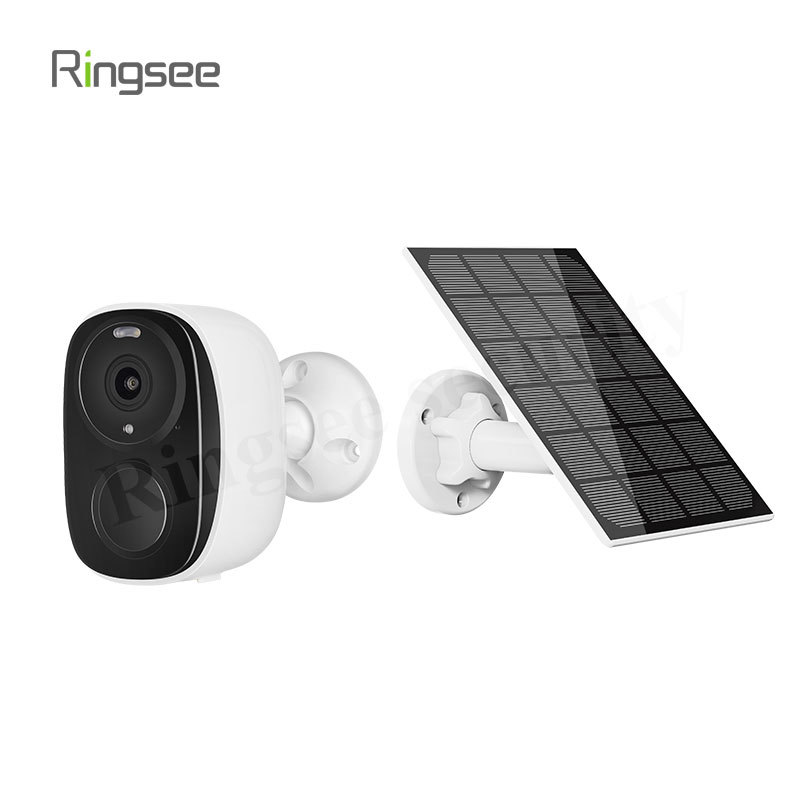
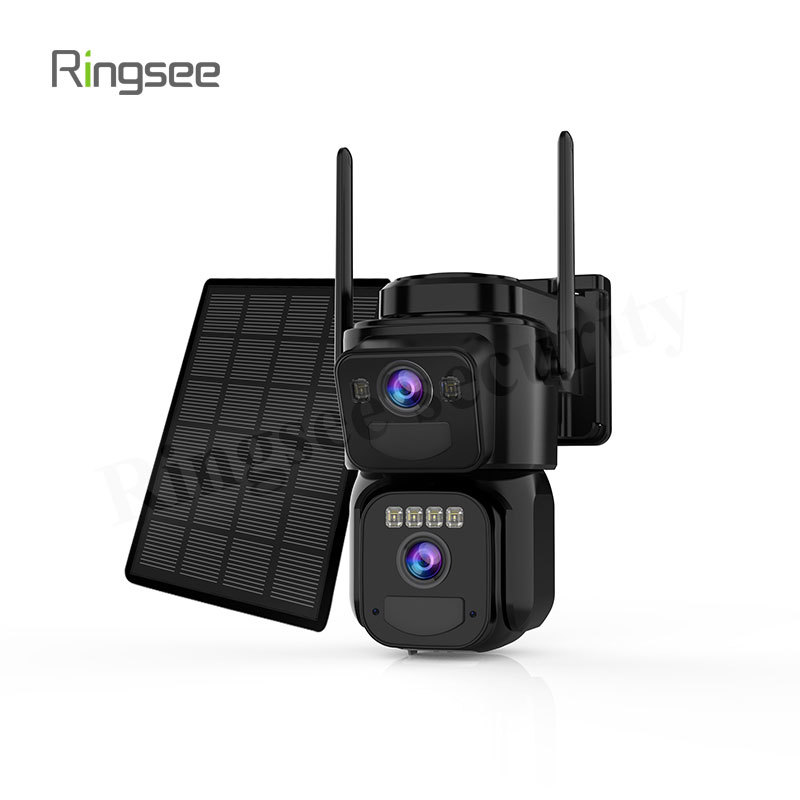
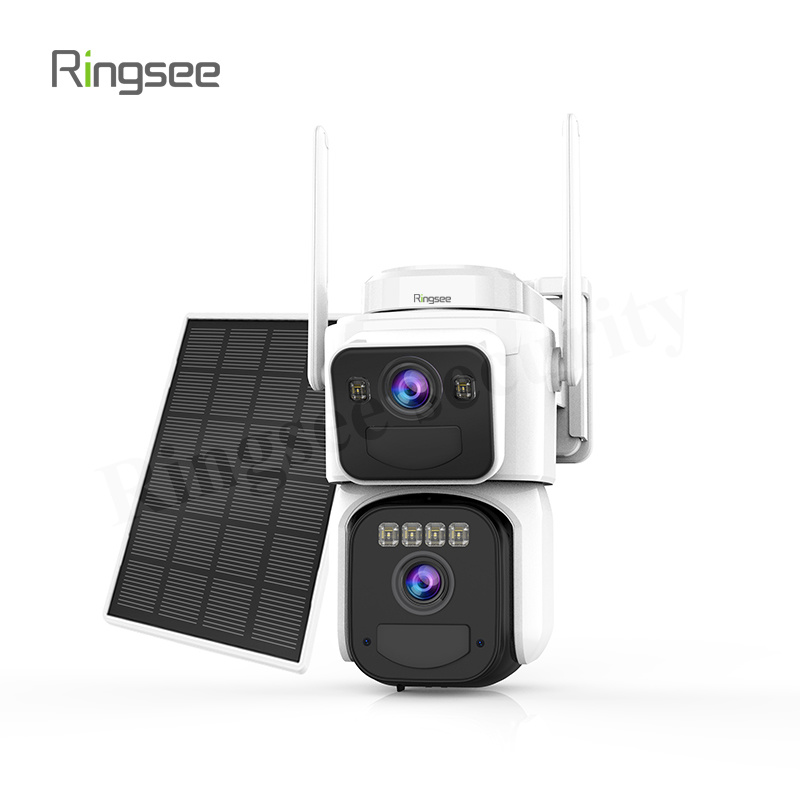
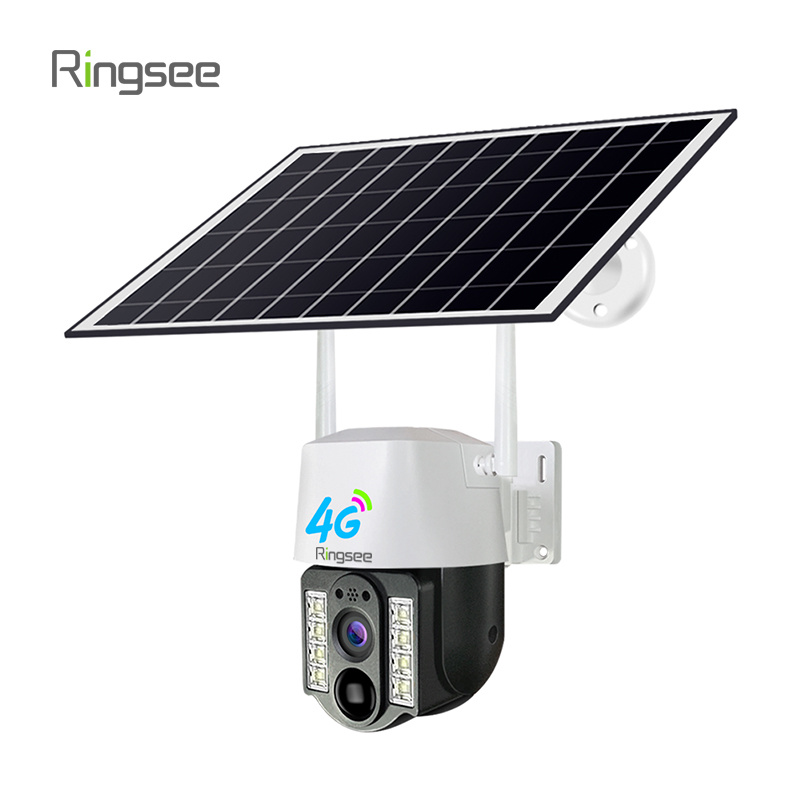
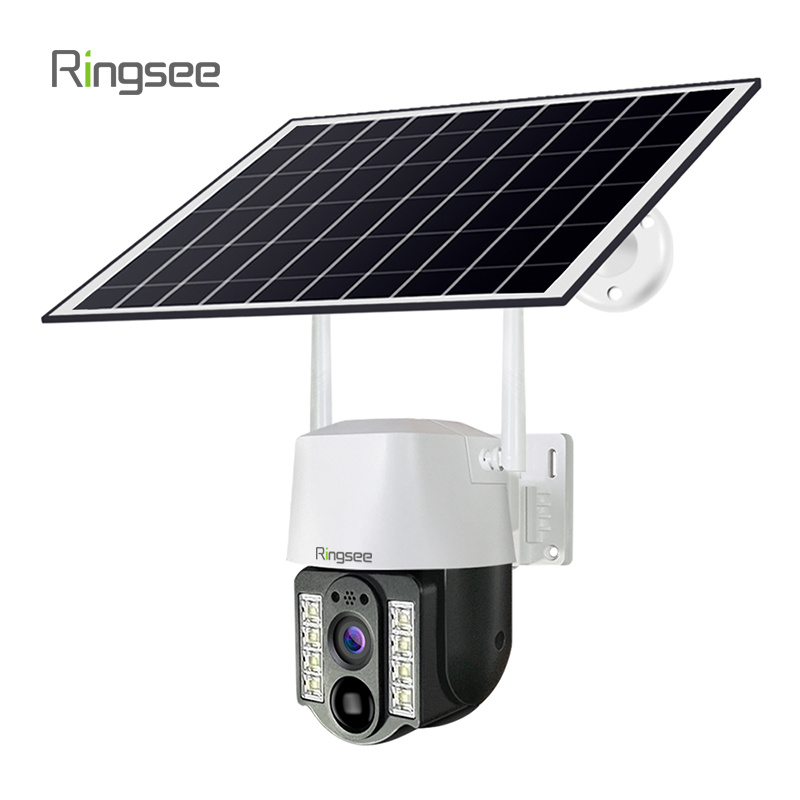
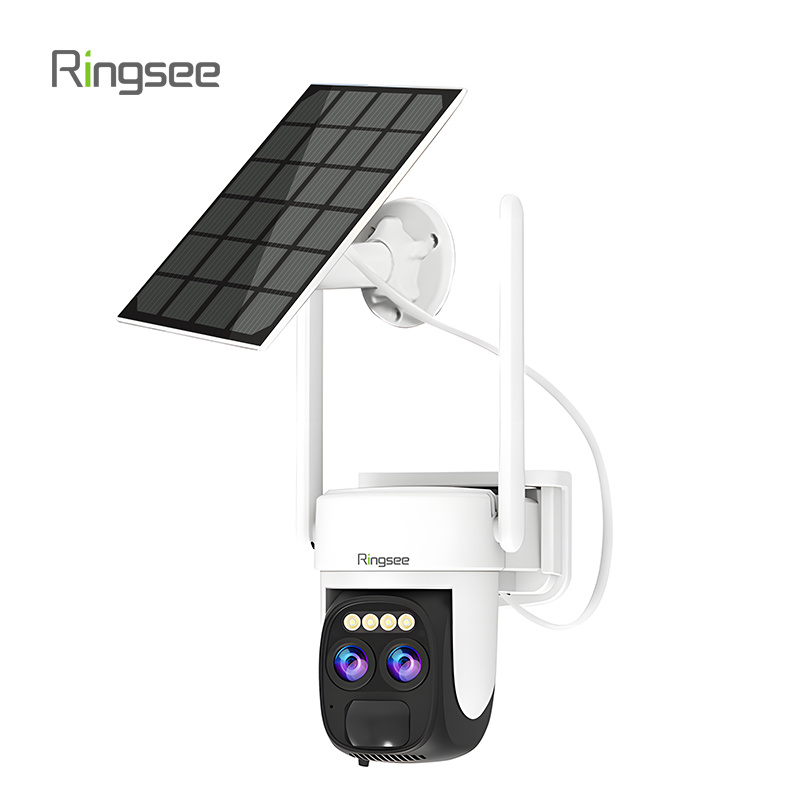
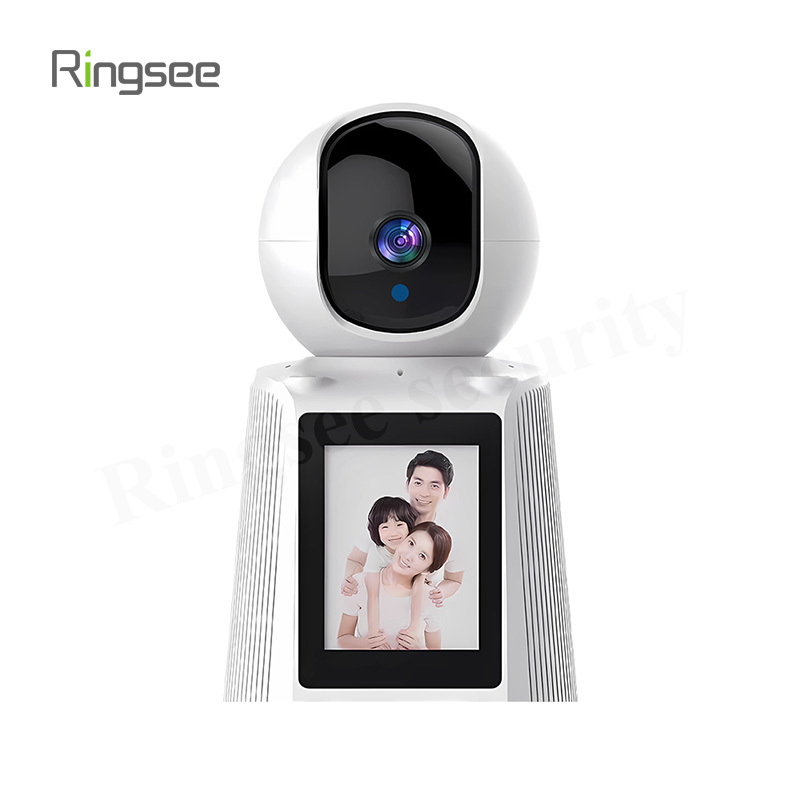
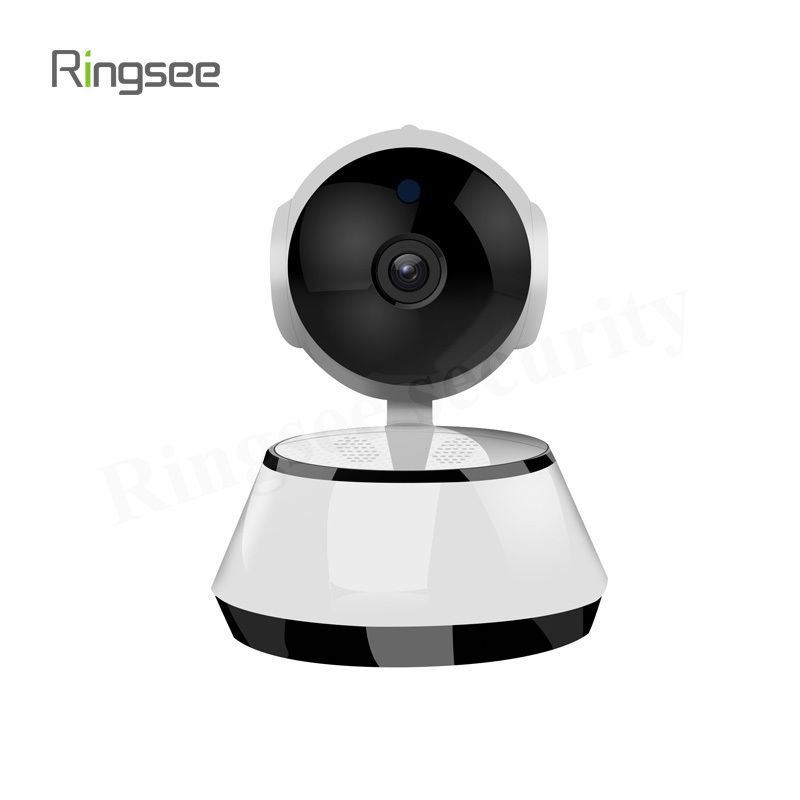
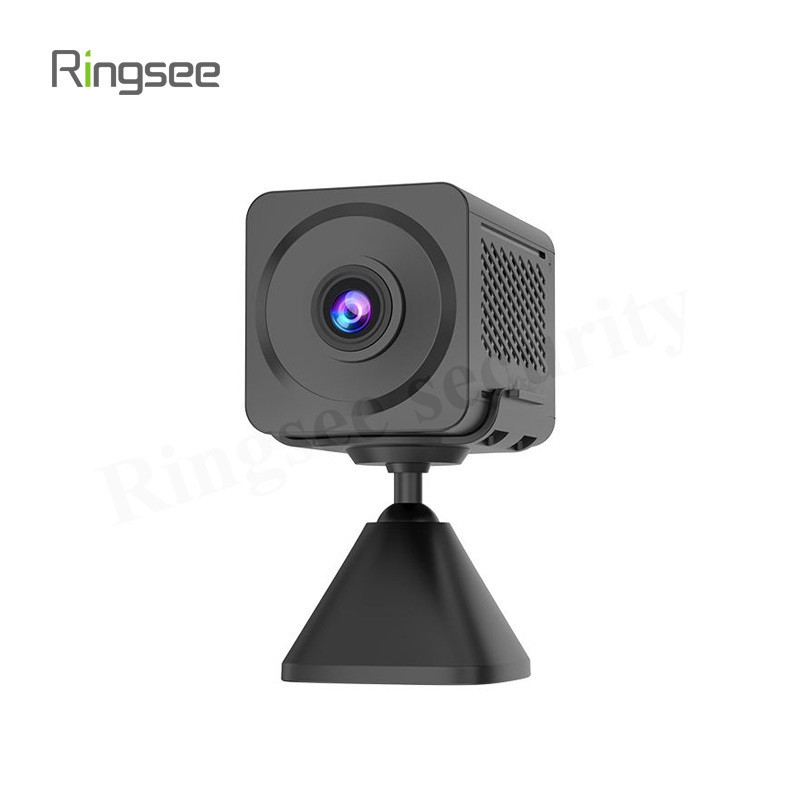
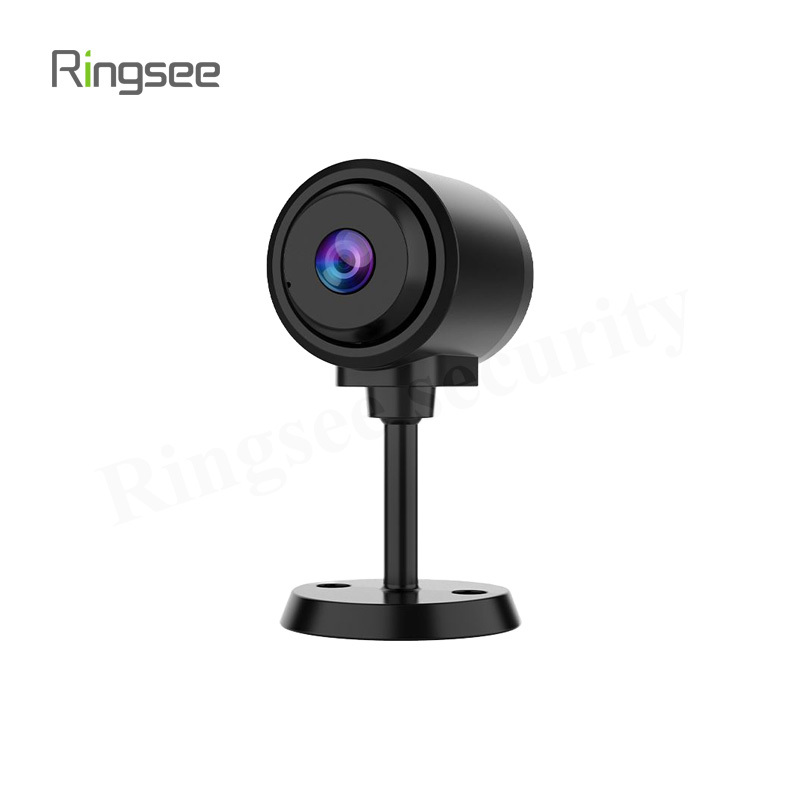
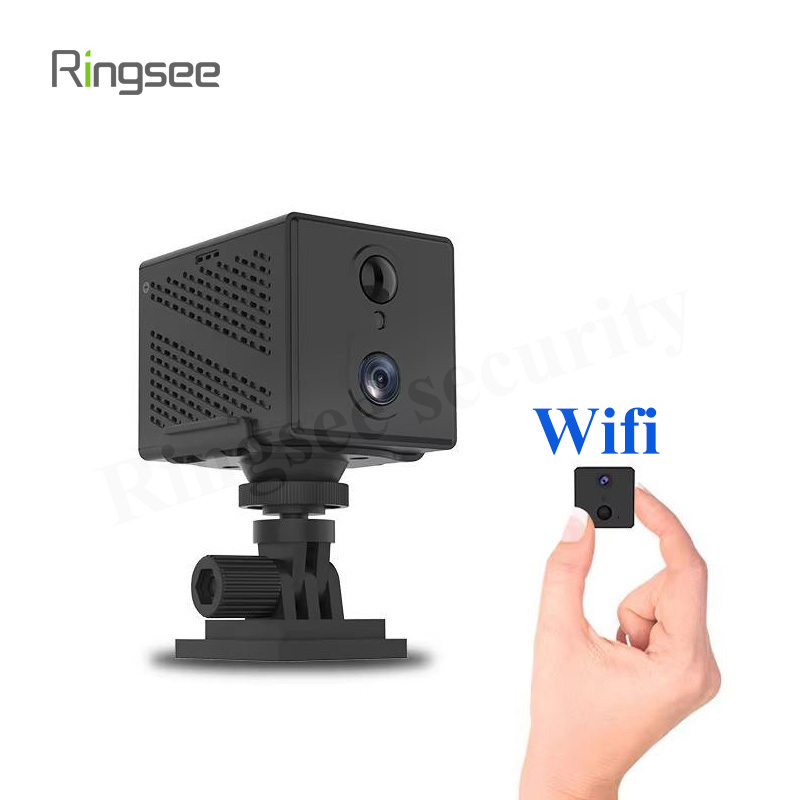
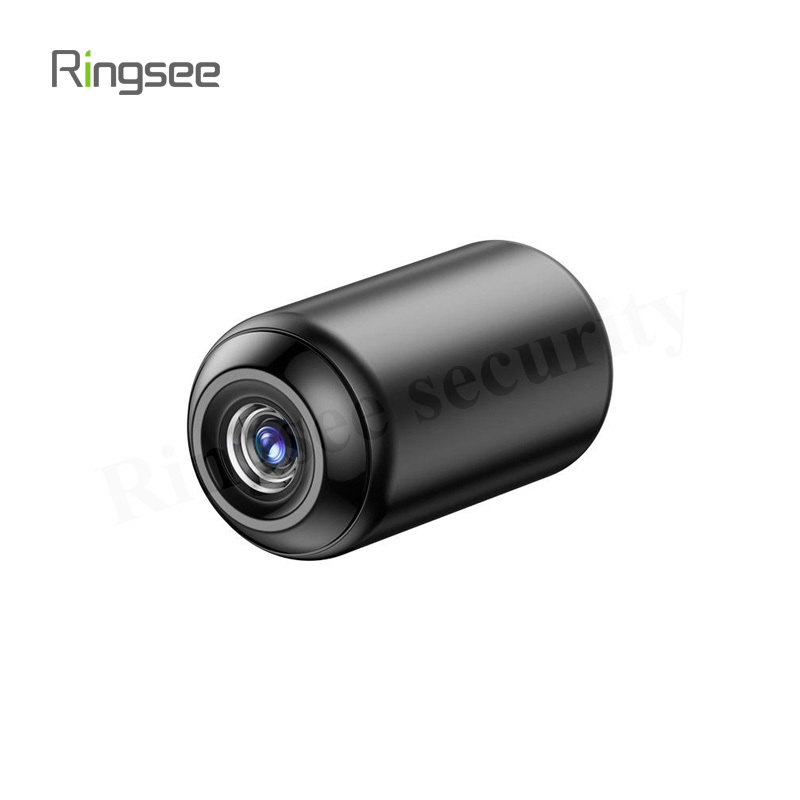
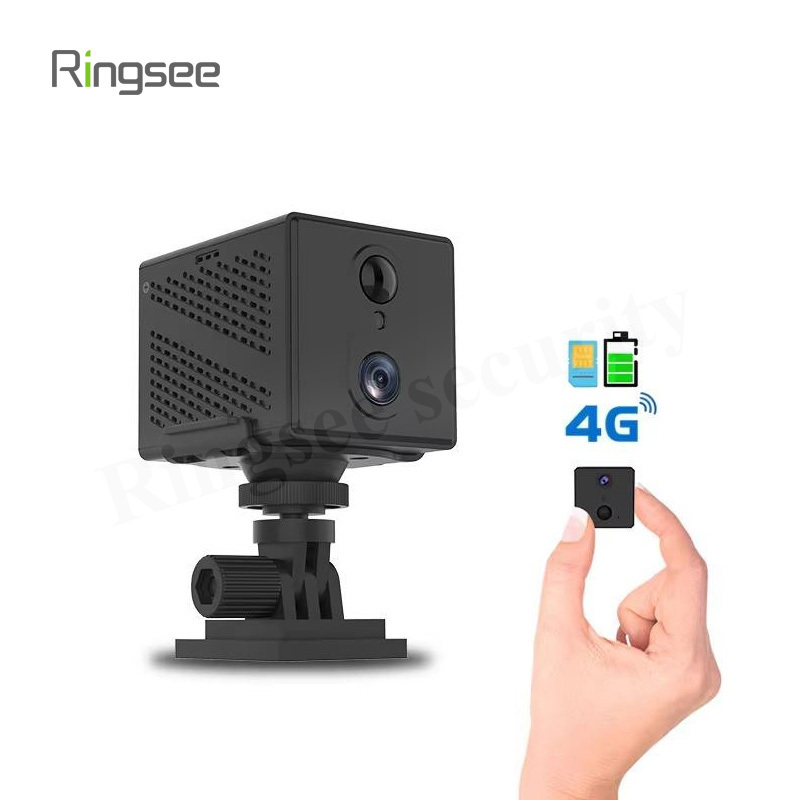
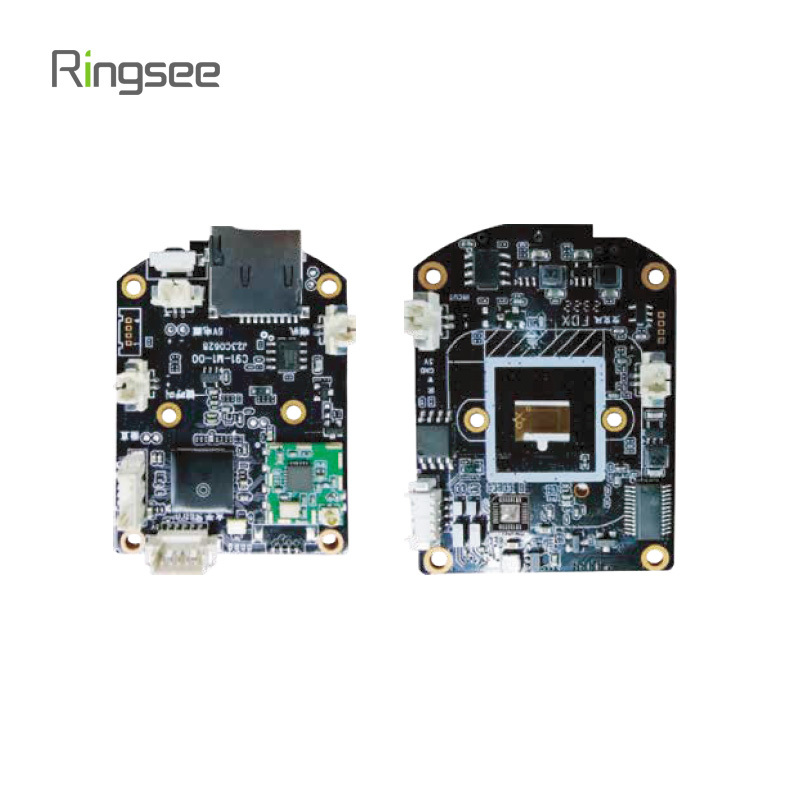
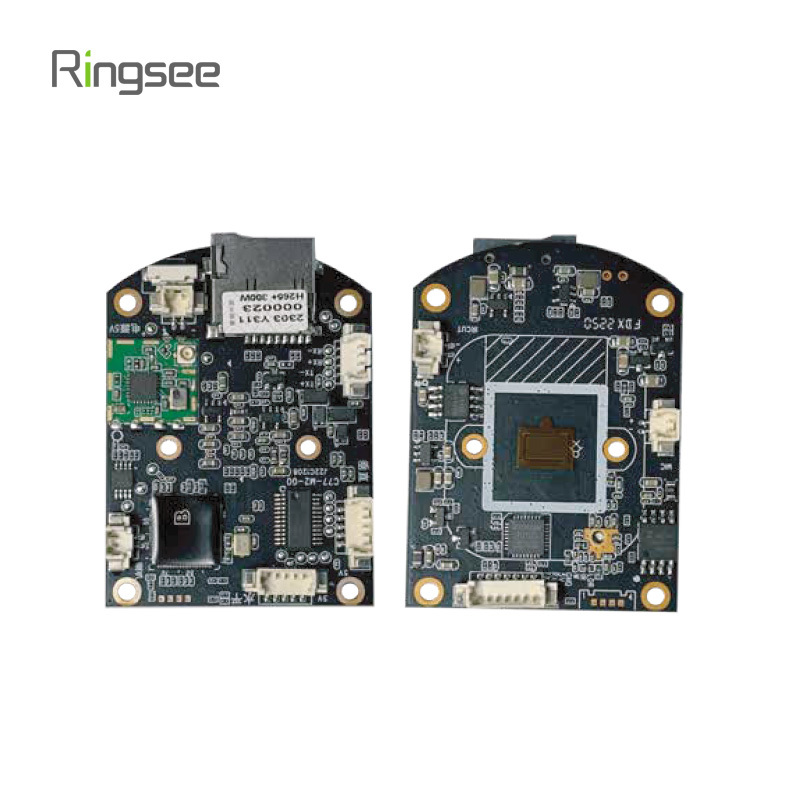
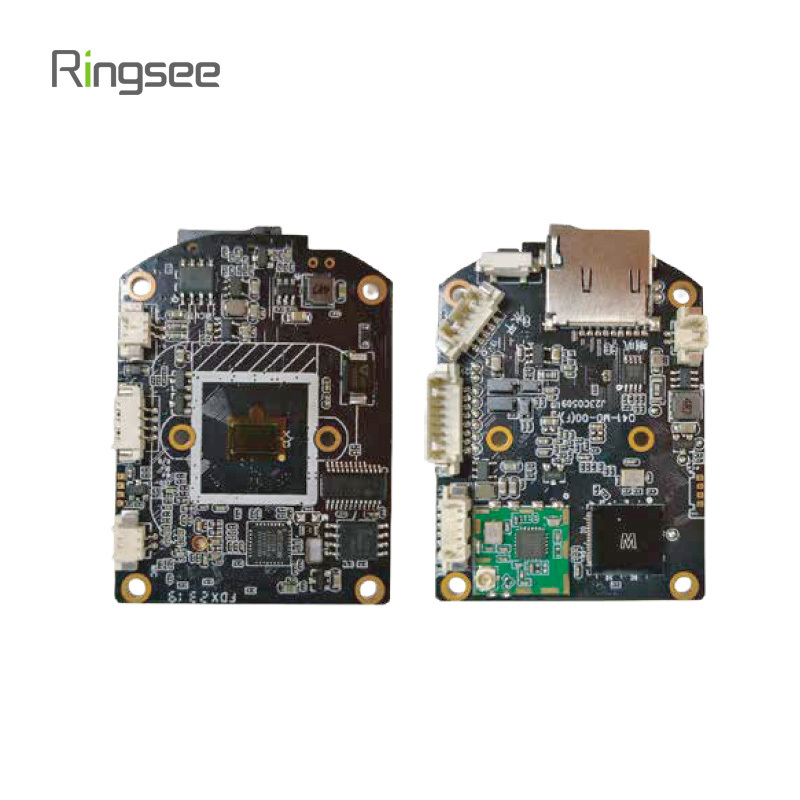
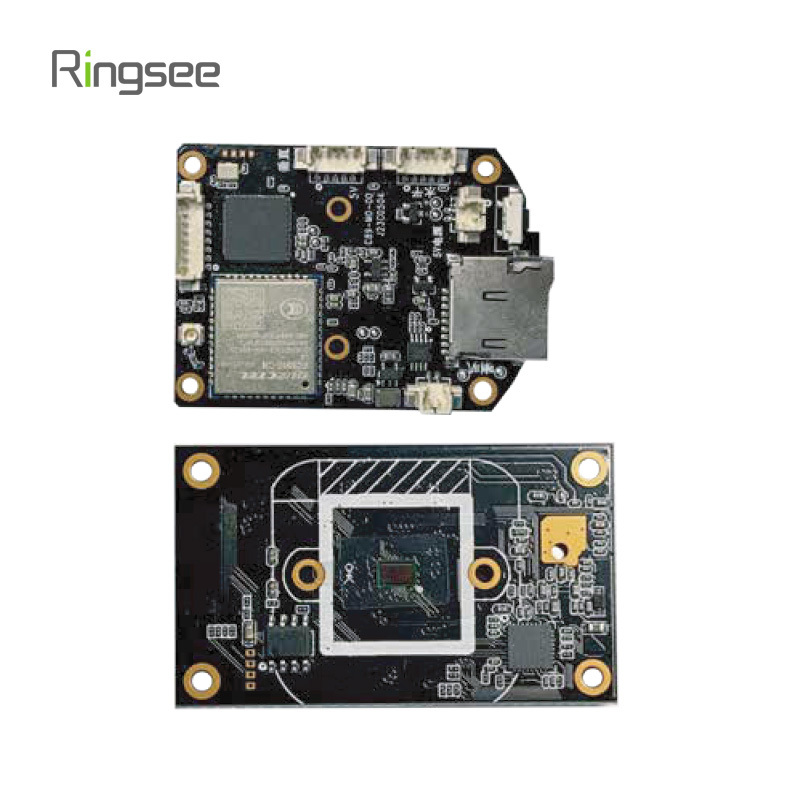
Ringsee: Ringsee is known for offering solar-powered, low-power AOV security cameras that are highly energy-efficient and well-suited for remote surveillance applications. Their cameras are designed to provide reliable coverage without relying heavily on conventional power sources, making them ideal for off-grid and outdoor monitoring.

Detail
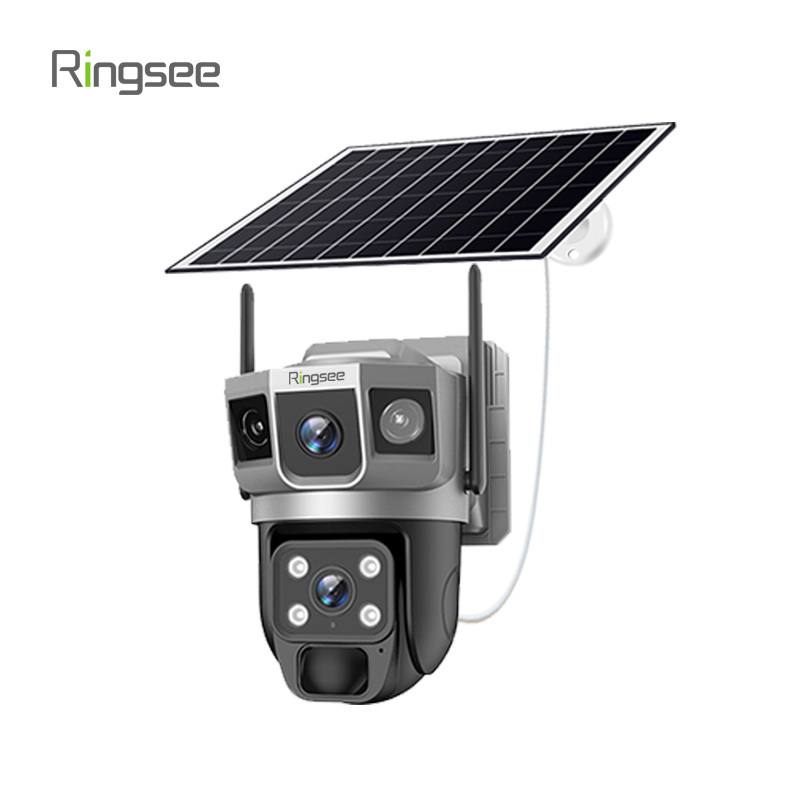
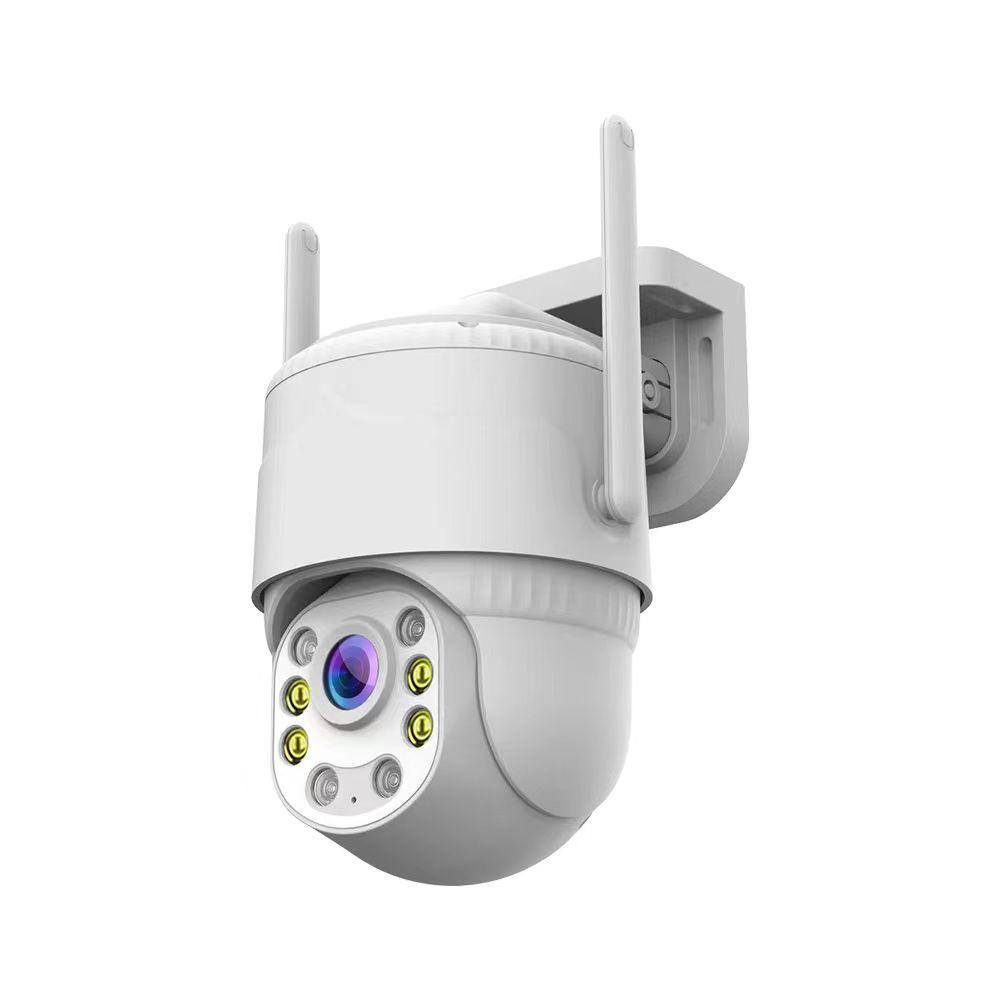
- 4G Solar Security Camera Outdoor Wireless
- Recommended Uses For Product:Outdoor Security
- Model: SHRS-SCO-9111
- Brand: Ringsee
- Connectivity Technology: Wireless
- Special Feature : Auto Motion Tracking, Panorama PTZ, Spotlight and Siren, Full Color Night Vision, True 2K QHD
- Indoor/Outdoor Usage: Outdoor
About Low power solar security camera
【355 Degree Coverage】
Say goodbye to blind spots with Enhanced Panorama PTZ. With just a tap on the panorama, and the solar security camera will rotate to the corresponding position.
【2 Million Pixel Camera】
Features in upgraded true 2 Million Pixel Camera to capture crystal-clear faces and license plates so you know exactly who is coming and going.
【Full Color Night Vision】
The spotlights leaves no detail unseen and ensures vibrant and clear night vision. Ideal for nighttime security and enhancing object recognition precision.
【Integrated Smart Alarm】
This outdoor security camera features smart spotlights and powerful siren to deter unwelcome visitors and provide an extra layer of security.
【Wireless Flexibility & Solar Powered】
Eliminate the hassle of wired installation and install wherever you need. With just a few hours of direct sunlight and built-in battery, you will get all-day and all-night power.
【Designed for Extremes】
IP65 weatherproof. Rain, snow, or shine, Ringsee camera are made for the outdoors.
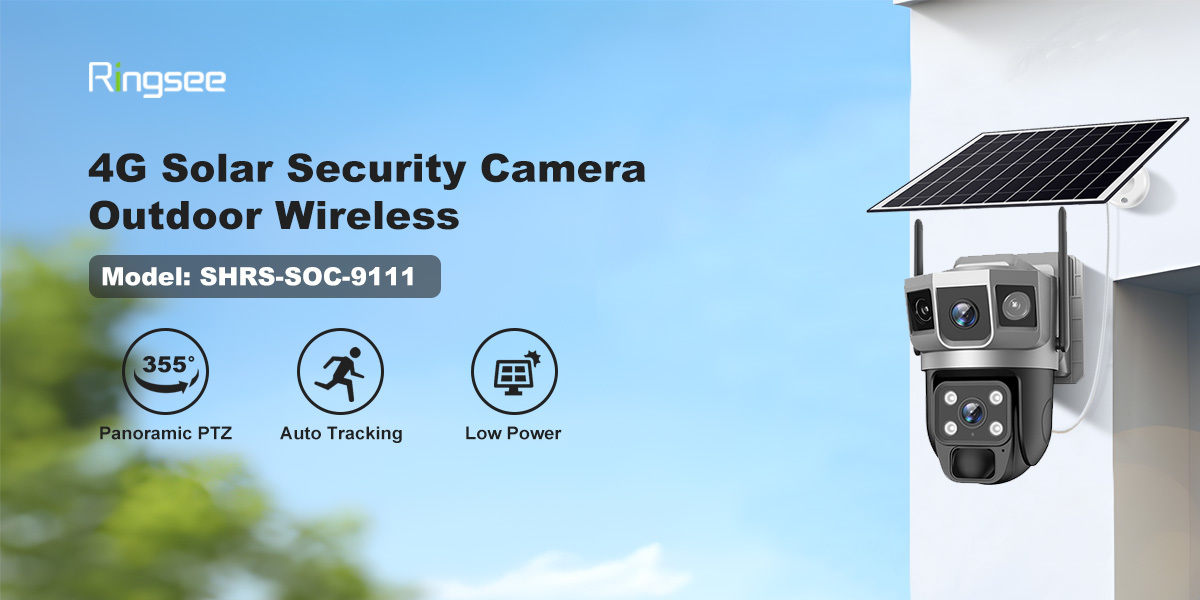
Choosing the right solar-powered security camera depends on your specific needs, location, and budget. By considering factors like camera quality, energy efficiency, weather resistance, and ease of installation, you can find a system that provides reliable, sustainable security for your property. As technology continues to evolve, solar-powered cameras will only become more efficient and affordable, making them an excellent investment for the future of home and business security.
Related News
Target readers: security owners, system integrators, and EHS engineers for petrochemical, oil and gas, pharmaceutical, powder processing, and coal mining sites where explosive gas or combustible dust exists. Core takeaway: a normal camera is itself an ignition source in flammable environments. You must use explosion proof cameras certified to ATEX, IECEx, or China Ex, selected by hazard zone, installed with proper grounding, and documented for compliance. This guide gives a reusable selection, install, and acceptance workflow.
Nov 08,2026
4G 5G Cellular Surveillance Camera Guide: Remote Video without Broadband
Target readers: security owners and integrators for farms, orchards, fisheries, construction, oil and mining sites, vehicle fleets, and remote African villages where broadband is scarce. Core takeaway: when there is no fiber, no broadband, and frequent power loss, a SIM card cellular camera is the easiest and most scalable remote video option. This guide gives a reusable architecture covering power, data, backhaul, AI, and compliant deployment.
Nov 08,2026
Analog CCTV Upgrade Guide: Coax HD Reuse vs Full IP Rebuild, Cost and Timeline Compared
Factory, campus and retail chains running analog surveillance for five or six years face the same wall: blurry images, unretrievable footage, and no path to AI analytics on legacy hardware. This guide breaks down pre-upgrade system inventory, compares the coax-HD reuse route against a full IP rebuild, gives bandwidth and storage recalculation formulas, and lays out a zoned, non-disruptive cutover plan with a selection checklist.
Oct 31,2026
CCTV Maintenance Outsourcing: SLA Tiers, Market Rates, KPI and Contract Playbook
Conclusion first: the real cost of a surveillance system is in its operation. Three years of maintenance typically equals 30% to 50% of the build cost, yet most buyers spend the budget at install and leave operation to whoever happens to notice. Lock the maintenance boundary while signing the build contract. This guide breaks down the in-house versus outsourced decision model, a three-tier SLA (P1 / P2 / P3), per-point market rates and how to read a quote, the two KPIs that decide payment (camera online rate and footage integrity), the five clauses every contract must hold, the 90-day handover that most often loses control, plus a selection checklist and acceptance tests.
Oct 25,2026
Links:One Belt Power Technology
Add: 14th Floor, Baoshan Building, Longhua District, Shenzhen China.
Privacy Policy | SEO | CitySite | Support: 300.cn Dongguan