


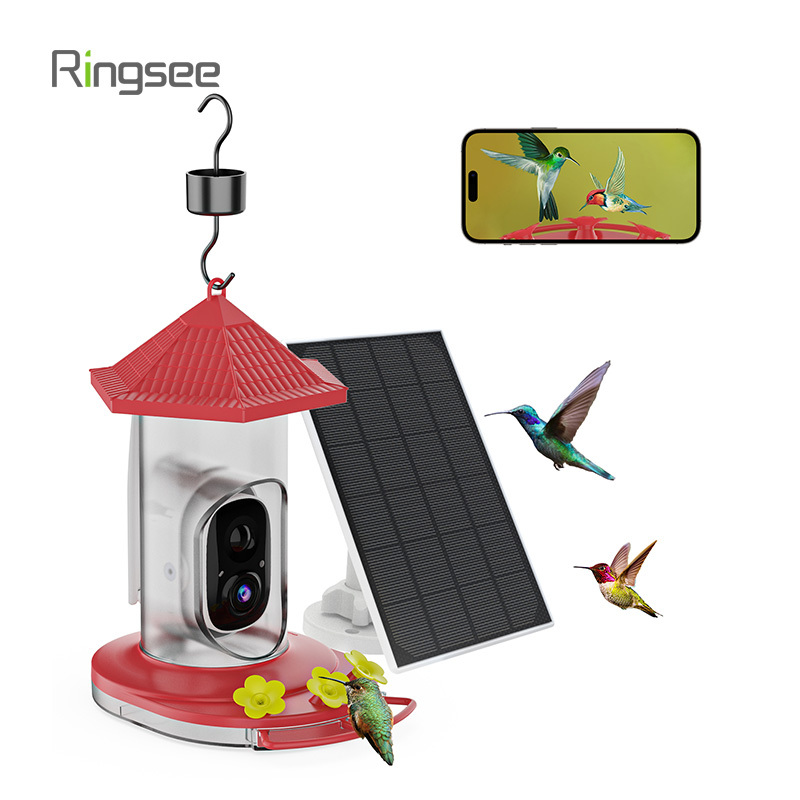
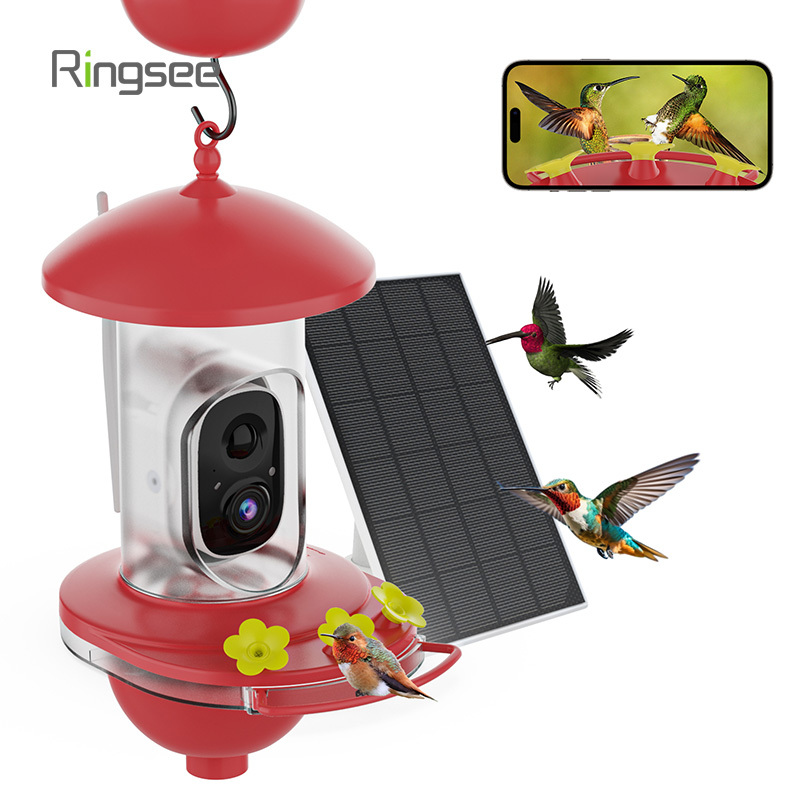
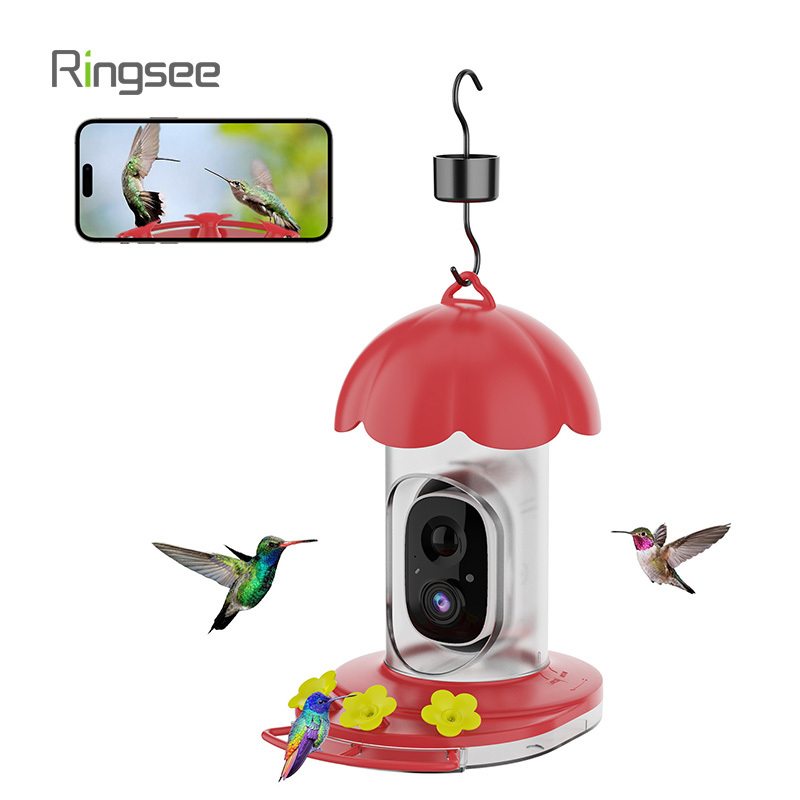
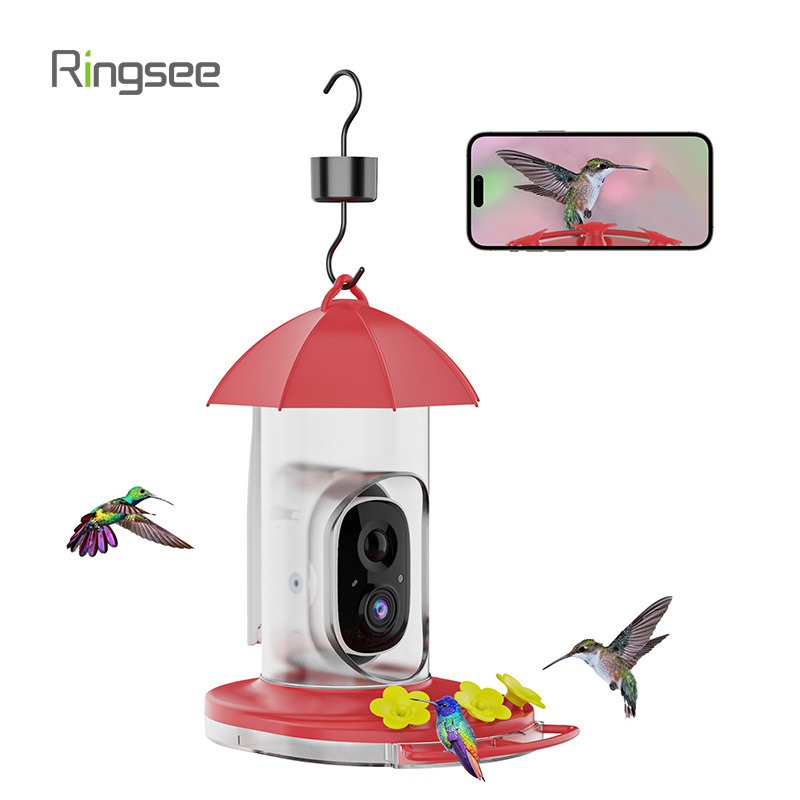



Best Hummingbird Feeders: A Complete Buying Guide for Bird Lovers
Publish:
2025-03-05 15:42
Source:
https://www.ring-see.com
Looking for the best hummingbird feeder? Discover top-rated glass and plastic hummingbird feeders, leak-proof designs, and large-capacity options to attract more hummingbirds to your garden.
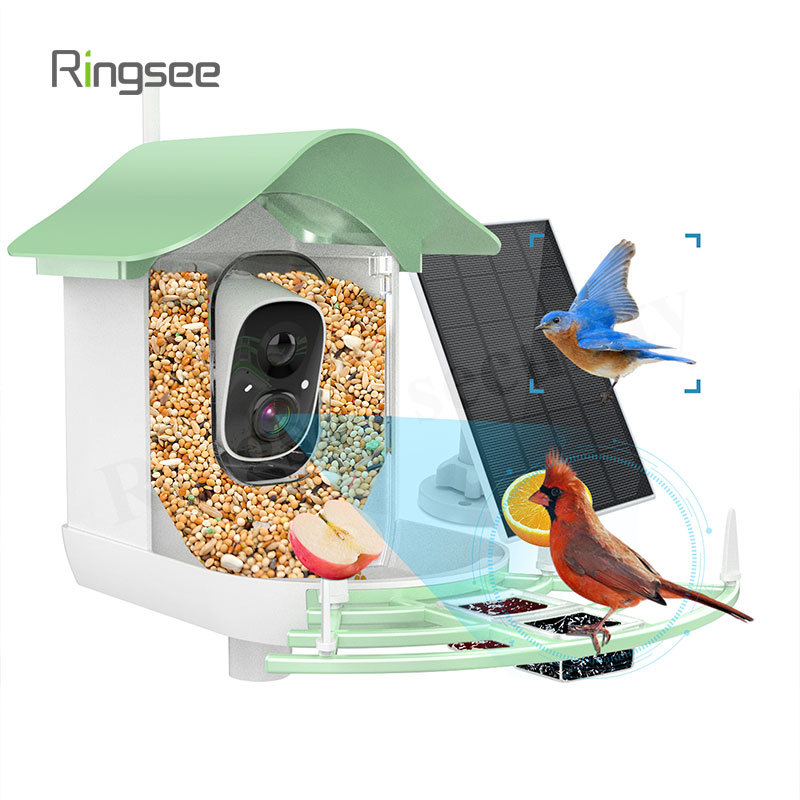
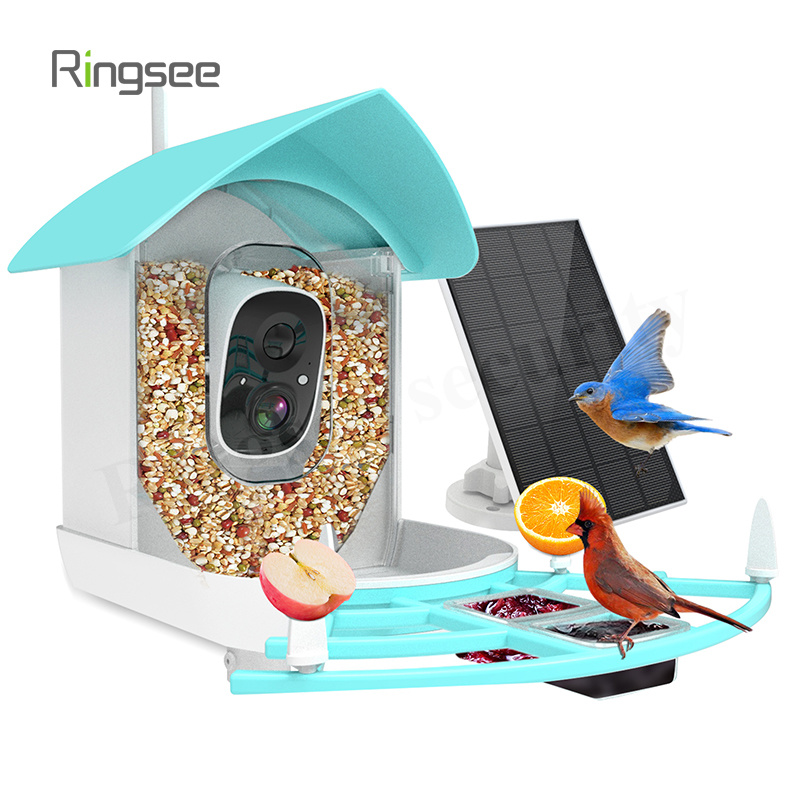
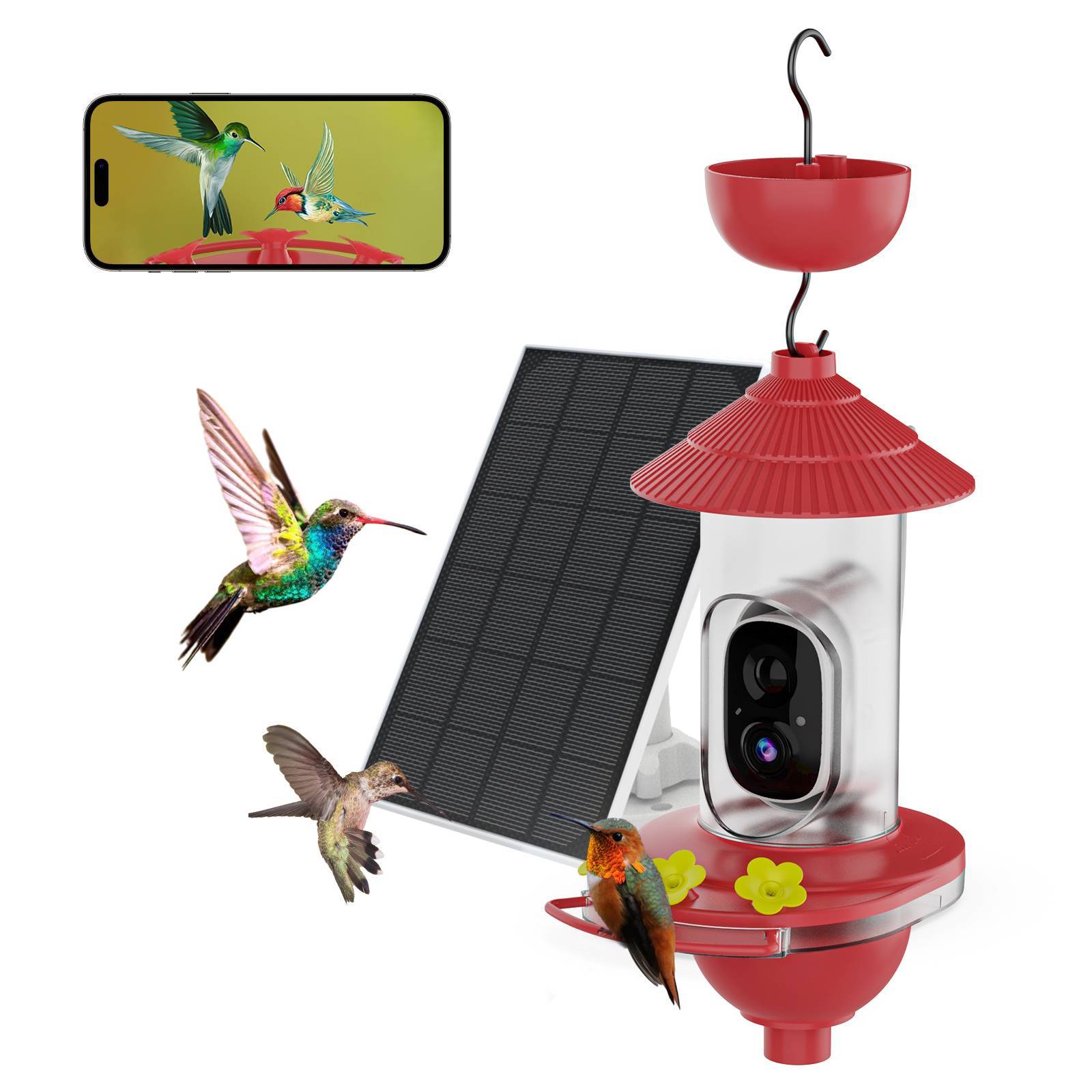
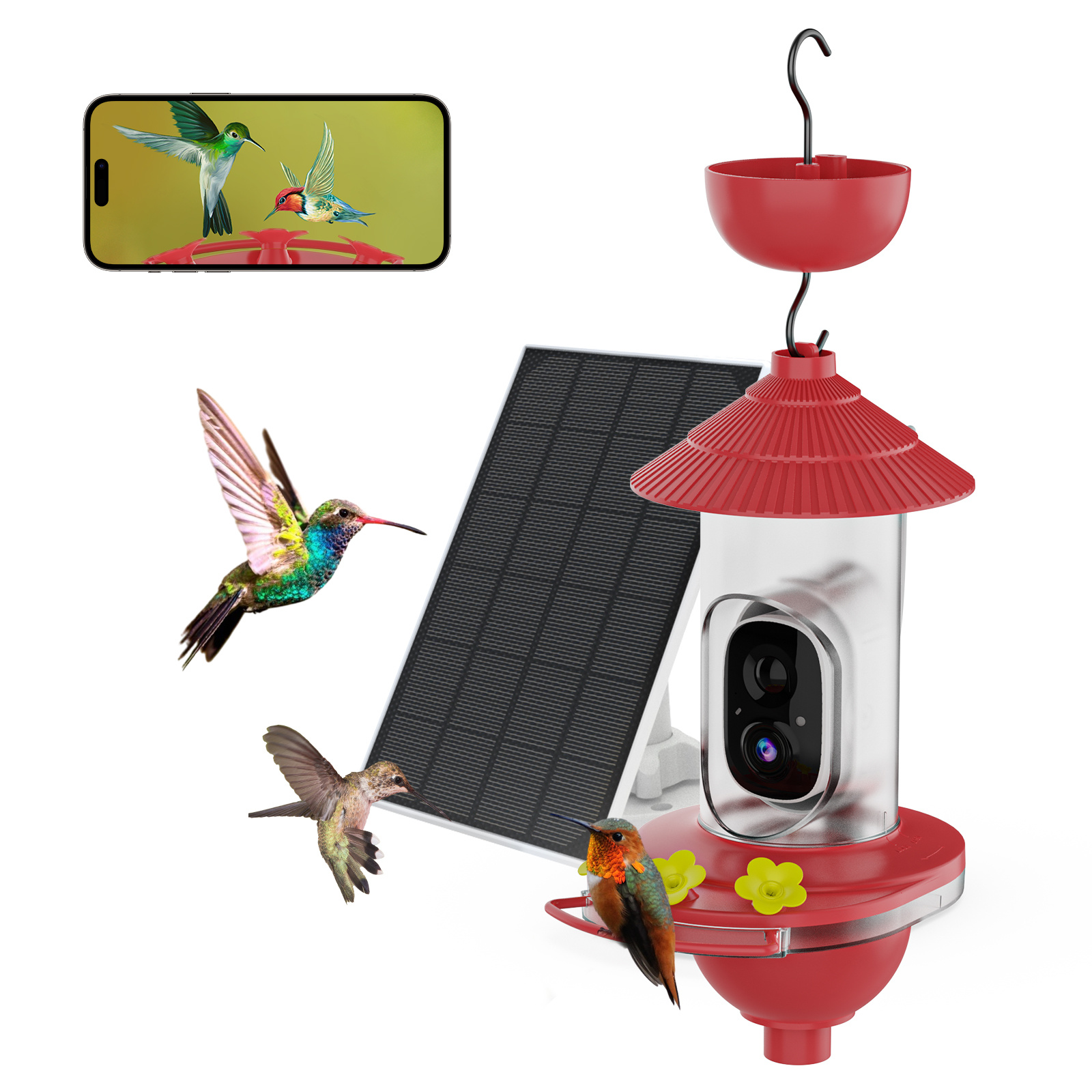
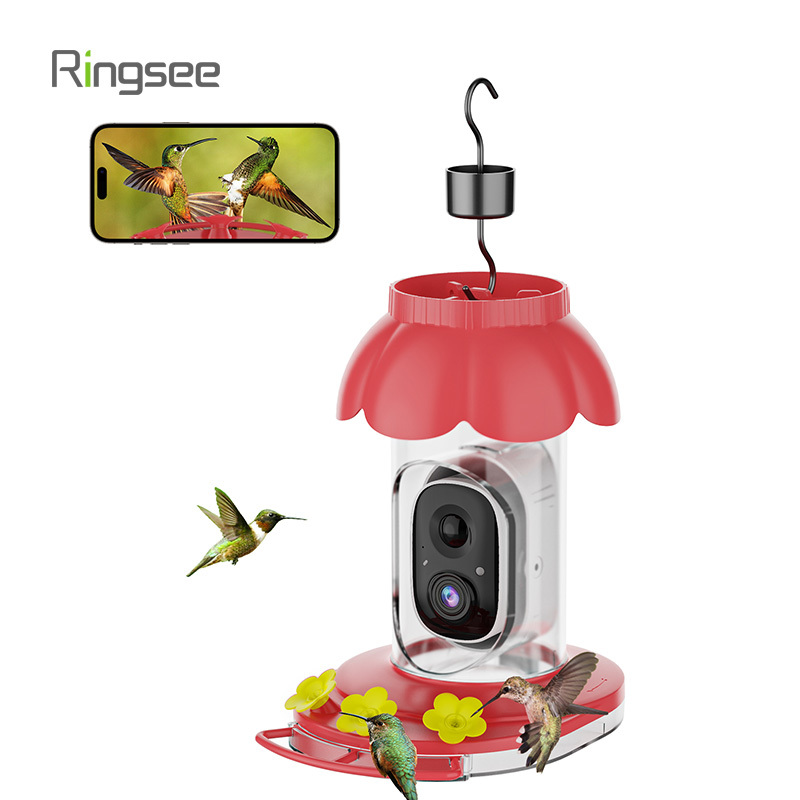
A high-quality hummingbird feeder is essential for attracting these tiny, energetic birds to your backyard. The right feeder not only provides a safe feeding spot but also enhances your garden's beauty. But with so many options—glass hummingbird feeders, plastic hummingbird feeders, leak-proof designs, and large-capacity feeders—how do you choose the best one?
In this guide, we’ll explore the best hummingbird feeders, key features to look for, and expert tips on feeder placement and maintenance. Whether you want a durable glass hummingbird feeder or an affordable plastic option, we’ve got you covered.
1. Key Features to Consider in a Hummingbird Feeder
When selecting a hummingbird feeder, consider these important features:
- Material: Glass hummingbird feeders are durable, stylish, and easy to clean, while plastic hummingbird feeders are lightweight and budget-friendly.
- Capacity: A large-capacity hummingbird feeder reduces the need for frequent refills, making it ideal for high-traffic areas.
- Leak-Proof Design: Prevents nectar waste and deters pests like ants and bees.
- Ease of Cleaning: Feeders with wide openings allow for effortless cleaning, reducing mold and bacteria buildup.
- Perches vs. No Perches: Some feeders include perches so hummingbirds can rest while feeding.
2. Top 5 Best Hummingbird Feeders for Your Garden
1. Best Overall: Glass Hummingbird Feeder with Metal Base
✅ Sturdy, elegant, and long-lasting
❌ Heavier than plastic hummingbird feeders
2. Best Budget-Friendly: Plastic Hanging Hummingbird Feeder
✅ Affordable, lightweight, and easy to install
❌ May fade over time in direct sunlight
3. Best for Multiple Birds: Large-Capacity Hummingbird Feeder
✅ Holds more nectar, reducing refill frequency
❌ Requires frequent cleaning to prevent nectar spoilage
4. Best Leak-Proof Feeder: Silicone-Sealed Hummingbird Feeder
✅ Prevents leaks, keeping the area clean and pest-free
❌ Slightly more expensive than standard designs
5. Best Decorative Feeder: Hand-Blown Glass Hummingbird Feeder
✅ Beautiful garden centerpiece that attracts more birds
❌ Fragile and requires careful handling
3. How to Maintain and Clean a Hummingbird Feeder
Proper maintenance ensures your hummingbird feeder remains safe and attractive to birds.
- Clean Regularly: Wash your hummingbird feeder every 3-5 days using warm water and vinegar to prevent mold buildup.
- Use the Right Nectar: Avoid red dyes and opt for a simple sugar-water solution (4 parts water to 1 part sugar).
- Optimal Placement: Position your hummingbird feeder in a shaded area to slow nectar spoilage and protect hummingbirds from overheating.
- Prevent Pests: Use an ant moat and bee guards to keep ants, bees, and wasps away.
FAQ
Q1: What is the best type of hummingbird feeder?
A: Glass hummingbird feeders are more durable and visually appealing, while plastic hummingbird feeders are lightweight and budget-friendly. Choose one based on your needs.
Q2: How often should I clean my hummingbird feeder?
A: Clean your hummingbird feeder every 3-5 days, or more frequently in hot weather, to prevent mold and bacteria growth.
Q3: Do hummingbirds prefer glass or plastic feeders?
A: Hummingbirds are attracted to the nectar rather than the material. However, glass hummingbird feeders tend to last longer and stay cleaner.

Finding the best hummingbird feeder depends on your preferences and backyard needs. Whether you opt for a glass hummingbird feeder for durability or a large-capacity hummingbird feeder for convenience, the right choice will keep your backyard buzzing with these amazing birds.
Related News
Target readers: security owners, system integrators, and EHS engineers for petrochemical, oil and gas, pharmaceutical, powder processing, and coal mining sites where explosive gas or combustible dust exists. Core takeaway: a normal camera is itself an ignition source in flammable environments. You must use explosion proof cameras certified to ATEX, IECEx, or China Ex, selected by hazard zone, installed with proper grounding, and documented for compliance. This guide gives a reusable selection, install, and acceptance workflow.
Nov 08,2026
4G 5G Cellular Surveillance Camera Guide: Remote Video without Broadband
Target readers: security owners and integrators for farms, orchards, fisheries, construction, oil and mining sites, vehicle fleets, and remote African villages where broadband is scarce. Core takeaway: when there is no fiber, no broadband, and frequent power loss, a SIM card cellular camera is the easiest and most scalable remote video option. This guide gives a reusable architecture covering power, data, backhaul, AI, and compliant deployment.
Nov 08,2026
Analog CCTV Upgrade Guide: Coax HD Reuse vs Full IP Rebuild, Cost and Timeline Compared
Factory, campus and retail chains running analog surveillance for five or six years face the same wall: blurry images, unretrievable footage, and no path to AI analytics on legacy hardware. This guide breaks down pre-upgrade system inventory, compares the coax-HD reuse route against a full IP rebuild, gives bandwidth and storage recalculation formulas, and lays out a zoned, non-disruptive cutover plan with a selection checklist.
Oct 31,2026
CCTV Maintenance Outsourcing: SLA Tiers, Market Rates, KPI and Contract Playbook
Conclusion first: the real cost of a surveillance system is in its operation. Three years of maintenance typically equals 30% to 50% of the build cost, yet most buyers spend the budget at install and leave operation to whoever happens to notice. Lock the maintenance boundary while signing the build contract. This guide breaks down the in-house versus outsourced decision model, a three-tier SLA (P1 / P2 / P3), per-point market rates and how to read a quote, the two KPIs that decide payment (camera online rate and footage integrity), the five clauses every contract must hold, the 90-day handover that most often loses control, plus a selection checklist and acceptance tests.
Oct 25,2026
Links:One Belt Power Technology
Add: 14th Floor, Baoshan Building, Longhua District, Shenzhen China.
Privacy Policy | SEO | CitySite | Support: 300.cn Dongguan