





Do Battery-Powered Cameras Have Night Vision? A Comprehensive Guide
Publish:
2025-04-04 10:07
Source:
https://www.ring-see.com
Learn how battery-powered security cameras with night vision work. Explore features like infrared (IR) LEDs and color night vision. Discover the benefits of choosing solar-powered cameras for continuous, 24/7 surveillance.
In today’s rapidly evolving world of security, battery-powered cameras are becoming an increasingly popular choice for both residential and commercial surveillance. One of the key features that security camera users often inquire about is night vision. With the growing demand for reliable, round-the-clock monitoring, it’s crucial to understand whether battery-powered cameras are equipped with this essential capability. In this article, we will explore how battery-powered cameras perform in low-light conditions and whether they come with night vision functionality.
Understanding Battery-Powered Cameras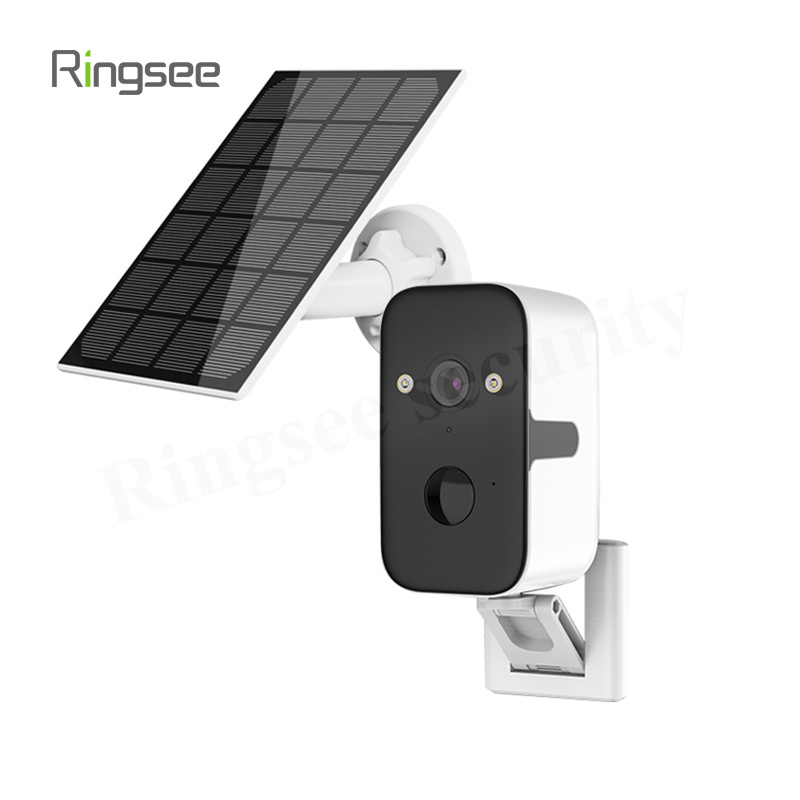
Battery-powered security cameras offer the advantage of wireless installation, which allows for easy setup in areas without access to electrical outlets. These cameras are typically designed to be energy-efficient, with some models including solar charging capabilities for longer battery life. They are ideal for monitoring locations where wiring might be impractical or unsightly, such as outdoor spaces, remote areas, or locations that require discreet surveillance.
However, the question that arises with these cameras is whether they can perform effectively during the night or in low-light environments. To address this, we must examine the core components and technology used in night vision.
How Night Vision Works in Security Cameras
Night vision technology primarily relies on infrared (IR) LEDs to illuminate the area in front of the camera without visible light. These LEDs emit infrared light that is invisible to the human eye, but the camera’s sensor can detect and capture this light to produce a clear image in low or no-light conditions.
There are two common types of night vision technologies used in battery-powered security cameras:
1. Infrared (IR) Night Vision
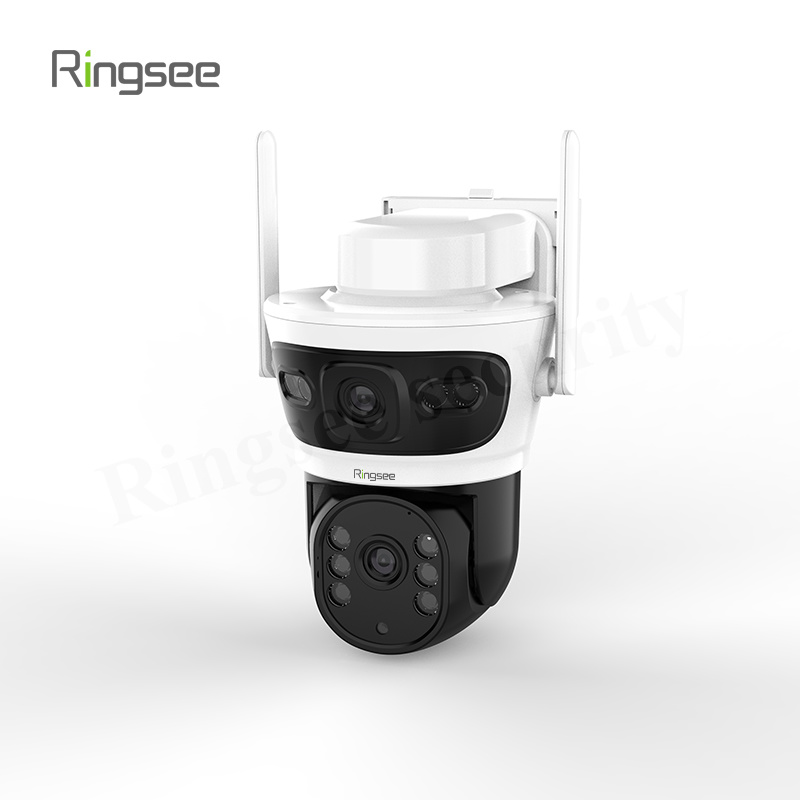
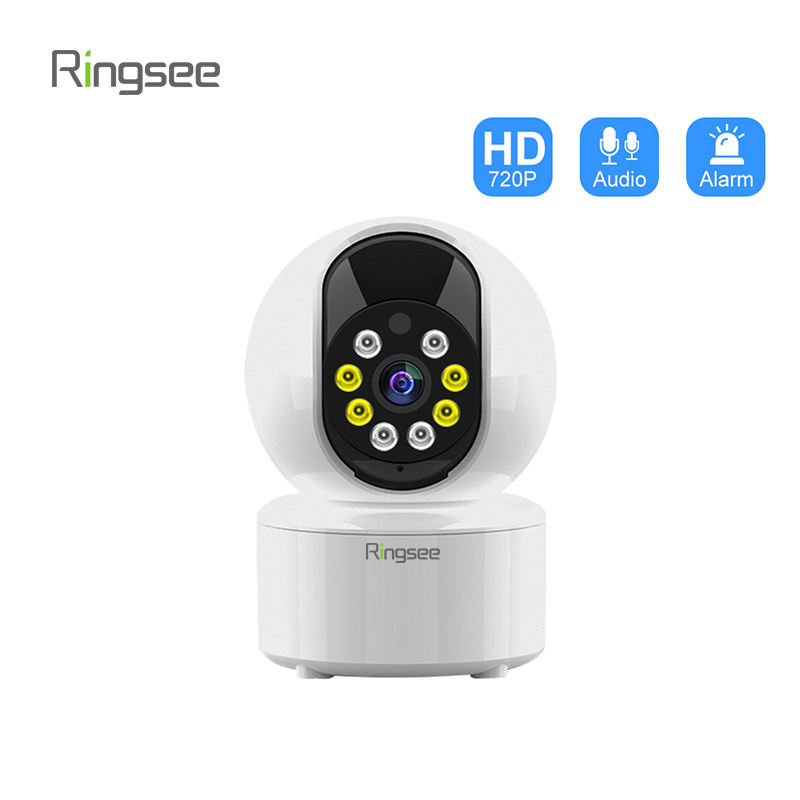
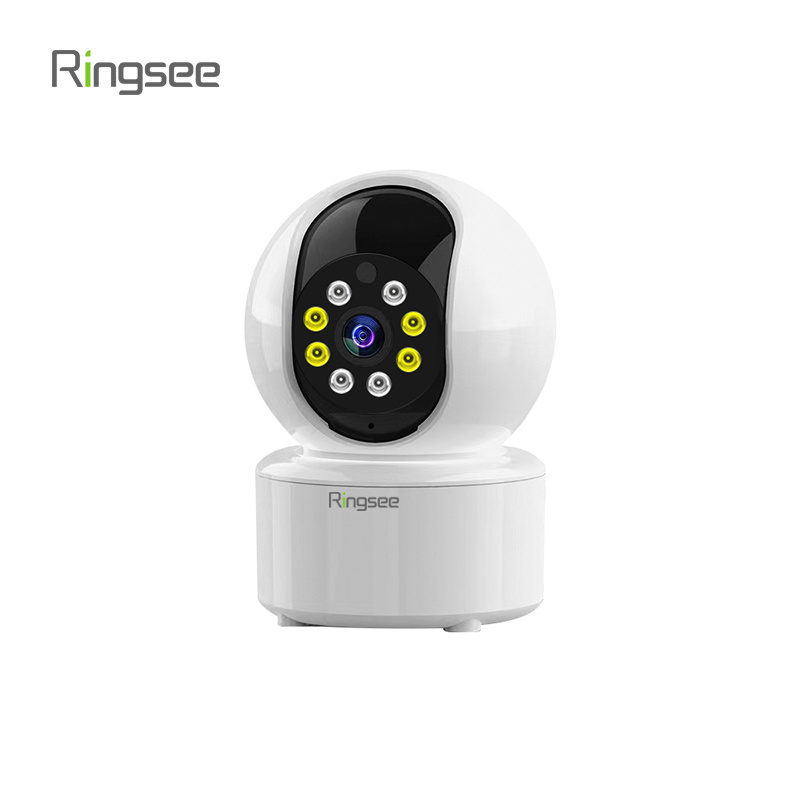
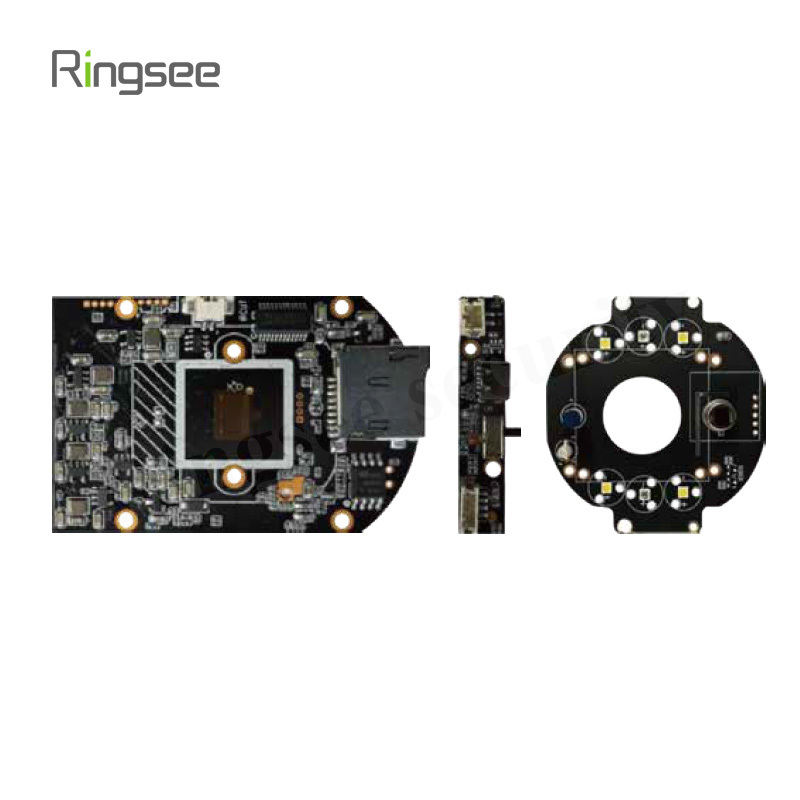
IR night vision is the most common and widely used form of night vision in security cameras. These cameras typically have a set of IR LEDs around the lens that emit infrared light, allowing the camera to capture video in complete darkness. The resulting footage often appears in black-and-white, though some advanced cameras may offer color video at night with the help of enhanced low-light sensors.
2. Color Night Vision
A more recent innovation, color night vision uses advanced sensors and a combination of IR and visible light to produce color footage even in low-light environments. This technology is less common in standard battery-powered cameras due to the higher power demands but can be found in some premium models.
Do All Battery-Powered Cameras Have Night Vision?
While night vision is a common feature in many modern security cameras, not all battery-powered models include it. The inclusion of night vision largely depends on the camera's design, sensor type, and intended application.
Entry-Level Models: Lower-priced or entry-level battery-powered cameras may not include night vision, relying on adequate ambient light for clear images. These models are typically more suitable for daytime surveillance or well-lit areas.
Mid-Range and High-End Models: Many mid-range and high-end battery-powered security cameras come with IR night vision as a standard feature. These cameras are designed to provide reliable performance both during the day and at night, ensuring continuous monitoring regardless of lighting conditions.
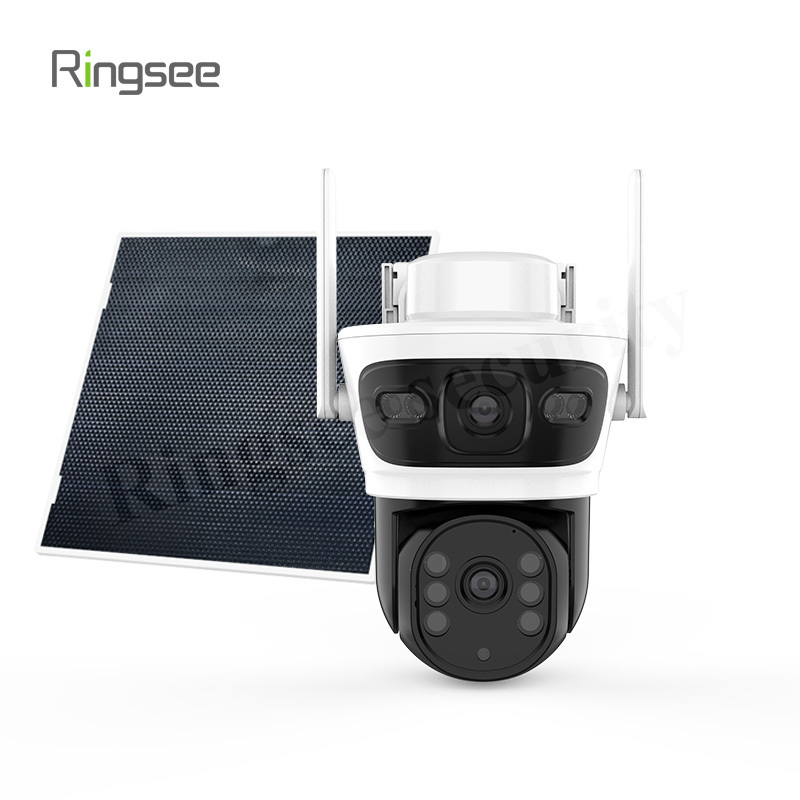
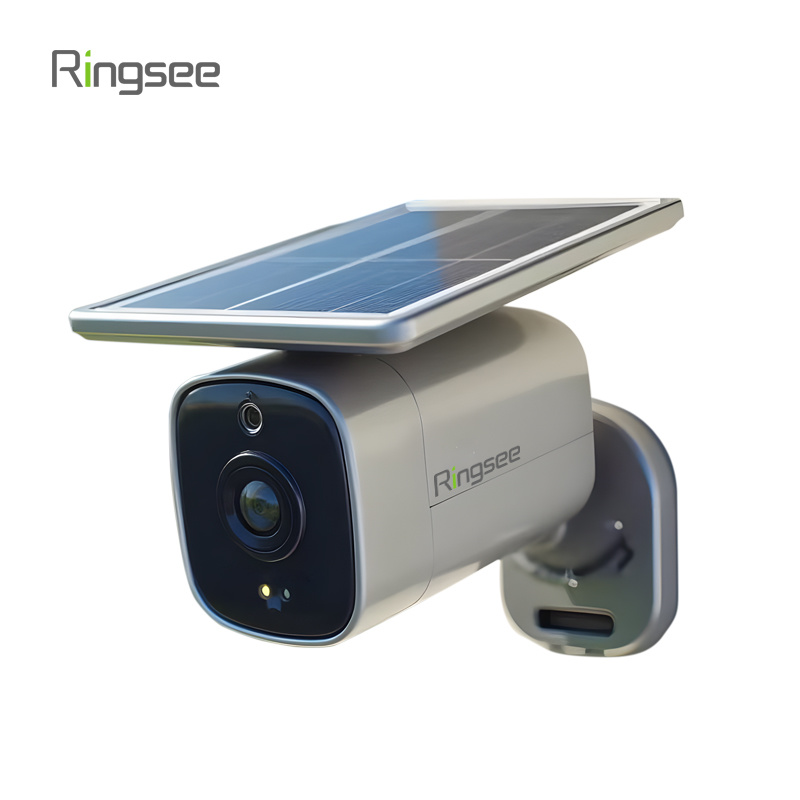
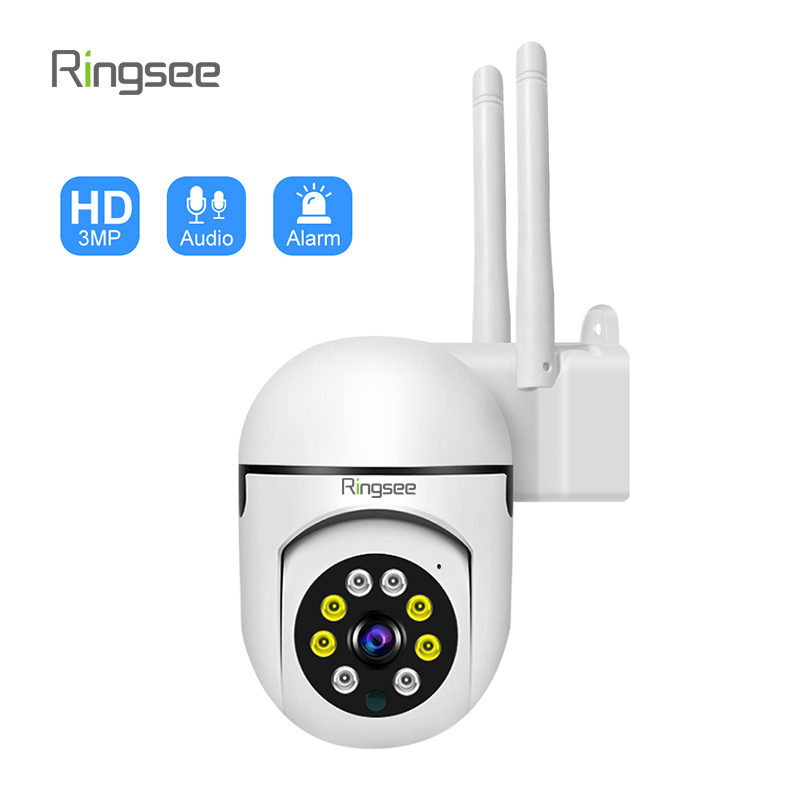
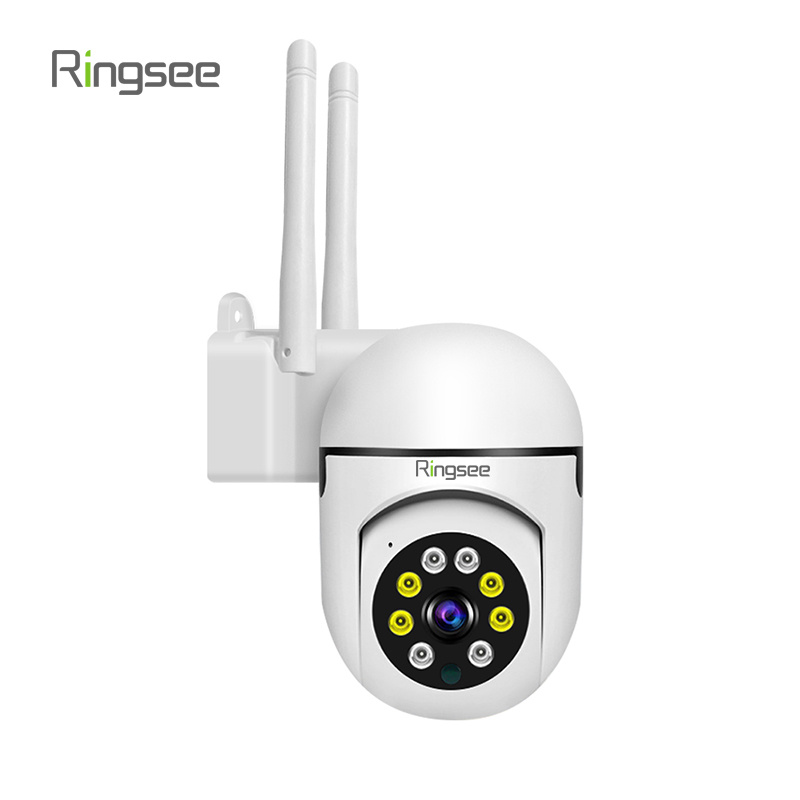
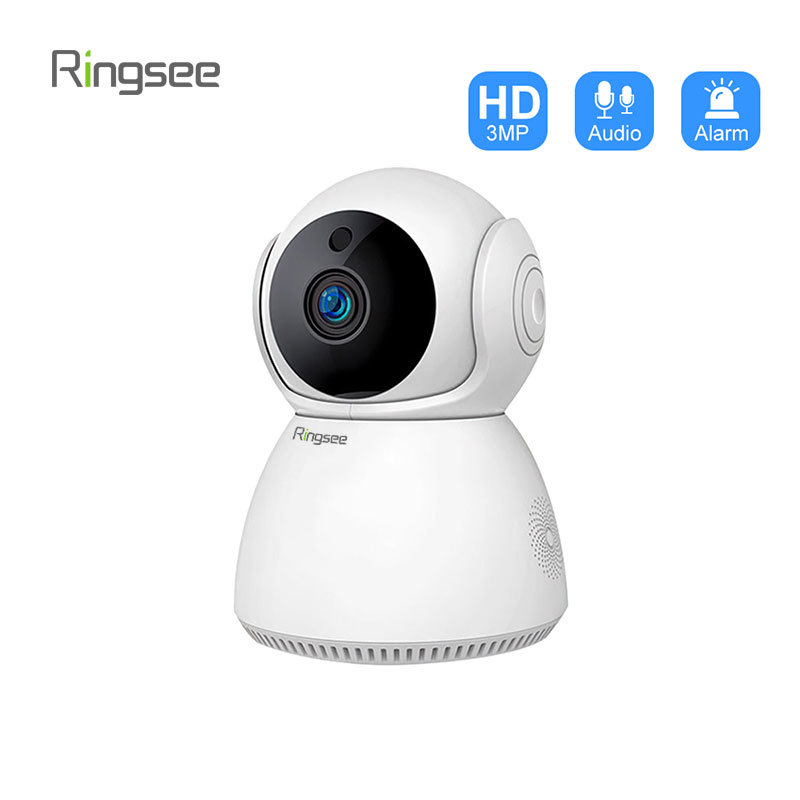
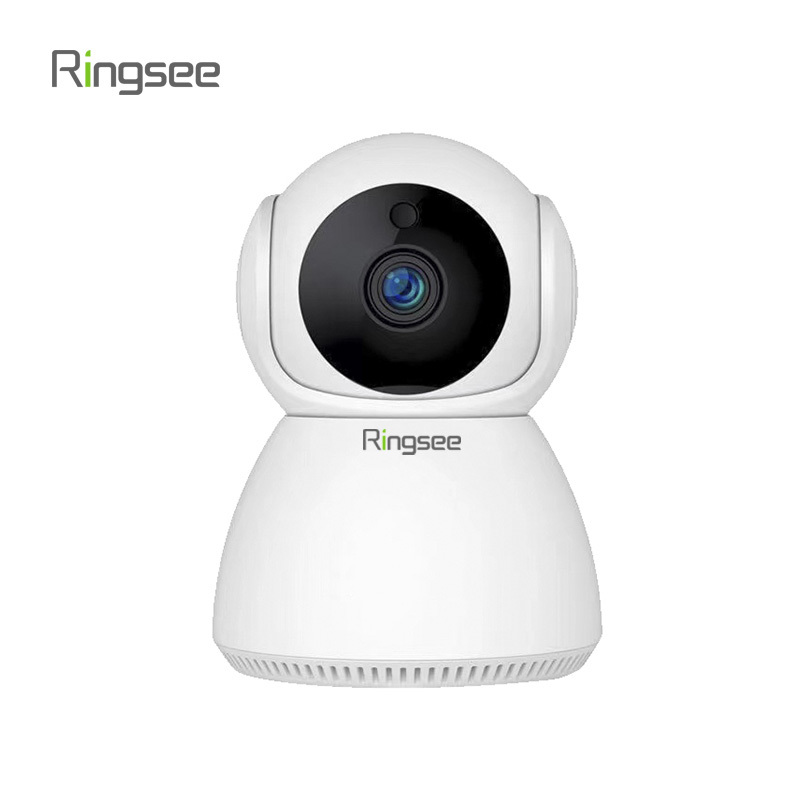
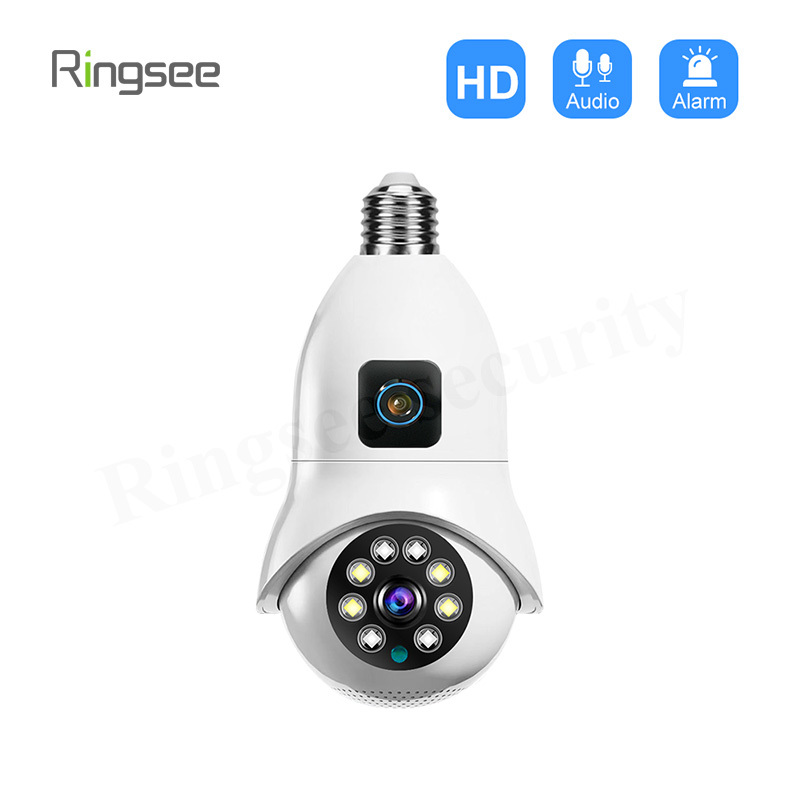
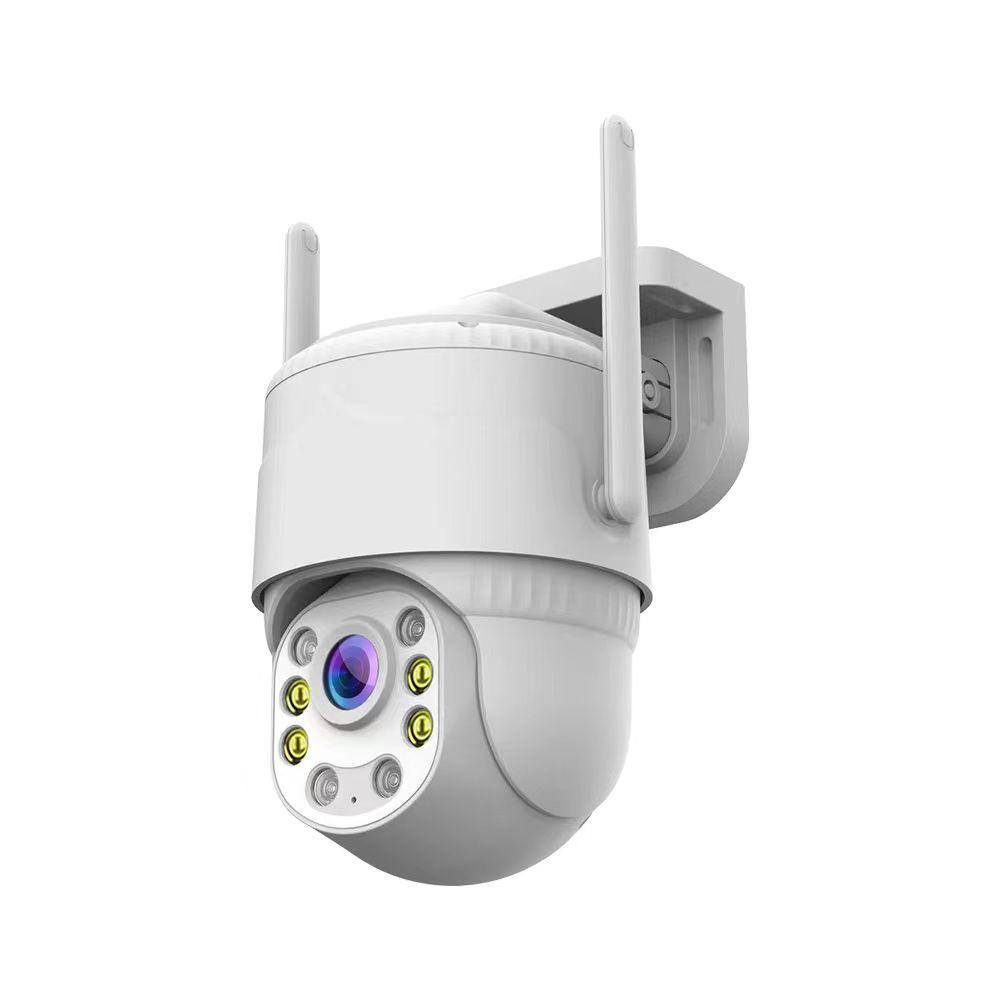
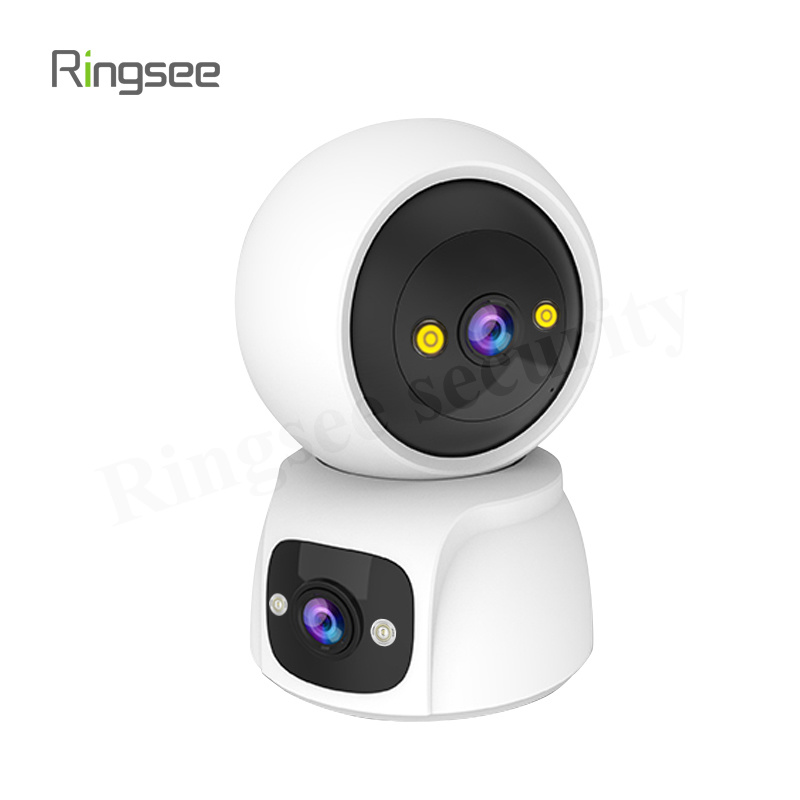
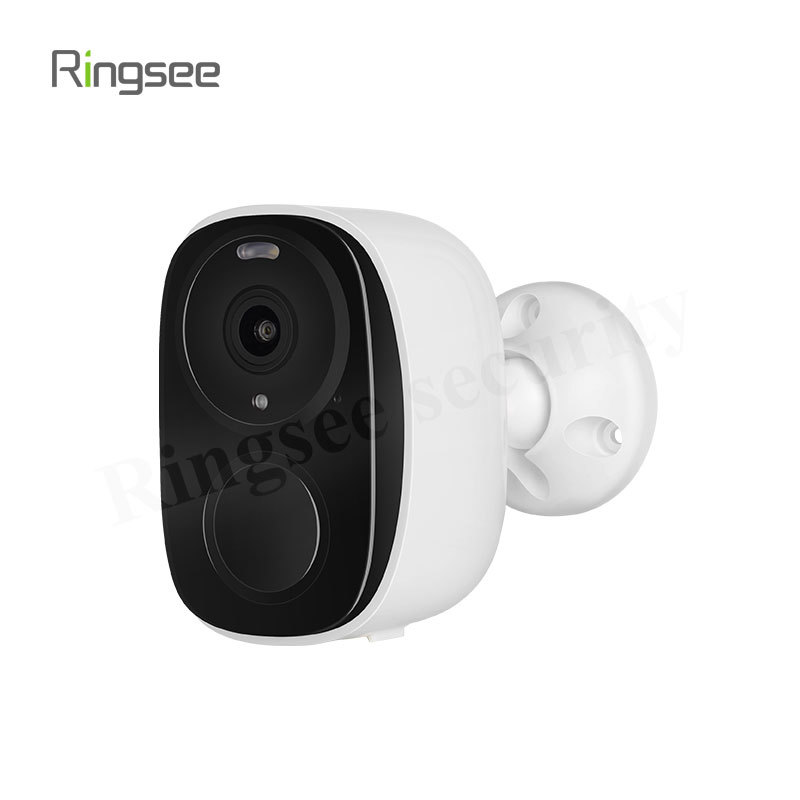
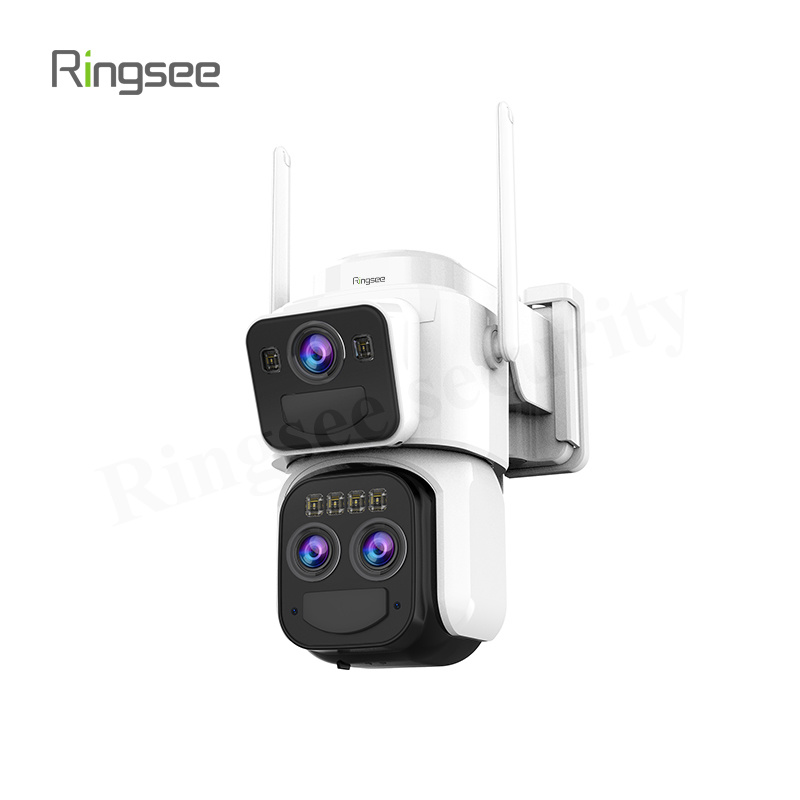
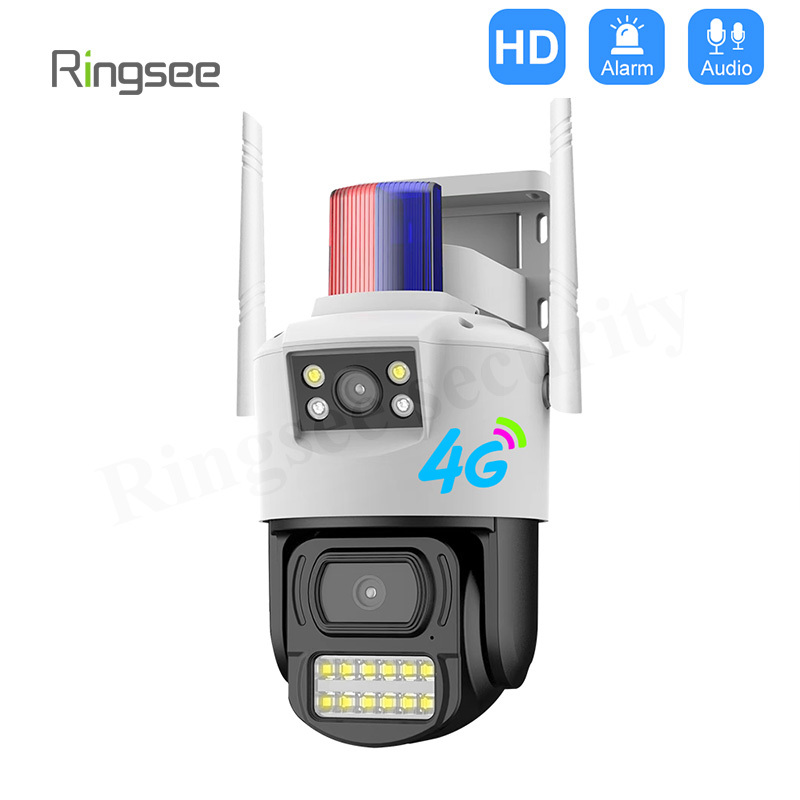
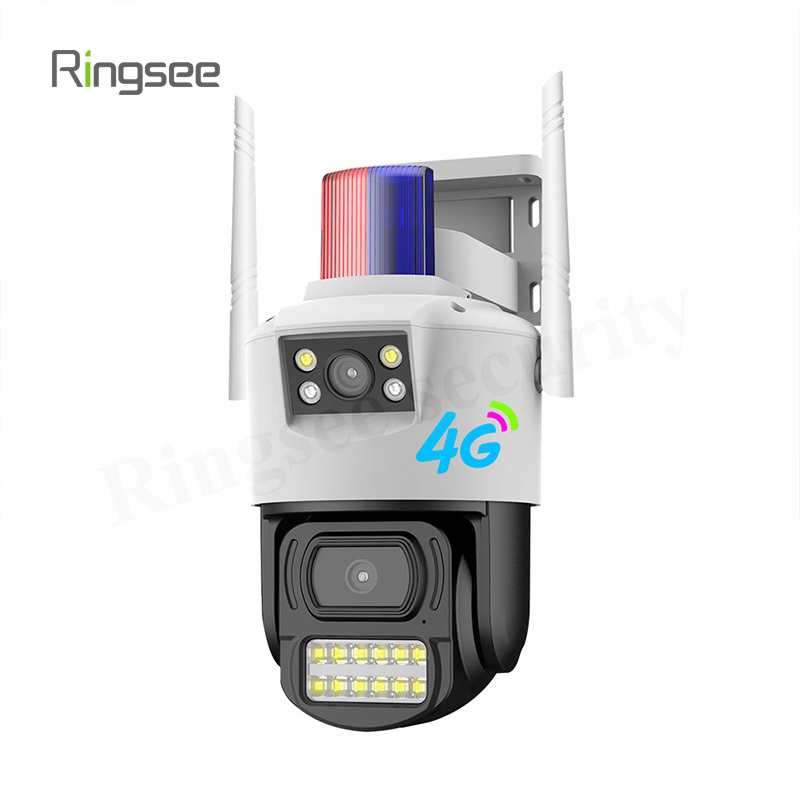
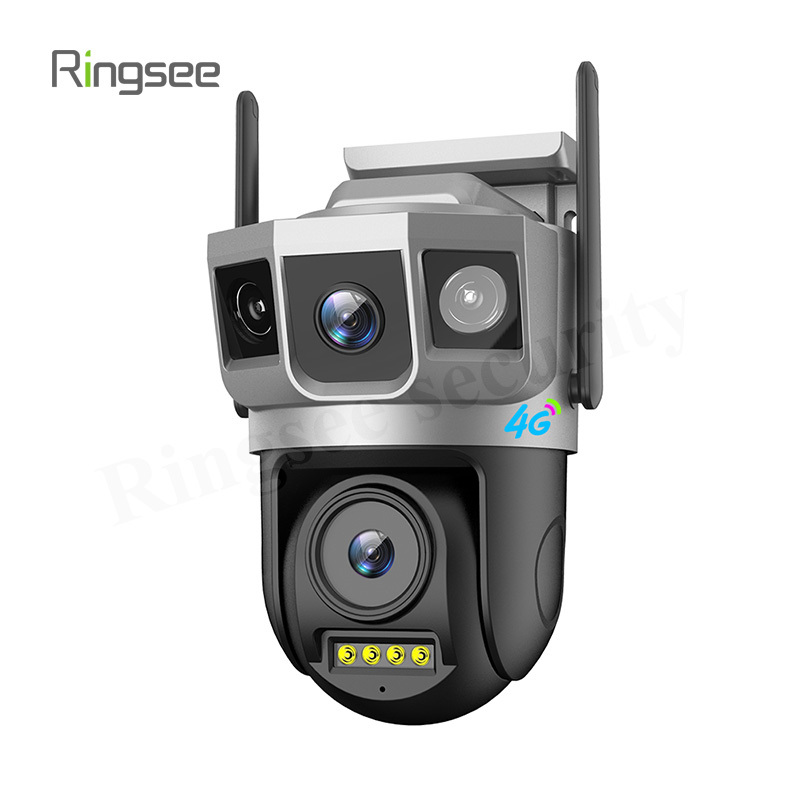
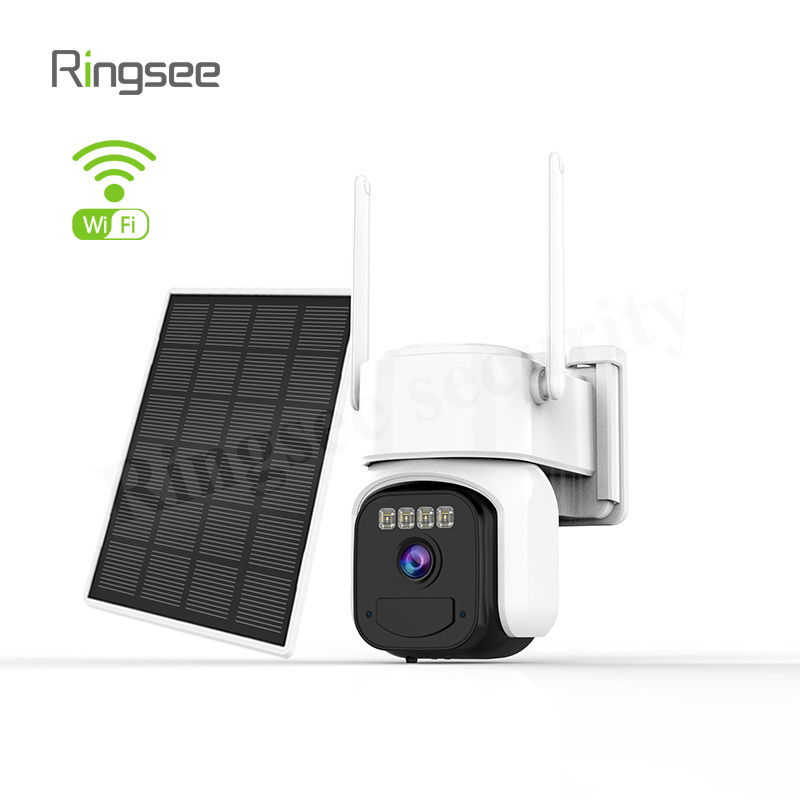
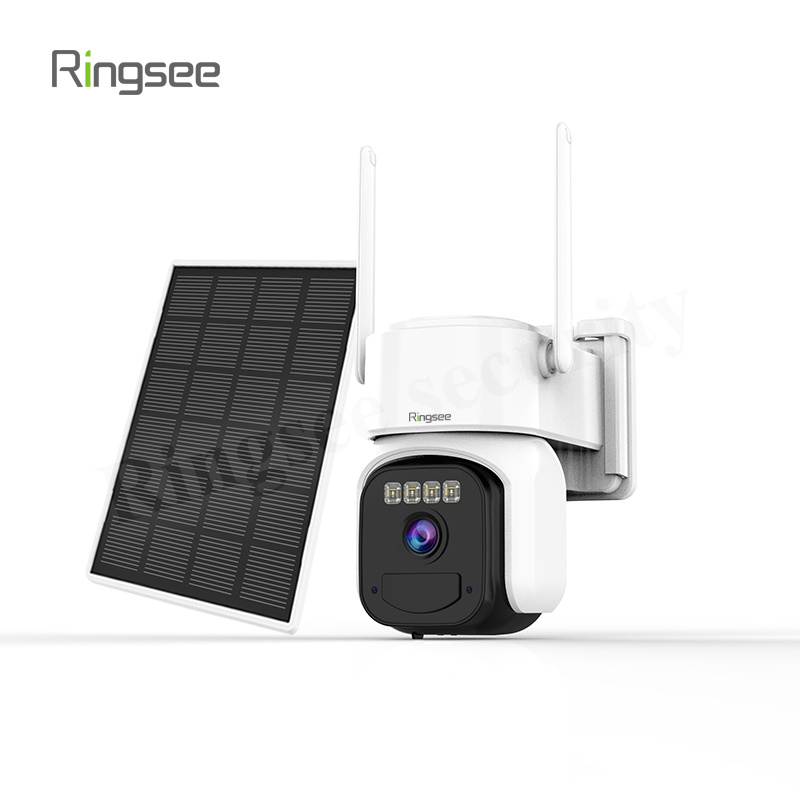
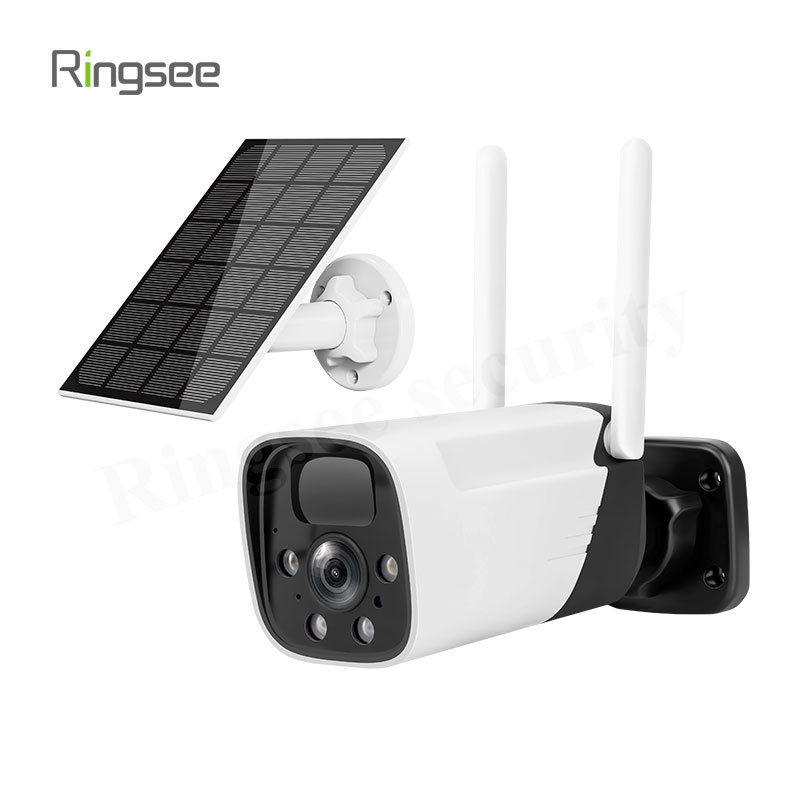
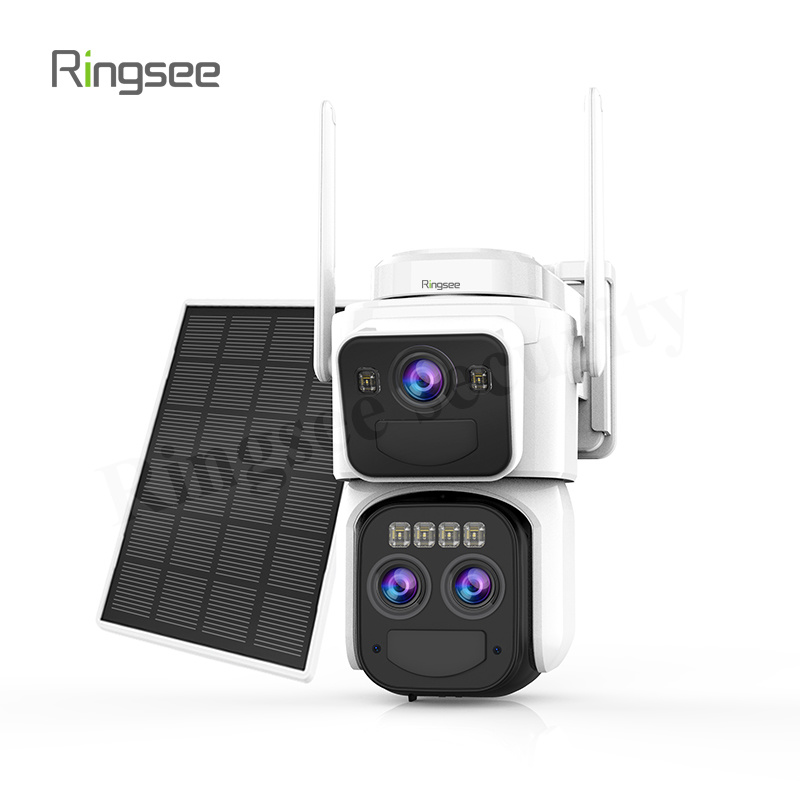
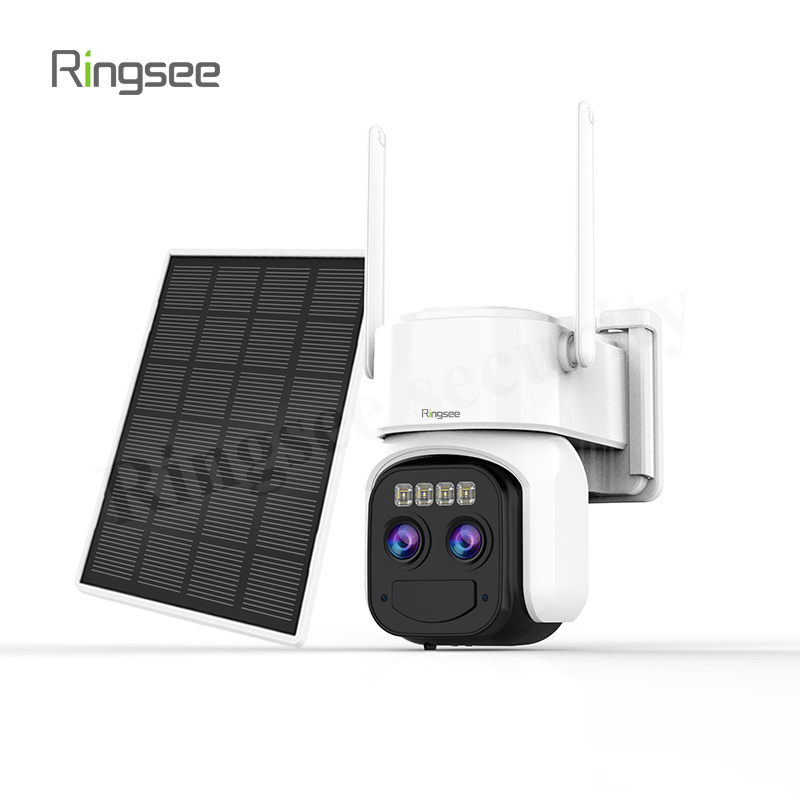
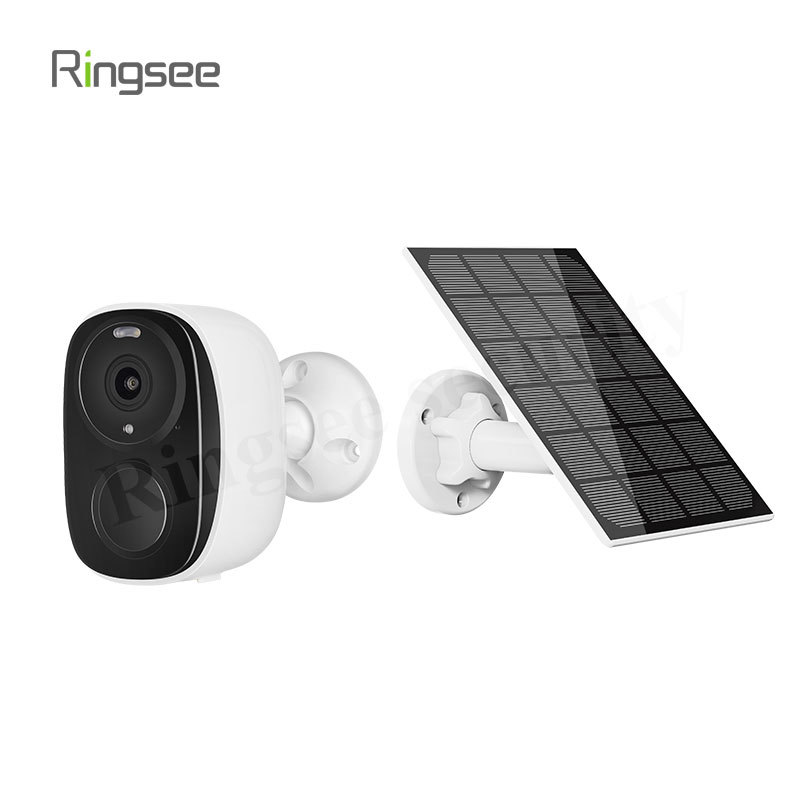
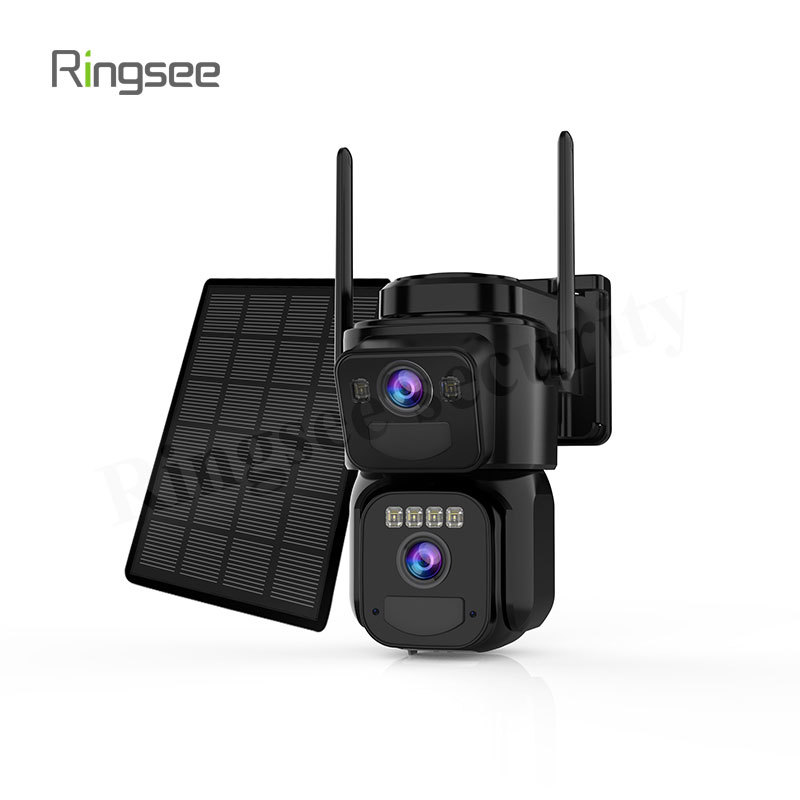
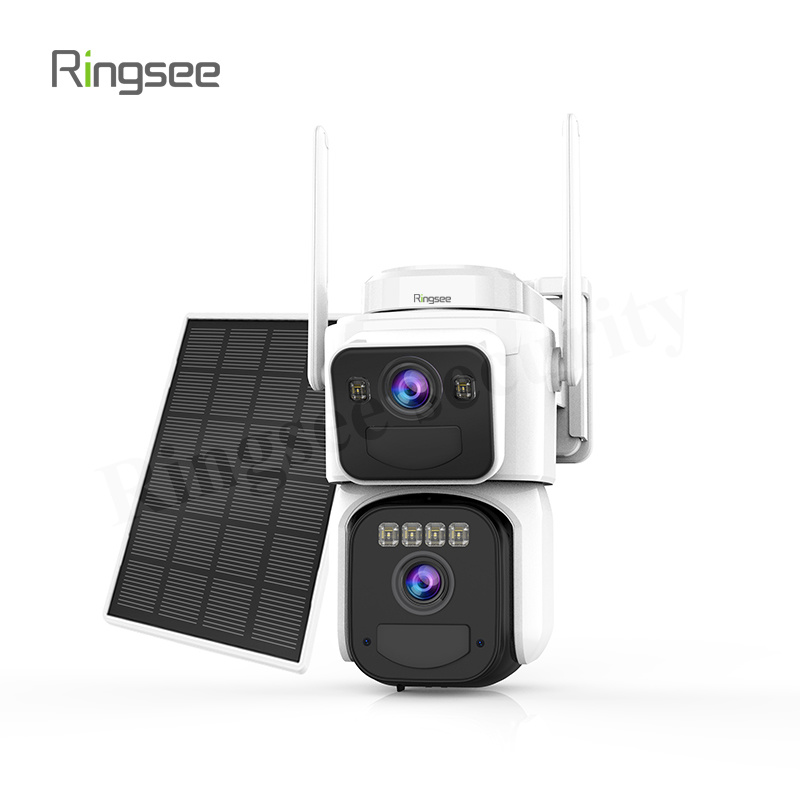
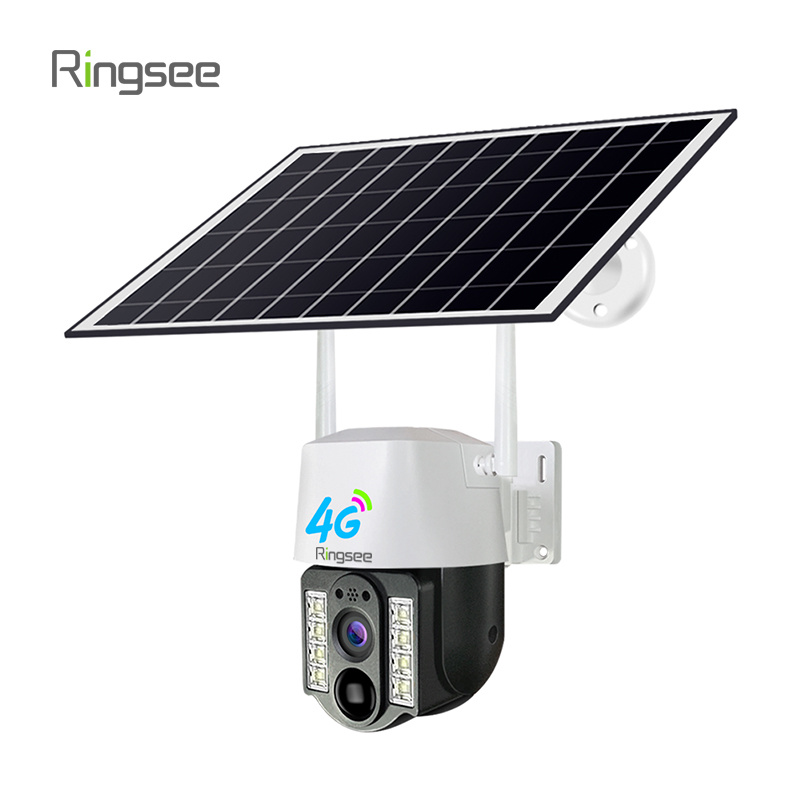
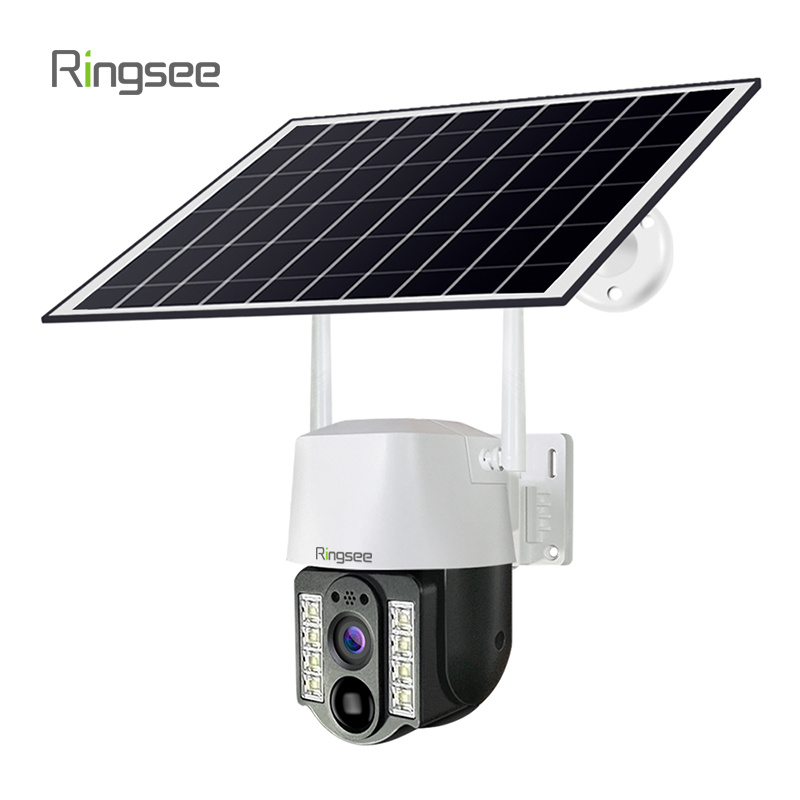
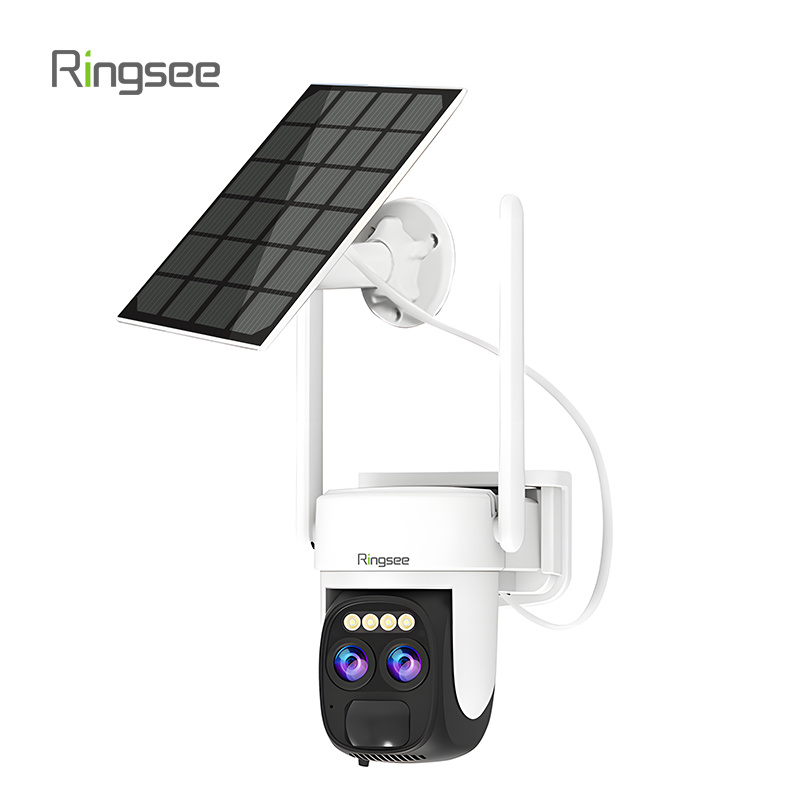
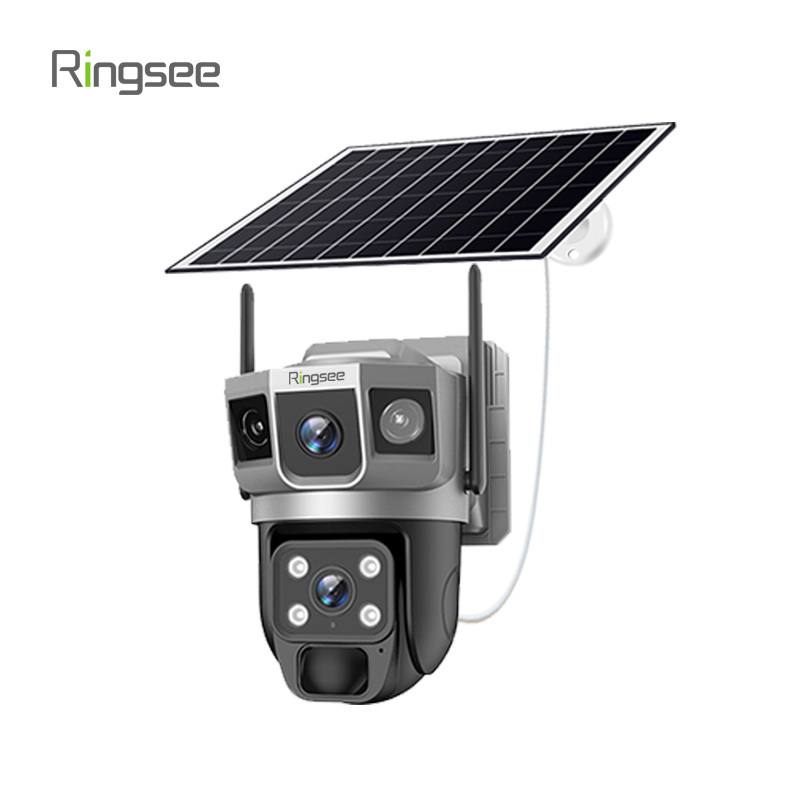
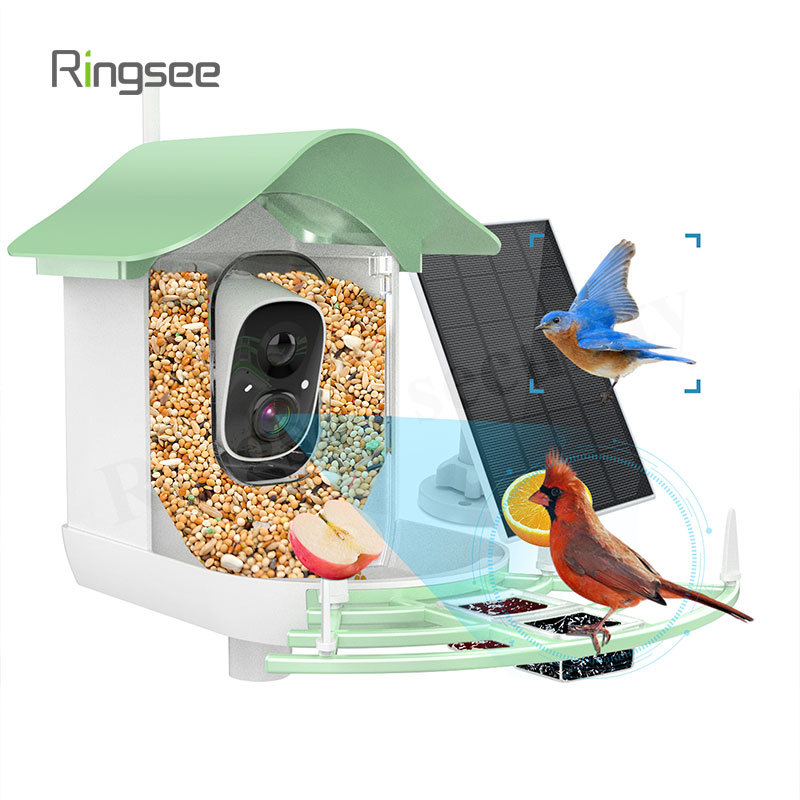
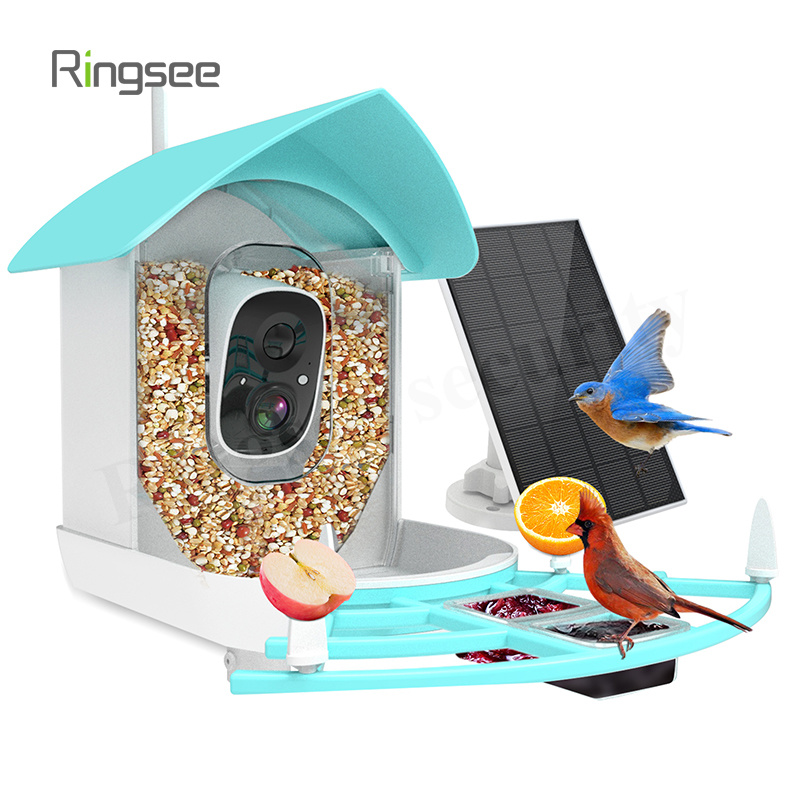
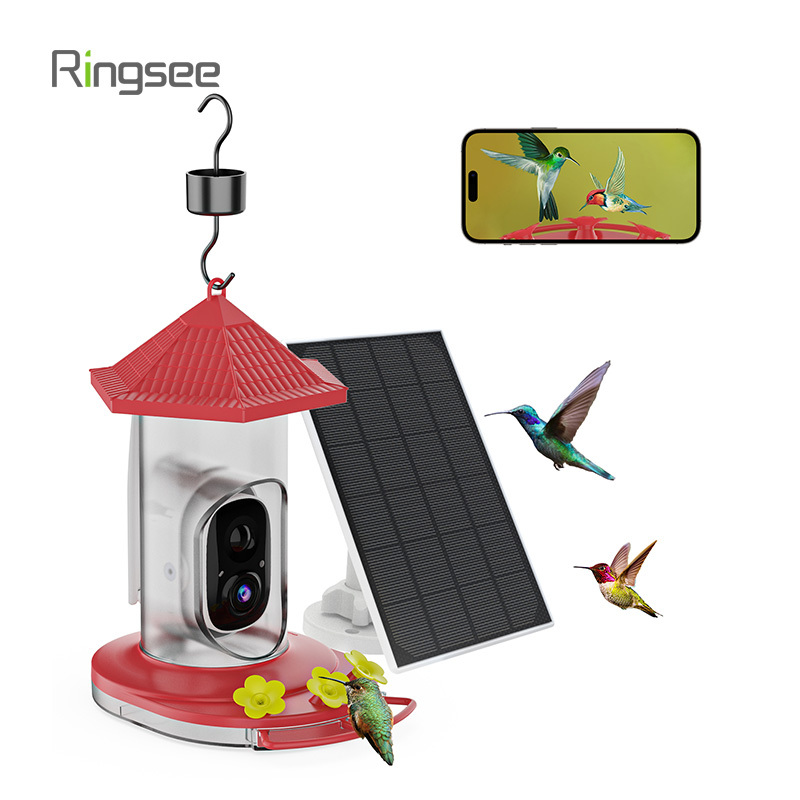
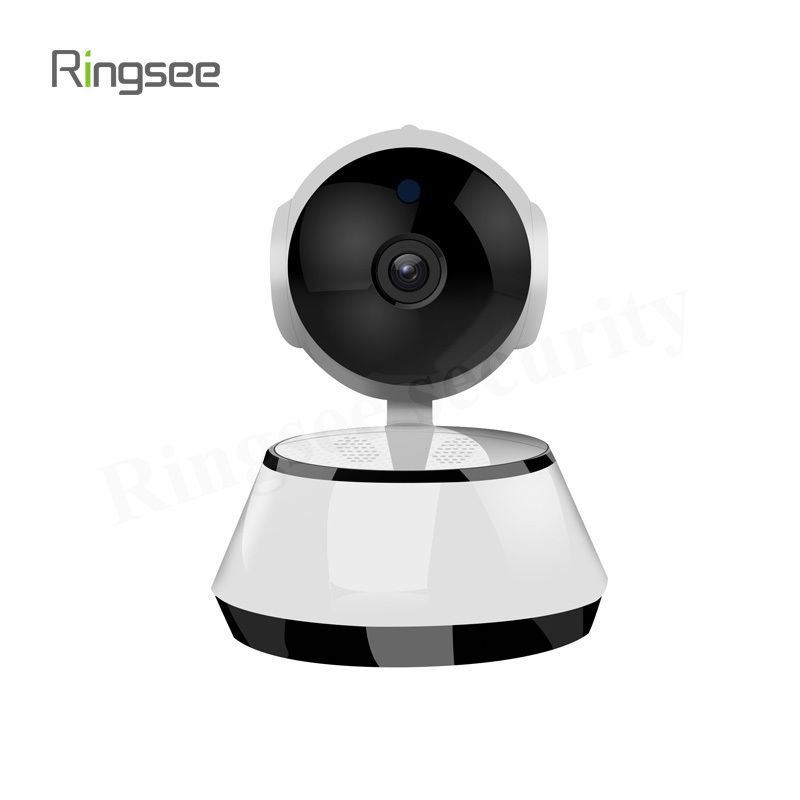
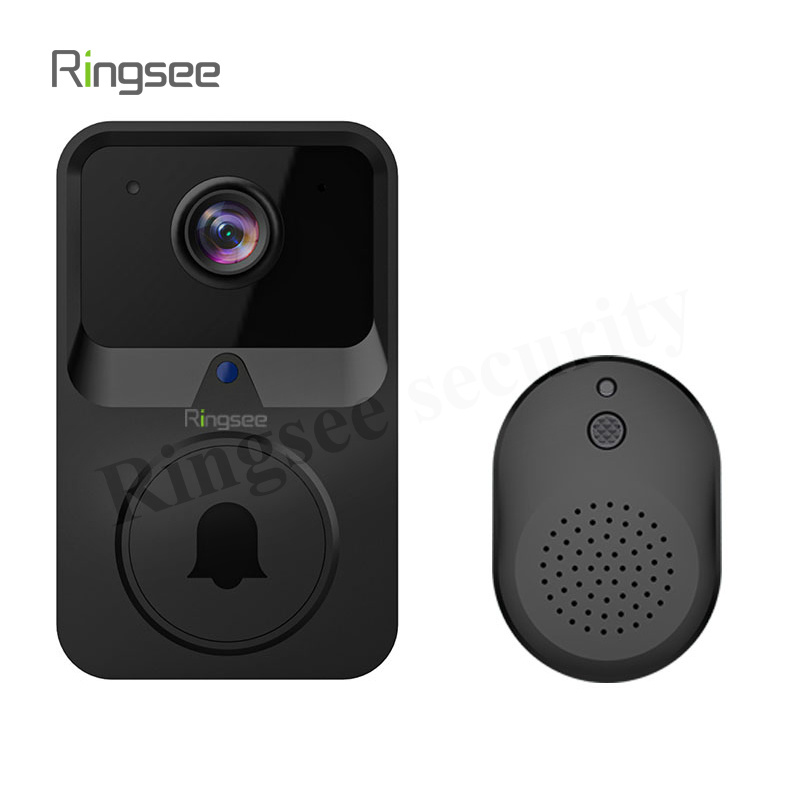
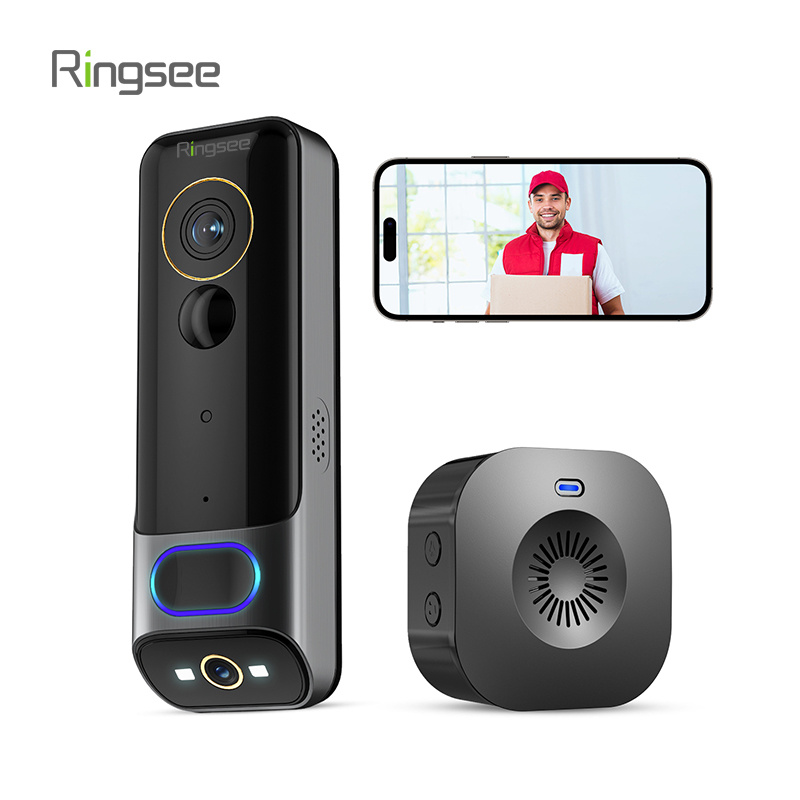
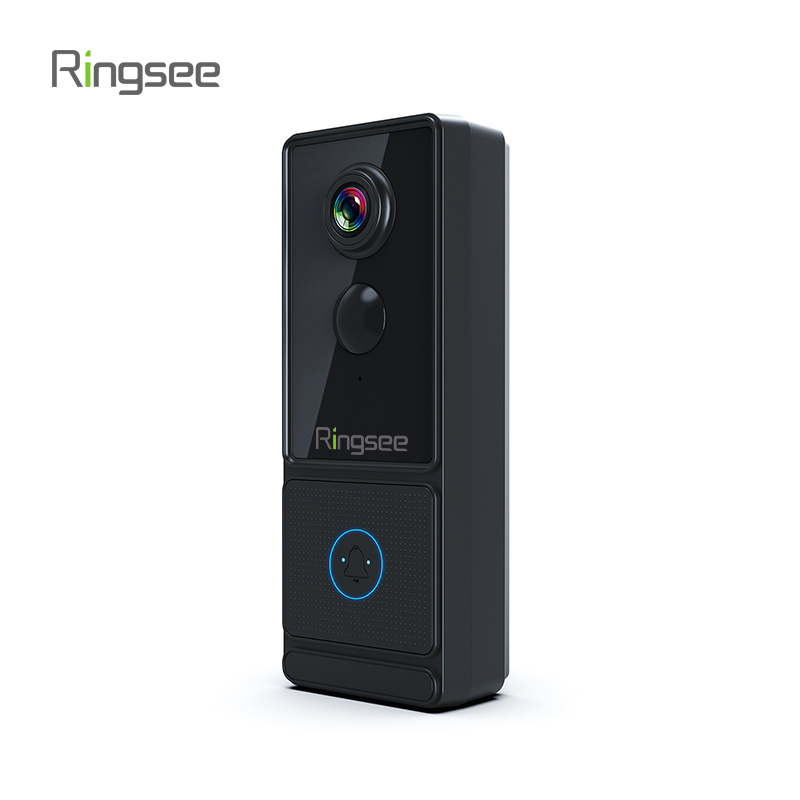
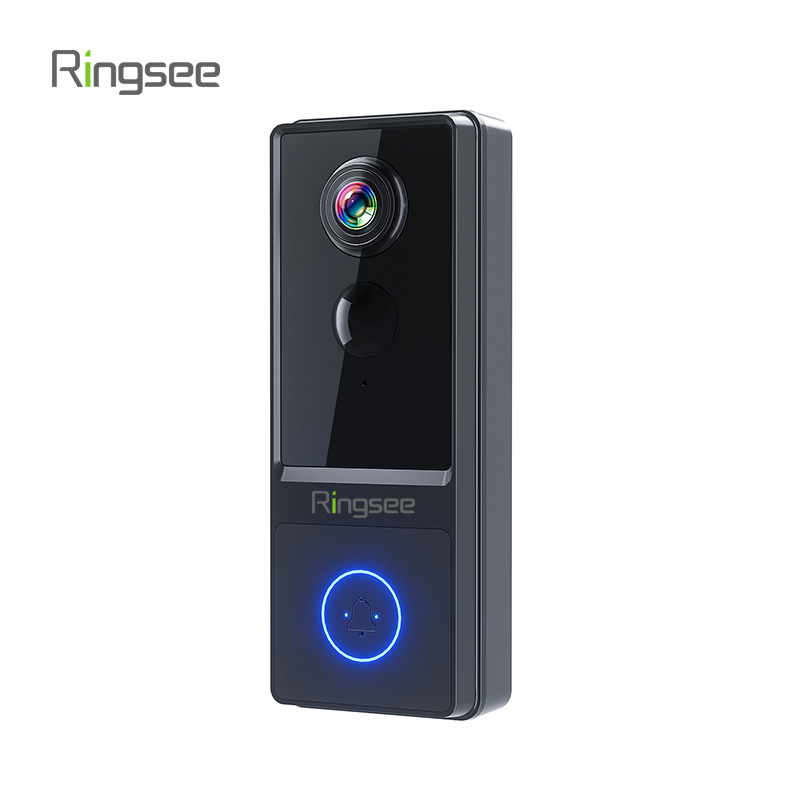
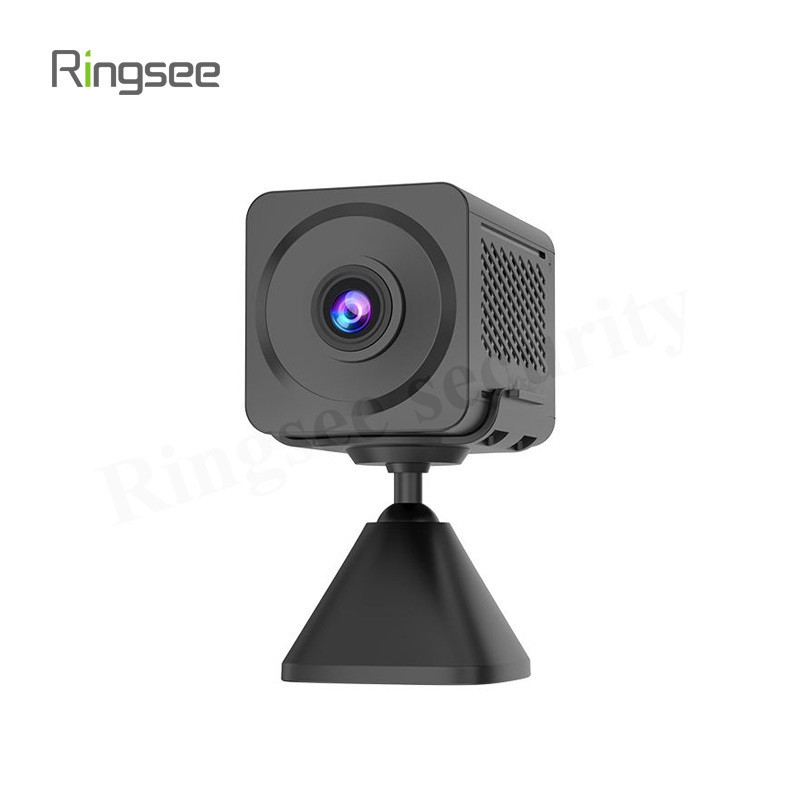
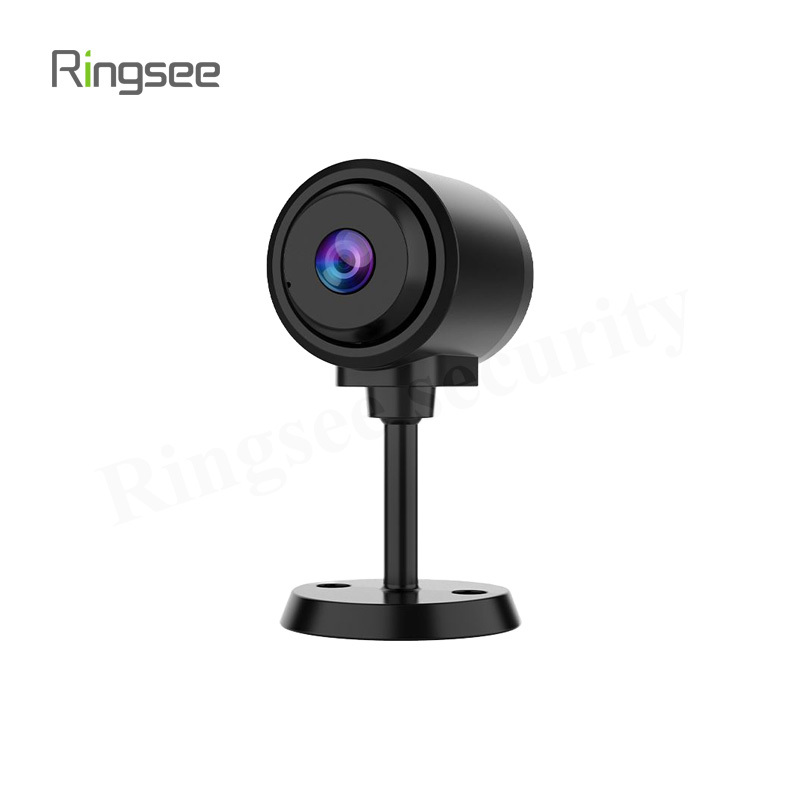
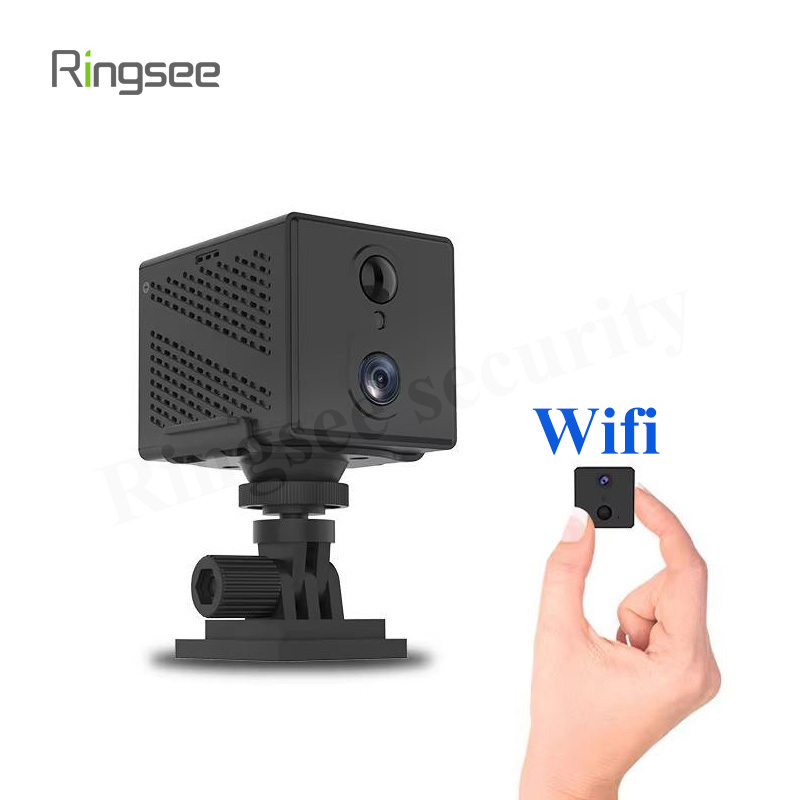
For instance, Ringsee’s Battery Solar Cameras are equipped with advanced IR night vision, making them capable of providing high-quality surveillance even in the darkest environments. Whether you're monitoring your home or a business, these cameras can deliver clear, detailed footage at any hour of the day or night.
Key Factors Affecting Night Vision Performance
Several factors influence the performance of night vision in battery-powered cameras:
1. IR LED Range
The range of the infrared LEDs in the camera determines how far the camera can see in the dark. Most battery-powered cameras have an IR range of around 20-30 feet, but this can vary depending on the model and the quality of the LEDs used.
2. Camera Resolution
Higher-resolution cameras (1080p and beyond) generally offer better night vision performance. The increased pixel count helps to capture more detail in low-light conditions, providing clearer images during the night.更
3. Camera Placement
The effectiveness of night vision can also be influenced by the camera’s placement. IR lights need to be unobstructed, and the area in front of the camera should be within the range of the infrared LEDs for optimal performance.
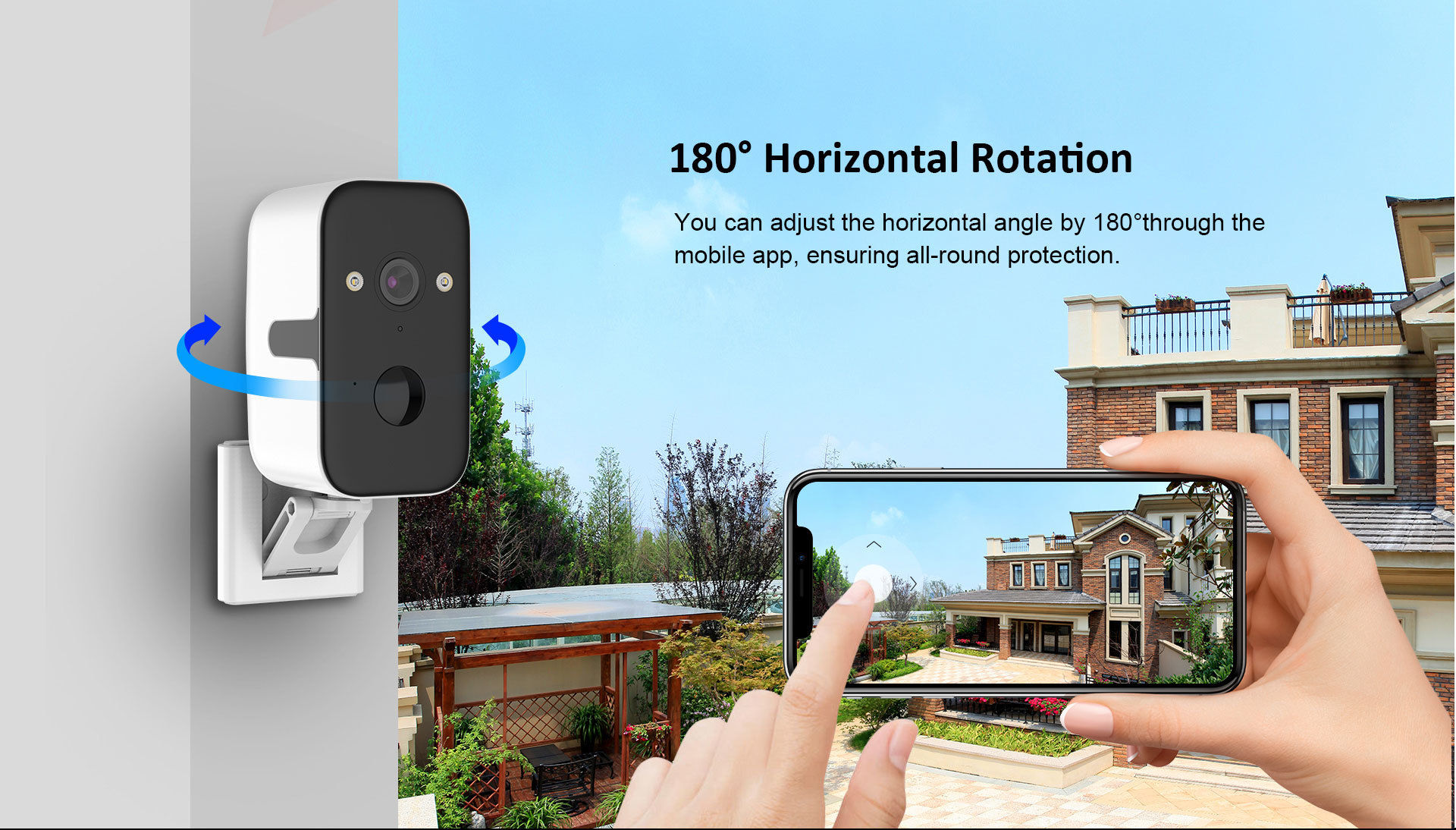
Benefits of Night Vision in Battery-Powered Cameras
24/7 Surveillance: Night vision ensures your camera continues to monitor areas at all times, even when it's dark outside.
Enhanced Security: With the ability to capture clear footage at night, battery-powered cameras equipped with night vision provide better security and peace of mind.
Discreet Monitoring: IR night vision works without emitting visible light, which means your security camera can monitor an area without alerting potential intruders.
Conclusion
In conclusion, many battery-powered cameras, especially those in the mid-range and high-end segments, are equipped with night vision, either through infrared (IR) LEDs or more advanced color night vision technologies. For those who require reliable 24/7 surveillance, choosing a camera with night vision is essential.
With the right camera, such as Ringsee's Battery Solar Cameras, you can enjoy the benefits of clear, continuous monitoring, even in low-light or pitch-black conditions. Whether for home security or business surveillance, night vision ensures that your camera remains effective, no matter the time of day.
Related News
Target readers: security owners, system integrators, and EHS engineers for petrochemical, oil and gas, pharmaceutical, powder processing, and coal mining sites where explosive gas or combustible dust exists. Core takeaway: a normal camera is itself an ignition source in flammable environments. You must use explosion proof cameras certified to ATEX, IECEx, or China Ex, selected by hazard zone, installed with proper grounding, and documented for compliance. This guide gives a reusable selection, install, and acceptance workflow.
Nov 08,2026
4G 5G Cellular Surveillance Camera Guide: Remote Video without Broadband
Target readers: security owners and integrators for farms, orchards, fisheries, construction, oil and mining sites, vehicle fleets, and remote African villages where broadband is scarce. Core takeaway: when there is no fiber, no broadband, and frequent power loss, a SIM card cellular camera is the easiest and most scalable remote video option. This guide gives a reusable architecture covering power, data, backhaul, AI, and compliant deployment.
Nov 08,2026
Analog CCTV Upgrade Guide: Coax HD Reuse vs Full IP Rebuild, Cost and Timeline Compared
Factory, campus and retail chains running analog surveillance for five or six years face the same wall: blurry images, unretrievable footage, and no path to AI analytics on legacy hardware. This guide breaks down pre-upgrade system inventory, compares the coax-HD reuse route against a full IP rebuild, gives bandwidth and storage recalculation formulas, and lays out a zoned, non-disruptive cutover plan with a selection checklist.
Oct 31,2026
CCTV Maintenance Outsourcing: SLA Tiers, Market Rates, KPI and Contract Playbook
Conclusion first: the real cost of a surveillance system is in its operation. Three years of maintenance typically equals 30% to 50% of the build cost, yet most buyers spend the budget at install and leave operation to whoever happens to notice. Lock the maintenance boundary while signing the build contract. This guide breaks down the in-house versus outsourced decision model, a three-tier SLA (P1 / P2 / P3), per-point market rates and how to read a quote, the two KPIs that decide payment (camera online rate and footage integrity), the five clauses every contract must hold, the 90-day handover that most often loses control, plus a selection checklist and acceptance tests.
Oct 25,2026
Links:One Belt Power Technology
Add: 14th Floor, Baoshan Building, Longhua District, Shenzhen China.
Privacy Policy | SEO | CitySite | Support: 300.cn Dongguan