






Outdoor Security Systems with Free Cloud Storage: Top AI‑Powered, Three‑Lens & Battery‑Powered
Publish:
2025-04-18 10:44
Source:
https://www.ring-see.com
Discover the top outdoor wireless security cameras for 2025—battery‑powered, 3‑lens, AI smart and full‑color night vision—all with free cloud storage. Compare specs, pros & cons to find your perfect home surveillance system.
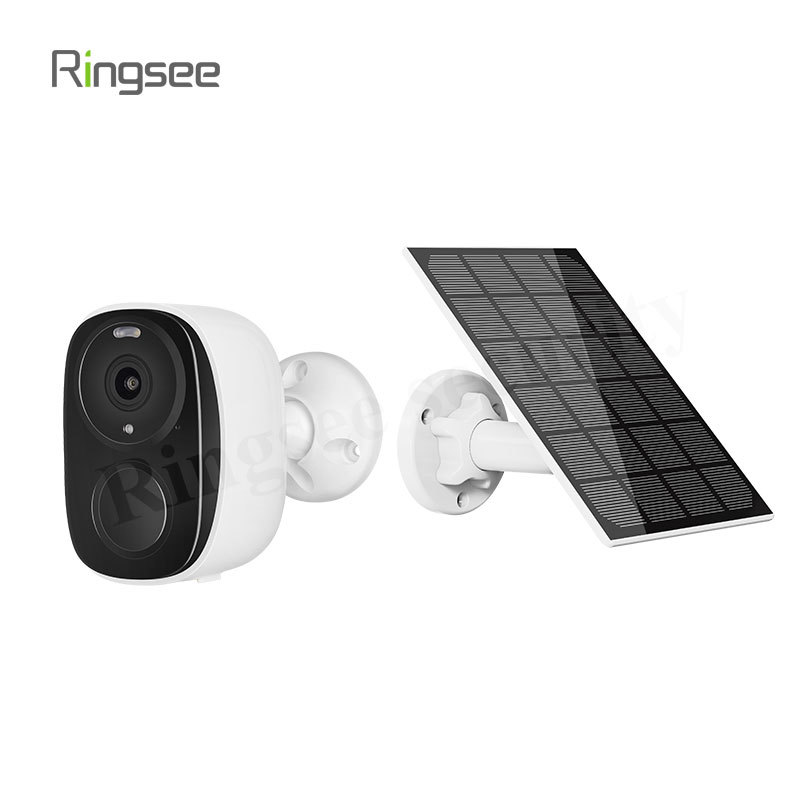
In today’s connected world, an outdoor security camera that offers free cloud storage can be a game‑changer for homeowners. From safeguarding your property against intruders to keeping an eye on pets, these systems combine convenience, advanced features, and cost savings. This article will explore the key pros and cons you need to consider and present our top Ringsee picks for the best outdoor security systems with free cloud plans—helping you choose the perfect wireless battery‑powered camera for your home.
Pros of Outdoor Security Systems with Free Cloud Storage
1. Cost Savings and No Ongoing Fees
Free Cloud Storage eliminates monthly subscription fees, making it an economical choice over time.
Ideal for budget‑conscious users who still want robust outdoor surveillance camera with full‑color night vision capabilities.
2. Remote Access & Real‑Time Alerts
View live streams and playback recordings anywhere via smartphone or web portal.
Paired with an AI smart security camera, you receive instant push notifications for humanoid and motion detection—even when you’re away from home.
3. Automatic Backups & Data Redundancy
Footage is automatically backed up off‑site, protecting against theft or damage to local storage devices.
Ensures critical events are preserved without manual retrieval, perfect for battery‑powered wireless camera with smart detection setups.

Cons of Outdoor Security Systems with Free Cloud Storage
1. Limited Storage Capacity
Most free plans offer a capped duration (e.g., 24–72 hours). If you need longer retention, you may need to upgrade.
Not ideal if you require weeks or months of historical footage without archiving locally.
2. Internet Dependence
Reliable broadband is essential; outages can interrupt uploads and remote viewing.
In areas with spotty connectivity, consider a hybrid setup with local SD card backup.
3. Privacy & Security Concerns
Storing footage in the cloud introduces potential privacy risks if account credentials are compromised.
Always enable two‑factor authentication and choose providers with end‑to‑end encryption.
Top Ringsee Picks for Outdoor Security Systems with Free Cloud Storage
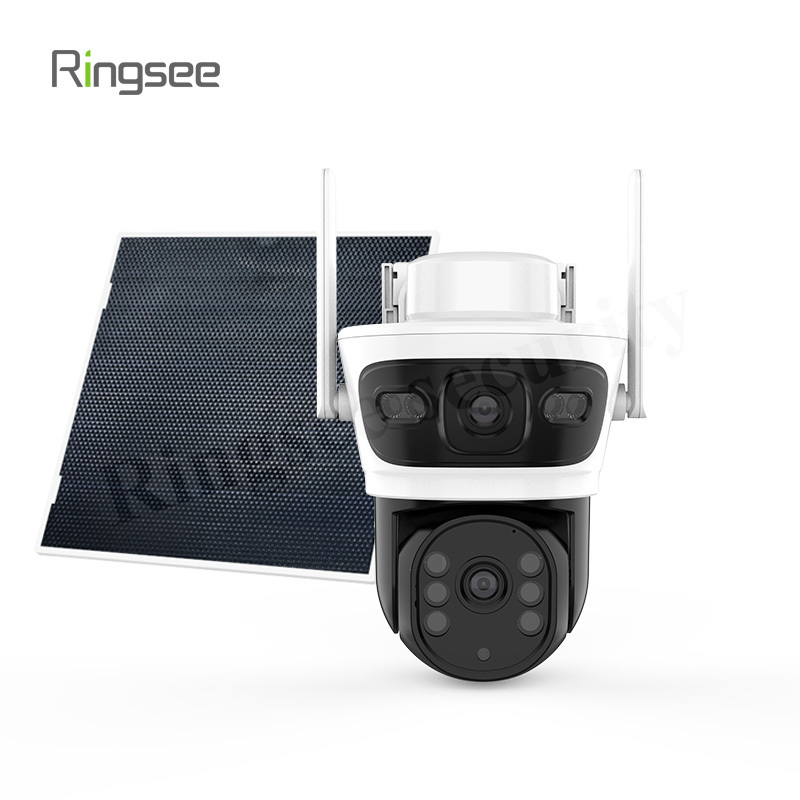
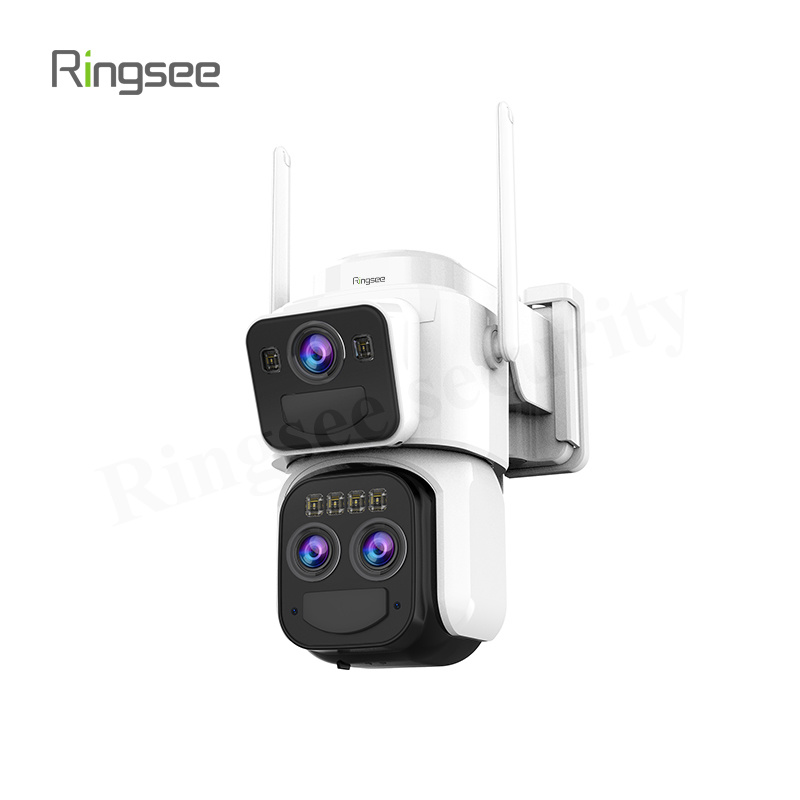
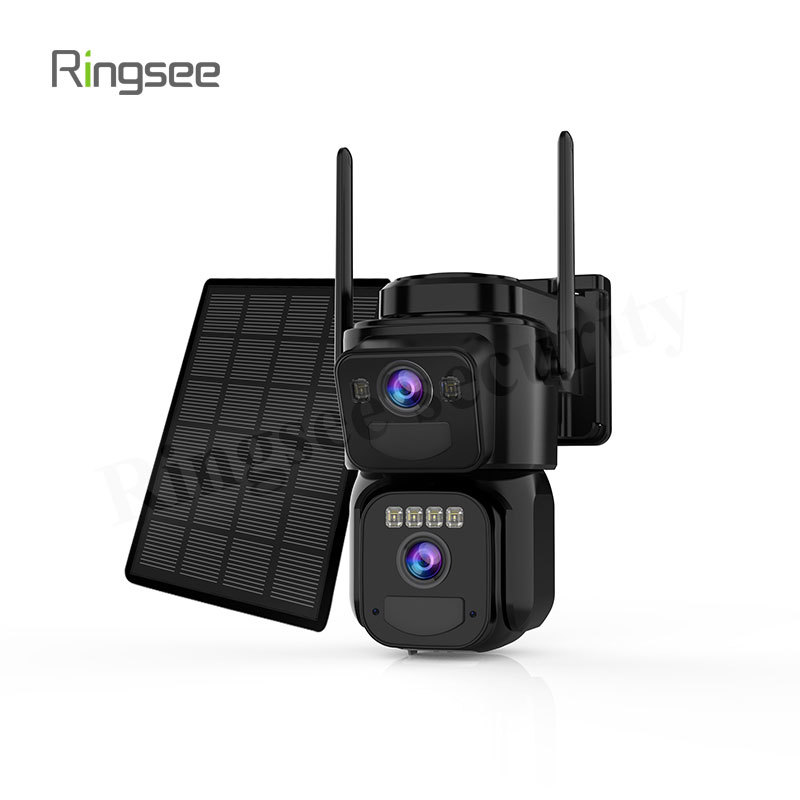
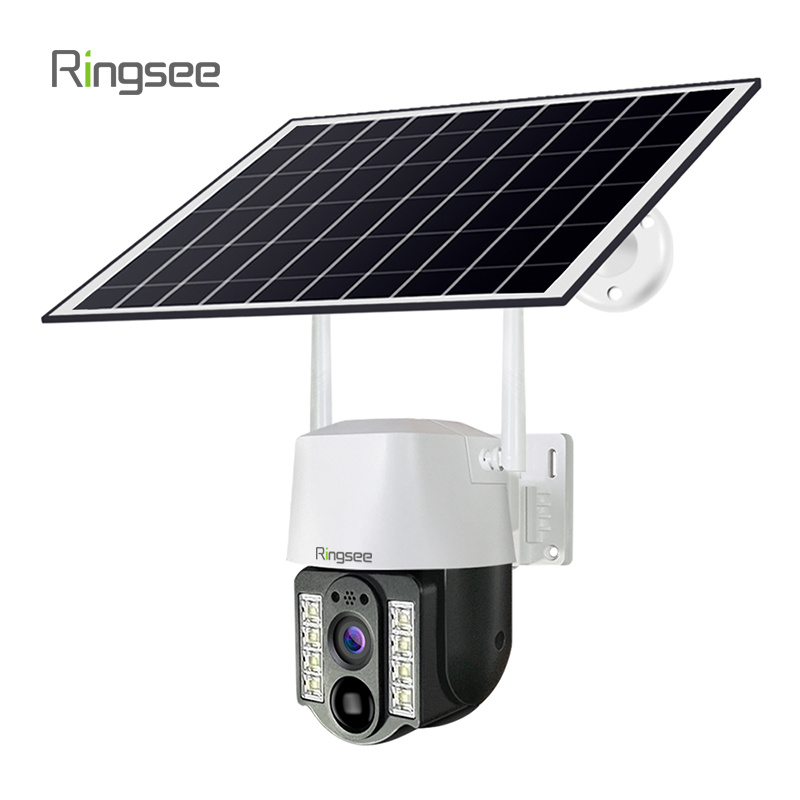
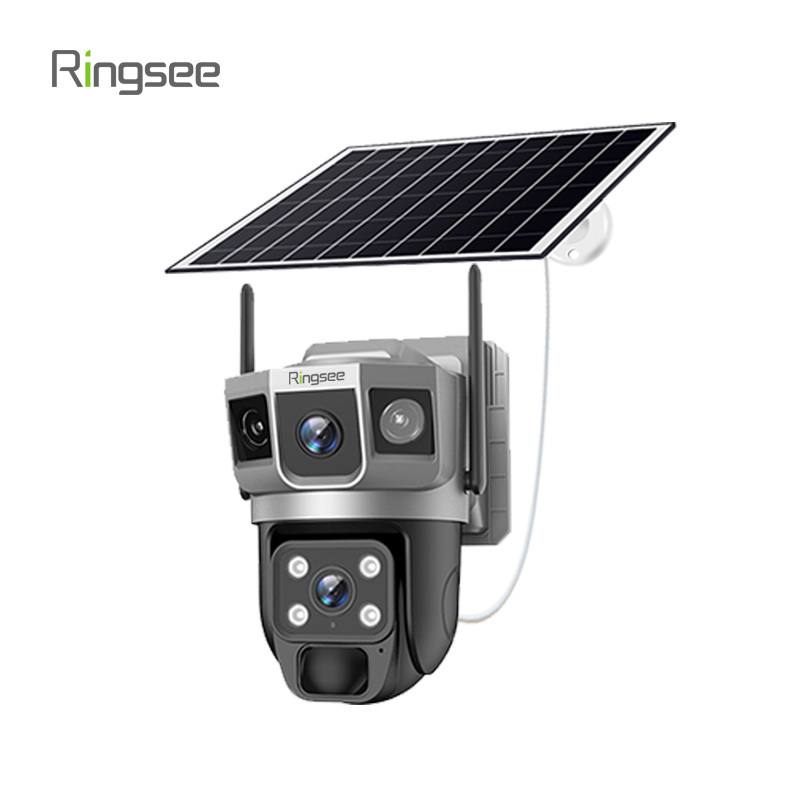
4K Three-lens Solar Security Camera
Below are our recommended multi‑lens security cameras for large property coverage, each offering free cloud plans to keep your home protected seamlessly.
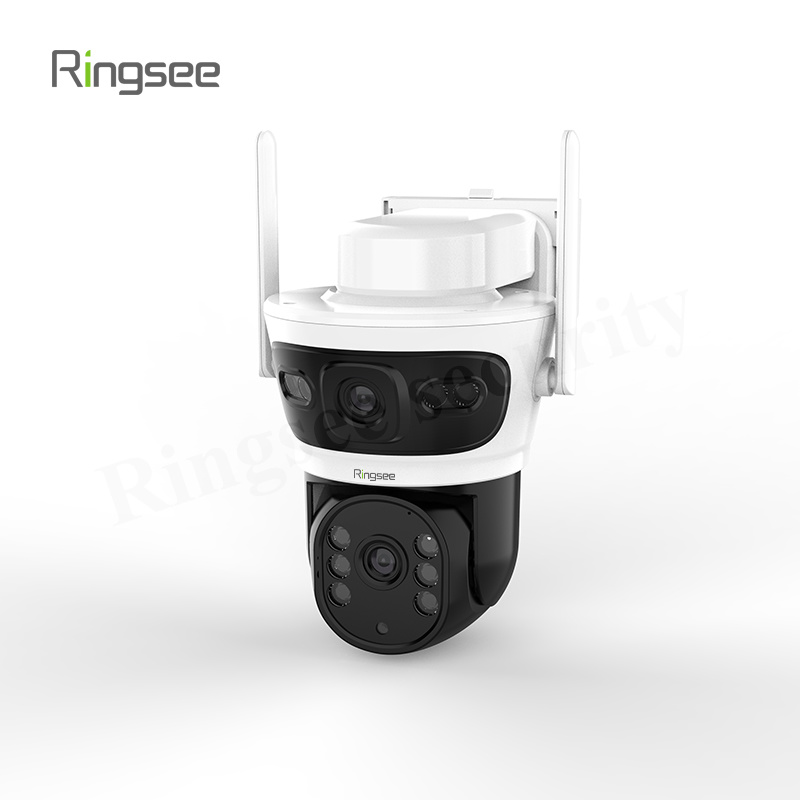
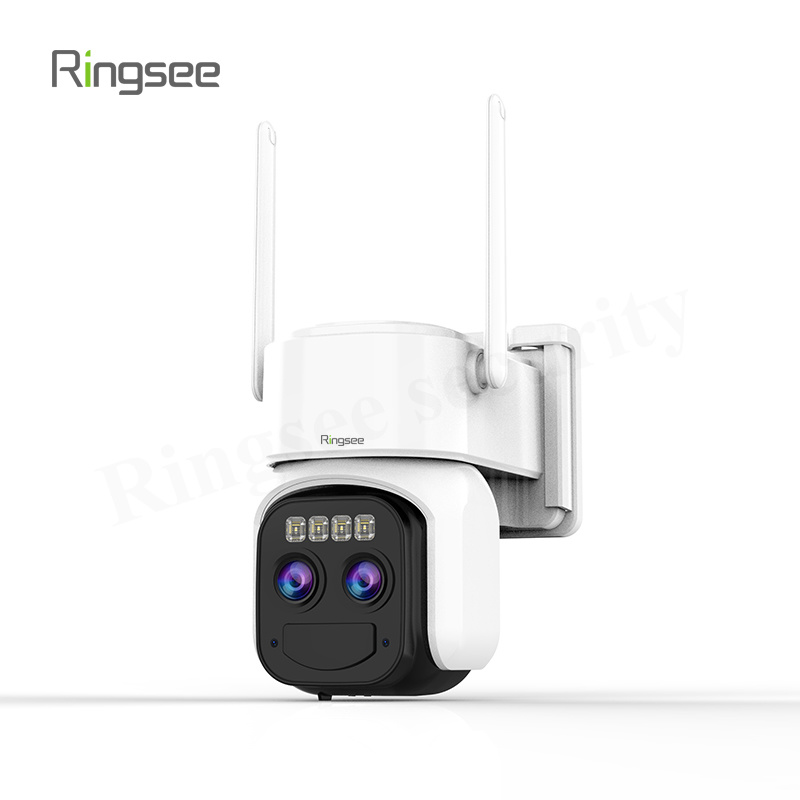
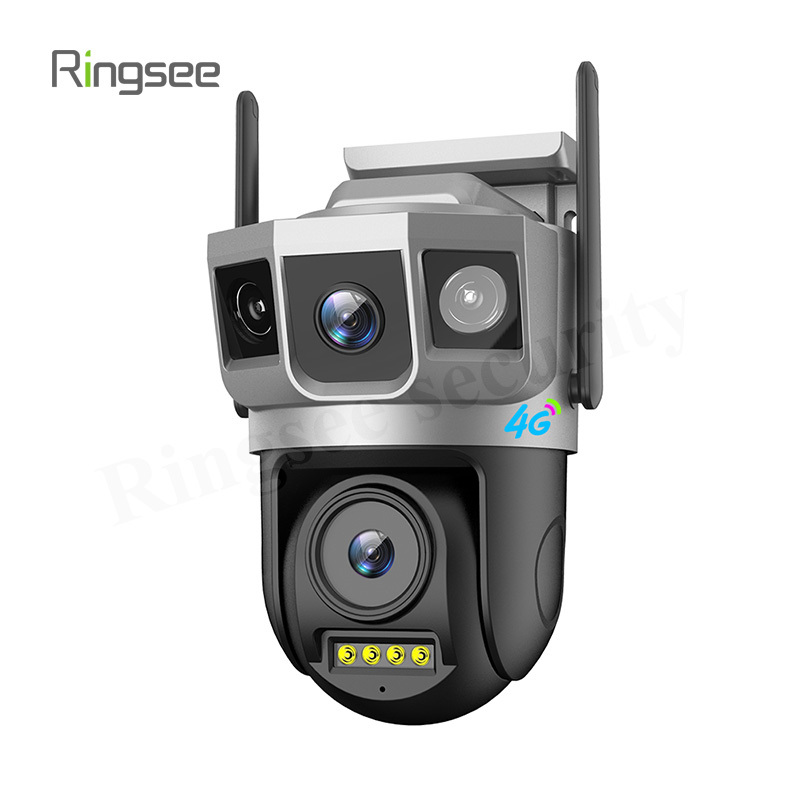
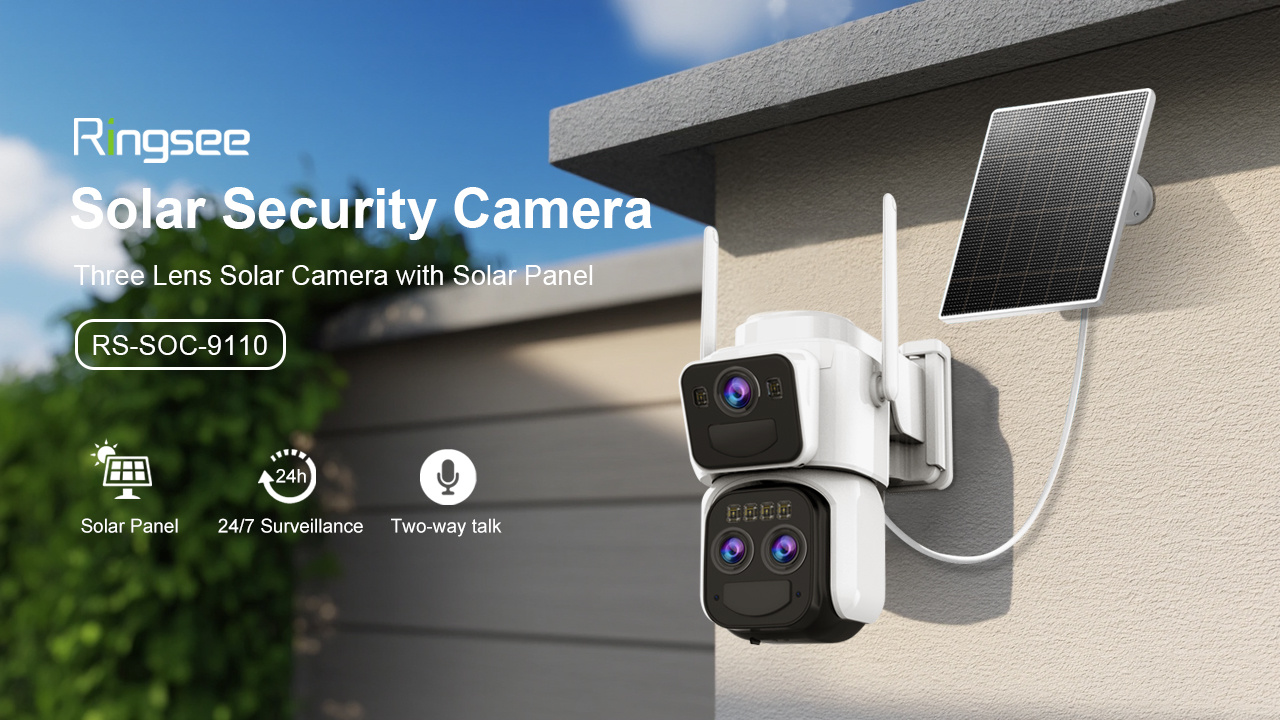
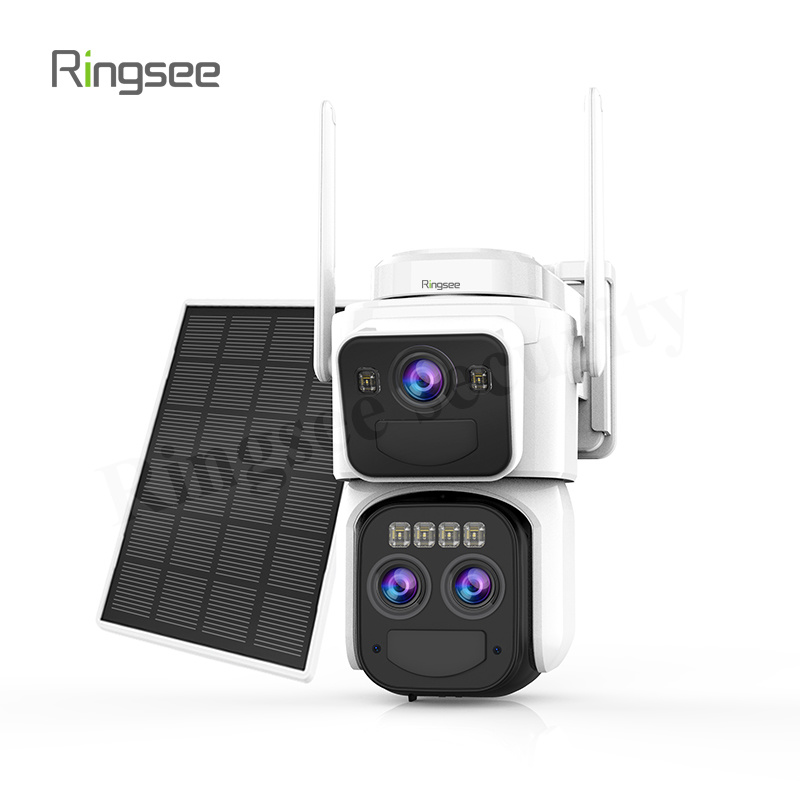
1. Ringsee RS‑SOC‑9110 Triple‑Lens Solar Security Camera
Key Features
3‑lens security camera with 4K overall resolution and one zoom‑capable lens
AI human detection outdoor camera with customizable activity zones
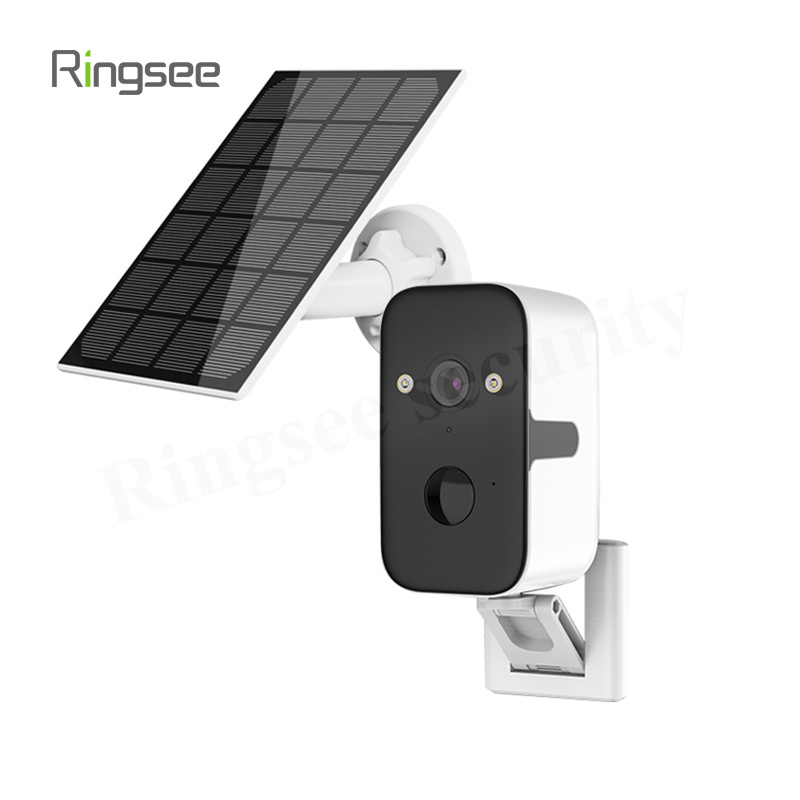
12000 mAh battery supported by solar panel for continuous power
Full‑color night vision camera with dual LED light sources
Includes 24 hours of free cloud storage
Why We Love It
Perfect for expansive yards, the triple‑lens array covers up to 180° horizontally. Solar charging keeps the wireless battery‑powered camera running indefinitely, while AI alerts reduce false alarms.
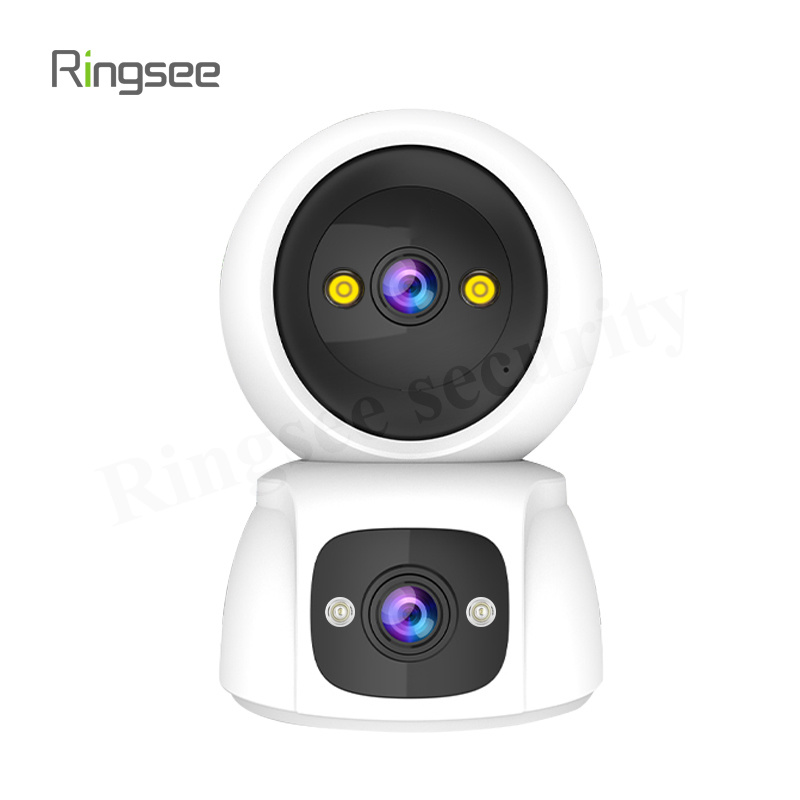
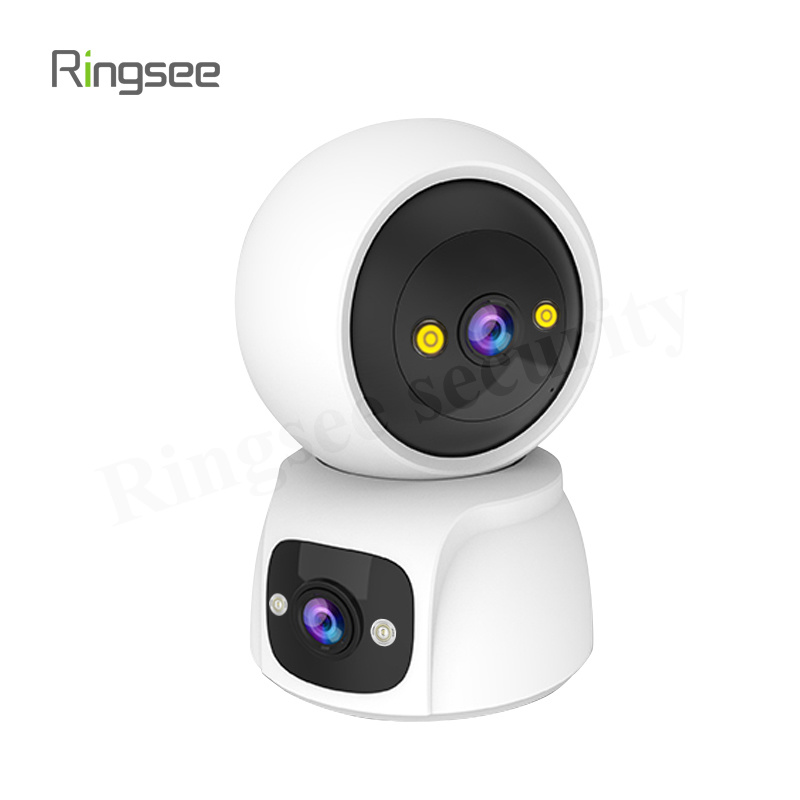
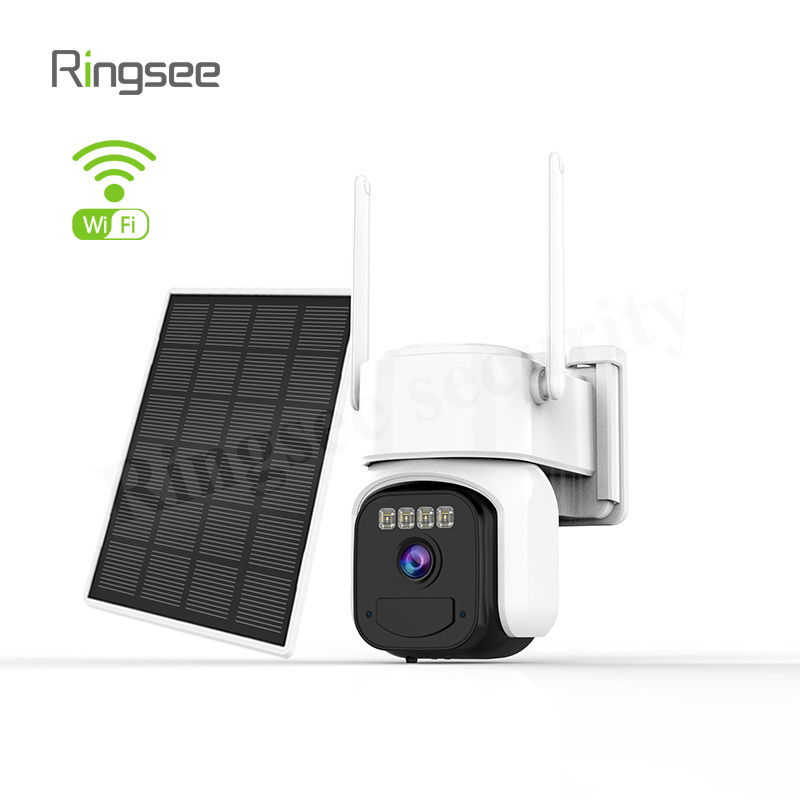
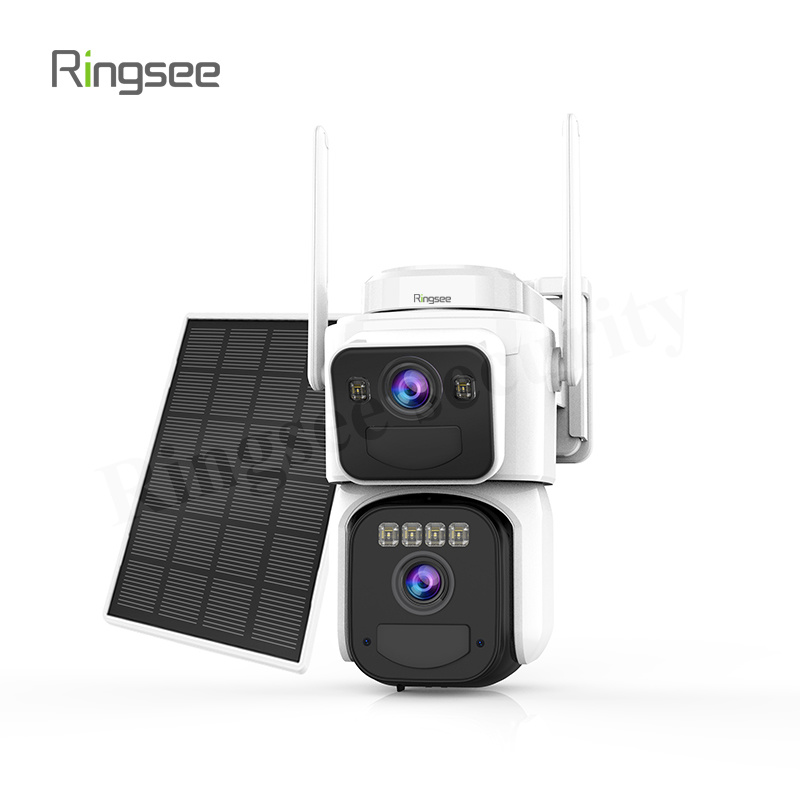
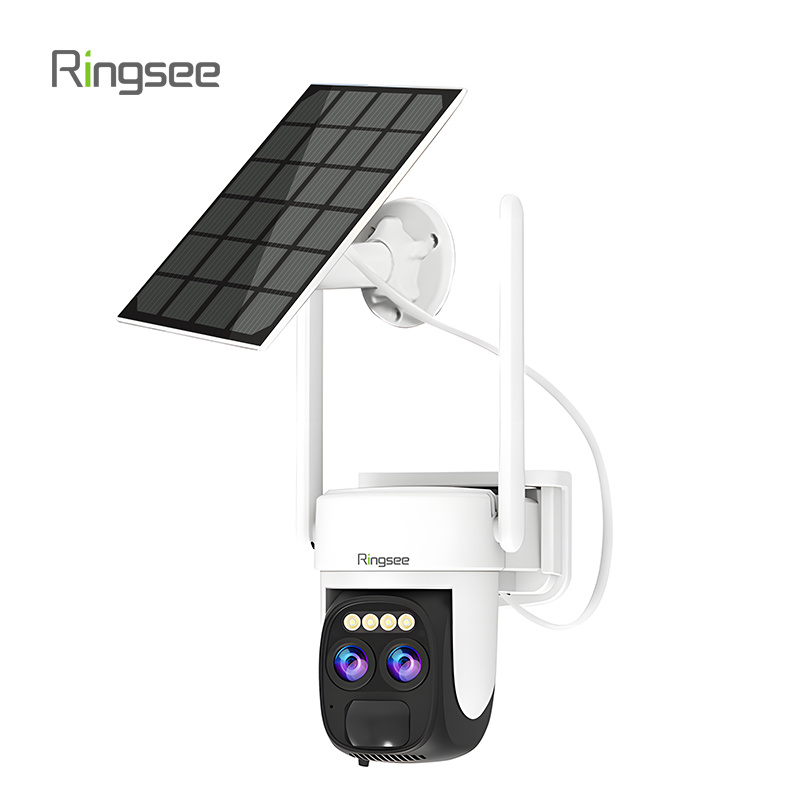
2. Ringsee RS‑SOC‑9108 Dual‑Lens Solar Camera with Free Cloud Plan
Dual-lens Solar Security Camera
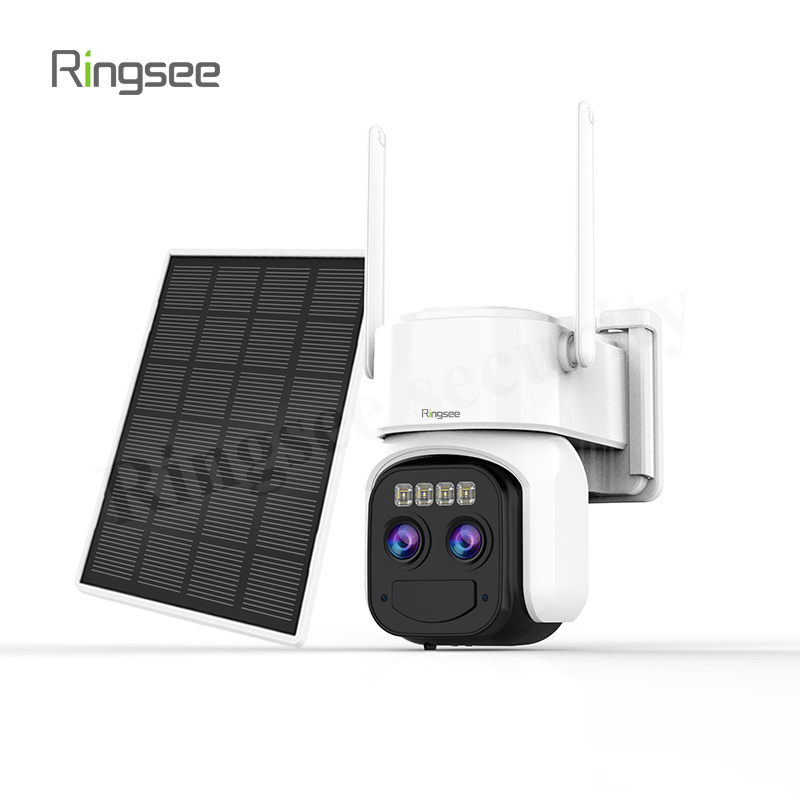
Key Features
Multi‑lens security camera for large property coverage (dual‑lens, 4MP)
Outdoor camera with humanoid and motion detection
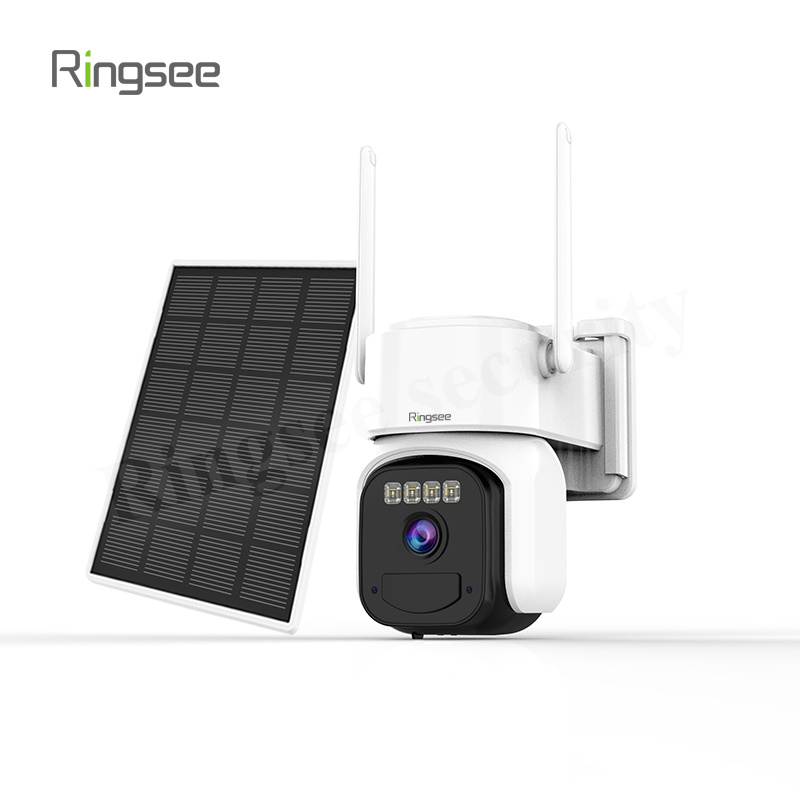
Integrated 12000 mAh battery and solar panel support
Night vision camera with dual light sources, plus 24 hours of free cloud backup
Best For
Users on a tighter budget who still want solar‑powered reliability and the reassurance of cloud‑based video retention.
How to Choose the Right System
Coverage Needs: For large properties, opt for three‑lens security cameras; dual‑lens may suffice for smaller areas.
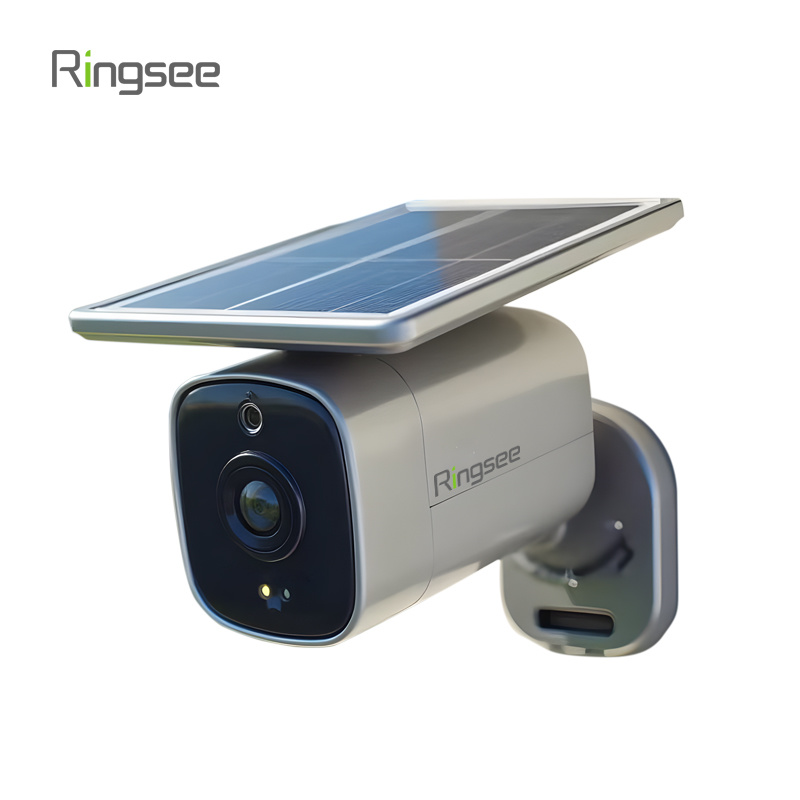
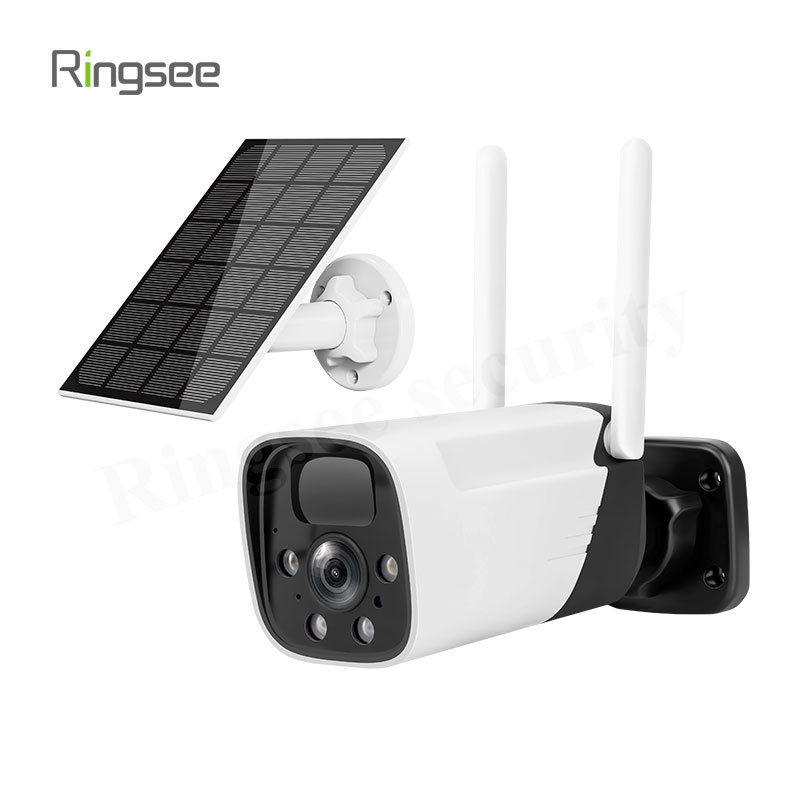
Power Source: Battery‑only models offer easy placement, but solar‑battery hybrids like the RS‑SOC series provide near‑unlimited runtime.
Retention Period: If you need more than 48–72 hours of free storage, plan for local SD backups or upgrade your plan.
Smart Features: Look for AI human detection outdoor cameras to minimize false alerts and focus on critical events.
Conclusion
An outdoor security system with free cloud storage strikes a balance between affordability and advanced protection. By understanding the trade‑offs and selecting a system—such as the Ringsee RS‑SOC‑9110, RS‑OT‑9110, or RS‑SOC‑9108—that aligns with your coverage, power, and retention requirements, you can enjoy peace of mind without recurring fees. Ready to upgrade your home security? Explore Ringsee’s lineup today!
Related News
Target readers: security owners, system integrators, and EHS engineers for petrochemical, oil and gas, pharmaceutical, powder processing, and coal mining sites where explosive gas or combustible dust exists. Core takeaway: a normal camera is itself an ignition source in flammable environments. You must use explosion proof cameras certified to ATEX, IECEx, or China Ex, selected by hazard zone, installed with proper grounding, and documented for compliance. This guide gives a reusable selection, install, and acceptance workflow.
Nov 08,2026
4G 5G Cellular Surveillance Camera Guide: Remote Video without Broadband
Target readers: security owners and integrators for farms, orchards, fisheries, construction, oil and mining sites, vehicle fleets, and remote African villages where broadband is scarce. Core takeaway: when there is no fiber, no broadband, and frequent power loss, a SIM card cellular camera is the easiest and most scalable remote video option. This guide gives a reusable architecture covering power, data, backhaul, AI, and compliant deployment.
Nov 08,2026
Analog CCTV Upgrade Guide: Coax HD Reuse vs Full IP Rebuild, Cost and Timeline Compared
Factory, campus and retail chains running analog surveillance for five or six years face the same wall: blurry images, unretrievable footage, and no path to AI analytics on legacy hardware. This guide breaks down pre-upgrade system inventory, compares the coax-HD reuse route against a full IP rebuild, gives bandwidth and storage recalculation formulas, and lays out a zoned, non-disruptive cutover plan with a selection checklist.
Oct 31,2026
CCTV Maintenance Outsourcing: SLA Tiers, Market Rates, KPI and Contract Playbook
Conclusion first: the real cost of a surveillance system is in its operation. Three years of maintenance typically equals 30% to 50% of the build cost, yet most buyers spend the budget at install and leave operation to whoever happens to notice. Lock the maintenance boundary while signing the build contract. This guide breaks down the in-house versus outsourced decision model, a three-tier SLA (P1 / P2 / P3), per-point market rates and how to read a quote, the two KPIs that decide payment (camera online rate and footage integrity), the five clauses every contract must hold, the 90-day handover that most often loses control, plus a selection checklist and acceptance tests.
Oct 25,2026
Links:One Belt Power Technology
Add: 14th Floor, Baoshan Building, Longhua District, Shenzhen China.
Privacy Policy | SEO | CitySite | Support: 300.cn Dongguan