






Triple-Lens vs Dual-Lens Security Camera: Which One Offers Better Coverage for Your Property?
Publish:
2025-04-22 14:44
Source:
https://www.ring-see.com
Discover the key differences between 3-lens and 2-lens security cameras. Learn how lens configurations, field of view, and advanced features like AI detection and zoom capabilities affect performance, and find out which camera provides the best coverage for your property.
When choosing a security camera, one of the most important factors to consider is lens configuration. Cameras with multiple lenses promise better coverage, but is a Tirple-lens security camera really that much better than a Dual-lens model? In this review, we’ll take a deep dive into the differences between a 2-lens and a 3-lens security camera, comparing their performance, field of view, and overall effectiveness in securing your property.
Lens Configuration: A Key Difference
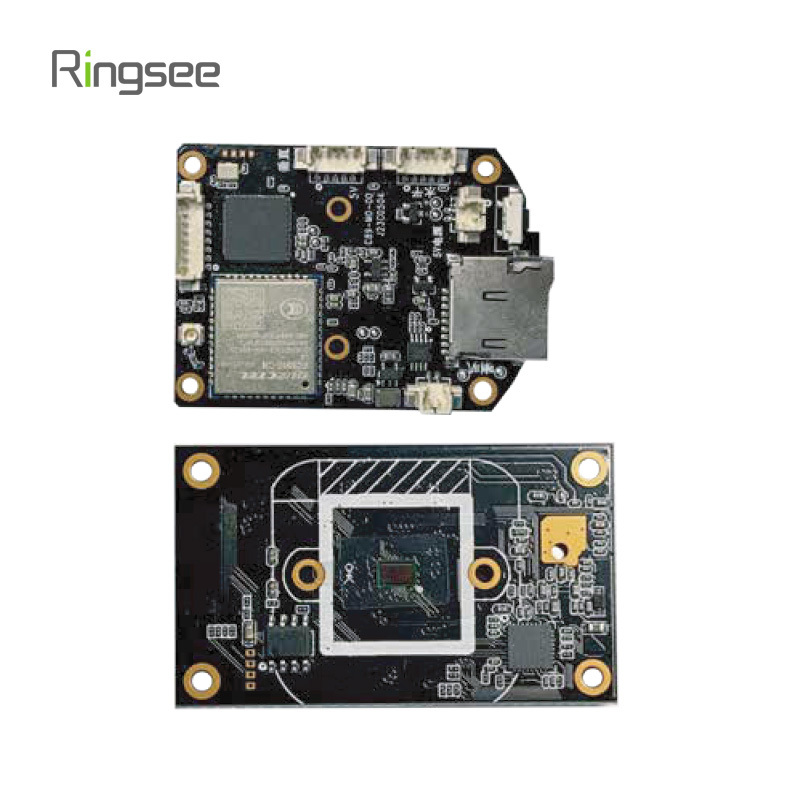
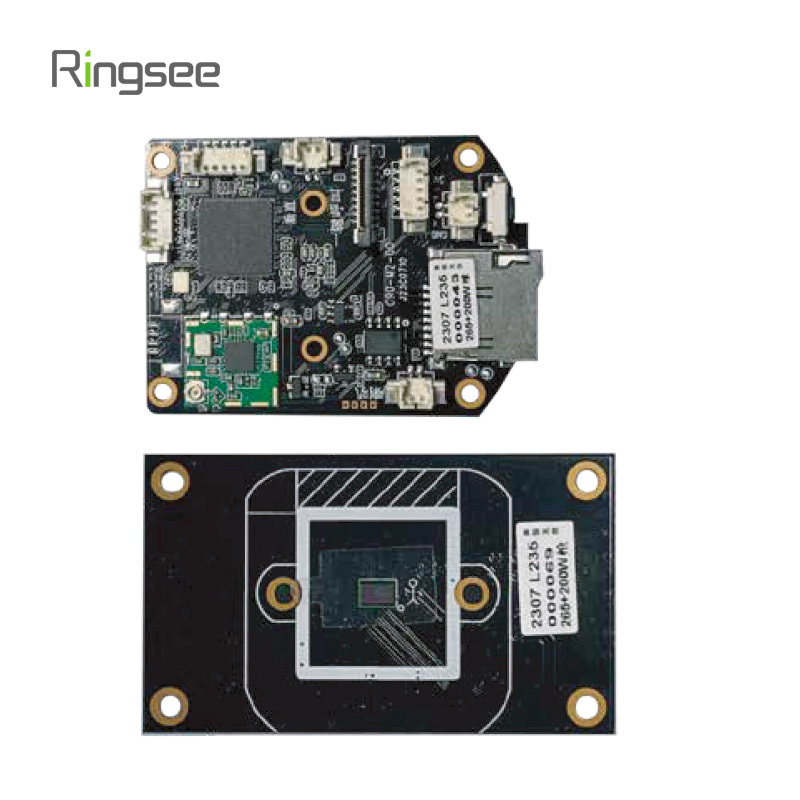
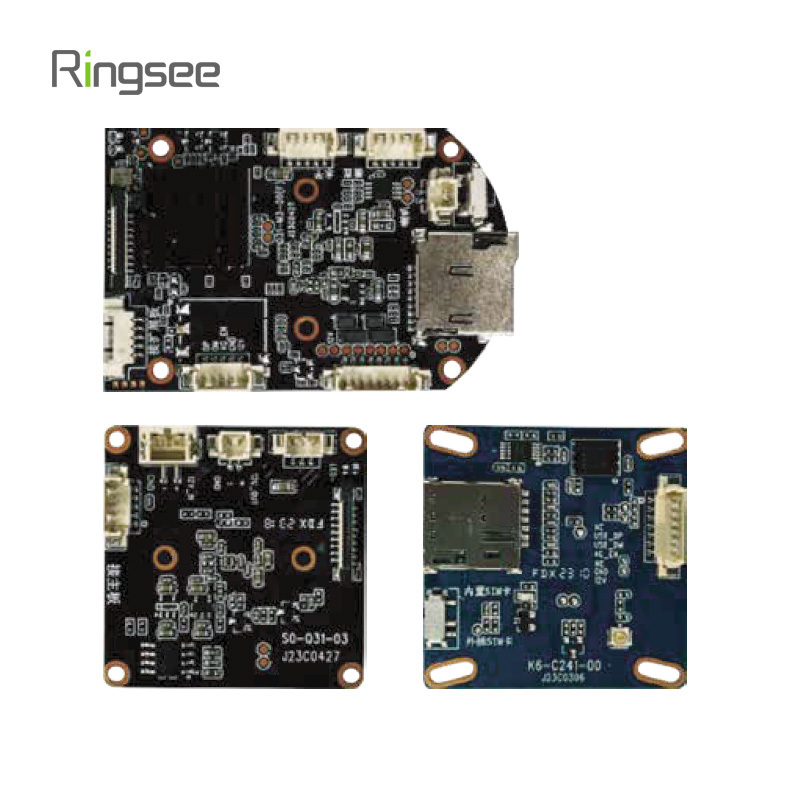
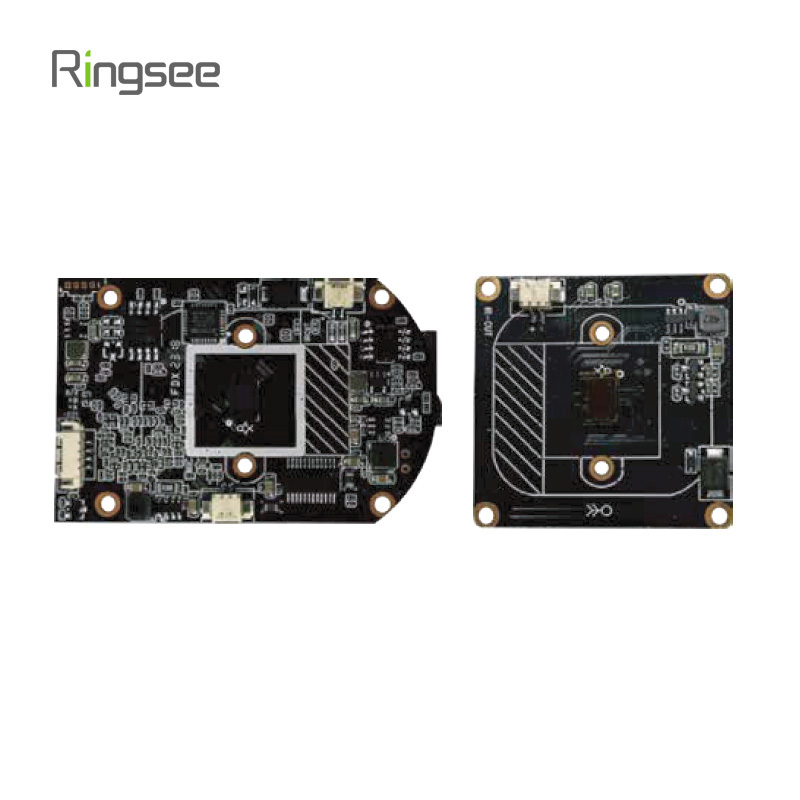
The main difference between a Triple-lens and a Dual-lens security camera lies in the number of lenses used to capture footage. More lenses mean a wider field of view and improved ability to cover larger areas, but this comes with its own set of challenges.
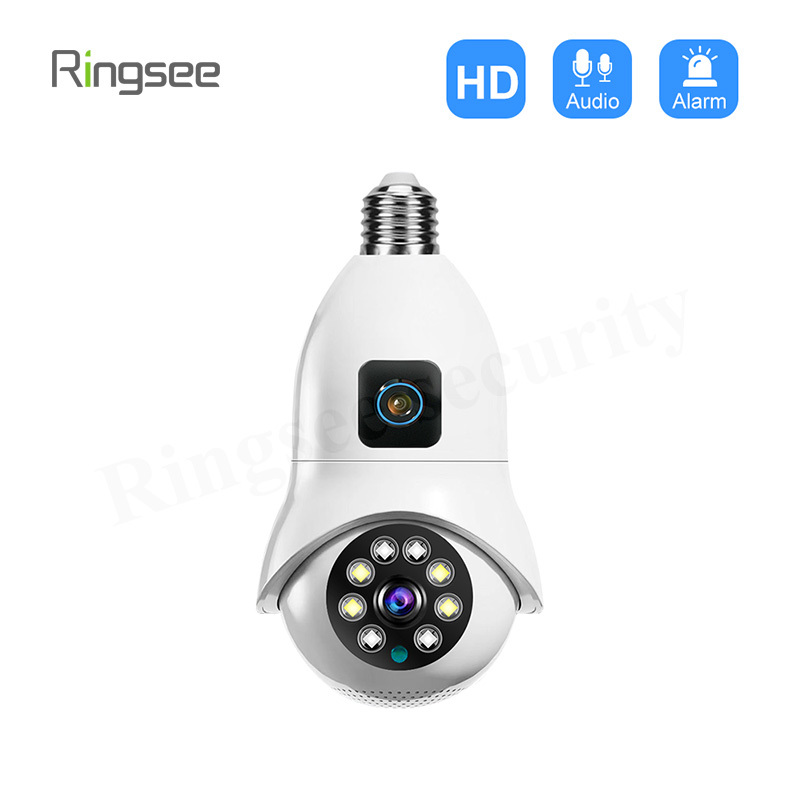
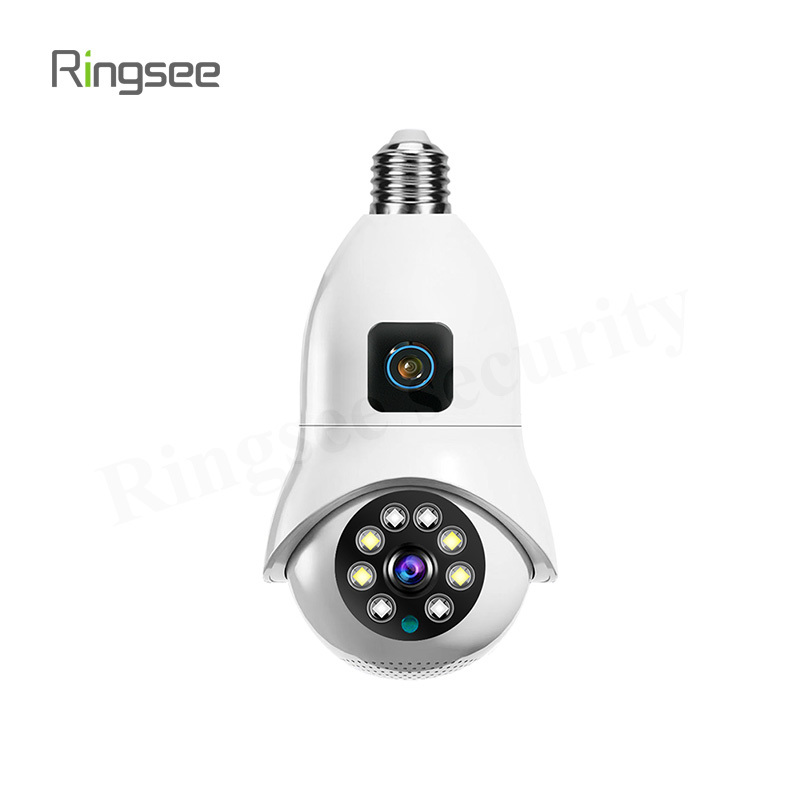
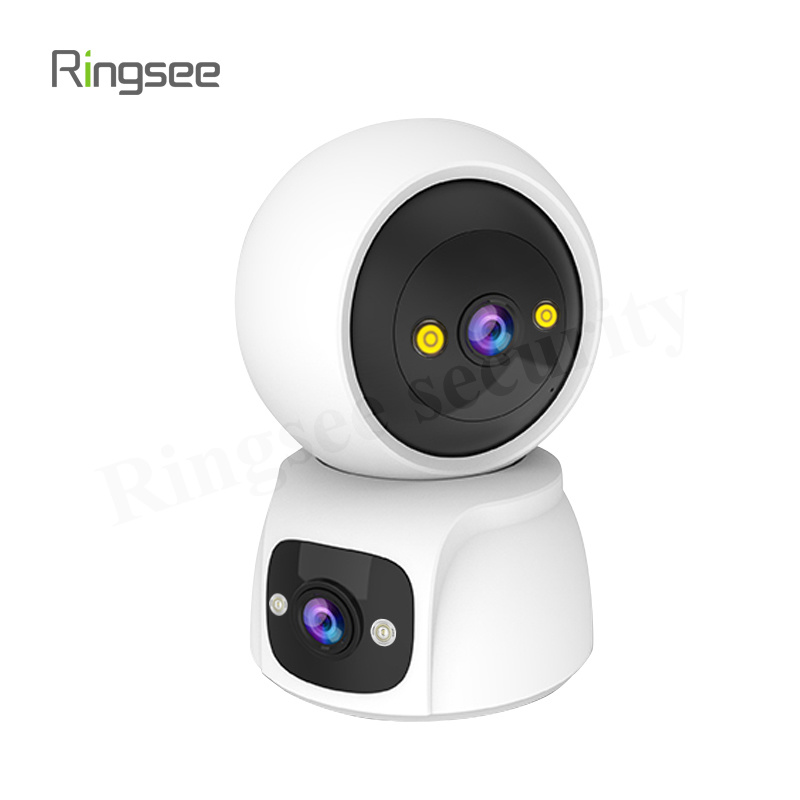
2-Lens Camera
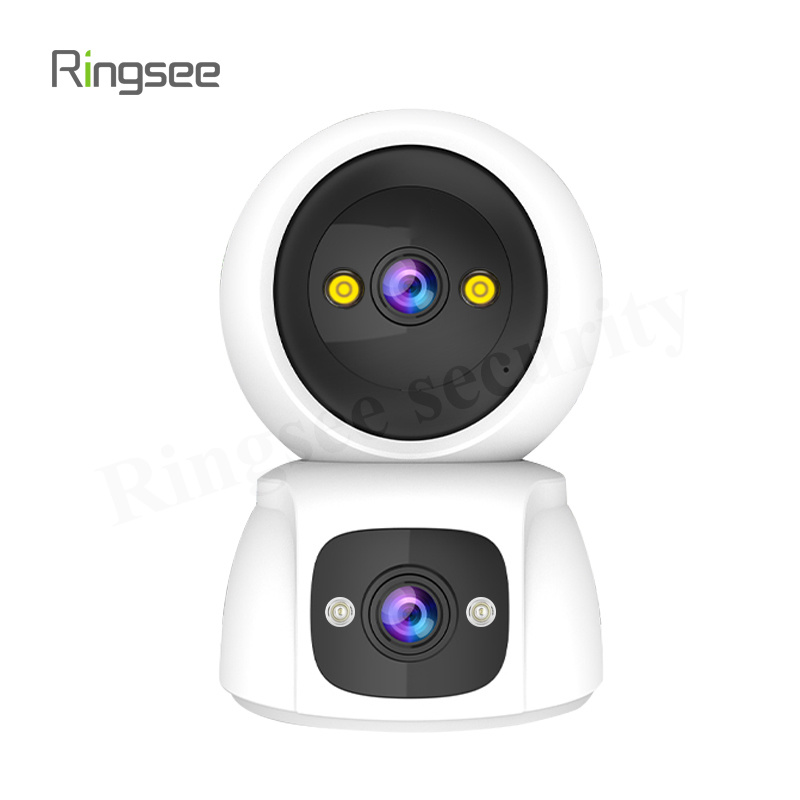
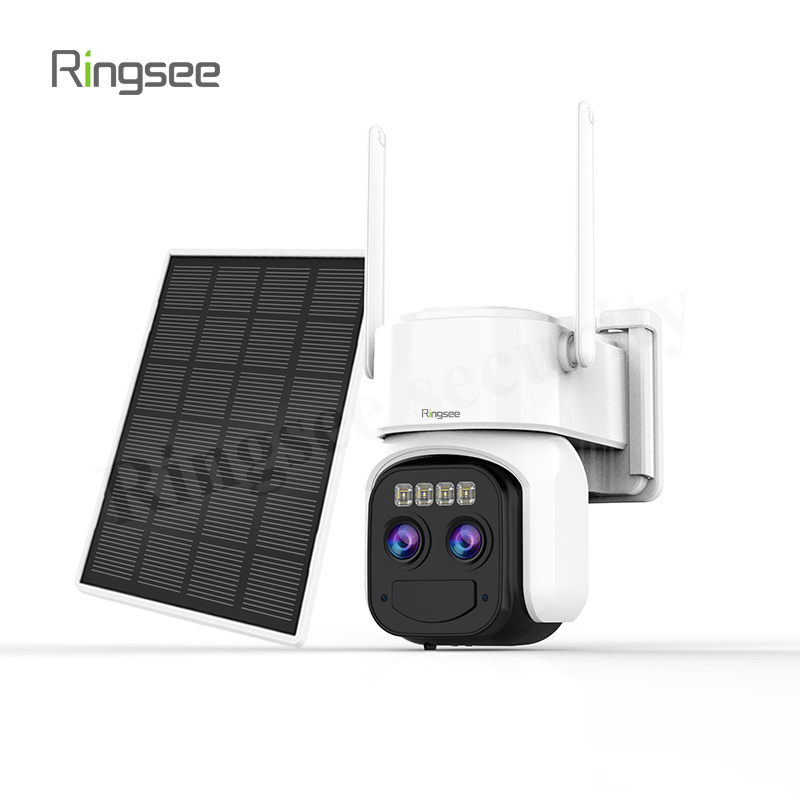
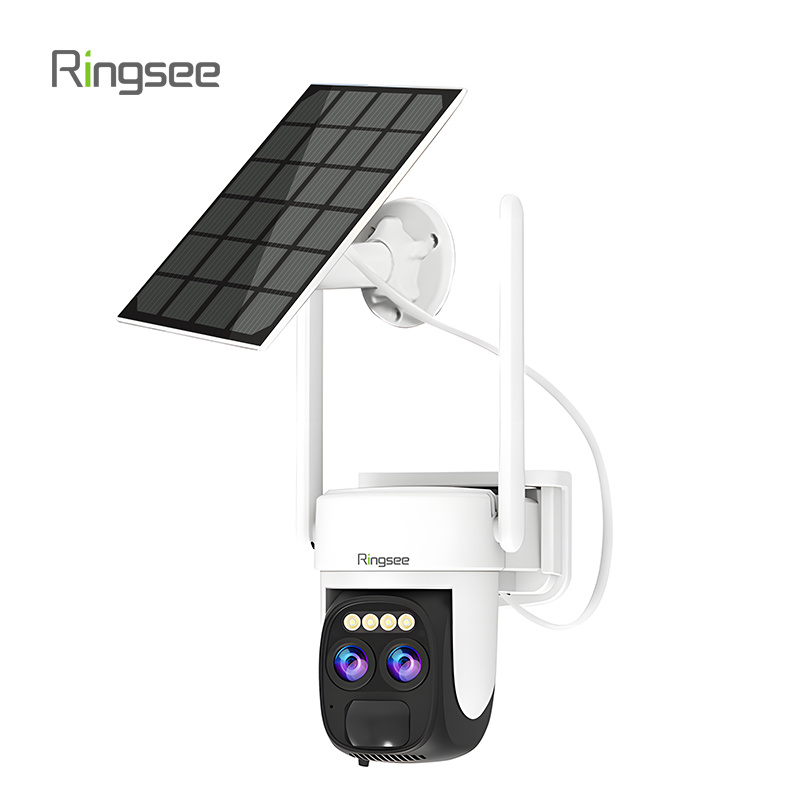
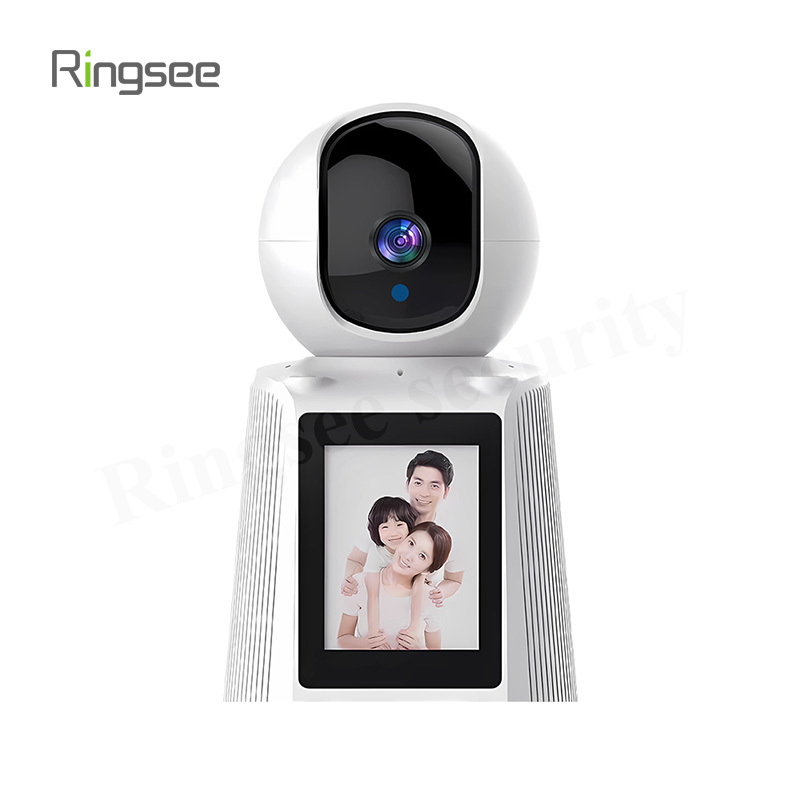
A 2-lens camera typically offers coverage from two distinct angles. The combined view can still cover a broad area, but in some cases, it might leave gaps or blind spots, especially in larger or more complex environments.
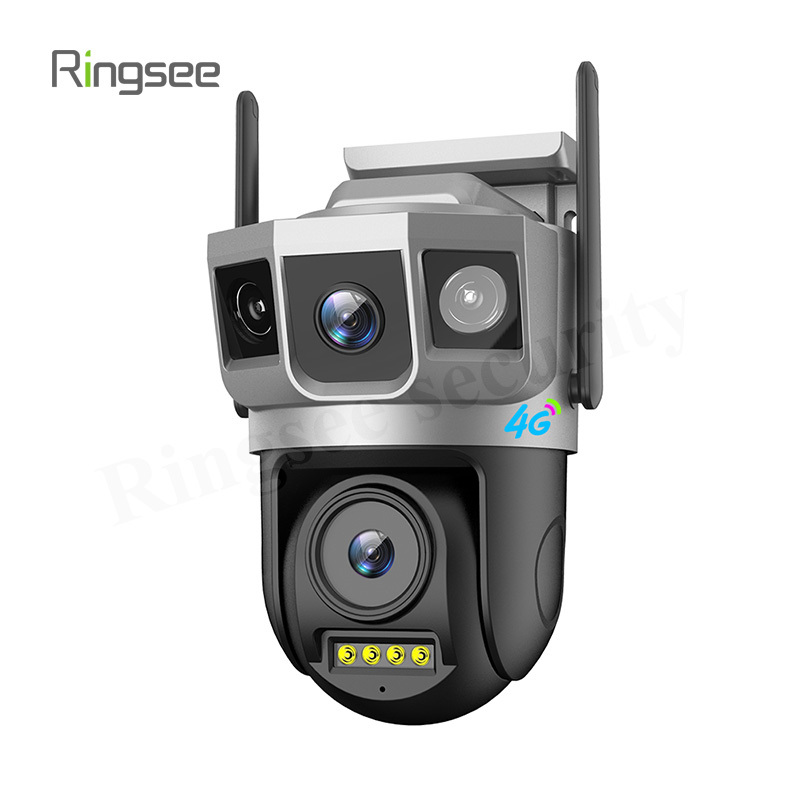
3-Lens Camera
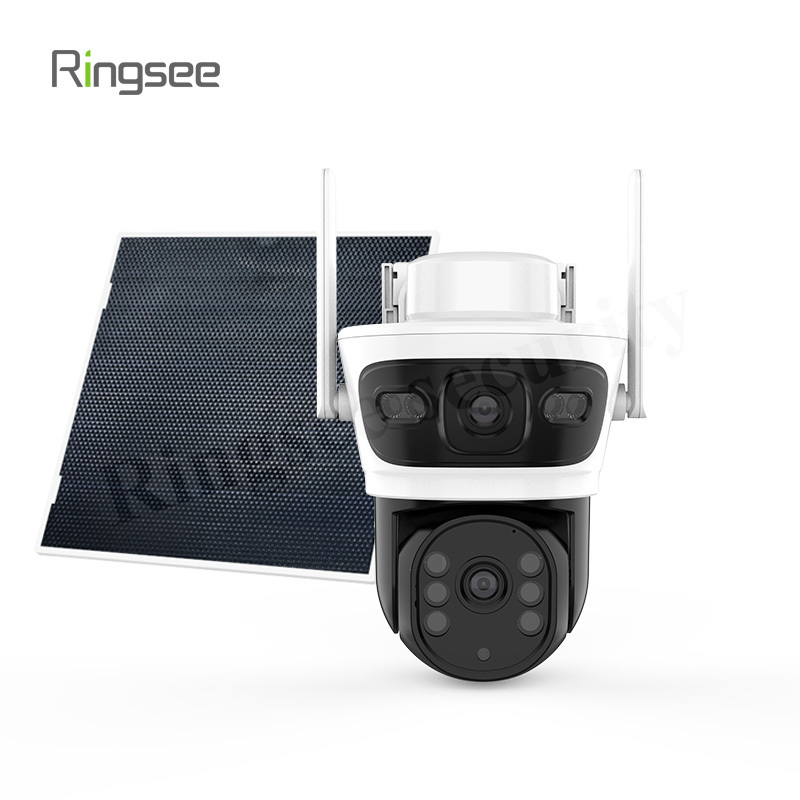
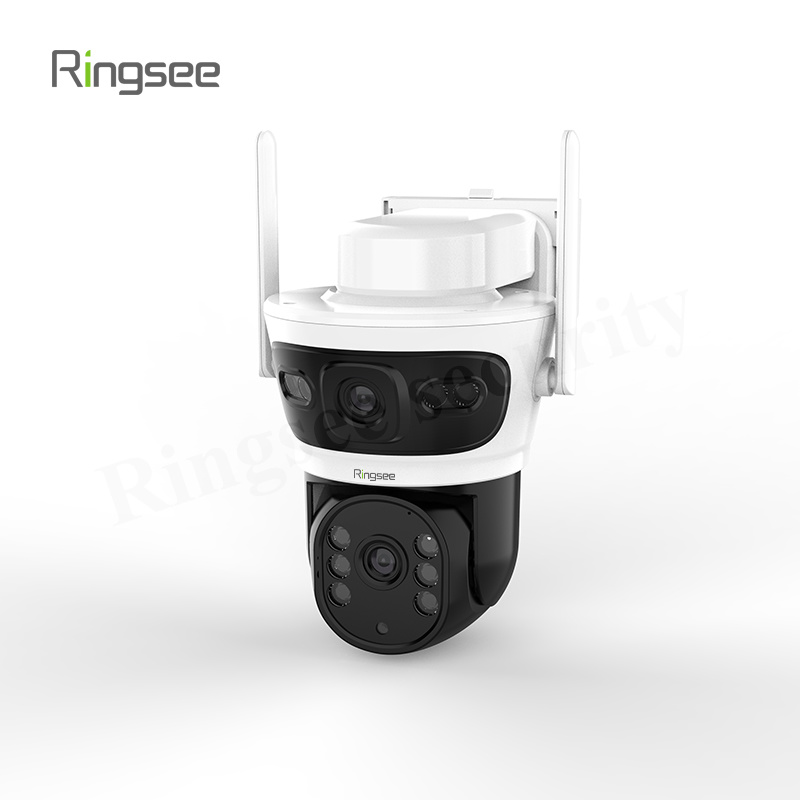
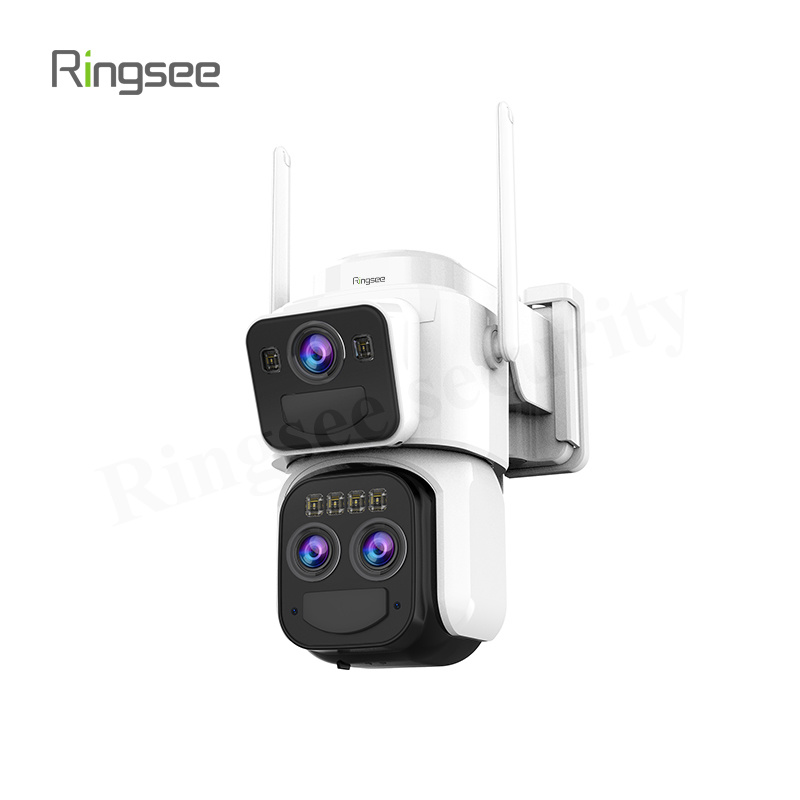
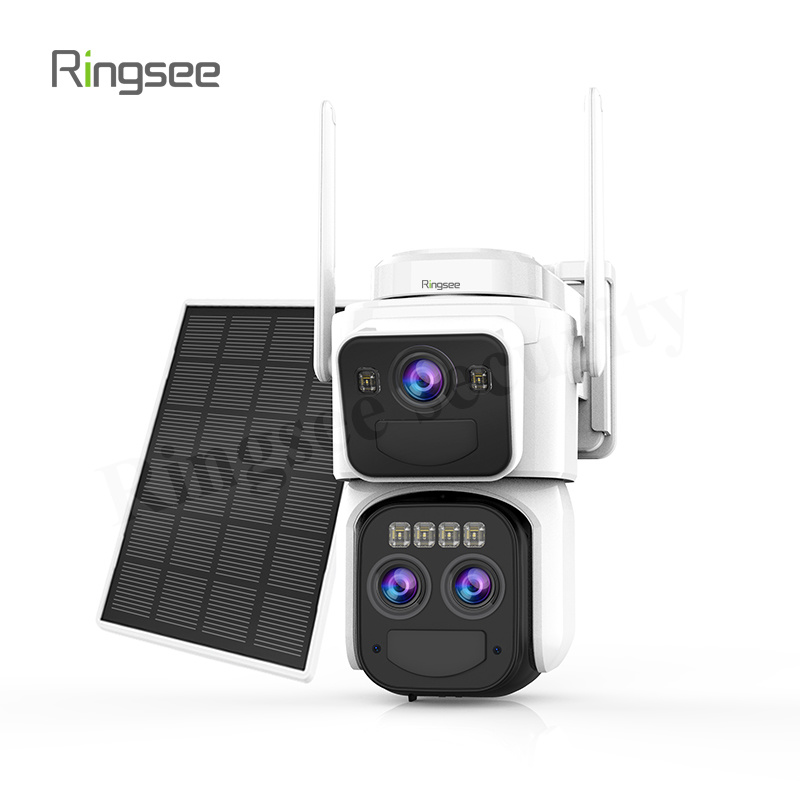
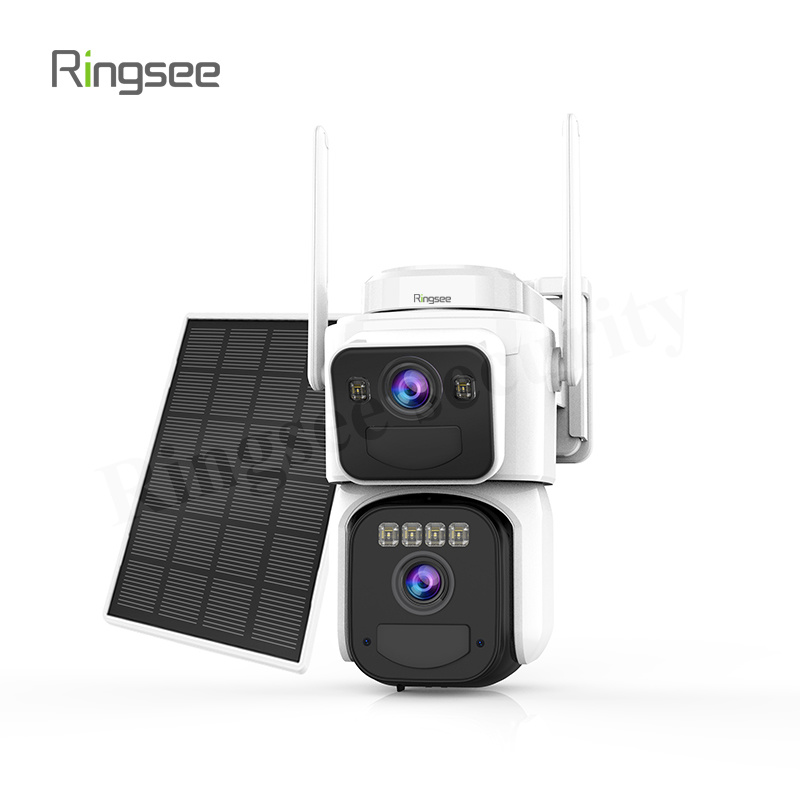
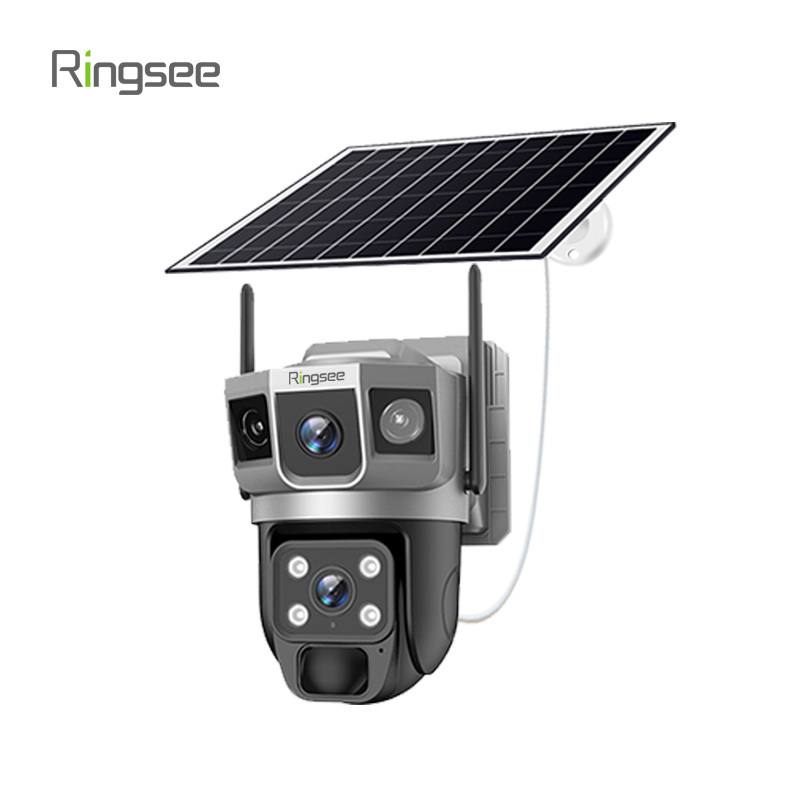
A 3-lens camera, on the other hand, utilizes three distinct lenses, typically positioned at different angles to ensure maximum coverage. With an additional lens, these cameras can cover more ground with fewer blind spots, making them ideal for larger spaces or areas requiring intricate security monitoring.

Field of View (FOV): How Wide Is Enough?
Field of view is critical when determining how much area a camera can cover. A wider FOV reduces the need for additional cameras in large areas.
2-Lens Camera
A 2-lens camera typically offers a field of view between 100°-120°, which is suitable for smaller to medium-sized areas like homes or small office spaces.
3-Lens Camera
A 3-lens camera often boasts a field of view of 150° or more, significantly improving the coverage in larger spaces. This wider FOV can capture more angles at once, reducing the need for multiple cameras in certain areas.
Performance in Different Conditions
Low-Light Performance
Both 2-lens and 3-lens security cameras are equipped with night vision technology. However, a 3-lens camera’s ability to capture more angles can be helpful in low-light conditions where shadowy corners may otherwise remain undetected.
Zoom Capabilities
A 3-lens camera often offers better zoom capabilities with one of its lenses dedicated to enhanced optical zoom. This feature can be particularly useful for monitoring distant areas or focusing on specific objects.
AI Integration: Smarter Security
Both 2-lens and 3-lens cameras are integrating AI technologies such as motion detection, person recognition, and activity analysis. However, the additional lens in a 3-lens camera allows for improved object tracking and better differentiation of activities across a broader area.
Installation Considerations
2-Lens Camera
A 2-lens camera is typically easier and quicker to install due to its more compact size and simpler configuration. It’s a good option for individuals looking for basic surveillance solutions.
3-Lens Camera
While the 3-lens camera provides superior coverage, it might require more strategic placement and setup. The increased lens count means the camera might need a more precise positioning to optimize its coverage and avoid over-capturing certain areas.
Cost Comparison
2-Lens Camera
Generally, 2-lens security cameras are more affordable, making them a great choice for individuals or businesses with a smaller budget or who are looking for a simpler solution.
3-Lens Camera
Due to the additional lenses and advanced features, 3-lens cameras tend to come with a higher price tag. However, for large properties or complex security needs, the extra cost may be justified by the enhanced coverage and reduced need for additional cameras.
Conclusion: Which One Is Right for You?
If you’re looking to secure a smaller or more straightforward area, a 2-lens camera can provide effective coverage without breaking the bank.
For larger properties or situations where minimizing blind spots is crucial, a 3-lens camera is the better choice. The extra lens will deliver superior coverage and performance, especially in complex layouts or high-traffic areas.
Ultimately, the decision comes down to your specific security needs and budget. If you require extensive coverage, the 3-lens camera might be the ideal choice. However, for smaller or less demanding environments, a 2-lens model should suffice.
Prev:
Related News
Target readers: security owners, system integrators, and EHS engineers for petrochemical, oil and gas, pharmaceutical, powder processing, and coal mining sites where explosive gas or combustible dust exists. Core takeaway: a normal camera is itself an ignition source in flammable environments. You must use explosion proof cameras certified to ATEX, IECEx, or China Ex, selected by hazard zone, installed with proper grounding, and documented for compliance. This guide gives a reusable selection, install, and acceptance workflow.
Nov 08,2026
4G 5G Cellular Surveillance Camera Guide: Remote Video without Broadband
Target readers: security owners and integrators for farms, orchards, fisheries, construction, oil and mining sites, vehicle fleets, and remote African villages where broadband is scarce. Core takeaway: when there is no fiber, no broadband, and frequent power loss, a SIM card cellular camera is the easiest and most scalable remote video option. This guide gives a reusable architecture covering power, data, backhaul, AI, and compliant deployment.
Nov 08,2026
Analog CCTV Upgrade Guide: Coax HD Reuse vs Full IP Rebuild, Cost and Timeline Compared
Factory, campus and retail chains running analog surveillance for five or six years face the same wall: blurry images, unretrievable footage, and no path to AI analytics on legacy hardware. This guide breaks down pre-upgrade system inventory, compares the coax-HD reuse route against a full IP rebuild, gives bandwidth and storage recalculation formulas, and lays out a zoned, non-disruptive cutover plan with a selection checklist.
Oct 31,2026
CCTV Maintenance Outsourcing: SLA Tiers, Market Rates, KPI and Contract Playbook
Conclusion first: the real cost of a surveillance system is in its operation. Three years of maintenance typically equals 30% to 50% of the build cost, yet most buyers spend the budget at install and leave operation to whoever happens to notice. Lock the maintenance boundary while signing the build contract. This guide breaks down the in-house versus outsourced decision model, a three-tier SLA (P1 / P2 / P3), per-point market rates and how to read a quote, the two KPIs that decide payment (camera online rate and footage integrity), the five clauses every contract must hold, the 90-day handover that most often loses control, plus a selection checklist and acceptance tests.
Oct 25,2026
Links:One Belt Power Technology
Add: 14th Floor, Baoshan Building, Longhua District, Shenzhen China.
Privacy Policy | SEO | CitySite | Support: 300.cn Dongguan