














































































How Solar Trail Cameras Quietly Win You More Time in the Field
Publish:
2025-10-14 09:32
Source:
https://www.ring-see.com
swap frequent battery-swap trips for a solar-powered trail-camera setup and you’ll disturb game less, lose fewer key photo windows to dead batteries, and free up hours (and dollars) to invest back into better scouting and more time hunting. The case for solar isn't just technical — it’s tactical.
The stealth advantage: less foot traffic, fewer spooked animals
One of the simplest but most under-appreciated wins of solar-powered trail cams is behavioral: the fewer times you physically visit a site to swap batteries, the less you teach animals to avoid that place. Every approach to a camera is another scent, sound, and visual cue you leave behind. Over a season those repeated micro-disturbances shape movement patterns and can make a once-reliable trail or stand suddenly unreliable.
Solar power reduces the need for those visits because a properly-sized panel paired with a battery keeps the camera running for months. Pair that with cellular transmission and you may never need to climb back into the woods just to check power — the camera will tell you its status remotely. That means more natural animal behavior to observe and more accurate patterning when it counts.
My take: hunters often fixate on resolution, trigger speed, or flash range — but behavioral fidelity (how undisturbed the animals remain) is as valuable as picture quality when you're trying to pattern wary bucks or boars. Solar addresses behavior directly.
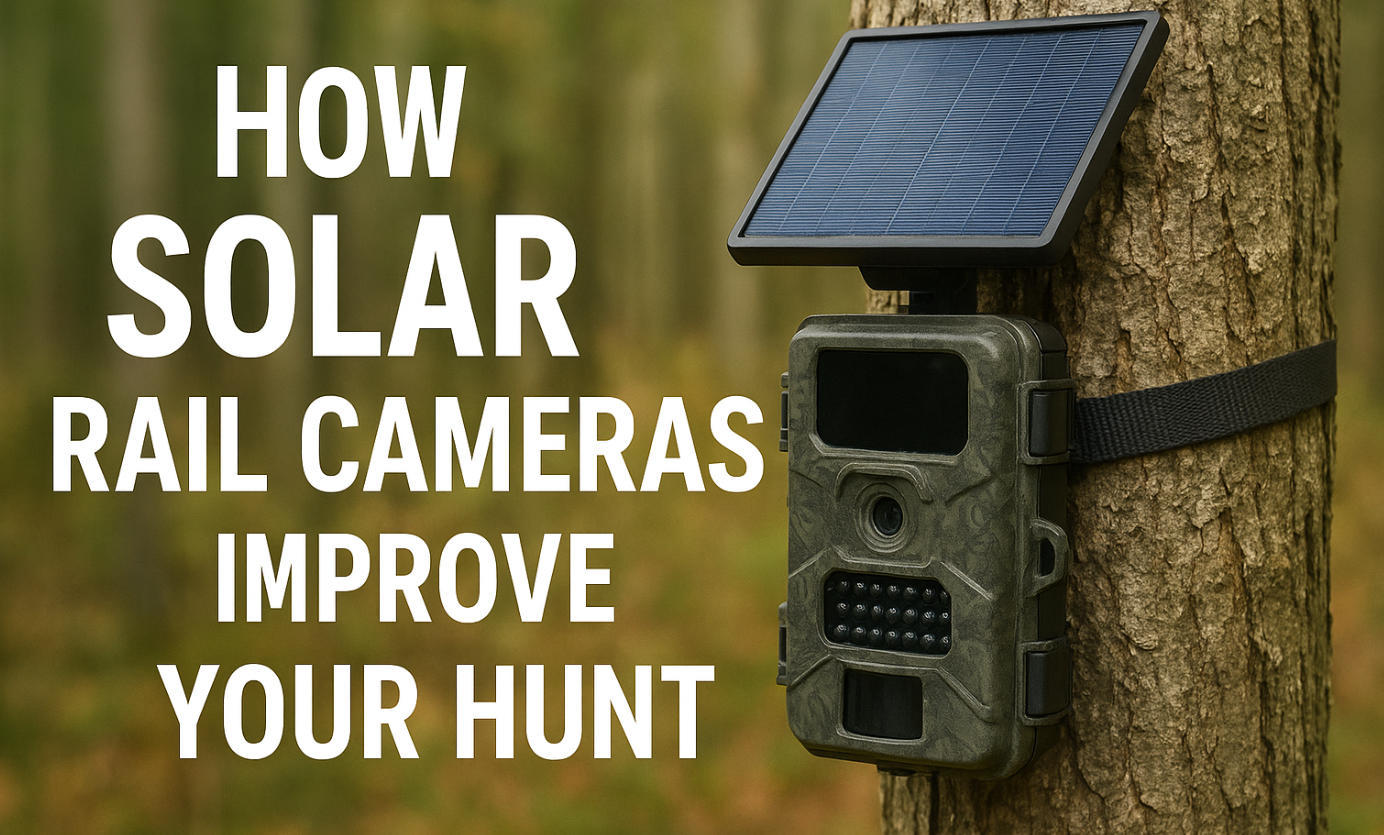
Reliability: stop missing the moments that matter
Cold snaps, long hunts, or simply long gaps between visits can cause battery failure — and when that happens, you miss everything that walked by while your camera was dead. Solar systems dramatically cut that risk. Even non-cellular setups upgraded with external solar + lithium packs are far less likely to go dark when conventional AAs would have frozen or drained. For cellular models, remote monitoring gives you a heads-up before a failure affects your data stream.
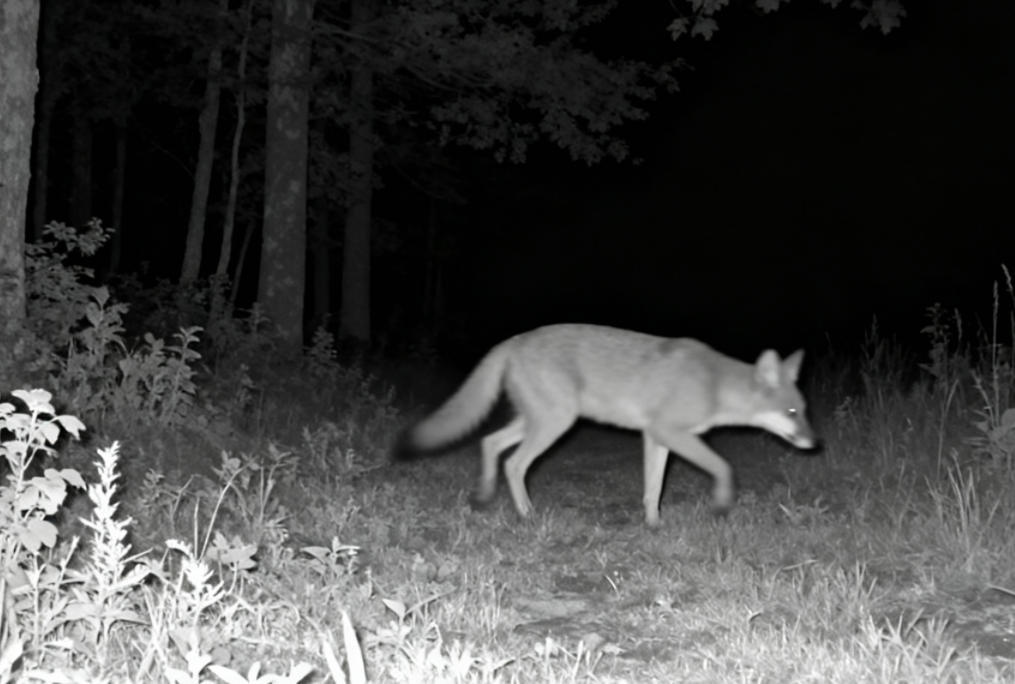
Practical opinion: if your area sees deep cold or extended storms, build redundancy: a larger panel, a quality lithium battery, and a weather-tight mounting box. Those small investments preserve your data continuity, which in my view is where the real ROI lives — not just in pictures saved, but in knowledge gained about animal timing and movement.
Time and money back in your hunting budget — literally
Solar setups cost more up front, but they return savings fast by eliminating bulk battery purchases and the labor of swapping them. Think of it this way: time spent driving, hiking, and swapping batteries is time not spent scouting, practicing, or actually hunting. Those hours add up; they’re the opportunity cost of a battery-based operation.
Beyond time, improved uptime translates to better scouting intelligence. A camera that’s always on collects a fuller sample of animal behavior across weather and daylight conditions — and better data helps you make better, more confident decisions about where and when to hunt.
My take: I’d rather invest once in a solid solar rig and a protective mounting solution than buy seasons of AA packs and lose nights of data. The upfront cost is a hedge against missed opportunities.
A few extra (practical) thoughts I’d add — things the big-picture advice doesn’t always spell out
Match panel size to your climate and camera duty cycle. Sunny locales need smaller panels; tree-shaded spots require oversized panels or strategic placement. If in doubt, oversize the panel a bit — it’s cheap insurance.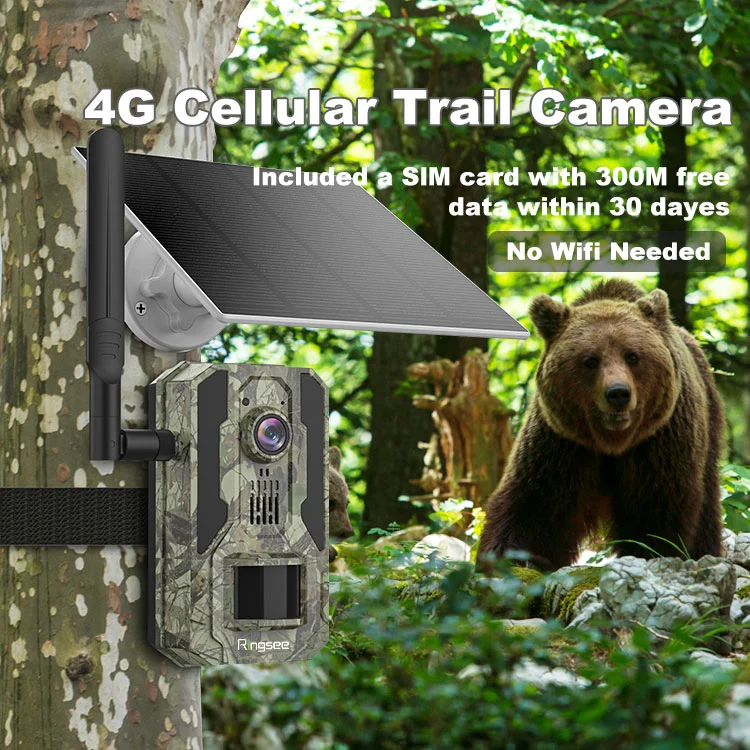
Use lithium-based batteries when possible. They tolerate cold better and hold capacity longer than alkalines. The combination of solar + lithium is a sweet spot for reliability.
Orientation and angle matter. Aim panels to the sky and avoid heavy canopy cover; morning and afternoon sun are more consistent than mid-day under some canopies.
Think theft and weather-proofing. Solar panels are visible and attractive. Locking mounts, camo paint, and placing panels higher or in less obvious positions help. Also, ensure all connections are sealed and routed to minimize water ingress.
Cellular vs. non-cellular: If you can afford it, cellular gives real-time power and picture visibility — but it adds subscription costs. For remote spots, cellular + solar is the combo that gives you both low disturbance and instant alerts.
Quick checklist before you upgrade to solar
Is the camera site shaded most of the day? If yes → consider relocating or upsizing the panel.
Do you hunt in extreme cold? If yes → choose lithium batteries and a robust panel.
Want remote monitoring? Allocate budget for a cellular camera + data plan; it reduces surprise outages.
Concerned about theft? Add locks, camo, and consider mounting height/angle to hide the panel from casual passersby.
Final thought — technology that respects the quarry
Solar-powered trail cameras aren’t a magic wand, but they solve a core problem: they let technology be quiet. Quiet tech means animals behave naturally, you gather richer data, and you spend less time on maintenance chores and more time making decisions that lead to success. For hunters who value long-term patterning and low-impact scouting, solar is no longer a novelty — it’s a practical, tactical upgrade.
Related News
Target readers: security owners, system integrators, and EHS engineers for petrochemical, oil and gas, pharmaceutical, powder processing, and coal mining sites where explosive gas or combustible dust exists. Core takeaway: a normal camera is itself an ignition source in flammable environments. You must use explosion proof cameras certified to ATEX, IECEx, or China Ex, selected by hazard zone, installed with proper grounding, and documented for compliance. This guide gives a reusable selection, install, and acceptance workflow.
Nov 08,2026
4G 5G Cellular Surveillance Camera Guide: Remote Video without Broadband
Target readers: security owners and integrators for farms, orchards, fisheries, construction, oil and mining sites, vehicle fleets, and remote African villages where broadband is scarce. Core takeaway: when there is no fiber, no broadband, and frequent power loss, a SIM card cellular camera is the easiest and most scalable remote video option. This guide gives a reusable architecture covering power, data, backhaul, AI, and compliant deployment.
Nov 08,2026
Analog CCTV Upgrade Guide: Coax HD Reuse vs Full IP Rebuild, Cost and Timeline Compared
Factory, campus and retail chains running analog surveillance for five or six years face the same wall: blurry images, unretrievable footage, and no path to AI analytics on legacy hardware. This guide breaks down pre-upgrade system inventory, compares the coax-HD reuse route against a full IP rebuild, gives bandwidth and storage recalculation formulas, and lays out a zoned, non-disruptive cutover plan with a selection checklist.
Oct 31,2026
CCTV Maintenance Outsourcing: SLA Tiers, Market Rates, KPI and Contract Playbook
Conclusion first: the real cost of a surveillance system is in its operation. Three years of maintenance typically equals 30% to 50% of the build cost, yet most buyers spend the budget at install and leave operation to whoever happens to notice. Lock the maintenance boundary while signing the build contract. This guide breaks down the in-house versus outsourced decision model, a three-tier SLA (P1 / P2 / P3), per-point market rates and how to read a quote, the two KPIs that decide payment (camera online rate and footage integrity), the five clauses every contract must hold, the 90-day handover that most often loses control, plus a selection checklist and acceptance tests.
Oct 25,2026
Links:One Belt Power Technology
Add: 14th Floor, Baoshan Building, Longhua District, Shenzhen China.
Privacy Policy | SEO | CitySite | Support: 300.cn Dongguan