






Support
The Ultimate Guide to Hummingbird Feeder Placement: High, Low, or Just Right?
Introduction: Why Feeder Height is Critical for Hummingbird Safety and Success
Attracting hummingbirds to your yard is a rewarding experience, but the simple act of hanging a feeder can determine whether these tiny aerialists become regular visitors—or if they fly past. One of the most common questions for new and seasoned birders alike is about optimal feeder height.
Is a high feeder better for visibility, or does a lower feeder feel safer? The answer is nuanced, depending on your specific environment and the threats present. A misplaced feeder can become a target for predators or simply be ignored.
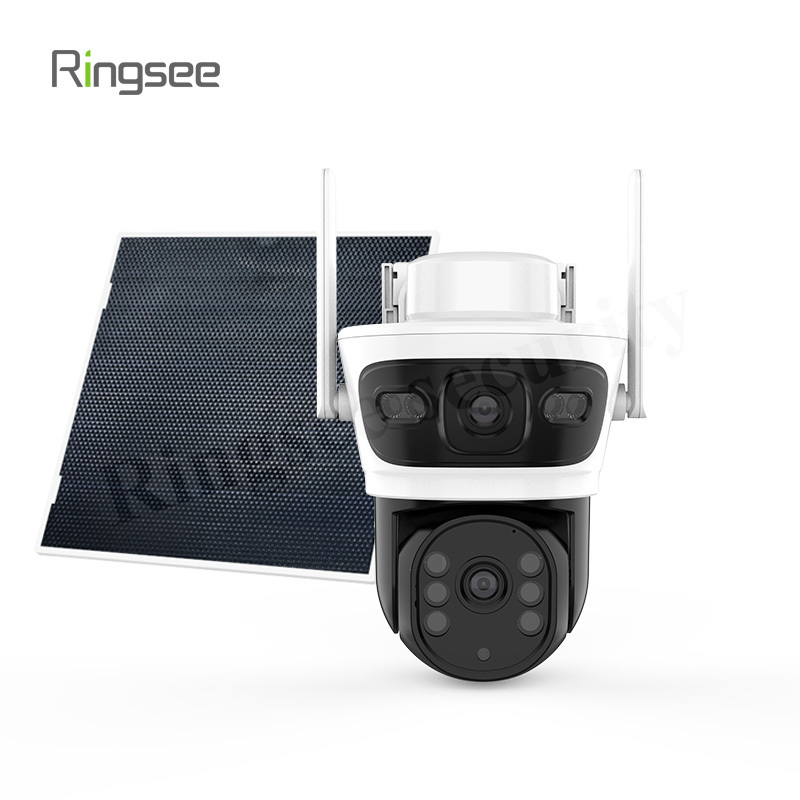
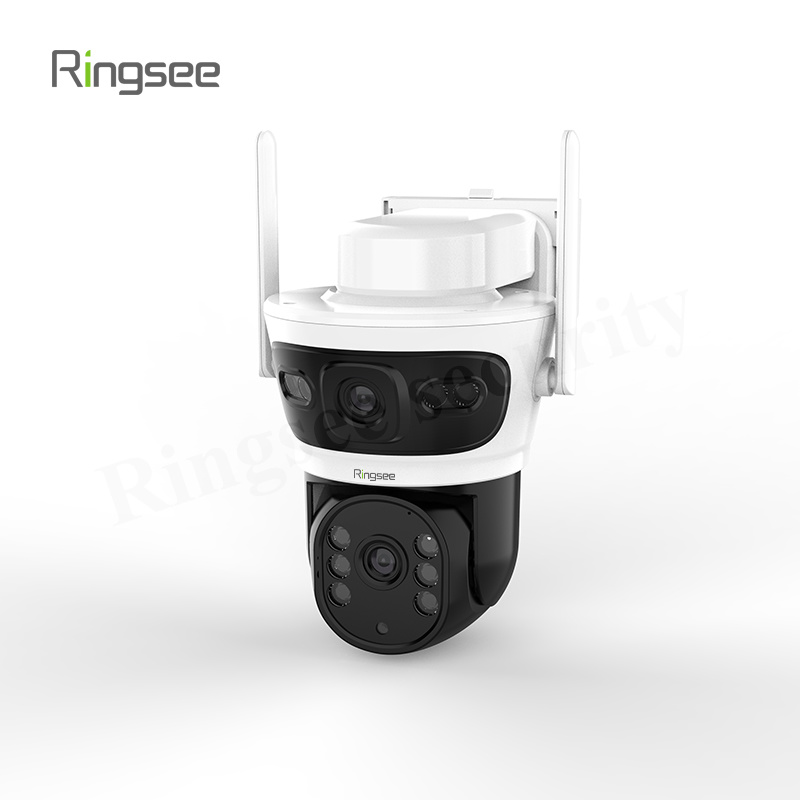
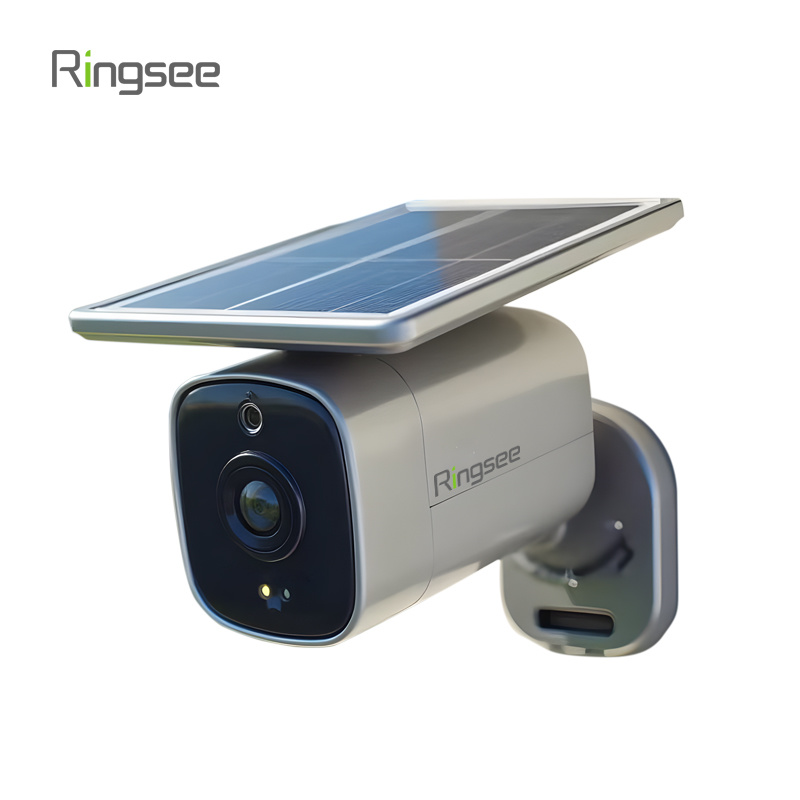
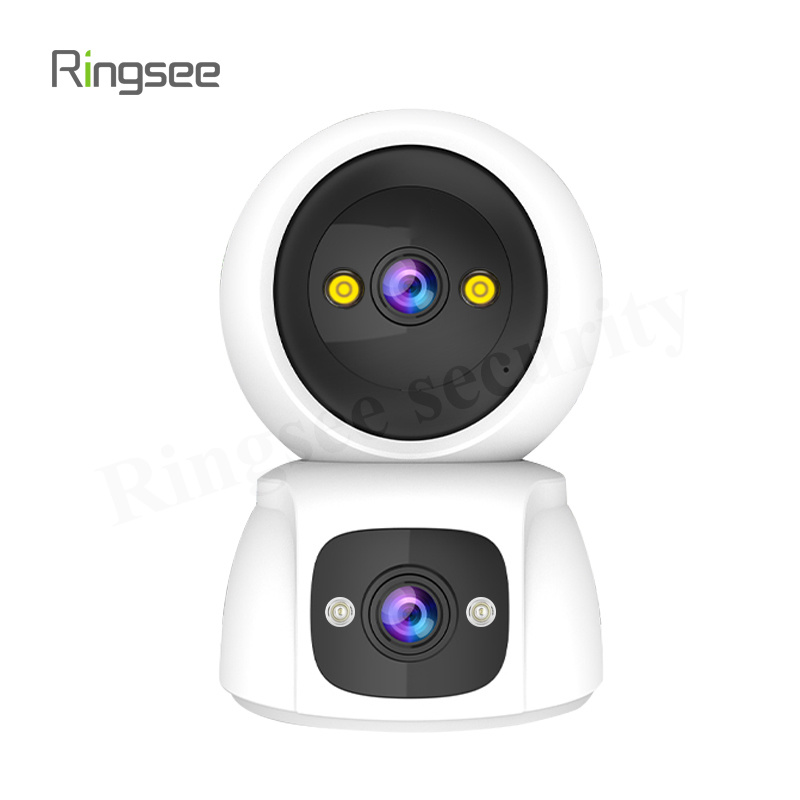
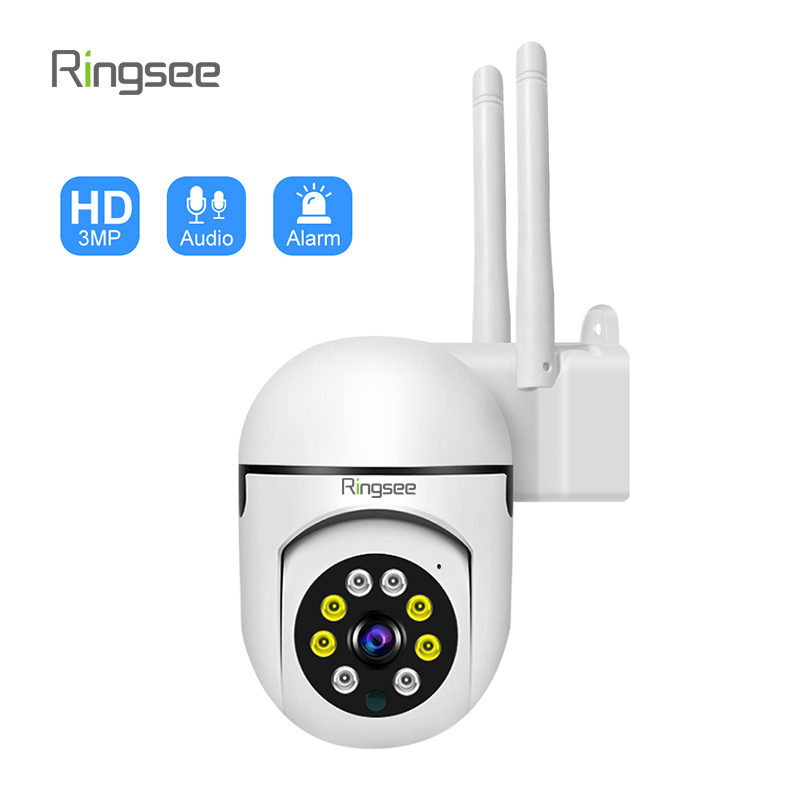
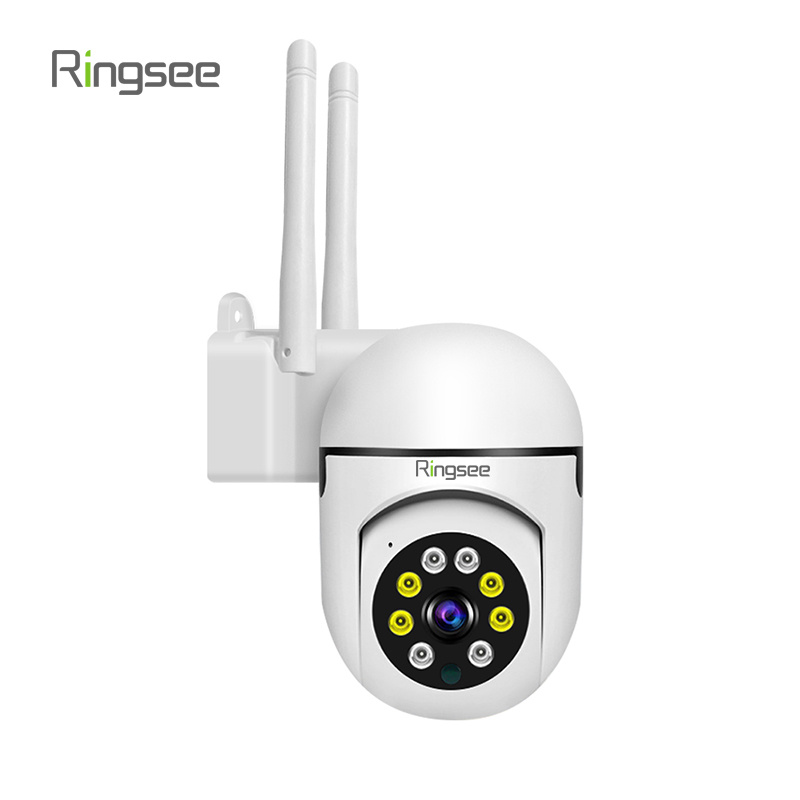
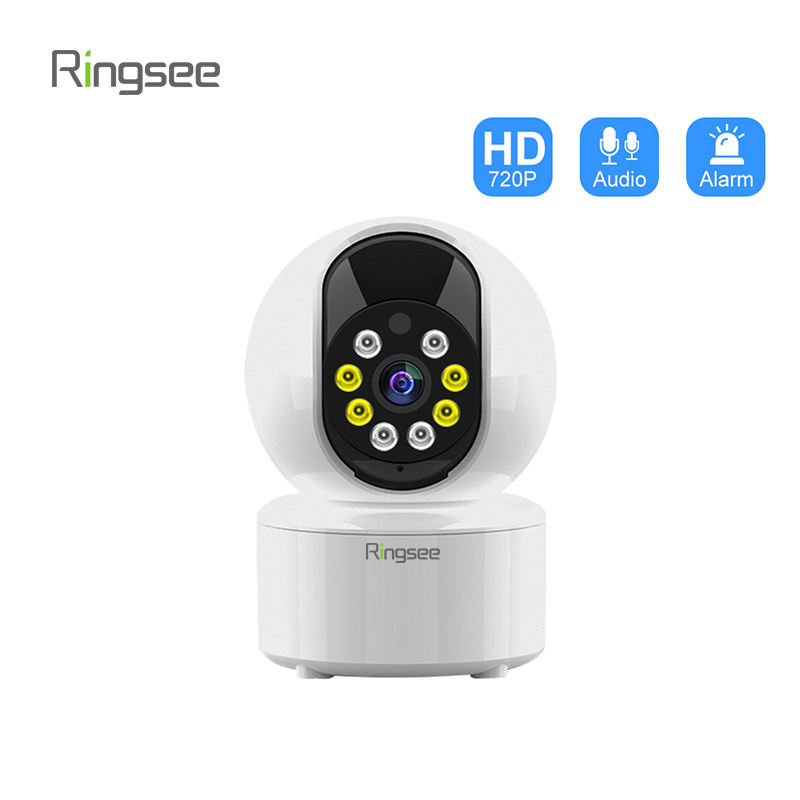
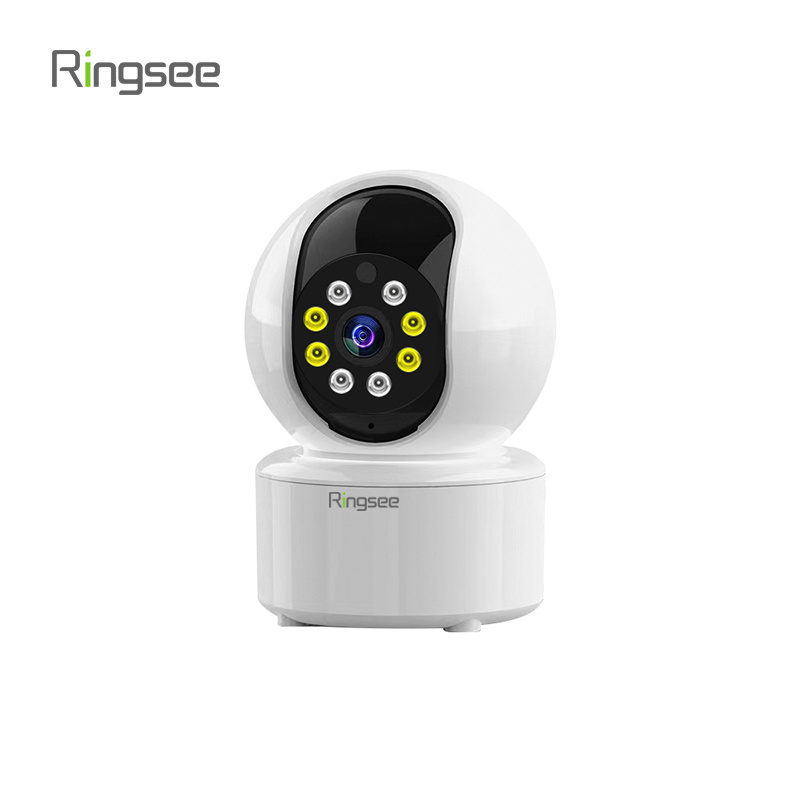
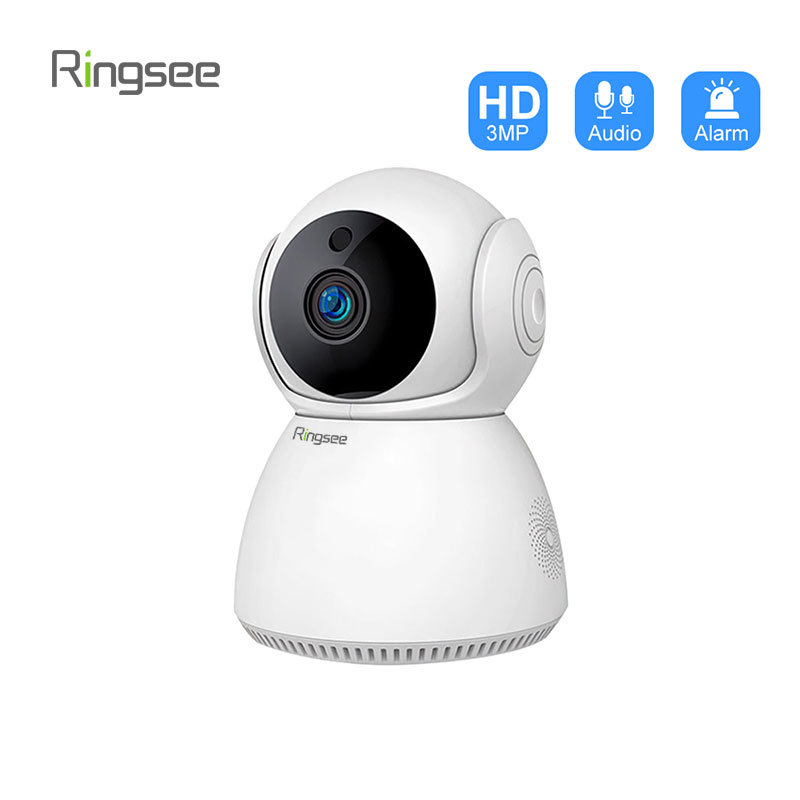
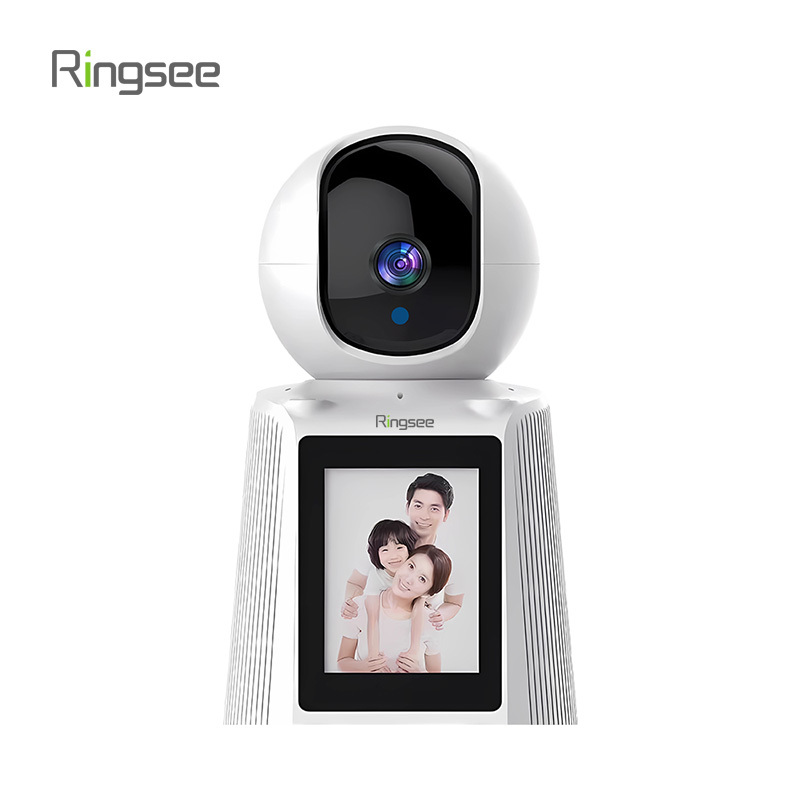
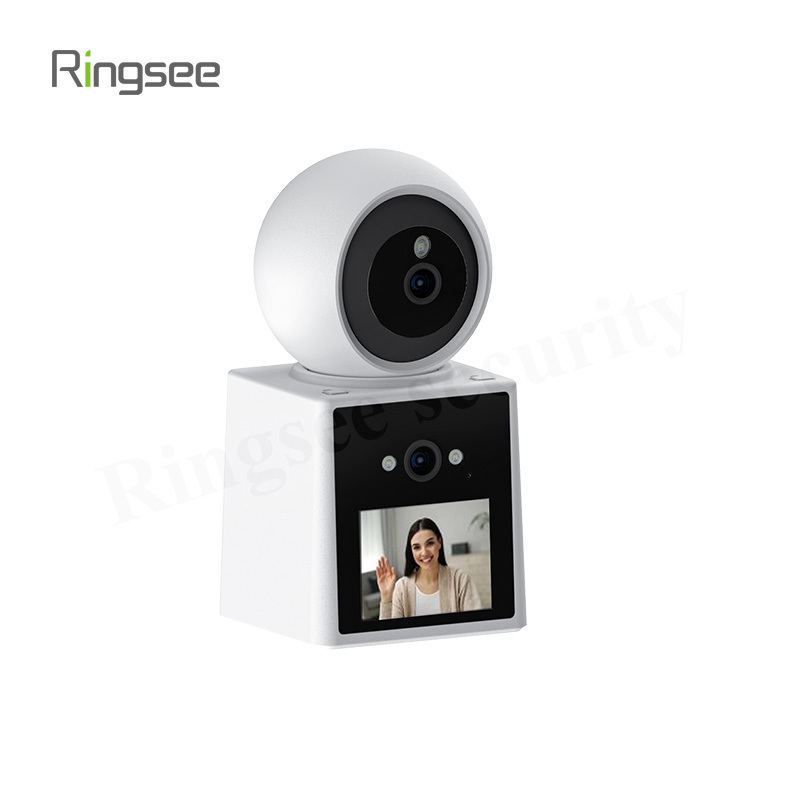
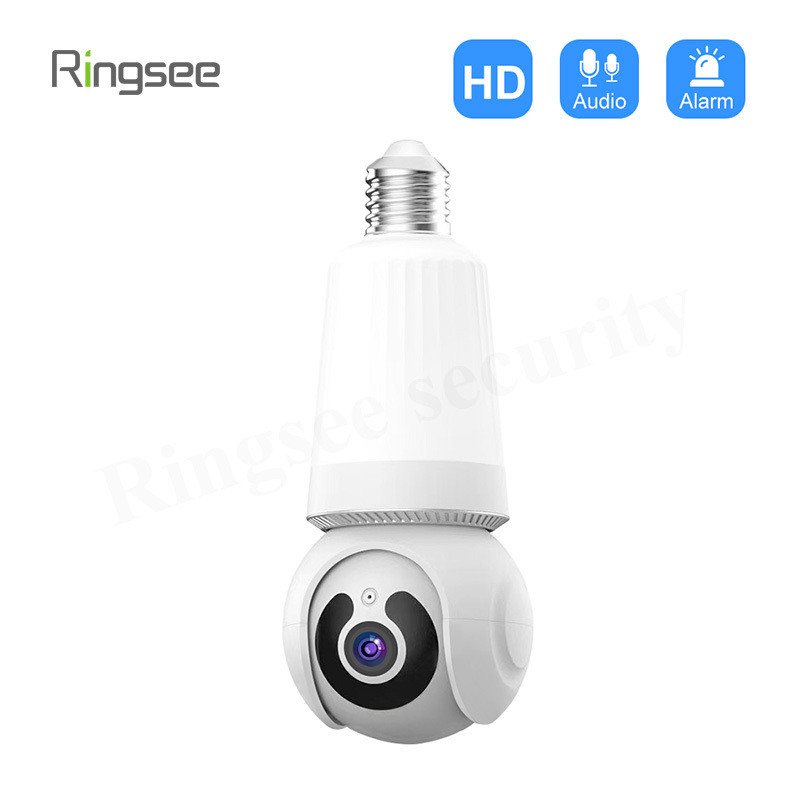
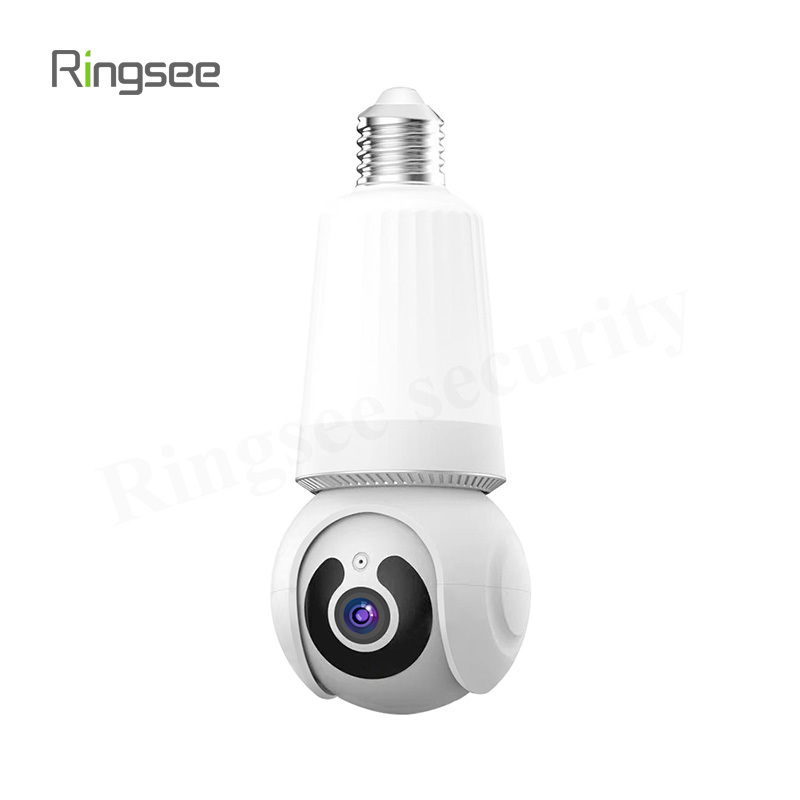
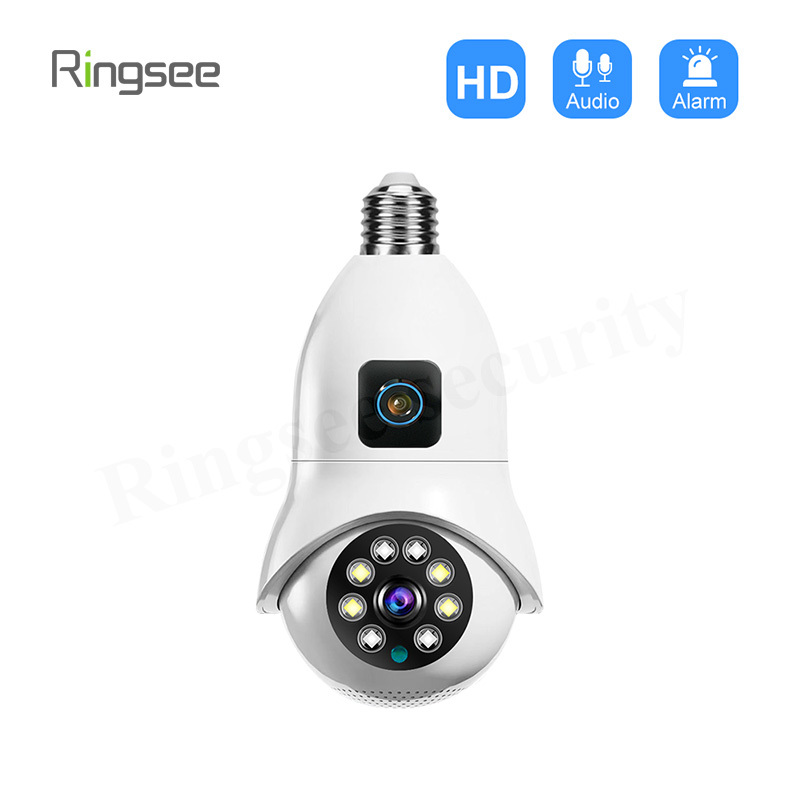
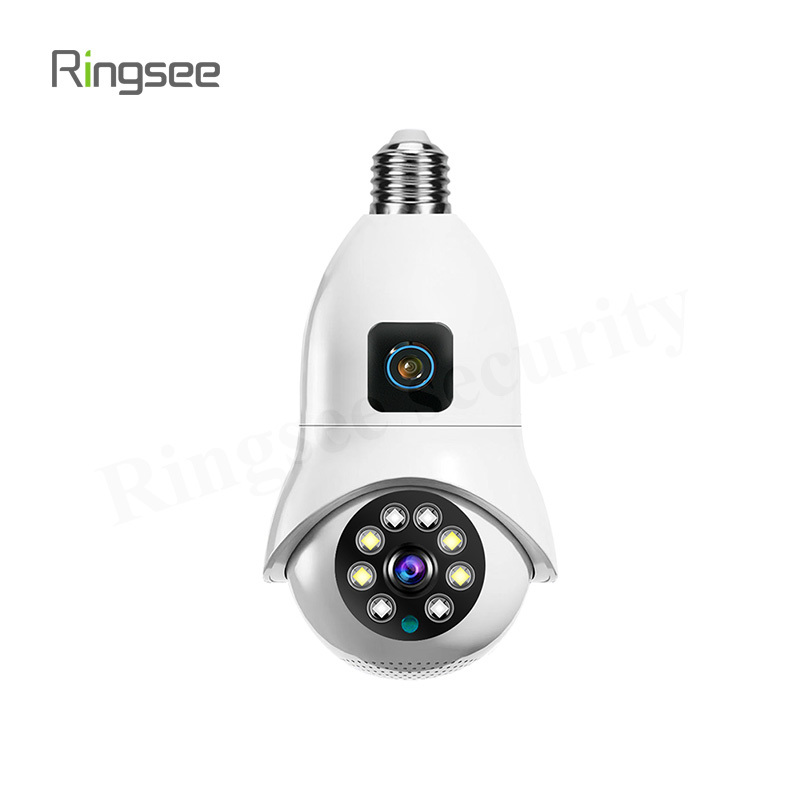
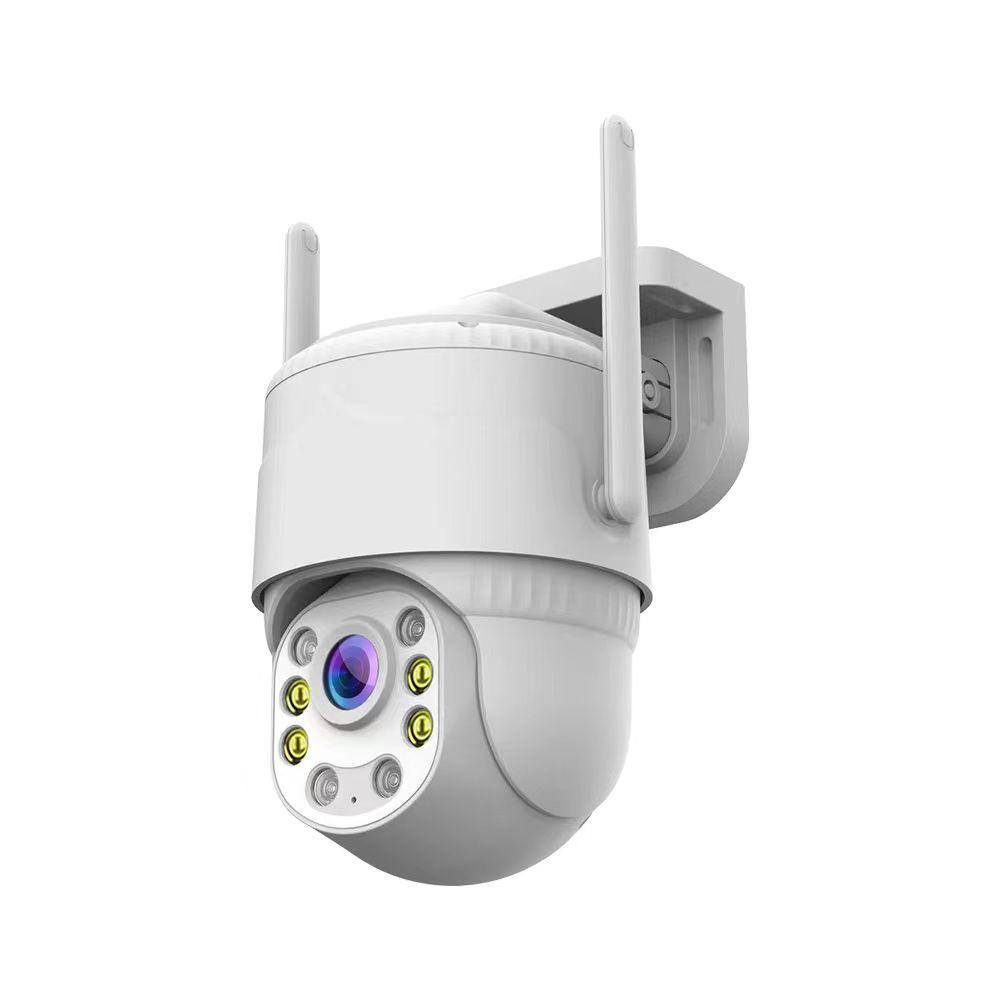
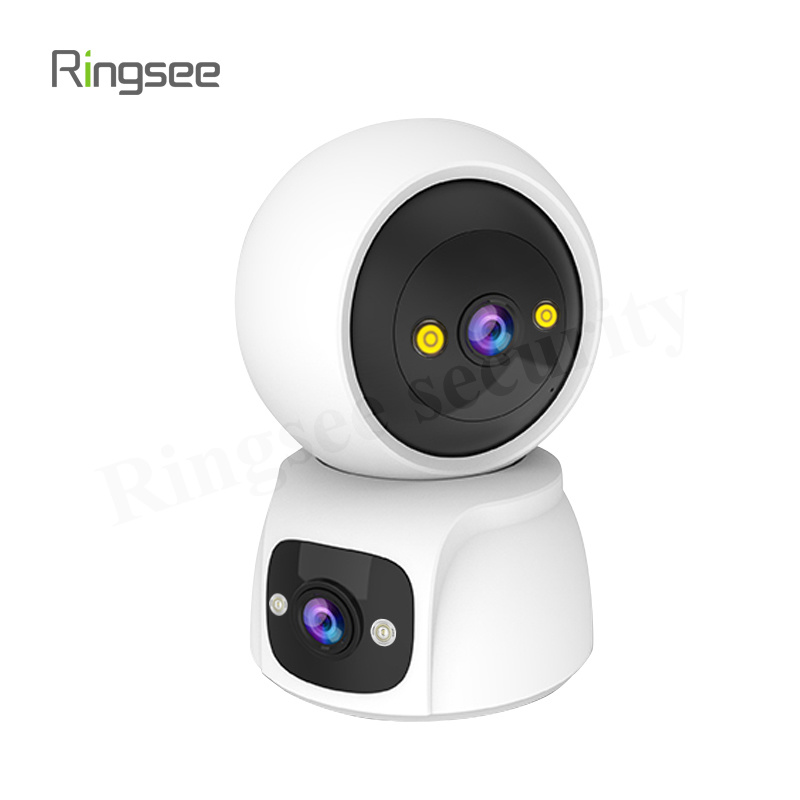
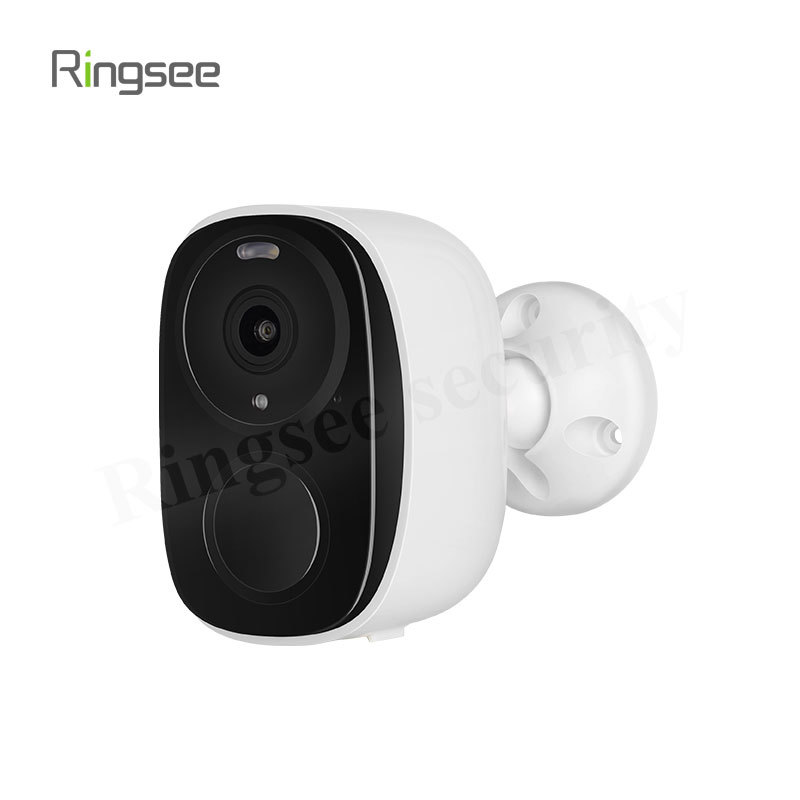
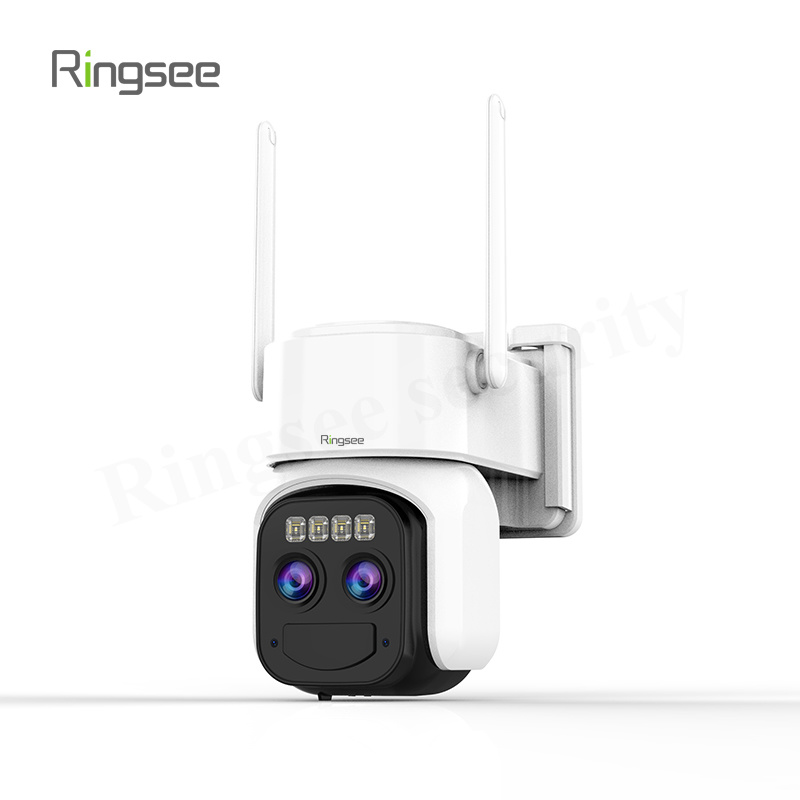
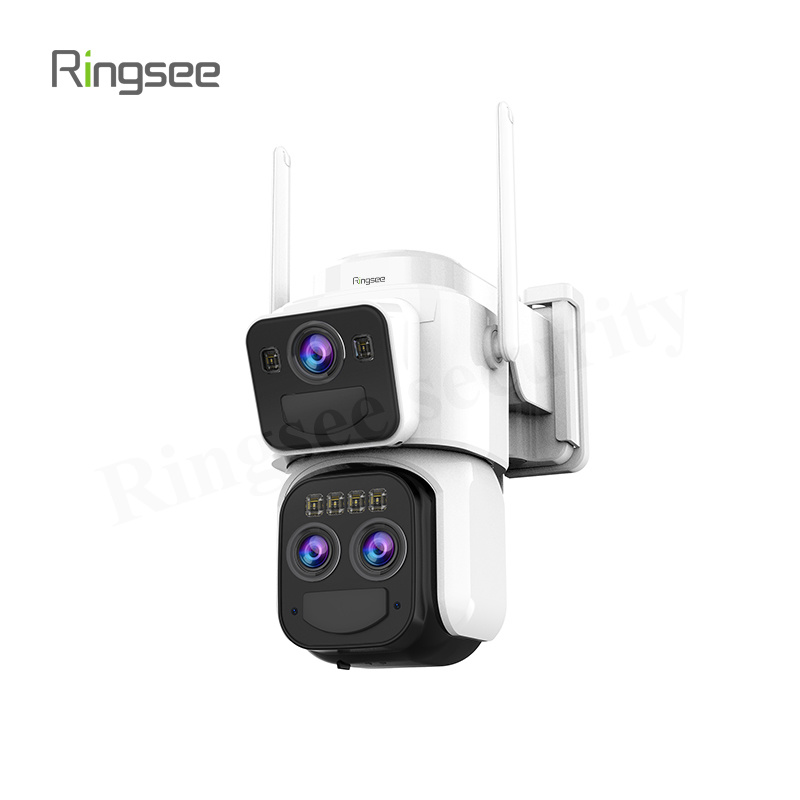
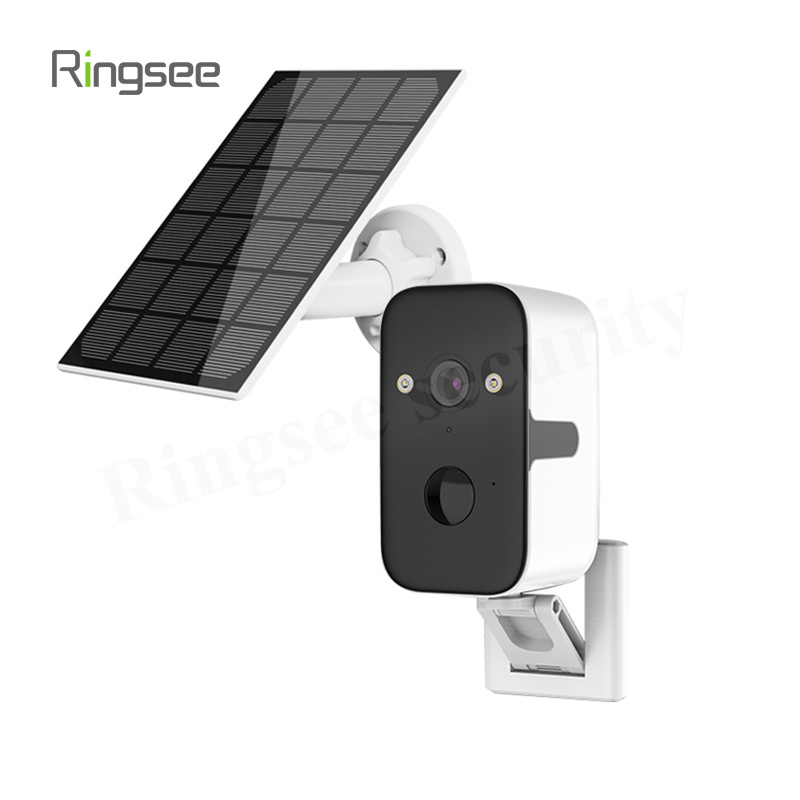
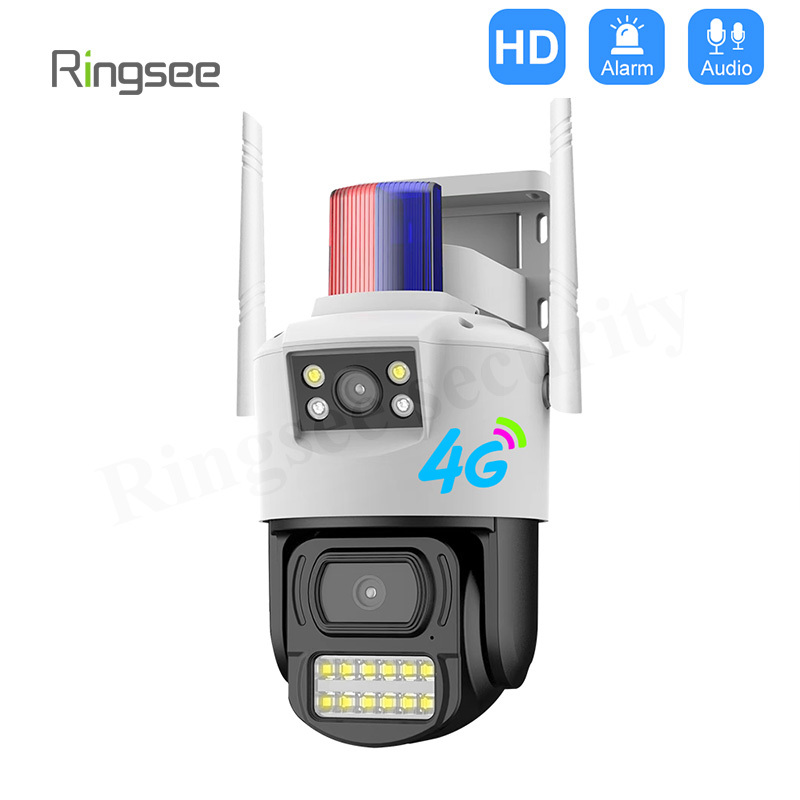
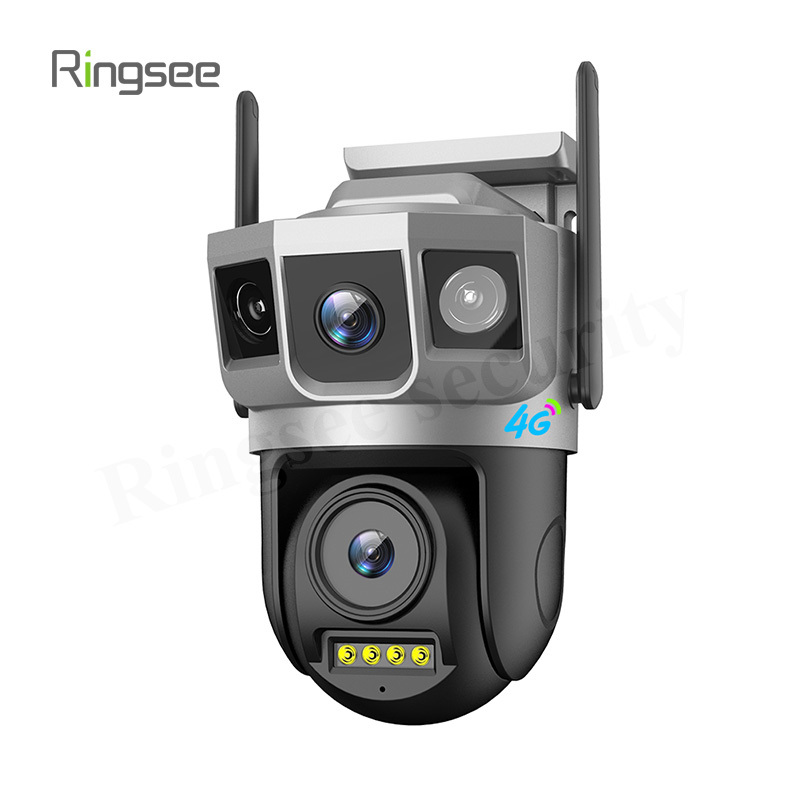
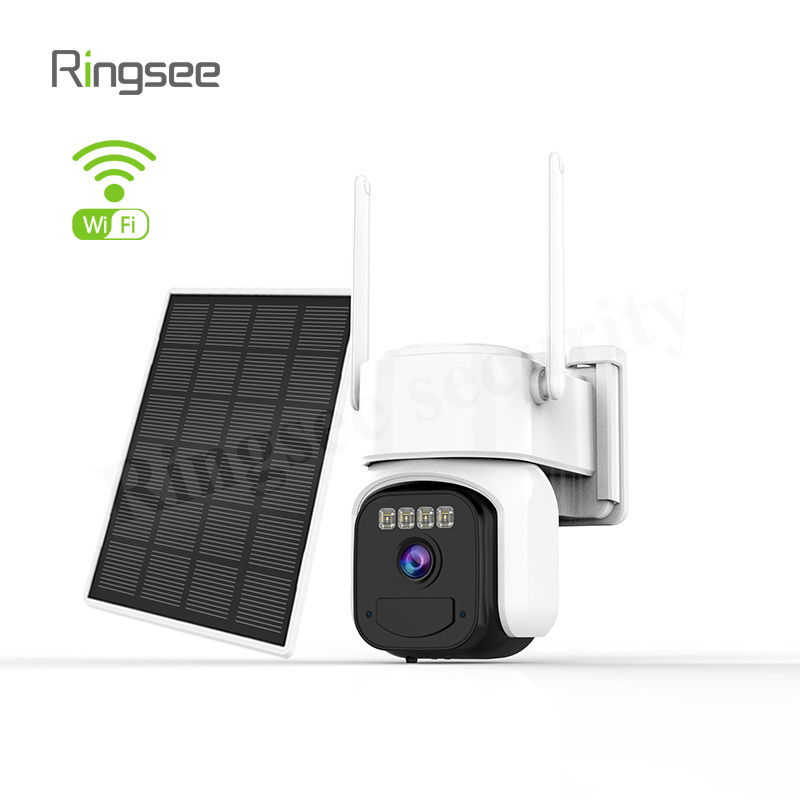
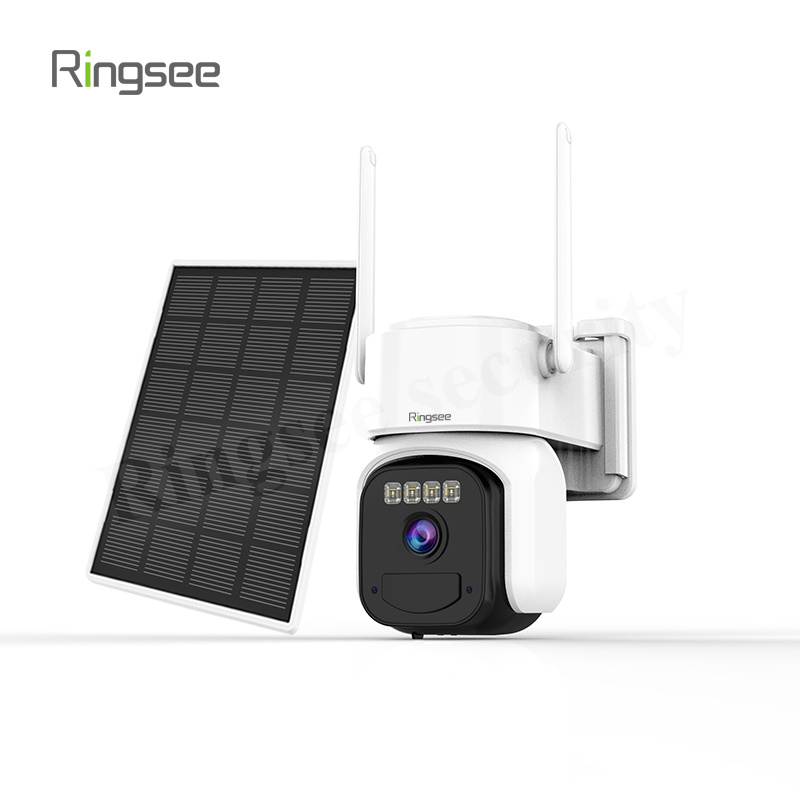
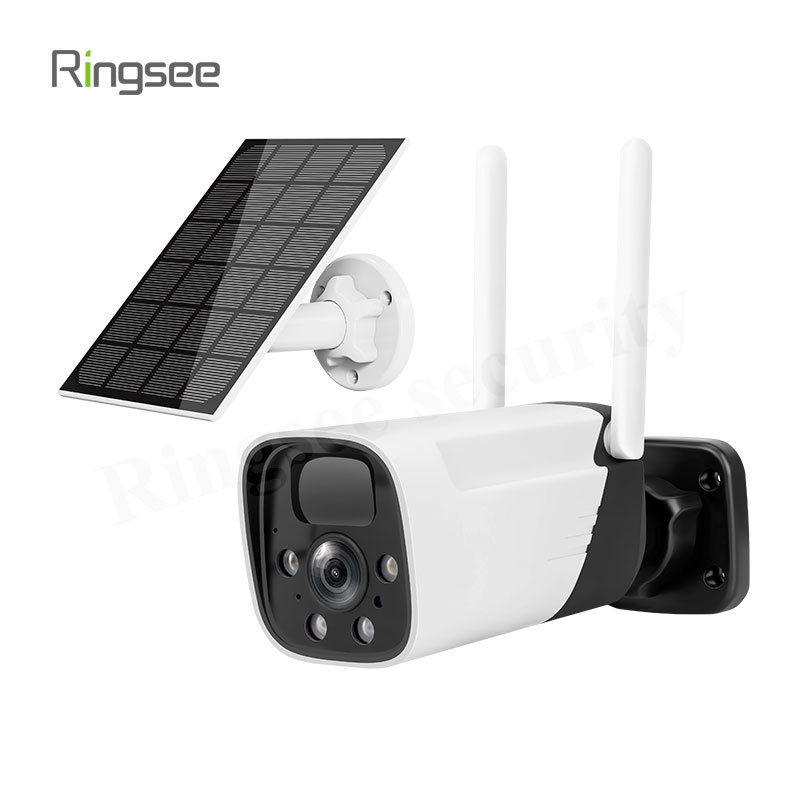
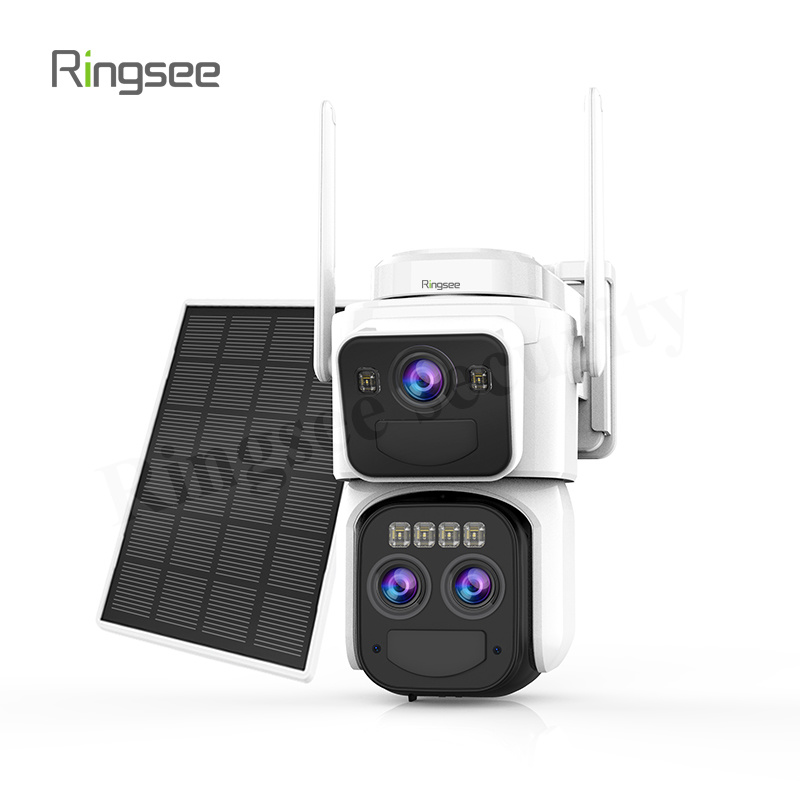
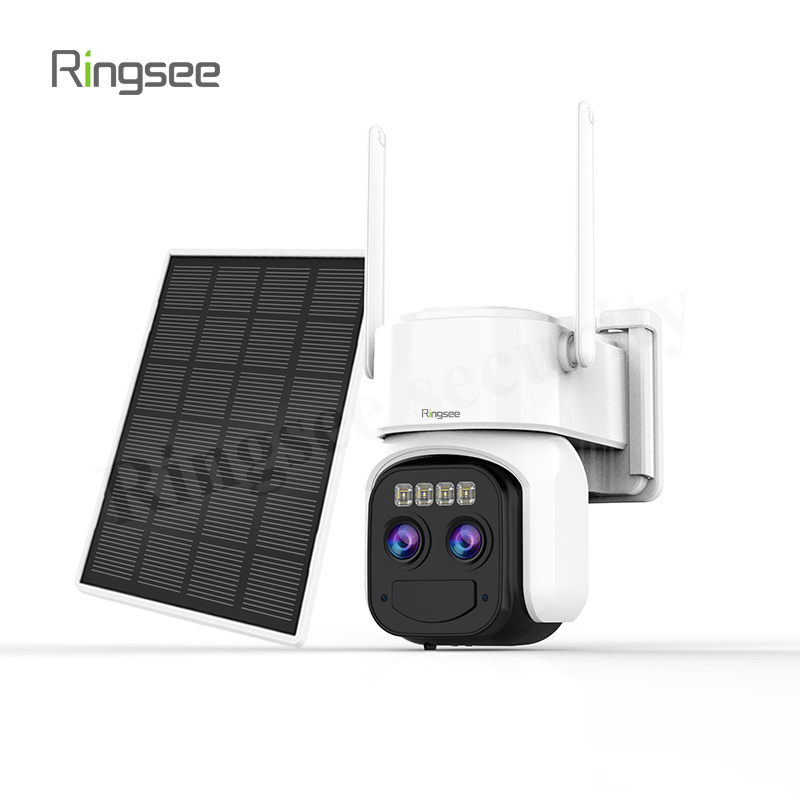
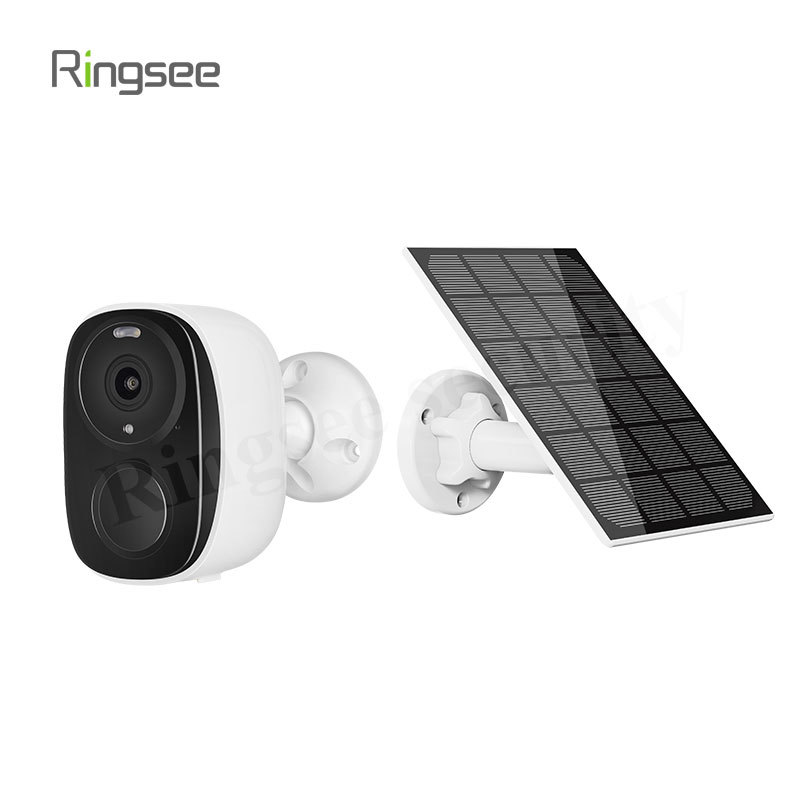
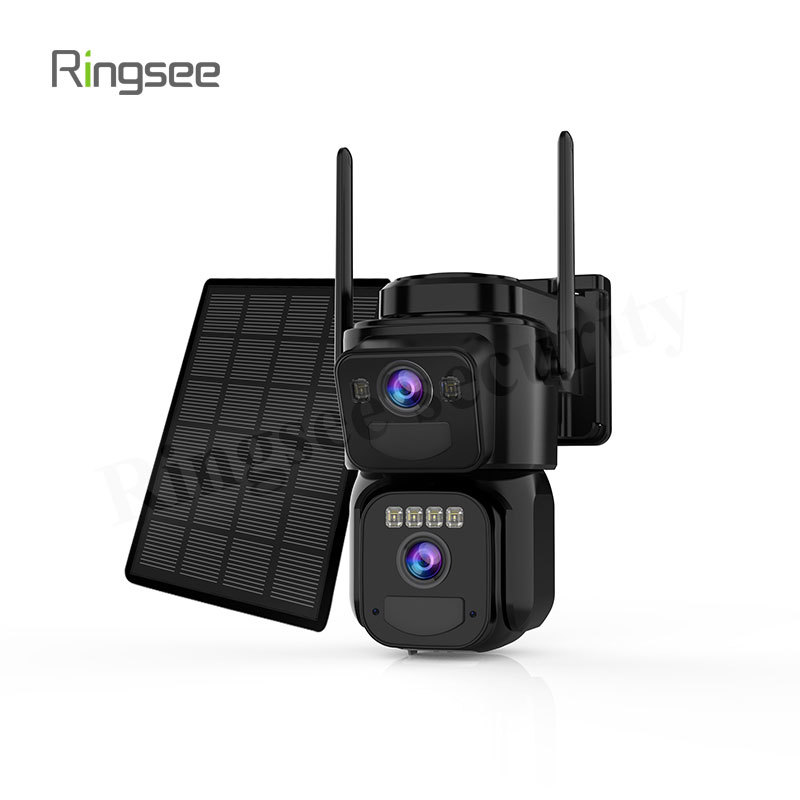
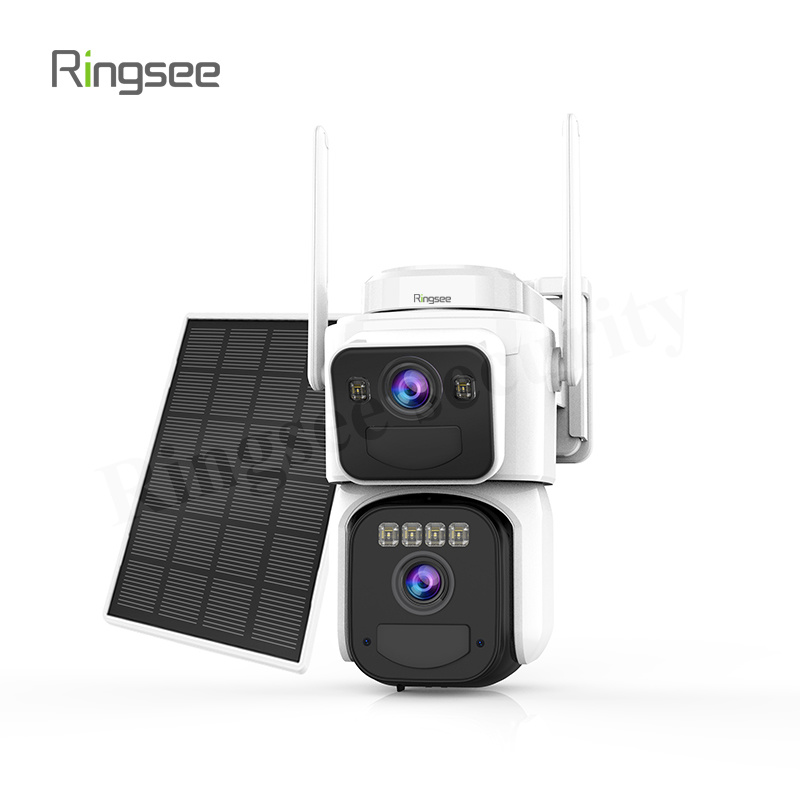
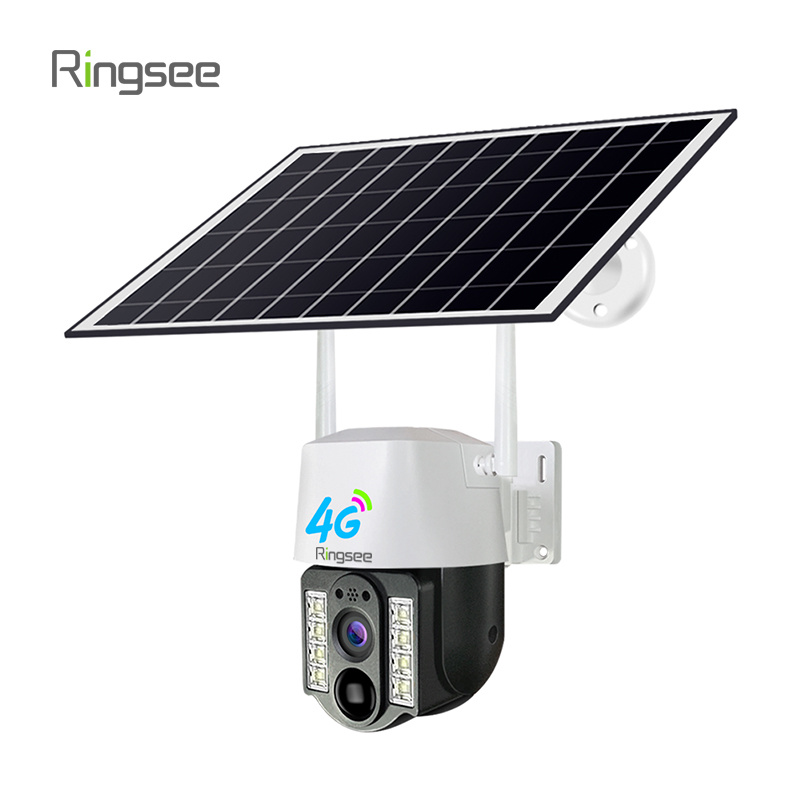
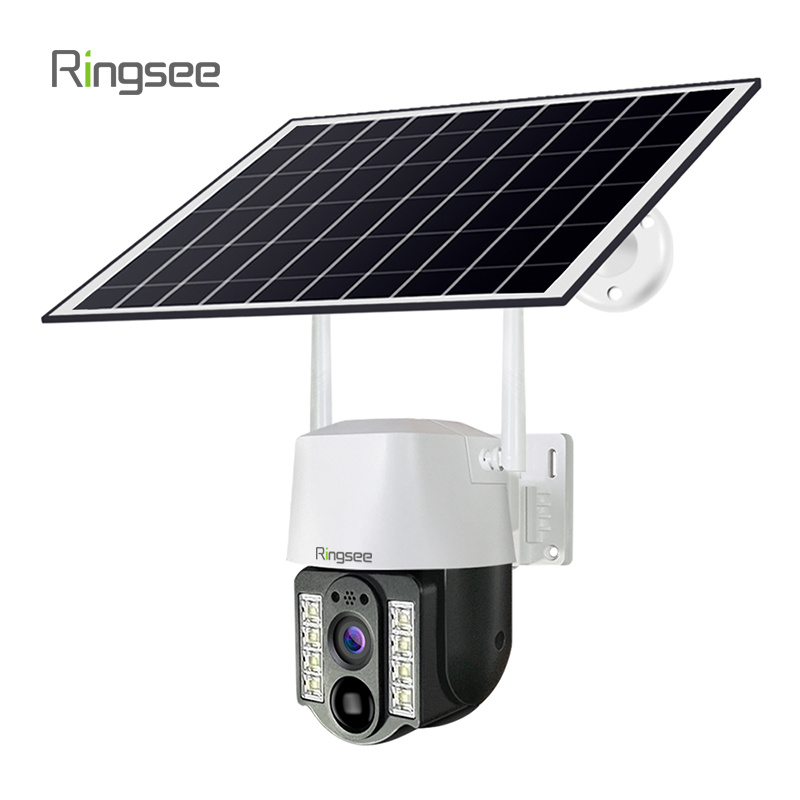
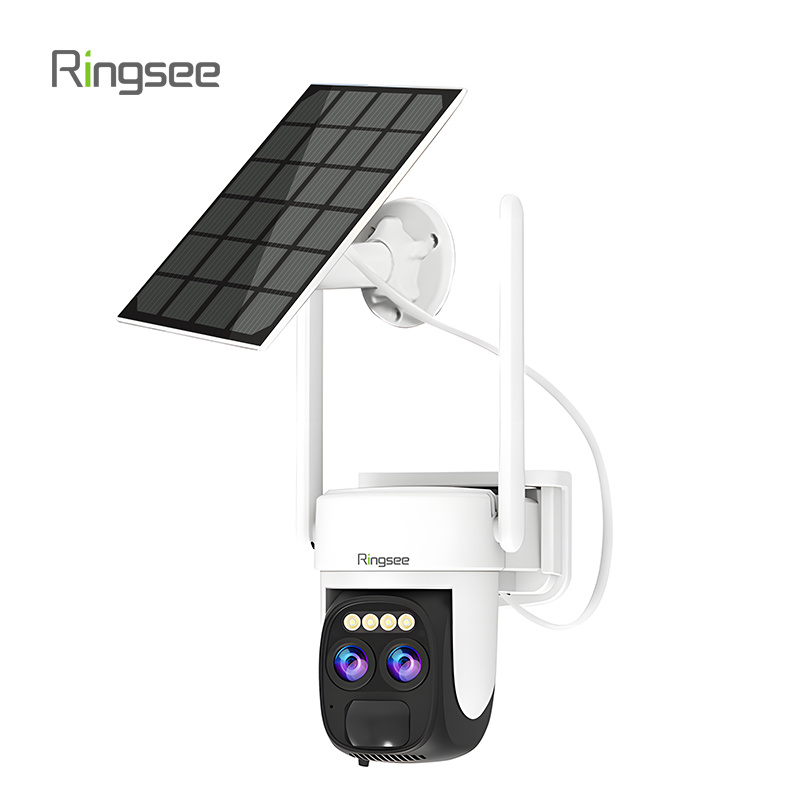
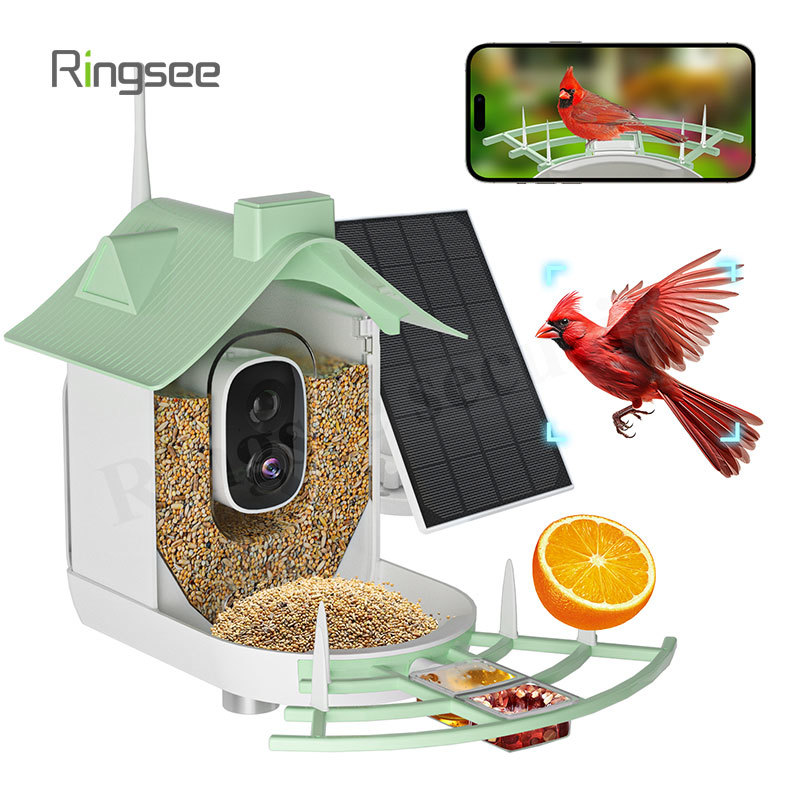
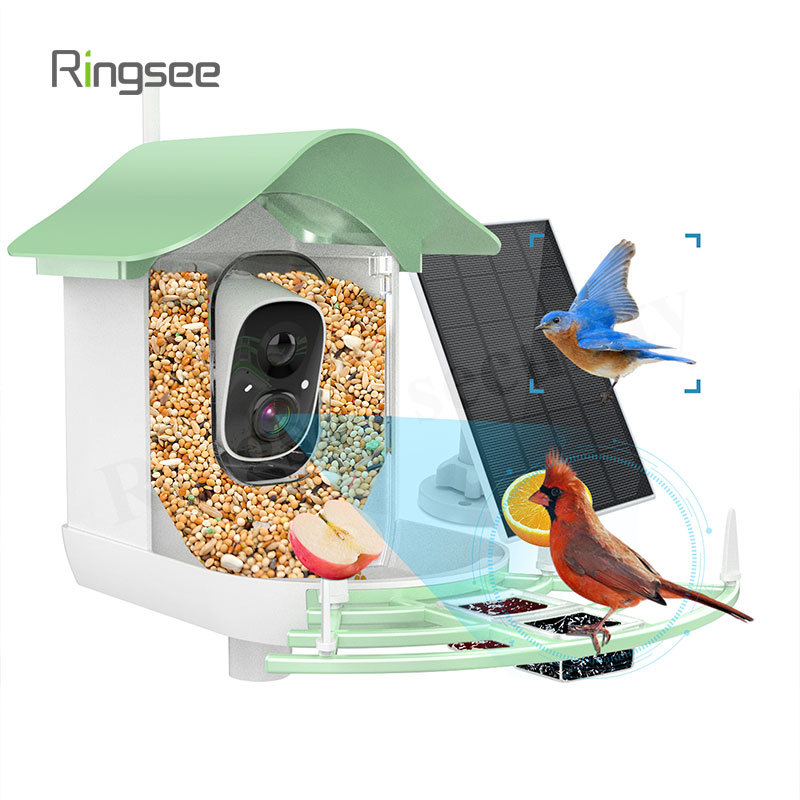
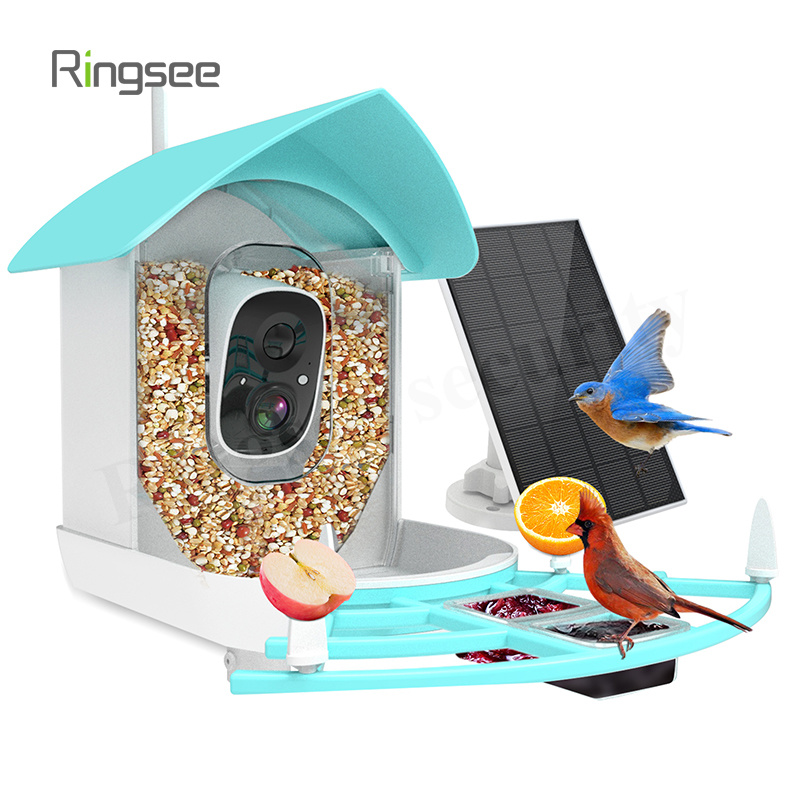
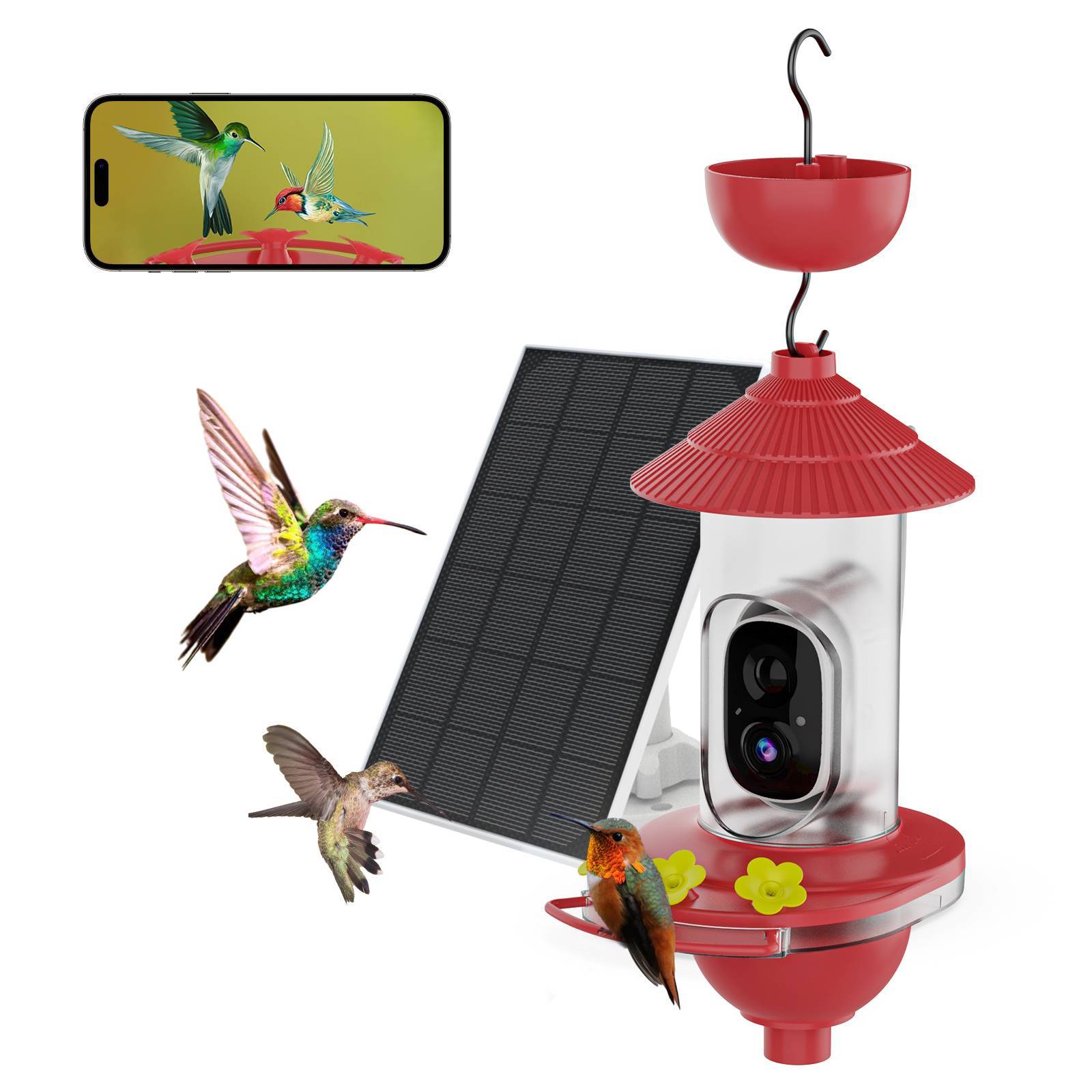
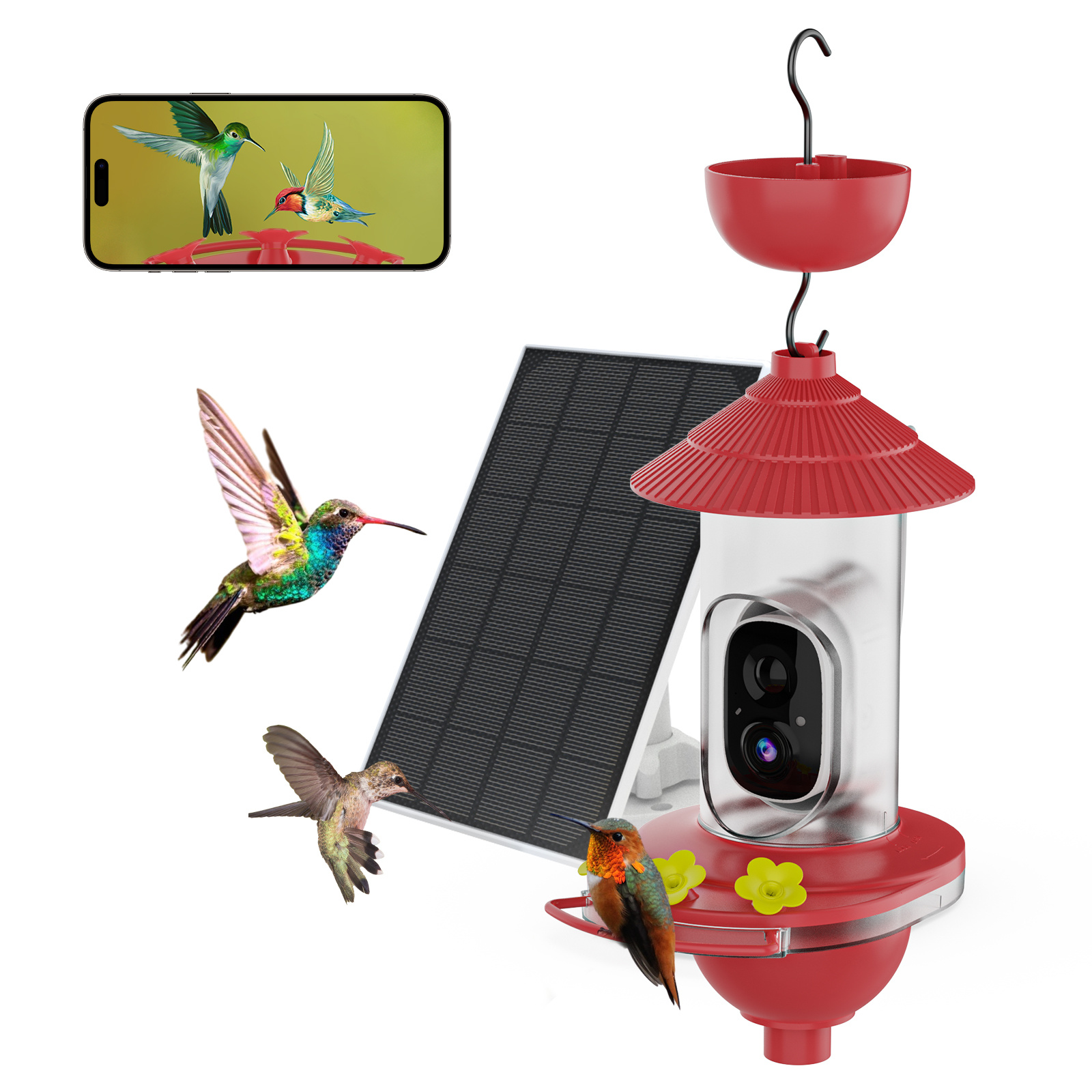
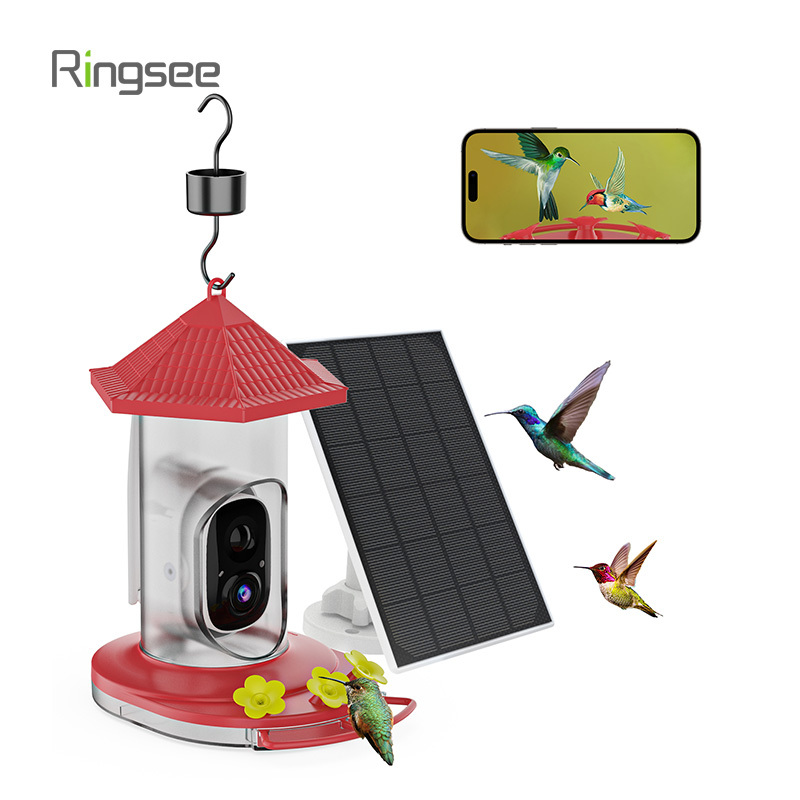
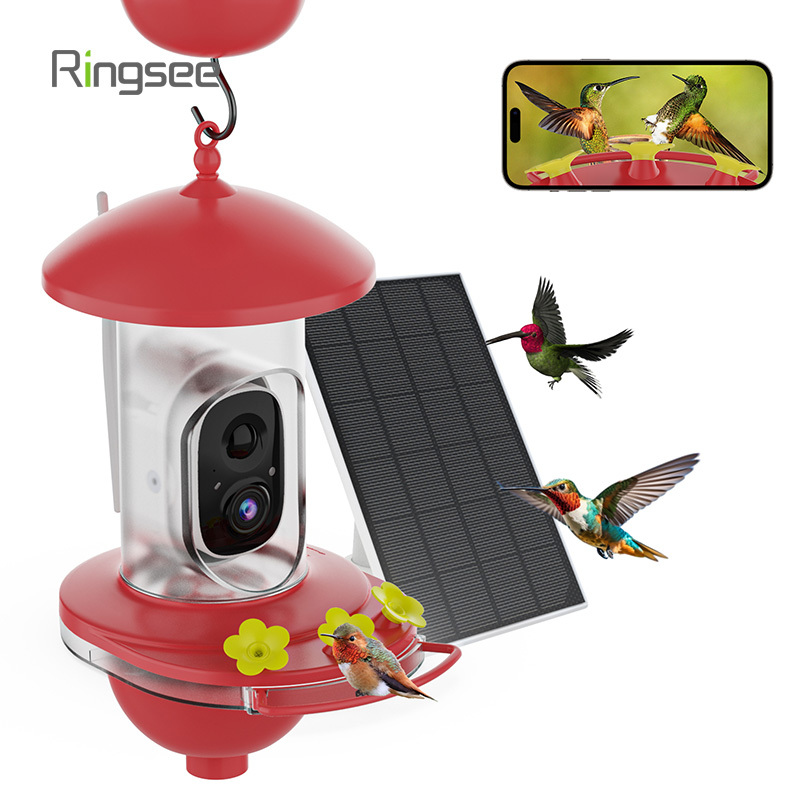
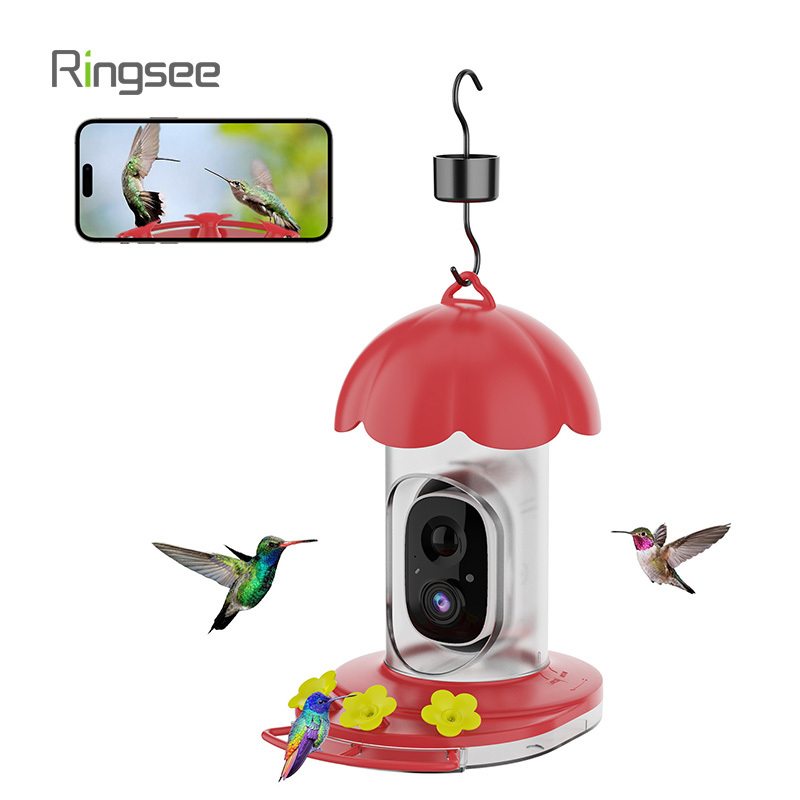
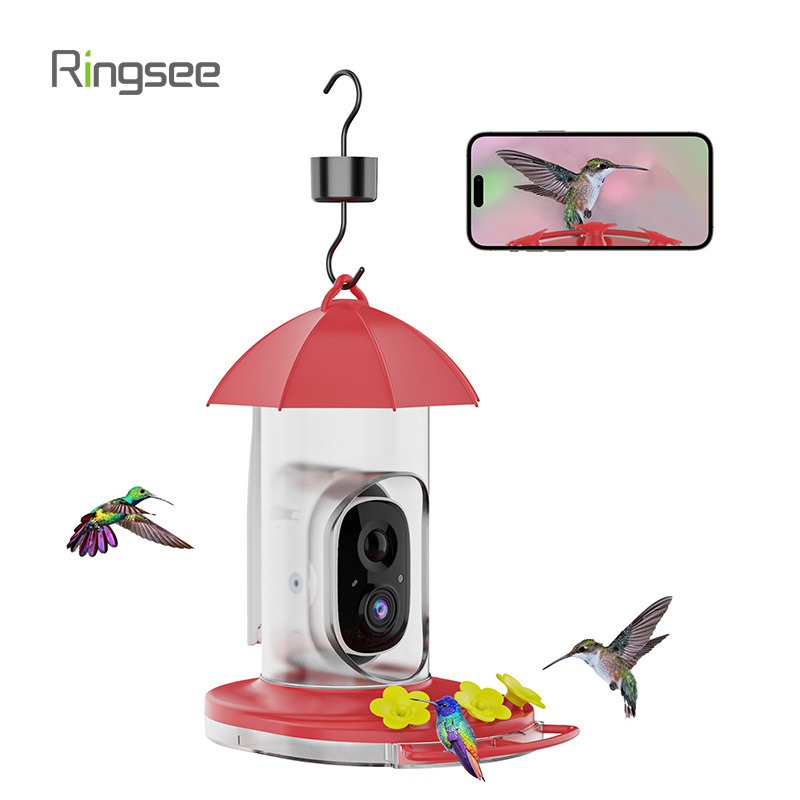
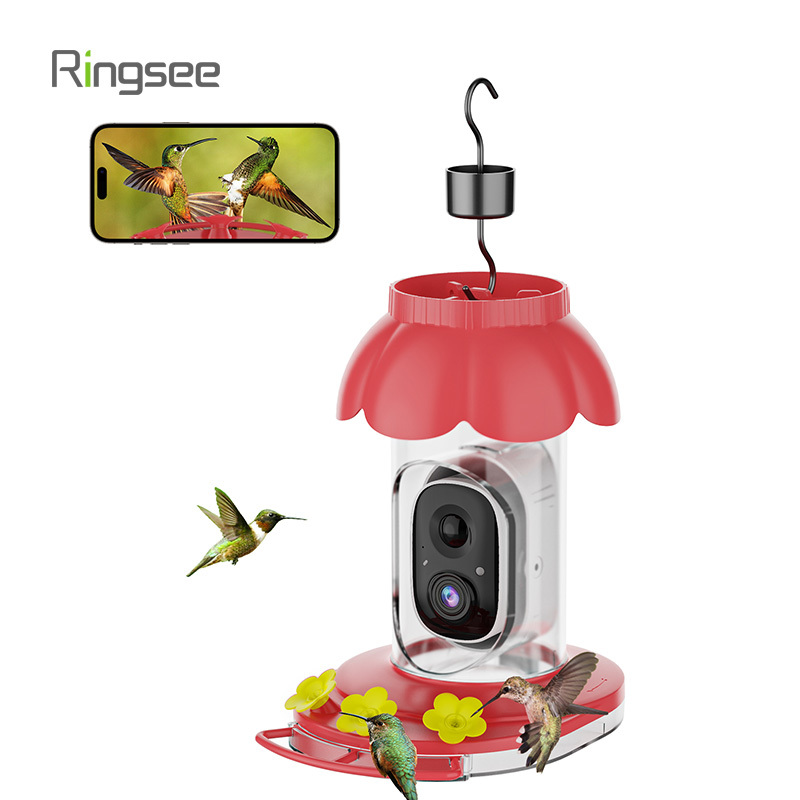
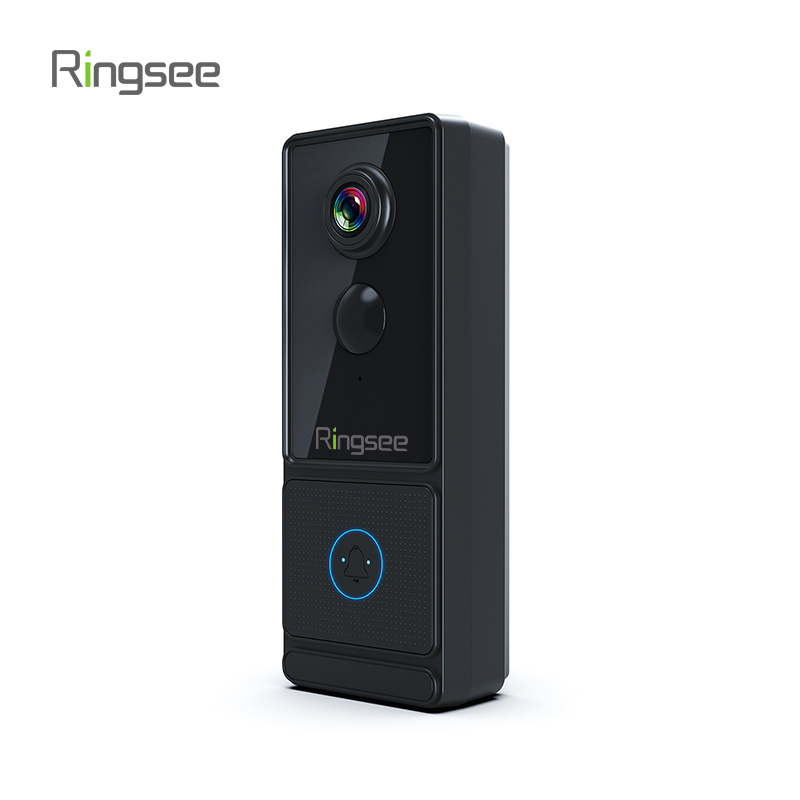
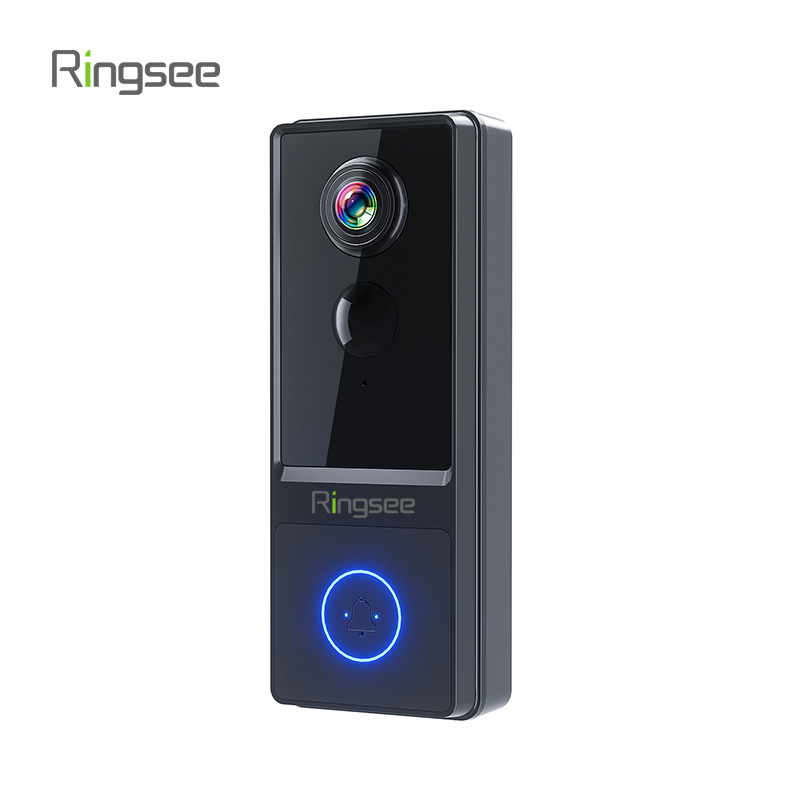
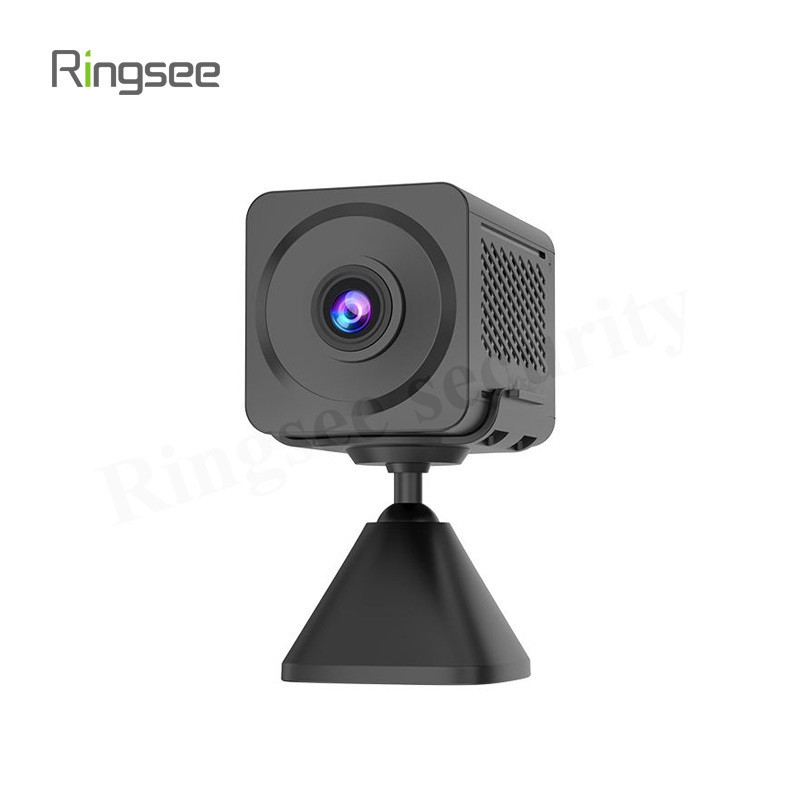
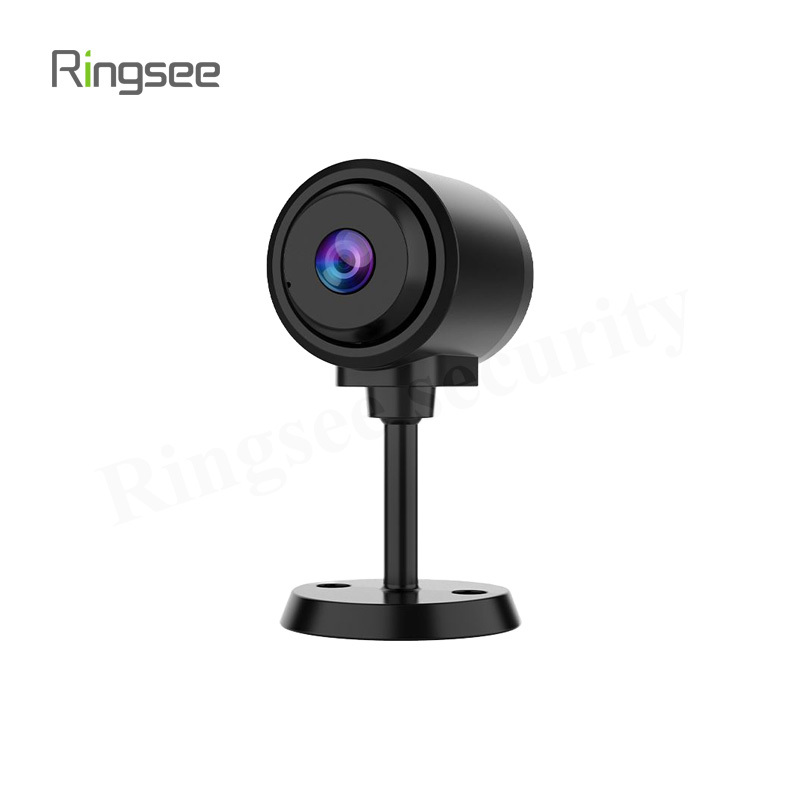
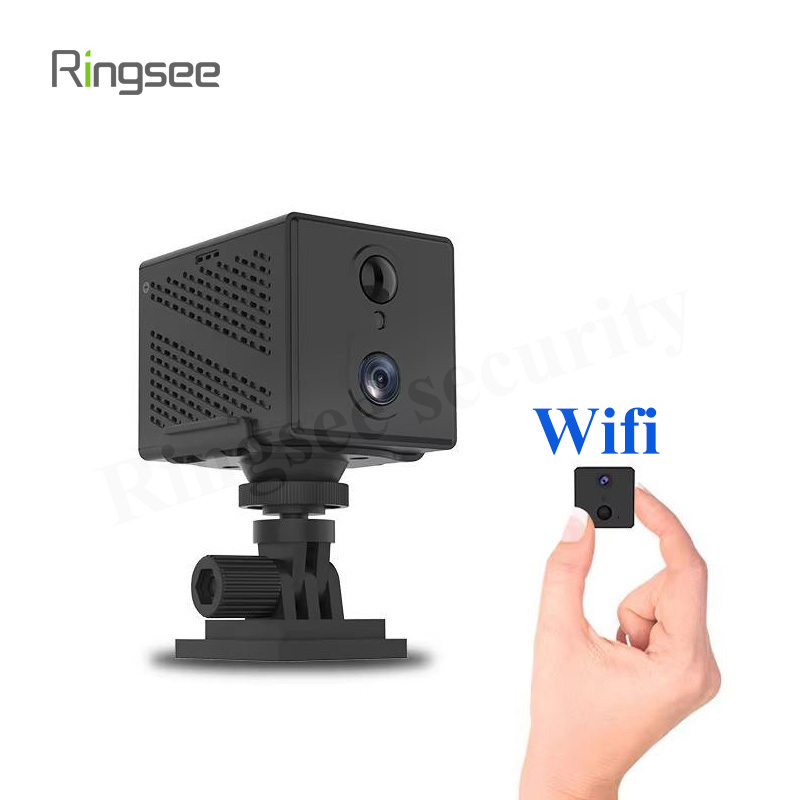
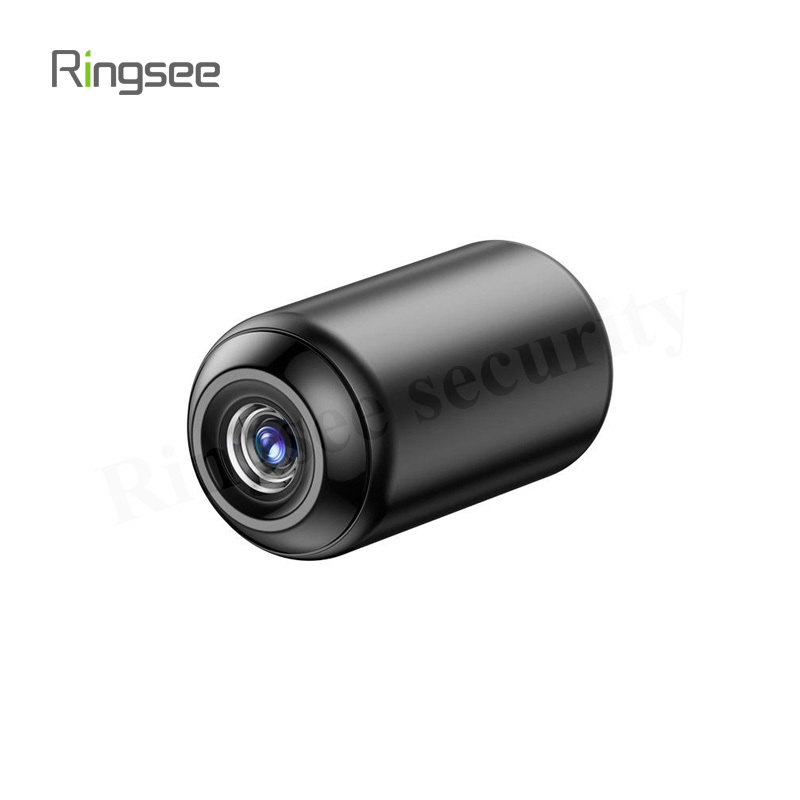
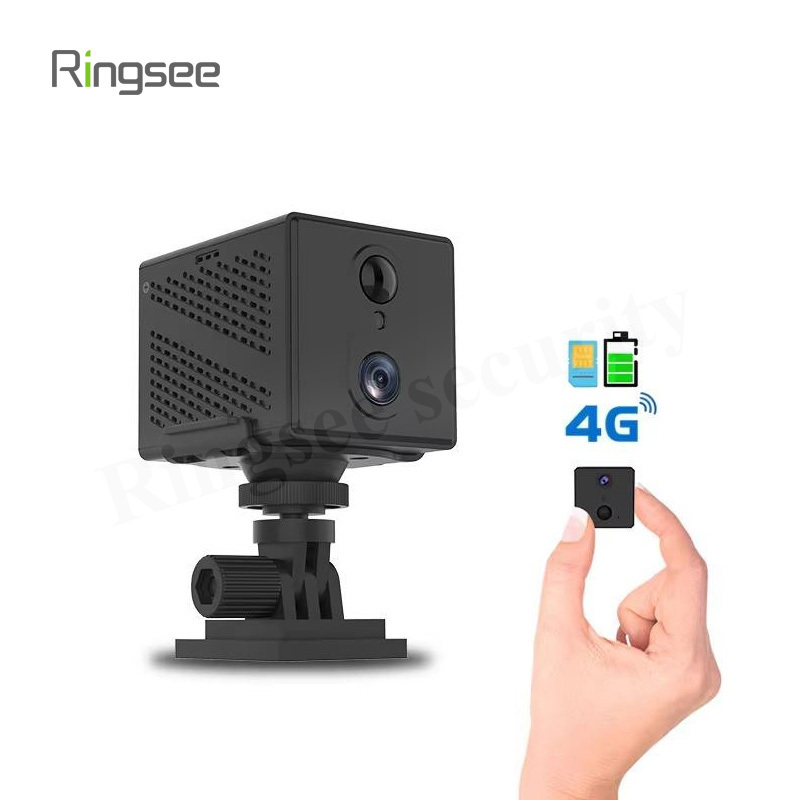
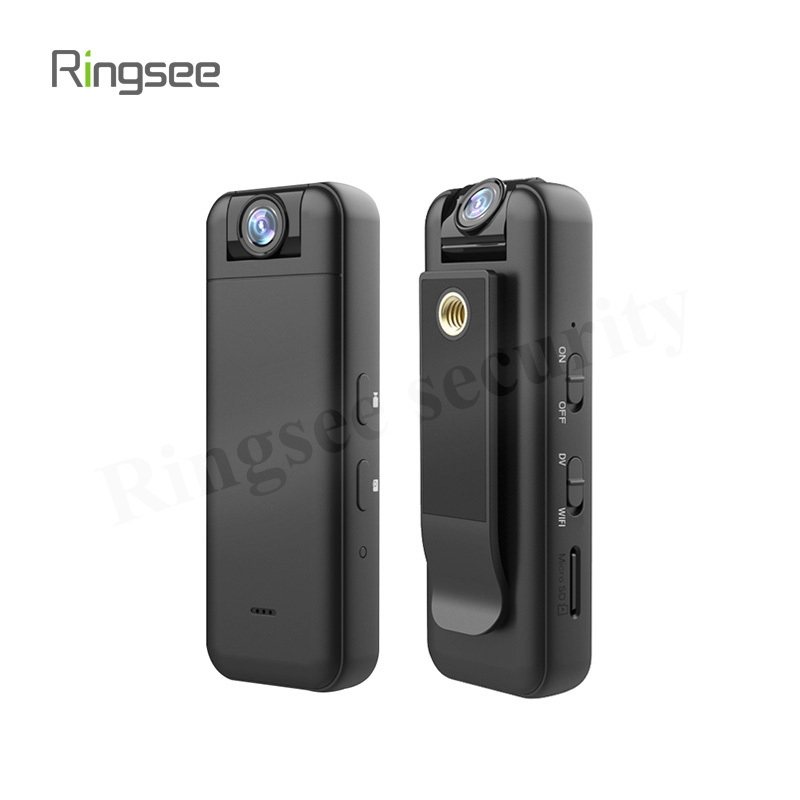
This definitive guide will dive deep into the ideal height range, critical placement factors, and how your Ringsee Hummingbird Feeder Camera can help you monitor and optimize your setup for success.
1. The Core Answer: Do Hummingbirds Prefer High or Low Feeders?
The optimal height for a hummingbird feeder is generally between 5 and 7 feet off the ground. This range strikes a perfect balance:
Too Low (Below 5 feet): Feeders hung too low are highly susceptible to ground-dwelling predators, especially cats, which pose a significant threat. Low feeders are also less visible to cruising hummingbirds.
Too High (Above 7 feet): While feeders high up might offer good visibility from a distance, they can become difficult for you to maintain (cleaning, refilling) and can be less accessible to the birds if covered by dense foliage.
Recommended Feeder Height Ranges:
| Height Range | Primary Benefit | Why It Works |
| 5 to 7 feet (Optimal) | Balance of Safety, Visibility, and Convenience | Provides escape space from ground predators, allows for easy refilling/cleaning, and is at a visible height relative to gardens and shrubs. |
| 8 to 12 feet (Advanced) | Predator Defense (Squirrels, Cats) | Excellent for yards with high predator activity. Requires a sturdy pole or high branch and a pole/ladder for maintenance. |
| 4 to 5 feet (Minimum) | For Specific Locations (Window/Balcony) | Acceptable only in areas where ground predators are nonexistent (e.g., upper-floor apartments or secure, fenced patios). |
2. Five Critical Factors for Strategic Feeder Placement
Height is only one piece of the puzzle. To ensure your feeder is a bustling hub, you must consider the surrounding environment.
A. The Predator Factor: Keep it Clear and Safe (E-E-A-T)
Ground Threats (Cats, Raccoons): The 5 to 7-foot rule is key here. Ensure there is nothing underneath the feeder (like a fence post or furniture) that a cat can easily jump from.
Aerial Threats (Hawks): Hummingbirds need cover to escape. Hang the feeder about 10 to 15 feet away from dense shrubs or trees. This distance gives the hummingbirds a clear escape route to cover, but prevents a hawk from ambushing them out of the foliage.
B. Shade and Sun Exposure
Direct, intense sunlight is the enemy of fresh nectar.
Protection is Key: Hang your feeder in a spot that receives morning sun but is protected from the harsh, midday and afternoon heat. Nectar ferments rapidly in direct sun, which can harm the birds.
Shade: Partial shade from a patio overhang, a tall tree canopy, or the north side of your house is ideal.
C. Proximity to Windows (Safety)
Hummingbirds are prone to window collisions.
Closer is Safer: Hang the feeder either very close to the window (within 3 feet, so the bird cannot build up enough momentum to injure itself) or very far away (over 30 feet). The "danger zone" is the intermediate distance where they might mistake a reflection for an open path.
D. Traffic and Dominance
Hummingbirds are territorial and one bird will often try to "own" a feeder.
Multiple Feeders: To increase the number of visitors and reduce aggression, hang multiple feeders out of sight of each other (e.g., on opposite sides of the house or yard). Spacing them helps prevent a dominant bird from guarding all food sources.
E. Water and Flowers
The best placement integrates the feeder into a natural habitat:
Natural Food Sources: Place the feeder near nectar-rich flowers or other blooming plants.
Water Source: If you have a bird bath, fountain, or misters, placing the feeder near the water (but not directly over it) provides another powerful draw.
3. Integrating Technology: Monitoring Feeder Success with a Ringsee Camera
A key challenge in optimal feeder placement is confirming the results. You can't be outside all day to verify which height or location is most effective—but your smart monitoring system can.
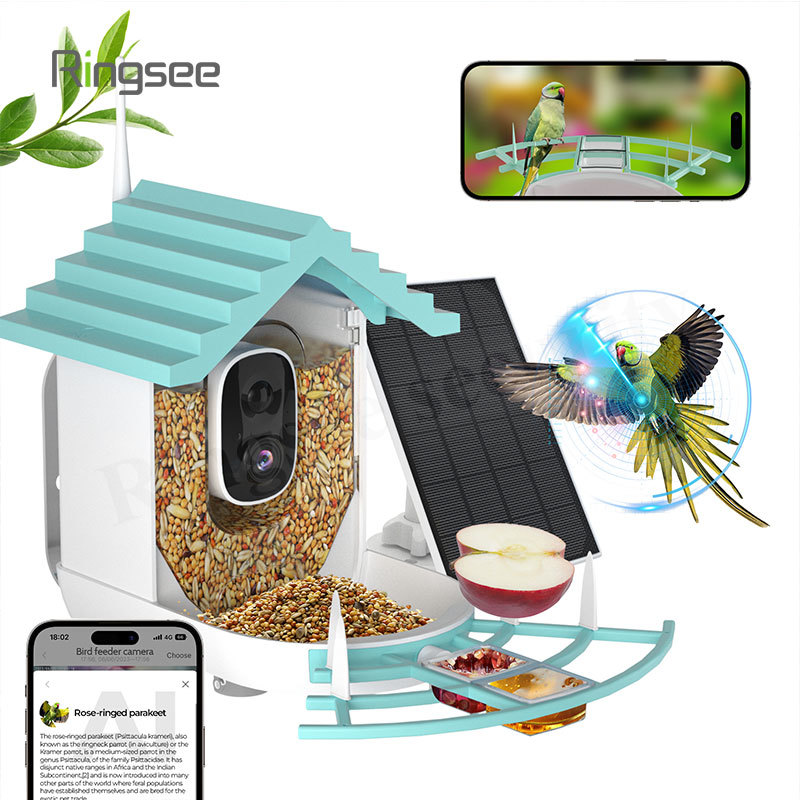
The specialized features of the Ringsee Hummingbird Feeder Camera are designed to help you analyze and refine your placement strategy:
PIR Motion Detection: By setting up your Ringsee camera near the feeder, you can verify if a specific location is being visited frequently. If you move your feeder to a new height (e.g., from 4 feet to 6 feet) and the motion alerts increase, you know the adjustment was effective.
24/7 Monitoring: If you suspect predator activity (e.g., squirrels climbing the pole or cats investigating), the camera’s alerts and recorded footage provide hard evidence, allowing you to quickly adjust the feeder height or add physical deterrents.
Species Identification: Advanced Ringsee models can identify if other species (like bees or wasps) are monopolizing the feeder ports, which might require a different placement strategy or a different type of feeder design.
Weather Resistance: Since ideal feeder placement often involves exposure to the elements, the durable, weather-resistant design of the Ringsee cameras ensures reliable monitoring regardless of sun, rain, or heat.
Action Tip: If you are debating between two locations, place your Ringsee camera where it can clearly view both spots for a few days (or use two cameras). The location that generates the most activity alerts is the winner.
Conclusion and Next Steps
The goal of optimal feeder placement is safety, visibility, and convenience—for both you and the hummingbird. By aiming for the sweet spot of 5 to 7 feet, eliminating predator access, and mitigating sun exposure, you set the stage for success.
To continue your journey and ensure your feeder remains a high-ranking attraction for hummingbirds, explore our full range of smart monitoring solutions:
Links:One Belt Power Technology
Add: 14th Floor, Baoshan Building, Longhua District, Shenzhen China.
Privacy Policy | SEO | CitySite | Support: 300.cn Dongguan