








Support
Battery Life of 4G Hunting Cameras? (Long-Term Outdoor Monitoring Power Guide)
Trail cameras have become essential tools for hunters, wildlife enthusiasts, and property owners. However, the advanced capabilities of 4G cellular hunting cameras—which transmit images and videos wirelessly—come with a significant power demand. The biggest question for long-term outdoor monitoring is: How long will the batteries last?
This FAQ topic breaks down the battery life of 4G trail cameras and provides a comprehensive guide to maximizing their performance in the field.
Q1: What is the typical battery life for a 4G hunting camera?
The battery life of a 4G cellular hunting camera is highly variable, but it is generally significantly shorter than non-cellular models due to the power-intensive process of connecting to a cellular network and transmitting data.
- Alkaline Batteries: Expect the shortest lifespan, often 1 to 3 months in mild conditions with low activity. Performance drops drastically in cold weather.
- Lithium Batteries (AA): This is the industry standard and best choice. They can last 6 months to over a year under low-activity, optimized settings, and perform exceptionally well in extreme cold.
- Rechargeable Li-ion Packs (Internal/External): Depending on the capacity (mAh), these can offer comparable or better longevity than AA Lithium, ranging from 3-12+ months before needing a recharge, especially when paired with a solar panel.

The actual duration depends on a complex interplay of the factors outlined below.
Q2: What factors drain my 4G camera's battery the fastest?
Unlike traditional cameras, 4G models have the added power drain of a cellular modem. Here are the top four culprits that accelerate battery consumption:
1. Weak Cellular Signal
This is the single biggest battery drain for a cellular camera.
The camera has to work harder and longer to connect to the network, establish a secure connection, and successfully transmit the photo/video.
Action Tip: Always place your camera in an area with at least a moderate to strong signal. The longer the connection time, the more power is wasted.
2. Nighttime Operation (Infrared Flash)
Capturing images or videos at night requires the camera to power its Infrared (IR) LEDs, which is a high-power operation.
A high percentage of nighttime triggers will quickly deplete batteries.
3. High Frequency of Triggers and Transmissions
Every time the camera is triggered, it performs a chain of power-consuming tasks:
Waking up (high current draw).
Taking the photo/video.
Processing and saving the file (especially high-resolution video).
Connecting to the cellular network and uploading the file.
Action Tip: A busy feeder or a windy location with excessive foliage movement will lead to thousands of triggers and transmissions, potentially killing batteries in a matter of weeks.
4. Extreme Temperatures
Batteries, especially standard alkaline, lose capacity in cold weather, sometimes losing over 50% of their power below freezing.
- Lithium batteries are far superior in the cold, maintaining performance down to -40℉ (-40℃).
Q3: Which battery type is best for long-term outdoor monitoring?
For long-term, low-maintenance outdoor deployment, there is a clear winner:
| Battery Type | Pros | Cons | Est. Life (Optimized 4G) | Cold Weather Performance |
| AA Lithium | Best performance, lightest weight, stable voltage, excellent in cold. | High initial cost, non-rechargeable. | 6–12+ Months | Superior (Best choice for cold). |
| AA Alkaline | Cheapest, most widely available. | Poor performance in cold, unstable voltage, prone to leaking. | 1–3 Months | Very poor. |
| NiMH Rechargeable | Eco-friendly, reusable. | Lower voltage (1.2V), capacity loss in cold, faster self-discharge. | 2–6 Months | Fair, but inferior to Lithium. |
Q4: How can I optimize my camera settings to maximize battery life?
You can significantly extend your camera's run time by adjusting its internal settings. The goal is to reduce unnecessary triggers and communication events.
| Setting to Adjust | Goal & Recommended Action | Battery Saving Impact |
| Upload Frequency | Reduce the number of times the camera connects to the network. | Set to 'Once a Day' (e.g., at noon) or 'Twice a Day' instead of 'Instant' or 'Every Hour'. |
| Detection Delay/Interval | Prevents repeated photos of the same animal/movement. | Set to 30 seconds to 1 minute to give the area time to clear. |
| Photo Resolution | Reduces file size and processing time. | Use a Low or Medium resolution for transmitted photos (check your app settings). |
| Video Recording | Video uses significantly more power than photos. | Disable video mode or set it to the minimum length (e.g., 5-10 seconds) and lowest resolution. |
| PIR Sensitivity | Avoids false triggers from wind/foliage. | Set to Low or Medium. Clear all moving vegetation in the camera's field of view. |
Q5: Are there external power solutions for truly long-term monitoring?
Yes, for deployments lasting longer than a year, or in high-traffic/remote locations, an external power source is the best solution.
External Power Options
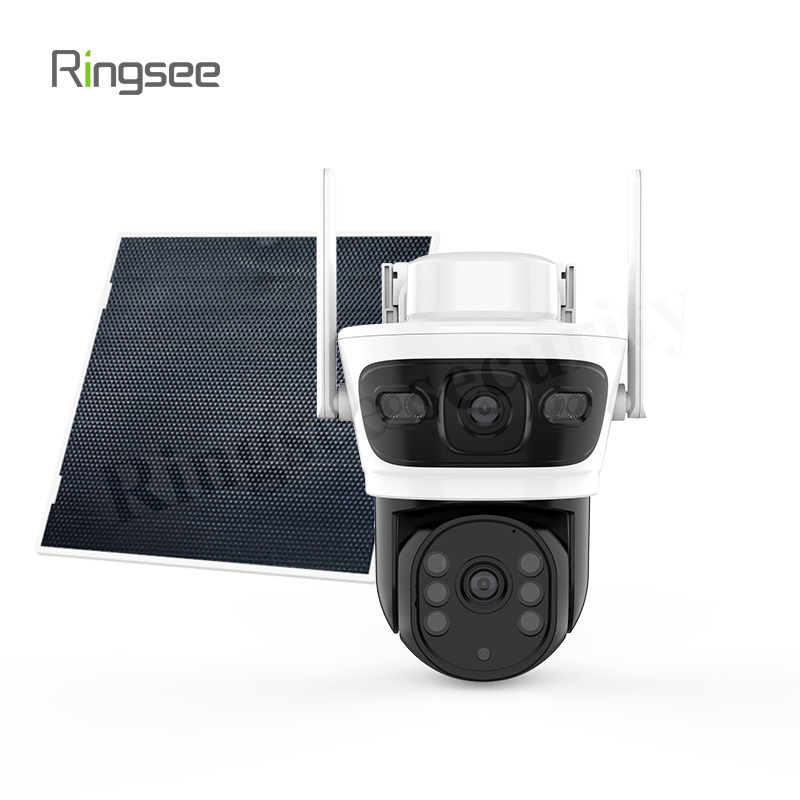
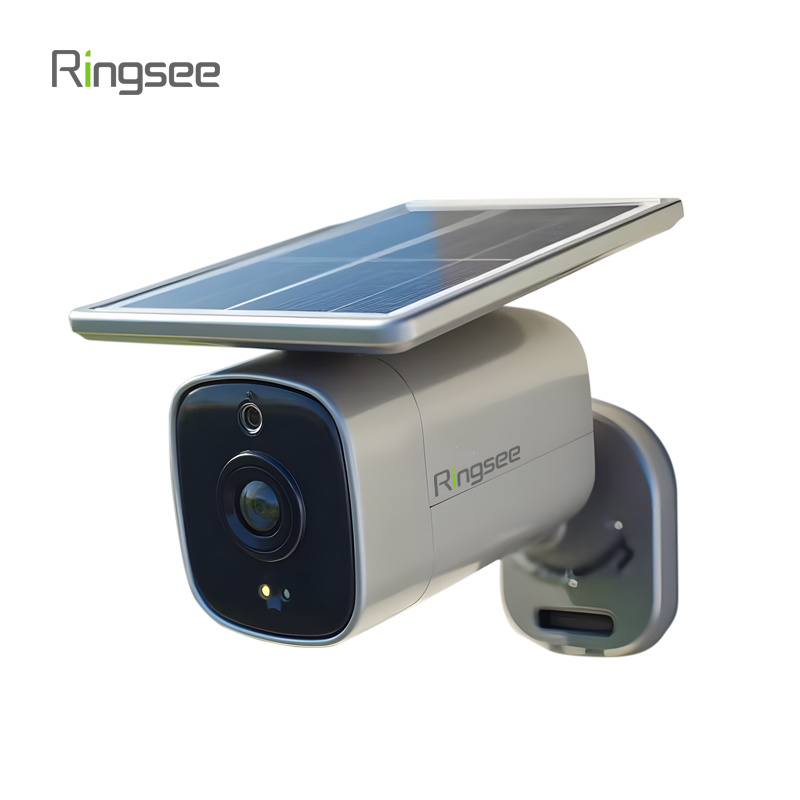
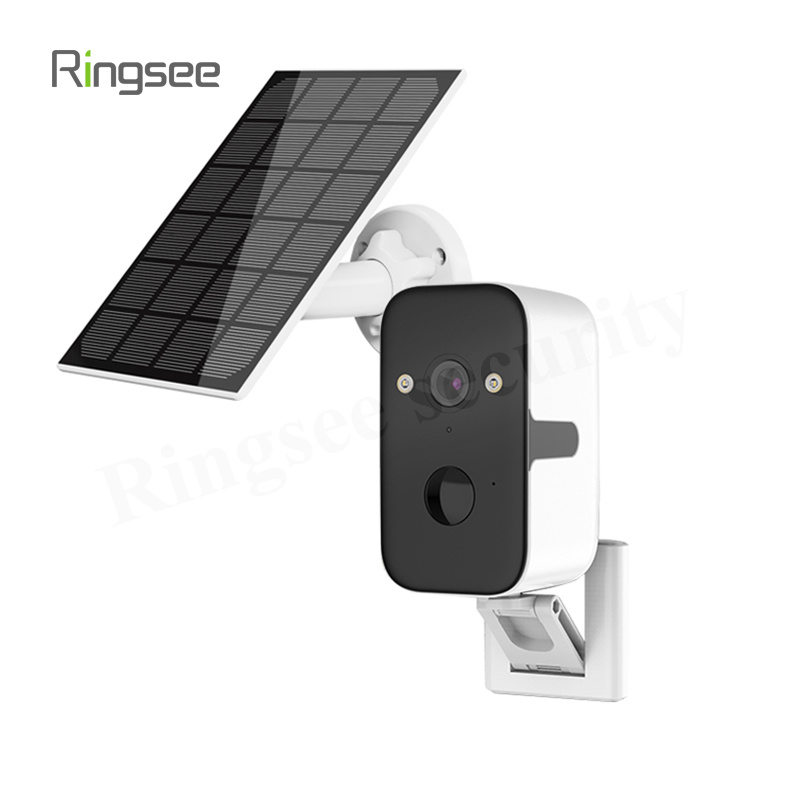
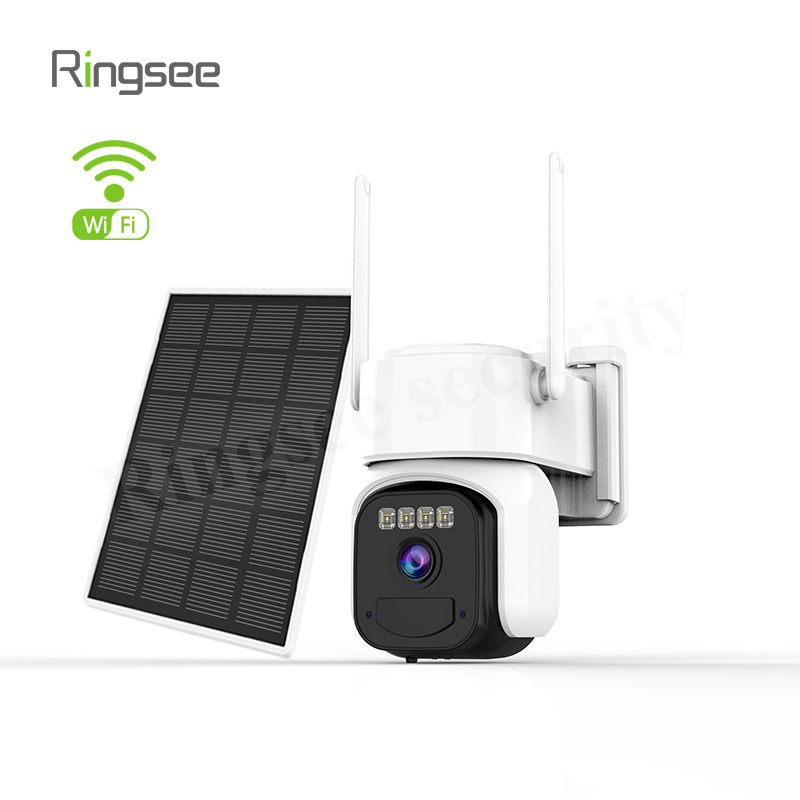
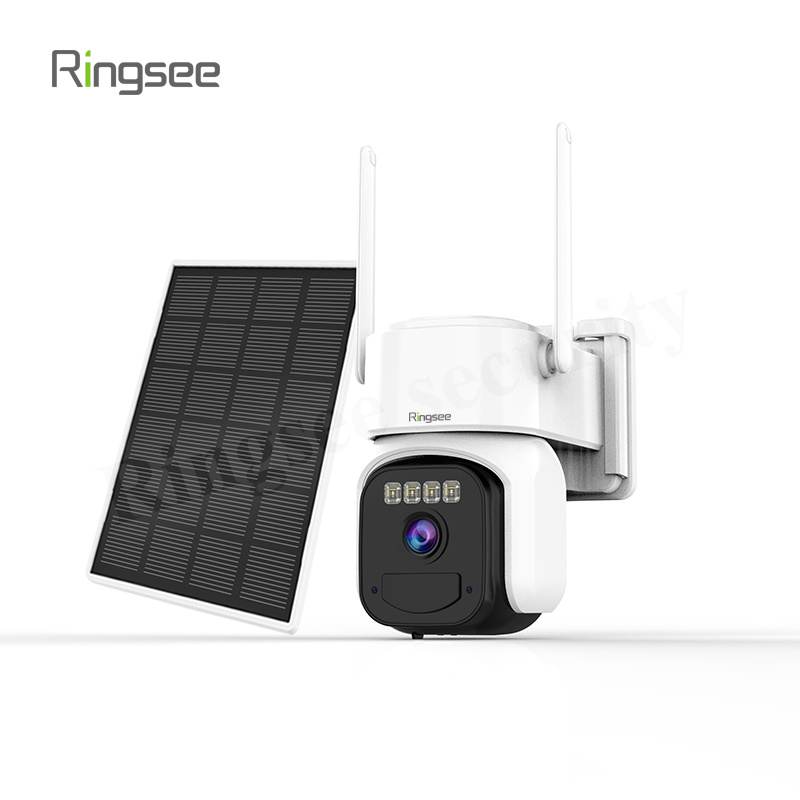
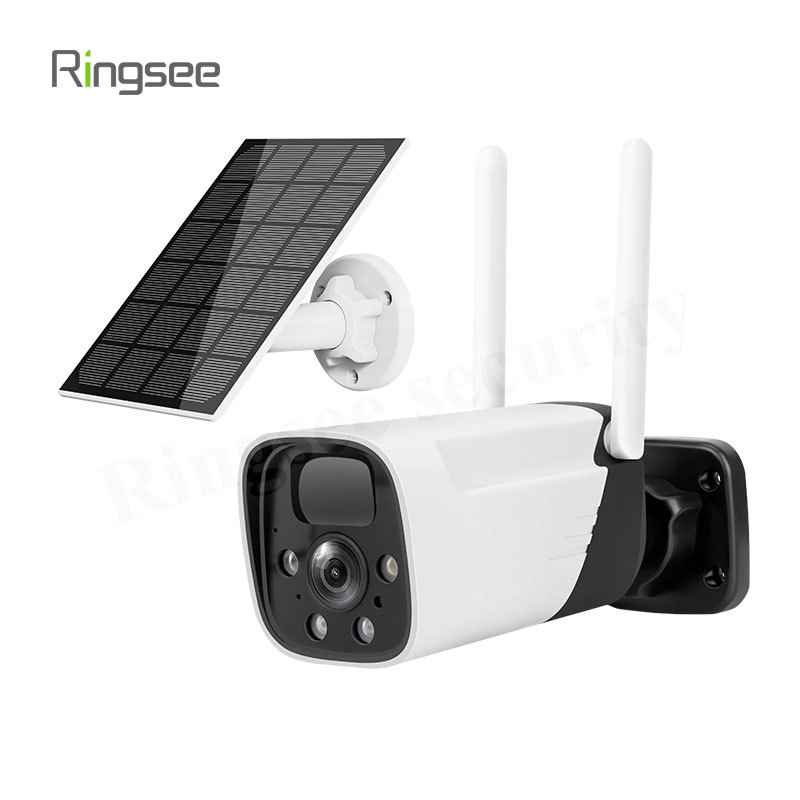
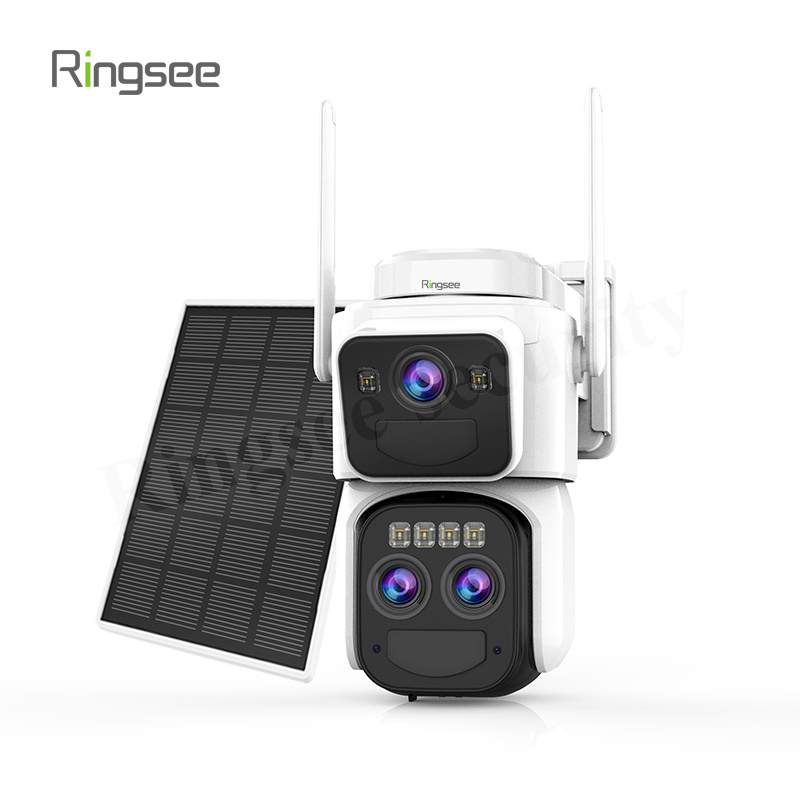
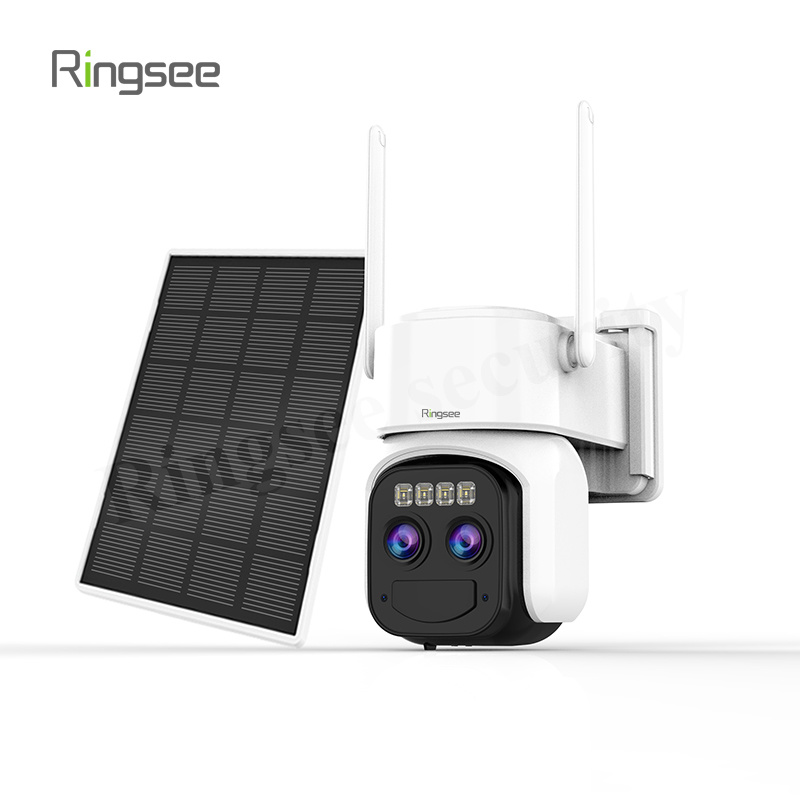
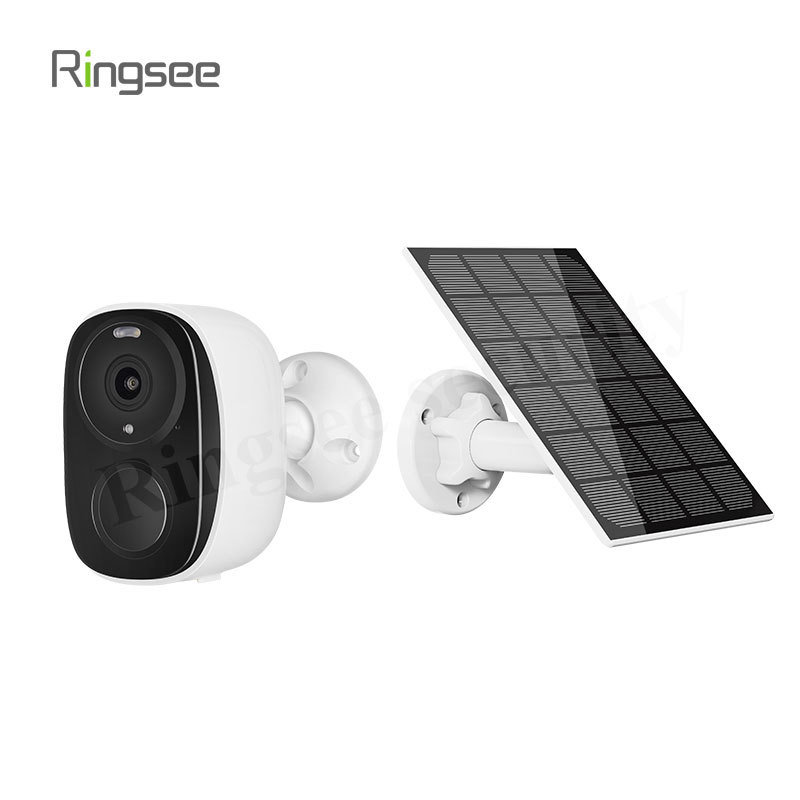
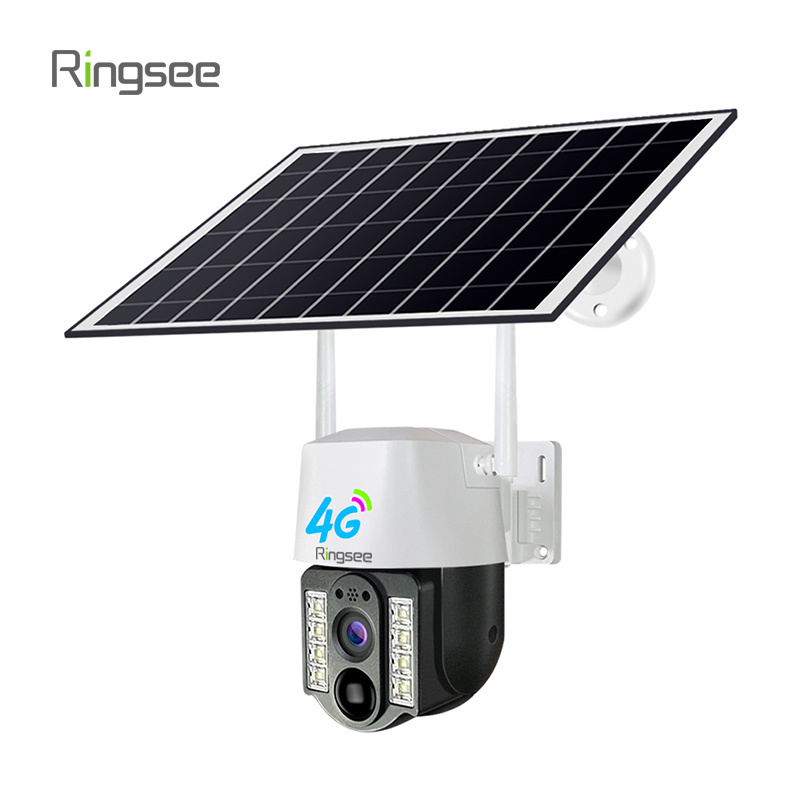
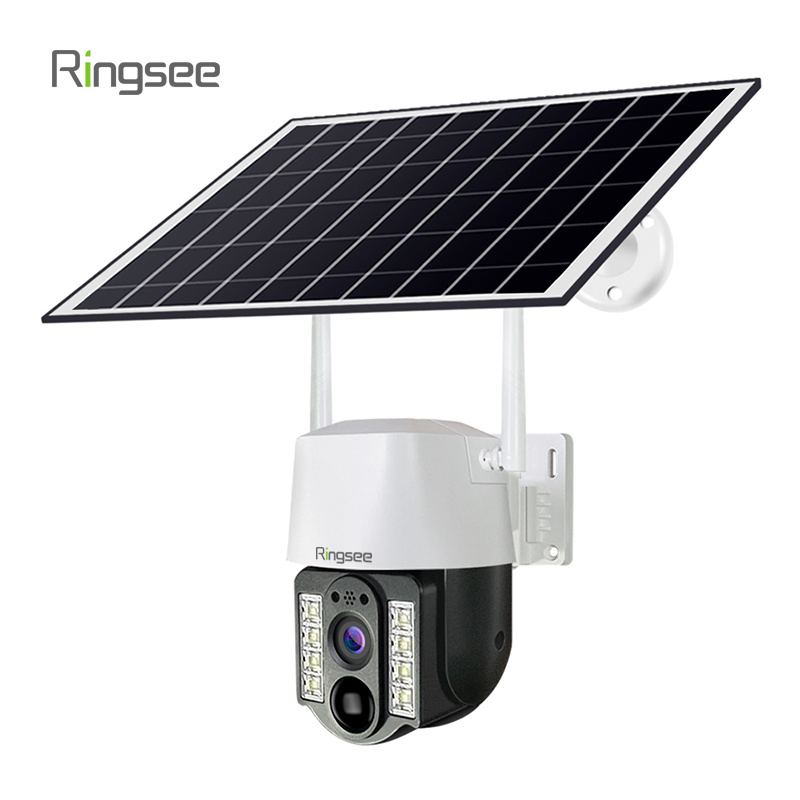
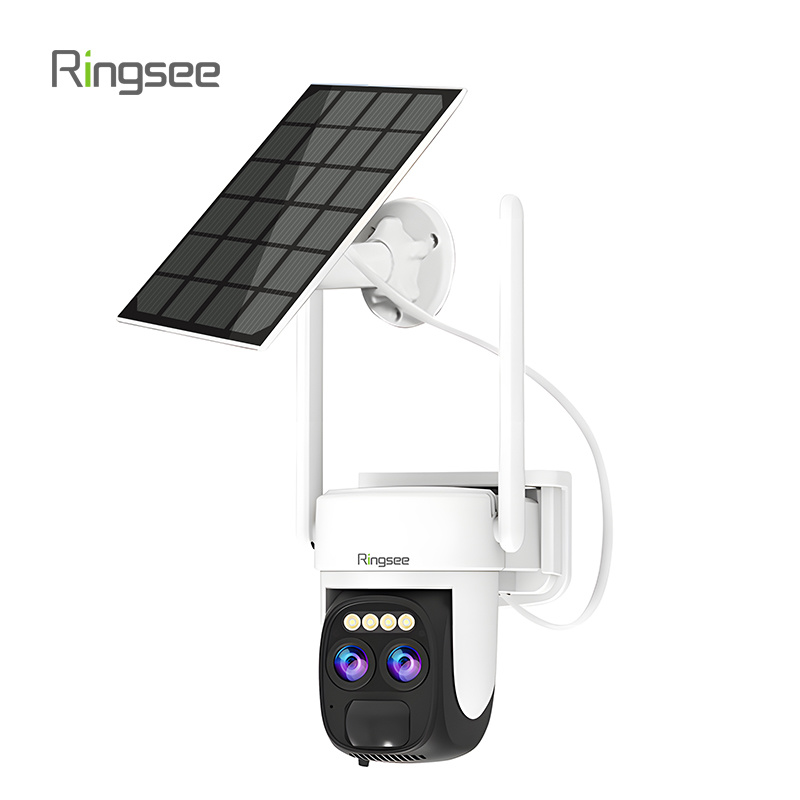
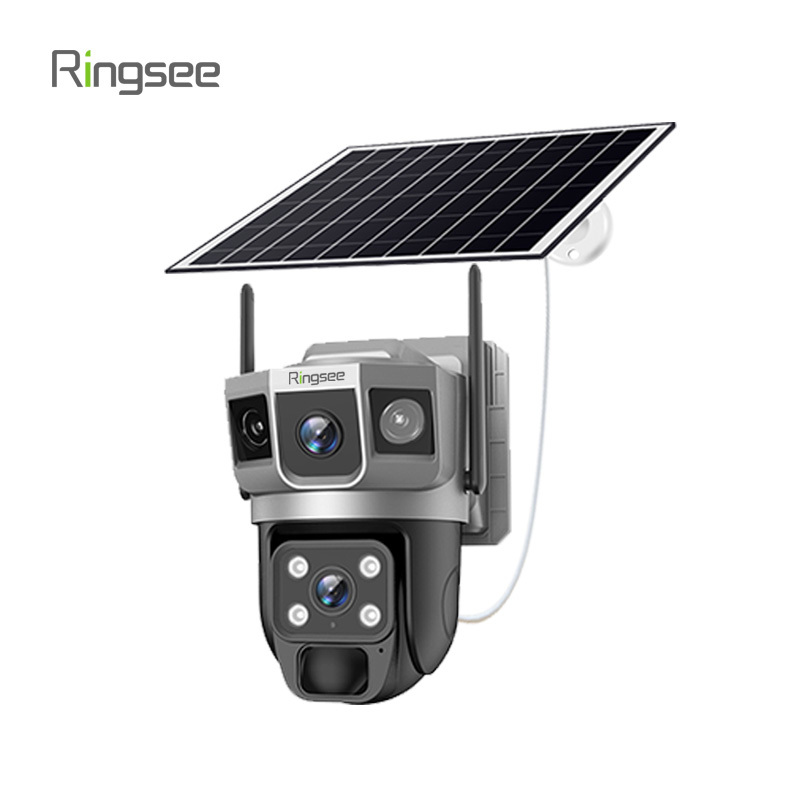
Solar Panel:
Function: Continuously charges a connected internal or external rechargeable battery during daylight hours.
Benefit: Virtually eliminates the need for battery changes, allowing for monitoring that can last for years.
Pro Tip: Angle the panel correctly (typically south in the Northern Hemisphere) and ensure it receives unobstructed, direct sunlight for several hours a day.
External 12V Battery Box:
Function: Connects a large, high-capacity sealed lead-acid (SLA) or Li-ion battery (often 12V) directly to the camera's external power port.
Benefit: Provides a huge reserve of power, significantly extending run time. Often used when a location is heavily shaded and a solar panel is ineffective.
By implementing the right battery chemistry, optimizing your settings, and utilizing external power when needed, you can transition your 4G hunting camera from a short-term scouting tool to a reliable, long-term monitoring solution.
Links:One Belt Power Technology
Add: 14th Floor, Baoshan Building, Longhua District, Shenzhen China.
Privacy Policy | SEO | CitySite | Support: 300.cn Dongguan