






Support
How Do Low-Power Solar Cameras Reduce Energy Consumption?
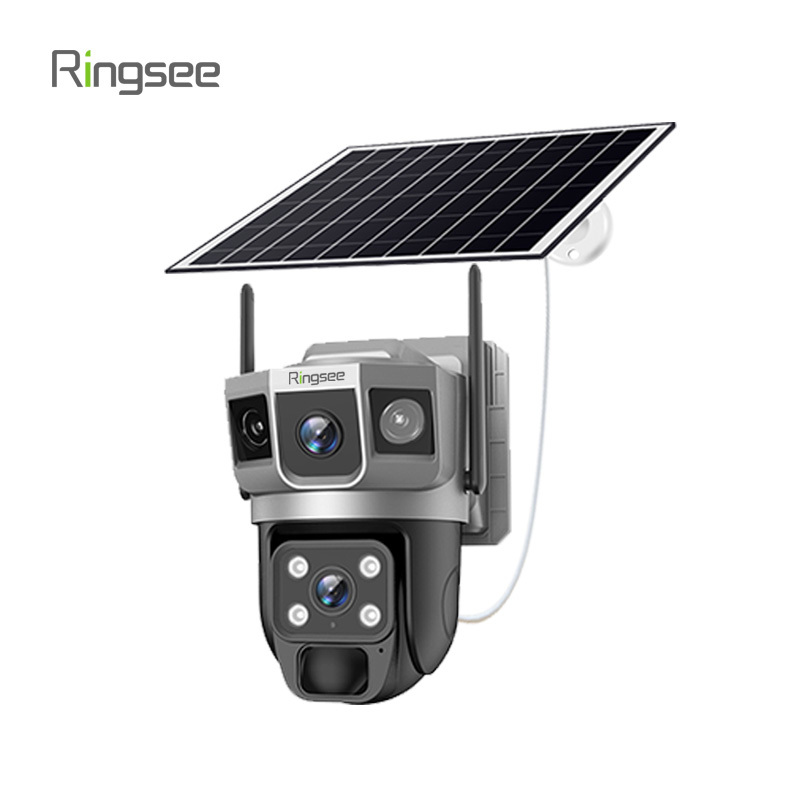
In the world of security and surveillance, the transition from traditional wired systems to solar-powered solutions has been a game-changer, especially for remote locations. However, the most common question users ask is: “How can a small solar panel keep a camera running 24/7 without dying?”
The answer lies in efficiency engineering. Unlike standard CCTV cameras that draw constant power to record every second of silence, low-power solar cameras are designed to be "smart" about when and how they use energy.
1. The Power of "Trigger-Based" Recording

The most significant way these cameras save energy is by avoiding continuous recording. A standard camera is "always on," which consumes a massive amount of electricity. In contrast, a low-power solar camera spends 90% of its life in a Deep Sleep Mode.
During this mode, the camera’s main processor, Wi-Fi module, and lens are powered down. Only a tiny, ultra-low-power circuit remains active to listen for a "wake-up" signal. This allows the device to consume microwatts of power rather than watts.
2. PIR Sensors: The Gatekeepers
How does the camera know when to wake up? The secret is the PIR (Passive Infrared) Sensor.
Unlike software-based motion detection—which requires the camera lens and processor to stay on and "analyze" every frame for movement—a PIR sensor is a physical component that detects heat signatures.
How it works: It looks for changes in infrared radiation (heat) emitted by humans or animals.
Energy Impact: Because it is a passive sensor, it requires almost zero energy to operate. Only when it detects a moving heat source does it "flip the switch" to wake up the rest of the camera.
3. Highly Efficient Hardware Components
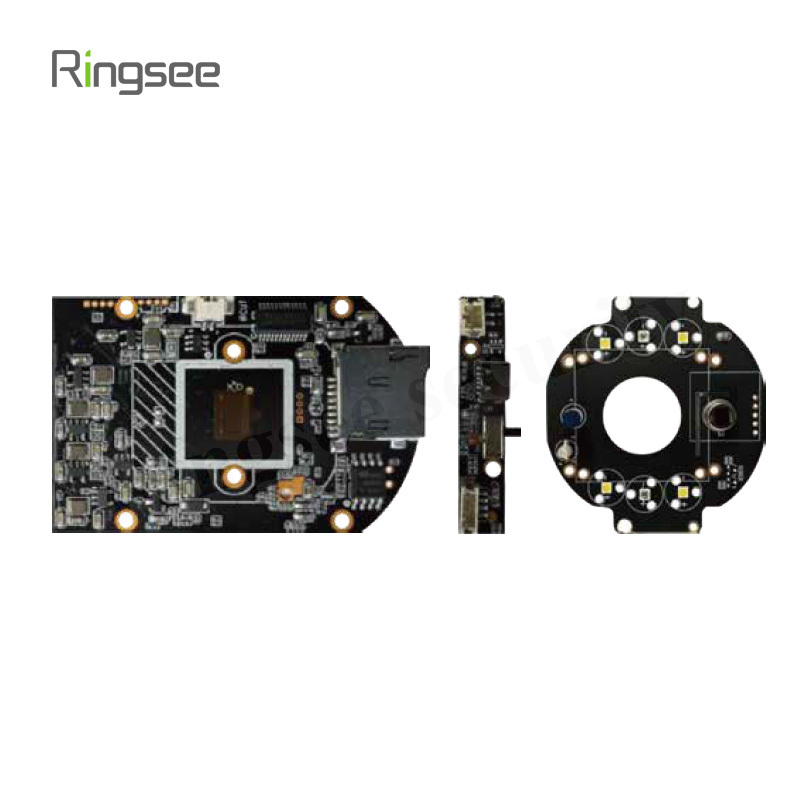
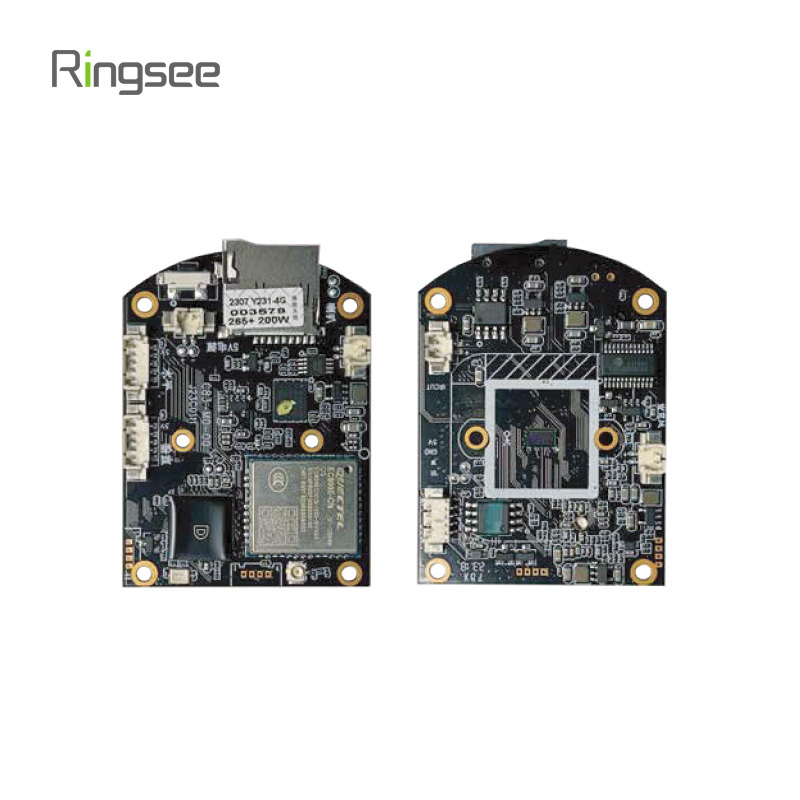
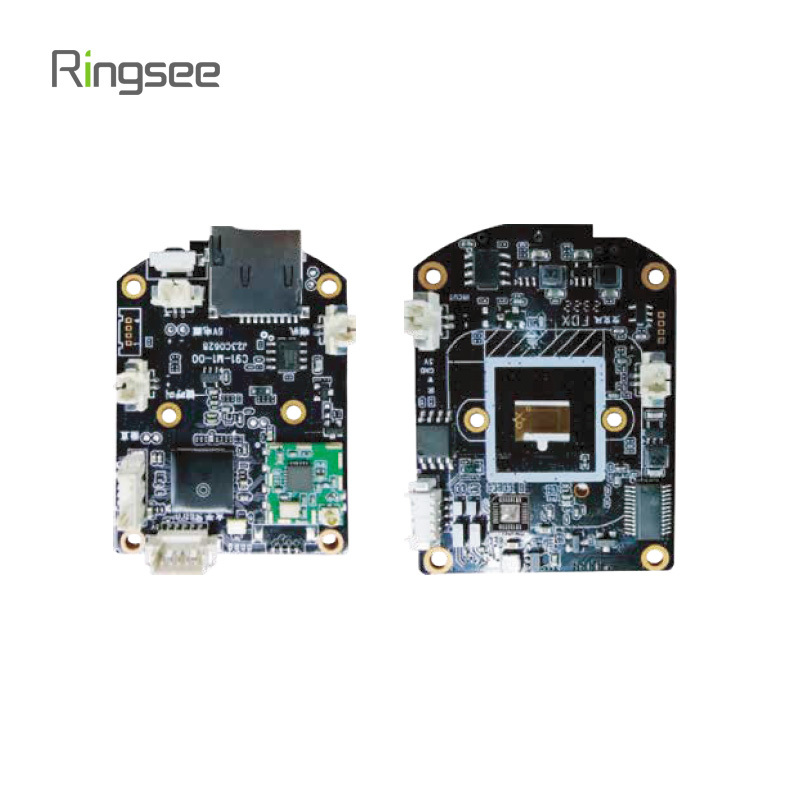
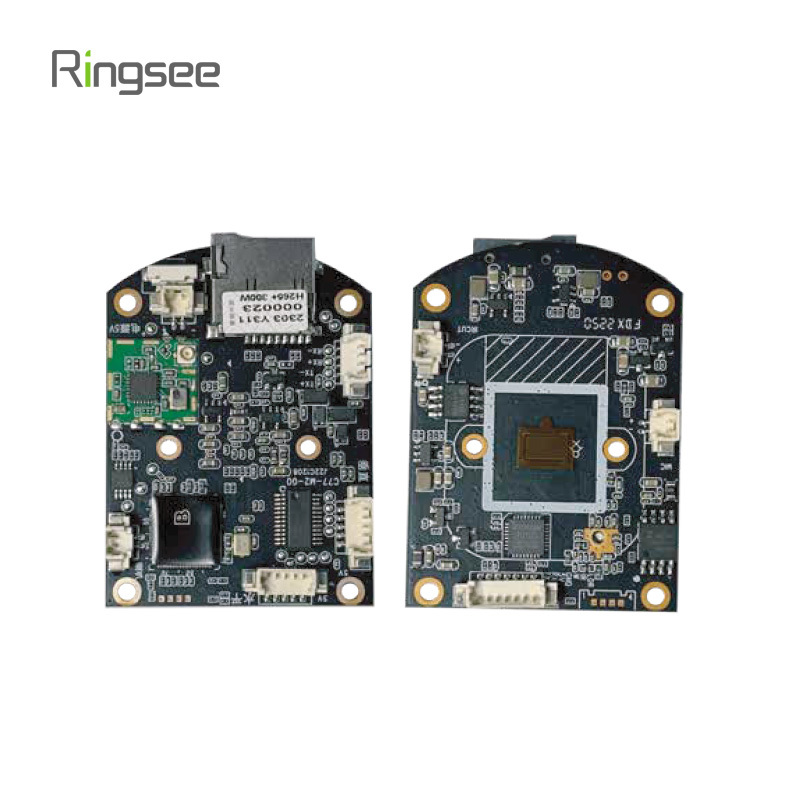
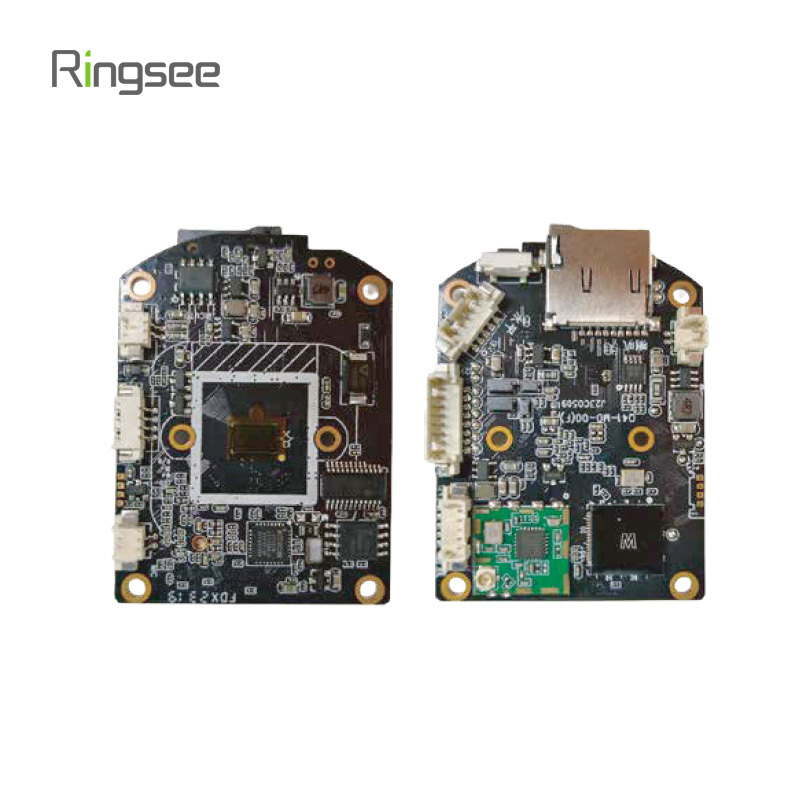
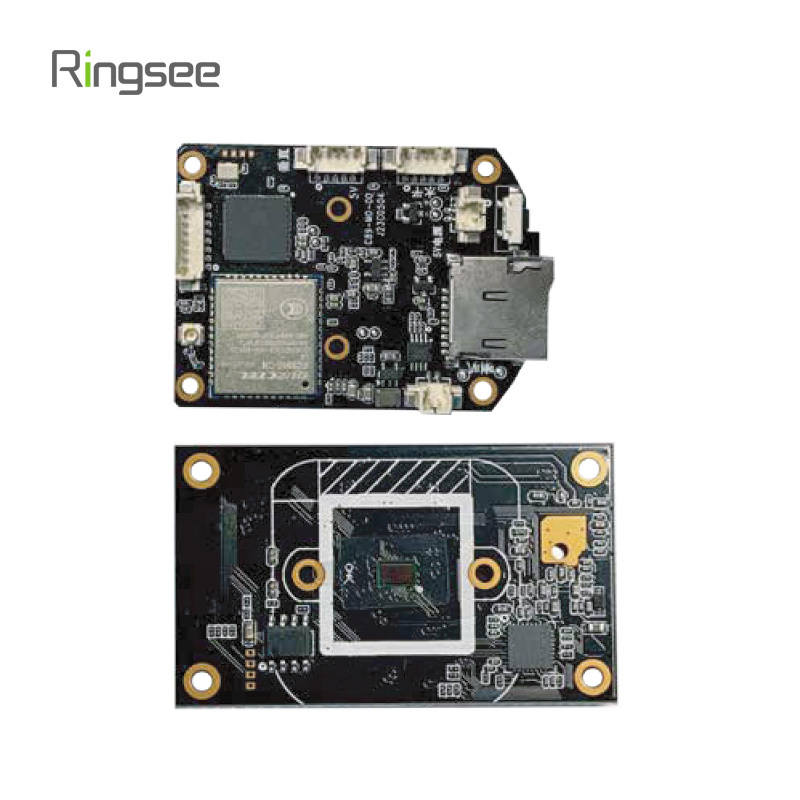
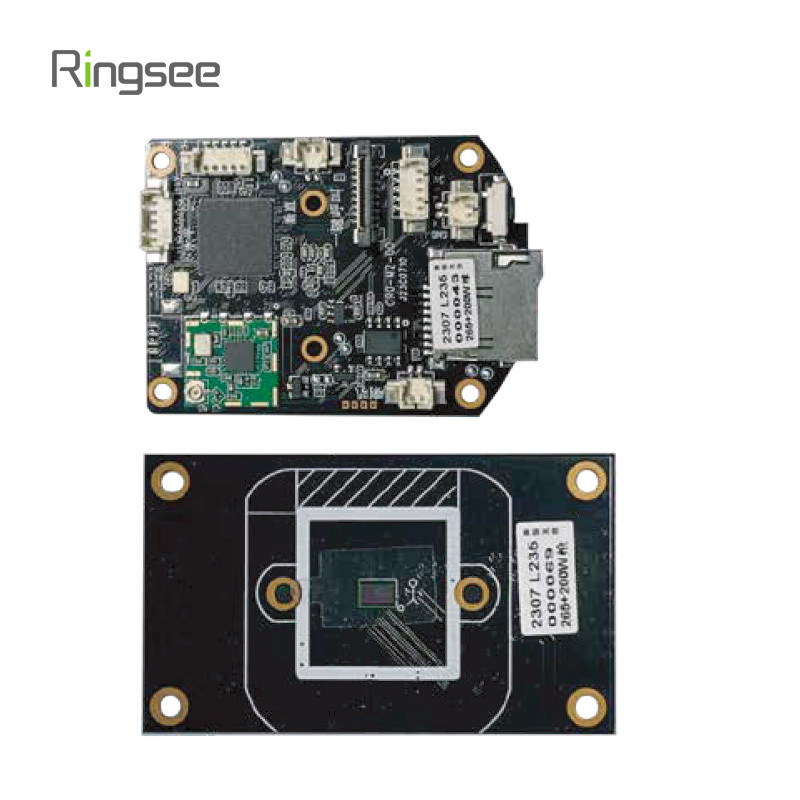
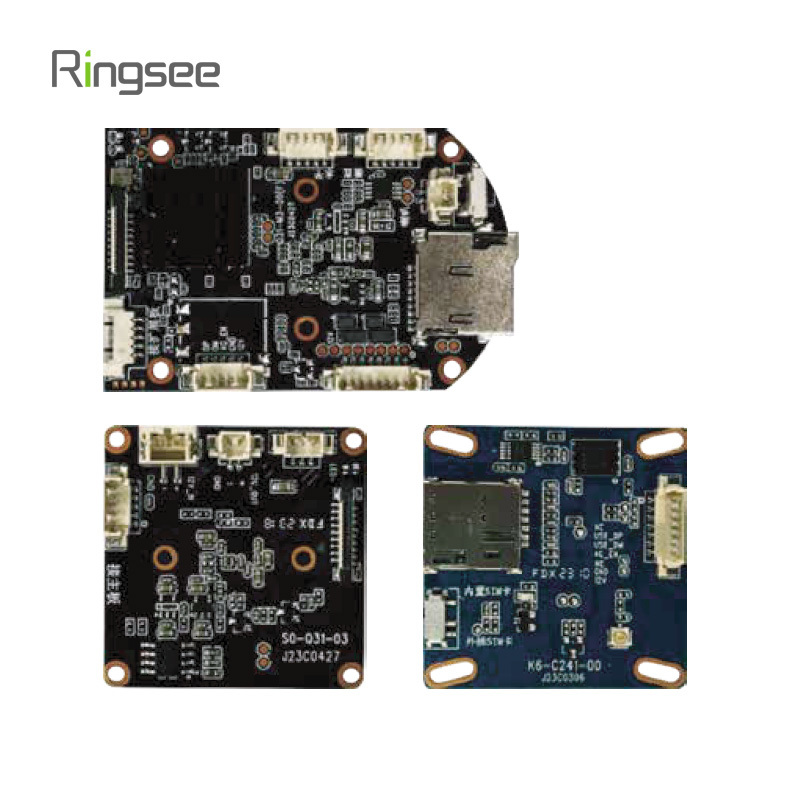
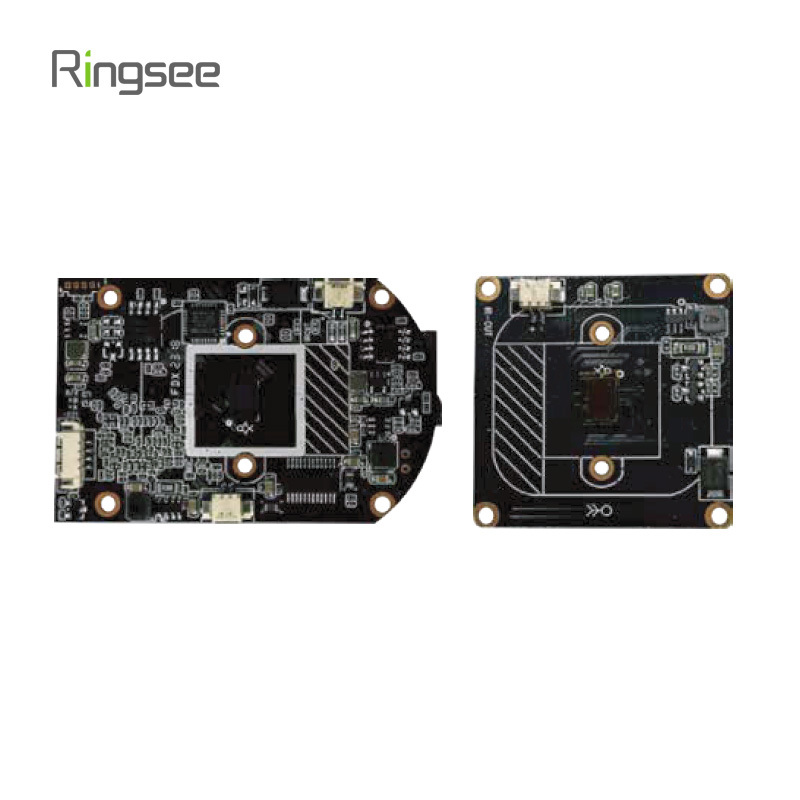
The internal "organs" of a low-power solar camera are specialized for frugality. Manufacturers prioritize components that offer high performance with low thermal output and power draw.
Low-Power CMOS Sensors: Modern image sensors can now capture 2K or 4K video while using significantly less current than sensors from just five years ago.
High-Efficiency SoC (System on a Chip): The "brain" of the camera is designed to boot up from sleep to full recording mode in less than a second (often under 600ms), ensuring no action is missed while keeping idle power at a minimum.
H.265 Video Compression: By using advanced compression, the camera spends less time (and energy) transmitting data to the cloud or an SD card, as the file sizes are much smaller.
4. Optimized Communication Protocols
Transmitting video over Wi-Fi or 4G LTE is one of the most energy-intensive tasks a camera performs. Low-power cameras manage this through:
Fast Handshakes: They are programmed to connect to the network, upload the clip, and disconnect as fast as possible.
Signal Efficiency: They often feature high-gain antennas to ensure a stable connection, preventing the "battery drain" that occurs when a device struggles to find a signal.
Comparison: Standard CCTV vs. Low-Power Solar Camera
| Feature | Standard Wired CCTV | Low-Power Solar Camera |
| Recording Mode | Constant (24/7) | Event-Based (PIR Trigger) |
| Power State | Always Active | Deep Sleep / Active |
| Detection Method | Digital Pixel Analysis | Passive Infrared (PIR) |
| Data Usage | High (Constant Stream) | Low (Short Clips Only) |
| Installation | Hardwired | 100% Wire-Free |
5. Advanced Battery and Solar Management
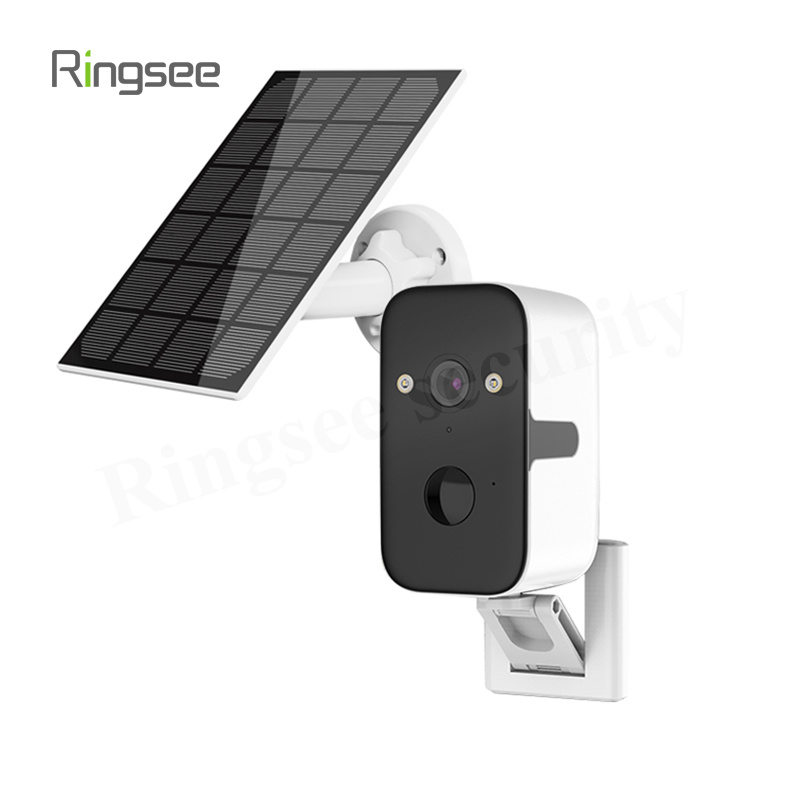
The synergy between the battery and the solar panel is the final piece of the puzzle. Low-power cameras typically use Lithium-ion or LiFePO4 (Lithium Iron Phosphate) batteries, which have high energy density and can withstand thousands of charge cycles.
The solar panels are often made of Monocrystalline Silicon, which has a higher conversion efficiency (around 20-24%) than cheaper polycrystalline options. This means even on a cloudy day, the panel can generate enough "trickle charge" to replenish what the camera used during its brief wake-up periods.
6. Smart Firmware Logic
Modern cameras include "Battery Protection Modes." If the battery level drops below a certain threshold (e.g., 10%), the firmware may automatically:
Disable non-essential features (like the spotlight).
Shorten the recording duration of each clip.
Increase the interval between motion alerts.
A low-power solar camera doesn't just "run on the sun"—it runs on intelligent conservation. By combining PIR heat detection, rapid-boot processors, and deep-sleep technology, these devices provide reliable security without the need for a power grid. This makes them the perfect solution for eco-conscious homeowners and farmers or anyone needing surveillance in "off-grid" locations.
Links:One Belt Power Technology
Add: 14th Floor, Baoshan Building, Longhua District, Shenzhen China.
Privacy Policy | SEO | CitySite | Support: 300.cn Dongguan