






Support
How Does a Low-Power Solar Camera Compare to Wired Outdoor Security Cameras?
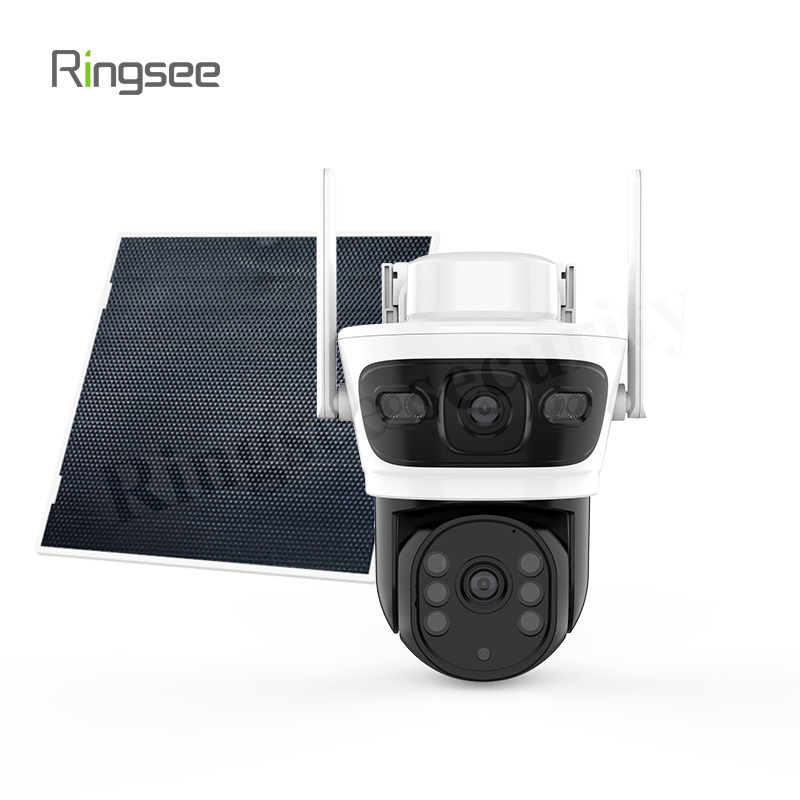
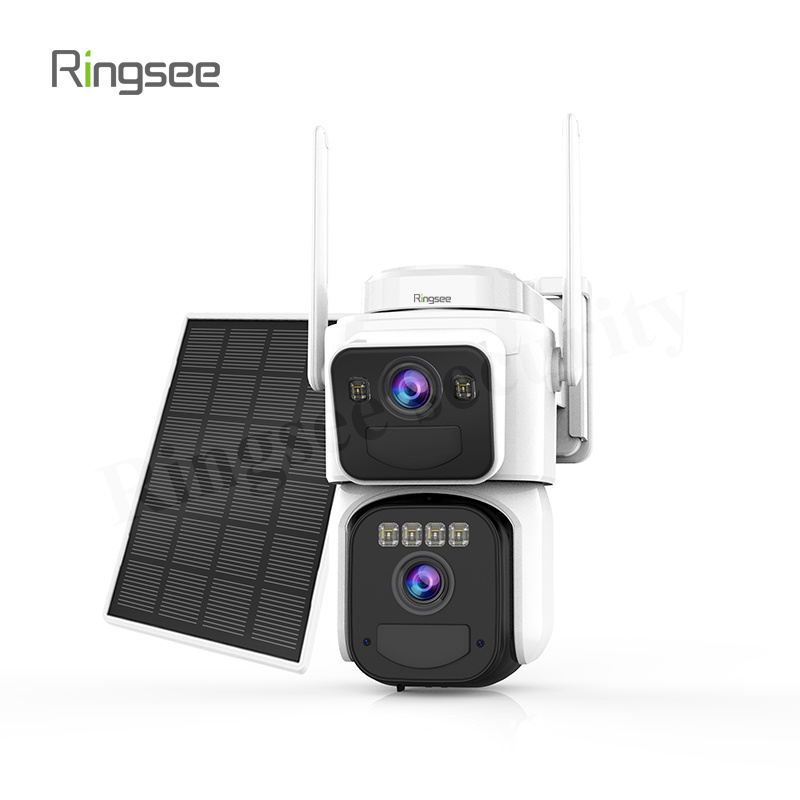
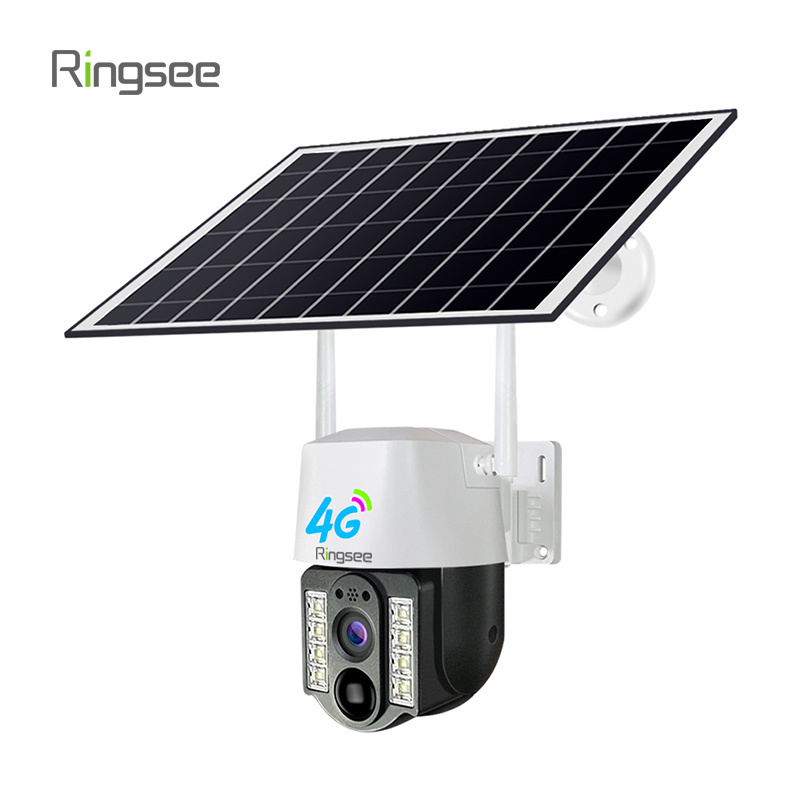
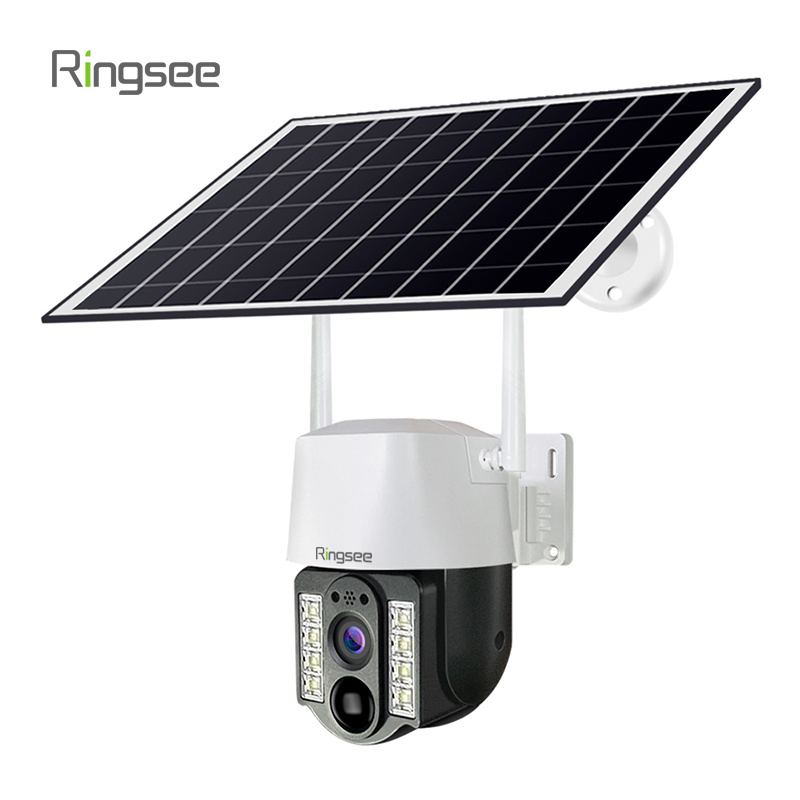
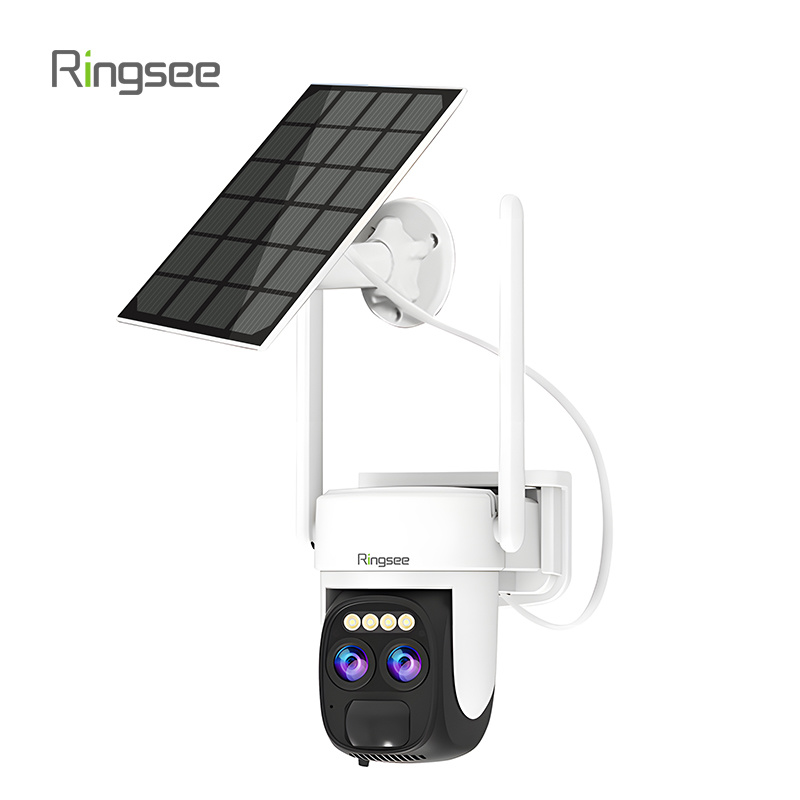
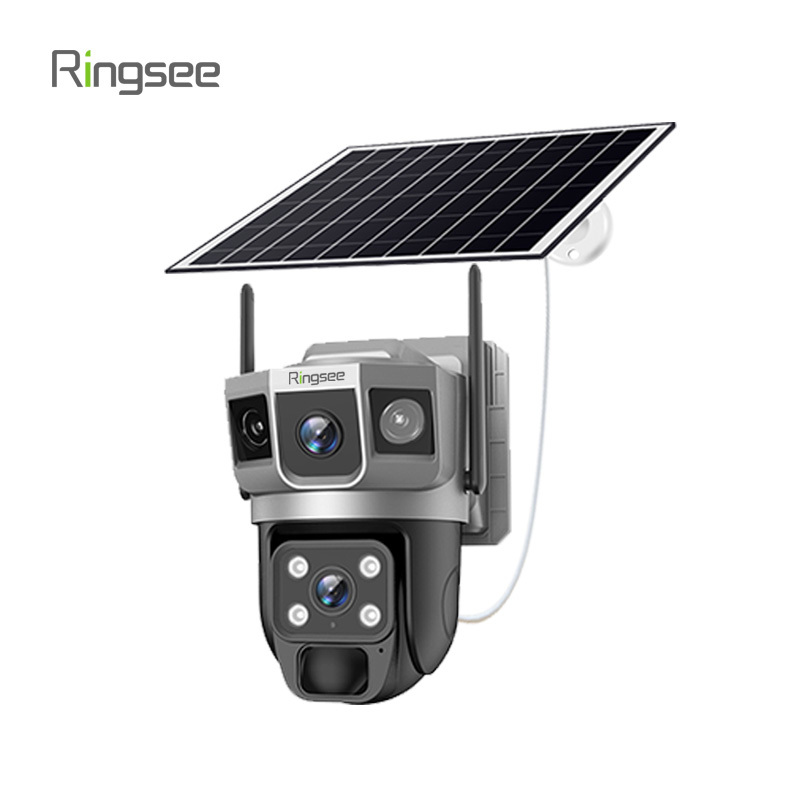
If you’ve spent any time looking at home security lately, you know the market has shifted. It used to be that "wireless" meant "weak," and "wired" meant "professional." But as we move through 2026, those lines have blurred. At Ringsee, we often hear from homeowners who are stuck: do you go for the total freedom of a low-power solar setup, or do you commit to the heavy lifting of a wired system?
The truth is, neither is "better" in a vacuum. The right choice depends entirely on your property’s layout and how much you value your Saturday morning (which might otherwise be spent crawling through an attic).

The Solar Revolution: Convenience Without the Compromise
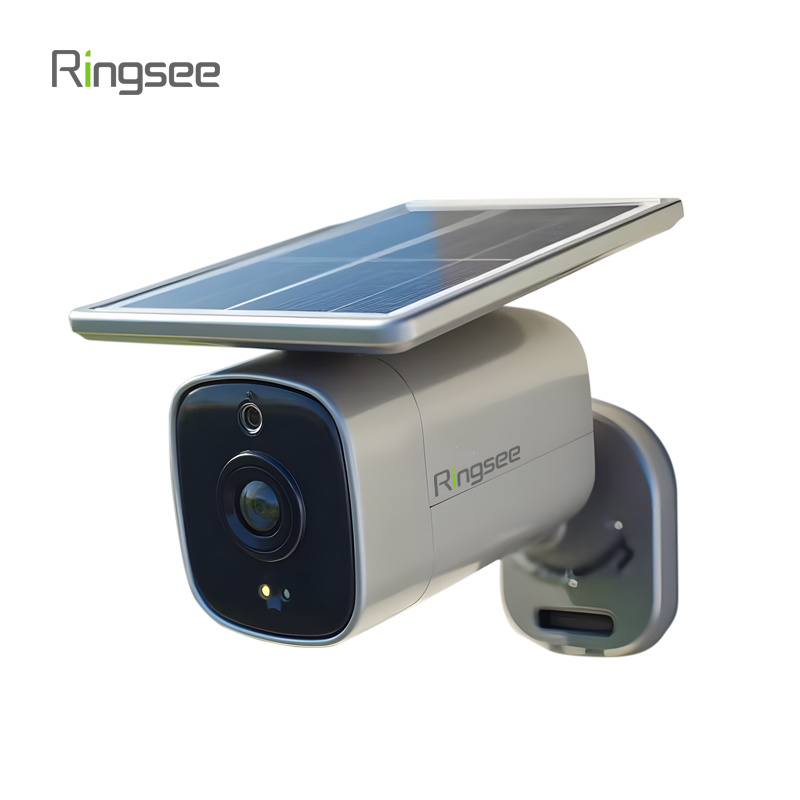
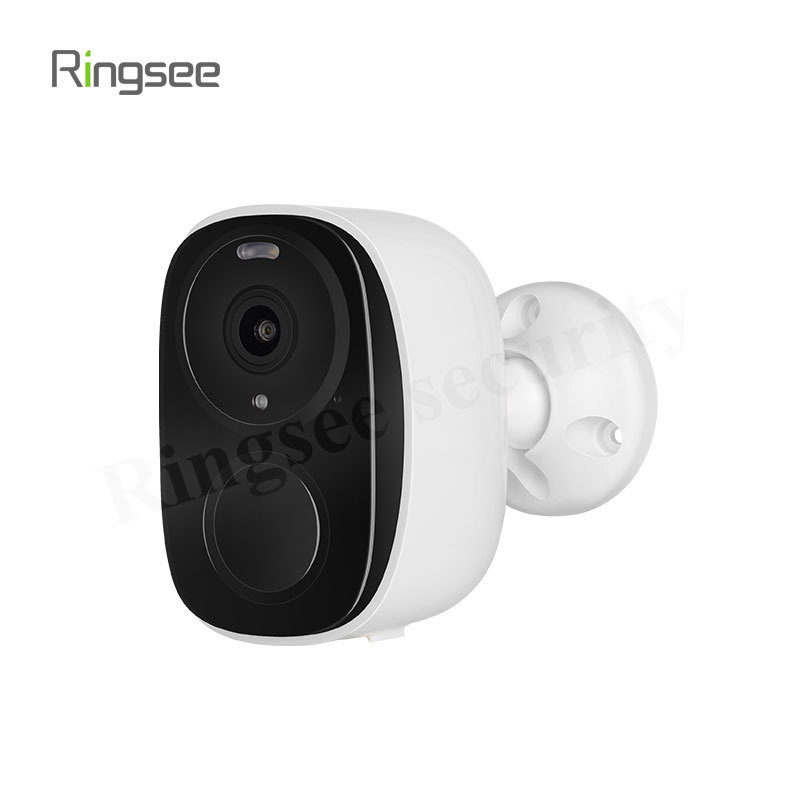
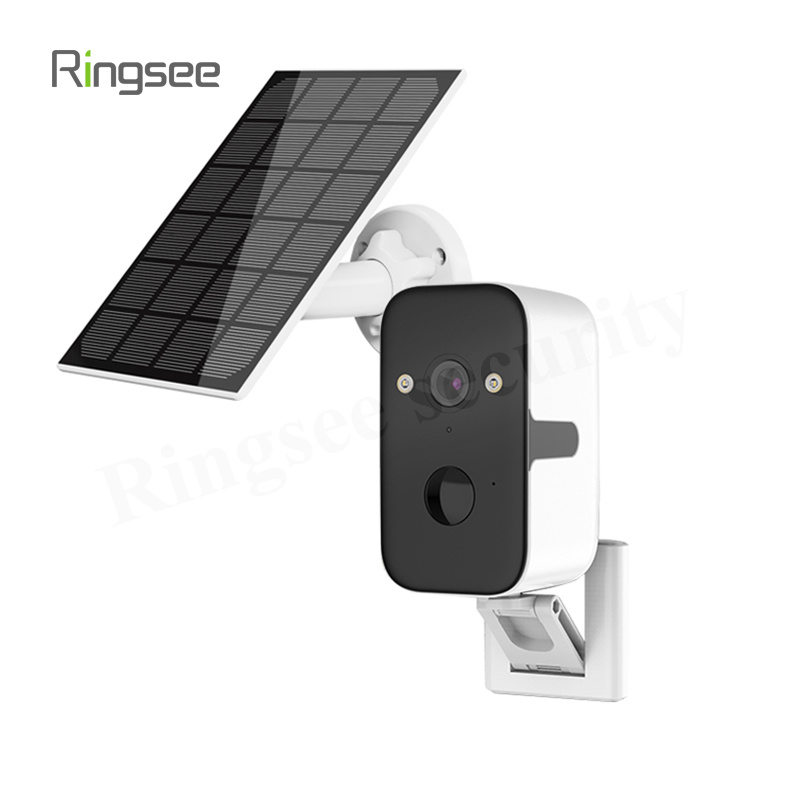
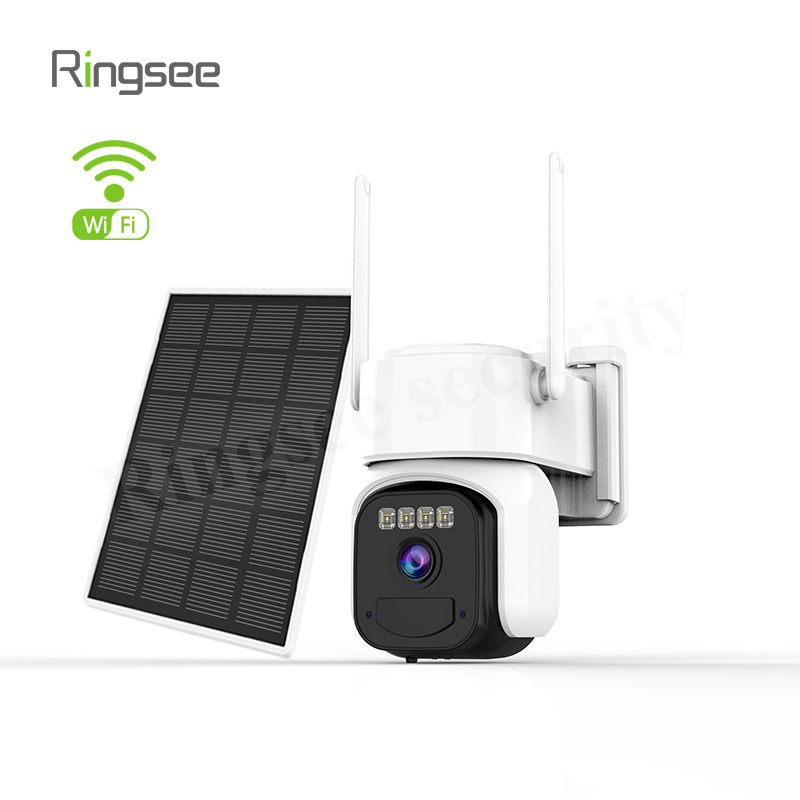
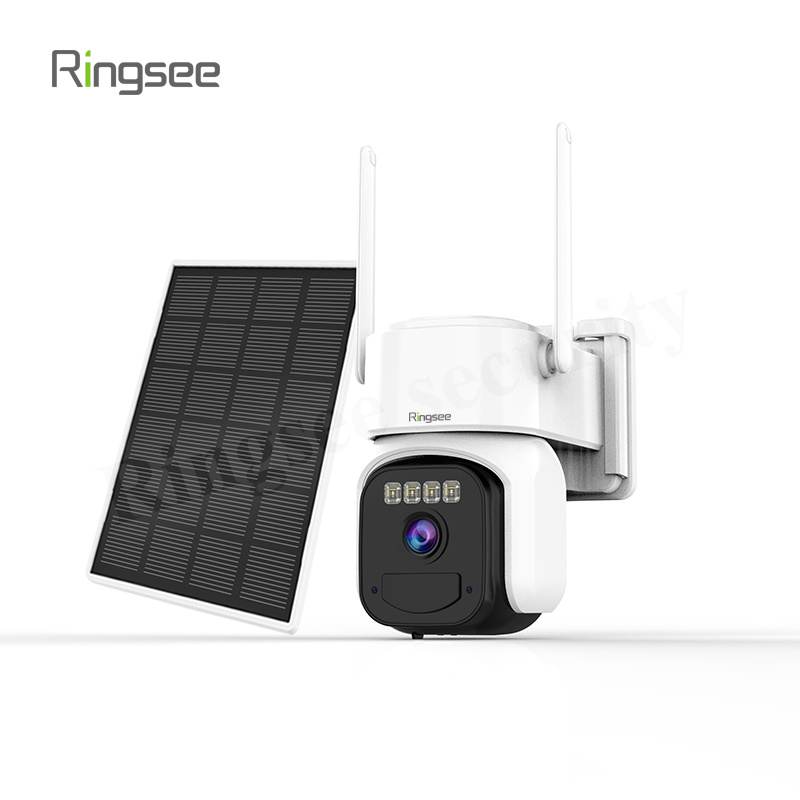
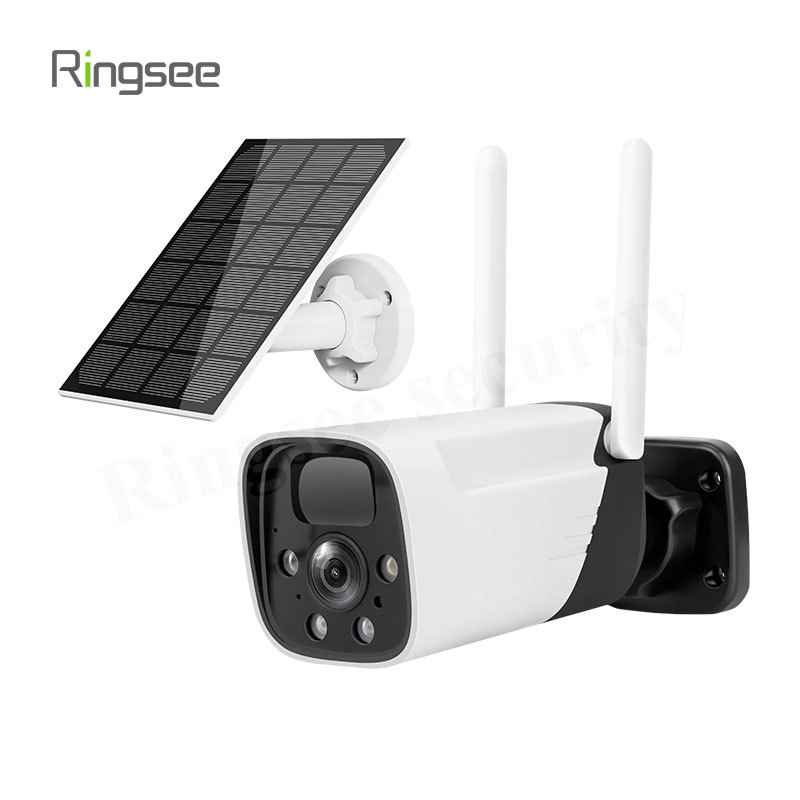
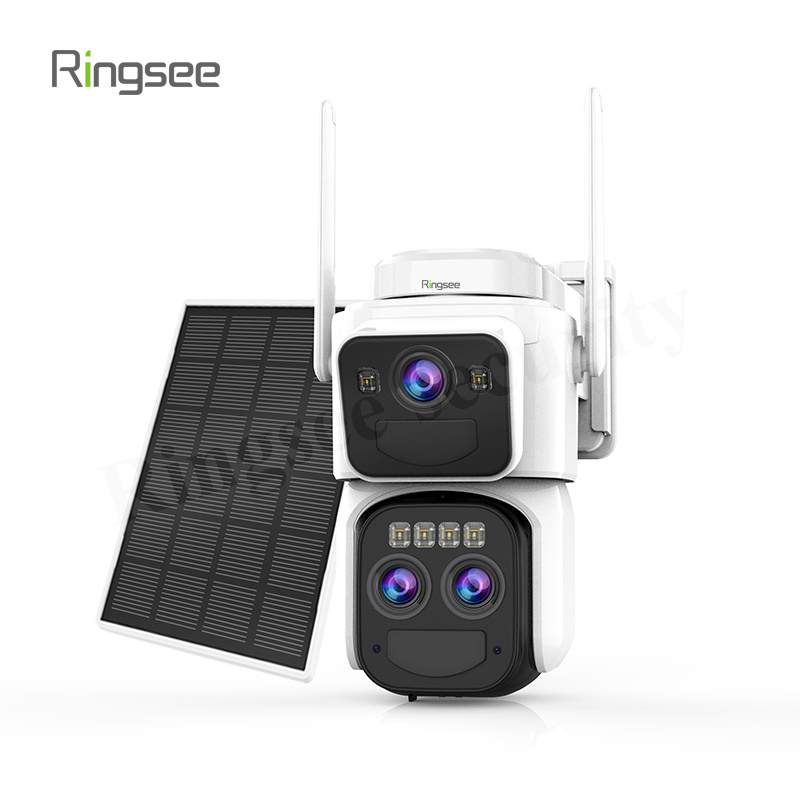
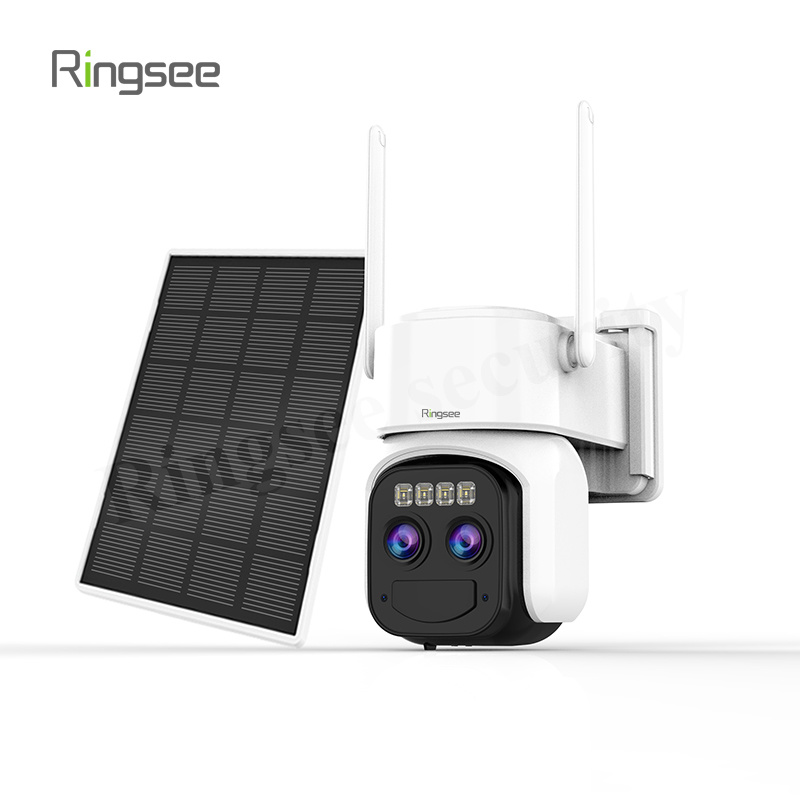
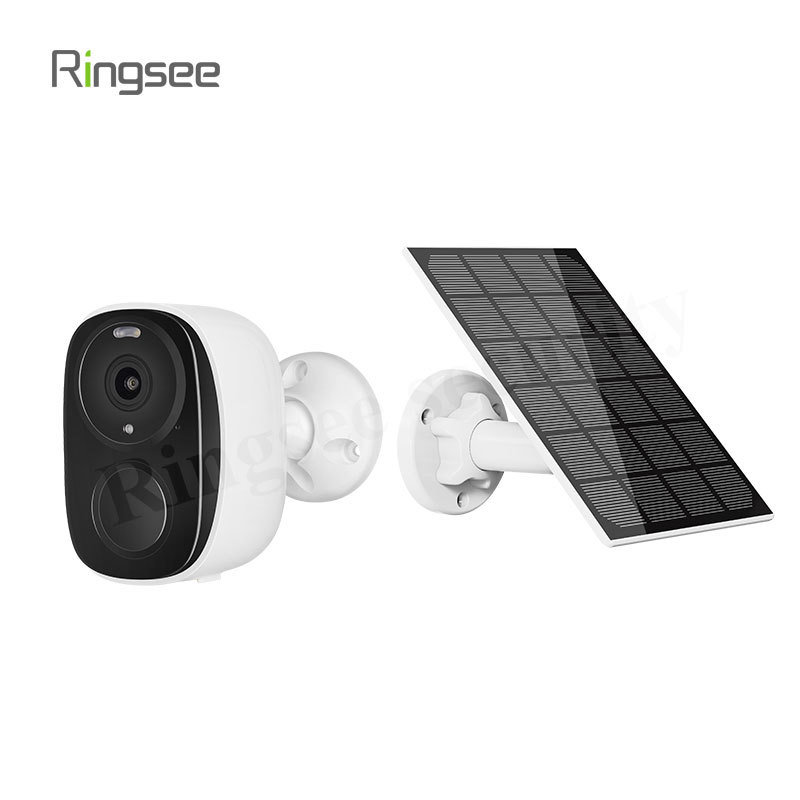
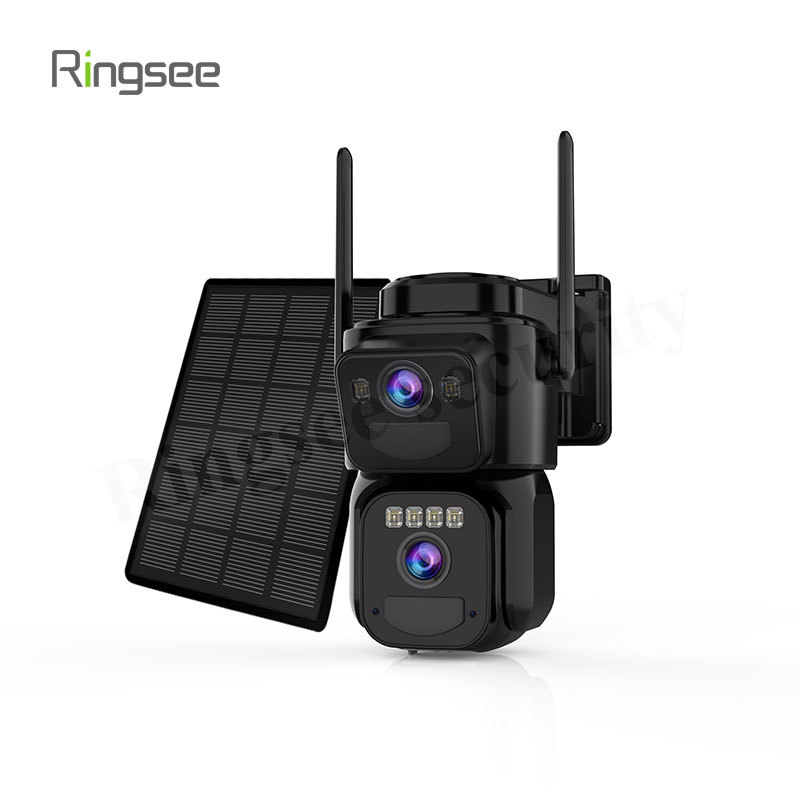
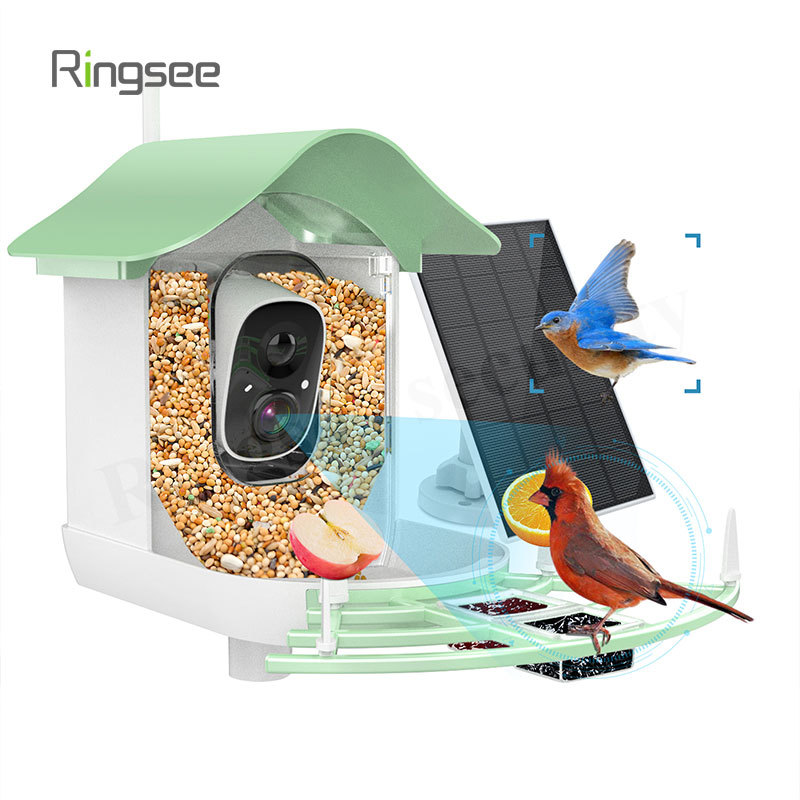
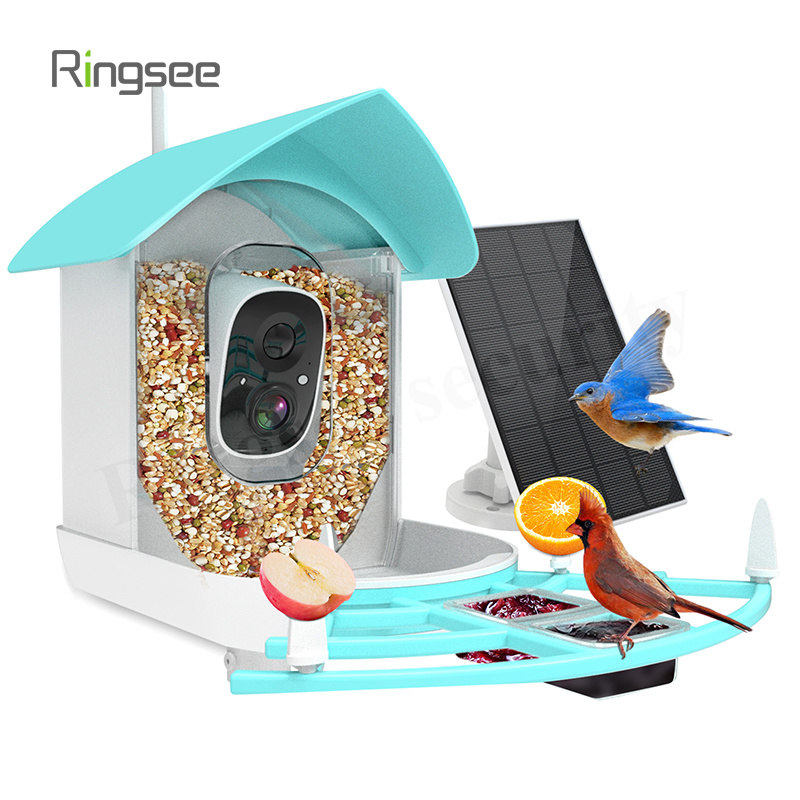
For a long time, solar cameras were the "backup plan." They were what you used for the far corner of a garden where wires couldn't reach. But modern low-power solar cameras have changed the game.
These devices are designed to be incredibly "smart" with their energy. Instead of running 24/7 and burning through a battery in hours, they use high-precision PIR sensors and AI to stay in a low-energy standby mode. They only "wake up" when they actually see something—like a delivery driver or a car pulling into the driveway.
Why people love them:
- Zero-Footprint Installation: You can get a solar camera up and running in about 15 minutes. If you’re a renter or you’re mounting a camera on a rental property, this is a lifesaver. No drilling through brick, no fishing wires through insulation.
- Off-Grid Resilience: Because they don't plug into your home's electrical grid, they aren't affected by power outages. As long as the sun rises, your camera stays live.
- Cost Efficiency: Beyond the initial purchase, the "fuel" is free. In an era of rising energy costs, a self-sustaining camera is a small but welcome win for the monthly budget.

Wired Systems: The Unblinking Eye
On the other side of the fence, we have wired cameras—typically Power over Ethernet (PoE). These are the heavy hitters. If solar cameras are like agile scouts, wired cameras are the permanent sentries.
The main reason people still choose wired systems at Ringsee is simple: 24/7 recording. Because these cameras have a constant stream of power, they don’t need to "sleep." They capture every single second.
Why they remain the gold standard:
- The "Lead-Up" Context: A motion-activated camera (solar) shows you the person at your door. A wired camera shows you where they came from, what they did three minutes before they approached, and where they went afterward.
- No Interference: Even with Wi-Fi 7 becoming common, wireless signals can still drop or be jammed. A wired connection is physical. It’s consistent, high-bandwidth, and virtually impossible to interfere with remotely.
- Higher Fidelity: Because they don't have to worry about battery life, wired cameras often support higher bitrates, leading to crisper images even in low-light environments.
At a Glance: Solar vs. Wired Comparison
If you are in a rush, here is the high-level breakdown of how these technologies stack up against each other.
| Feature | Low-Power Solar Cameras | Wired Outdoor Cameras (PoE/BNC) |
| Primary Advantage | Installation flexibility and zero power costs. | Uninterrupted, 24/7 recording and reliability. |
| Installation Effort | DIY Friendly: 15–20 minutes; no drilling through walls. | High Effort: Requires running cables; often needs professional installation. |
| Power Source | Renewable (Solar panel charging an internal battery). | Constant (Grid power via Ethernet or separate cable). |
| Recording Style | Event-Based: Wakes up to record motion only. | Continuous: Records everything, 24/7. |
| Connectivity | Relies heavily on strong Wi-Fi 6/7 or 5G/LTE signals. | Stable wired connection to a local Network Video Recorder (NVR). |

Making the Choice: Which One Fits Your Life?
When we talk to customers, we usually frame the decision around two questions: Where is it going? and What are you protecting?
Choose Solar if...
You need to monitor a "problem area" quickly. Maybe it’s a dark corner of the backyard, a detached garage, or a construction site. If the thought of hiring an electrician makes you wince, solar is your best friend. It’s the ultimate DIY solution that provides 95% of the security most people need with 5% of the hassle.
Choose Wired if...
You are building a "fortress." If you are a business owner or a homeowner who wants a complete, gap-free record of everything that happens on your property, the labor of installing wires is worth the payoff. It’s a permanent investment in your property's infrastructure.
The Ringsee Perspective
In 2026, many of our clients are actually choosing a hybrid approach. They use wired cameras for the high-traffic front entrance and solar cameras to fill in the gaps around the perimeter. It’s no longer about choosing one or the other—it’s about using the right tool for the right corner of your home.
Links:One Belt Power Technology
Add: 14th Floor, Baoshan Building, Longhua District, Shenzhen China.
Privacy Policy | SEO | CitySite | Support: 300.cn Dongguan