






Support
How Your 4G Hunting Camera Sends Photos & Videos to Your Phone?
A 4G hunting or trail camera represents a major leap forward from traditional models, turning a static surveillance device into a powerful, real-time remote scouting tool. This FAQ breaks down the essential technology that allows these cameras to instantly transmit photos and videos directly to your smartphone, ensuring you get critical, real-time alerts no matter where you are.
The Core Mechanism: A Smartphone in the Woods
The simplest way to understand a cellular trail camera is to think of it as a wildlife camera with a built-in cell phone. It integrates the core components of a traditional trail camera with the essential communication hardware of a mobile device.

Key Internal Components for Remote Transmission:
- Passive Infrared (PIR) Motion Sensor: This is the camera’s "eyes." It constantly monitors the detection zone for changes in infrared energy (heat). When an animal or person crosses the sensor's path, the change in heat signatures instantly triggers the camera.
- Camera Lens & Image Sensor: Once triggered, the camera captures a high-resolution photo or video.
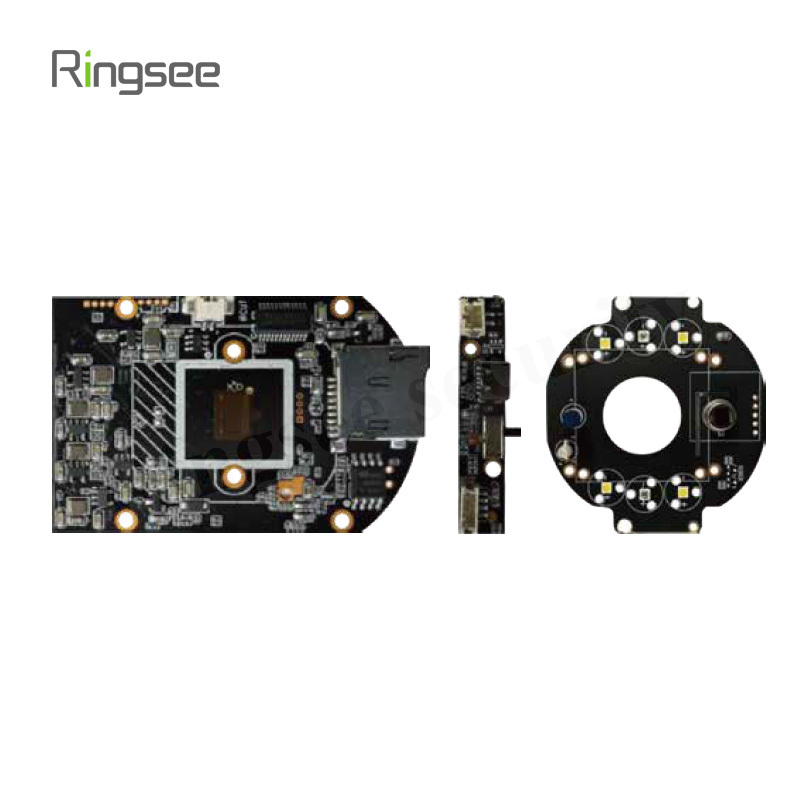
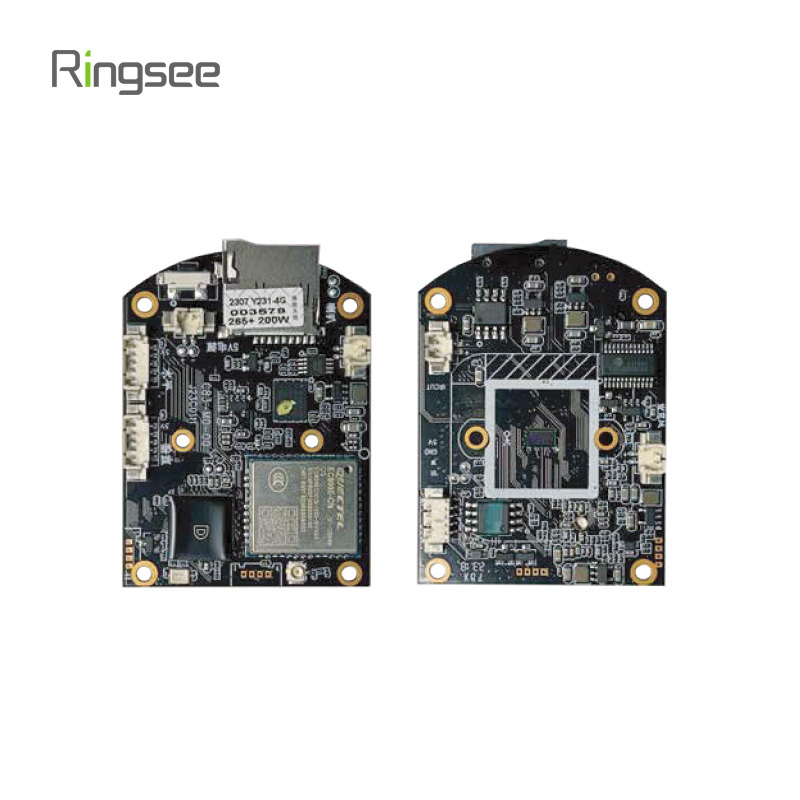
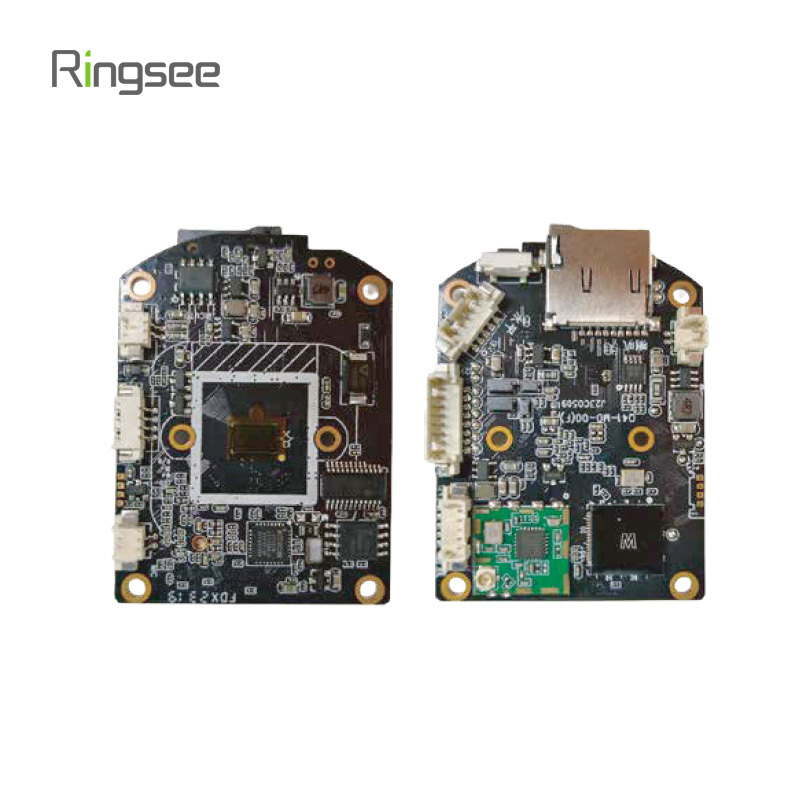
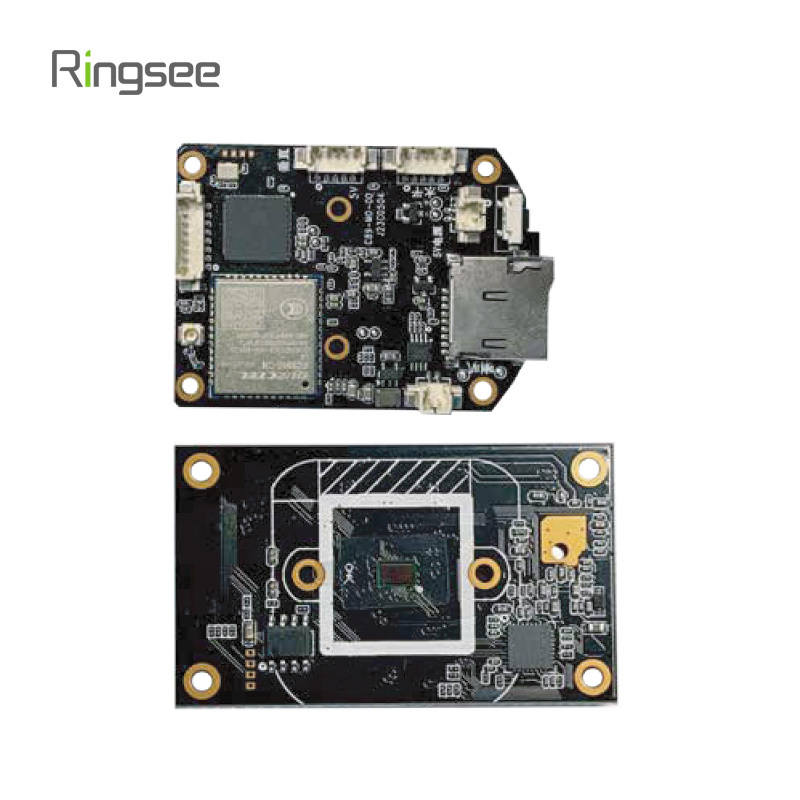
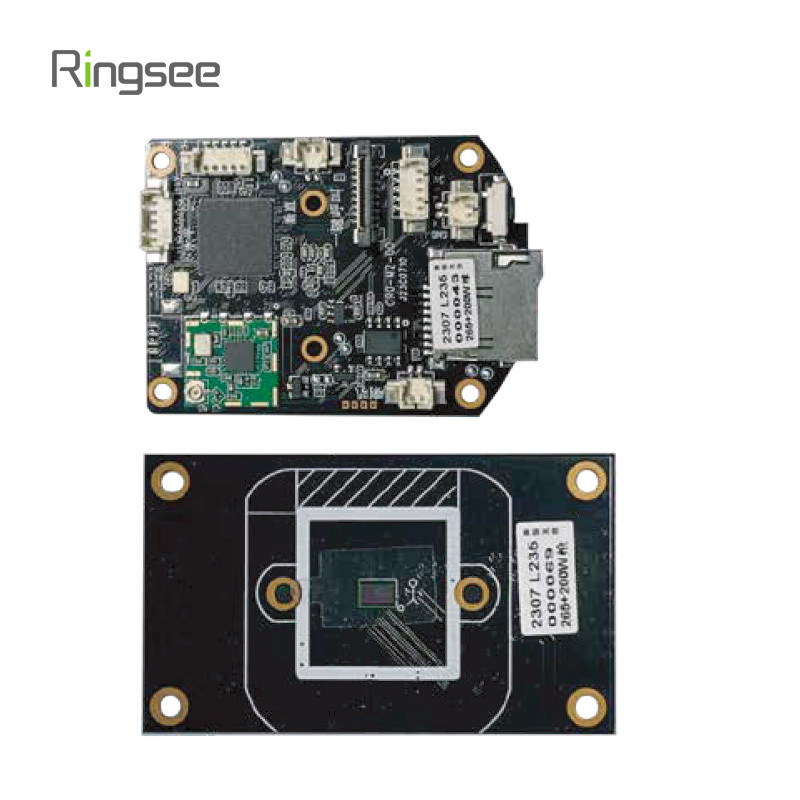
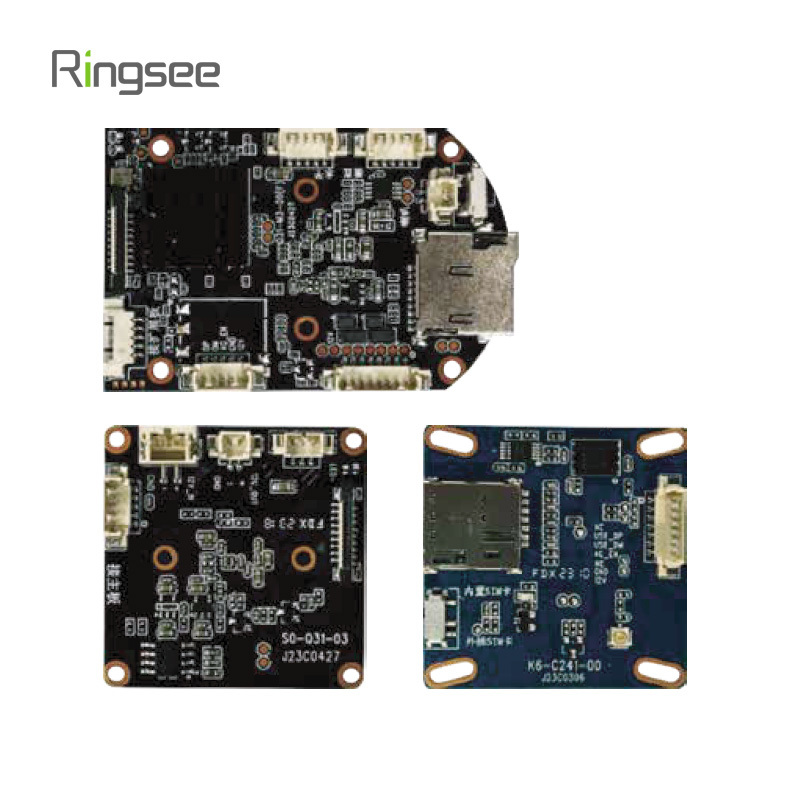
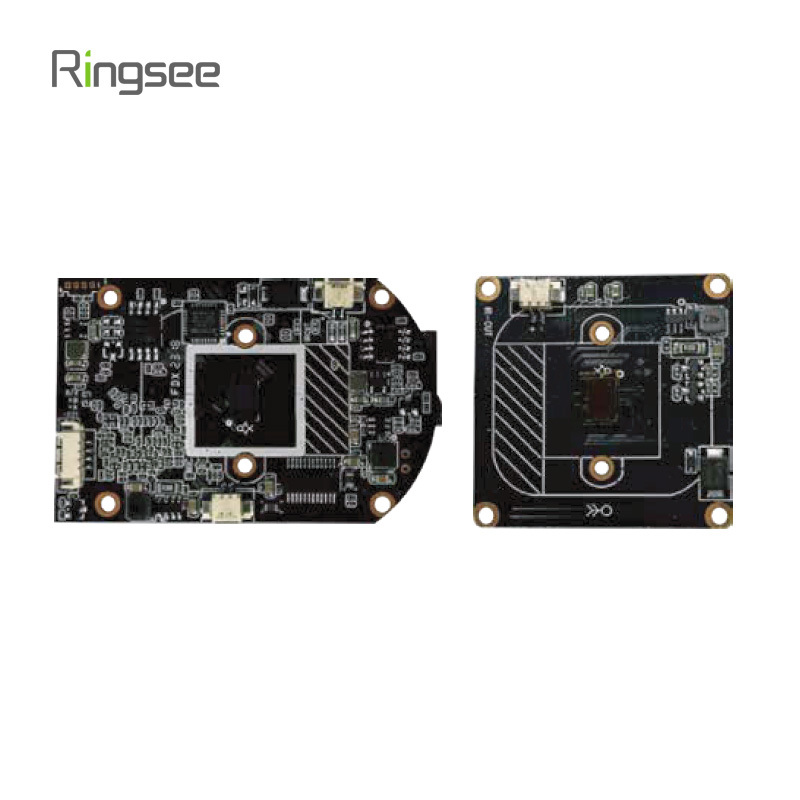
- Cellular Module & SIM Card: This is the heart of the remote transmission system. Like your smartphone, the camera contains an internal 4G/LTE cellular modem and requires a physical or embedded SIM card and an associated data plan. This hardware enables the camera to connect to local mobile phone towers.
- Antenna: An external or internal antenna is crucial for maximizing the signal strength, especially in remote, heavily wooded areas where coverage can be weak.
The Step-by-Step Transmission Process

The entire process, from trigger to alert, typically takes only a few seconds.
Step 1: The Trigger Event
The camera is in a low-power standby mode, where only the PIR sensor is active and conserving battery.
An animal enters the field of view.
The PIR sensor detects the combined movement and heat, instantly activating the camera's full system.
Step 2: Capture and Processing
The camera immediately captures the image or video based on your preset settings (e.g., photo resolution, video length). This file is temporarily saved to the camera's internal memory and the local SD card.
Step 3: Data Transmission via 4G Network
This is where the cellular module takes over:
The module compresses the photo/video file for efficient transfer.
It establishes a connection with the nearest compatible 4G/LTE cellular tower, acting as a two-way communication device, much like a regular cell phone.
The data is securely uploaded via the cellular network to a dedicated cloud server managed by the camera manufacturer or service provider.
Step 4: Real-Time Notification on Your Phone
The cloud server processes the newly received image or video.
It then sends an immediate push notification to the camera's proprietary mobile app, which is installed and registered on your smartphone.
You receive the real-time alert on your phone. Opening the app allows you to instantly view a thumbnail of the image and often gives you the option to download the full-resolution file or stream the video.
Why 4G is Crucial for "Real-Time" Alerts
The reliance on the 4G/LTE network, as opposed to older 3G networks or local Wi-Fi, provides three critical benefits:
- Speed (Real-Time): 4G offers significantly faster upload speeds, allowing the camera to transmit even video files almost instantly, minimizing the delay between the event happening and you receiving the alert.
- Range: Cellular networks cover vast areas, making it possible to deploy these cameras in remote wilderness locations far from any Wi-Fi router.
- Reliability: 4G/LTE is the most modern and widely available mobile network, providing a stable connection necessary for reliable, consistent data transfer.
The "Subscription" Factor
A key difference from traditional cameras is the requirement for a monthly or annual data plan (subscription). Since the camera is using the public cellular network to transmit data, it must have a plan, just like a tablet or second phone line. These plans are purchased through the camera manufacturer or your chosen mobile carrier and dictate the number of photos or the total data volume you can transmit each month.
Understanding the components and the seamless transmission process is key to leveraging the full power of a 4G hunting camera for property security, wildlife monitoring, and successful remote scouting.
Links:One Belt Power Technology
Add: 14th Floor, Baoshan Building, Longhua District, Shenzhen China.
Privacy Policy | SEO | CitySite | Support: 300.cn Dongguan