






Support
What Battery Capacity is Used in a Low-Power Outdoor Solar Camera?
If you’ve ever looked at the specs for a solar-powered security camera, you’ve likely seen the term “mAh” followed by a large number—usually somewhere between 5,000 and 15,000. It sounds impressive, but for most people, it’s just a number. What does that capacity actually mean when it’s raining for three days straight and you’re relying on that camera to keep an eye on your property?
At Ringsee, we get asked this constantly. Everyone wants to know the "magic number" for battery capacity. The truth is, the capacity is only half the story; how the camera uses that power is what really determines if it stays online or goes dark at the worst possible moment.

Understanding the "Fuel Tank": What is mAh?
Think of battery capacity (measured in milliampere-hours, or mAh) as the fuel tank of your camera. A 10,000mAh battery is a larger tank than a 5,000mAh one. However, just like a car, a big tank doesn't matter if the engine is gas-hungry.
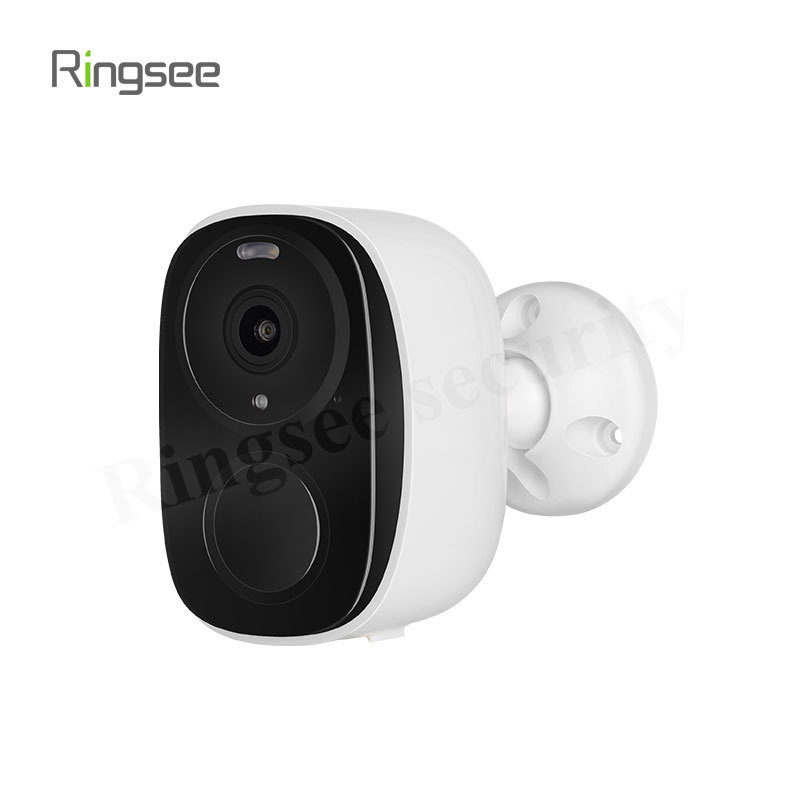
In the world of "low-power" outdoor cameras, the goal isn't just to have a massive battery; it’s to have a highly efficient "engine." These cameras spend 99% of their time sleeping. They only "wake up" when their PIR (Passive Infrared) sensor detects heat and motion. Because of this, even a mid-sized battery can last for months.
The Standard Industry Ranges
While every manufacturer is different, here is how the industry generally breaks down battery capacity:
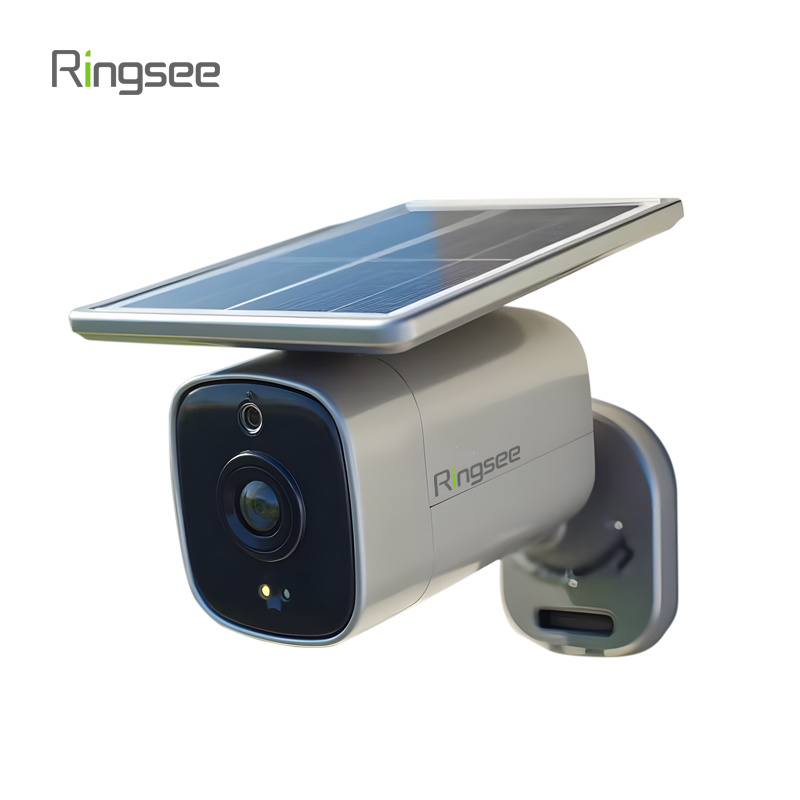
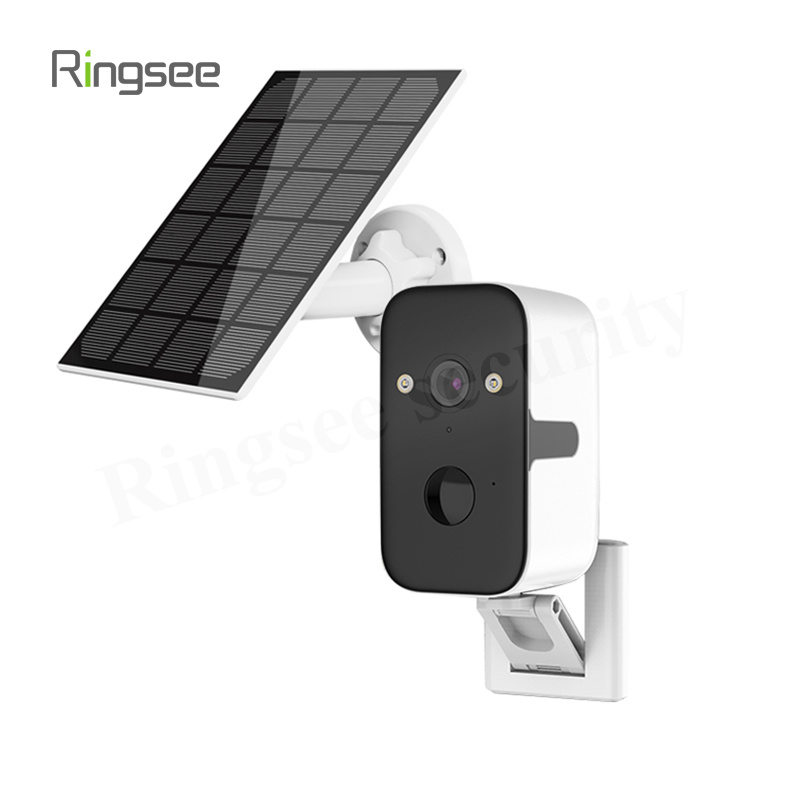
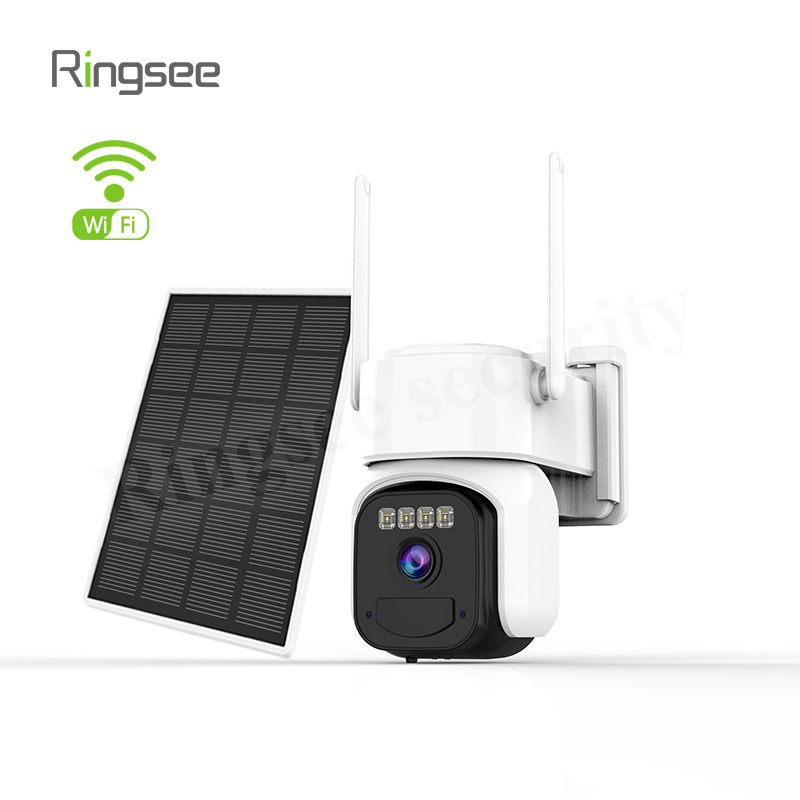
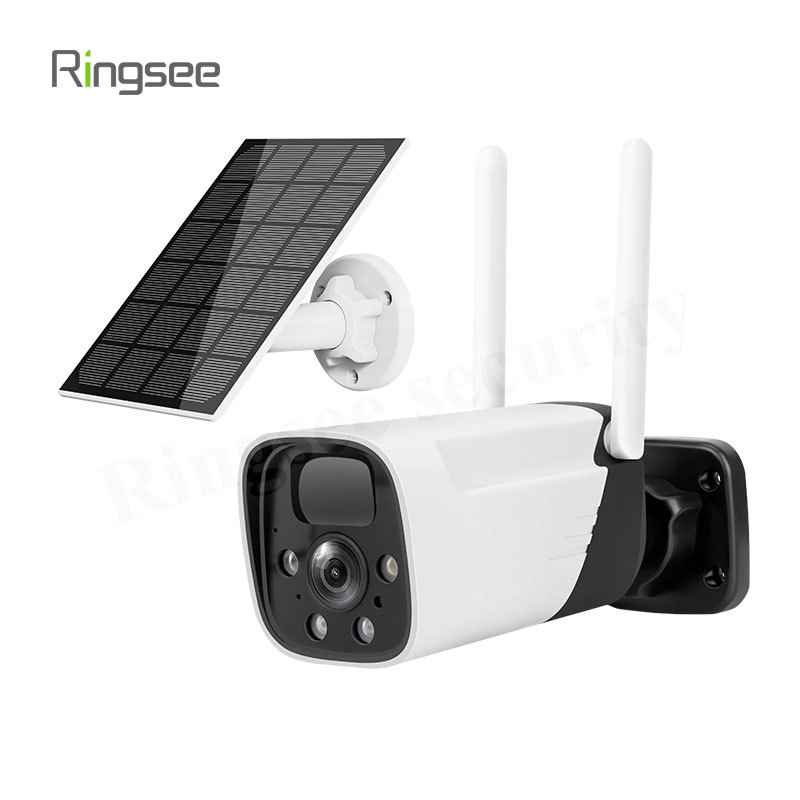
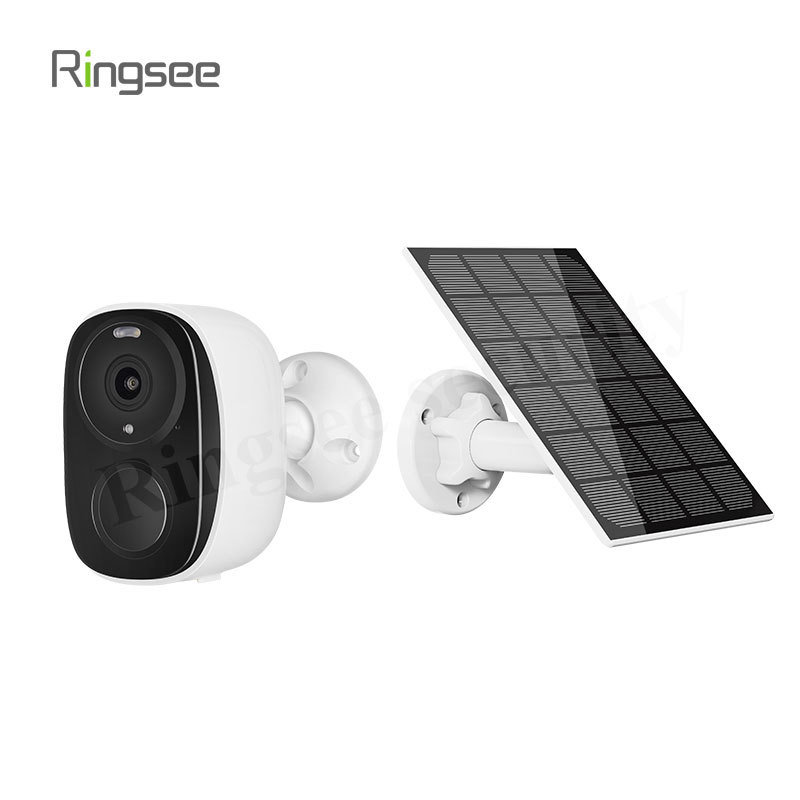
- 5,000mAh to 6,000mAh: You’ll usually find this in compact, entry-level cameras. These are perfect for sunny regions or low-traffic areas like a side garden or a back fence.
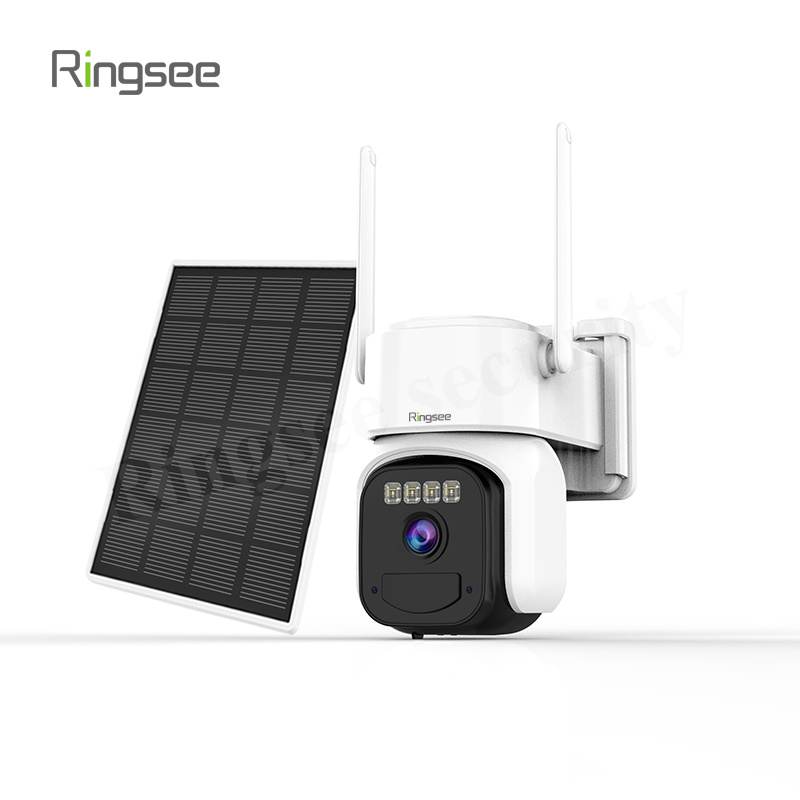
- 9,000mAh to 10,000mAh: This is the "sweet spot" for most residential security. It provides enough of a buffer to handle a week of cloudy weather while staying small enough to keep the camera sleek.
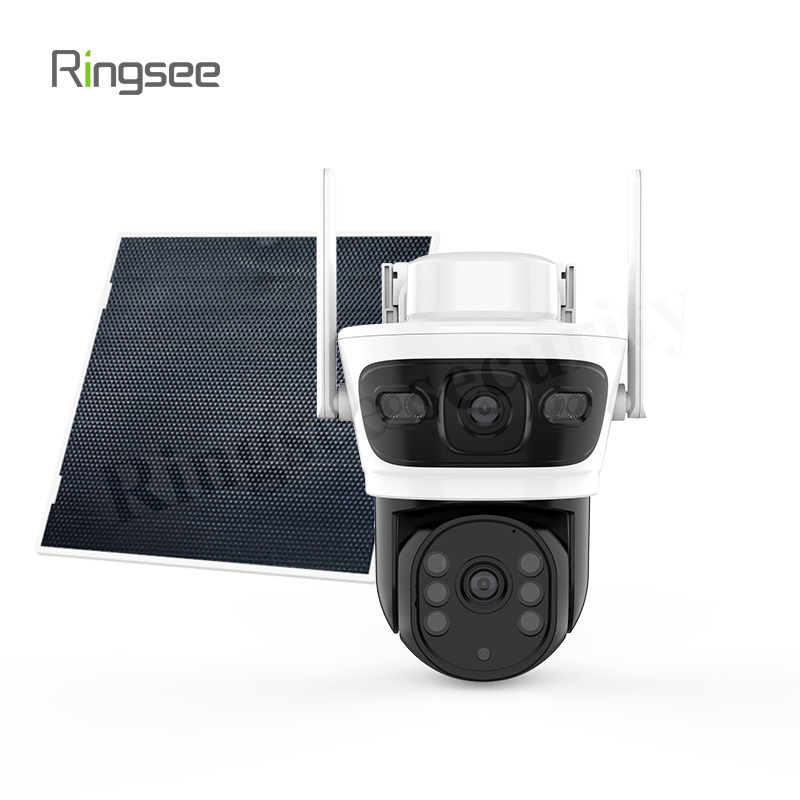
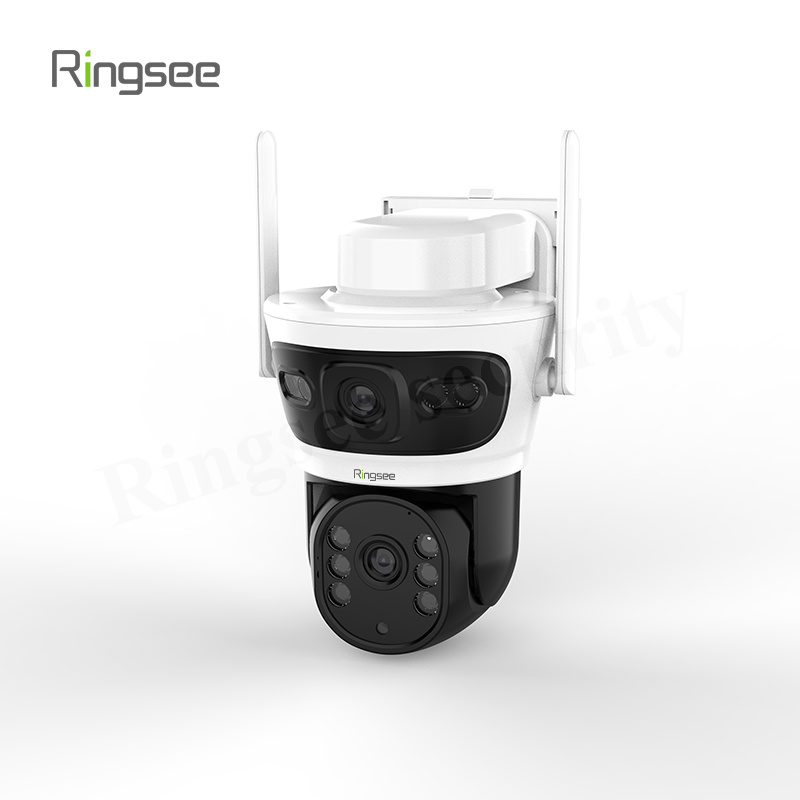
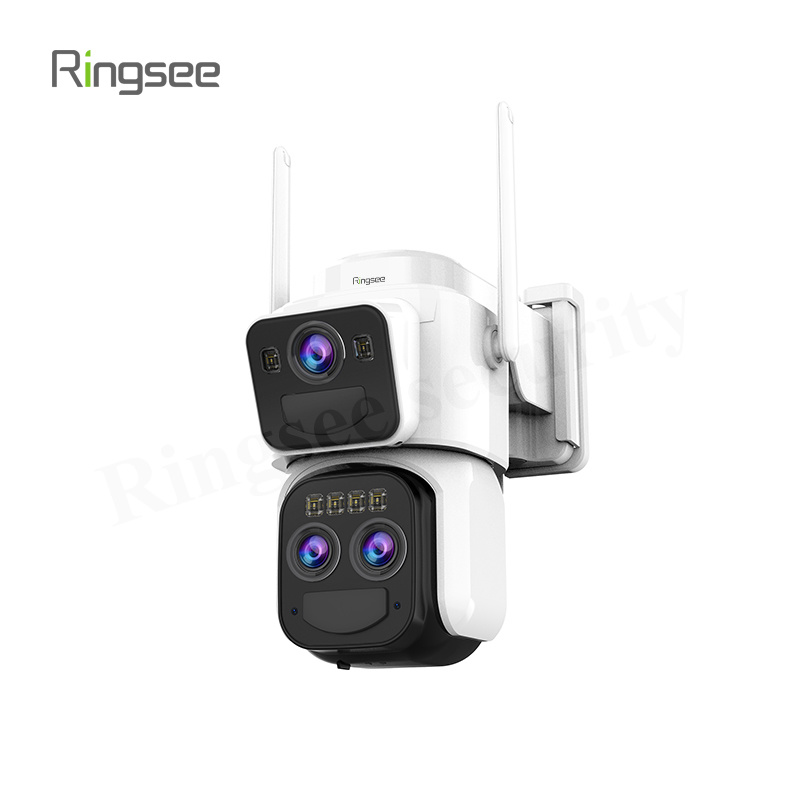
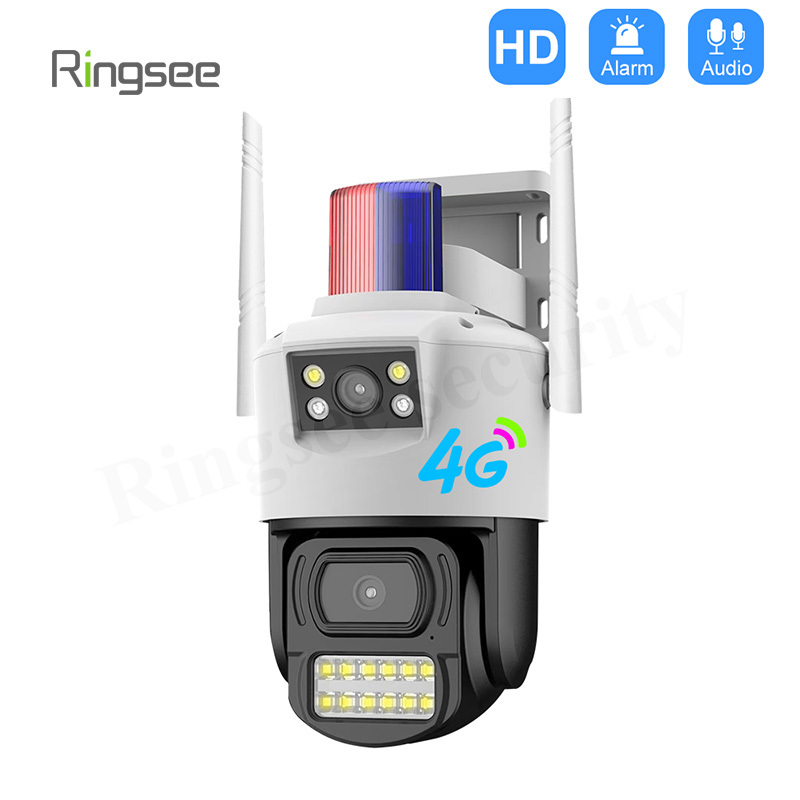
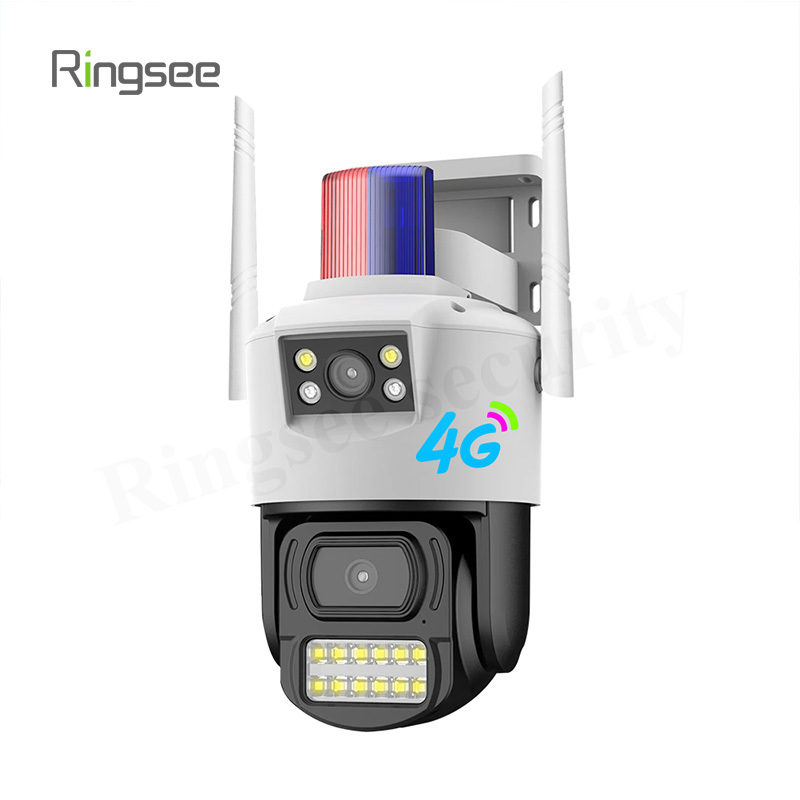
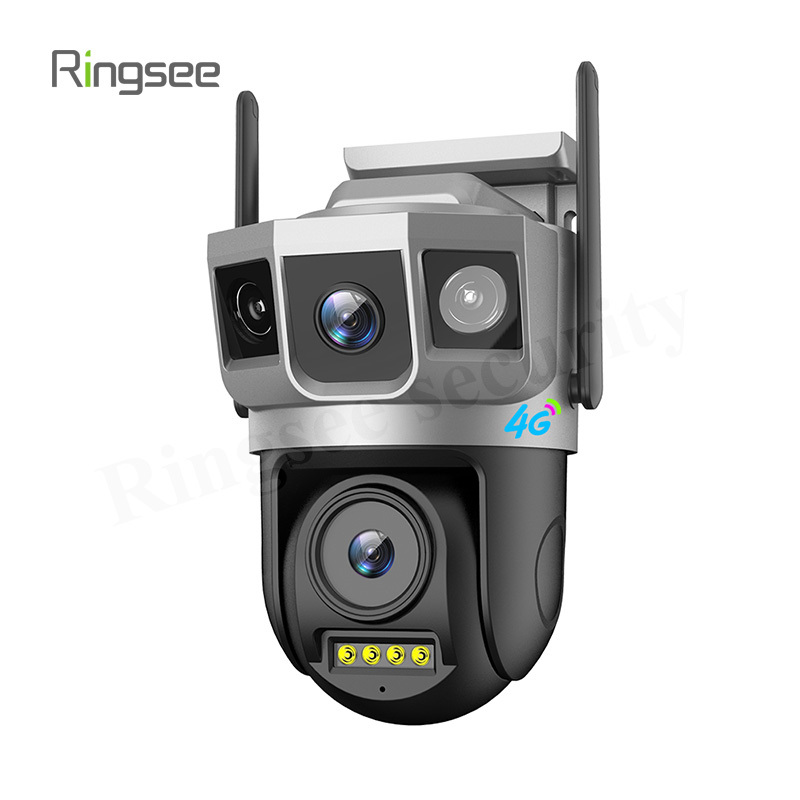
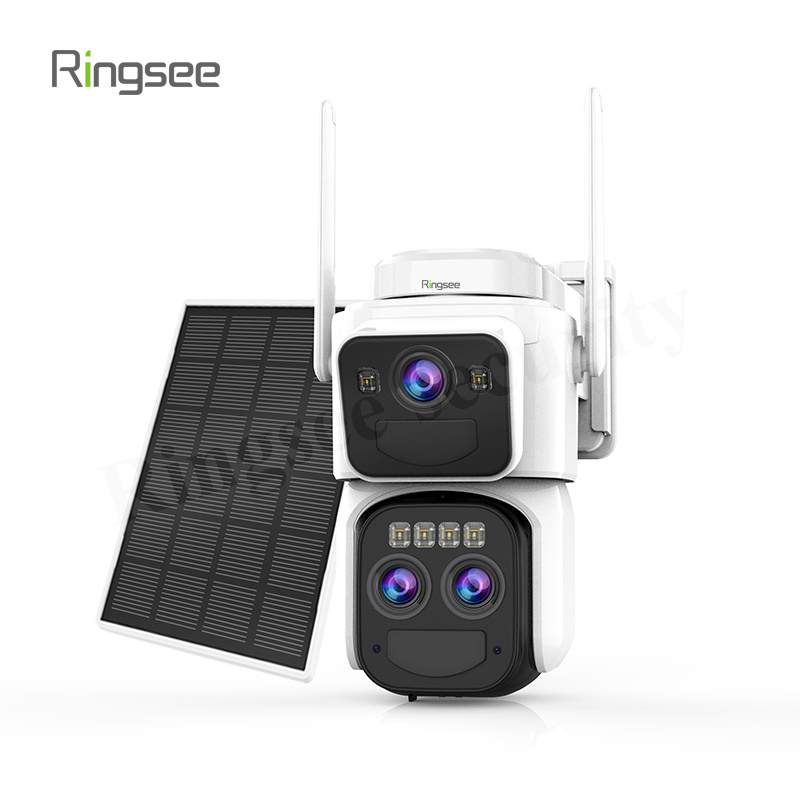
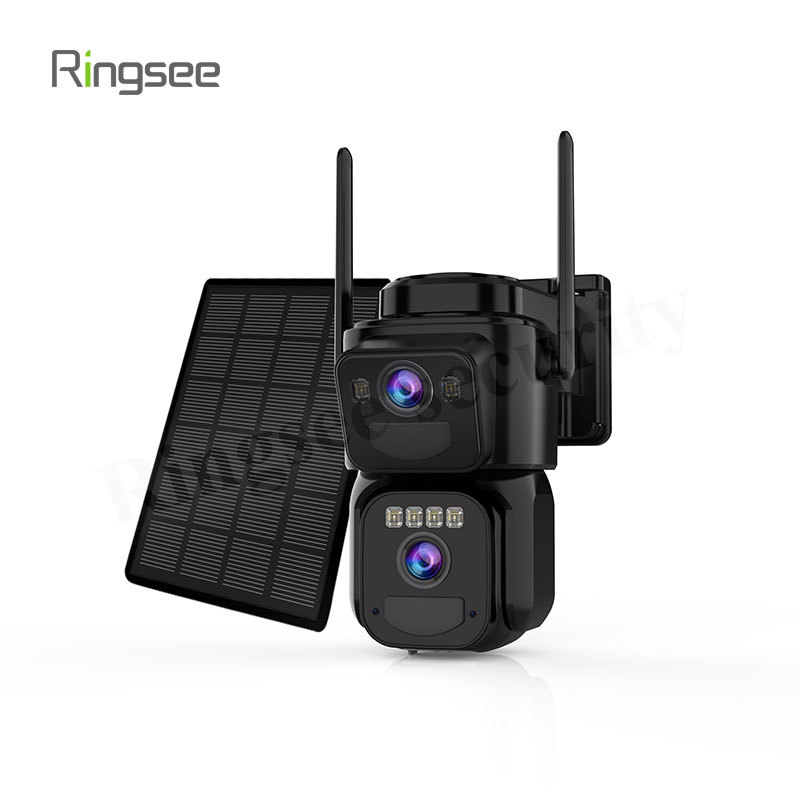
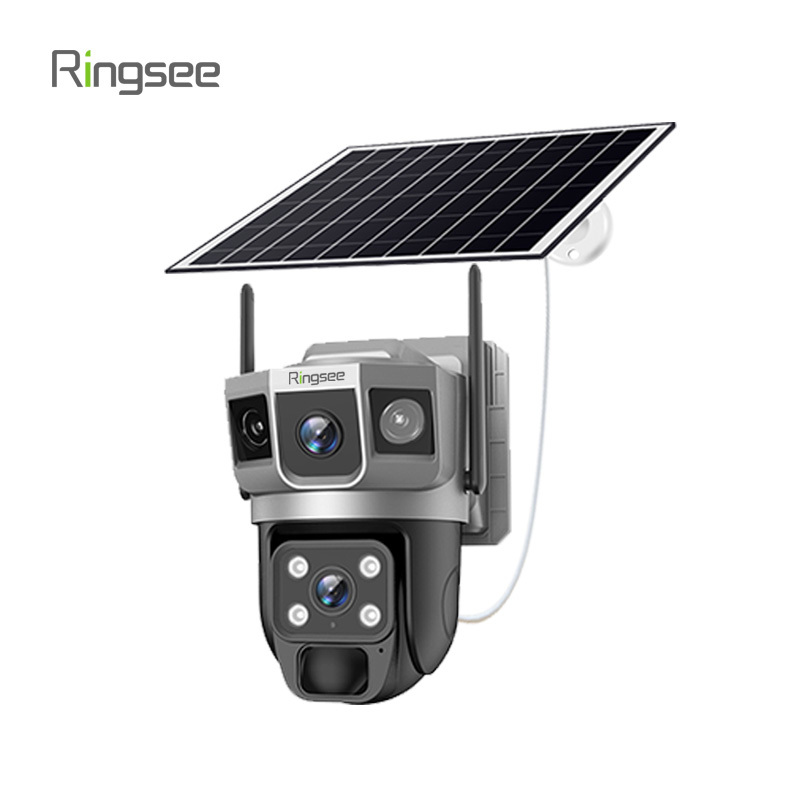
- 12,000mAh to 15,000mAh+: You’ll see these in high-end PTZ (Pan-Tilt-Zoom) cameras or 4G LTE models. Because moving the lens or maintaining a cellular connection takes more "juice," a larger reservoir is required.

Why You Can’t Just Pick the Biggest Number
It’s tempting to think that more is always better, but there are trade-offs. Larger batteries make the camera heavier and more expensive. More importantly, if your solar panel is too small, it will never be able to fully charge a 20,000mAh battery.
At Ringsee, we focus on balance. A well-matched system ensures that the solar panel can replenish a day’s worth of power in just a few hours of peak sunlight. If the battery is too big and the panel is too small, you’re eventually going to run out of power during a long winter, and the panel won't have the "muscle" to jumpstart the system back to life.
The Role of Battery Chemistry: Li-ion vs. LiFePO4
If you really want to know what’s inside your camera, look at the chemistry. Most standard cameras use Lithium-ion (the same stuff in your phone). They’re great, but they don't love extreme heat or cold.
If you live somewhere with harsh weather, look for cameras using LiFePO4 (Lithium Iron Phosphate). These are the gold standard. They can be charged and discharged thousands of times without losing capacity, and they are much more stable in the summer heat. They might have a lower "mAh" rating on paper than a cheap Li-ion counterpart, but they will likely outlast it by several years.

Real-World Factors: What Drains Your Capacity?
Before you buy, consider your environment. A 10,000mAh battery will behave differently depending on:
- Trigger Frequency: If your camera faces a busy street and triggers 50 times a day, it will drain significantly faster than one facing a quiet backyard.
- Night Vision: Infrared LEDs (the lights that let the camera see in the dark) are power hogs. If your camera is recording a lot of motion at night, you’ll need that extra capacity.
- The "Cloudy Day" Buffer: We generally recommend a battery that can sustain the camera for at least 4 to 5 days without any sun. This "autonomy" is what gives you peace of mind during a storm.

When choosing a low-power outdoor solar camera, don't get distracted by "mAh" arms races. For a standard home setup, 9,000mAh to 10,000mAh is usually the perfect balance of reliability and value. Focus more on the quality of the PIR sensor and the efficiency of the solar panel.
After all, a security camera is only useful if it’s actually awake when a guest—invited or otherwise—arrives at your door.
Links:One Belt Power Technology
Add: 14th Floor, Baoshan Building, Longhua District, Shenzhen China.
Privacy Policy | SEO | CitySite | Support: 300.cn Dongguan