





Support
What Factors Should Buyers Consider When Choosing an Outdoor Solar Camera Supplier?
The solar security market is currently very crowded. If you browse any wholesale platform, you'll see hundreds of cameras that look identical on paper. However, for buyers—especially those looking to protect their reputation or working on large projects—the “spec sheet” rarely tells the whole story.
Choosing a supplier isn't just about finding a factory; it's about finding a partner who understands battery chemistry and lens physics. Here's what truly matters when vetting suppliers.
1. The Reality of “Power Resilience”

Most suppliers will claim “365 days of battery life.” As a buyer, you need to look beyond the marketing. Ask about their low-power management system. Professional suppliers don't simply put a bigger battery in the box; they optimize the firmware. You need a partner whose camera can intelligently reduce power consumption and maintain connectivity even during a week of heavy cloud cover. If they aren't talking about MPPT (Maximum Power Point Tracking) controllers or LiFePO4 battery stability, they're likely just selling generic hardware.
2. Material Integrity (“Sunshine” Test)
Ironically, many “solar-powered” cameras are not actually designed for prolonged exposure to sunlight. Inexpensive ABS plastic becomes brittle and discolored after six months of UV exposure. When vetting suppliers, inquire about their housing materials. Do they use ASA (acrylonitrile styrene acrylate) or specialized UV-stabilized polycarbonate? Suppliers who prioritize durability will also offer IP66 or IP67 ratings, supported by actual laboratory reports, ensuring the equipment won't fog up or leak during the first severe thunderstorm.
3. AI Accuracy and Simple Motion Sensing
Nothing frustrates end-users more than their phone beeping every time a tree moves or a shadow shifts. This is a “battery killer” and a “user experience killer.” You need to ensure your supplier has moved beyond simple passive infrared (PIR) sensors. Look for partners who have integrated Edge AI. This means the camera itself is “smart” enough to differentiate between humans, vehicles, and stray cats. This can reduce false alarms by up to 95%, saving both battery life and user sanity.
4. Data Sovereignty and Security
In the security industry, trust is the only currency that matters. Vendors should be transparent about the location of their cloud servers and how data is encrypted. Do they use AES-256 encryption? Do they comply with regional laws such as GDPR or CCPA? If a vendor is vague about their software stack or data privacy protocols, this should be a major red flag for any professional buyer.

5. Technical Support and Firmware Continuity
This relationship shouldn't end when the container leaves the port. Solar-powered cameras are complex IoT devices. They require regular OTA (over-the-air) updates to patch security vulnerabilities and improve performance.
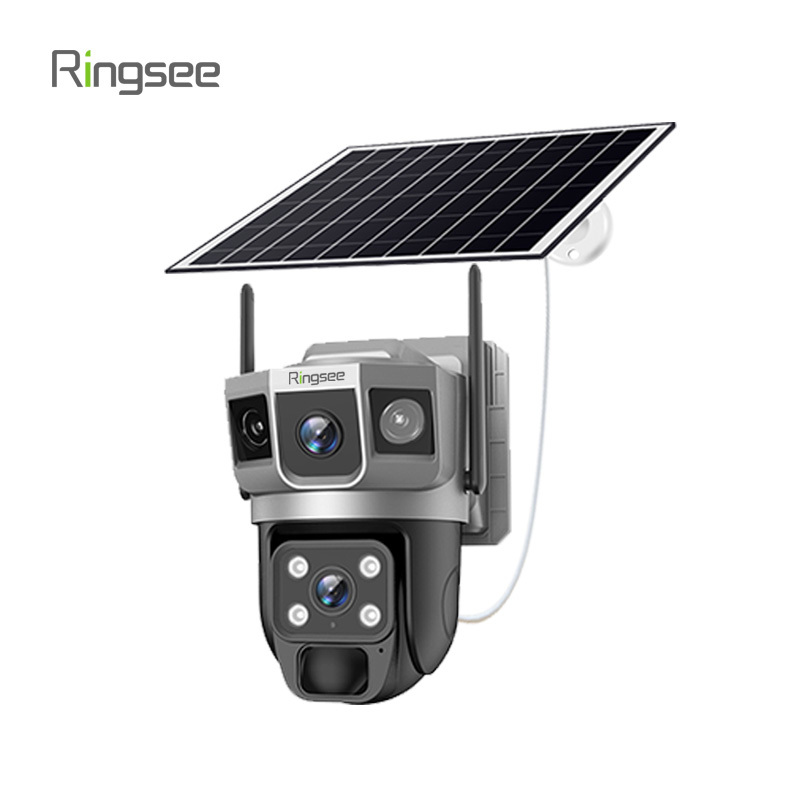
A reliable supplier like Ringsee provides a clear roadmap for software support. You need a partner with a dedicated engineering team to help you troubleshoot on-site deployment issues, not a sales agent who disappears after the invoice is paid.
Links:One Belt Power Technology
Add: 14th Floor, Baoshan Building, Longhua District, Shenzhen China.
Privacy Policy | SEO | CitySite | Support: 300.cn Dongguan