





Support
What IP Rating Does Your Outdoor Solar Camera Actually Need?
This situation is frustrating: you invest in a high-end solar-powered security camera, install it on a remote fence post or rooftop, and then, after the first big storm or a particularly dusty summer, the image disappears. When you finally climb up the ladder to check it, you find condensation behind the lens or fine grit in the circuitry.
In most cases, it's not “bad luck,” but rather a mismatch in IP rating.

If you're looking for a camera that can operate in harsh environments, then the ingress protection (IP) rating is the most important parameter on the box. But let's put aside the technical jargon for a moment and look at what you truly need to protect your property in inclement weather.
The “Optimal Balance Point” in Harsh Environments
If you just want a quick answer: do not buy products with a rating lower than IP66. For solar-powered cameras placed outdoors without a roof or overhang for protection, IP66 is the basic protection level. If your area is prone to strong winds and rain, or you are worried about melted snow seeping into crevices, then upgrading to IP67 is the wisest hardware “insurance.”
Why the Numbers Matter (Simplified Explanation)
The IP protection rating is simply a two-digit code. The first digit (0–6) represents the level of protection against solids such as dust and dirt. The second digit (0–9) represents the level of protection against water.
In harsh environments—such as construction sites, farms, or windy coastal cliffs—the first digit of the dust protection rating should be at least 6. This means the device is “dustproof.” Even the finest grit cannot enter the delicate sensors or battery compartment.
For solar power users, the second number is where things get really interesting:
- IP65: This product can withstand heavy rain, but not pressure. It's fine if installed under a porch. However, it might be damaged if installed on a pole during a hurricane.
- IP66: This protection rating is designed to withstand powerful jets of water. This is exactly what you need for a camera placed directly in the path of heavy rain.
- IP67: This is the “water immersion rating.” Theoretically, it can be submerged in one meter of water for half an hour. You probably won't be mounting the camera underwater, but this rating ensures that even if snow melts and forms puddles on the lens, the seals won't loosen.

Solar Camera “Exposure Factor”
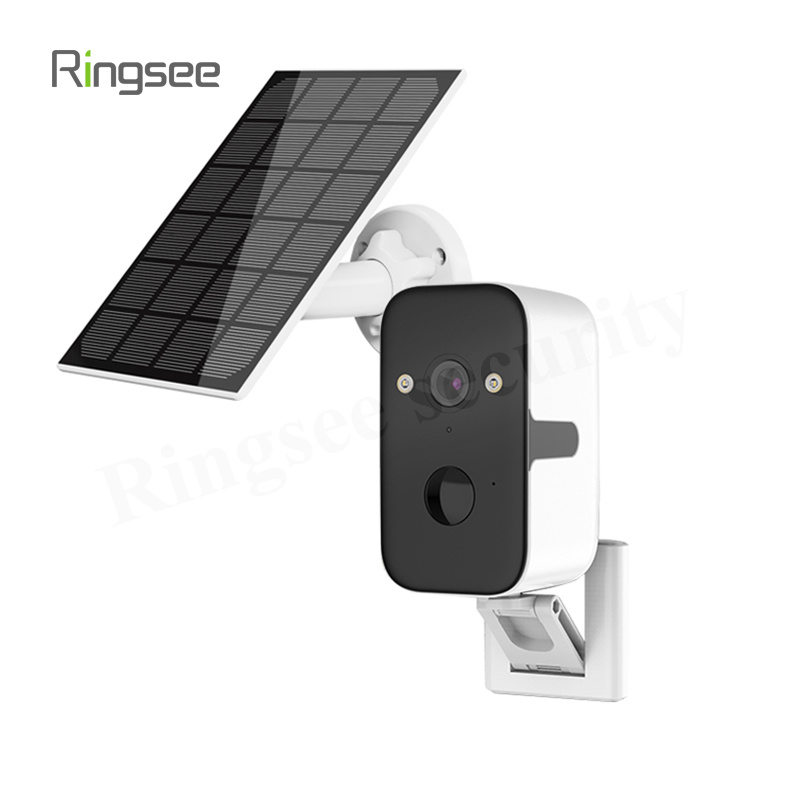
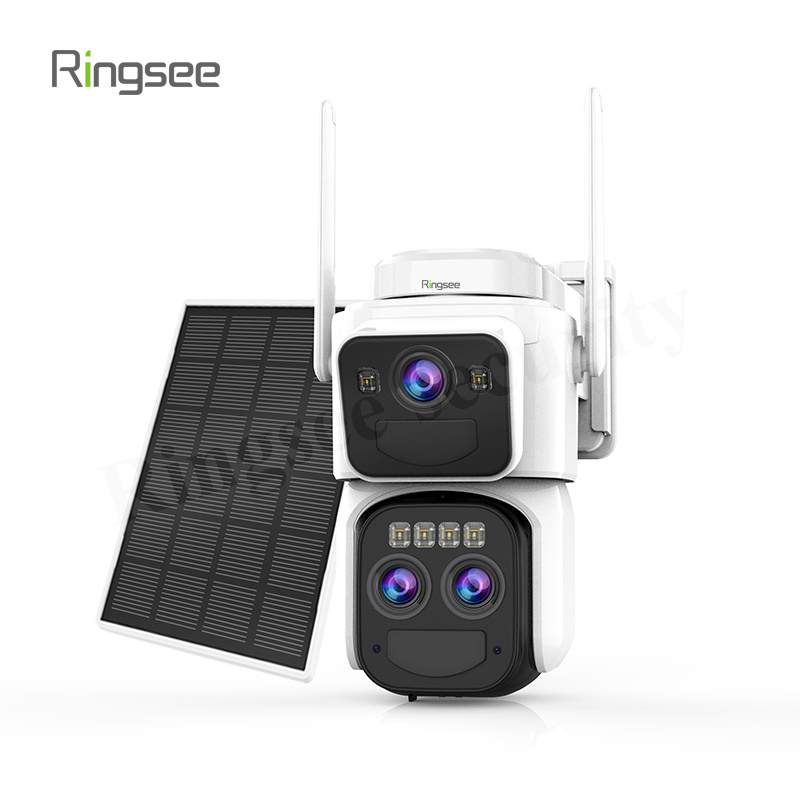
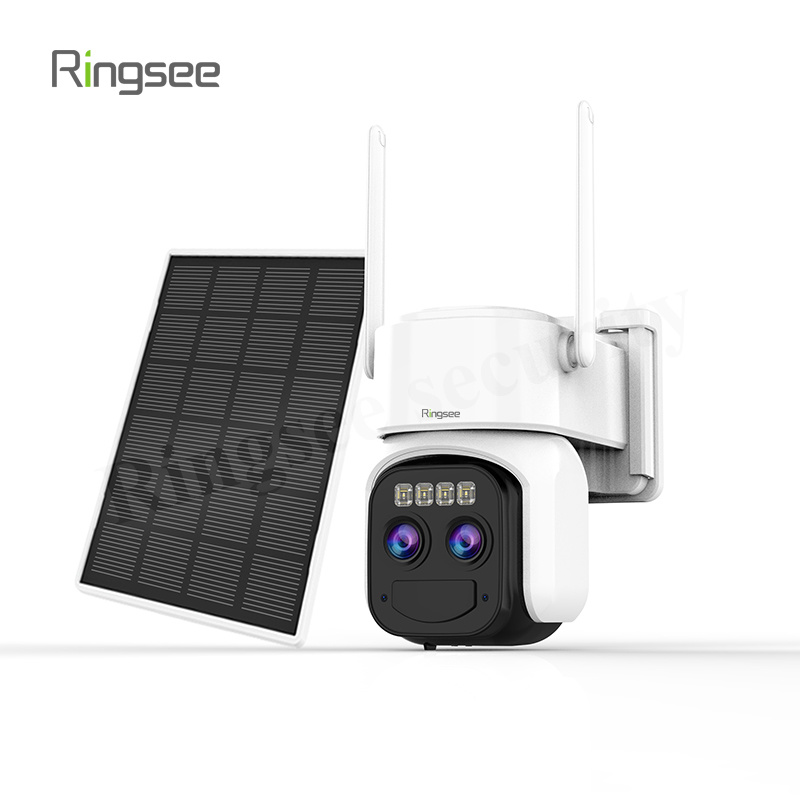
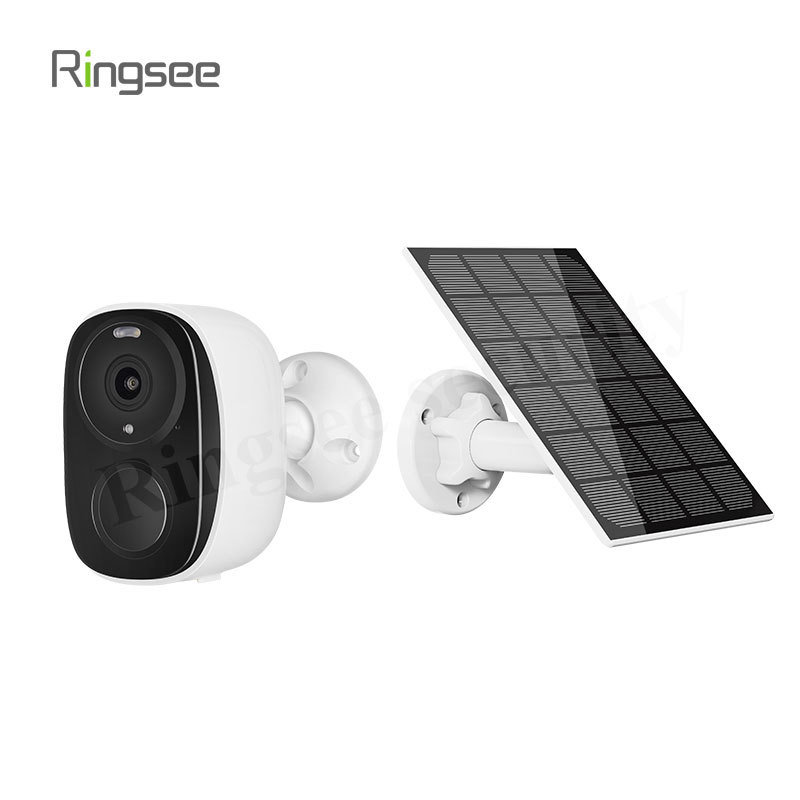
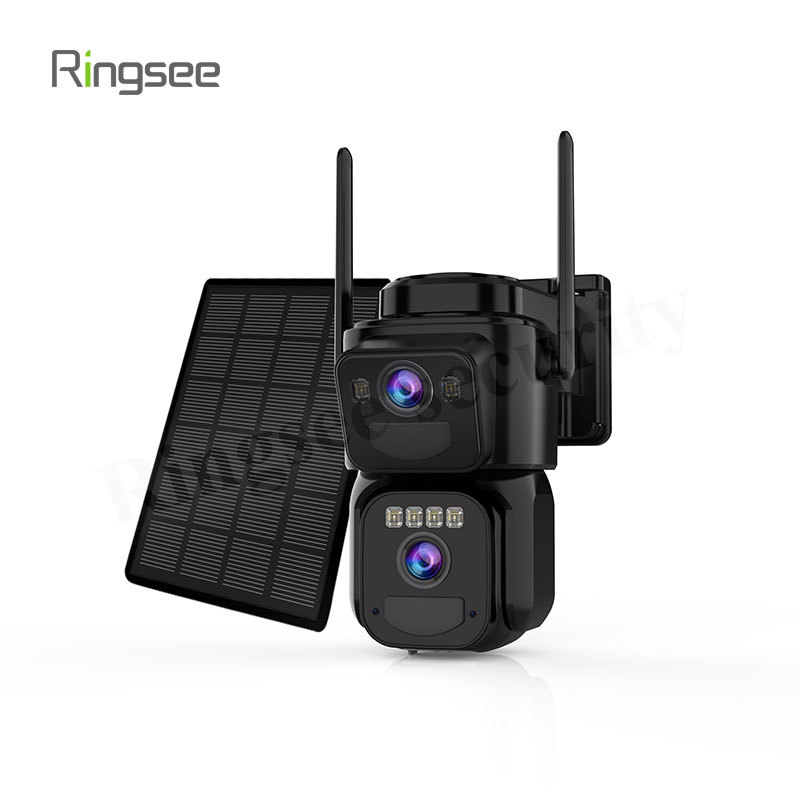
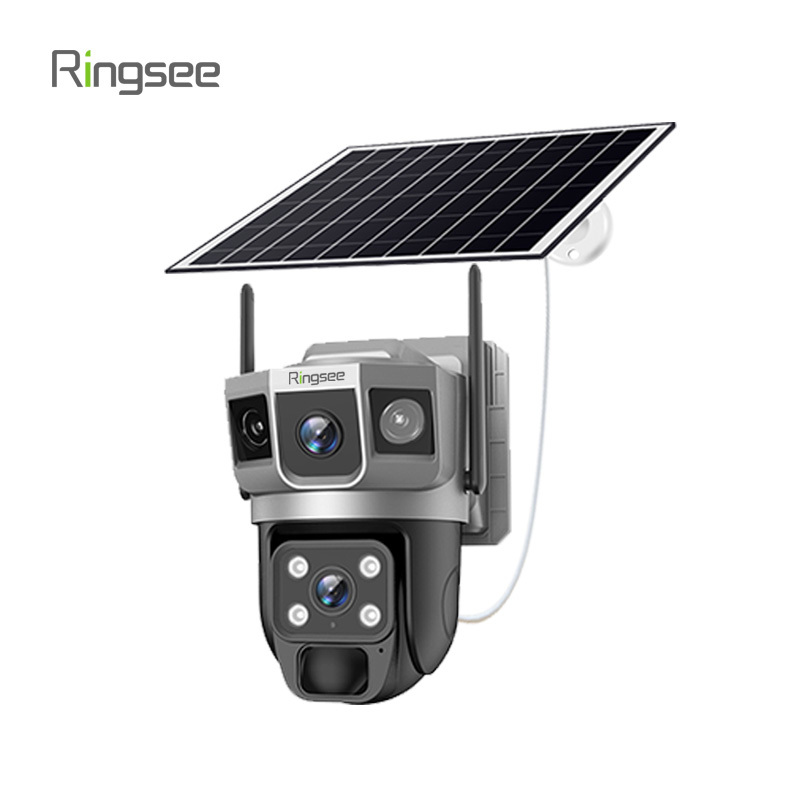
Compared to wired cameras, solar-powered cameras face unique challenges. To obtain enough power to operate, they must be installed in high, unobstructed locations. This usually means they are positioned at the highest point of a building or pole, making them highly susceptible to wind and rain.
Standard wired cameras are typically installed in shaded areas under eaves, but solar panels need to be exposed to sunlight. Because of this, the casing of the solar panel must be more robust and durable.
Pro tip: Don't just look at the waterproof rating. In harsh environments with strong sunlight, UV damage can be just as serious as rain damage. Choose cameras made with ASA plastic or those that have been UV-stabilized. Ordinary plastic will become brittle and crack after two years of exposure to sunlight, and once it cracks, the IP67 protection rating becomes meaningless.
Hidden Failure Point: Human Error
I've seen many “waterproof” cameras fail, not due to manufacturing defects, but due to improper installation.
Solar-powered cameras typically have a rubber cover or silicone plug to seal the charging port or microSD card slot. If this plug is not completely sealed, the camera's IP rating becomes meaningless. When installing cameras in harsh environments, make it a habit to carefully check these seals. Additionally, try to install the camera so that the cable entry point faces downward—this allows gravity to drain water away from the opening, rather than allowing water to accumulate around the seal.

Summary: What Aspects Should You Pay Attention To?
If you are in a truly harsh environment:
- Require an IP66 or IP67 rating.
- Check the temperature range. “Harsh environments” usually refer to extremely high or low temperatures. Ensure the battery's rated temperature can withstand the lowest local temperature.
- Prioritize materials. Metal or high-grade ASA plastic is always far better than cheap, glossy ABS plastic.
By paying attention to these specifications, you're not just buying a camera; you're buying peace of mind, knowing you won't have to climb a ladder to replace it in six months.
Links:One Belt Power Technology
Add: 14th Floor, Baoshan Building, Longhua District, Shenzhen China.
Privacy Policy | SEO | CitySite | Support: 300.cn Dongguan