






Support
What Is the Best Mounting Height for an Outdoor Solar Security Camera?
If you are installing a new outdoor solar security camera, you might be tempted to mount it as high as possible to get the widest view of your property. However, in the world of home security, higher is not always better.
To achieve the perfect balance between clear facial recognition, motion detection accuracy, and solar charging efficiency, the industry-standard mounting height is 8 to 10 feet (2.4 to 3 meters) above the ground.
In this guide, we will break down why this "sweet spot" matters and how the unique requirements of solar power change the installation game.
Why 8–10 Feet is the "Sweet Spot"
1. Facial Recognition vs. Top-of-Head Views
The primary goal of a security camera is to identify intruders. If you mount your camera 12 to 15 feet high, the downward angle becomes too steep. While you might see a trespasser walking across your lawn, your footage will likely consist of the top of their head or the brim of their hat.
By staying within the 8–10 foot range, you maintain a level enough angle to capture clear facial features, which is critical evidence if you ever need to file a police report.
2. Maximizing Motion Sensor Sensitivity
Most solar security cameras rely on PIR (Passive Infrared) sensors to detect heat and motion. These sensors are designed to detect movement moving across their field of vision rather than directly toward them.
When a camera is mounted at approximately 9 feet with a slight downward tilt (roughly 15 to 25 degrees), the PIR sensor’s detection "cone" is perfectly positioned to catch movement at a distance of 15–20 feet away—the typical distance where an intruder would approach a door or window.
3. Deterrence vs. Security
A security camera serves as a psychological deterrent.

The Solar Factor: Don't Forget the Sun
Unlike wired cameras, solar-powered models have a secondary priority: consistent sunlight.
Avoid the "Eave Shadow"
A common mistake is mounting the camera directly under the eaves of a roof to protect it from rain. While this keeps the lens dry, the overhanging roof often casts a shadow over the solar panel for a large portion of the day. For cameras with integrated panels, ensure the mounting location receives at least 3 to 5 hours of direct sunlight daily.
Integrated vs. Remote Solar Panels
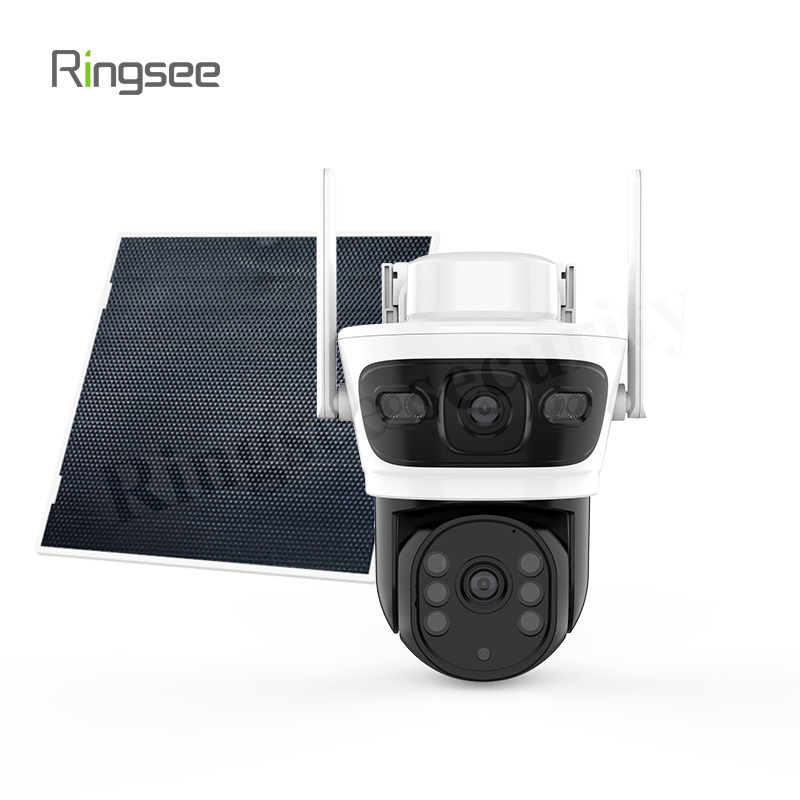
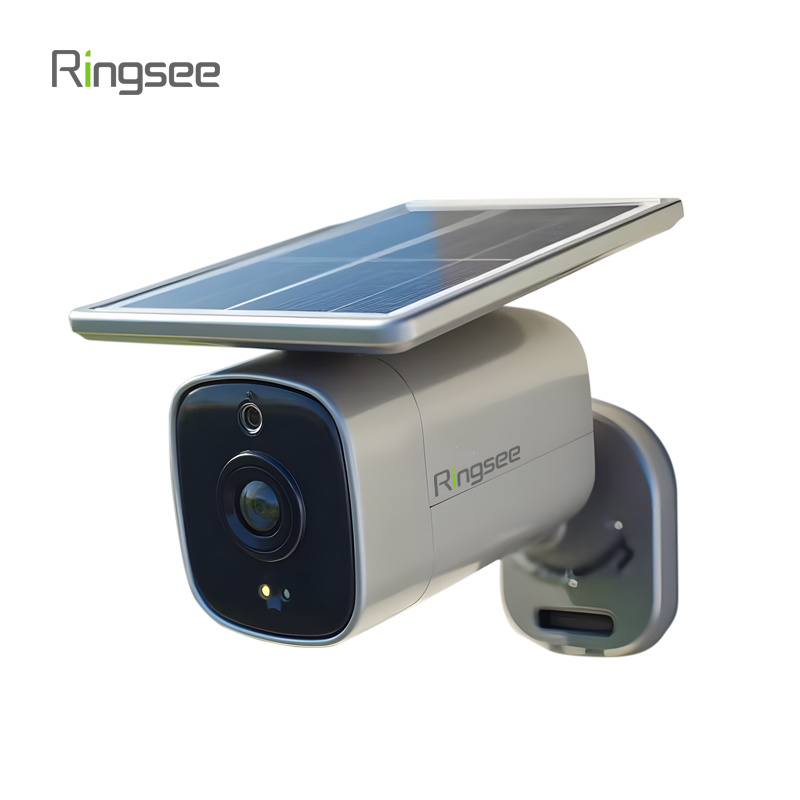
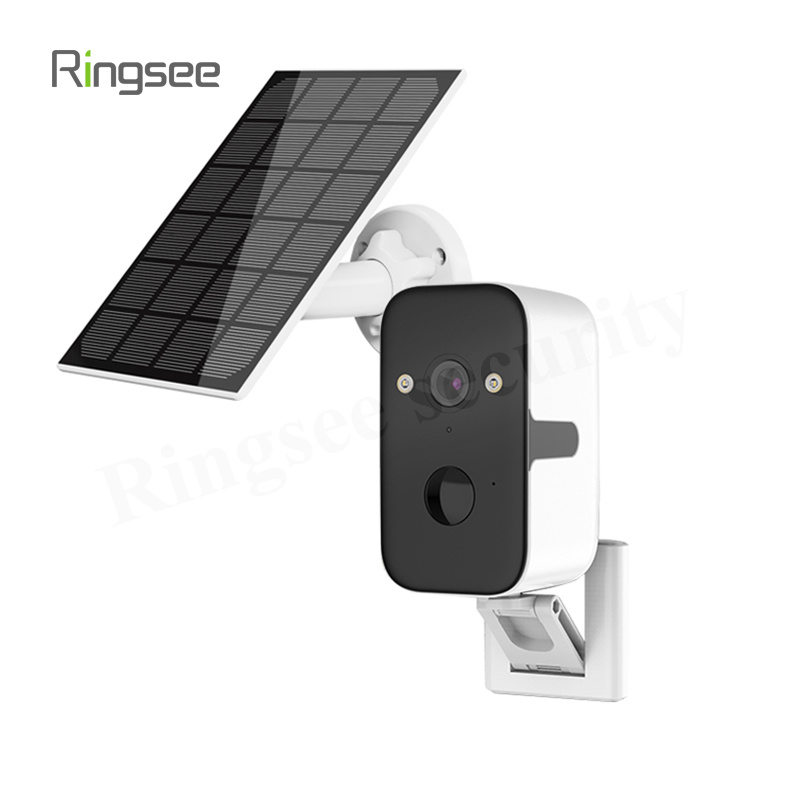
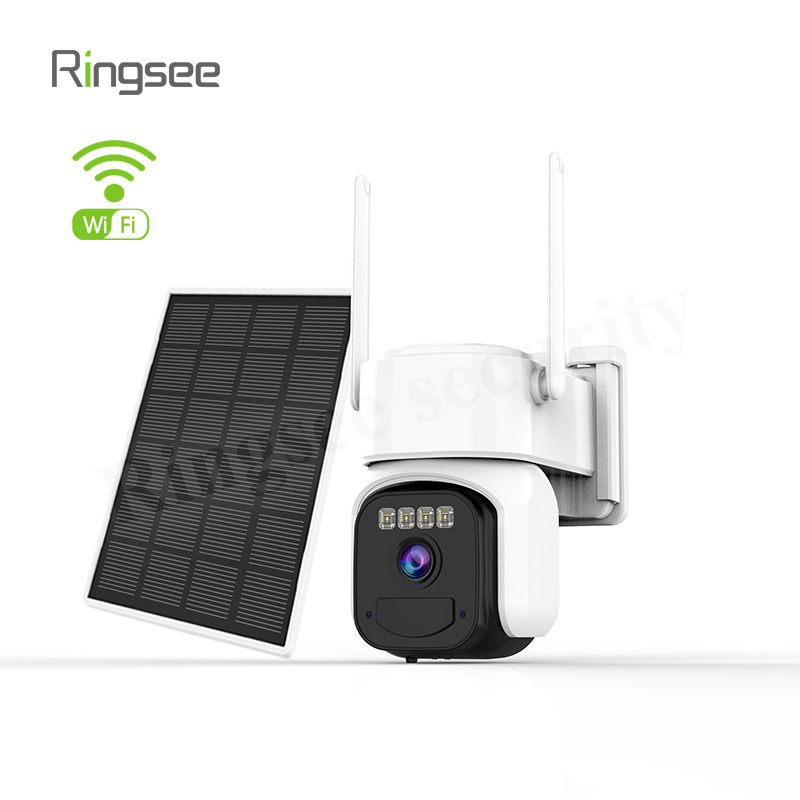
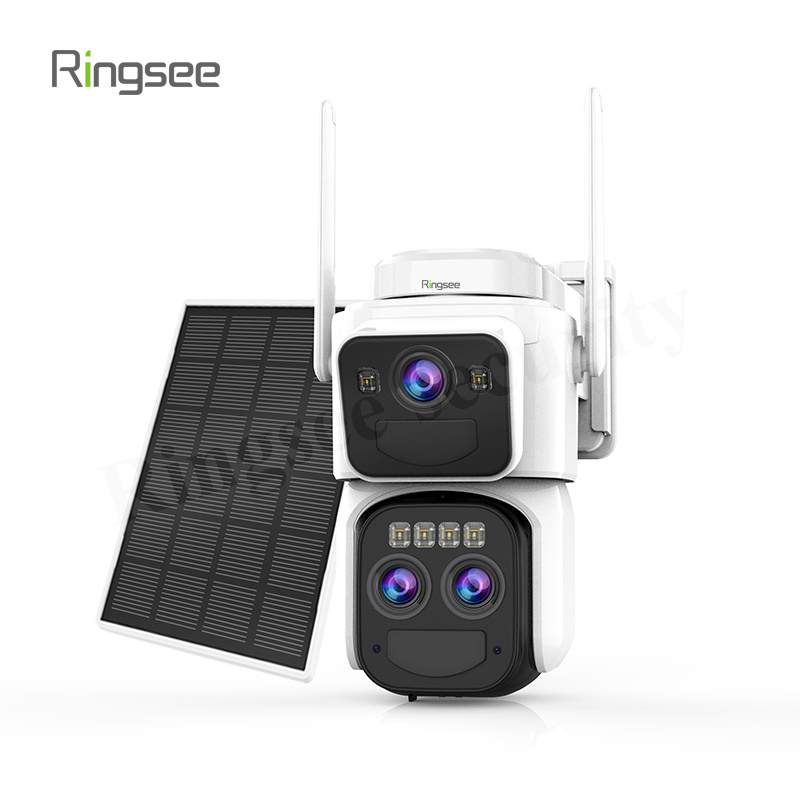
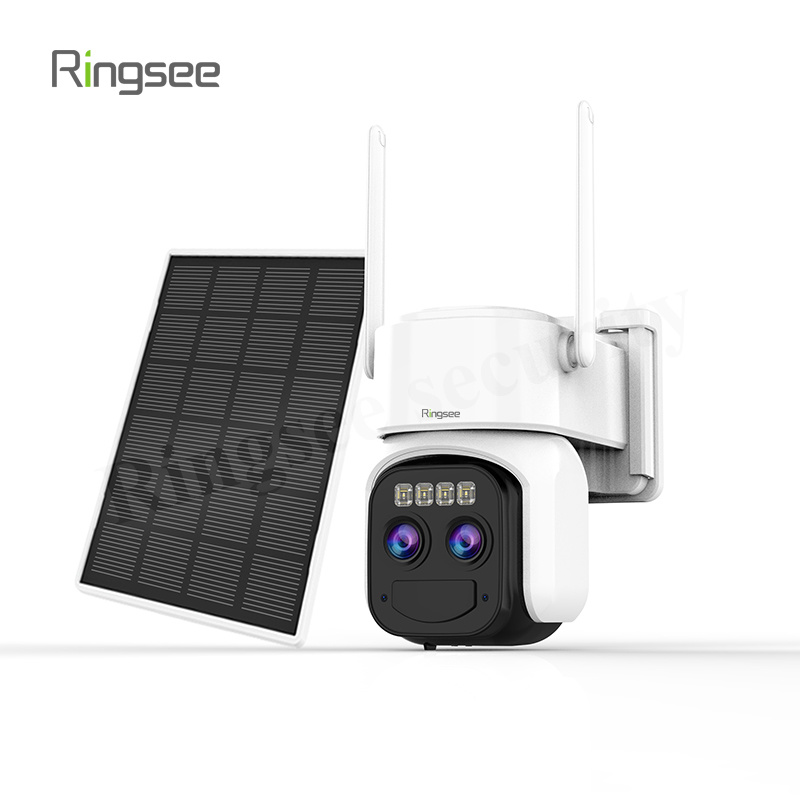
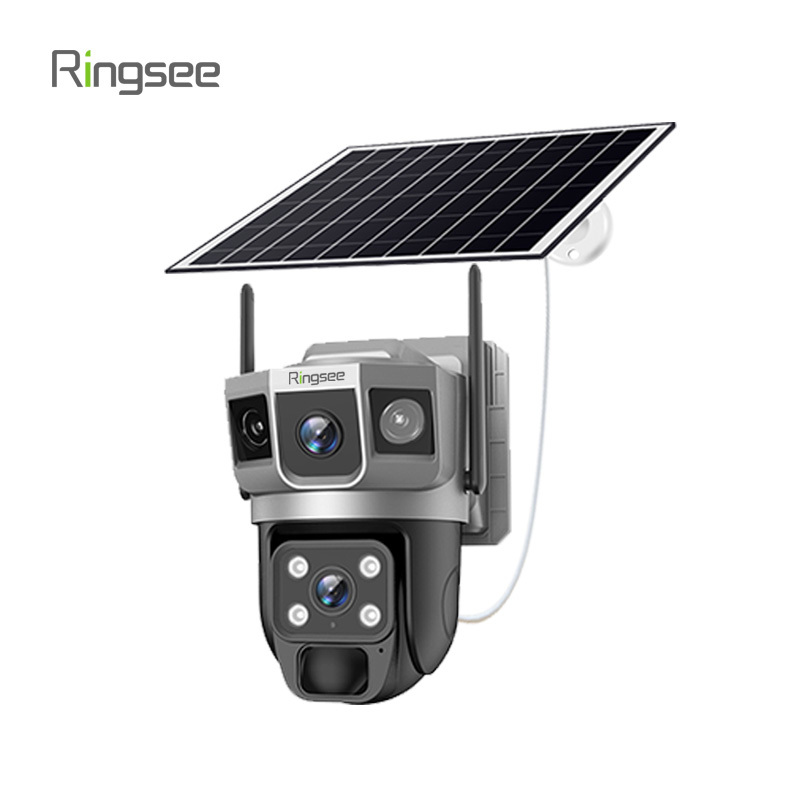
Integrated Panels: If the solar panel is built into the top of the camera, you must prioritize the sun's position. This may mean mounting the camera on a corner of the house rather than flat against a wall to ensure the panel faces South (in the Northern Hemisphere).
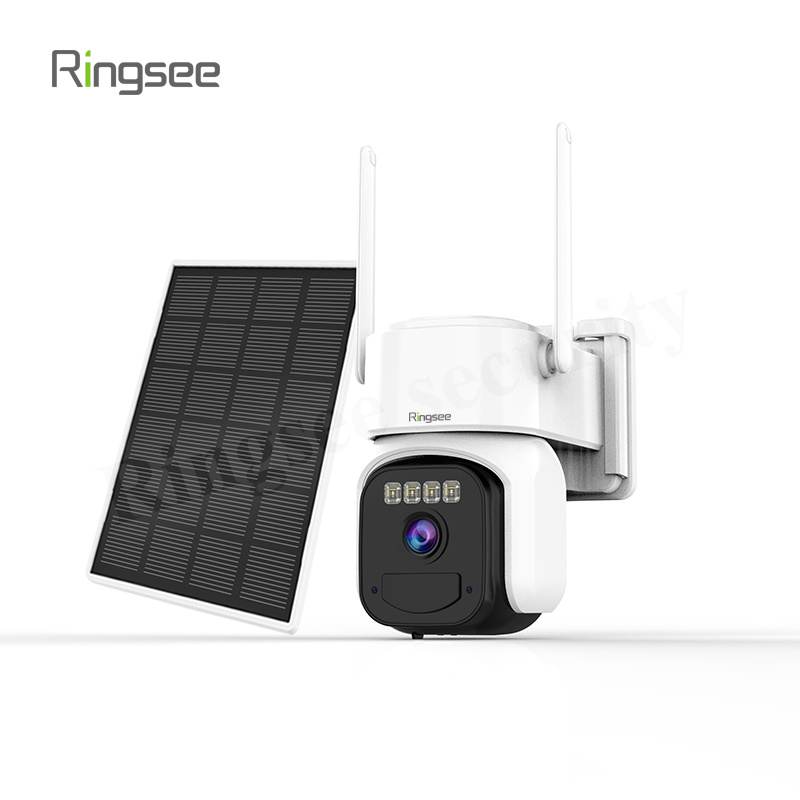
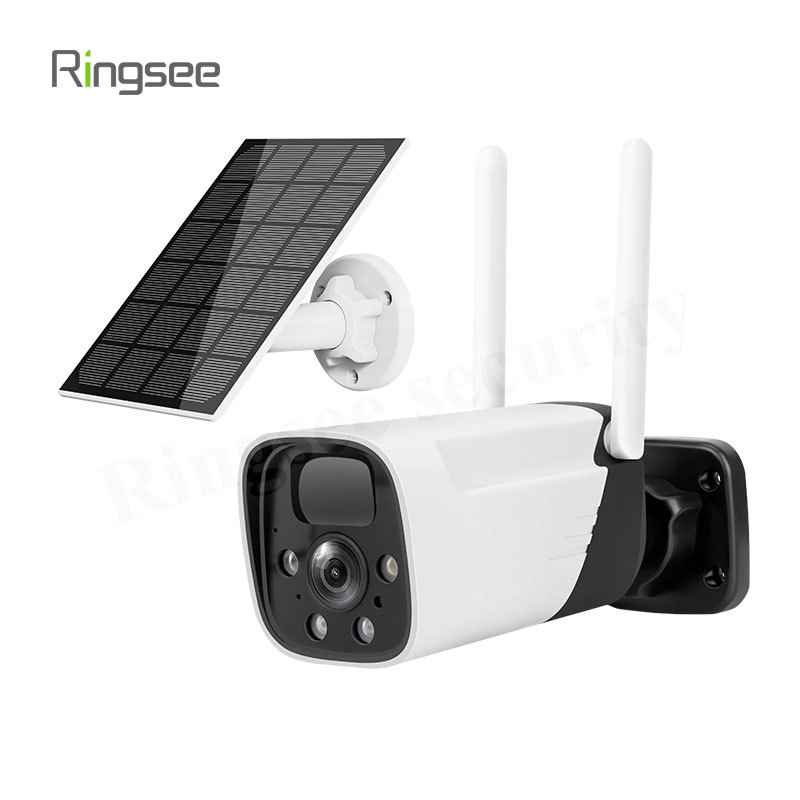
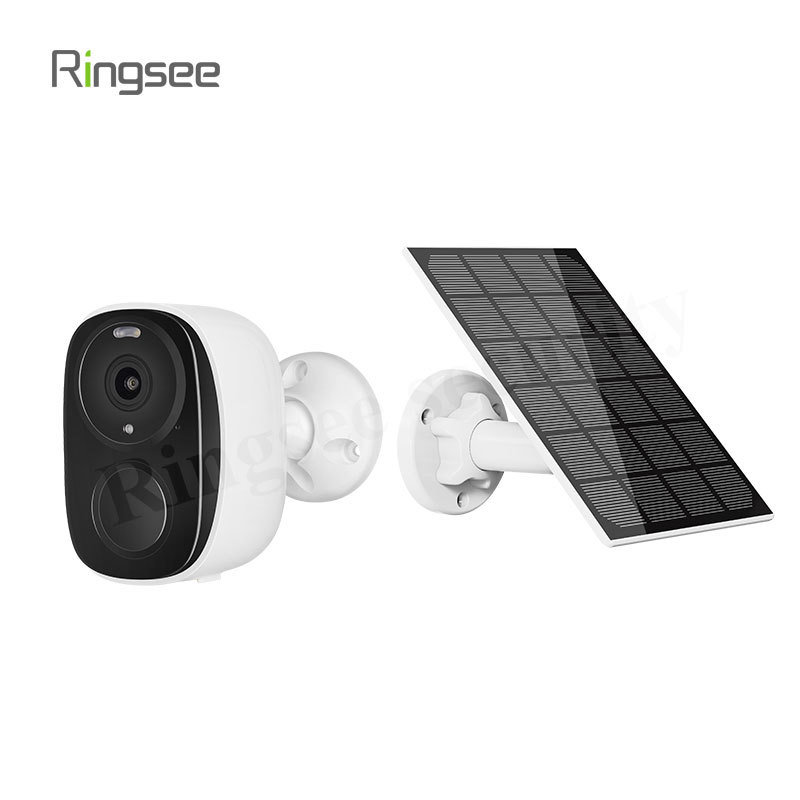
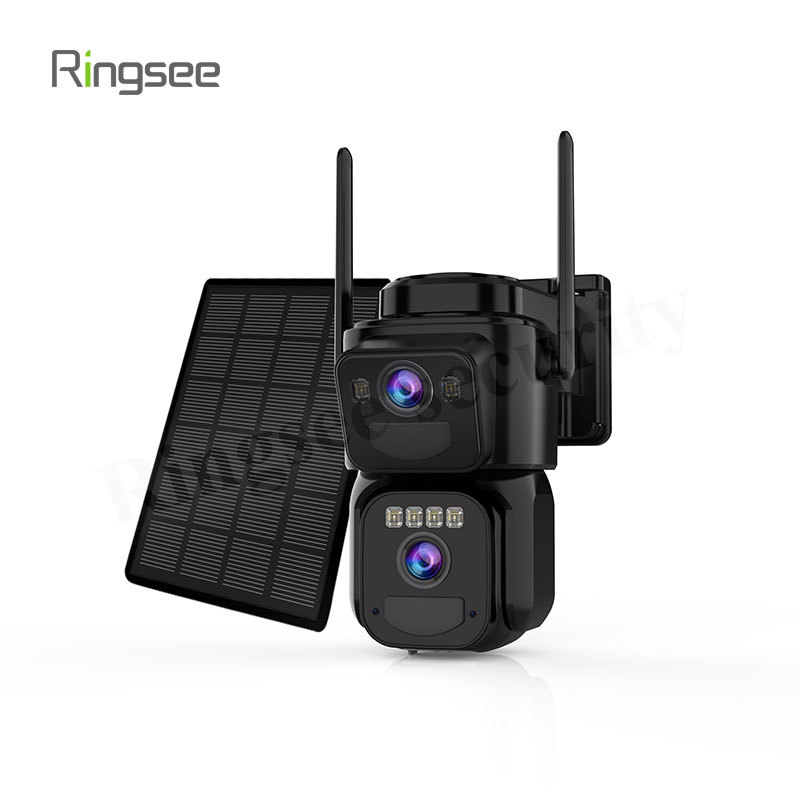
Remote Panels: If your camera comes with a detachable solar panel connected by a cable, you have more flexibility. You can mount the camera at the optimal 9-foot height for security while installing the solar panel higher up on the roofline to maximize sun exposure.

Quick Reference: Height Comparison Table
| Height | Security Effectiveness | Solar Potential | Best Use Case |
| 5–7 Feet | High Detail; High Risk | Varies | Doorbell cameras or gated entries |
| 8–10 Feet | Optimal Balance | Excellent | General home & perimeter security. |
| 12+ Feet | Poor Detail; Low Risk | Great | Large parking lots or wide-acreage viewing. |
Pro Tips for Installation
- Check the Wi-Fi Signal: Before drilling holes, hold the camera at the intended height and check the signal strength on your smartphone app. Height and exterior wall materials can significantly impact connectivity.
- Angle for the Horizon: Avoid pointing the camera too low. You want the horizon to be in the upper third of the frame to ensure the PIR sensor has a long enough "runway" to trigger the recording before the person reaches your door.
- Account for Maintenance: Even solar cameras need occasional maintenance, such as wiping dust off the solar panel or cleaning the lens.
Ensure your 8–10 foot placement is accessible with a standard step ladder.
Links:One Belt Power Technology
Add: 14th Floor, Baoshan Building, Longhua District, Shenzhen China.
Privacy Policy | SEO | CitySite | Support: 300.cn Dongguan