






Support
What OEM and ODM Customization Options are Available for Low-Power Solar Cameras?
When you’re looking to launch a new line of security products, the "off-the-shelf" approach rarely cuts it anymore. In an industry as competitive as surveillance, simply having a camera that works isn't enough—it needs to solve specific problems for your target users while carrying your brand’s unique DNA.
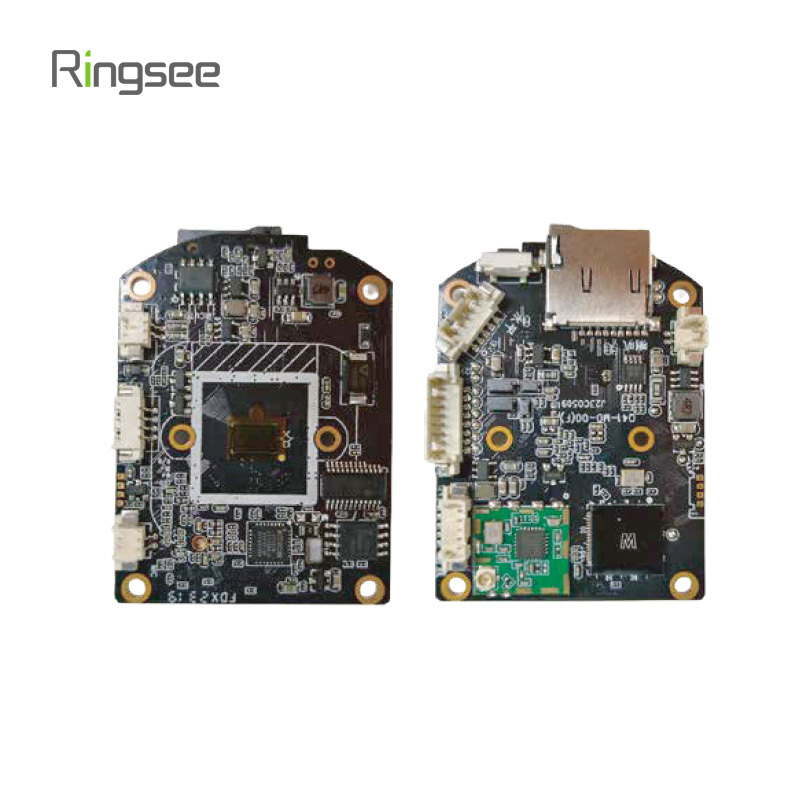
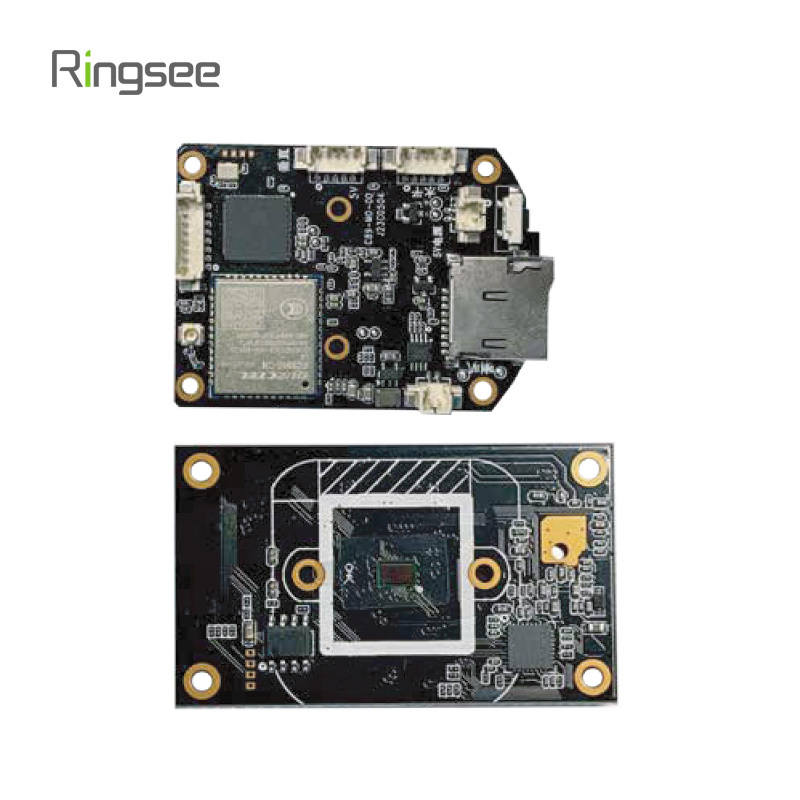
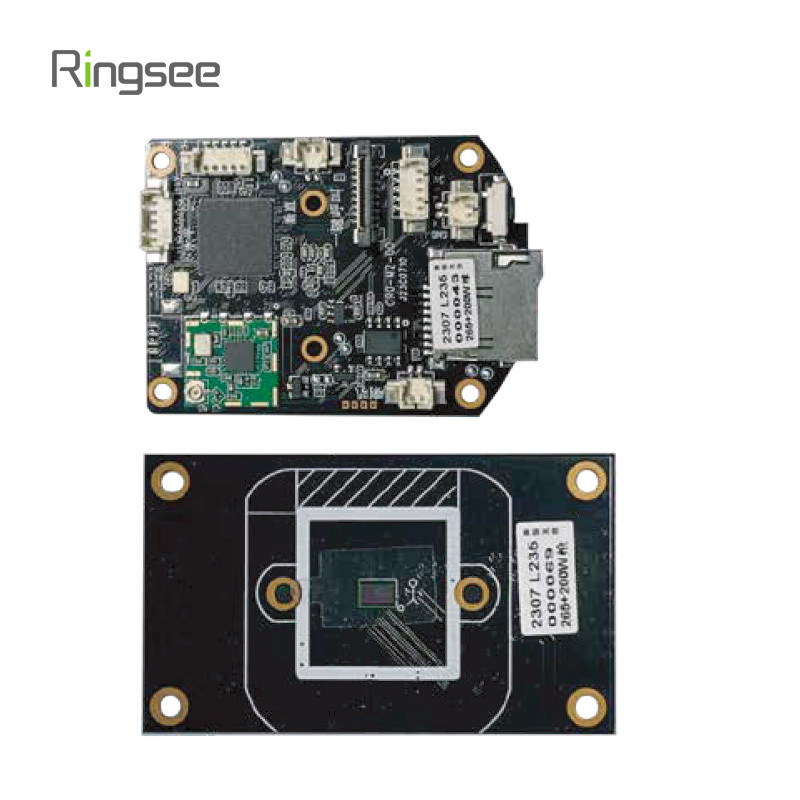
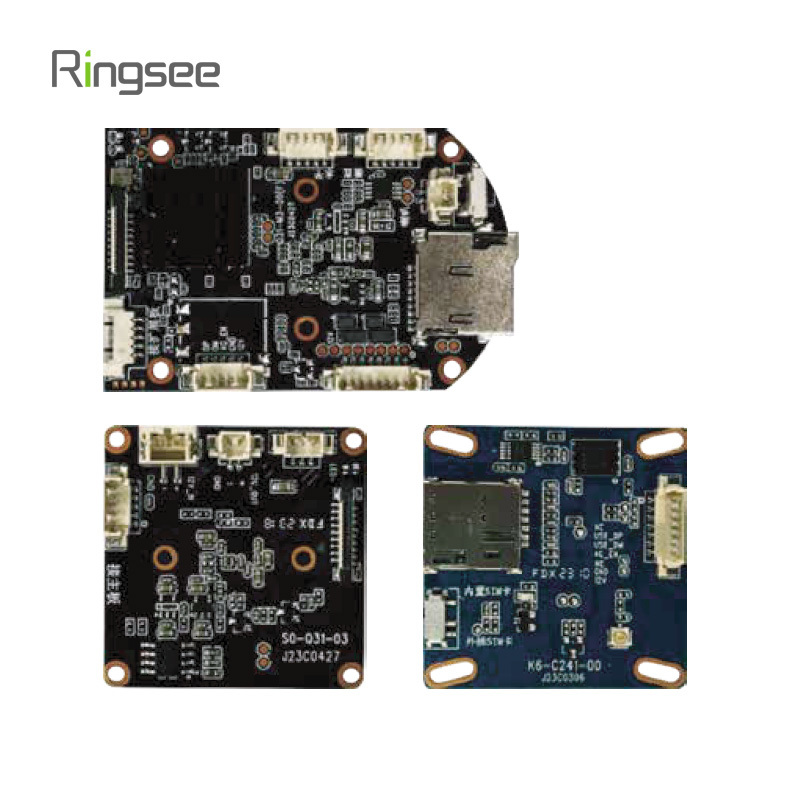
At Ringsee, we’ve seen firsthand that the most successful solar camera brands aren’t just selling hardware; they are selling a tailored security experience. Whether you’re looking to tweak an existing design (ODM) or build a proprietary system from the ground up (OEM), here is a deep dive into the customization options available for low-power solar cameras.
Navigating the OEM vs. ODM Decision
Before we talk about lenses and batteries, it’s important to frame your strategy.
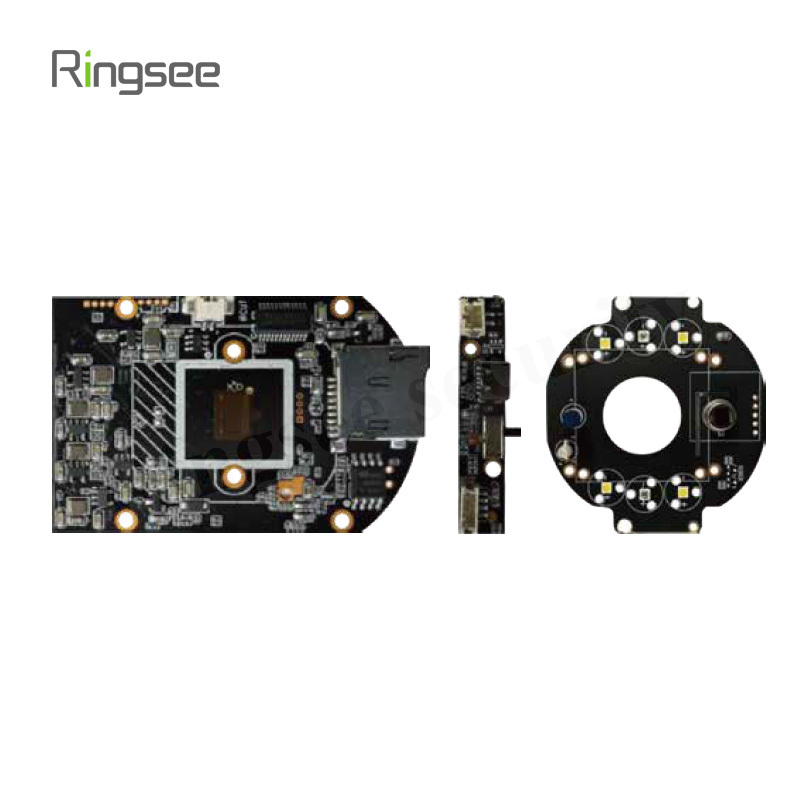
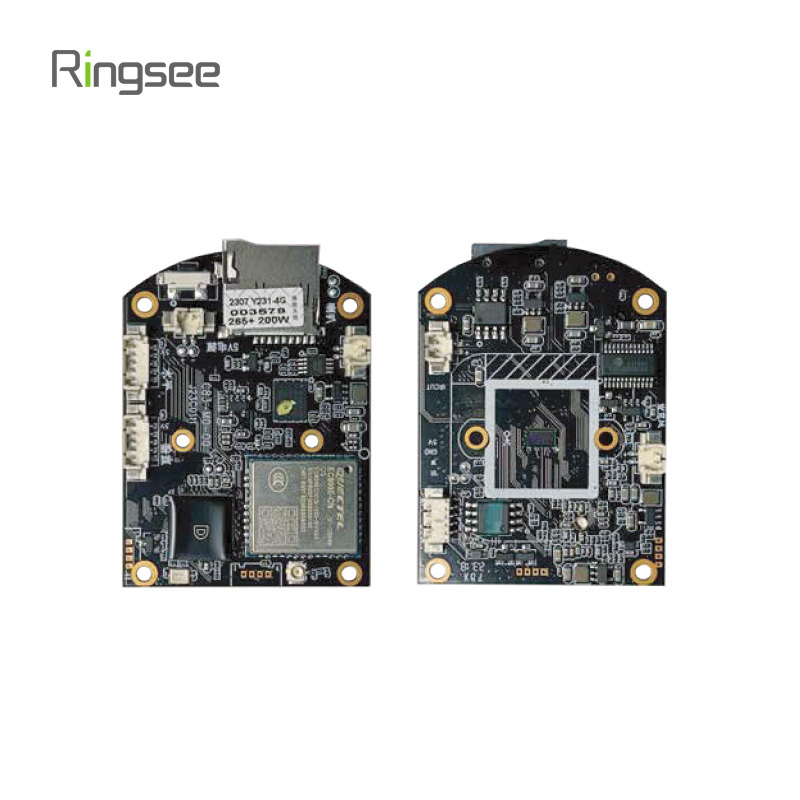
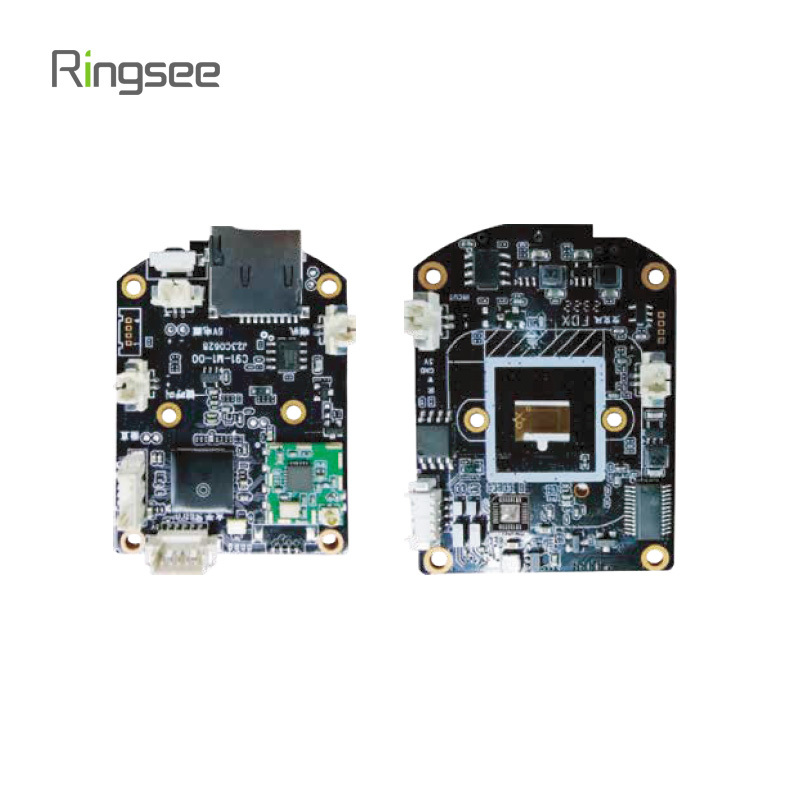
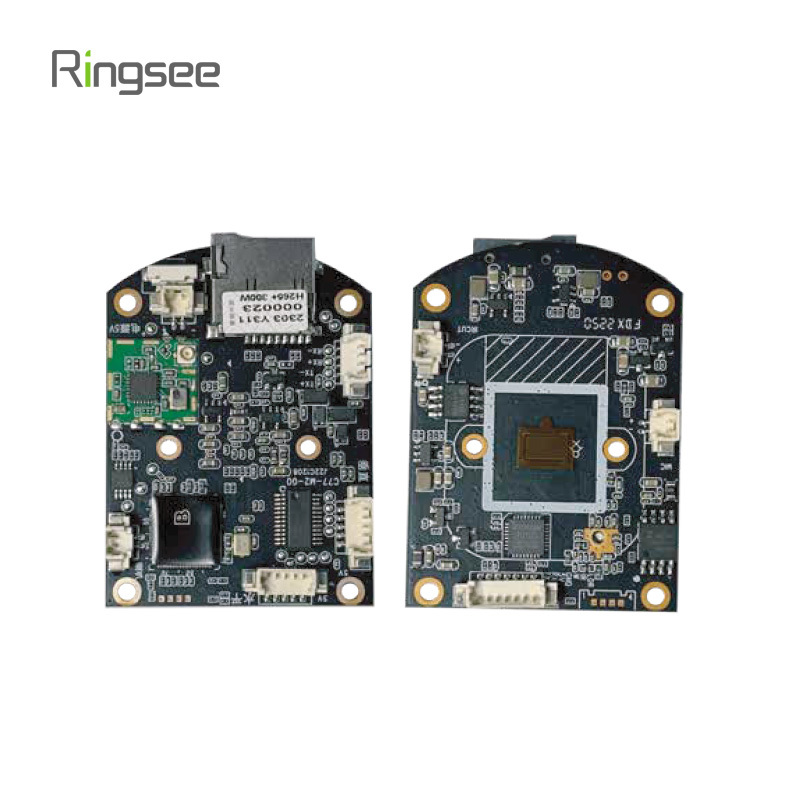
Most of our partners opt for ODM (Original Design Manufacturing) when they need a fast market entry. You’re essentially taking a field-tested, reliable platform and "dressing" it in your brand’s colors, logo, and software skin. On the other hand, OEM (Original Equipment Manufacturing) is for those who have a specific architectural vision or a patented feature that requires a custom mold and unique internal circuitry.

1. Tailoring the Power Ecosystem
Low-power solar cameras live and die by their energy efficiency. Customizing the power components isn't just about aesthetics; it’s about ensuring the camera stays online in the rain-soaked UK or the sun-drenched Australian outback.
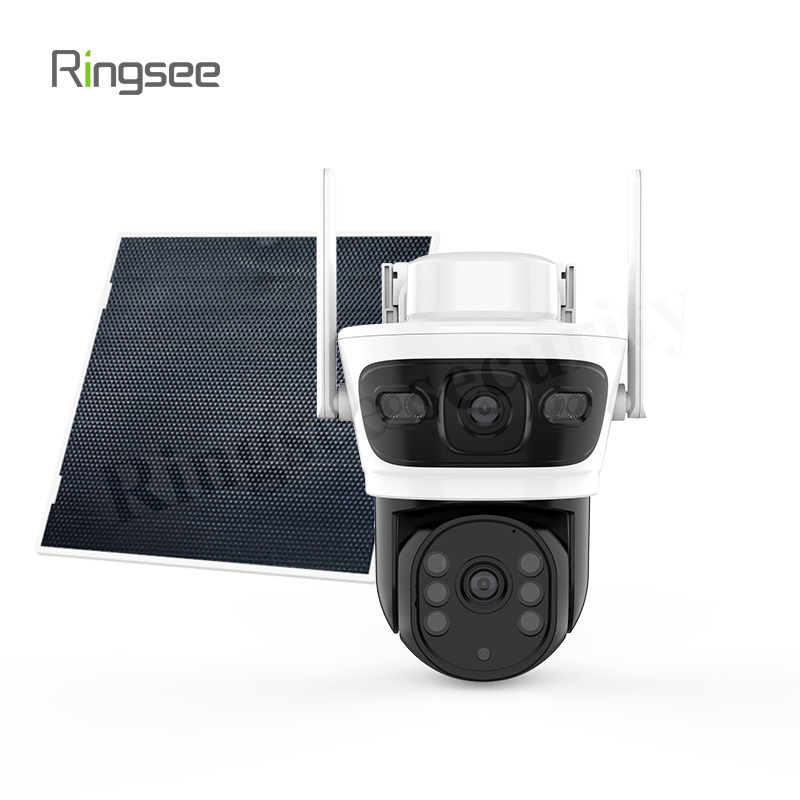
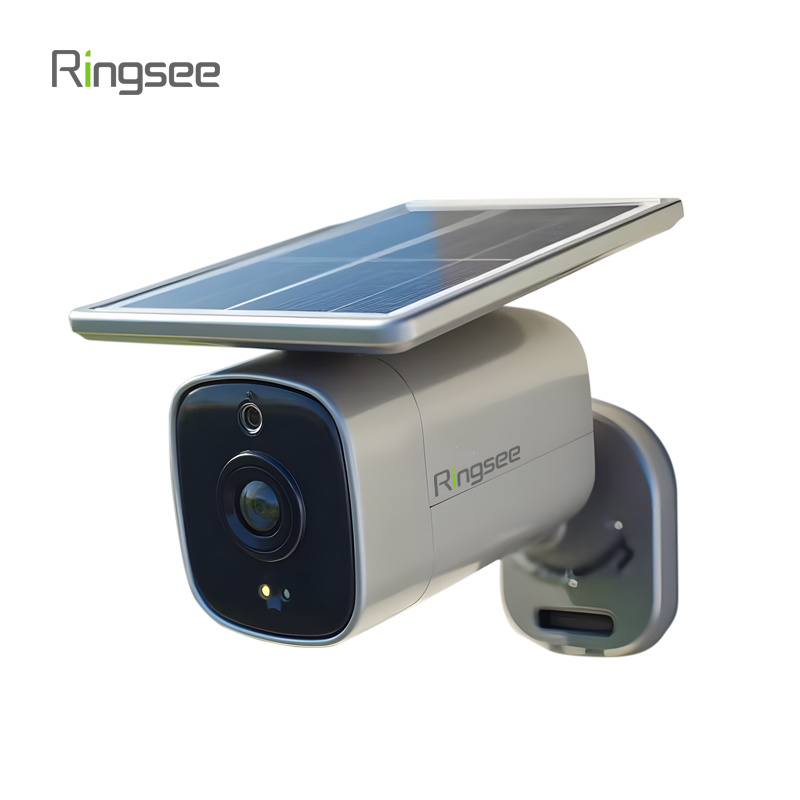
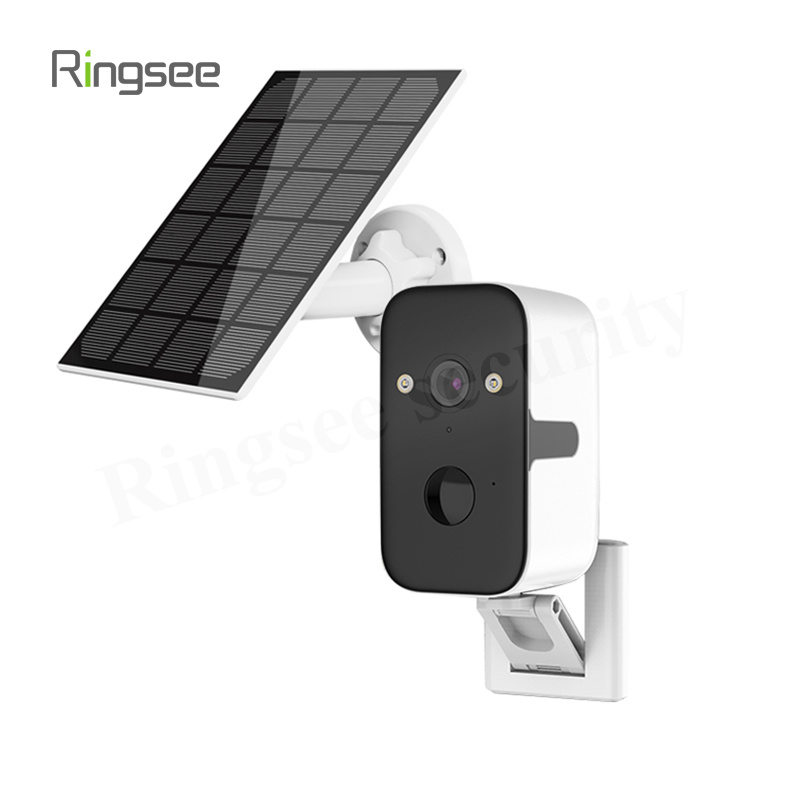
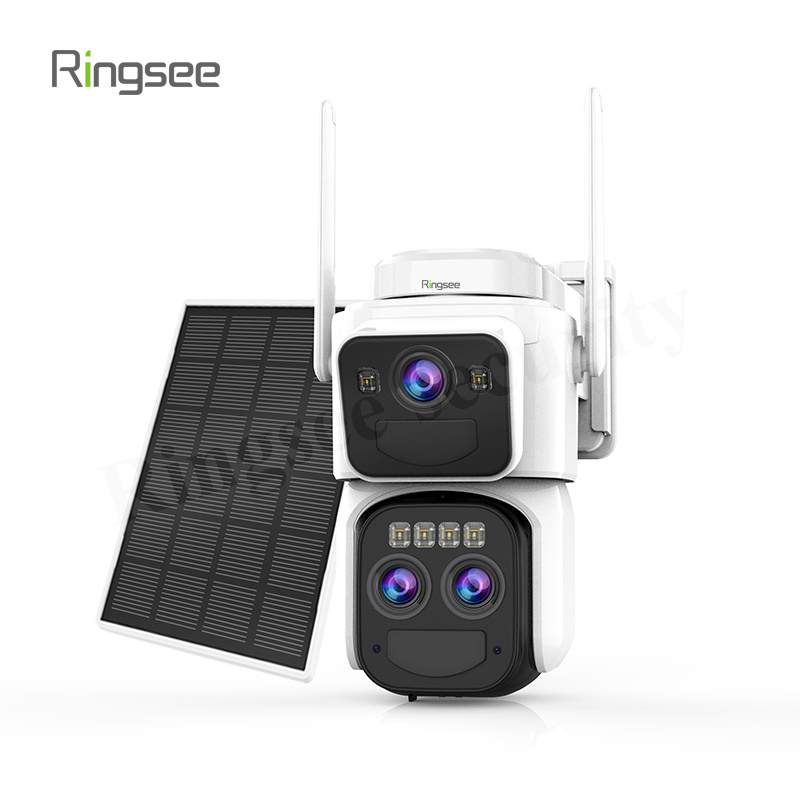
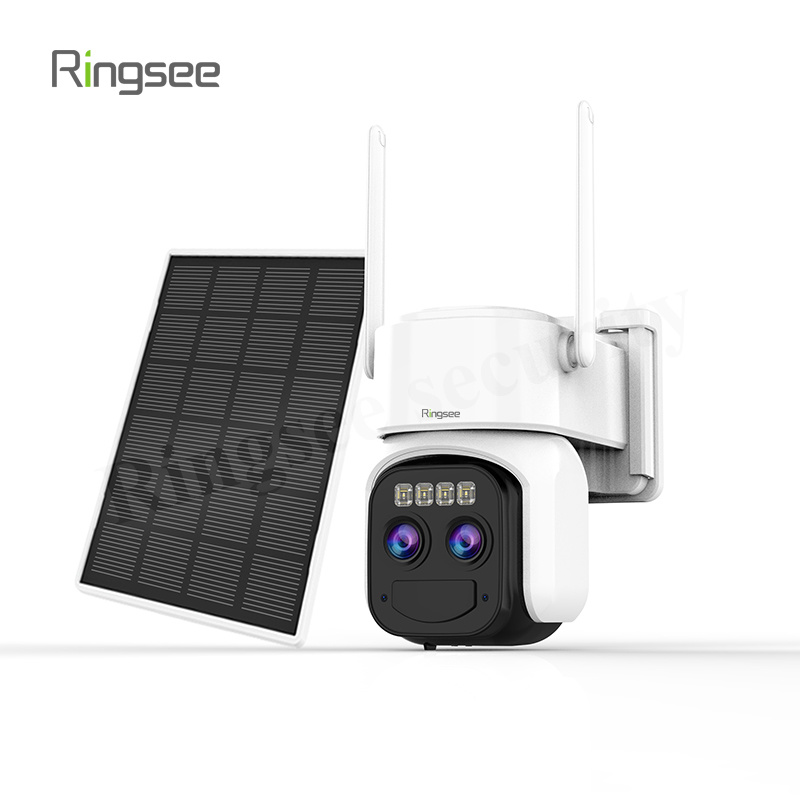
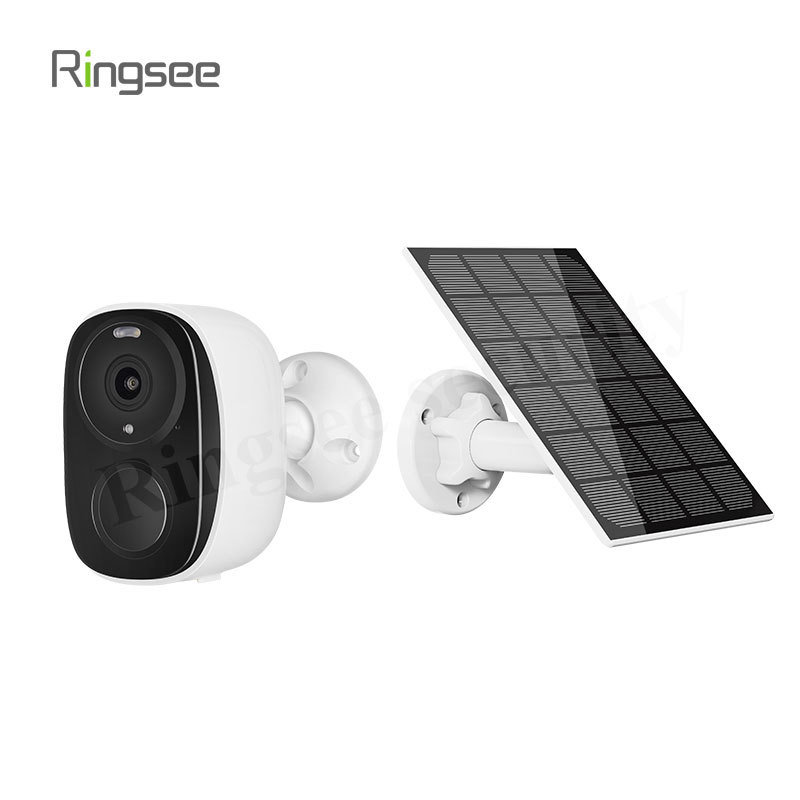
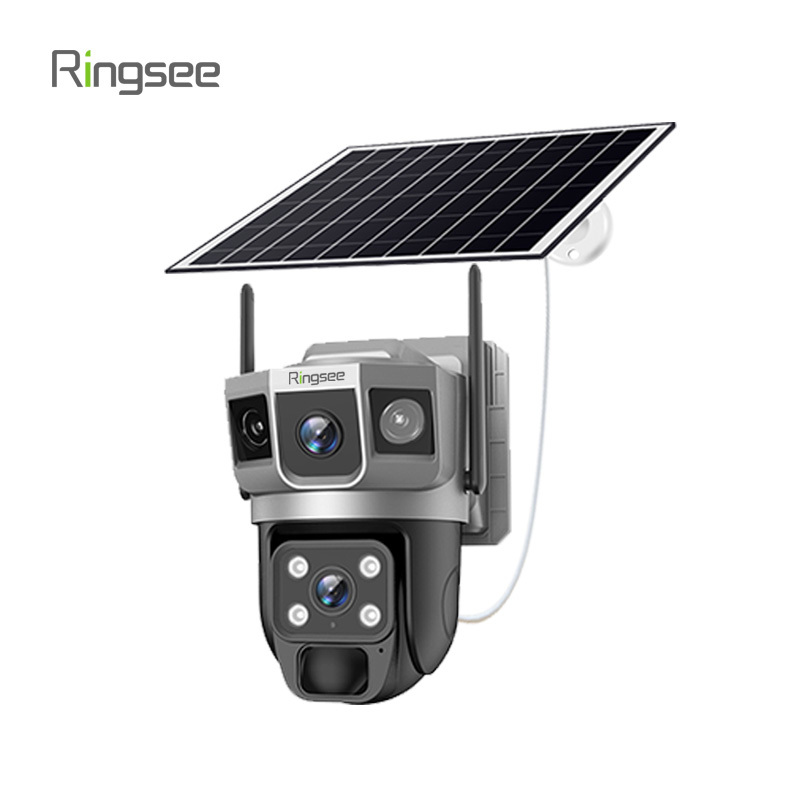
- Solar Panel Variations: You don’t have to stick to the standard 5W panel. Depending on the installation environment, we can customize wattage (up to 20W+) or offer "split-type" designs. This allows the camera to sit in the shade while the panel is mounted several meters away in direct sunlight.
- Battery Chemistry: While Lithium-ion is the standard, many professional-grade projects now request LiFePO4 (Lithium Iron Phosphate). These batteries offer a much longer lifecycle and better safety profiles in high-heat environments. Customizing the capacity—moving from a standard 10,000mAh to a massive 40,000mAh—allows your brand to promise "365-day autonomy" even in low-light regions.
2. Precision Optics and Night Vision
The "eye" of the camera is where you can truly differentiate your product tier.
- Sensor Selection: You can choose between cost-effective 2K sensors for residential use or high-performance 4K (8MP) sensors for industrial surveillance.
- Night Vision Profiles: Do your customers prefer the stealth of 940nm invisible IR (which doesn't glow red), or do they want the deterrent effect of full-color night vision using high-intensity white floodlights? These are granular choices available during the customization process.
3. The Digital Handshake: App and Firmware Branding
In the modern market, the user spends more time interacting with your app than the physical camera. If your app looks generic, your brand feels generic.
- White-Label Apps: We can take a stable backend (like the UBox or Tuya ecosystems) and completely re-skin it. This includes your logo, brand color palette, and a custom UI that makes the user feel they are part of your exclusive ecosystem.
- Custom Firmware: This includes "Voice Prompts" in local languages or specific branding on the boot screen. More importantly, it allows for custom "Heartbeat" intervals—adjusting how often the camera "wakes up" to check in with the server, which is the secret sauce to balancing battery life with responsiveness.

4. Intelligence at the Edge (AI Customization)
Standard motion detection is a headache for users because of false alarms. Customization allows you to specify what the camera "thinks" about. Through OEM/ODM partnerships, we can integrate specific AI algorithms for:
- Human and Vehicle Filtering: To ensure the user only gets a notification when it matters.
- Activity Zones: Hard-coding certain areas of the frame to be ignored or prioritized.
- Niche Detection: For specialized brands, this could include livestock monitoring, license plate recognition, or even "fall detection" for elderly care.
5. Industrial Design and Environmental Resilience
Finally, the housing of the camera needs to match the brand’s promise. If you are selling a "Pro" line, a lightweight plastic shell won't suffice. Customization options include:
- Material Upgrades: Moving to die-cast aluminum or UV-stabilized polycarbonate.
- IP Ratings: Ensuring the device meets IP66 or IP67 standards for complete dust and water protection.
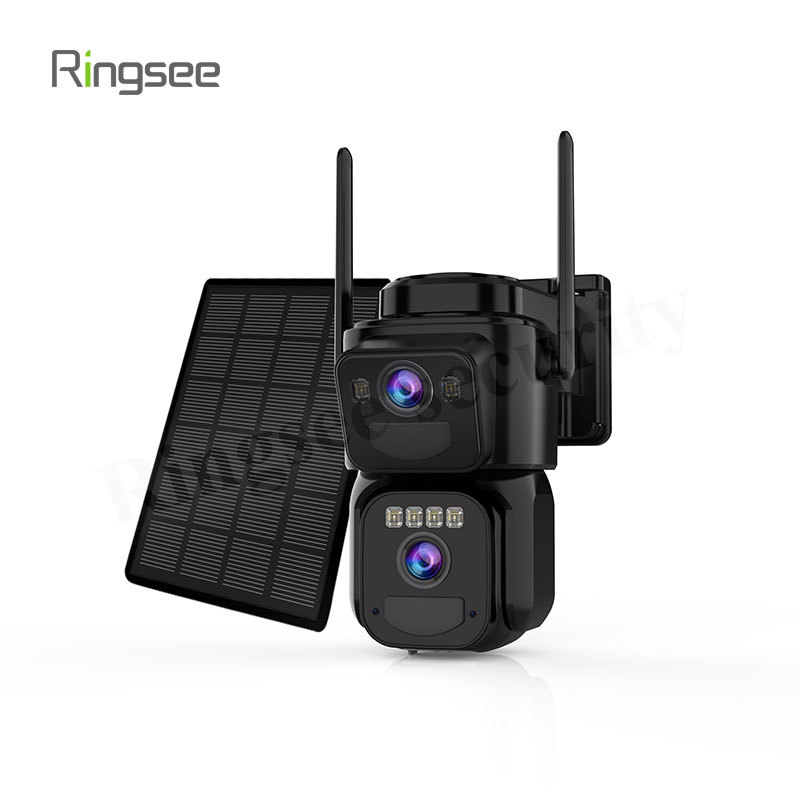
- Bespoke Colors: Moving beyond white to offer charcoal gray, camouflage for wildlife monitoring, or even "desert sand" for specific geographic markets.

Customizing a low-power solar camera is about finding the "sweet spot" between high-end features and cost-effectiveness. At Ringsee, we focus on helping you bridge that gap, ensuring that when your customers mount that camera, they aren’t just seeing a piece of tech—they’re seeing your brand’s commitment to quality.
Links:One Belt Power Technology
Add: 14th Floor, Baoshan Building, Longhua District, Shenzhen China.
Privacy Policy | SEO | CitySite | Support: 300.cn Dongguan