






Support
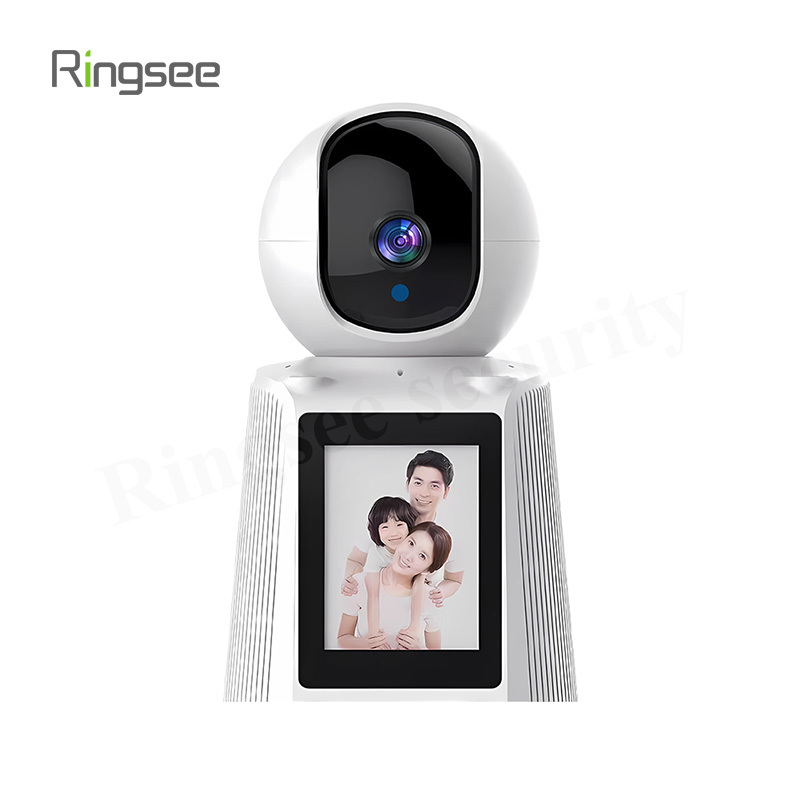
What problems does a pet interaction camera for pet companionship solve?
More Than Just a Lens: 6 Real-World Problems Solved by Pet Interaction Cameras
For the modern pet parent, the "9-to-5" often comes with a side of "9-to-5 guilt." You leave for work, and as the door clicks shut, the questions start: Is the dog barking? Did the cat get into the trash? Are they lonely?
While standard security cameras tell you what happened after the fact, a pet interaction camera is designed to solve problems in real-time. It bridges the emotional and physical gap between you and your furry companion. Here are six specific problems that these smart devices solve for today’s pet owners.
1. The "What If" Safety Anxiety

The biggest problem a pet camera solves is the unknown. When pets are left alone, they are vulnerable to silent emergencies—choking on a toy, getting stuck in a tight space, or even a sudden household hazard like a leak or fire.
The Solution: High-definition live streaming and motion alerts provide immediate visibility. Many modern interaction cameras include "Smart Alerts" that can distinguish between a pet moving and a person entering the room, or even detect the sound of a smoke alarm, allowing you to act before a minor incident becomes a tragedy.
2. Managing Separation Anxiety
Separation anxiety is one of the most common behavioral issues in dogs. Without a way to connect, an anxious pet may pace, howl, or engage in self-harming behaviors.
The Solution: Two-way audio allows you to soothe your pet with your voice. For many animals, hearing a familiar "Good boy" or "Relax, I'm here" can break a cycle of panic. By interacting throughout the day, you maintain a "virtual presence" that prevents the pet from feeling completely abandoned.
3. Solving the "Mystery" of Destructive Behavior
Every pet owner has come home to a shredded pillow or a tipped-over plant and wondered, “When did this happen, and why?” Without seeing the trigger, it’s impossible to correct the behavior.
The Solution: Pet interaction cameras allow you to see the "pre-game" to destruction. You might realize your dog only chews the couch when the mailman arrives or when a neighbor’s dog barks. With this insight, you can use the two-way audio to interrupt the behavior before it starts, or work with a trainer to address the specific trigger you discovered on camera.
4. Eliminating Midday Boredom

Boredom is the root of many bad pet habits. In a quiet house, eight hours is a long time for a high-energy breed to sit still.
The Solution: Features like interactive treat dispensers and laser pointers (for cats) turn a passive monitoring device into a source of entertainment. Tossing a treat remotely or engaging in a quick game of "chase the light" provides the mental stimulation pets need to stay happy and tired, rather than restless and destructive.
5. Training Inconsistency
Training doesn't stop just because you aren't in the room. One of the hardest parts of house-training or bark-control is the lack of consistency when the owner is away.
The Solution: You can use the camera to reinforce positive habits. If you see your puppy sitting calmly instead of jumping on the door, you can remotely dispense a treat as a reward. This immediate positive reinforcement helps the pet understand that good behavior is expected even when the "pack leader" isn't physically present.
6. The "Owner Guilt" Syndrome
We often focus on the pet's needs, but the owner’s mental health is just as important. The stress of not knowing how a pet is doing can lead to decreased productivity at work and a lower quality of life.
The Solution: Peace of mind. Being able to take a "digital coffee break" to check in on your cat napping in the sun or your dog wagging its tail at the sound of your voice reduces human cortisol levels. It transforms the workday from a period of worry into a period of continued connection.
Is a Pet Camera Right for You?
While no technology can replace the physical touch of a walk or a cuddle, a pet interaction camera is the ultimate tool for the "connected" pet parent. It turns a silent house into an interactive environment, ensuring that even when you are miles away, your pet is never truly alone.
Key Features to Look For:
Two-Way Audio: To talk and listen to your pet.
Treat Tossing: For remote rewards and distraction.
Night Vision: To check in during late shifts or winter evenings.
Wide-Angle Lens: To ensure you can find them no matter where they hide.
Links:One Belt Power Technology
Add: 14th Floor, Baoshan Building, Longhua District, Shenzhen China.
Privacy Policy | SEO | CitySite | Support: 300.cn Dongguan