






Support
Which Carriers Work with Your 4G Bird Feeder Camera? LTE Band Compatibility & Network Support Explained
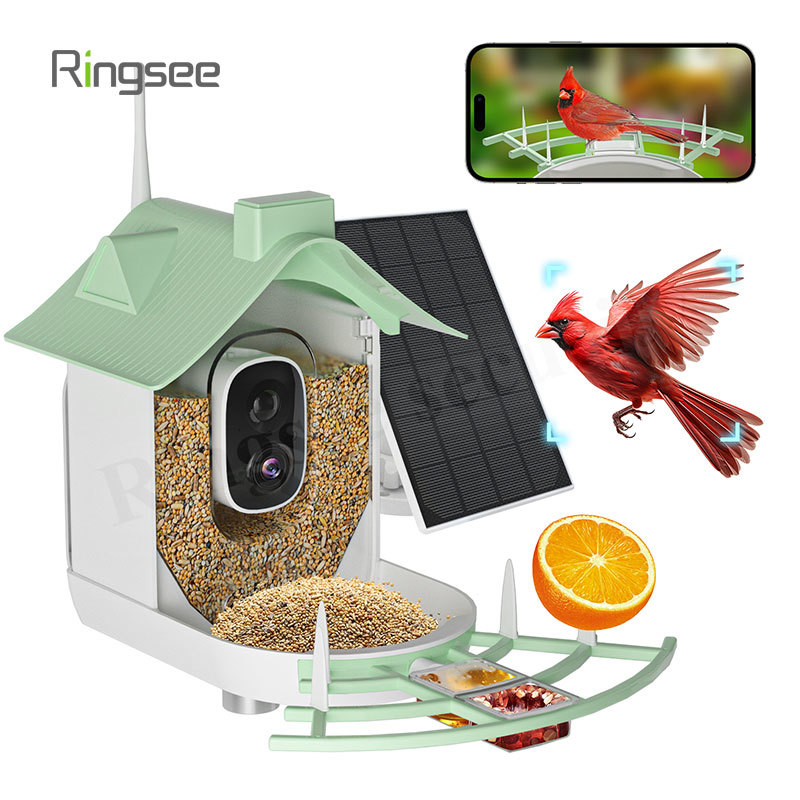
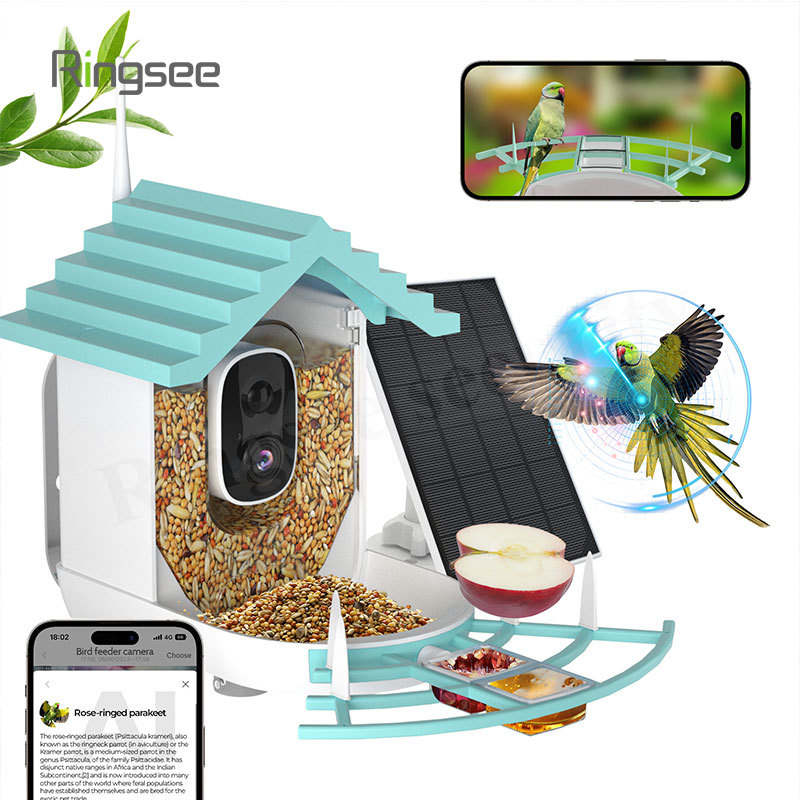
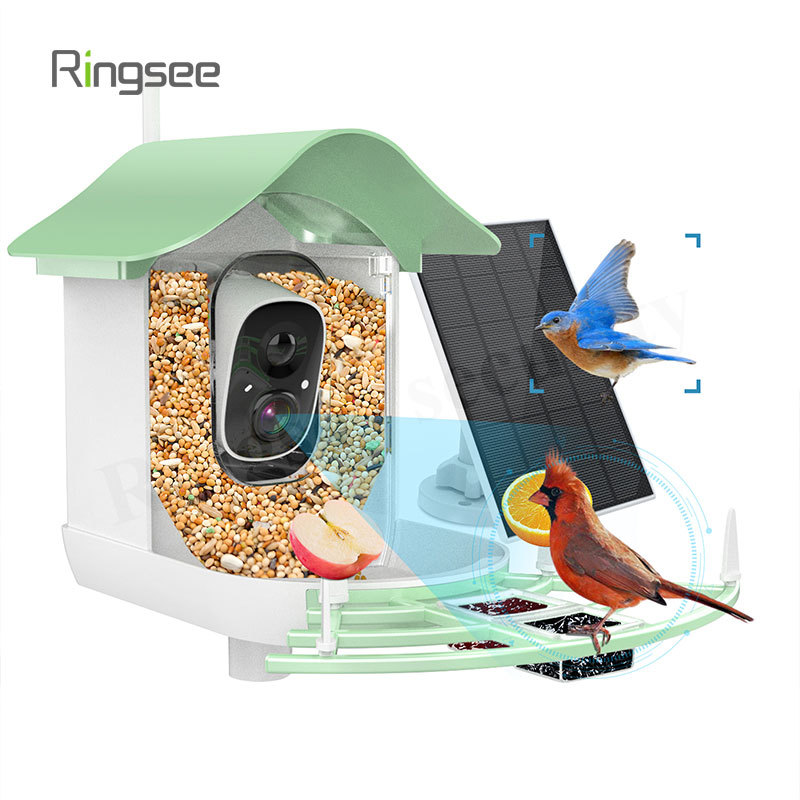
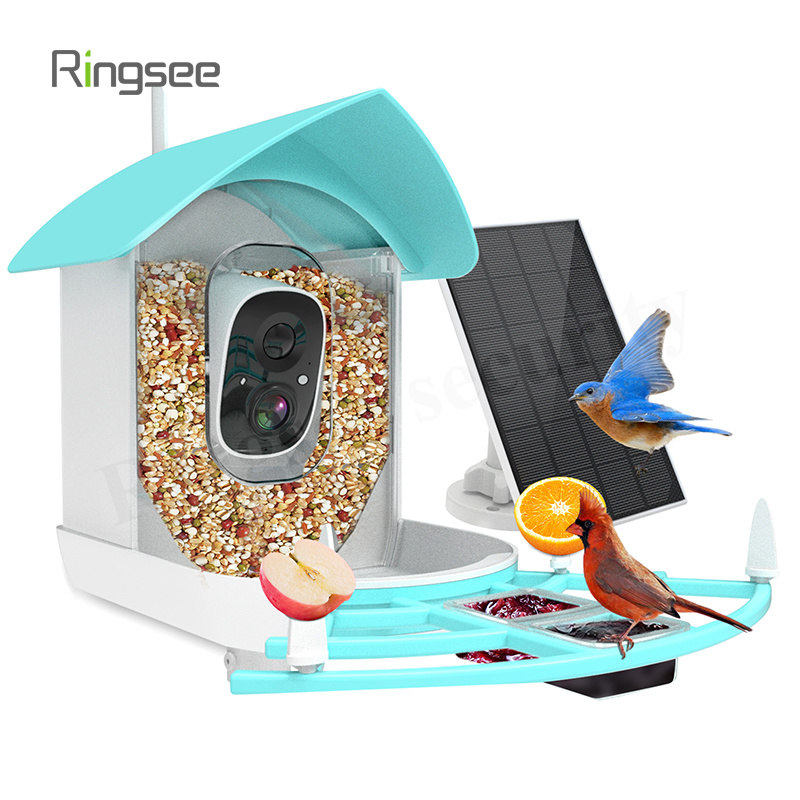
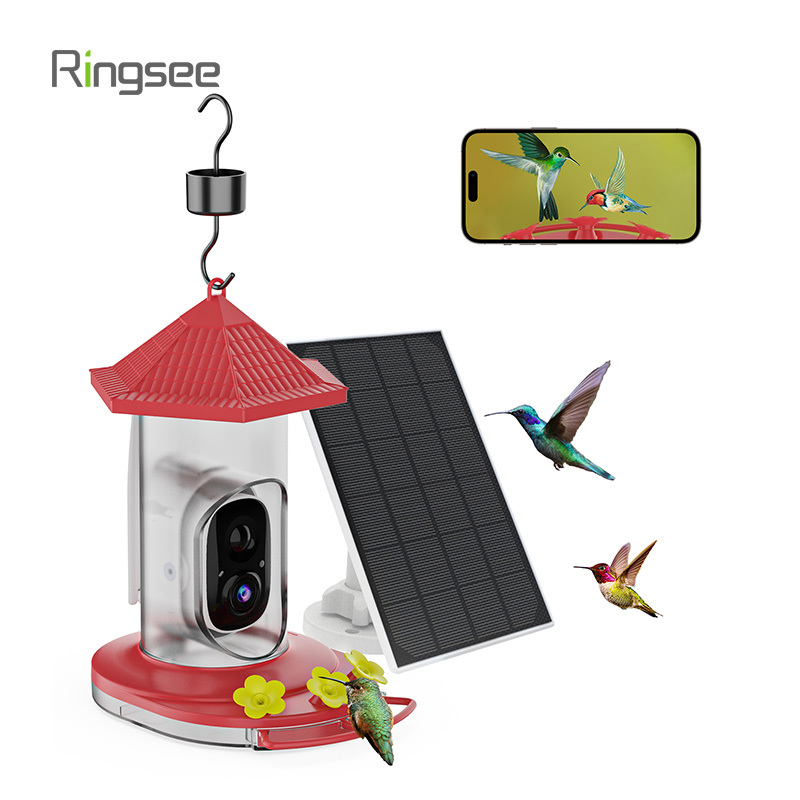
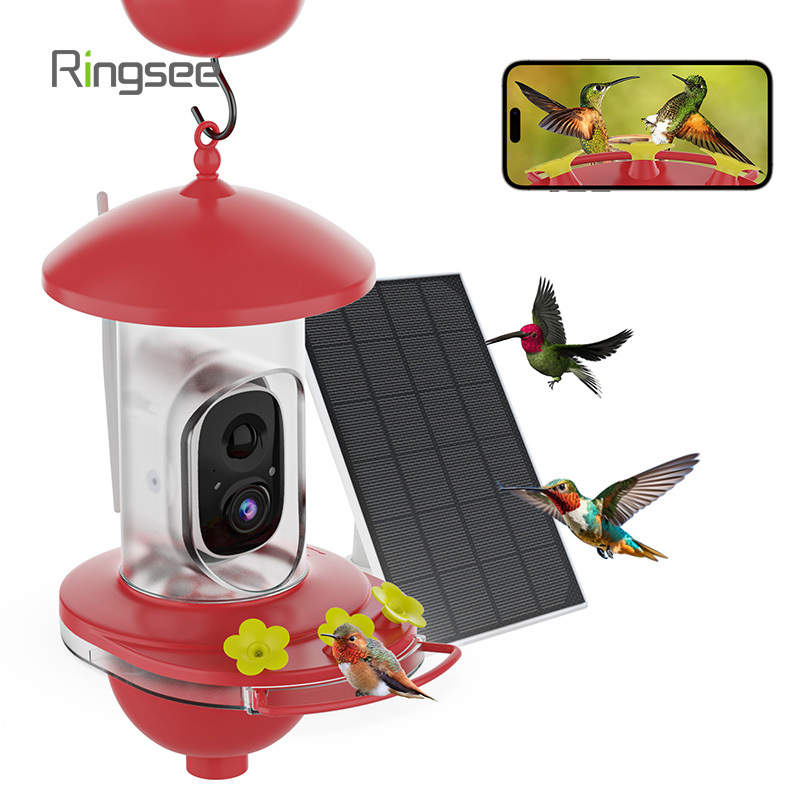
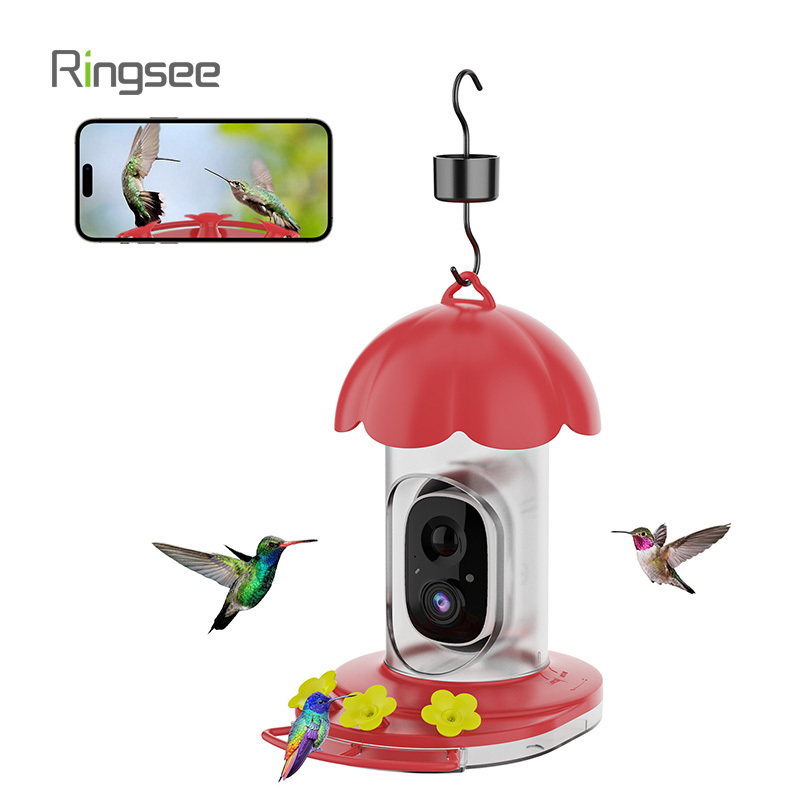
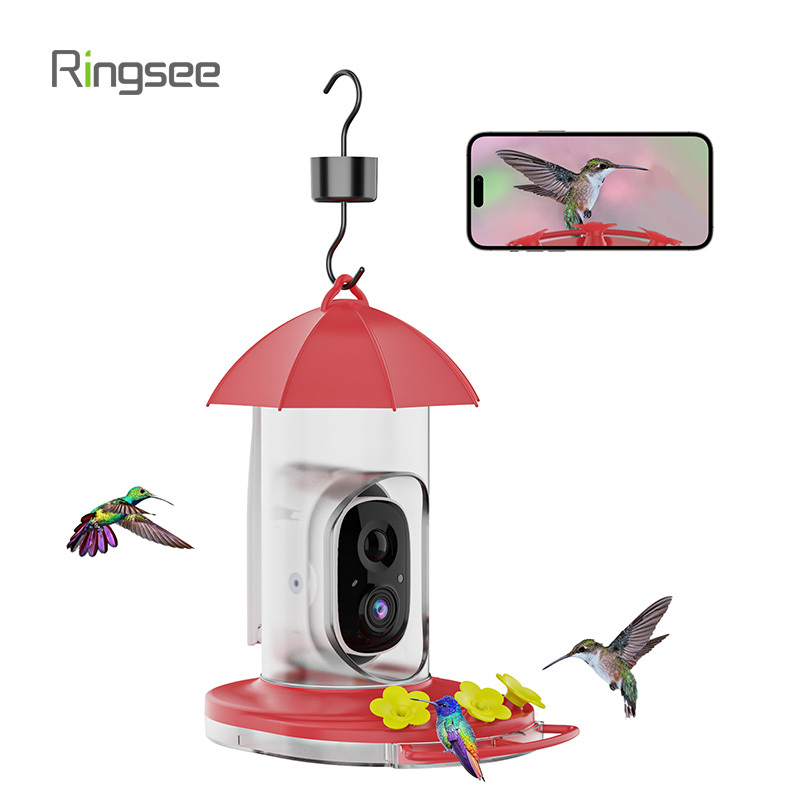
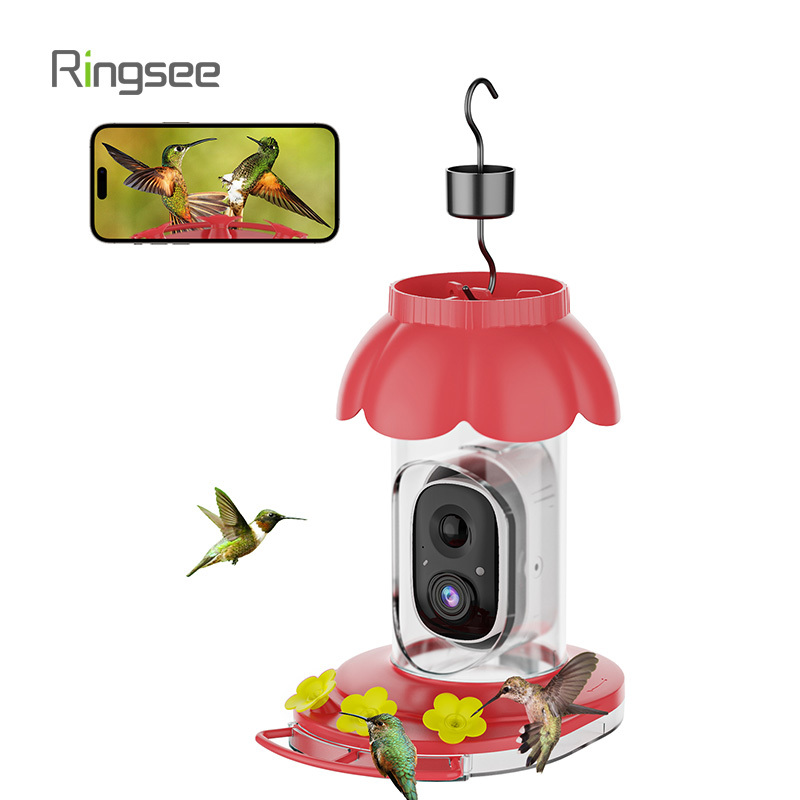
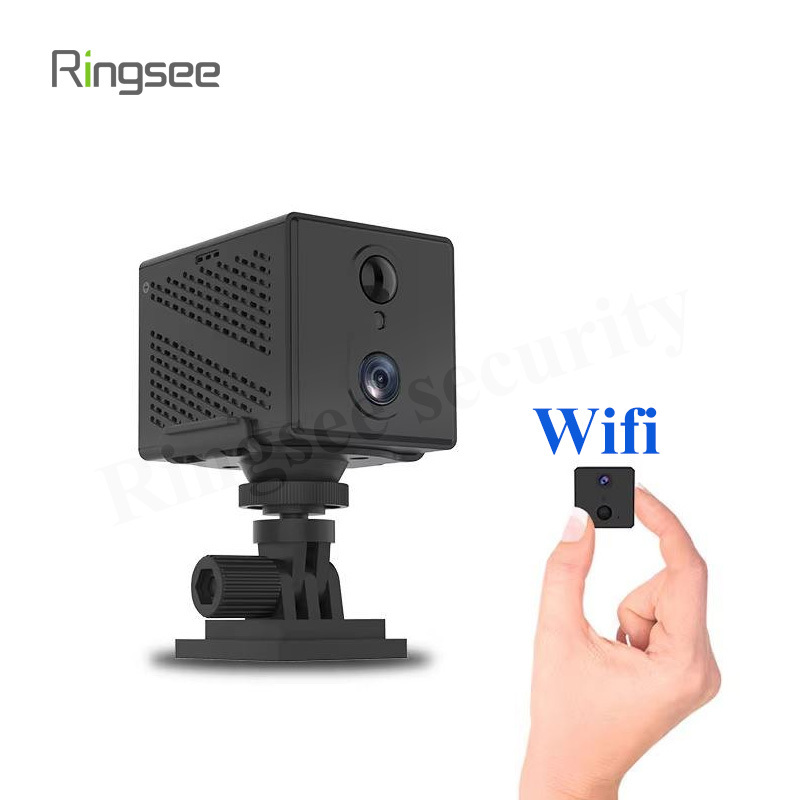
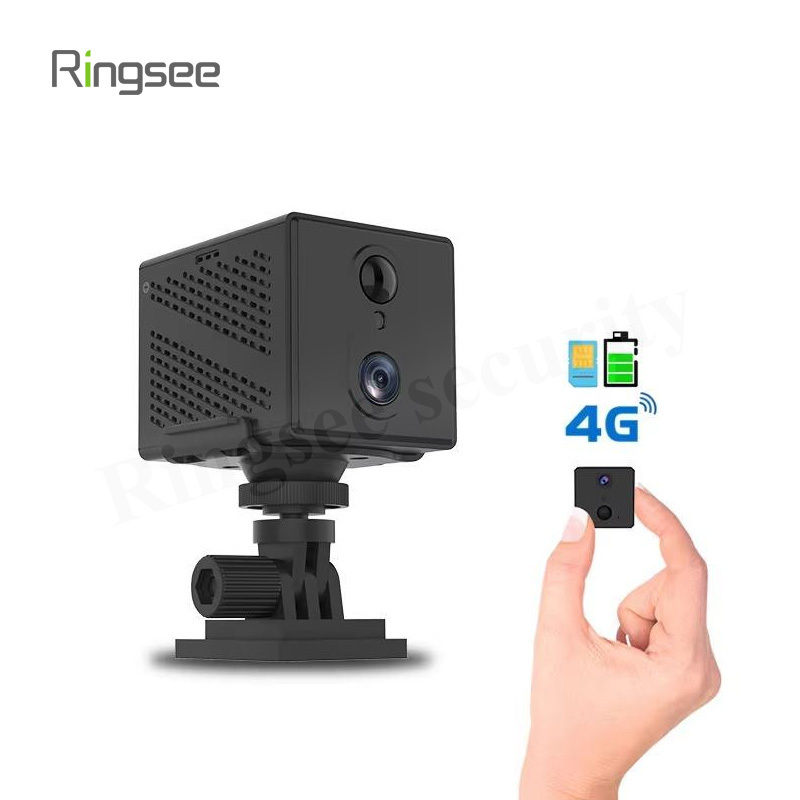
Watching nature unfold in your backyard is a rewarding experience, but capturing it with a smart camera often requires connectivity. If your favorite feeding spot is far from your Wi-Fi router, a 4G cellular bird feeder camera—like the Ringsee SHRS-BFC-9104—is the perfect solution.
Unlike Wi-Fi-only cameras, 4G models require a cellular data connection and a suitable SIM card, meaning carrier compatibility is the most critical factor for setup. Understanding which networks and LTE bands work with your device is essential for uninterrupted monitoring.
Here is a detailed breakdown of which carriers support the SHRS-BFC-9104 camera and how LTE band compatibility affects your connection.
The Crucial Requirement: Regional Full-Band 4G Support
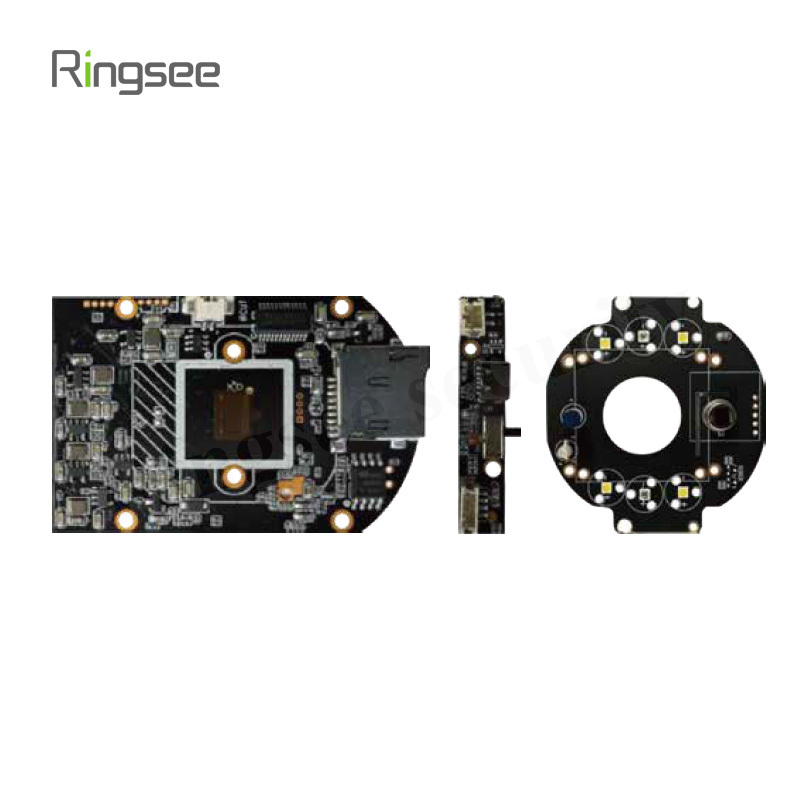
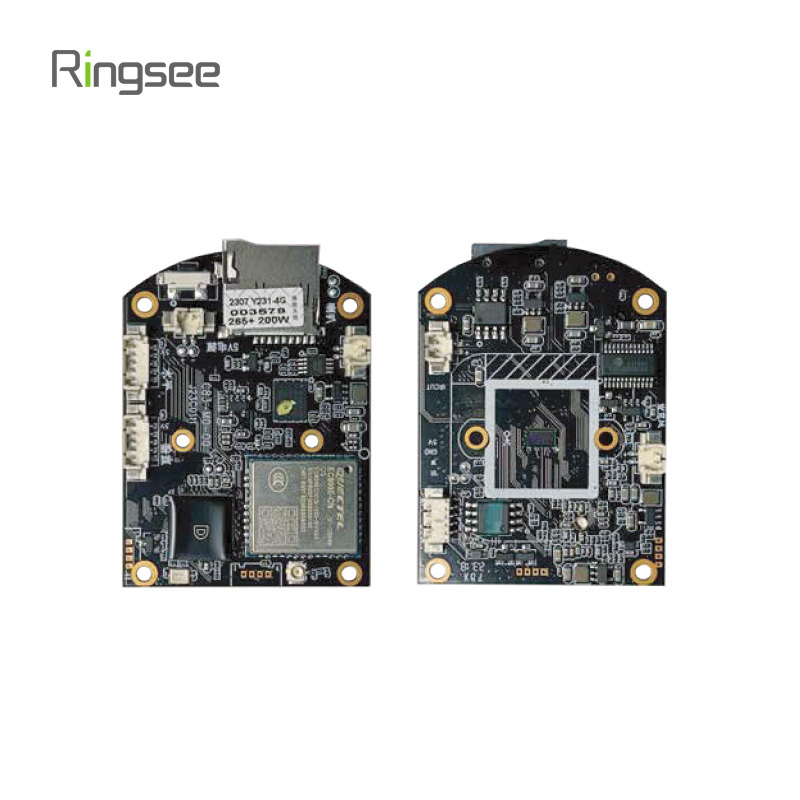
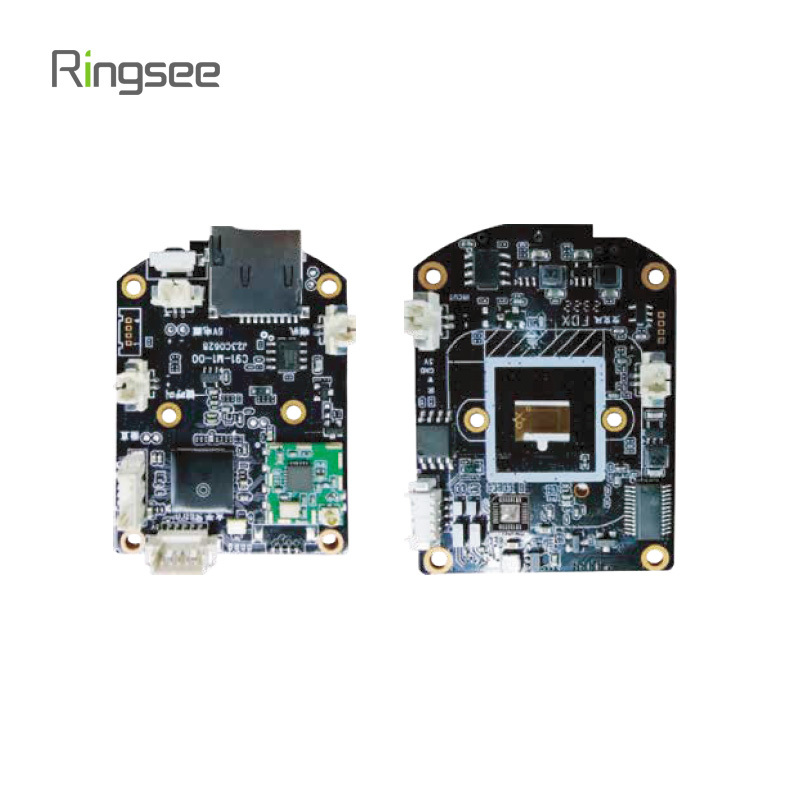
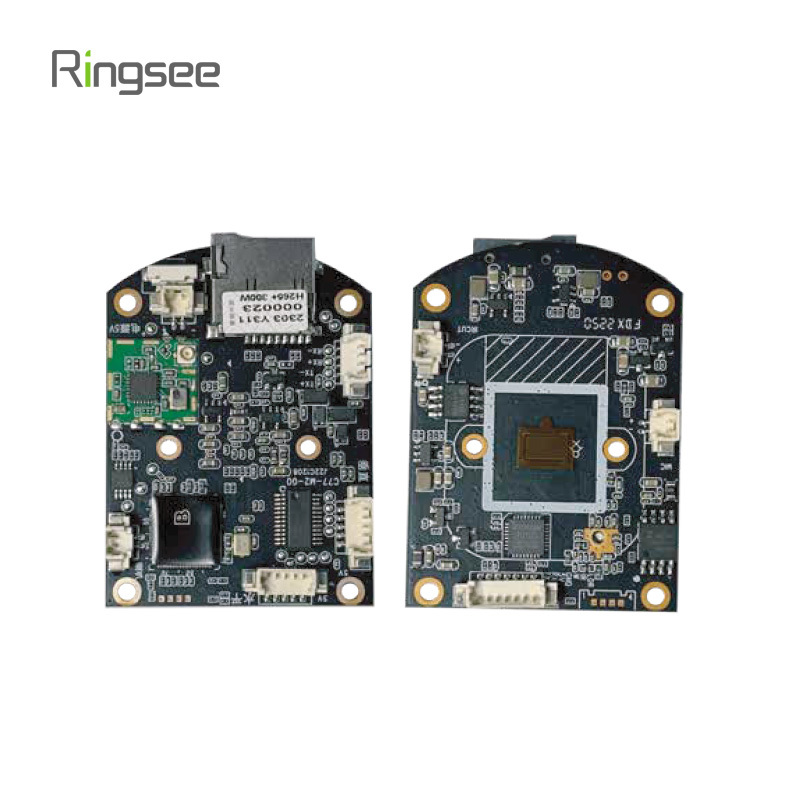
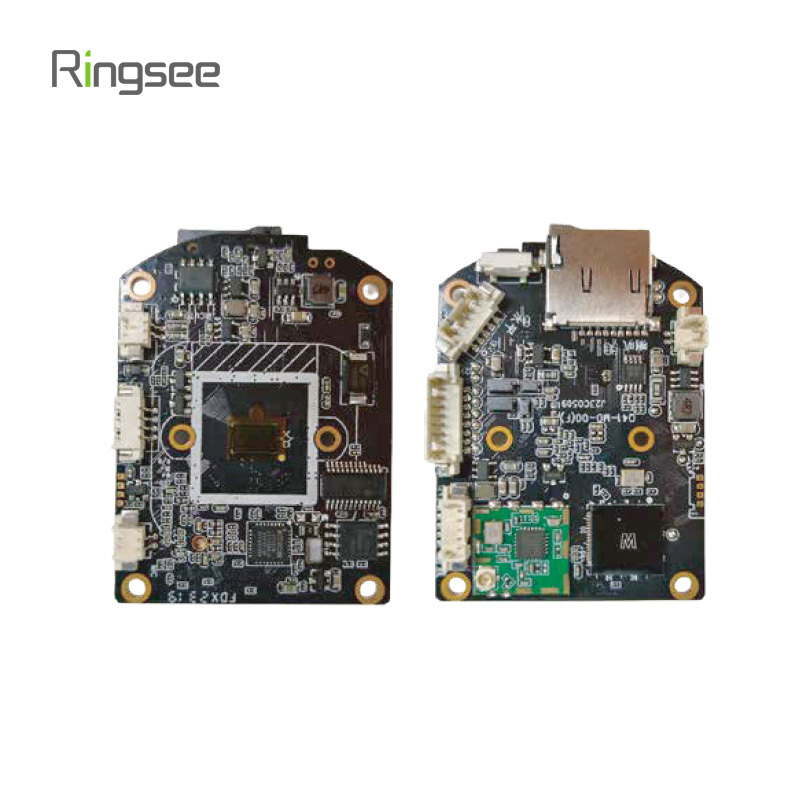
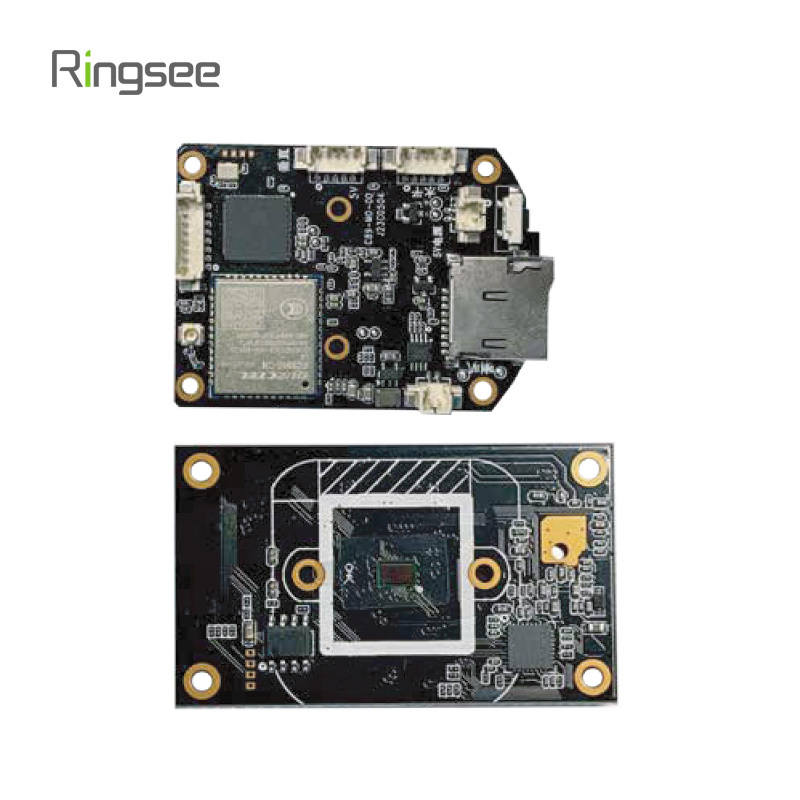
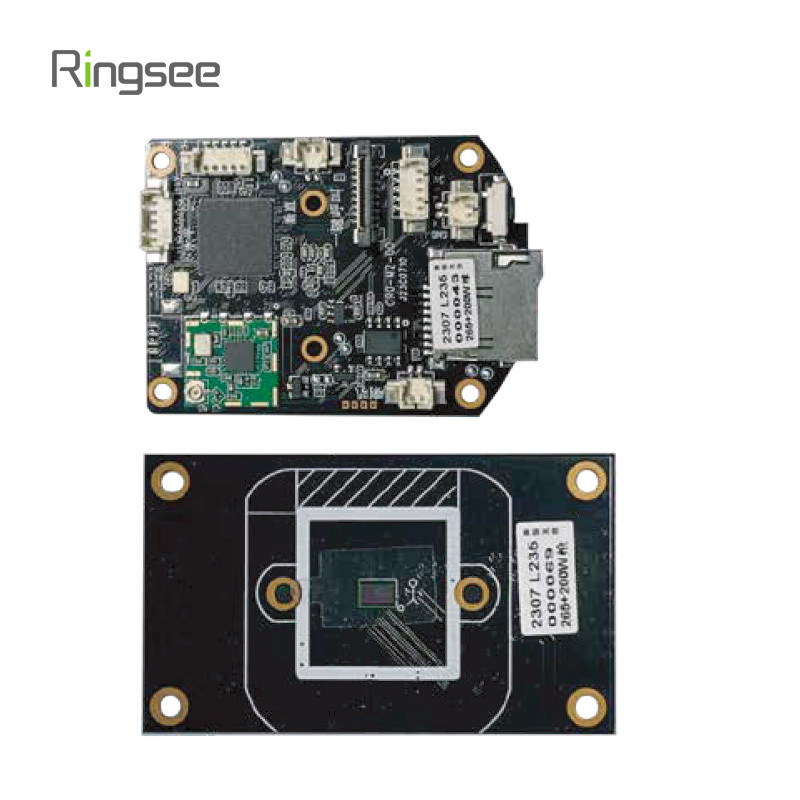
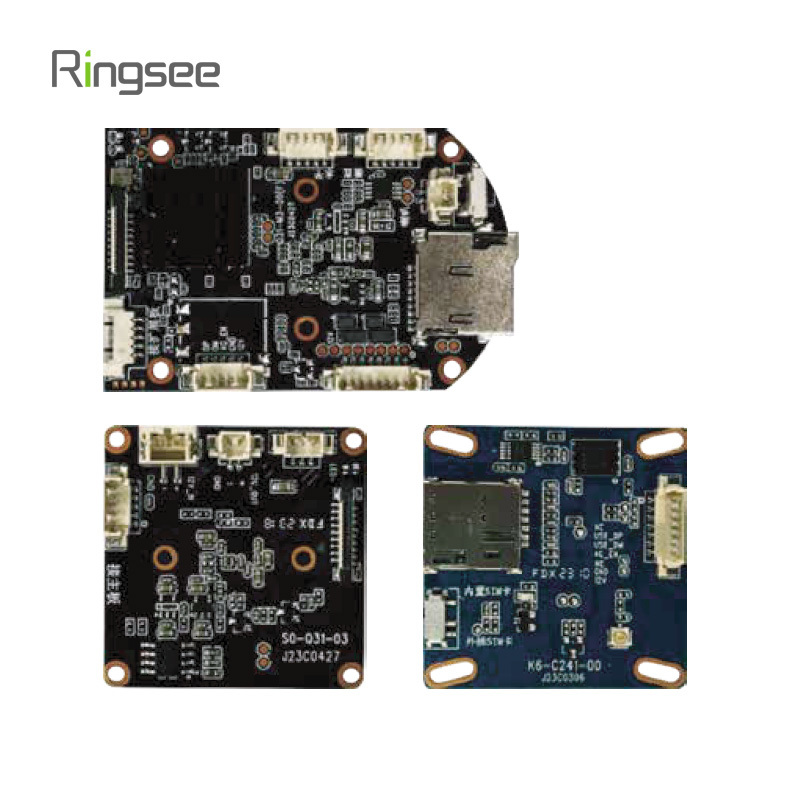
The Ringsee SHRS-BFC-9104 camera is designed for global flexibility, but its cellular compatibility is determined by the 4G module installed at the time of manufacture.
According to the product specifications, the camera supports “full-band 4G networks in the USA, Europe, JPN, and CHN (customers select modules).”
This "full-band" designation is a powerful assurance. It means the manufacturer builds and ships four primary hardware versions, each customized to include the complete set of LTE frequency bands necessary to operate across all major carriers within its designated region.
For the user, this means less technical hassle, provided you purchased the correct regional version (e.g., the U.S. model for use in the United States).
Carrier Compatibility Breakdown by Region
1. United States (USA)
The USA version of the 4G module is designed to cover the specific LTE bands used by the country's three main carriers.
| Major US Carrier | Likely Supported LTE Bands (Examples) | Compatibility Status |
| AT&T | B2, B4, B12, B17, B66, B5 | Compatible |
| T-Mobile | B2, B4, B12, B66, B71, B5 | Compatible |
| Verizon | B2, B4, B13, B5, B66 | Compatible |
Key Takeaway for US Users: Since the device is "full-band" for the USA, it should technically connect to any of the major network operators or Mobile Virtual Network Operators (MVNOs) that utilize their towers (such as Cricket Wireless, Boost Mobile, or prepaid plans). Your primary concern will be the type of data plan, not the frequency bands themselves.
2. Europe (EU)
The European module supports the harmonized bands used across the continent. This generally ensures compatibility with major networks in countries like the UK, Germany, France, Spain, and Italy.
Common European Bands: Bands 3, 7, 20, and 28 are widely supported, making the camera compatible with carriers like Vodafone, EE, O2, Deutsche Telekom, Orange, and others.
3. Japan (JPN) & China (CHN)

Dedicated modules for these markets ensure connectivity with domestic network providers, adhering to their unique cellular spectrum requirements.
Critical Requirement: Not All Data Plans Are Created Equal
While the camera may be physically compatible with a carrier's towers, it must also be compatible with their network service type.
The SHRS-BFC-9104 is a low-power, monitoring device. Standard voice/text smartphone plans are not suitable. The camera requires a data-only plan or a specialized Machine-to-Machine (M2M) SIM card.
Understanding Low-Power LTE Networks
Most IoT (Internet of Things) devices like this camera operate most efficiently on low-power LTE technologies, such as LTE-M (Cat-M1) or NB-IoT (Cat-NB1). These technologies are designed for devices that:
Send small amounts of data.
Need to conserve battery power (like the camera's 18650 lithium batteries).
Need great signal penetration (useful for remote locations or dense bird feeders).
Actionable Advice on SIM Cards:
Avoid Consumer Smartphone Plans: A typical prepaid phone SIM card will likely not work or will be prohibitively expensive for continuous video streaming.
Look for Data-Only or IoT Plans: You need a plan explicitly advertised as a "data-only SIM," "IoT SIM," or a "M2M (Machine-to-Machine) SIM."
Check Data Usage: A bird feeder camera streaming HD video will use significant data. Factor in about 5 GB to 30 GB per month, depending on motion frequency and the length of the recorded clips. Start with a smaller plan and upgrade as needed.
SIM Card Size: The SHRS-BFC-9104 uses a Nano SIM card.
How to Verify Your Carrier's Compatibility
Before purchasing a SIM card, follow these steps to ensure success:
Confirm Your Camera Version: Ensure your device box or manual specifies the correct region (e.g., "US Model" or "Global Version with US Bands").
Verify Local Coverage: Even if a carrier is compatible, you must confirm they have a strong 4G signal at the exact location where you plan to install the bird feeder. Use the carrier's coverage map, looking for 4G LTE coverage.
Contact the Carrier's IoT/Business Team: The easiest way to get the correct data plan is to search for the carrier’s specialized "IoT Data Plans" page or call their business/M2M sales line. Ask specifically for a low-cost, data-only plan for a "cellular security camera" or "asset tracker" that uses the standard 4G LTE network.
Conclusion: Simplifying 4G Connectivity
The complexity of LTE bands is handled by the manufacturer's regional module selection. For users of the SHRS-BFC-9104 4G Bird Feeder Camera, the most crucial step is choosing the right data-only Nano SIM from a major national carrier (or their MVNOs) that offers sufficient 4G signal in your specific bird-watching location.
By ensuring you have the correct regional camera model and selecting a budget-friendly data plan, you can enjoy remote, uninterrupted live views of your feathered friends from anywhere in the world.
Links:One Belt Power Technology
Add: 14th Floor, Baoshan Building, Longhua District, Shenzhen China.
Privacy Policy | SEO | CitySite | Support: 300.cn Dongguan