





Why Low-Power Solar Cameras Are the Future of Eco-Conscious Security Systems
Publish:
2025-02-07 14:26
Source:
https://www.ring-see.com
As the world shifts toward more sustainable technology, low-power solar cameras have emerged as an ideal solution for eco-conscious security systems.
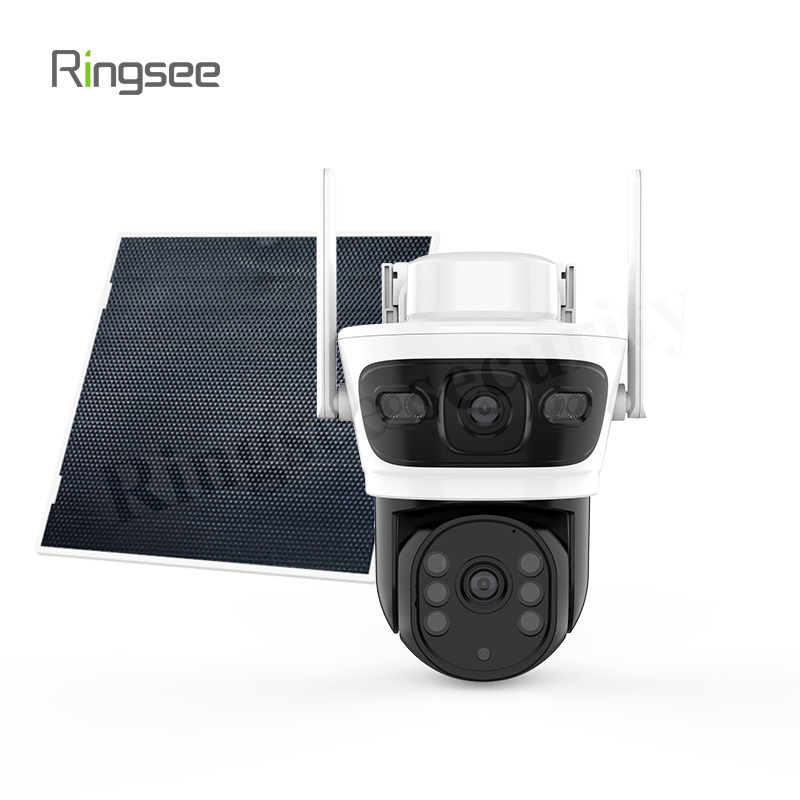
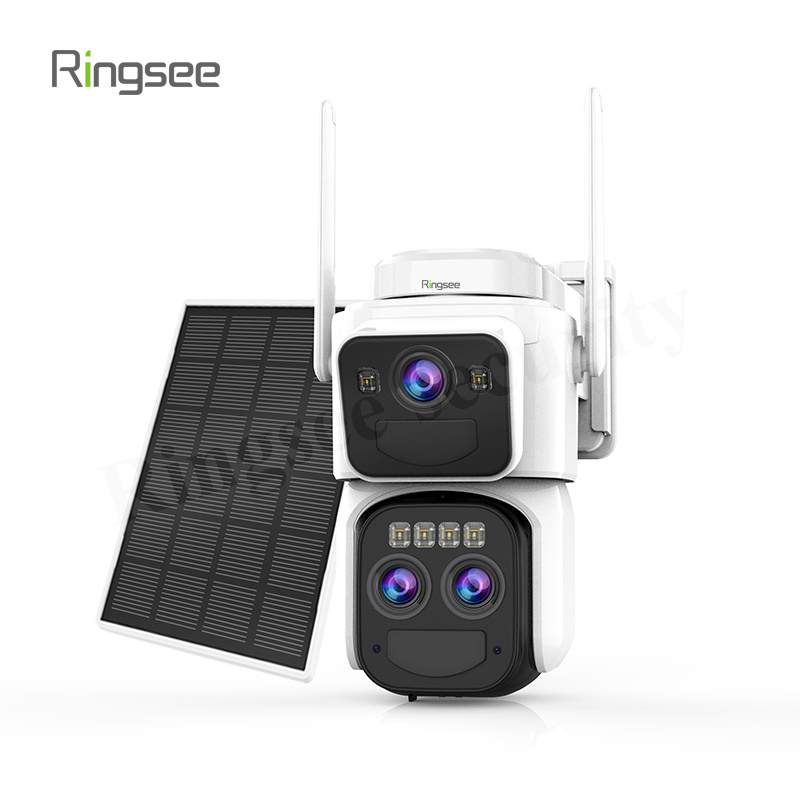
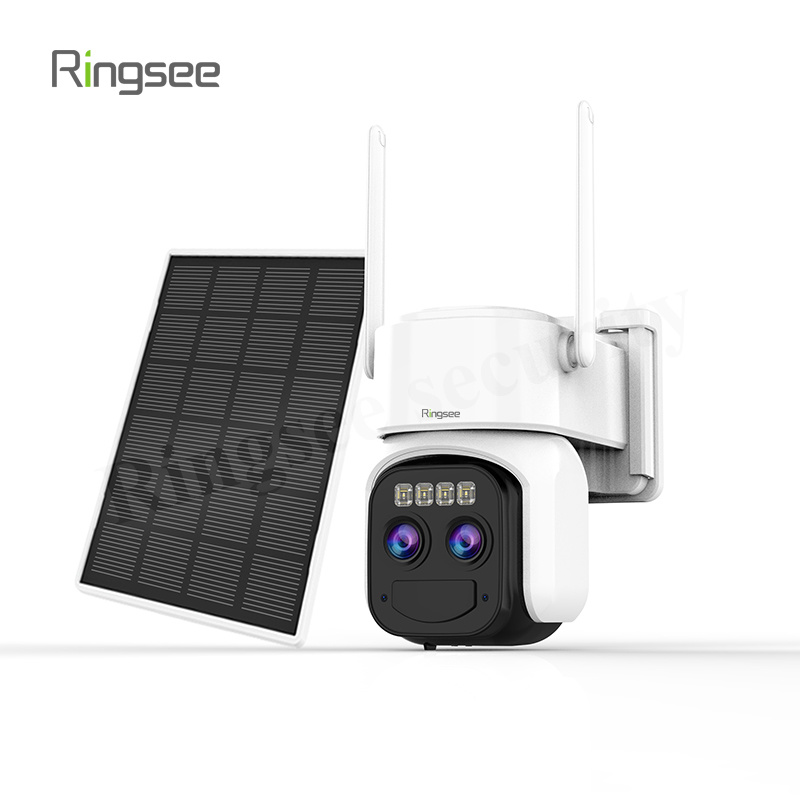
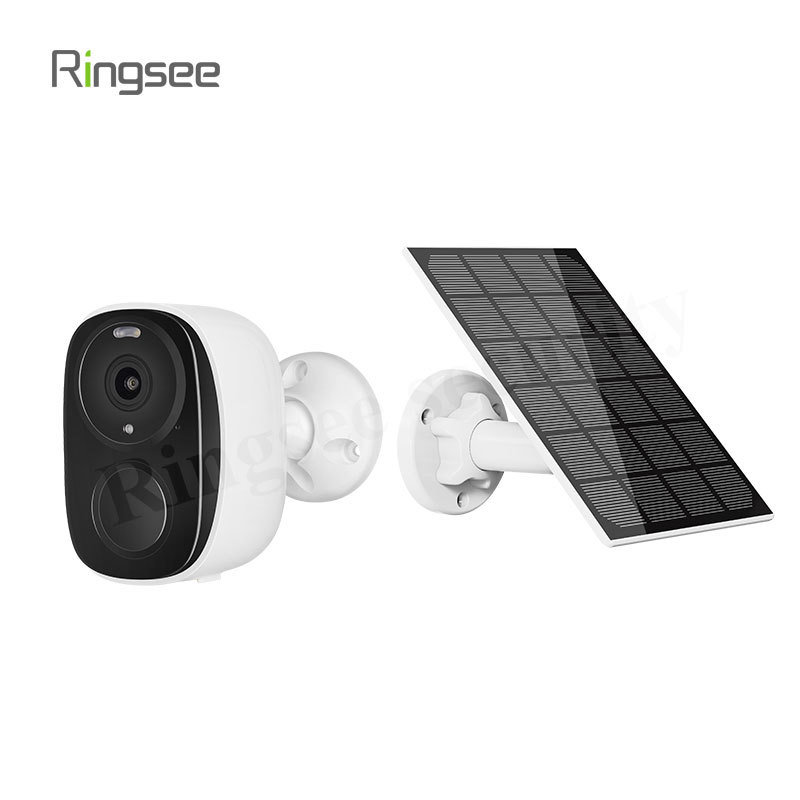
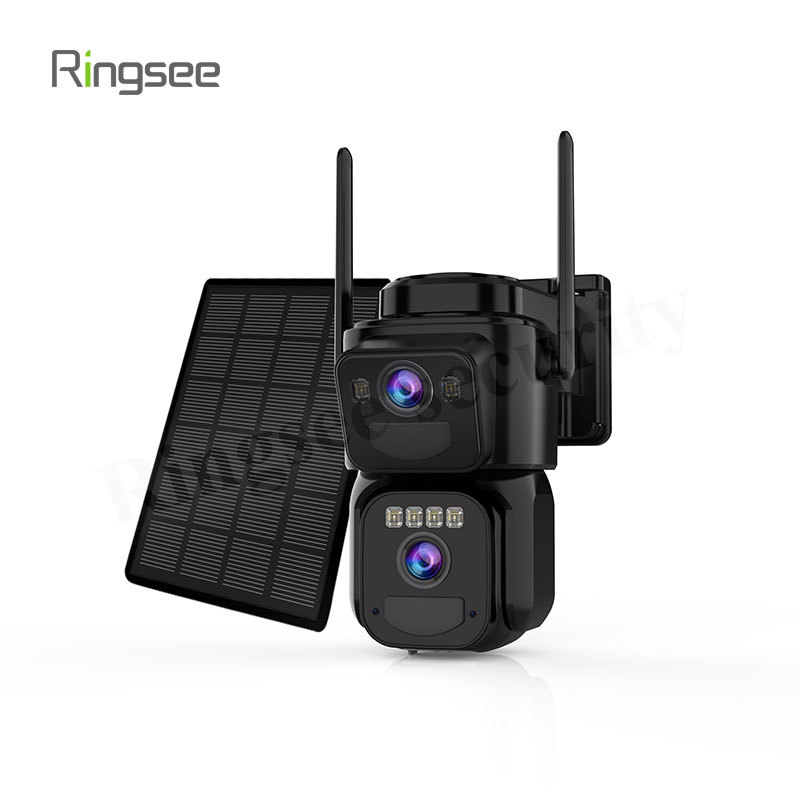
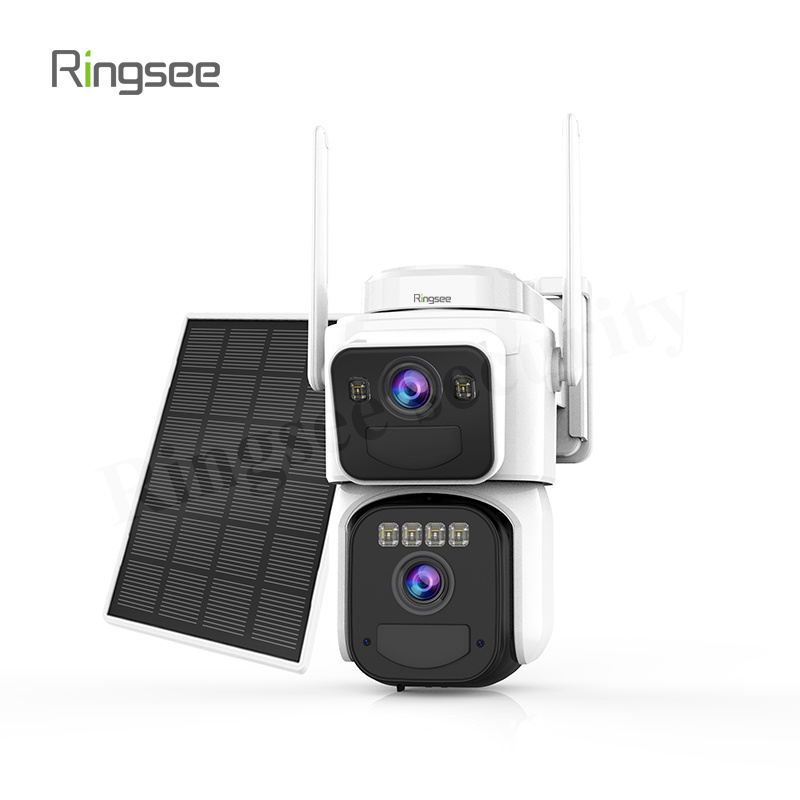
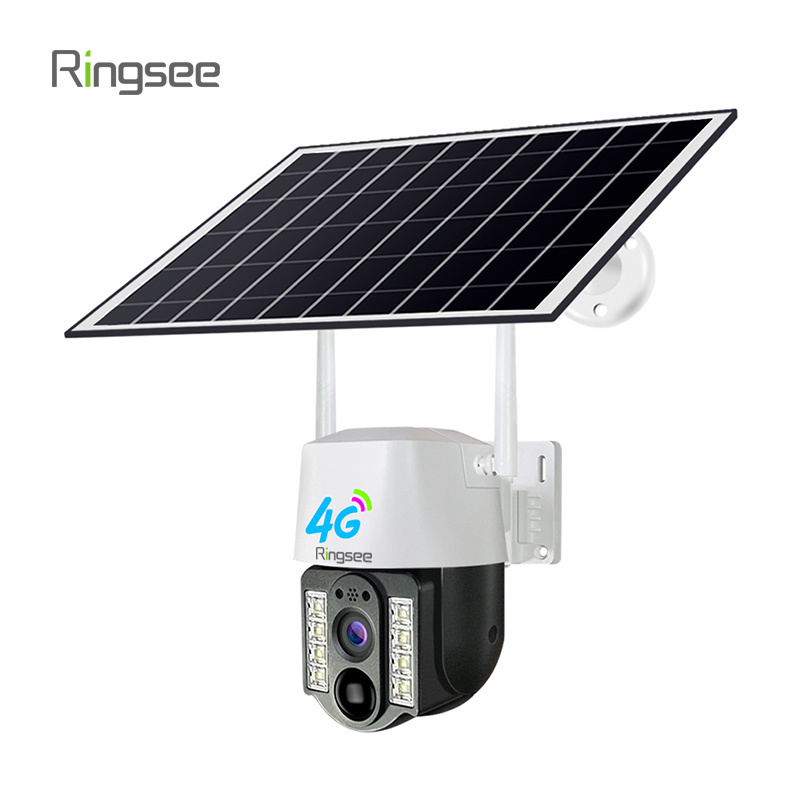
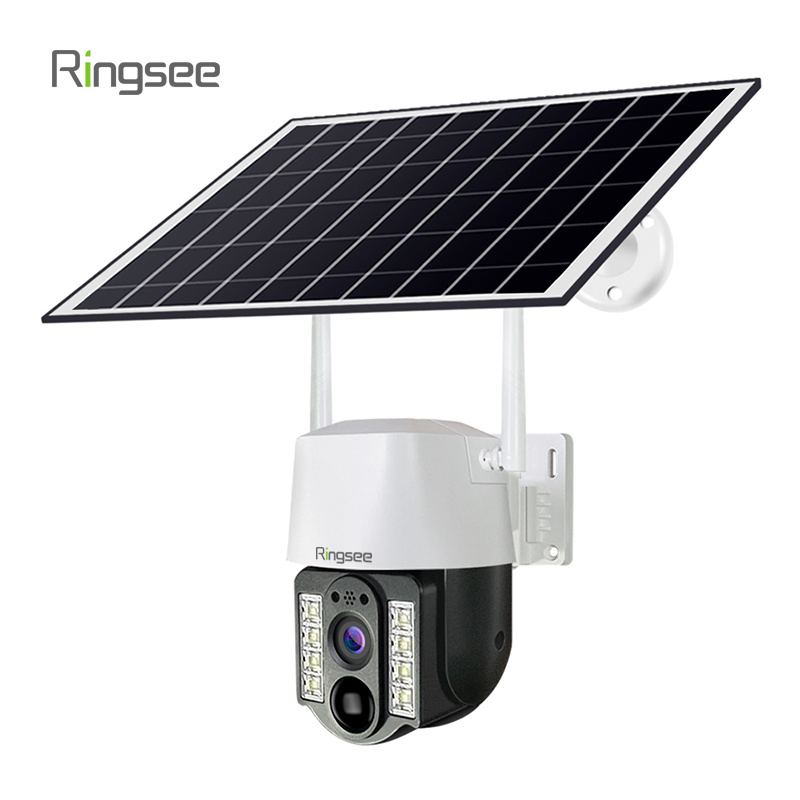
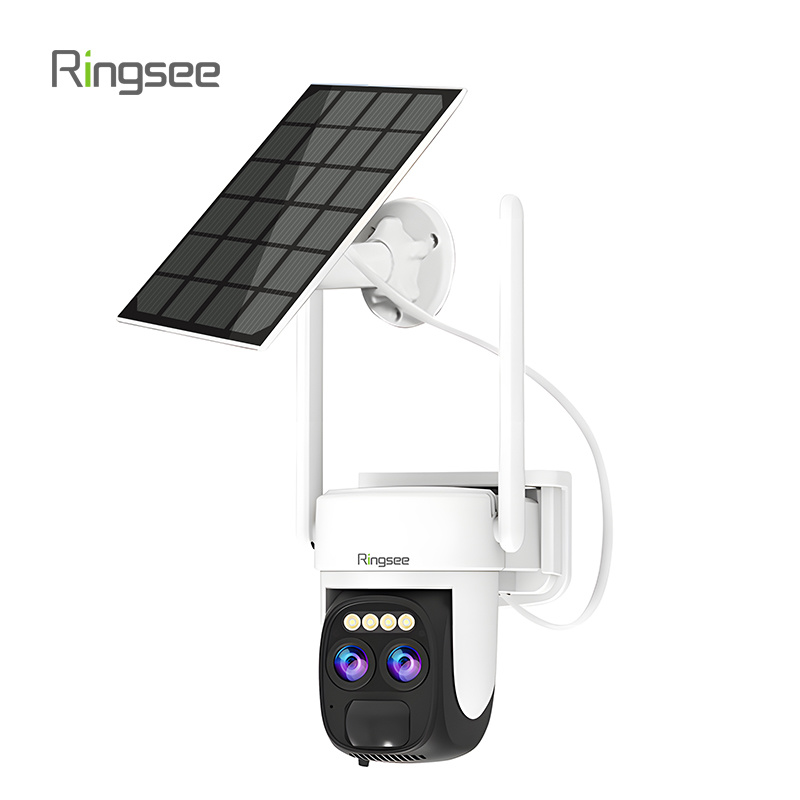
As the world shifts toward more sustainable technology, low-power solar cameras have emerged as an ideal solution for eco-conscious security systems. These innovative cameras combine cutting-edge surveillance technology with environmentally friendly features, making them an increasingly popular choice for both businesses and homeowners. In this article, we’ll explore why low-power solar cameras are the future of security and how they contribute to more sustainable, cost-effective, and reliable monitoring.
What Are Low-Power Solar Cameras?
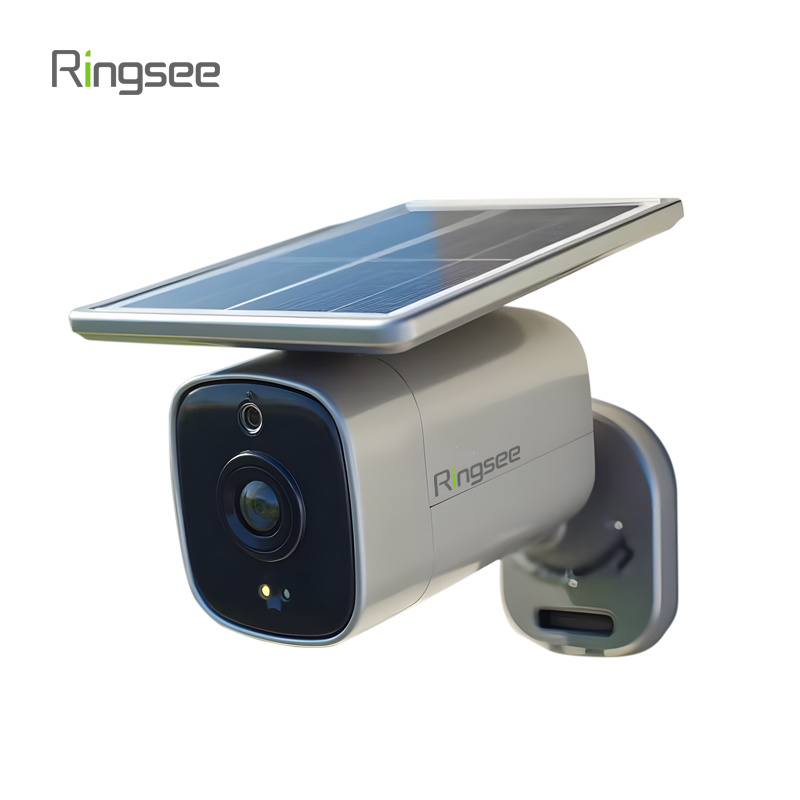
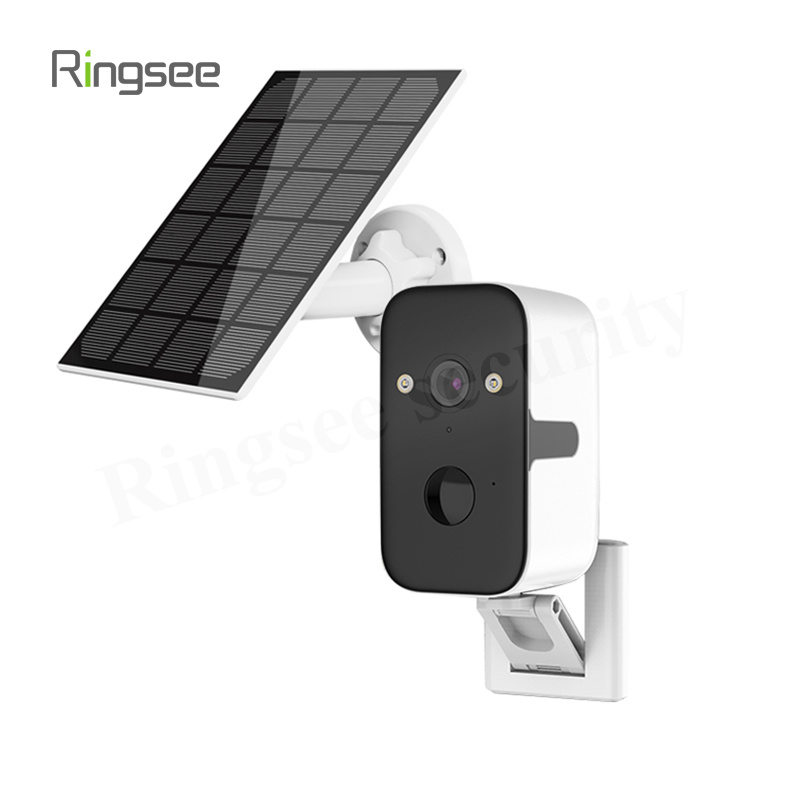
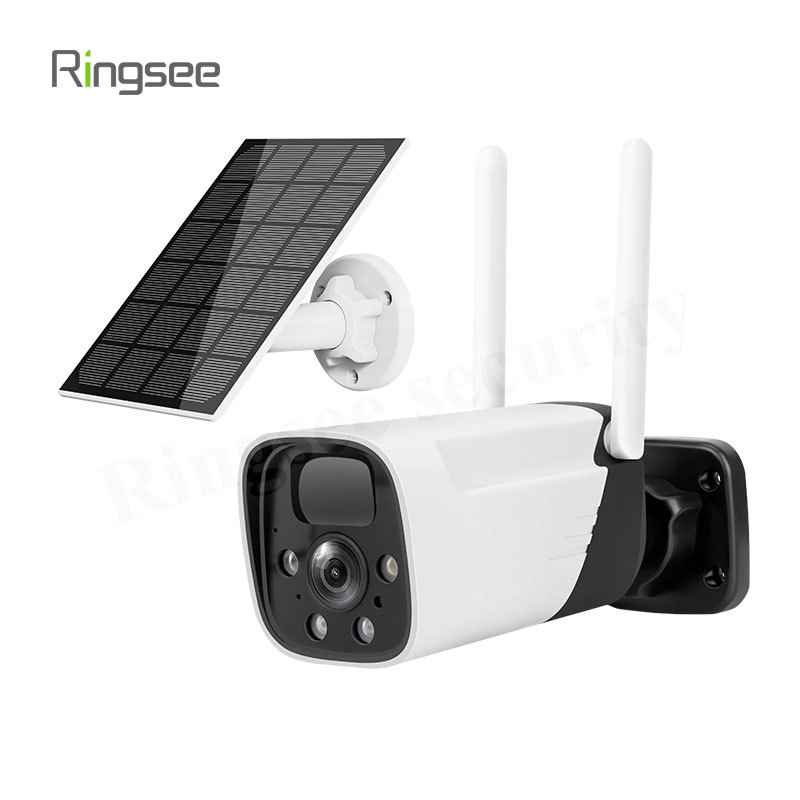
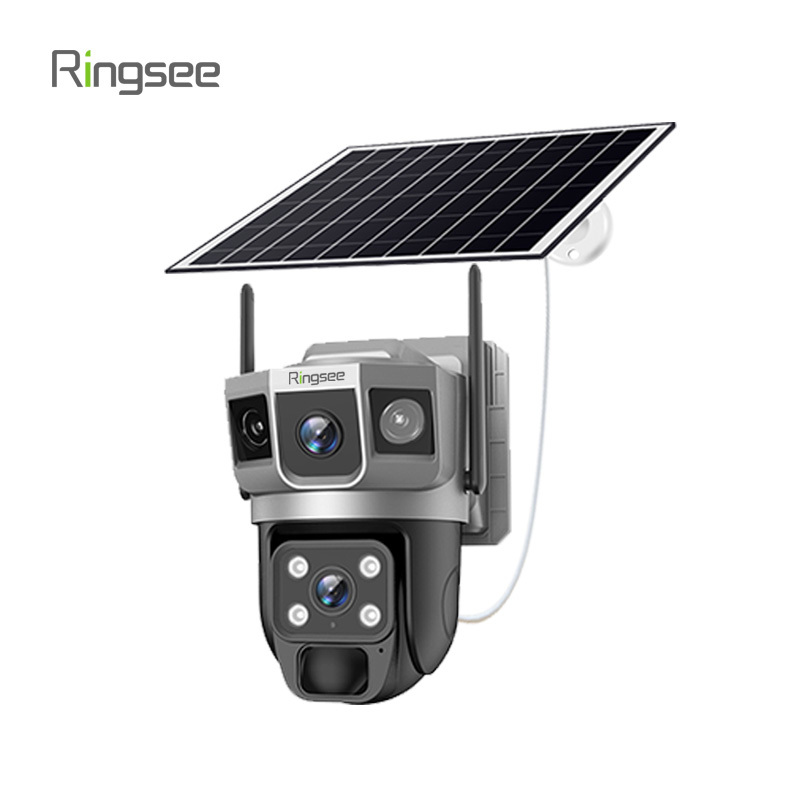
Low-power solar cameras are surveillance devices powered by solar energy, requiring minimal electrical input to operate. Unlike traditional cameras, which rely on the electrical grid or frequent battery changes, these cameras use renewable energy sources to function. The result is a more eco-friendly, cost-efficient, and self-sustaining security system that’s perfect for a variety of uses.

1. Sustainable Security: The Eco-Friendly Advantage
One of the biggest advantages of low-power solar cameras is their eco-conscious design. These cameras are powered entirely by solar energy, eliminating the need for external power sources and reducing their overall carbon footprint. As global concern about environmental impact continues to grow, adopting solar-powered surveillance camera offers a way to maintain security without contributing to energy waste or pollution.
By using renewable energy, solar cameras ensure that energy consumption is minimal, making them an excellent option for those who wish to reduce e-waste and promote sustainable practices in their security systems.
2. Cost-Effective Over Time: Save on Energy Bills
While low-power solar cameras may have a higher upfront cost compared to traditional wired or battery-powered cameras, they offer significant savings in the long run. Since these cameras are powered by solar energy, there’s no need to worry about monthly electricity bills. Additionally, the maintenance costs are often lower due to fewer components needing replacement, such as batteries.
For security system manufacturers and suppliers, the growing interest in these cost-effective options means that more people are making the switch to solar-powered cameras, recognizing their long-term value.
3. Perfect for Remote Locations: Off-Grid Surveillance
One of the standout benefits of low-power solar cameras is their ability to function in remote locations. Whether it’s a construction site, farm, or remote cabin, these cameras are ideal for places without reliable access to the electrical grid. With solar panels powering the cameras, they can provide 24/7 surveillance in off-grid areas where traditional power infrastructure might be challenging or expensive to set up.
Thanks to their self-sufficiency, solar cameras are rapidly becoming a go-to option for businesses and individuals looking to monitor hard-to-reach areas without relying on costly power solutions.
4. Reliable and Self-Sustaining: Always On, Day and Night
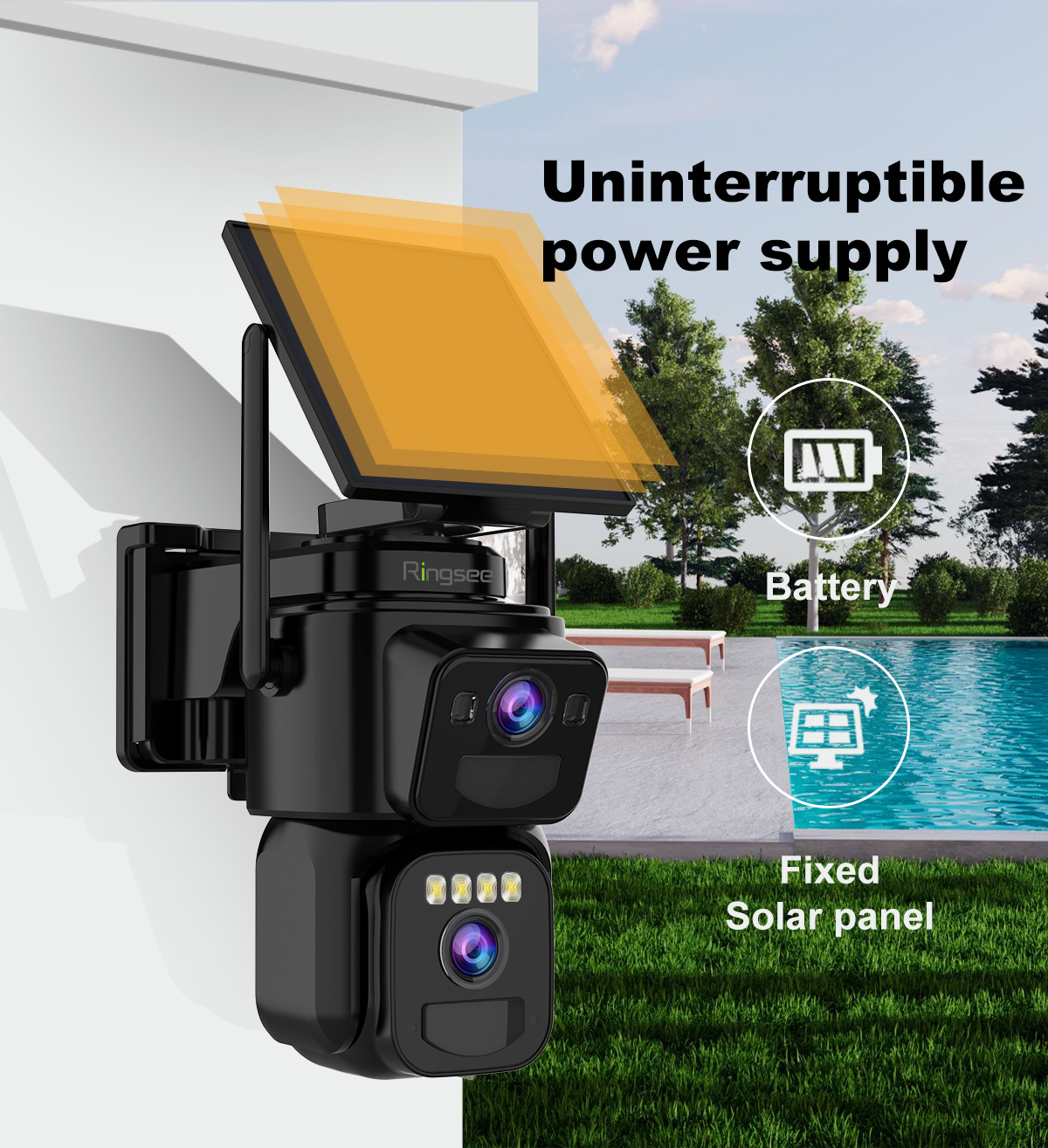
Low-power solar cameras are designed to be reliable and self-sustaining. These cameras are equipped with energy-efficient solar panels that store power during the day and ensure the camera remains operational at night. The ability to function independently from the grid ensures that your security system remains uninterrupted, even during power outages or in locations with unstable electrical supply.
As security camera manufacturers continue to innovate, solar cameras are becoming more efficient, providing uninterrupted surveillance no matter the conditions.
5. Advanced Features with Low Energy Consumption
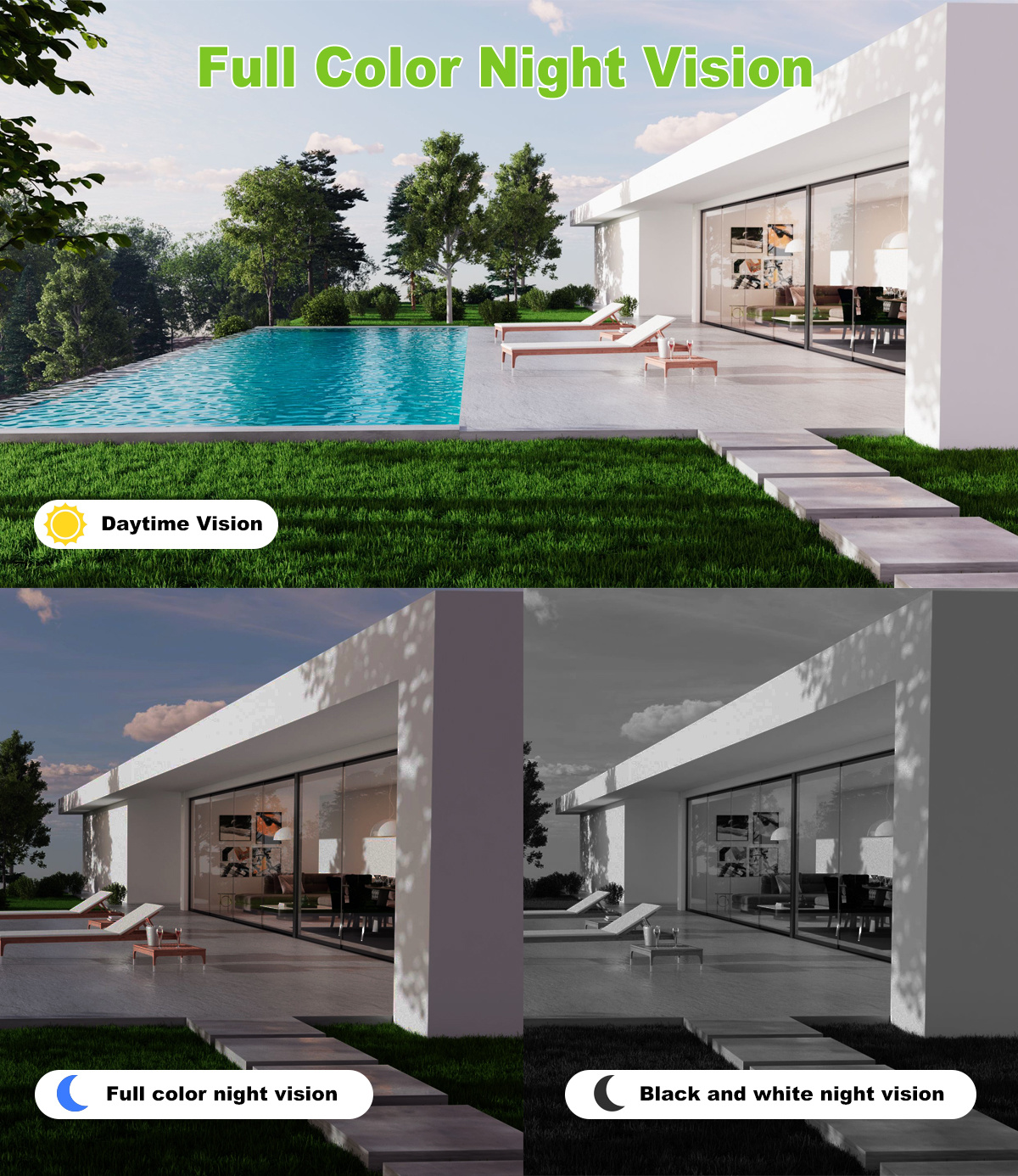
Despite their low energy requirements, low-power solar cameras don’t skimp on features. Modern solar-powered cameras come equipped with motion detection, HD video, night vision, and two-way audio—all of which are powered by minimal energy consumption. Thanks to advancements in solar technology, these cameras now offer the same high-quality performance as traditional systems, but without the energy drain.
As suppliers and manufacturers of security cameras innovate further, we can expect these features to become even more powerful while maintaining their energy-efficient nature.

6. Growing Demand for Sustainable Security Solutions
As environmental awareness increases, so does the demand for eco-friendly solutions. Businesses and consumers alike are choosing low-power solar cameras for their sustainability benefits. The shift toward sustainable security is also being supported by government regulations promoting energy-efficient products.
For security system suppliers, offering solar-powered options aligns with both the growing demand for green technology and the push for reducing environmental impact. As more people seek out eco-conscious products, low-power solar cameras are positioned to dominate the market.
In Conclusion: The Future of Security Is Solar-Powered
Low-power solar cameras are quickly becoming the go-to solution for eco-conscious security. With their environmentally friendly design, cost savings, and advanced features, these cameras are ideal for those looking to reduce their energy consumption while maintaining reliable surveillance. As the world moves toward more sustainable practices, solar-powered cameras are not just a trend—they represent the future of smart, green security.
If you’re a security camera manufacturer or supplier, the growing demand for low-power solar cameras offers a unique opportunity to cater to the market's evolving needs. By embracing solar security systems, you’re not only offering a high-tech product but also contributing to a greener, more sustainable future.
Related News
PoE was power. This is control: CCTV Network Security Hardening Guide
Short answer: video systems get breached the boring way, not through clever exploits - (1) factory default credentials never changed, (2) camera or NVR management ports forwarded to the public internet, (3) no separation between the CCTV network and the office LAN. Do three things: replace every default account and disableTelnet/FTP/UPnP/raw RTSP; put cameras in their own VLAN and only allow the NVR to initiate sessions; and reach video over VPN or a zero-trust gateway instead of a port mapping.
Oct 03,2026
PoE Power Design Guide for Security Cameras: Power Budget, Cable Voltage Drop and Distance Limits
Most "cameras keep restarting at night" incidents are not camera defects — they are power design errors. Three root causes cover the overwhelming majority of PoE failures: the power budget was sized on daytime draw instead of night peak, the cable is too thin so voltage drop exceeds the device undervoltage threshold, and the run simply exceeds the 100-metre channel limit. Memorise three numbers and you avoid most of the traps: 802.3af delivers 15.4 W, 802.3at delivers 30 W, and cable reach stops at 100 m.
Oct 03,2026
Bitrate (Mbps) is the single parameter that determines hard drive size, switch selection, and remote-viewing smoothness. Two formulas answer everything: storage per camera per day (GB) ≈ bitrate × 10.8, and total bandwidth = sum of simultaneous bitrates × 1.3 headroom. This guide covers encoding, calculation, and procurement sizing.
Sep 26,2026
CCTV Night Vision Technology Explained: Infrared vs Starlight Full-Color vs Hybrid Light
Three night vision routes and their real limits: 850nm vs 940nm infrared (red glow and range trade-offs), the lux threshold of true starlight cameras (0.001-0.005 lux), light-pollution risks of warm-light supplement, and AI-triggered hybrid switching — plus a six-point datasheet verification method and a 20-minute night PoC test.
Sep 26,2026
CCTV Lens Selection Technical Guide: Focal Length, Pixel Density & the DORI Standard in Practice
Why can't a 4K camera read faces? Because identification depends on pixel density, not total pixels. Using the EN 62676-4 DORI standard, this guide gives the full focal-length / distance / field-of-view formulas, a lens selection lookup table, and the real impact of sensor size and aperture on night vision.
Sep 19,2026
Links:One Belt Power Technology
Add: 14th Floor, Baoshan Building, Longhua District, Shenzhen China.
Privacy Policy | SEO | CitySite | Support: 300.cn Dongguan