
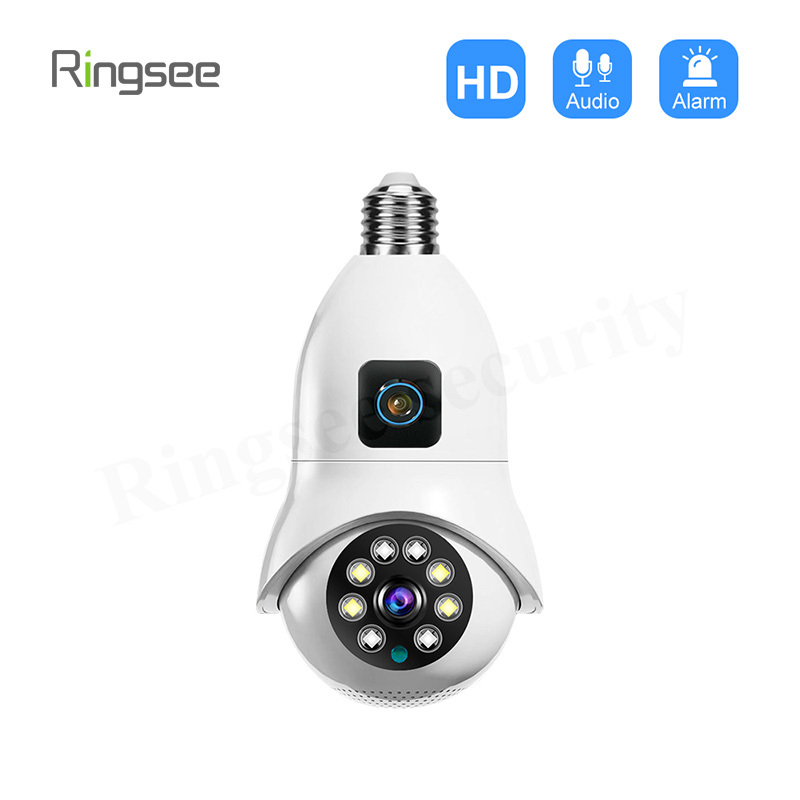
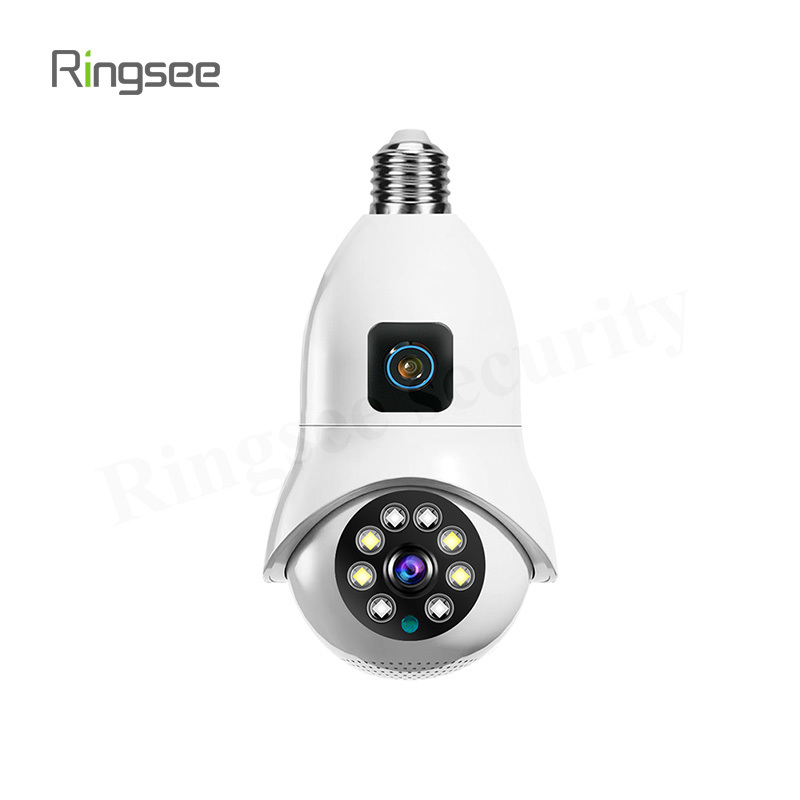
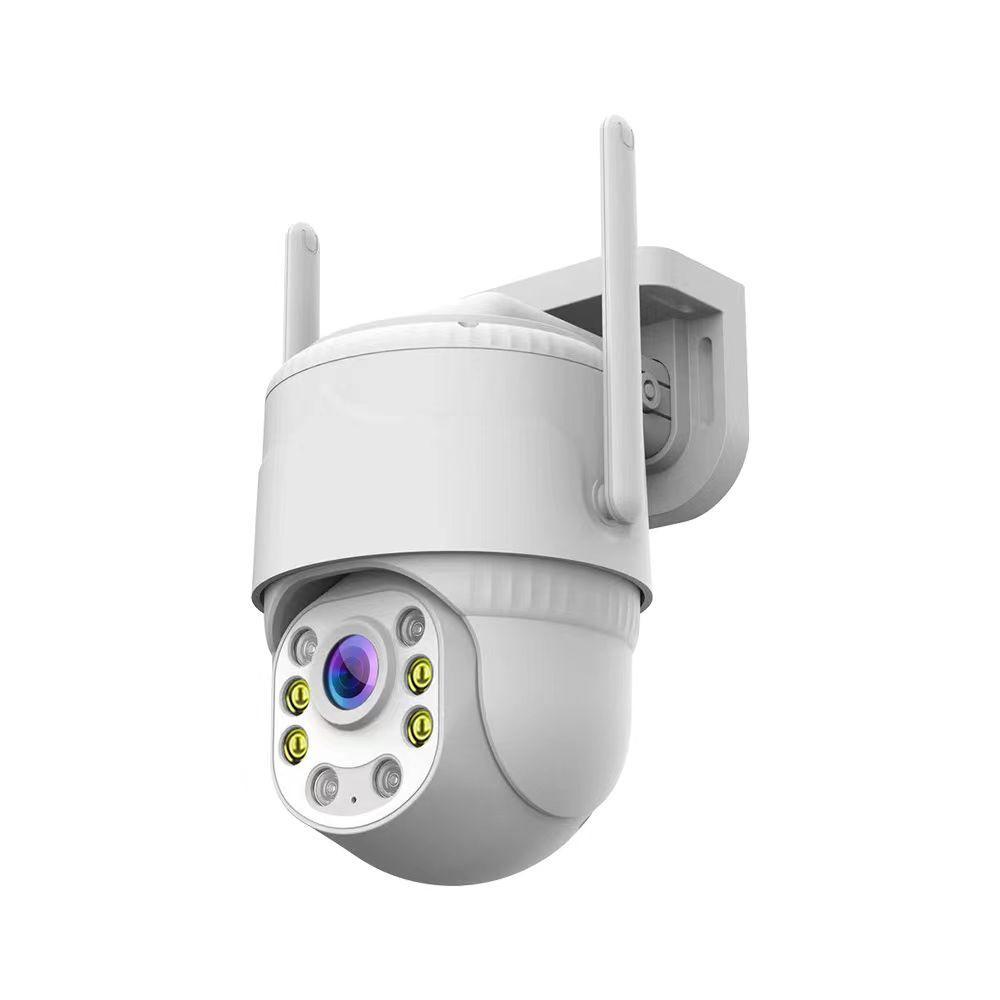

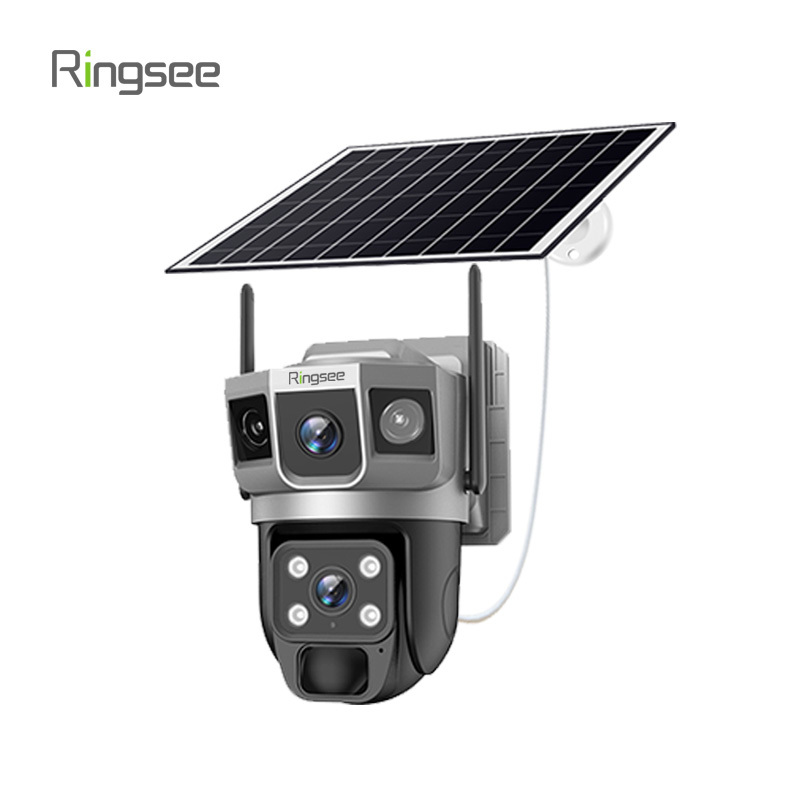
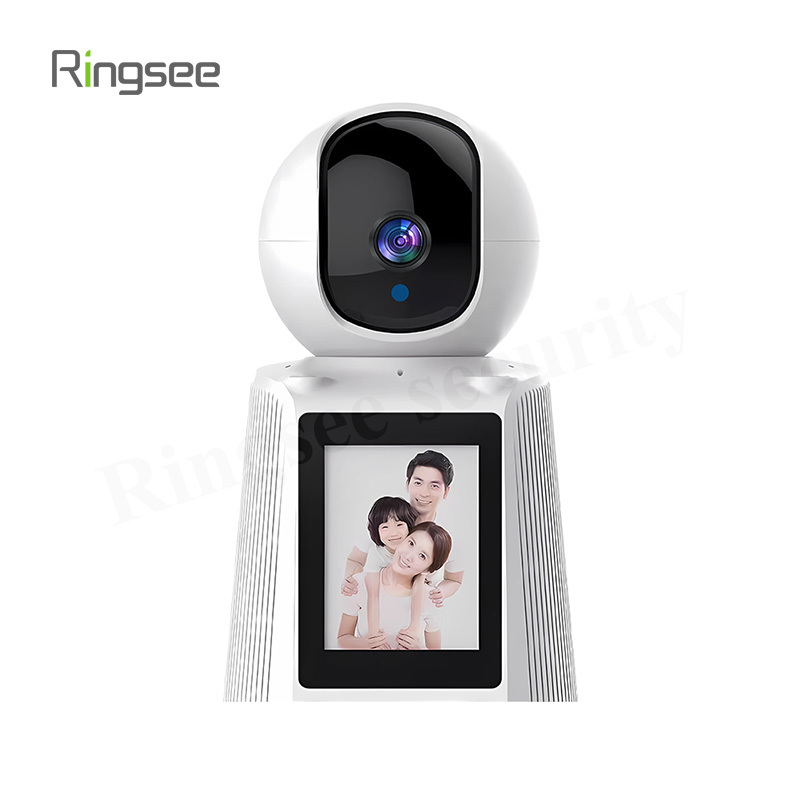

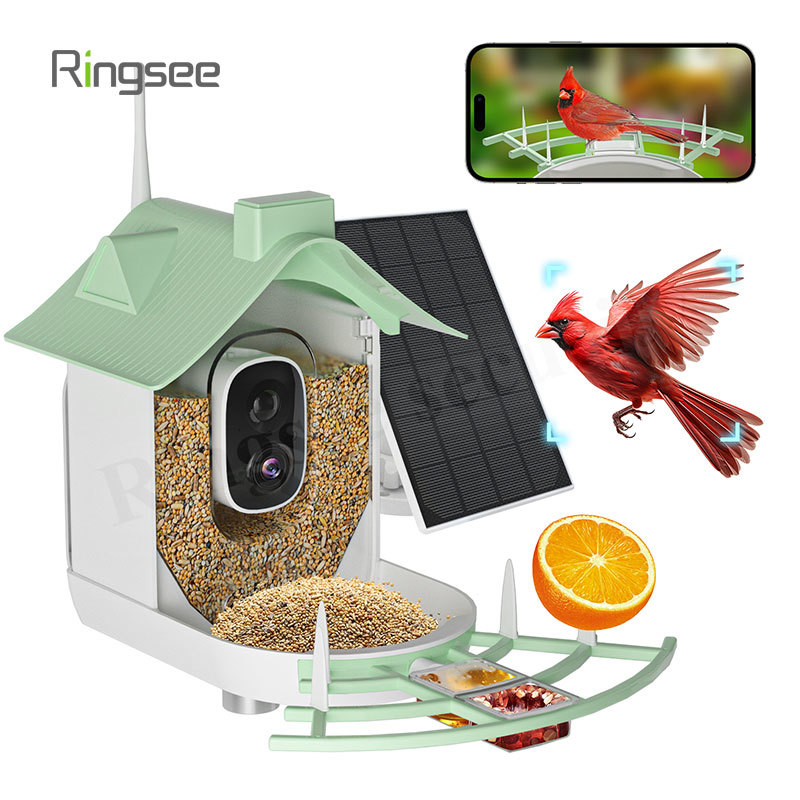
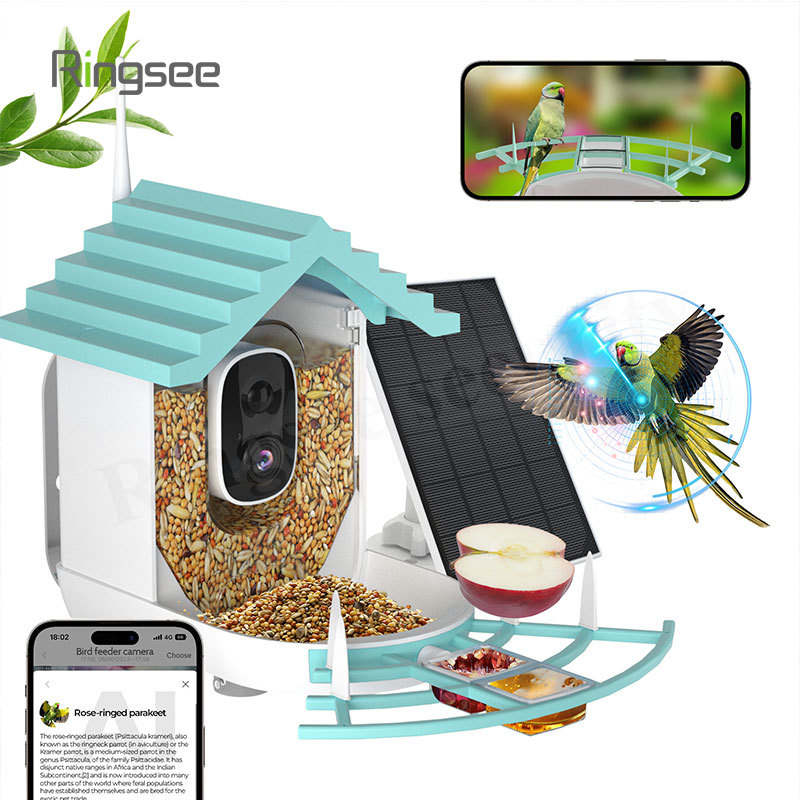
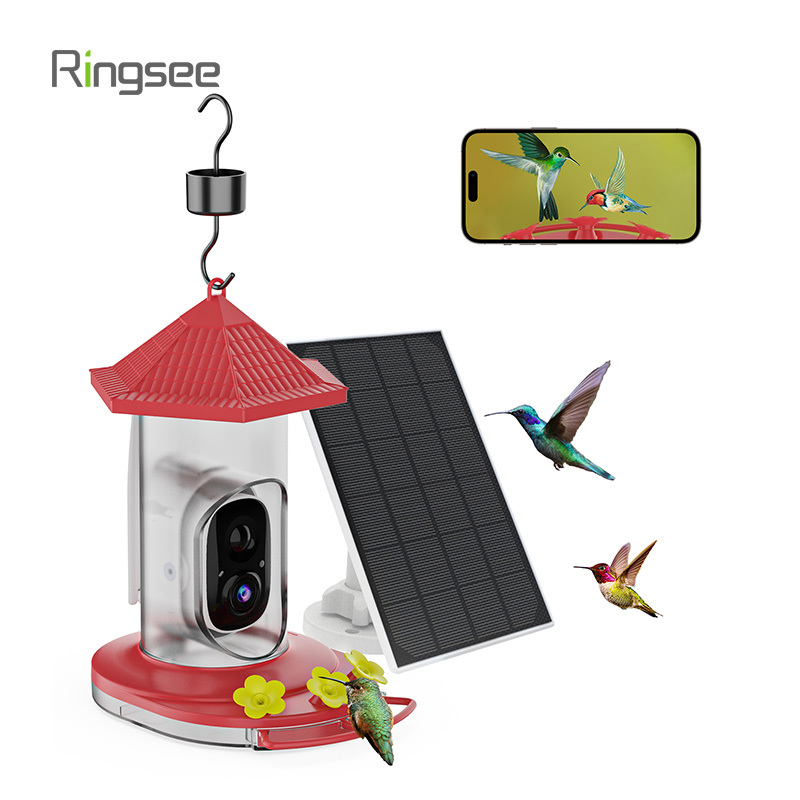
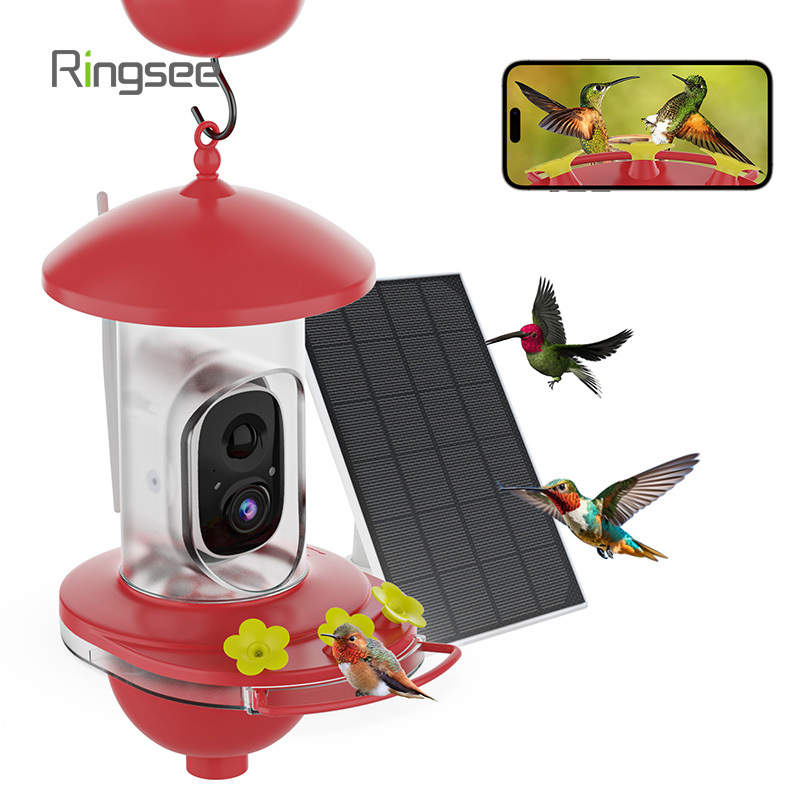



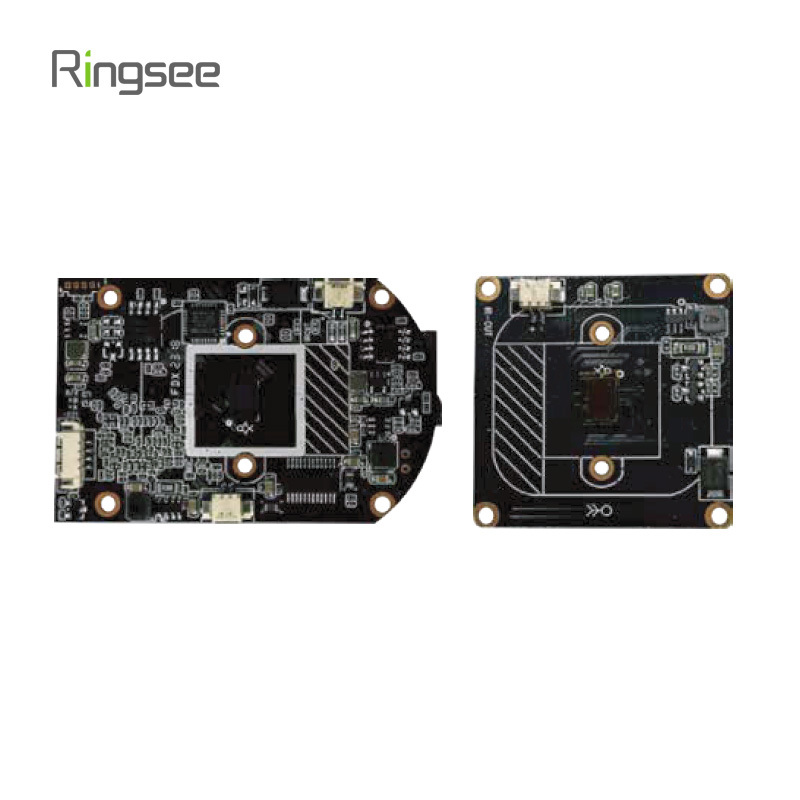
Ringsee 4G/Wi-Fi Low-Power Solar Camera: A Practical Guide to Smarter Outdoor Security
Publish:
2026-04-01 13:23
Source:
https://www.ring-see.com
Discover the benefits of 4G/Wifi low-power solar security cameras for your home or business. Learn how Ringsee's eco-friendly, energy-efficient cameras with HD resolution, night vision, and weatherproofing offer a sustainable and cost-effective solution for modern surveillance needs. Protect your property with cutting-edge technology today!
Security needs are changing. More property owners now want surveillance systems that are easier to install, cheaper to maintain, and more flexible to deploy in places where running cables is difficult. That is why 4G and Wi-Fi low-power solar cameras have become a practical option for both residential and commercial security.
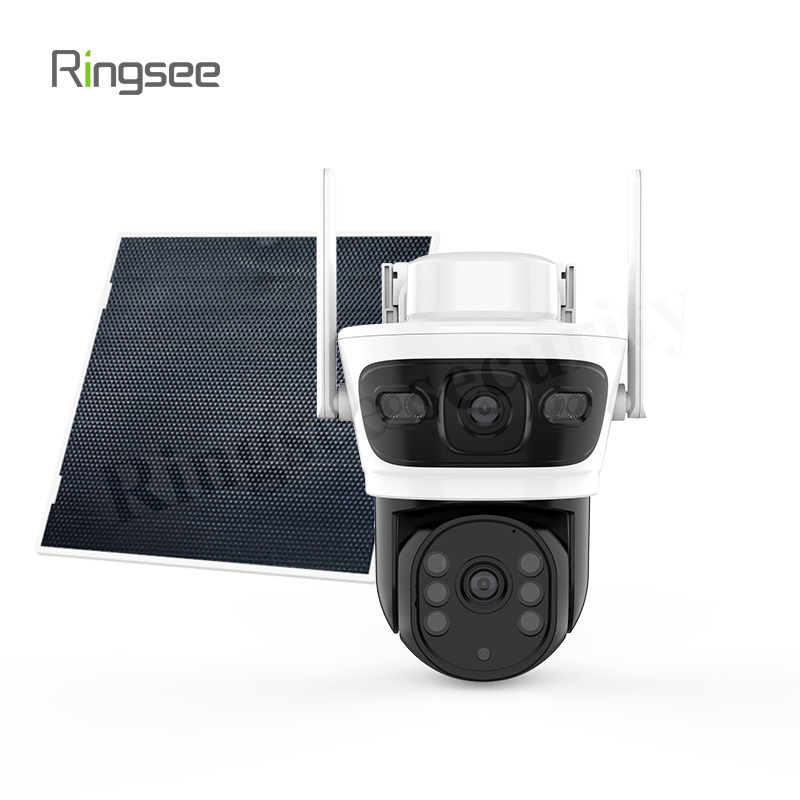
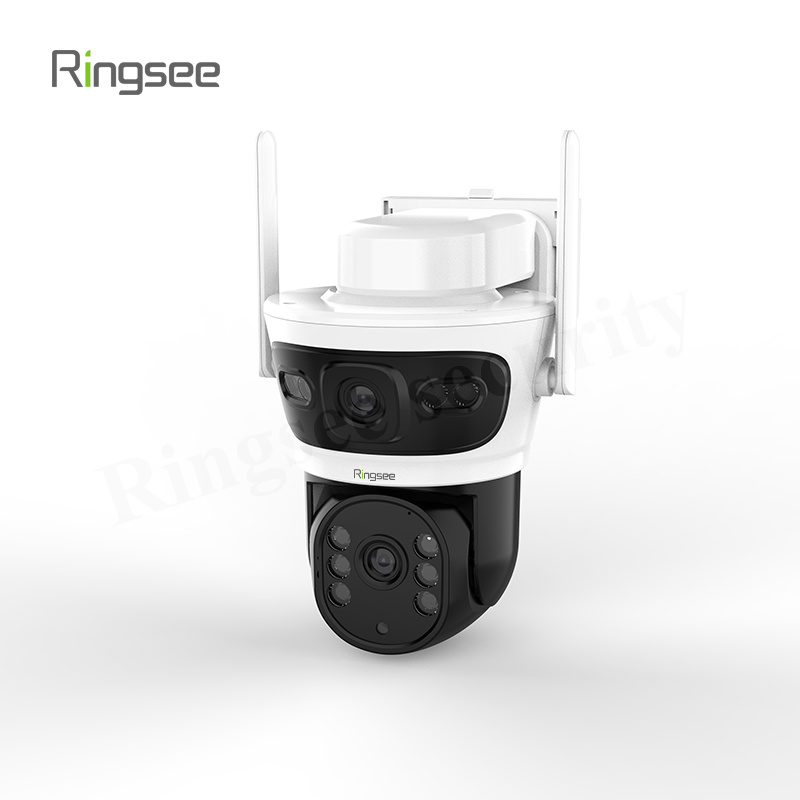
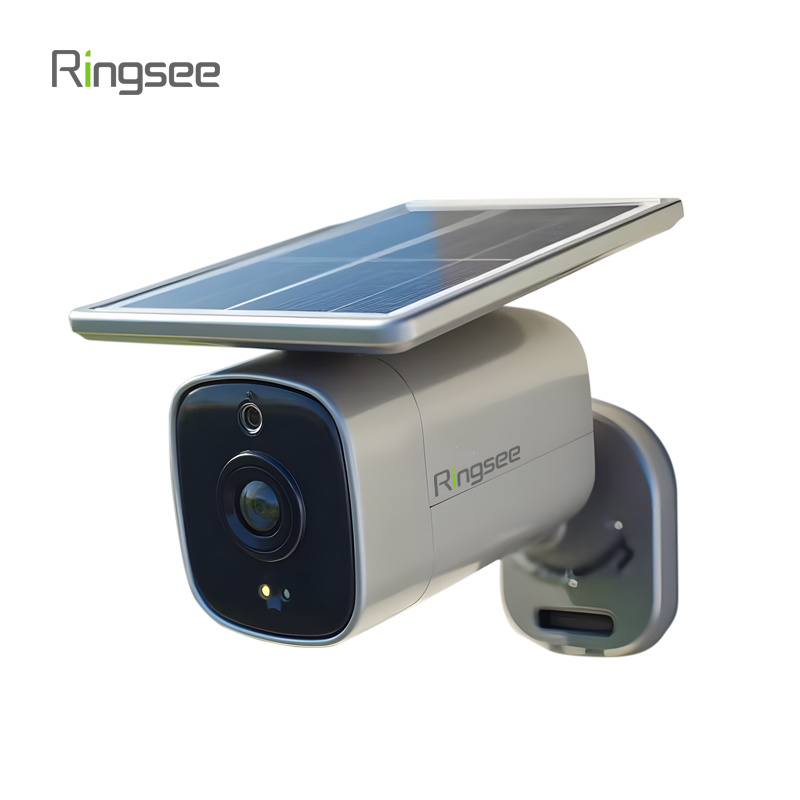
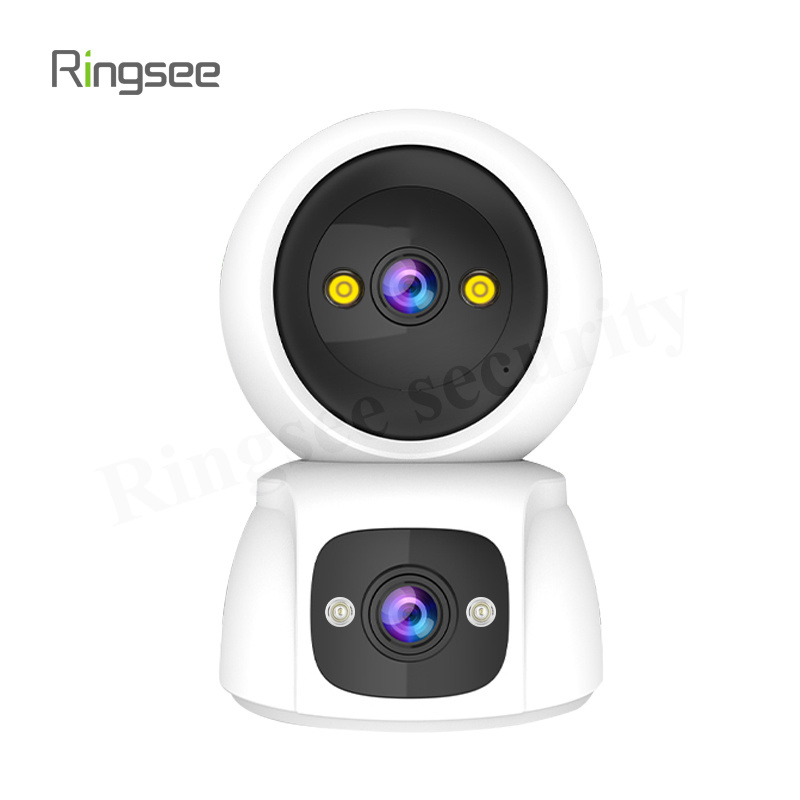
A well-designed solar camera combines wireless connectivity, efficient power management, and outdoor durability. When these features work together, the result is a system that can monitor remote areas, reduce wiring costs, and support long-term operation with less manual maintenance. For homes, farms, warehouses, parking areas, construction sites, and retail properties, this type of camera can solve a real problem: how to maintain reliable security without depending entirely on grid power or complicated installation. Ringsee’s article highlights this category of camera, including HD video, infrared night vision, weatherproof construction, and solar-plus-battery power support.
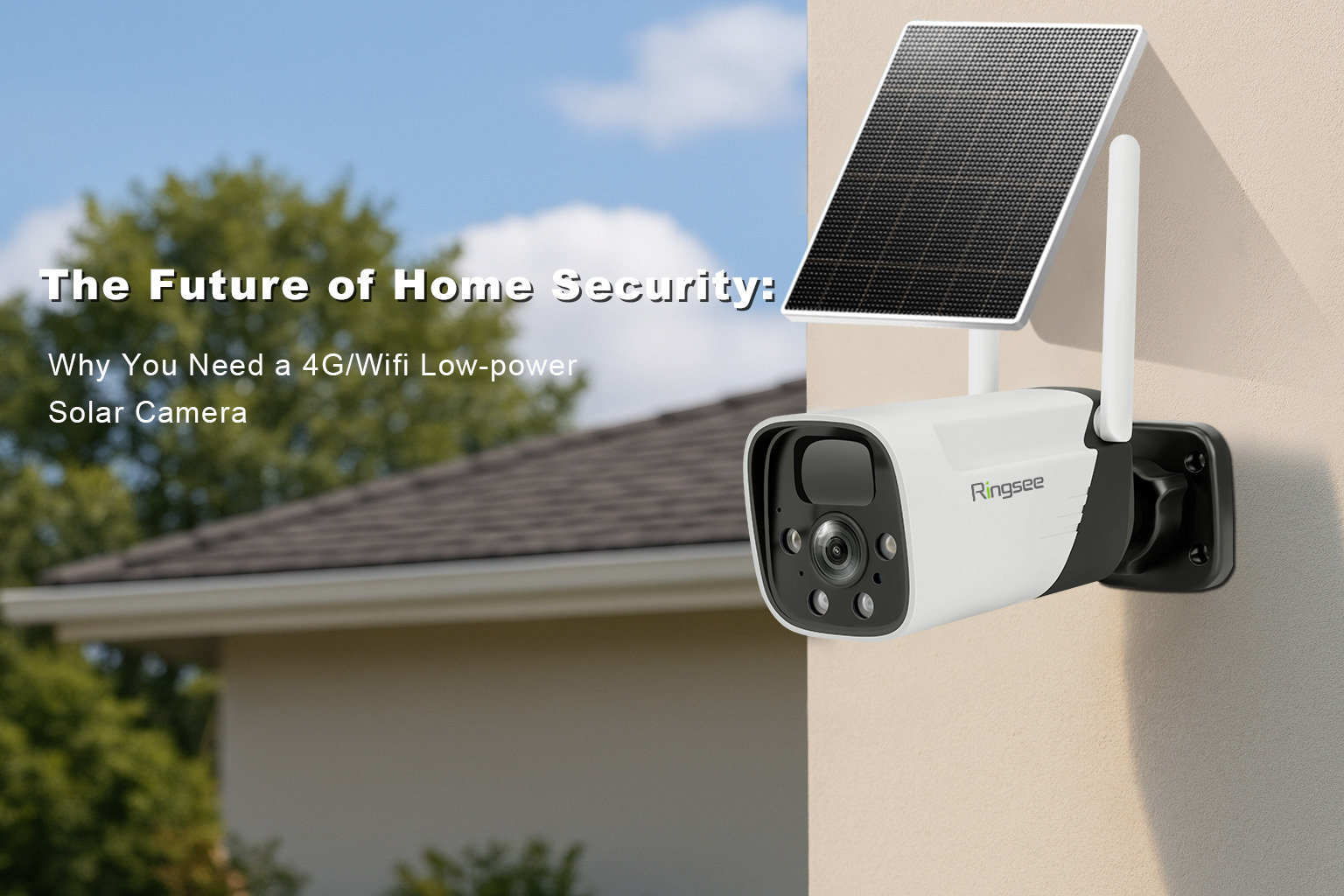
Why 4G and Wi-Fi Matter in Outdoor Security
Traditional wired systems often require more planning, more installation labor, and more infrastructure. That can be acceptable for some buildings, but it is not always practical for open spaces or temporary sites.

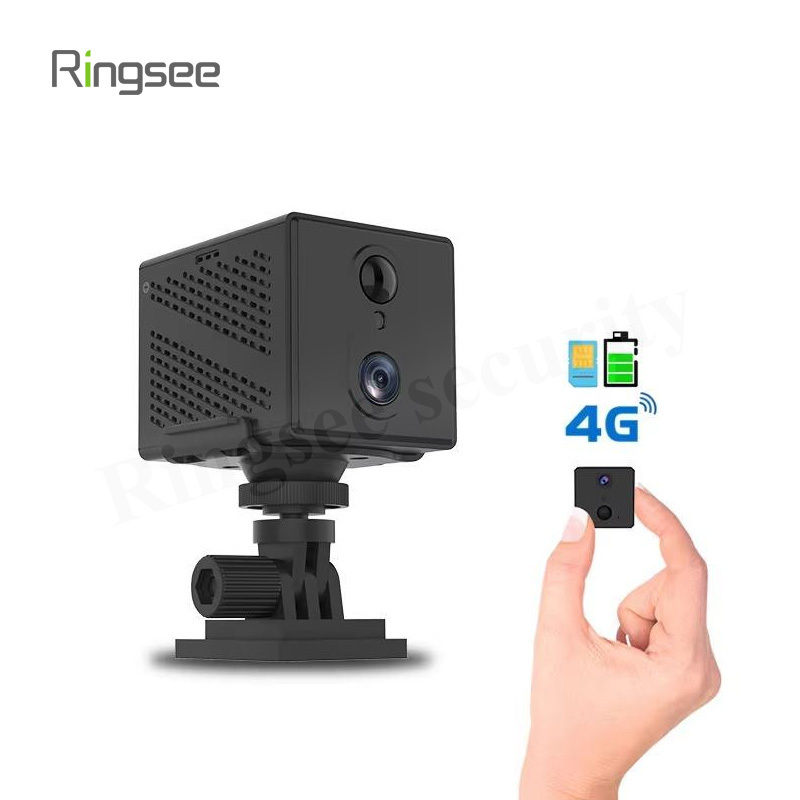
A 4G camera is especially useful where Wi-Fi is unavailable or unstable. It can transmit video through a cellular network, which makes it suitable for remote properties, outdoor sites, or locations without fixed broadband access. A Wi-Fi camera, on the other hand, works well where a stable local network already exists and the user wants simple remote viewing through a mobile app.
In both cases, wireless communication makes the security system easier to deploy. Instead of depending on long cable runs, users can place the camera in a more strategic position for coverage. That flexibility can improve visibility around gates, driveways, loading zones, garden entrances, sheds, and perimeter walls.
The Role of Solar Power in Modern Surveillance
Solar-powered security cameras are built around a simple idea: use sunlight to reduce dependency on manual charging and wired electricity. For many outdoor use cases, this is a major advantage.
A solar camera is helpful in places where electricity is expensive to install or difficult to access. It is also valuable for properties that need long-term monitoring with less routine maintenance. A camera that supports solar charging can continue operating in a more self-sustaining way, especially when paired with a battery backup.
This does not mean solar power removes every operational concern. Panel placement, sunlight exposure, and local weather conditions still matter. But when the system is sized and positioned correctly, solar charging can greatly reduce the need for frequent intervention. That is one reason solar cameras are popular in rural areas, on construction sites, around farms, and at other outdoor locations that are not always close to a power outlet.
What “Low Power” Really Means

Low-power design is one of the most important features in this category. It is not just a technical specification; it directly affects usability.
A low-power camera is designed to consume less energy while still supporting essential surveillance functions. That efficiency can help the battery last longer, reduce charging demands, and improve overall reliability. For solar-powered systems, this is especially important because energy generation depends on daylight availability.
Low power becomes even more valuable when the camera must stay active for long periods or operate in changing weather conditions. If the device uses power efficiently, it is easier to keep it running consistently. For users, that means fewer interruptions, fewer charging concerns, and a better chance of maintaining continuous monitoring.
Key Features to Look for in a Solar Security Camera
Not every solar camera offers the same performance. Before choosing a model, it helps to evaluate the core features that affect real-world use.
A strong outdoor camera should offer clear video quality so that faces, vehicles, and movement can be identified more easily. HD resolution is a good starting point, especially when the footage may later be used for review or evidence.
Night vision is another essential feature. Many security events happen after dark, so the camera should remain useful in low-light conditions. Infrared night vision is common in this category, and it helps maintain visibility when ambient light is limited.
Weather resistance is equally important. A camera mounted outdoors must withstand rain, heat, dust, and seasonal temperature changes. Without a weatherproof design, reliability drops quickly.
Power efficiency should also be evaluated carefully. A solar camera with strong battery support and efficient energy use will usually perform better over time than a system that depends too heavily on frequent charging.
Finally, remote viewing and mobile alerts should be easy to use. Security is most effective when users can quickly check live footage, review playback, and receive alerts without technical friction.
Where a 4G/Wi-Fi Solar Camera Works Best
This type of security camera is not limited to one setting. It can be effective in several practical scenarios.
For homes, it can monitor driveways, front yards, backyard entrances, side gates, garages, and vacation properties. Families often choose this kind of system because it offers a balance of convenience and flexibility.
For businesses, it can monitor store exteriors, warehouse perimeters, loading areas, employee parking zones, and temporary storage spaces. A wireless solar camera is often easier to deploy than a wired system when the site layout changes or when the area is large.
For rural properties, it can provide coverage where wired internet and electrical access are limited. Farms, ranches, and remote cabins are common examples.
For construction and project sites, it can support temporary surveillance without the cost of permanent wiring. That is useful when the site changes over time or when the camera needs to be moved from one zone to another.

Why Buyers Should Pay Attention to Total Cost, Not Just Purchase Price
A common mistake is to compare security cameras only by the upfront cost. In practice, the total cost of ownership matters more.
A camera that looks inexpensive at first may become costly if it requires frequent charging, complicated wiring, or ongoing maintenance visits. By contrast, a low-power solar camera can reduce those hidden costs over time.
That is why buyers should ask a few practical questions before making a decision. How difficult is installation? How often will maintenance be needed? Does the system require a power outlet nearby? Is the connection stable in the intended location? These questions often matter more than marketing claims.
For many users, the value of a solar camera comes from long-term convenience. Less wiring, fewer service calls, and lower energy dependence can make the system more efficient across months and years of use.
Ringsee’s Approach to Outdoor Solar Security
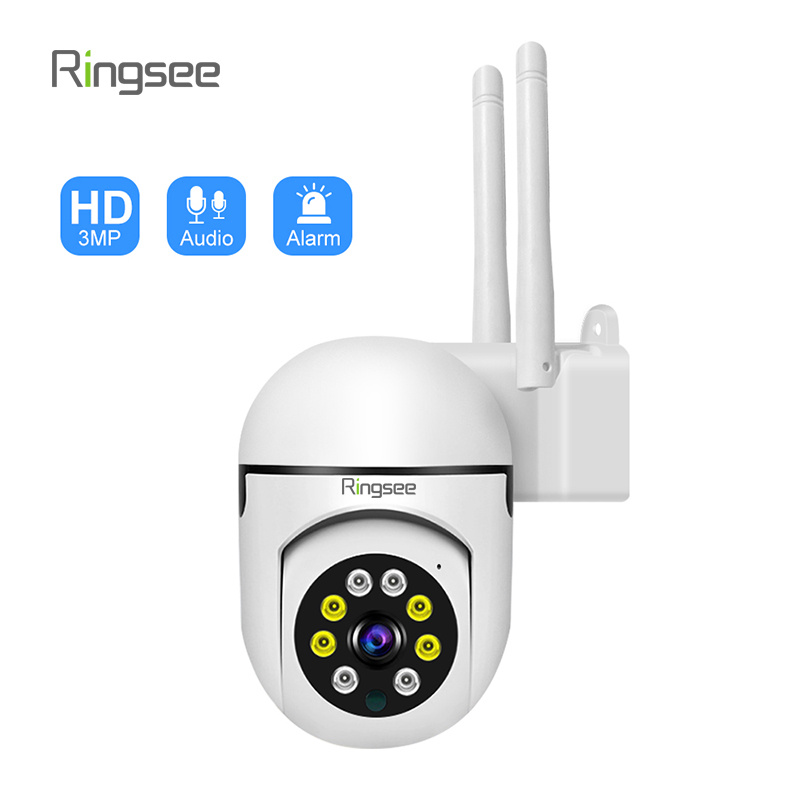
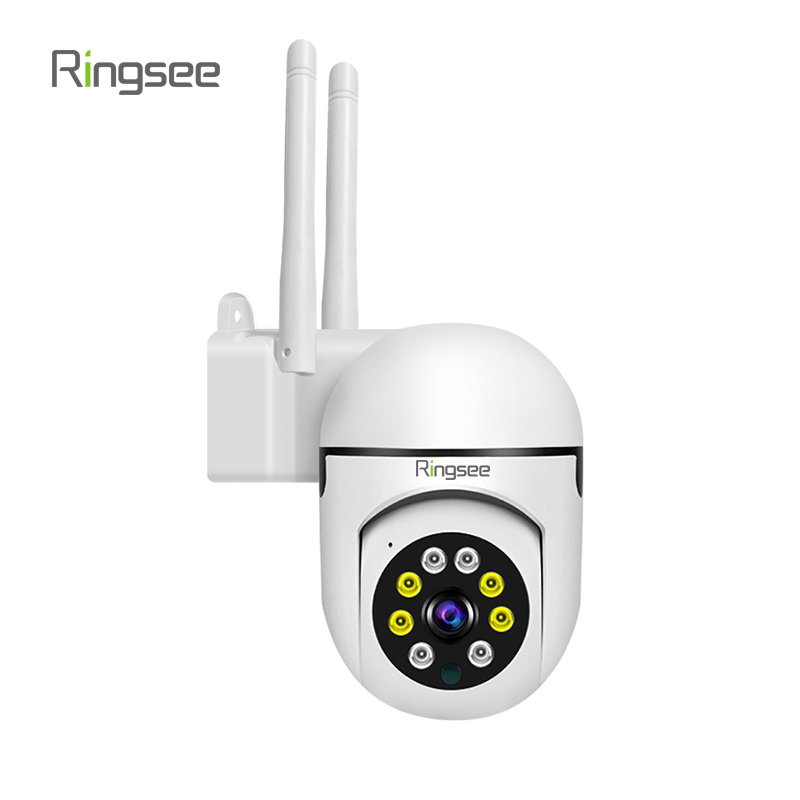
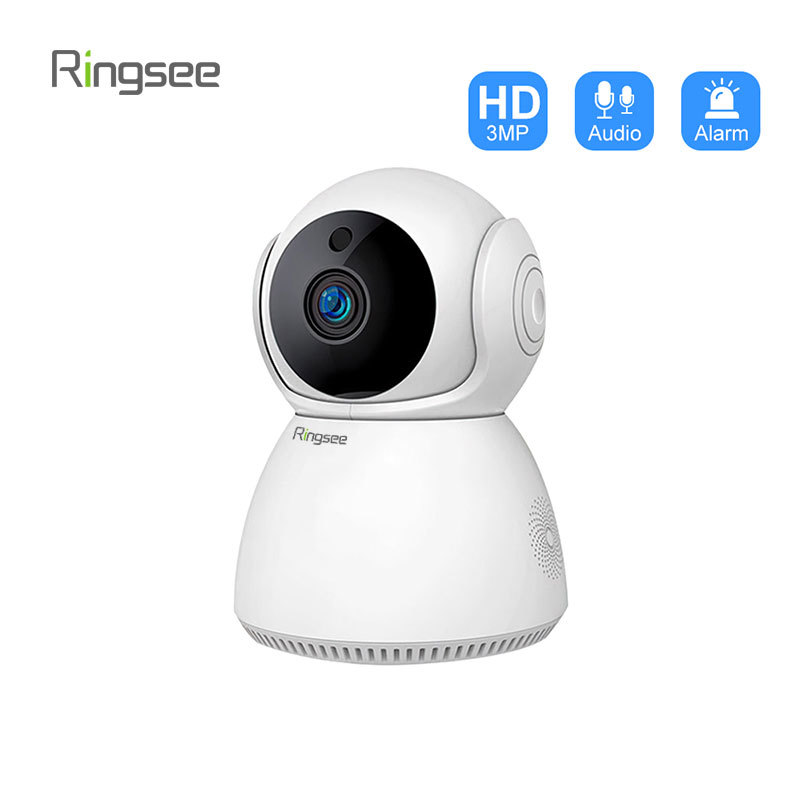
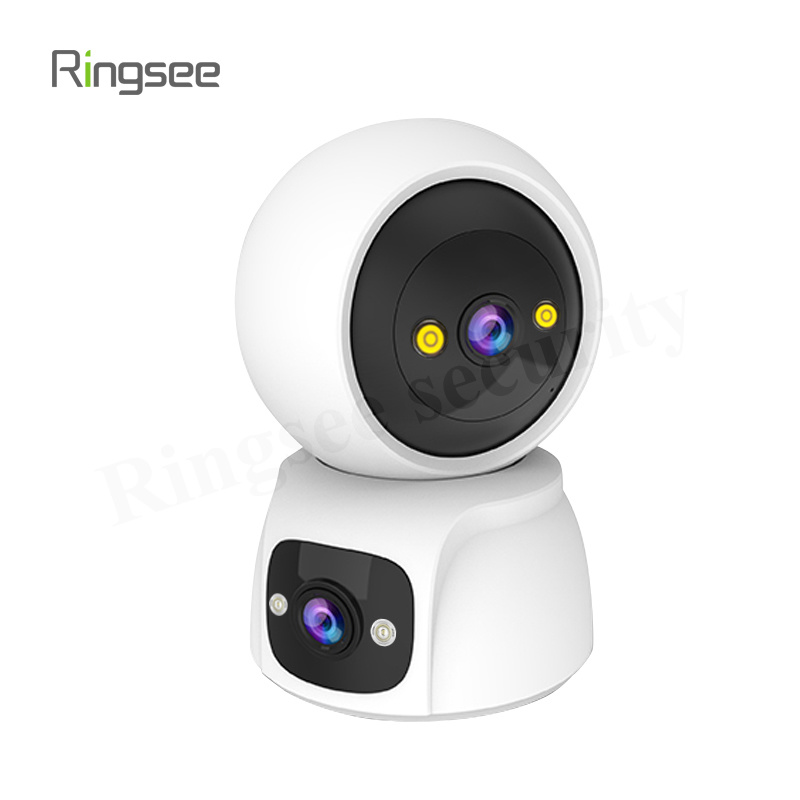
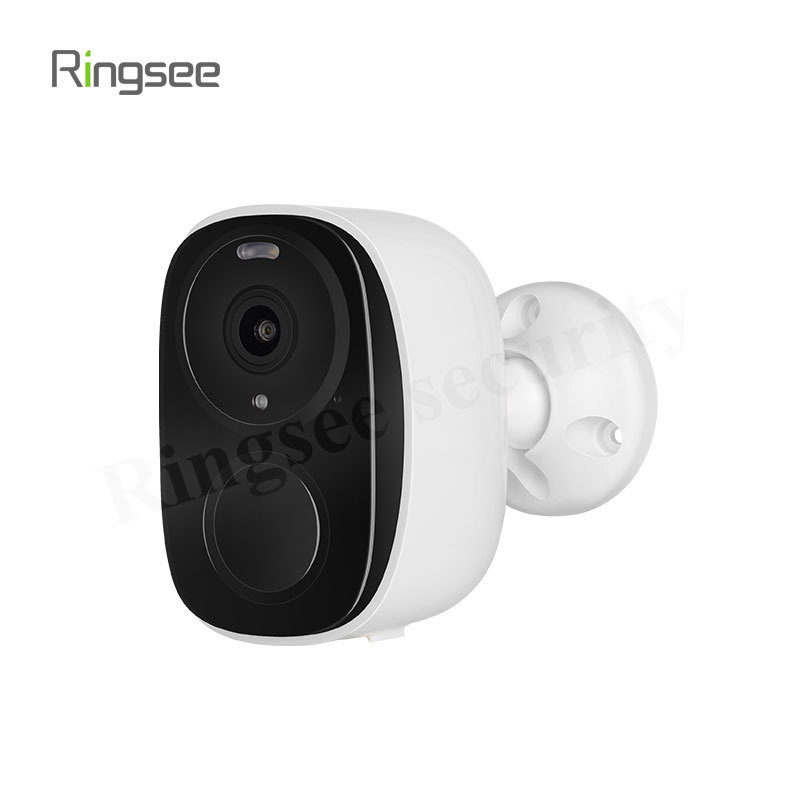
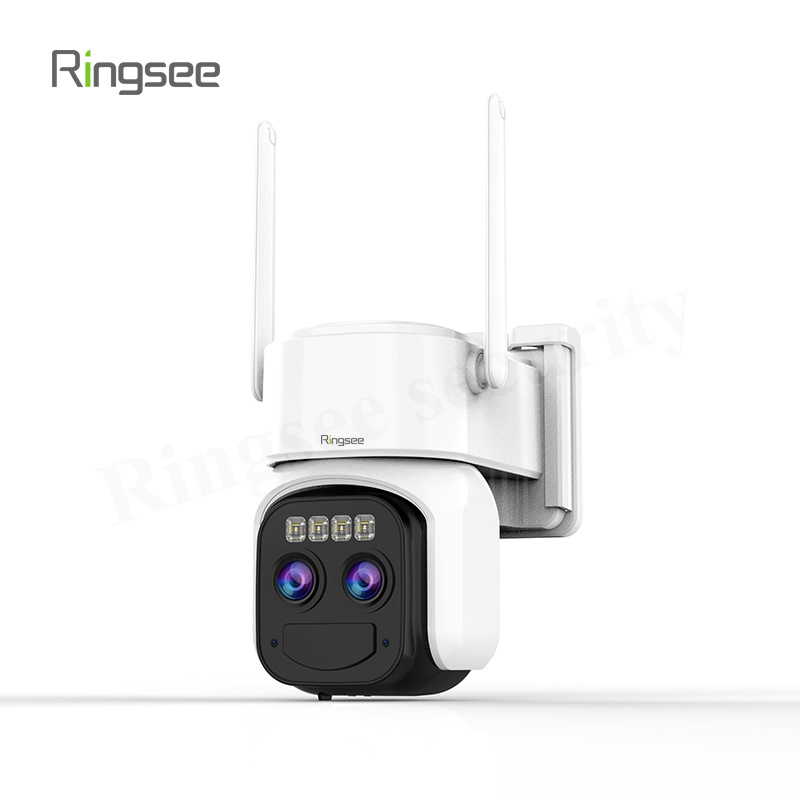
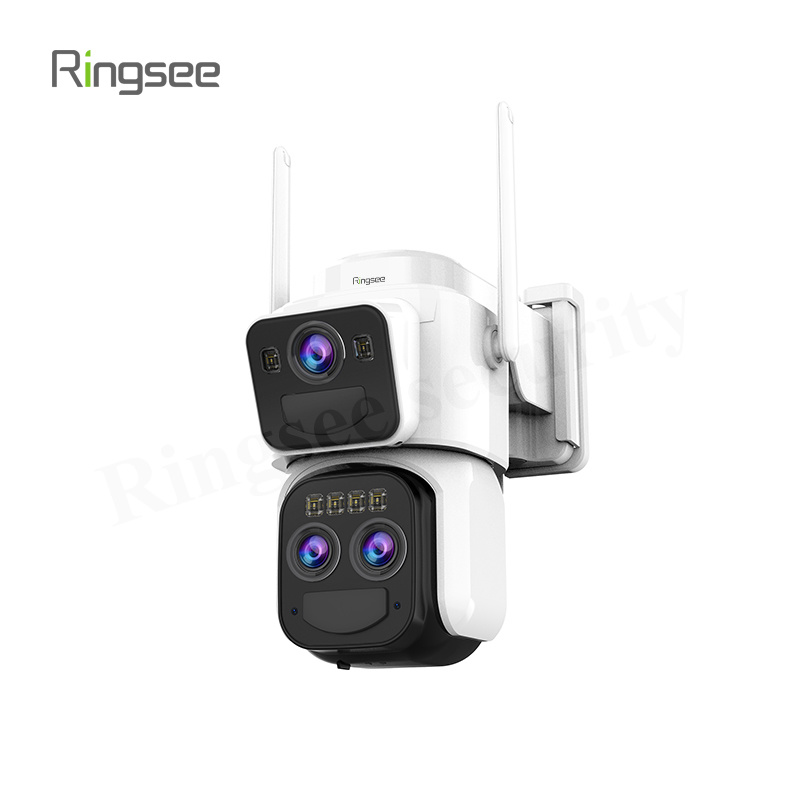
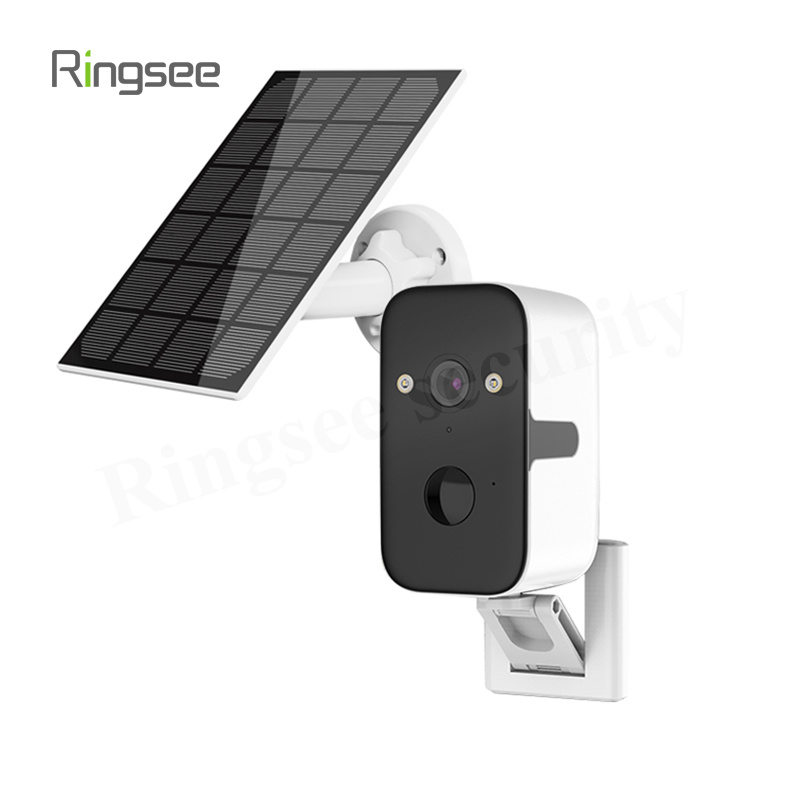
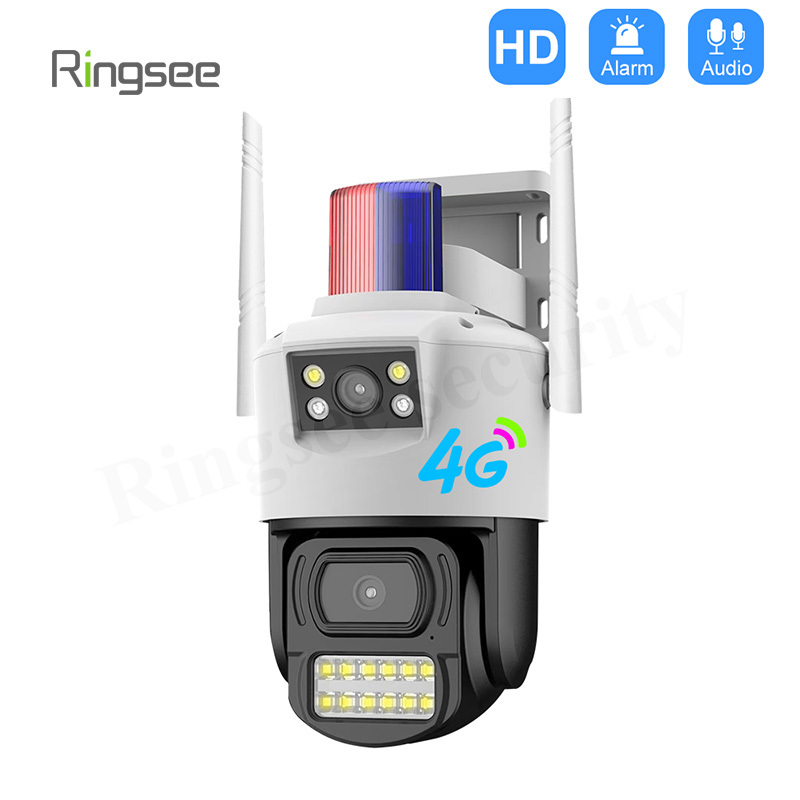
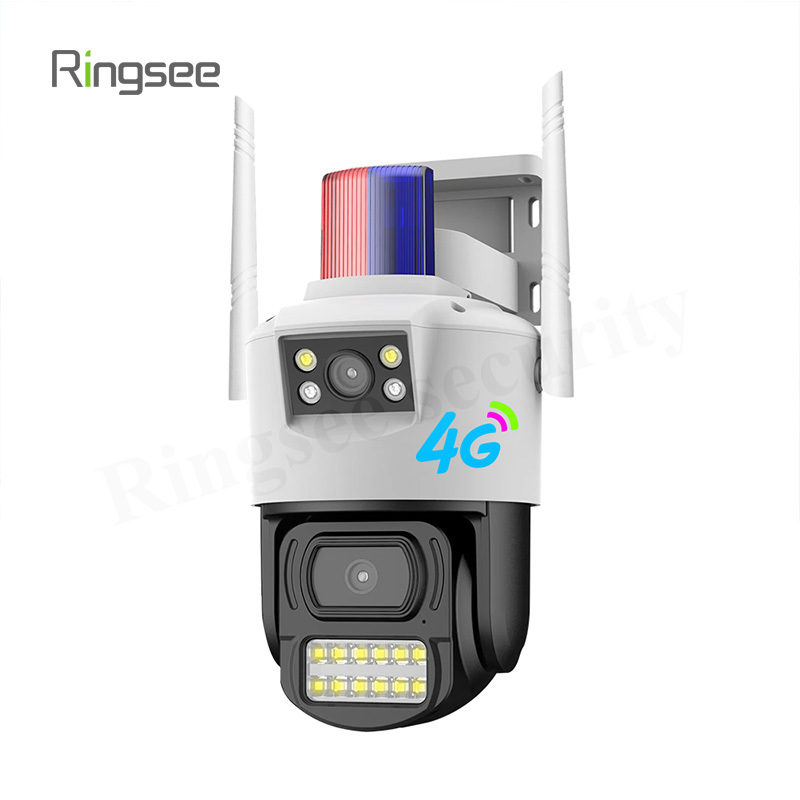
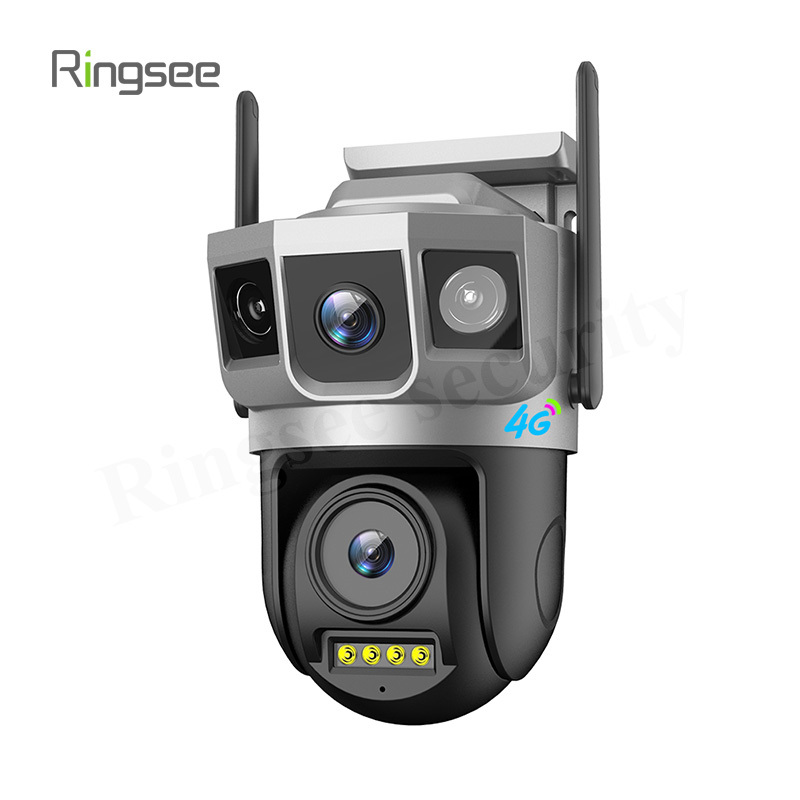
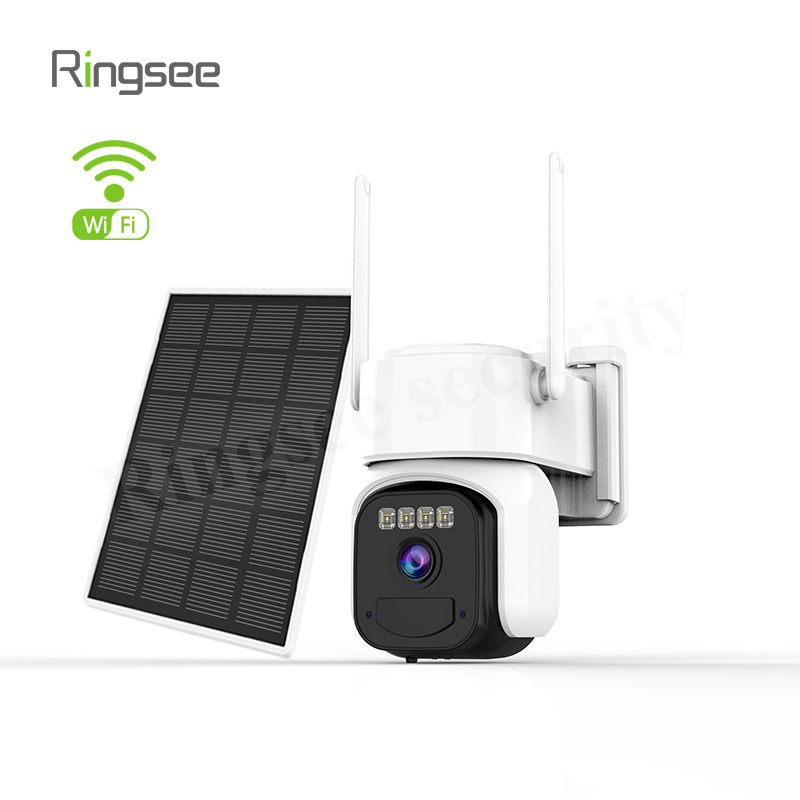
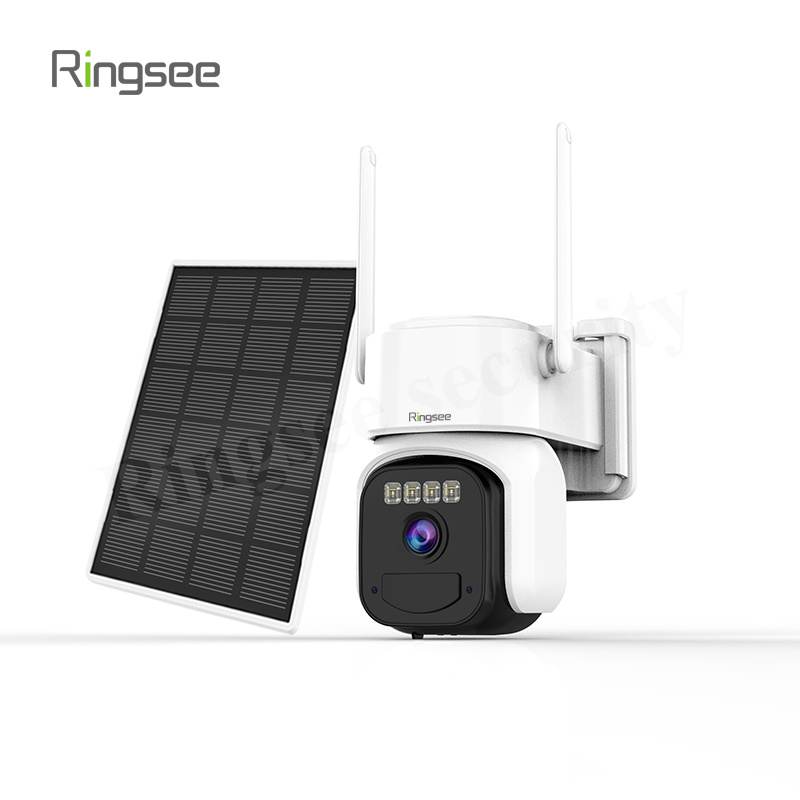
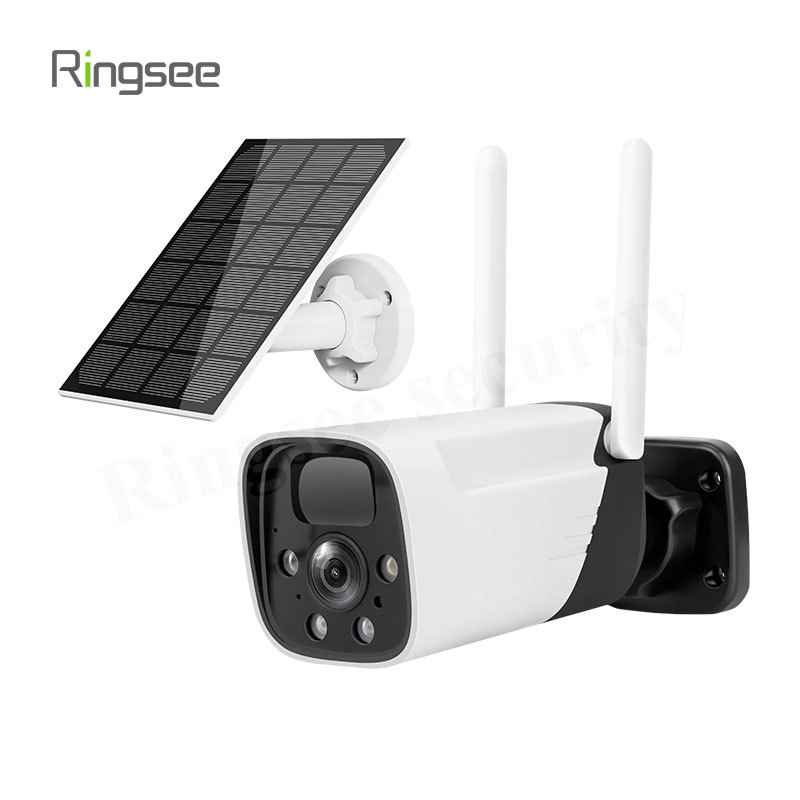
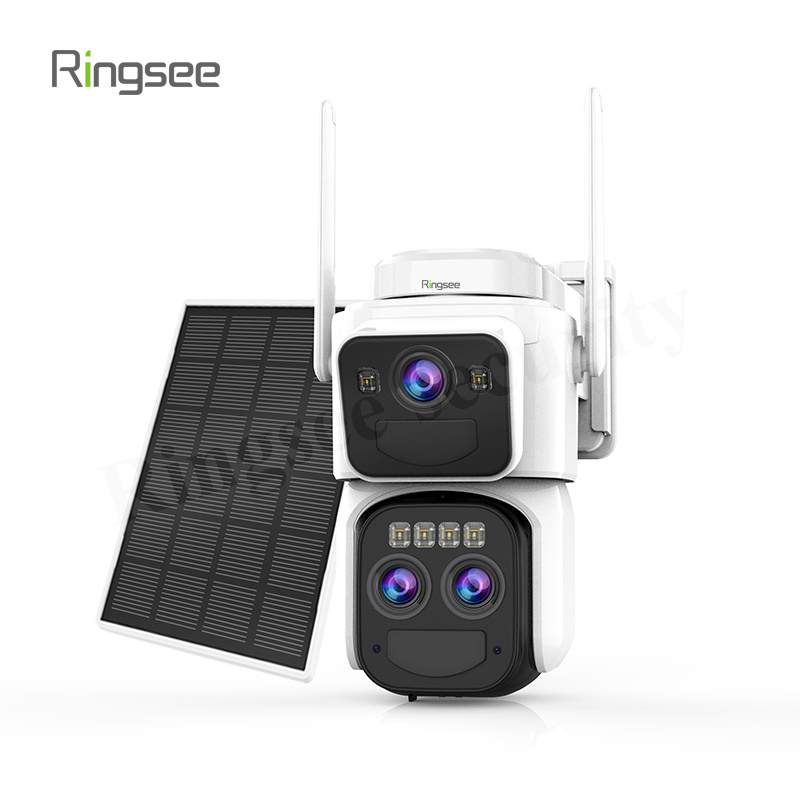
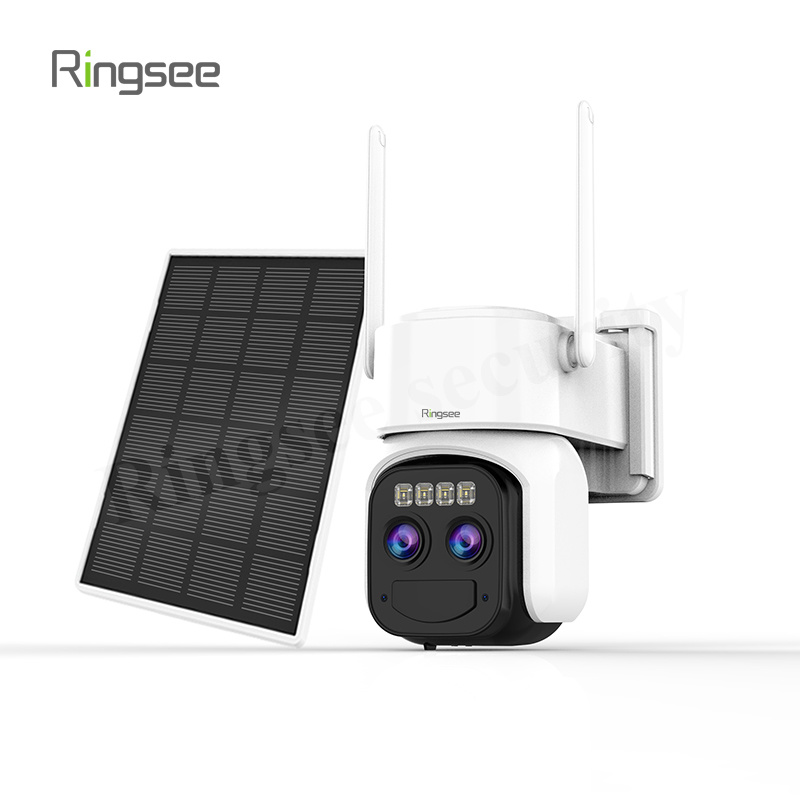
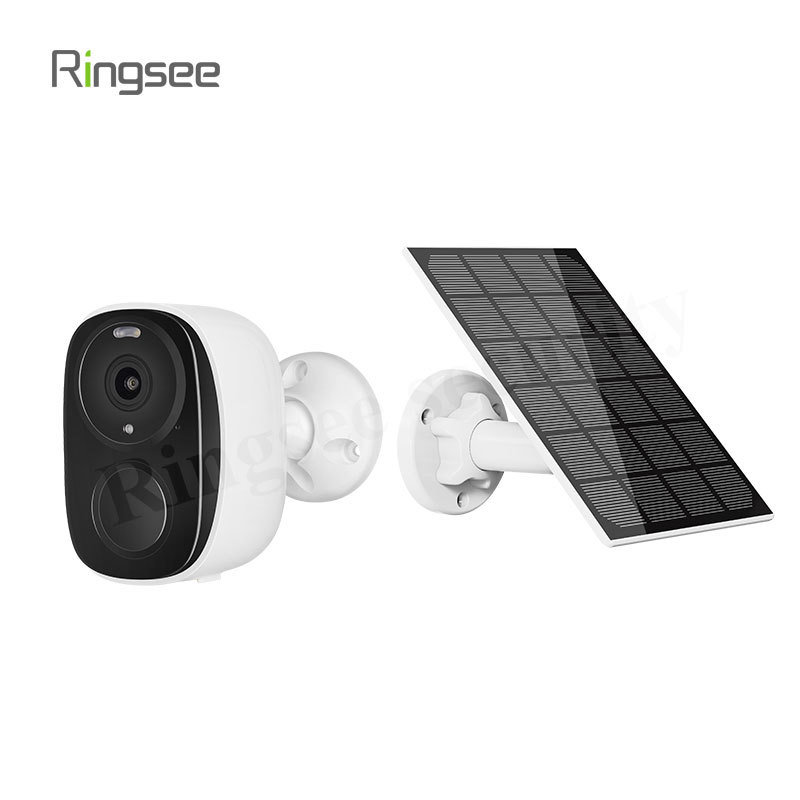
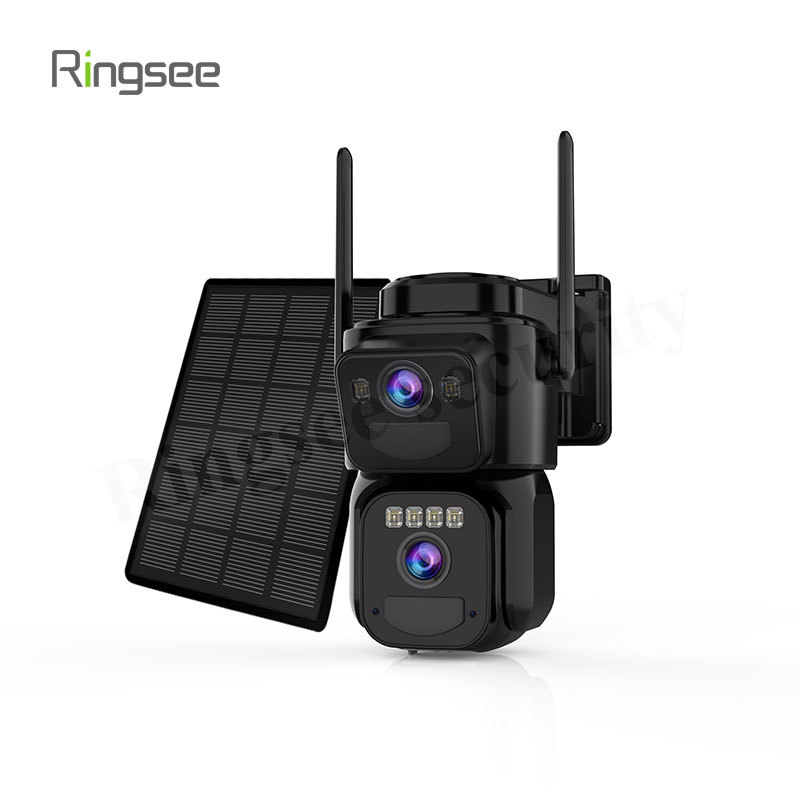
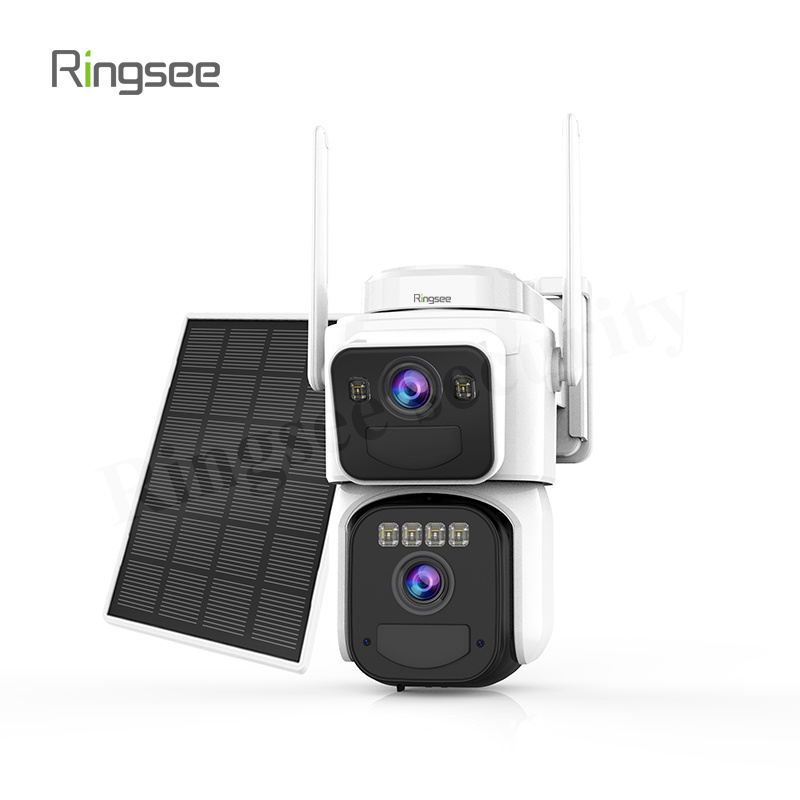
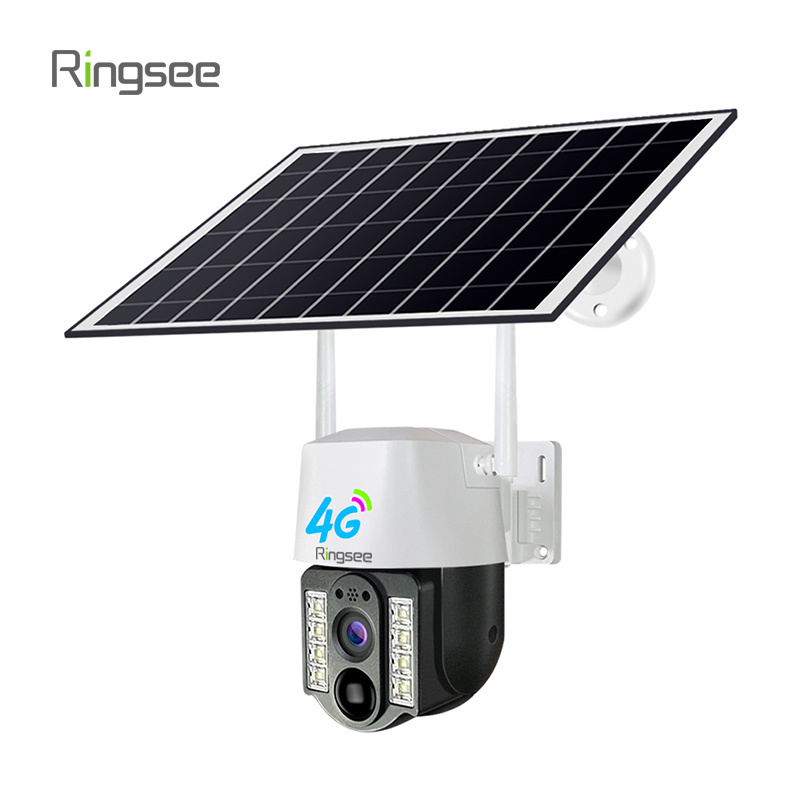
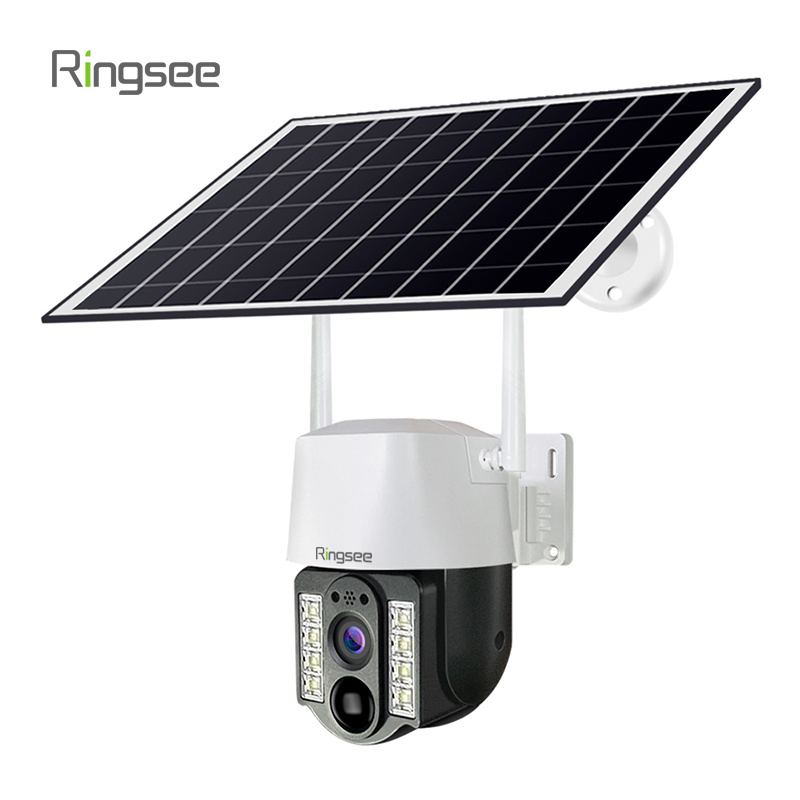
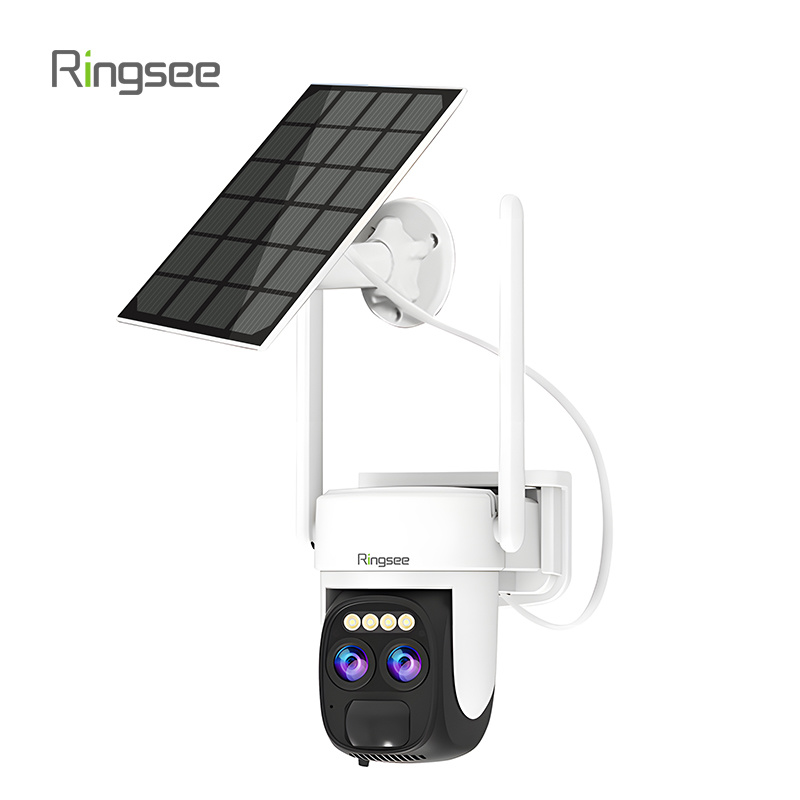
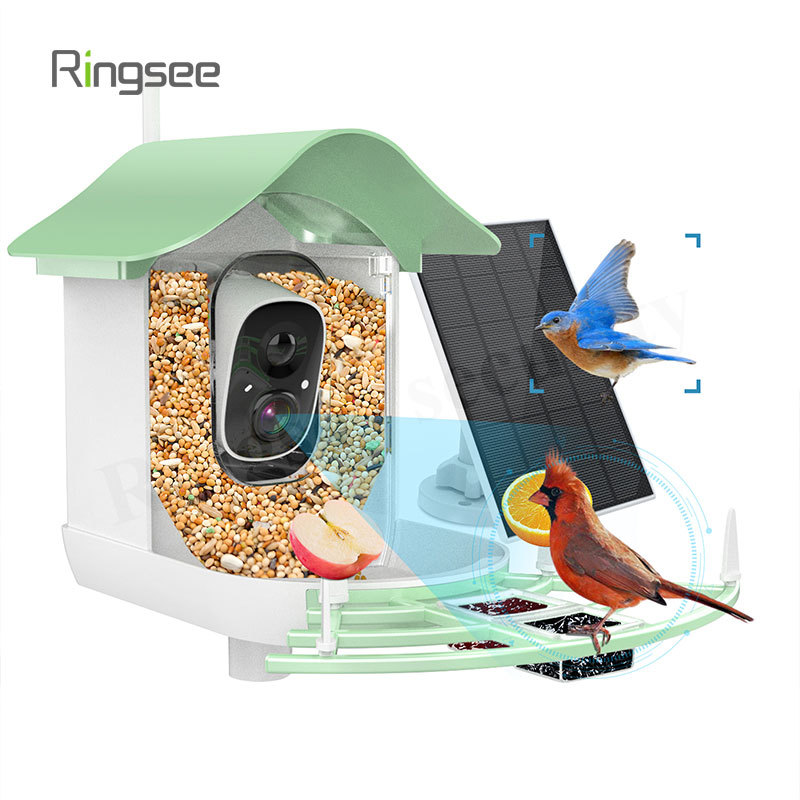
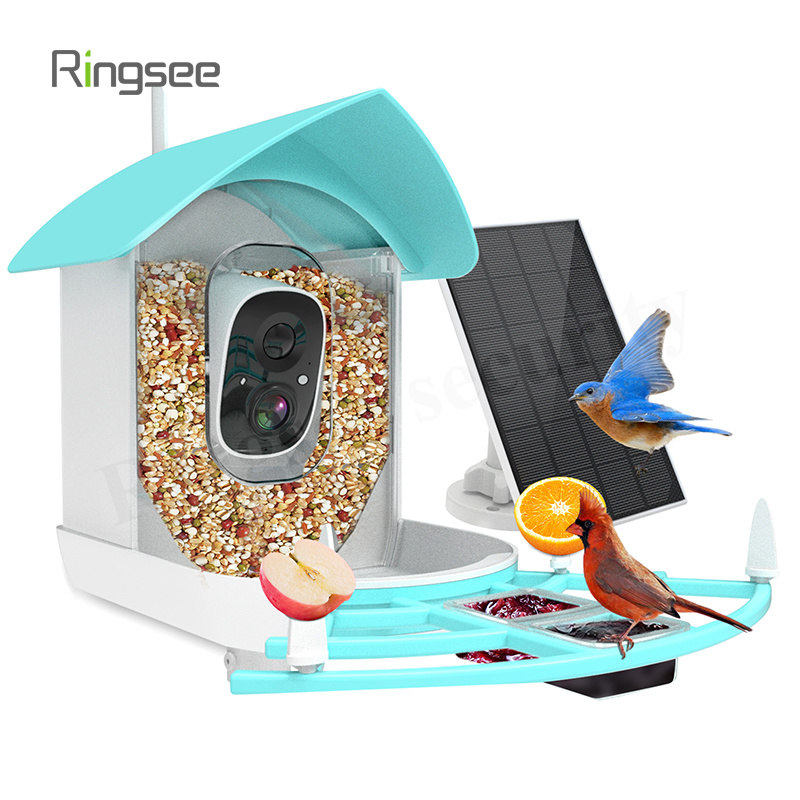
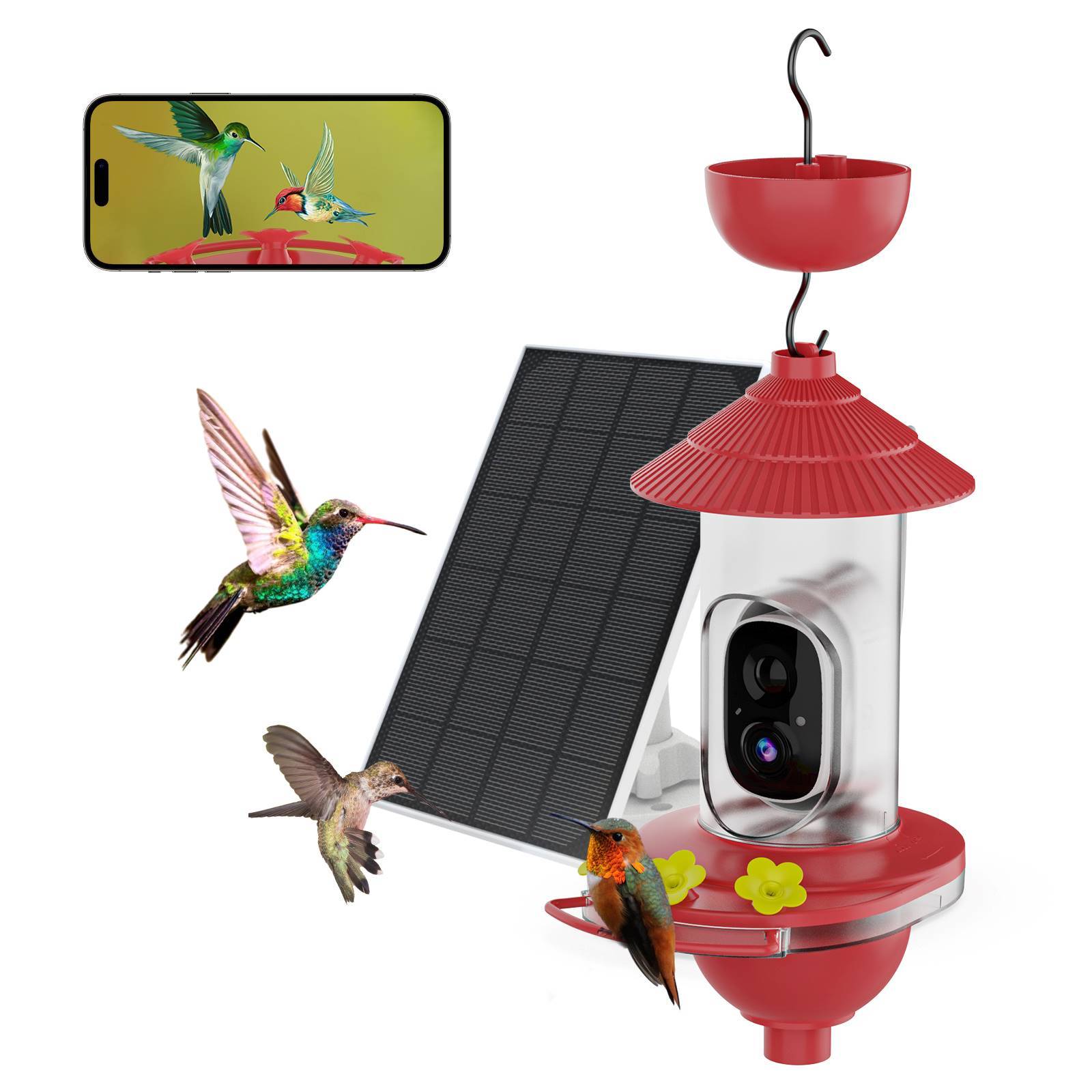
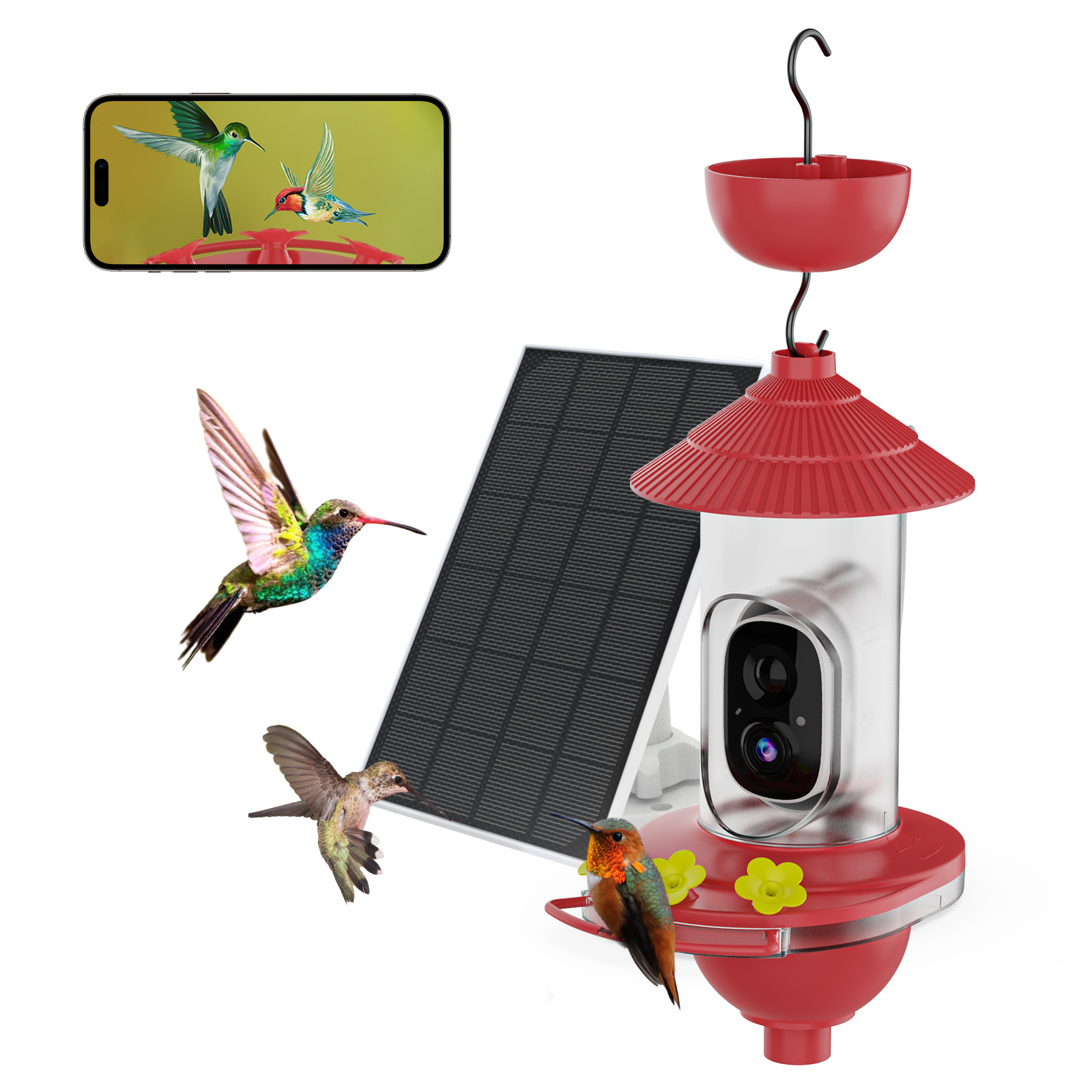
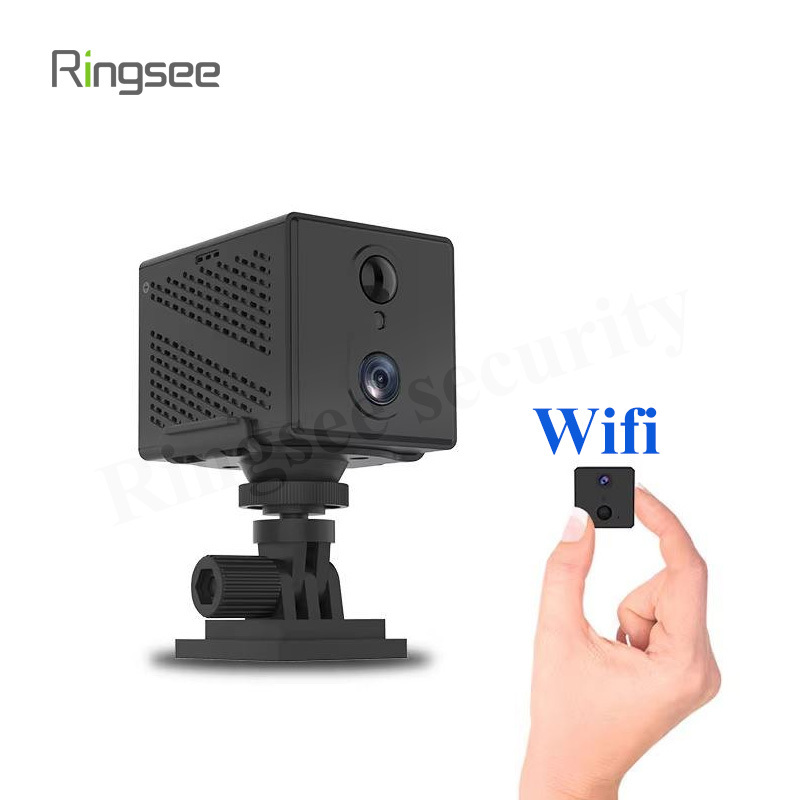
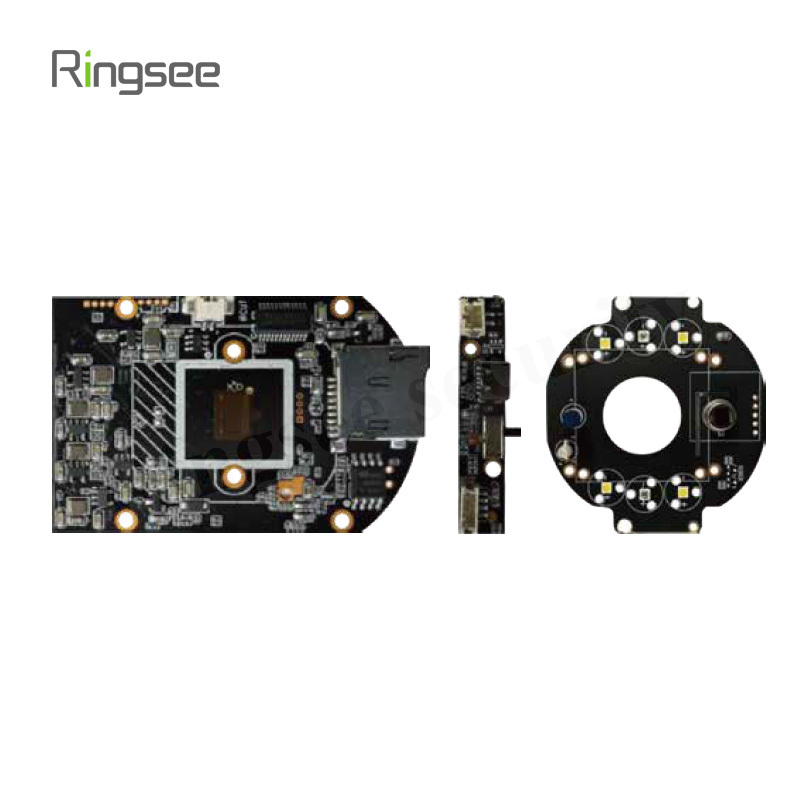
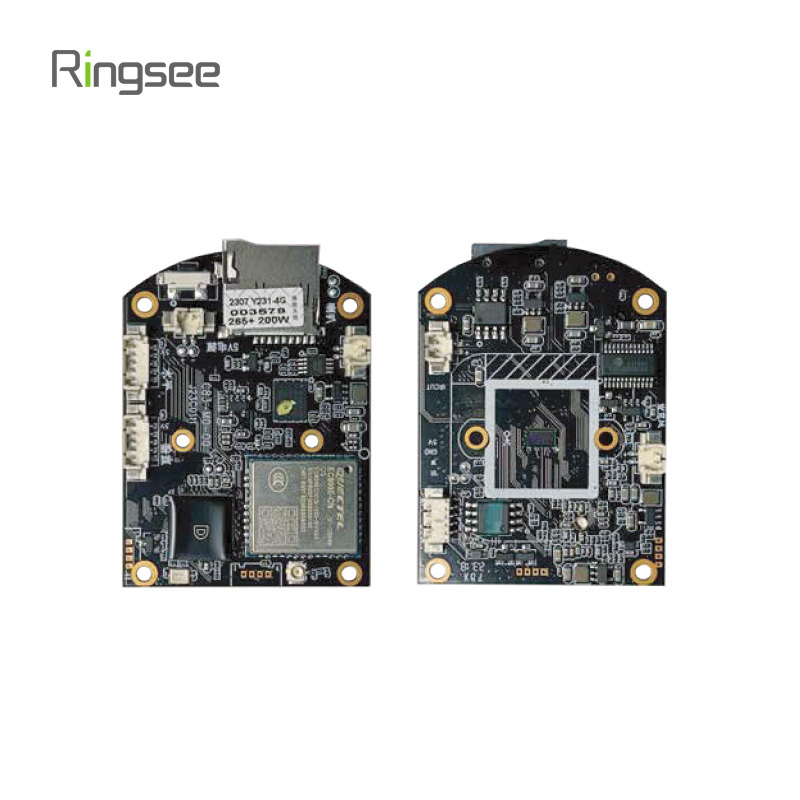
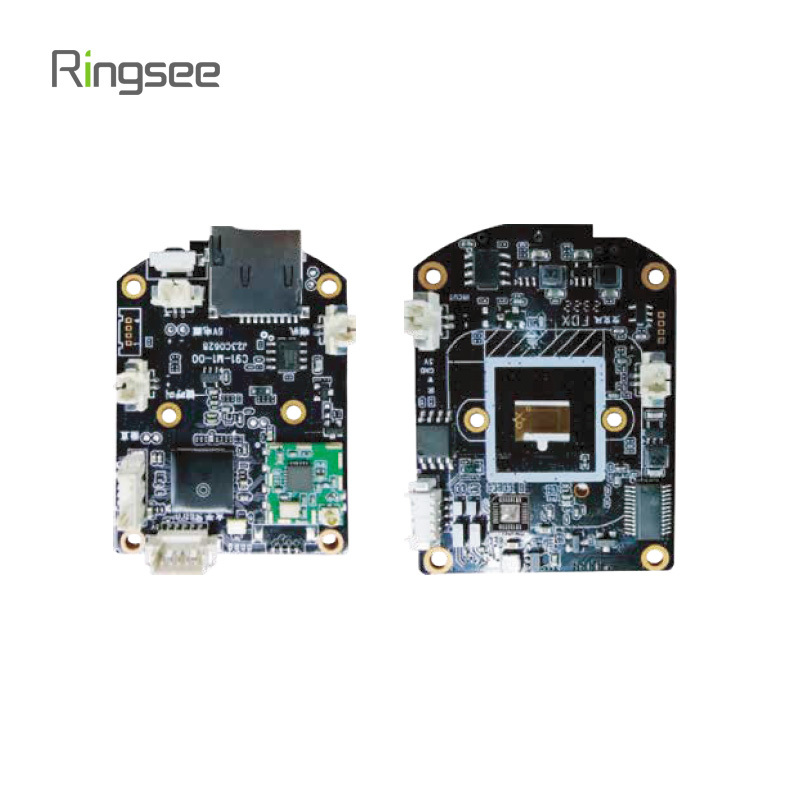
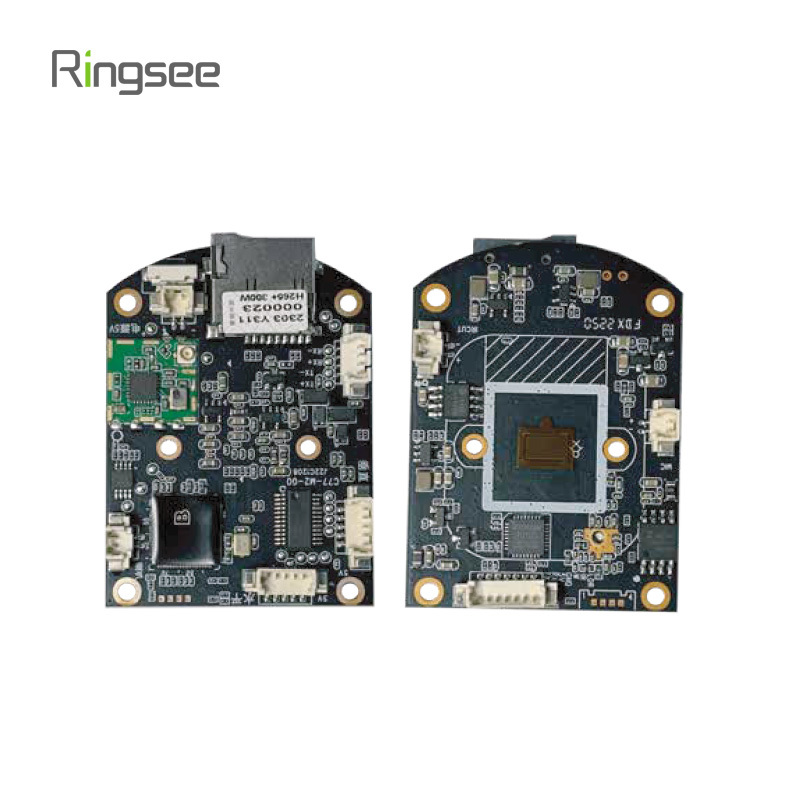
Ringsee positions its 4G/Wi-Fi low-power solar camera as an outdoor security solution that combines wireless connectivity, solar energy support, HD video, night vision, and weather-resistant design. The original page also emphasizes that the camera uses both solar panels and batteries, which is important for improving reliability when sunlight is inconsistent.
From a product perspective, that combination addresses the main concerns buyers usually have: how to power the camera, how to place it outdoors, how to view footage remotely, and how to keep maintenance simple. When these points are handled well, the product becomes easier to recommend for both home and business use.
A strong product page should not only describe features, but also explain who the camera is for, what problems it solves, and where it performs best. That kind of clarity helps readers make informed decisions and helps search engines understand the page’s intent.
How to Choose the Right Solar Camera for Your Project
Before buying, match the camera to the environment.
If the site has reliable Wi-Fi, a Wi-Fi solar camera may be enough. If the site is remote or lacks stable internet infrastructure, 4G connectivity may be the better choice. If the camera will be mounted in an area with limited direct sunlight, battery capacity becomes more important. If the site is exposed to rain or heat, weatherproofing should be a priority.
It is also worth checking installation angle, panel orientation, motion-detection performance, and app usability. Even a strong camera can underperform if it is mounted in a poor location or set up without enough sunlight exposure.
The best choice is usually the one that fits the site conditions instead of the one with the longest spec list.
Frequently Asked Questions
Is a solar security camera suitable for everyday use?
Yes. A solar security camera can work very well for daily monitoring when it is installed in a suitable location and supported by a stable battery and energy-efficient design.
Do I need Wi-Fi for a solar camera?
Not always. A Wi-Fi solar camera needs local internet access, while a 4G solar camera can work through cellular data in areas without Wi-Fi.
Can a solar camera work at night?
Yes. A good model should include night vision so it can record and monitor after dark.
Is weatherproofing important?
Absolutely. Outdoor cameras need to handle rain, sun, wind, and dust to stay reliable over time.
What is the biggest advantage of low-power design?
Low-power design helps the battery last longer and makes solar charging more effective, which improves long-term stability and reduces maintenance.
A 4G/Wi-Fi low-power solar camera is a practical security solution for modern outdoor monitoring. It is especially valuable for users who need flexible installation, lower maintenance, and reliable performance in locations where power access is limited.
When a camera combines efficient power usage, solar charging, strong wireless connectivity, HD clarity, night vision, and outdoor durability, it becomes much more than a convenience product. It becomes a long-term security tool that can support real protection with less operational burden.
For homeowners, businesses, and property managers, the best solar camera is the one that matches the site, the budget, and the monitoring goal. That is where Ringsee’s approach to low-power outdoor surveillance fits naturally: a system designed to make security simpler, smarter, and easier to maintain.
Related News
CCTV Data Compliance: Video Retention, Privacy Masking and Access Control Management
A practical data-compliance guide for surveillance operators under GDPR and comparable regimes: the three-question legality test, retention-period determination, privacy-masking implementation, a three-tier access model with audit trails, facial-recognition red lines, and cross-border transfer rules — so the system that protects your premises doesn't become your biggest liability.
Sep 12,2026
How to Accept and Sign Off a CCTV Project: Acceptance Checklist and Common Corner-Cutting Traps
A practical acceptance guide for security camera installation projects: the three-stage acceptance process (concealed works, trial run, final handover), six common corner-cutting traps — CCA cable, over-length runs, underrated PoE, refurbished drives, model substitution and inflated retention — plus a field test checklist, document requirements and milestone payment structure.
Sep 12,2026
A selection and compliance guide for industrial security cameras: hazardous-area zone classification (gas and dust), how to read the Ex marking field by field, certificate verification (Ex certificate + IECEx/ATEX or local listing), temperature-tier solutions, corrosion-resistant materials, and the four hidden killers — dust, EMI, vibration and backlight.
Sep 05,2026
Distributed Security Architecture Guide
This guide is for IT managers, procurement teams, and security engineers at chain retailers, manufacturers, and property groups. The problem is not 'which camera to buy,' but how dozens or hundreds of locations can be monitored, managed, and audited from one central point. The core architectural challenge is protocol unification, network topology, and platform governance. Without these, every branch becomes an isolated island, forcing staff to log into different systems and delaying incident response.
Sep 05,2026
The previous nine articles each addressed a link in the chain: power supply (see *Power Supply × Networking: 12-Combination Decision Tree*) determines whether the camera powers on; networking (see *4G + Solar Off-Grid Surveillance Solution Selection Guide*) determines whether it connects; night vision (see *Night Vision and Low-Light Selection Guide*) determines how clearly it sees in the dark; protection and lightning protection (see *IP66/IP67 Protection and Lightning Protection Selection Guide*) determine how long the equipment lasts; lens field of view (see *Surveillance Camera Lens and Field of View / Focal Length Selection Guide*) determines whether it captures the target; storage and NVR (see *Storage and Recording Duration / NVR Selection Guide*) determine whether the footage is retained; remote access and network security (see *Surveillance Camera Remote Access and Network Security / VPN Selection Guide*) determine whether the footage is secure; AI analytics (see *Surveillance Camera AI Analytics (Human / Vehicle / Intrusion Detection) Selection Guide*) determine whether the system can "recognize anomalies"; and alarm linkage and platform integration (see *Surveillance Camera Alarm Linkage and Platform Integration (Audible-Visual / Platform / API / ONVIF) Selection Guide*) determine whether it can "act and be controlled" once an anomaly is recognized. Yet until now, every plan has remained at the level of "selection" — the cameras are still on paper. From a neutral technical perspective, this article pushes the topic cluster to its final link: "installed steady, tuned accurate, maintained affordably." It breaks down pre-deployment site surveys, PoE power supply and wiring sequence, Cat5e/Cat6 cabling distance, lightning protection and grounding with SPD, pole and bracket installation, NVR/platform integration, the commissioning and acceptance process, AI false-alarm rate verification, daily maintenance and troubleshooting, and remote security review, and provides a practical delivery acceptance template to help buyers turn "selecting right" into genuinely "reliable in use."
Aug 29,2026
Links:One Belt Power Technology
Add: 14th Floor, Baoshan Building, Longhua District, Shenzhen China.
Privacy Policy | SEO | CitySite | Support: 300.cn Dongguan