






Ringsee Hummingbird Feeders: A Guide to Attracting and Caring for These Beautiful Birds
Publish:
2025-10-15 15:06
Source:
https://www.ring-see.com
Ringsee-Hummingbirds are among the most fascinating creatures in the avian world. With their dazzling iridescent feathers, remarkable agility, and rapid wingbeats, these tiny birds have captivated nature enthusiasts and scientists alike.
Hummingbirds are among the most fascinating creatures in the avian world. With their dazzling iridescent feathers, remarkable agility, and rapid wingbeats, these tiny birds have captivated nature enthusiasts and scientists alike. Understanding their living habits reveals how these remarkable birds have adapted to their unique ecological niche.
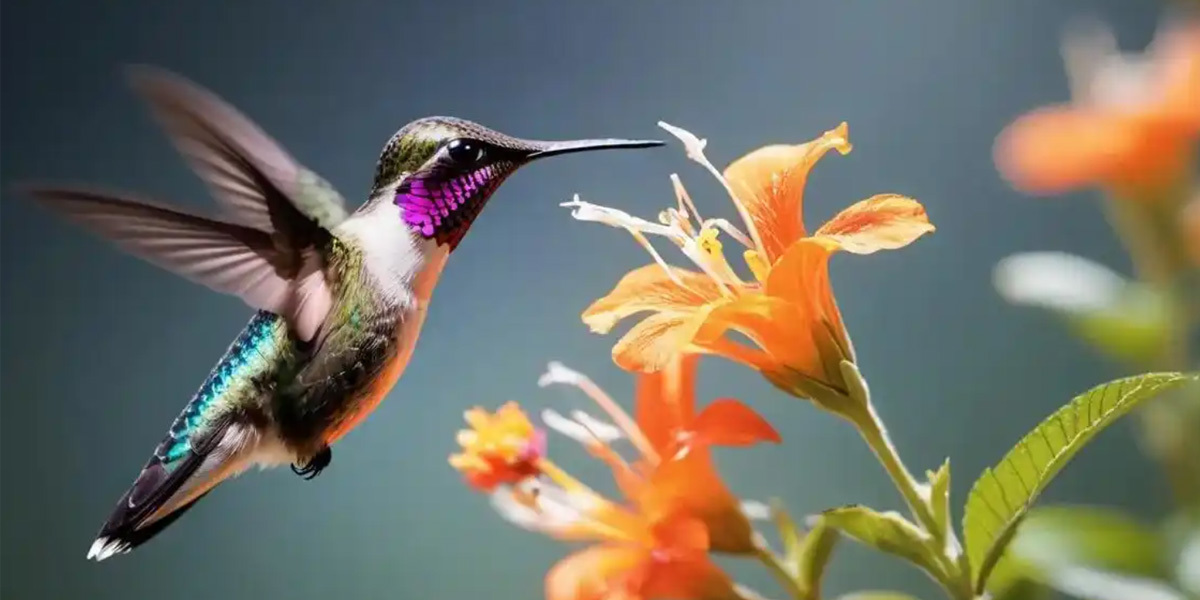
Physical Characteristics and Adaptations
Hummingbirds are small birds, typically measuring between 3 to 5 inches in length and weighing as little as 2 to 20 grams. Their slender, tubular beaks and long, specialized tongues allow them to feed efficiently on nectar, which constitutes the majority of their diet. They also have extraordinary flight capabilities, thanks to their proportionally large pectoral muscles and unique ball-and-socket shoulder joints, enabling them to hover, fly backward, and even upside down.
Dietary Habits
While nectar is their primary energy source, hummingbirds also feed on small insects and spiders for essential proteins, vitamins, and minerals. They play a crucial role as pollinators, inadvertently transferring pollen from flower to flower as they feed. This mutualistic relationship benefits both the plants and the birds.
To fuel their high metabolic rates, hummingbirds consume up to twice their body weight in food each day. They visit hundreds of flowers daily, supplementing this with frequent sips from feeders provided by humans.
Daily Activity Patterns
Hummingbirds are diurnal creatures, active during the day and resting at night. Their intense activity levels require them to conserve energy whenever possible. During the night or in cold weather, they enter a state of torpor—a form of temporary hibernation—where their metabolism slows significantly, conserving precious energy.
Nesting and Reproduction
Hummingbirds are solitary creatures, coming together only for mating. Males perform elaborate courtship displays to attract females, including dramatic dives and intricate flight patterns. After mating, females take on the sole responsibility for building nests and raising chicks.
Nests are often constructed using spider silk, plant fibers, and lichen, allowing them to be lightweight yet durable. These nests, no bigger than a ping-pong ball, are carefully camouflaged among leaves or branches. Females typically lay two eggs, which are incubated for about two weeks. Once hatched, chicks are fed regurgitated nectar and insects until they fledge after approximately three weeks.
Flight and Migration
Hummingbirds are famous for their agility in flight, beating their wings up to 80 times per second. This ability is essential for hovering while feeding from flowers.
Some species, such as the ruby-throated hummingbird, undertake incredible migratory journeys. These birds travel up to 3,000 miles annually between their breeding grounds in North America and their wintering habitats in Central America, often crossing the Gulf of Mexico in a single nonstop flight lasting up to 18 hours.
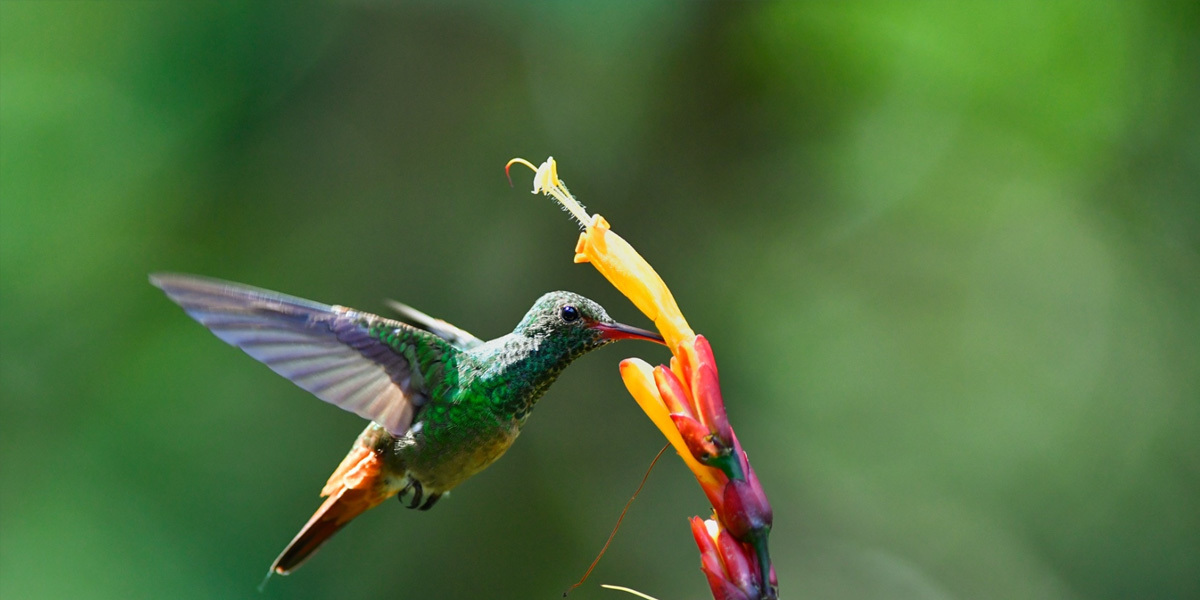
Recommended Best Hummingbird Feeders
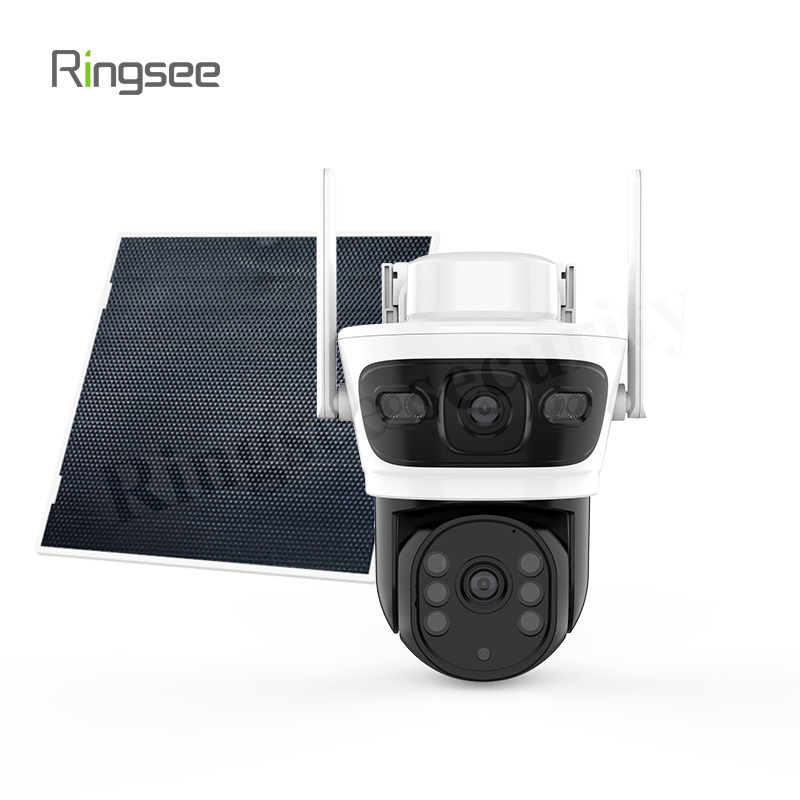
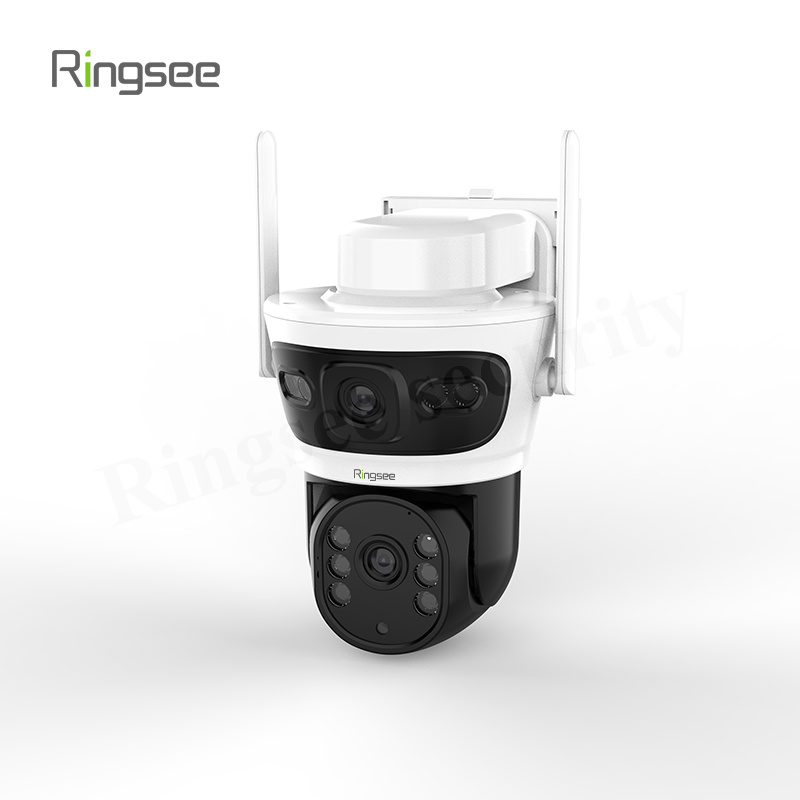
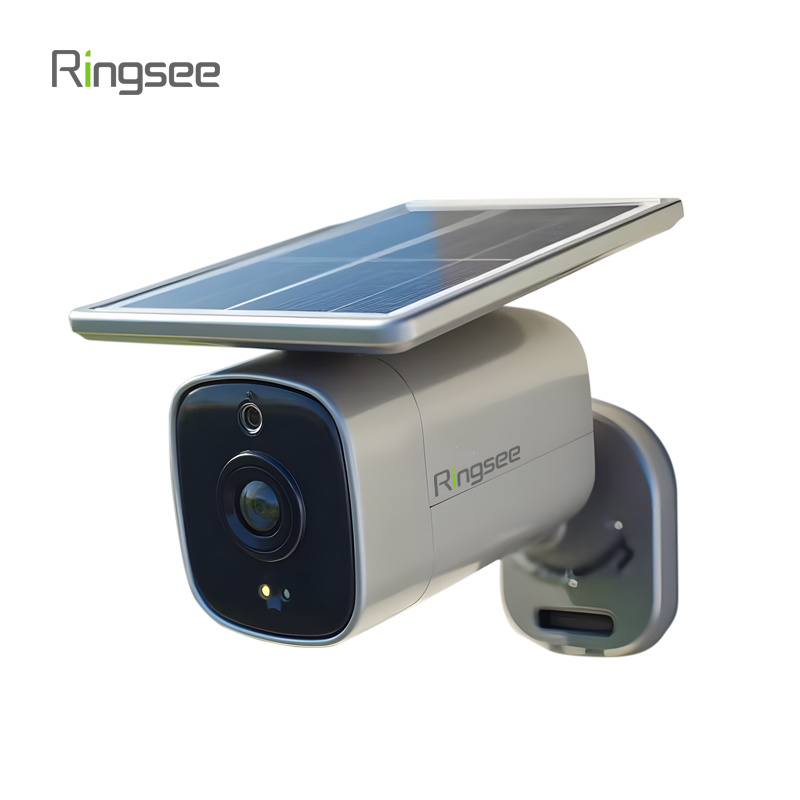
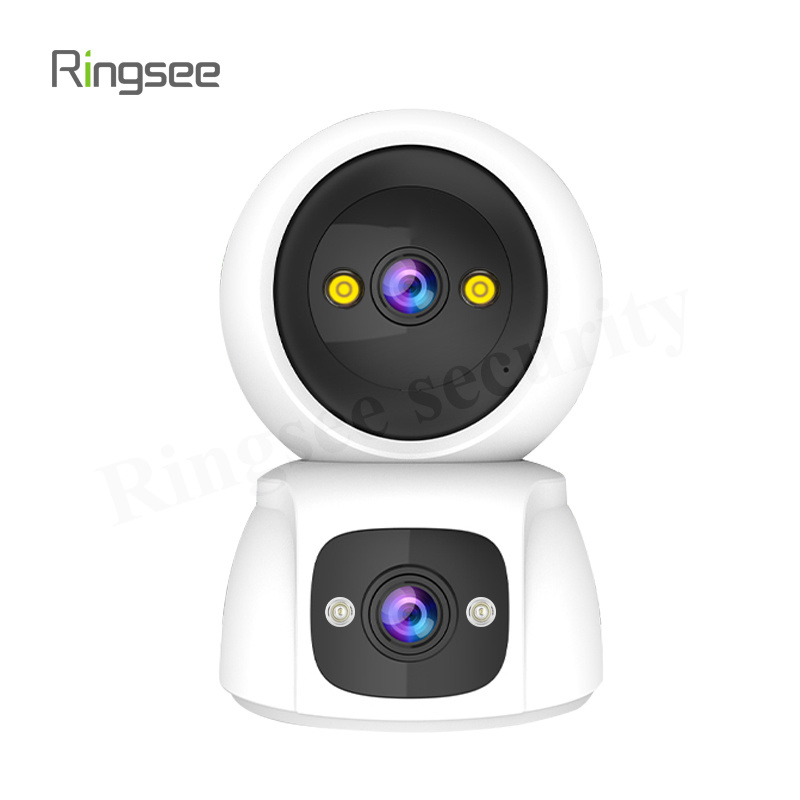
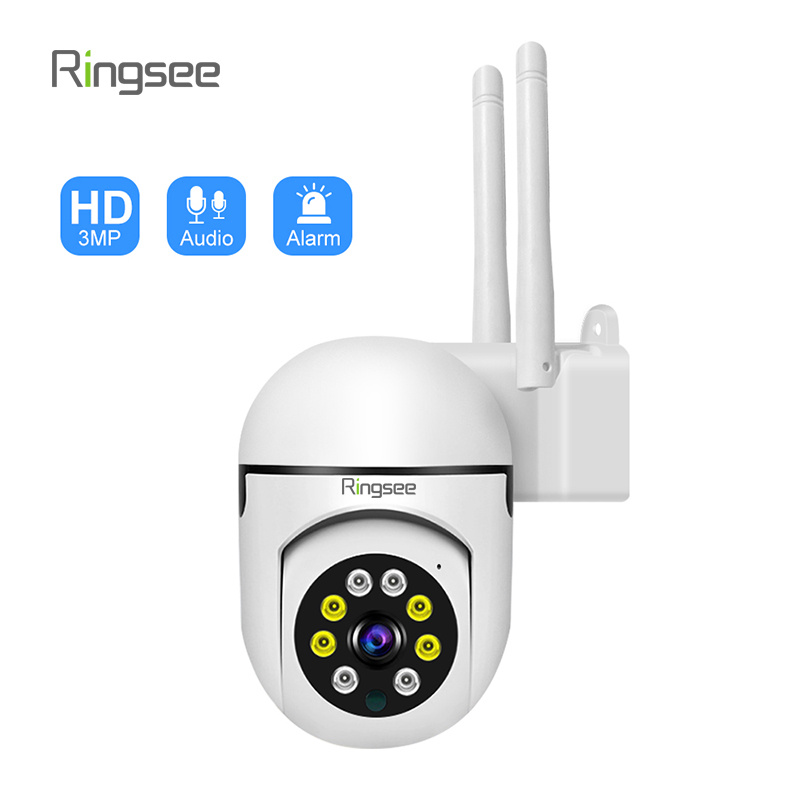
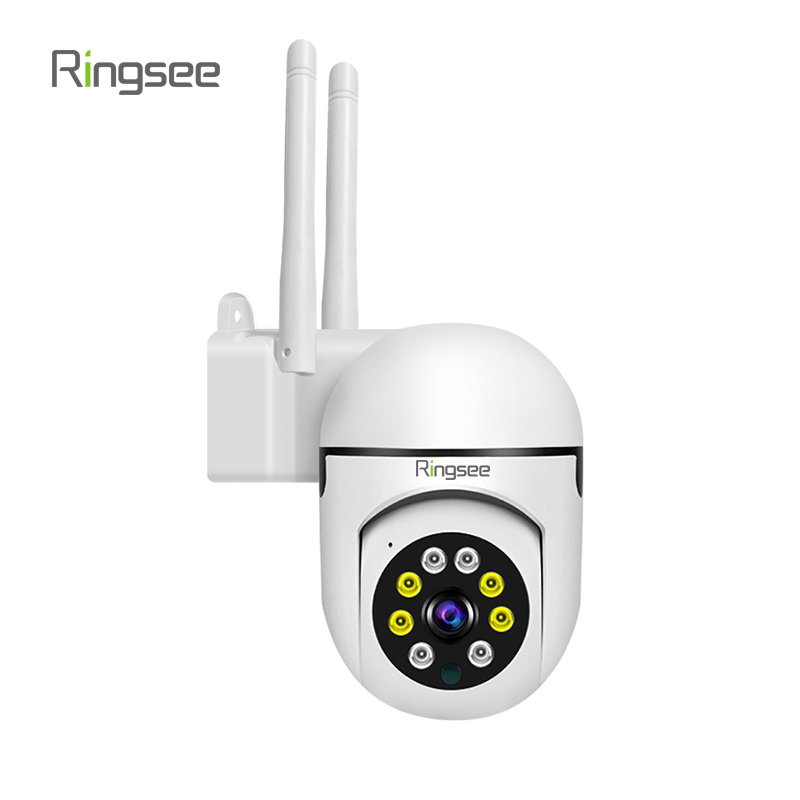
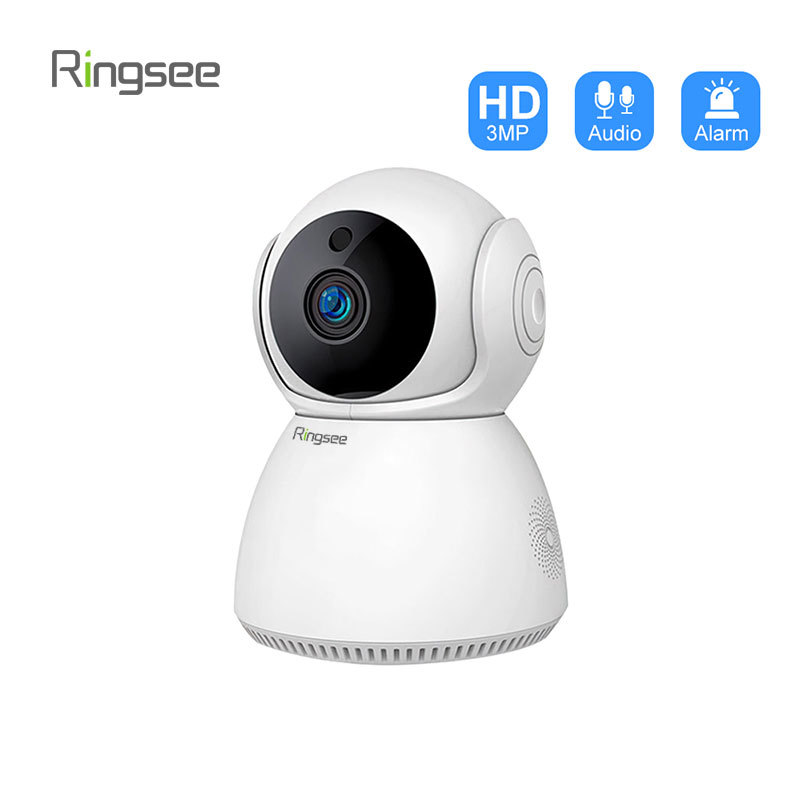
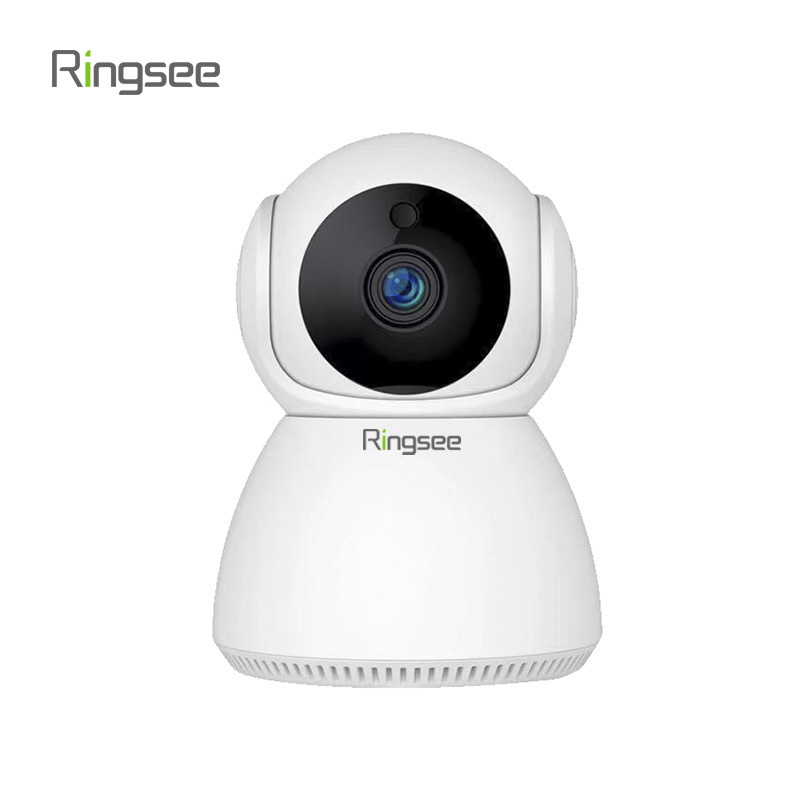
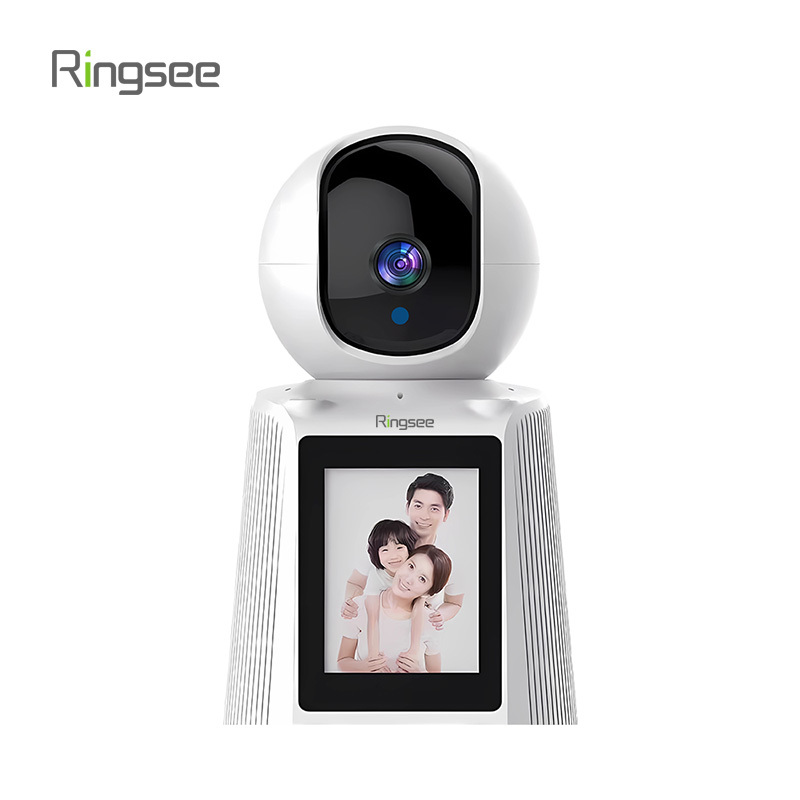
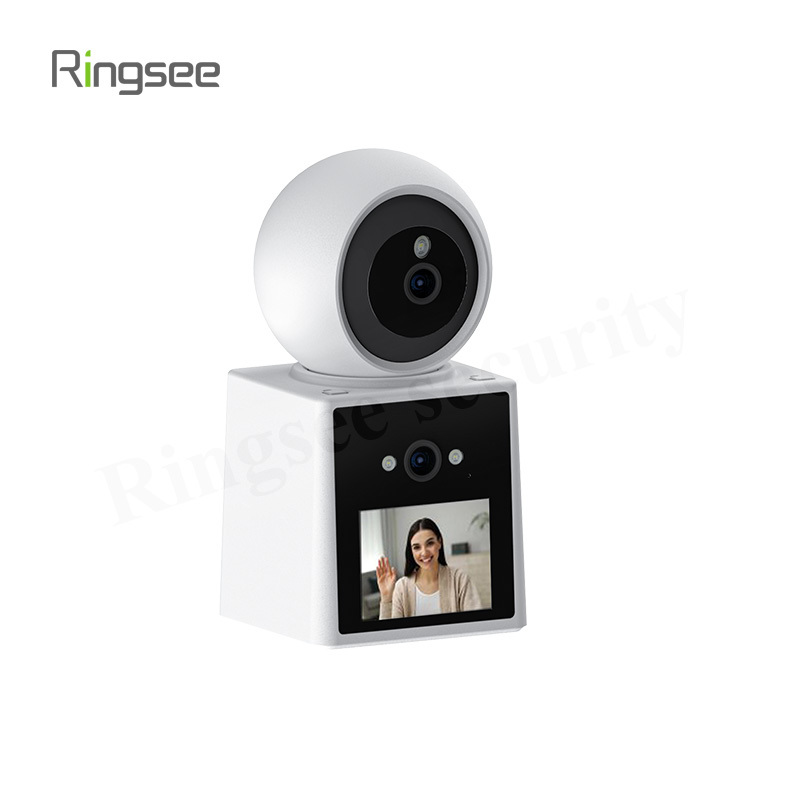
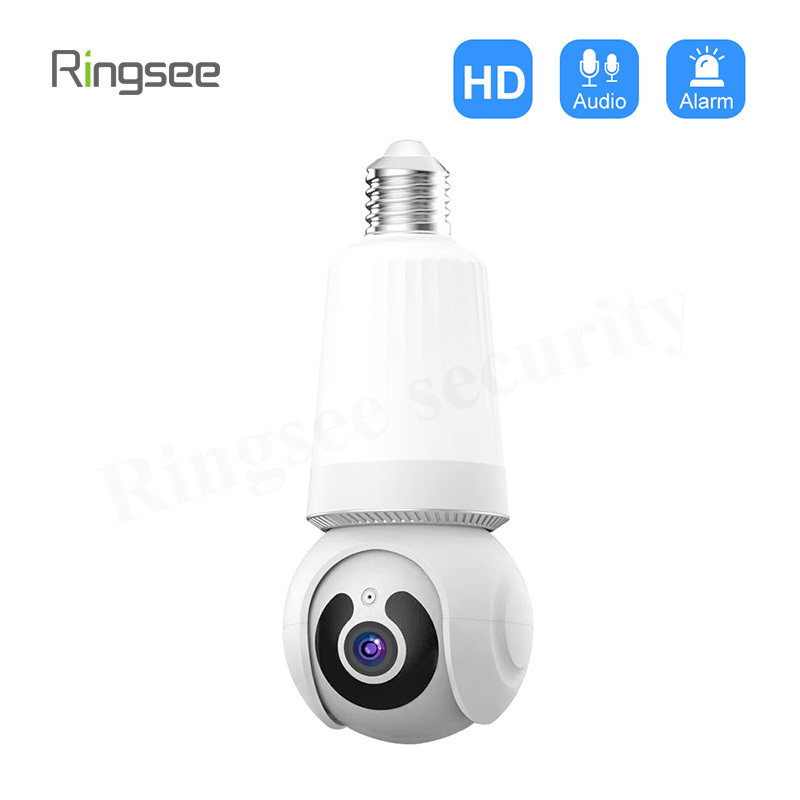
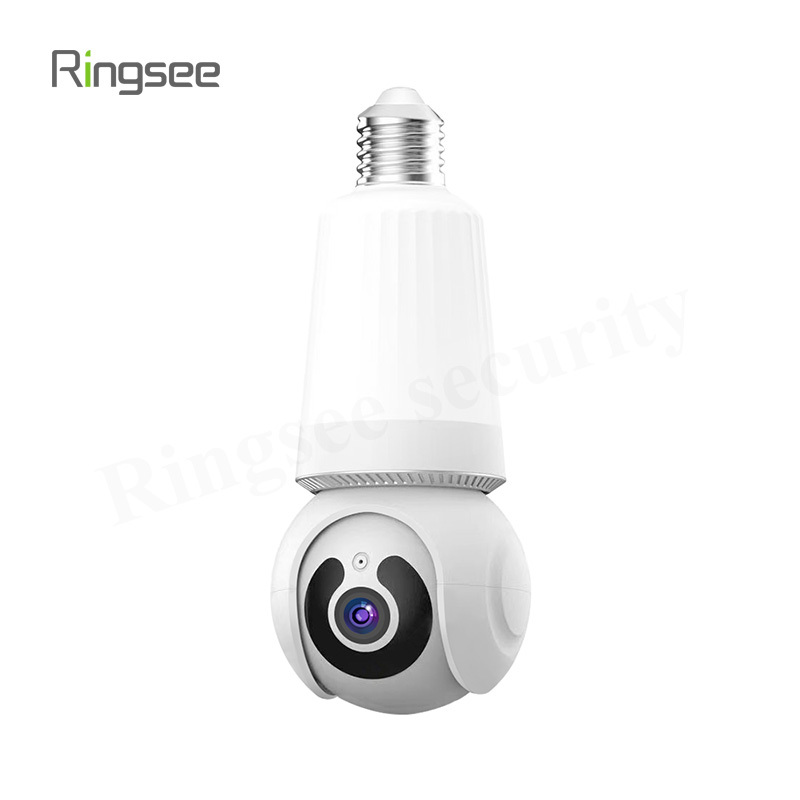
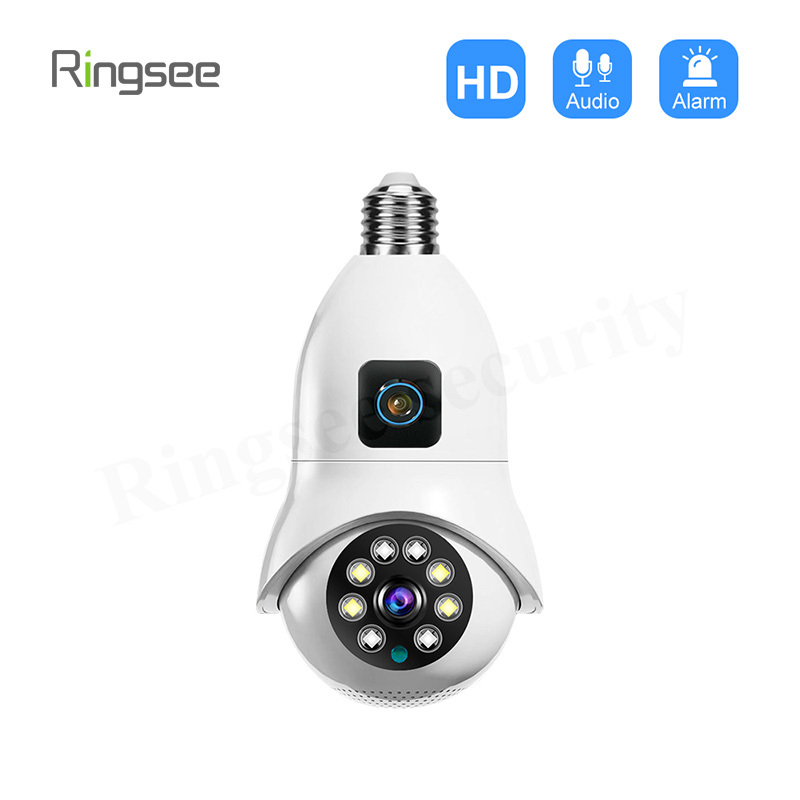
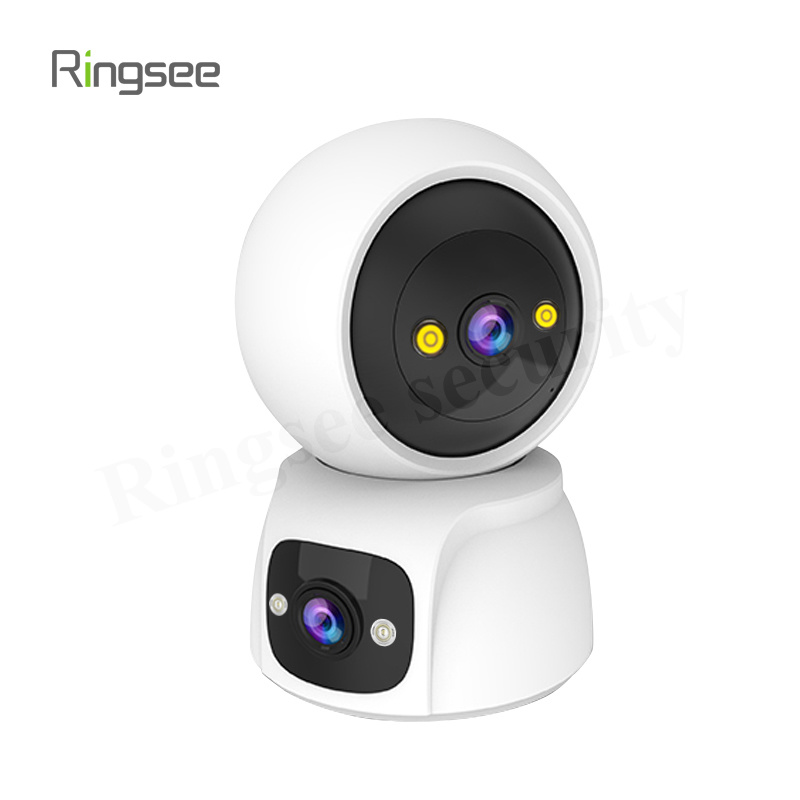
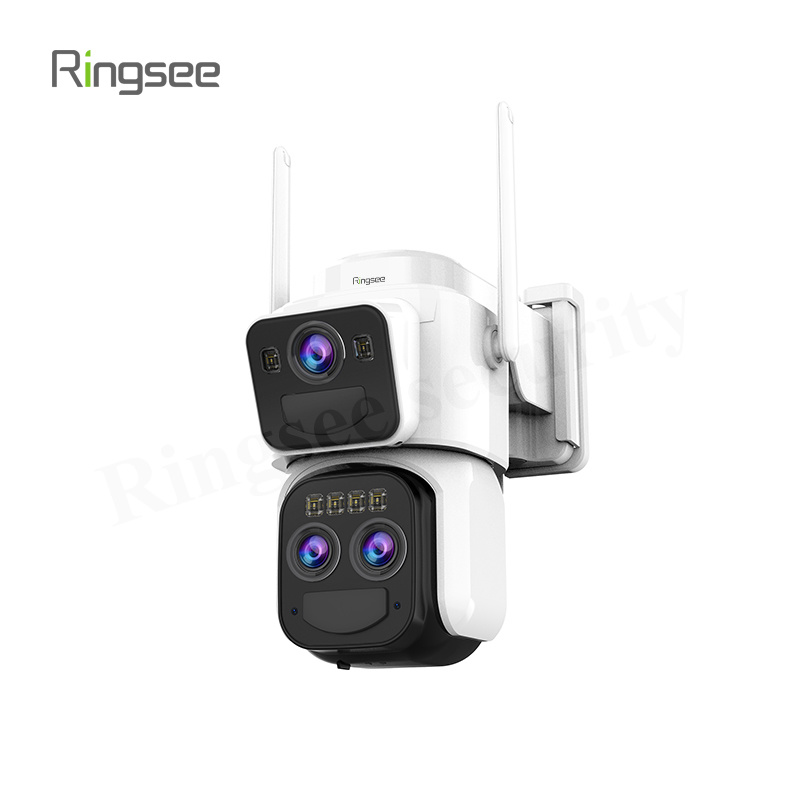
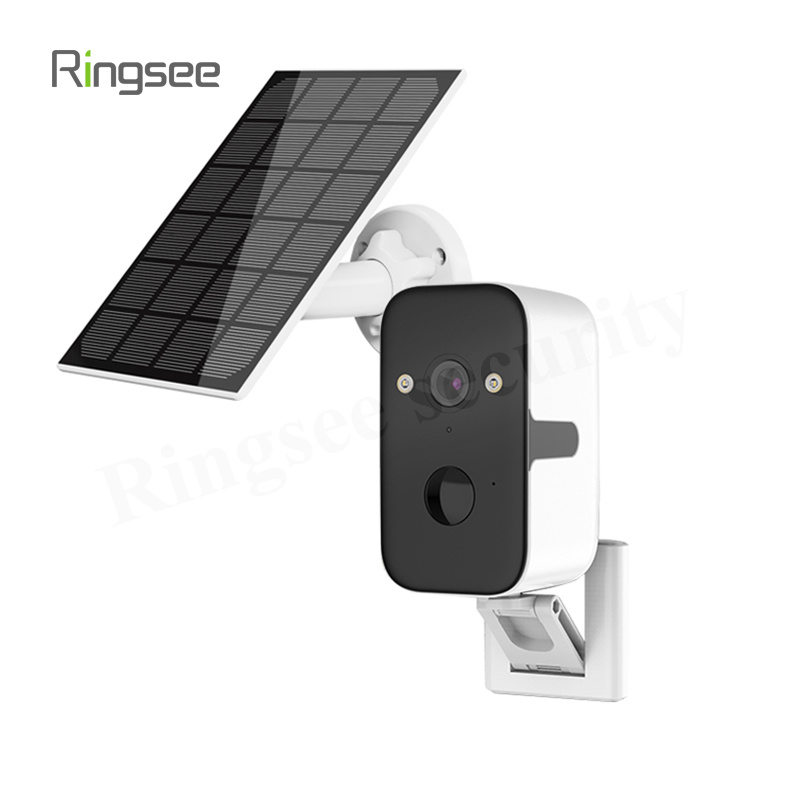
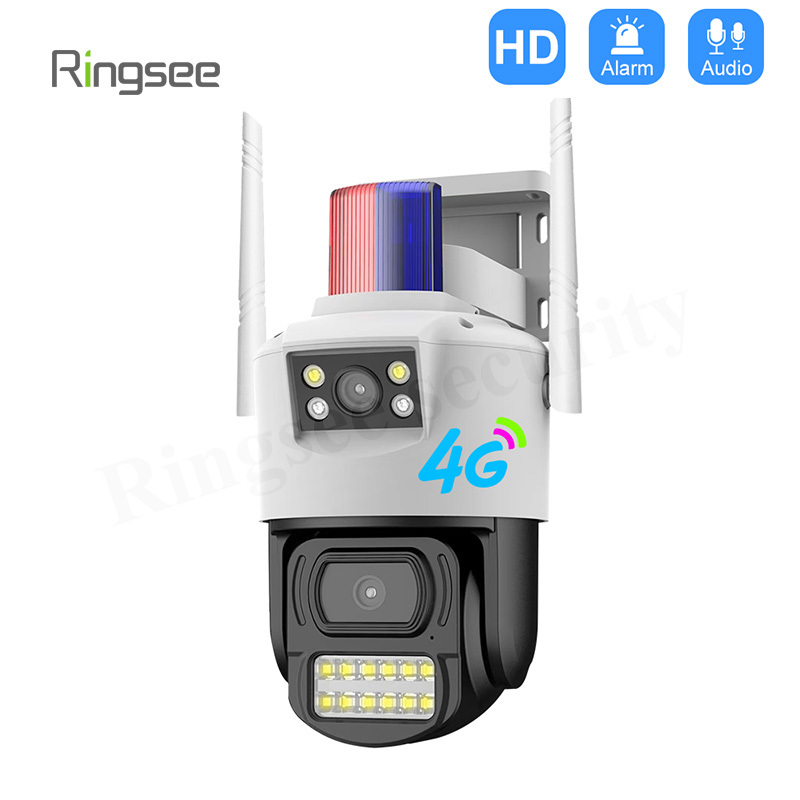
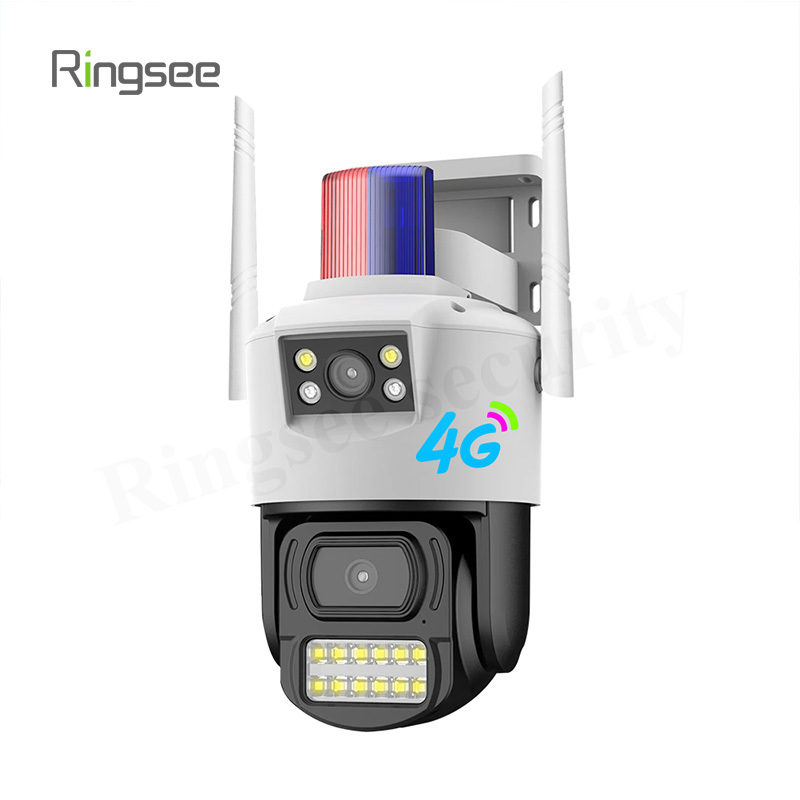
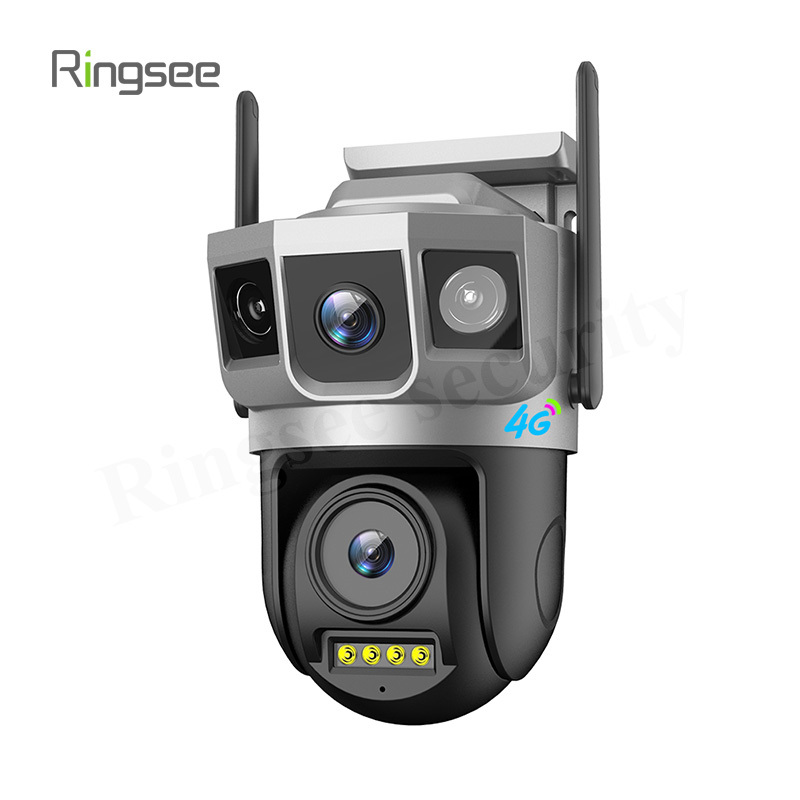
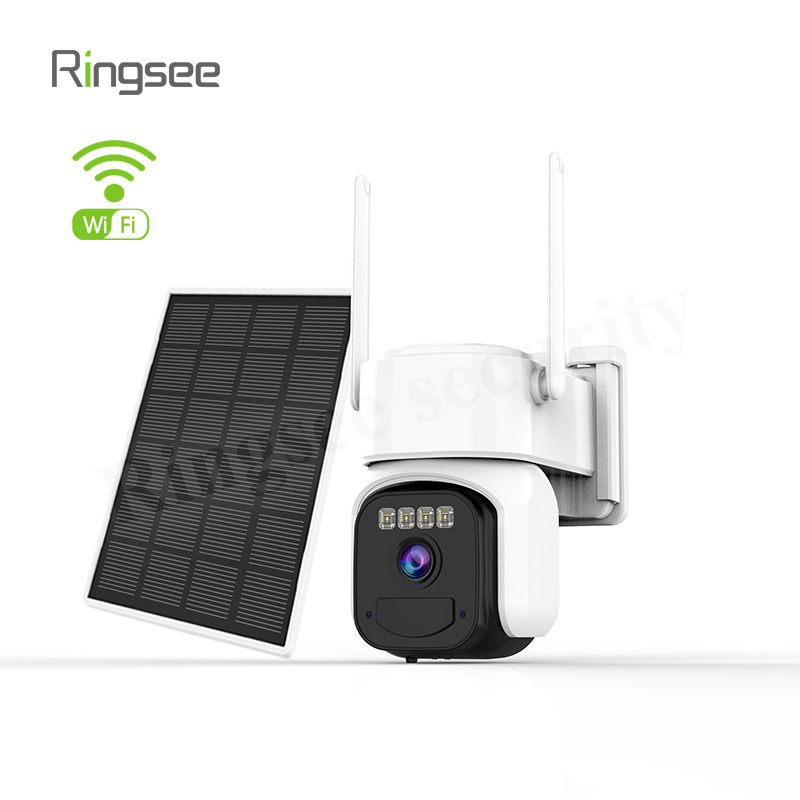
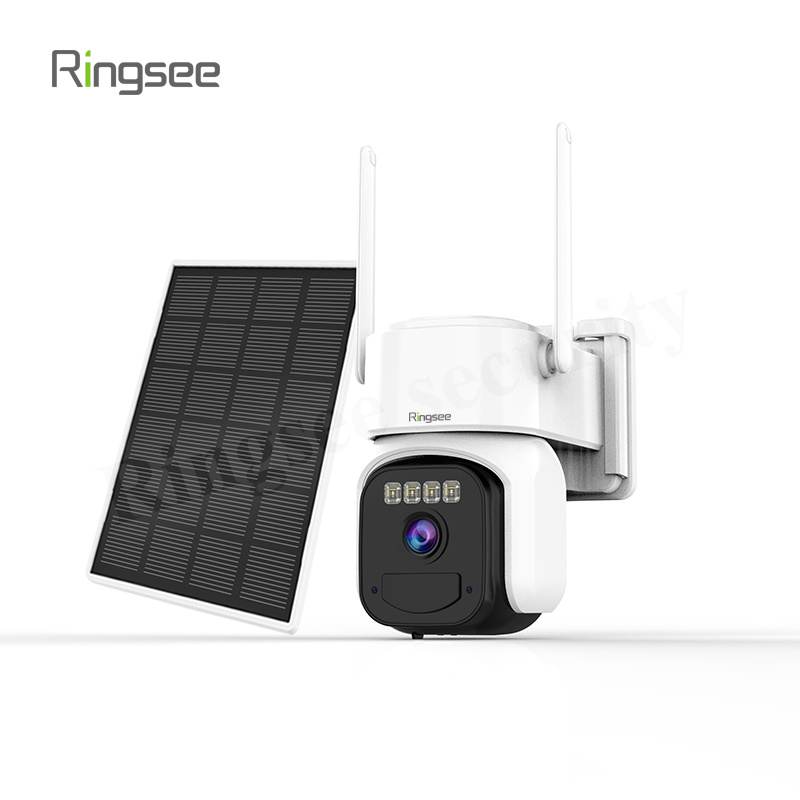
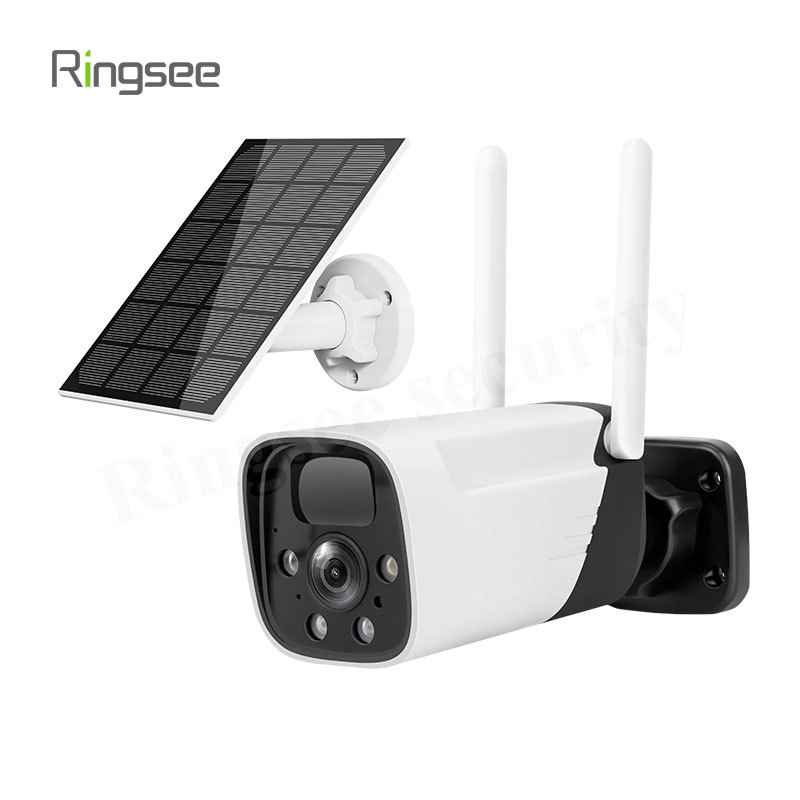
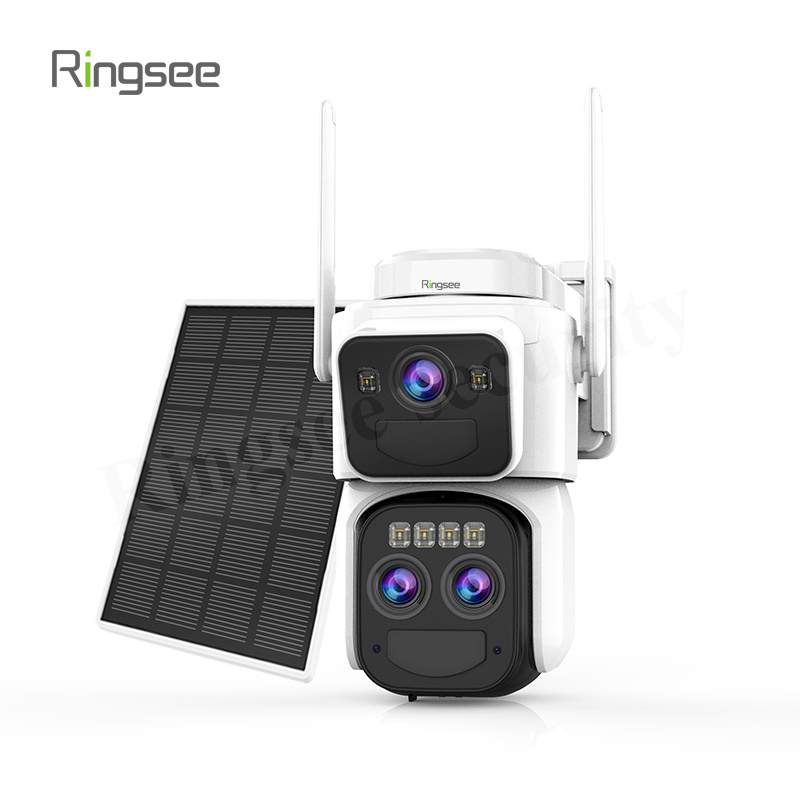
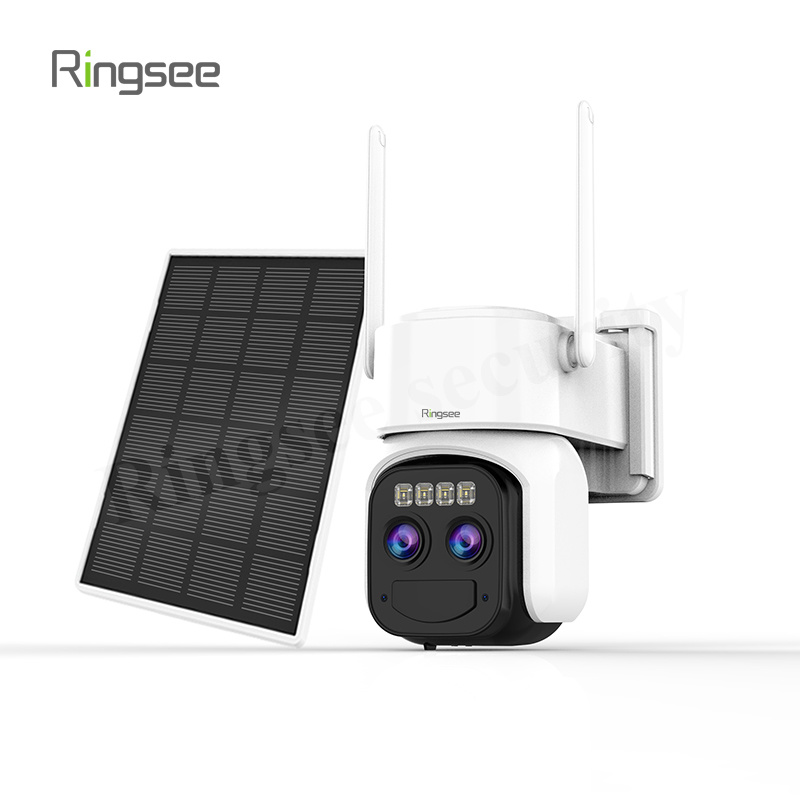
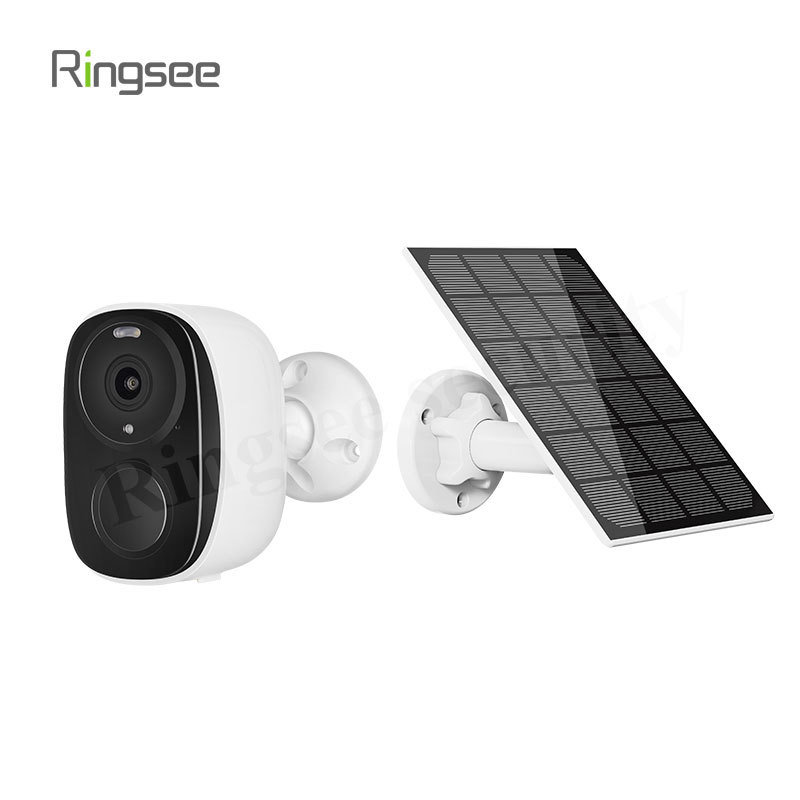
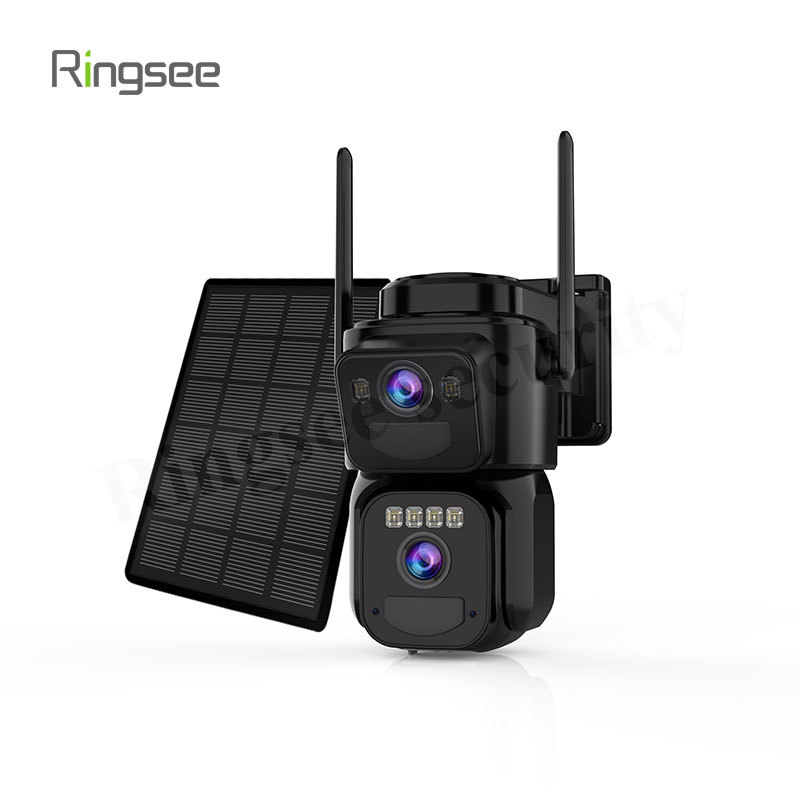
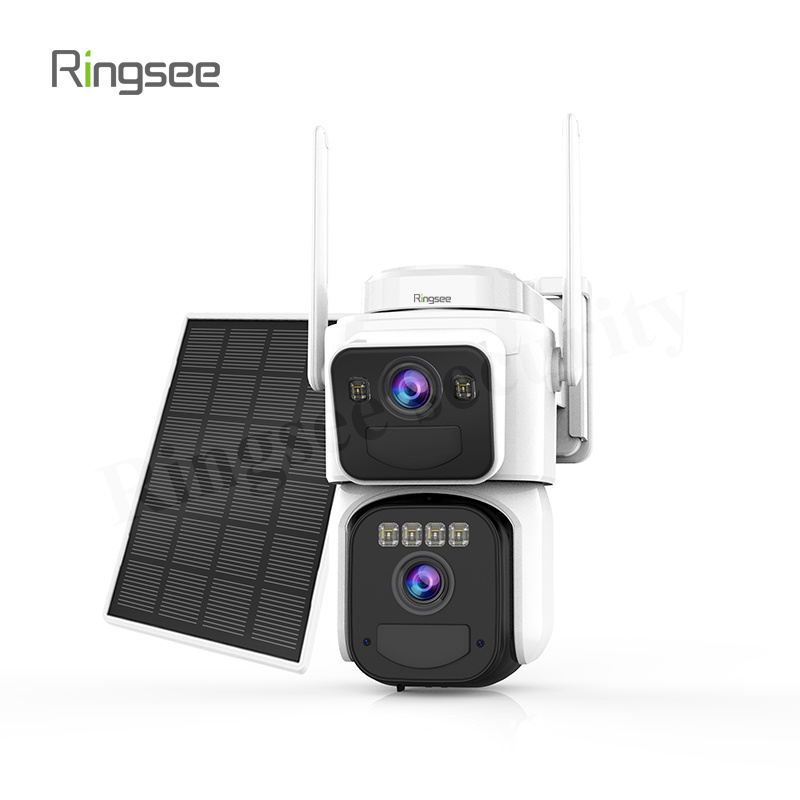
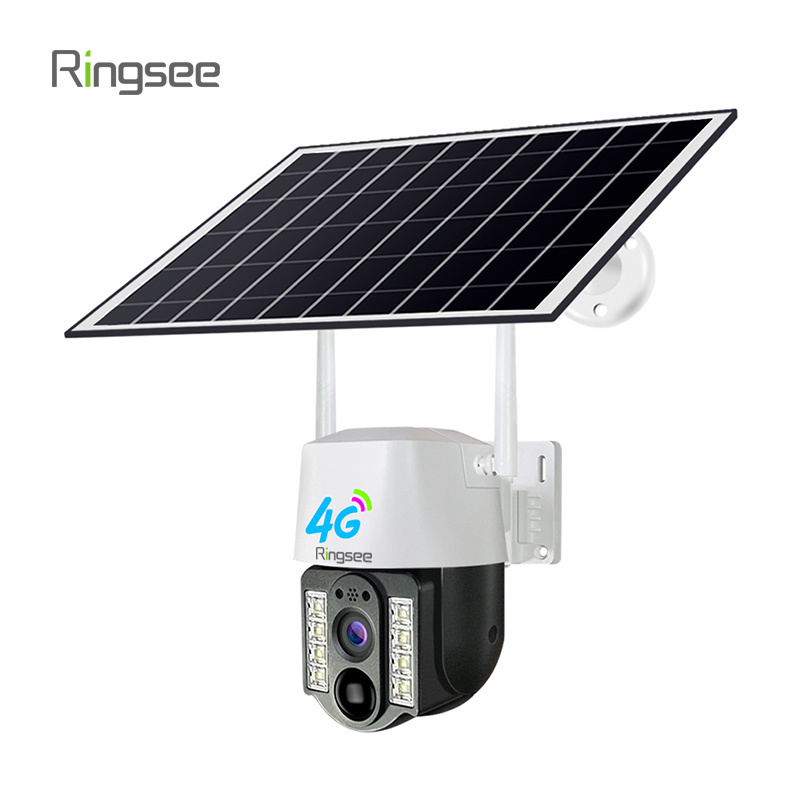
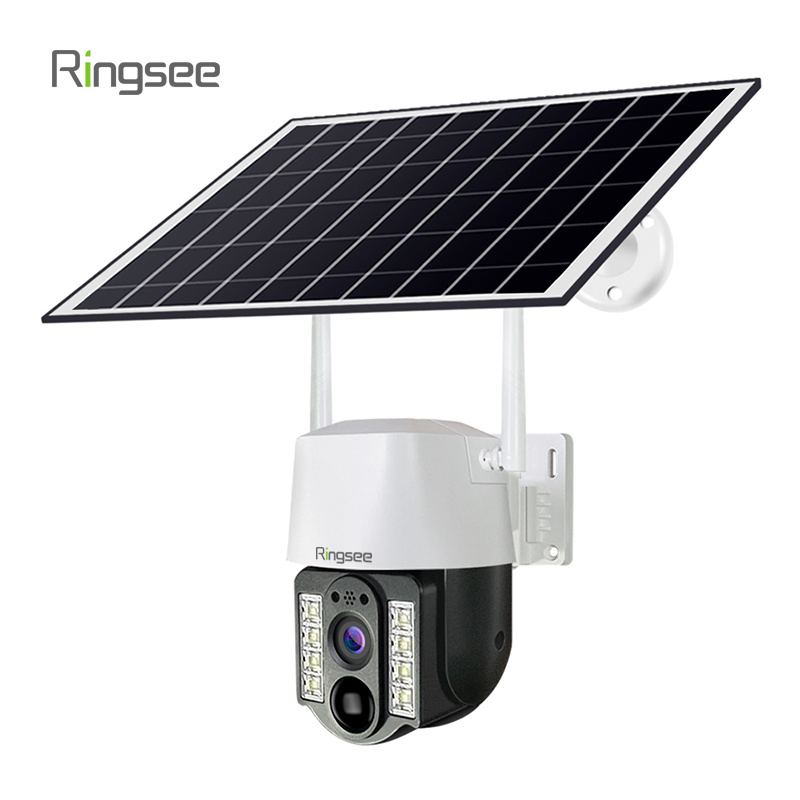
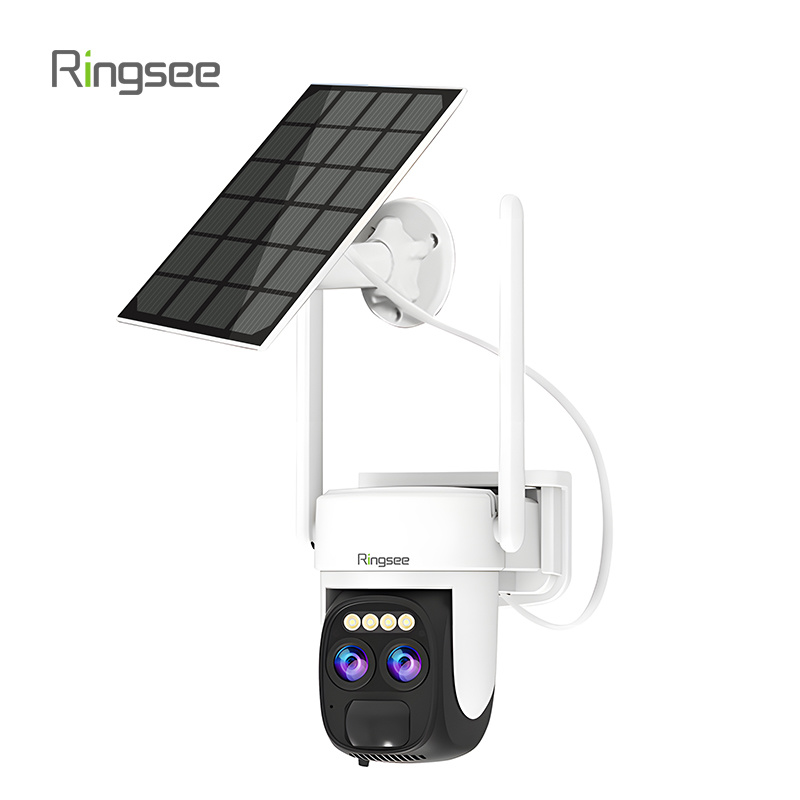
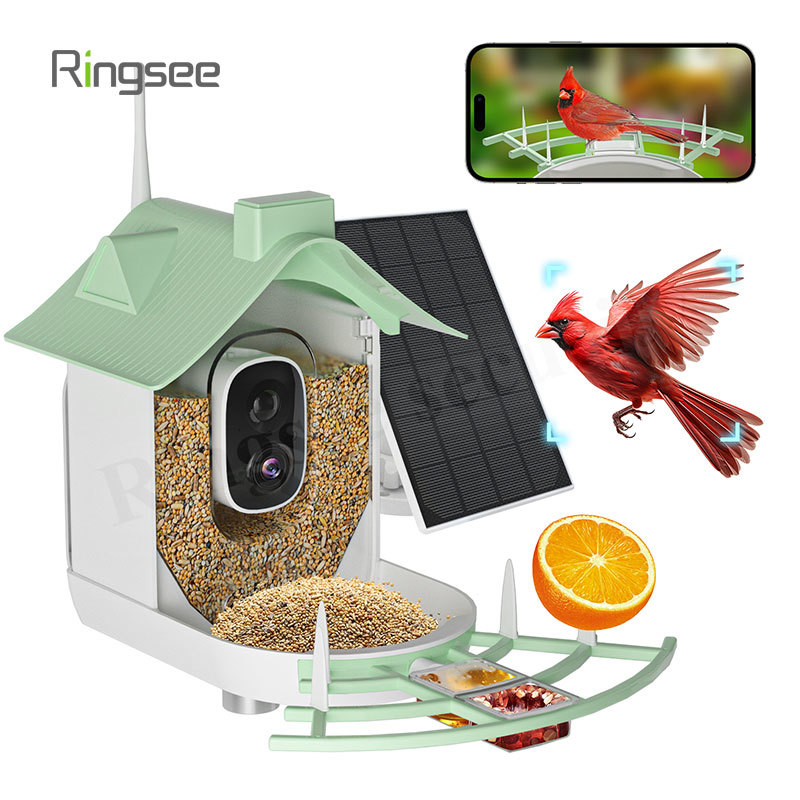
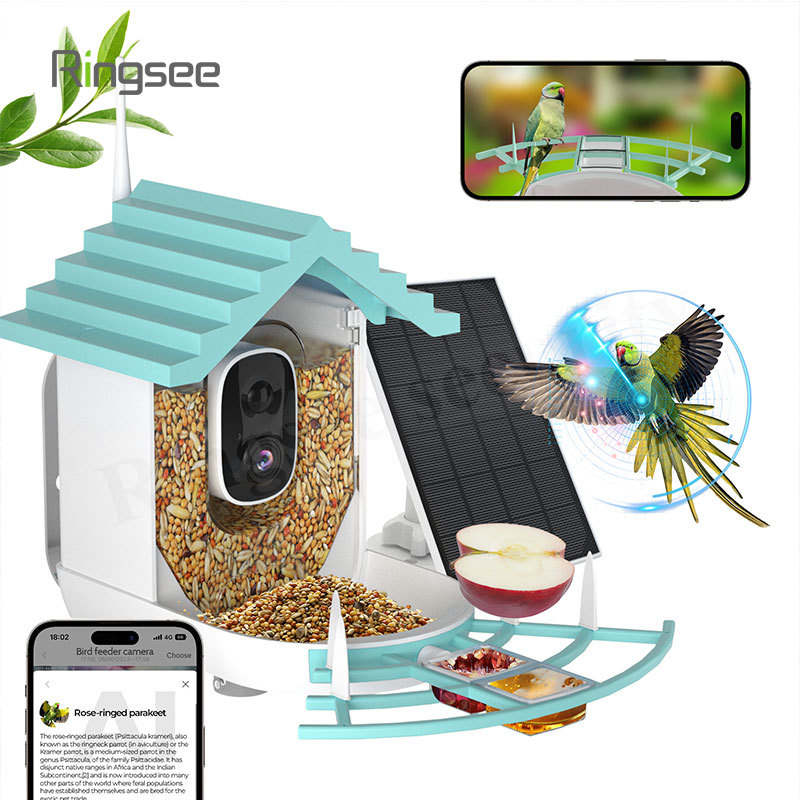
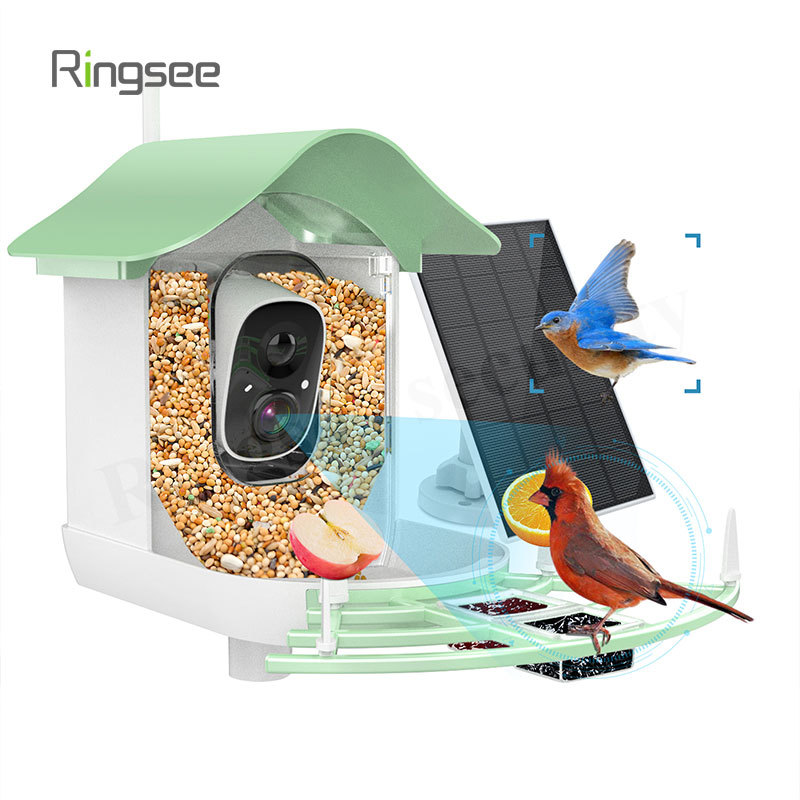
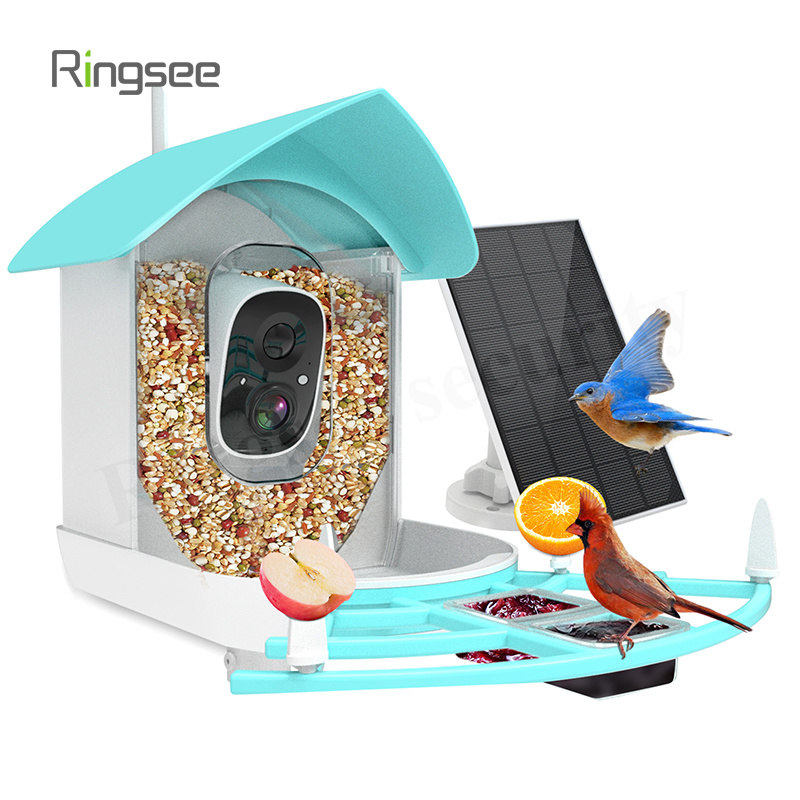
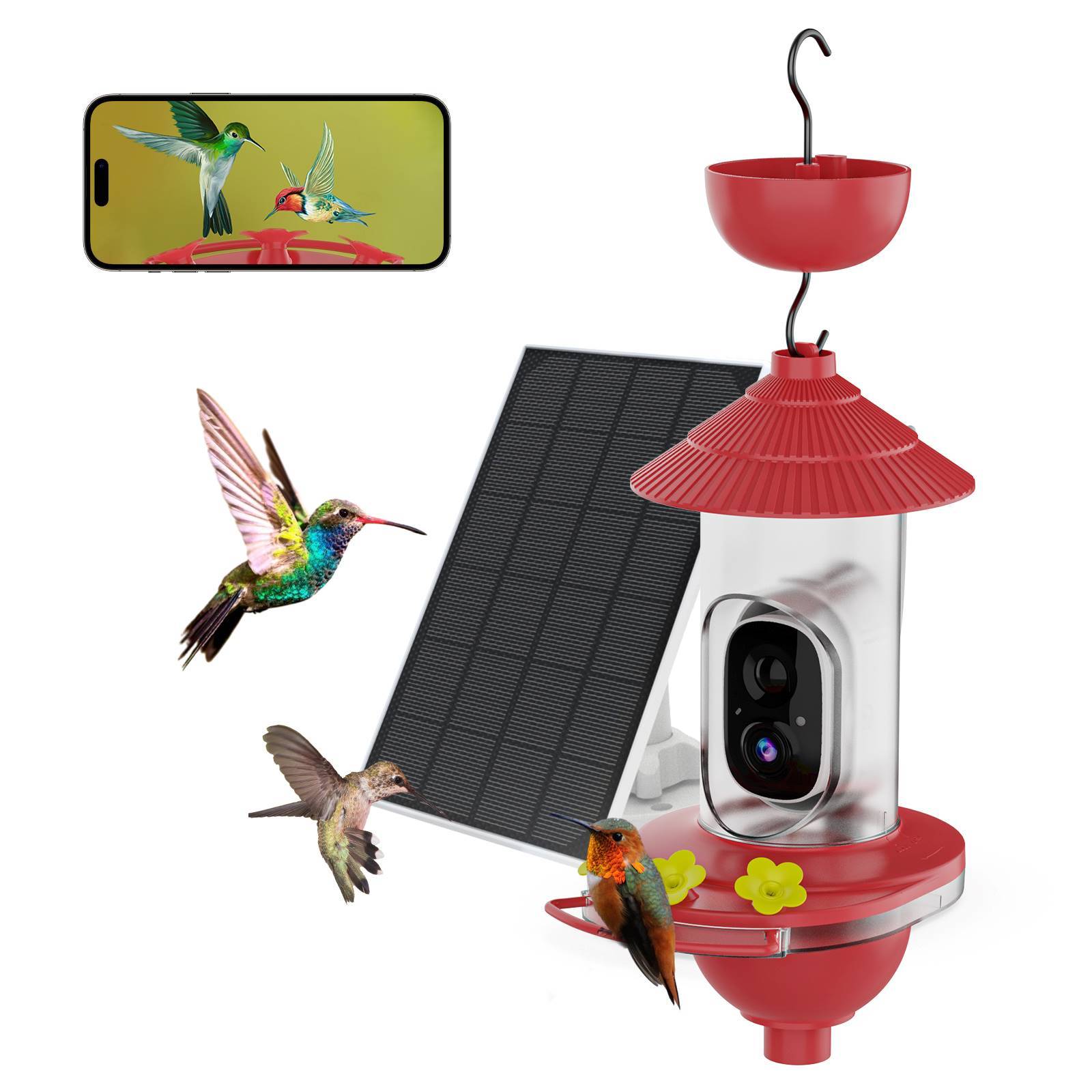
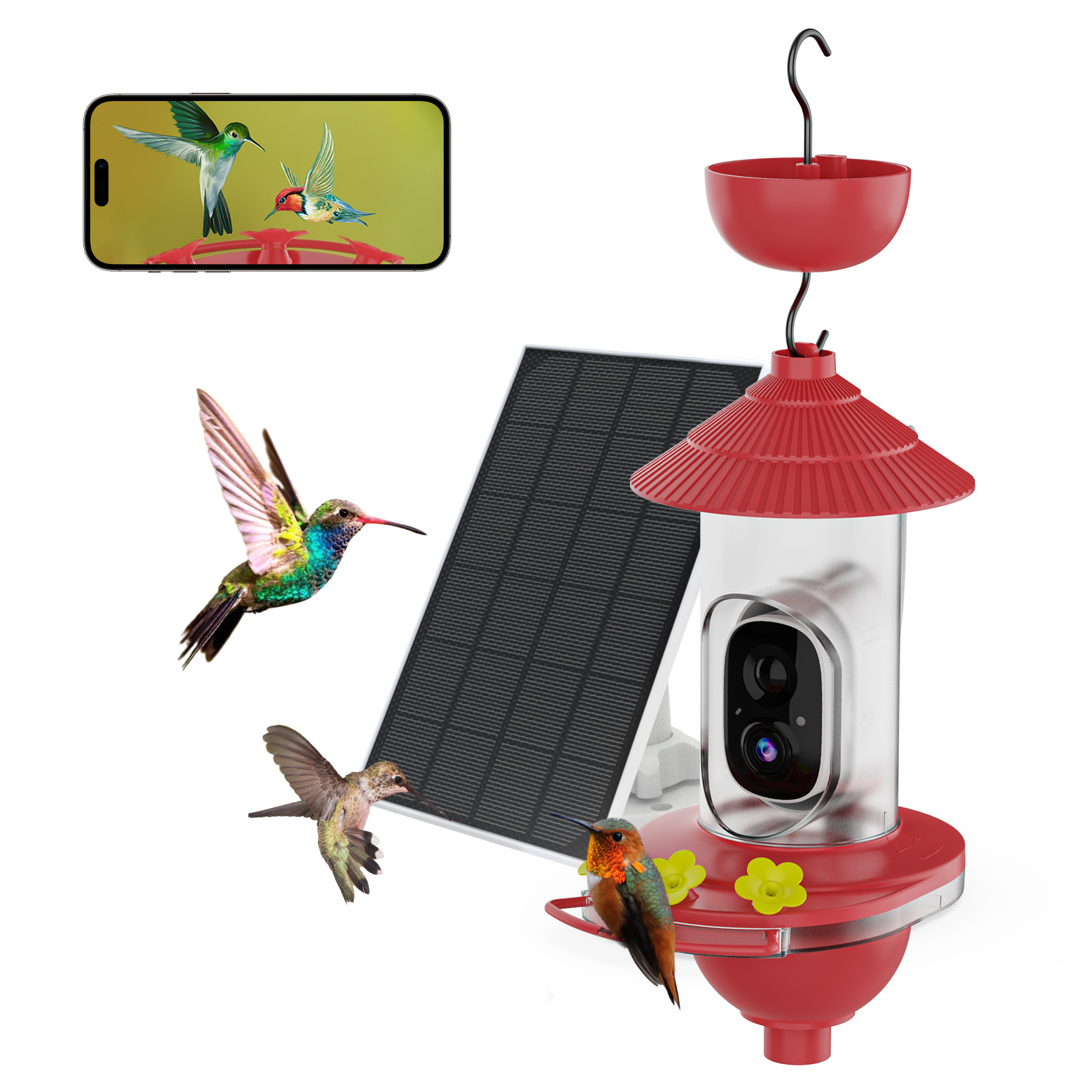
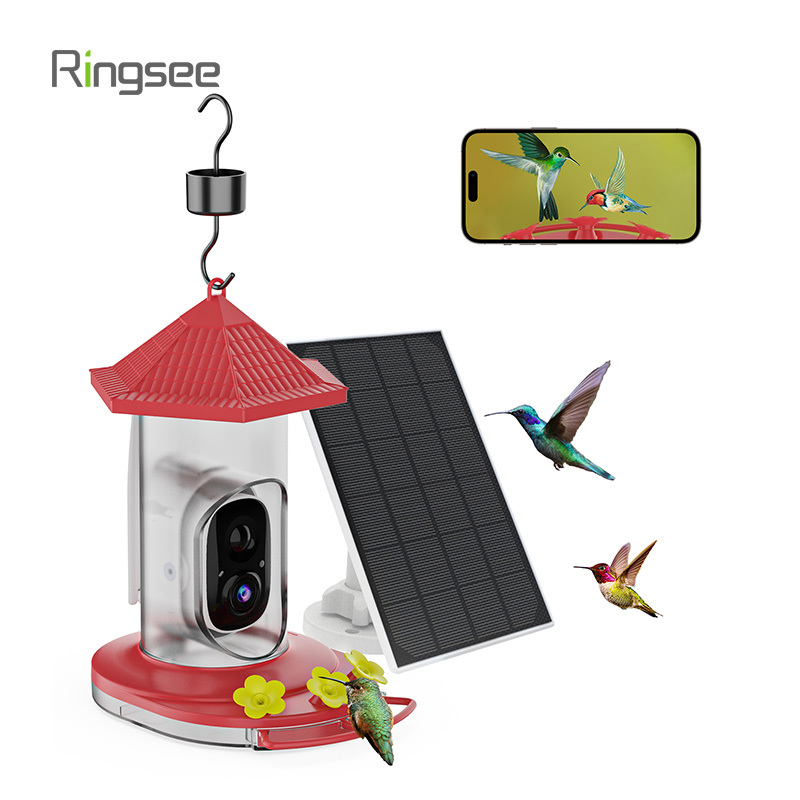
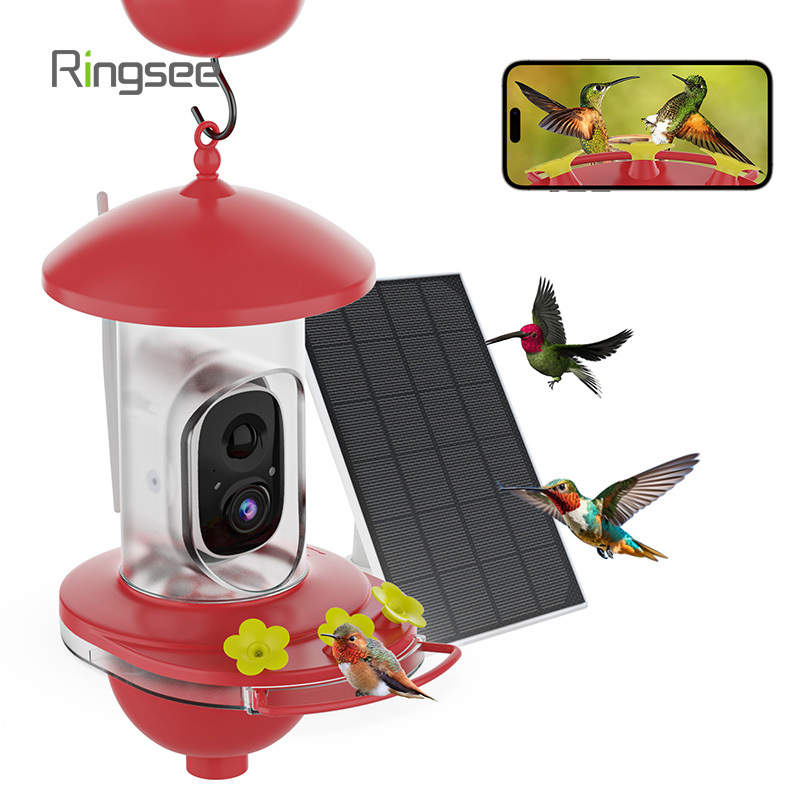
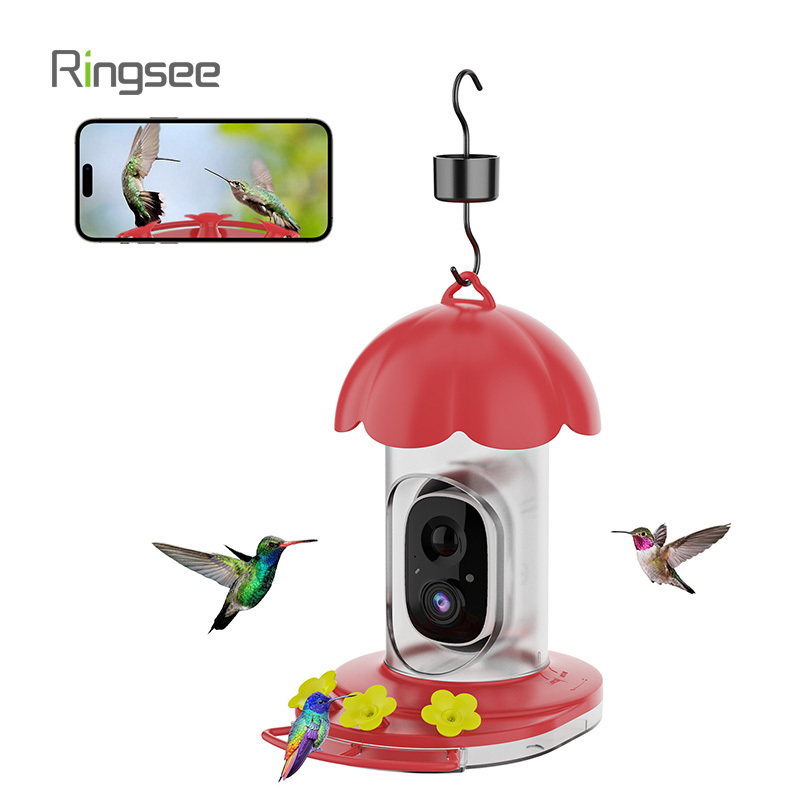
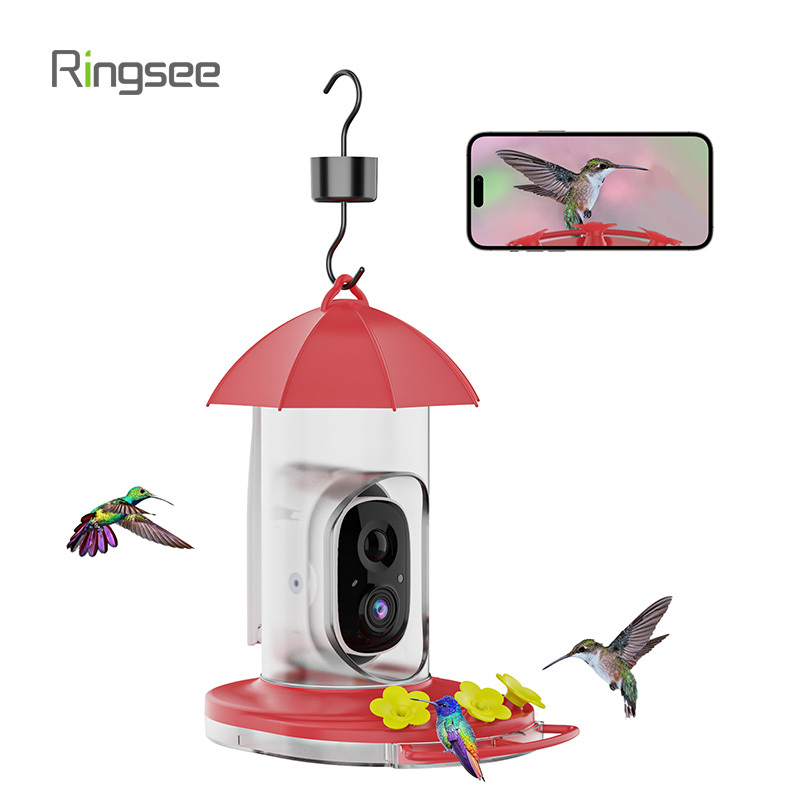
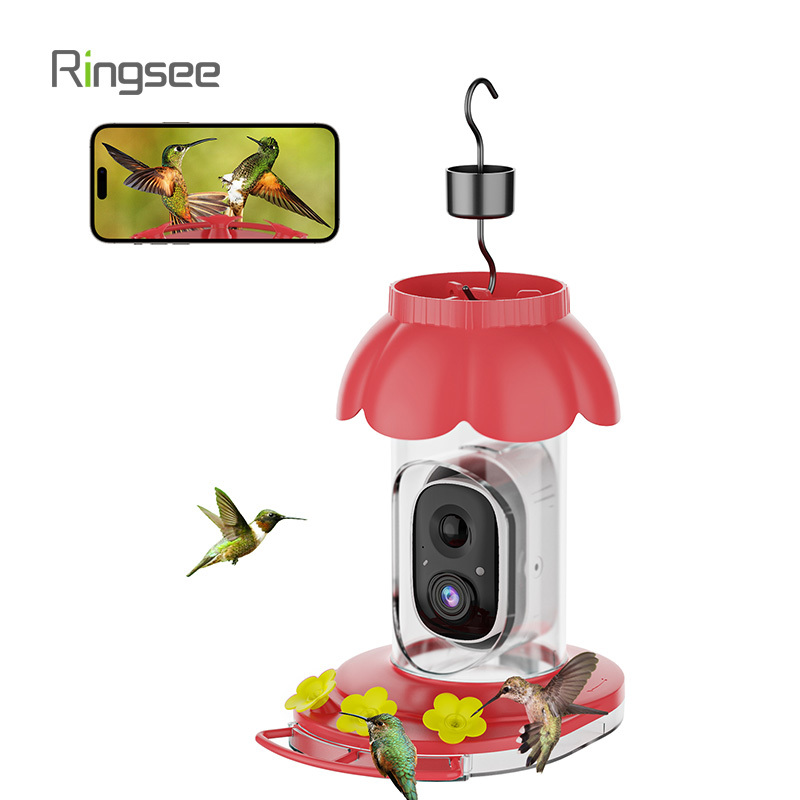
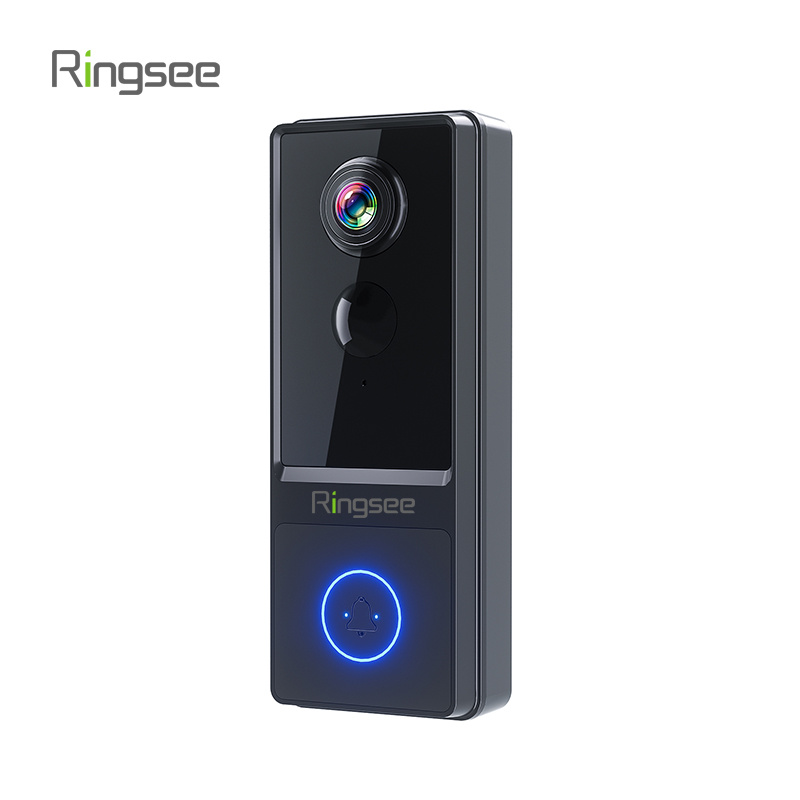
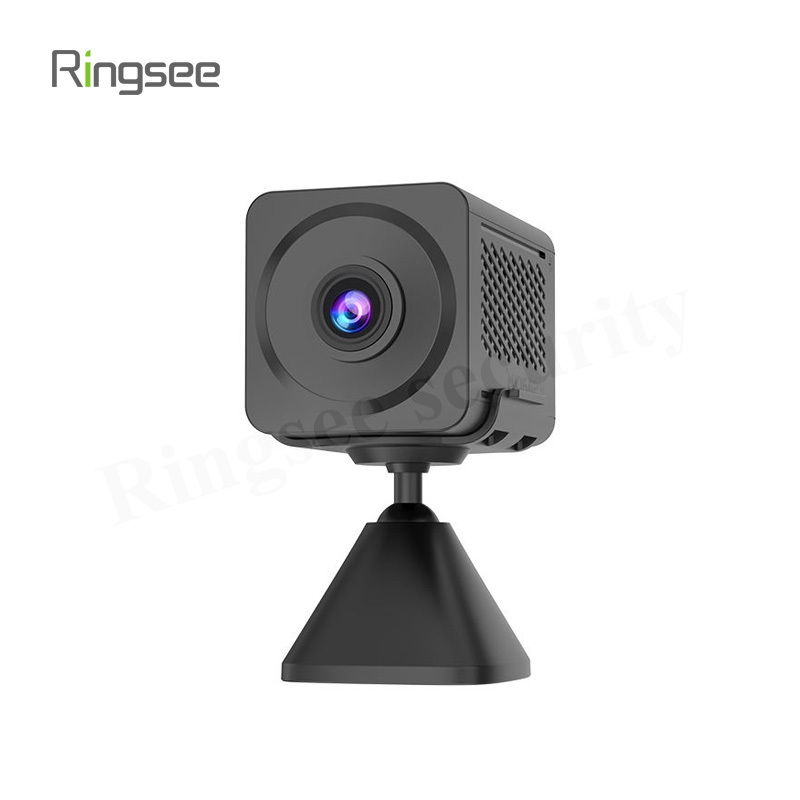
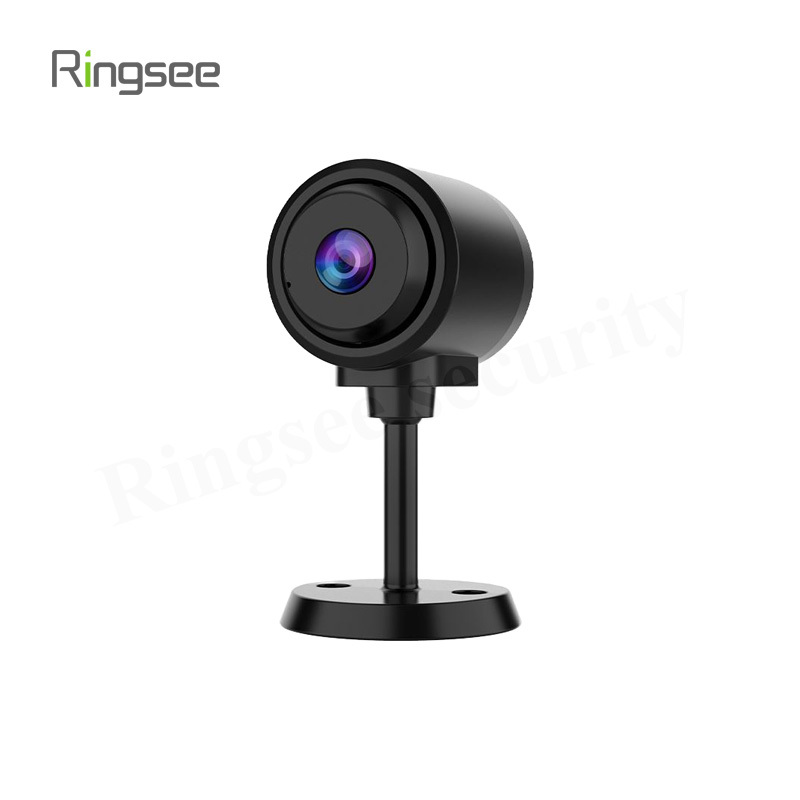
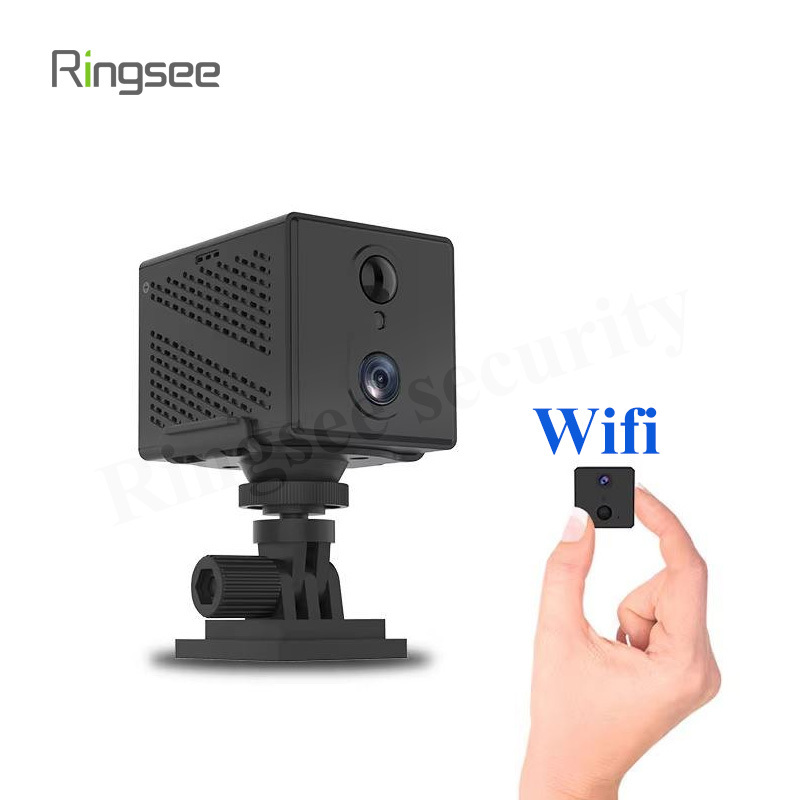
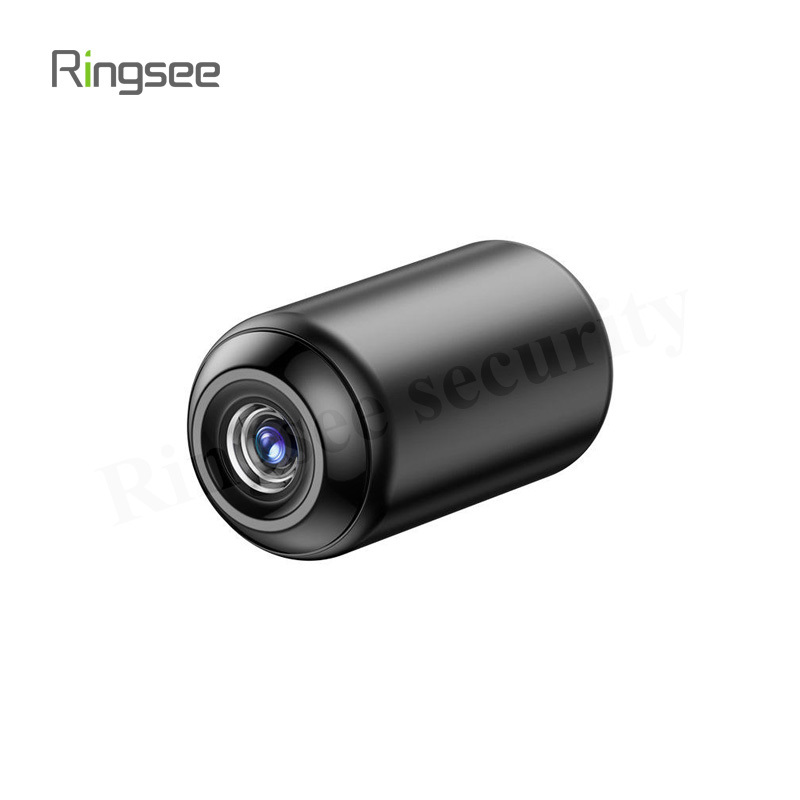
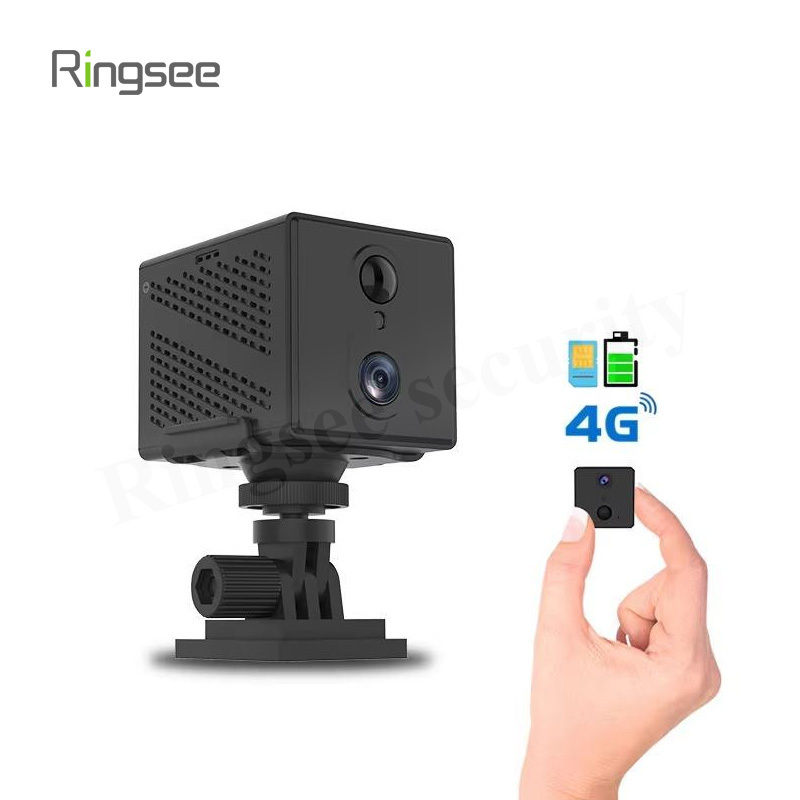
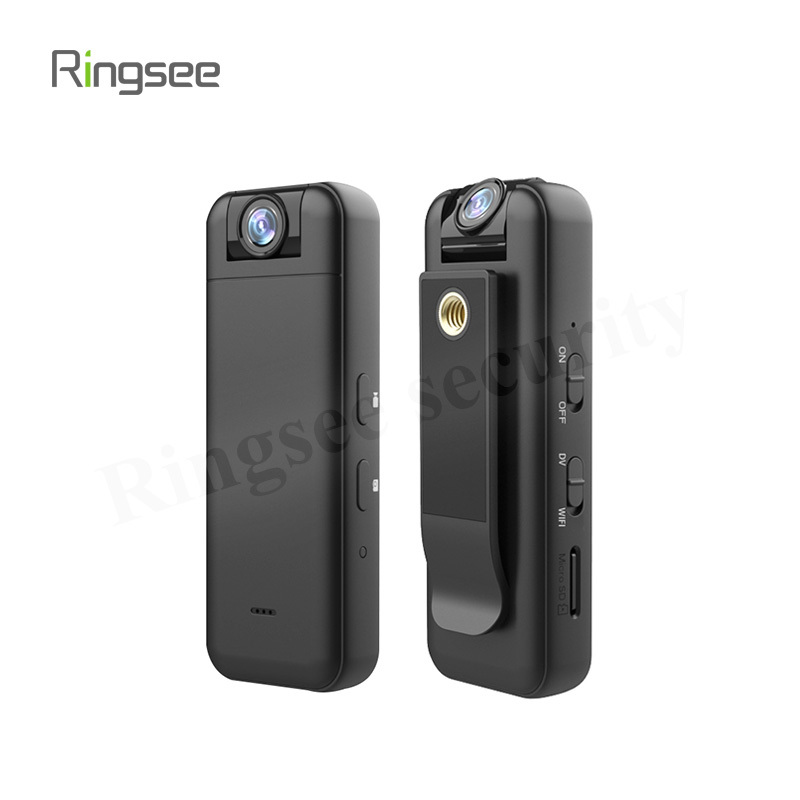
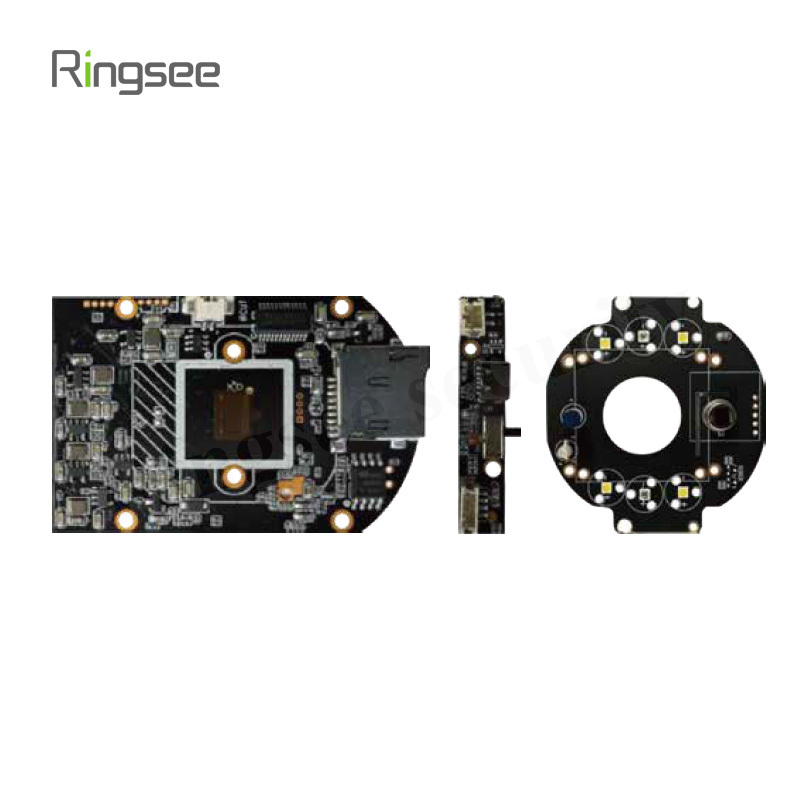
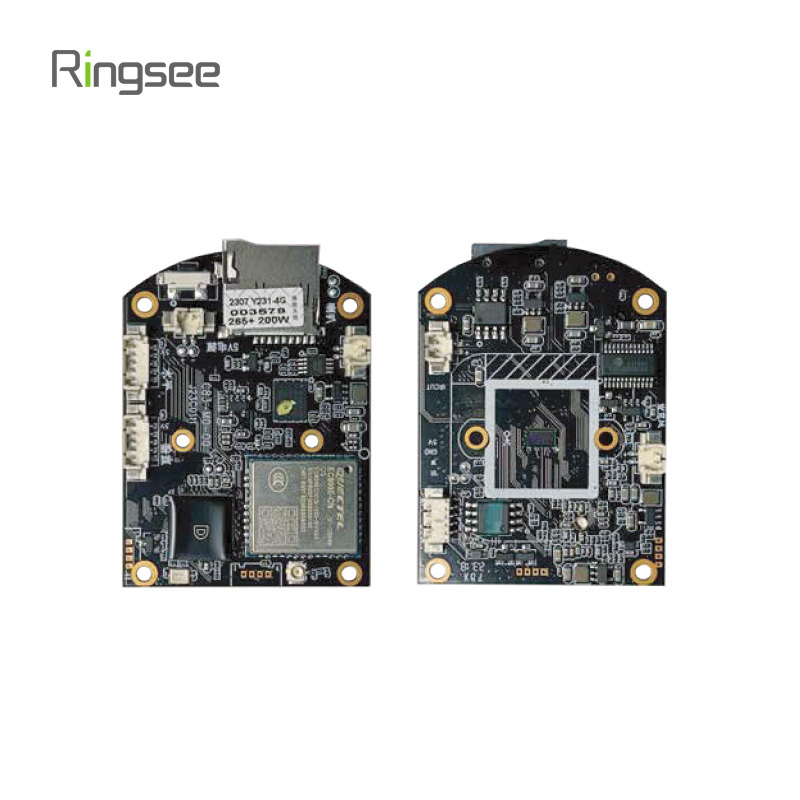
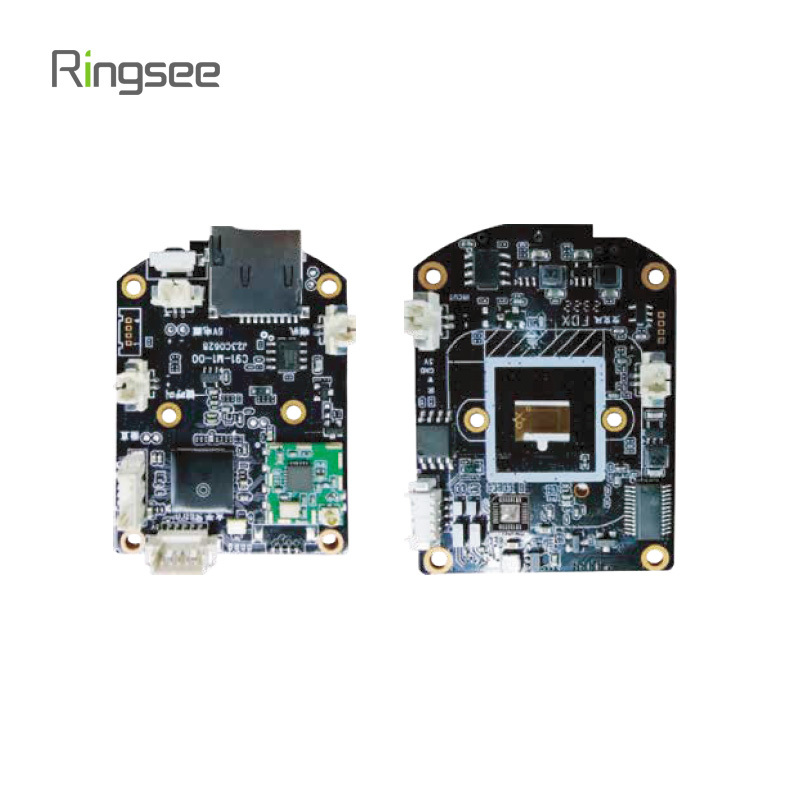
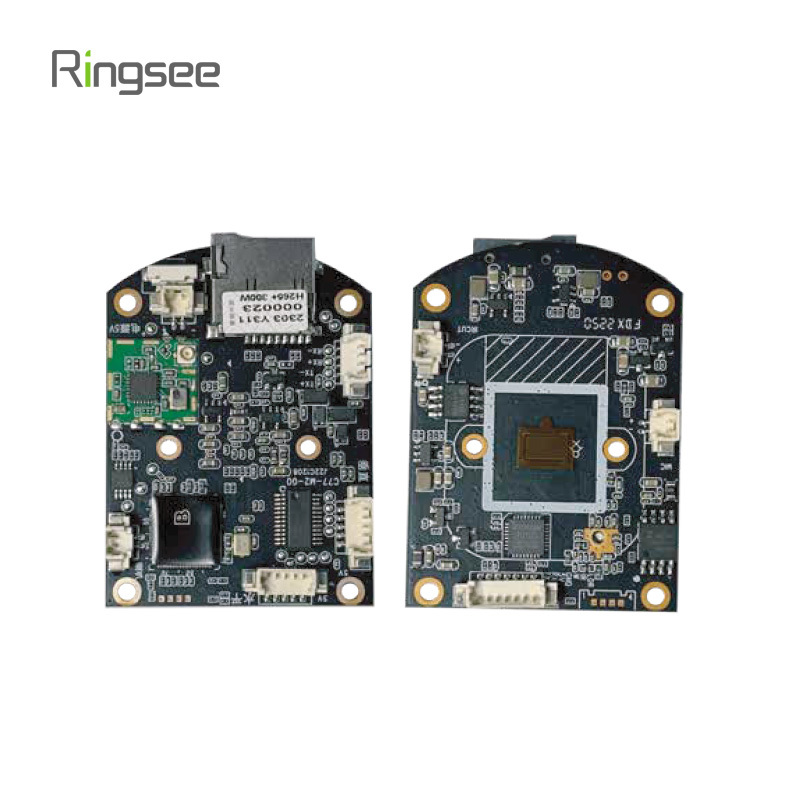
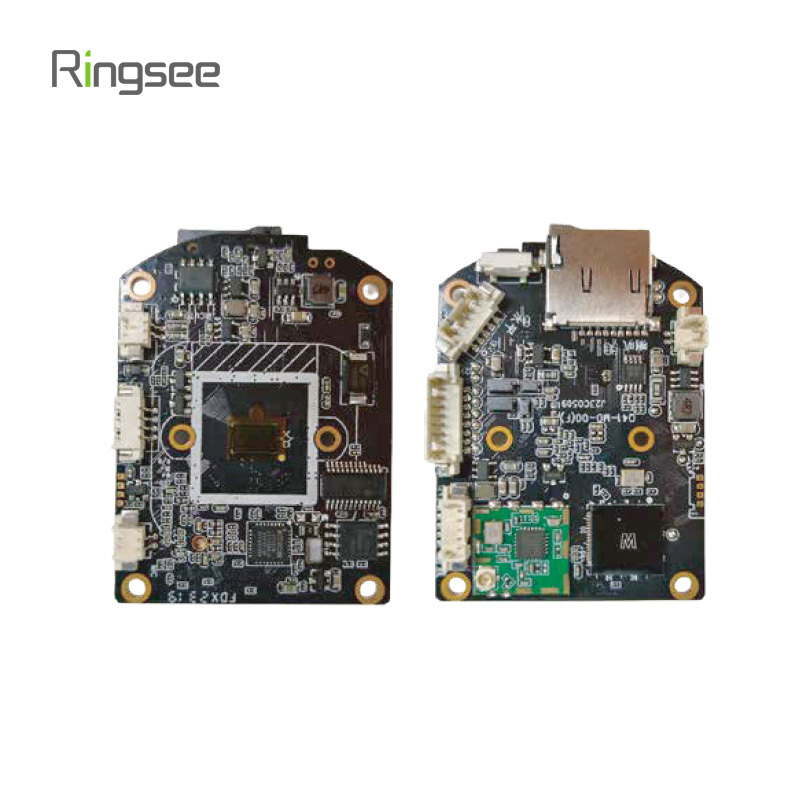
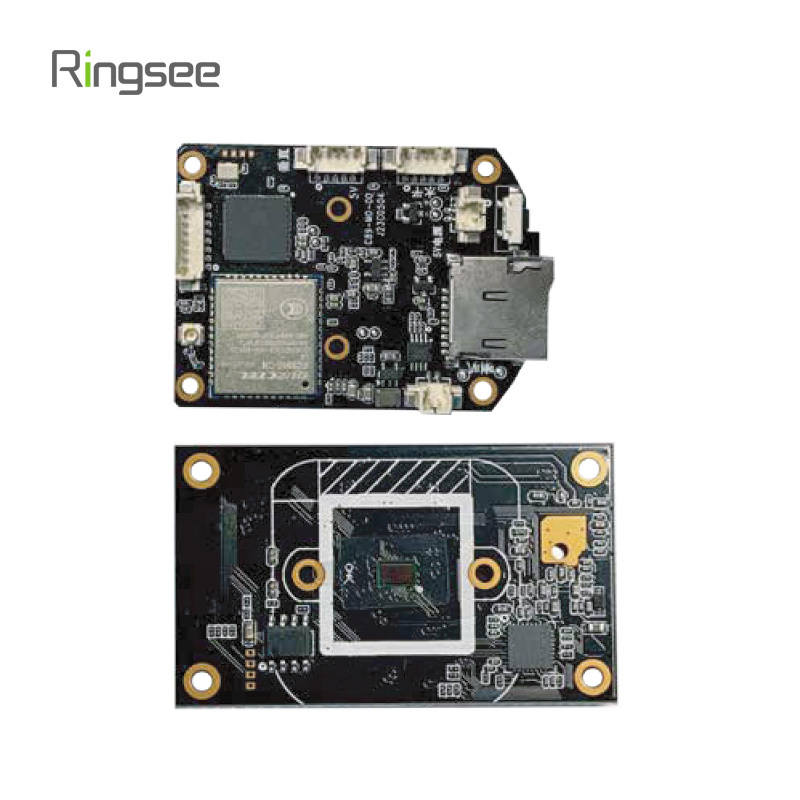
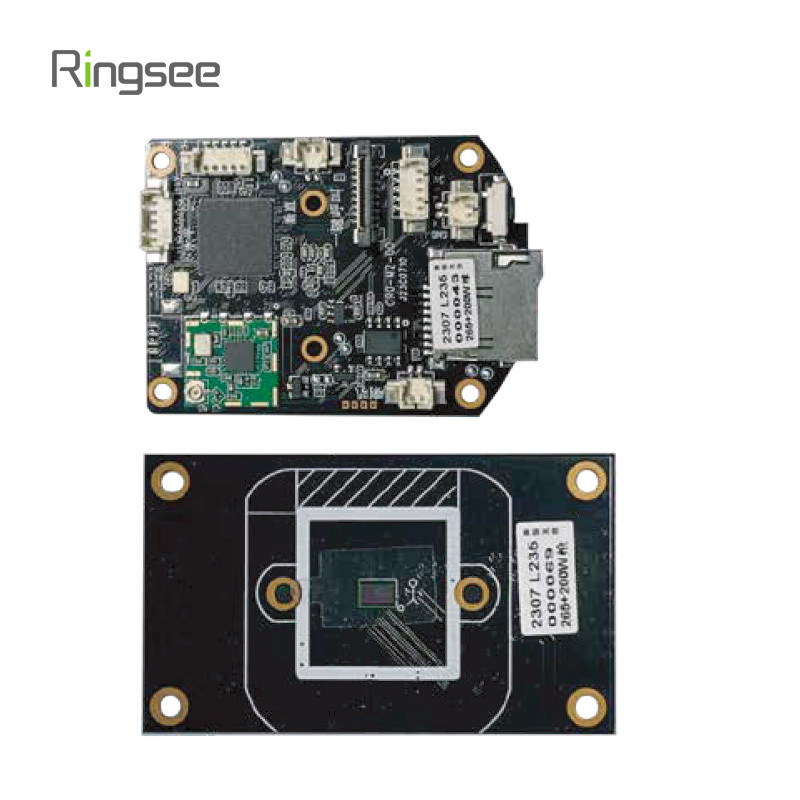
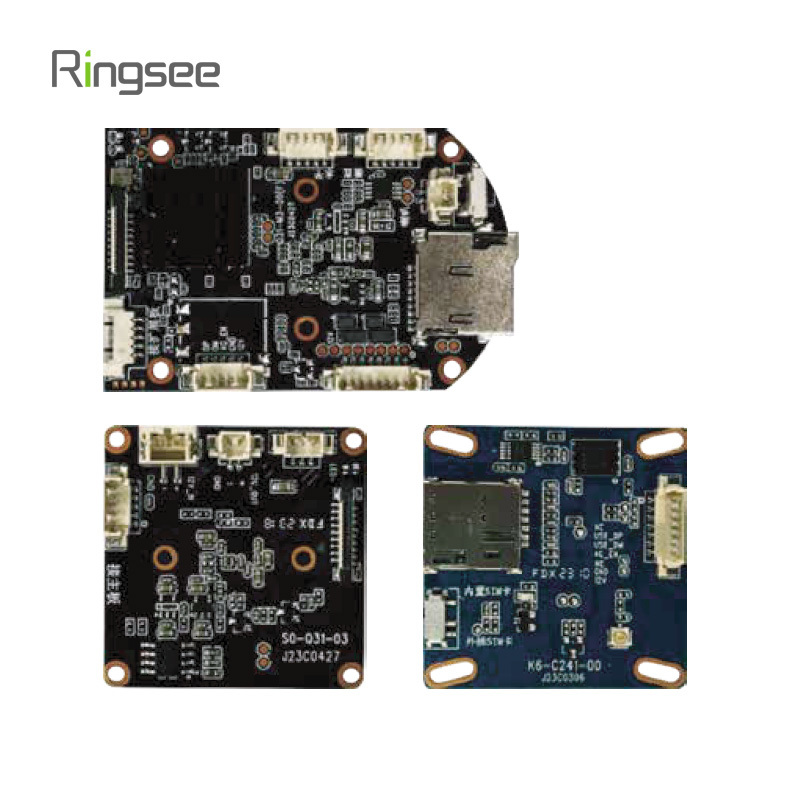
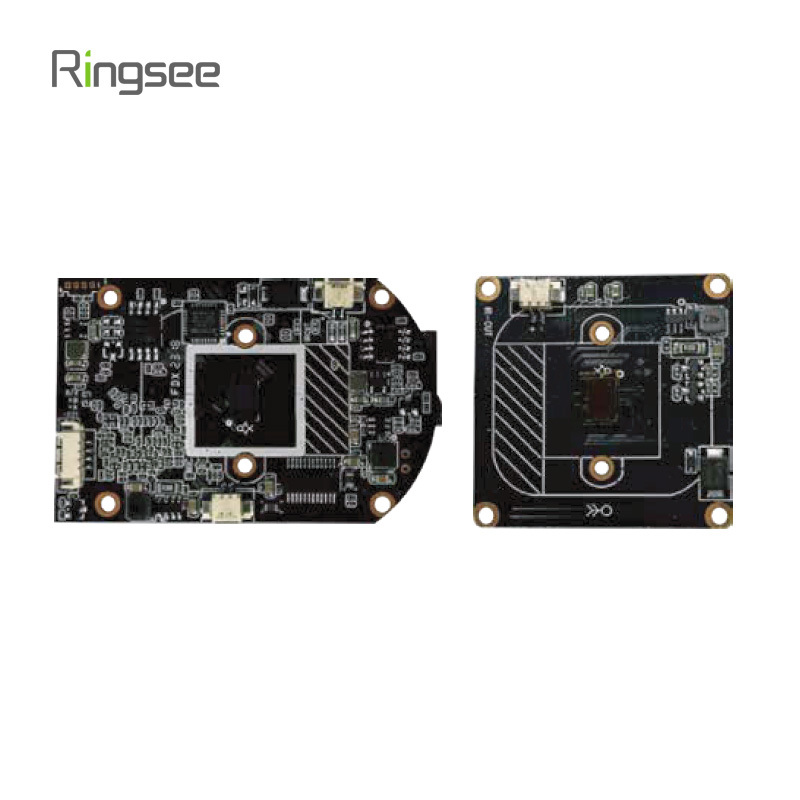
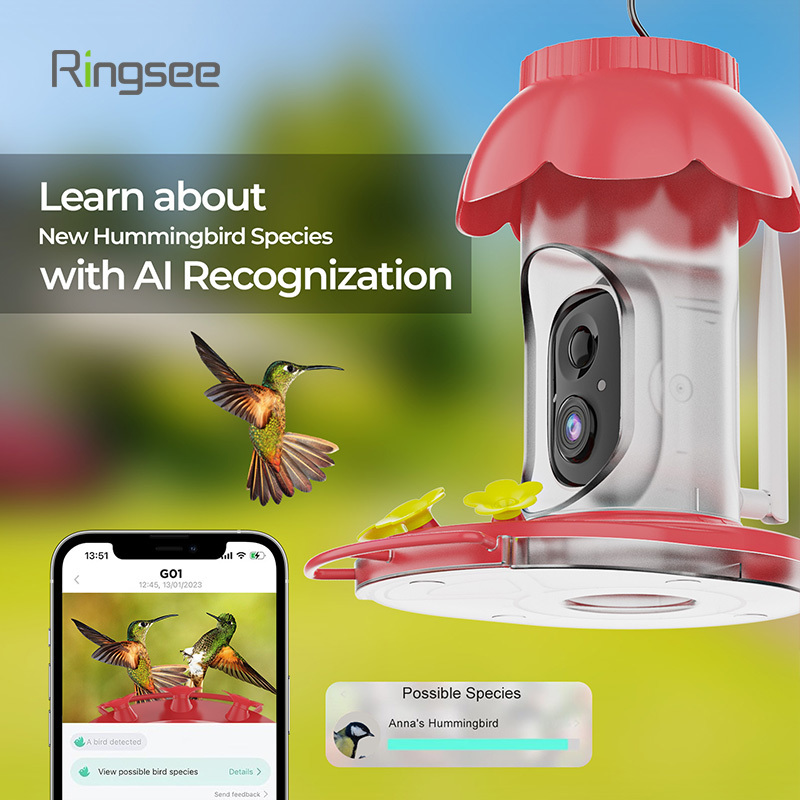 | Products name: Hummingbird Feeder camera Modle: SHRS-HBC-9101 Brand: Ringsee Manufacturer: Ringsee security Pixel: 3MP Nerwork: 2.4 GHz Wi-Fi (IEEE 802.11 b/g/n) Waterproof grade: IP65 Recommended Uses For Product: Hummingbird Target Species: Hummingbird |
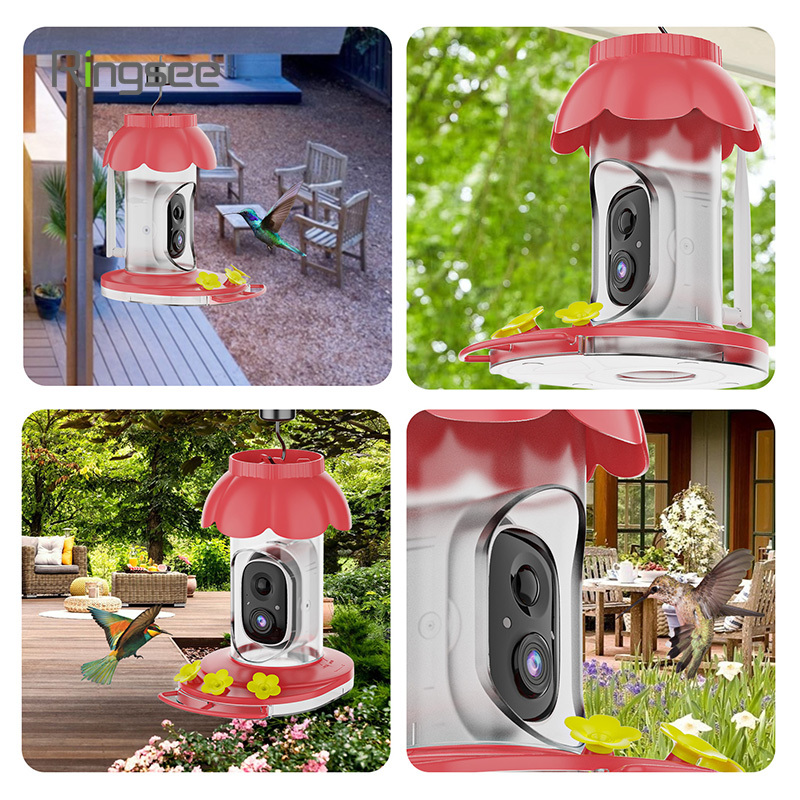
Why Use a Hummingbird Feeder?
Hummingbirds primarily feed on flower nectar, a high-energy food that fuels their fast metabolism. However, natural nectar sources can sometimes be scarce, particularly in urban or suburban areas. A hummingbird feeder provides a reliable source of sustenance, especially during migration or periods of low flower availability.
When selecting a feeder, look for models that are easy to disassemble and clean, as maintaining hygiene is essential for the birds' health. Choose feeders with bright red parts, as hummingbirds are naturally drawn to this color.
Making Nectar for Hummingbirds
Homemade nectar is a safe and cost-effective alternative to store-bought mixes. Here’s a simple recipe:
- Mix 1 part white granulated sugar with 4 parts water.
- Heat the mixture until the sugar is fully dissolved.
- Allow the nectar to cool completely before filling the feeder.
Avoid using honey, artificial sweeteners, or food coloring, as these can harm hummingbirds.
Placement of Feeders
To attract hummingbirds and ensure their safety:
- Place feeders in shaded areas to keep nectar fresh longer.
- Hang feeders at least 4–5 feet above the ground, away from predators like cats.
- Position feeders near flowering plants to create a welcoming environment.
If you have multiple feeders, space them apart to reduce territorial conflicts among hummingbirds.
Cleaning and Maintenance
Cleanliness is critical to prevent mold, bacteria, and fermentation, all of which can harm hummingbirds. Follow these steps:
- Empty and clean feeders every 2–3 days in hot weather and at least once a week in cooler conditions.
- Use warm water and a bottle brush, or a solution of vinegar and water, to scrub the feeder. Avoid soap, which can leave harmful residues.
- Rinse thoroughly before refilling with fresh nectar.
Seasonal Considerations
- Spring and Summer: Feeders are essential during these active periods as hummingbirds breed and migrate.
- Fall: Keep feeders up for a few weeks after the last sighting to help late-migrating birds.
- Winter: In regions where hummingbirds overwinter, consider using heated feeders to prevent nectar from freezing.
Common Challenges and Solutions
- Ants, Bees, and Wasps: Use feeders with built-in ant moats or bee guards. Alternatively, coat the feeder pole with petroleum jelly to deter ants.
- Spoiled Nectar: Replace nectar frequently, especially in warm weather, to prevent fermentation.
- Bird Conflicts: Offer multiple feeders spaced apart to reduce aggression among territorial hummingbirds.
Creating a Hummingbird Haven
Complement feeders with natural habitat features:
- Plant native flowers that produce tubular blooms rich in nectar.
- Provide small perches for resting.提供小栖息处供休息。
- Avoid using pesticides, which can harm hummingbirds and their food sources.
The Joy of Hummingbird Watching
Maintaining a hummingbird feeder not only benefits these tiny, energetic birds but also brings endless joy to bird enthusiasts. Watching hummingbirds dart, hover, and feed is a mesmerizing experience that connects us to nature’s beauty and resilience.With the right care and attention, your hummingbird feeder can become a haven for these extraordinary creatures year-round.
Conclusion: Hummingbirds are extraordinary creatures, perfectly adapted to their ecological roles. Their unique living habits, from their specialized diets and high-energy lifestyles to their intricate nesting behaviors, reflect their ability to thrive in diverse environments. By understanding and protecting these remarkable birds, we not only preserve their beauty but also the vital ecological services they provide.If you want to know more about hummingbird feeder, please contact us-Ringsee security Technology.
Related News
PoE was power. This is control: CCTV Network Security Hardening Guide
Short answer: video systems get breached the boring way, not through clever exploits - (1) factory default credentials never changed, (2) camera or NVR management ports forwarded to the public internet, (3) no separation between the CCTV network and the office LAN. Do three things: replace every default account and disableTelnet/FTP/UPnP/raw RTSP; put cameras in their own VLAN and only allow the NVR to initiate sessions; and reach video over VPN or a zero-trust gateway instead of a port mapping.
Oct 03,2026
PoE Power Design Guide for Security Cameras: Power Budget, Cable Voltage Drop and Distance Limits
Most "cameras keep restarting at night" incidents are not camera defects — they are power design errors. Three root causes cover the overwhelming majority of PoE failures: the power budget was sized on daytime draw instead of night peak, the cable is too thin so voltage drop exceeds the device undervoltage threshold, and the run simply exceeds the 100-metre channel limit. Memorise three numbers and you avoid most of the traps: 802.3af delivers 15.4 W, 802.3at delivers 30 W, and cable reach stops at 100 m.
Oct 03,2026
Bitrate (Mbps) is the single parameter that determines hard drive size, switch selection, and remote-viewing smoothness. Two formulas answer everything: storage per camera per day (GB) ≈ bitrate × 10.8, and total bandwidth = sum of simultaneous bitrates × 1.3 headroom. This guide covers encoding, calculation, and procurement sizing.
Sep 26,2026
CCTV Night Vision Technology Explained: Infrared vs Starlight Full-Color vs Hybrid Light
Three night vision routes and their real limits: 850nm vs 940nm infrared (red glow and range trade-offs), the lux threshold of true starlight cameras (0.001-0.005 lux), light-pollution risks of warm-light supplement, and AI-triggered hybrid switching — plus a six-point datasheet verification method and a 20-minute night PoC test.
Sep 26,2026
CCTV Lens Selection Technical Guide: Focal Length, Pixel Density & the DORI Standard in Practice
Why can't a 4K camera read faces? Because identification depends on pixel density, not total pixels. Using the EN 62676-4 DORI standard, this guide gives the full focal-length / distance / field-of-view formulas, a lens selection lookup table, and the real impact of sensor size and aperture on night vision.
Sep 19,2026
Links:One Belt Power Technology
Add: 14th Floor, Baoshan Building, Longhua District, Shenzhen China.
Privacy Policy | SEO | CitySite | Support: 300.cn Dongguan