




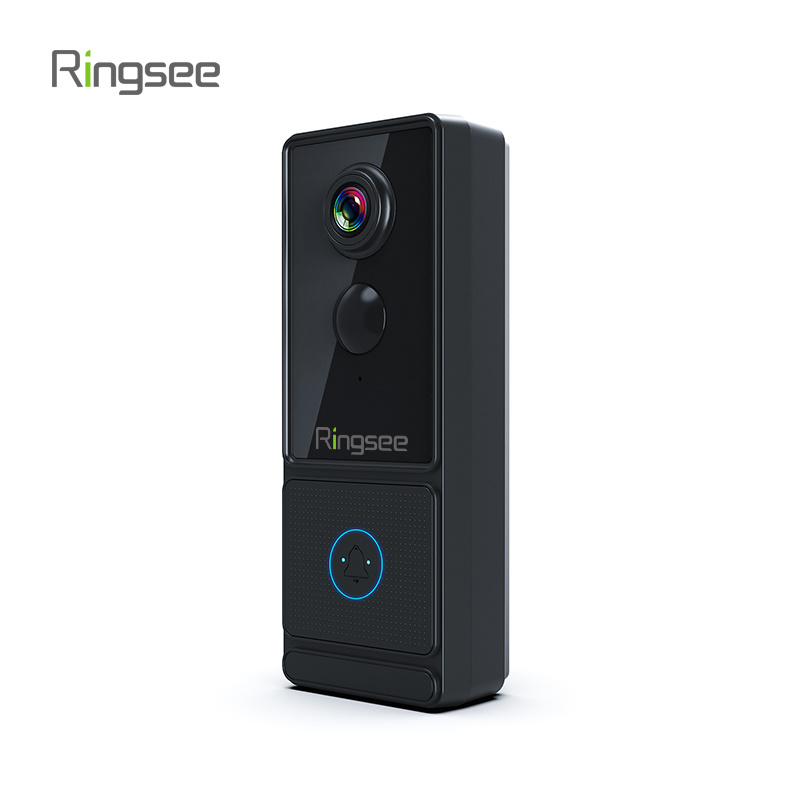
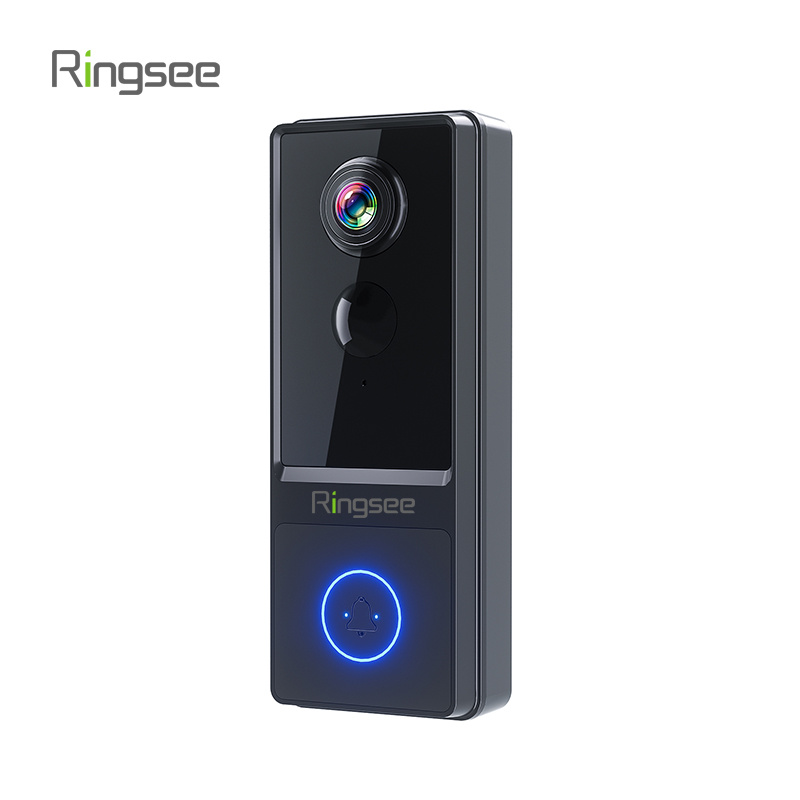

The Definitive Guide: How HD Video Doorbells with Advanced Night Vision Deliver 24/7 Home Security and Peace of Mind
Publish:
2025-12-09 09:40
Source:
https://www.ring-see.com
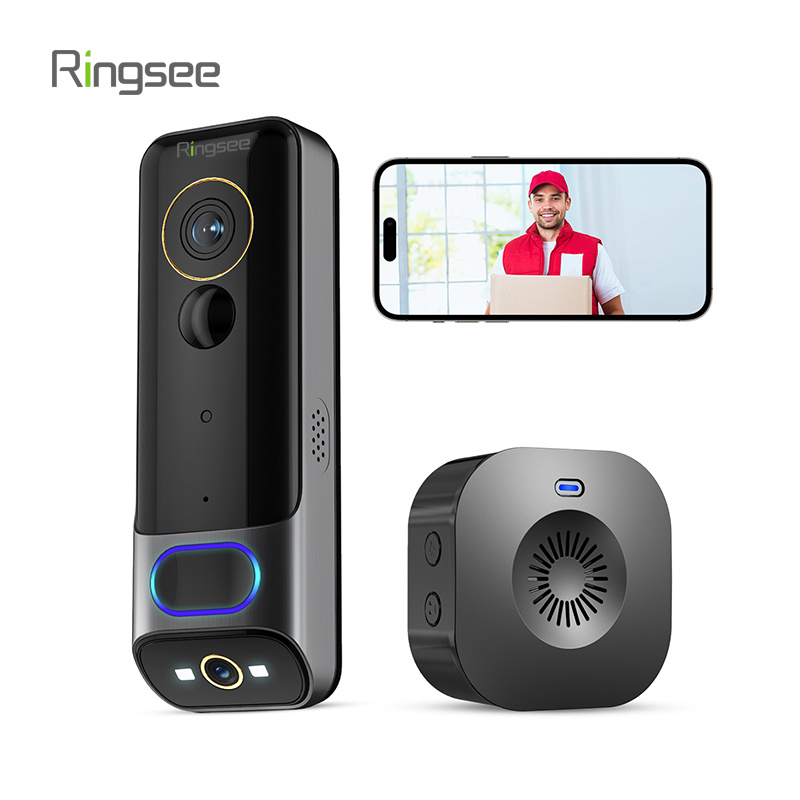
Home security is no longer a luxury—it’s a necessity. While traditional doorbells simply signal a visitor's presence, modern HD video doorbells are the first line of defense for your property. By pairing crystal-clear high-definition video with sophisticated night vision technology, these devices offer uninterrupted surveillance, making your entry point smarter and significantly safer.
Home security is no longer a luxury—it’s a necessity. While traditional doorbells simply signal a visitor's presence, modern HD video doorbells are the first line of defense for your property. By pairing crystal-clear high-definition video with sophisticated night vision technology, these devices offer uninterrupted surveillance, making your entry point smarter and significantly safer.
For a security device to truly protect your home, its performance must be unwavering, whether in bright daylight or complete darkness. Here’s a breakdown of how to leverage the full power of an HD video doorbell with night vision to enhance your home’s security.

1. The Power of High-Definition: Why Clarity Matters for Identification (HD Video)
The "HD" in HD video doorbell isn't just a marketing term; it's crucial for the primary function of the device: identification. If you can’t clearly identify a face, a license plate, or a package detail, the security footage is useless.
1.1 Understanding Resolution: From 1080p to 4K
Modern doorbells should offer a minimum of 1080p (Full HD) resolution. However, the current standard is moving toward 2K (1440p) or even 4K Ultra HD. This higher resolution allows for:
Digital Zoom: The ability to zoom in on a suspect or object after the event without the image immediately pixelating.
Facial Feature Capture: Capturing distinguishing features necessary for law enforcement, even from a distance.
1.2 The Critical Need for a Wide Field of View (FoV)
A key weakness of older video doorbells is their limited horizontal field of view. A professional-grade camera must address the entire entry area. Security experts recommend a camera with a wide Aspect Ratio Over View (AOV), or a head-to-toe perspective, which ensures:
Package Protection: You can see the ground immediately in front of the door, preventing "porch piracy."
Full Body Capture: You see a visitor from head to toe, not just from the chest up, which is essential for capturing clothing details or tools they might be carrying.
2. Mastering the Dark: Advanced Night Vision Technology
Most residential crimes and break-ins occur under the cover of darkness. The effectiveness of your security system relies entirely on its performance when visibility is lowest. A strong night vision feature is arguably the most vital component of your video doorbell.
2.1 The Standard: Infrared (IR) Night Vision
Traditional night vision uses infrared LED lights to illuminate the scene, capturing footage in black and white. While effective for basic detection, this method has limitations:
Lack of Detail: Everything appears in grayscale, making it impossible to identify clothing color, vehicle color, or other critical descriptive details.
Overexposure: Faces or objects too close to the camera can be completely washed out by the IR lights, rendering them featureless.
2.2 The Game Changer: Color Night Vision
To truly improve security and ranking, the article must discuss advanced features like color night vision. This technology, also known as starlight or full-color night vision, maintains color accuracy in extremely low-light conditions.
It uses highly sensitive image sensors (often larger CMOS sensors) combined with advanced image processing.
The result is a nighttime video feed that provides vivid colors, significantly increasing the chances of successful identification and providing richer evidence.

3. Continuous and Proactive Surveillance: 24/7 Monitoring and Features
A reliable HD video doorbell must be a smart, active part of your home defense, not just a passive camera. It needs to detect, alert, and allow you to respond in real-time.
3.1 Custom Motion Detection and Activity Zones
A common complaint about older security cameras is false alarms (cars driving by, animals). A high-quality doorbell overcomes this with:
PIR and AI Detection: Combining Passive Infrared (PIR) sensors with Artificial Intelligence (AI) allows the doorbell to accurately distinguish between people, packages, pets, and vehicles, only alerting you to relevant events.
Custom Activity Zones: This feature is essential. It allows you to draw specific areas (e.g., your porch, but not the sidewalk or your neighbor’s yard) where you want motion alerts to trigger, drastically reducing unnecessary notifications.
3.2 Two-Way Talk and Deterrence
The ability to communicate instantly is a powerful deterrent. HD doorbells with two-way audio allow homeowners to:
Intervene Remotely: Tell a delivery person where to place a package or, more importantly, challenge a suspicious person approaching your door, often scaring them away before they act.
Built-in Sirens: Many models include a remote-activated siren or a flashing light, providing an immediate, audible response to suspicious activity detected by the continuous surveillance.
3.3 Seamless Smart Home Integration
For true family safety, the video doorbell shouldn't operate in a vacuum. It should integrate flawlessly with other components of your security system, such as:
Smart Locks: Automatically lock the door when a suspicious person is detected and you are away.
Security Lights: Trigger connected floodlights to turn on when the doorbell detects movement after dark, enhancing the video quality and startling the intruder.

4. Strategic Installation and Maintenance for Maximum Performance
The best doorbell camera is only as good as its placement. A few degrees of tilt or being too far from the router can compromise its security function.
4.1 Optimal Placement and Angle
For the most comprehensive view:
Height: Install the doorbell at a height that captures the average person's face (typically around 48 inches/1.2 meters from the ground).
Angle: If possible, angle the camera slightly toward the main path of approach to maximize warning time.
4.2 Wi-Fi Connectivity and Data Security
Since these devices rely on Wi-Fi connectivity to deliver 24/7 footage to your mobile device, network stability is non-negotiable.
Signal Strength: Ensure the doorbell is positioned within a strong Wi-Fi signal range. If not, consider a Wi-Fi extender.
Cloud Storage: Verify the doorbell offers secure, encrypted cloud storage (or local storage options) to protect your footage from being accessed or lost.
Conclusion: Upgrading Your Security Posture
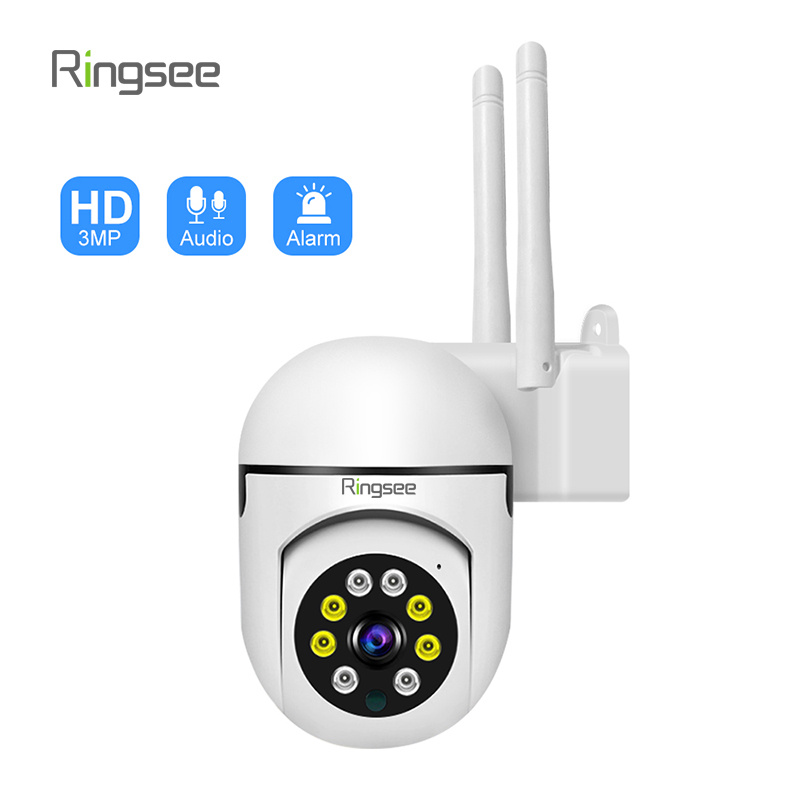
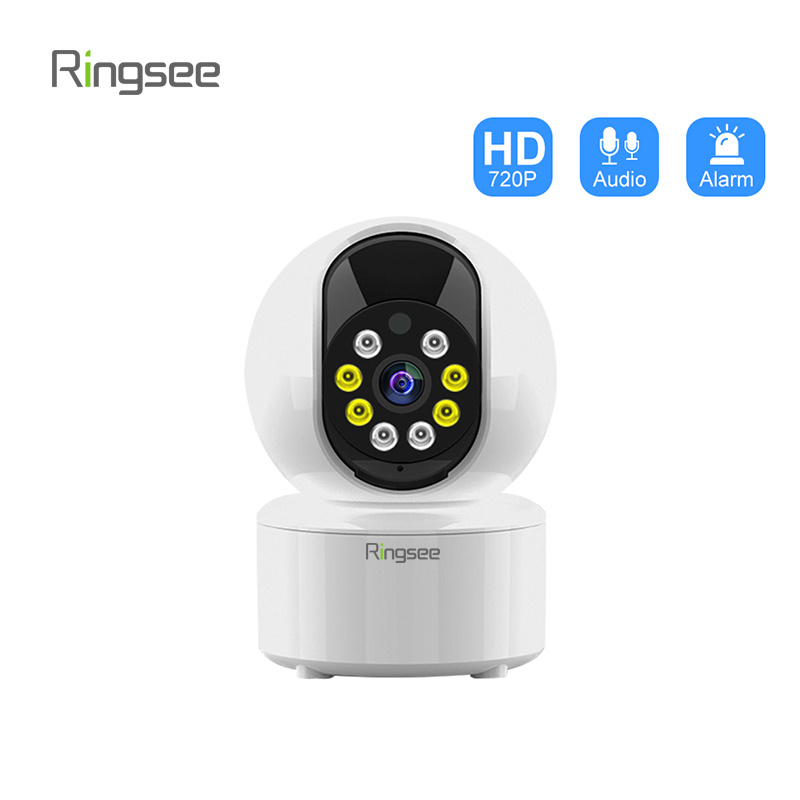
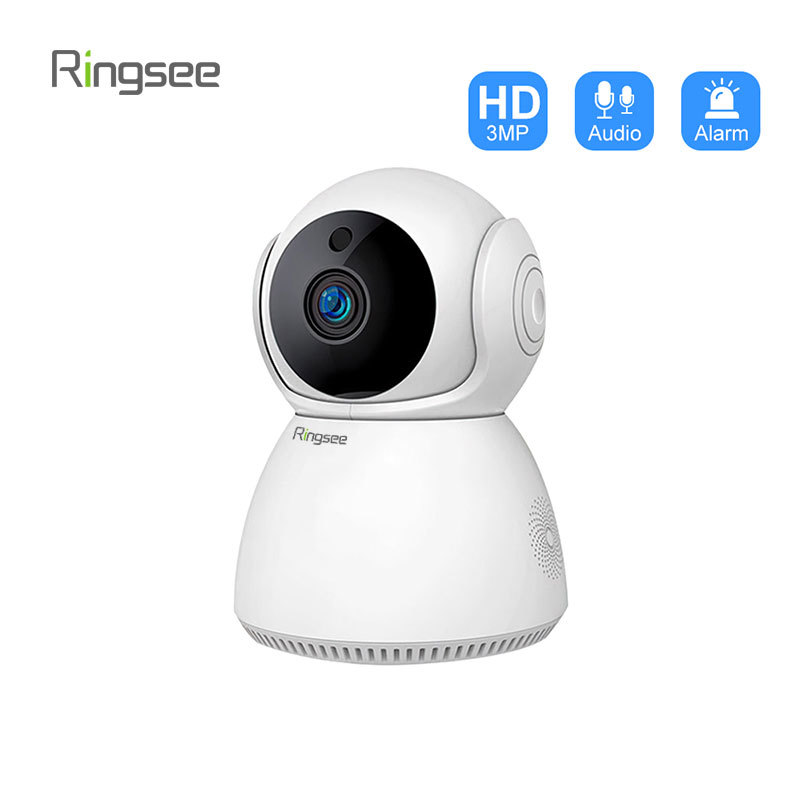
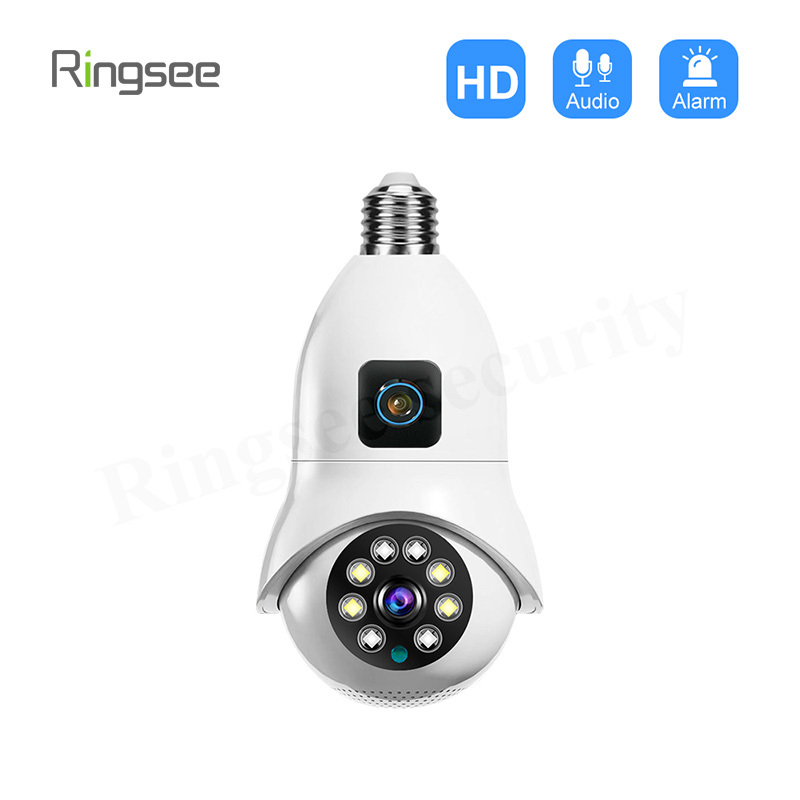
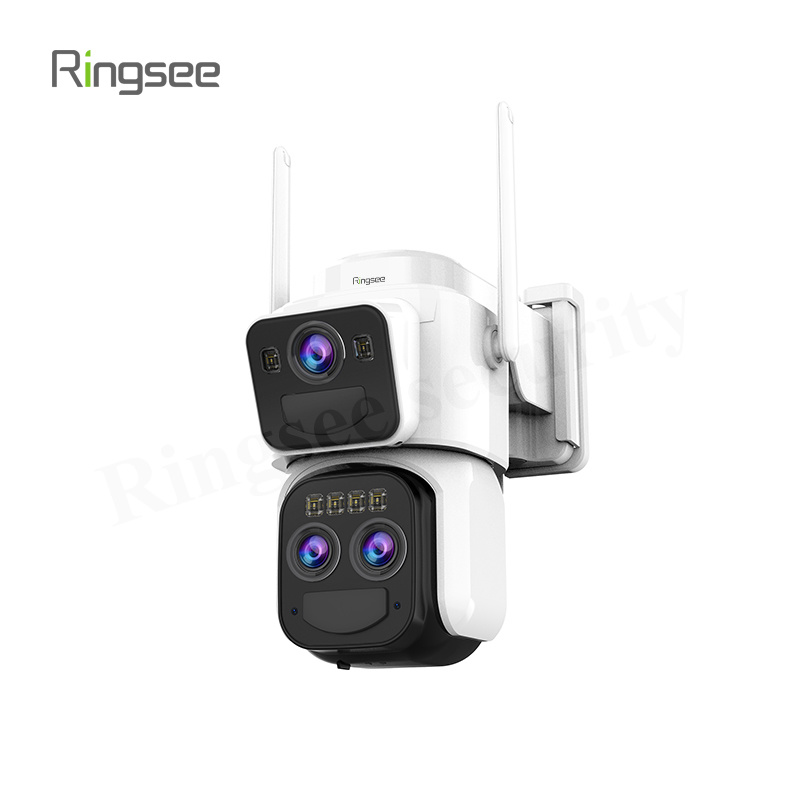
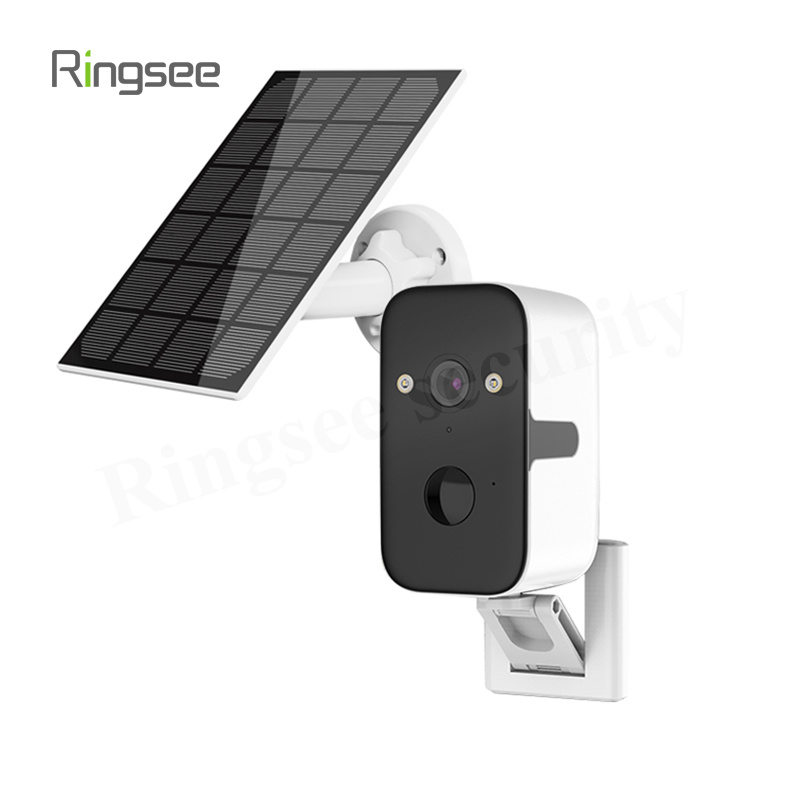
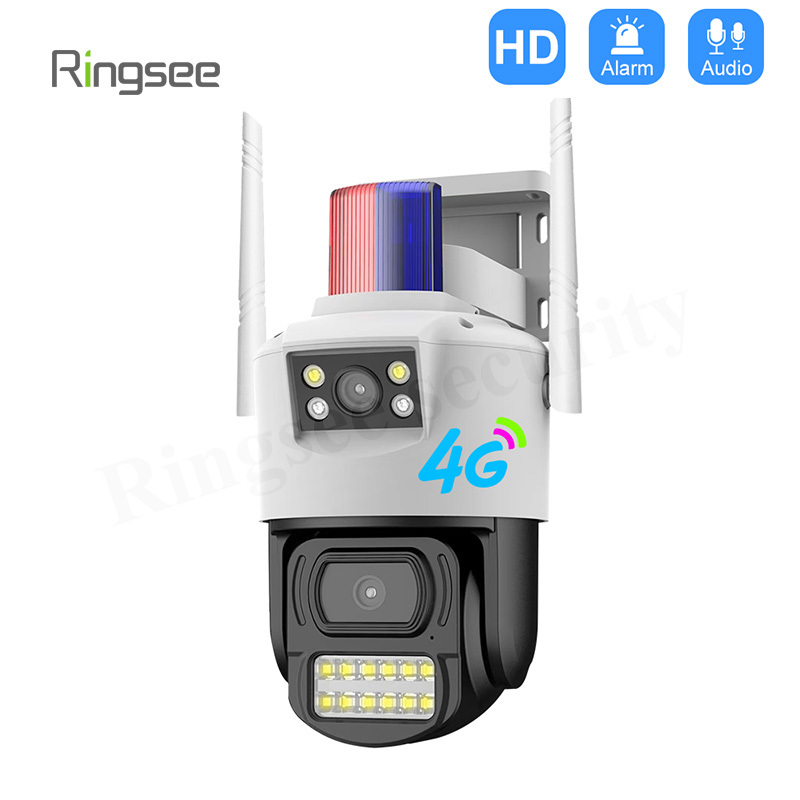
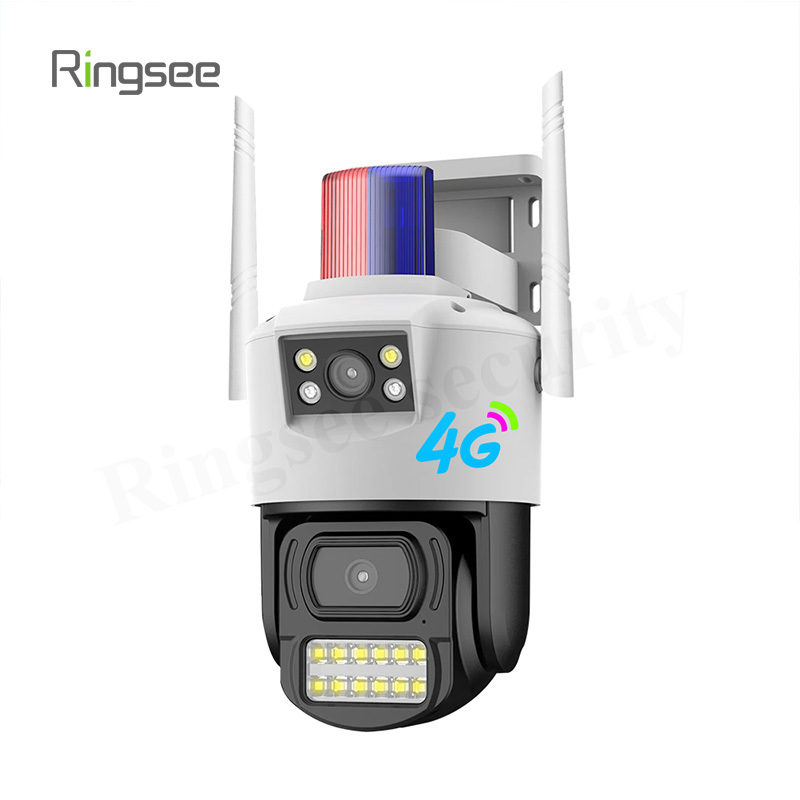
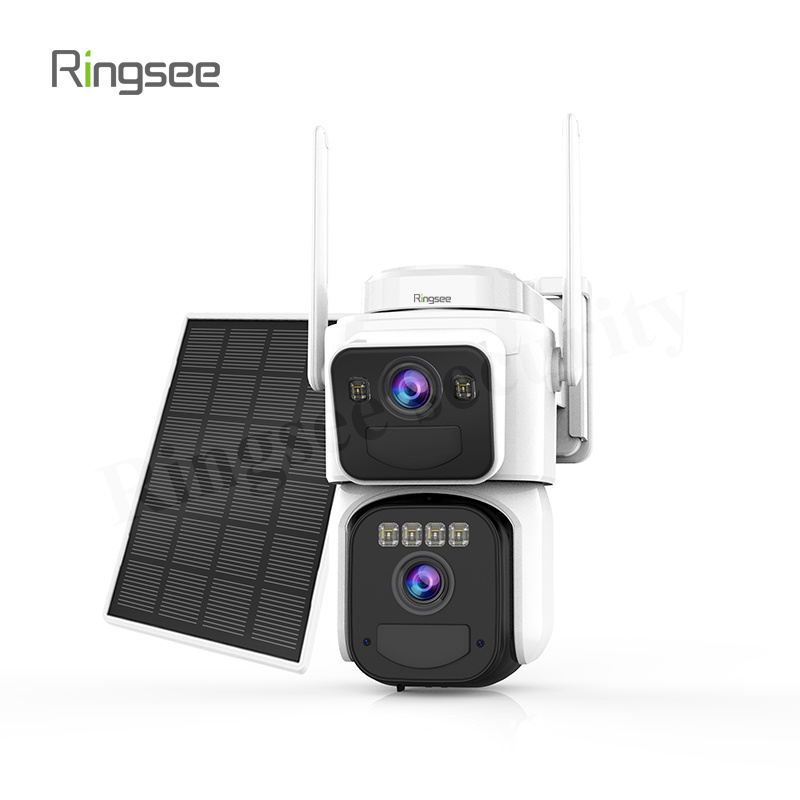
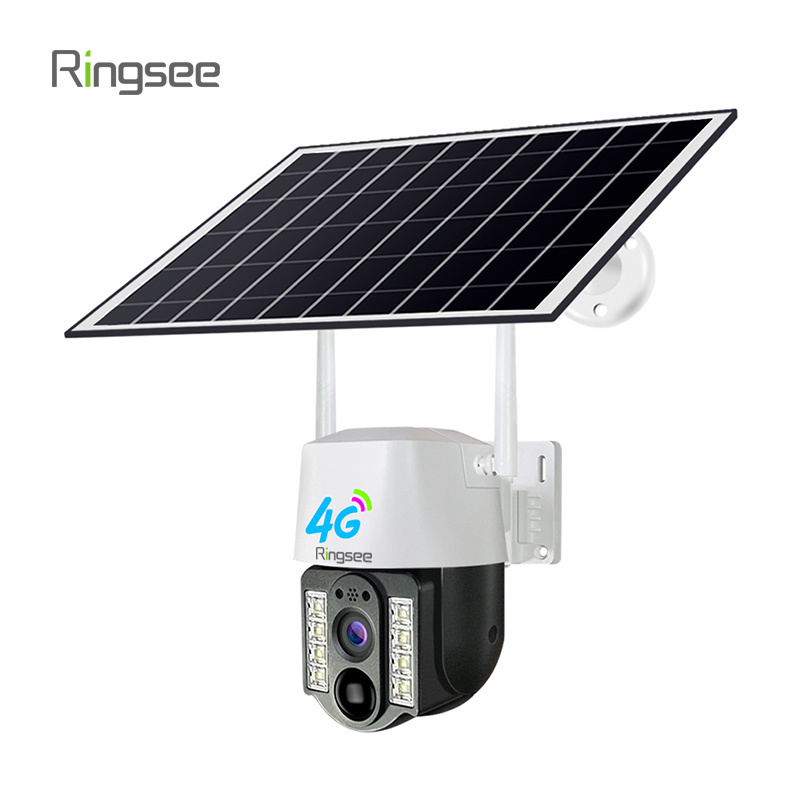
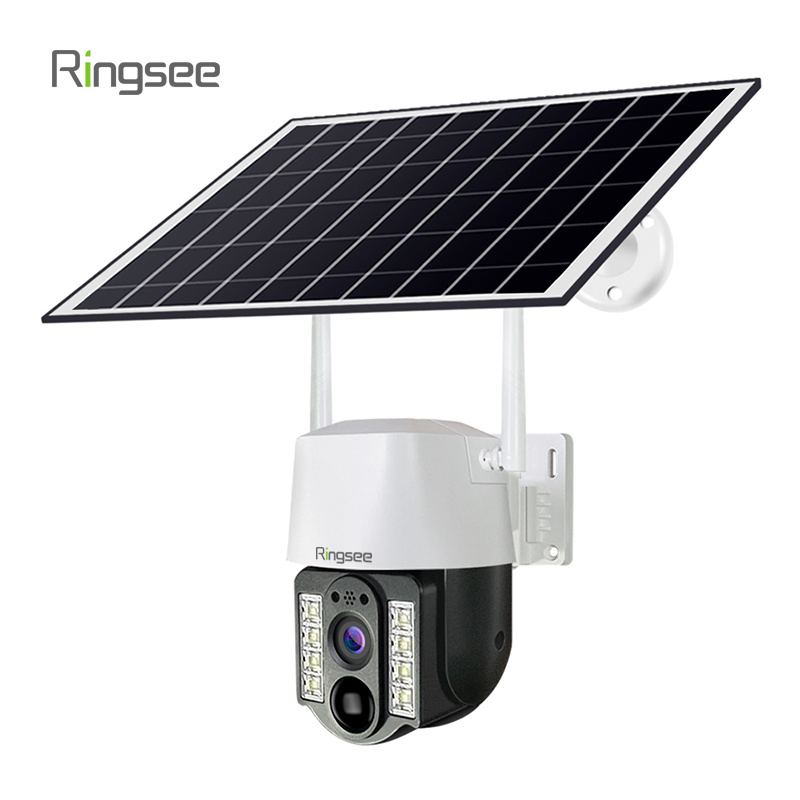
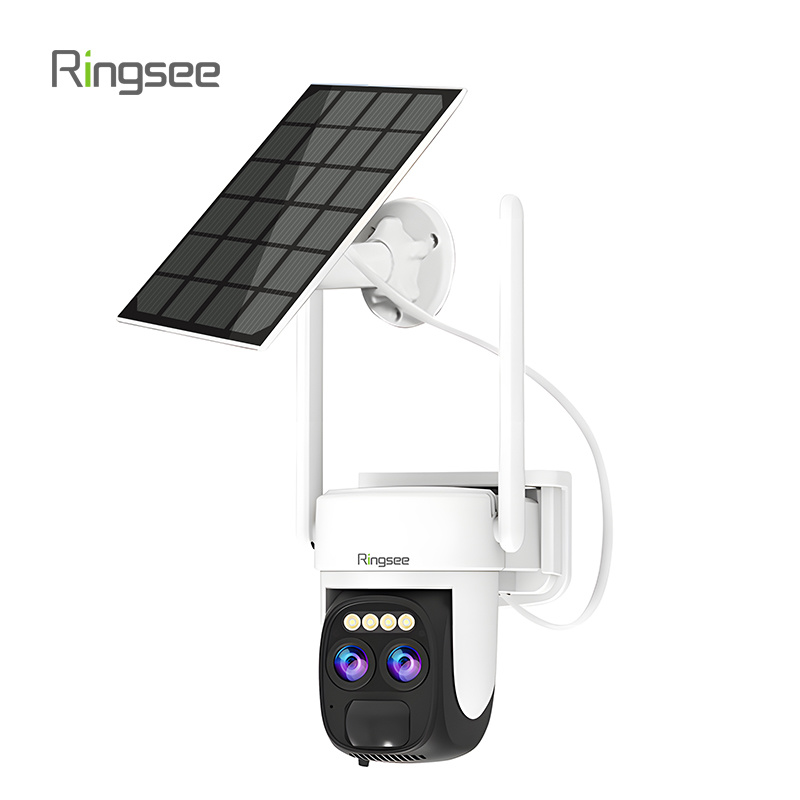
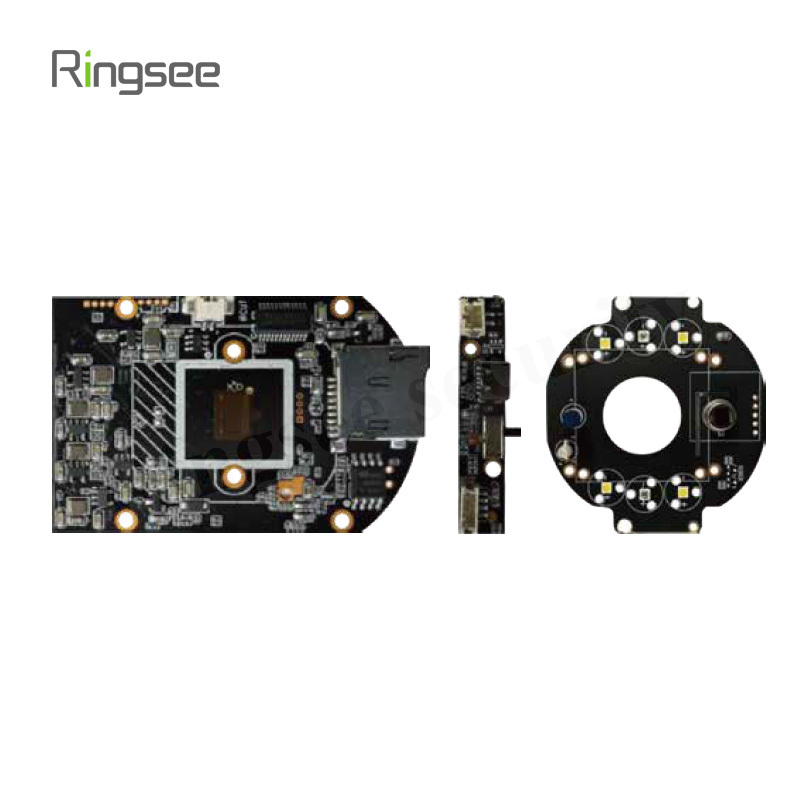
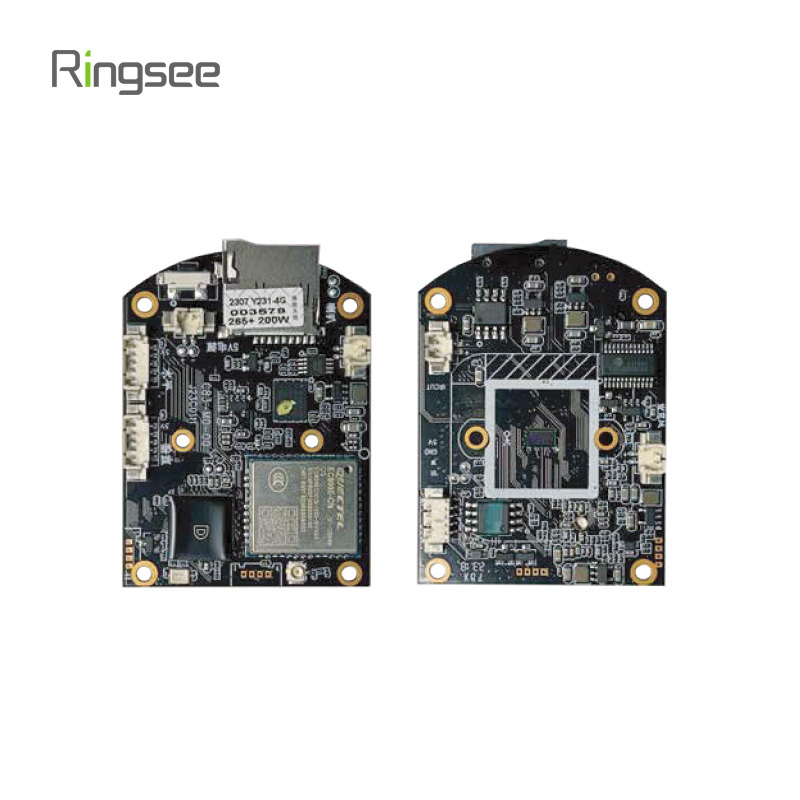
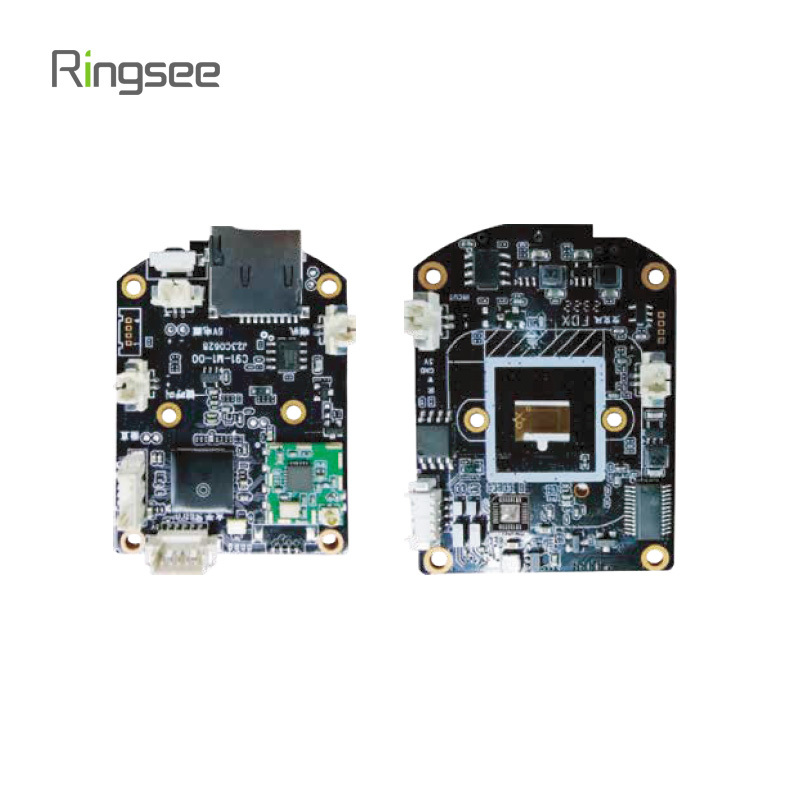
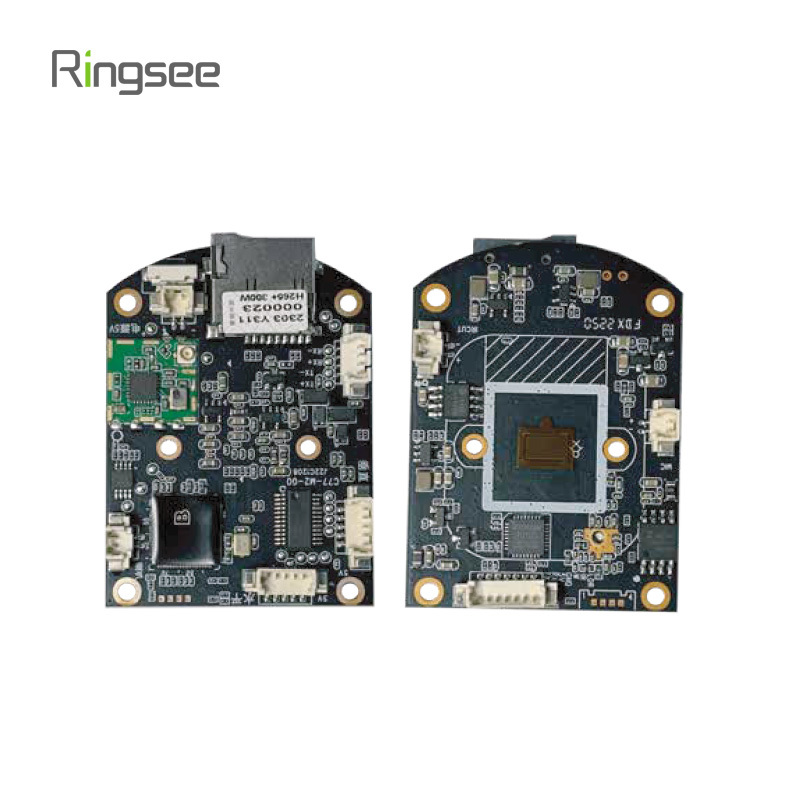
A modern HD video doorbell with advanced night vision (like those developed by Ringsee Security Camera) is a multi-functional security hub. It moves beyond simply showing you who is there; it provides the high-quality evidence, real-time deterrence, and continuous monitoring needed to secure your property in every lighting condition.
Prev:
Related News
PoE was power. This is control: CCTV Network Security Hardening Guide
Short answer: video systems get breached the boring way, not through clever exploits - (1) factory default credentials never changed, (2) camera or NVR management ports forwarded to the public internet, (3) no separation between the CCTV network and the office LAN. Do three things: replace every default account and disableTelnet/FTP/UPnP/raw RTSP; put cameras in their own VLAN and only allow the NVR to initiate sessions; and reach video over VPN or a zero-trust gateway instead of a port mapping.
Oct 03,2026
PoE Power Design Guide for Security Cameras: Power Budget, Cable Voltage Drop and Distance Limits
Most "cameras keep restarting at night" incidents are not camera defects — they are power design errors. Three root causes cover the overwhelming majority of PoE failures: the power budget was sized on daytime draw instead of night peak, the cable is too thin so voltage drop exceeds the device undervoltage threshold, and the run simply exceeds the 100-metre channel limit. Memorise three numbers and you avoid most of the traps: 802.3af delivers 15.4 W, 802.3at delivers 30 W, and cable reach stops at 100 m.
Oct 03,2026
Bitrate (Mbps) is the single parameter that determines hard drive size, switch selection, and remote-viewing smoothness. Two formulas answer everything: storage per camera per day (GB) ≈ bitrate × 10.8, and total bandwidth = sum of simultaneous bitrates × 1.3 headroom. This guide covers encoding, calculation, and procurement sizing.
Sep 26,2026
CCTV Night Vision Technology Explained: Infrared vs Starlight Full-Color vs Hybrid Light
Three night vision routes and their real limits: 850nm vs 940nm infrared (red glow and range trade-offs), the lux threshold of true starlight cameras (0.001-0.005 lux), light-pollution risks of warm-light supplement, and AI-triggered hybrid switching — plus a six-point datasheet verification method and a 20-minute night PoC test.
Sep 26,2026
CCTV Lens Selection Technical Guide: Focal Length, Pixel Density & the DORI Standard in Practice
Why can't a 4K camera read faces? Because identification depends on pixel density, not total pixels. Using the EN 62676-4 DORI standard, this guide gives the full focal-length / distance / field-of-view formulas, a lens selection lookup table, and the real impact of sensor size and aperture on night vision.
Sep 19,2026
Links:One Belt Power Technology
Add: 14th Floor, Baoshan Building, Longhua District, Shenzhen China.
Privacy Policy | SEO | CitySite | Support: 300.cn Dongguan