






Support
Are Bird Feeders with Cameras Worth It?
What are the benefits of a bird feeder with a camera?
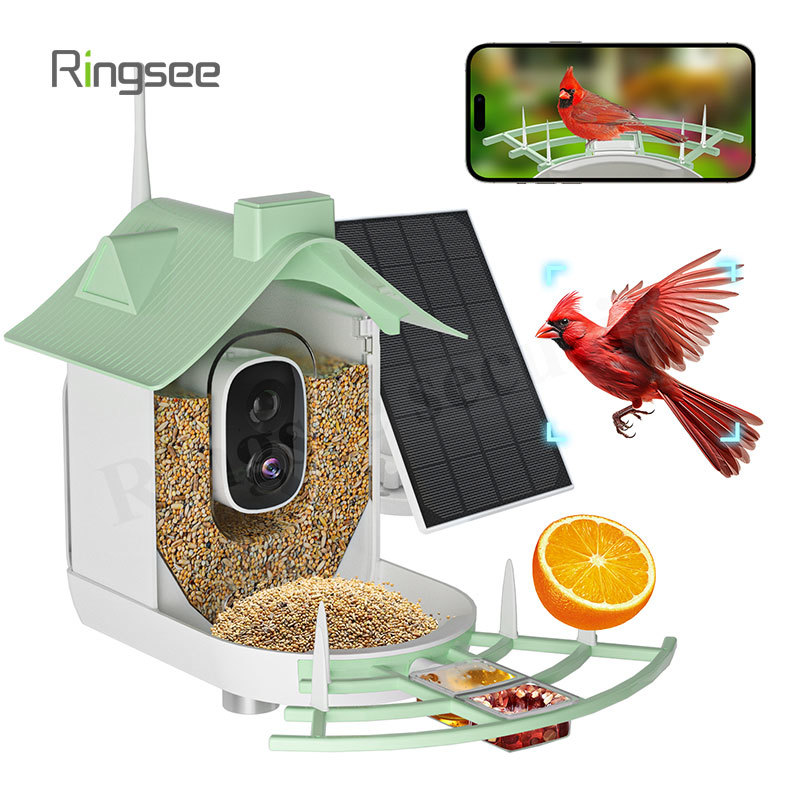
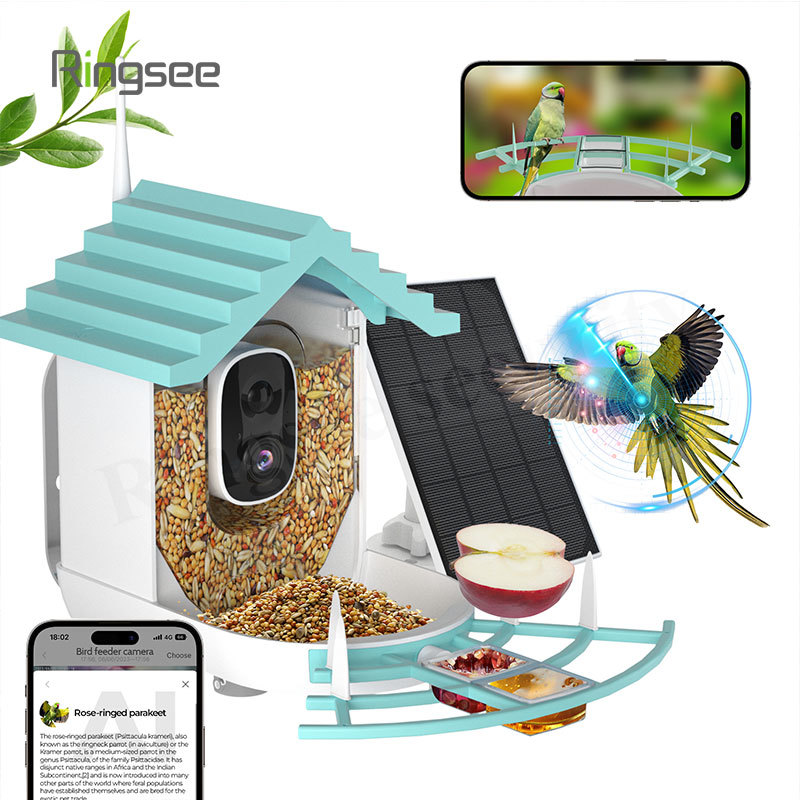
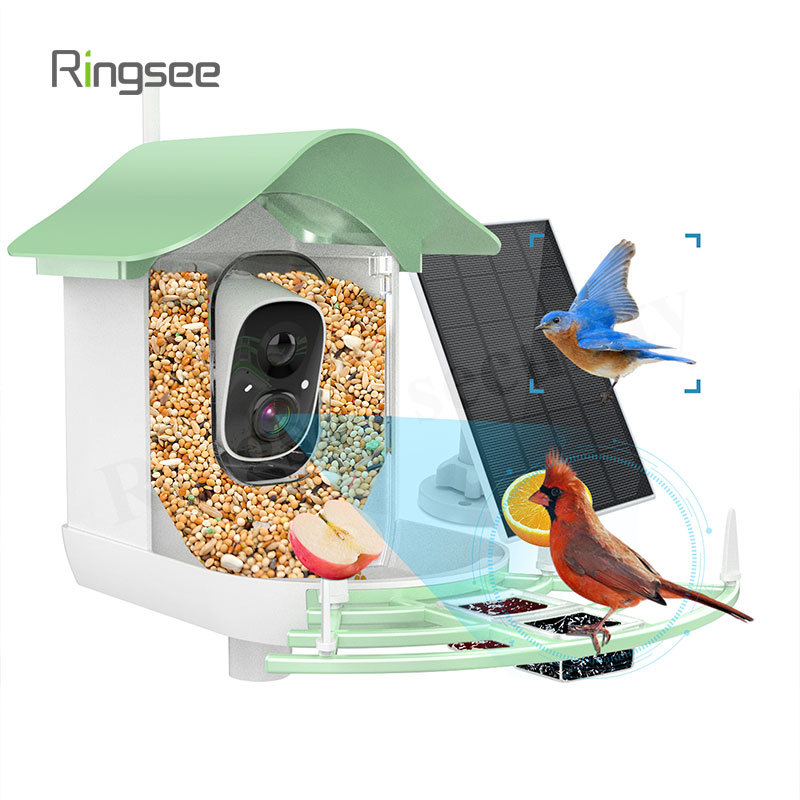
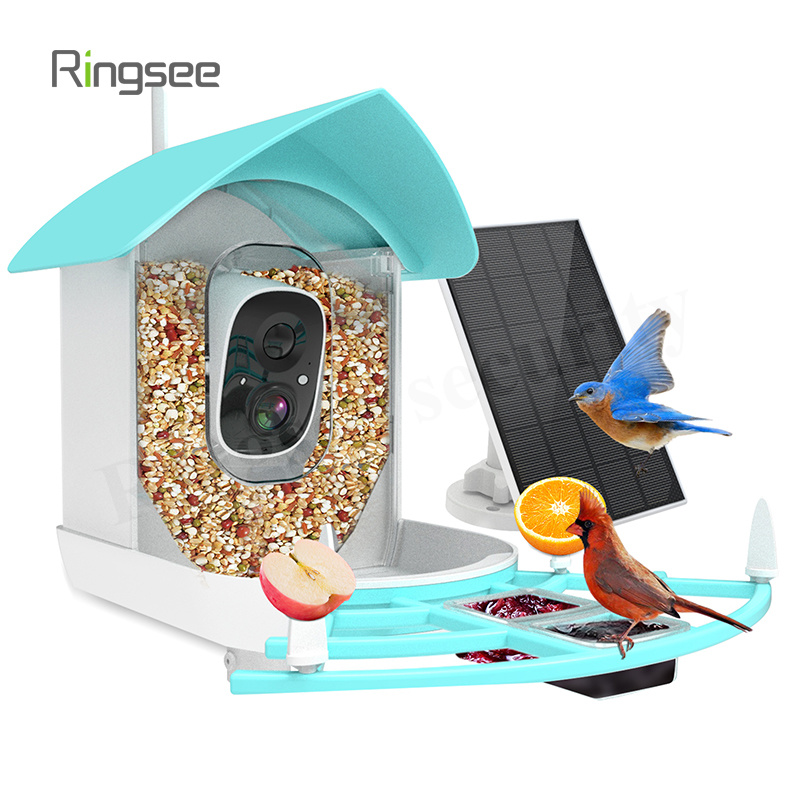
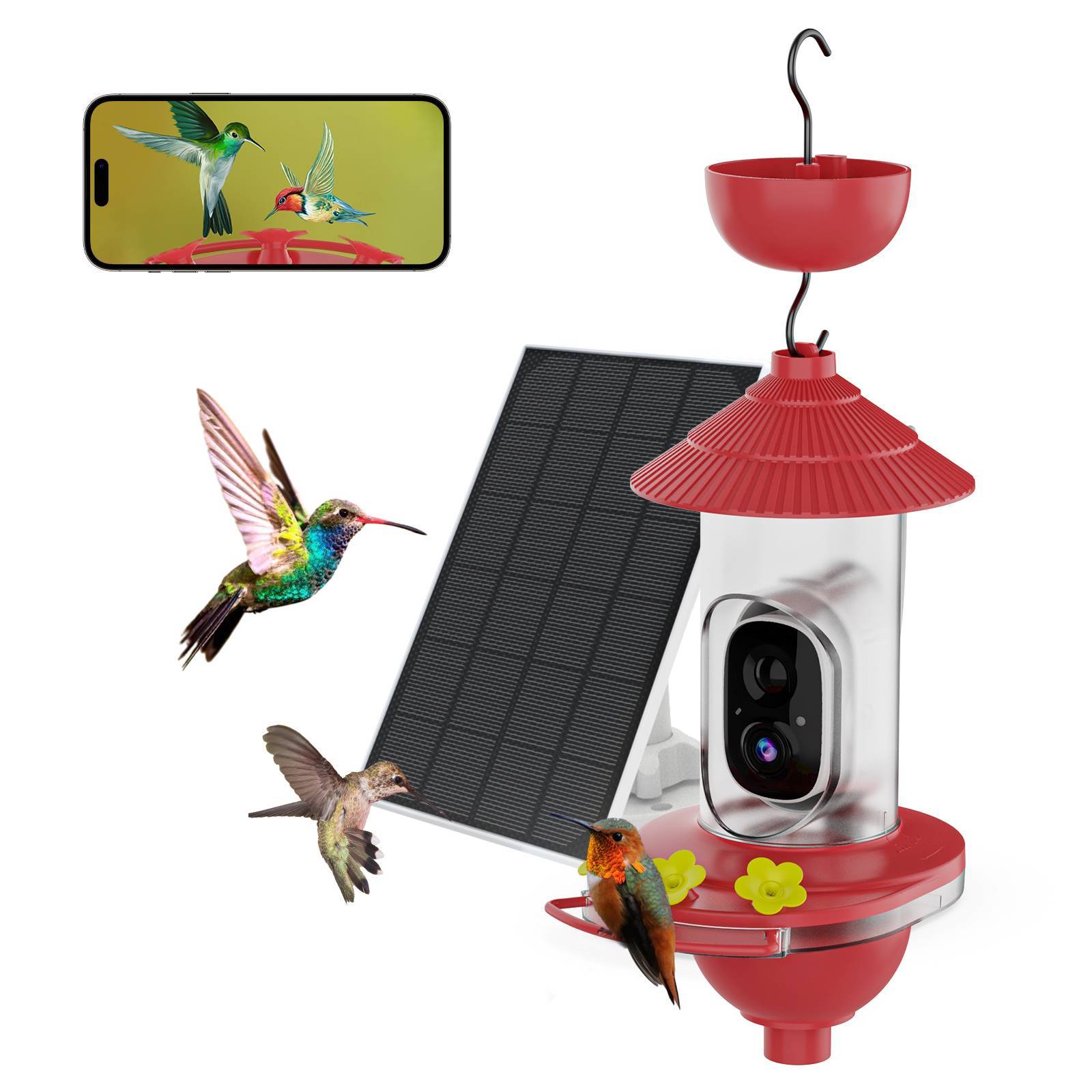
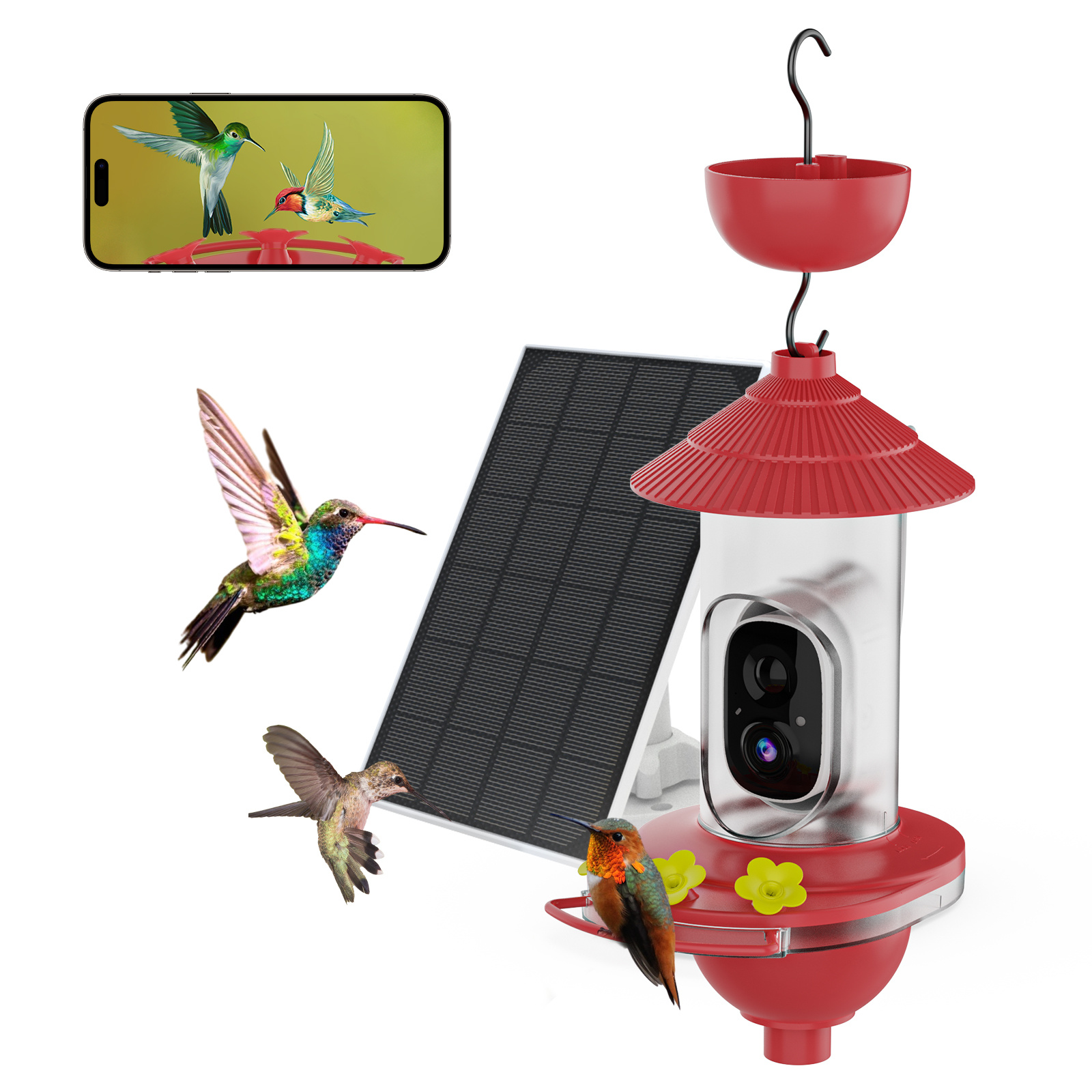
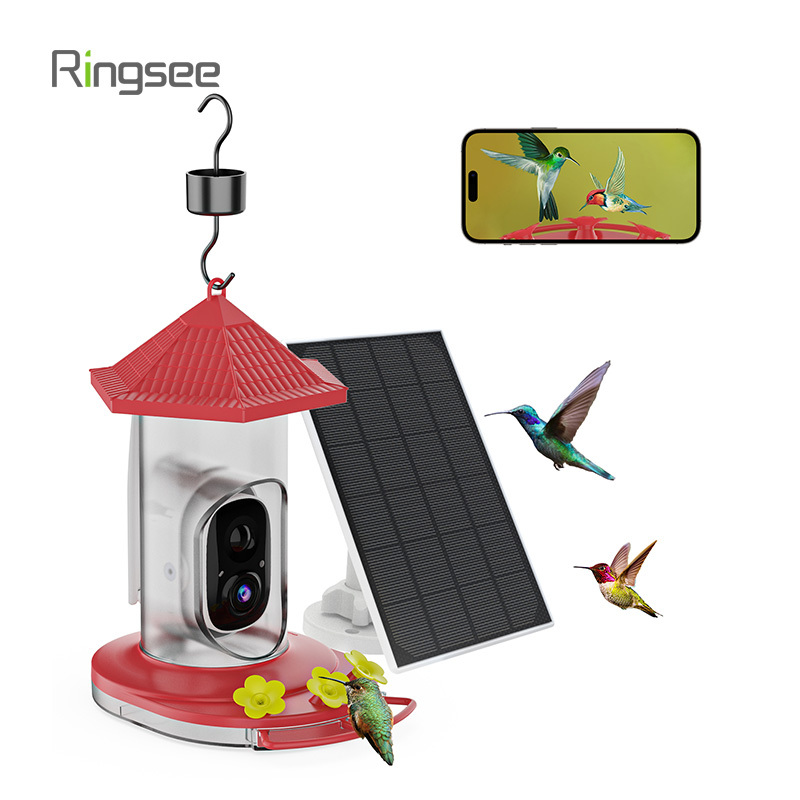
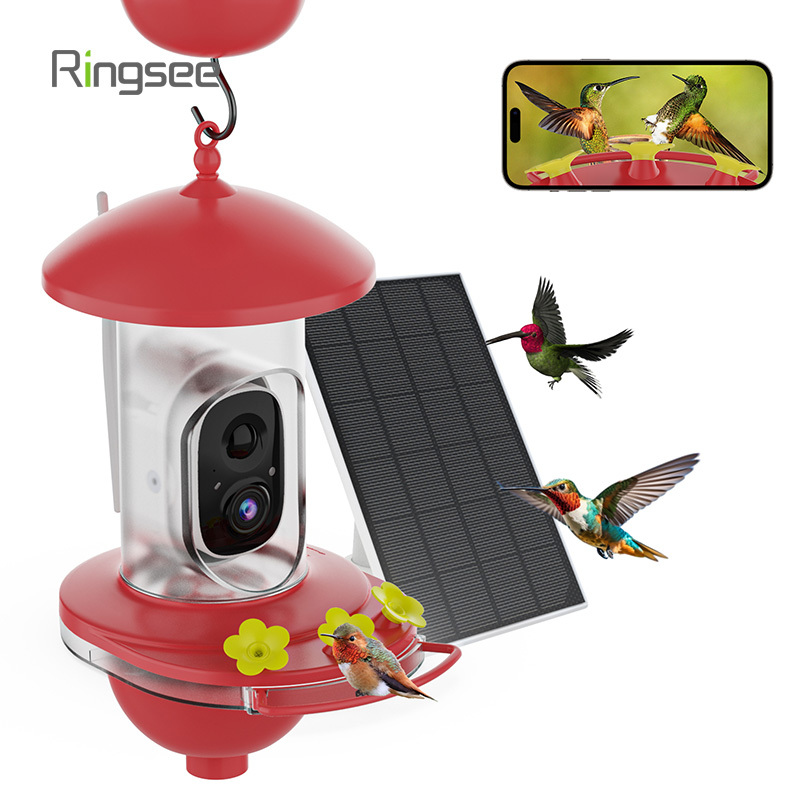
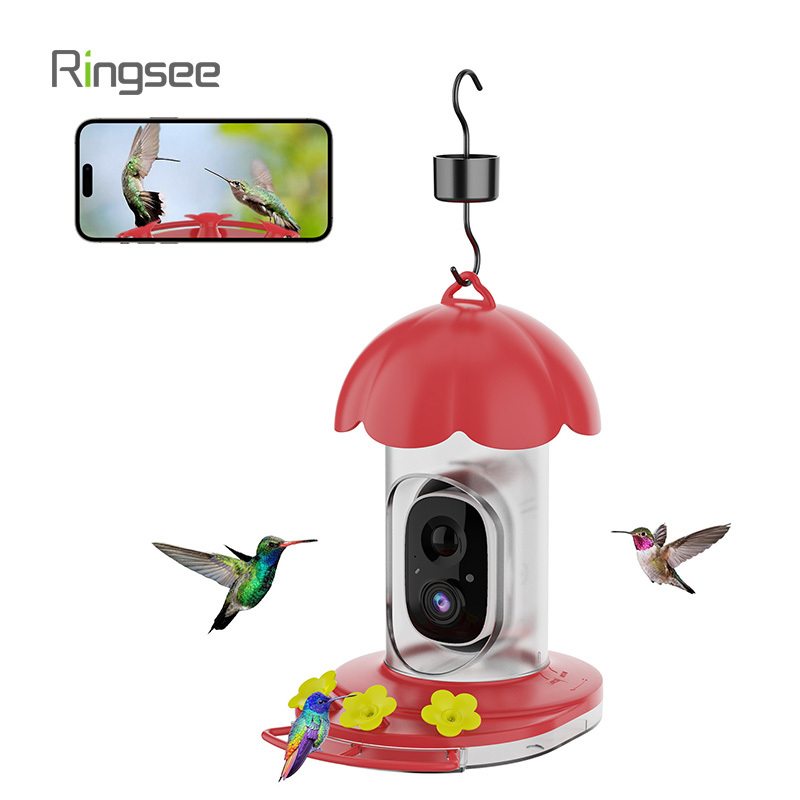
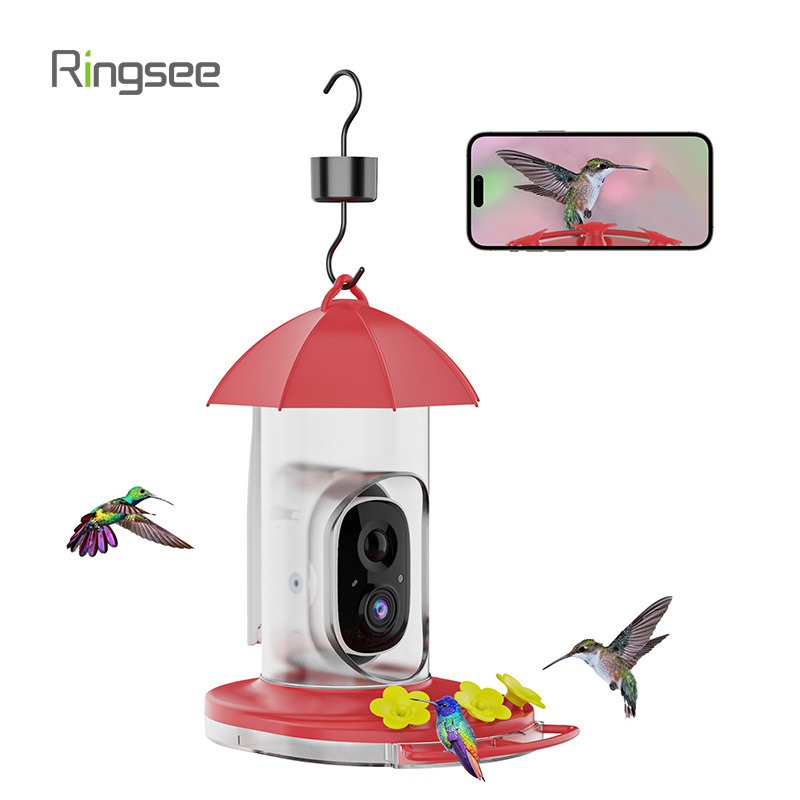
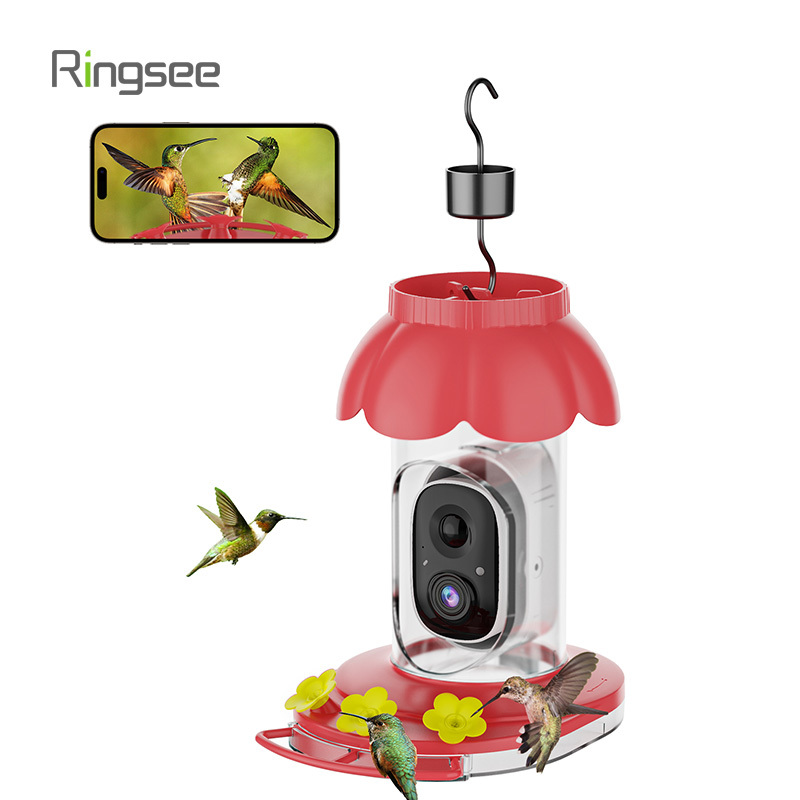
A bird feeder with a camera brings the feeder up close—allowing detailed observation, remote viewing, and automatic captures that make birdwatching easier and more educational.
Key benefits
Enhanced viewing: Close-up photos and video let you see plumage, feeding behavior, and subtle species traits.
Smart features: Manymodern feeders include motion detection, app alerts, and AI species recognition for automatic tagging.
Remote access & sharing: Watch from anywhere via smartphone apps and easily save/share sightings.
Education & research: Useful for tracking local species, migration timing, and backyard ecology.
What are the potential drawbacks?
Practical trade-offs
Higher cost: Integrated camera models are typically pricier than simple feeders.
Power needs: Cameras may rely on batteries, solar panels, or wired power; each has maintenance or placement trade-offs.
Weather resistance: Not all models are equally weatherproof — long-term outdoor exposure can reduce reliability.
Data & connectivity: Wi-Fi or cellular models may need stable signals or subscriptions for cloud features.
How do these cameras get power — battery, solar, or plug?
Options & what to expect
Battery-only: Easy to install, but plan for periodic recharges or swaps.
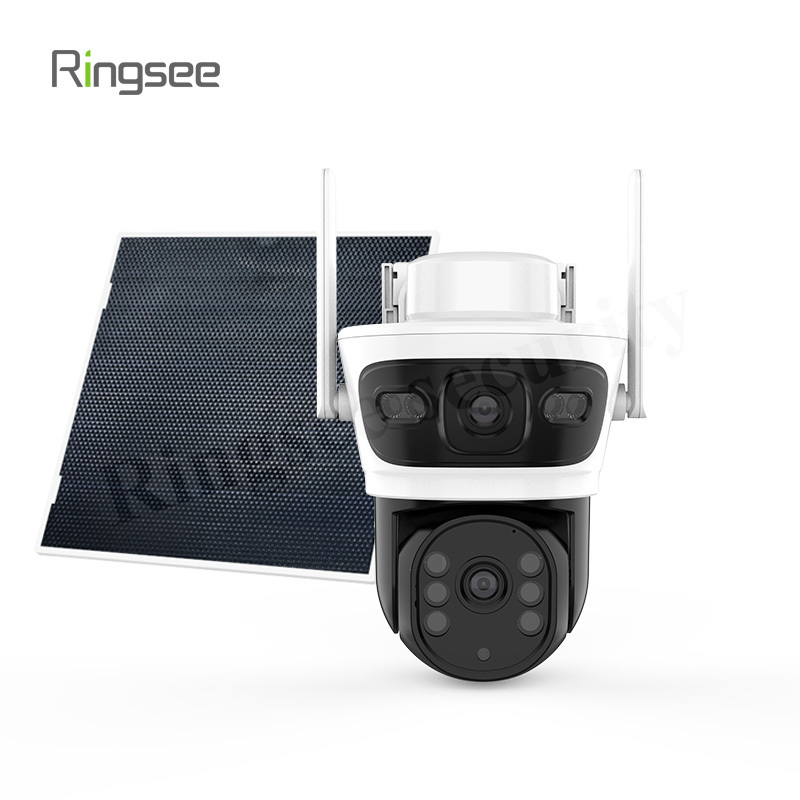
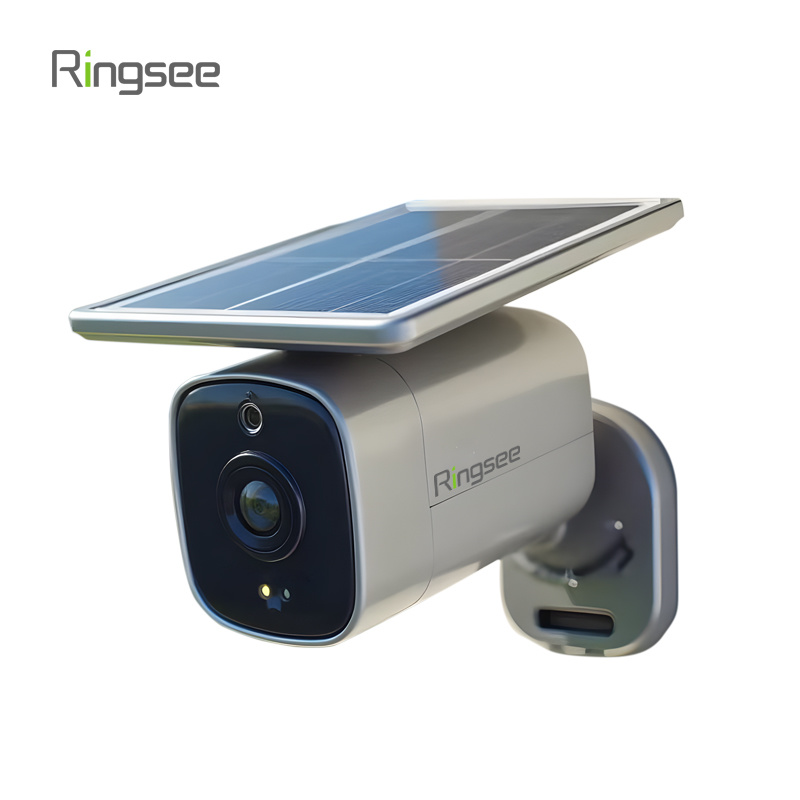
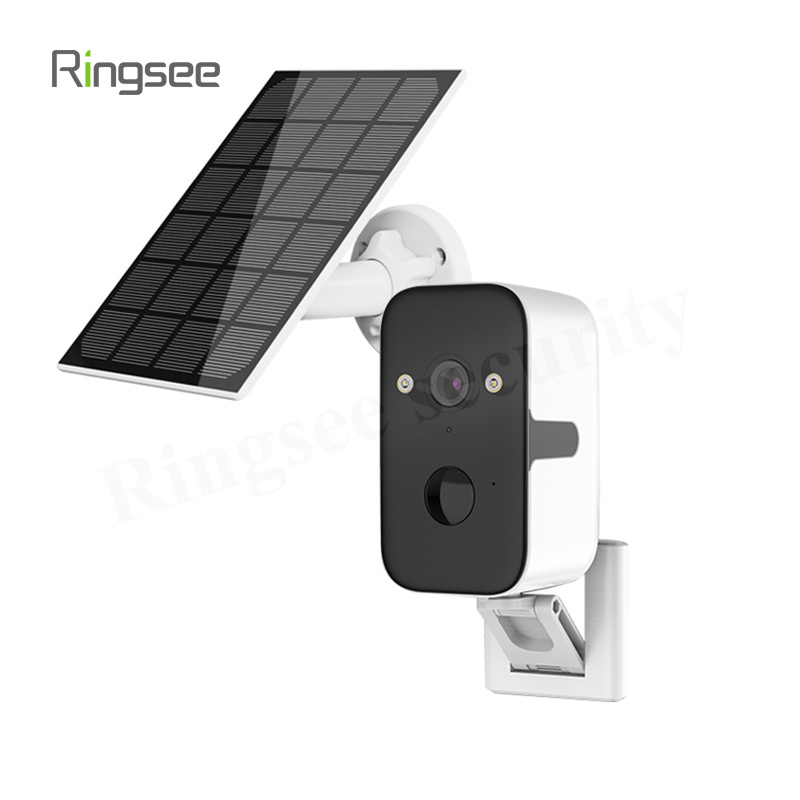
Solar-assisted: Extends runtime and reduces maintenance; performance depends on sunlight and panel size.
Wired / plug-in: Most reliable for continuous power but limits placement and requires safe outdoor wiring.
When choosing, match the power option to your installation location and how often you want to maintain the unit.
How to choose the right bird feeder camera?
Image quality: Aim for at least 1080p; 2K/4MP gives better still-capture for ID.
Field of view & placement: Narrower lenses centered on the feeding tray give detailed shots; wide-angle covers approaches but makes birds smaller.
Weather rating (IP): Look for IP65+ for year-round outdoor use.
Storage & access: Local SD vs. cloud subscription — prefer local backup if you want no recurring fees.
Smart features: Motion capture, night/low-light performance, and AI species recognition (if desired).
Power: Pick battery/solar/wired depending on how often you’ll service the unit.
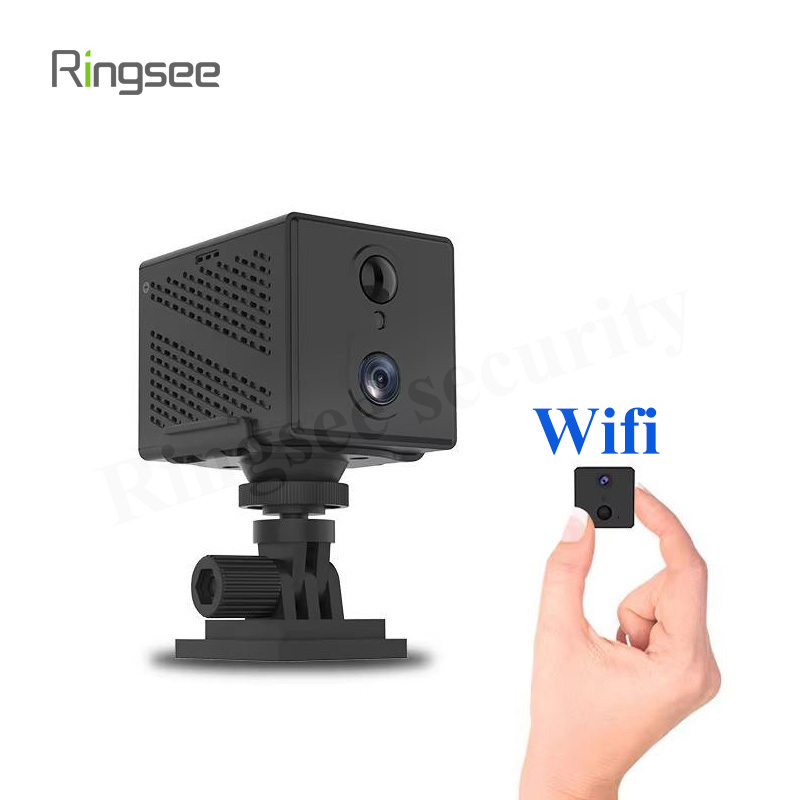
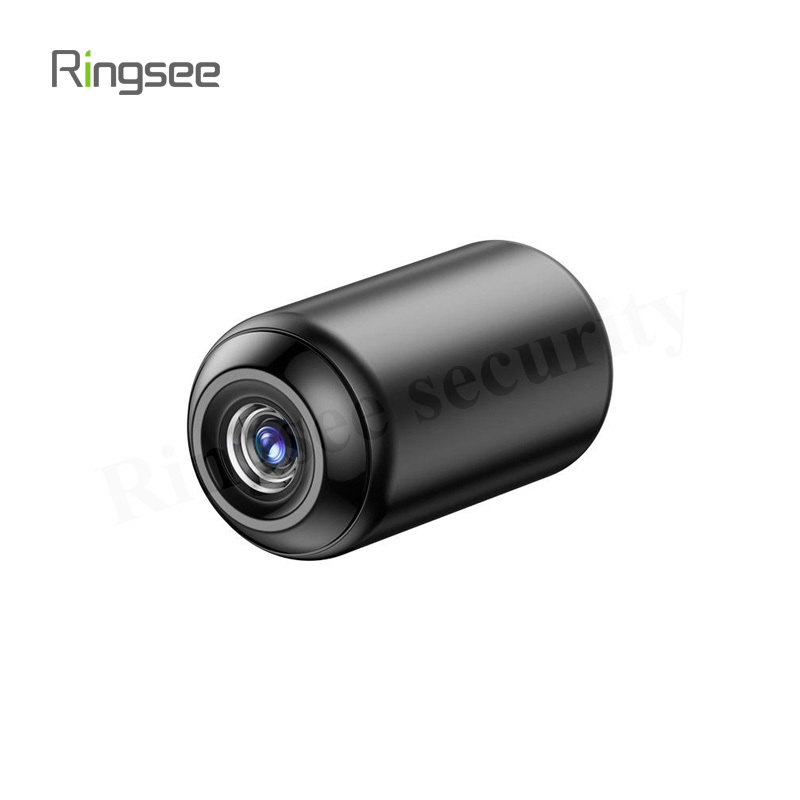
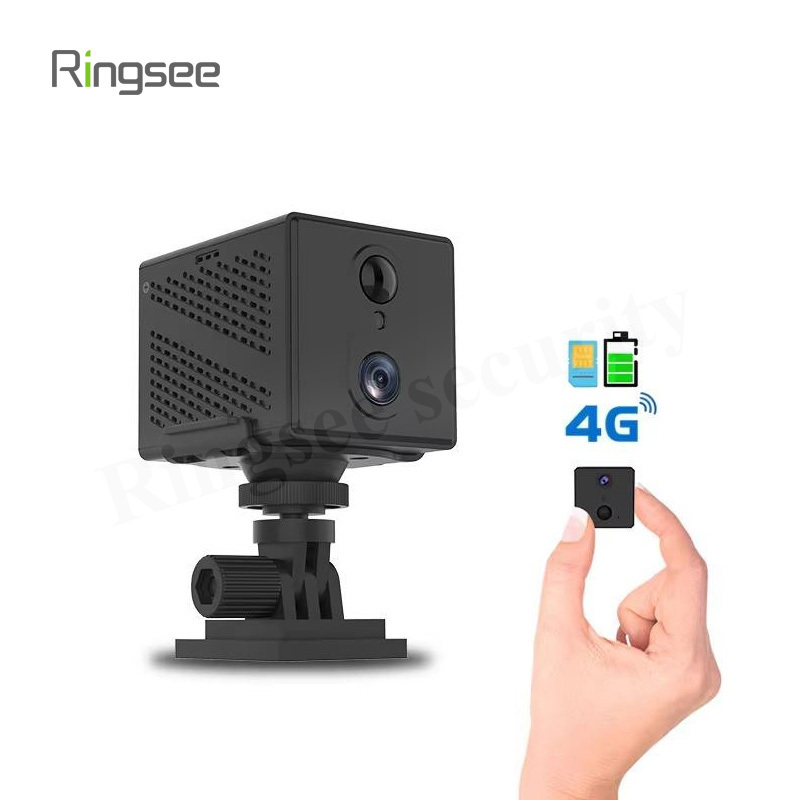
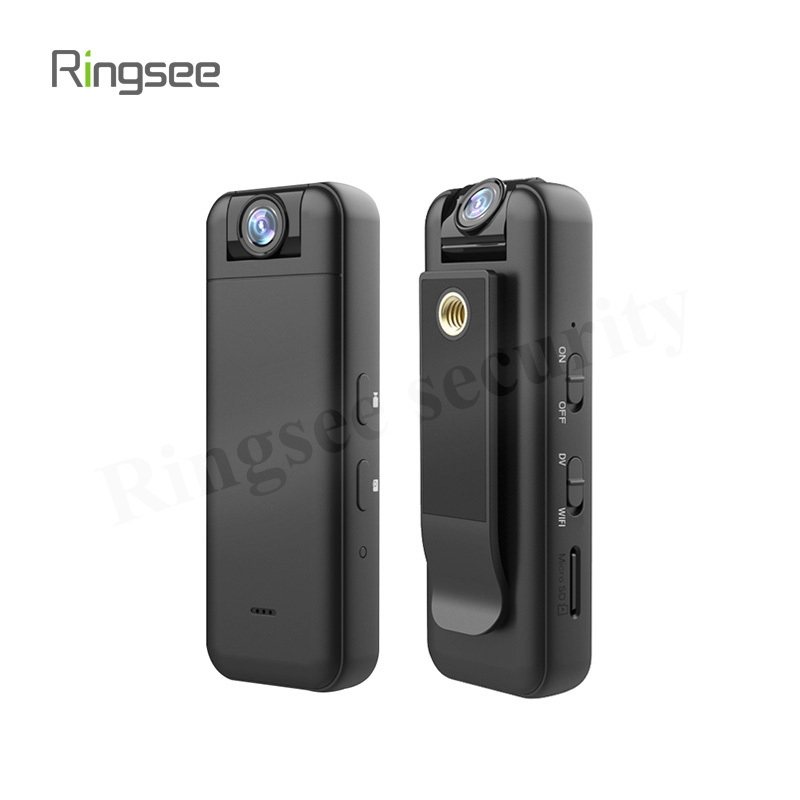
Compatibility / case options: Some feeders accept existing security cams (camera-not-included feeder cases) if you already own a camera.
Will cameras scare birds away?
Cameras designed for feeders are usually unobtrusive. Use feeder designs that hide or recess the lens and keep the camera stationary. Gradual installation and consistent feeding will habituate birds quickly.
Tips to get the best footage and attract more birds
Mount on a pole or post to reduce camera shake.
Keep the feeder clean and stocked with appropriate seed for your target species (hummingbird feeders require nectar).
Avoid direct sun facing the camera — side lighting reduces glare and overexposure.
Add perches at natural approach angles so birds appear in frame before feeding.
Legal & privacy considerations
Check local rules about recording on your property and ensure the camera’s view does not intrude on neighbors’ private spaces. Use settings (masking, angle adjustment) to avoid capturing private areas.

Final verdict — is it worth it?
If you enjoy close-up birdwatching, want automatic captures, or plan to document backyard wildlife, a bird feeder with a camera can be worth the investment — provided you choose a model that matches your power, weather, and connectivity needs. For best results, prioritize reliable battery/solar life, IP weatherproofing, and clear imaging.
Links:One Belt Power Technology
Add: 14th Floor, Baoshan Building, Longhua District, Shenzhen China.
Privacy Policy | SEO | CitySite | Support: 300.cn Dongguan