





Support
What Temperature Range Can a Low-Power Outdoor Solar Camera Operate In?
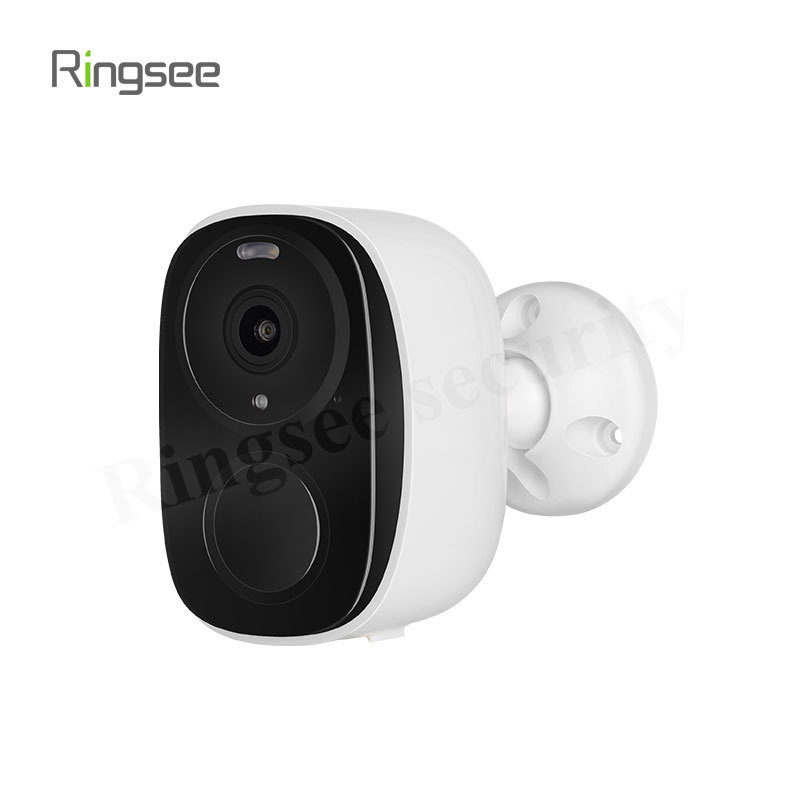
When installing a low-power outdoor solar camera, understanding its thermal limits is the difference between a secure property and a failed device. Most standard low-power solar cameras are designed to operate within a temperature range of -20°C to 50°C (-4°F to 122°F).
However, "operating" and "charging" are not the same thing. Because these cameras rely on lithium-ion batteries, their performance changes significantly as the thermometer climbs or drops.

1. The Critical "Charging Gap"
The most common reason for solar camera failure isn't the cold itself—it's the battery's inability to recharge.
Discharging (Working): Most cameras can stay powered on and record video down to -20°C (-4°F).
Charging (Solar Intake): Standard lithium batteries cannot be safely charged below 0°C (32°F).
To protect the hardware, smart cameras equipped with a Battery Management System (BMS) will automatically stop drawing power from the solar panel when temperatures hit freezing. This prevents "lithium plating," which can permanently kill your battery's capacity.
2. How Cold Weather Affects Performance
In regions with harsh winters, you may notice:
Faster Battery Drain: Chemical reactions inside the battery slow down in the cold, making the battery appear to lose its charge faster than usual.
Delayed Motion Detection: PIR (Passive Infrared) sensors may experience a slight lag when the ambient temperature is very close to human body temperature.
Winter Hibernation: If the battery hits 0% during a long freeze, the camera may stay offline until the sun warms the unit enough to allow charging to resume.

3. High Temperature Limits and Safety
On the flip side, extreme heat—specifically above 50°C (122°F)—poses a different set of risks:
Overheating Shutdown: To prevent fire risks or internal circuit damage, cameras will often shut down if the internal housing temperature exceeds its safe limit.
Component Aging: Constant exposure to temperatures above 40°C (104°F) accelerates the degradation of the image sensor and battery cells.
4. Comparison: Commercial vs. Professional Grade
| Camera Tier | Operating Range (Celsius) | Operating Range (Fahrenheit) |
| Standard Consumer | -10°C to 45°C | 14°F to 113°F |
| Rugged Low-Power | -20°C to 50°C | -4°F to 122°F |
| Industrial / Military | -40°C to 60°C | -40°F to 140°F |

5. Pro-Tips for Extreme Climates
For Cold Climates: Mount your camera on a wooden or plastic surface rather than metal, which acts as a heat sink and stays colder longer.
For Hot Climates: Use a "sunshield" or mount the camera under the eaves of your roof to avoid direct midday sun exposure on the camera body.
Check the IP Rating: Ensure your camera is rated IP65 or IP66. This doesn't just mean it’s waterproof; it means the seals are tight enough to prevent humidity from expanding and contracting inside the unit during temperature swings.
Links:One Belt Power Technology
Add: 14th Floor, Baoshan Building, Longhua District, Shenzhen China.
Privacy Policy | SEO | CitySite | Support: 300.cn Dongguan