
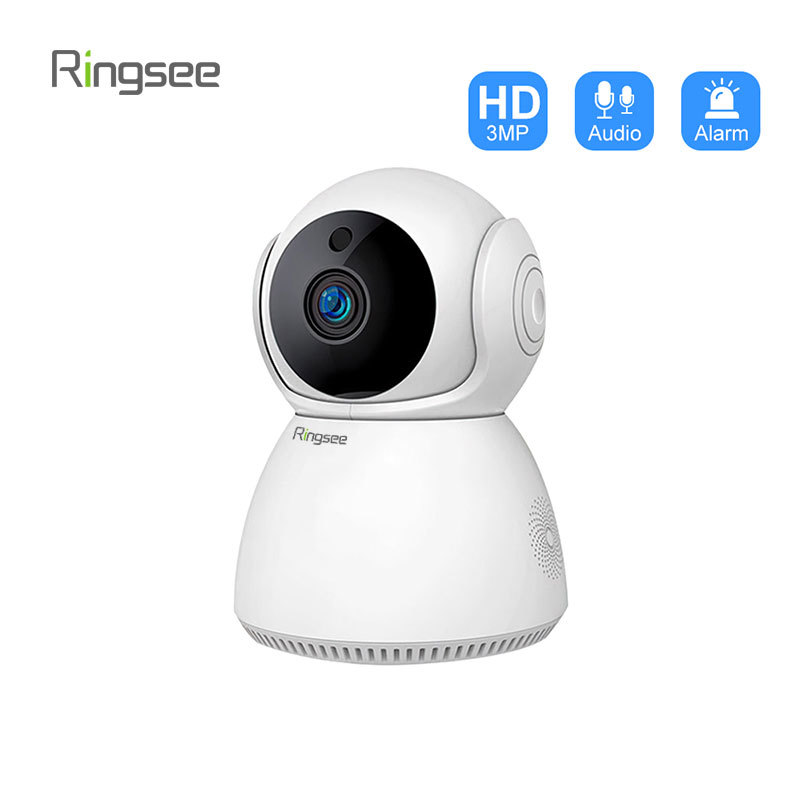
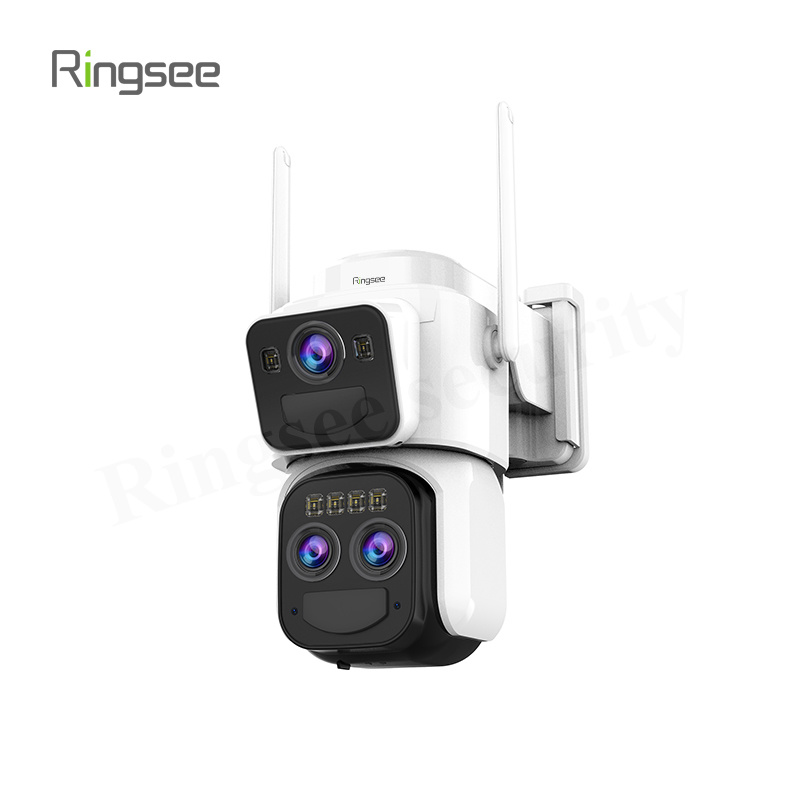
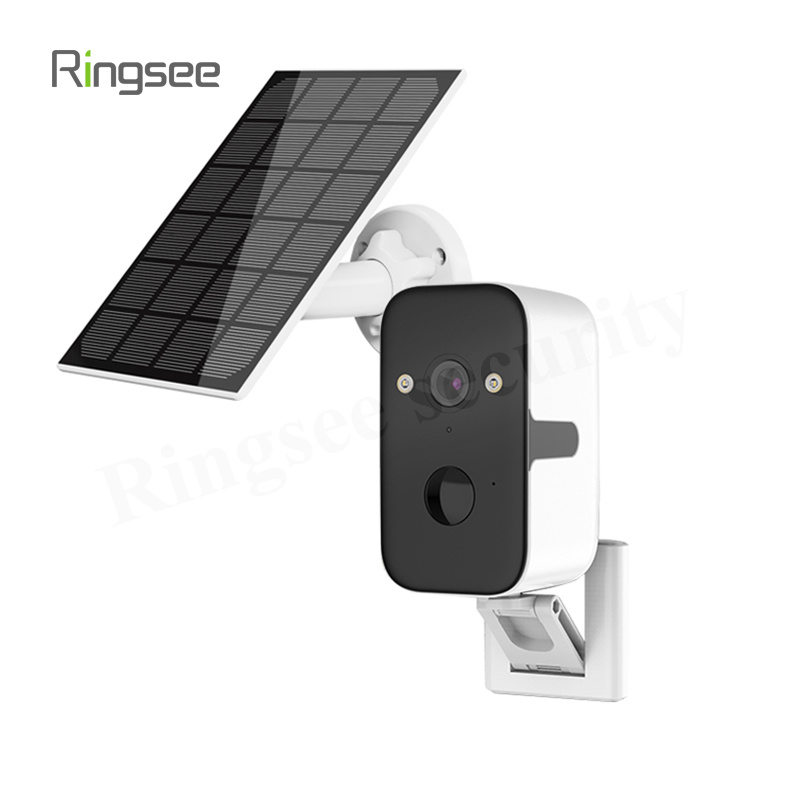
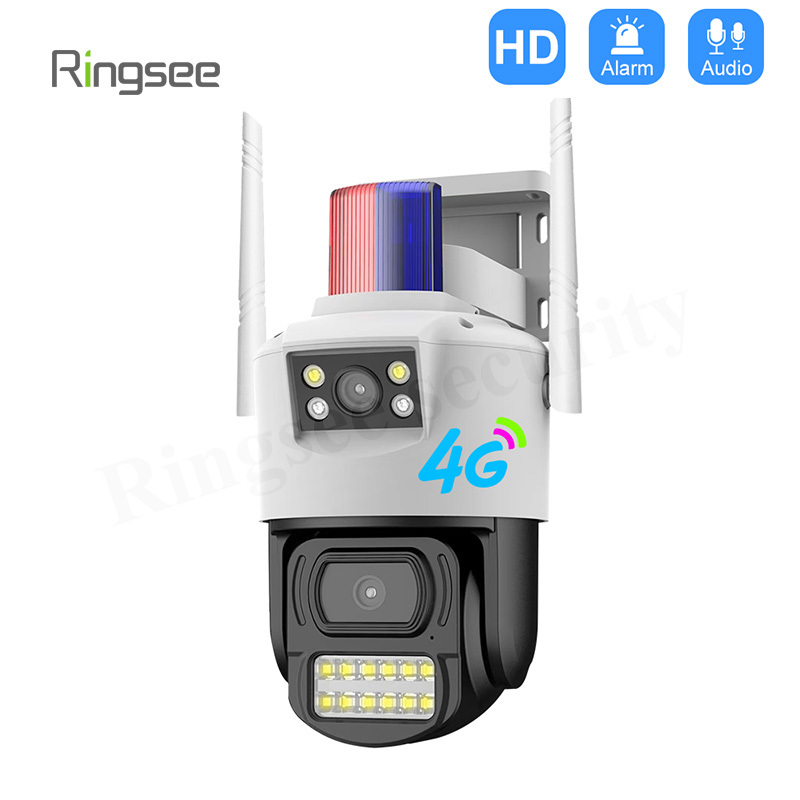
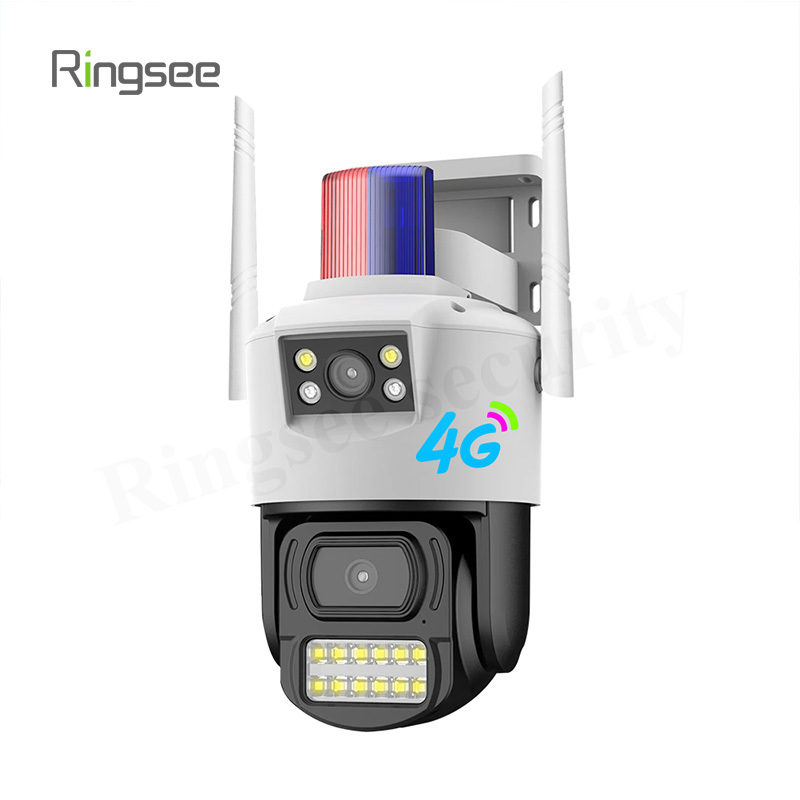
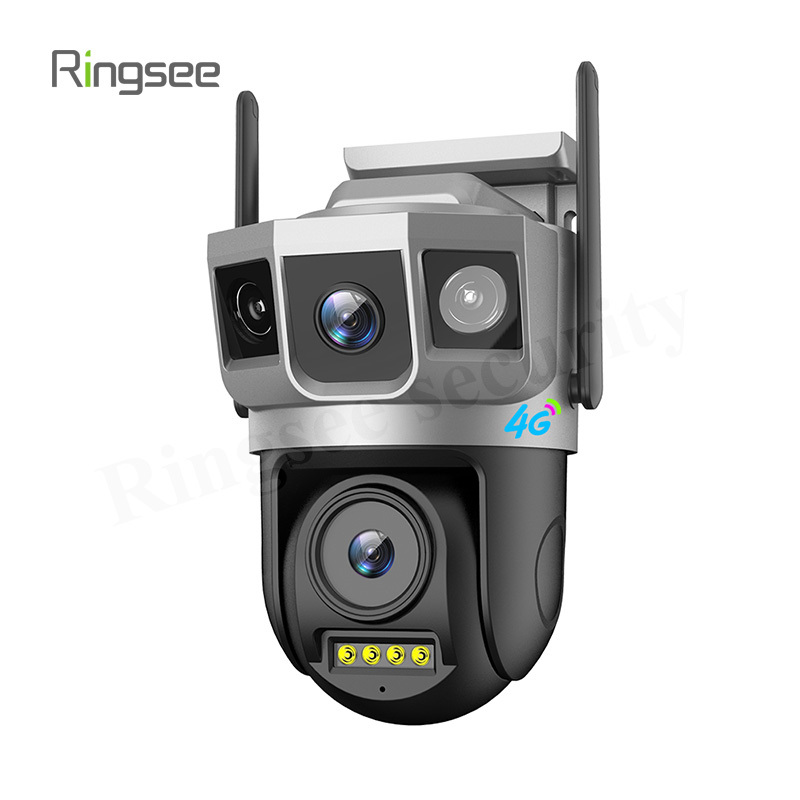
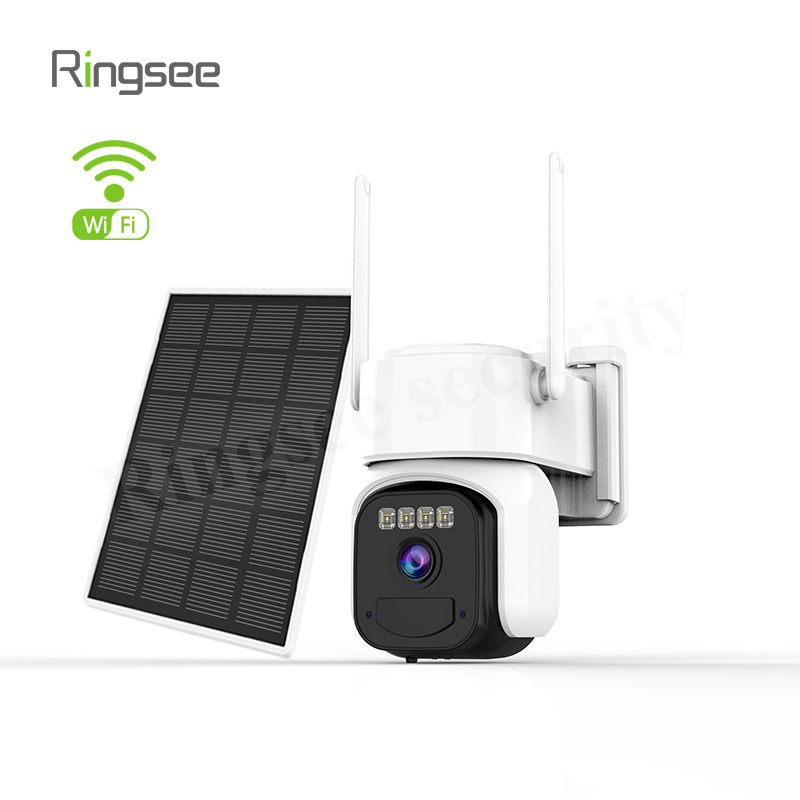
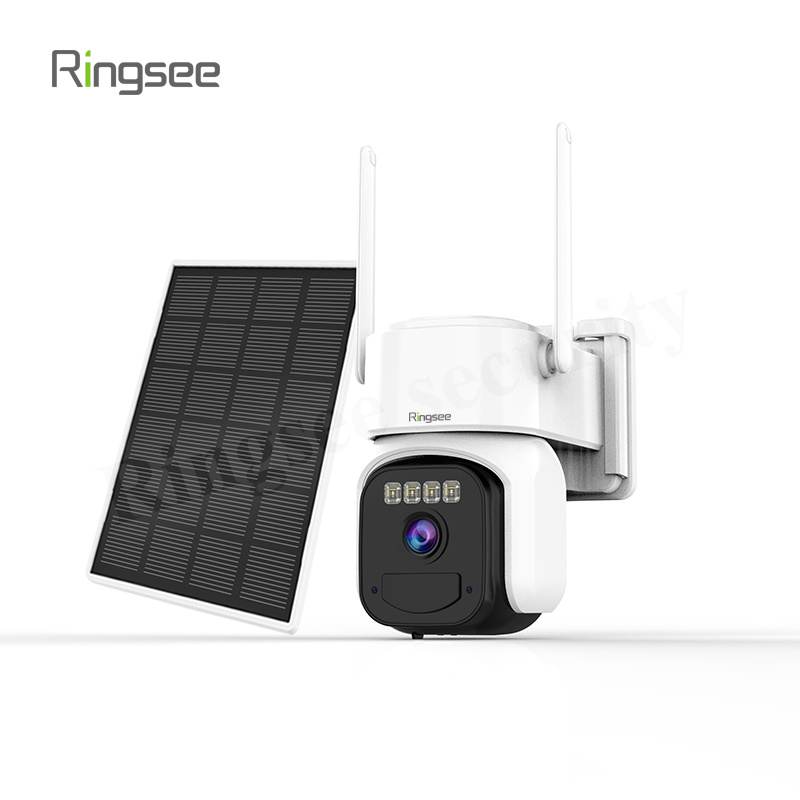
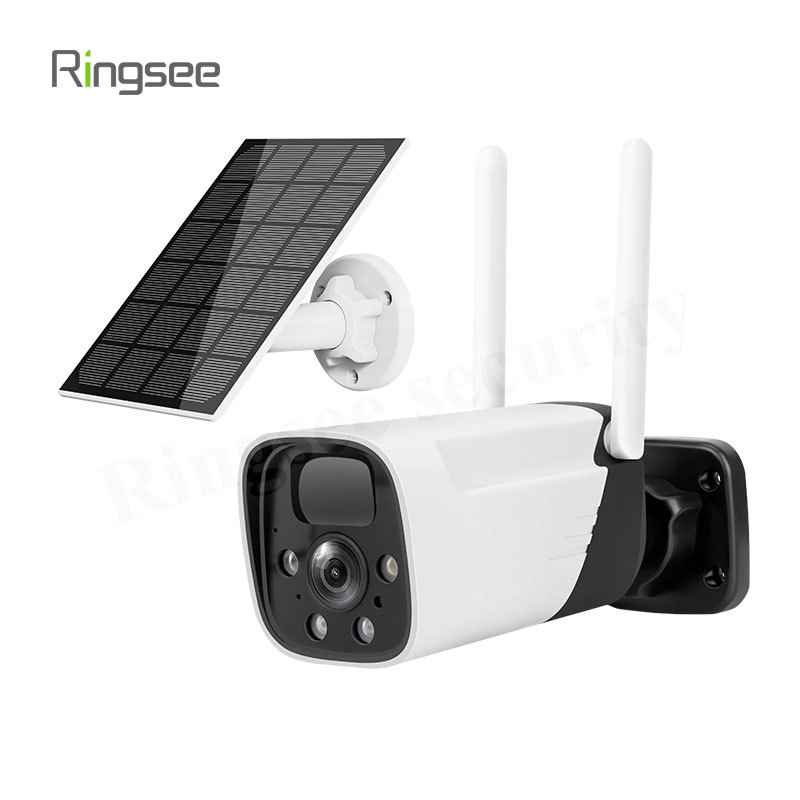
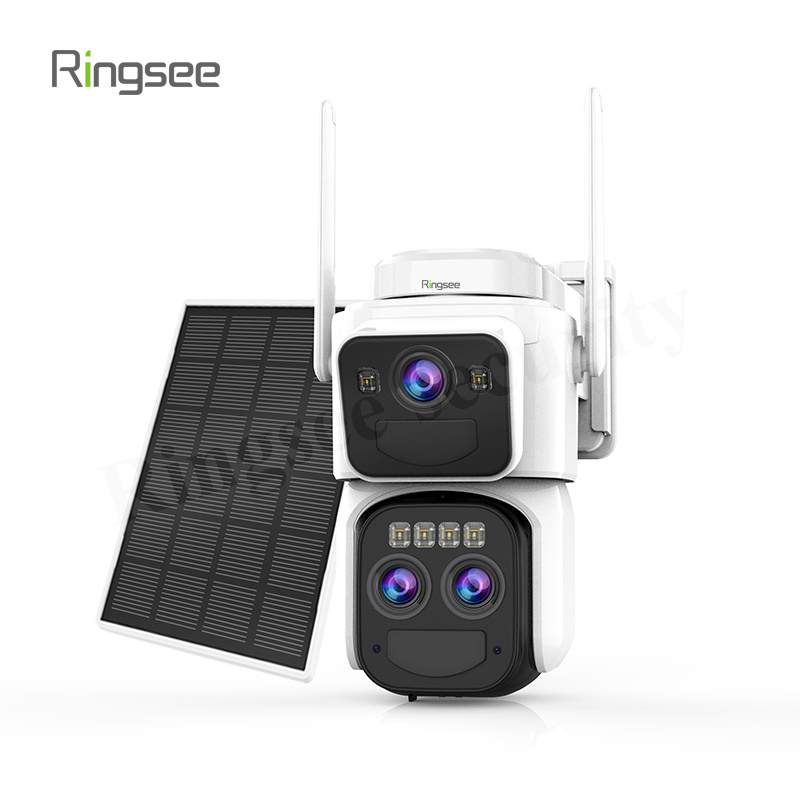
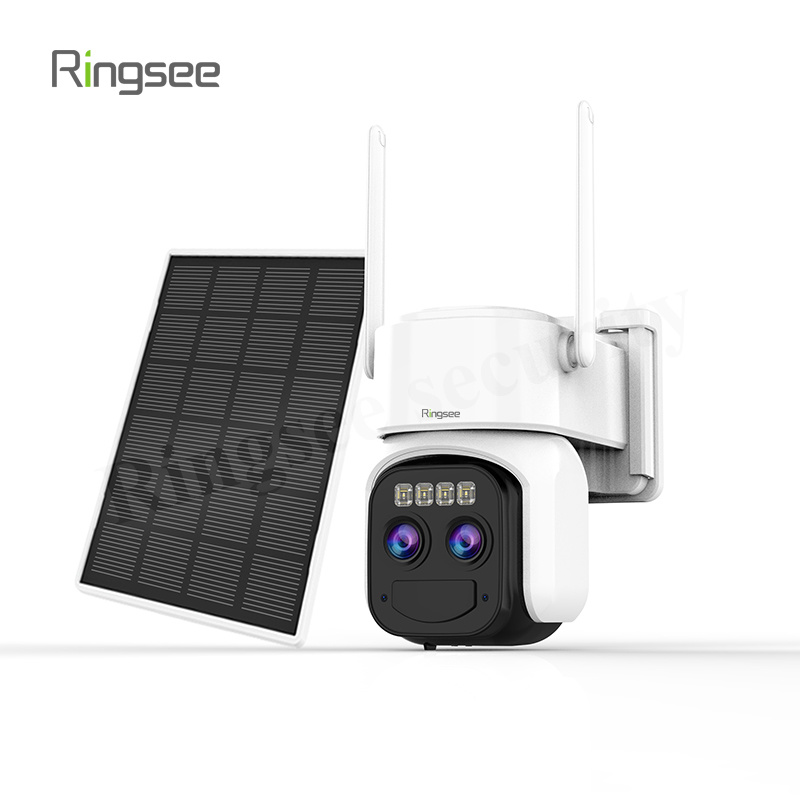
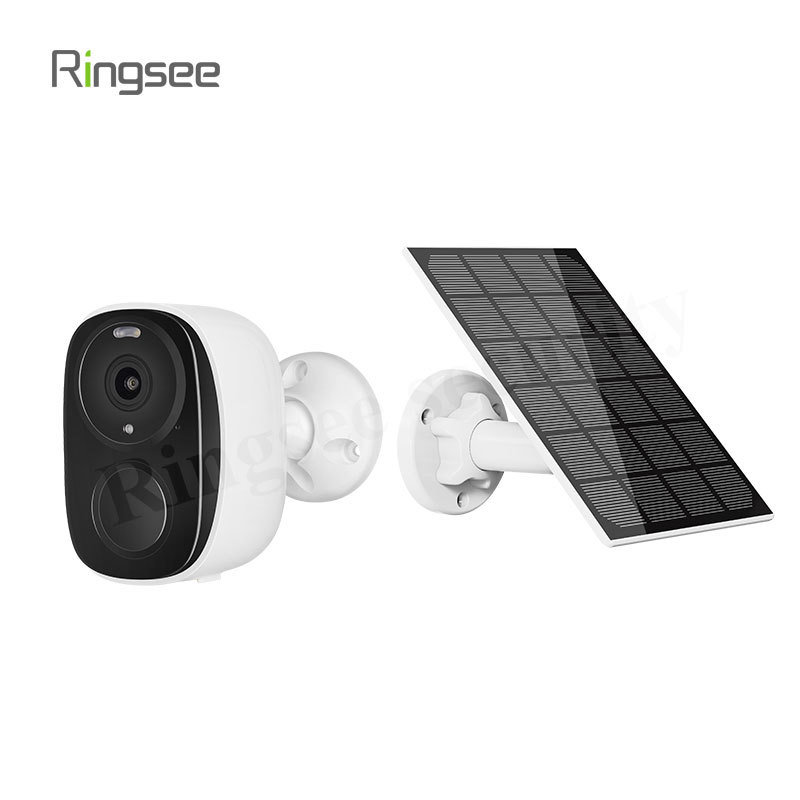
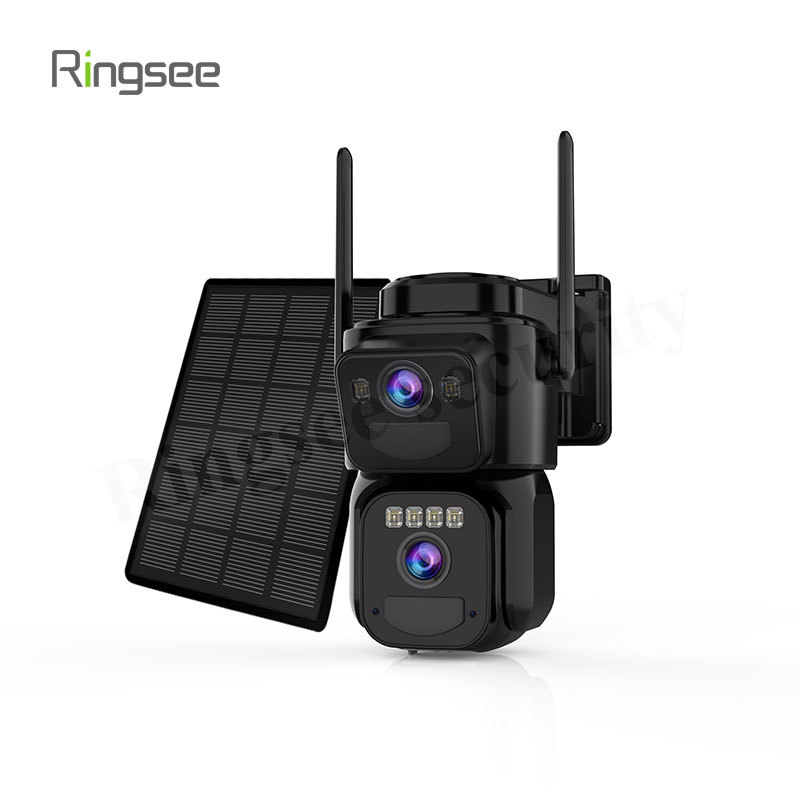
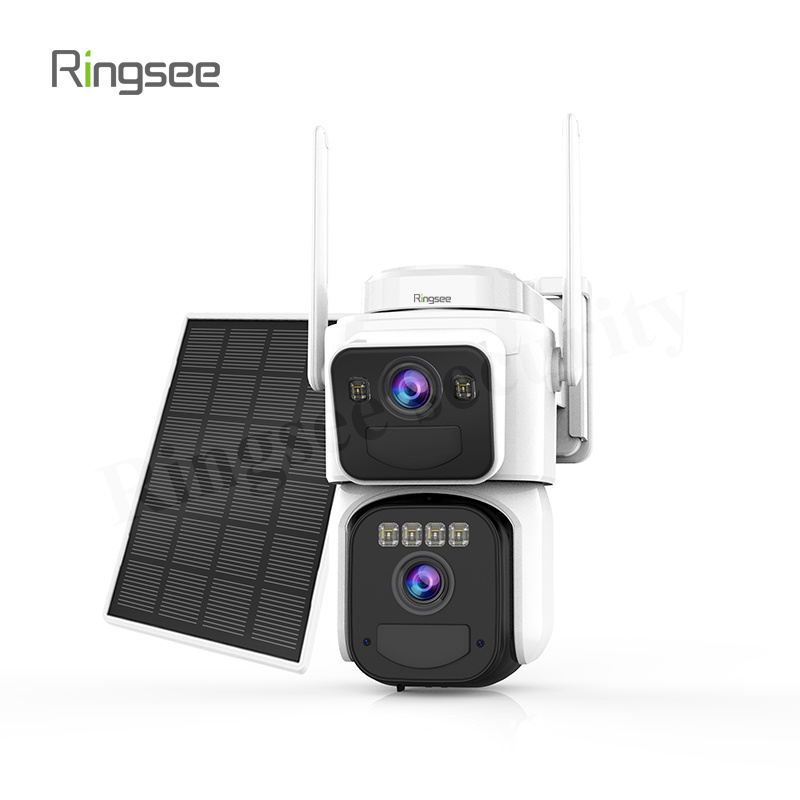

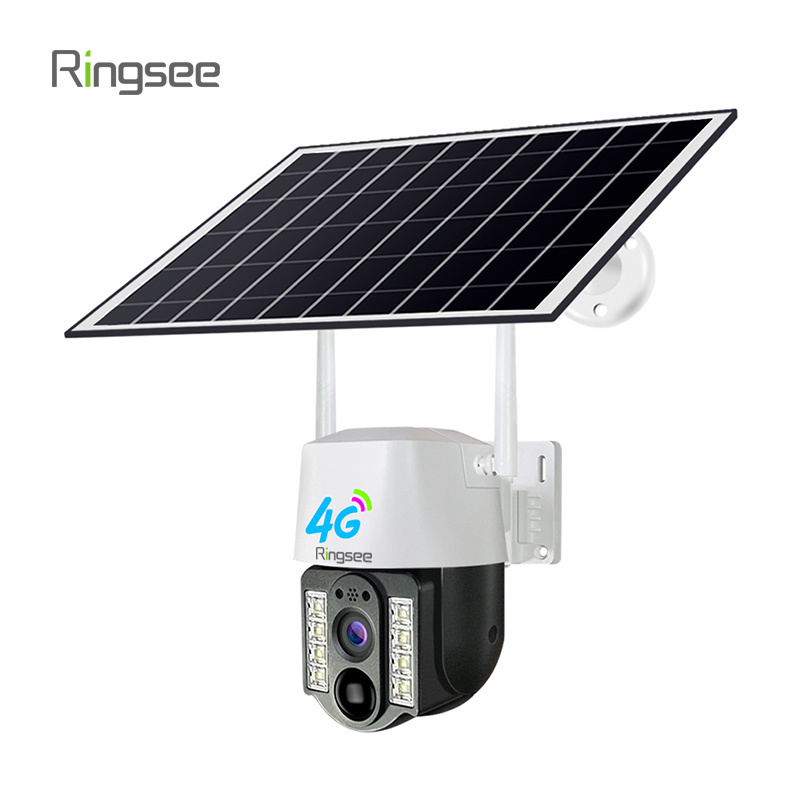
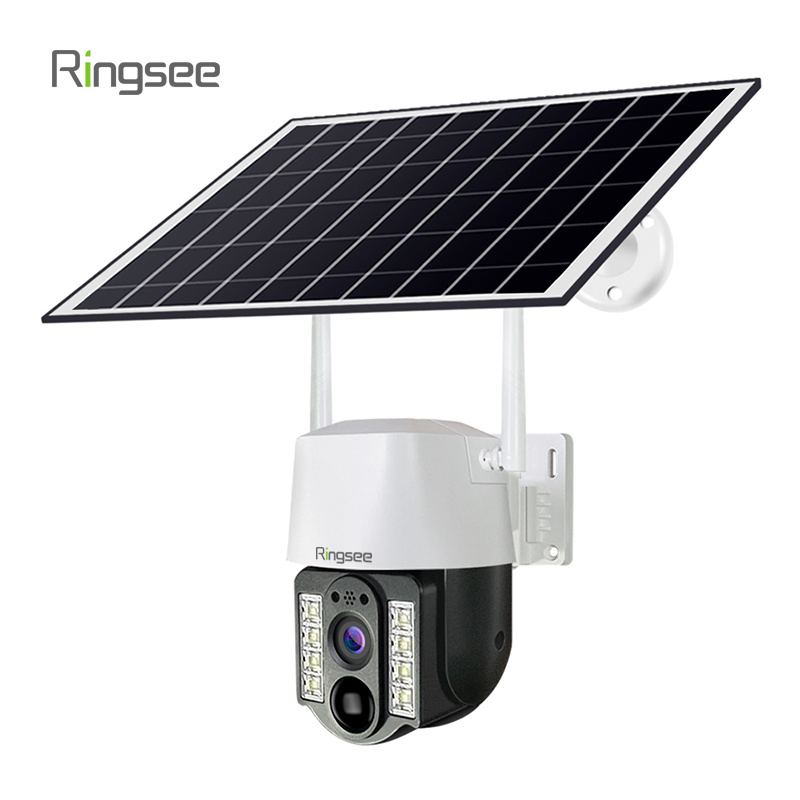
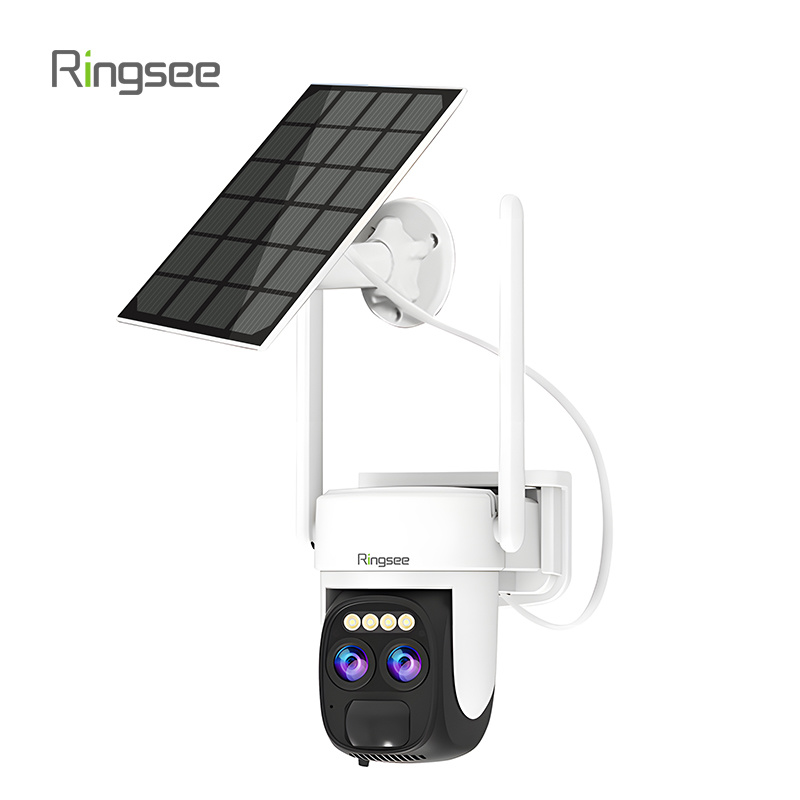
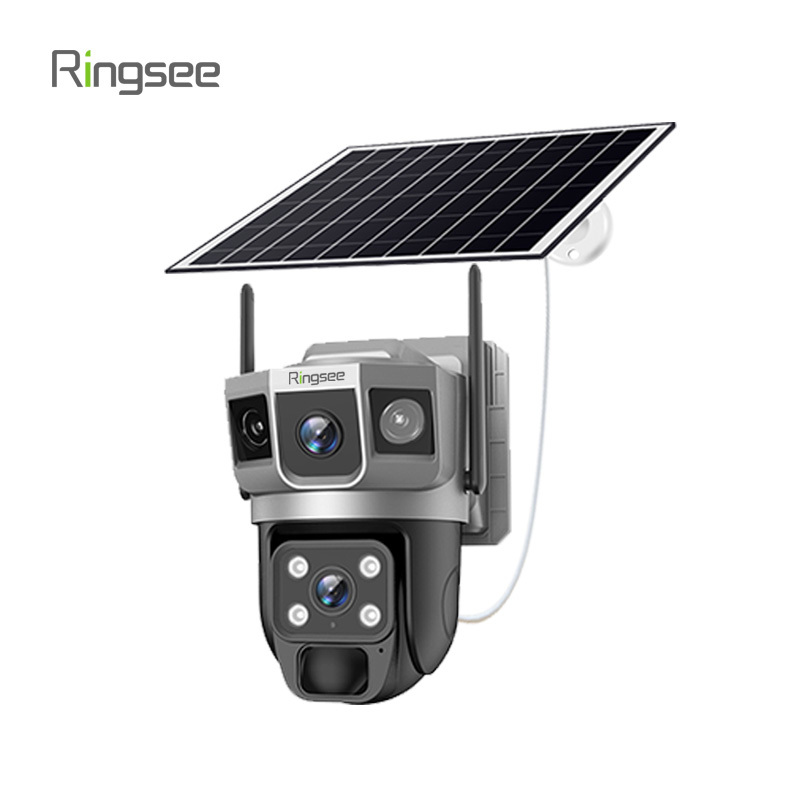





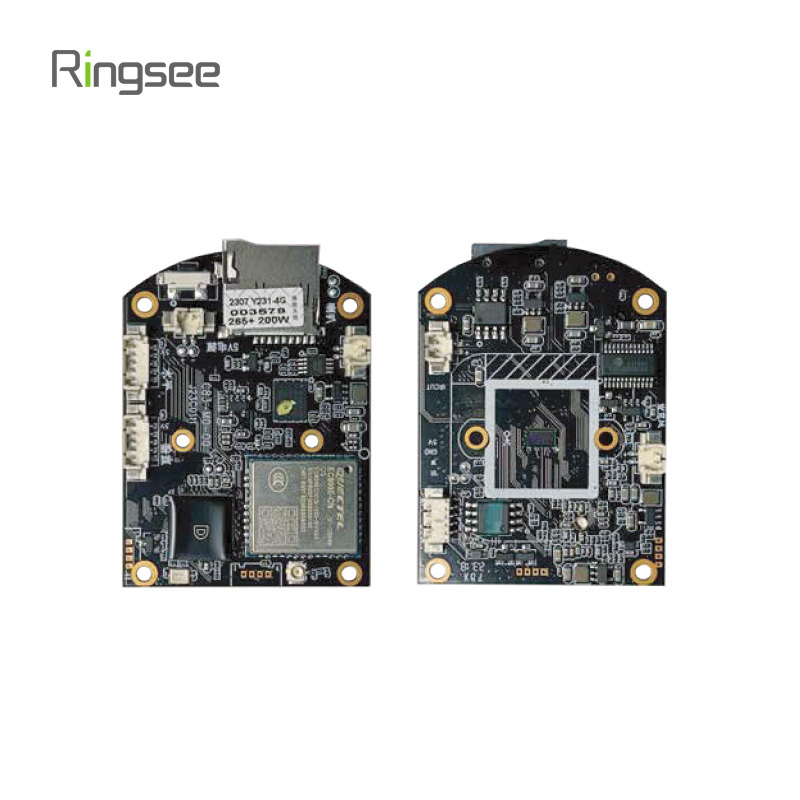
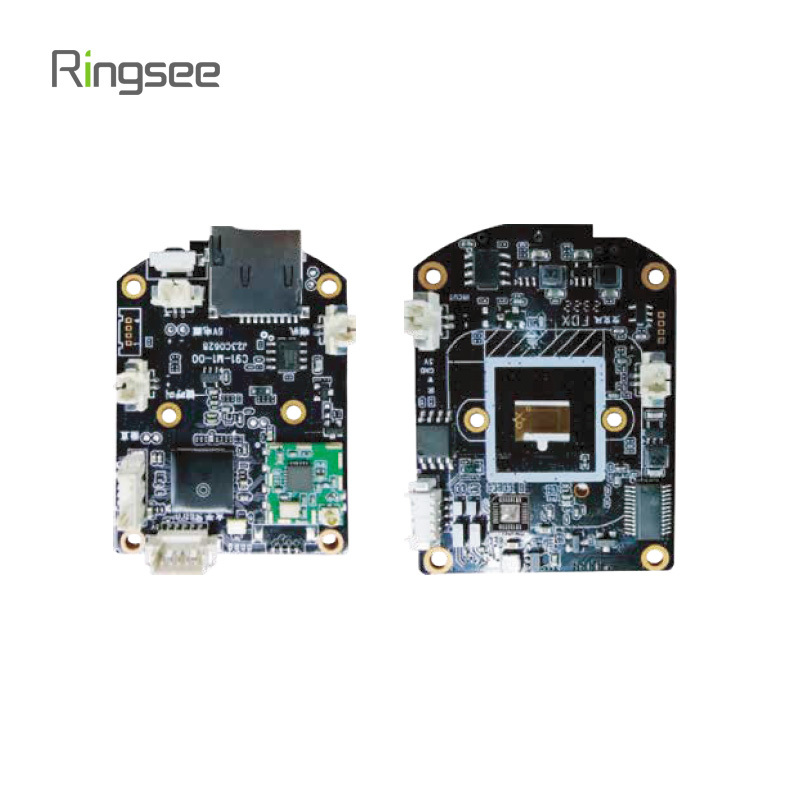
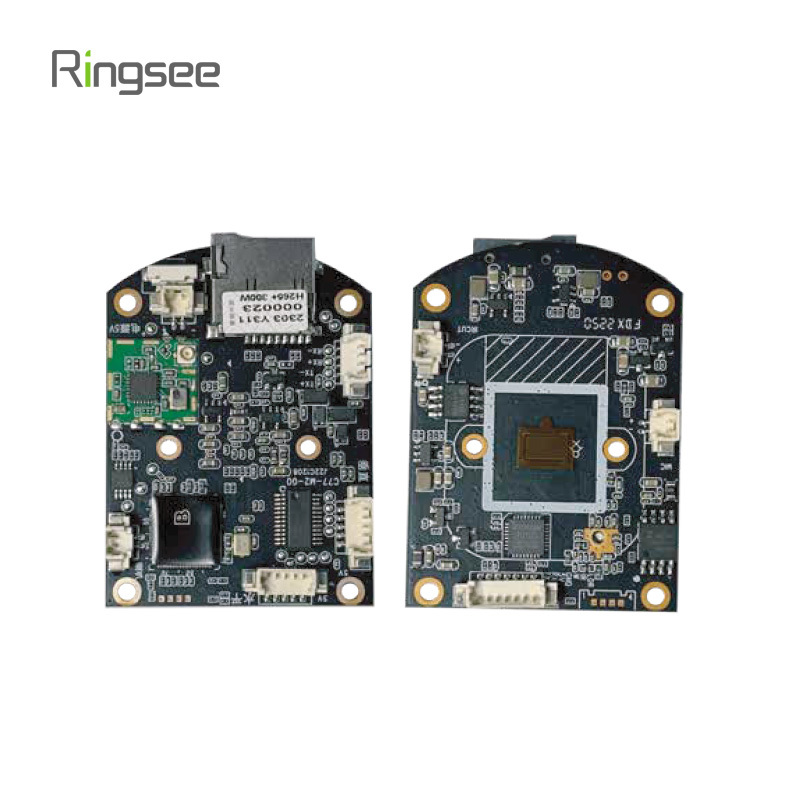
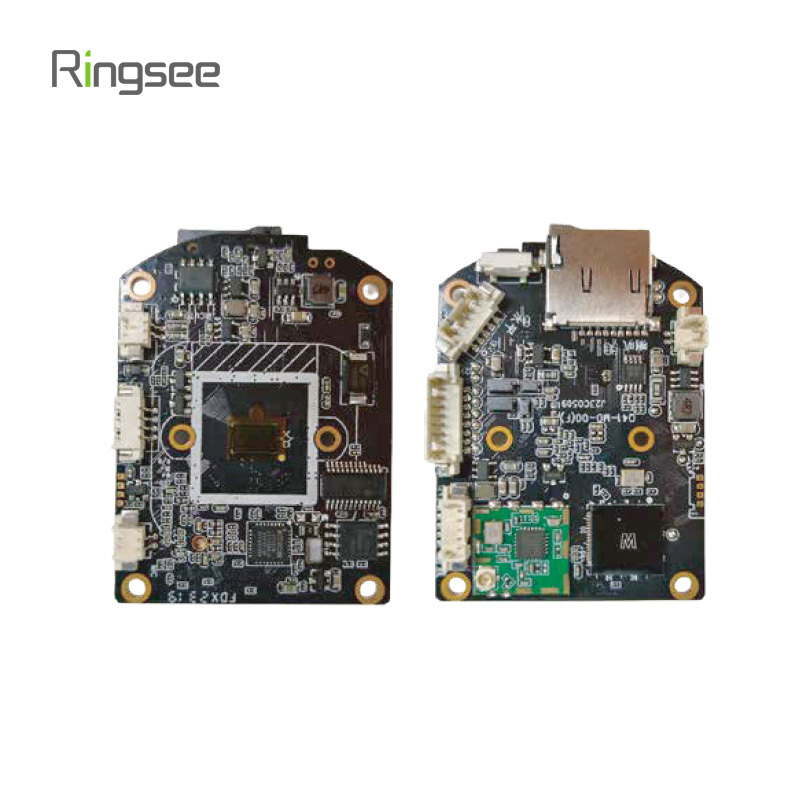
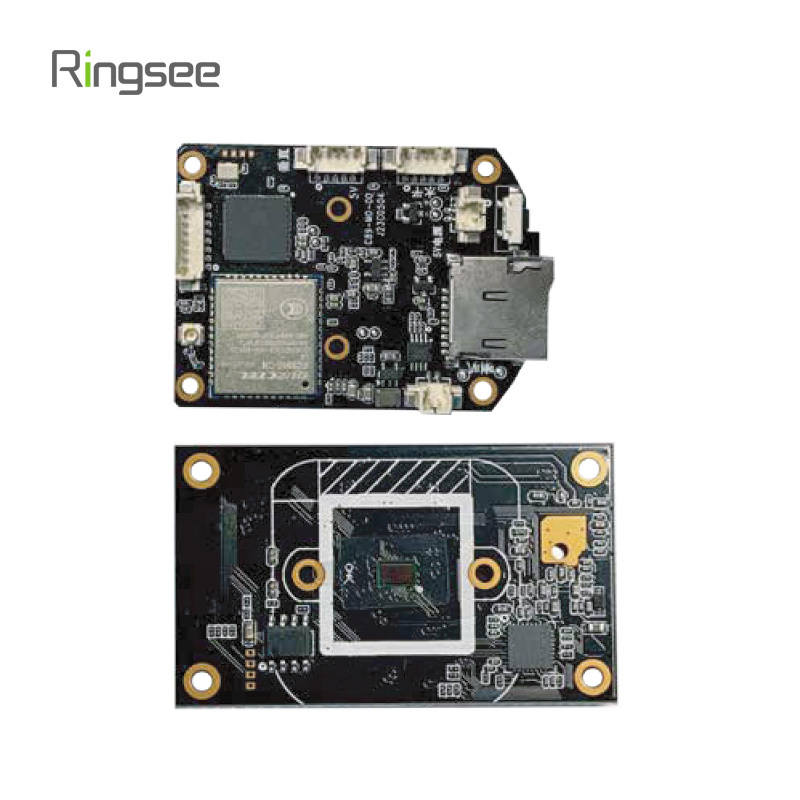
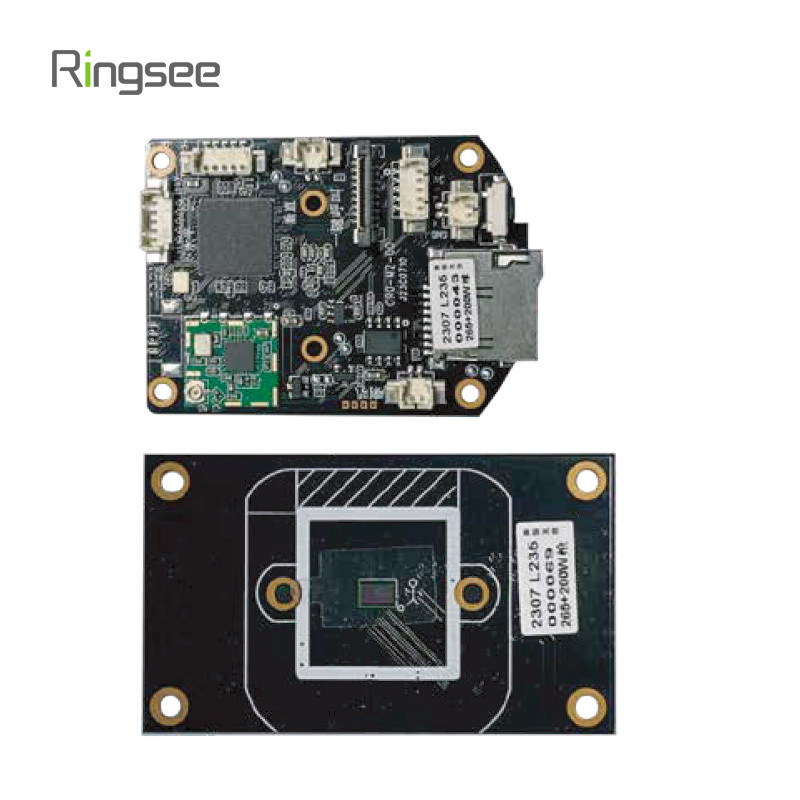
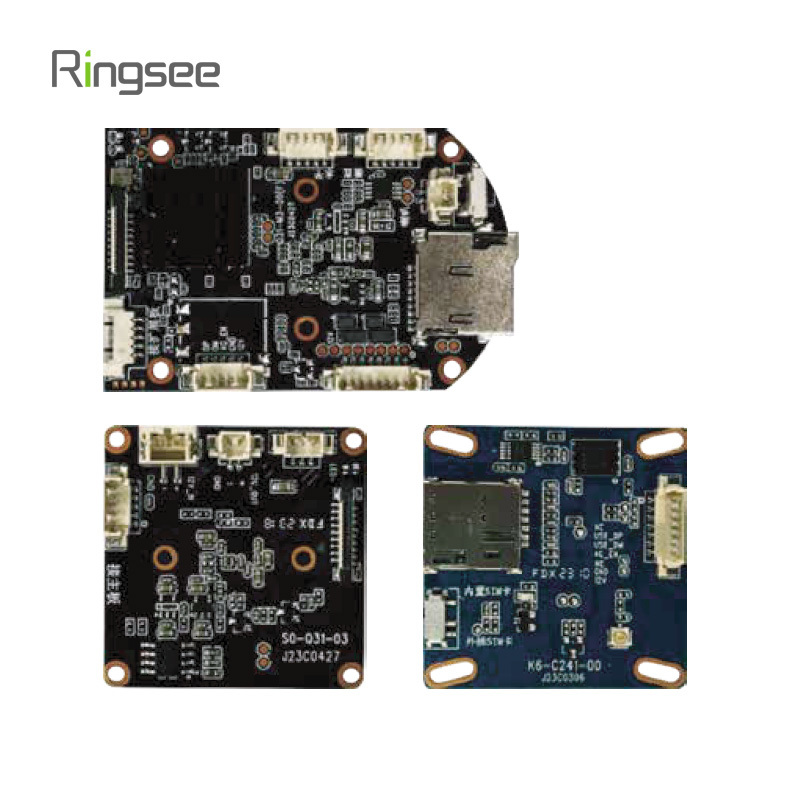
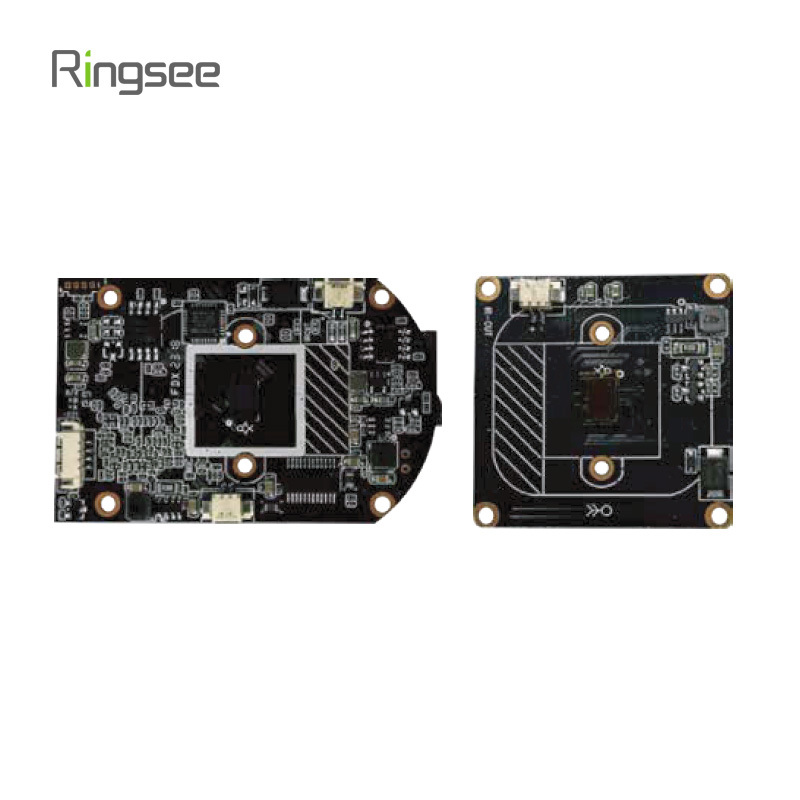
In-Depth Review: Ringsee 4G Cellular Trail Camera - The Ultimate Off-Grid Security Solution
Publish:
2025-12-01 15:06
Source:
https://www.ring-see.com
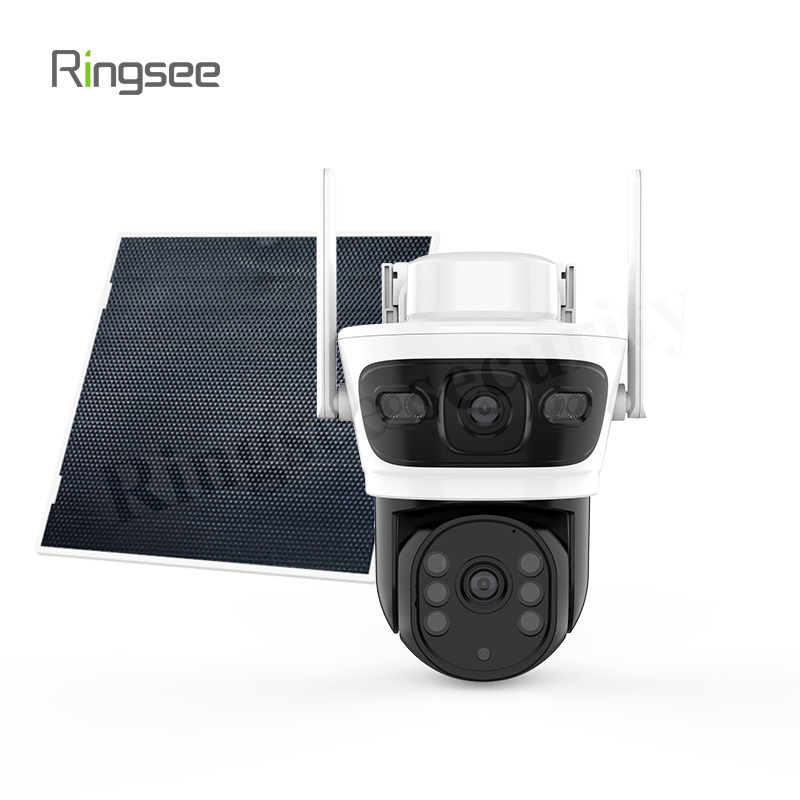
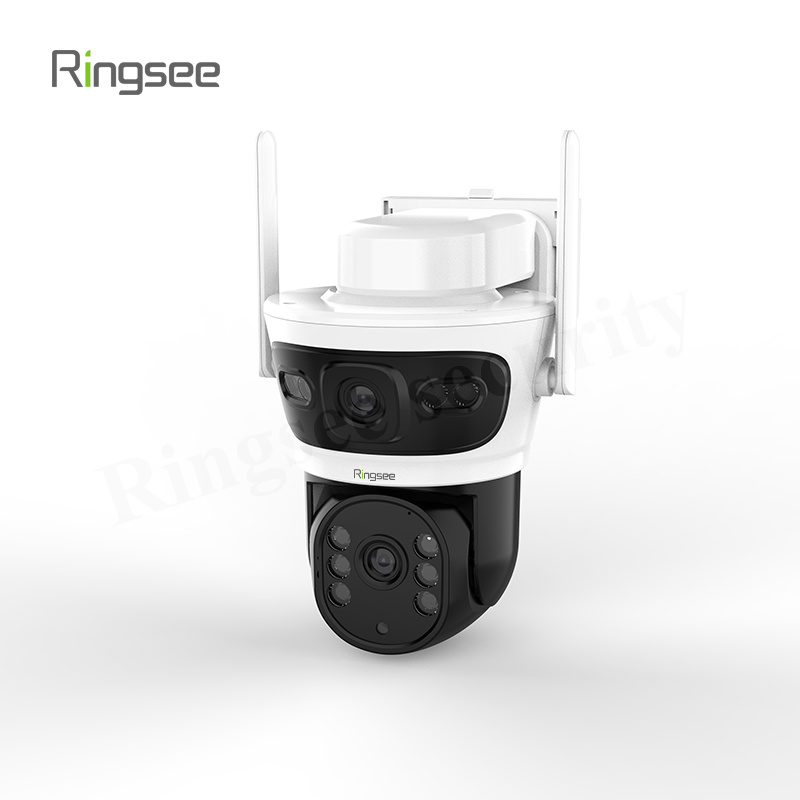
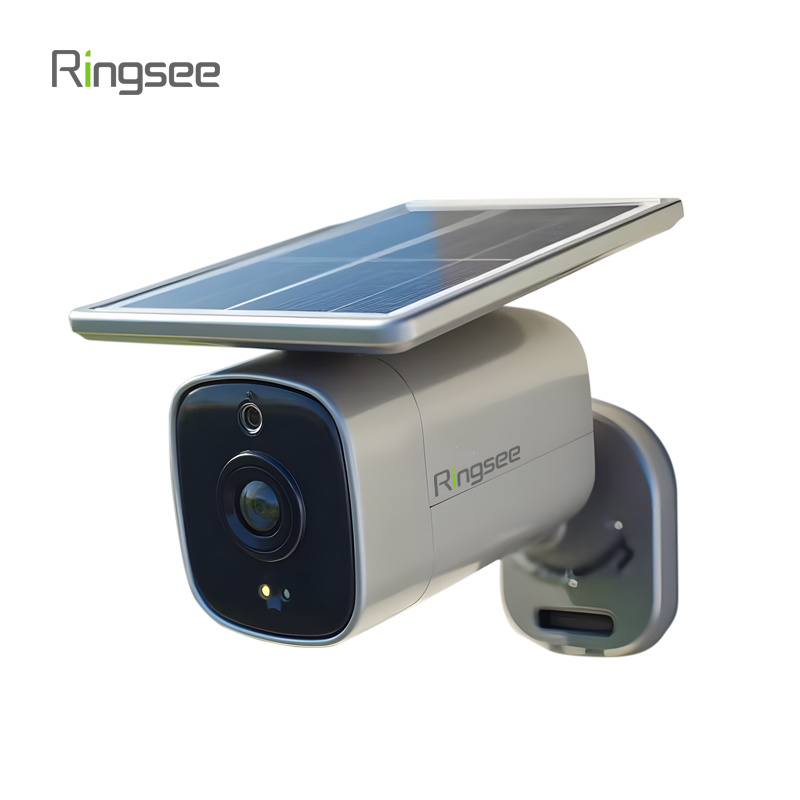
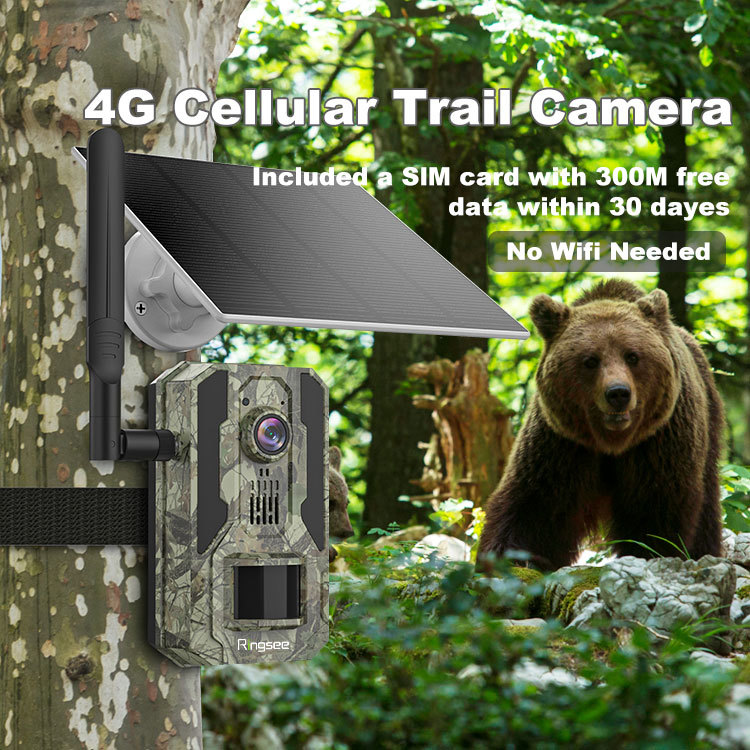
No WiFi needed! The Ringsee 4G cellular trail camera runs on solar power and is perfect for outdoor use in remote areas. Ideal for OEM/ODM orders from a trusted Chinese manufacturer.
The Challenge: Monitoring Remote Locations Without Infrastructure
If you own or manage property, equipment, or wildlife in remote locations—be it a deep forest, farmland, a boat dock, or a construction site—you know the limitations of traditional Wi-Fi security systems. Power and internet cables are non-existent.
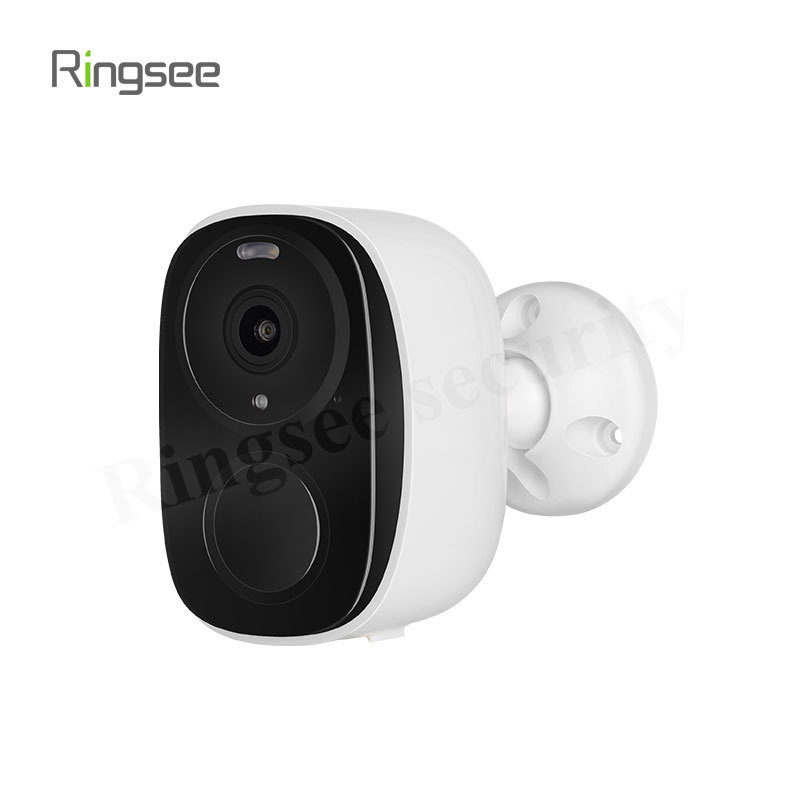
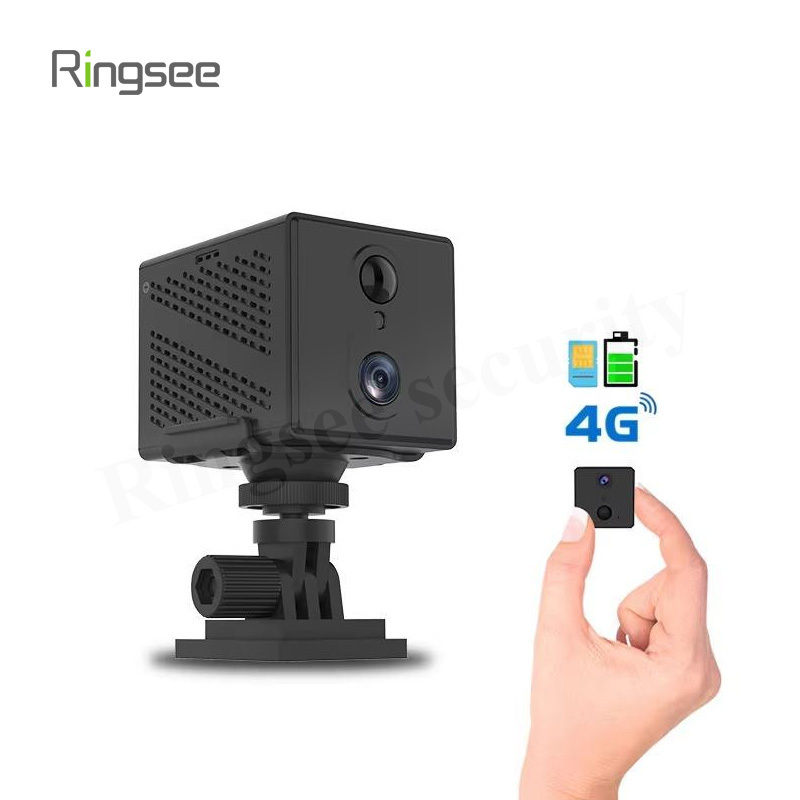
The Ringsee 4G Cellular Trail Camera with Solar Panel is engineered to solve this exact problem, offering a completely autonomous surveillance solution that requires zero Wi-Fi and zero hard-wiring. This review dives into the technology that makes it the industry leader for off-grid monitoring.
Key Features at a Glance
Connectivity: True 4G LTE Cellular Transmission (SIM card required).
Power: Integrated Solar Panel with High-Capacity Rechargeable Battery Backup.
Video Quality: 2K HD Imaging and Recording.
Night Vision: Advanced No-Glow IR LEDs and PIR Motion Sensor.
Understanding Cellular Technology: Why 4G Beats Wi-Fi for the Outdoors
Many low-power cameras rely on Wi-Fi, limiting them to a few hundred feet from a router. The Ringsee camera leverages the 4G LTE network—the same reliable network your smartphone uses—to transmit data.
This distinction is crucial for outdoor, remote security:
Real-Time Alerts, Anywhere
By simply inserting a standard 4G SIM card (carrier compatibility check recommended), the camera operates like a stand-alone surveillance device. It sends instant images and video alerts directly to your smartphone app, even if you are hundreds of miles away. This offers unparalleled peace of mind for monitoring construction sites for theft or tracking wildlife movements on a large ranch.
Data Security and Reliability

Unlike local Wi-Fi networks which can be jammed or interrupted by power outages, 4G cellular service often offers a more robust connection in rugged environments. Footage is securely uploaded to the cloud via the cellular network, ensuring your evidence is safe even if the camera is physically damaged or stolen.
Powering Autonomy: Solar and Battery Endurance
The most impressive aspect of the Ringsee camera is its self-sustaining power system, eliminating the need for battery replacements or manual charging.
The Science of Solar Power
The integrated solar panel continuously trickle-charges the high-capacity lithium-ion battery. The solar charging optimization logic ensures efficient power conversion even in varied lighting conditions, making it an ideal choice for year-round deployment.
Expert Tip: For optimal solar charging, always mount the camera panel facing due south (in the Northern Hemisphere) at an angle that matches your latitude.
Battery Backup for Continuous Operation
The internal battery is designed to maintain operation through extended periods of low light or poor weather. Based on typical usage (10–15 recordings per day), the fully charged battery can sustain the camera for up to 7 days without any solar input, guaranteeing 24/7 monitoring capabilities.
Practical Applications and Use Cases
The Ringsee 4G Cellular Trail Camera is a versatile tool, moving far beyond simple wildlife photography.
| Use Case | Security Benefit | Recommended Feature Focus |
| Construction Sites | Deter theft of materials and track site activity off-hours. | PIR motion sensor, Instant 4G alerts. |
| Rural Property | Monitor gate access, equipment sheds, or fence lines. | Wide viewing angle, long-range night vision. |
| Wildlife/Hunting | Real-time monitoring of animal trails and habits. | Silent operation, fast trigger speed. |
| Vacation Homes | Discreet surveillance of unoccupied property in remote areas. | Smartphone access to live view (4G). |
Why Partner with Ringsee?
Ringsee is a global leader in designing and manufacturing specialized security solutions. With over 15 years of innovation in surveillance technology, we provide durable, weather-tested products built to perform.
As a certified Chinese manufacturer, we specialize in OEM (Original Equipment Manufacturing) and ODM (Original Design Manufacturing) services, supporting international clients and private label brands looking for customized, factory-direct surveillance products.
If you are an international buyer or private label brand seeking a reliable, high-performance 4G cellular camera solution, contact us to discuss your OEM/ODM needs.
[CTA Button: Request a Quote or Download the Full Spec Sheet]
Related News
CCTV Data Compliance: Video Retention, Privacy Masking and Access Control Management
A practical data-compliance guide for surveillance operators under GDPR and comparable regimes: the three-question legality test, retention-period determination, privacy-masking implementation, a three-tier access model with audit trails, facial-recognition red lines, and cross-border transfer rules — so the system that protects your premises doesn't become your biggest liability.
Sep 12,2026
How to Accept and Sign Off a CCTV Project: Acceptance Checklist and Common Corner-Cutting Traps
A practical acceptance guide for security camera installation projects: the three-stage acceptance process (concealed works, trial run, final handover), six common corner-cutting traps — CCA cable, over-length runs, underrated PoE, refurbished drives, model substitution and inflated retention — plus a field test checklist, document requirements and milestone payment structure.
Sep 12,2026
A selection and compliance guide for industrial security cameras: hazardous-area zone classification (gas and dust), how to read the Ex marking field by field, certificate verification (Ex certificate + IECEx/ATEX or local listing), temperature-tier solutions, corrosion-resistant materials, and the four hidden killers — dust, EMI, vibration and backlight.
Sep 05,2026
Distributed Security Architecture Guide
This guide is for IT managers, procurement teams, and security engineers at chain retailers, manufacturers, and property groups. The problem is not 'which camera to buy,' but how dozens or hundreds of locations can be monitored, managed, and audited from one central point. The core architectural challenge is protocol unification, network topology, and platform governance. Without these, every branch becomes an isolated island, forcing staff to log into different systems and delaying incident response.
Sep 05,2026
The previous nine articles each addressed a link in the chain: power supply (see *Power Supply × Networking: 12-Combination Decision Tree*) determines whether the camera powers on; networking (see *4G + Solar Off-Grid Surveillance Solution Selection Guide*) determines whether it connects; night vision (see *Night Vision and Low-Light Selection Guide*) determines how clearly it sees in the dark; protection and lightning protection (see *IP66/IP67 Protection and Lightning Protection Selection Guide*) determine how long the equipment lasts; lens field of view (see *Surveillance Camera Lens and Field of View / Focal Length Selection Guide*) determines whether it captures the target; storage and NVR (see *Storage and Recording Duration / NVR Selection Guide*) determine whether the footage is retained; remote access and network security (see *Surveillance Camera Remote Access and Network Security / VPN Selection Guide*) determine whether the footage is secure; AI analytics (see *Surveillance Camera AI Analytics (Human / Vehicle / Intrusion Detection) Selection Guide*) determine whether the system can "recognize anomalies"; and alarm linkage and platform integration (see *Surveillance Camera Alarm Linkage and Platform Integration (Audible-Visual / Platform / API / ONVIF) Selection Guide*) determine whether it can "act and be controlled" once an anomaly is recognized. Yet until now, every plan has remained at the level of "selection" — the cameras are still on paper. From a neutral technical perspective, this article pushes the topic cluster to its final link: "installed steady, tuned accurate, maintained affordably." It breaks down pre-deployment site surveys, PoE power supply and wiring sequence, Cat5e/Cat6 cabling distance, lightning protection and grounding with SPD, pole and bracket installation, NVR/platform integration, the commissioning and acceptance process, AI false-alarm rate verification, daily maintenance and troubleshooting, and remote security review, and provides a practical delivery acceptance template to help buyers turn "selecting right" into genuinely "reliable in use."
Aug 29,2026
Links:One Belt Power Technology
Add: 14th Floor, Baoshan Building, Longhua District, Shenzhen China.
Privacy Policy | SEO | CitySite | Support: 300.cn Dongguan