





Surveillance Camera Solutions: A Complete Guide for Home & Business
Publish:
2026-05-24 19:24
Source:
https://www.ring-see.com
Looking for reliable surveillance camera solutions? This guide covers IP cameras, wireless CCTV, AI-powered features, installation tips, and how to choose the right system for your property.
Why Surveillance Camera Solutions Matter
Security threats are evolving, and property owners need surveillance camera solutions that do more than record footage. Visible security cameras can reduce break-ins by up to 60%. For businesses, cameras also help monitor productivity, prevent theft, and ensure workplace safety. With advances in AI and cloud technology, today’s surveillance camera solutions are smarter and more affordable than ever.
Types of Surveillance Camera Solutions
IP cameras transmit video over your network with up to 4K resolution and support Power over Ethernet. They are the standard choice for businesses that need scalable systems.
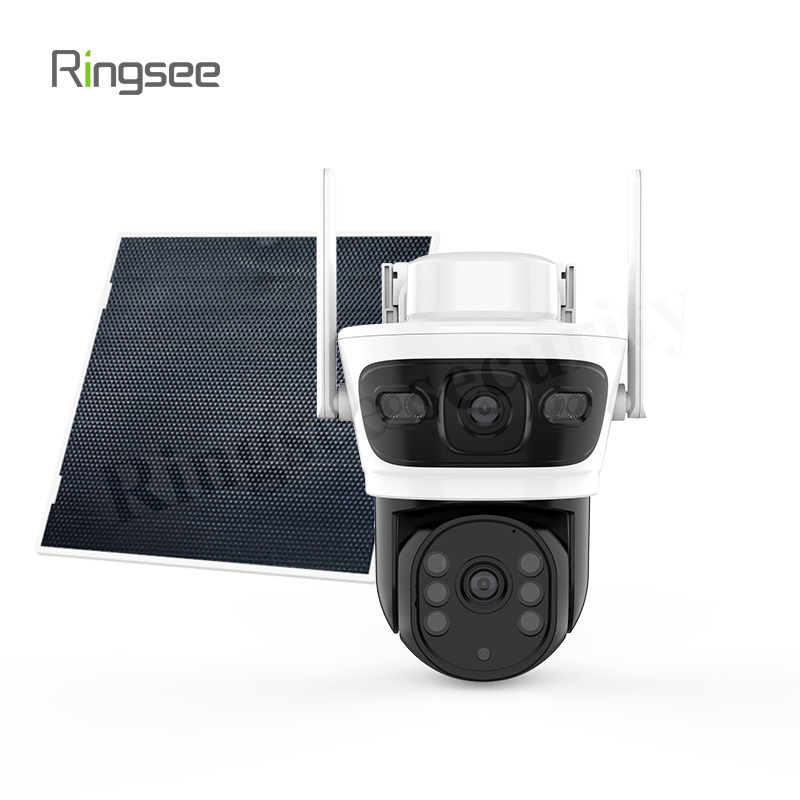
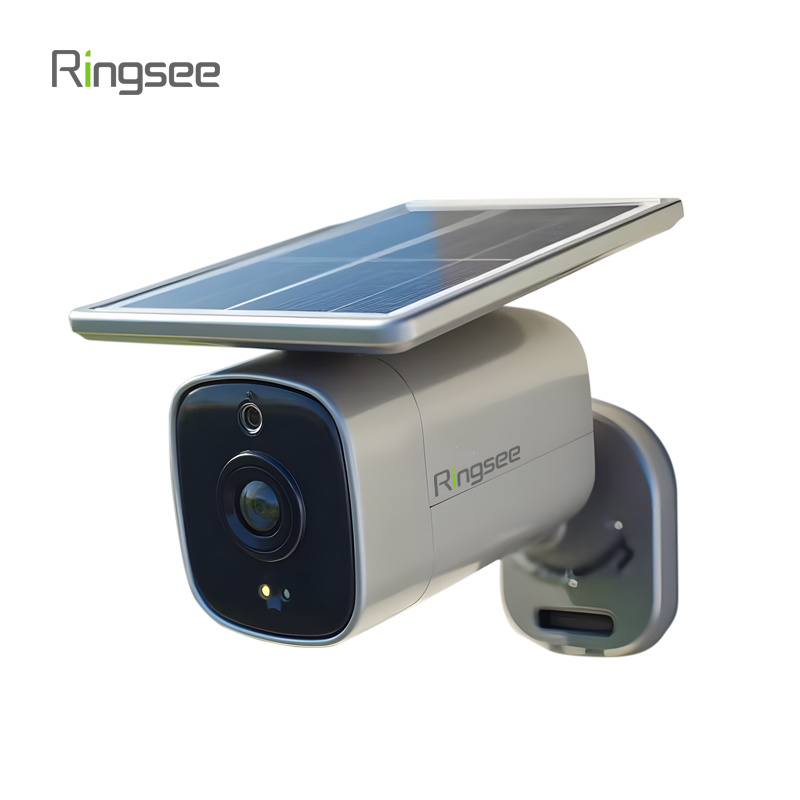
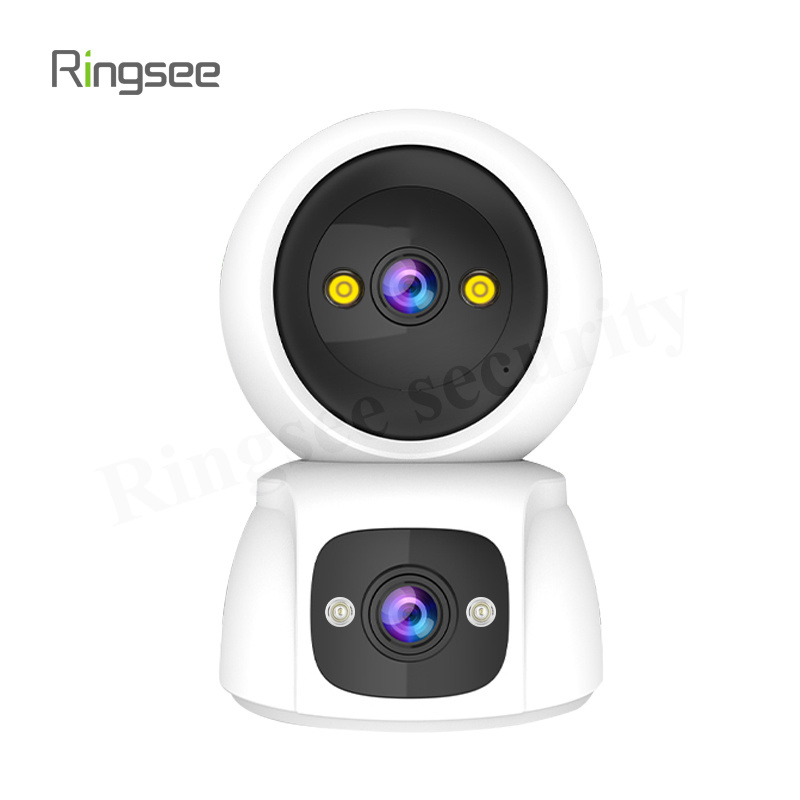
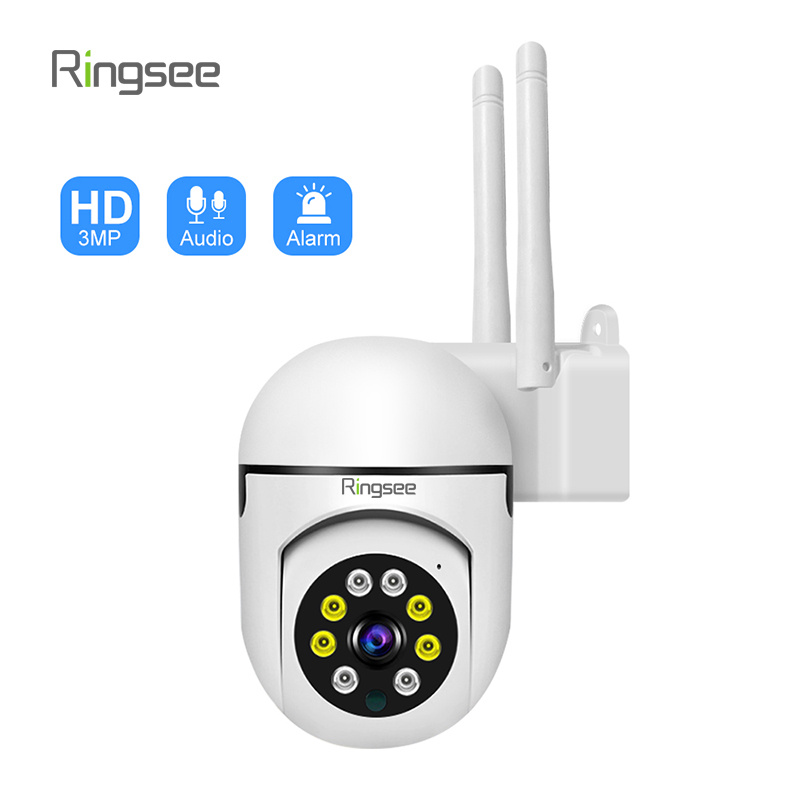
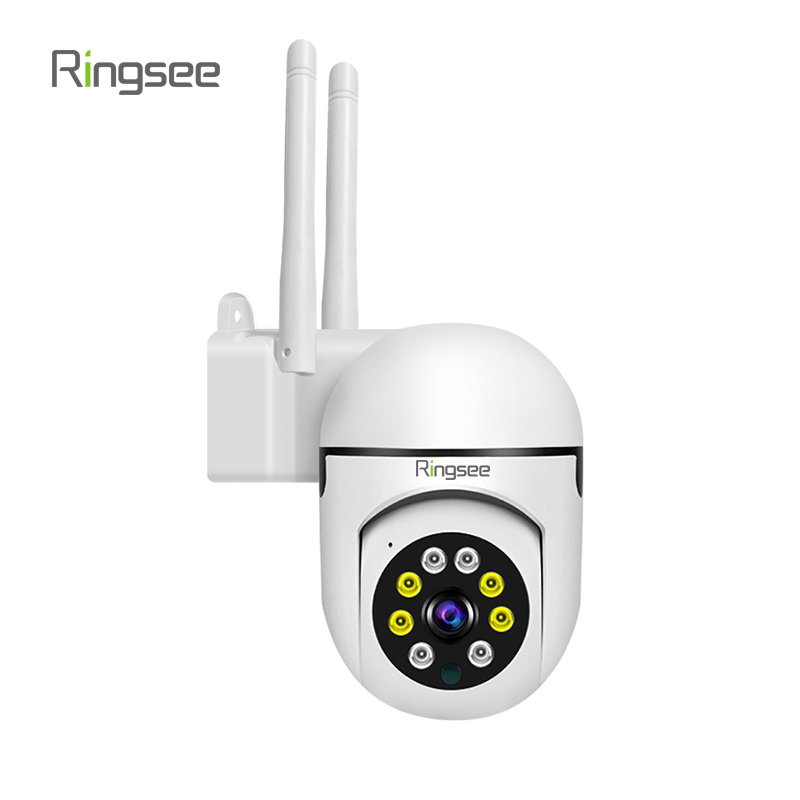
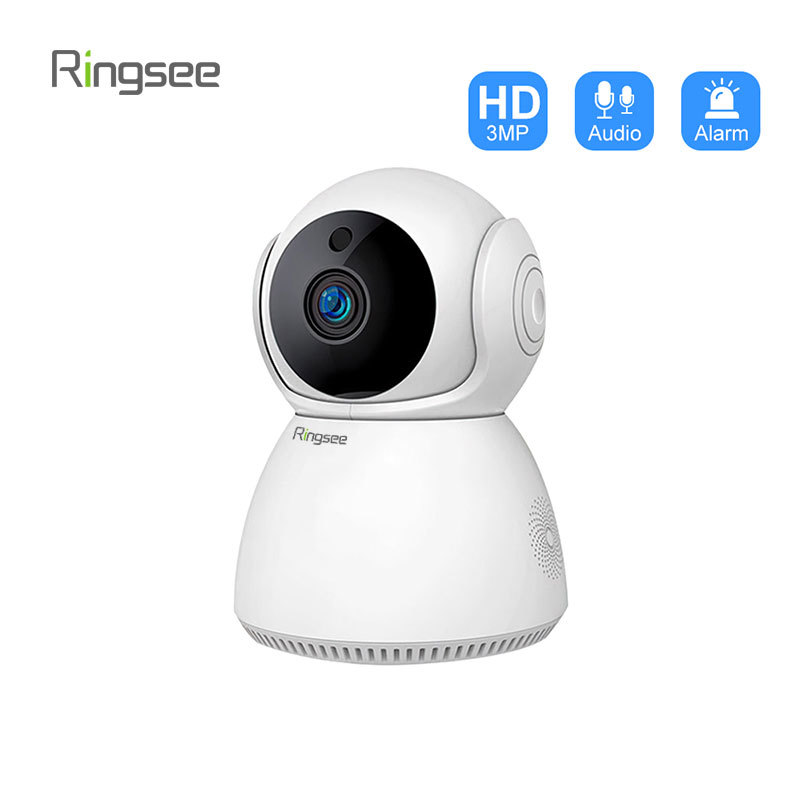
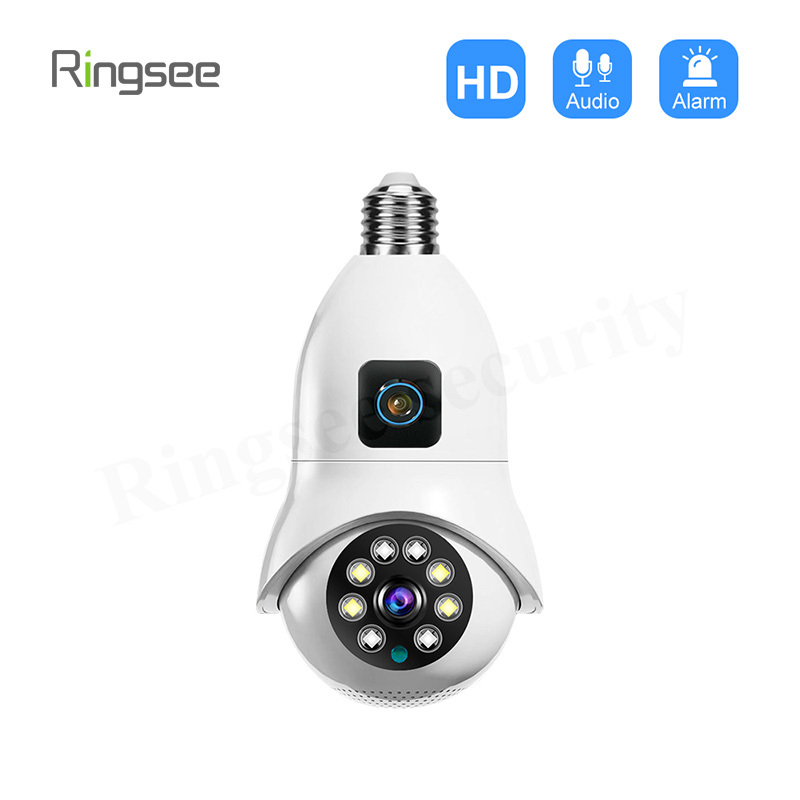
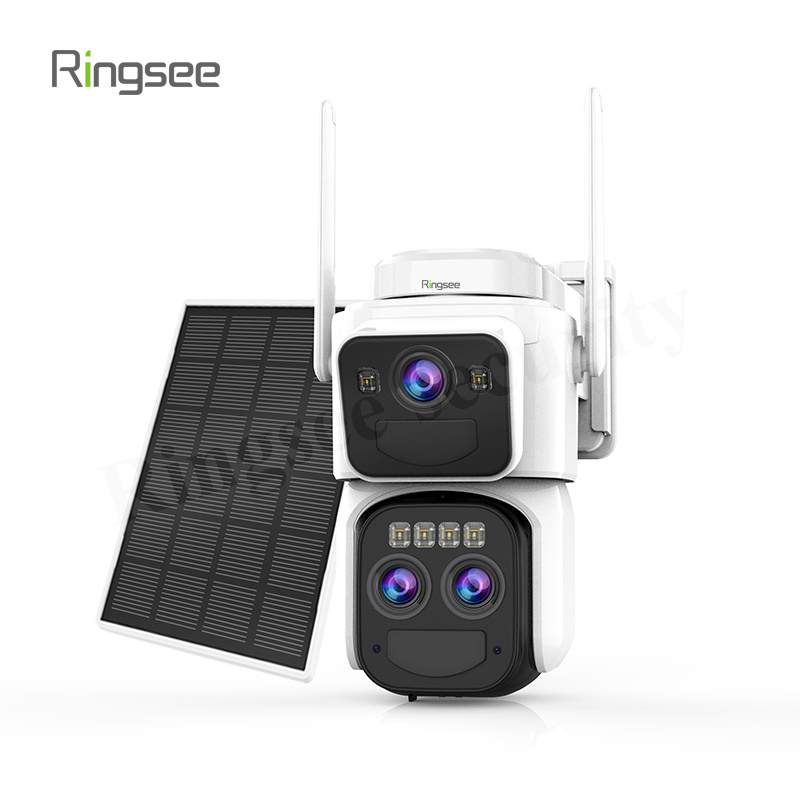
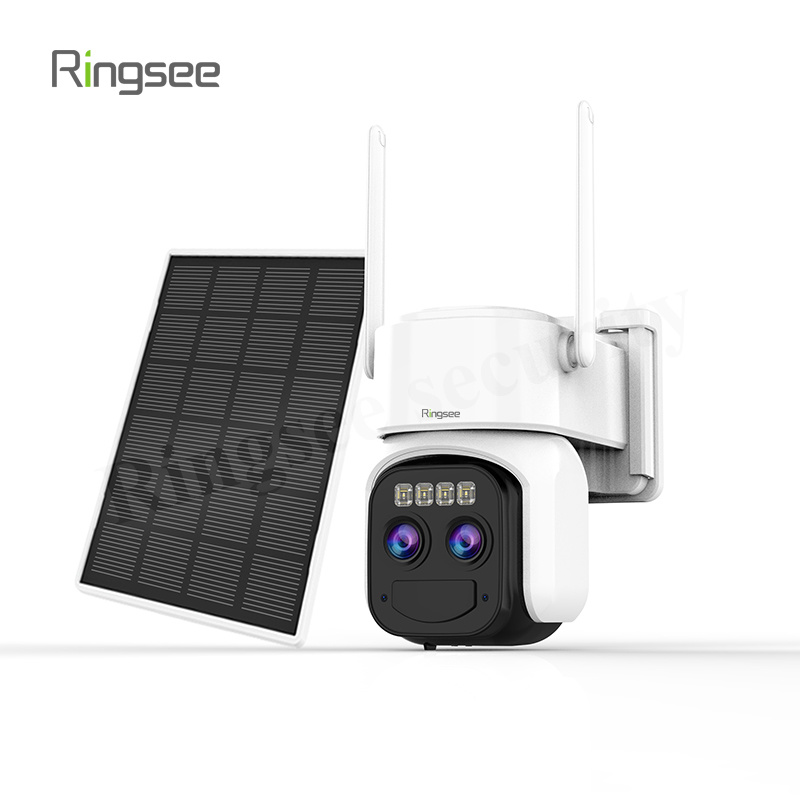
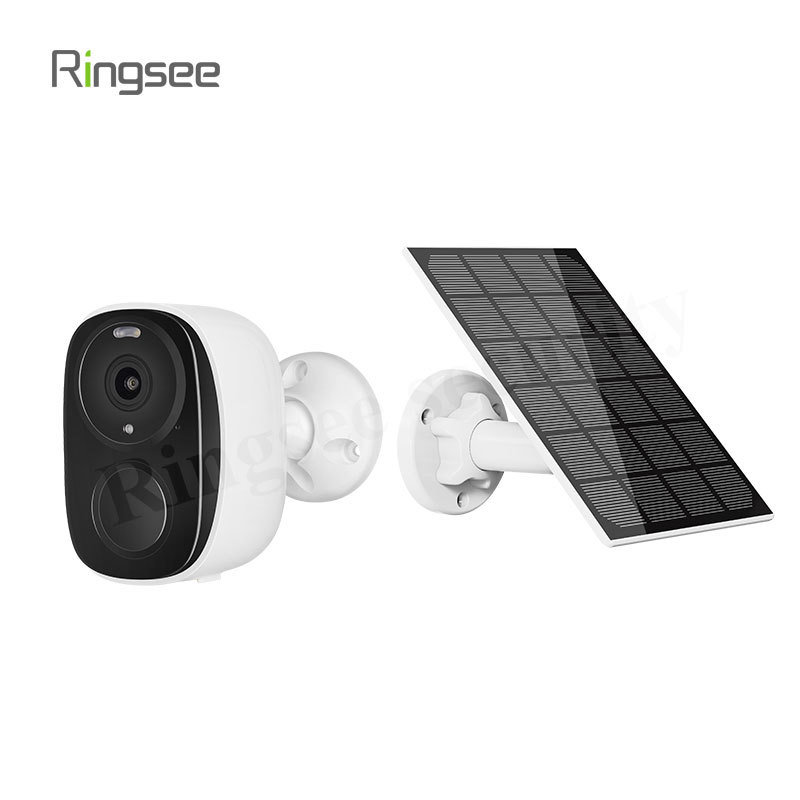
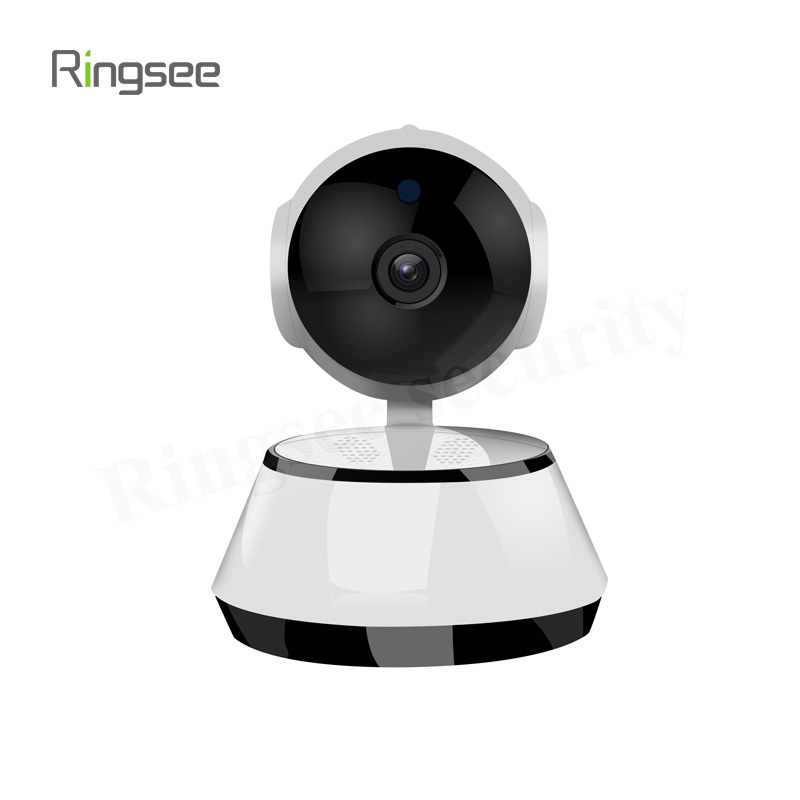
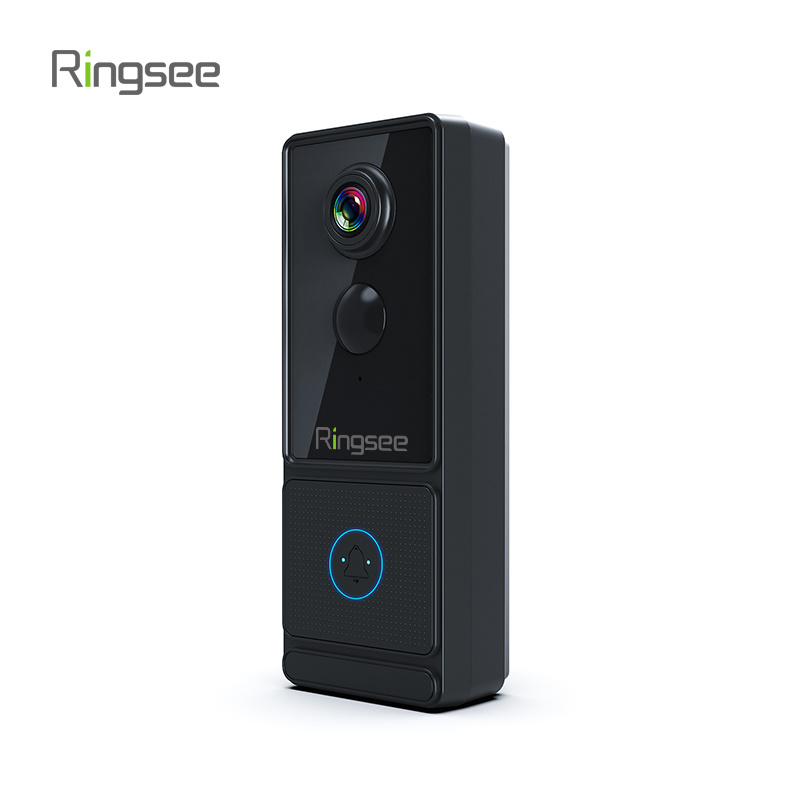
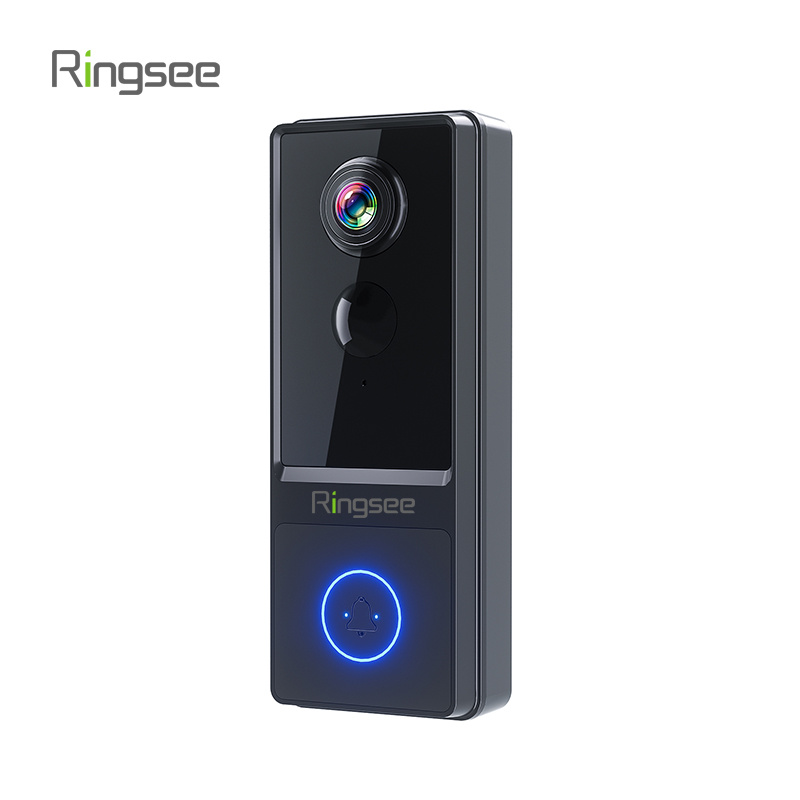
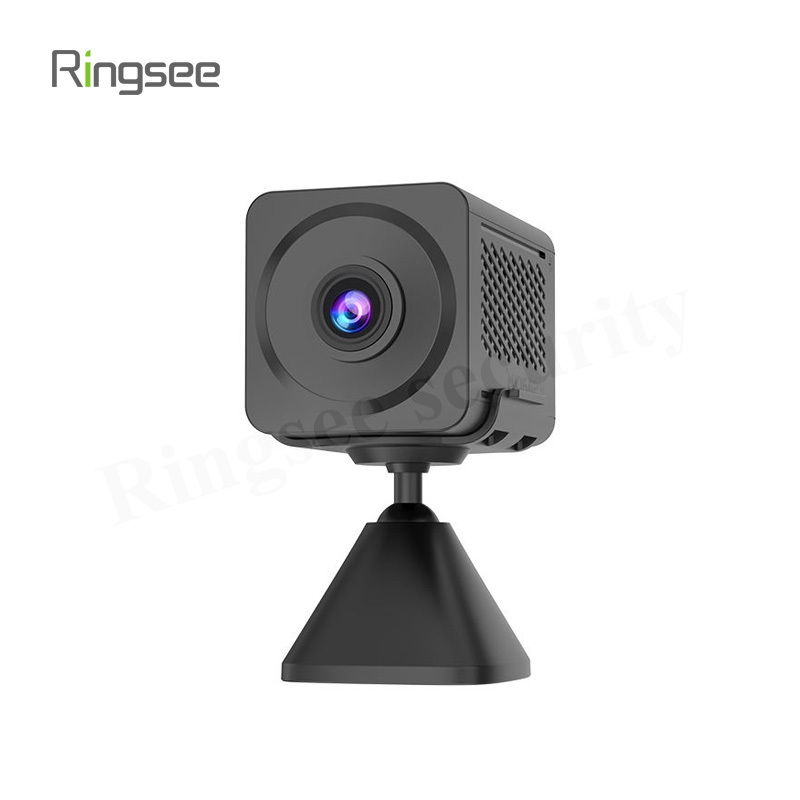
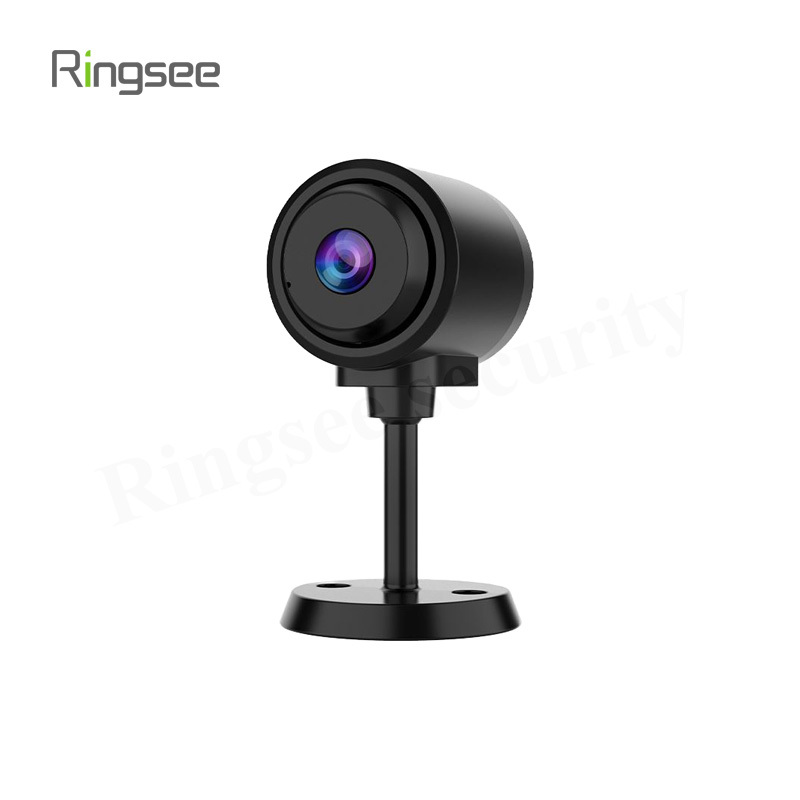
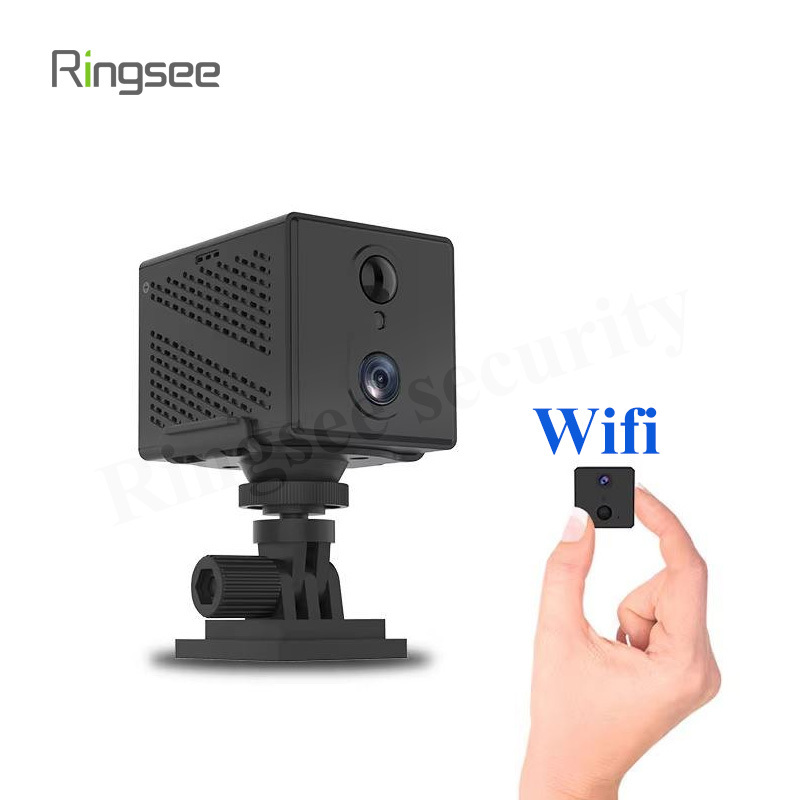
Wireless security cameras connect to Wi-Fi, making installation fast and flexible. They are ideal for homes and small offices, with smartphone apps for live viewing and instant alerts.
Wired CCTV systems use coaxial cables connected to a DVR, offering rock-solid reliability with zero interference. They remain the go-to choice for large commercial and industrial sites.
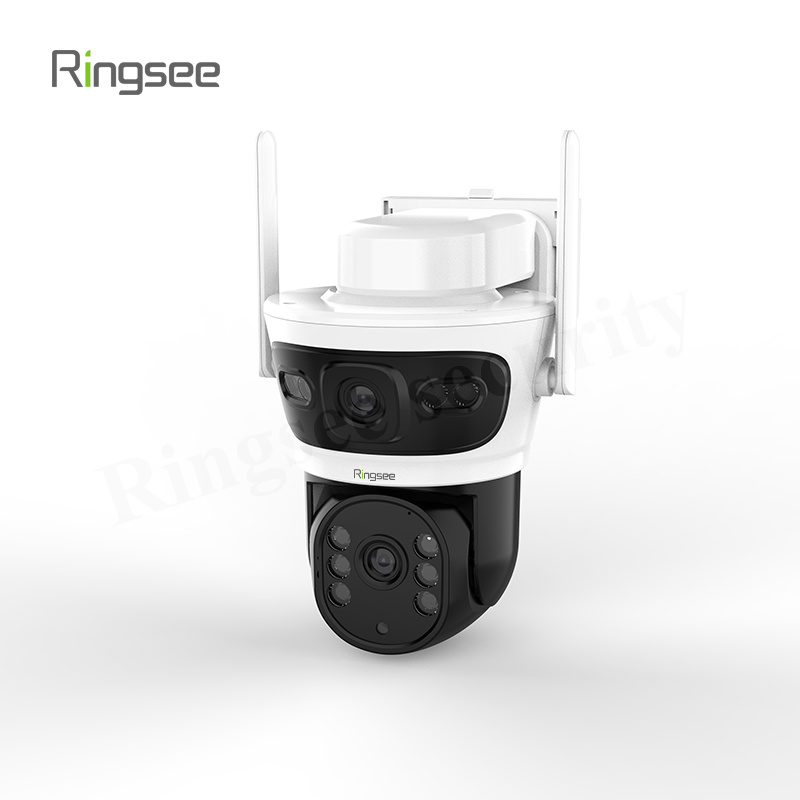
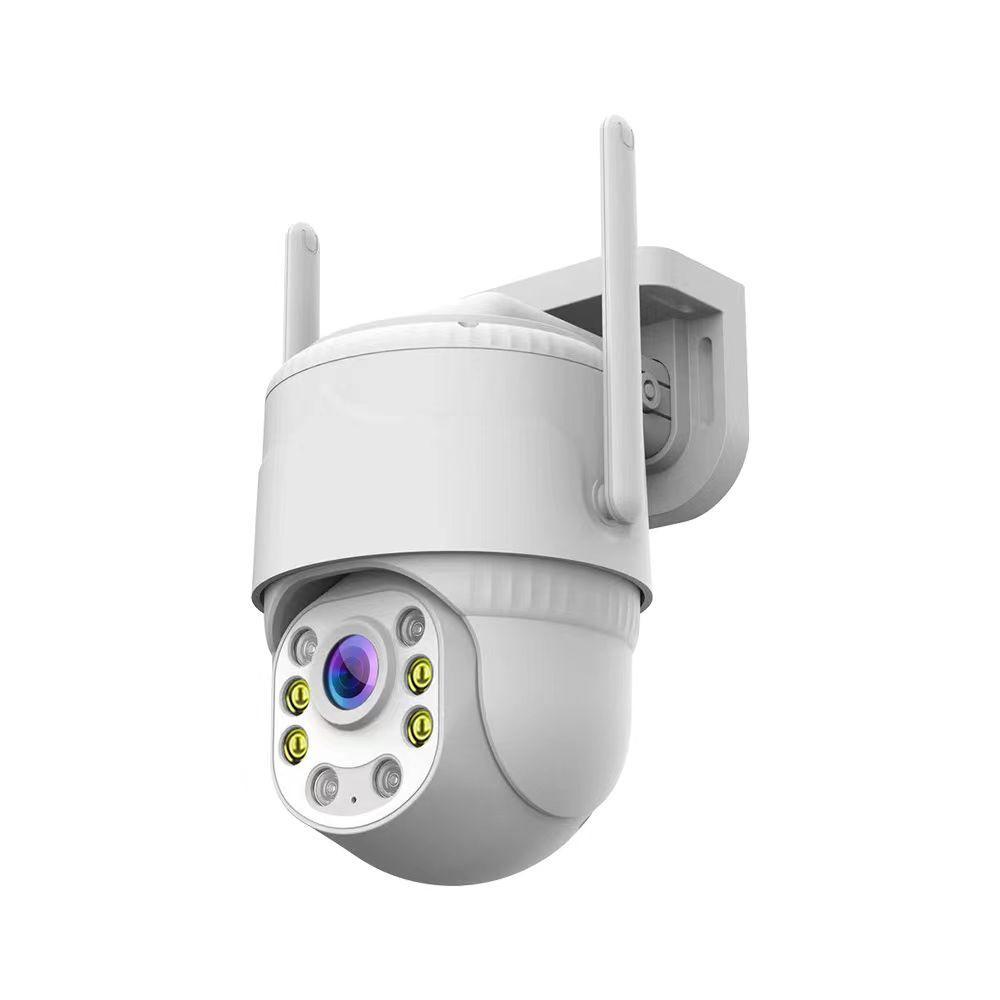
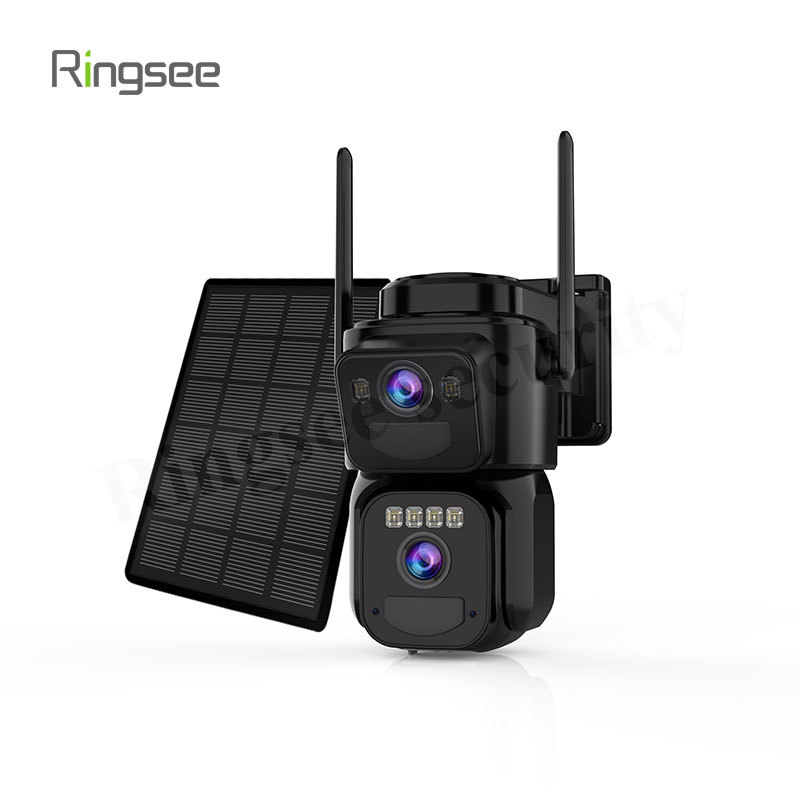
PTZ cameras provide pan-tilt-zoom control, covering wide areas with a single device. When paired with motion tracking, they automatically follow moving objects for hands-free surveillance.
Key Features to Look For
Night vision with infrared LEDs and starlight sensors ensures clear footage even in complete darkness. Look for at least 30-meter IR range for outdoor use.
AI-powered object detection distinguishes between people, vehicles, and animals, dramatically reducing false alarms. You only get notified about genuine threats.
Customizable motion zones let you ignore busy streets while monitoring your driveway. Push notifications and email alerts keep you informed in real time.
For outdoor cameras, look for IP66 or IP67 weather ratings. Vandal-proof housings with IK10 impact protection guard against tampering and harsh weather.
Two-way audio lets you talk to visitors, warn off intruders, or communicate with family members through the camera app.
Cloud vs. Local Storage
Cloud storage offers off-site backup and remote access from any device. Subscription plans typically start at a few dollars per month for basic recording. Local storage via DVR, NVR, or microSD cards keeps footage private and eliminates recurring fees entirely. Many modern surveillance camera solutions now support hybrid setups, combining local recording with cloud backup for maximum reliability and peace of mind.
Installation Best Practices
- Mount cameras 2.5–3 meters high: low enough to capture faces, high enough to deter tampering.
- Cover all entry points: front and back doors, ground-floor windows, and garage access.
- Angle cameras to avoid direct sunlight and reflective surfaces that cause glare.
- For businesses, prioritize cash registers, stock rooms, and loading docks.
- Run cables through walls or conduit for a clean installation harder to sabotage.
- Test remote access and motion alerts before signing off on the installation.
How to Choose the Right System
Start by defining your security goals. A homeowner may prioritize wireless convenience and smartphone access, while a business owner needs multi-camera management, 24/7 recording, and compliance-grade storage for legal purposes.
For image quality, 1080p is the baseline. 4K cameras offer superior detail for license plate recognition but need more storage. Choose a system that scales with your needs. Factor in both hardware cost and ongoing expenses for the best long-term value.
Conclusion
Investing in the right surveillance camera solutions protects your property, assets, and peace of mind. Take time to assess your needs, compare features, and choose a system that serves you reliably for years. A well-planned solution does not just record events — it prevents them.
Ready to secure your property? Explore our surveillance camera solutions and find the perfect system today.
Related News
Security Camera AI Smart Analysis (Human / Vehicle / Cross-Line Detection) Selection Guide
The previous seven articles each solved one problem: power supply (see the "Power & Connectivity 12-Combination Decision Tree") decides whether the device powers on; connectivity (see the "4G + Solar Off-Grid Surveillance Selection Guide") decides whether it communicates; night vision (see the "Night Vision & Low-Light Selection Guide") decides how much you see in the dark; weatherproofing and lightning protection (see the "IP66/IP67 Weatherproofing and Lightning Protection Selection Guide") decides how long the system survives; lens and field of view (see the "Security Camera Lens, Focal Length & Field of View (FOV) Selection Guide") decides whether it captures the target; storage and NVR (see the "Security Camera Storage & Recording Duration / NVR Selection Guide") decides whether the footage stays; and remote access and network security (see the "Security Camera Remote Access & Network Security / VPN Selection Guide") decides whether those images stay protected. But so far the system is still a "faithful recorder" — it captures everything, yet cannot tell the difference between "leaves rustling in the wind" and "someone climbing the fence." From a neutral technical perspective, this article pushes the surveillance system past the value inflection point of "being able to recognize": it breaks down the deployment forms of edge AI vs cloud AI, the real boundaries of the three core algorithms — human, vehicle, and cross-line detection — the generational gap in false-alarm rate between deep learning and traditional motion detection, edge NPU compute and power consumption, privacy compliance red lines, alarm linkage and platform integration, and provides a procurement verification checklist — helping buyers upgrade from "capturing" to "understanding and alerting accurately."
Aug 22,2026
Security Camera Remote Access & Network Security / VPN Selection Guide
The previous six articles each solved one problem: power supply (see the "Power & Connectivity 12-Combination Decision Tree") decides whether the device powers on; connectivity (see the "4G + Solar Off-Grid Surveillance Selection Guide") decides whether it communicates; night vision (see the "Night Vision & Low-Light Selection Guide") decides how much you see in the dark; weatherproofing and lightning protection (see the "IP66/IP67 Weatherproofing and Lightning Protection Selection Guide") decides how long the system survives; lens and field of view (see the "Security Camera Lens, Focal Length & Field of View (FOV) Selection Guide") decides whether the system actually captures the target; and storage & NVR (see the "Security Camera Storage & Recording Duration / NVR Selection Guide") decides whether the footage stays. But all that investment is for nothing if the final door — the network exposure surface and remote access security — is not held: weak passwords scanned, management ports exposed on the public internet, firmware backdoors exploited, attackers can peek, delete recordings, or even borrow the camera as a botnet relay. From a neutral technical perspective, this article breaks down the real attack surface of a surveillance system, weak passwords and tiered accounts, port exposure vs network isolation, VPN (IPSec / OpenVPN / WireGuard) selection comparison, the convenience and risk of P2P cloud access, RTSP/HTTPS transport encryption, firmware supply-chain security, IoT network segmentation, and provides a procurement verification checklist — helping buyers lock down "resisting breach," the last link of the evidence chain.
Aug 22,2026
Security Camera Storage & Recording Duration / NVR Selection Guide
Many projects spend heavily on lens, night vision, and weatherproofing, only to stumble at a neglected final link: footage is never recorded, or not stored for enough days. A contract dispute needs footage from three months ago, but the hard drive only holds 7 days. An NVR loaded with 16 channels of 4K saturates its ingress bandwidth, and playback stutters like a slide show. A desktop-grade drive run 7×24 for half a year develops bad sectors and loses a critical piece of evidence. Using directly applicable storage formulas and typical values, this article breaks down the relationship between bitrate and recording duration, the compression difference between H.264 and H.265 (HEVC), CBR/VBR and dual-stream, the three recording strategies of continuous / event / smart, key metrics of surveillance-grade hard drives, and the three NVR bottlenecks of channel count and bandwidth / decoding. It also provides a retention-day comparison table, an edge + central dual-backup scheme, compliant-retention essentials, and a procurement verification checklist — helping buyers lock down the last link of the evidence chain, "recorded, stored long enough, and retrievable," within budget.
Aug 15,2026
Security Camera Lens, Focal Length & Field of View (FOV) Selection Guide
A security camera is installed only to find "it can't frame the target, can't cover the entrance, or the face is stretched out of shape" — in over 90% of such failures it is not an image-quality problem, but a wrong calculation of lens focal length and field of view (FOV). Using directly applicable formulas and typical values, this article breaks down the basic physical relationship between focal length and FOV, the impact of sensor size on the viewing angle, the trade-offs of fixed vs zoom (including motorized zoom), the three hidden traps of wide-angle distortion / vertical FOV / pixel density (PPF), and provides a coverage comparison table for four scenarios (gate & cashier, plaza & parking, corridor passage, pole-top perimeter), the trade-offs of fisheye vs PTZ, the coupling of focal length with night vision, and a 7-step decision tree — helping buyers lock down "whether you can capture the target" at the design-drawing stage.
Aug 15,2026
Security Camera IP66/IP67 Weatherproofing and Lightning Protection Selection Guide
Whether an outdoor security camera lasts three years or three months rarely depends on image quality — it depends on weatherproofing and lightning protection. Water ingress and fogging, lightning-induced burnout, salt-fog corrosion, and cold-crack failure account for the vast majority of on-site returns of outdoor cameras. Using applicable parameters and typical values, this article breaks down the waterproofing boundaries of IP66/IP67/IP68, the IK impact rating, operating temperature and materials, salt-spray test duration, lightning entry paths, SPD surge protector selection, grounding resistance and equipotential bonding — then provides a protection comparison table for four typical scenarios, a 5-year total-cost comparison and a 6-step decision tree, so buyers can avoid the common failure points at the selection stage.
Aug 08,2026
Links:One Belt Power Technology
Add: 14th Floor, Baoshan Building, Longhua District, Shenzhen China.
Privacy Policy | SEO | CitySite | Support: 300.cn Dongguan