





How to Choose a Security Camera: 2025 Complete Buying Guide
Publish:
2026-05-30 11:06
Source:
https://www.ring-see.com
A practical, engineer-level guide to choosing the right security camera in 2025. Covers resolution, night vision, power & connectivity (PoE / Wi-Fi / 4G / solar), storage options, IP ratings, and scene-specific recommendations
Do You Actually Need a Security Camera?
If you would need video evidence to resolve a dispute or incident, the ROI of a camera is positive. Core use cases: retail counters, garage entry, unattended rural plots, elderly/child monitoring, and vehicle parking.
What you should not monitor: any space where others have a reasonable expectation of privacy — bedrooms, bathrooms, or a neighbor's interior. This is both a legal and ethical boundary.
Resolution — Do You Need 4K or 1080P?
For most homes and small shops, 1080P (2MP) is sufficient. Use 4MP–8MP when you need to identify faces at 8 m+ or read license plates reliably. Storage cost roughly doubles with each resolution step under H.265 encoding.
Resolution | Pixels | Best For | Storage / 24 h (H.265) |
1080P | 2 MP | Indoor, corridors, small stores | ~8–12 GB |
4MP | 4 MP | Storefront, parking entry | ~15–20 GB |
4K | 8 MP | Large warehouse, wide-area detail | ~30–50 GB |
Night Vision — Full-Color vs Infrared?
Full-color cameras require at least some ambient light (streetlight, porch light). Infrared works in complete darkness but produces monochrome footage. Choose based on your lighting conditions, not marketing claims.
Dual-mode cameras switch automatically: full-color when light is available, infrared below threshold. Vendor-claimed IR range (e.g., "30 m") is measured in open air; expect ~15–20 m with foliage or fog.
Power & Connectivity — PoE, Wi-Fi, 4G, or Solar?
Method | Key Advantage | Main Limitation | Best Scene |
PoE | Power + data on one cable, latency <50 ms | Max 100 m per cable run (IEEE 802.3af/at) | Shops, offices, corridors |
Wi-Fi 5 GHz | Low interference, wide bandwidth | Weak wall penetration (~10–15 m) | Open indoor areas |
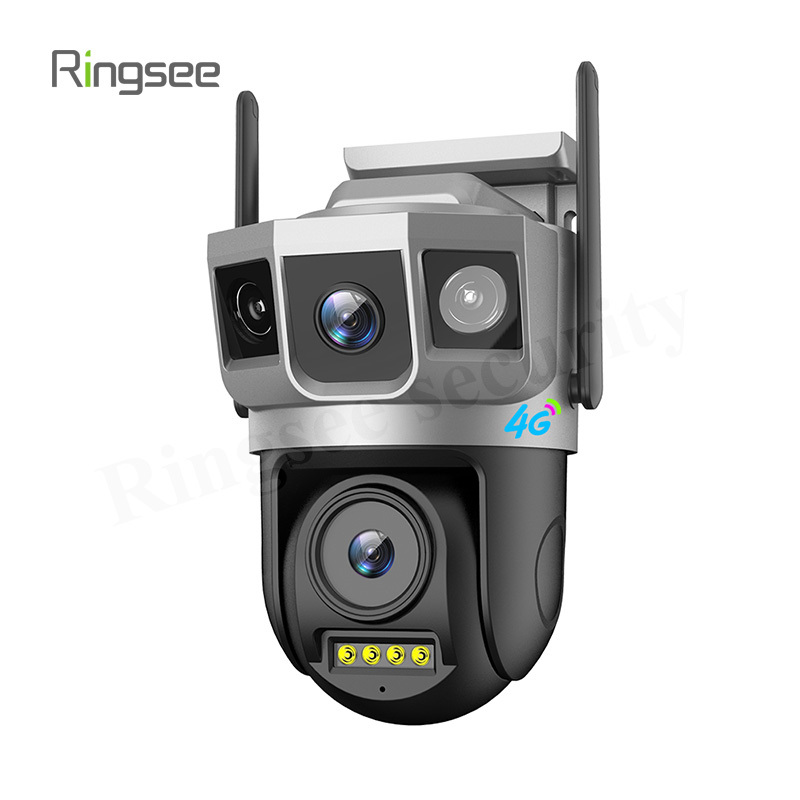
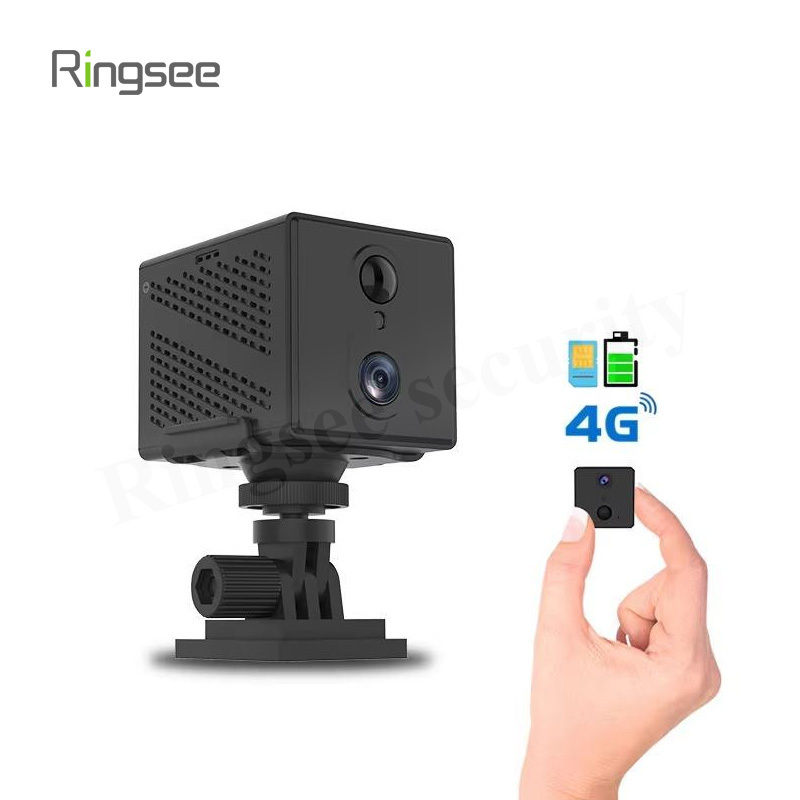
4G SIM | Works anywhere with cell coverage | Data cost ~$2–5/month per camera | Construction sites, remote land |
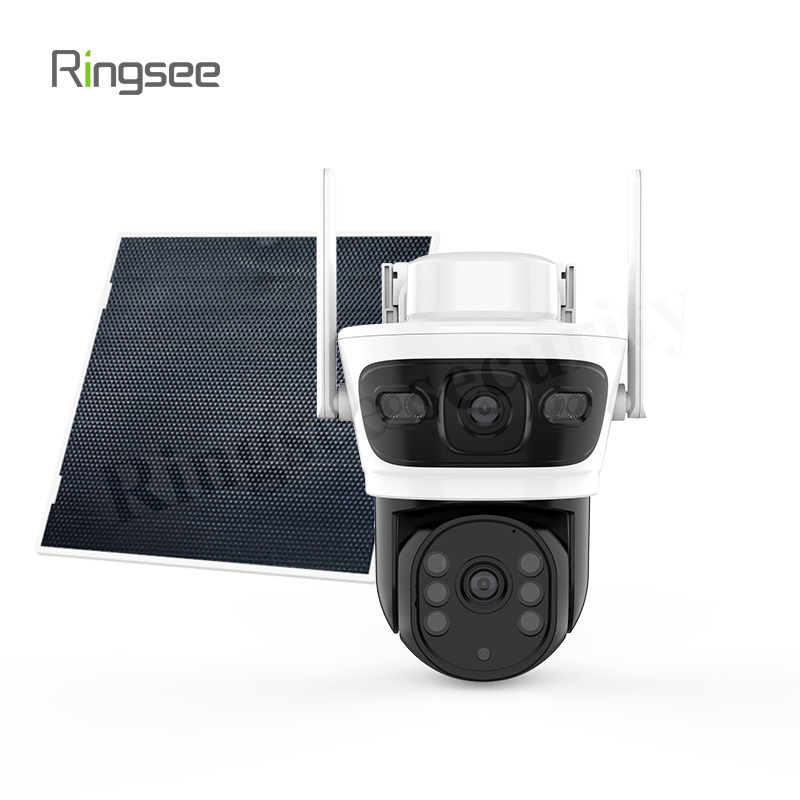
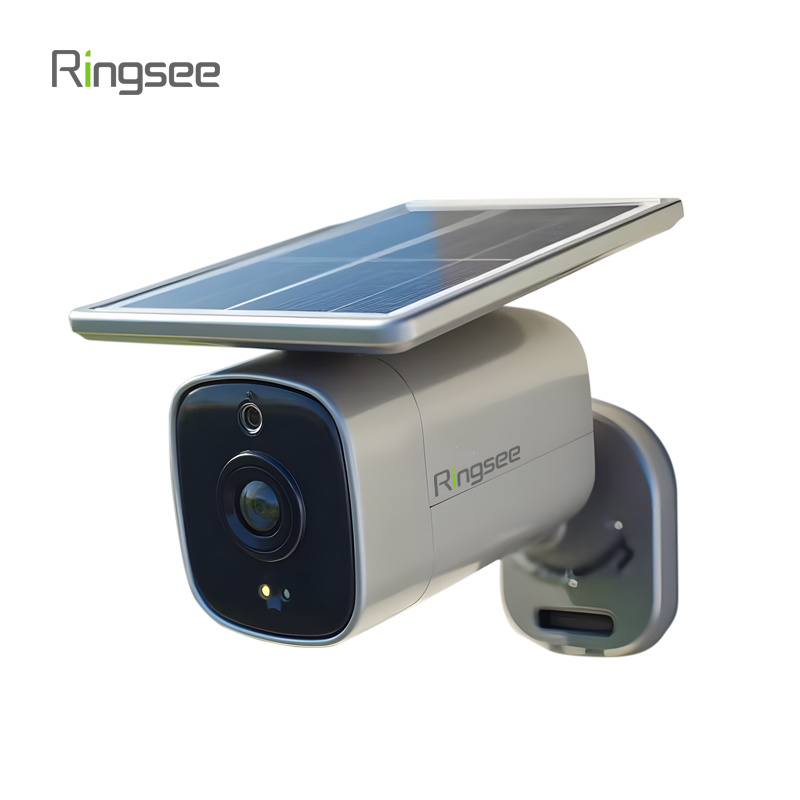
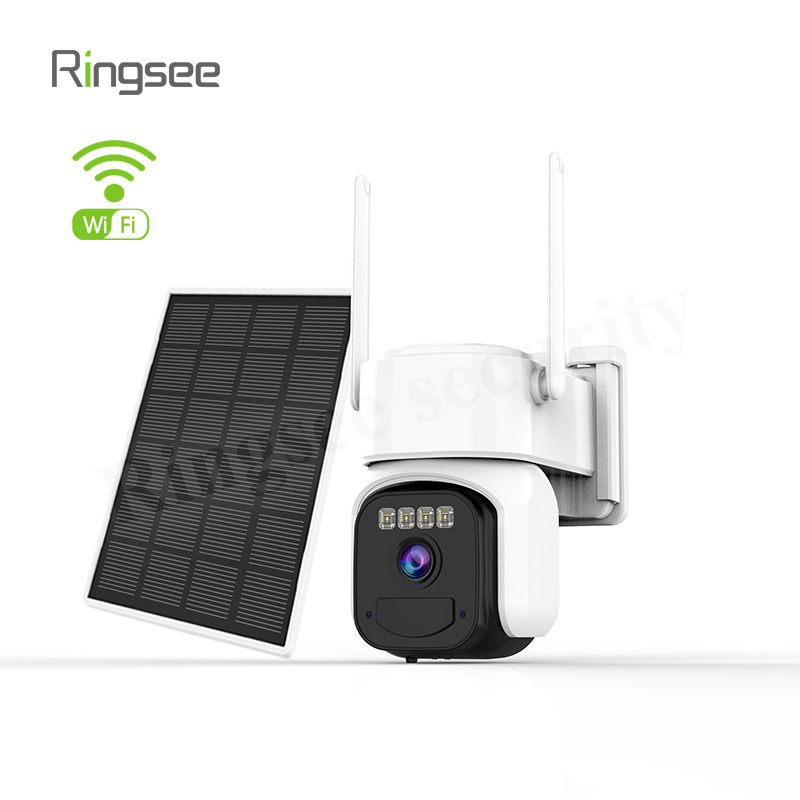
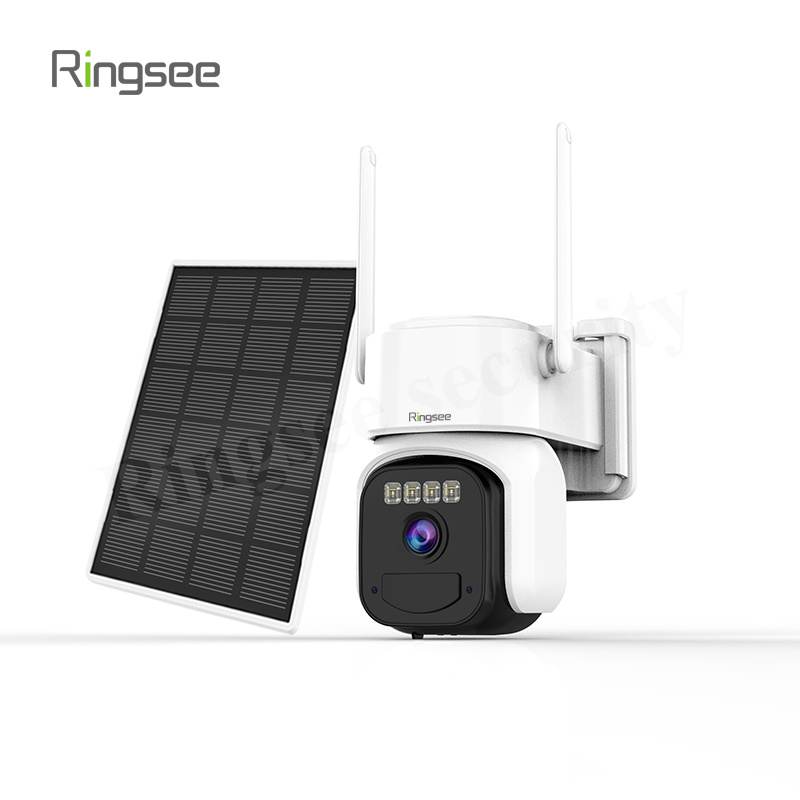
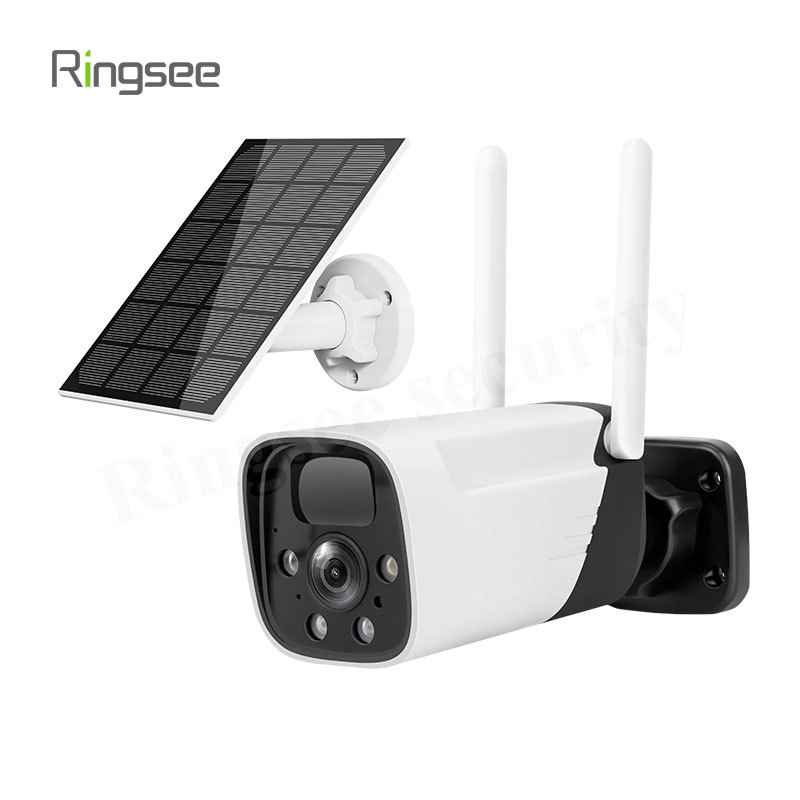
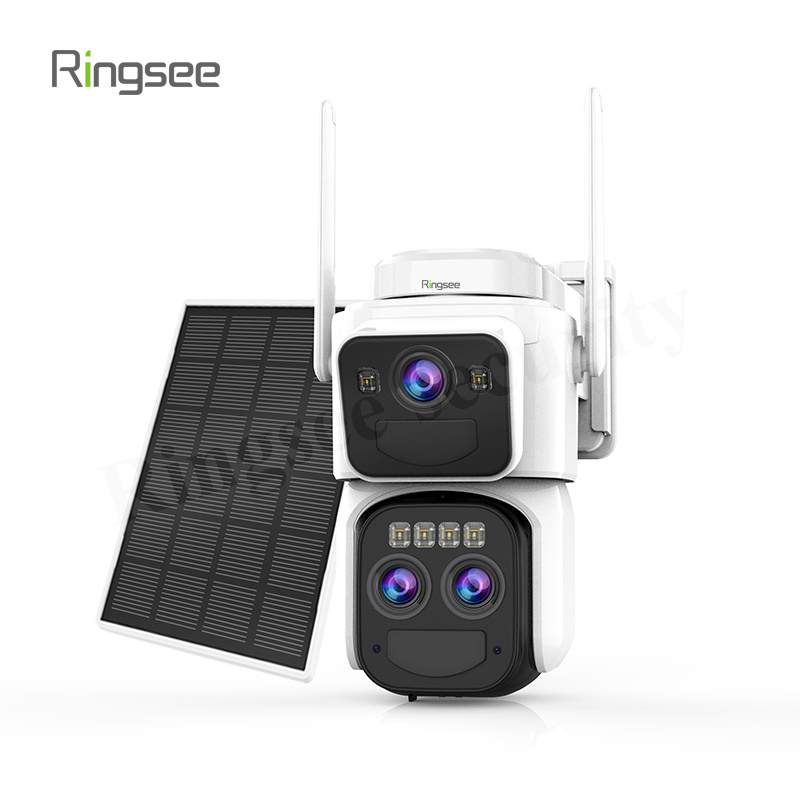
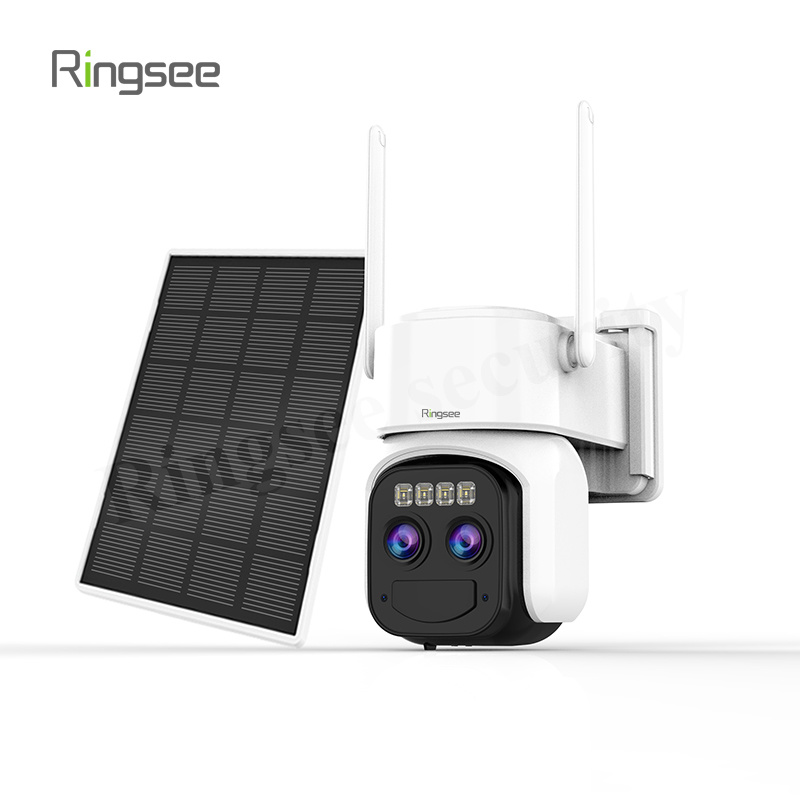
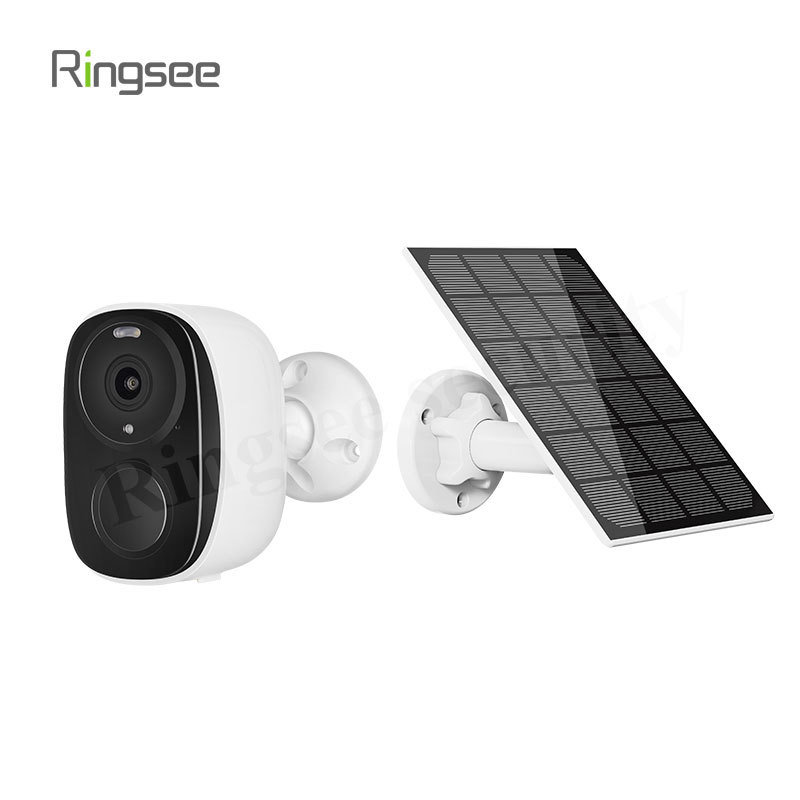
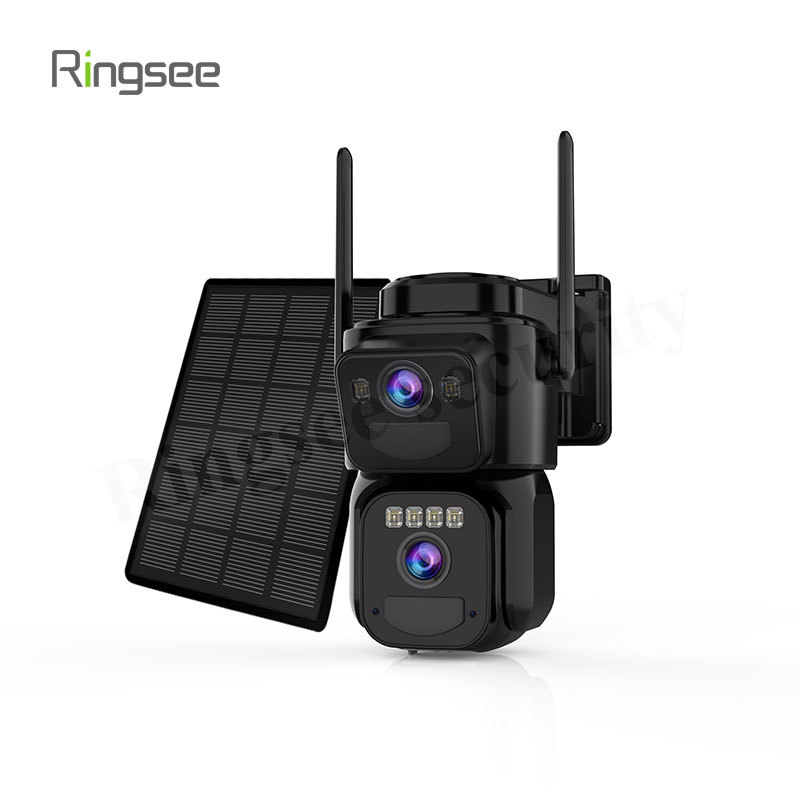
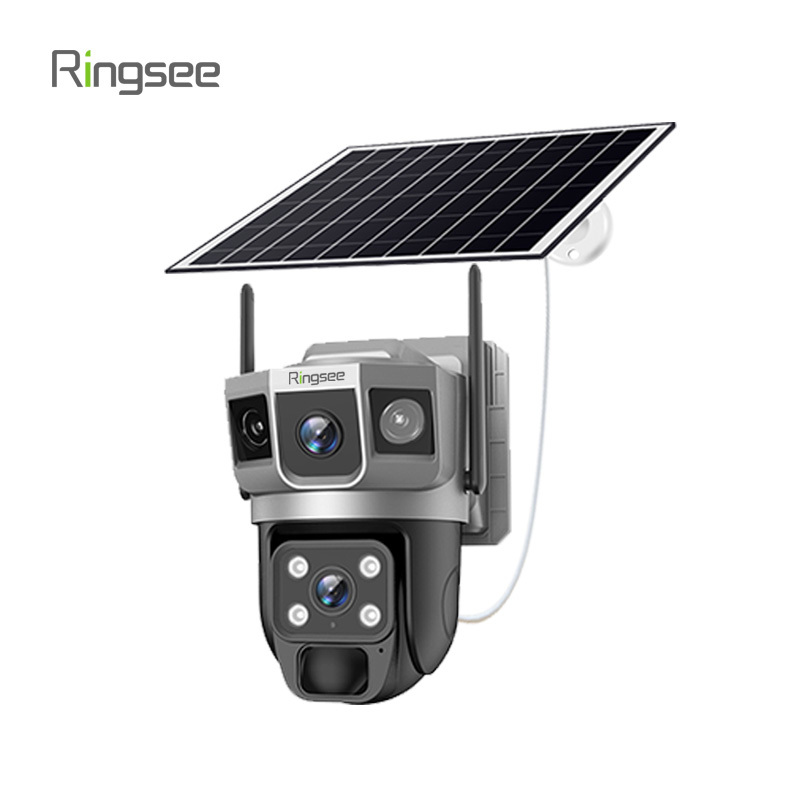
Solar + battery | No grid power needed | Needs ≥4 h/day sunlight; 3+ cloudy days = risk | Orchards, boundary fences |
Storage — SD Card / NVR / Cloud?
NVR (local): best privacy, no recurring cost, capacity limited only by HDD size. Recommended for multi-camera setups.
Cloud: easy remote access, but monthly fees ($3–15/camera) and footage is on a third-party server.
SD card: lowest cost entry point, but card failure loses all footage; check card health monthly.
IP Rating & Lens Quick Reference
Outdoor cameras require minimum IP66 (IEC 60529 standard): fully dust-tight + high-pressure water jet resistant. IP54 is not adequate for direct rain exposure.
Lens focal length guide: 2.8 mm (~100° wide angle, doors/corridors) · 4 mm (~85°, general purpose) · 6 mm (~55°, parking/medium range) · 12 mm+ (<25°, license plate / long-range detail).
FAQ
Q: Will a wireless camera suffer interference or lag?
A: Yes — three main causes: 2.4 GHz band congestion (fix: use 5 GHz or set router to channels 1/6/11), wall attenuation (~-10 to -15 dBm per brick wall), and distance beyond 20–30 m effective range. Beyond 30 m with obstacles, switch to PoE.
Q: Is cloud storage for security cameras safe?
A: Major vendors use TLS 1.2/1.3 encryption in transit. End-to-end encryption at rest varies by vendor. Best practice: enable 2FA, review login logs, and keep a local NVR backup for critical footage.
Q: Can 1080P cameras identify faces or license plates?
A: At ≤8 m with a 4 mm lens, yes for faces. License plates require the plate height to cover ≥32 pixels — achievable at ≤10 m with 1080P/4 mm. Beyond that distance, upgrade to 4MP or a longer focal length.
Prev:
Related News
How to Choose a Security Camera: 2025 Complete Buying Guide
A practical, engineer-level guide to choosing the right security camera in 2025. Covers resolution, night vision, power & connectivity (PoE / Wi-Fi / 4G / solar), storage options, IP ratings, and scene-specific recommendations
May 30,2026
Surveillance Camera Solutions: A Complete Guide for Home & Business
Looking for reliable surveillance camera solutions? This guide covers IP cameras, wireless CCTV, AI-powered features, installation tips, and how to choose the right system for your property.
May 24,2026
PIR Sensitivity Settings for Hunting Cameras: The Ultimate Guide to Reducing False Triggers
Tired of blank photos? Learn how to calibrate PIR sensitivity on your Ringsee cellular trail camera to reduce false triggers and save battery life.
Feb 10,2026
Solar Panel Compatibility for 4G Wildlife Cameras (Solar Charging Solutions)
Learn how to choose the right solar panel for your 4G wildlife camera. We cover 6V vs 12V compatibility, wattage requirements, and battery buffers for 24/7 monitoring.
Feb 08,2026
Trigger Speed & Recovery Time on Cellular Hunting Cameras: Mastering Fast Wildlife Capture
Unlock peak performance from your cellular hunting camera. This 2026 guide explains trigger speed, recovery time, and how to optimize settings for the fastest wildlife capture, including cellular transmission impacts and cold weather tips.
Feb 06,2026
Links:One Belt Power Technology
Add: 14th Floor, Baoshan Building, Longhua District, Shenzhen China.
Privacy Policy | SEO | CitySite | Support: 300.cn Dongguan