





Farm & Orchard Security System Buying Guide
Publish:
2026-07-05 18:04
Source:
https://www.ring-see.com
Guide to solar-4G cameras, AI human/vehicle/animal classification, off-grid power, wireless transmission, night vision and brands for farm surveillance.
1. Core Pain Points
Farms have no grid power or wired network across dozens of acres. Wildlife and livestock trigger 100-300 false alarms/day with traditional motion detection. Equipment faces extreme heat, cold, rain, and dust. Theft risk peaks during harvest season. Seasonal monitoring needs vary.
──────────────────────────────────────────────────
2. Camera Selection by Zone
Zone-Based Selection
Zone | Camera Type | Key Specs |
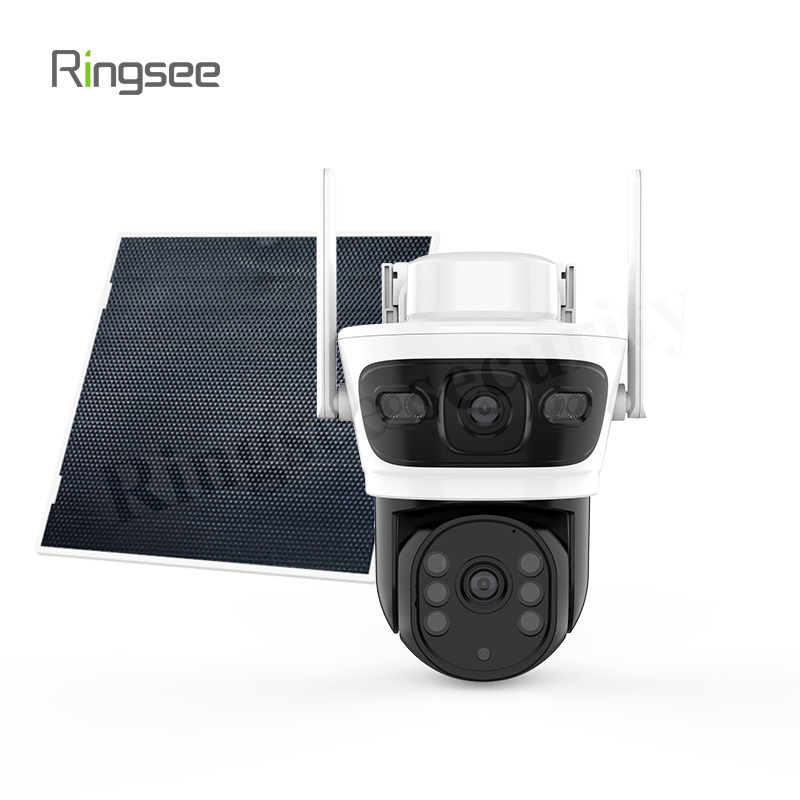
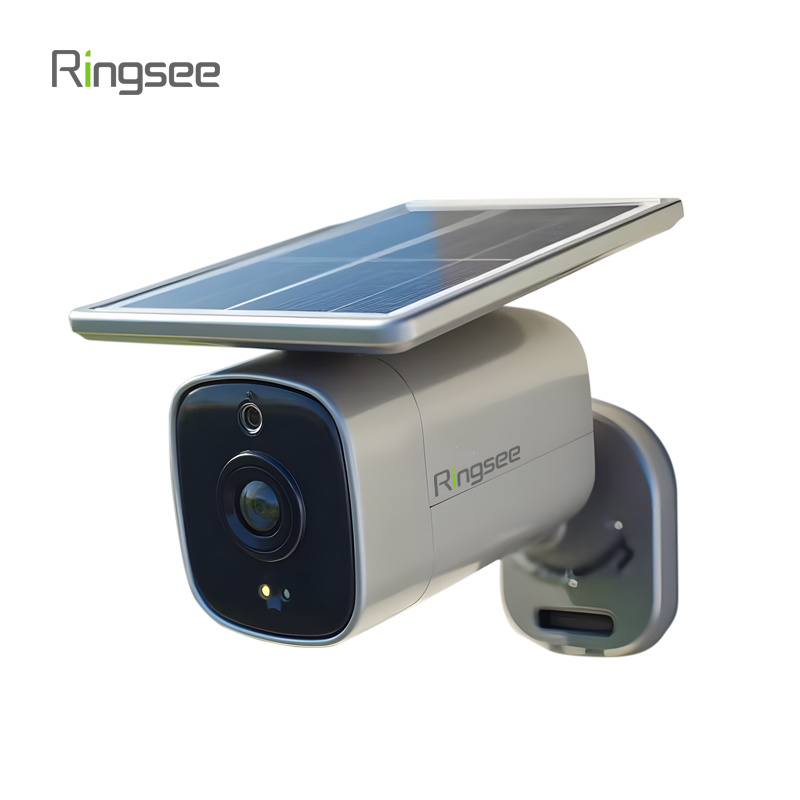
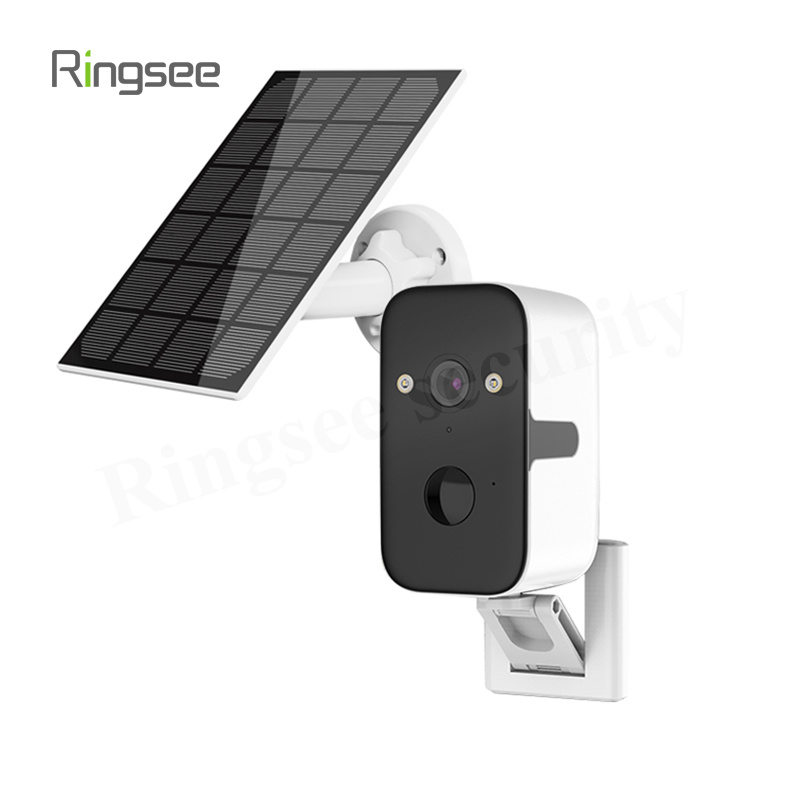
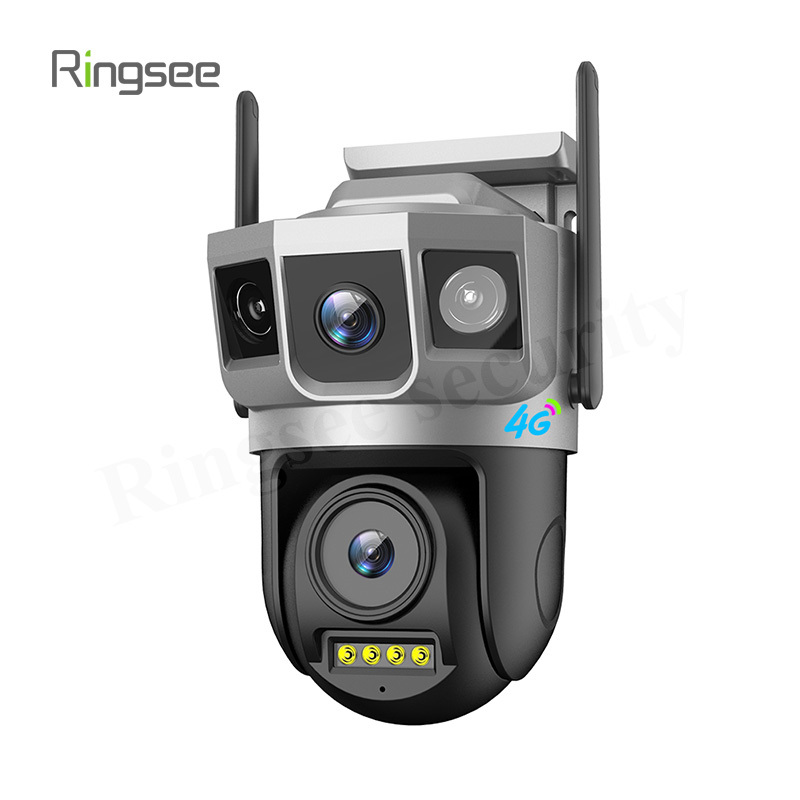
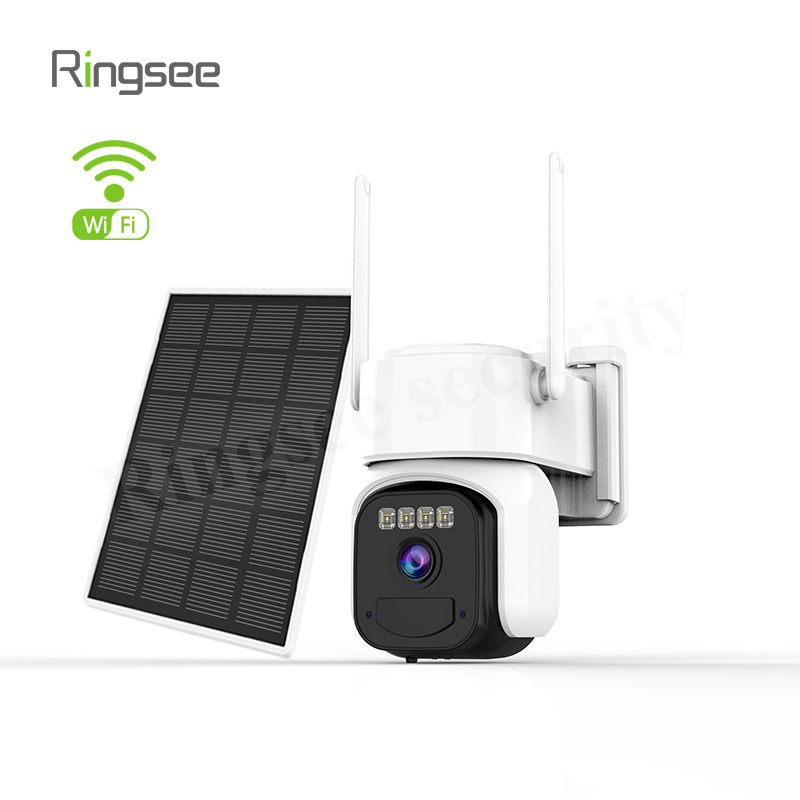
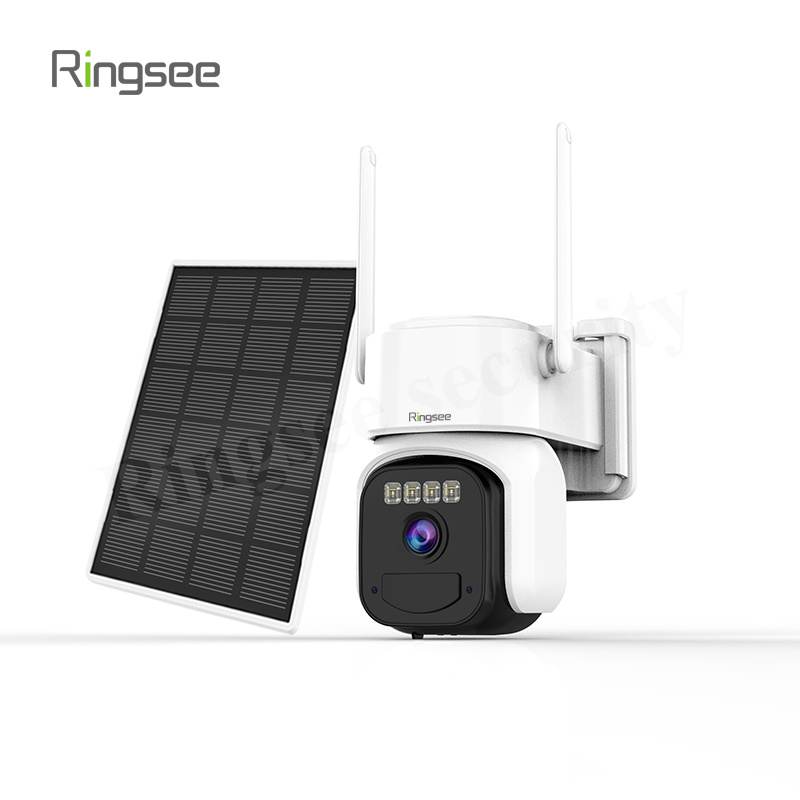
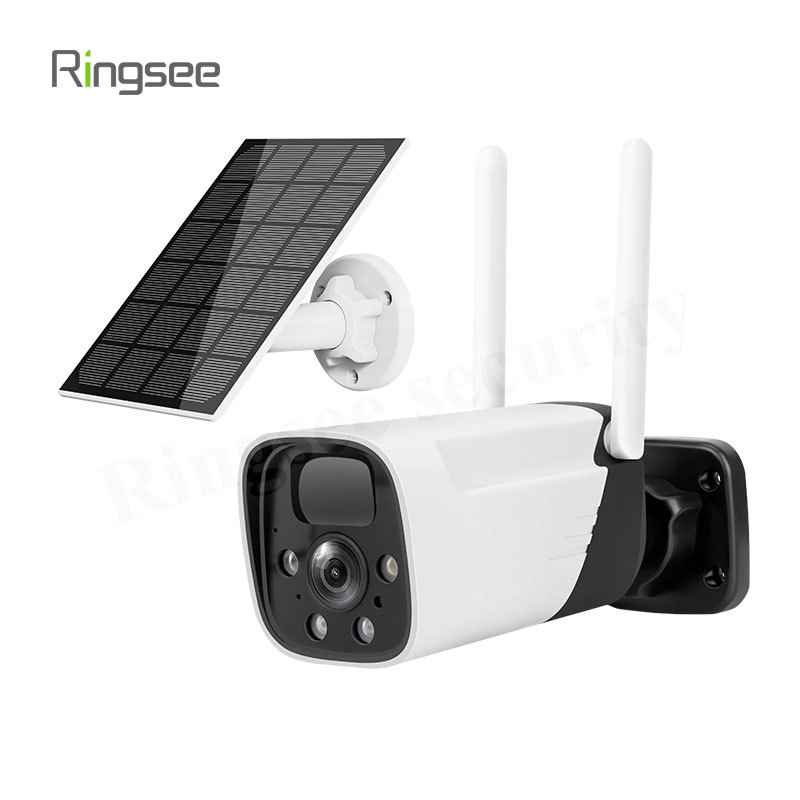
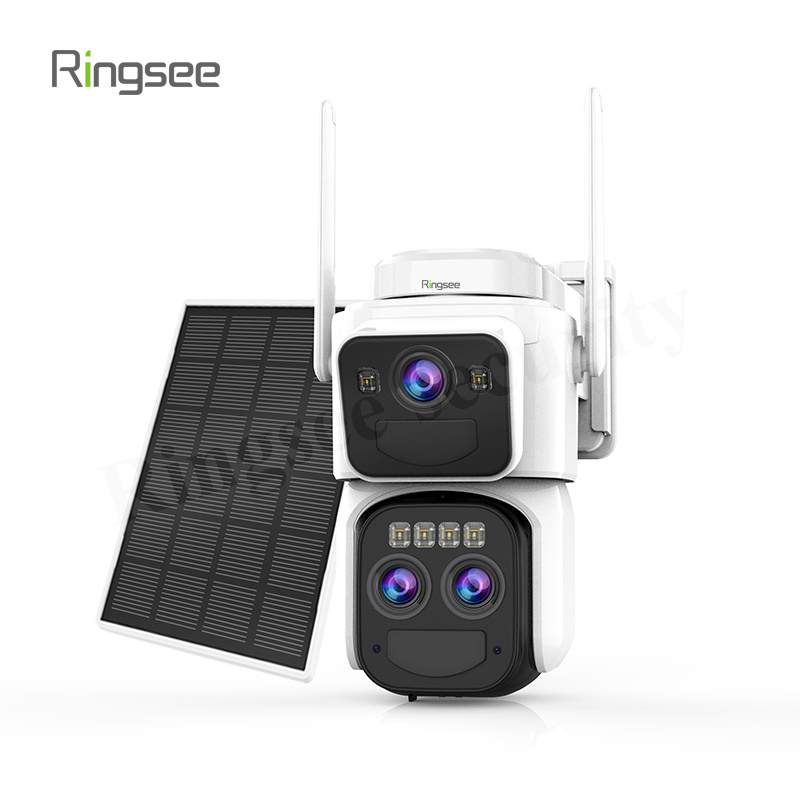
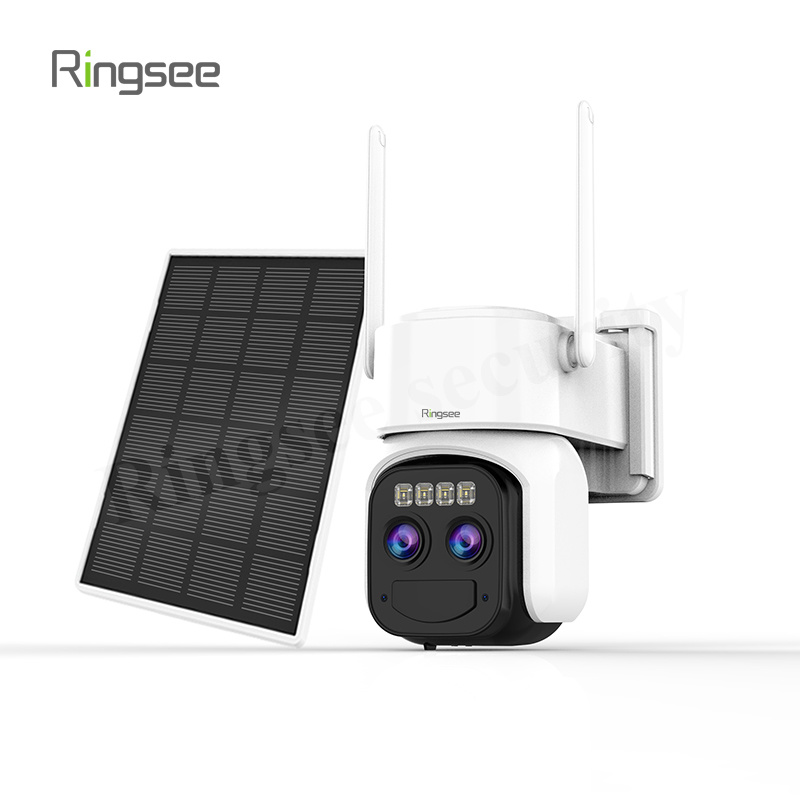
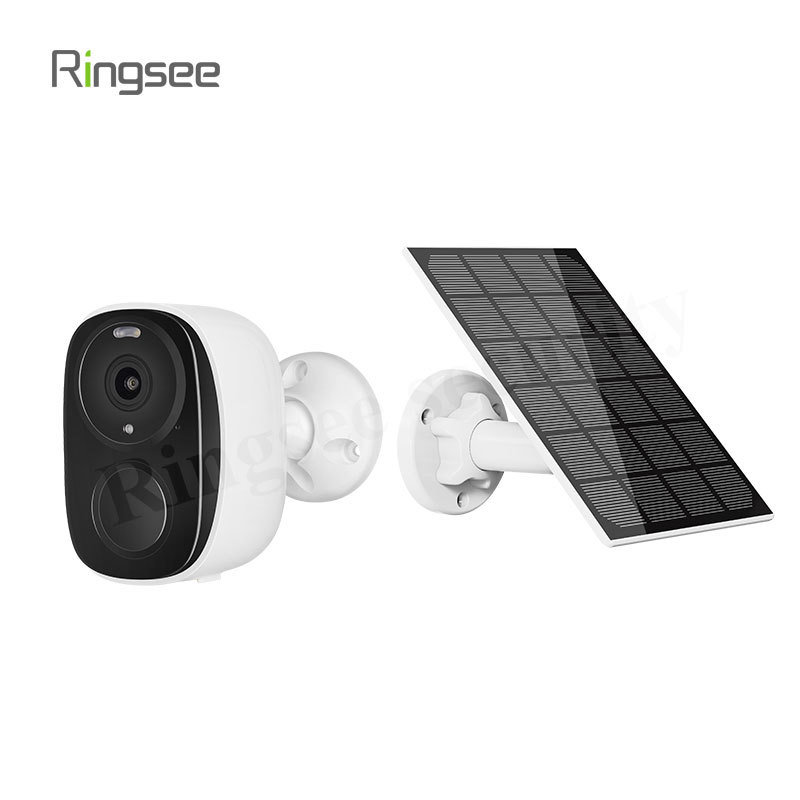
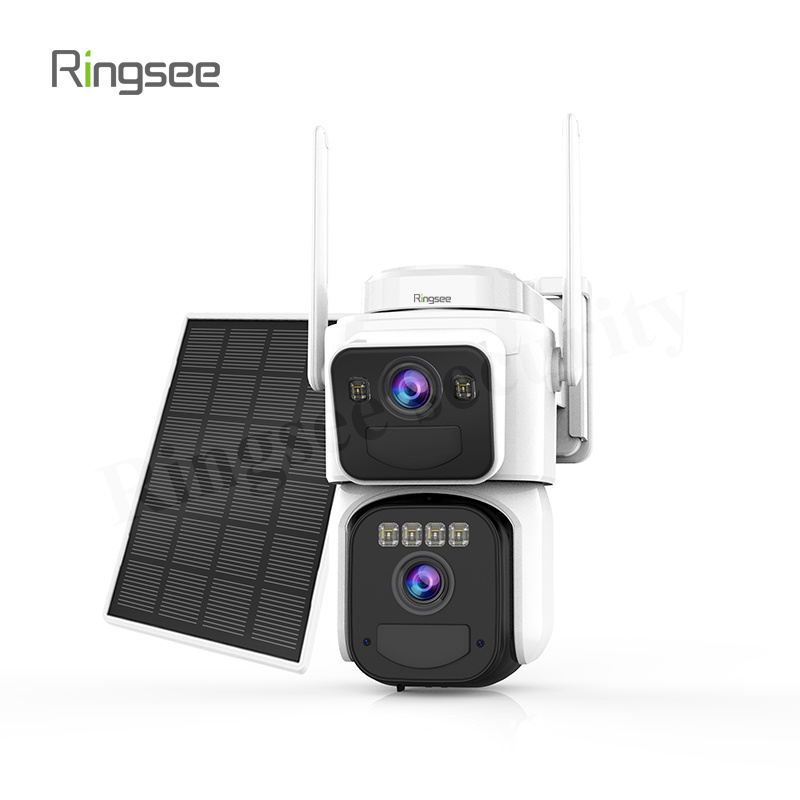
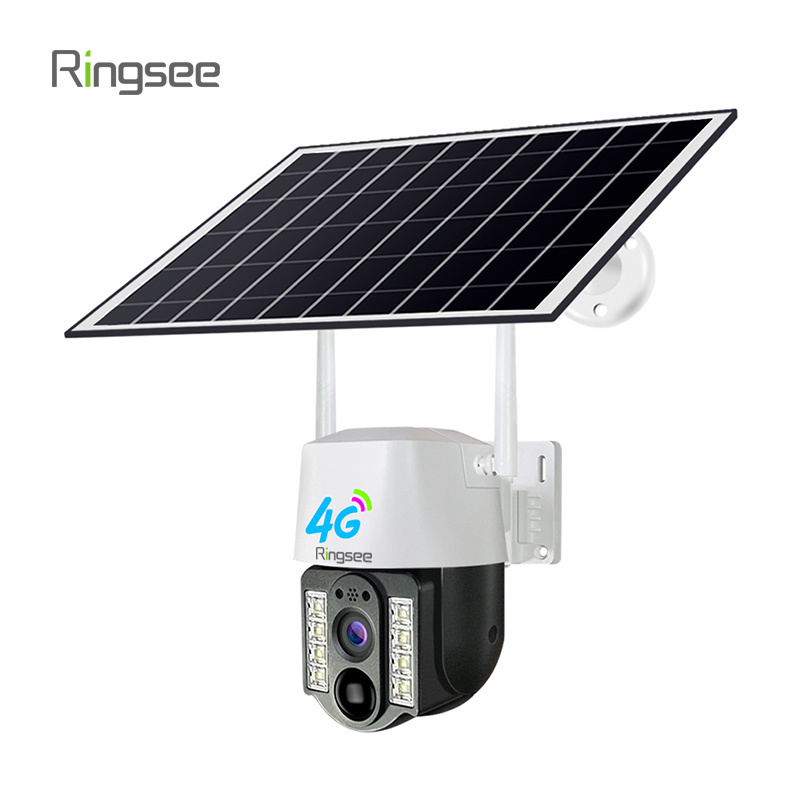
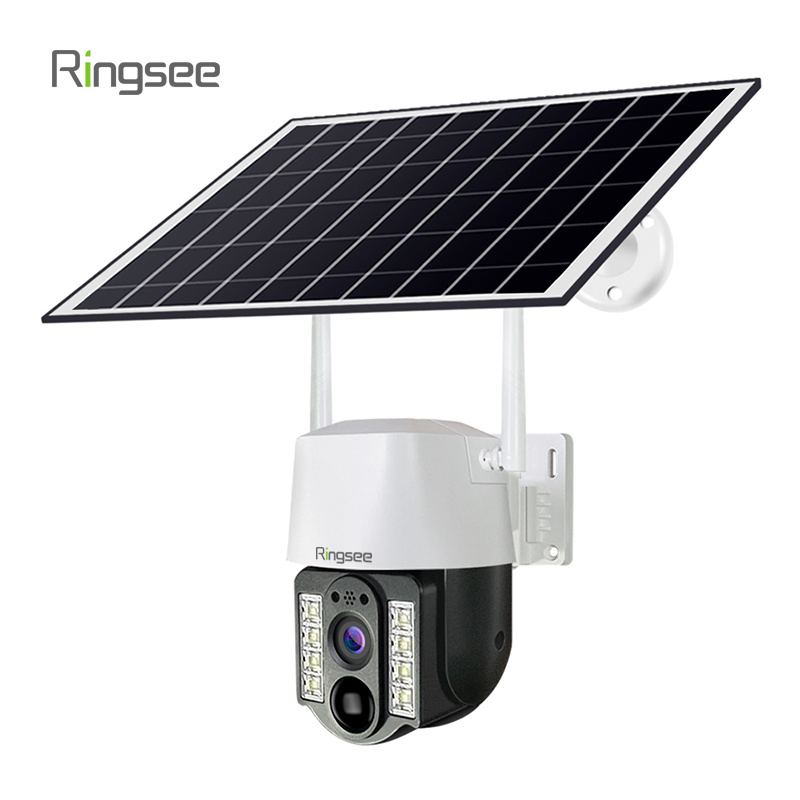
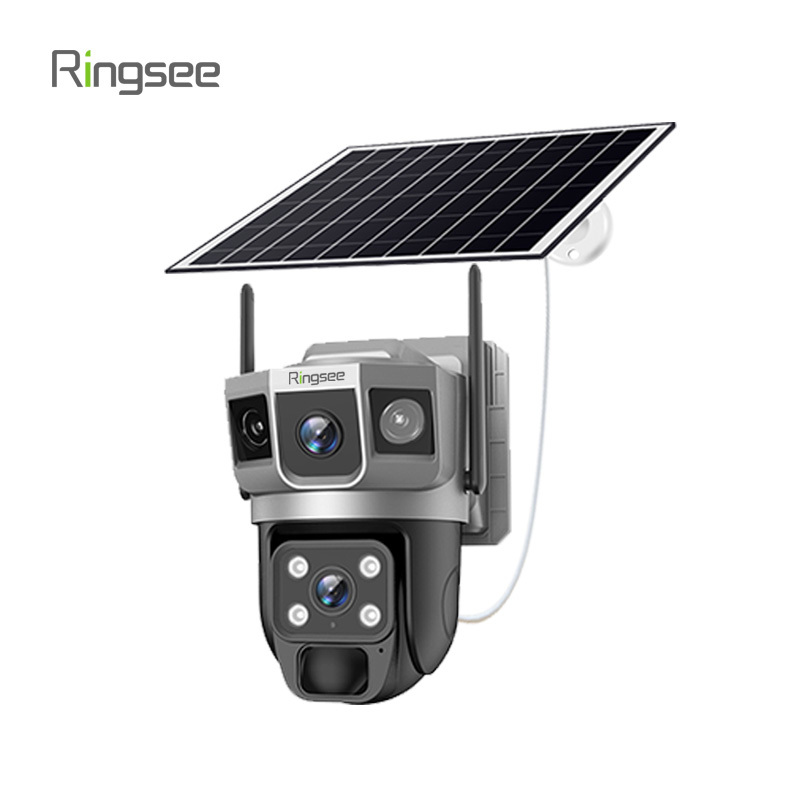
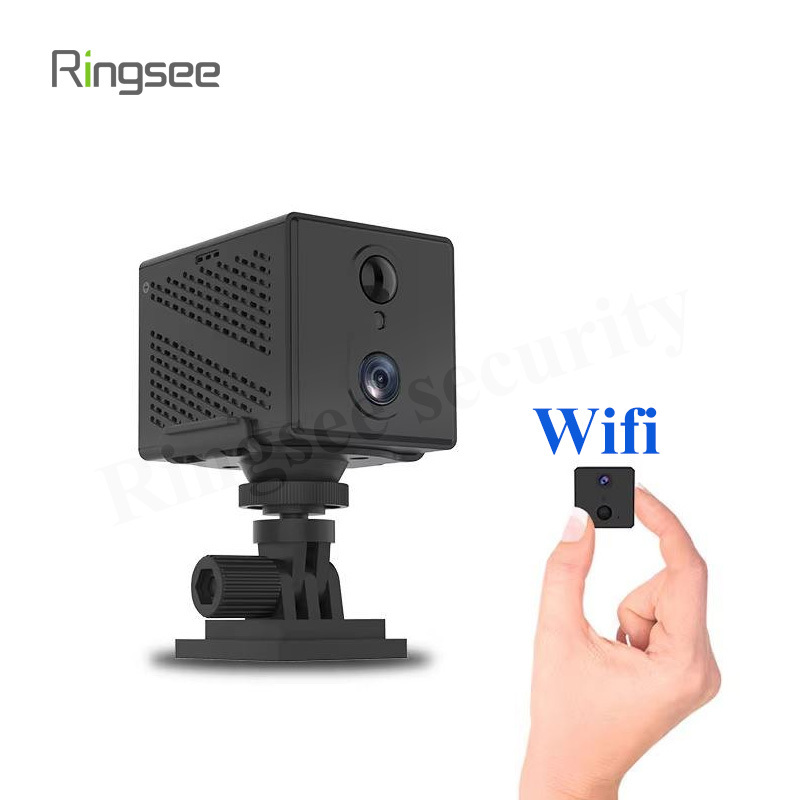
Perimeter | Solar+4G bullet/PTZ | 1080p+, 6-12mm zoom, IP67, 10W solar+10000mAh |
Entrance | 4G PTZ or bullet | 2K/4MP, 2.8-12mm zoom, color night vision |
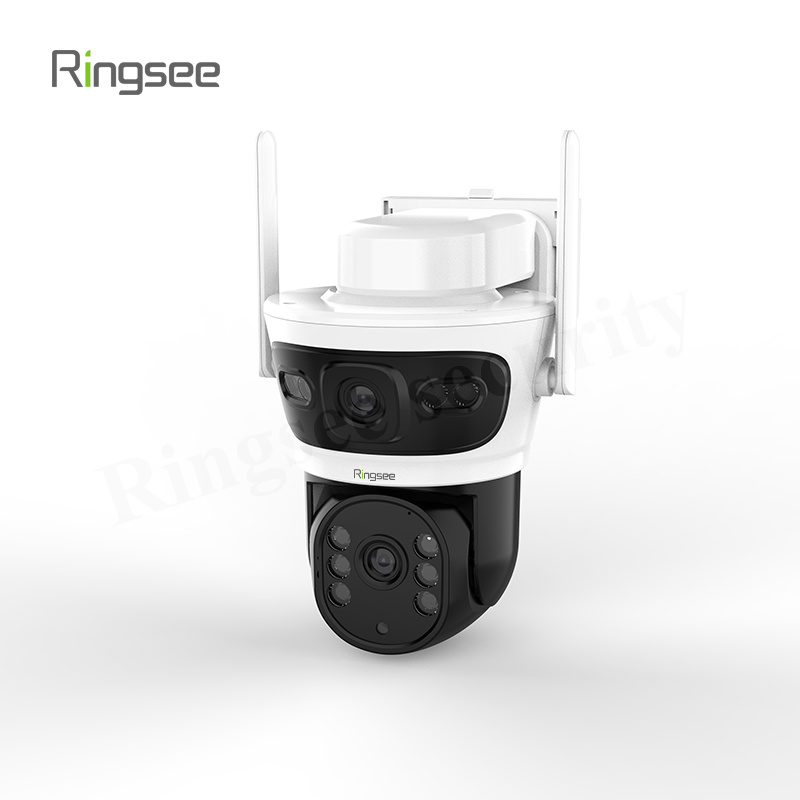
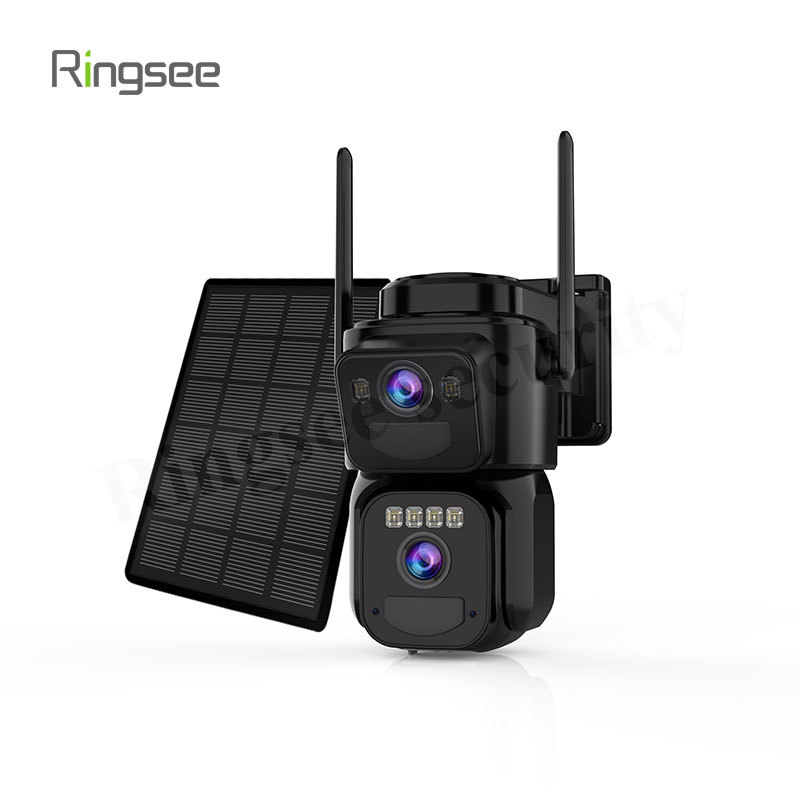
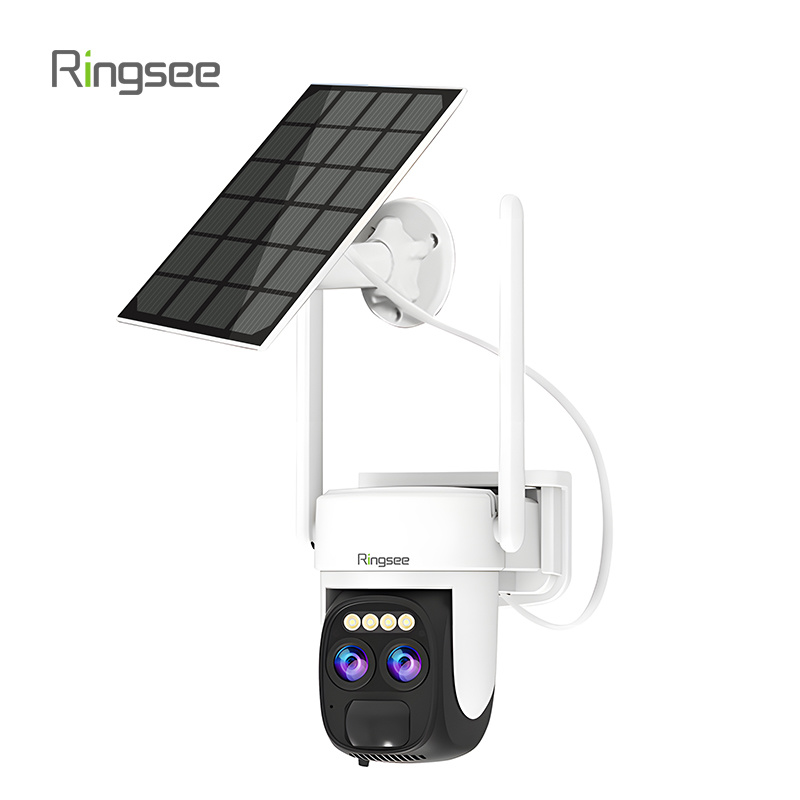
High-value area | Dual-lens/thermal | 4MP+, AI cross-line, SD 64-256GB, thermal optional |
Installation
Perimeter spacing 80-150m. Mount height 3-5m. Solar panel facing south at latitude+10 deg tilt.
──────────────────────────────────────────────────
3. AI Classification: Why It Is Essential
Traditional Motion Detection Fails
Pixel-based detection triggers on animals, wind, insects, shadows. 100-300 false alarms/day in farm settings. Users disable alerts, making the system useless.
Target | AI Action | Note |
Human | Immediate alarm | Primary threat |
Vehicle | Immediate alarm | Possible theft transport |
Animal | Filter/low priority | Wild boar can set reminder |
Other | Ignore | Leaves, shadows, insects |
Key Metrics
Human accuracy 95%+, animal false alarm reduction 80%+, edge AI latency <500ms, OTA model updates.
Buying Tip
Verify 3-class detection (human/vehicle/animal). "AI motion detection" only may lack true classification.
──────────────────────────────────────────────────
4. Off-Grid Solar Power
Power Calculation
Camera Power | Solar Panel | Battery | Rainy Days |
<=3W standby | 10W | 10000mAh | 3-5 days |
5-8W active | 20W | 20000mAh | 2-3 days |
10-15W PTZ+IR | 30-50W | 40000mAh | 1-2 days |
Formula & Tips
Daily load(Wh)=power(W)x24h. Solar panel(W)=daily load/sun hours/0.7. Battery(Wh)=daily load x 3-5 rainy days. Use LiFePO4 batteries (2000+ cycles). Panel faces south, tilt=latitude+10 deg.
──────────────────────────────────────────────────
5. Wireless Transmission
Three Options Compared
Option | Range | Bandwidth | Monthly Cost |
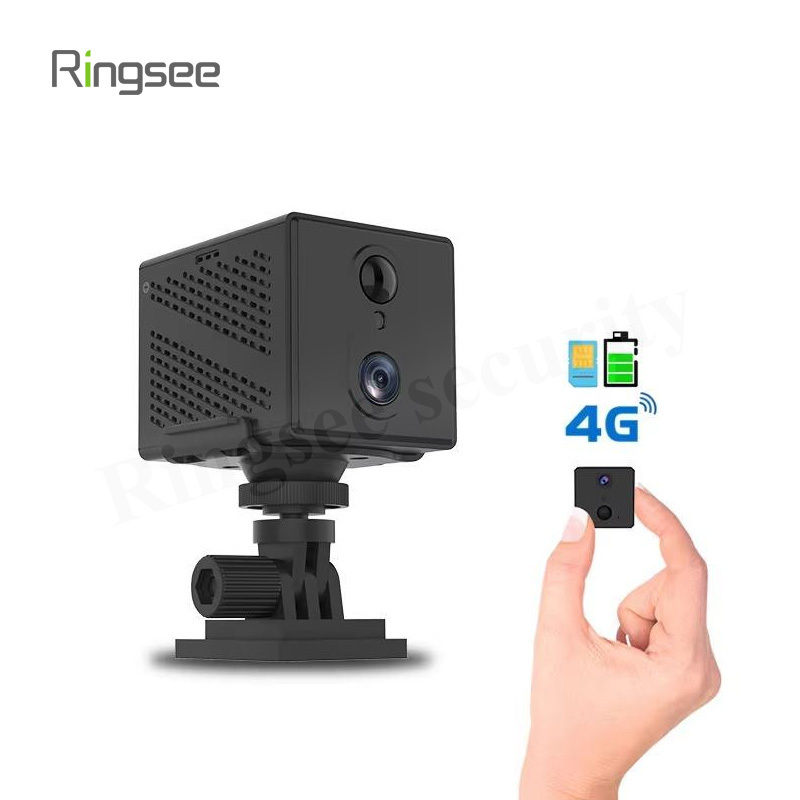
4G/LTE | Unlimited | 5-50Mbps | 30-100 CNY/mo/ch |
Wireless Bridge | 3-10km | 300-866Mbps | One-time purchase |
LoRa | 2-5km | <1Kbps | Free (alarm only) |
Small <=30 acres: all 4G. Medium 30-100: 4G + bridge. Large >100: bridge + NVR + single 4G. Event-triggered: 0.3-0.5GB/day, ~15GB/month.
──────────────────────────────────────────────────
6. Night Vision Strategies
Farm theft occurs mostly at night. Three technologies: Active IR (LED, 30-50m, B&W, 200-800 CNY), Starlight (0.001 lux color, 500-2000 CNY), Thermal (100-300m, no light needed, 3000-15000 CNY). Insects attract to IR - choose IP67 sealed + bug-resistant design. Thermal for core areas, starlight+IR for perimeter.
Tech | Distance | Color | Price Range |
Active IR | 30-50m | B&W | 200-800 CNY |
Starlight | Ambient | Color 0.001lux | 500-2000 CNY |
Thermal | 100-300m | No light needed | 3000-15000 CNY |
Deployment
Area | Recommended | Note |
Perimeter | Starlight + IR fill | Best value |
High-value | Thermal | Total darkness |
Entrance | Color + LED | Lit entrance |
──────────────────────────────────────────────────
7. Brands & Budget
EZVIZ (consumer, 300-800 CNY, good app). TP-Link VIGI (mid-range, 300-1200, 4G options). Huawei (high-end, 1000-3000, strong AI). Uniview (pro, 800-2500, reliable hardware). Dahua (pro, 1000-3000, full lineup). Budget: Small farm 1500-4000, Medium 5000-15000, Large 20000-80000 CNY. Prices subject to actual quote.
──────────────────────────────────────────────────
8. Decision Tree & FAQ
Q: Step 1: Power & Network
A: Grid+broadband? Yes: PoE+NVR. No: solar+4G camera.
Q: Step 2: Area Size
A: <=10 acres: 2-3 4G bullets. 10-50: 4-8 zone deployment. >50: bridge+NVR+thermal.
Q: Q1: Solar camera in winter?
A: LiFePO4 drops to 50-60% at -20C but does not shut down. Choose -30C rated. Add insulation. Extreme cold: increase panel/battery 1.5x.
Q: Q2: 4G data cost?
A: Event-triggered: 0.3-0.5GB/day, 10-15GB/mo, 30-50 CNY/mo via IoT SIM. Continuous recording not recommended (150GB+/mo).
──────────────────────────────────────────────────
9. Compliance Checklist
- ☐ All outdoor devices IP67+, low areas IP68
- ☐ Temp covers local extremes (-30 to +65C)
- ☐ Solar panel wind >=12 grade
- ☐ No surveillance of roads/neighbors
- ☐ Set privacy masking
- ☐ Encrypt storage, use HTTPS/TLS
- ☐ Mount >=3m, foundation >=60cm
──────────────────────────────────────────────────
10. Purchase Summary
User | Needs | Solution |
Family farmer | Low cost, phone view | 2-3 solar 4G bullets, 1500-4000 CNY |
Orchard owner | Perimeter + AI + night | 4-8 4G PTZ + local storage, 5000-15000 CNY |
Plantation mgr | Large area + thermal | 8-20 bridge+NVR+thermal, 20-80K CNY |
Farm enterprise | Central management | Platform + hybrid network, 50K+ CNY |
Related News
PoE was power. This is control: CCTV Network Security Hardening Guide
Short answer: video systems get breached the boring way, not through clever exploits - (1) factory default credentials never changed, (2) camera or NVR management ports forwarded to the public internet, (3) no separation between the CCTV network and the office LAN. Do three things: replace every default account and disableTelnet/FTP/UPnP/raw RTSP; put cameras in their own VLAN and only allow the NVR to initiate sessions; and reach video over VPN or a zero-trust gateway instead of a port mapping.
Oct 03,2026
PoE Power Design Guide for Security Cameras: Power Budget, Cable Voltage Drop and Distance Limits
Most "cameras keep restarting at night" incidents are not camera defects — they are power design errors. Three root causes cover the overwhelming majority of PoE failures: the power budget was sized on daytime draw instead of night peak, the cable is too thin so voltage drop exceeds the device undervoltage threshold, and the run simply exceeds the 100-metre channel limit. Memorise three numbers and you avoid most of the traps: 802.3af delivers 15.4 W, 802.3at delivers 30 W, and cable reach stops at 100 m.
Oct 03,2026
Bitrate (Mbps) is the single parameter that determines hard drive size, switch selection, and remote-viewing smoothness. Two formulas answer everything: storage per camera per day (GB) ≈ bitrate × 10.8, and total bandwidth = sum of simultaneous bitrates × 1.3 headroom. This guide covers encoding, calculation, and procurement sizing.
Sep 26,2026
CCTV Night Vision Technology Explained: Infrared vs Starlight Full-Color vs Hybrid Light
Three night vision routes and their real limits: 850nm vs 940nm infrared (red glow and range trade-offs), the lux threshold of true starlight cameras (0.001-0.005 lux), light-pollution risks of warm-light supplement, and AI-triggered hybrid switching — plus a six-point datasheet verification method and a 20-minute night PoC test.
Sep 26,2026
CCTV Lens Selection Technical Guide: Focal Length, Pixel Density & the DORI Standard in Practice
Why can't a 4K camera read faces? Because identification depends on pixel density, not total pixels. Using the EN 62676-4 DORI standard, this guide gives the full focal-length / distance / field-of-view formulas, a lens selection lookup table, and the real impact of sensor size and aperture on night vision.
Sep 19,2026
Links:One Belt Power Technology
Add: 14th Floor, Baoshan Building, Longhua District, Shenzhen China.
Privacy Policy | SEO | CitySite | Support: 300.cn Dongguan