
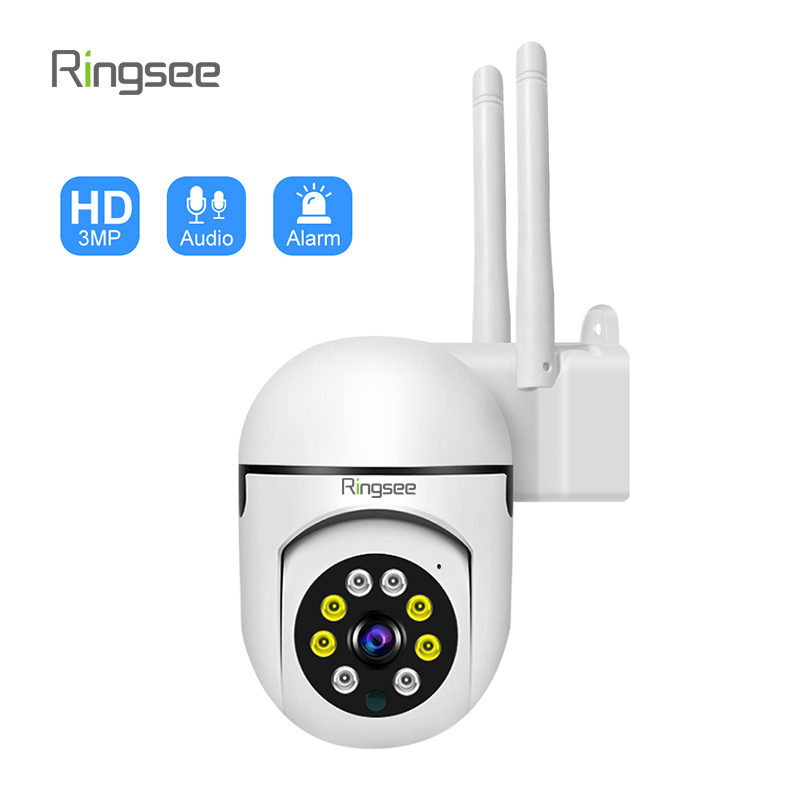
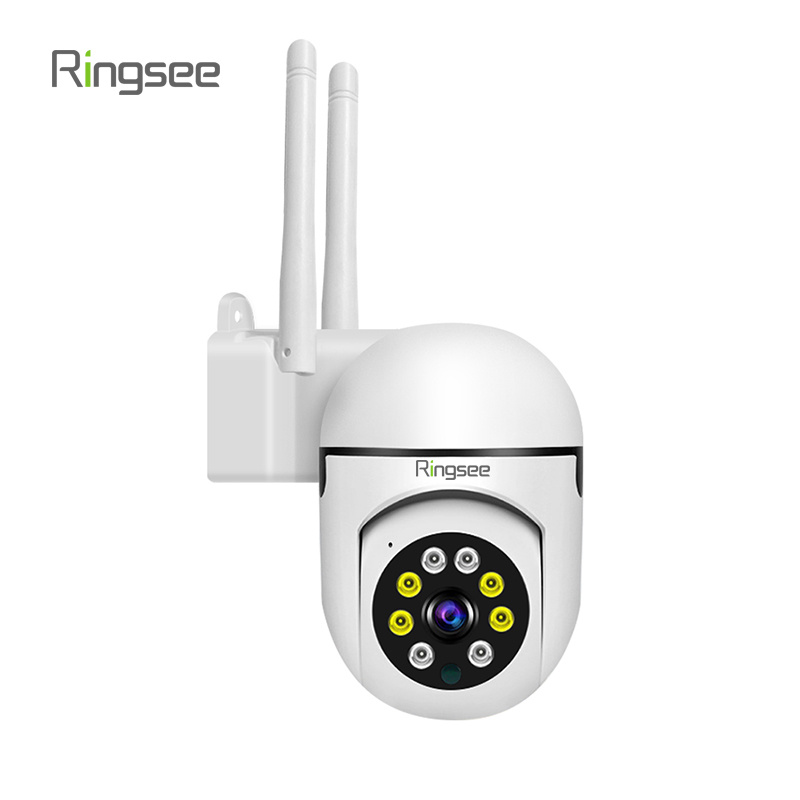
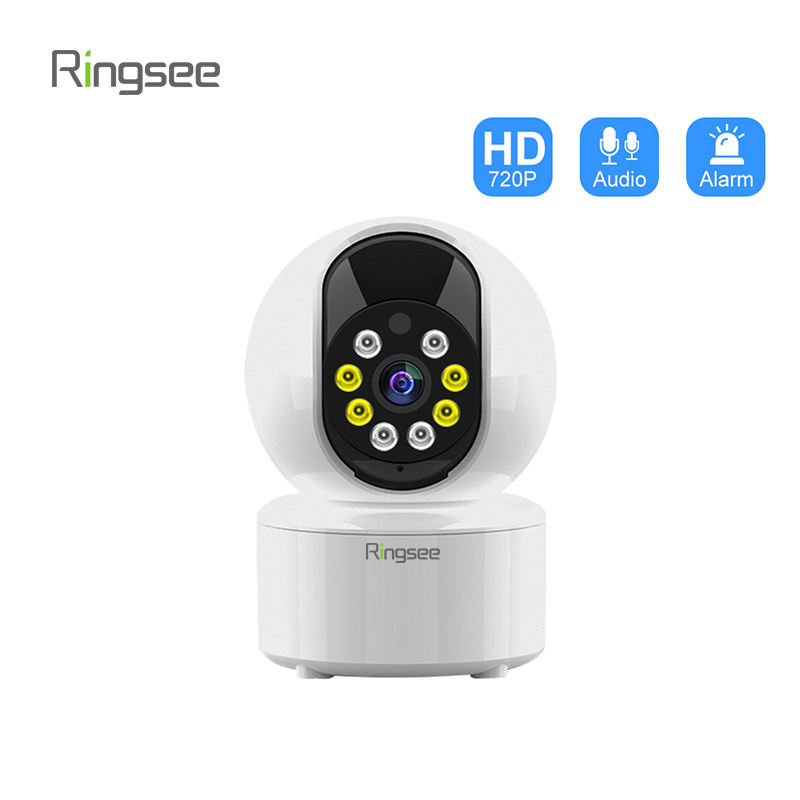
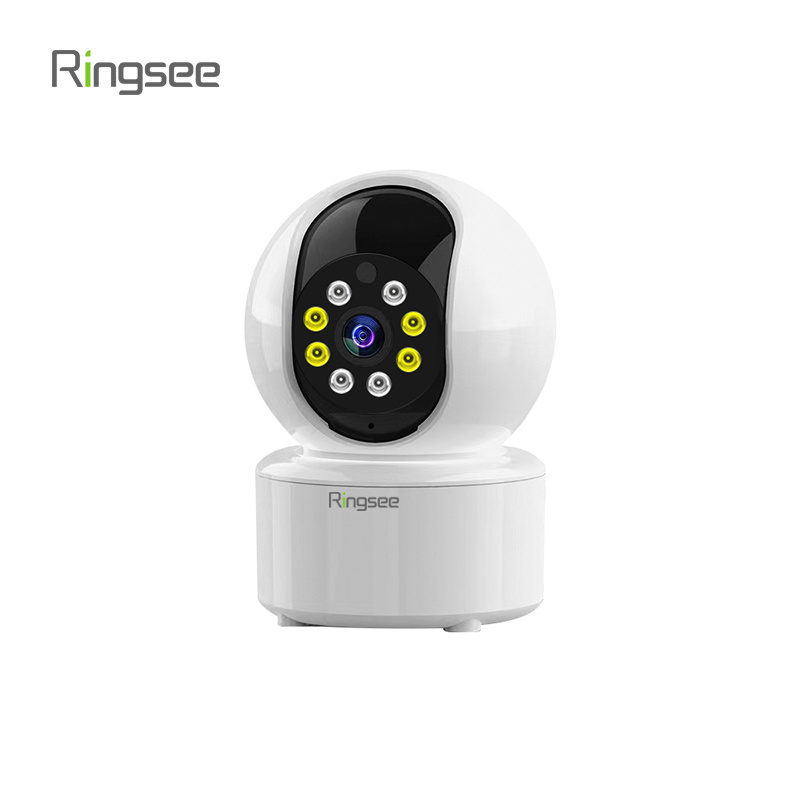


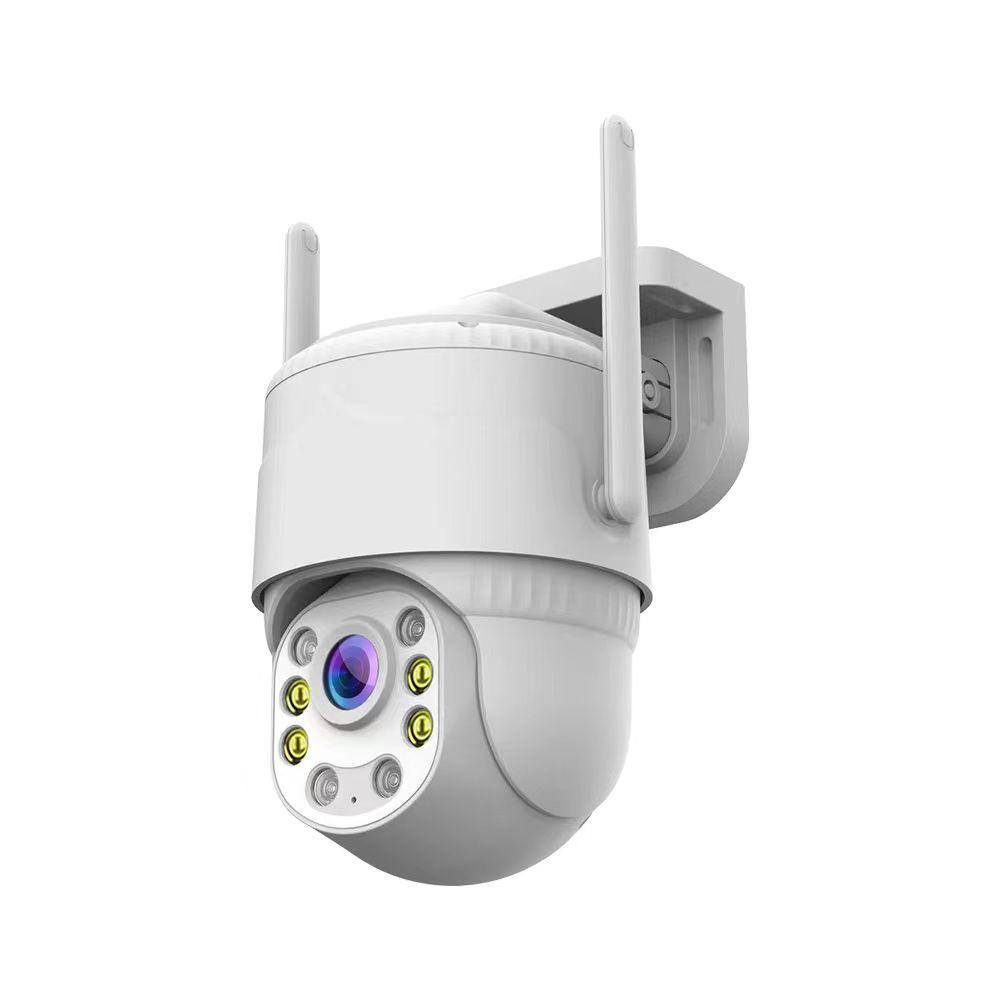
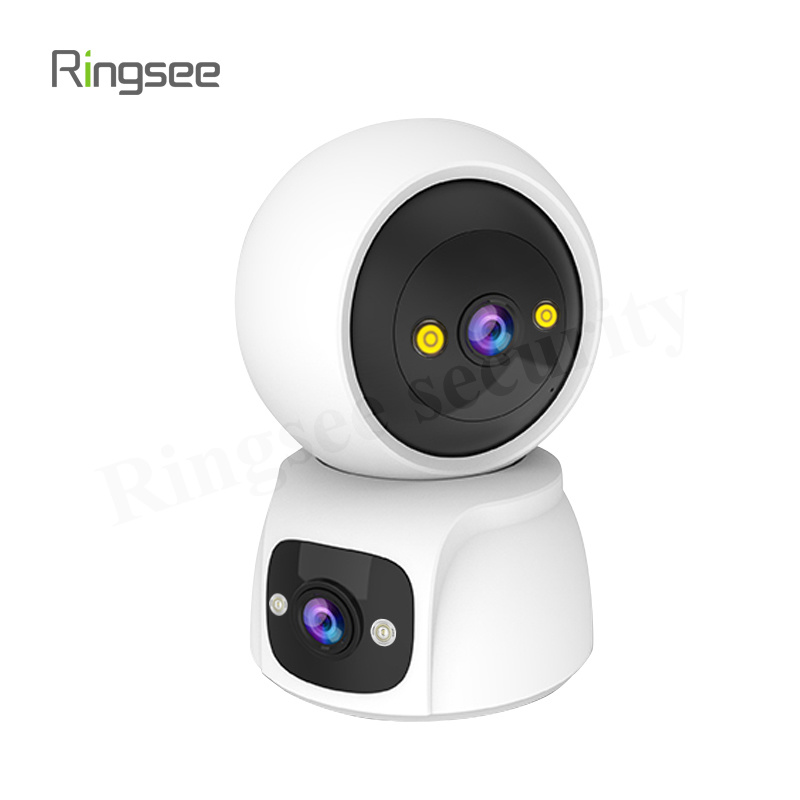
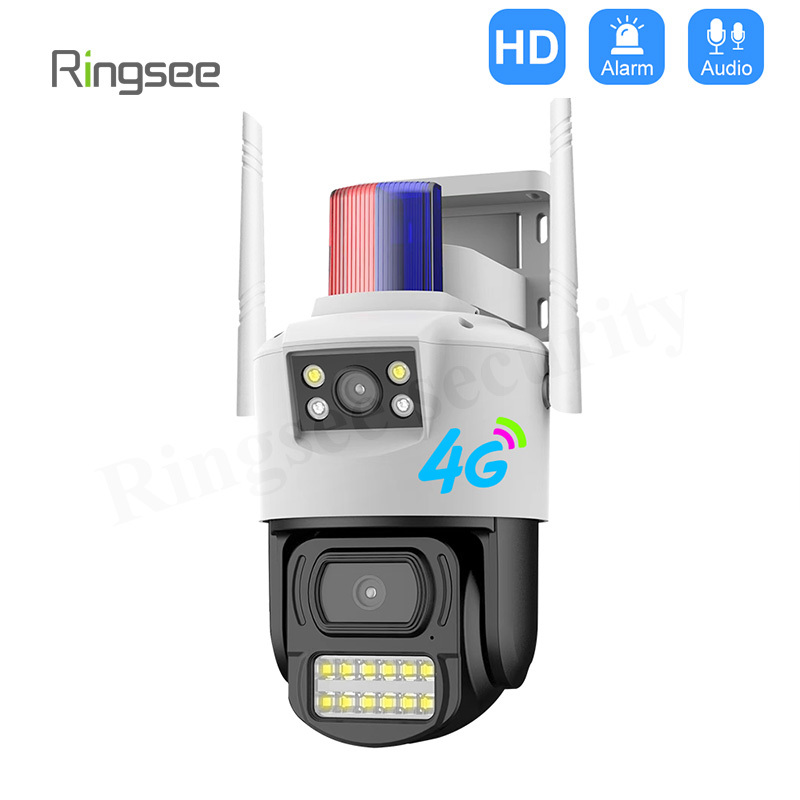
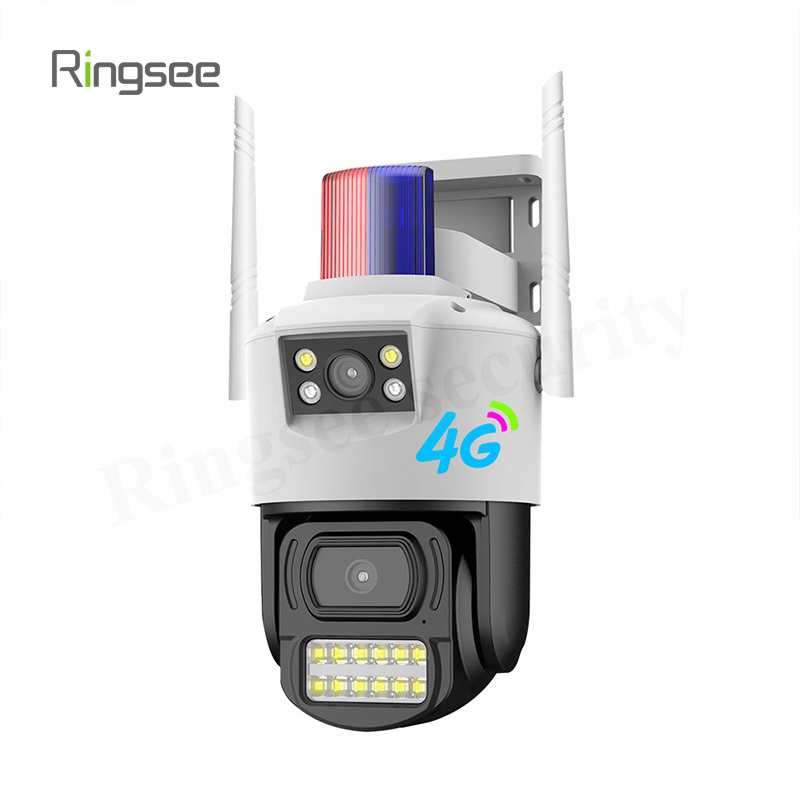
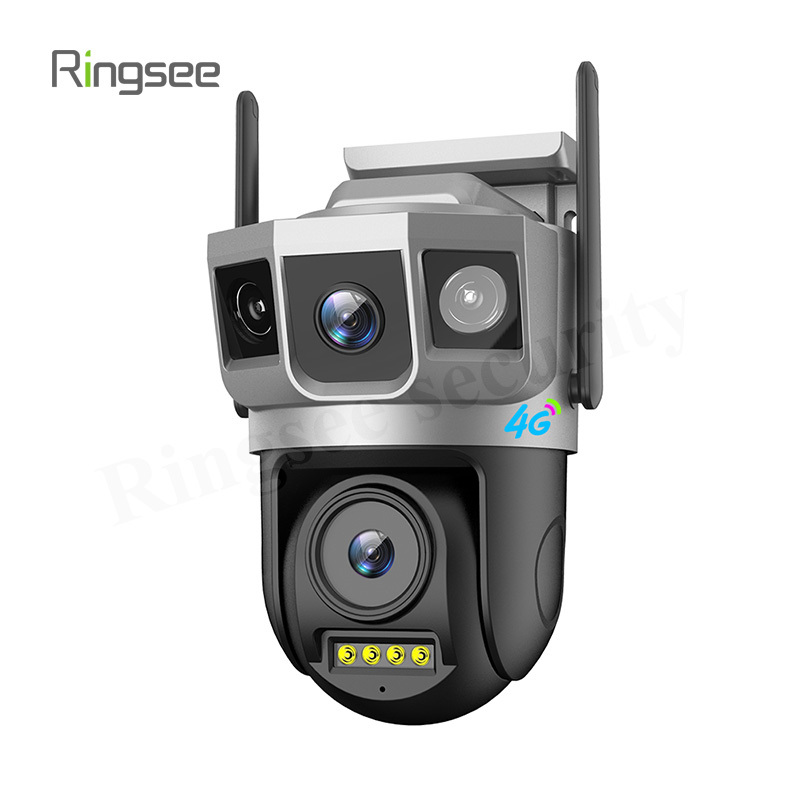
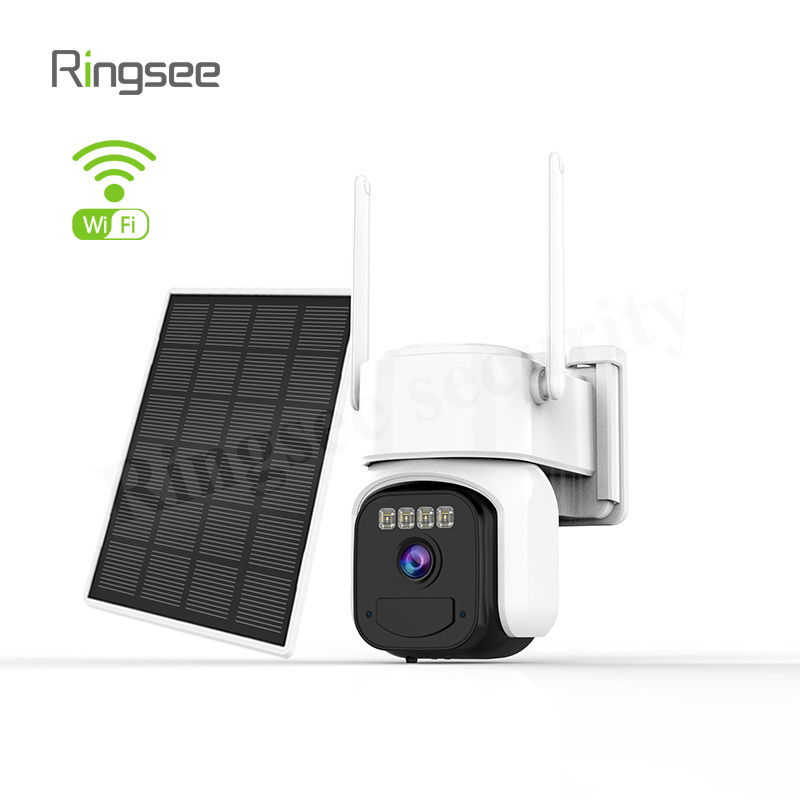











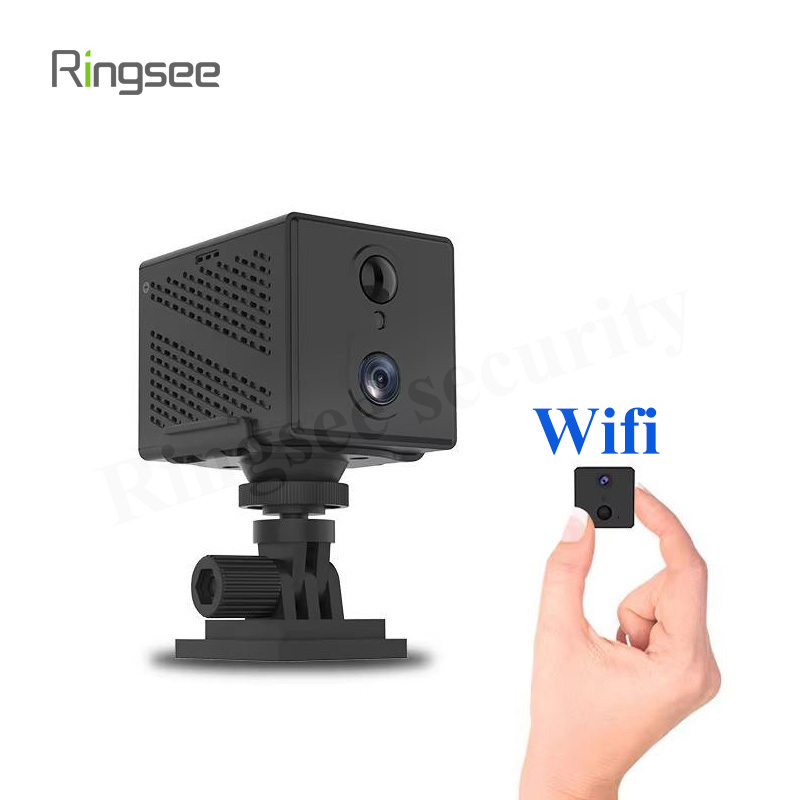
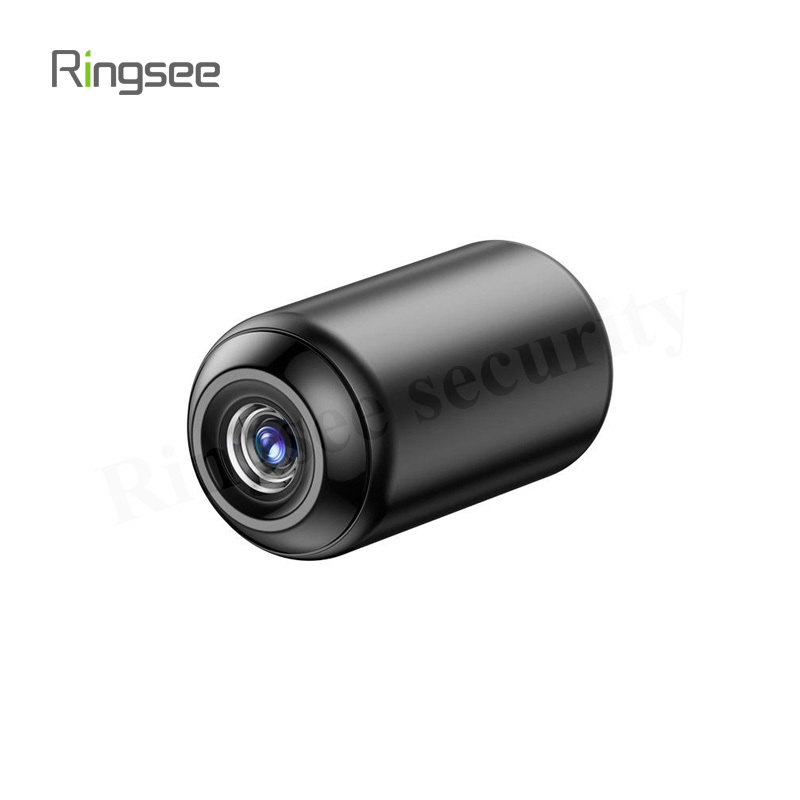
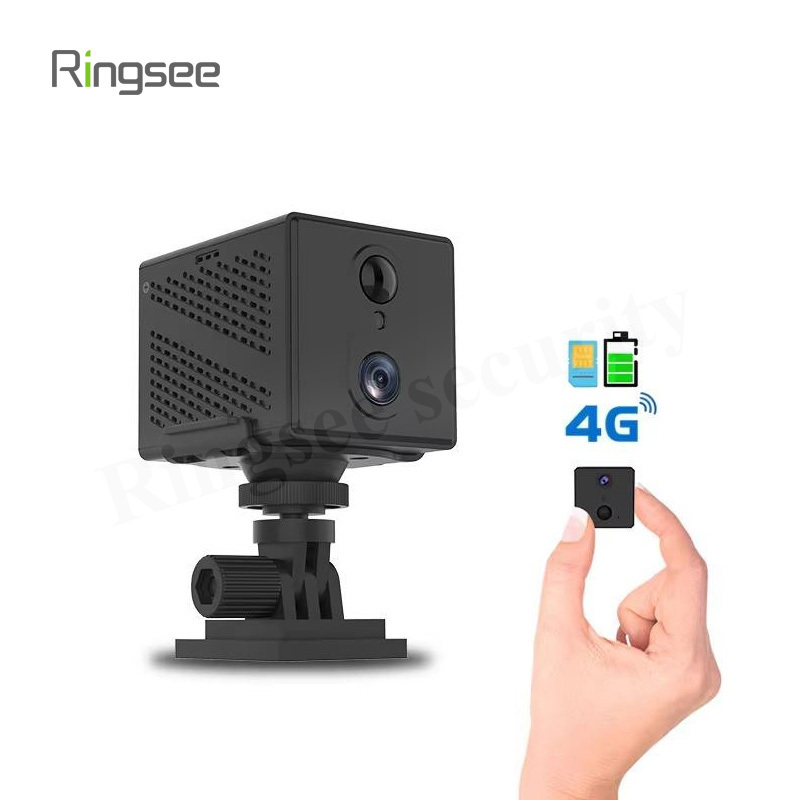
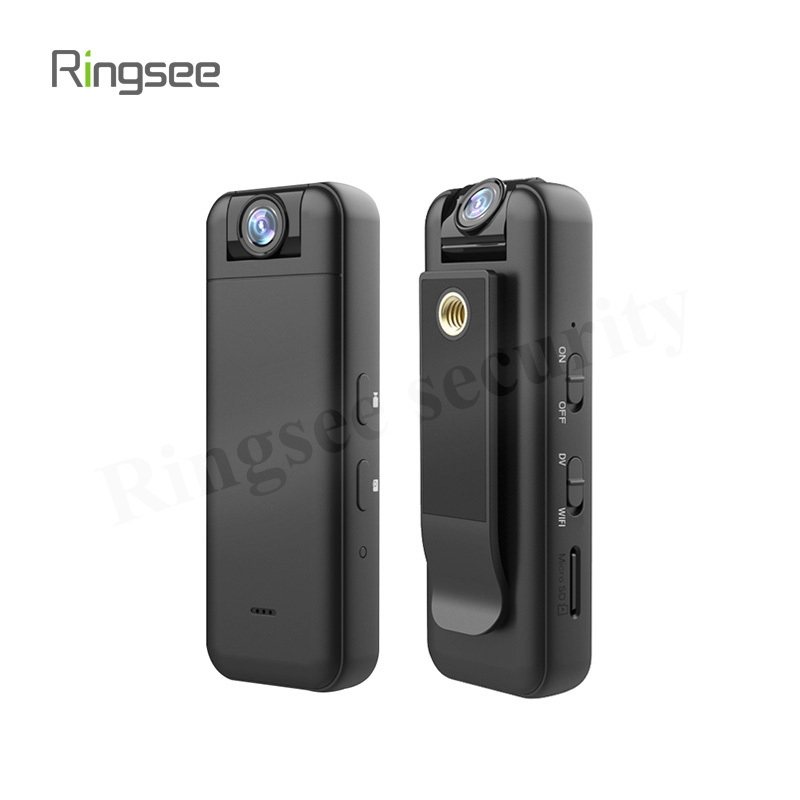

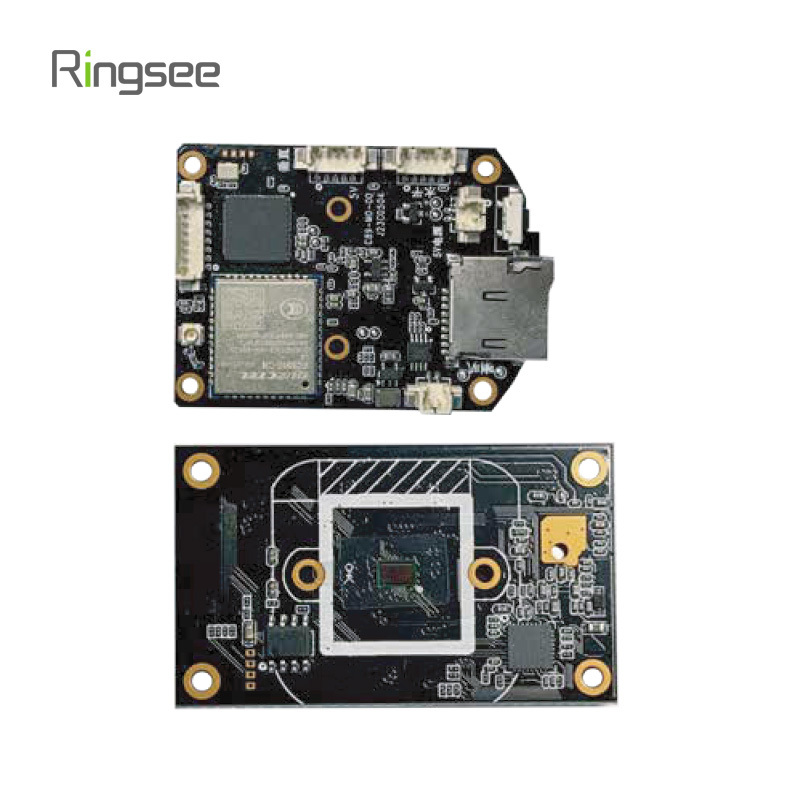
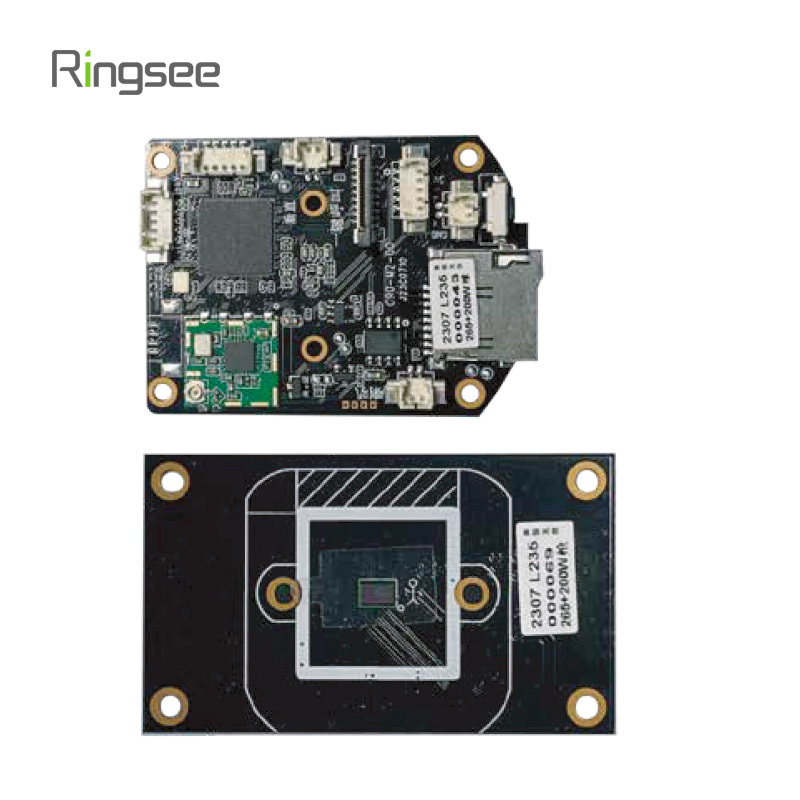
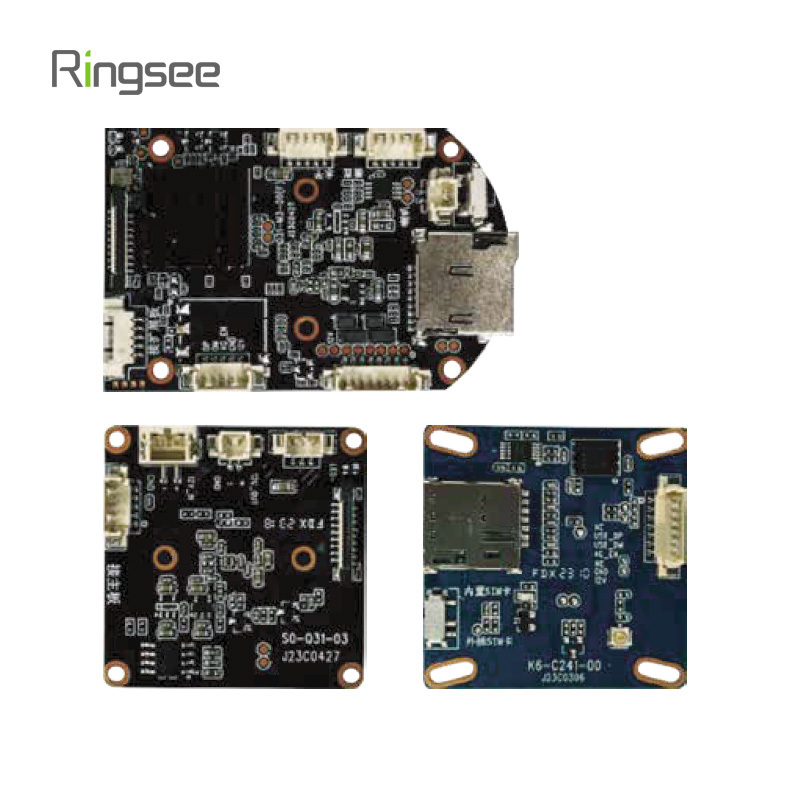
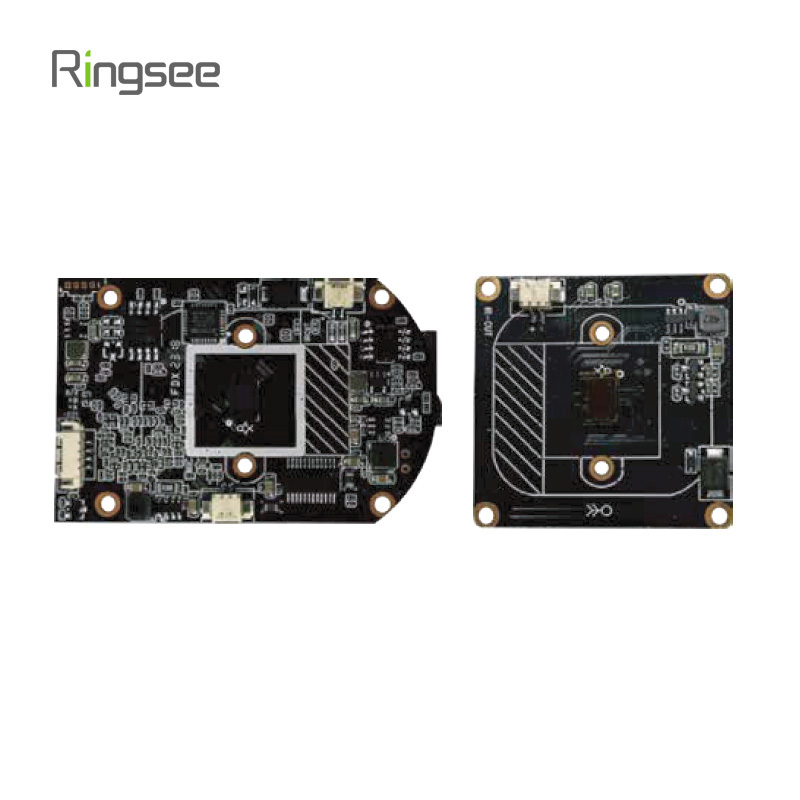
4G 5G Cellular Surveillance Camera Guide: Remote Video without Broadband
Publish:
2026-11-08 17:54
Source:
https://www.ring-see.com
Target readers: security owners and integrators for farms, orchards, fisheries, construction, oil and mining sites, vehicle fleets, and remote African villages where broadband is scarce.
Core takeaway: when there is no fiber, no broadband, and frequent power loss, a SIM card cellular camera is the easiest and most scalable remote video option. This guide gives a reusable architecture covering power, data, backhaul, AI, and compliant deployment.
TL;DR
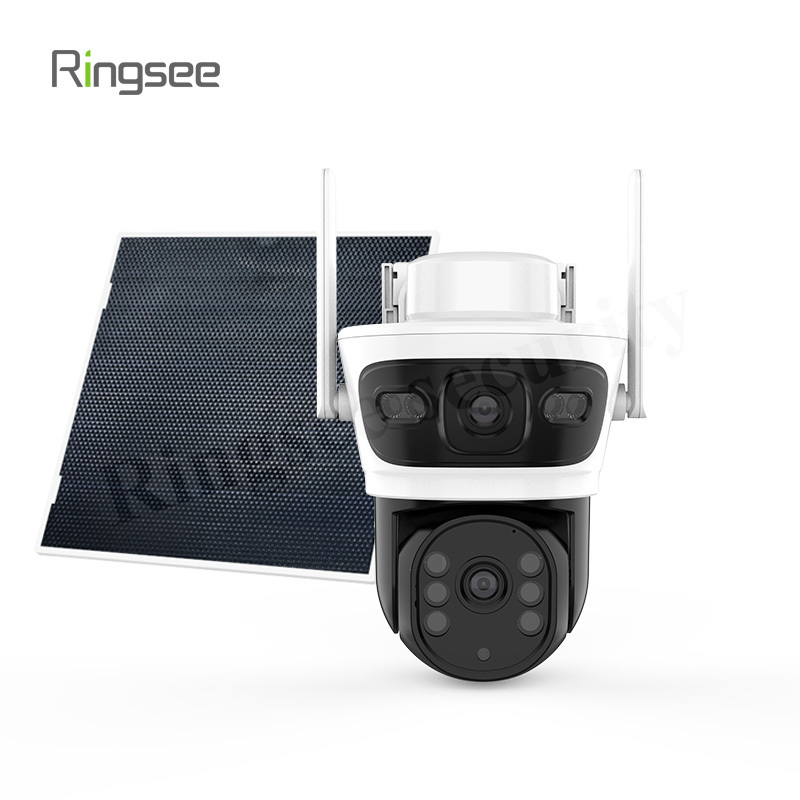
- Cellular cameras use a SIM or eSIM card for backhaul, no broadband or fiber needed, plug in and go to cloud, best for off network remote points.
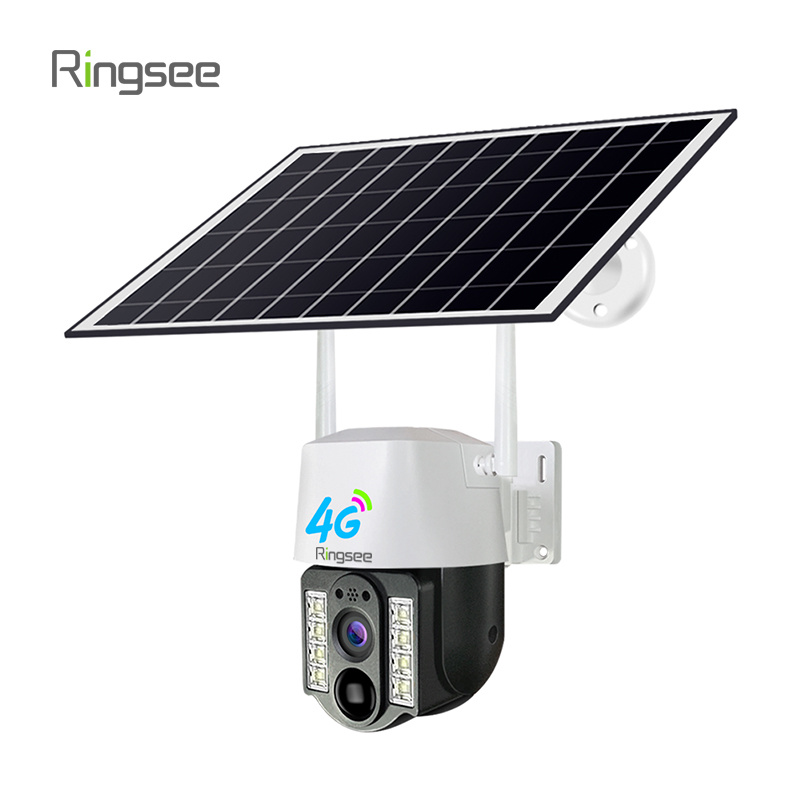
- Three layers: front IPC with built in 4G module, cellular backhaul with SIM or eSIM plus directional antenna, cloud or edge storage plus mobile view.
- Data use equals bitrate times 3600 times 24 times 30 times concurrency factor; 1080p is about 60 to 180 GB per month per channel.
- Power with solar plus battery; on outage the local SD or disk caches and forwards after recovery, no loss of key footage.
- AI runs on the camera built in NPU at the edge, human or vehicle or intrusion, no cloud bandwidth needed.
- Pick the SIM by three things: local signal coverage, IoT card qualification, dual card hot standby plus data alert.
- Accept by hard metrics: online rate 99 percent, recording completeness 98 percent, monthly data within plan, outage recovery under 5 minutes.
Why Cellular 4G 5G Surveillance Cameras
Traditional surveillance relies on wired or WiFi networks, but in open farms, orchards, fish farms, active sites, moving vehicles, and many remote African villages, fiber and broadband are long absent. Cellular cameras with one SIM card send video to phone or cloud, cutting deployment from weeks to hours.Start with the no broadband constraint:
Scenario | Typical pain | Cellular value |
Farm, orchard, fishery | Large area, no broadband, theft loss | Solar plus 4G, zero cabling, mobile view |
Site, mine, oil field | Temporary, remote, theft risk | Fast deploy, reclaim at end |
Vehicle, vessel | Moving, no fixed network | Vehicle 4G 5G plus location |
Remote African village | No broadband, unstable power | Off grid solar plus 4G up |
- Goals: theft prevention, safety, progress visibility, incident trace, compliance record.
- Key metrics: full coverage of critical zones, no blind spot on key passages, night IR visible.
Tip: Do not pile on camera count at the start. Cover four point types first: perimeter, entrance, high point, material area, then expand with business. |
System Architecture: End Pipe Cloud Three Layers
Front capture with SIM IPC, cellular pipe with SIM or eSIM plus high gain antenna, center storage and intelligence with cloud or NVR plus mobile app. Success depends less on the camera than on stable power and signal quality.Three layer model:
Layer | Device | Role | Selection note |
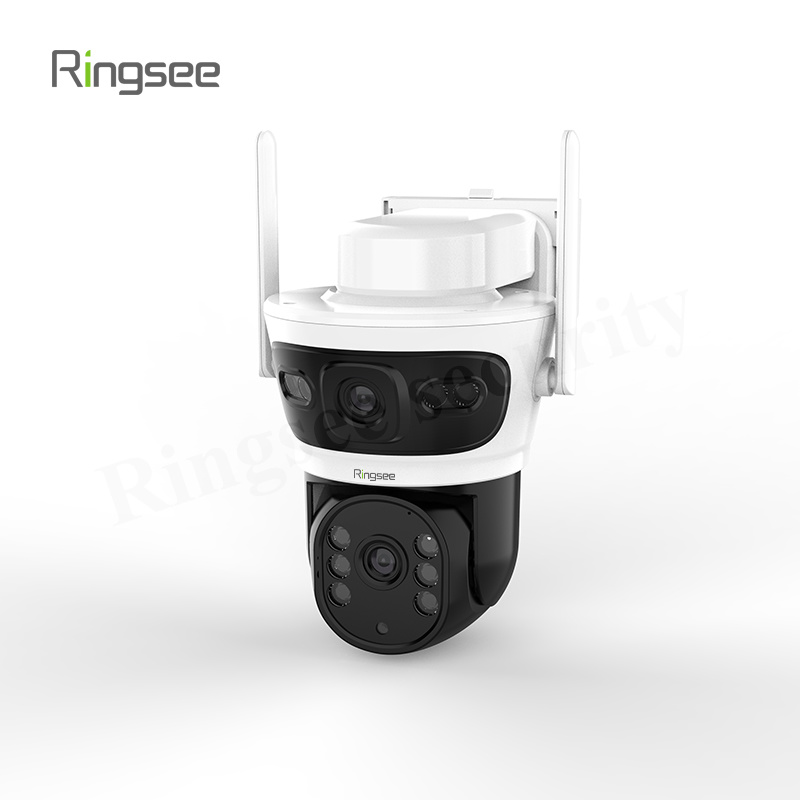
End front | 4G 5G IPC | Capture plus local cache | Built in module, IP66, IR, SD disk |
Pipe backhaul | SIM eSIM plus antenna | Video backhaul | Strong local signal, dual card, directional gain |
Cloud center | Cloud or NVR | Storage plus AI plus view | Multi channel, remote, alert push |
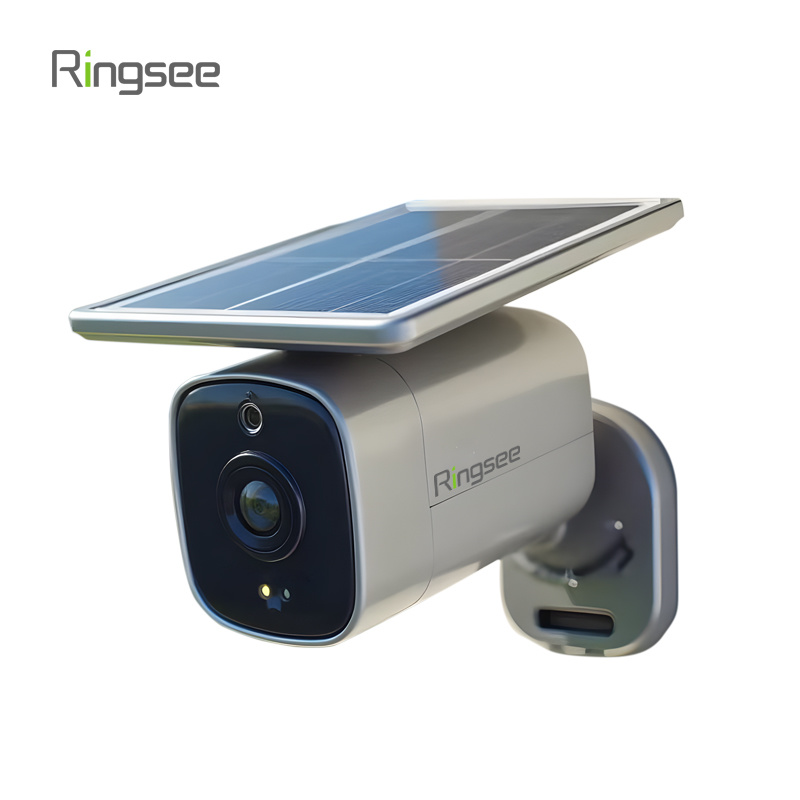
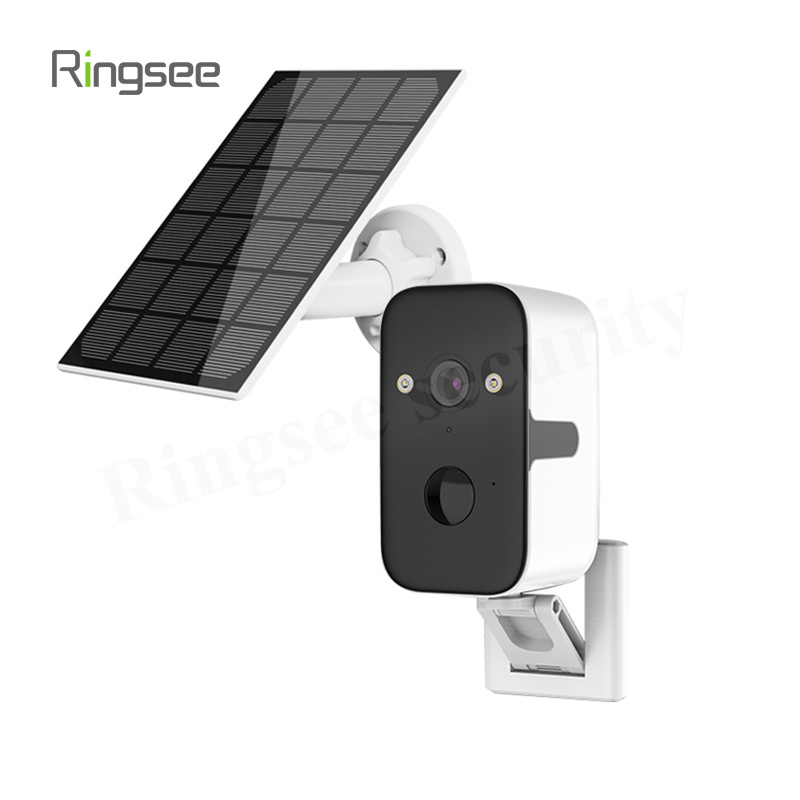
- Power: single IPC with 20 to 60 W panel plus 20 to 50 Ah battery; central points use 100 W plus.
- Backhaul: use 4G when signal is good; use external directional antenna or switch carrier when blocked; dual card hot standby on critical nodes.
Rule of thumb: Signal is the foundation. Before install, test speed on site with a phone; if RSCP or 4G bars are low, even a good camera cannot backhaul. |
Data and Bandwidth: How Much per Month
Monthly data is driven by bitrate. Higher bitrate, higher frame rate, and older codec such as H.264 cost more than H.265. The example below uses one 1080p channel.Core formula:
Parameter | Value | Note |
Avg bitrate | 2 to 4 Mbps | H.265 low, H.264 high |
Daily per channel | About 22 to 43 GB | Bitrate x 3600 x 24 / 8 |
Concurrency factor | 1.1 to 1.3 | Heartbeat, retransmit, sampling |
Monthly per channel | About 60 to 180 GB | Daily x 30 x factor |
Monthly GB equals bitrate Mbps x 3600 x 24 x 30 x factor / 8 Total data equals per channel monthly x channels x active ratio | ||
- Save data: prefer H.265, drop frame rate to 15 fps, use VBR, raise bitrate only on event.
- Plan: choose IoT card large plan; set 80 percent data alert to avoid throttling or cutoff.
Avoid: Do not buy unlimited consumer cards. Carriers throttle to under 1 Mbps after cap, and night backhaul stalls. Use qualified IoT cards with dedicated APN. |
Power and Networking: Solar Link and Store Forward
For no grid points use solar panel plus lithium battery sized by daily use times rainy days times safety factor 1.2. On outage the camera writes local SD or disk first, then forwards after recovery, keeping key footage.Selection logic:
Item | Requirement | Standard or note |
Battery | Greater than daily x rainy days x 1.2 | LiFePO4, low temp |
Solar panel | Daily charge greater than daily use | Greater than 40 W single |
Local storage | Cache on outage | SD plus disk dual backup |
Recovery forward | Self heal under 5 minutes | Resume or local only |
- Solar: panel tilt at local latitude plus 10 degrees, battery box IP65, anti salt fog.
- Networking: weak signal points use external high gain omni or directional antenna, or 4G bridging WiFi for multiple cameras.
- Forward: confirm device supports local record on outage plus forward after recovery, or footage is lost.
Experience: In cold regions use low temperature LiFePO4 to avoid capacity drop below 0 C; do not use car lead acid for long off grid cycles, lifespan under six months. |
AI and Smart Use: Edge Inference on Low Bandwidth
Cellular links are bandwidth limited, so do not push all video to cloud for AI. The right way is built in NPU edge inference on the camera, sending only alert clips and snapshots of person, vehicle, or intrusion, saving data and latency.
- Human or vehicle detection: alert on entry, filter cats, dogs, birds.
- Area intrusion: perimeter, pit edge, forbidden zone crossing with sound light alarm.
- Fire or left object: early smoke or flame detection with response link.
Deployment: lightweight models run on the IPC built in NPU, or centrally on an edge AI box; alert to phone plus on site sound light horn, recording alone equals not installed.
- Accuracy: backlight and occlusion are main interferers; on site sample tuning targets 90 percent plus.
- Link: sound light horn plus phone push; if false alarm high, widen zone first then tighten model.
AI alerts must reach horn and phone push; only recording with no alert is as good as nothing. If false alarms are high, widen the zone first then tighten the model.Experience:
Deployment: SIM Selection, Protection, Compliance
About 80 percent of cellular camera failures come from power, antenna, and card rather than the camera itself. This step decides whether the system survives the rainy season and heat.Hidden works:
Item | Requirement | Standard |
SIM card | Strong local carrier or IoT card | Dual card standby, dedicated APN |
Protection | IP66 IP67, IK10 vandal | Rain dust tamper proof |
Surge | Top lightning rod, ground 10 ohm or less | IEC 62305 |
Compliance | CE mark plus data localization | GDPR or local privacy |
Tip: If measured ground resistance exceeds 10 ohm, add grounding agent or deep well grounding, or equipment burns in thunderstorm season. For Africa heat and humidity prefer IP67 plus anti salt coating plus pole reinforcement against theft. | ||
Selection Checklist and Acceptance
Before purchase: fill the checklist before ordering to avoid missing power or card on site.
- Point list: perimeter, entrance, high point, material area all covered?
- Power: daily use and rainy days calculated per point?
- Signal: on site speed test passed? antenna or carrier chosen?
- Data: monthly estimate matches plan?
- AI: which capabilities, front or edge inference?
At acceptance: use hard metrics, not feelings.
- Online rate 99 percent or more, monthly device online time share.
- Recording completeness 98 percent or more, spot check 7 x 24 h no gap.
- Monthly data within plan, no over cap throttle.
- Outage recovery under 5 minutes, verify forward or local keep.
- Ground resistance 10 ohm or less, third party report.
On delivery attach point map, IP and card table, accounts, and maintenance contacts; at project end reclaim per the teardown list, panels, antennas, batteries reused on the next point to lower TCO.Wrap up:
FAQ
Q: Can surveillance work with only phone signal and no broadband?
A: Yes. A cellular IPC with one SIM or eSIM card does pure 4G 5G backhaul, no broadband or fiber needed; with solar it runs fully off grid.
Q: How much data does 4G surveillance use per month?
A: Use bitrate x 3600 x 24 x 30 x factor / 8; 1080p at 2 Mbps H.265 is about 60 to 80 GB per month per channel; H.264 or high bitrate reaches 150 to 180 GB. Multiply by channels.
Q: Will footage be lost on outage?
A: No loss of key footage. The camera caches on local SD or disk, then forwards after recovery; some models keep local only so events are not missed.
Q: What if signal is weak in remote areas?
A: Use external high gain omni or directional antenna, pick the strongest carrier, add 4G with satellite backup, lower bitrate and frame rate; always test speed on site first.
Q: What if the IoT card is throttled or fails?
A: Use qualified carrier IoT cards with dual card hot standby, set 80 percent data alert, use dedicated APN; avoid consumer unlimited cards that throttle after cap.
Q: What to note for Africa or tropical deploy?
A: High temperature derating, IP67 waterproof, anti salt coating, surge ground 10 ohm or less, pole reinforcement against theft; use temperature rated LiFePO4.
Q: How to handle privacy compliance?
A: Device with CE mark, follow GDPR or local privacy law; prefer local storage, mask faces and plates, post notice signs, limit access rights.
Related News
Target readers: security owners, system integrators, and EHS engineers for petrochemical, oil and gas, pharmaceutical, powder processing, and coal mining sites where explosive gas or combustible dust exists. Core takeaway: a normal camera is itself an ignition source in flammable environments. You must use explosion proof cameras certified to ATEX, IECEx, or China Ex, selected by hazard zone, installed with proper grounding, and documented for compliance. This guide gives a reusable selection, install, and acceptance workflow.
Nov 08,2026
4G 5G Cellular Surveillance Camera Guide: Remote Video without Broadband
Target readers: security owners and integrators for farms, orchards, fisheries, construction, oil and mining sites, vehicle fleets, and remote African villages where broadband is scarce. Core takeaway: when there is no fiber, no broadband, and frequent power loss, a SIM card cellular camera is the easiest and most scalable remote video option. This guide gives a reusable architecture covering power, data, backhaul, AI, and compliant deployment.
Nov 08,2026
Analog CCTV Upgrade Guide: Coax HD Reuse vs Full IP Rebuild, Cost and Timeline Compared
Factory, campus and retail chains running analog surveillance for five or six years face the same wall: blurry images, unretrievable footage, and no path to AI analytics on legacy hardware. This guide breaks down pre-upgrade system inventory, compares the coax-HD reuse route against a full IP rebuild, gives bandwidth and storage recalculation formulas, and lays out a zoned, non-disruptive cutover plan with a selection checklist.
Oct 31,2026
CCTV Maintenance Outsourcing: SLA Tiers, Market Rates, KPI and Contract Playbook
Conclusion first: the real cost of a surveillance system is in its operation. Three years of maintenance typically equals 30% to 50% of the build cost, yet most buyers spend the budget at install and leave operation to whoever happens to notice. Lock the maintenance boundary while signing the build contract. This guide breaks down the in-house versus outsourced decision model, a three-tier SLA (P1 / P2 / P3), per-point market rates and how to read a quote, the two KPIs that decide payment (camera online rate and footage integrity), the five clauses every contract must hold, the 90-day handover that most often loses control, plus a selection checklist and acceptance tests.
Oct 25,2026
Links:One Belt Power Technology
Add: 14th Floor, Baoshan Building, Longhua District, Shenzhen China.
Privacy Policy | SEO | CitySite | Support: 300.cn Dongguan