
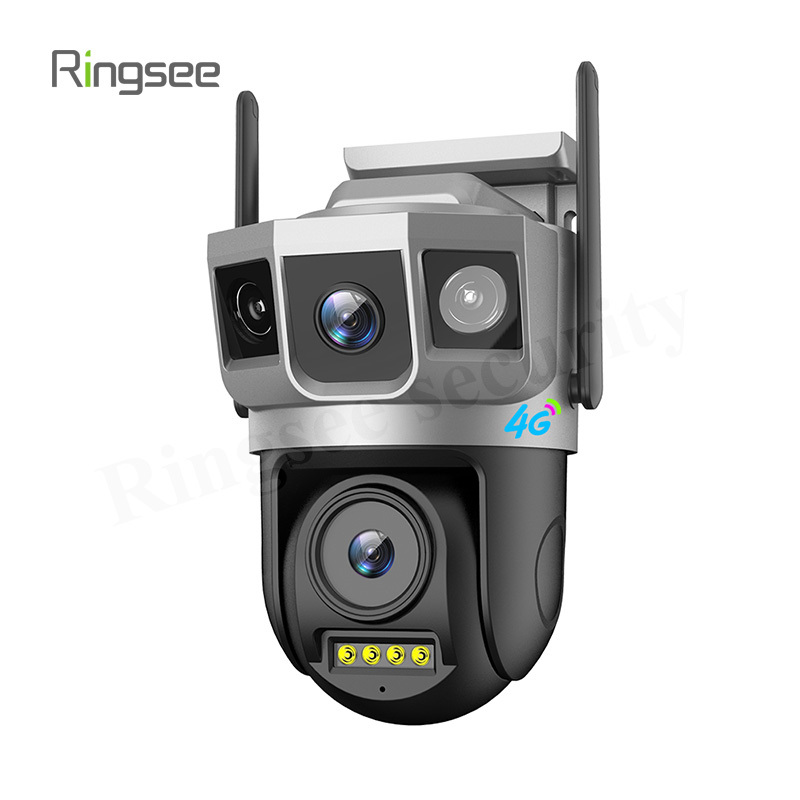
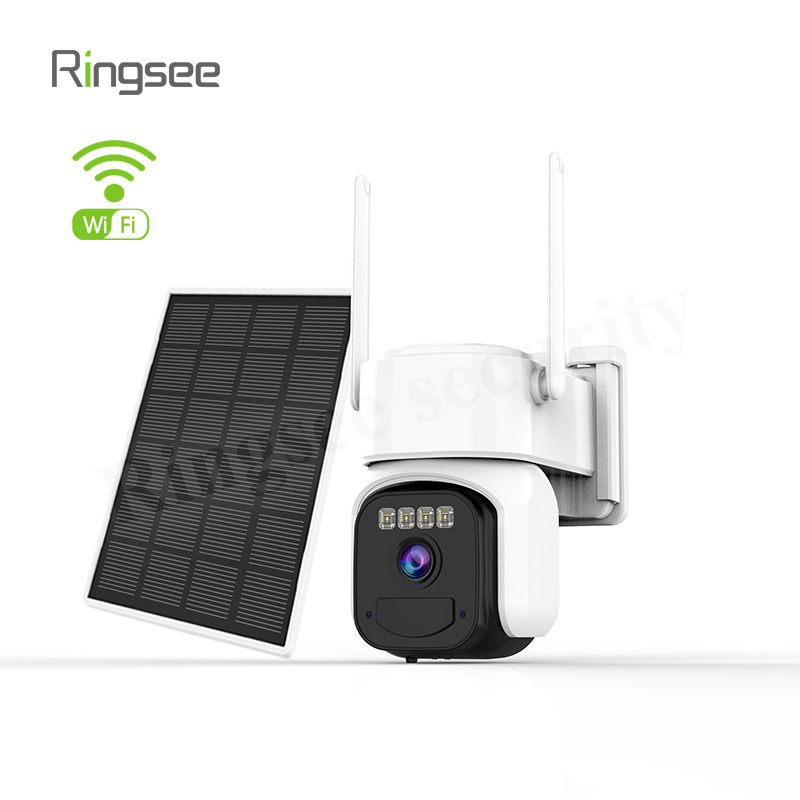
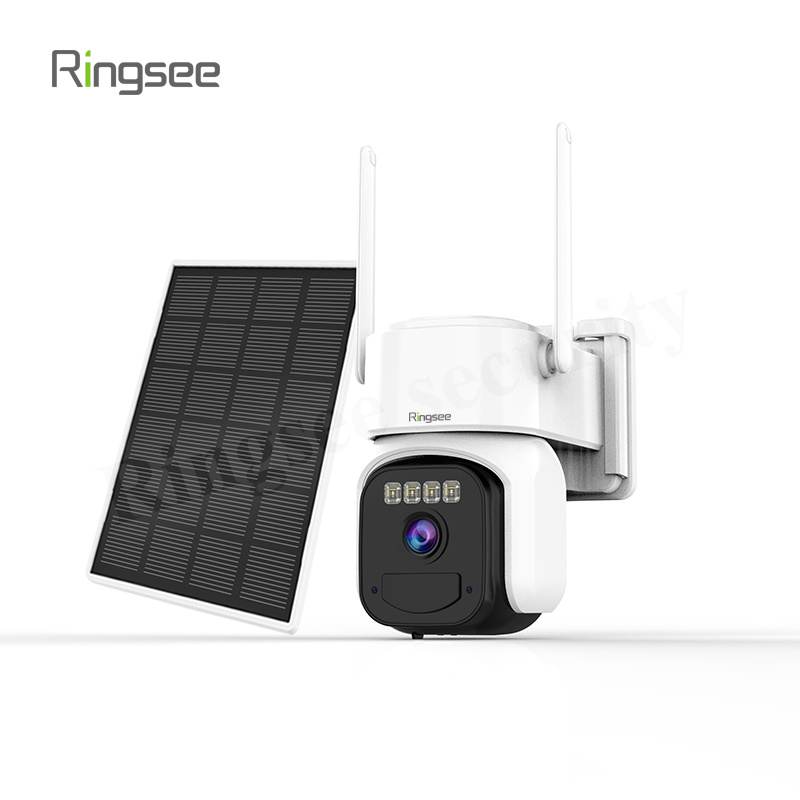
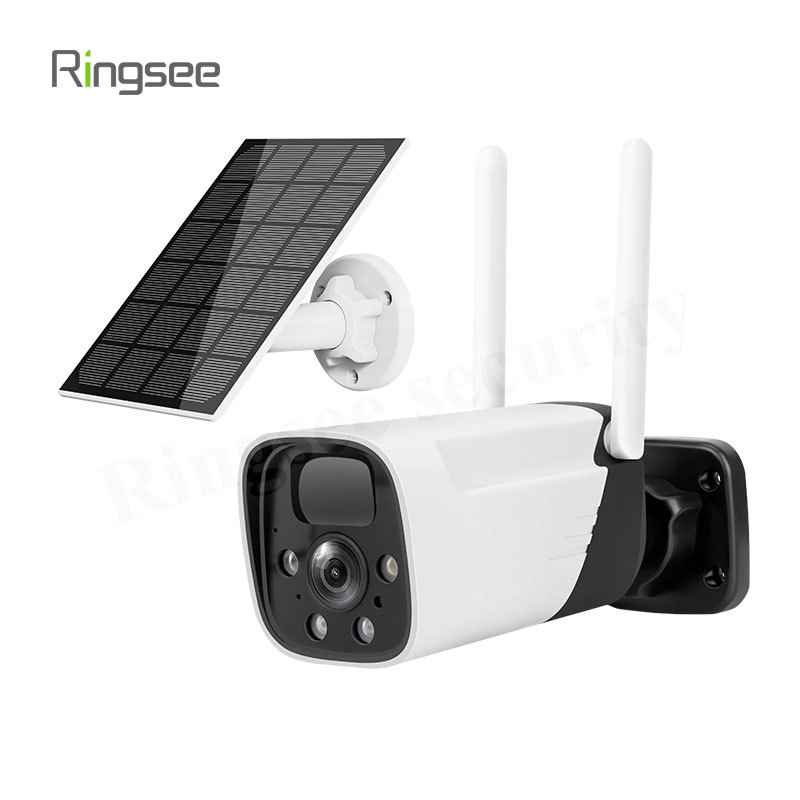
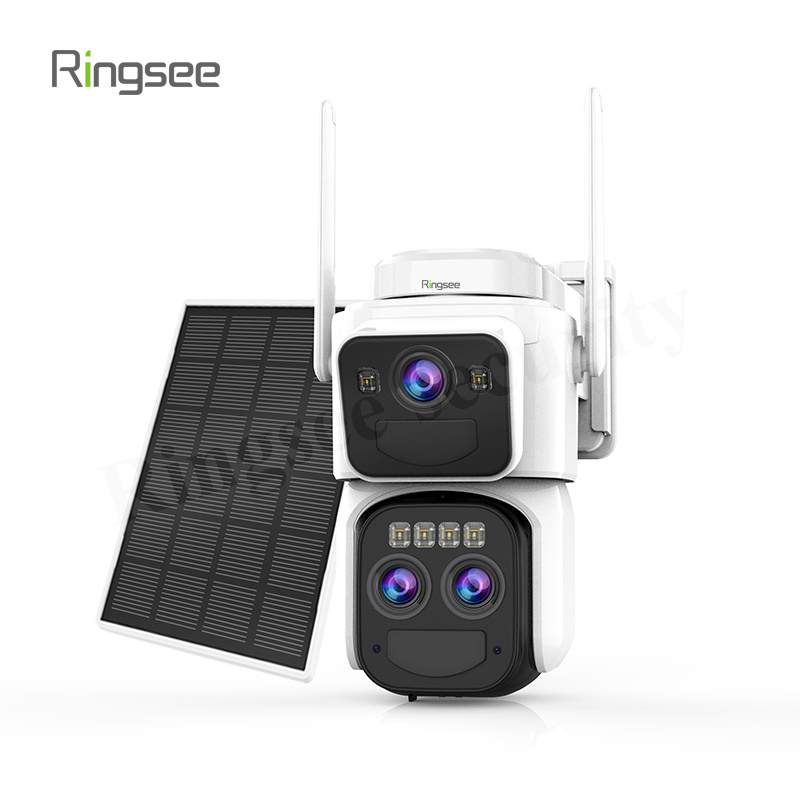
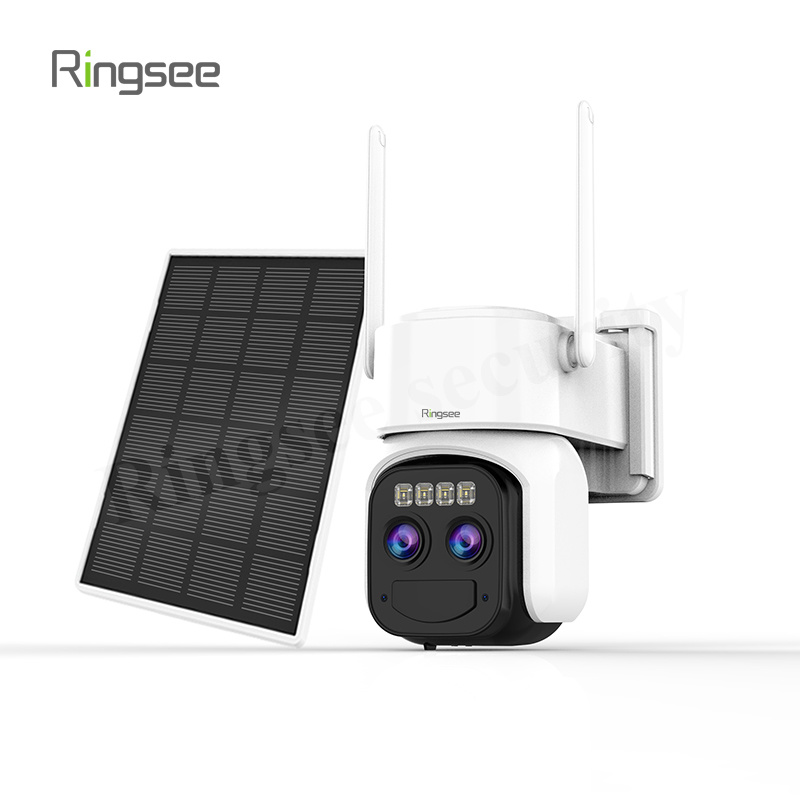
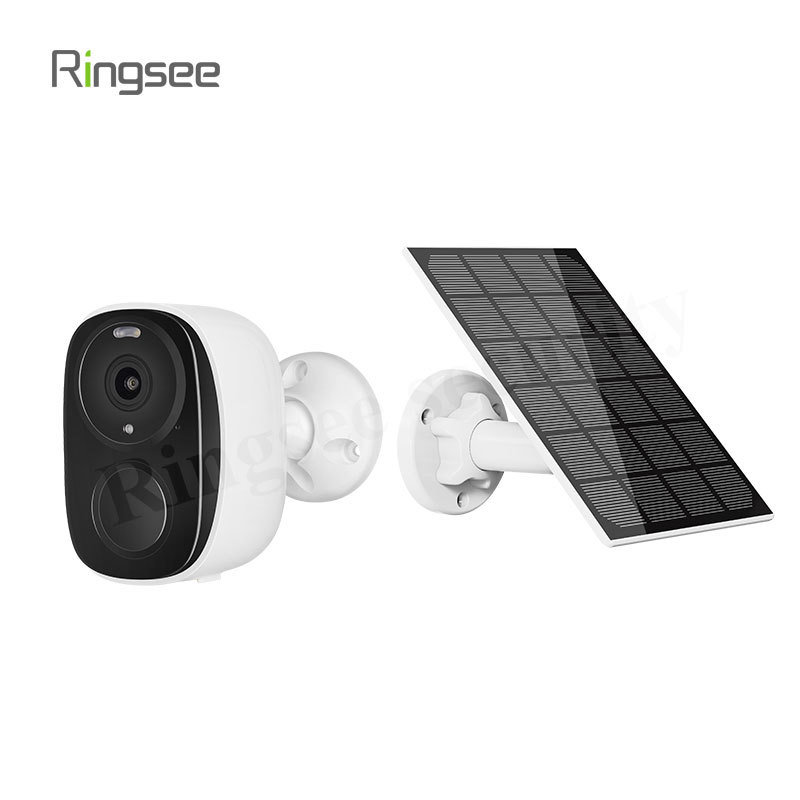
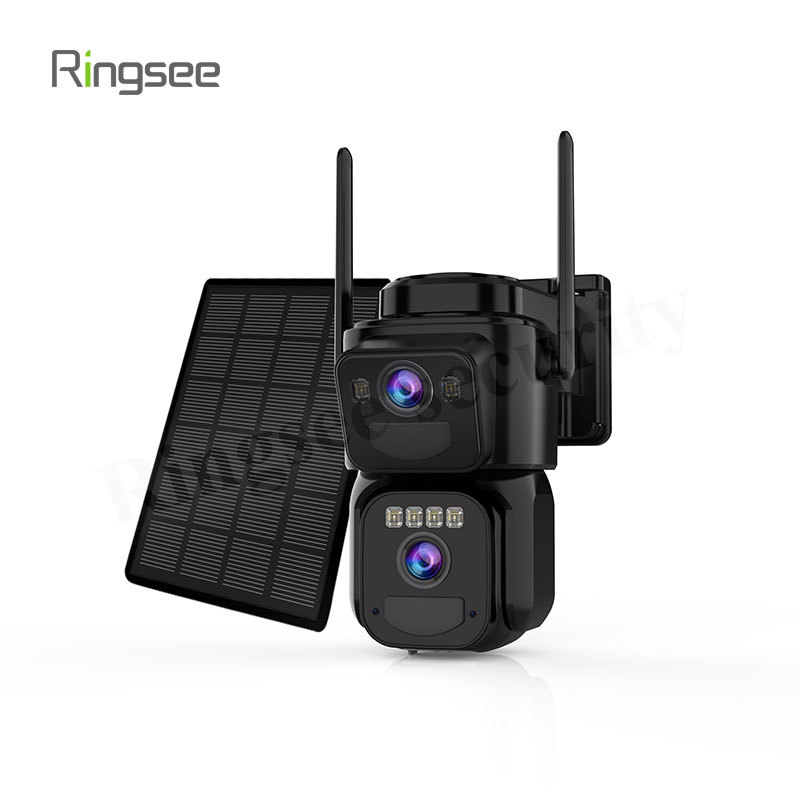





How to Choose the Best Low-Power Solar Camera for Your Home or Business
Publish:
2025-02-04 23:33
Source:
https://www.ring-see.com
Low-power solar cameras are a great solution for property owners looking to monitor their premises while reducing their carbon footprint.
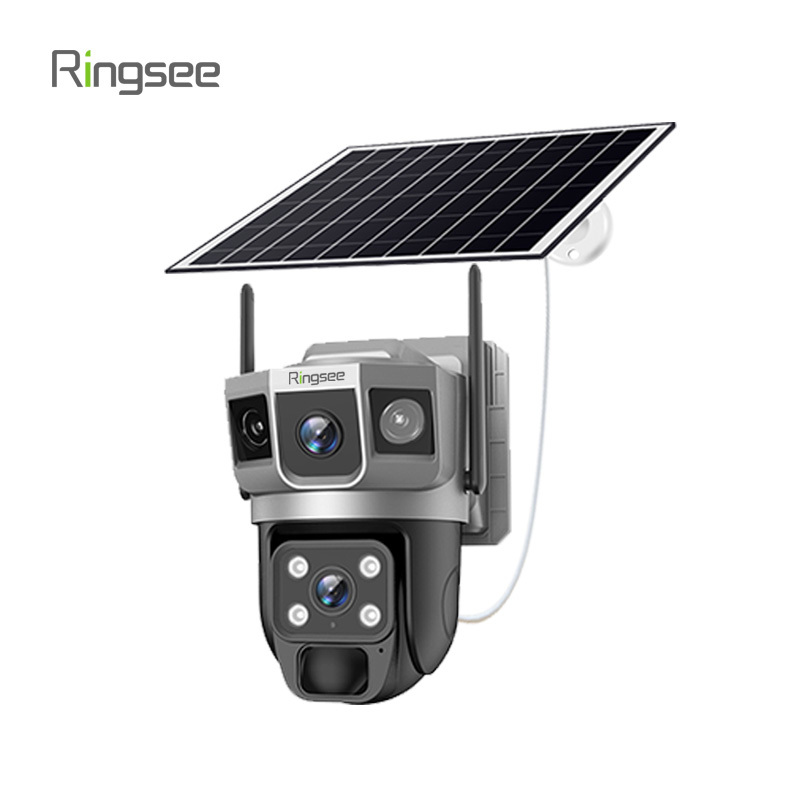
In today's world, security and sustainability go hand in hand. Low-power solar cameras are a great solution for property owners looking to monitor their premises while reducing their carbon footprint. These cameras offer reliable, eco-friendly surveillance without the need for traditional power sources. But with so many options available, how do you choose the best one? In this guide, we’ll walk you through the essential factors to consider when selecting the right low-power solar camera for your home or business.
1. Understand Power Efficiency
The key feature of any solar-powered camera is its ability to operate efficiently without relying on electrical outlets. To make sure you get the best value, look for low-power consumption models that are specifically designed to use minimal energy.
Solar Panel Size Matters
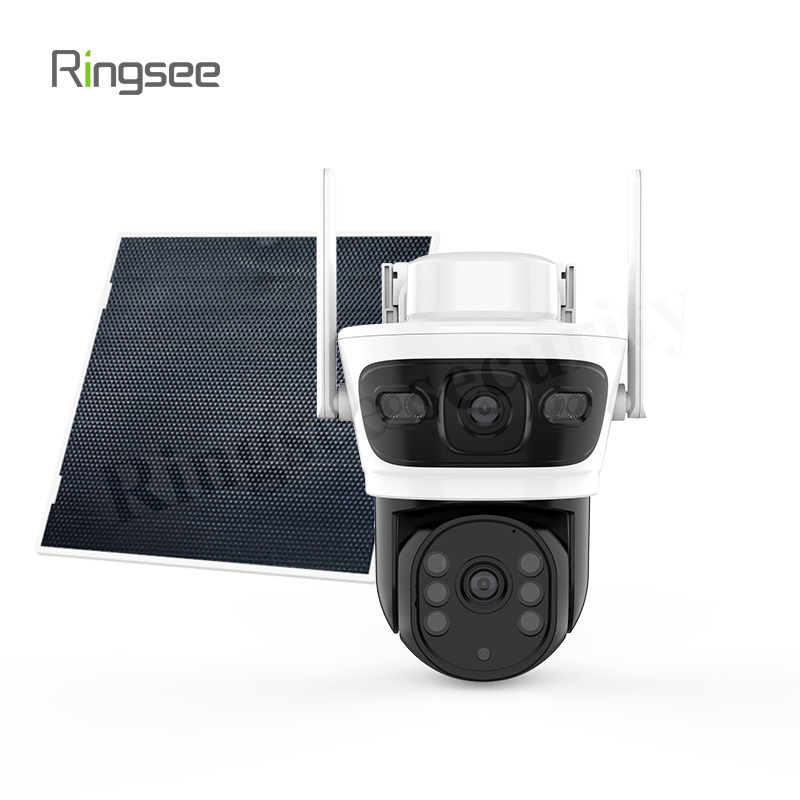
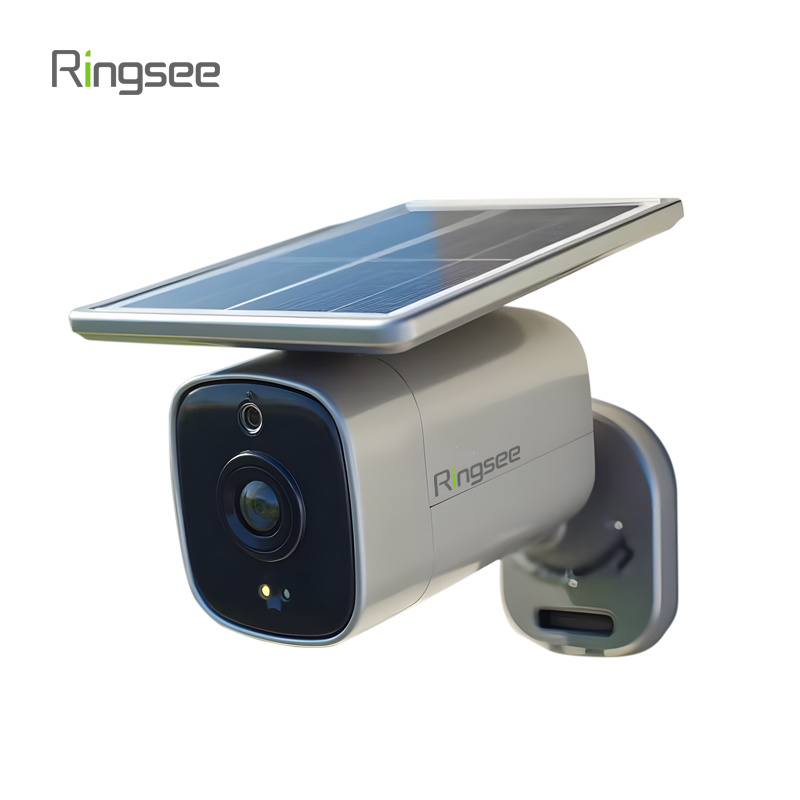
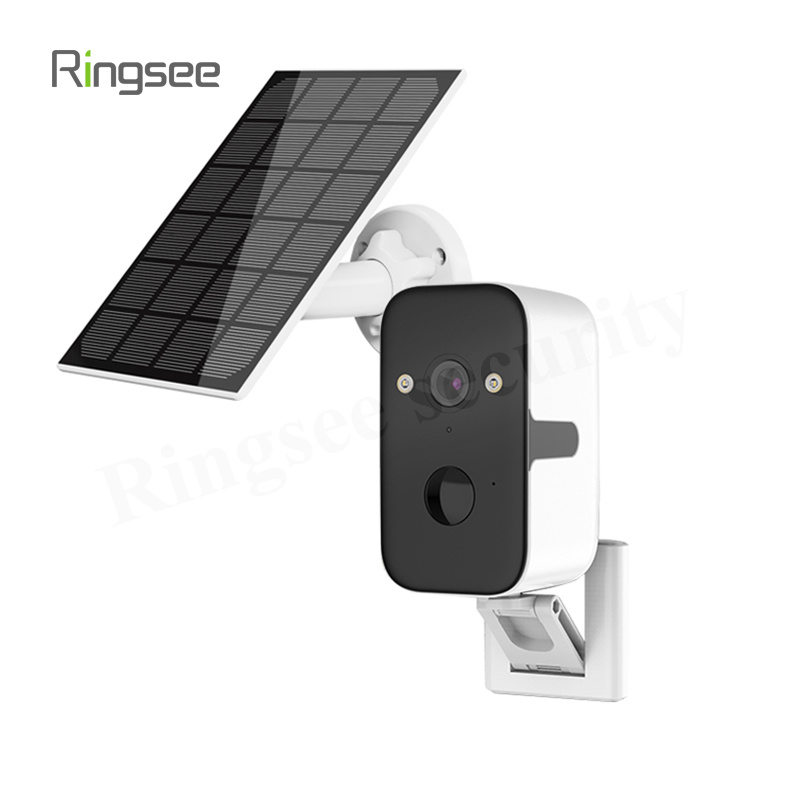
The solar panel size directly impacts the camera’s power efficiency. A larger panel typically means more energy captured from the sun, especially in locations that don't receive direct sunlight all day. However, it's crucial to find the right balance between panel size and camera requirements for optimal performance.
2. Resolution: Ensure Clear Video Quality
Surveillance is only as effective as the video quality it captures. For most homeowners and businesses, a 1080p (Full HD) resolution camera strikes the right balance between clarity and bandwidth consumption. If you need more detailed footage (e.g., for capturing facial details or distant objects), consider a 4K resolution camera for superior clarity.
3. Wide Field of View (FOV)
The field of view determines how much area your camera can cover. A wide-angle lens (ranging from 120° to 180°) ensures you capture more of the surrounding environment, which is especially useful for large areas like driveways, parking lots, or backyards. A broader FOV reduces the number of cameras you need to cover your entire property, saving both on cost and installation time.
4. Connectivity: Wi-Fi vs. LTE
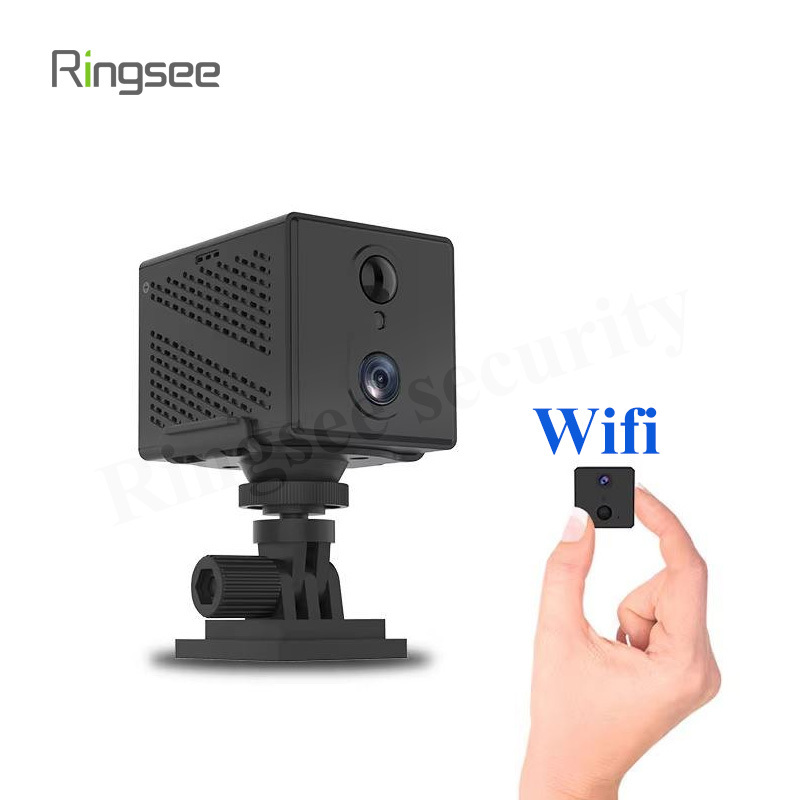
Connectivity is crucial for modern security cameras. Most low-power solar cameras rely on Wi-Fi to transmit video footage, but what if your location struggles with a weak Wi-Fi signal?
Consider LTE Connectivity
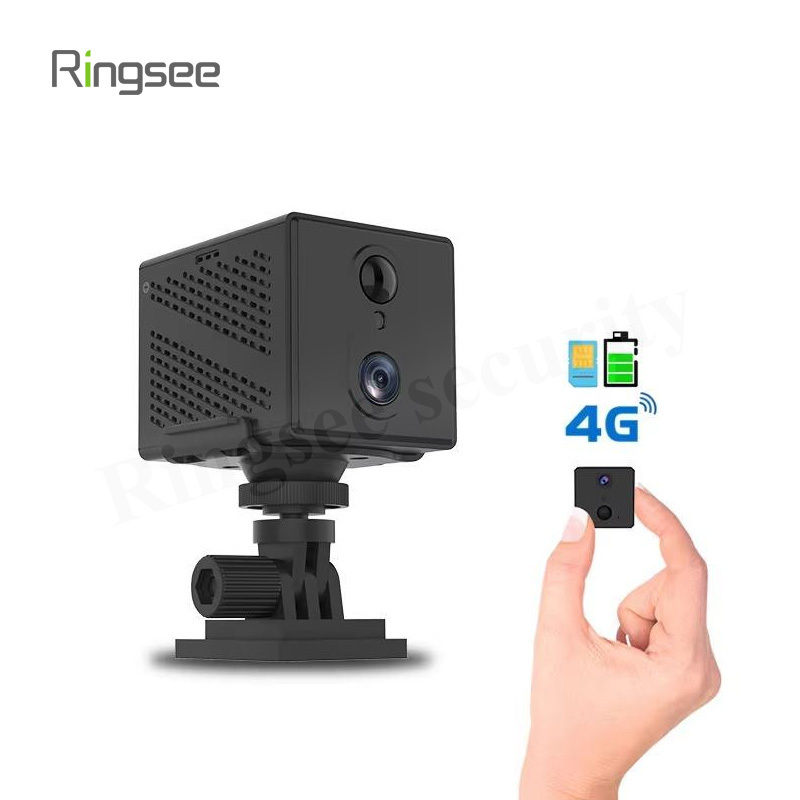
If you’re in a rural or remote area with limited internet coverage, a camera that supports LTE connectivity may be a better choice. LTE-enabled cameras connect through cellular networks, ensuring a stable connection even in places where Wi-Fi signals are unreliable.
Cloud vs. Local Storage
Another important consideration is how you store your video footage. Cloud storage provides the convenience of remote access, but keep in mind that this usually comes with recurring fees. Alternatively, local storage, such as an SD card or external hard drive, can eliminate ongoing costs, though it may limit your access to footage when you're away from home.
5. Battery Backup: Stay Powered, Even on Cloudy Days
While solar cameras rely on sunlight, they still need battery backup to function during cloudy days or inclement weather. Look for cameras with a large battery capacity to ensure that they continue recording even when the solar panel isn’t producing enough energy. This is especially important for areas that experience frequent weather changes.
6. Weather Resistance: Built for the Outdoors
Since these cameras are designed to be used outdoors, durability is essential. Ensure the camera you choose is built to handle all types of weather conditions. Check for an IP rating (Ingress Protection) to determine its resistance to dust and water.
Ideal IP Rating
Look for cameras with at least an IP65 rating, which offers protection from dust and can withstand water jets. This level of protection ensures that your camera will keep working through rain, snow, and even extreme temperatures.
7. Night Vision: Security 24/7
Don’t let the dark stop you from monitoring your property. Night vision is a must-have feature for any camera that provides 24/7 surveillance. Infrared (IR) LEDs ensure clear footage even in total darkness. This feature is crucial for areas that need continuous monitoring, such as entrances, driveways, or parking lots.
8. Motion Detection: Save Power and Storage
Motion detection helps your camera only activate when it senses movement, which is a great way to conserve both battery life and storage. Look for models with customizable motion sensitivity and adjustable zones. This feature helps to avoid false alerts, ensuring you’re only notified when something important happens.\
9. Trustworthy Brands and Support
When it comes to security, you want a product you can trust. Choose a reputable brand like Ringsee, which is known for producing high-quality, durable cameras with excellent customer service. A trusted brand will offer comprehensive support, including firmware updates, easy-to-reach customer service, and reliable warranties.
Related News
PoE was power. This is control: CCTV Network Security Hardening Guide
Short answer: video systems get breached the boring way, not through clever exploits - (1) factory default credentials never changed, (2) camera or NVR management ports forwarded to the public internet, (3) no separation between the CCTV network and the office LAN. Do three things: replace every default account and disableTelnet/FTP/UPnP/raw RTSP; put cameras in their own VLAN and only allow the NVR to initiate sessions; and reach video over VPN or a zero-trust gateway instead of a port mapping.
Oct 03,2026
PoE Power Design Guide for Security Cameras: Power Budget, Cable Voltage Drop and Distance Limits
Most "cameras keep restarting at night" incidents are not camera defects — they are power design errors. Three root causes cover the overwhelming majority of PoE failures: the power budget was sized on daytime draw instead of night peak, the cable is too thin so voltage drop exceeds the device undervoltage threshold, and the run simply exceeds the 100-metre channel limit. Memorise three numbers and you avoid most of the traps: 802.3af delivers 15.4 W, 802.3at delivers 30 W, and cable reach stops at 100 m.
Oct 03,2026
Bitrate (Mbps) is the single parameter that determines hard drive size, switch selection, and remote-viewing smoothness. Two formulas answer everything: storage per camera per day (GB) ≈ bitrate × 10.8, and total bandwidth = sum of simultaneous bitrates × 1.3 headroom. This guide covers encoding, calculation, and procurement sizing.
Sep 26,2026
CCTV Night Vision Technology Explained: Infrared vs Starlight Full-Color vs Hybrid Light
Three night vision routes and their real limits: 850nm vs 940nm infrared (red glow and range trade-offs), the lux threshold of true starlight cameras (0.001-0.005 lux), light-pollution risks of warm-light supplement, and AI-triggered hybrid switching — plus a six-point datasheet verification method and a 20-minute night PoC test.
Sep 26,2026
CCTV Lens Selection Technical Guide: Focal Length, Pixel Density & the DORI Standard in Practice
Why can't a 4K camera read faces? Because identification depends on pixel density, not total pixels. Using the EN 62676-4 DORI standard, this guide gives the full focal-length / distance / field-of-view formulas, a lens selection lookup table, and the real impact of sensor size and aperture on night vision.
Sep 19,2026
Links:One Belt Power Technology
Add: 14th Floor, Baoshan Building, Longhua District, Shenzhen China.
Privacy Policy | SEO | CitySite | Support: 300.cn Dongguan