
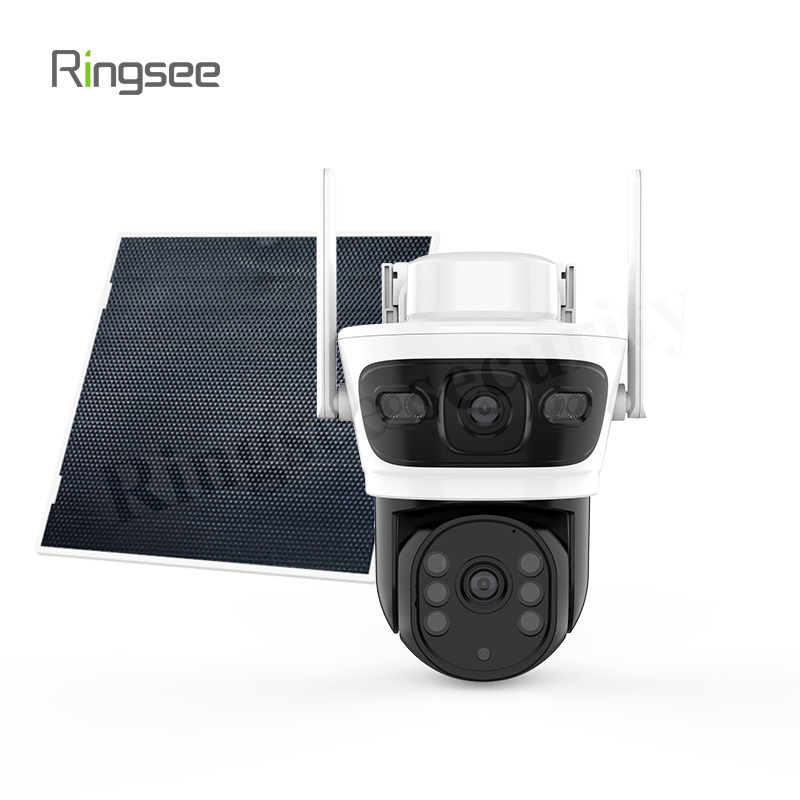
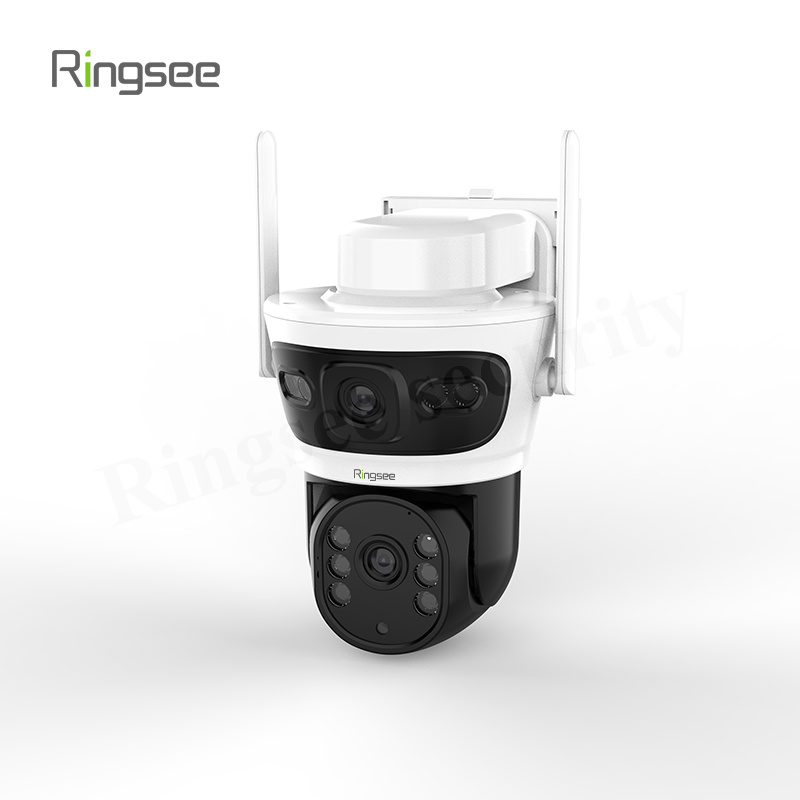
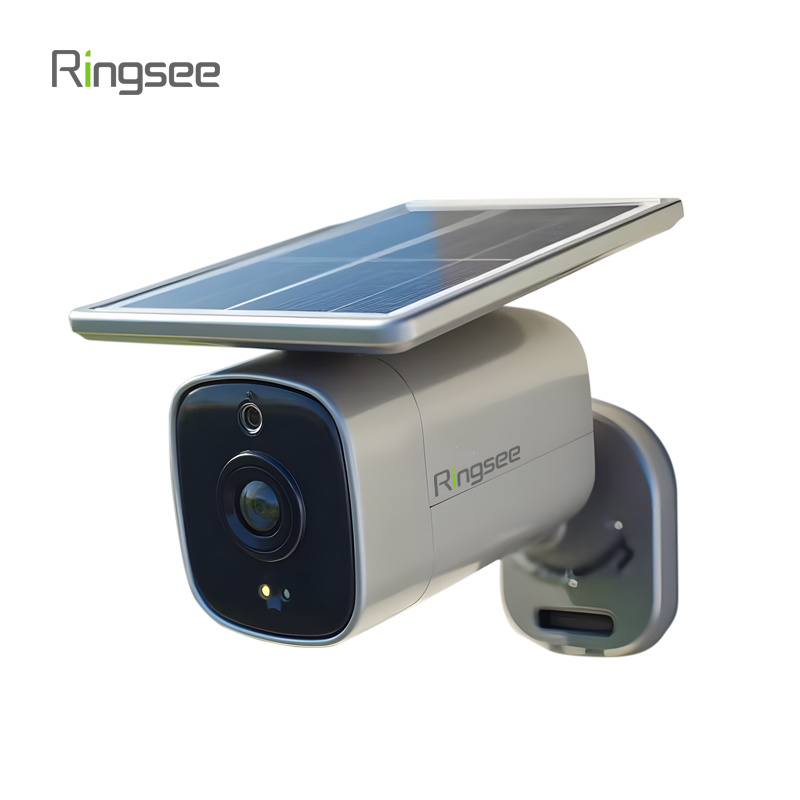
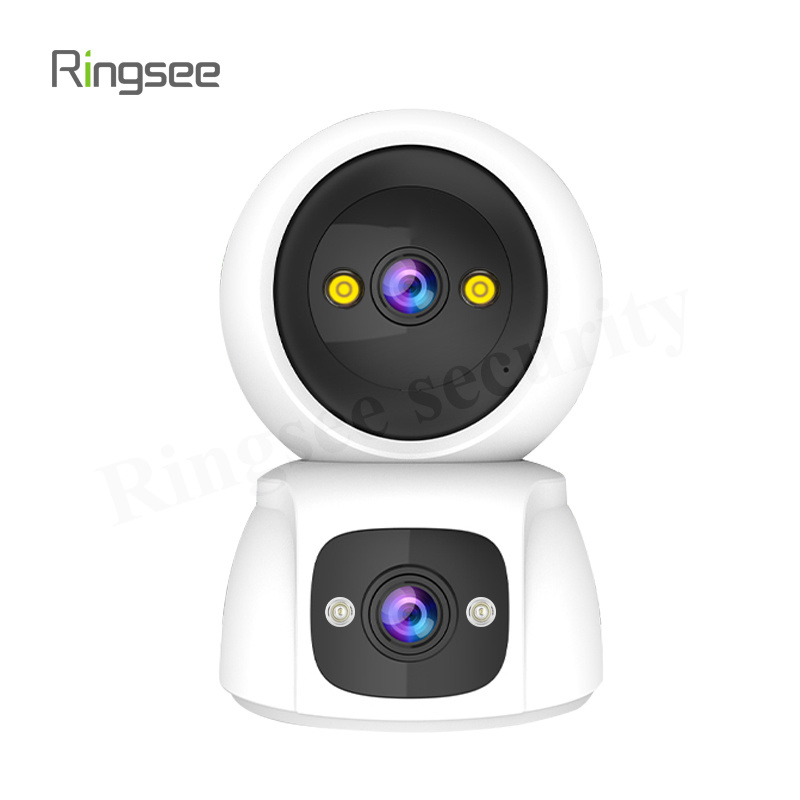
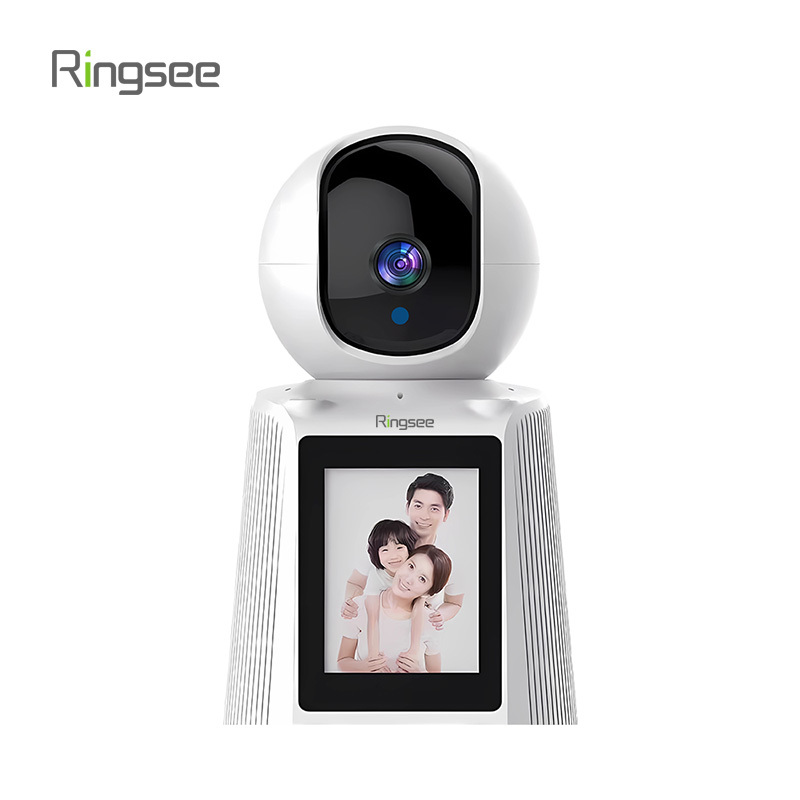
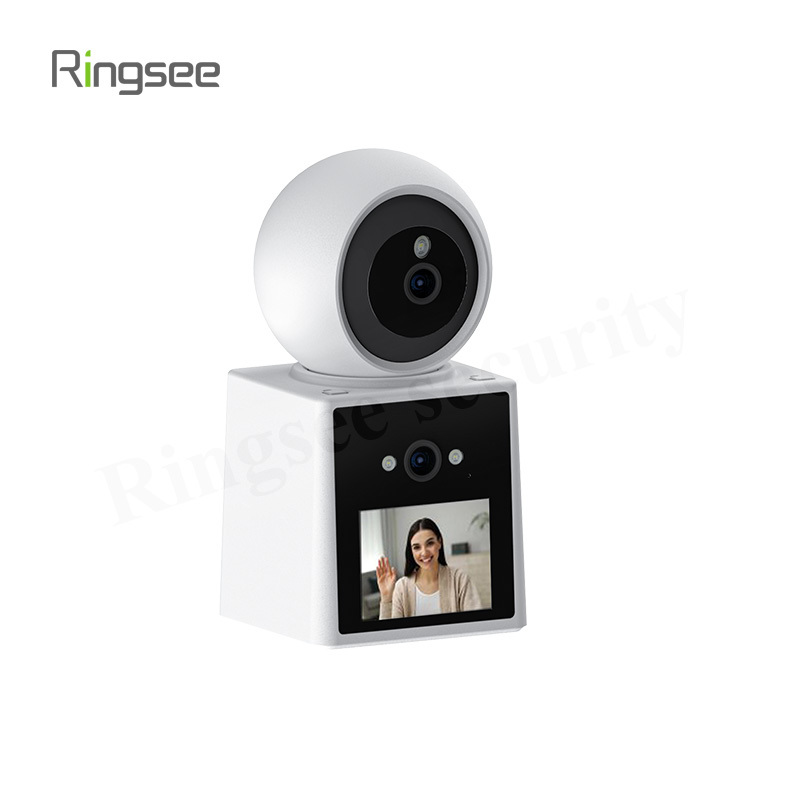
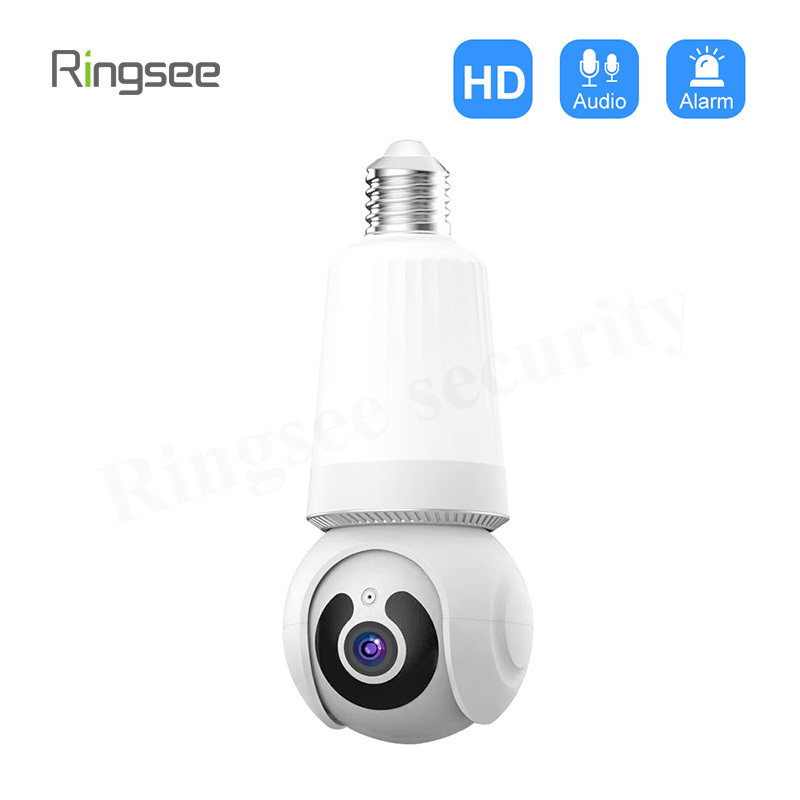
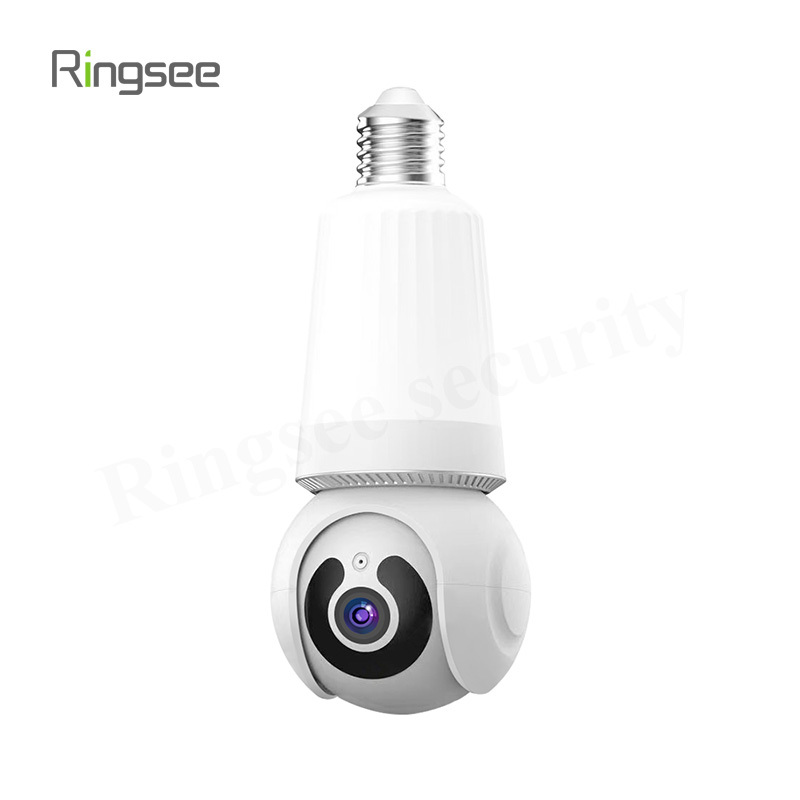
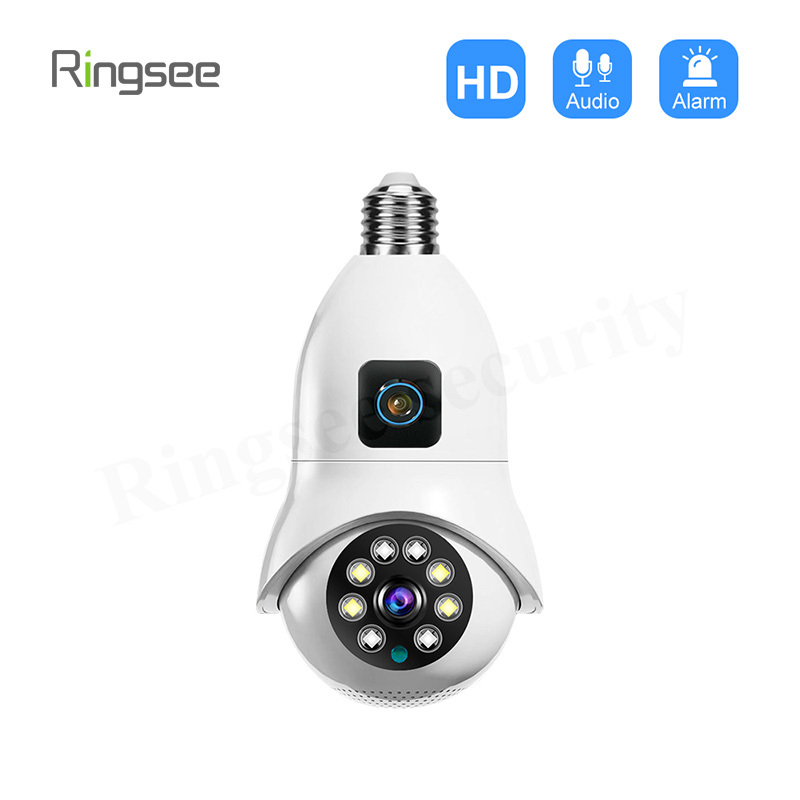
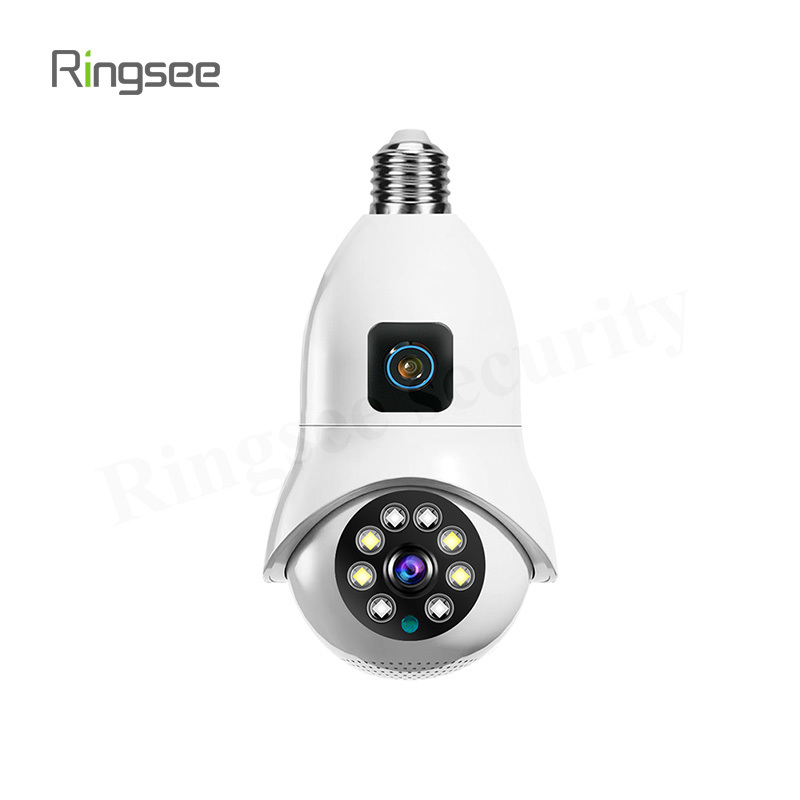
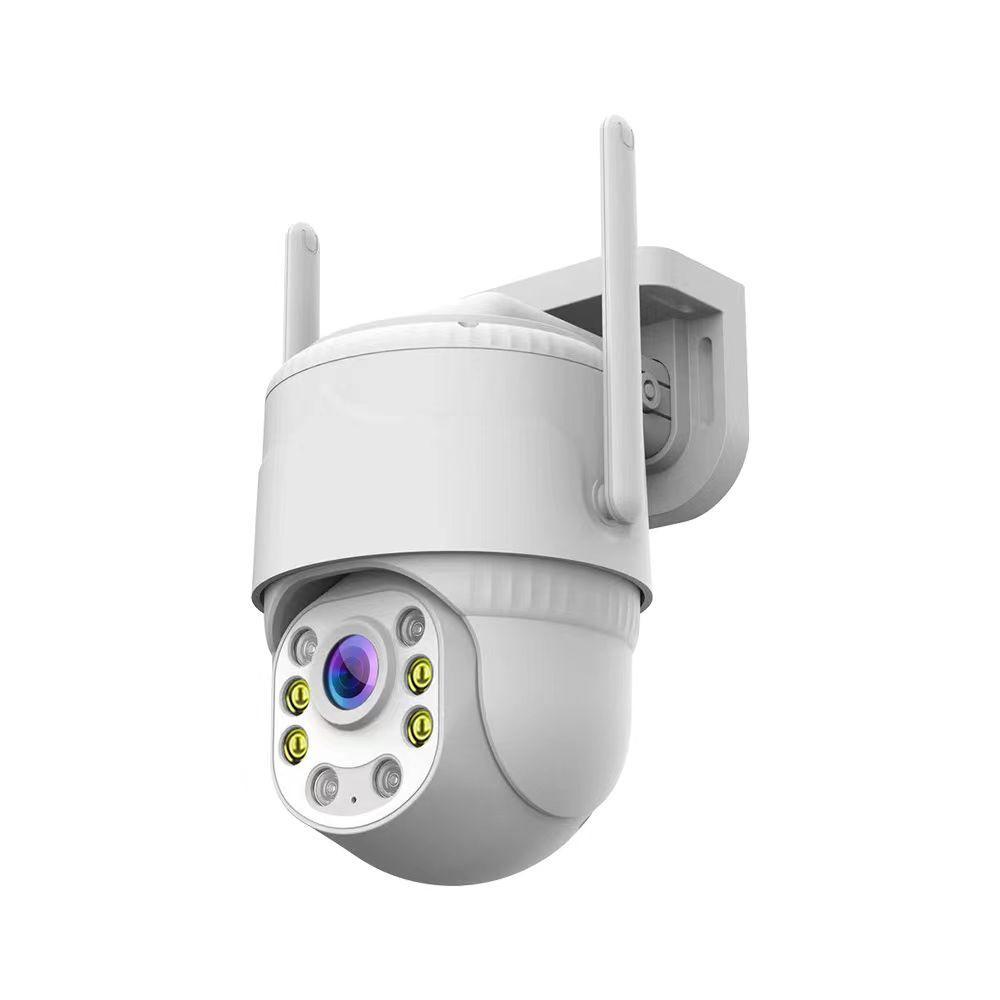
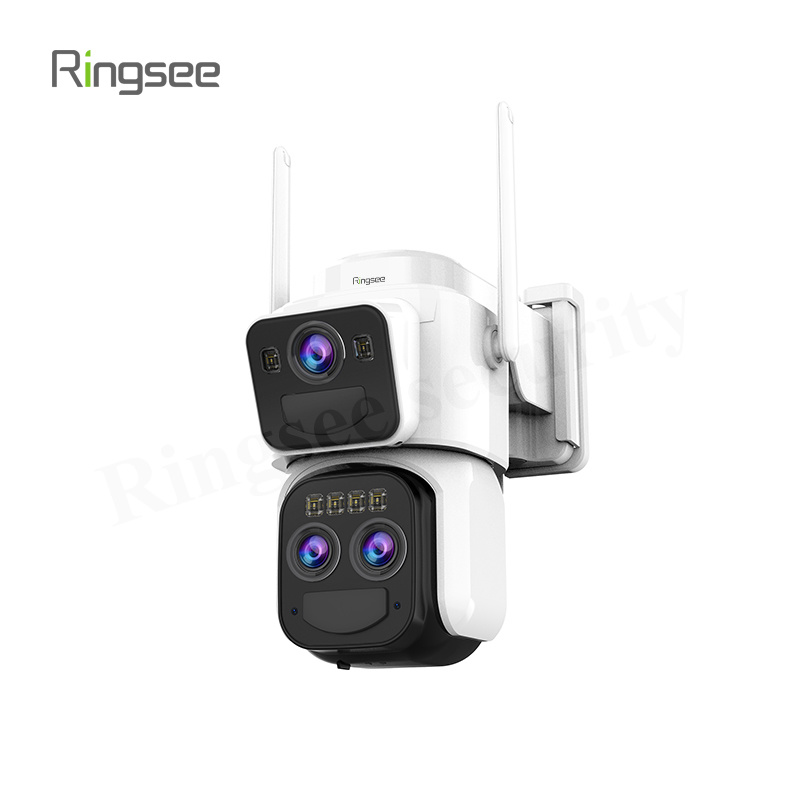
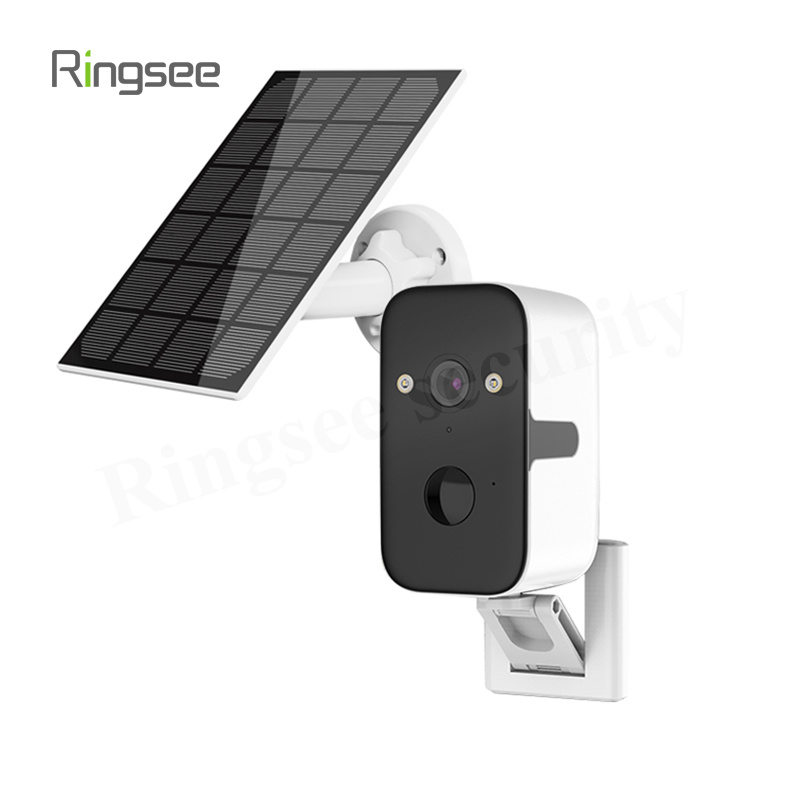
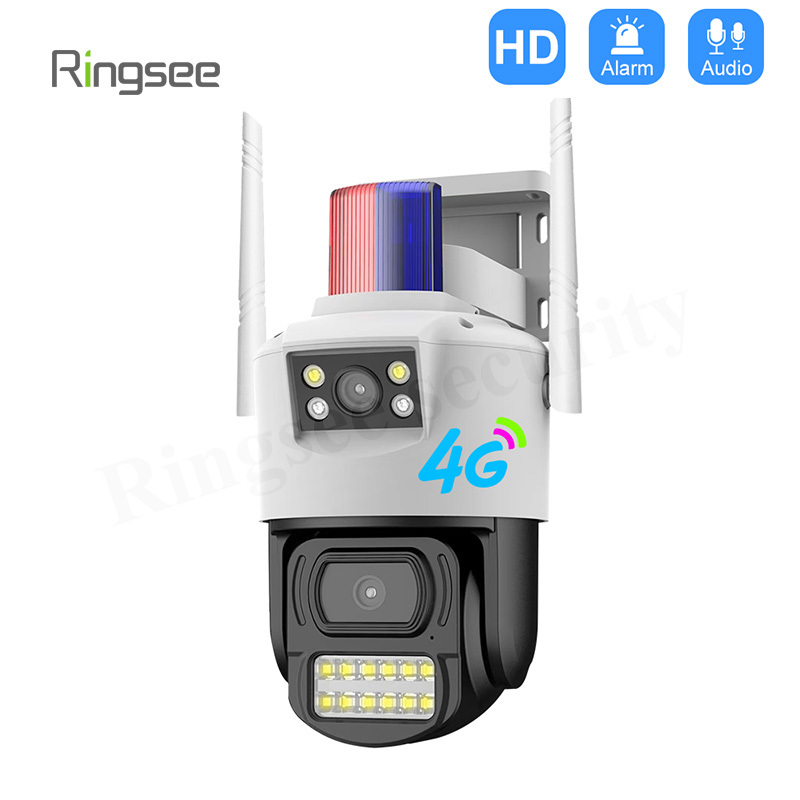
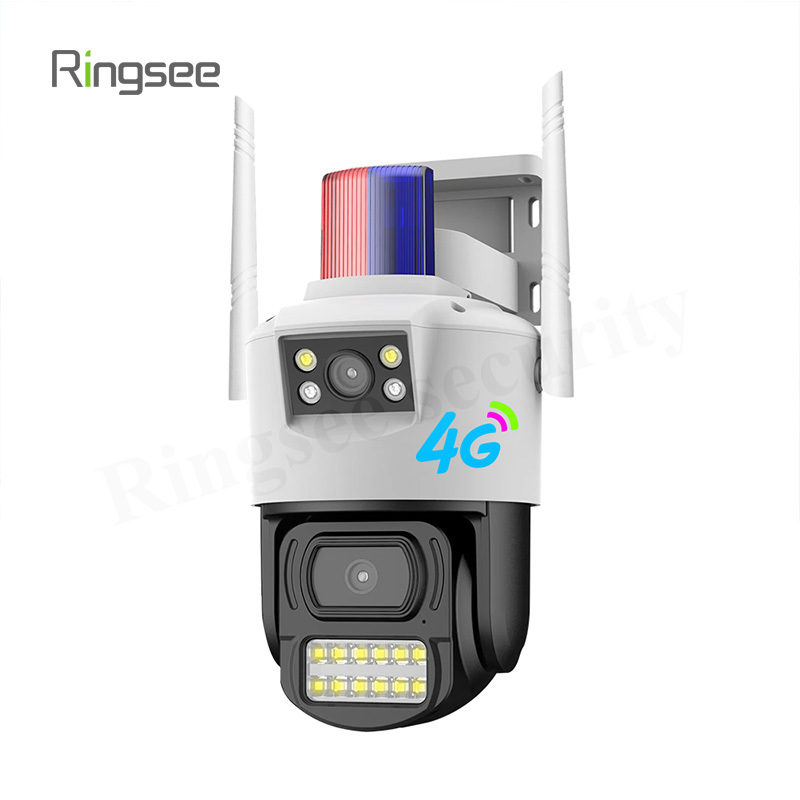
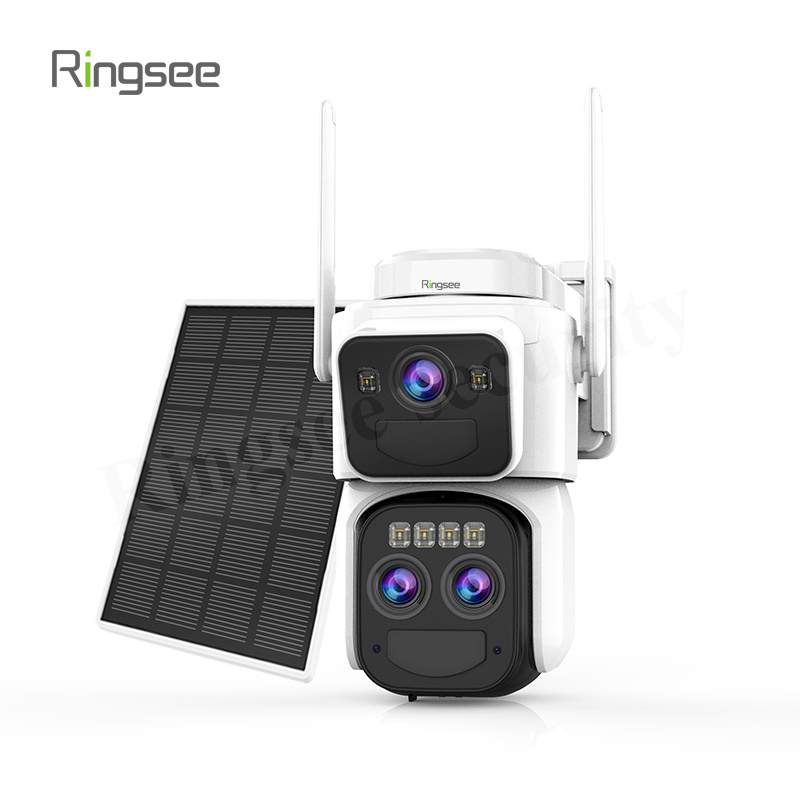
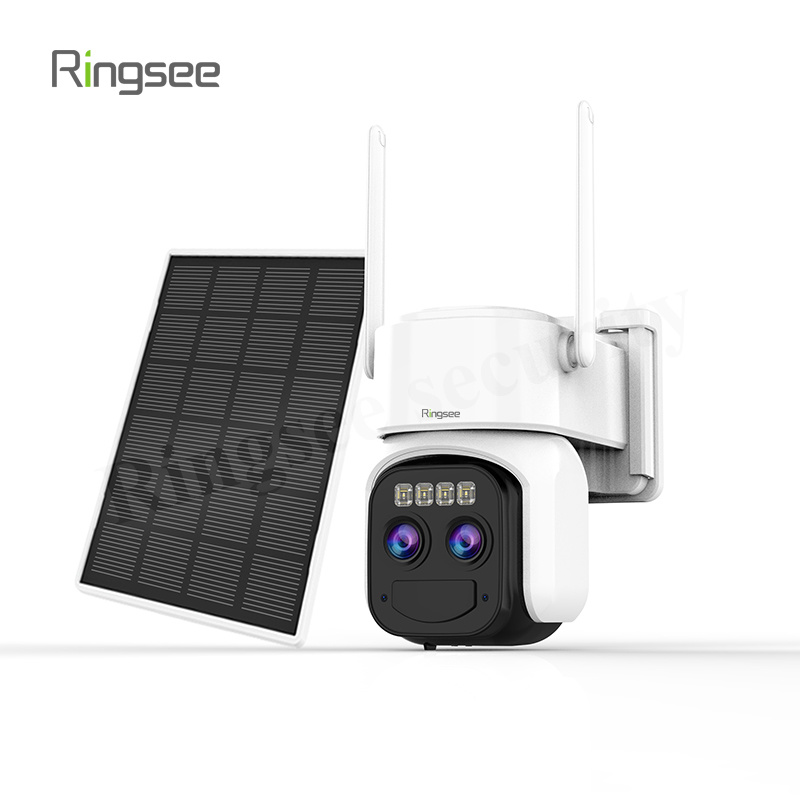
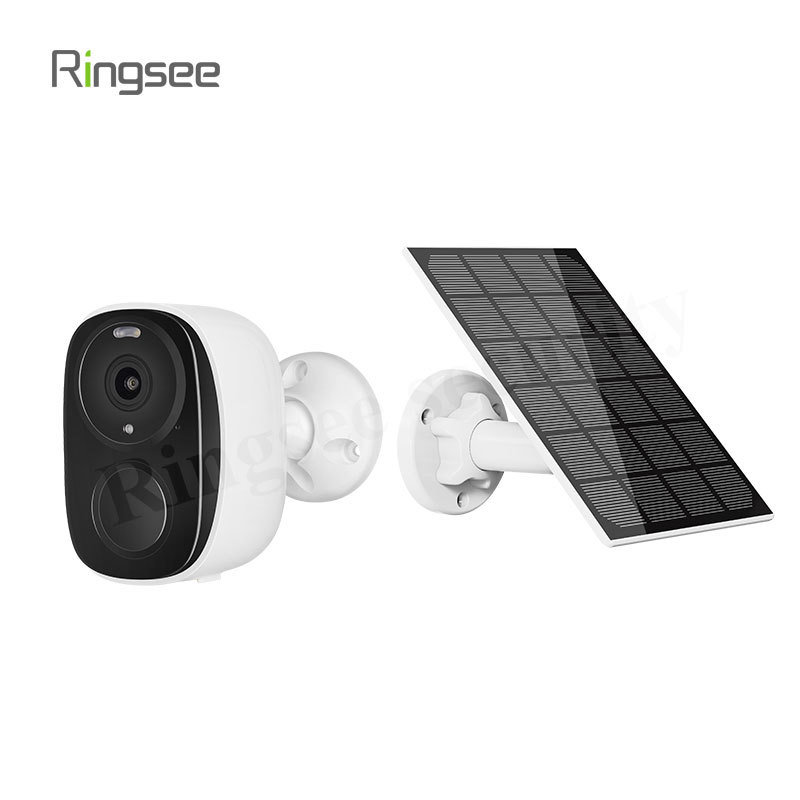
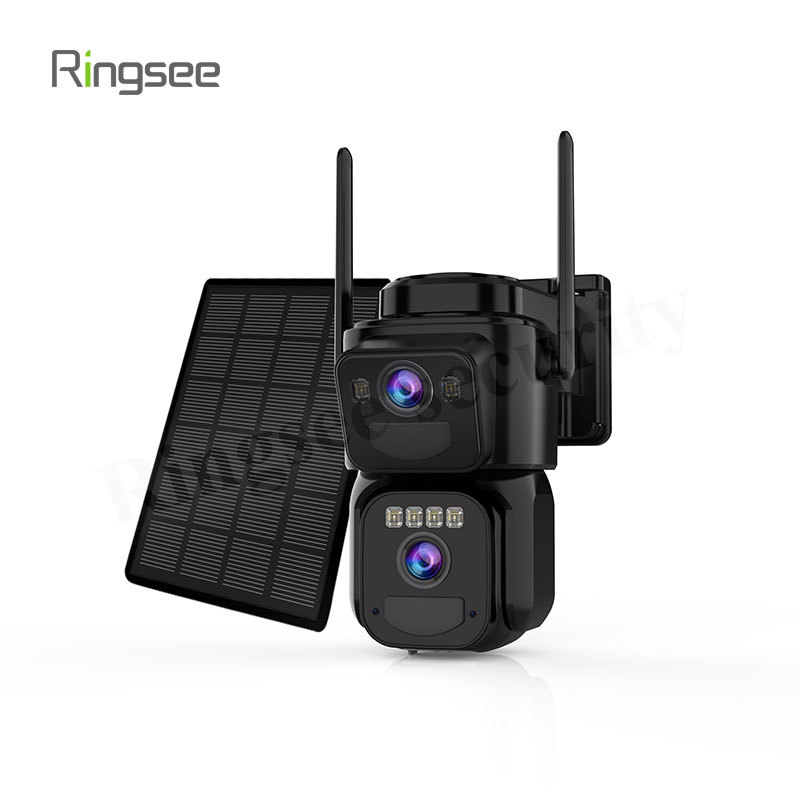





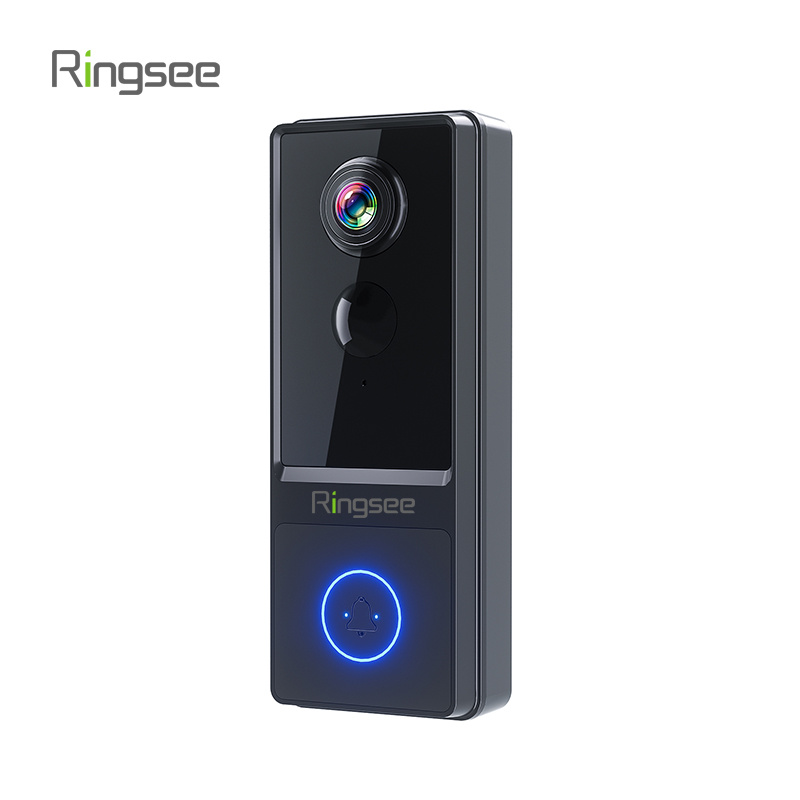

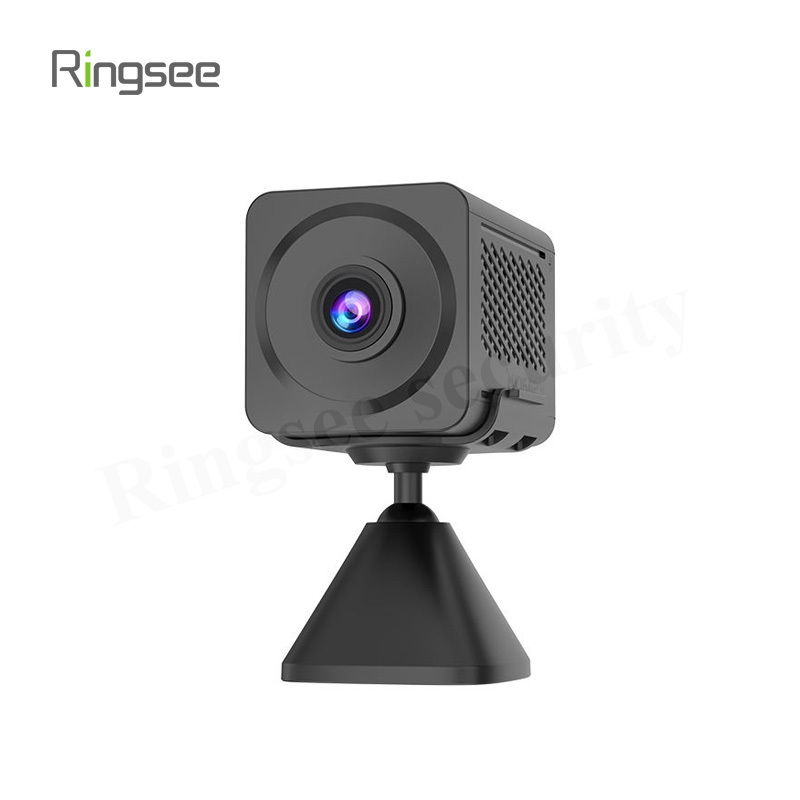
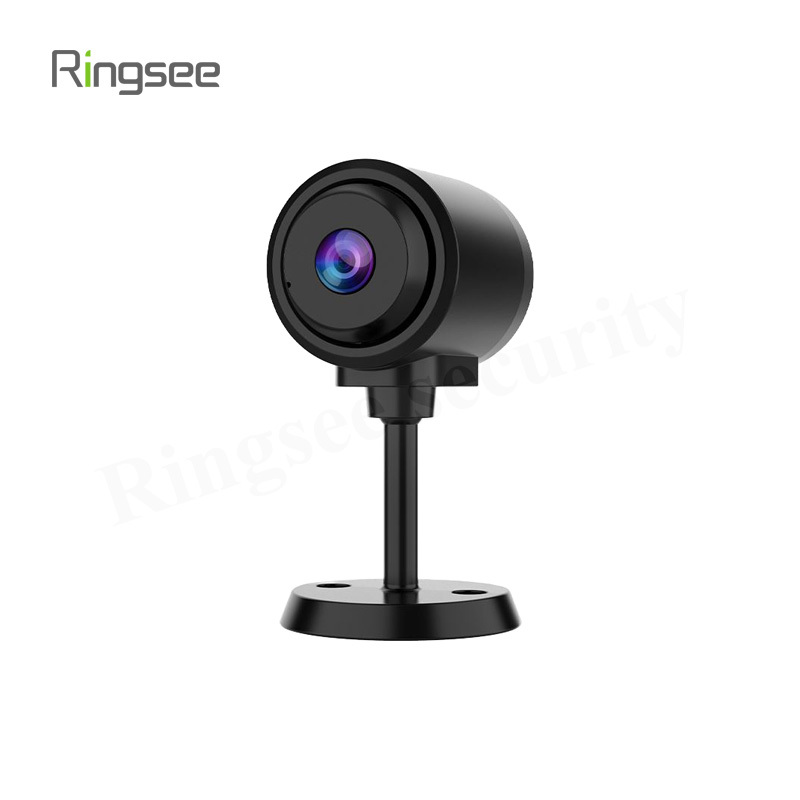
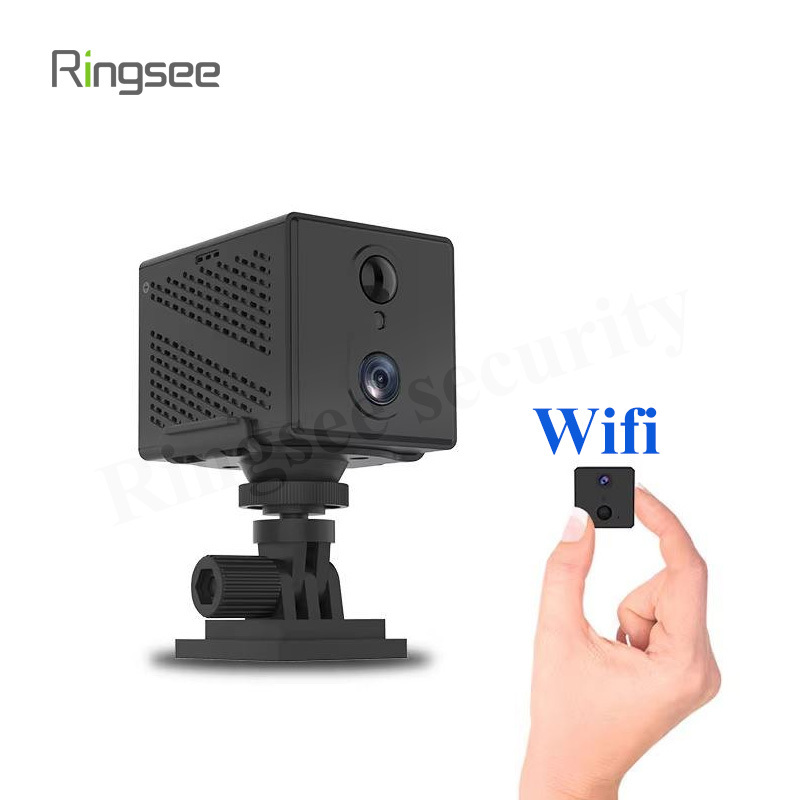
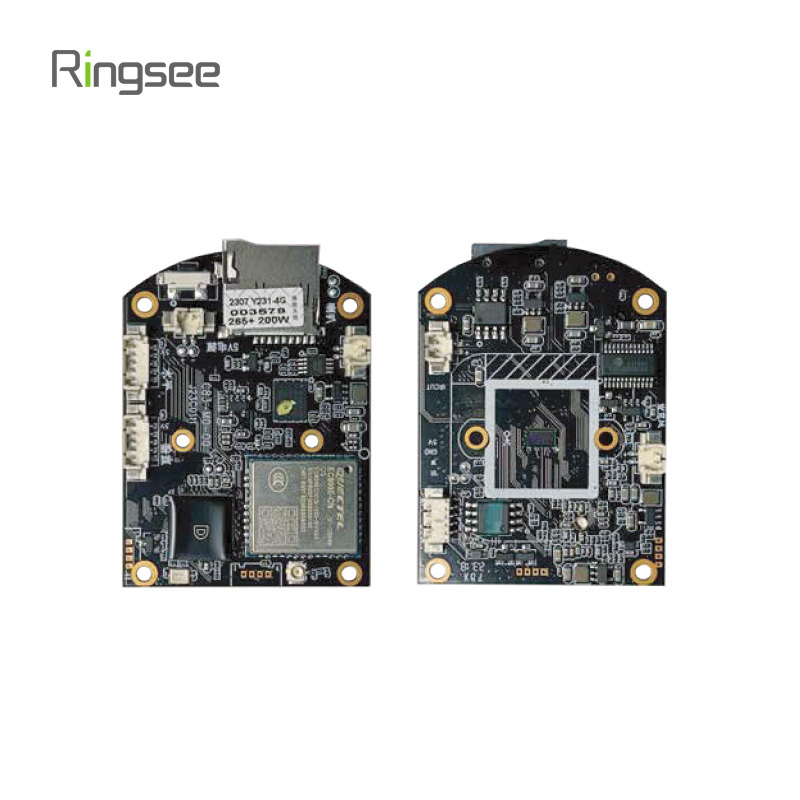
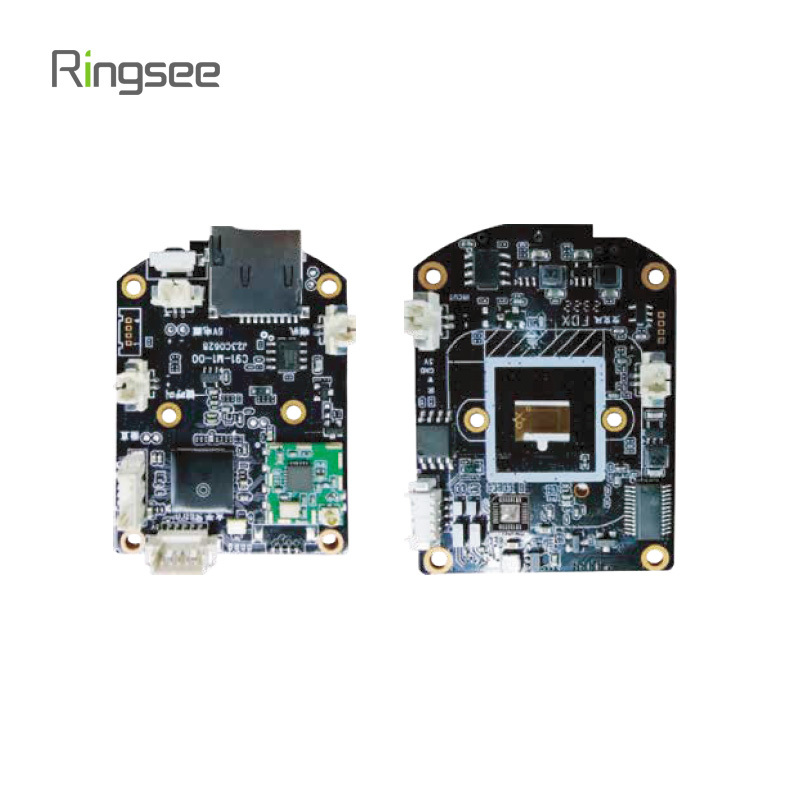
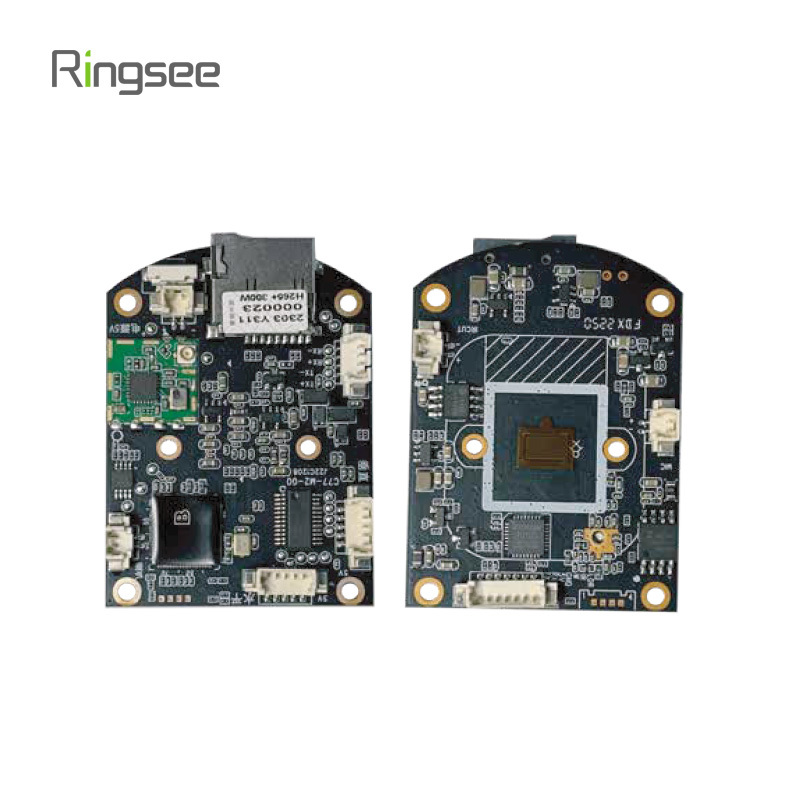
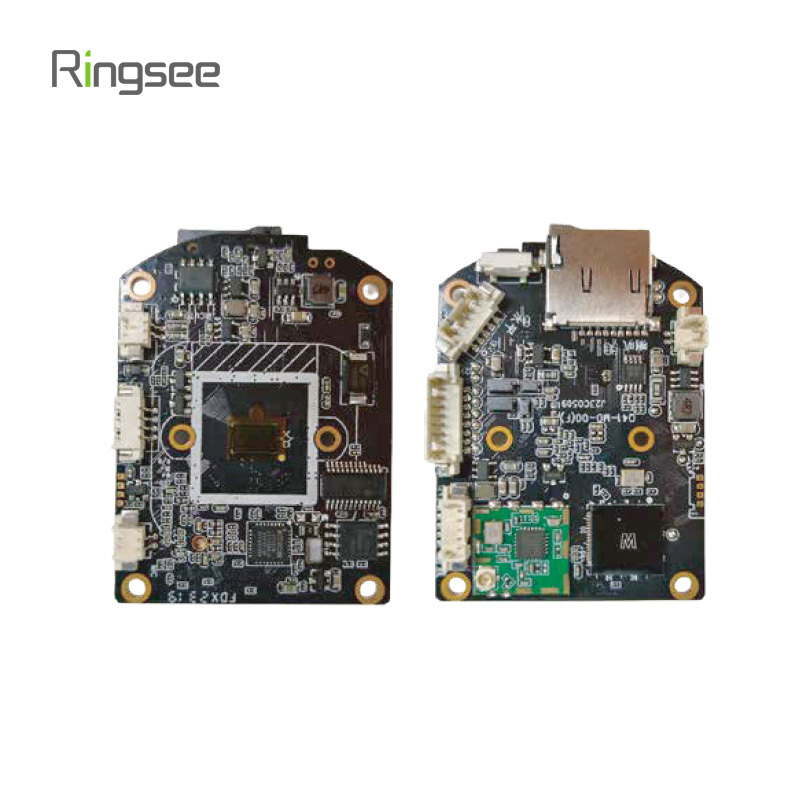
AOV Wireless Solar Security Cameras: Eco-Friendly, Practical — and What You Should Know
Publish:
2025-10-22 15:05
Source:
https://www.ring-see.com
Solar security cameras combine flexibility, lower operating costs, and modern AI features. Learn how AOV wireless solar cameras work, real-world use cases, installation tips, and the top trends shaping the market today.
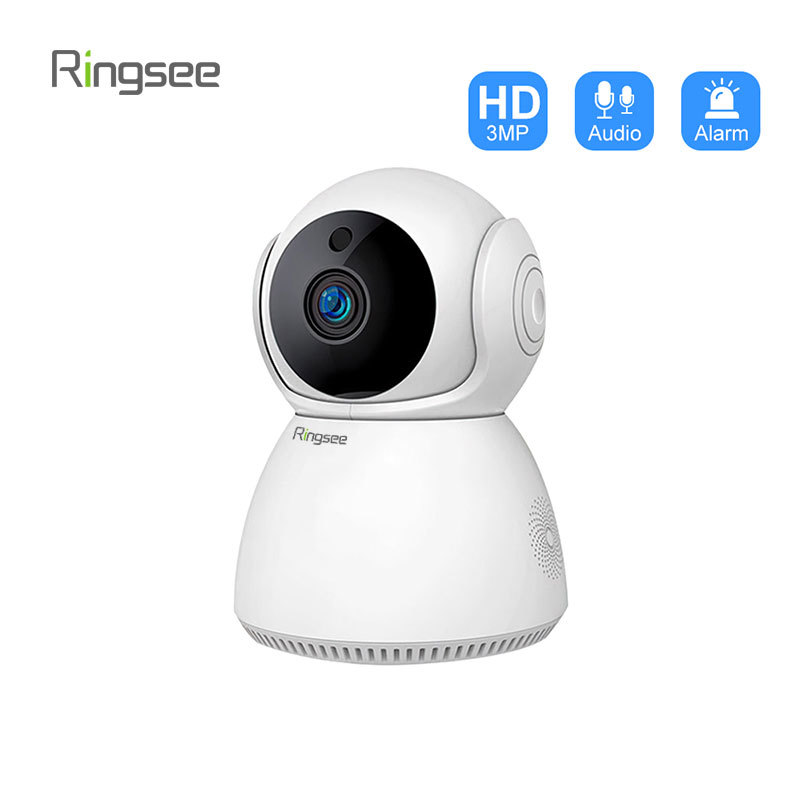
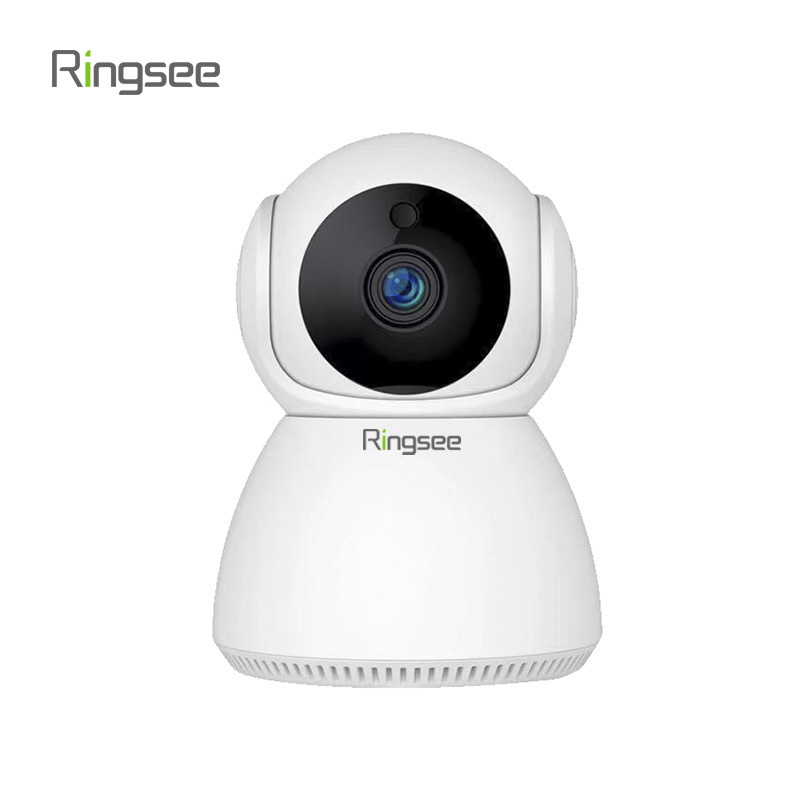
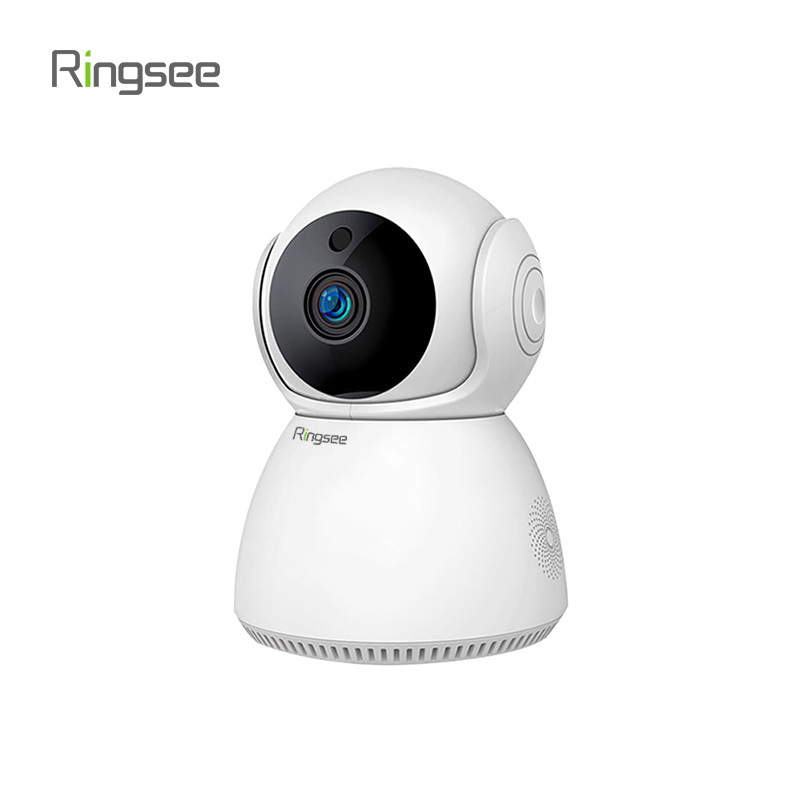
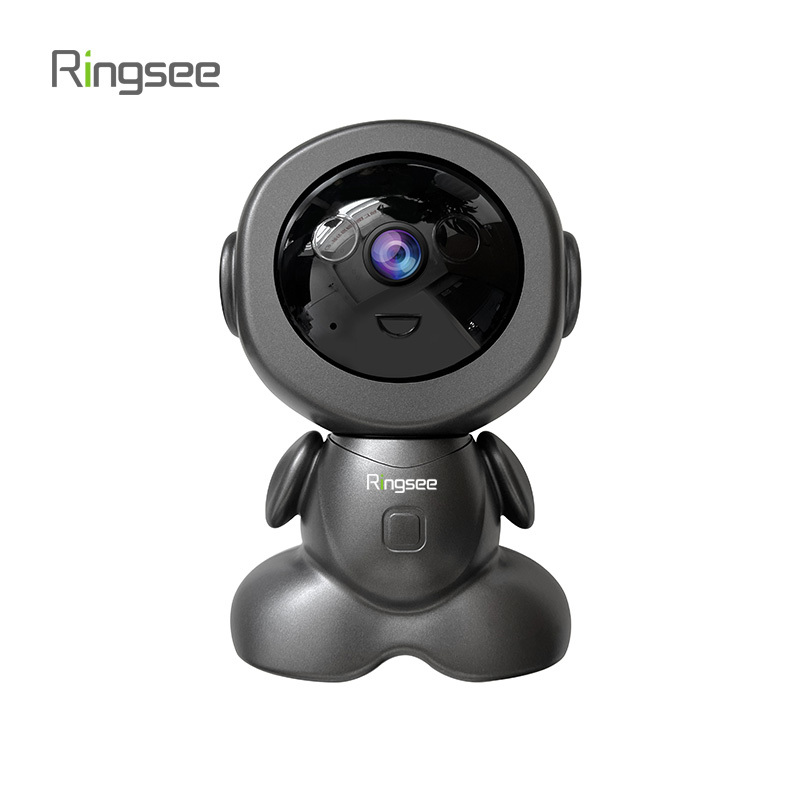
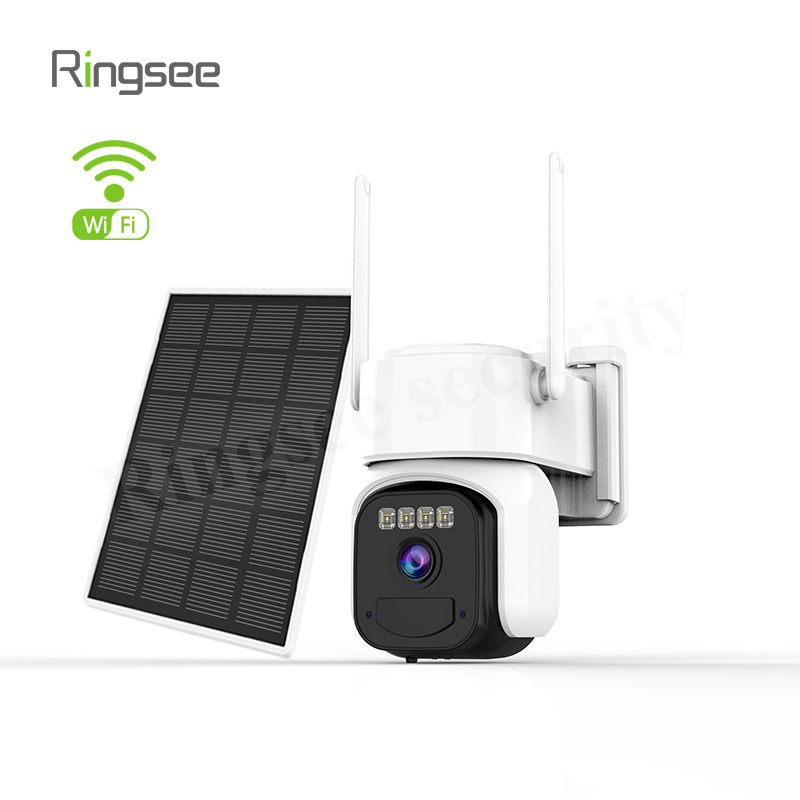
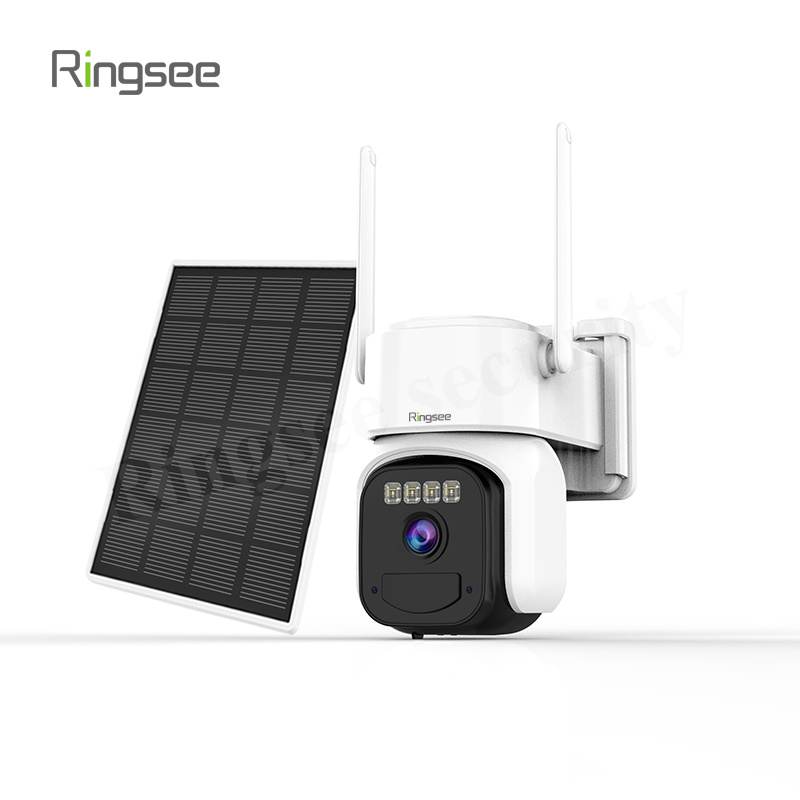
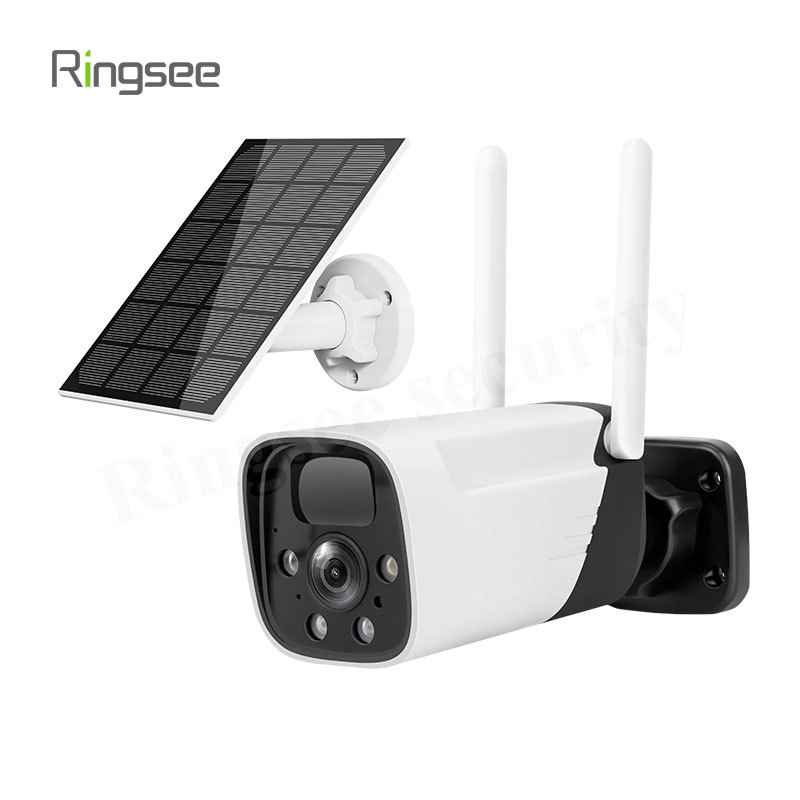
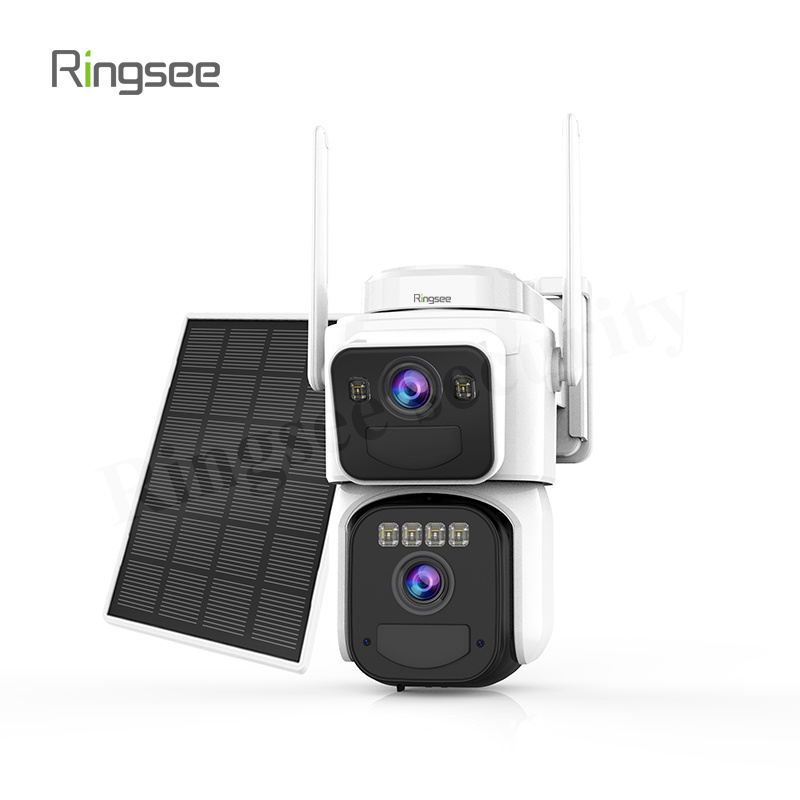
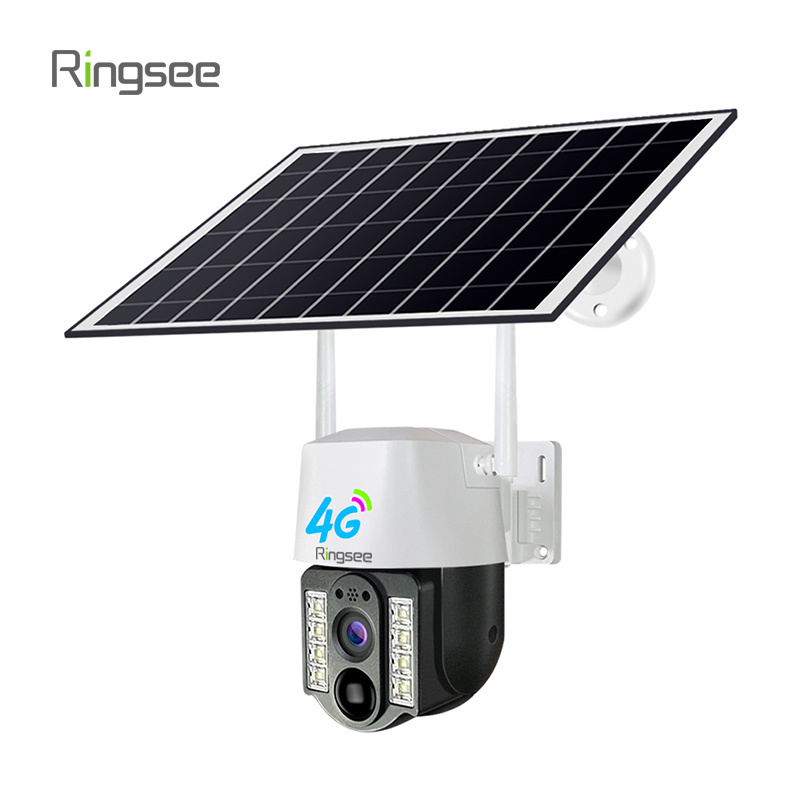
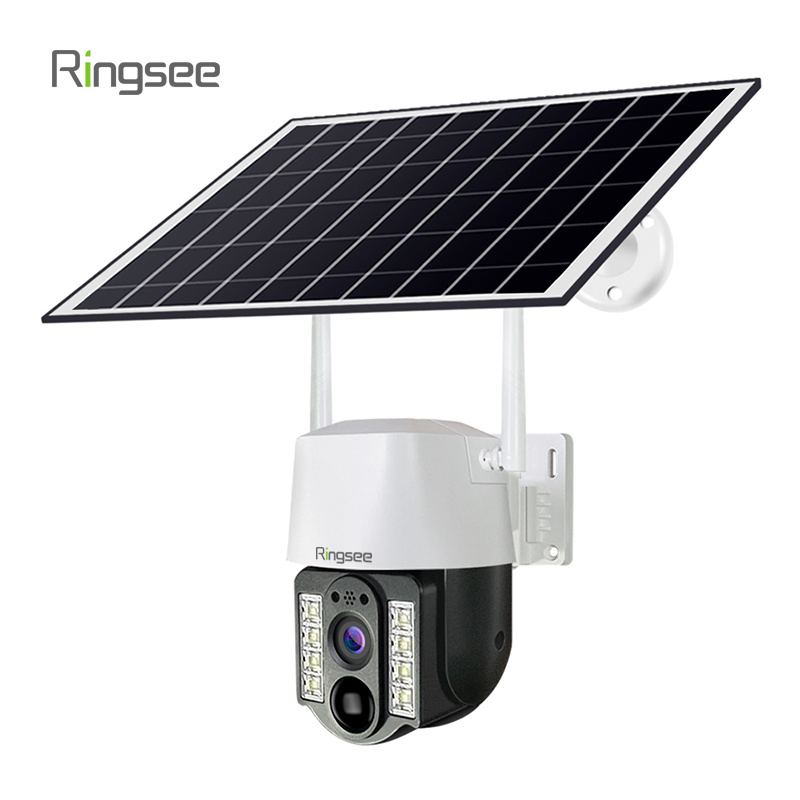
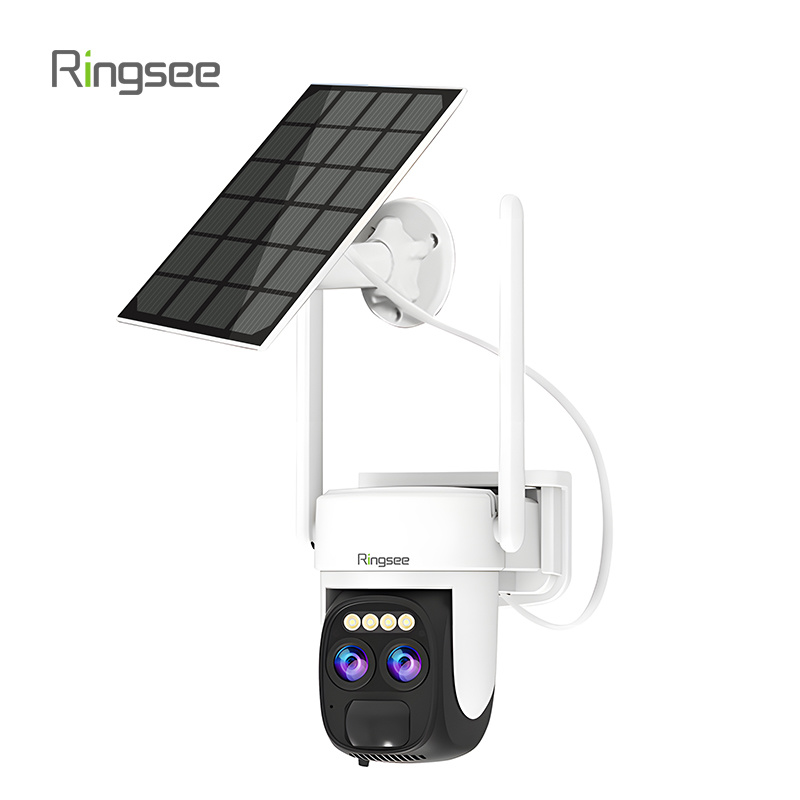
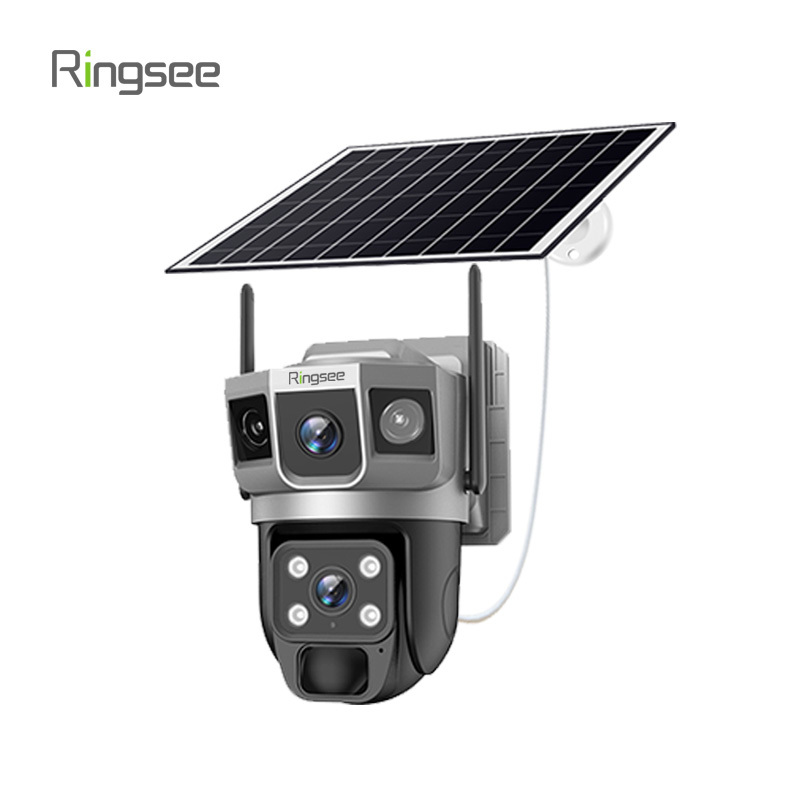
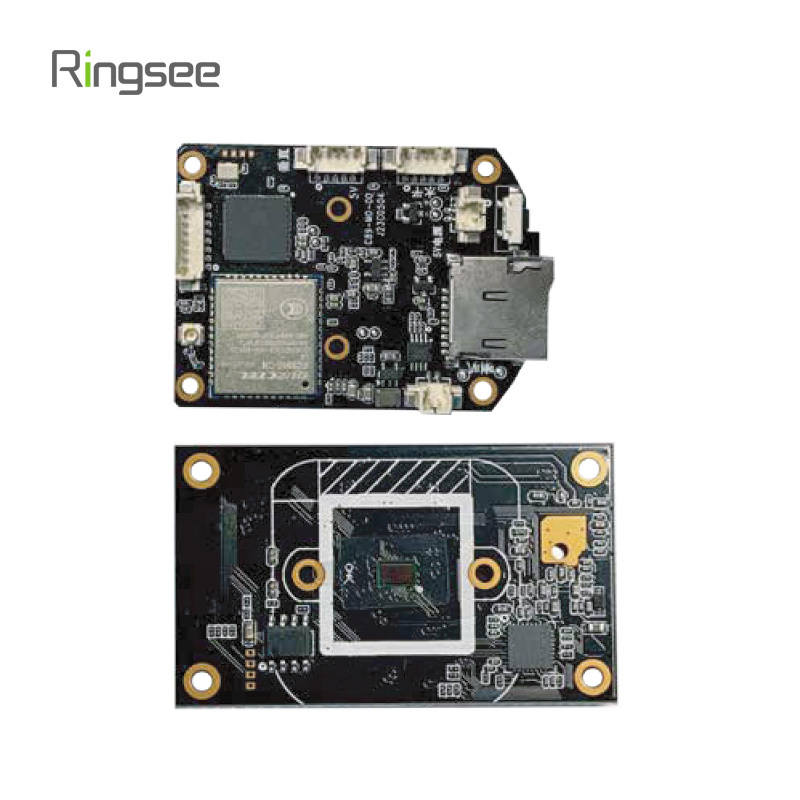
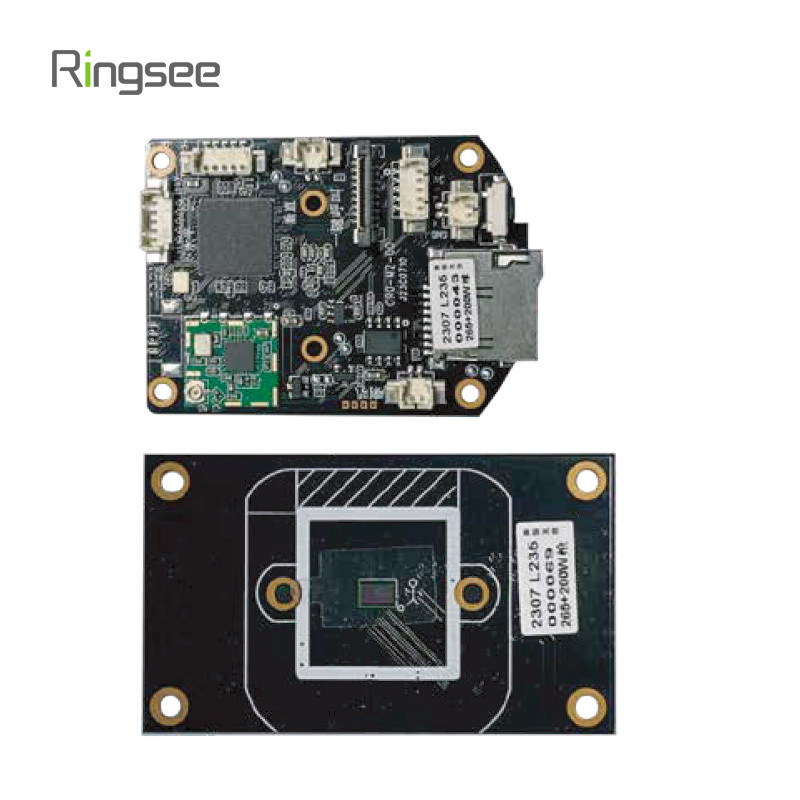
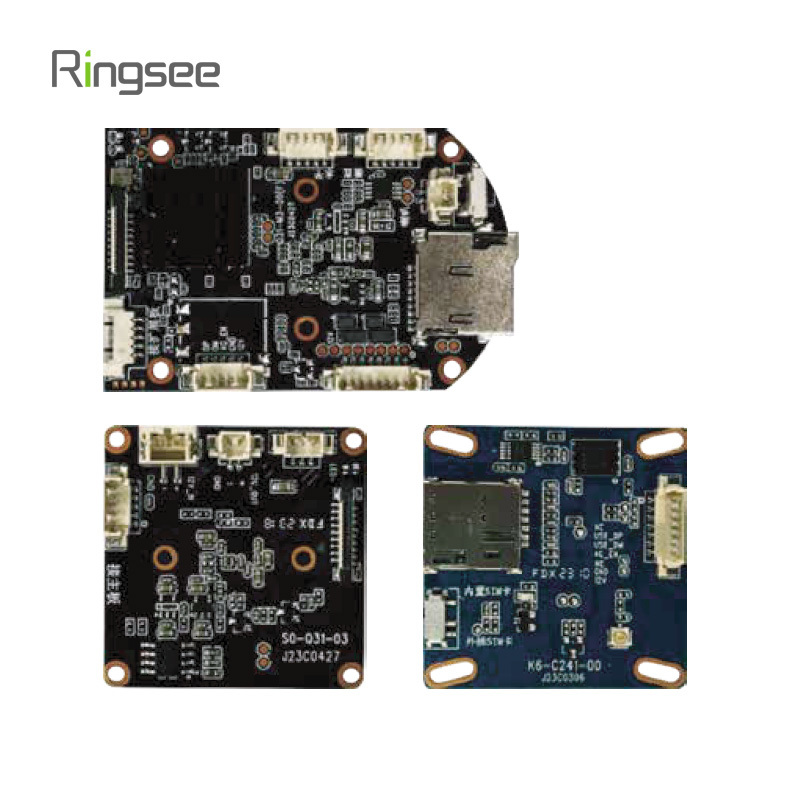
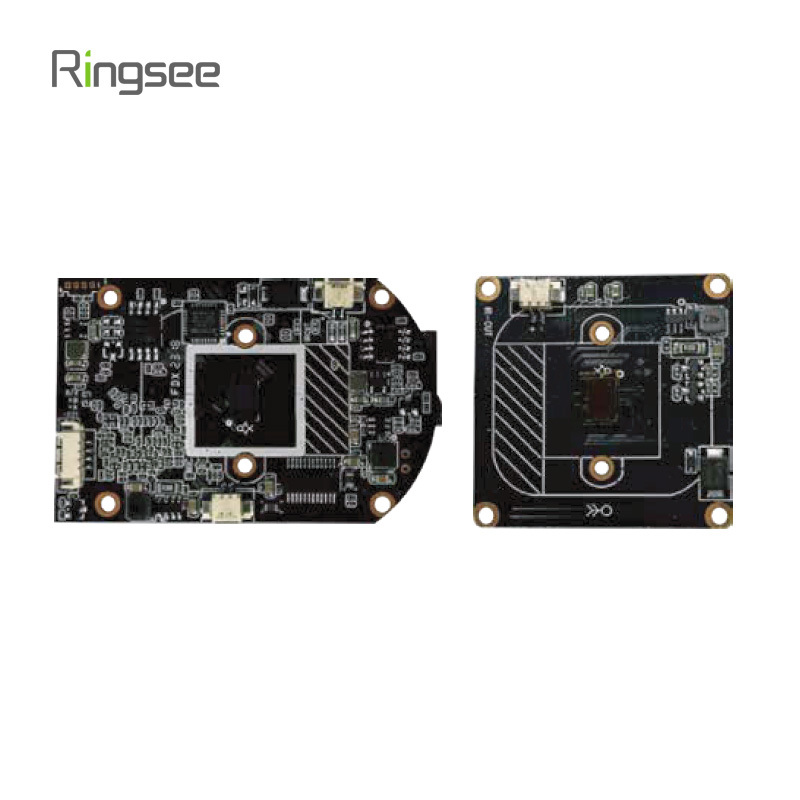
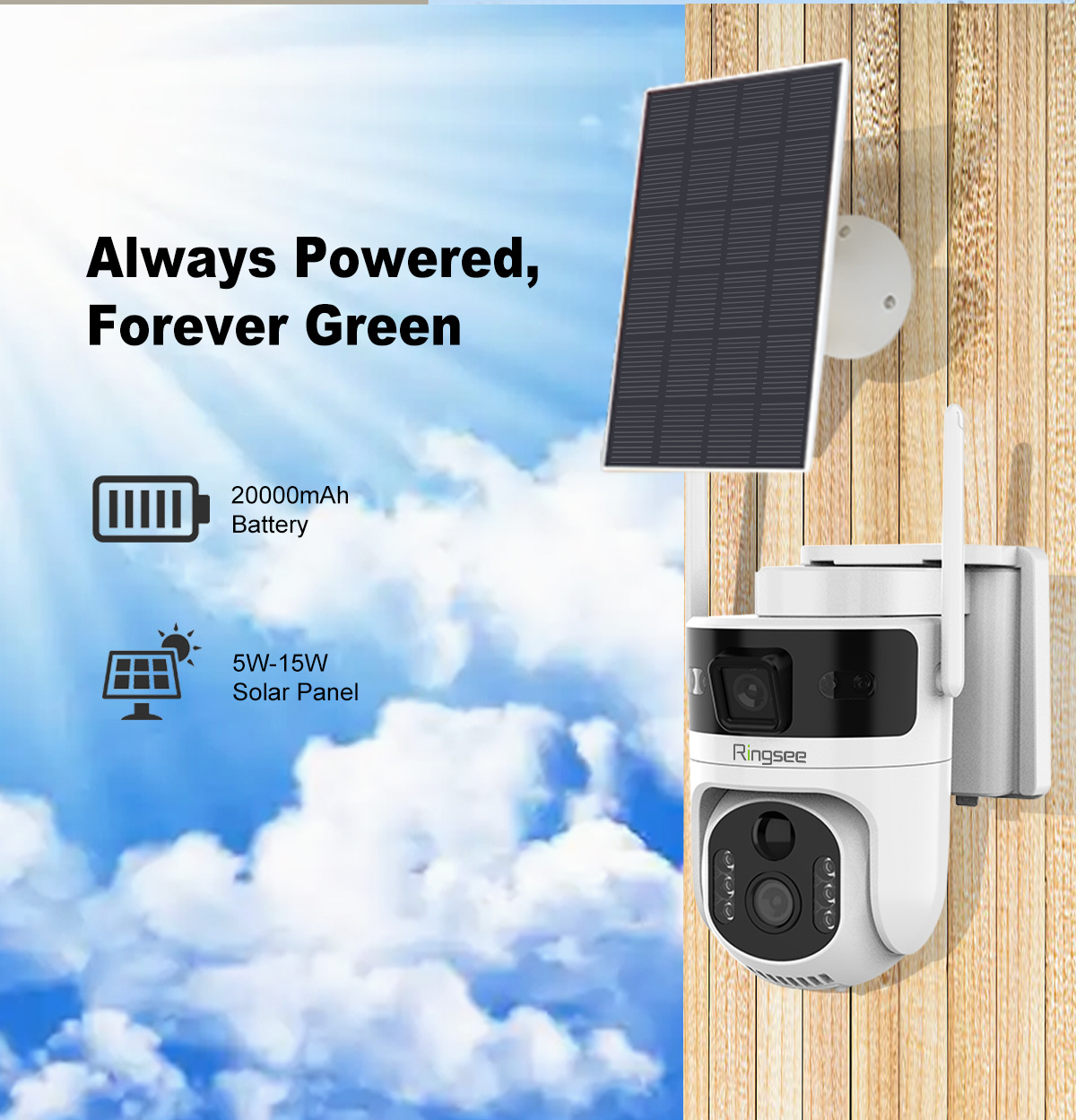
Solar-powered security cameras are no longer a niche gadget — they’re a practical surveillance option for homes, farms, rental properties, and remote sites. AOV (Always-on-Video) wireless solar cameras mix battery + solar power, wireless connectivity, and modern smart features to remove many traditional wiring headaches while lowering ongoing energy costs.
Why homeowners and businesses are choosing solar cameras
Eco-friendly and cost effective
Solar cameras run primarily on sunlight and onboard batteries. That reduces electricity bills and avoids the cost and labor of running power to remote locations. Over time, lower operating costs can make the initial investment pay off — particularly for places where trenching or long cable runs would be expensive.
Quick, flexible deployment
Because they don’t need a mains outlet, solar cameras can be placed on outbuildings, fences, field gates, or construction sites — anywhere with reasonable sun exposure. Wireless models also remove the need to drill for PoE or route Ethernet, so small teams or DIY installers can have a working system fast.
Modern features: HD video, AI event detection, and durable hardware
Many current models pair HD/2K video, motion detection, night vision, and cloud/local storage options with weatherproof housings. Improved low-power electronics and smarter event triggers mean longer runtime on battery and clearer alerts.

Hot topics
1) Off-grid and 4G cellular solar cameras — freedom from Wi-Fi
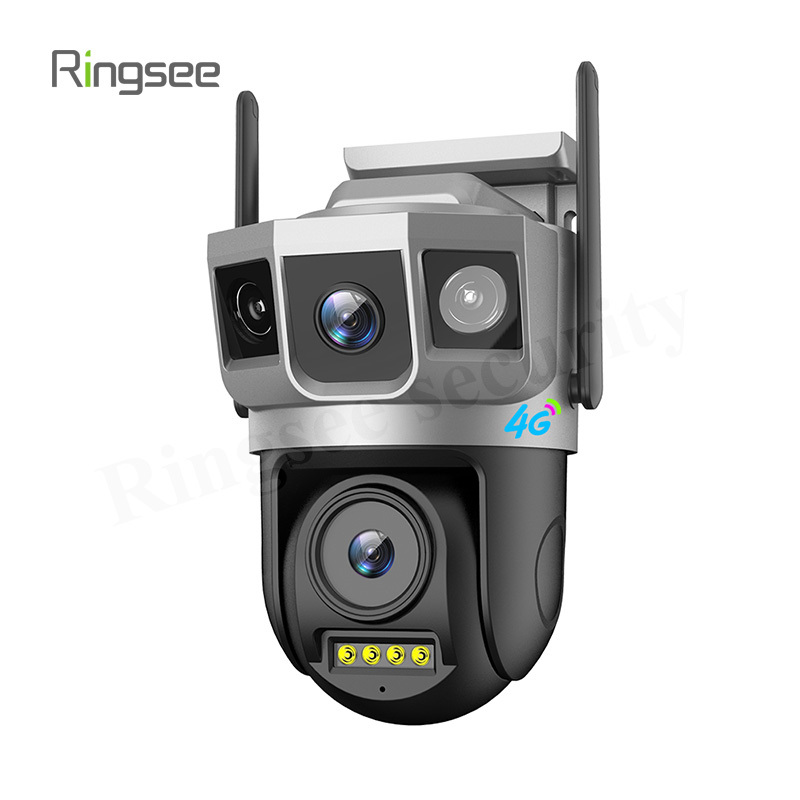
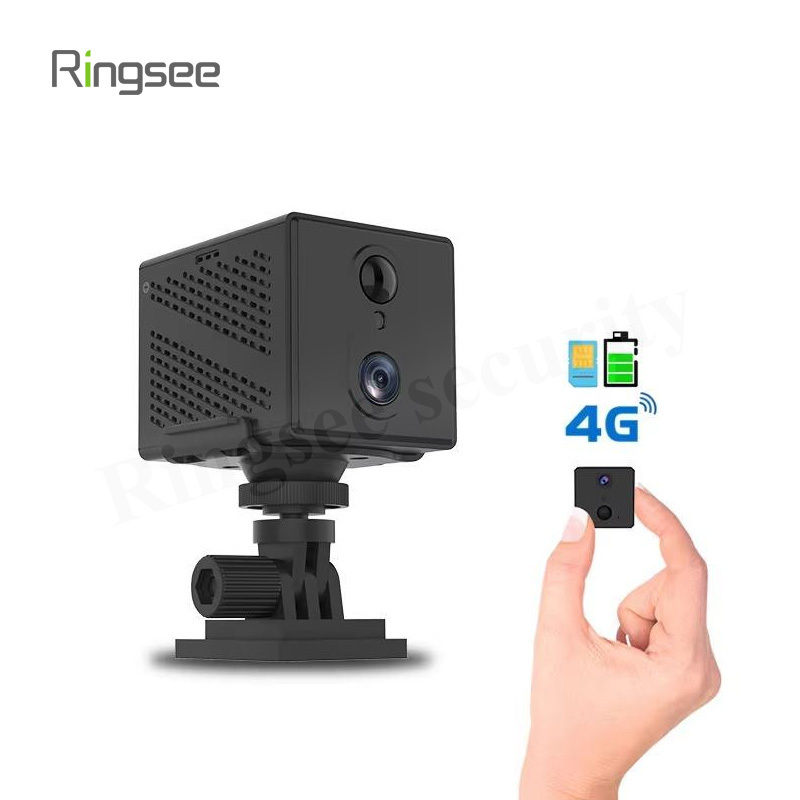
For farms, remote cabins, and job sites, 4G/ LTE solar cameras remove the dependency on local Wi-Fi. That makes them a top pick for truly off-grid monitoring — but check cellular coverage and data costs before you buy.
2) Market momentum: why interest is rising in 2024–2026
Industry reports show the solar security camera niche expanding quickly as buyers look for wire-free, energy-efficient surveillance. Analysts expect steady growth in the coming years, driven by smart-home adoption and off-grid needs. Including a timely stat or two from a market report helps your article feel authoritative.
3) AI + low-power sensing: smarter recording, lower energy use
Newer cameras use AI to reduce false alarms (ignored leaves/bugs) and only record or transmit when a person or vehicle is detected — saving battery and data. Highlight practical examples (package theft prevention, livestock monitoring) to connect with readers.
4) Cybersecurity risks for solar / IoT devices (don’t gloss over this)
Solar arrays and connected solar devices have been shown to expose vulnerabilities when misconfigured or unpatched. Recommend firmware updates, secure passwords, and network segmentation (e.g., keep cameras on a separate VLAN) to protect users. This builds trust and demonstrates responsible coverage.
5) Installation & siting tips actually use
Mount panels where they get 4–6 hours of direct sun daily (avoid shaded eaves).
Angle the solar panel seasonally (if feasible) or consider sun-tracking mounts for marginal sites.
Place the camera height at 8–12 ft for a good balance of scene coverage and tamper resistance.
Practical tips like these increase time on page and help SEO. (No special citation needed for general tips; they’re standard best practices.)
How to choose the right solar camera (short checklist)
Power system: solar + battery with good capacity and smart charge controller.
Connectivity: Wi-Fi vs 4G — pick 4G for no-Wi-Fi situations.
Sensing & AI: person/vehicle detection reduces false alerts.
Weather rating: IP65 or higher for exposed outdoor sites.
Storage options: local microSD + optional cloud backup for redundancy.
Real-world use cases
Rural properties & farms: monitor livestock, gates, and outbuildings without trenching.
Construction sites: portable protection for tools and materials, where power is temporary.
Vacation homes & cabins: keep an eye on remote properties even when utilities are off.
Quick FAQ
Q: Will solar cameras work in cloudy or winter months?
A: Modern systems store charge in onboard batteries and use efficient power management — but worst-case runtime depends on panel size, battery capacity, and local sun hours. Always overspec panels/batteries if you expect long cloudy stretches.
Q: Can I use a solar camera to replace existing wired cameras?
A: For many locations, yes — but wired cameras still have advantages for continuous high-bandwidth tasks (e.g., continuous recording). Use solar for flexibility and off-grid needs.
Q: Are solar cameras secure?
A: The hardware can be secure if you follow best practices (strong passwords, firmware updates, private networks). However, exposed or unpatched devices across the solar/IoT ecosystem have led to real vulnerabilities, so security matters.
Conclusion — short & actionable
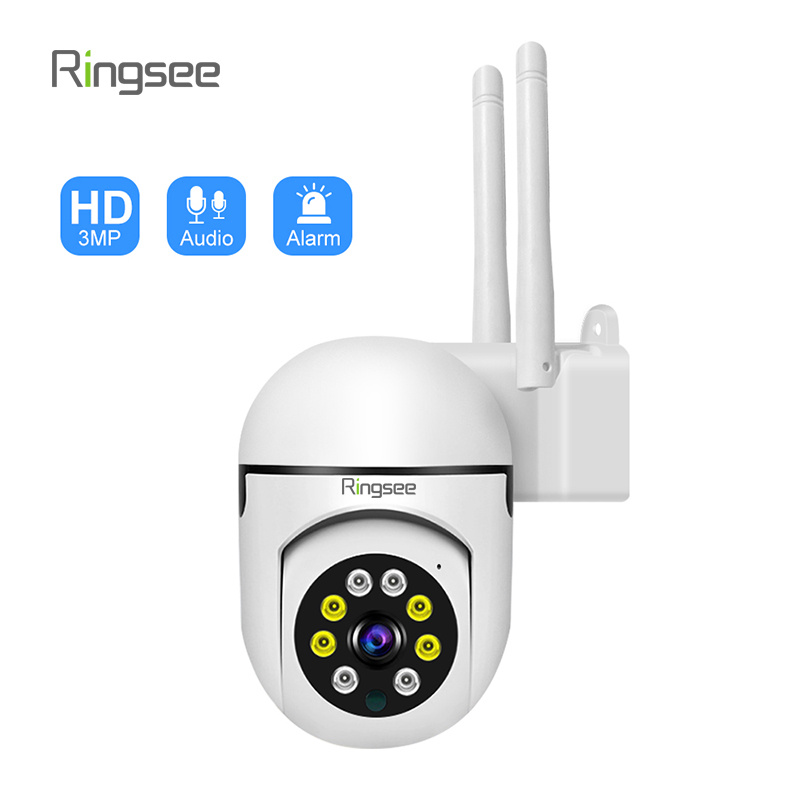
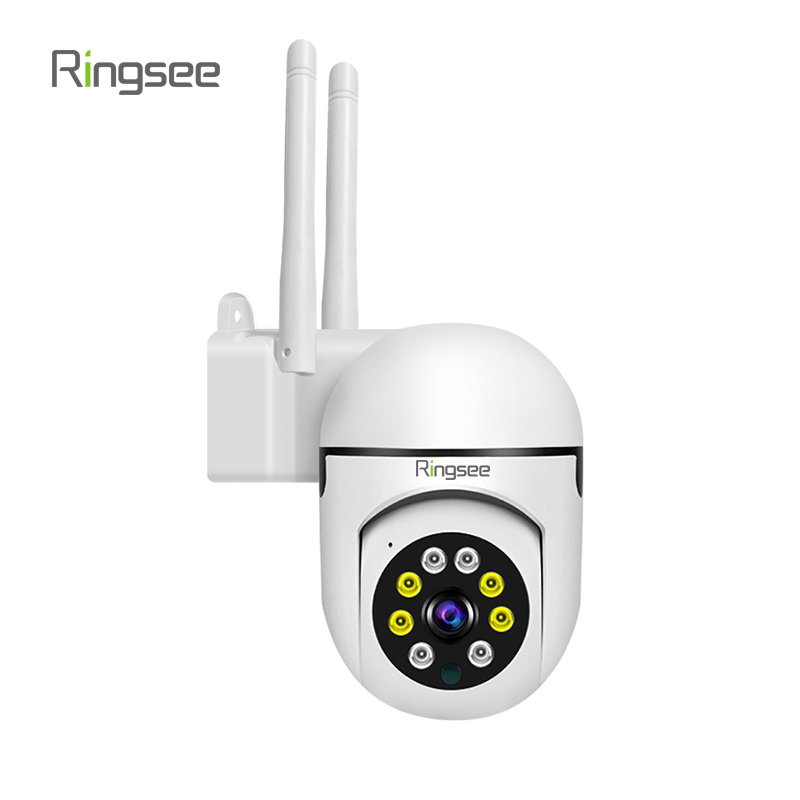
Solar security cameras like the AOV wireless line simplify deployment, cut operating costs, and open surveillance to places where power and wired networks are impractical. If you’re writing for homeowners or small business owners, mix practical how-to tips, a short checklist, and one or two market stats to convert curiosity into action — and always include security advice so readers don’t feel like they’re buying risk along with convenience.
Related News
PoE was power. This is control: CCTV Network Security Hardening Guide
Short answer: video systems get breached the boring way, not through clever exploits - (1) factory default credentials never changed, (2) camera or NVR management ports forwarded to the public internet, (3) no separation between the CCTV network and the office LAN. Do three things: replace every default account and disableTelnet/FTP/UPnP/raw RTSP; put cameras in their own VLAN and only allow the NVR to initiate sessions; and reach video over VPN or a zero-trust gateway instead of a port mapping.
Oct 03,2026
PoE Power Design Guide for Security Cameras: Power Budget, Cable Voltage Drop and Distance Limits
Most "cameras keep restarting at night" incidents are not camera defects — they are power design errors. Three root causes cover the overwhelming majority of PoE failures: the power budget was sized on daytime draw instead of night peak, the cable is too thin so voltage drop exceeds the device undervoltage threshold, and the run simply exceeds the 100-metre channel limit. Memorise three numbers and you avoid most of the traps: 802.3af delivers 15.4 W, 802.3at delivers 30 W, and cable reach stops at 100 m.
Oct 03,2026
Bitrate (Mbps) is the single parameter that determines hard drive size, switch selection, and remote-viewing smoothness. Two formulas answer everything: storage per camera per day (GB) ≈ bitrate × 10.8, and total bandwidth = sum of simultaneous bitrates × 1.3 headroom. This guide covers encoding, calculation, and procurement sizing.
Sep 26,2026
CCTV Night Vision Technology Explained: Infrared vs Starlight Full-Color vs Hybrid Light
Three night vision routes and their real limits: 850nm vs 940nm infrared (red glow and range trade-offs), the lux threshold of true starlight cameras (0.001-0.005 lux), light-pollution risks of warm-light supplement, and AI-triggered hybrid switching — plus a six-point datasheet verification method and a 20-minute night PoC test.
Sep 26,2026
CCTV Lens Selection Technical Guide: Focal Length, Pixel Density & the DORI Standard in Practice
Why can't a 4K camera read faces? Because identification depends on pixel density, not total pixels. Using the EN 62676-4 DORI standard, this guide gives the full focal-length / distance / field-of-view formulas, a lens selection lookup table, and the real impact of sensor size and aperture on night vision.
Sep 19,2026
Links:One Belt Power Technology
Add: 14th Floor, Baoshan Building, Longhua District, Shenzhen China.
Privacy Policy | SEO | CitySite | Support: 300.cn Dongguan