

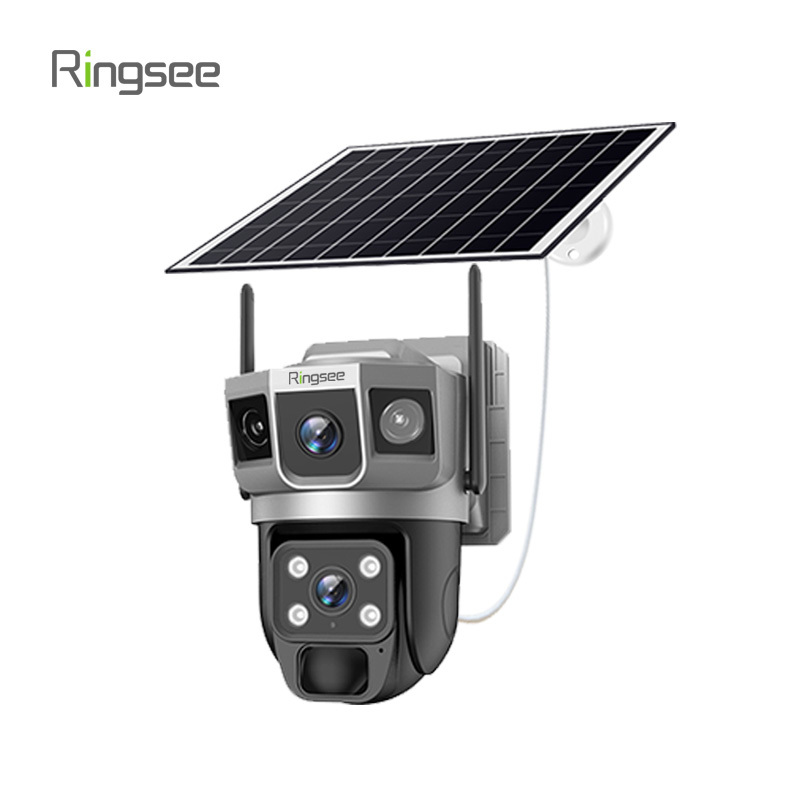




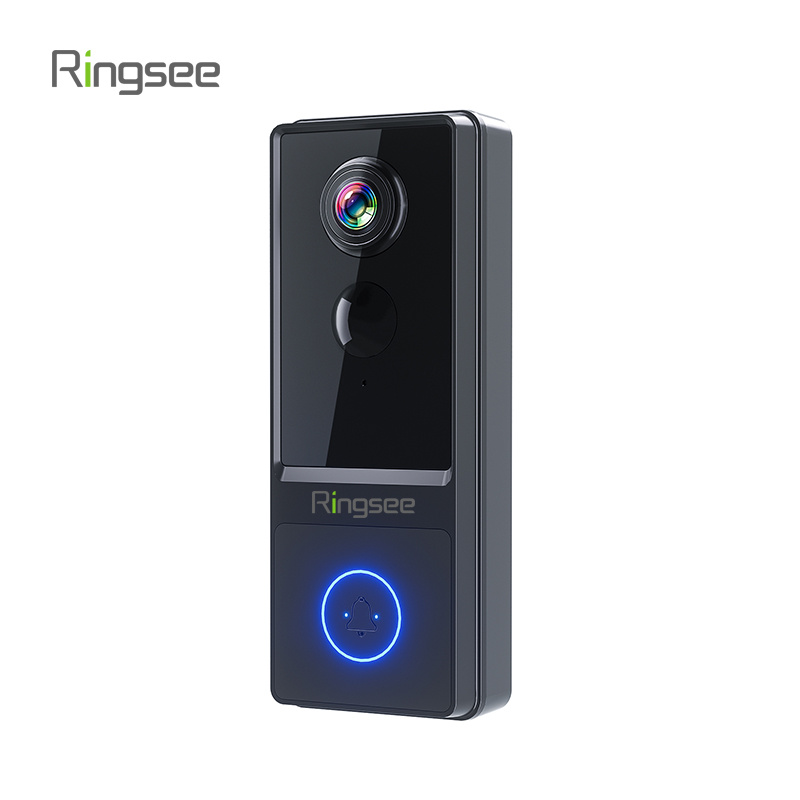

The Ultimate Guide to Video Doorbells for Rental Properties
Publish:
2025-11-28 11:24
Source:
https://www.ring-see.com
As more renters seek modern, easy-to-install solutions, video doorbell cameras are fast becoming a must-have for rental properties.
Introduction: Bridging the Security Gap in the Rental Market
The modern rental market demands flexibility, convenience, and peace of mind. While tenants prioritize security for their belongings, landlords seek non-invasive, cost-effective solutions that protect their assets without violating lease terms. This is where the wireless video doorbell camera emerges as the perfect, low-impact security upgrade.
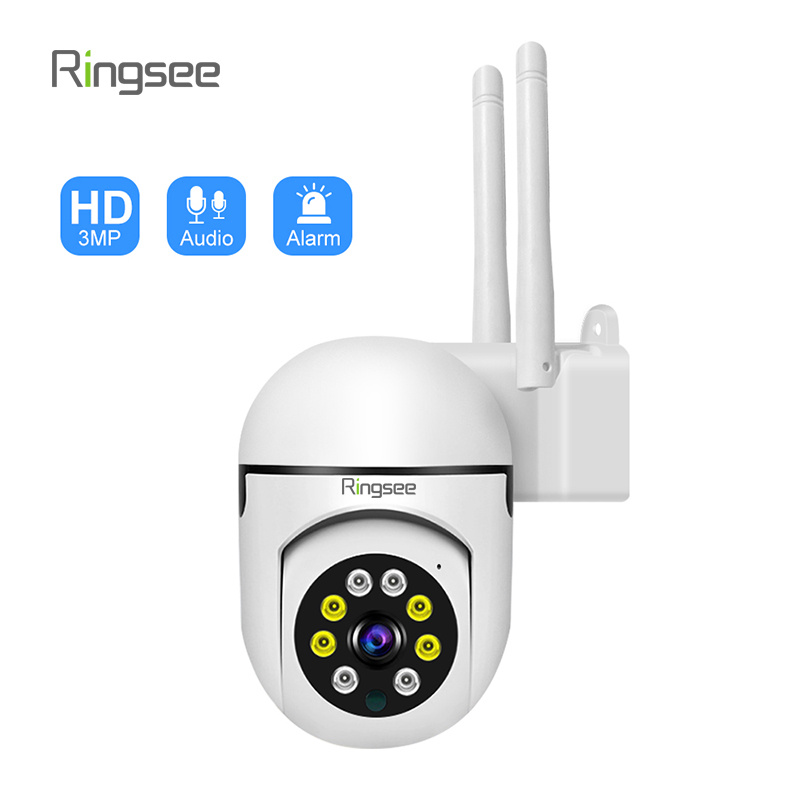
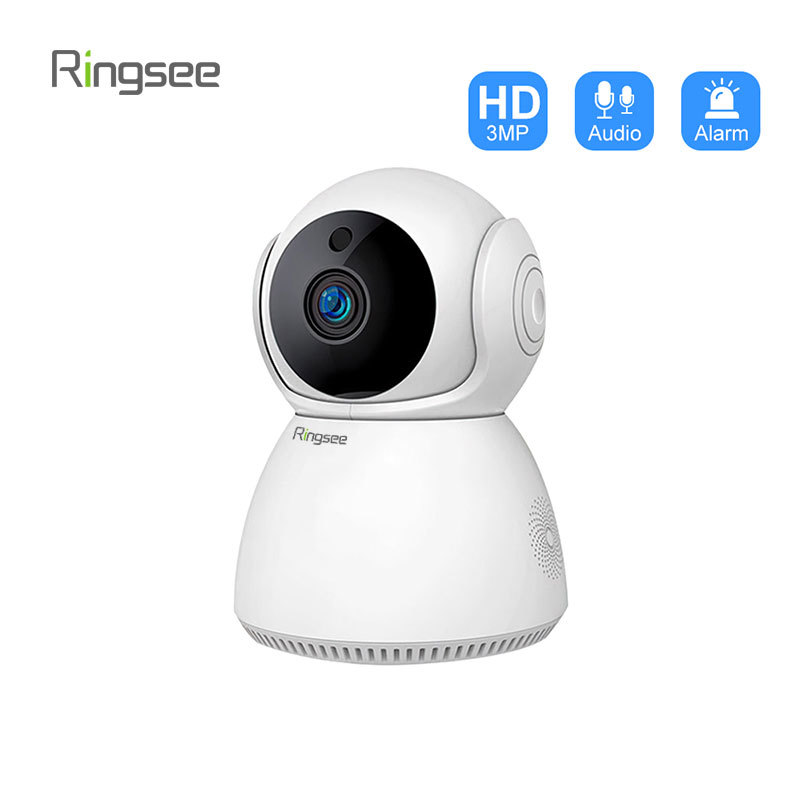
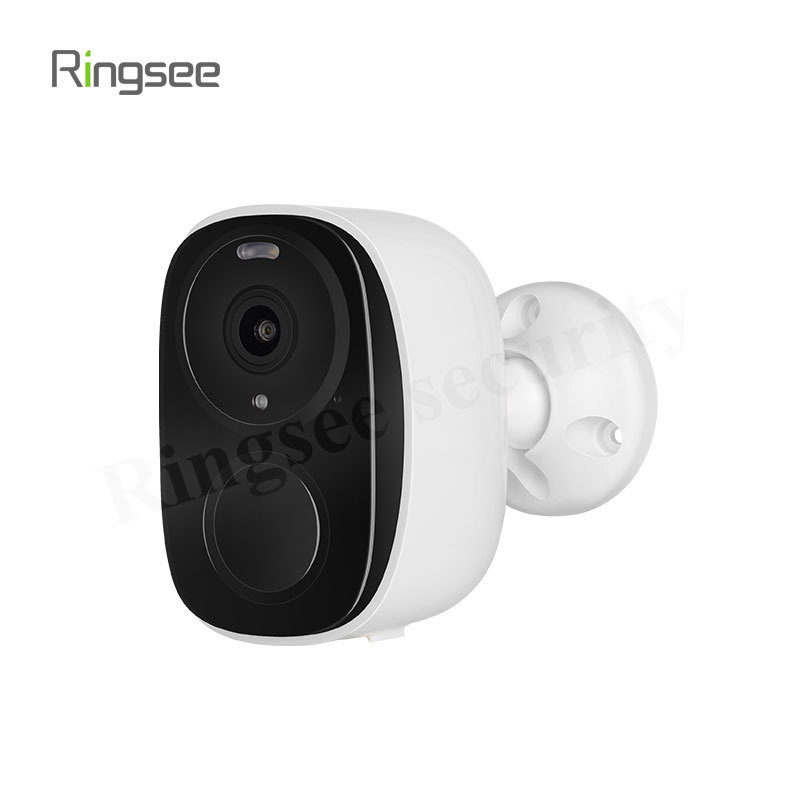
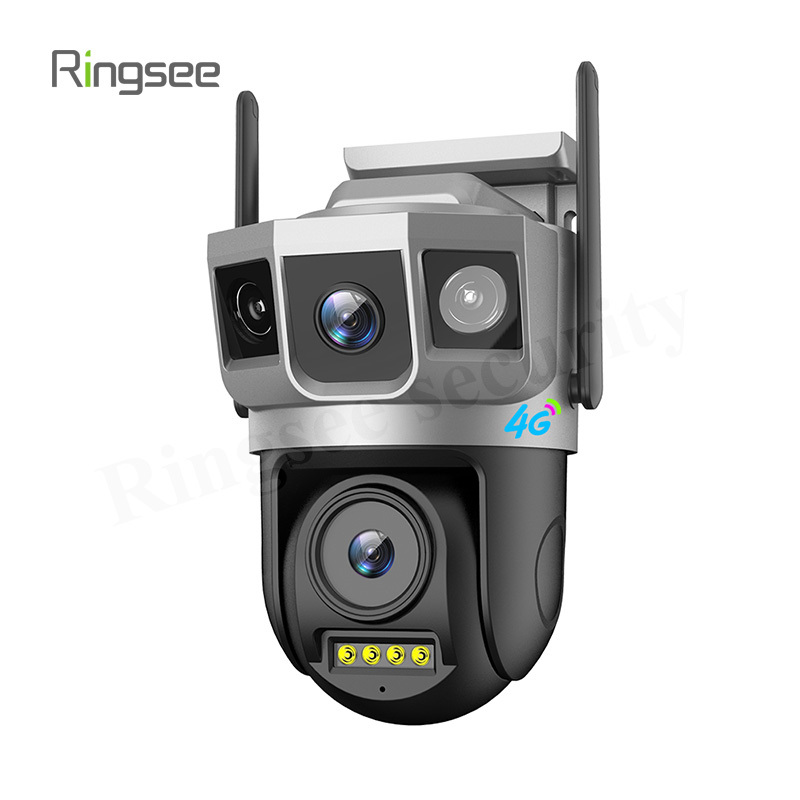
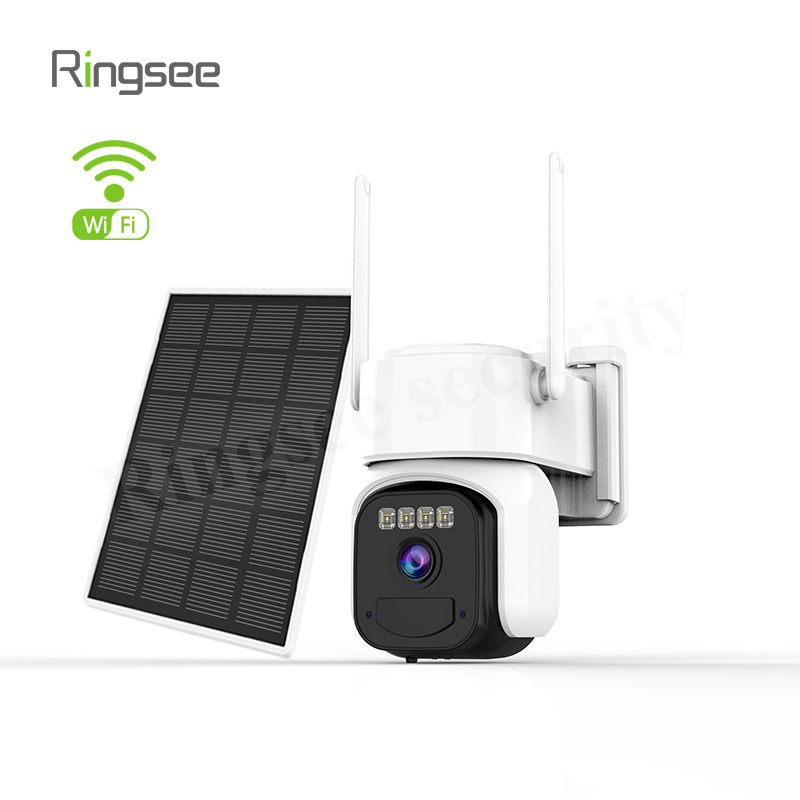
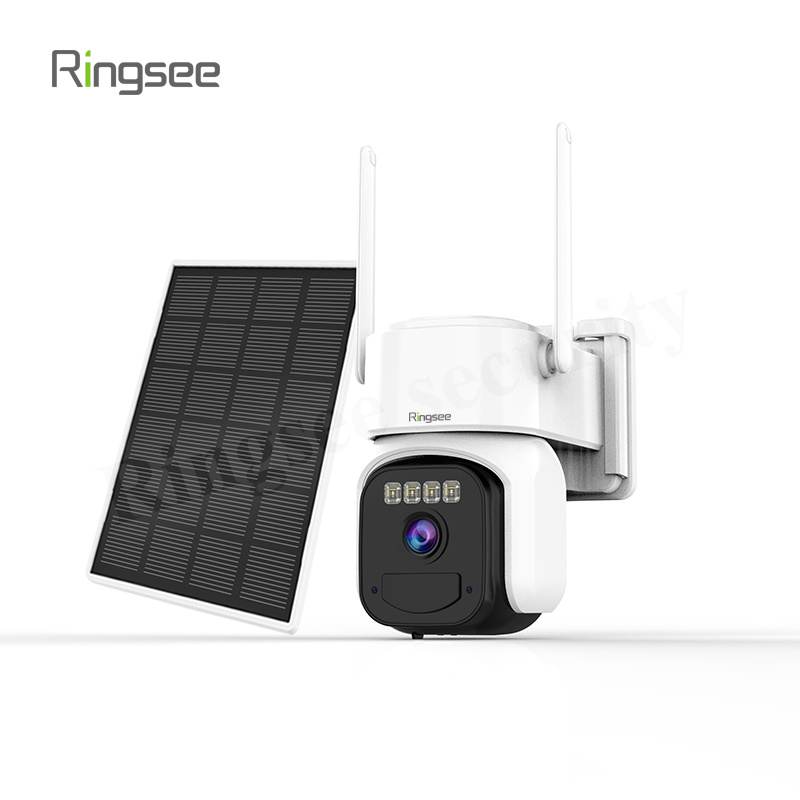
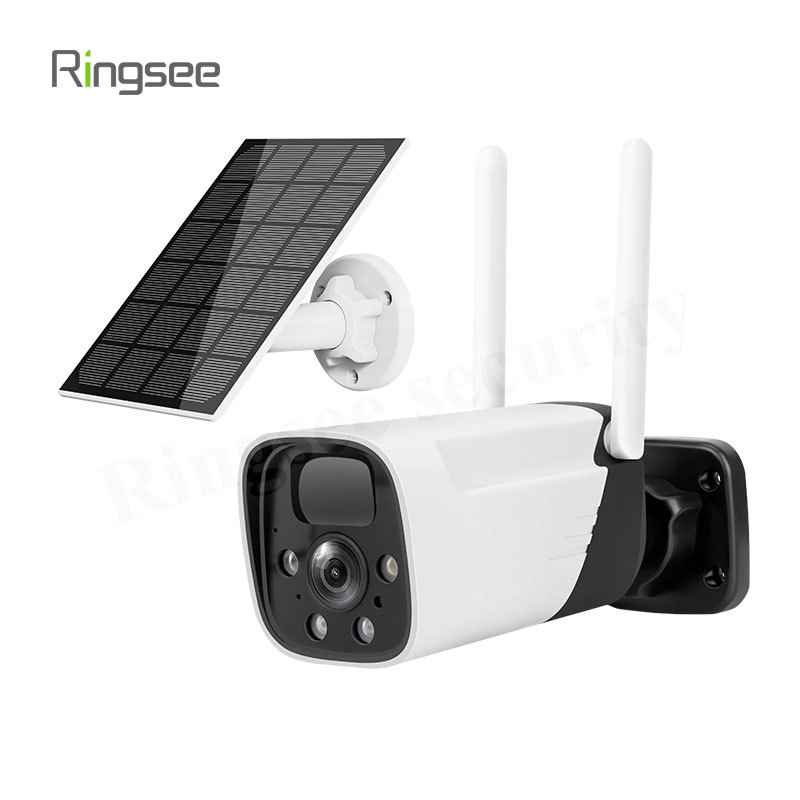
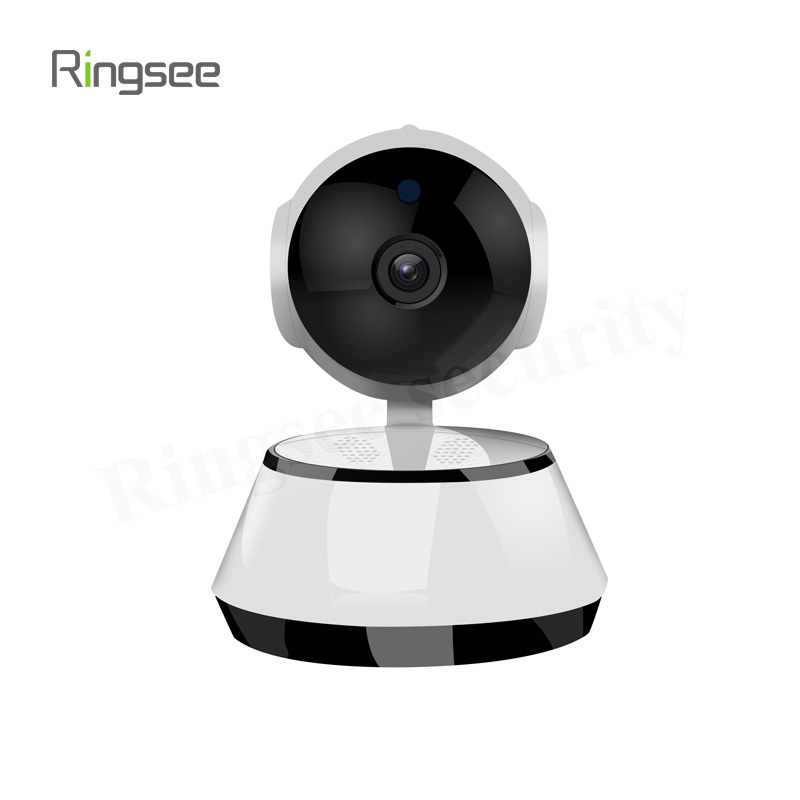
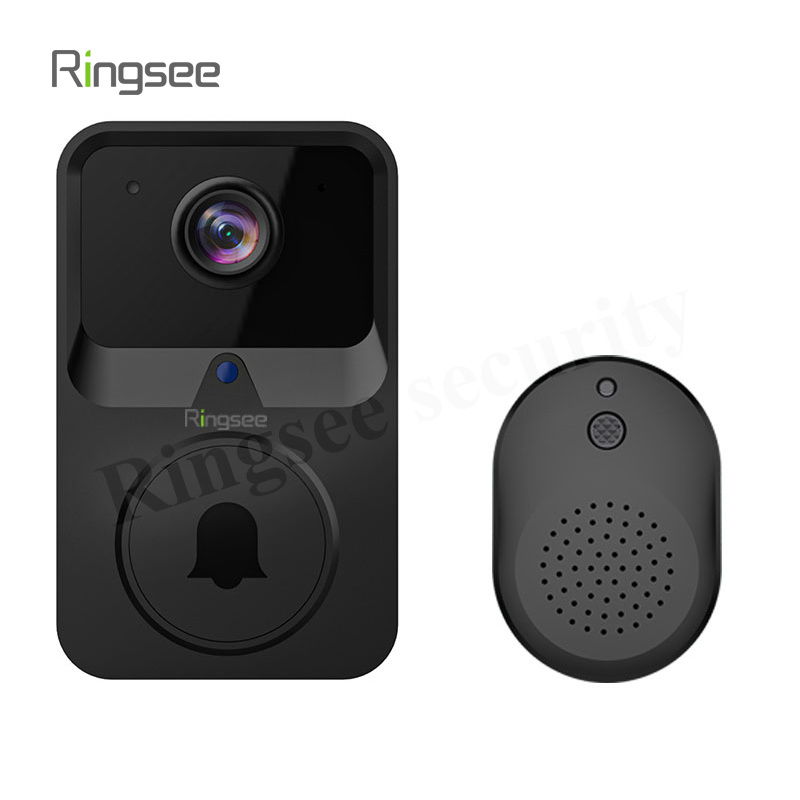
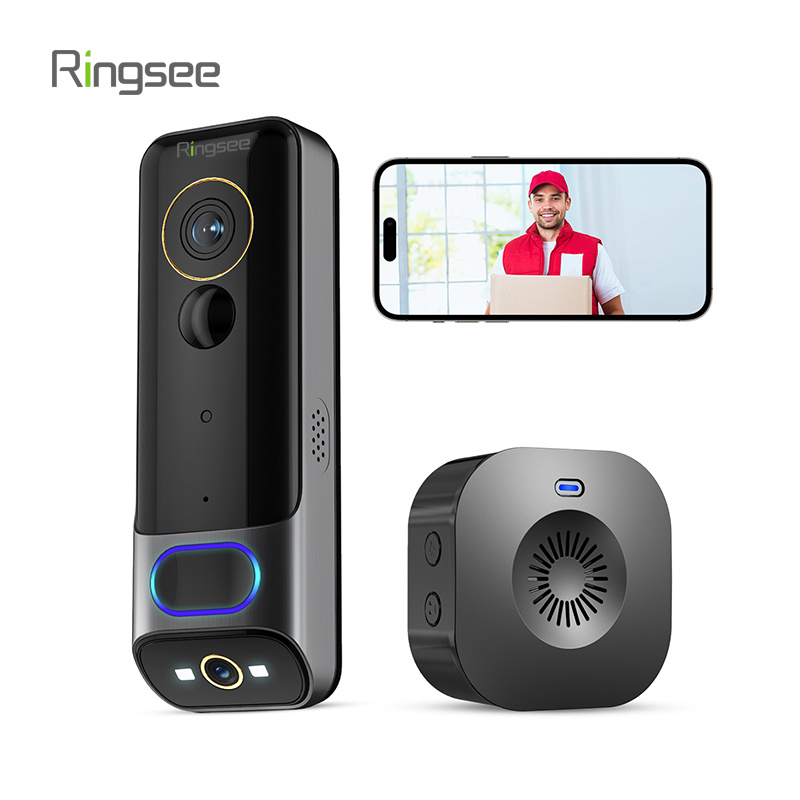
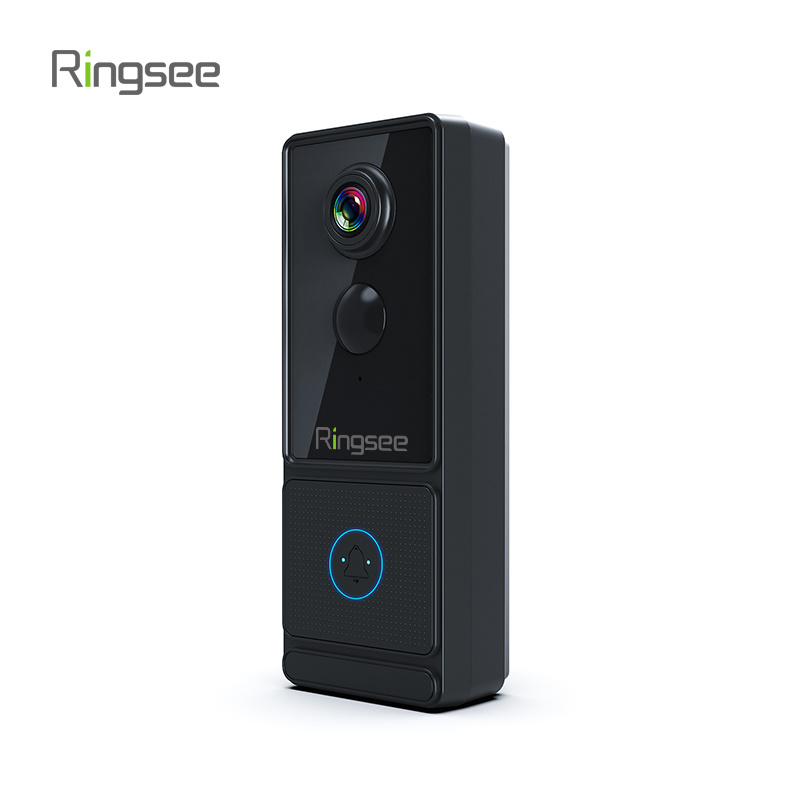
In today's smart home landscape, these devices go far beyond simply announcing a visitor. They provide 24/7 exterior monitoring, deter package theft, and offer a layer of remote property management. This guide explores the critical benefits that make devices like the Ringsee Smart Doorbell an indispensable choice for both tenants and property owners seeking a seamless, security-focused living experience.
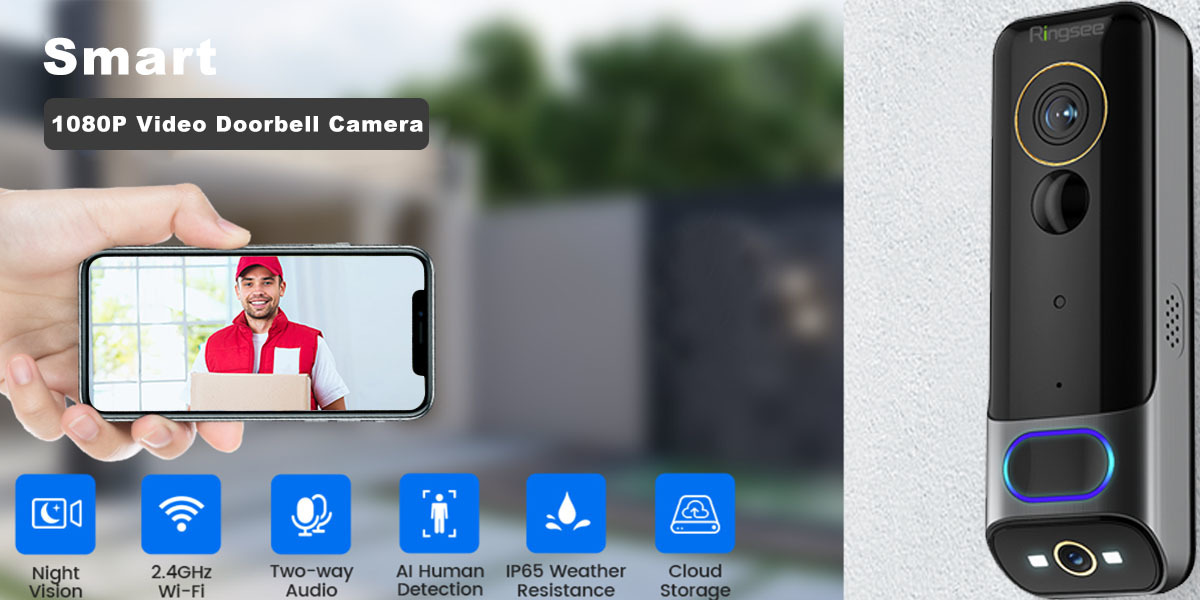
1. Non-Invasive Installation: The Key to Landlord Compliance
One of the leading barriers to security upgrades in a rental unit is the restriction on making permanent structural changes. Traditional security systems and permanently wired doorbells require drilling into doorframes and running electrical wiring, often breaching lease agreements.
The primary advantage of modern video doorbell cameras for rental properties is their installation flexibility:
Wireless and Battery-Powered Models: Most devices rely on high-capacity rechargeable batteries. This eliminates the need for hardwiring and allows for attachment via strong, temporary adhesives or non-permanent brackets.
Simple Setup: Installation is typically a 15-minute DIY job. Tenants can mount the device, connect it to the property’s Wi-Fi network, and be fully operational without requiring permission for complex modifications.
Minimizing Liability: For landlords, permitting tenants to install these non-invasive devices reduce s liability risks associated with installation damage and appeals to security-conscious renters, making properties more desirable.
2. Portability and Investment Value
Renters are fundamentally mobile, and their personal security investment should be, too. A key factor driving the appeal of video doorbells is their portability—a significant factor that boosts the perceived value of the purchase for the tenant.
Security Continuity: Unlike permanently installed systems, wireless video doorbells can be quickly uninstalled when a tenant moves out. They can pack their security equipment and transfer it to their new residence, ensuring uninterrupted protection.
Low Barrier to Entry: Because the device is considered personal property and easily transportable, the initial investment feels more worthwhile. Tenants are investing in long-term security, not just a temporary fix for one unit.
Landlord Amenity: Property managers can offer a video doorbell as a temporary amenity to attract premium tenants. The device can be assigned to the unit and quickly reset for the next tenant if needed, or simply purchased as a dedicated feature.
3. Comprehensive Security and Deterrence
Video doorbells provide tangible security benefits that address common risks in rental communities, particularly package theft (porch piracy) and unauthorized entry attempts.
Real-Time Alerts: Tenants receive instant notifications on their smartphones whenever motion is detected near their door. This allows them to monitor package deliveries, track dog walkers, or check on maintenance personnel remotely.
Two-Way Audio Communication: The ability to speak to a person at the door—whether it’s a delivery driver or an unexpected visitor—without opening the door enhances safety. This remote communication capability is a strong deterrent to potential criminals who prefer properties that appear unattended.
Evidence Collection: In the unfortunate event of a crime, the video doorbell’s recorded footage (stored locally or in the cloud) provides high-resolution evidence that is invaluable for police and insurance claims.
4. Key Features for the Rental Environment
When recommending a device for a rental property, tenants and landlords should look for specific features that ensure longevity, compliance, and effective monitoring:
| Feature | Why It Matters for Rentals |
| Local Storage (SD Card) | Reduces the need for costly monthly cloud subscriptions, making the system more affordable for short-term tenants. |
| High Battery Life | Minimizes the frequency of charging and maintenance, reducing tenant friction. |
| Adjustable Motion Zones | Prevents false alarms from street traffic, neighbors, or common areas, leading to a quieter, more reliable experience. |
| Weather Resistance (IP Rating) | Essential for outdoor durability in various climates, ensuring the device survives until the tenant moves out. |
By prioritizing these features, the device becomes a value-add that respects the tenant’s budget and the landlord’s low-maintenance expectations.
Conclusion: The Smart Solution for Modern Renting
The initial challenges that caused your page to be removed from Google’s index—most likely thin content—are resolved by offering this detailed, structured, and informative guide.
The video doorbell camera is more than a gadget; it's a security utility perfectly suited to the limitations and demands of the modern rental lifecycle. By providing non-permanent installation, true portability, and enhanced security features, devices like those from Ringsee represent the ideal solution for both tenants seeking peace of mind and property managers looking for low-cost, high-value amenities.
Related News
PoE was power. This is control: CCTV Network Security Hardening Guide
Short answer: video systems get breached the boring way, not through clever exploits - (1) factory default credentials never changed, (2) camera or NVR management ports forwarded to the public internet, (3) no separation between the CCTV network and the office LAN. Do three things: replace every default account and disableTelnet/FTP/UPnP/raw RTSP; put cameras in their own VLAN and only allow the NVR to initiate sessions; and reach video over VPN or a zero-trust gateway instead of a port mapping.
Oct 03,2026
PoE Power Design Guide for Security Cameras: Power Budget, Cable Voltage Drop and Distance Limits
Most "cameras keep restarting at night" incidents are not camera defects — they are power design errors. Three root causes cover the overwhelming majority of PoE failures: the power budget was sized on daytime draw instead of night peak, the cable is too thin so voltage drop exceeds the device undervoltage threshold, and the run simply exceeds the 100-metre channel limit. Memorise three numbers and you avoid most of the traps: 802.3af delivers 15.4 W, 802.3at delivers 30 W, and cable reach stops at 100 m.
Oct 03,2026
Bitrate (Mbps) is the single parameter that determines hard drive size, switch selection, and remote-viewing smoothness. Two formulas answer everything: storage per camera per day (GB) ≈ bitrate × 10.8, and total bandwidth = sum of simultaneous bitrates × 1.3 headroom. This guide covers encoding, calculation, and procurement sizing.
Sep 26,2026
CCTV Night Vision Technology Explained: Infrared vs Starlight Full-Color vs Hybrid Light
Three night vision routes and their real limits: 850nm vs 940nm infrared (red glow and range trade-offs), the lux threshold of true starlight cameras (0.001-0.005 lux), light-pollution risks of warm-light supplement, and AI-triggered hybrid switching — plus a six-point datasheet verification method and a 20-minute night PoC test.
Sep 26,2026
CCTV Lens Selection Technical Guide: Focal Length, Pixel Density & the DORI Standard in Practice
Why can't a 4K camera read faces? Because identification depends on pixel density, not total pixels. Using the EN 62676-4 DORI standard, this guide gives the full focal-length / distance / field-of-view formulas, a lens selection lookup table, and the real impact of sensor size and aperture on night vision.
Sep 19,2026
Links:One Belt Power Technology
Add: 14th Floor, Baoshan Building, Longhua District, Shenzhen China.
Privacy Policy | SEO | CitySite | Support: 300.cn Dongguan