


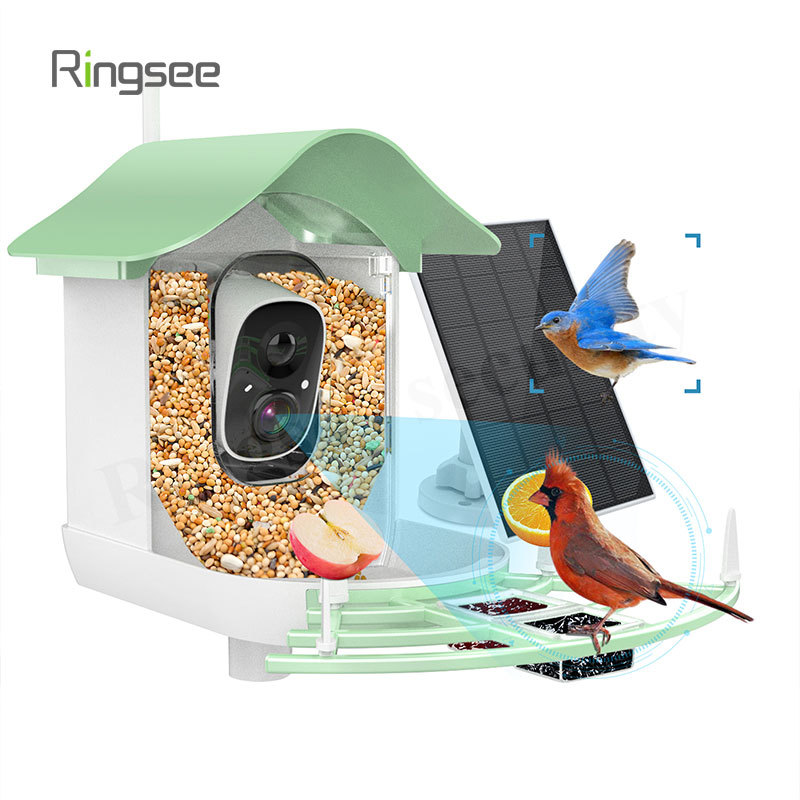
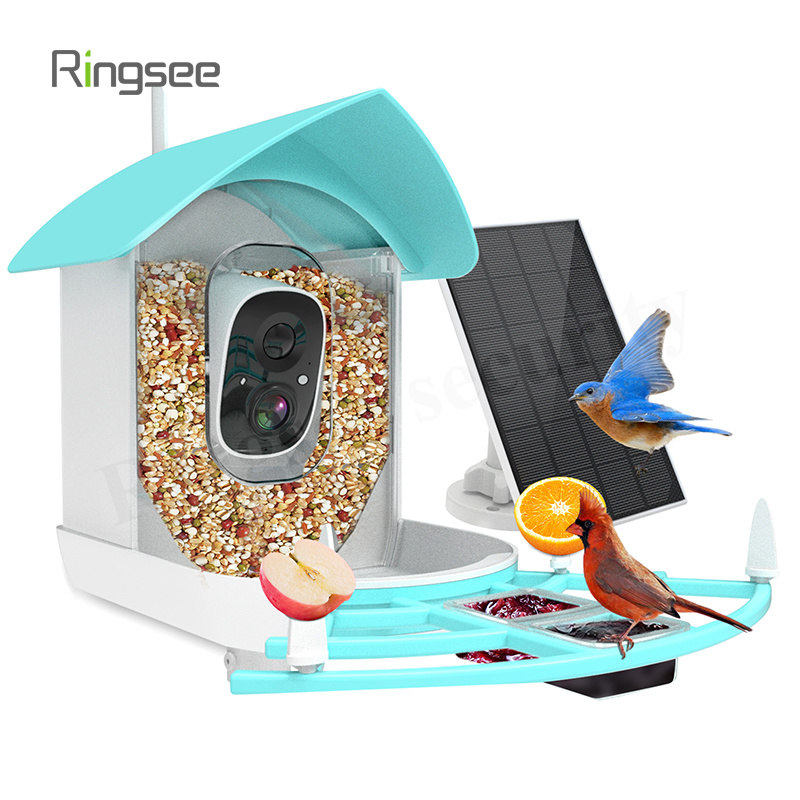
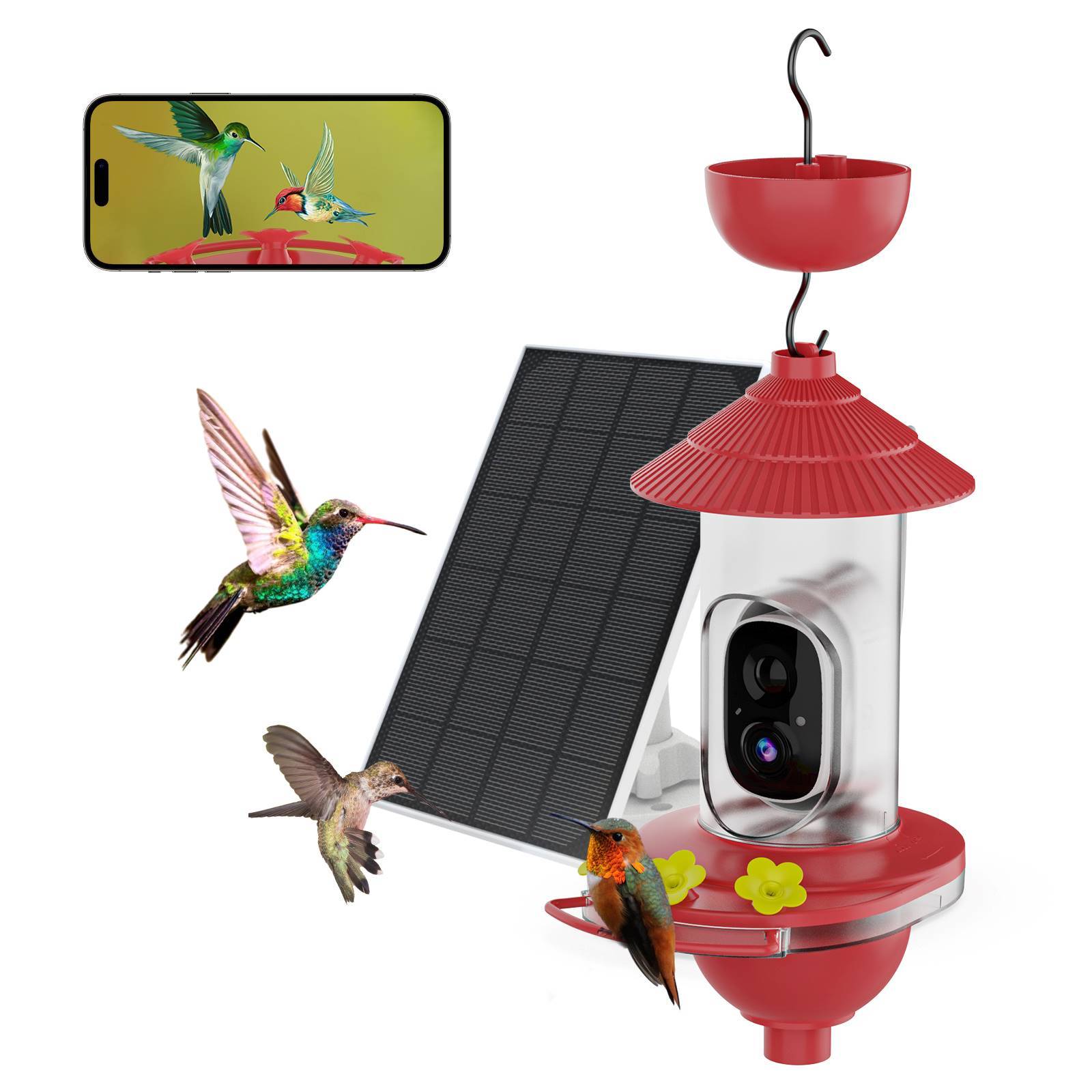
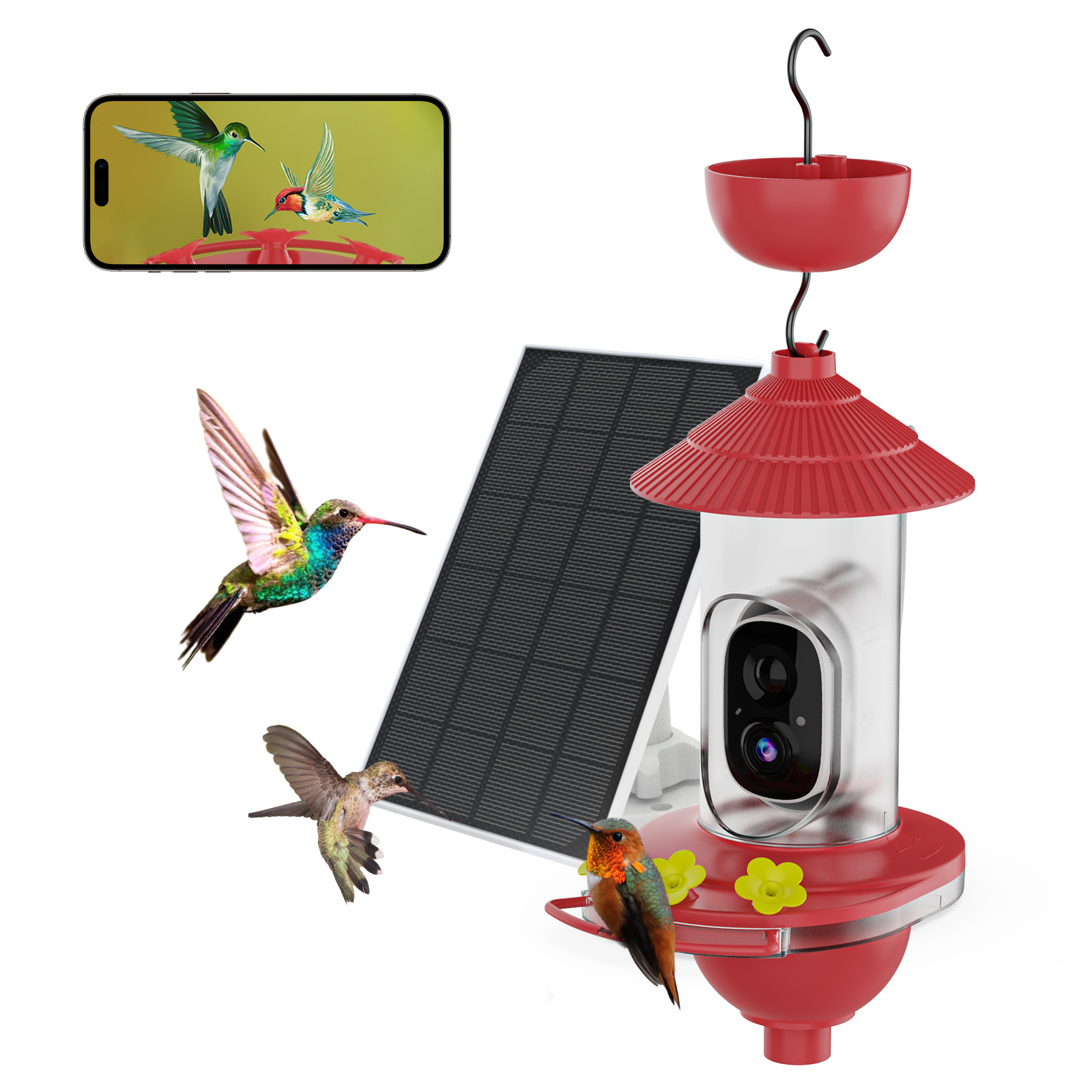



Ringsee Pioneers the Future of Security: Why Low-Power Solar Cameras Are the Smart, Green Choice
Publish:
2025-12-03 15:20
Source:
https://www.ring-see.com
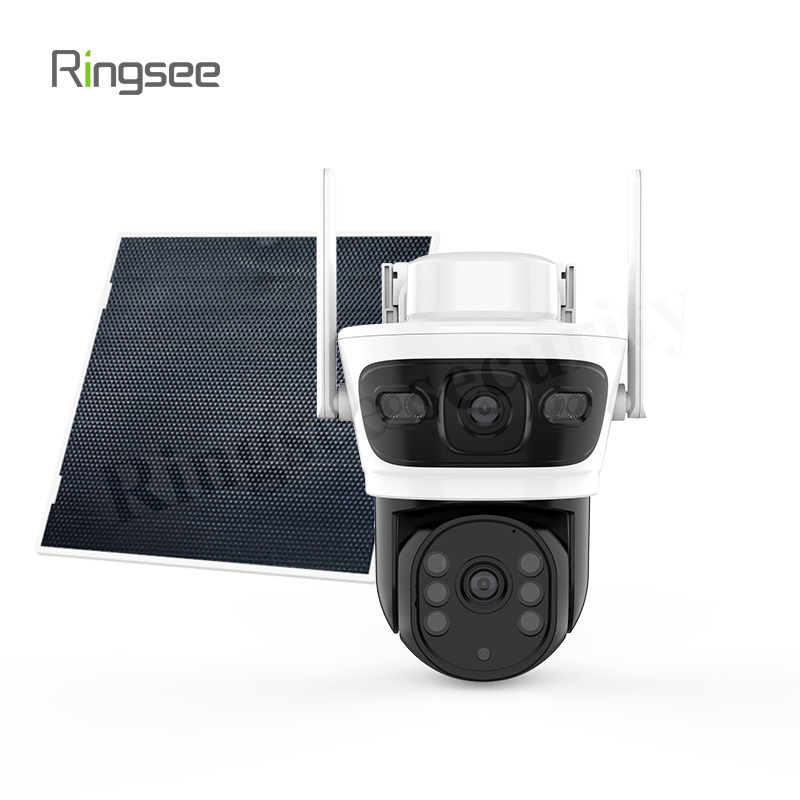
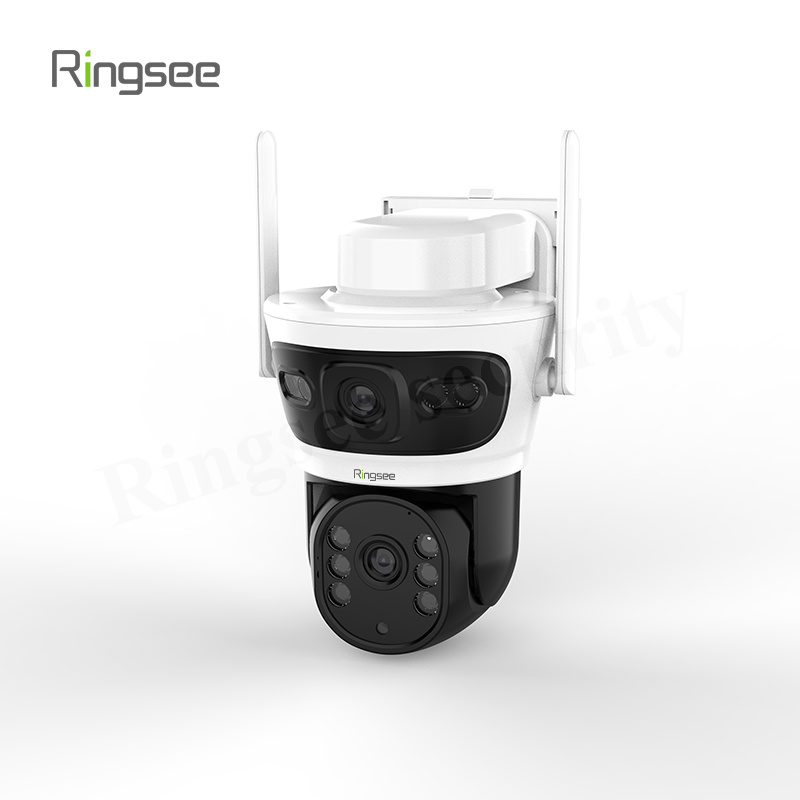
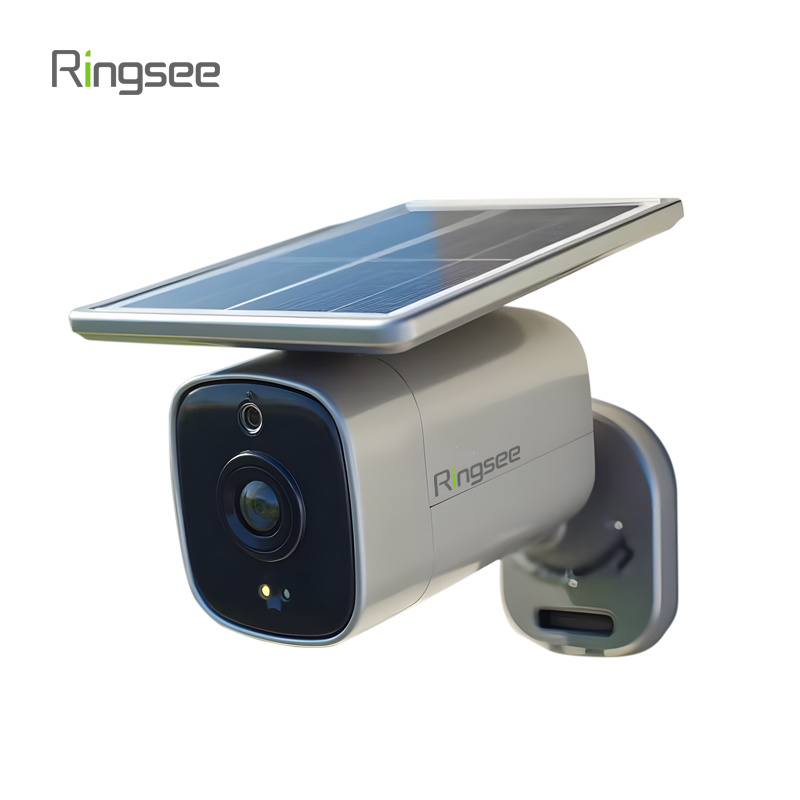
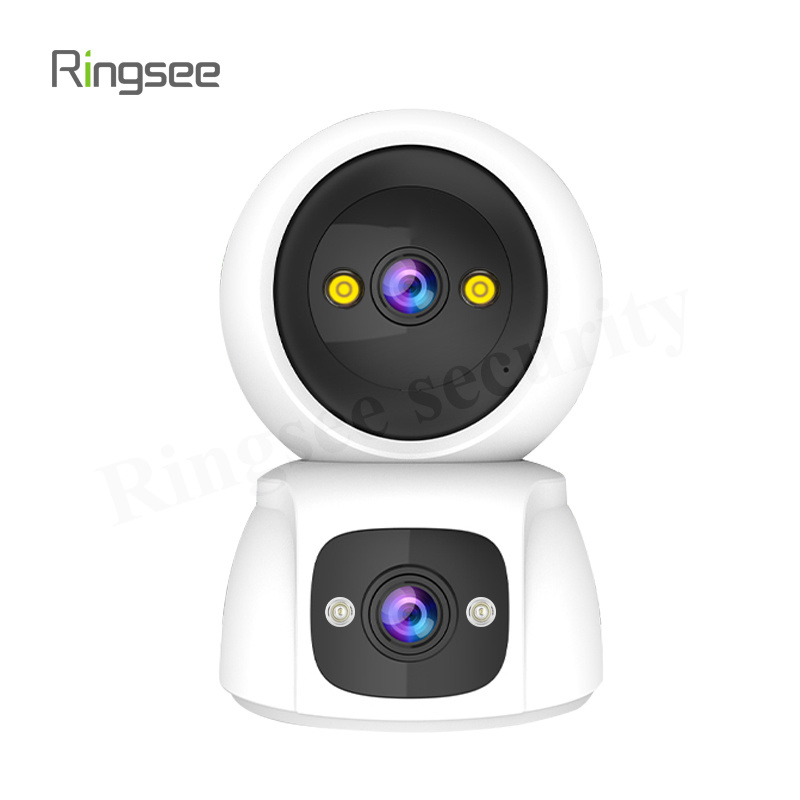
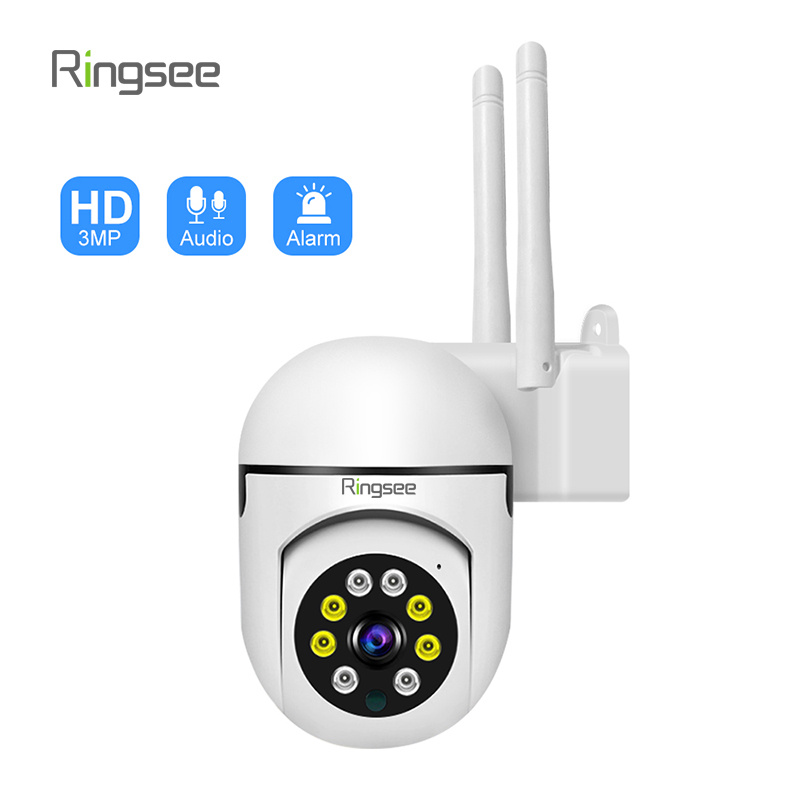
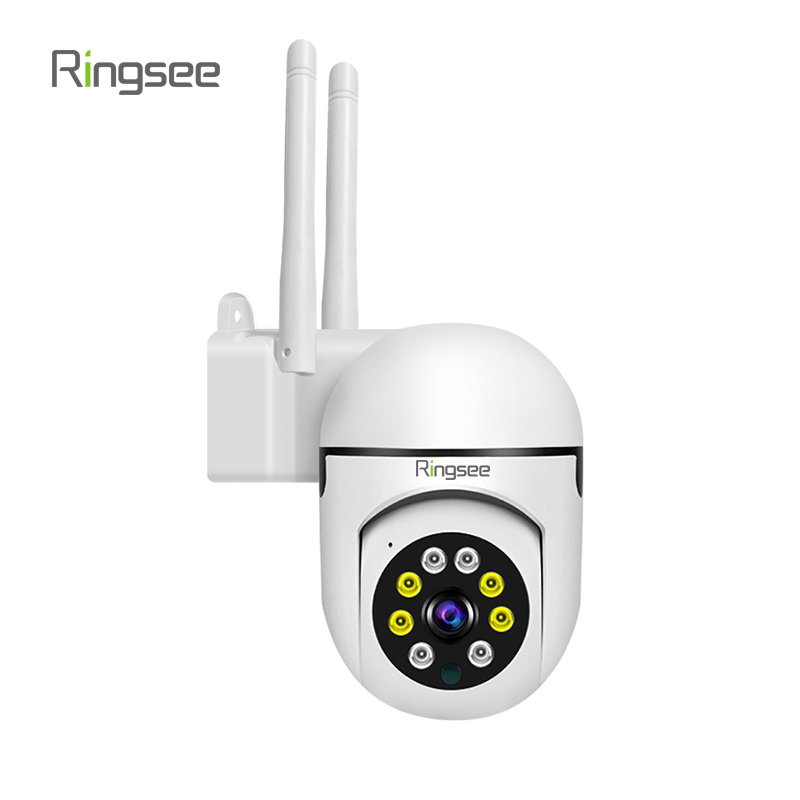
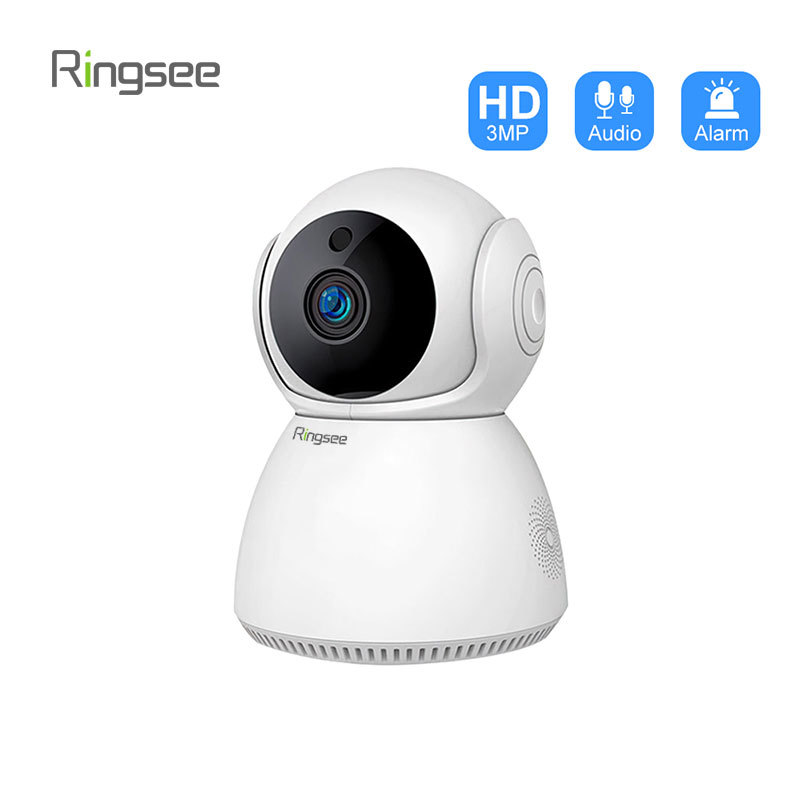
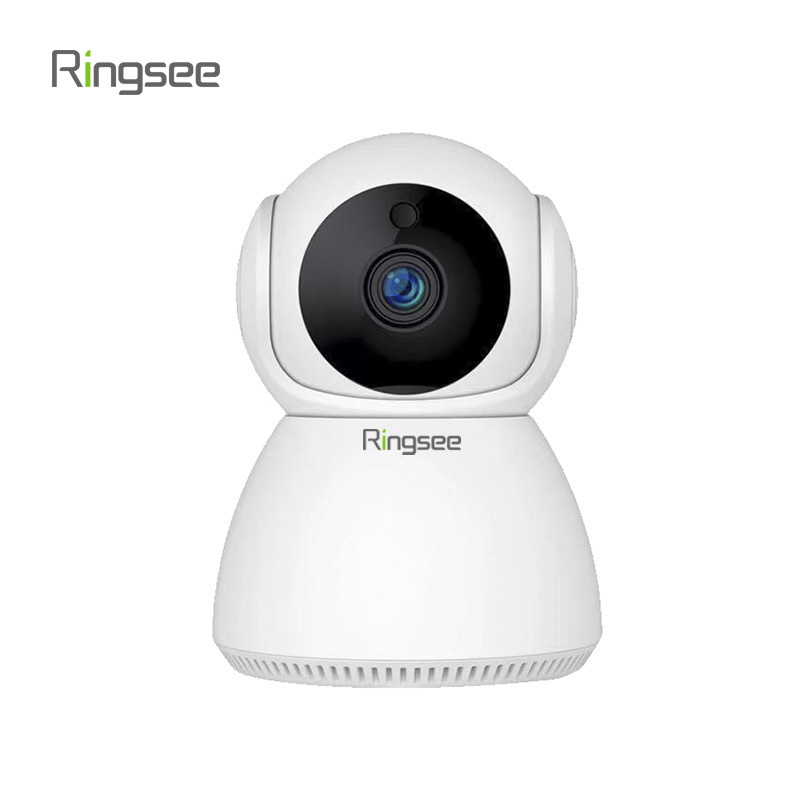
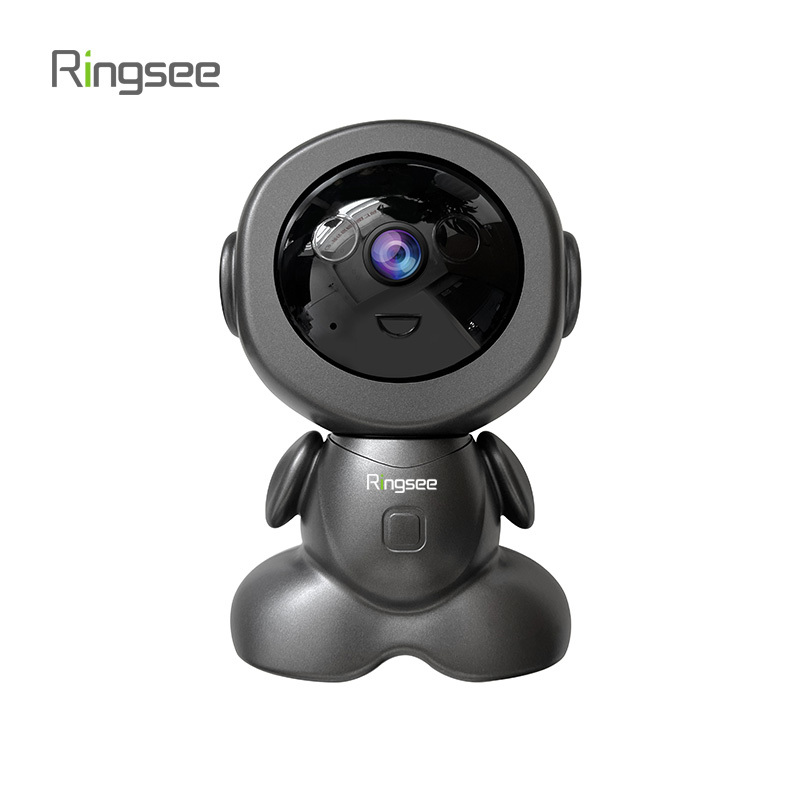
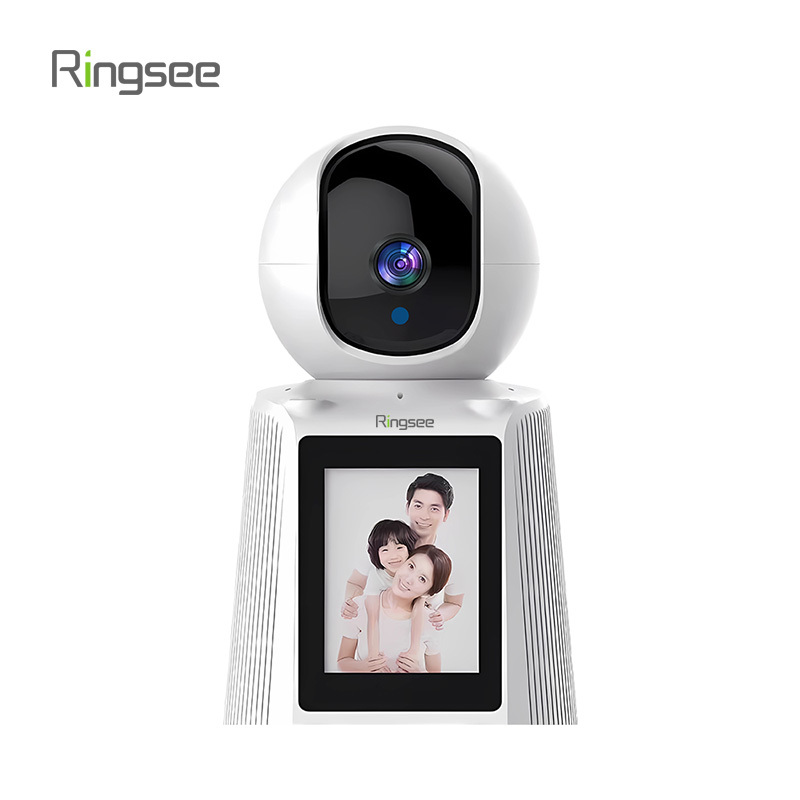
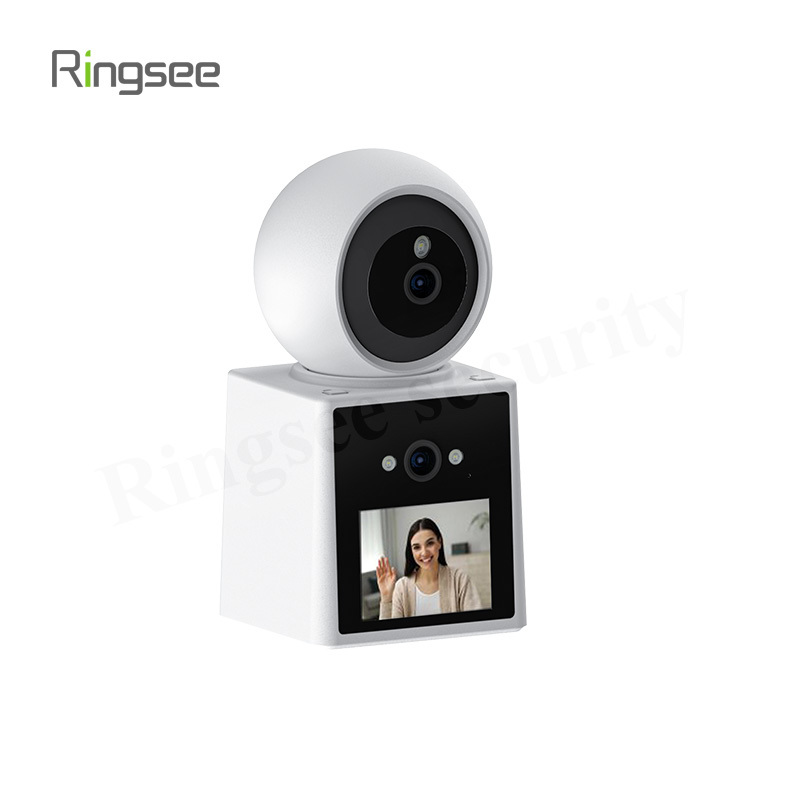
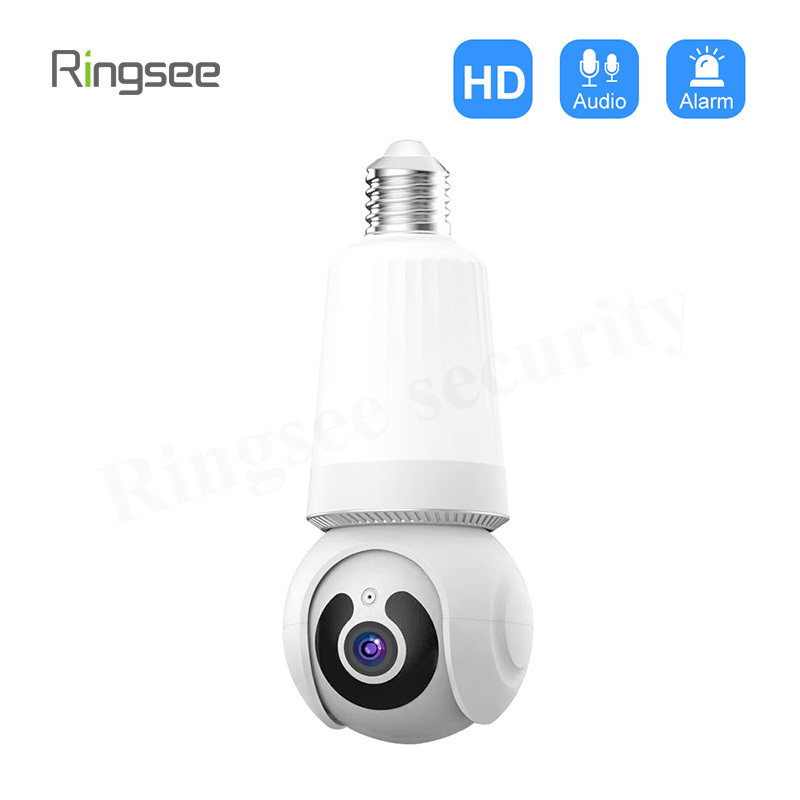
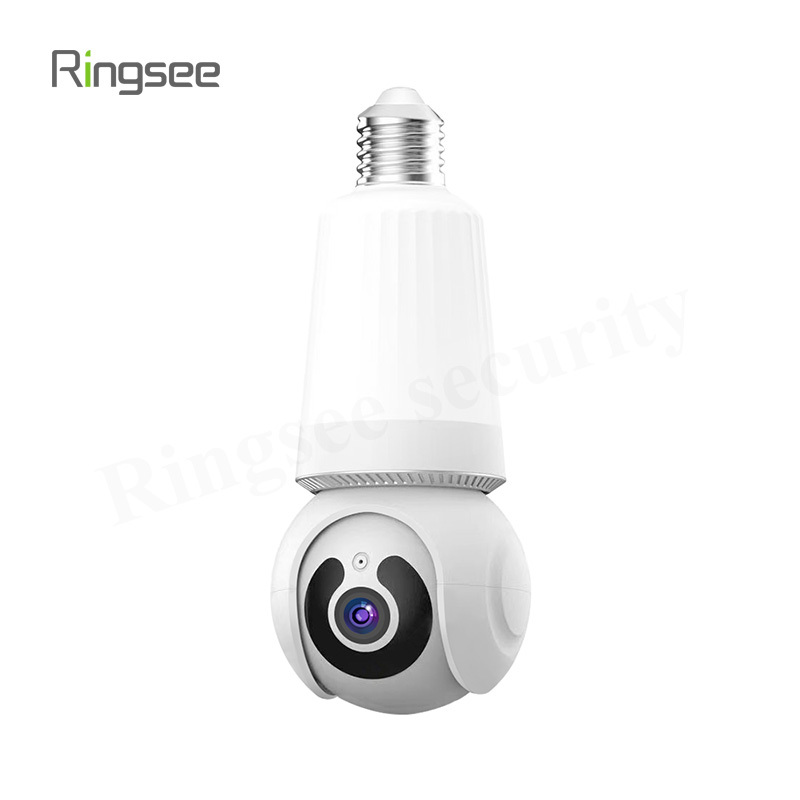
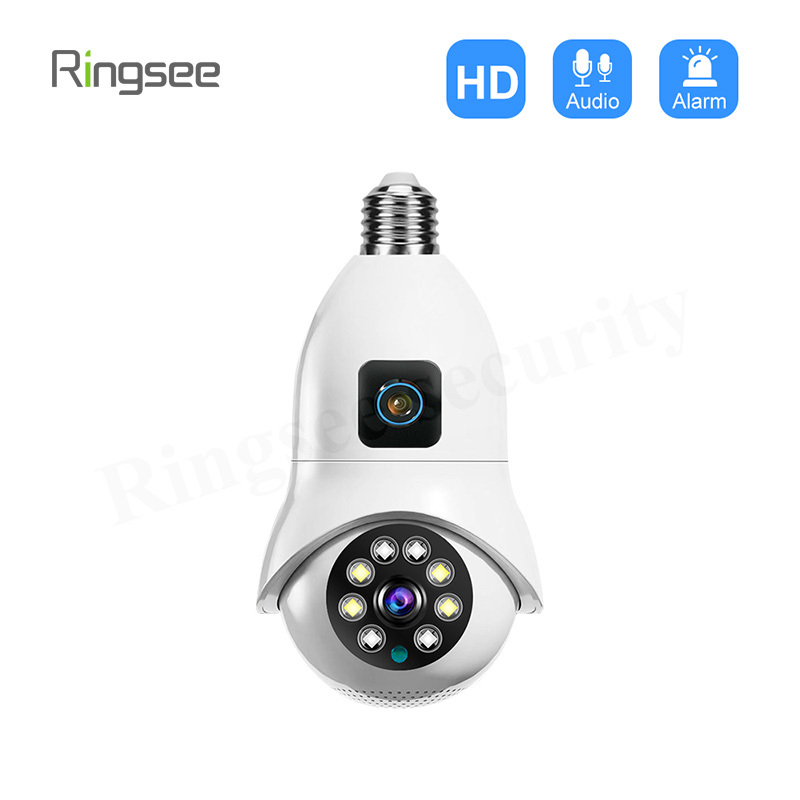
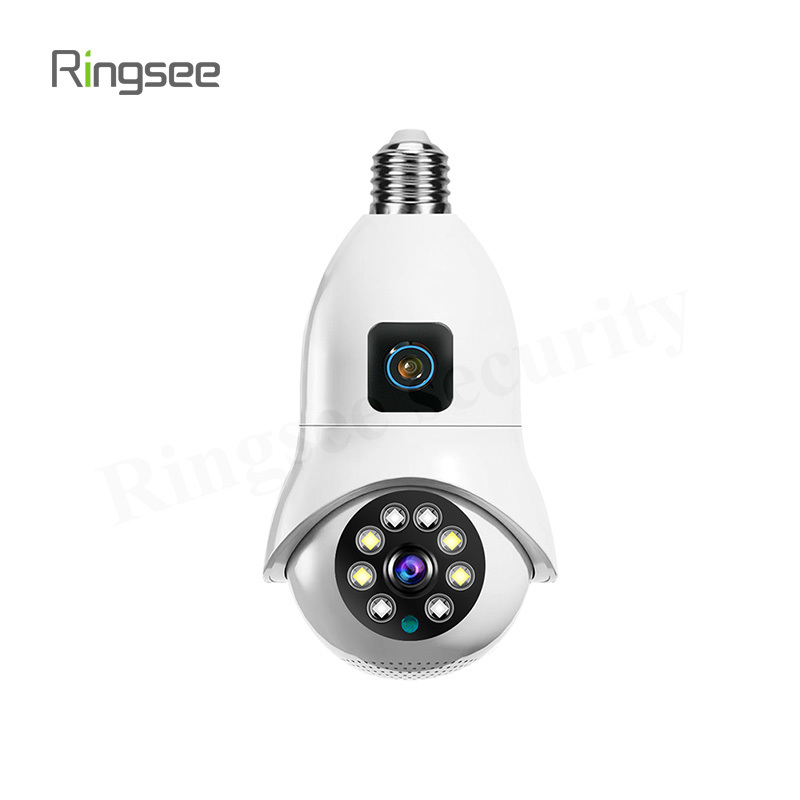
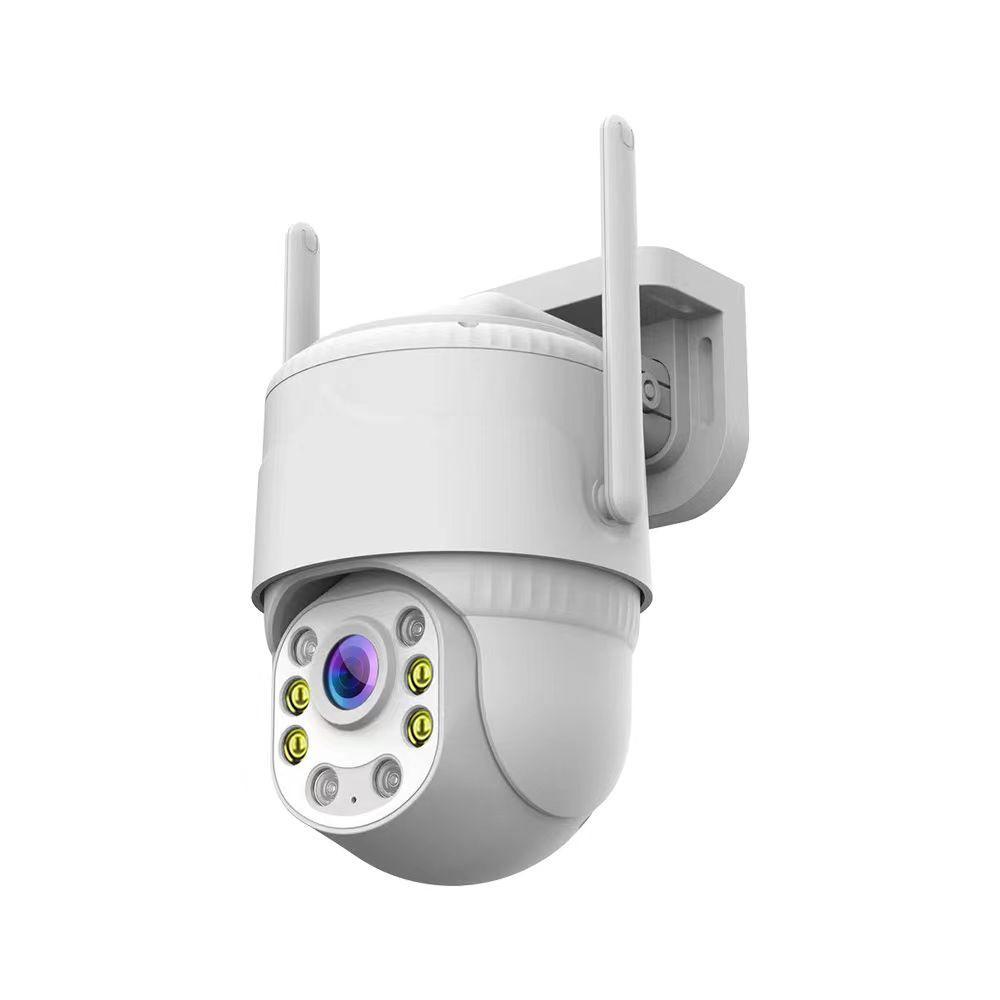
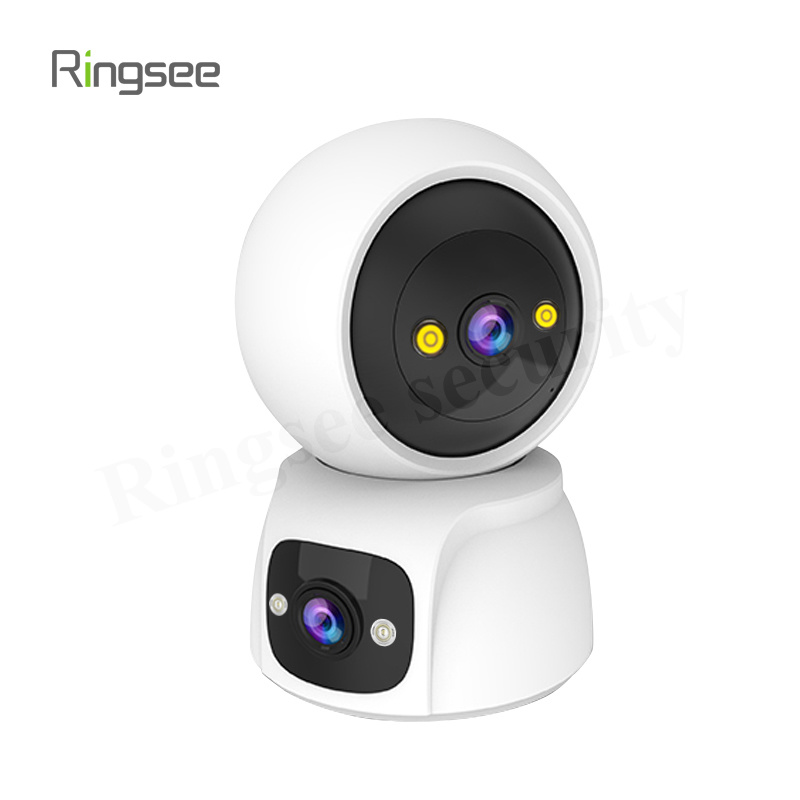
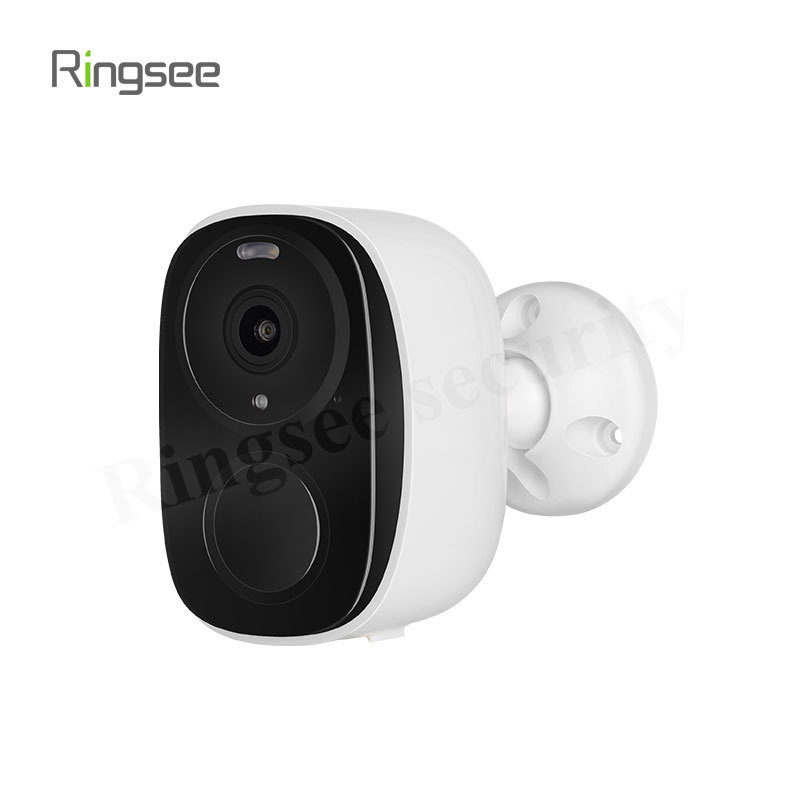
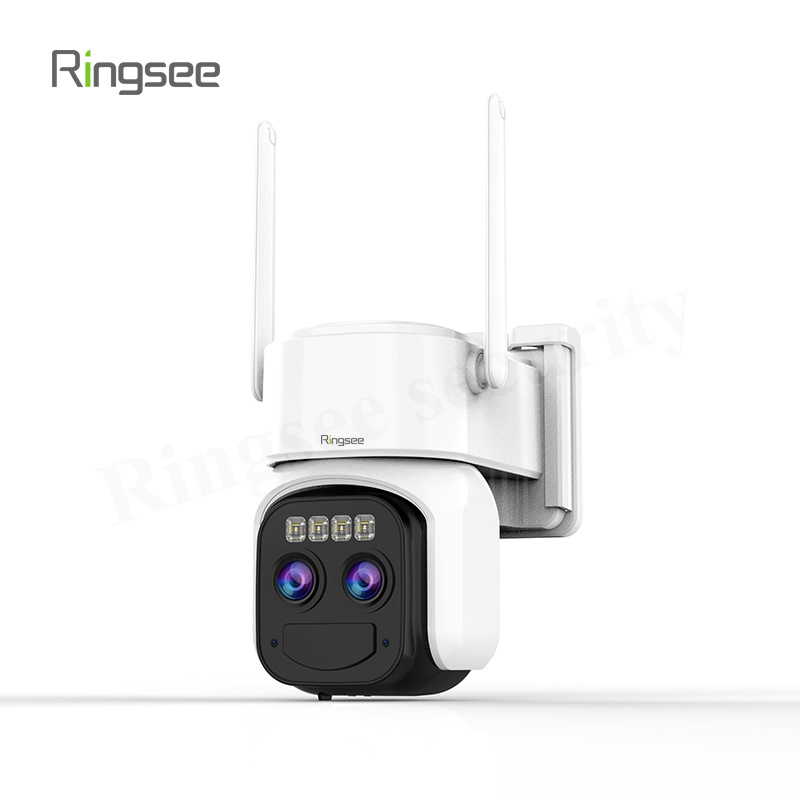
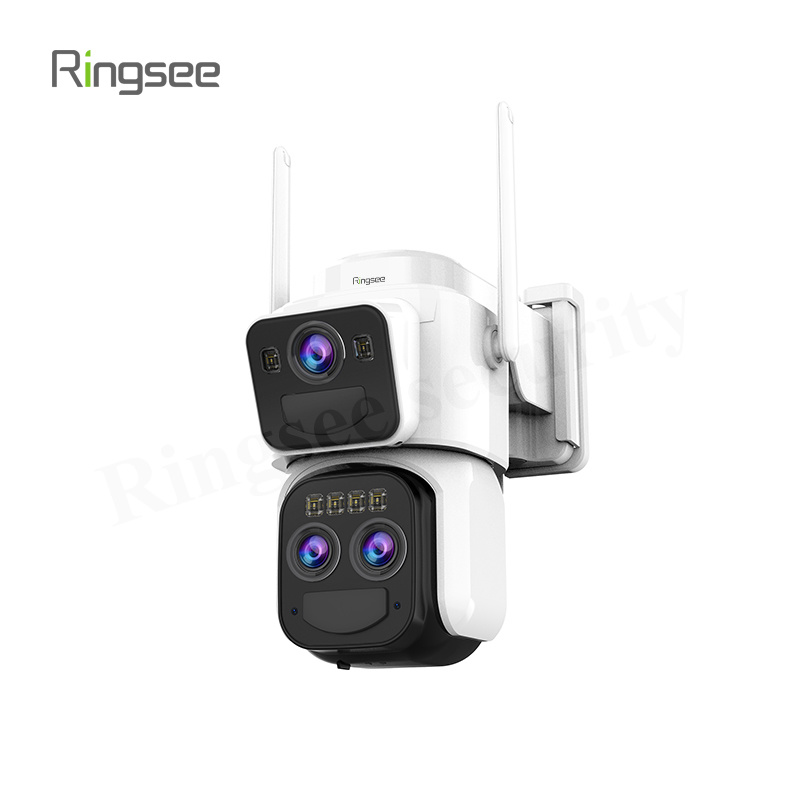
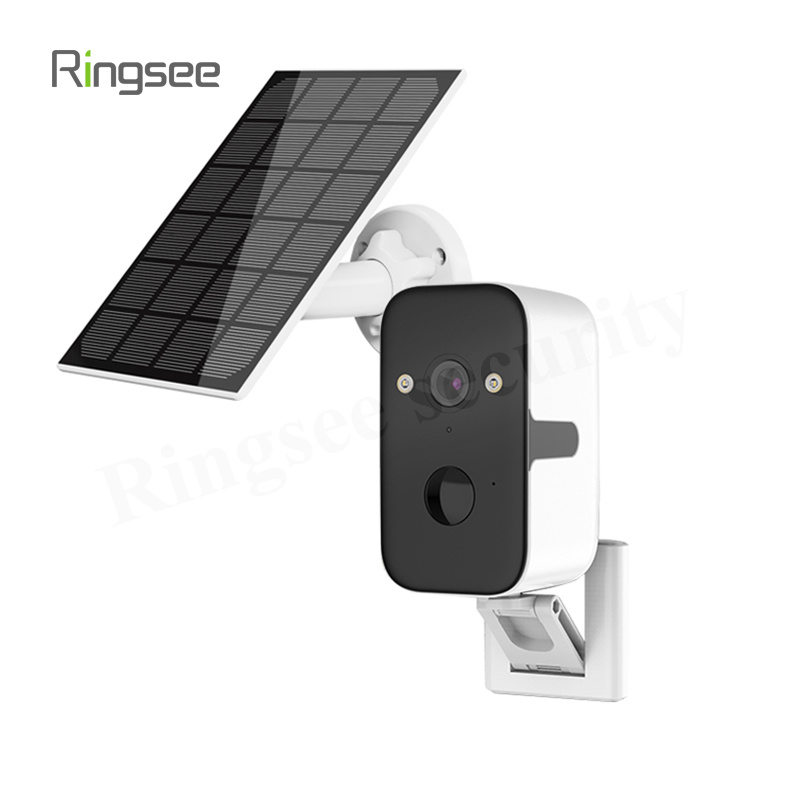
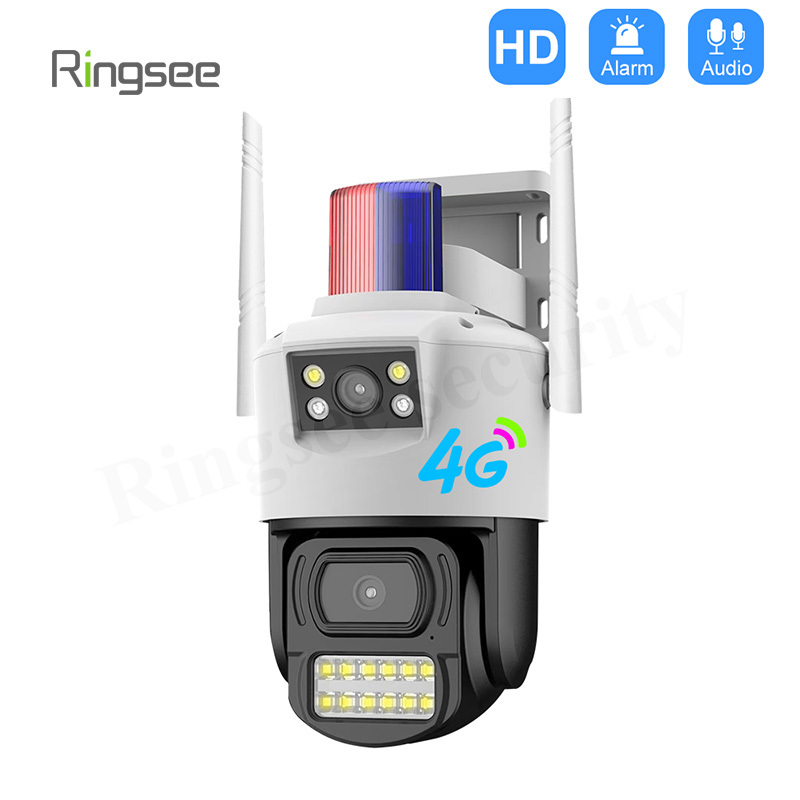
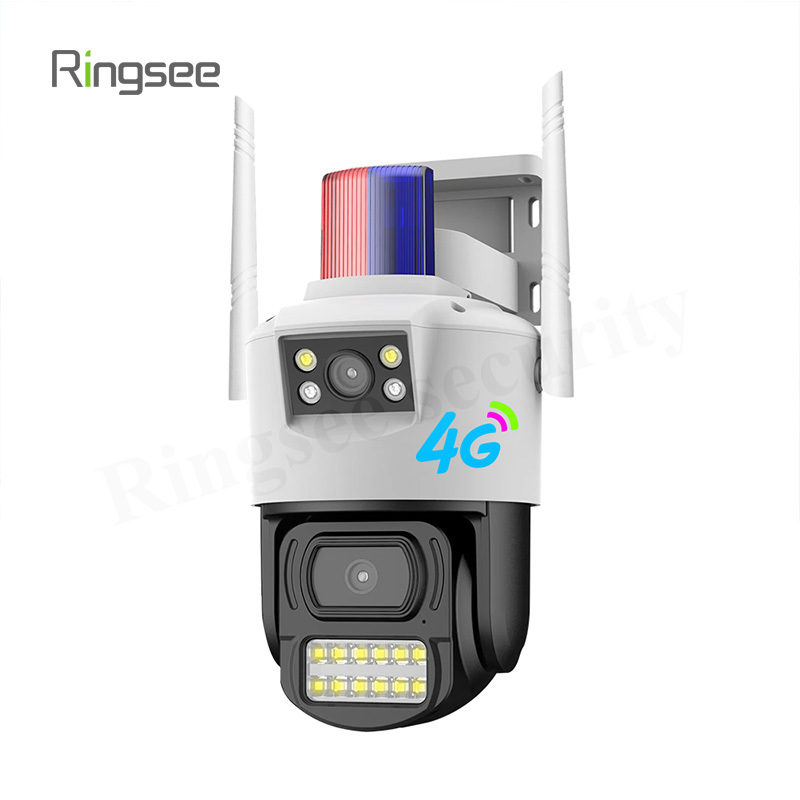
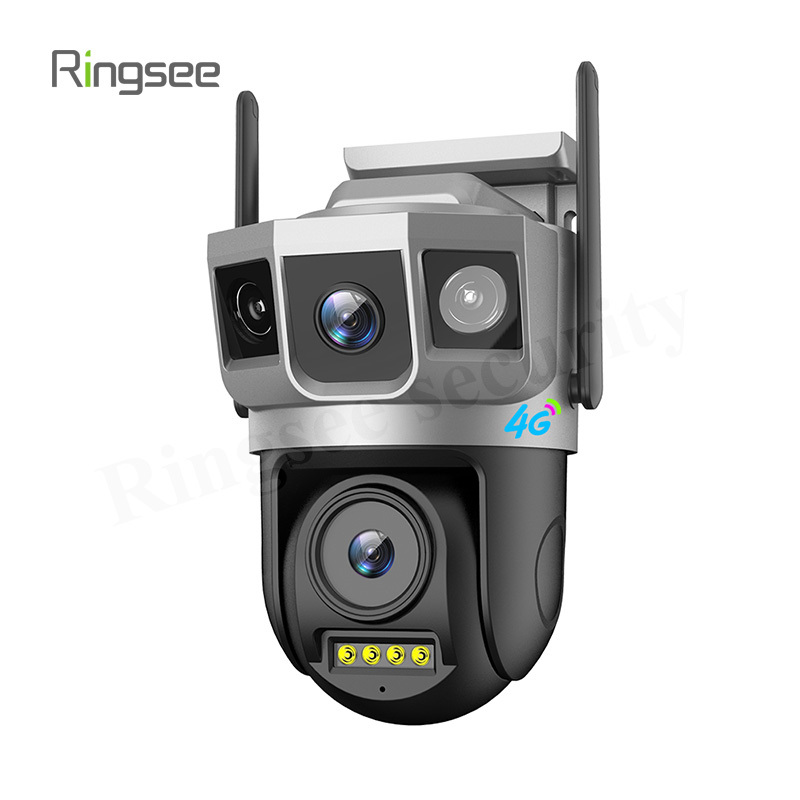
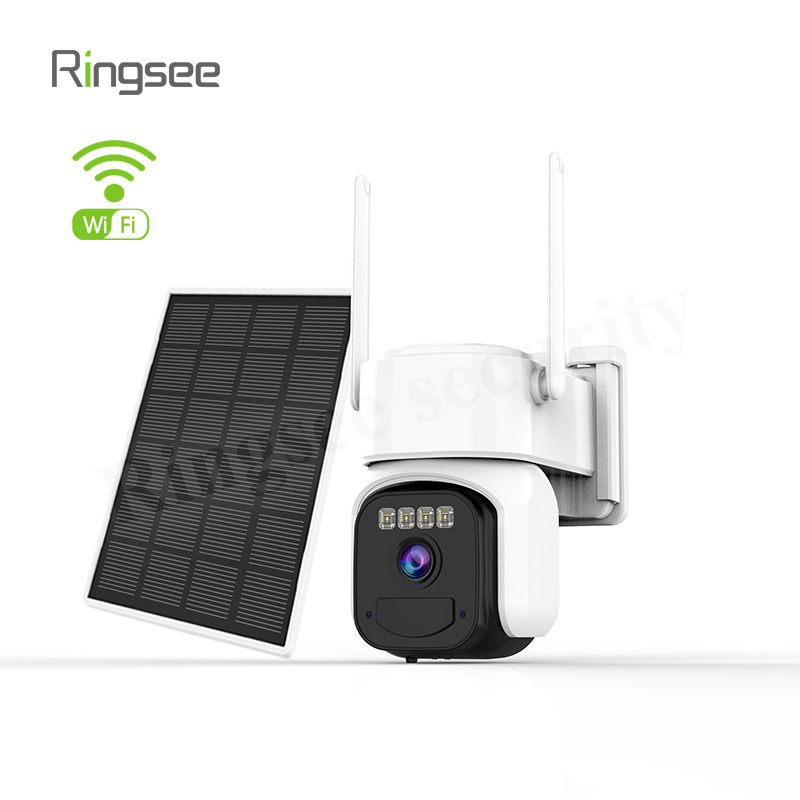
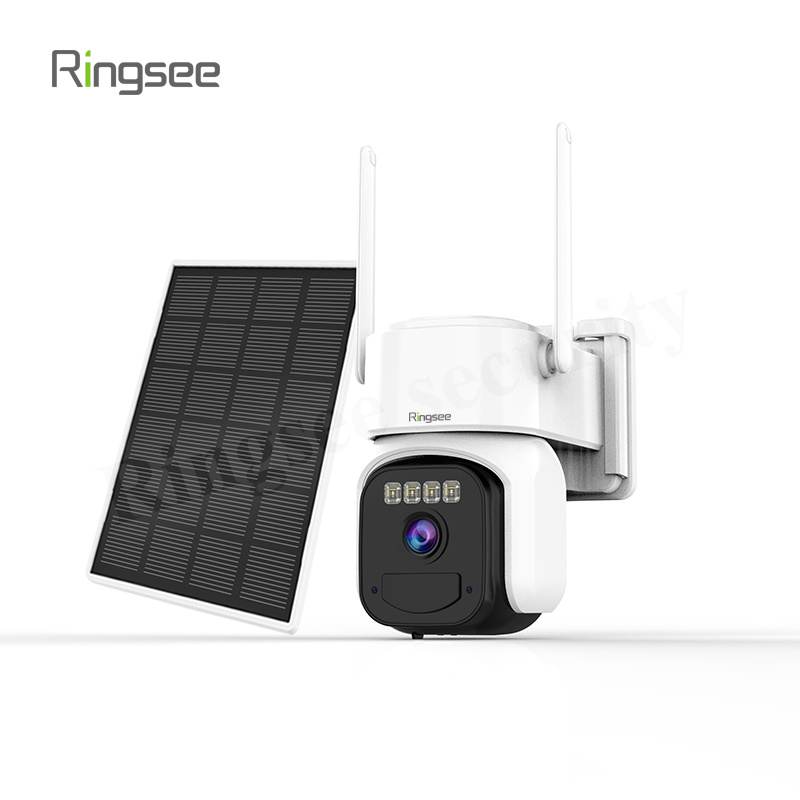
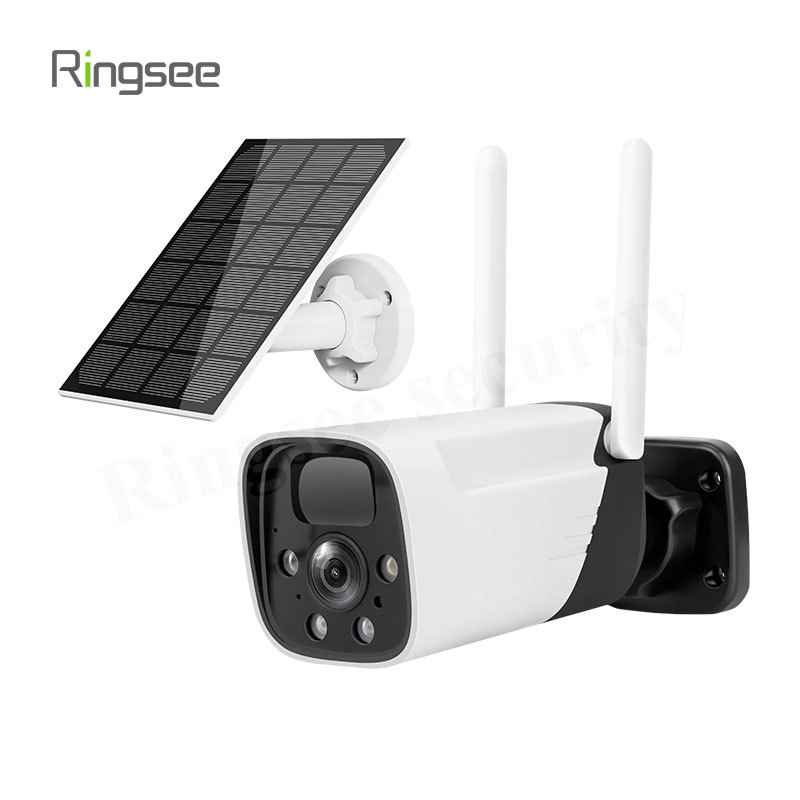
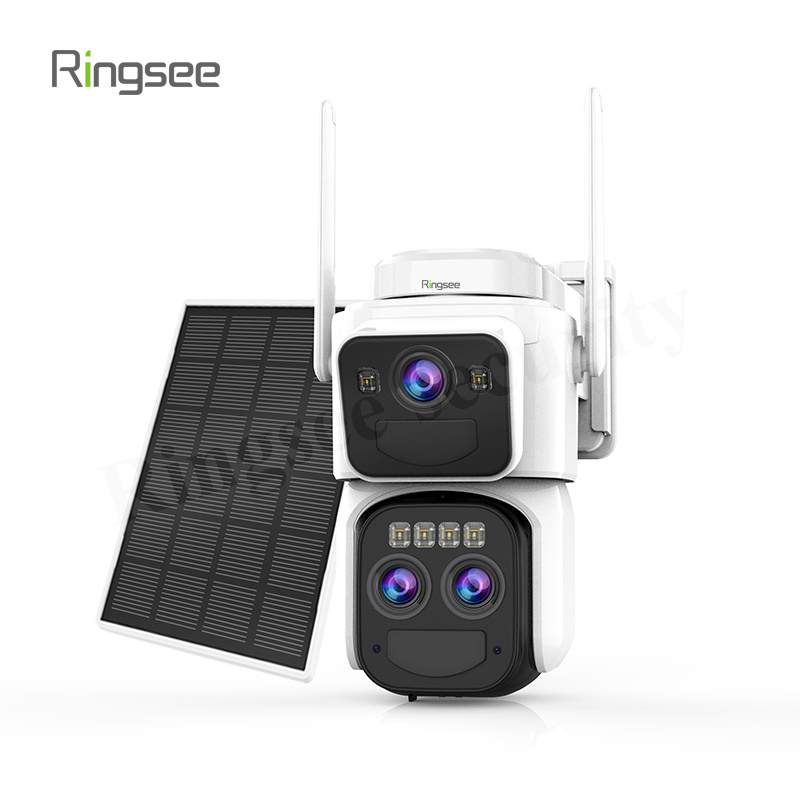
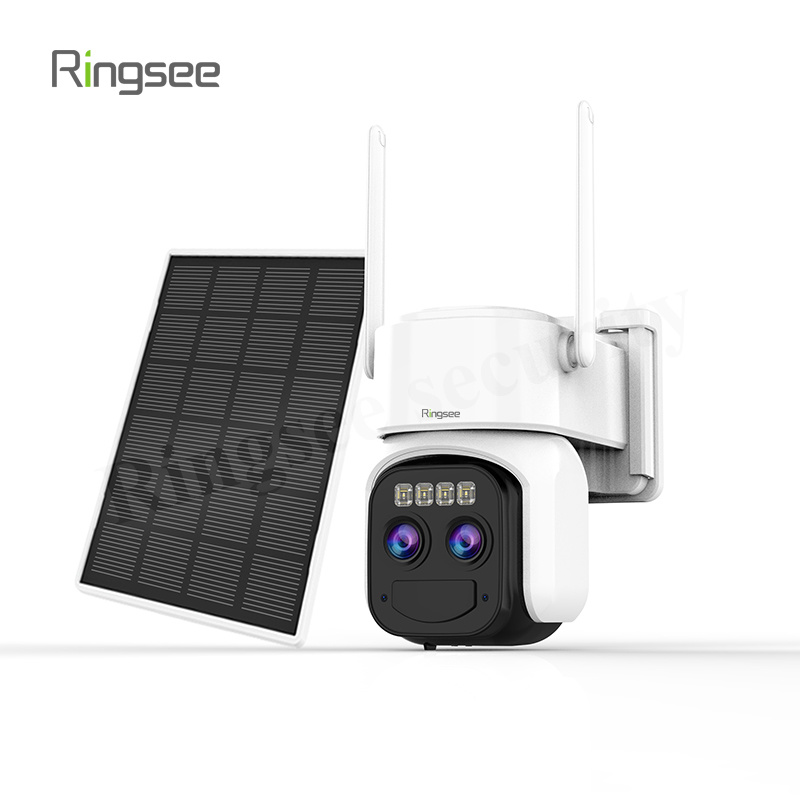
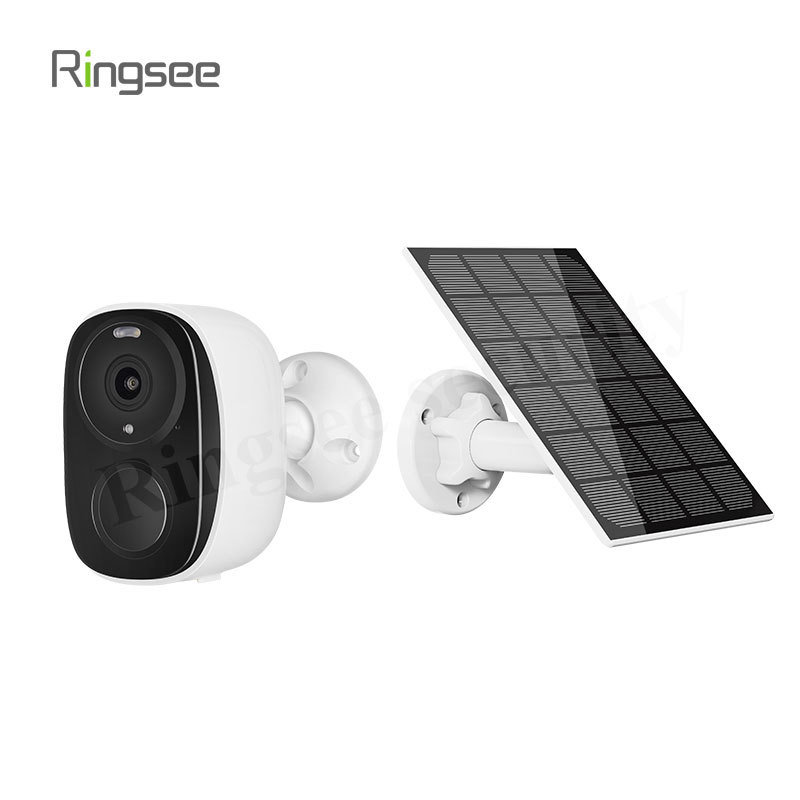
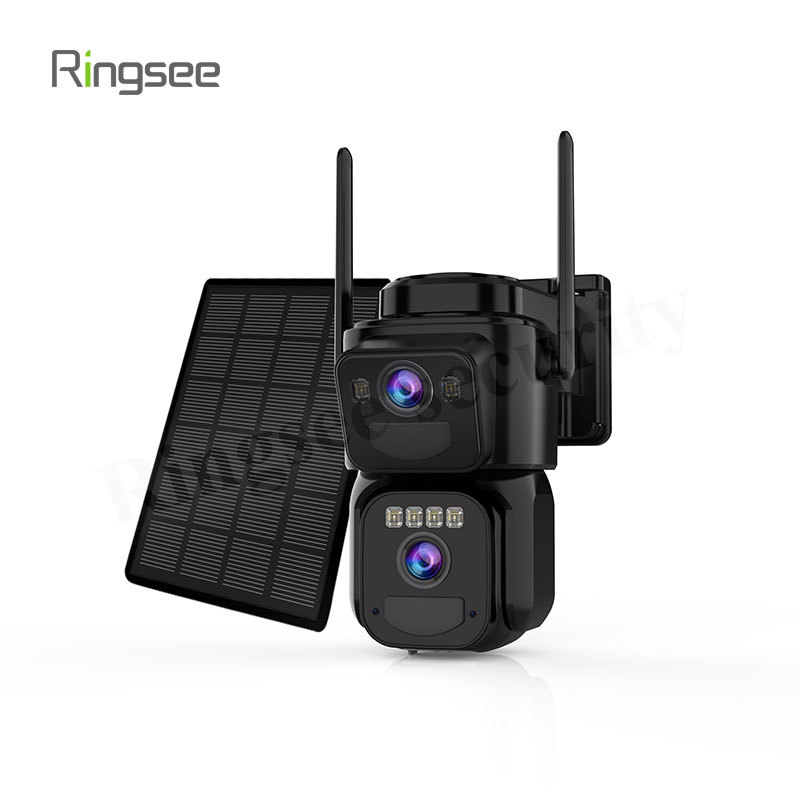
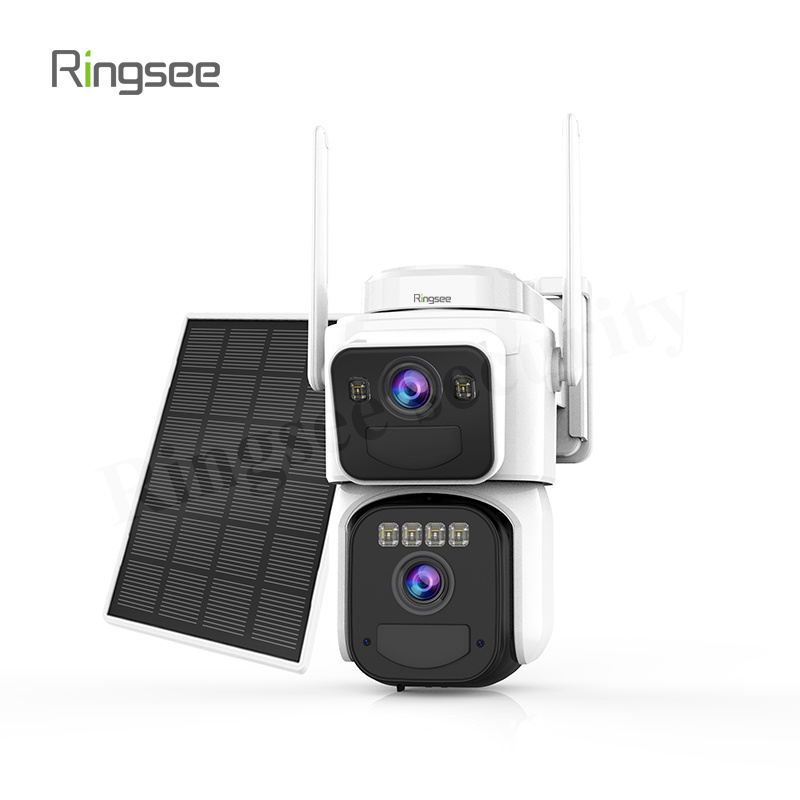
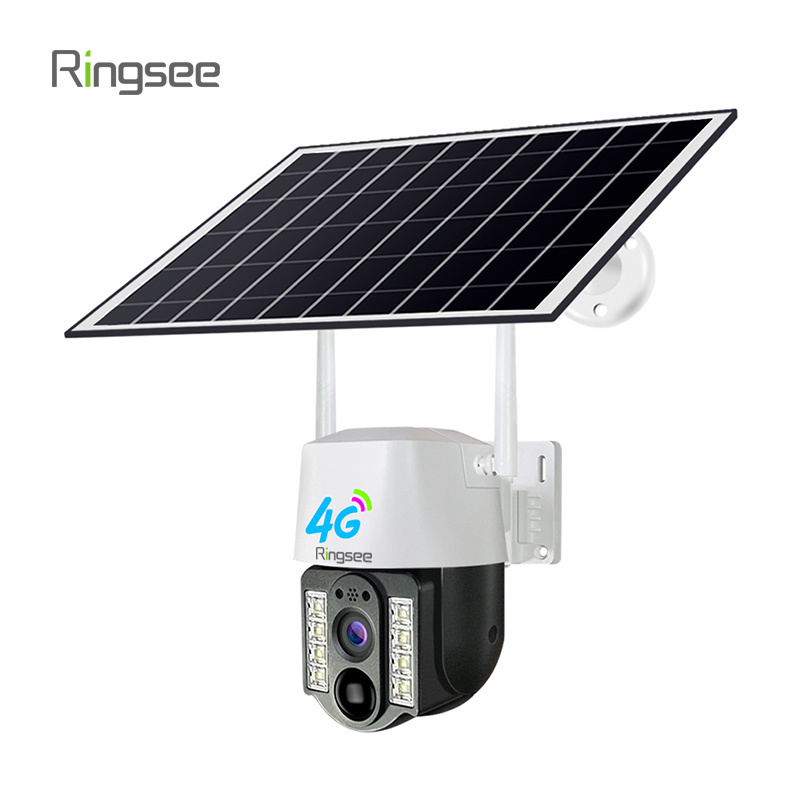
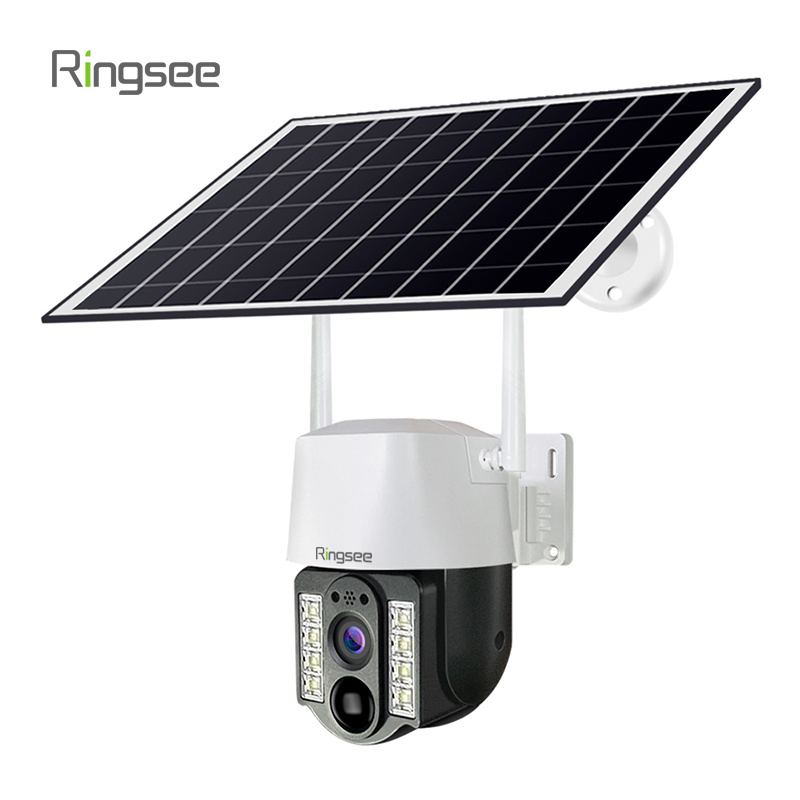
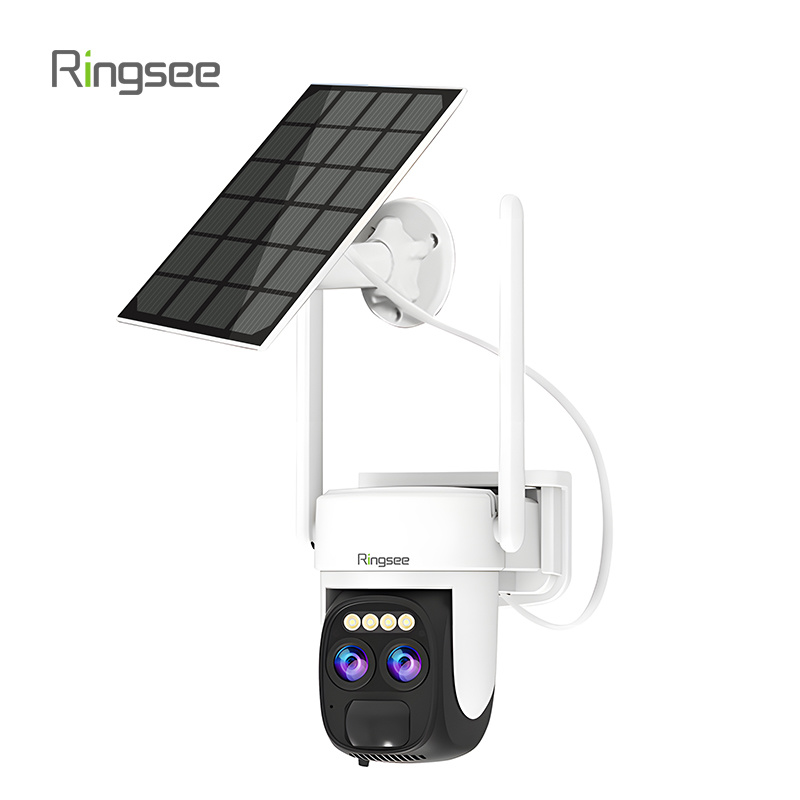
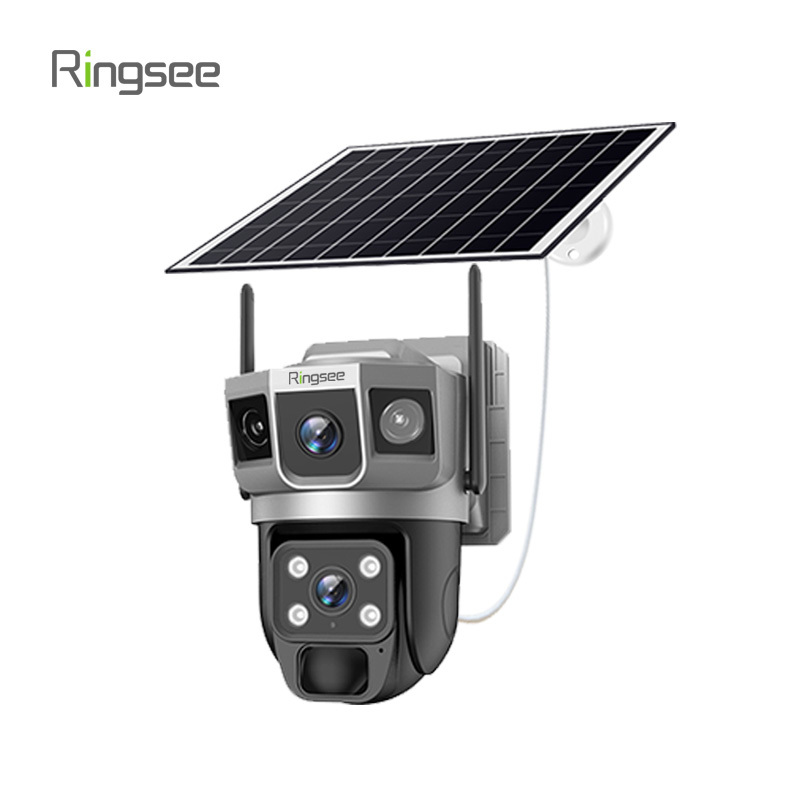
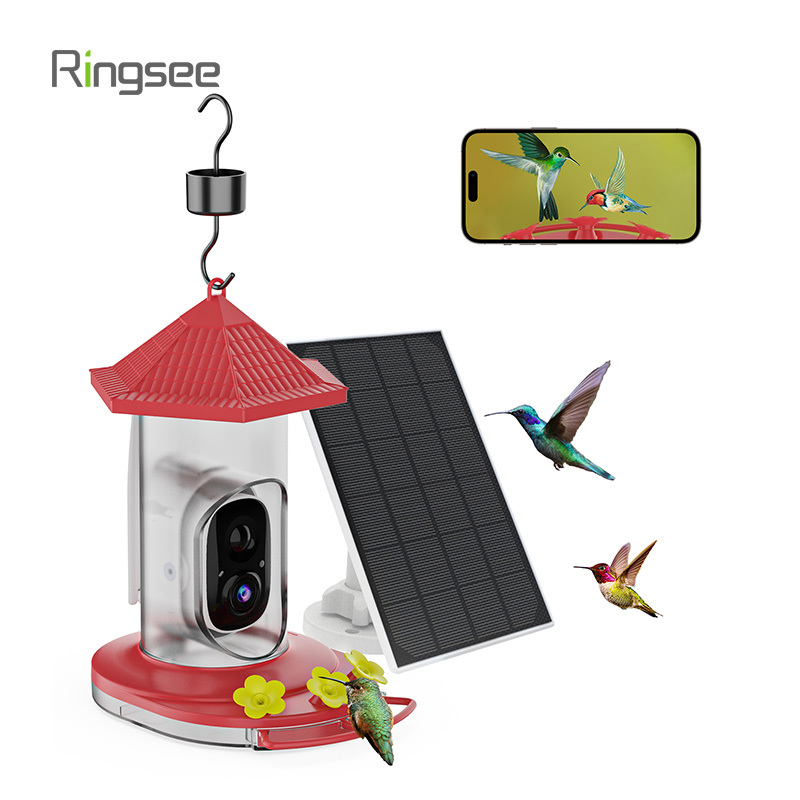
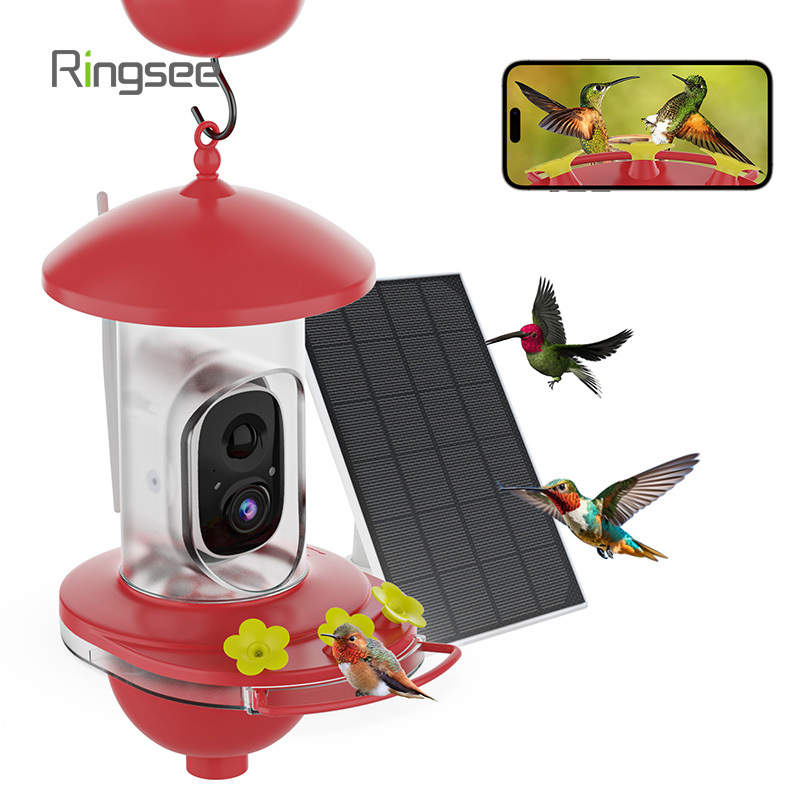
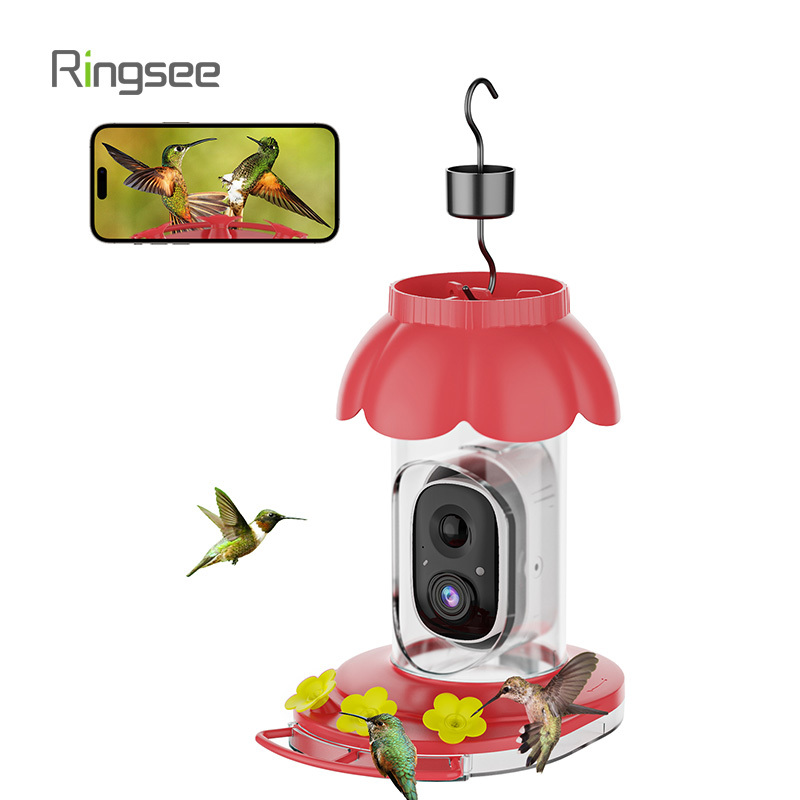
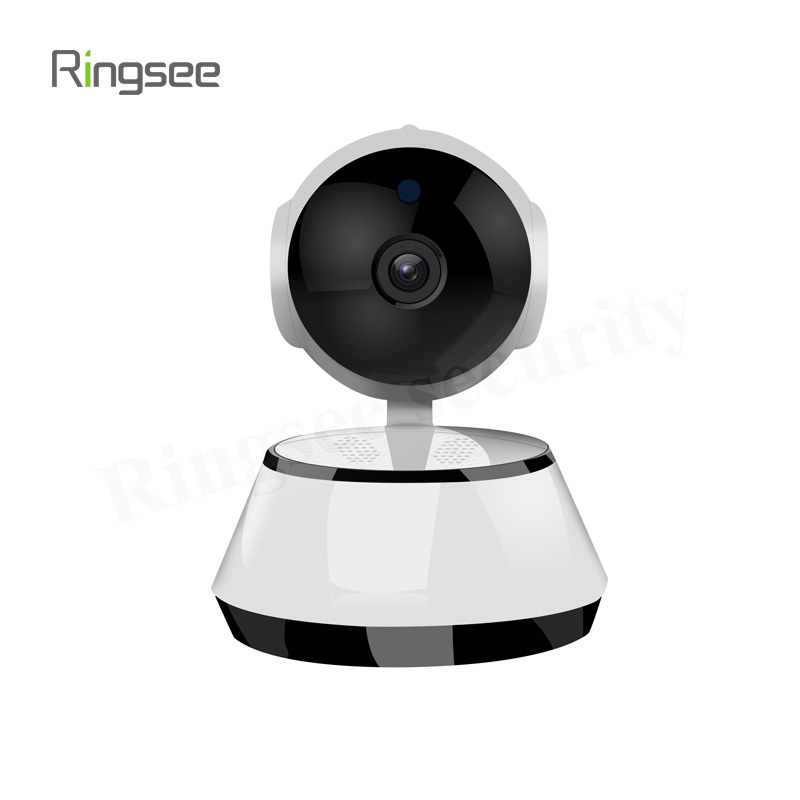
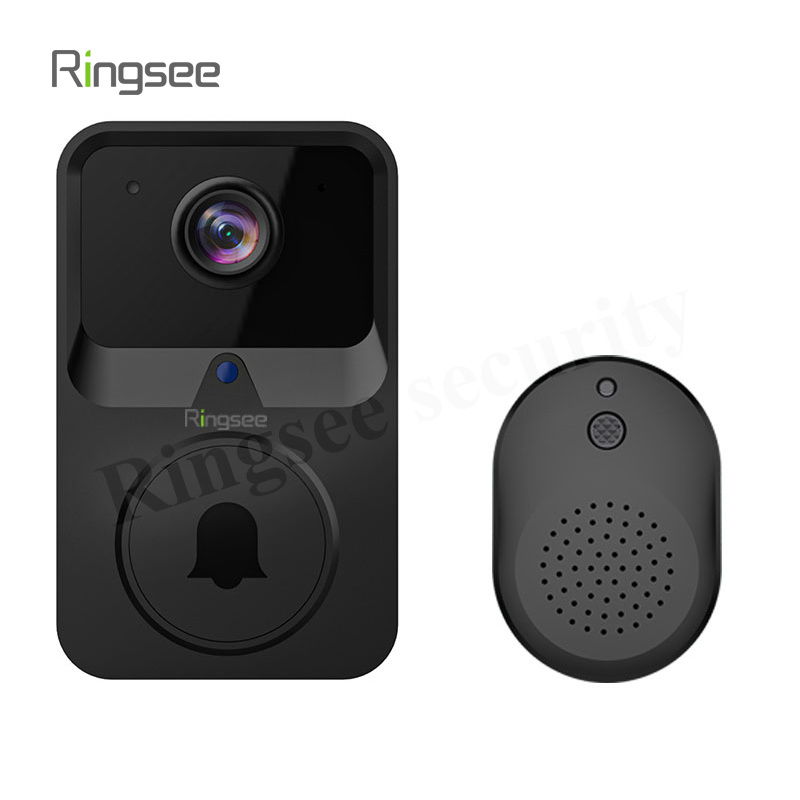
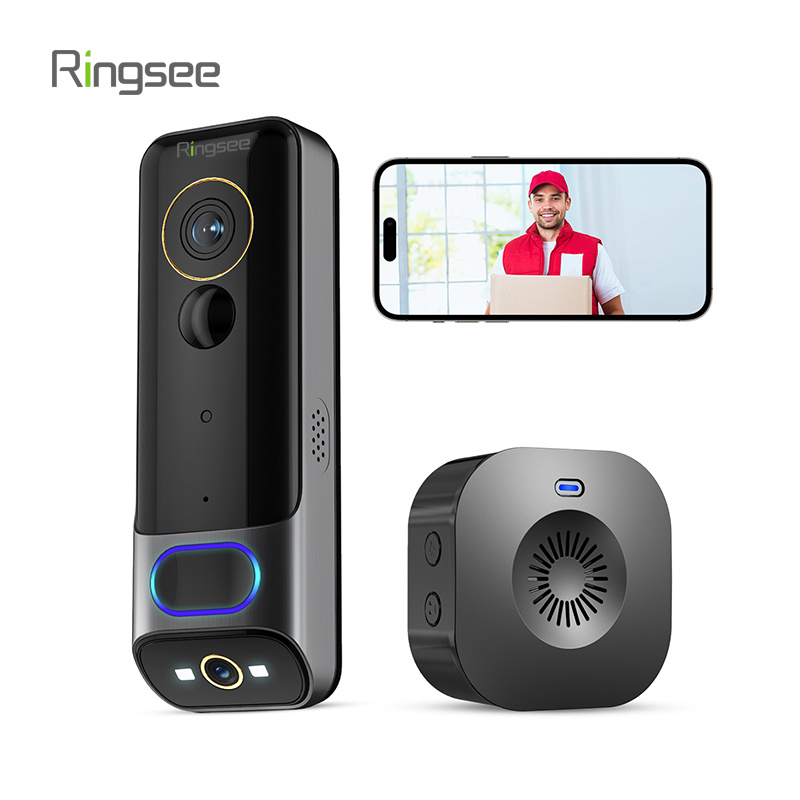
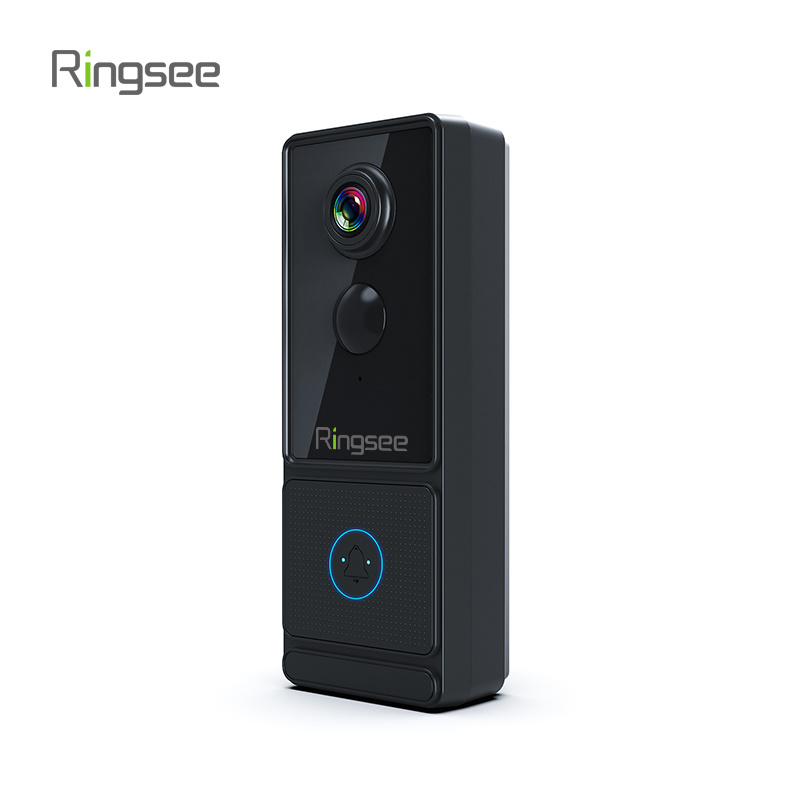
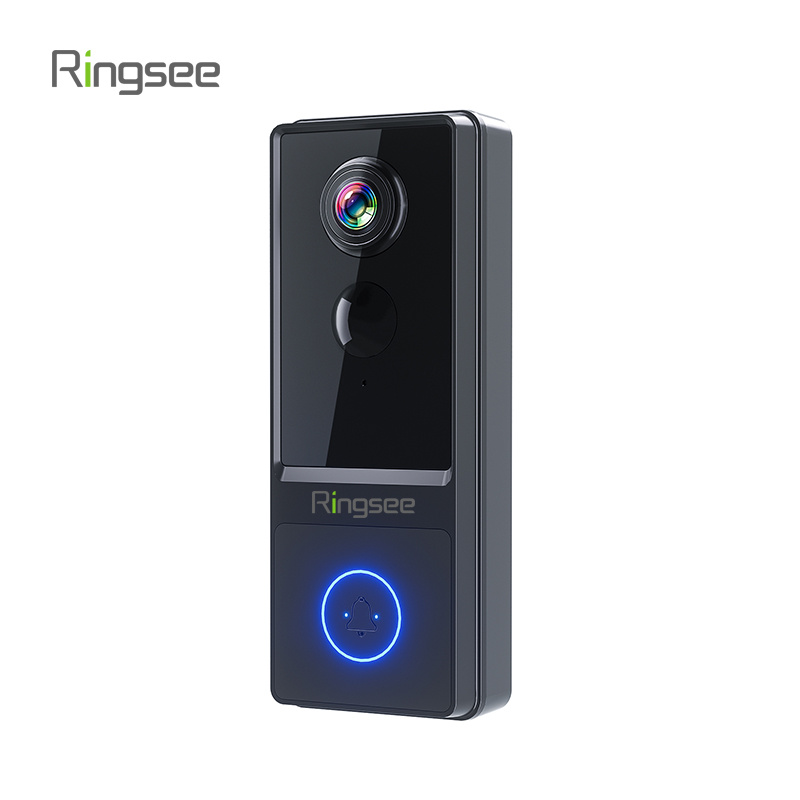
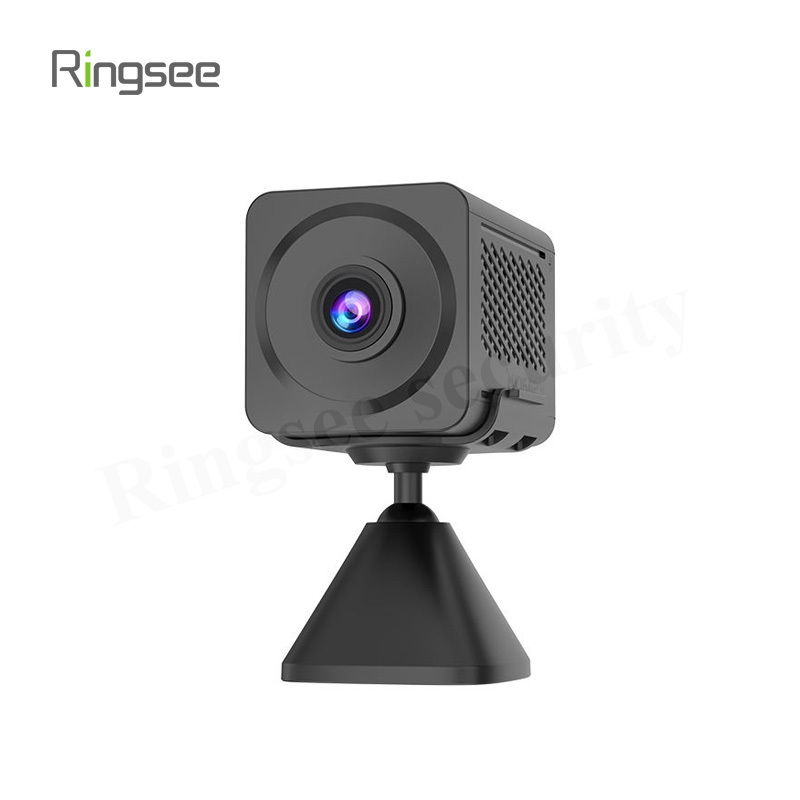
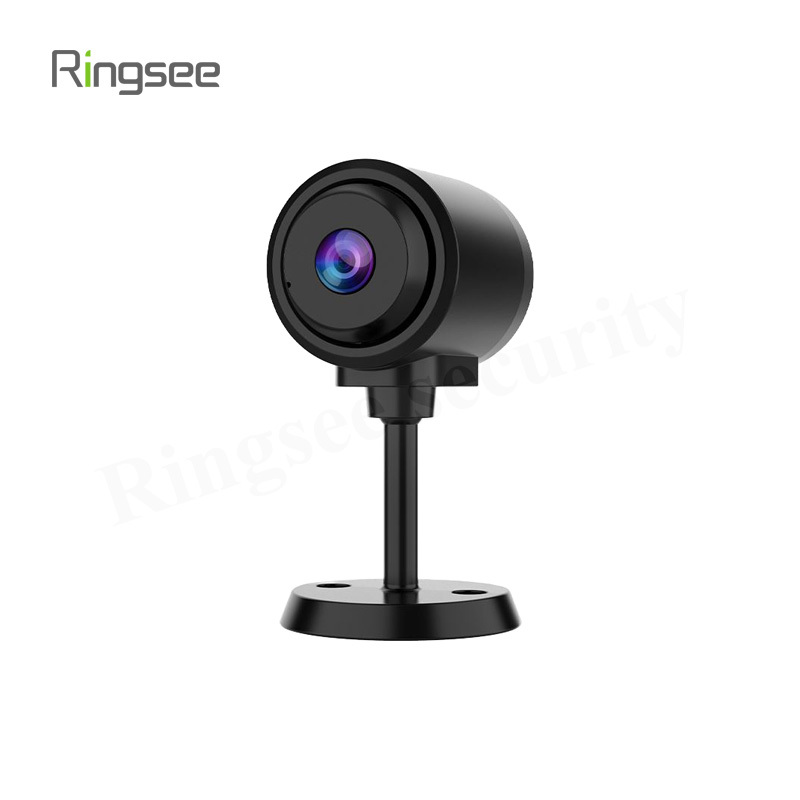
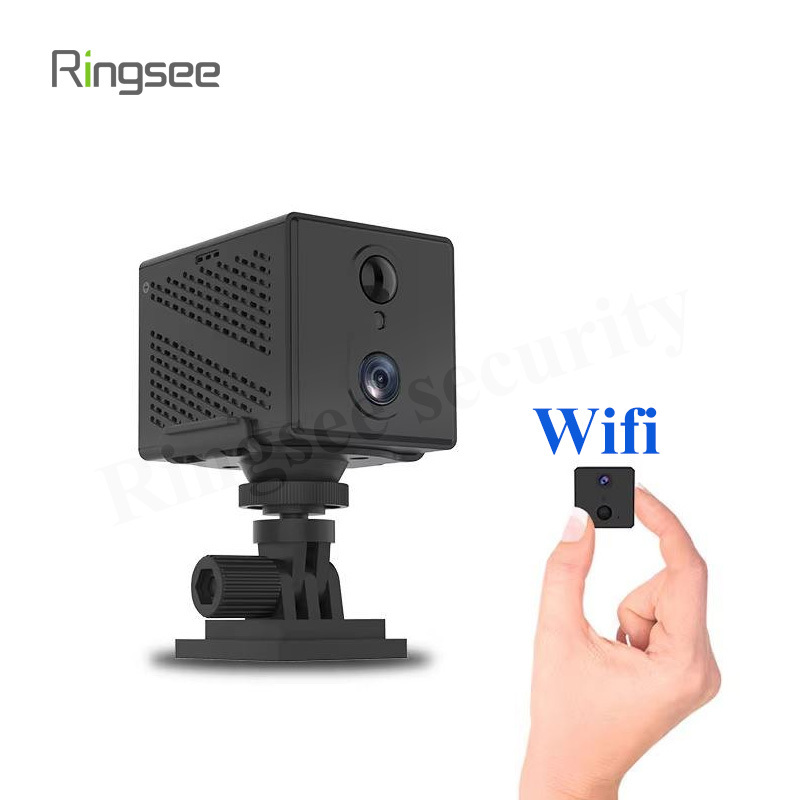
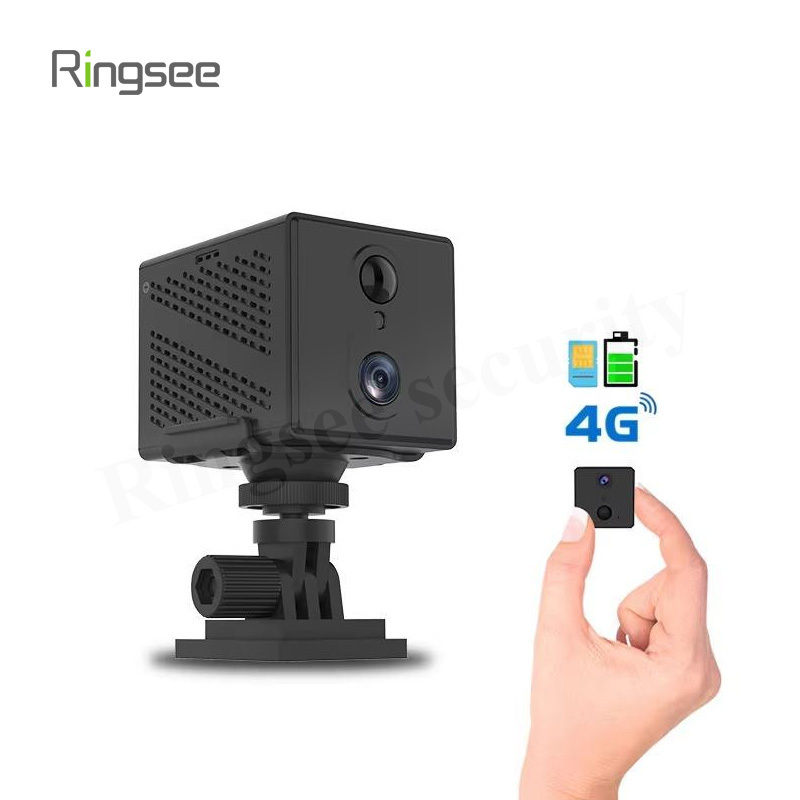
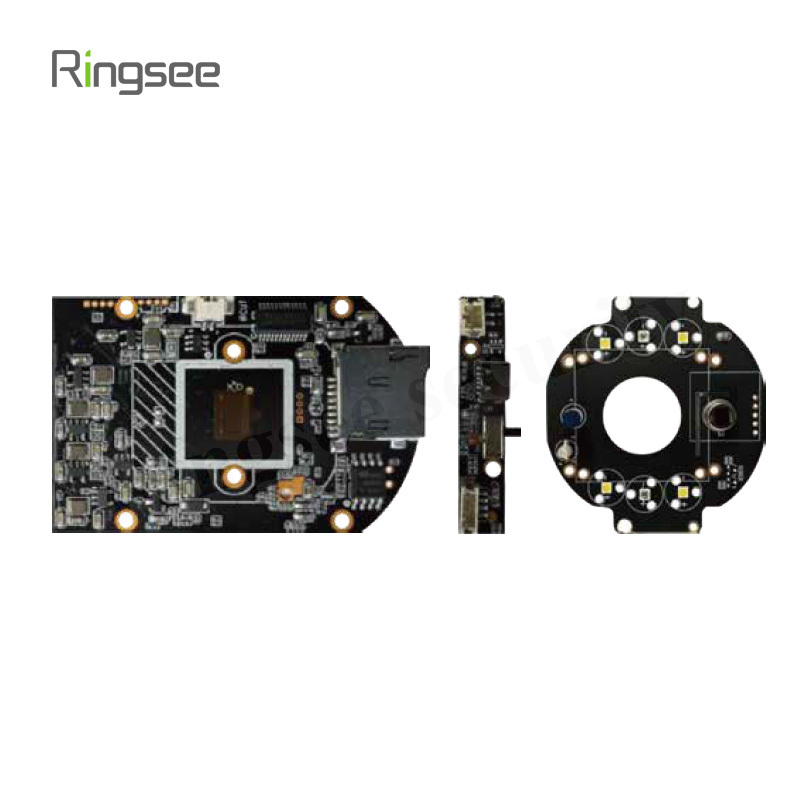
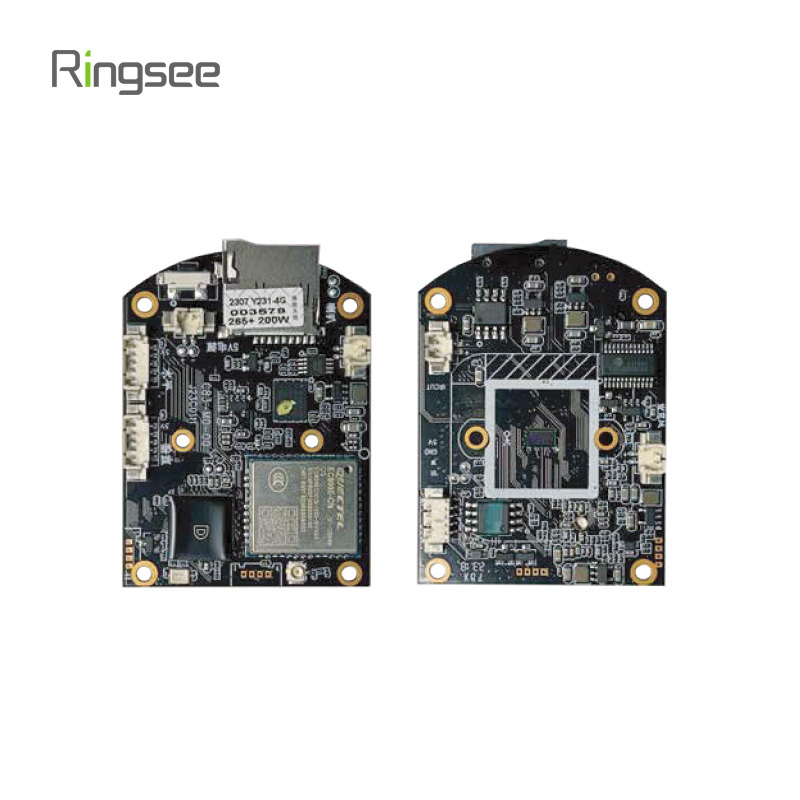
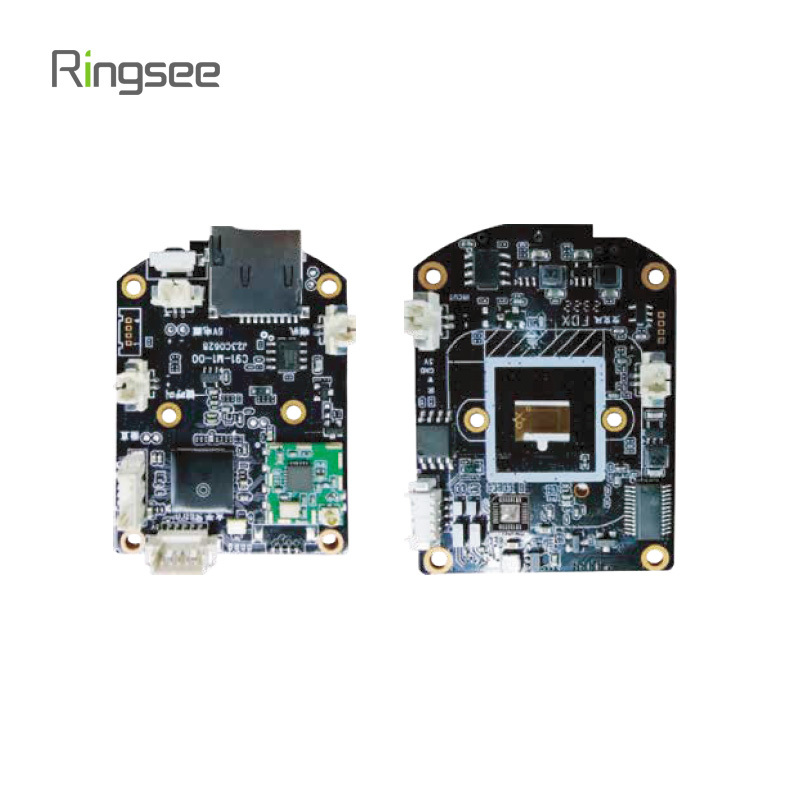
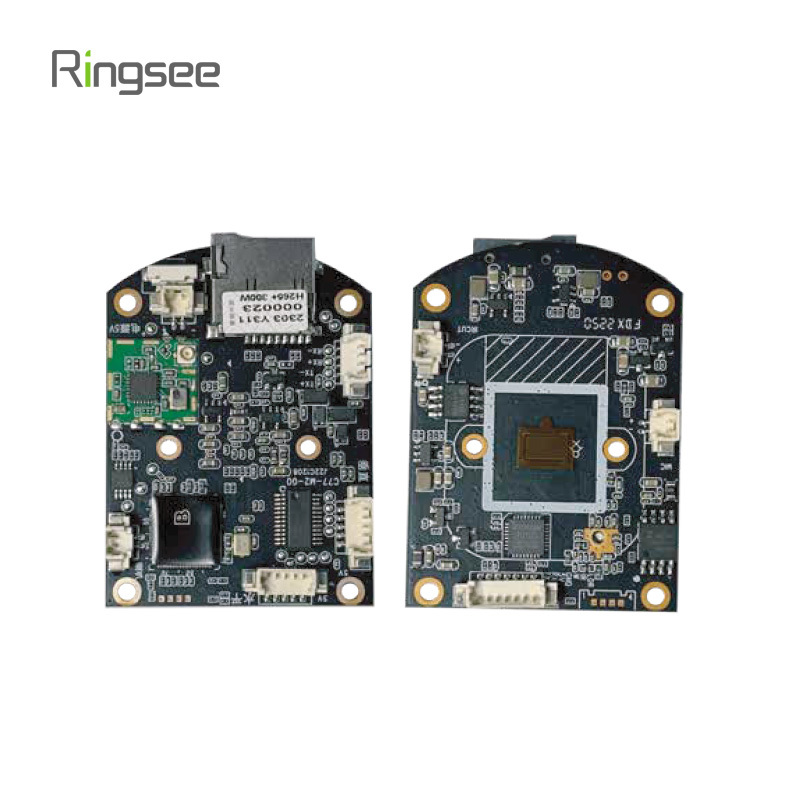
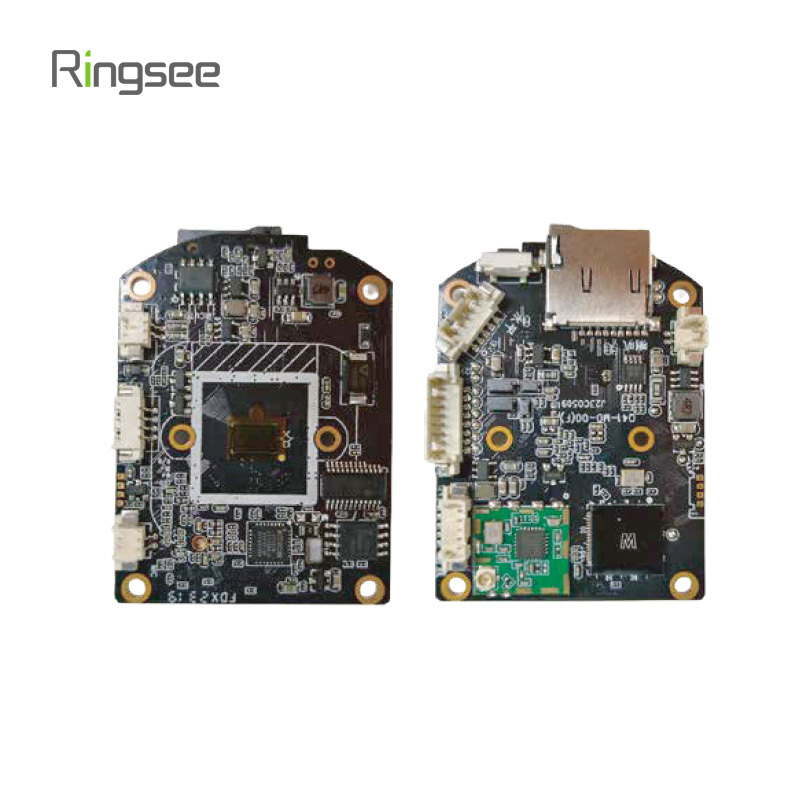
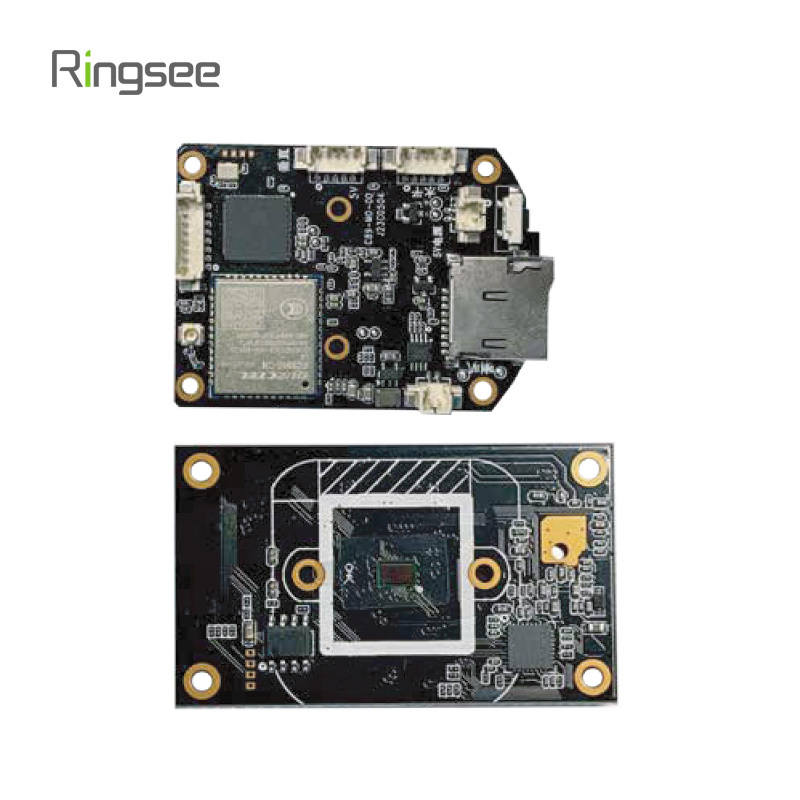
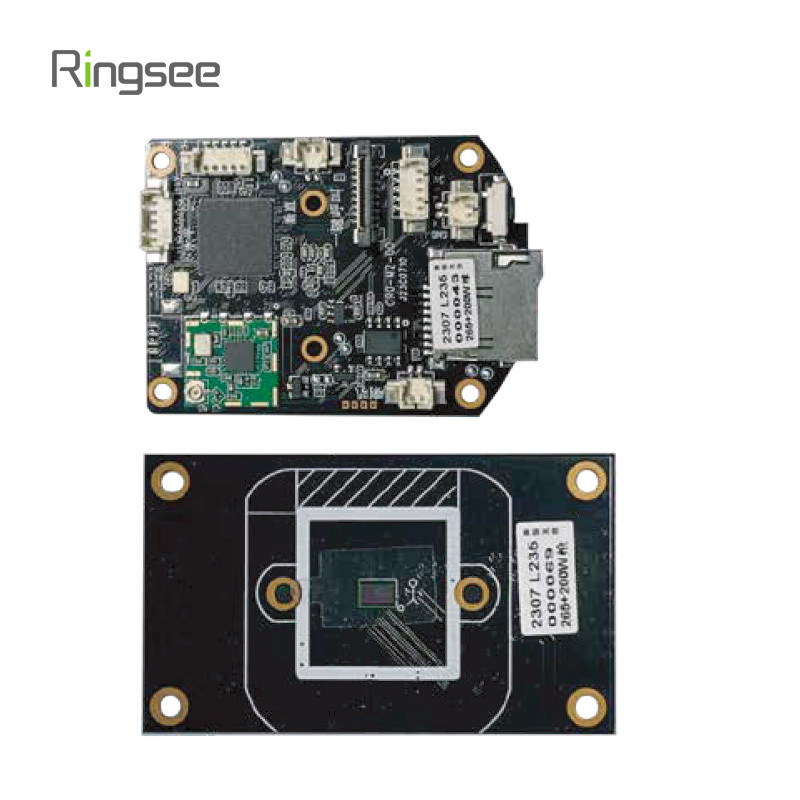
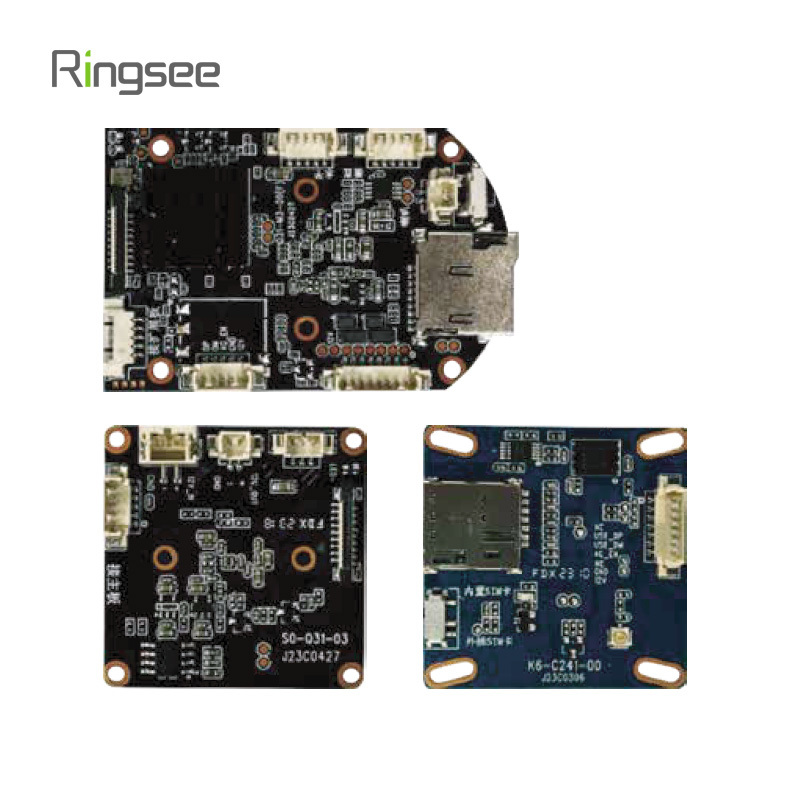
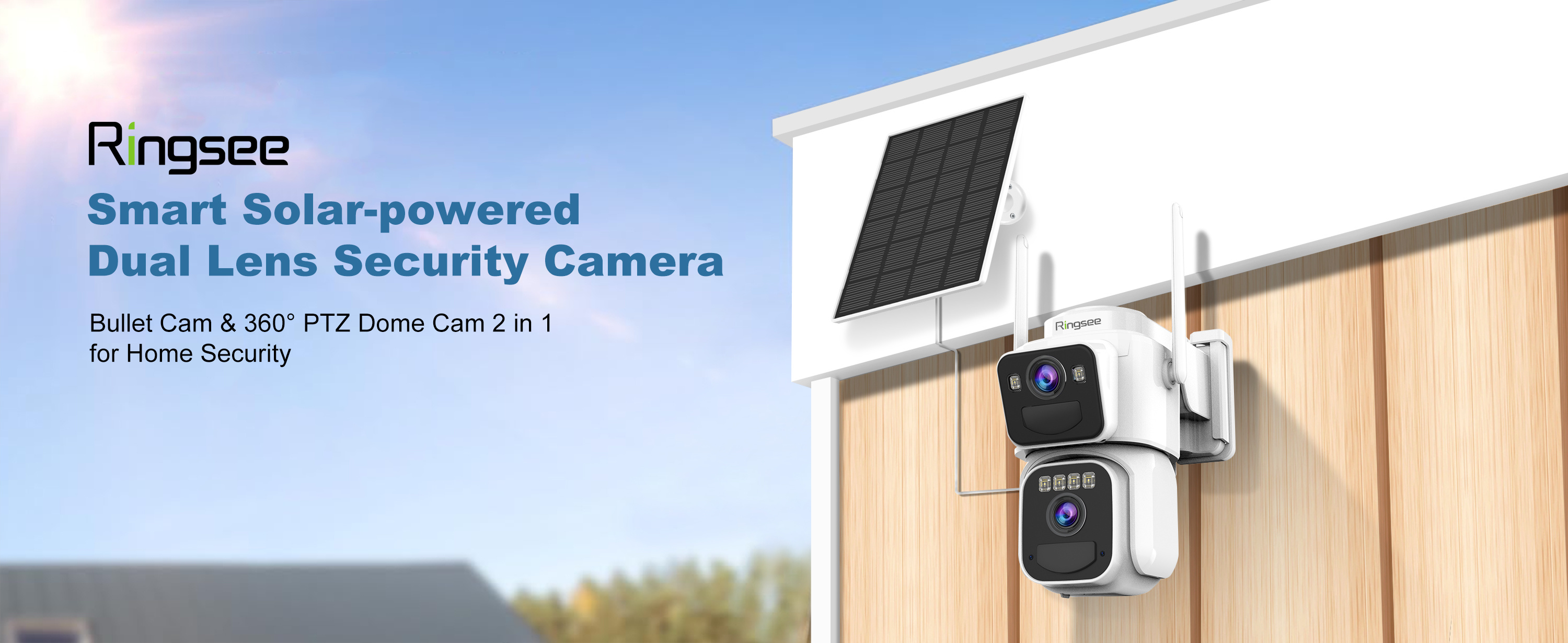
Ringsee (Senhan Zhilian), a leading provider of smart security solutions, is proud to announce the official launch of its innovative low-power solar surveillance camera.
Introduction: Leading the Green Security Revolution
As the global focus shifts towards sustainability, the security industry is undergoing a significant transformation. Traditional surveillance systems, often dependent on constant power draws and complex wiring, are giving way to more efficient, eco-friendly alternatives. Ringsee (Senhan Zhilian), a recognized leader in smart security technology, is proud to be at the forefront of this change with the official launch of its advanced low-power solar security cameras.
This innovative system delivers reliable, high-definition security monitoring while simultaneously making a substantial contribution to energy conservation and environmental responsibility. Designed for efficiency, ease of use, and rugged performance, the Ringsee solar camera represents the next generation of truly decentralized and sustainable security solutions.Ringsee
The Core Innovation: Off-Grid, Ultra-Low Power Technology
1. Efficient Solar Energy Harvesting
Ringsee’s solar surveillance camera eliminates the need for external power sources or continuous battery swapping. This capability is driven by state-of-the-art solar photovoltaic technology.
Monocrystalline Silicon Panels: The cameras utilize high-efficiency monocrystalline solar panels, known for their superior performance in converting sunlight into electricity, even in slightly overcast conditions. This maximizes energy yield throughout the day.
Optimized Power Circuitry: The integrated circuit design is optimized for minimal energy waste. By employing highly efficient Maximum Power Point Tracking (MPPT) charge controllers, the system ensures that the lithium-ion battery is charged at the optimal voltage and current regardless of weather, maximizing available solar energy.
2. Intelligent Power Management and Standby Modes
The concept of "low-power" is achieved through sophisticated battery management software that controls the camera's state.
| Feature | Function | Security/Efficiency Benefit |
| PIR Motion Sensor | Keeps the camera in a deep sleep state until human or vehicular motion is detected. | Minimizes idle power consumption to near zero. |
| Rapid Wake-Up | The camera transitions from sleep to recording in less than one second upon detection. | Ensures real-time capture of events without wasting pre-event battery capacity. |
| Adaptive Bitrate Streaming | Automatically adjusts video quality based on network conditions and remaining battery life. | Conserves both data usage and internal battery power during uploads. |
This intelligent system allows the camera to operate 24/7, providing continuous surveillance while ensuring the internal battery remains adequately charged even through multiple days of low light or cloud cover.
Designed for Durability: 24/7 Security in Any Environment
The reliance on solar power makes these cameras ideal for locations where running electrical wiring is impractical, expensive, or impossible. This section addresses key use cases and the camera's durability.
Ideal Applications for Solar Security Cameras
| Use Case | Challenge Addressed | Ringsee Solution |
| Remote Residential/Rural Property | Lack of nearby power access; costly trenching for wires. | Completely wireless setup and deployment; self-sufficient power supply. |
| Construction and Job Sites | Temporary setup required; need for quick relocation. | Easy installation/uninstallation; robust, weatherproof design (e.g., IP66 rating). |
| Docks, Marinas, and Coastal Areas | High humidity, salt exposure, and strong winds. | Durable, anti-corrosion housing and high weather resistance for reliable operation. |
Uninterrupted Monitoring: The robust casing and high weather resistance ensure the Ringsee solar camera continues to function reliably in harsh conditions, including heavy rain, snow, extreme heat, and high winds, delivering real-time, high-definition video surveillance wherever it is needed most.
Key Advantages Over Traditional Security Systems
A. Simple Installation and Zero Wiring Costs
The wireless design means installation is radically simpler than traditional hardwired systems. Users can mount the camera in minutes with basic tools, instantly eliminating the high cost and complexity associated with running electrical conduit and data cables across property lines. This makes professional installation optional, allowing for significant DIY cost savings.
B. Long-Term Financial and Environmental Savings
Choosing solar represents a responsible investment.
Zero Electricity Bills: Since the camera is entirely self-powered by the sun, it draws no power from the grid, resulting in long-term savings on utility costs.
Reduced Maintenance: The system's intelligent low-power mode drastically extends the lifespan of the internal rechargeable battery, minimizing the need for frequent replacement or maintenance checks.
Green Energy Adoption: By reducing reliance on traditional electricity, Ringsee empowers users to shrink their carbon footprint, aligning security needs with environmental values.
C. Enhanced Monitoring Capabilities
Despite the low-power consumption, the Ringsee camera delivers premium surveillance features:
High-Definition Video: Captures video in crystal-clear 2K or 4K resolution, ensuring facial details and license plates are visible.
Integrated Night Vision: Features advanced color or black-and-white night vision technology for clear visibility in total darkness.
Two-Way Audio: Allows users to communicate with visitors or deter intruders directly through a connected smartphone app.
Cloud and Local Storage: Offers flexible storage options to ensure data security and redundancy.
Ringsee's Commitment to Green Security
Ringsee's launch of the low-power solar camera line is more than a product release; it is a commitment to steering the security industry toward a more sustainable future. By integrating efficient solar technology with smart, power-saving hardware and software, the company offers a security solution that is both highly effective and ecologically sound.
Ringsee invites distributors, partners, and consumers to explore this innovative technology and join the movement toward green, autonomous, and reliable home and business security.
Related News
CCTV Data Compliance: Video Retention, Privacy Masking and Access Control Management
A practical data-compliance guide for surveillance operators under GDPR and comparable regimes: the three-question legality test, retention-period determination, privacy-masking implementation, a three-tier access model with audit trails, facial-recognition red lines, and cross-border transfer rules — so the system that protects your premises doesn't become your biggest liability.
Sep 12,2026
How to Accept and Sign Off a CCTV Project: Acceptance Checklist and Common Corner-Cutting Traps
A practical acceptance guide for security camera installation projects: the three-stage acceptance process (concealed works, trial run, final handover), six common corner-cutting traps — CCA cable, over-length runs, underrated PoE, refurbished drives, model substitution and inflated retention — plus a field test checklist, document requirements and milestone payment structure.
Sep 12,2026
A selection and compliance guide for industrial security cameras: hazardous-area zone classification (gas and dust), how to read the Ex marking field by field, certificate verification (Ex certificate + IECEx/ATEX or local listing), temperature-tier solutions, corrosion-resistant materials, and the four hidden killers — dust, EMI, vibration and backlight.
Sep 05,2026
Distributed Security Architecture Guide
This guide is for IT managers, procurement teams, and security engineers at chain retailers, manufacturers, and property groups. The problem is not 'which camera to buy,' but how dozens or hundreds of locations can be monitored, managed, and audited from one central point. The core architectural challenge is protocol unification, network topology, and platform governance. Without these, every branch becomes an isolated island, forcing staff to log into different systems and delaying incident response.
Sep 05,2026
The previous nine articles each addressed a link in the chain: power supply (see *Power Supply × Networking: 12-Combination Decision Tree*) determines whether the camera powers on; networking (see *4G + Solar Off-Grid Surveillance Solution Selection Guide*) determines whether it connects; night vision (see *Night Vision and Low-Light Selection Guide*) determines how clearly it sees in the dark; protection and lightning protection (see *IP66/IP67 Protection and Lightning Protection Selection Guide*) determine how long the equipment lasts; lens field of view (see *Surveillance Camera Lens and Field of View / Focal Length Selection Guide*) determines whether it captures the target; storage and NVR (see *Storage and Recording Duration / NVR Selection Guide*) determine whether the footage is retained; remote access and network security (see *Surveillance Camera Remote Access and Network Security / VPN Selection Guide*) determine whether the footage is secure; AI analytics (see *Surveillance Camera AI Analytics (Human / Vehicle / Intrusion Detection) Selection Guide*) determine whether the system can "recognize anomalies"; and alarm linkage and platform integration (see *Surveillance Camera Alarm Linkage and Platform Integration (Audible-Visual / Platform / API / ONVIF) Selection Guide*) determine whether it can "act and be controlled" once an anomaly is recognized. Yet until now, every plan has remained at the level of "selection" — the cameras are still on paper. From a neutral technical perspective, this article pushes the topic cluster to its final link: "installed steady, tuned accurate, maintained affordably." It breaks down pre-deployment site surveys, PoE power supply and wiring sequence, Cat5e/Cat6 cabling distance, lightning protection and grounding with SPD, pole and bracket installation, NVR/platform integration, the commissioning and acceptance process, AI false-alarm rate verification, daily maintenance and troubleshooting, and remote security review, and provides a practical delivery acceptance template to help buyers turn "selecting right" into genuinely "reliable in use."
Aug 29,2026
Links:One Belt Power Technology
Add: 14th Floor, Baoshan Building, Longhua District, Shenzhen China.
Privacy Policy | SEO | CitySite | Support: 300.cn Dongguan