
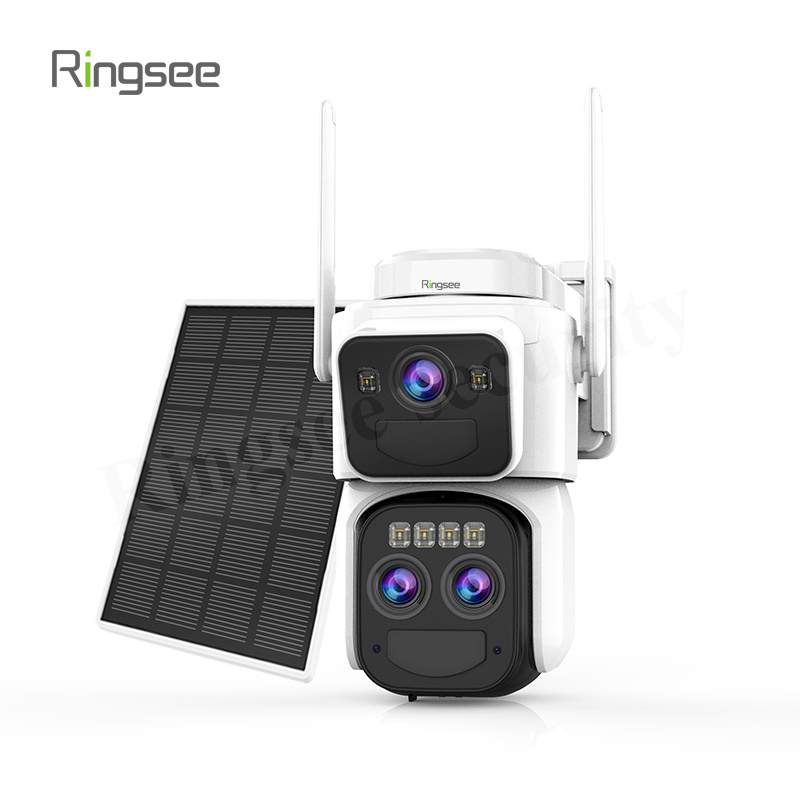
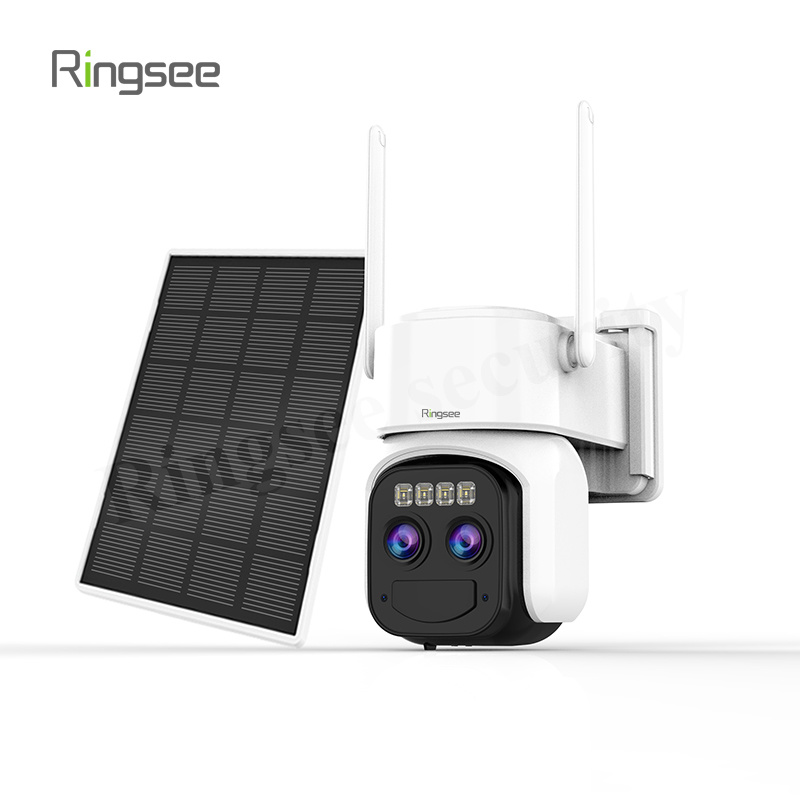
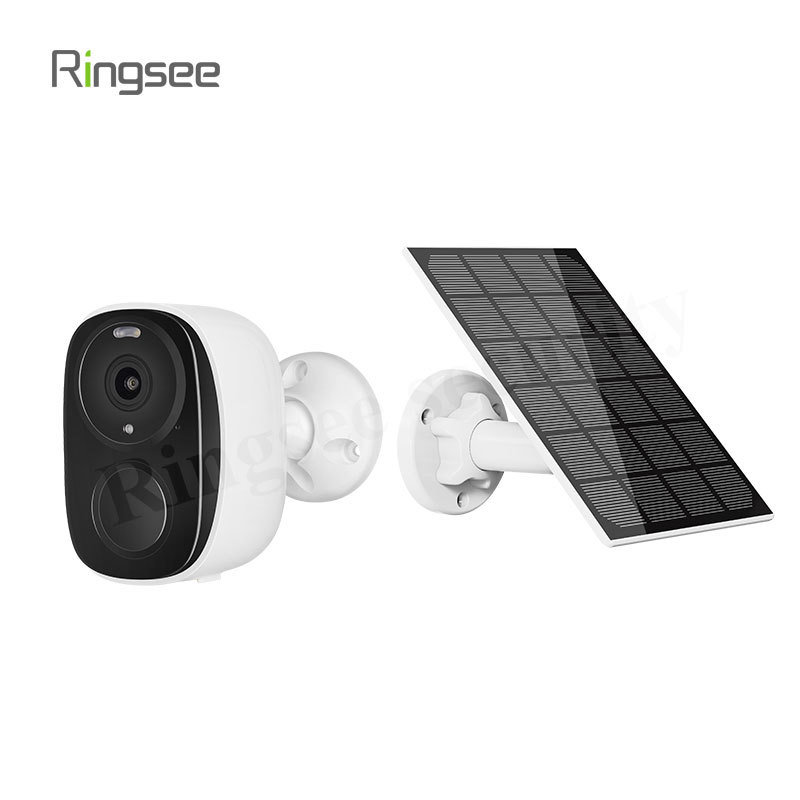
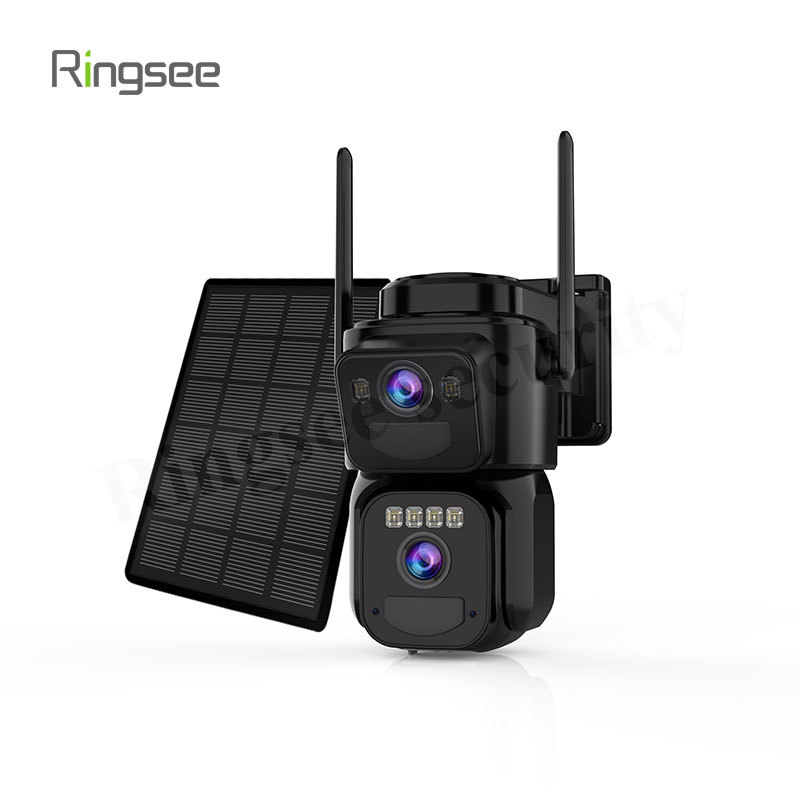





The Science of AOV: Deep Dive into Low-Power Camera Longevity
Publish:
2025-12-09 10:20
Source:
https://www.ring-see.com
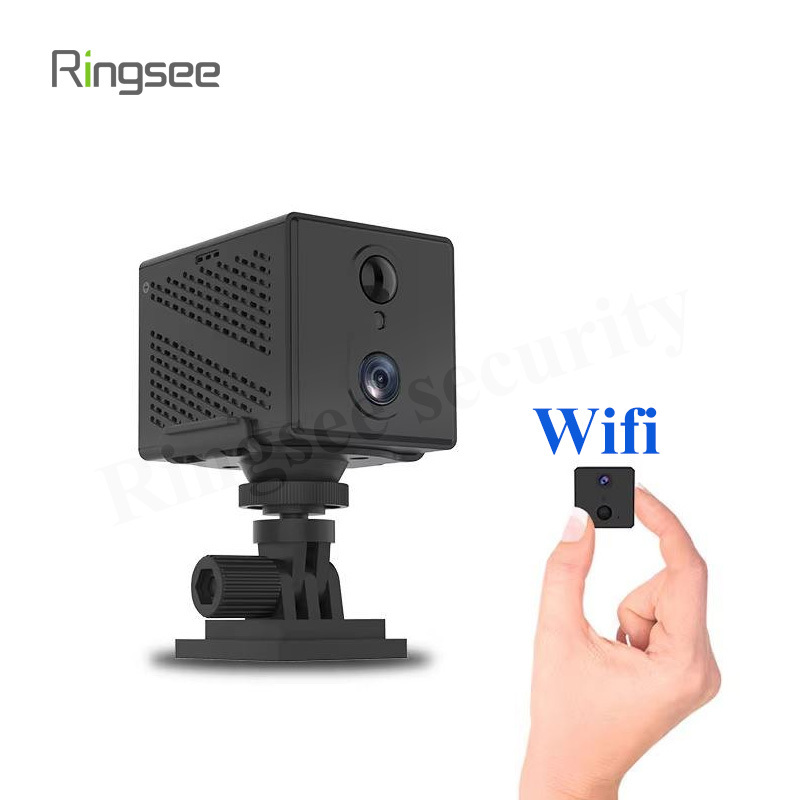
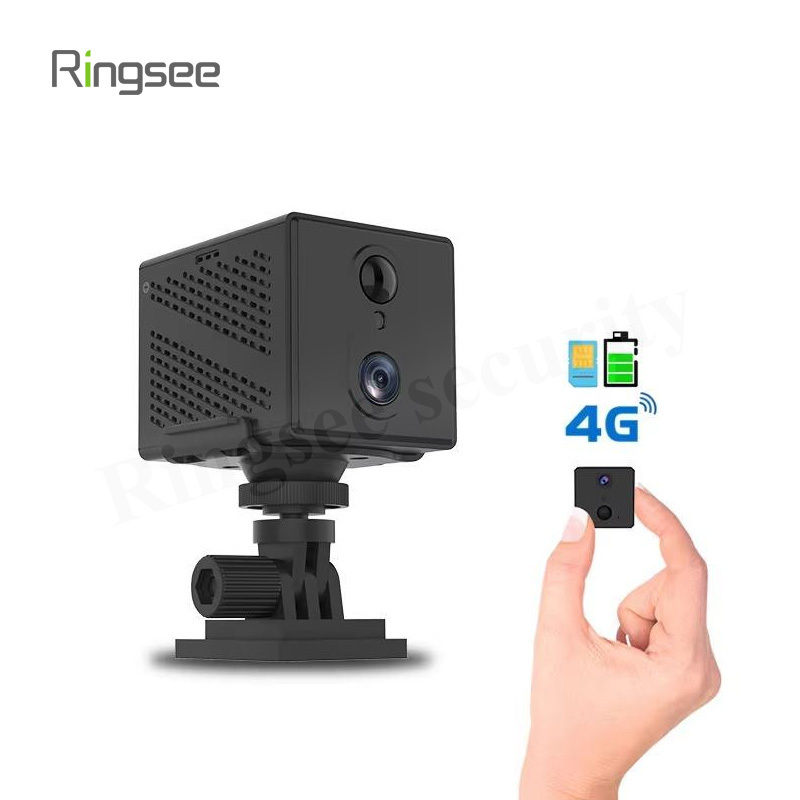
Discover the engineering behind Ringsee's AOV low-power cameras. We detail the chipset, PIR detection, and firmware logic that deliver multi-month battery life and maximum energy efficiency.
Traditional surveillance cameras guarantee security but often come with a hidden cost: constant, high power consumption that drives up utility bills or necessitates complex wiring. For property owners seeking robust, long-term security without the energy expense, the solution lies not just in using a battery, but in the sophisticated engineering of AOV (Always On Video) low-power cameras.
Ringsee’s AOV technology is designed around extreme efficiency. It’s not simply about having a large battery; it’s about micro-managing power draw through a highly optimized system. We detail the technical architecture, from the chipset to the detection logic, that allows our cameras to operate for months on a single charge.

The Engineering Behind Ultra-Low Power Consumption
A security camera must perform two primary functions: remain vigilant (standby) and record events (active). The secret to long battery life is minimizing the power required for the standby state and maximizing the speed of the transition to active state.
1. The Power-Optimized Chipset (The Engine)

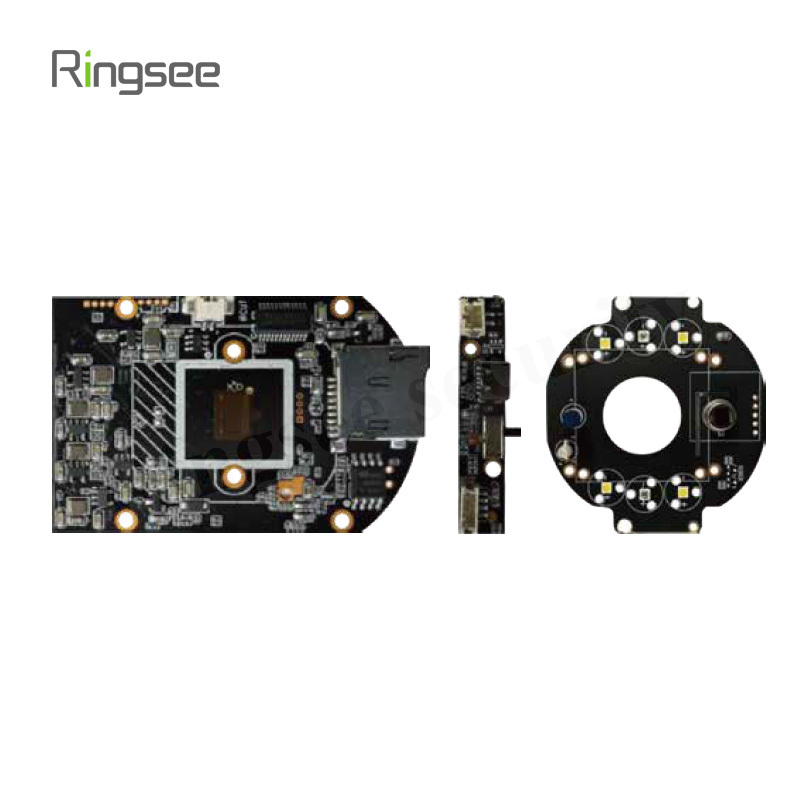
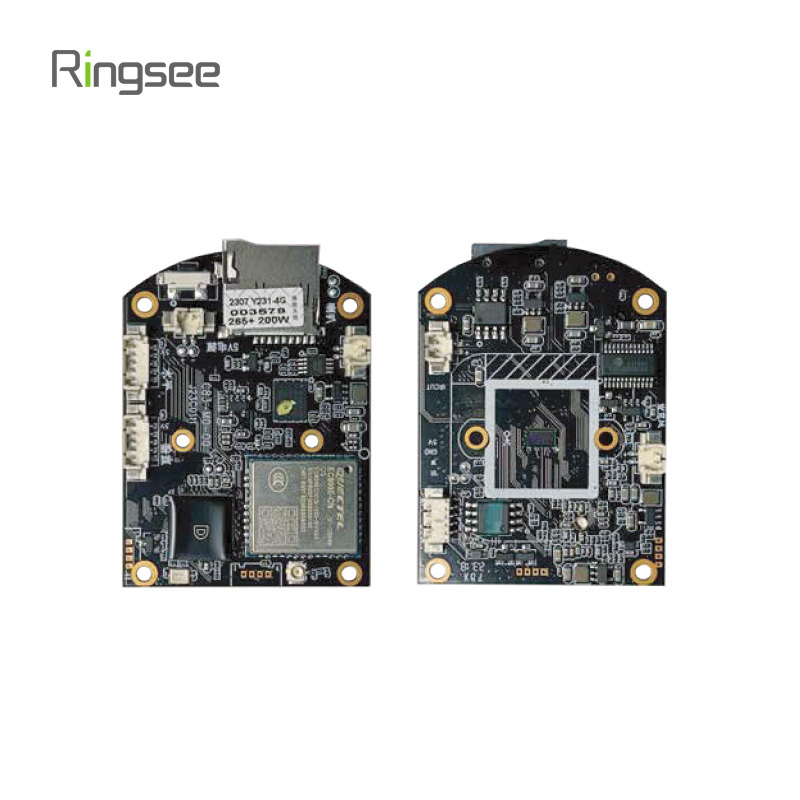
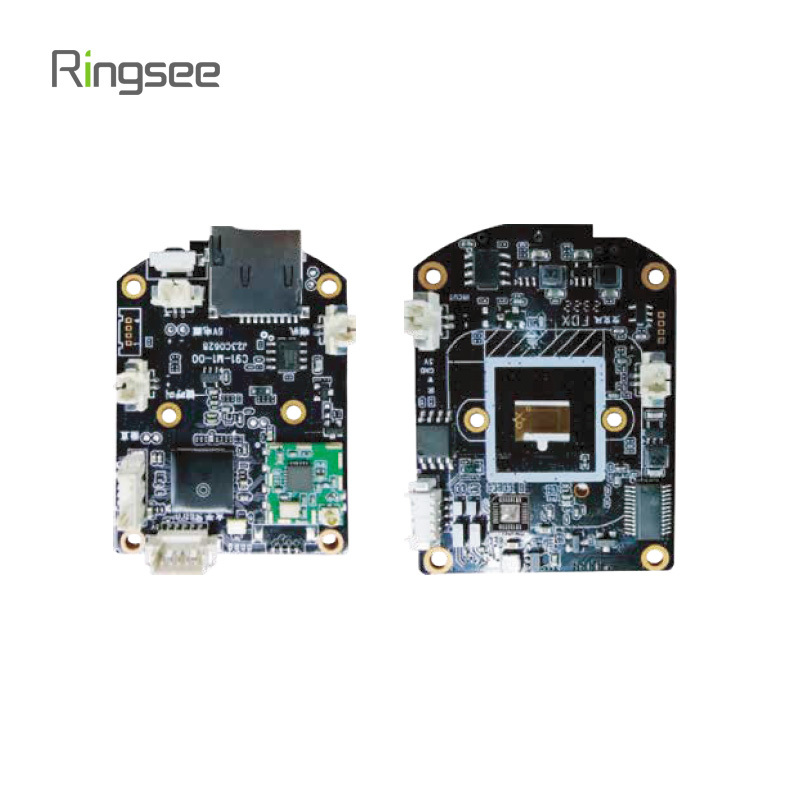
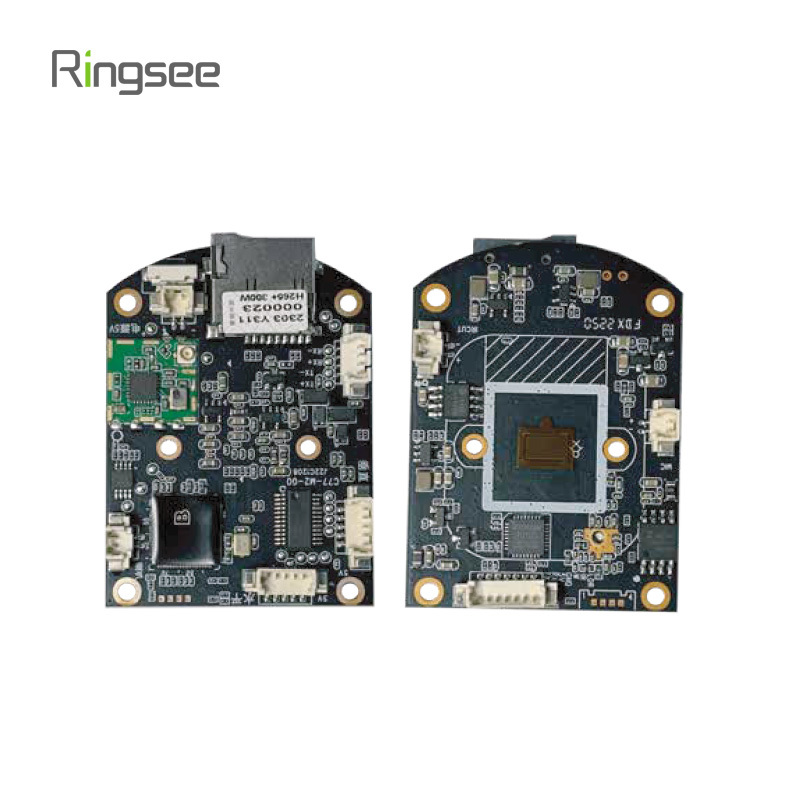
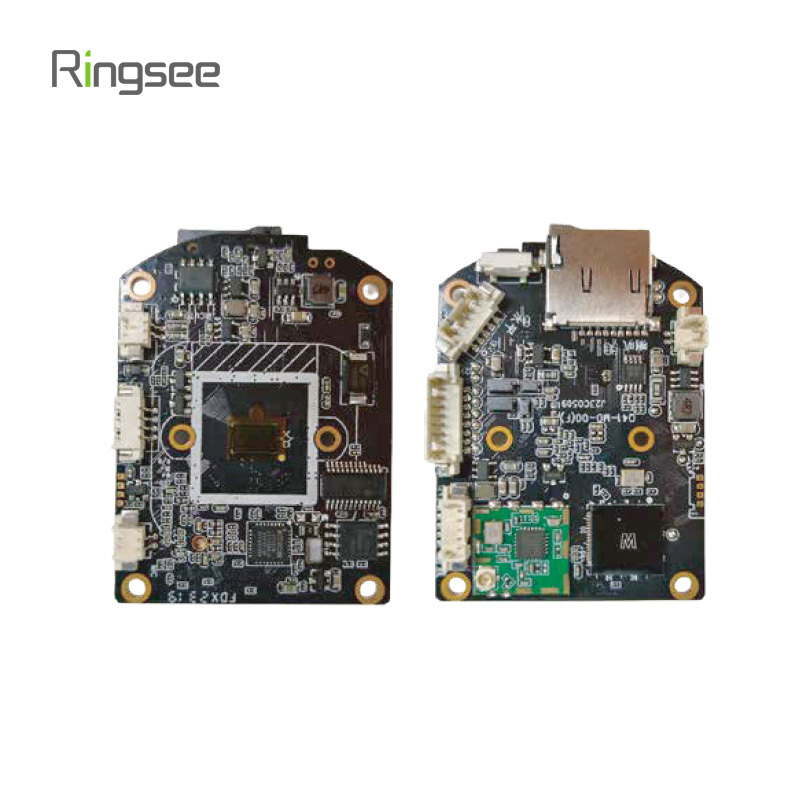
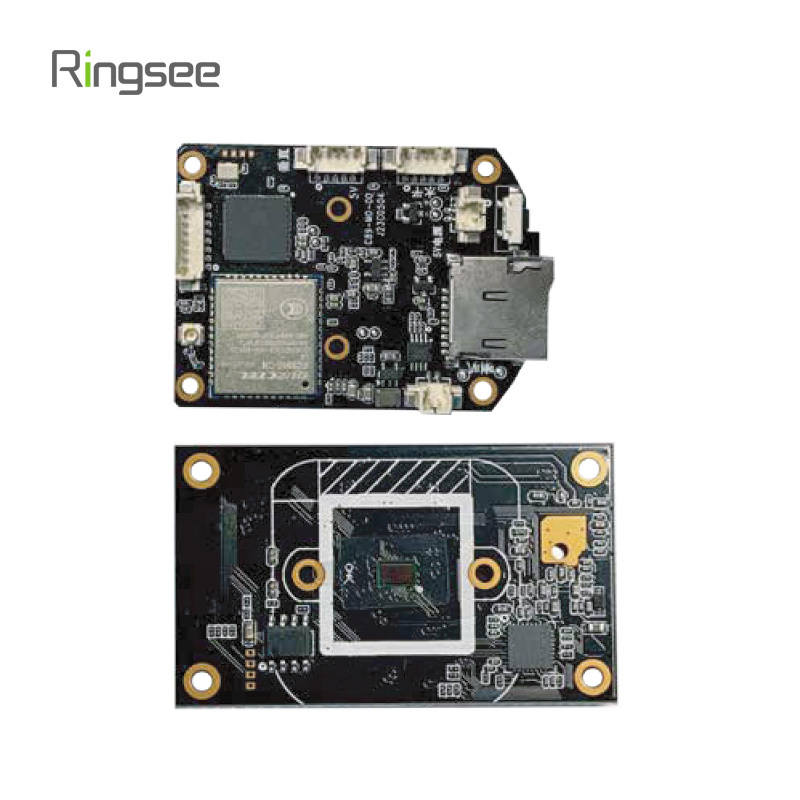
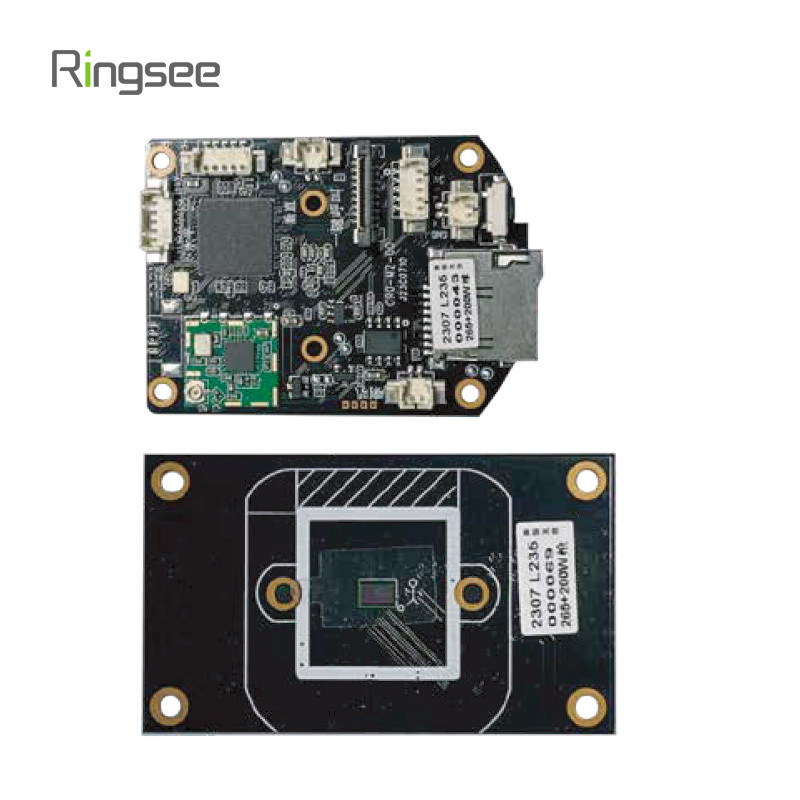
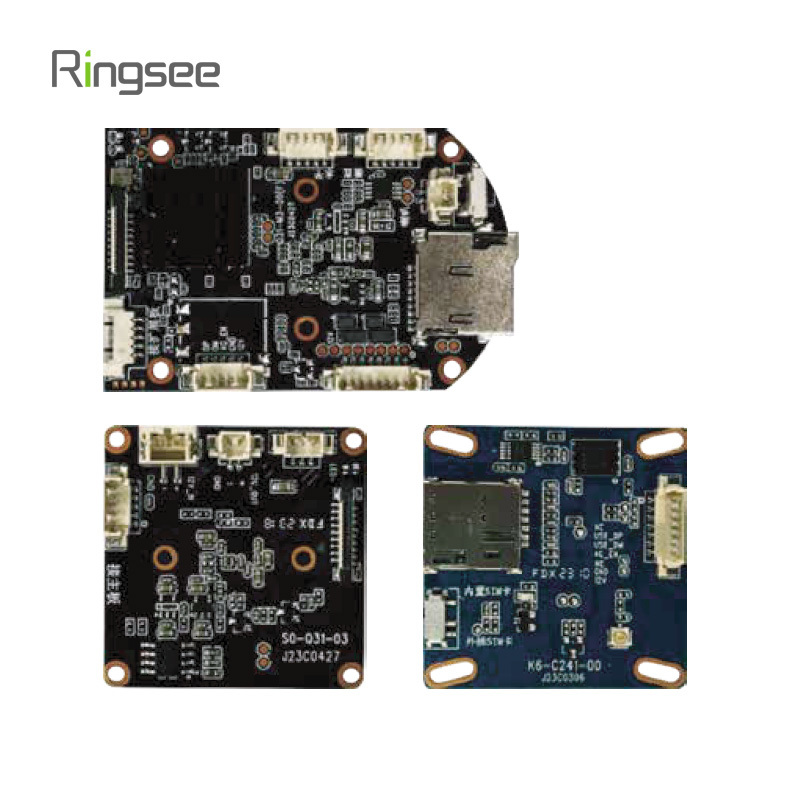
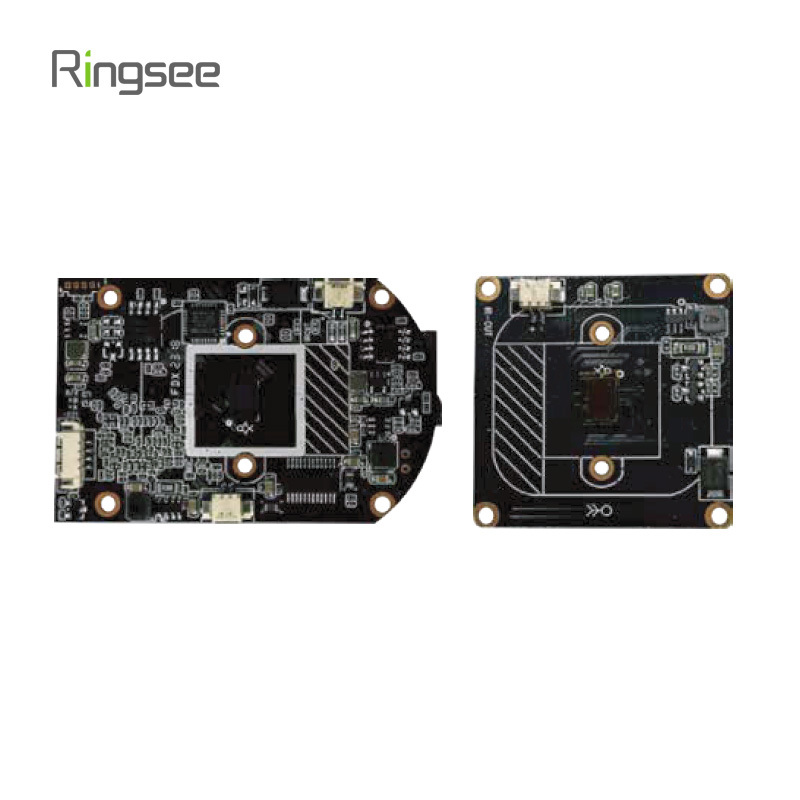
At the heart of any low-power camera is its System on a Chip (SoC). Ringsee specifically utilizes chipsets engineered for high-performance processing in brief bursts, followed by a transition to a deep sleep state.
Standby Consumption: In deep sleep mode, the SoC draws power in the microwatt (μW) range (often less than 0.1 mA). This minimal draw is enough only to maintain a low-power clock and monitor the PIR sensor interface.
Rapid Wake-up: These specialized chipsets feature a fast boot-up time. When a motion event is triggered, the entire system can transition from deep sleep to fully active recording—including image sensor initialization, WiFi connection, and cloud communication—in milliseconds (typically less than 500ms). This speed is critical to capturing the event's start while keeping the active power window extremely short.
2. The Role of Precision Detection (The Trigger)
Continuous video processing is the single largest drain on a security camera’s power supply. To circumvent this, low-power cameras rely on an external trigger, which is almost exclusively a Passive Infrared (PIR) sensor.
PIR Standby: The PIR sensor operates independently from the main camera SoC, drawing only minute amounts of power to detect infrared heat signatures. This sensor is the "guard" that tells the main processor when to wake up.
False Alarm Reduction: To prevent unnecessary power-draining activations (e.g., from passing cars or swaying branches), Ringsee’s AOV models often incorporate advanced detection algorithms directly into the low-power detection subsystem. This allows the camera to perform initial, low-power image analysis before fully waking the primary processor, reducing false wake-ups by up to 90% and preserving battery life.
3. Firmware and Logic Optimization
The core difference between a standard battery camera and an AOV low-power model is the proprietary firmware logic that manages the camera’s power state. This logic determines exactly how long the camera remains active after an event.
| Power State | Typical Duration | Power Consumption |
| Deep Sleep (Standby) | ~99.9% of the day | Microwatt (μW) range |
| Active Recording | 10–60 seconds per event | 150–350 mA (milliamps) |
| Live View | User-dependent | 250–500+ mA |
Session Management: The firmware strictly limits recording sessions (e.g., 10 seconds per detection) unless the motion persists. It also implements Cooldown Timers—a period where the camera will not re-trigger immediately—to prevent a cascade of recordings from a single event, such as a pet moving back and forth.
Network Efficiency: Data transmission (uploading video) is a power-hungry process. Our firmware prioritizes low-power Wi-Fi modules and compresses video files efficiently before transmission, reducing the required connection time and thus, the active power-draw window.
Low-Power vs. Constant Stream: The Technical Difference
The key concept in AOV low-power design is that the camera is optimized for response time, not constant uptime.
| Feature | Standard Wired Camera (Constant Stream) | Ringsee AOV Low-Power Camera |
| Operating State | Always 100% active. | 99% Deep Sleep, 1% Active Response. |
| Detection Method | Pixel change analysis (high CPU use). | Low-power PIR + optimized image analysis. |
| Typical Power Draw | 3–15 Watts (W) continuously. | 0.001W (Standby) to 1.5W (Active). |
| Best Use Case | 24/7 video recording and retention. | Remote areas, energy-sensitive installations, and areas with sporadic, key events. |
By architecturally limiting the camera's full power consumption to only the few critical seconds when a verified event is occurring, Ringsee’s AOV technology effectively pushes the potential battery life from a matter of days to several months, making it the most energy-efficient choice for proactive security monitoring.
Prev:
Related News
PoE was power. This is control: CCTV Network Security Hardening Guide
Short answer: video systems get breached the boring way, not through clever exploits - (1) factory default credentials never changed, (2) camera or NVR management ports forwarded to the public internet, (3) no separation between the CCTV network and the office LAN. Do three things: replace every default account and disableTelnet/FTP/UPnP/raw RTSP; put cameras in their own VLAN and only allow the NVR to initiate sessions; and reach video over VPN or a zero-trust gateway instead of a port mapping.
Oct 03,2026
PoE Power Design Guide for Security Cameras: Power Budget, Cable Voltage Drop and Distance Limits
Most "cameras keep restarting at night" incidents are not camera defects — they are power design errors. Three root causes cover the overwhelming majority of PoE failures: the power budget was sized on daytime draw instead of night peak, the cable is too thin so voltage drop exceeds the device undervoltage threshold, and the run simply exceeds the 100-metre channel limit. Memorise three numbers and you avoid most of the traps: 802.3af delivers 15.4 W, 802.3at delivers 30 W, and cable reach stops at 100 m.
Oct 03,2026
Bitrate (Mbps) is the single parameter that determines hard drive size, switch selection, and remote-viewing smoothness. Two formulas answer everything: storage per camera per day (GB) ≈ bitrate × 10.8, and total bandwidth = sum of simultaneous bitrates × 1.3 headroom. This guide covers encoding, calculation, and procurement sizing.
Sep 26,2026
CCTV Night Vision Technology Explained: Infrared vs Starlight Full-Color vs Hybrid Light
Three night vision routes and their real limits: 850nm vs 940nm infrared (red glow and range trade-offs), the lux threshold of true starlight cameras (0.001-0.005 lux), light-pollution risks of warm-light supplement, and AI-triggered hybrid switching — plus a six-point datasheet verification method and a 20-minute night PoC test.
Sep 26,2026
CCTV Lens Selection Technical Guide: Focal Length, Pixel Density & the DORI Standard in Practice
Why can't a 4K camera read faces? Because identification depends on pixel density, not total pixels. Using the EN 62676-4 DORI standard, this guide gives the full focal-length / distance / field-of-view formulas, a lens selection lookup table, and the real impact of sensor size and aperture on night vision.
Sep 19,2026
Links:One Belt Power Technology
Add: 14th Floor, Baoshan Building, Longhua District, Shenzhen China.
Privacy Policy | SEO | CitySite | Support: 300.cn Dongguan