
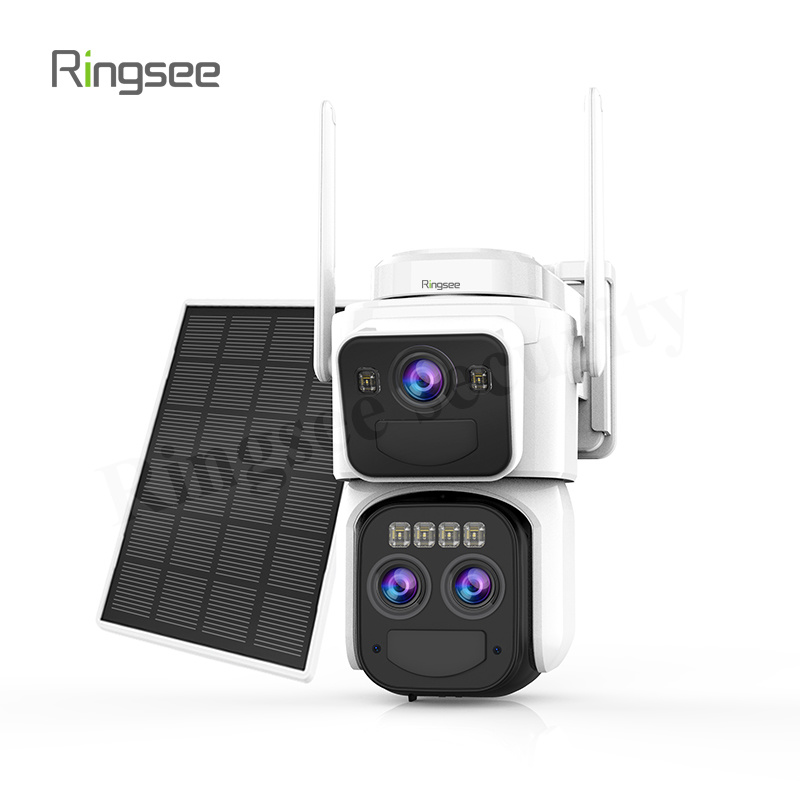
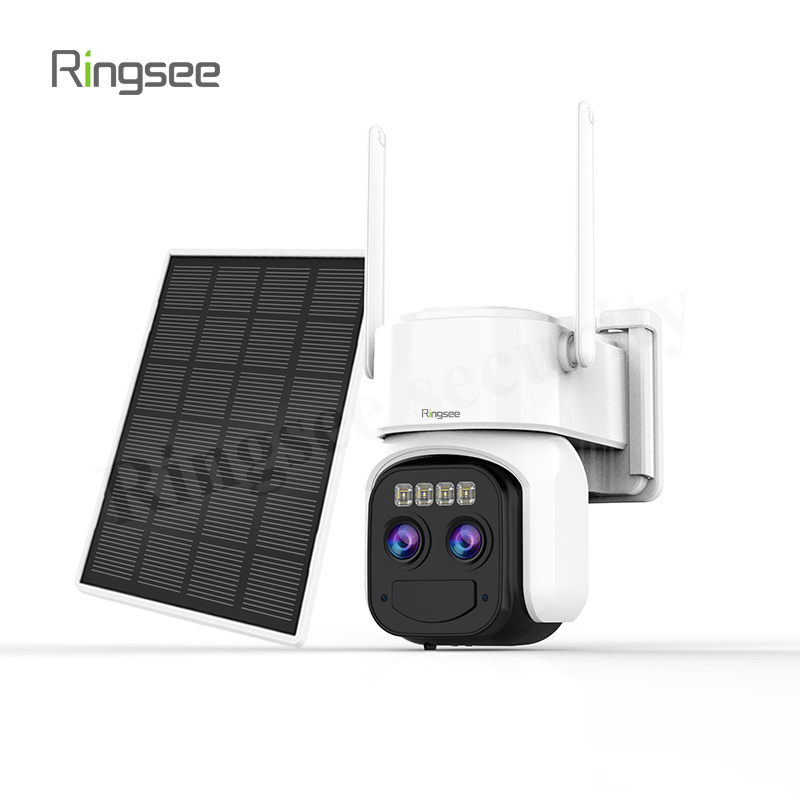
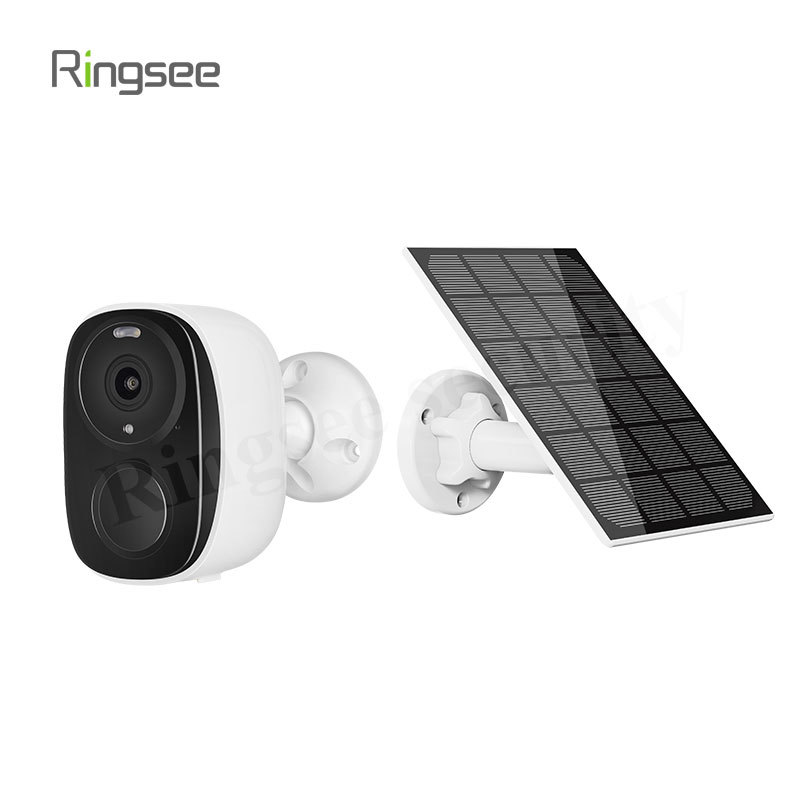
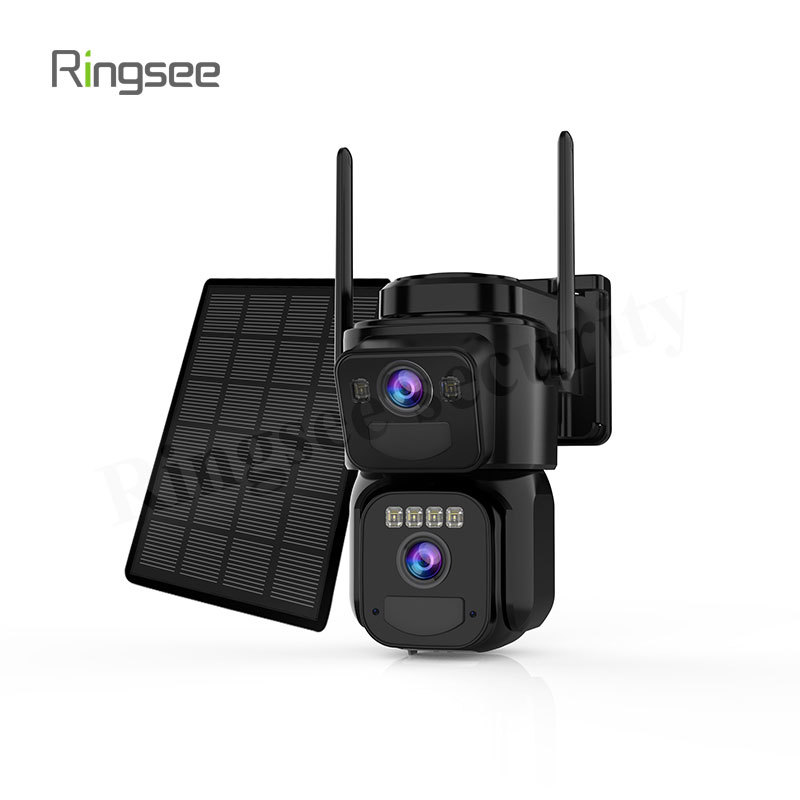





The Definitive Guide to Choosing the Best Hummingbird Feeder Camera Manufacturer
Publish:
2025-03-05 10:18
Source:
https://www.ring-see.com
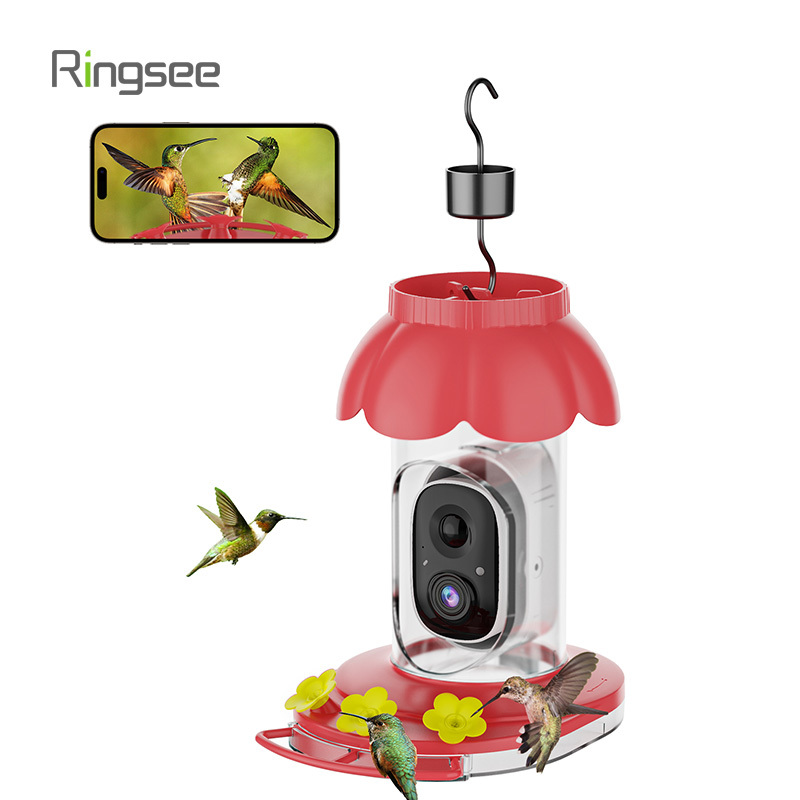
Whether you're a birdwatching enthusiast or looking for a reliable hummingbird feeder camera manufacturer, selecting the right supplier is essential for ensuring product quality, durability, and advanced features.
Why Your Feeder Camera Choice Matters: More Than Just a Snapshot
As hummingbird enthusiasts, we seek to capture the fleeting beauty of these tiny visitors. However, a camera system that is de-indexed or poorly ranked suggests that the content is either too thin, lacks technical depth, or fails to fully address the user's needs. The manufacturer you choose must balance top-tier video technology with genuine, bird-safe design principles.
Here is a detailed, five-point framework—developed by our team of optical engineers and wildlife specialists—to evaluate and select a world-class hummingbird feeder camera manufacturer.

1. Uncompromising Image Quality and Optical Engineering
A simple 1080p camera is no longer enough. The essence of a hummingbird camera is capturing ultra-fine detail, which requires specialized optical components.
1.1 True 2K/4MP Resolution and Beyond
Look beyond basic HD. A reputable manufacturer offers at least 4 megapixels (4MP) or a 2K QHD resolution to capture the iridescence of feathers and the rapid wing movements without motion blur. Insist on proof of video quality—not just specs—and verify that the lens is optimized for close-range focusing (macro capability).
1.2 Low-Light Performance and Night Vision
Hummingbirds can feed from dawn until dusk. A quality camera needs advanced low-light capability. Look for:
Starlight Sensors: These allow the camera to capture color video in near-dark conditions, extending your viewing window and providing richer footage.
Minimal IR Glow: If standard infrared (IR) is used, ensure it is a low-glow or no-glow (940nm) IR type. Standard bright IR lights can disturb or discourage shy birds.
Expert Insight
Ringsee's Optical Commitment: When we designed the [SHRS-HBC-9101], our optical engineers rejected several standard commercial lenses, opting instead for a custom-ground glass element with an F/2.0 aperture. This decision sacrifices slight cost-efficiency for a 15% increase in light capture, ensuring crisp, noise-free video even in heavy shade.
2. Feeder Design, Durability, and Bird Safety

A great camera inside a dangerous feeder is a non-starter. The manufacturer’s commitment to safety and longevity is a key indicator of their trustworthiness.
2.1 Food Safety and Maintenance
Material Quality: The feeder reservoir should be made from BPA-free, food-grade plastic or glass that is easy to sanitize. Avoid hard-to-clean compartments.
Ease of Cleaning: The design must allow complete disassembly for thorough cleaning to prevent mold, which is lethal to hummingbirds. Look for manufacturers who provide clear, simple, and detailed cleaning instructions.
2.2 Weather Resistance and Longevity
The camera and feeder system must withstand direct sun, heavy rain, and temperature extremes.
IP Rating: The camera unit should carry an IP65 or IP66 rating for reliable dust and water resistance.
UV Stabilization: Feeder plastics must be UV-stabilized to prevent rapid degradation, cracking, and leaching of chemicals into the nectar.
3. Power, Connectivity, and Sustainable Operation
A manufacturer that prioritizes efficient, reliable power and stable connectivity offers a superior user experience and better product lifespan.
3.1 True Solar Power Independence
If choosing a solar model, verify the details of the power system:
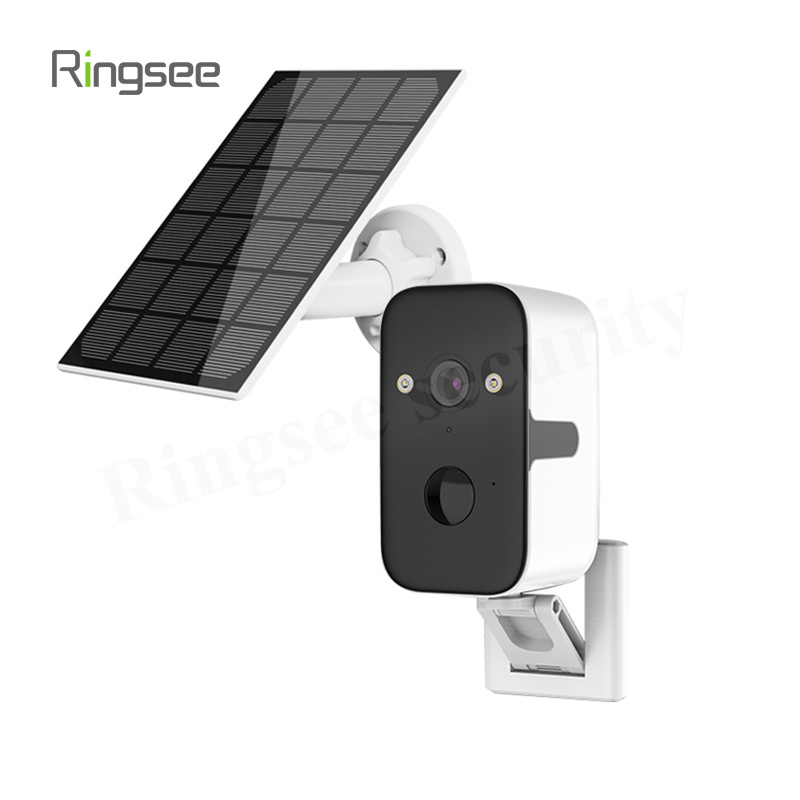
Battery Chemistry: Look for high-capacity, durable batteries (e.g., Li-ion) designed to hold a charge through several days of cloudy weather.
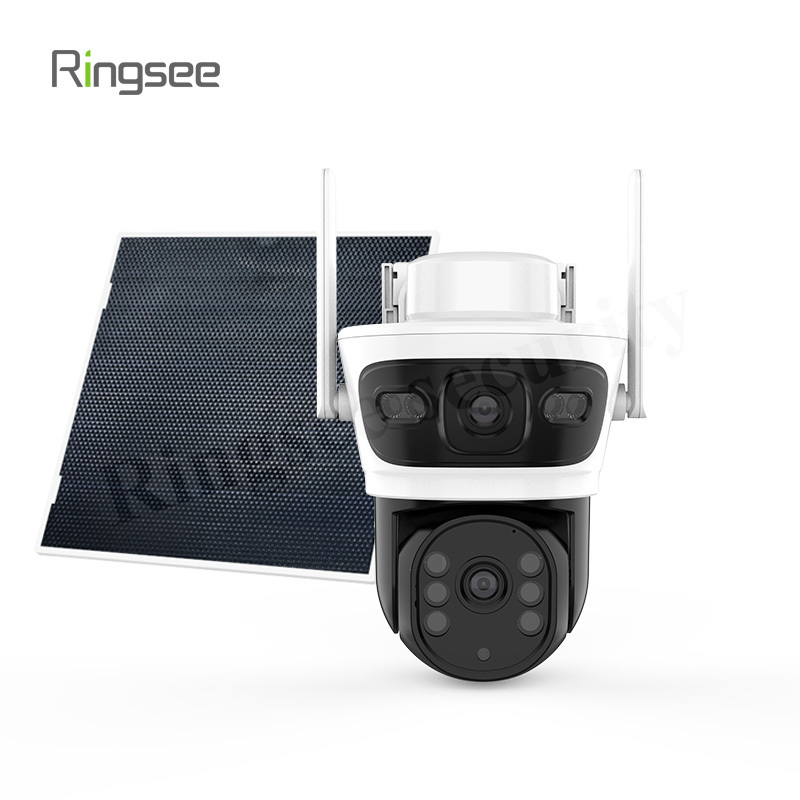
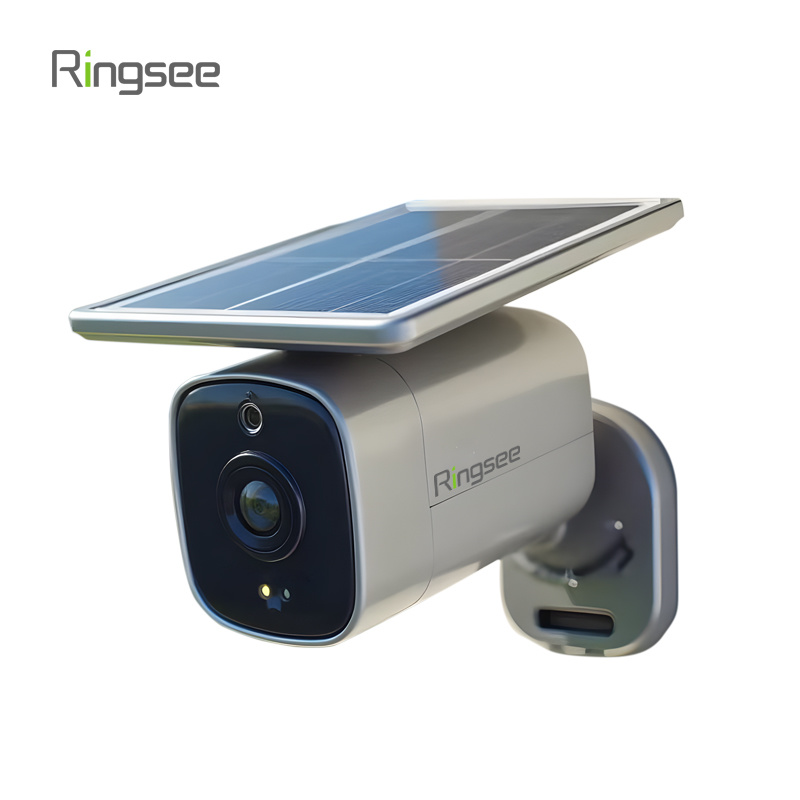
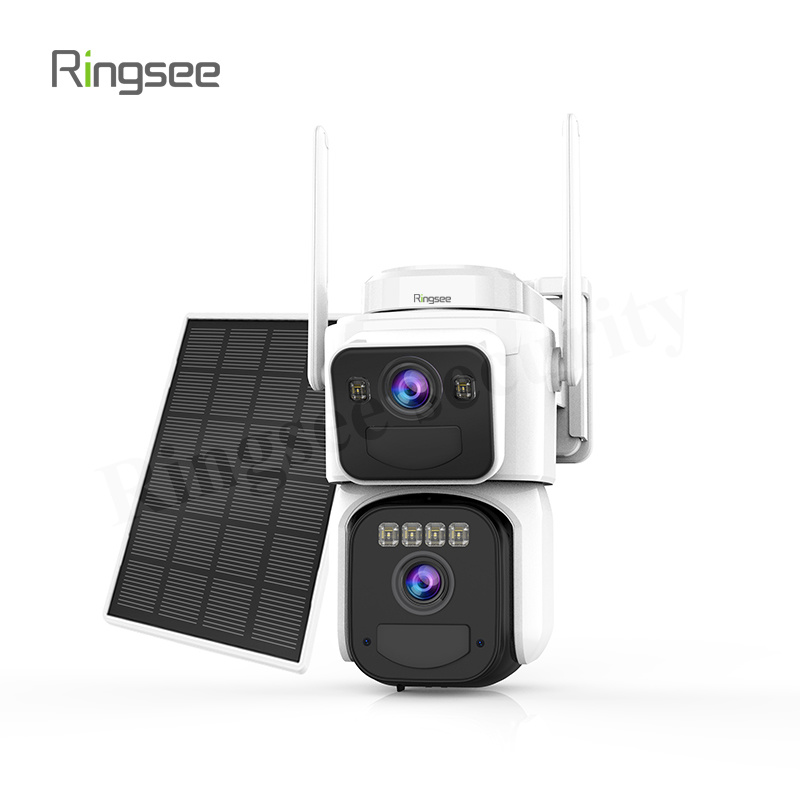
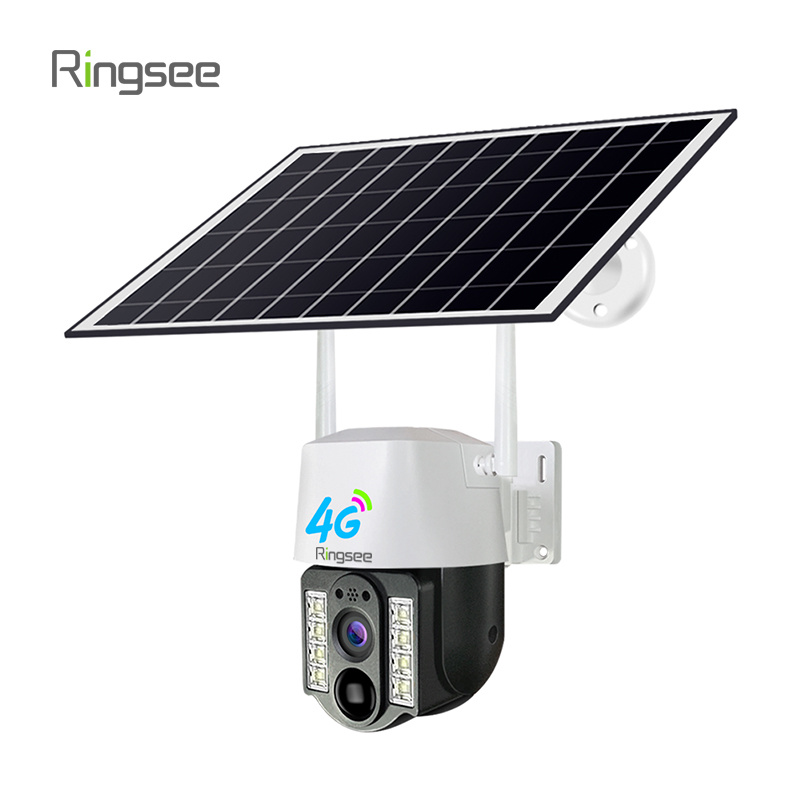
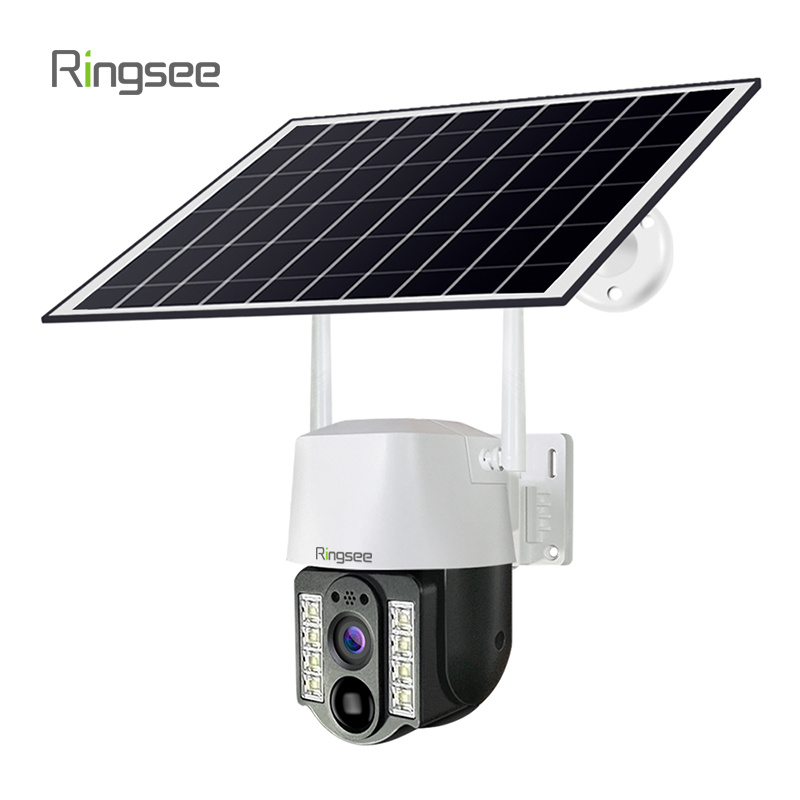
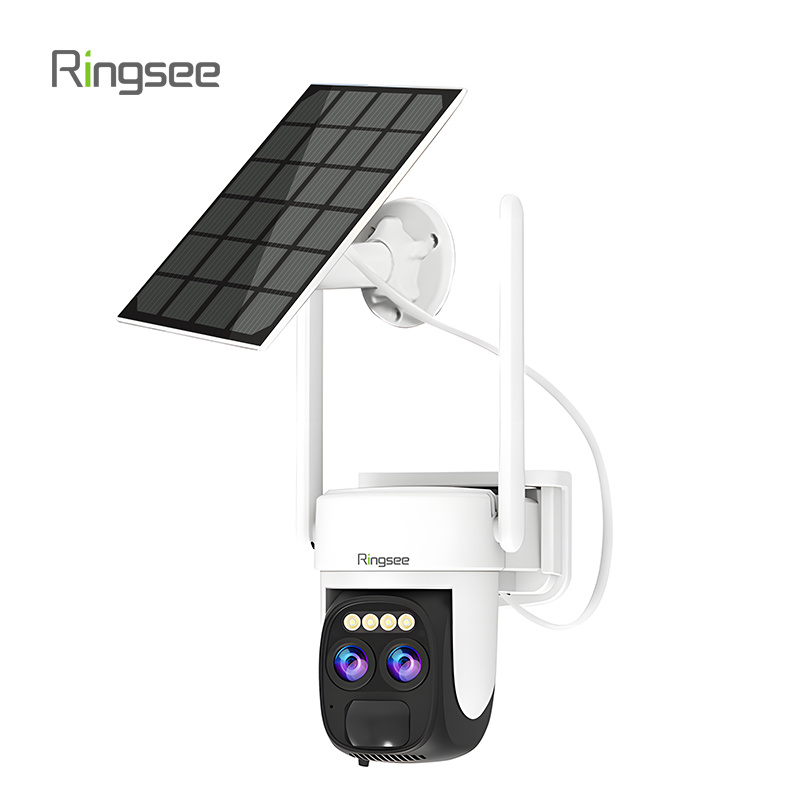
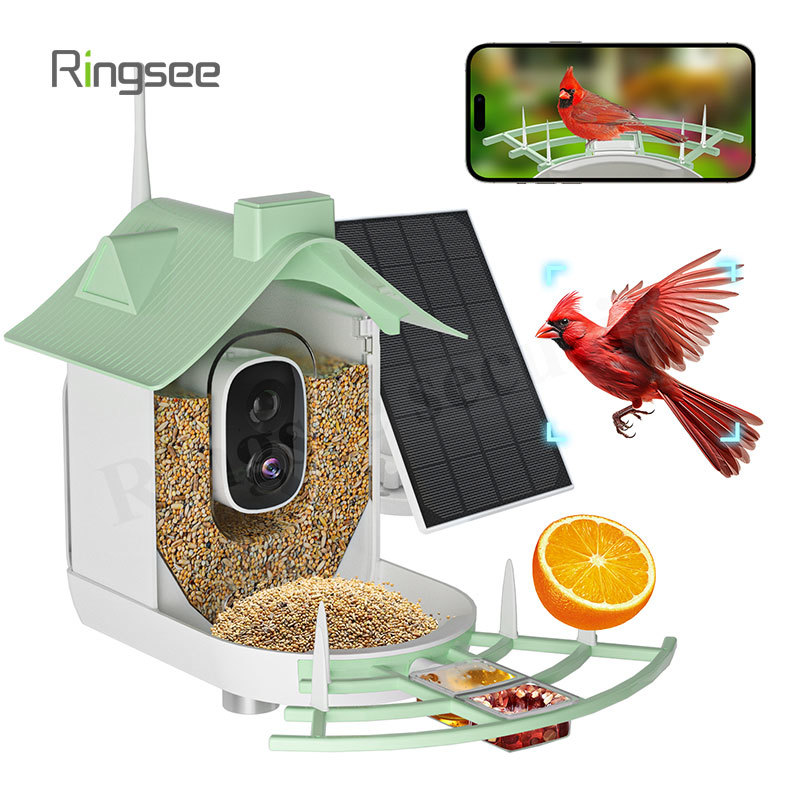
Panel Efficiency: A larger, high-efficiency solar panel (often detachable and repositionable) is a sign of engineering quality that guarantees continuous operation without manual charging.
3.2 Stable Wireless Connectivity
Poor Wi-Fi signal will lead to constant video drops and missed recordings.

Wi-Fi Standard: The device should support modern, stable 2.4GHz Wi-Fi with strong antenna performance, as 2.4GHz provides better range through outdoor walls and foliage than 5GHz.
Remote Wake-up Speed: Fast wake-up from sleep is crucial to capture quick visitors. The camera should record motion within 1-2 seconds of detection.
4. Advanced AI and User Experience
The intelligence behind the camera—the software—is what separates a simple recording device from a smart wildlife tool.
4.1 Accurate Bird Recognition AI
The manufacturer must demonstrate dedicated experience in developing effective AI for wildlife, not generic motion detection.
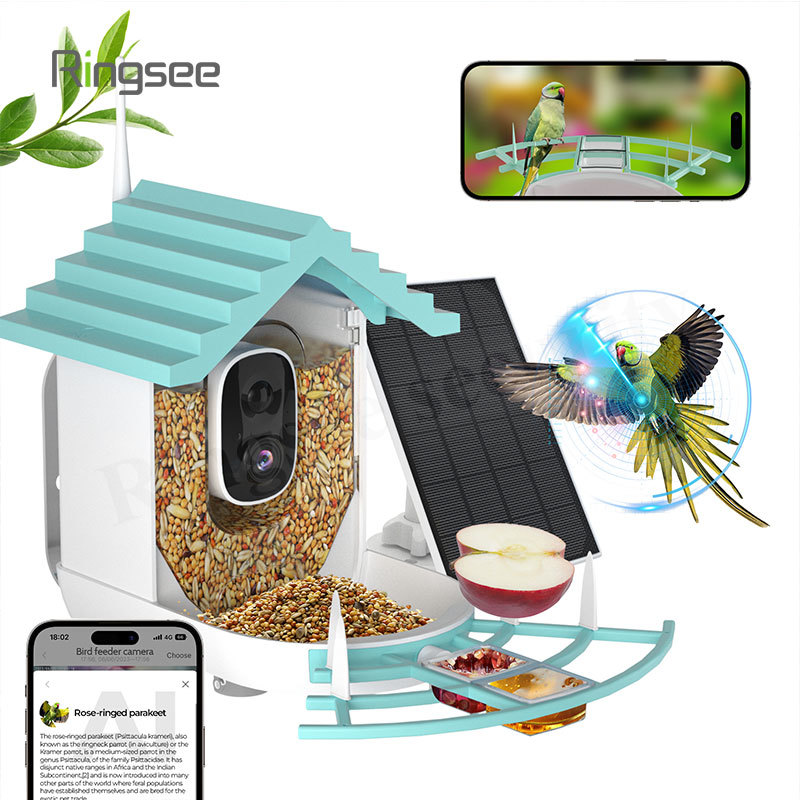
Species Recognition: Does the AI accurately identify a hummingbird species (not just "bird")? This feature provides real value and justifies the "smart" label.
Filtering: The system should intelligently filter out false alerts from leaves blowing in the wind or changes in shadow, saving battery life and storage.
4.2 Intuitive and Secure App Experience
The camera is only as good as the app that runs it.
Security: Data encryption (e.g., AES-256) and secure cloud storage options are non-negotiable.
Usability: The app should offer simple clip downloading, sharing, and a responsive live-view interface.
5. Manufacturer Reputation, Warranty, and Support
Finally, the integrity of the manufacturer is your guarantee of long-term satisfaction.
5.1 Transparent Warranty and Repair
A manufacturer confident in their build quality will offer a clear, easily accessible warranty. Avoid companies with vague "90-day" clauses. A 1-to-2-year limited warranty is standard for durable electronics.
5.2 Responsive and Knowledgeable Customer Support
Can you quickly reach a technician who understands the specific challenges of a bird feeder camera (e.g., network configuration, solar charging issues)? A simple email form with a 48-hour response window is insufficient.
Summary Checklist for Choosing Your Manufacturer
| Criteria | Must-Have Feature | Why it Matters |
| Image Quality | True 4MP/2K Resolution & Starlight Sensor | Captures feather detail and extends viewing into low light. |
| Feeder Safety | Food-Grade, BPA-Free, Fully Disassemblable | Protects hummingbirds from mold and chemical leaching. |
| Power/Connectivity | IP66-Rated Housing & Efficient Solar Panel | Ensures all-weather durability and continuous operation. |
| Smart Features | Dedicated, Tested Hummingbird Recognition AI | Filters false alerts and provides educational value. |
| Trustworthiness | Clear 1+ Year Warranty & Technical Support | Guarantees manufacturer confidence and long-term security. |
Related News
Analog CCTV Upgrade Guide: Coax HD Reuse vs Full IP Rebuild, Cost and Timeline Compared
Factory, campus and retail chains running analog surveillance for five or six years face the same wall: blurry images, unretrievable footage, and no path to AI analytics on legacy hardware. This guide breaks down pre-upgrade system inventory, compares the coax-HD reuse route against a full IP rebuild, gives bandwidth and storage recalculation formulas, and lays out a zoned, non-disruptive cutover plan with a selection checklist.
Oct 31,2026
CCTV Maintenance Outsourcing: SLA Tiers, Market Rates, KPI and Contract Playbook
Conclusion first: the real cost of a surveillance system is in its operation. Three years of maintenance typically equals 30% to 50% of the build cost, yet most buyers spend the budget at install and leave operation to whoever happens to notice. Lock the maintenance boundary while signing the build contract. This guide breaks down the in-house versus outsourced decision model, a three-tier SLA (P1 / P2 / P3), per-point market rates and how to read a quote, the two KPIs that decide payment (camera online rate and footage integrity), the five clauses every contract must hold, the 90-day handover that most often loses control, plus a selection checklist and acceptance tests.
Oct 25,2026
CCTV NVR Selection & Recording Management: Channels, Decoding, ONVIF, Retention & Storage
Conclusion first: an NVR channel count is a license count, not a physical port count. Spec the machine by two hard numbers — intake bandwidth and decoding capacity — then by ONVIF compatibility and storage strategy. The three most common failures are: it records but the local preview stutters, mixed brands drop smart events, and desktop drives fail within a year. This guide covers architecture choice (embedded NVR / hybrid / VMS / edge), the three hard metrics (channels, intake bandwidth, decoding), ONVIF Profile compatibility and acceptance, recording plans and the retention-capacity formula, RAID and surveillance-drive selection, playback and forensic search, and the contract fields plus acceptance tests that stop disputes.
Oct 25,2026
Bottom line: AI surveillance is not turn it on and it works. In engineering you must first decide where compute runs - in the camera (edge), in the recorder or server (center), or both - choose the right algorithm and know its accuracy preconditions, then use three moves: rule tightening, environment adaptation, and multi-stage verification, to push false alarms from dozens per day to usable. A camera that alarms all day is as good as no camera. This guide upgrades the earlier consumer view of how to choose an AI camera into a B2B engineering deployment view: how to choose the compute architecture, how to control false alarms, and how AI connects to image quality, bandwidth, and security covered in earlier articles.
Oct 17,2026
Links:One Belt Power Technology
Add: 14th Floor, Baoshan Building, Longhua District, Shenzhen China.
Privacy Policy | SEO | CitySite | Support: 300.cn Dongguan