


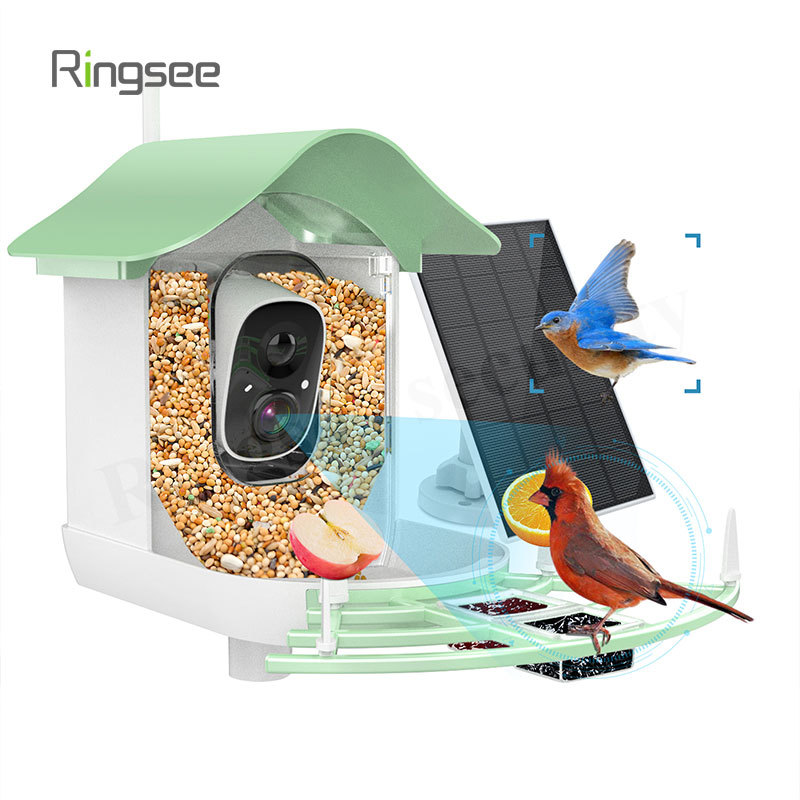
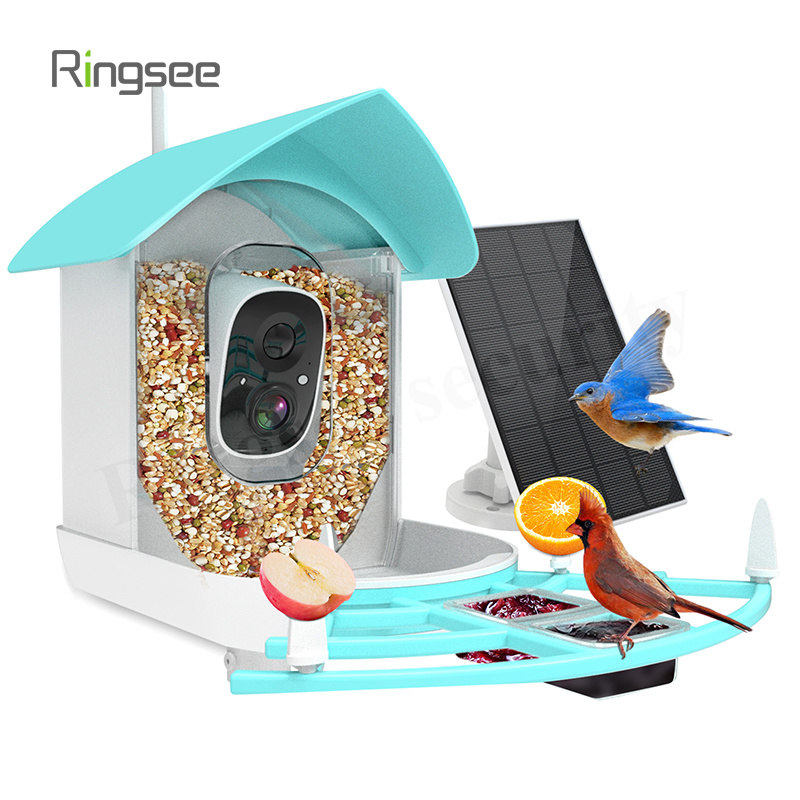
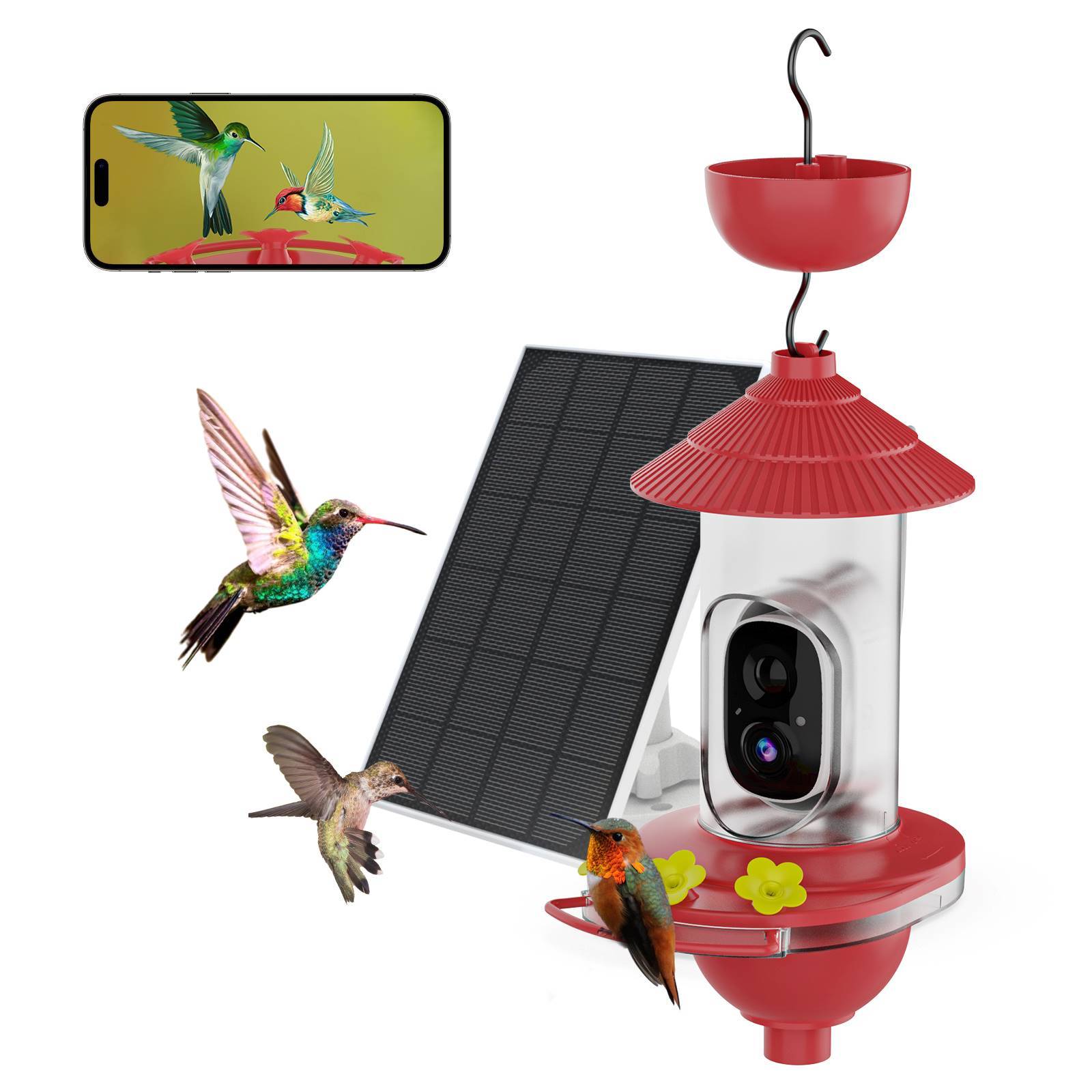
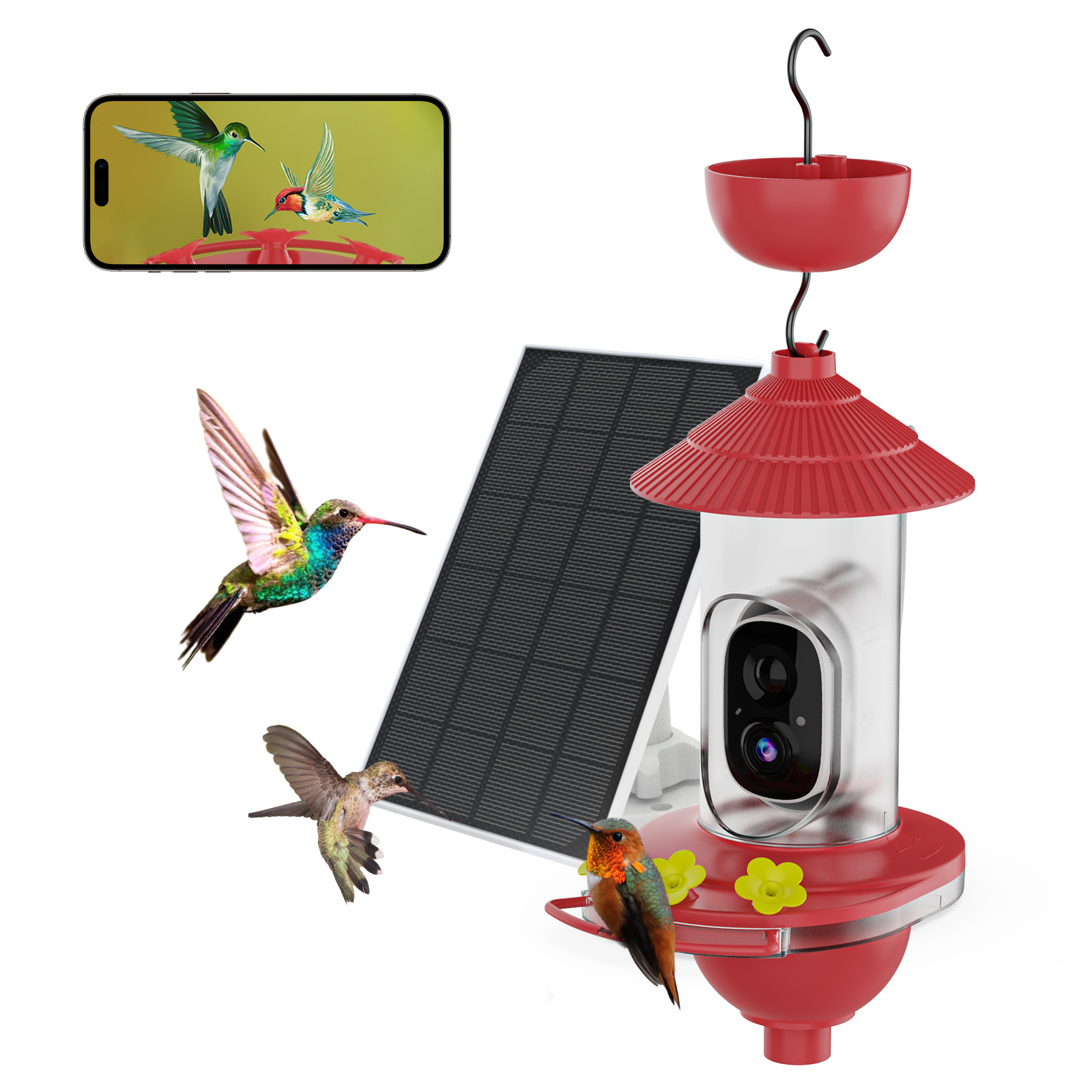
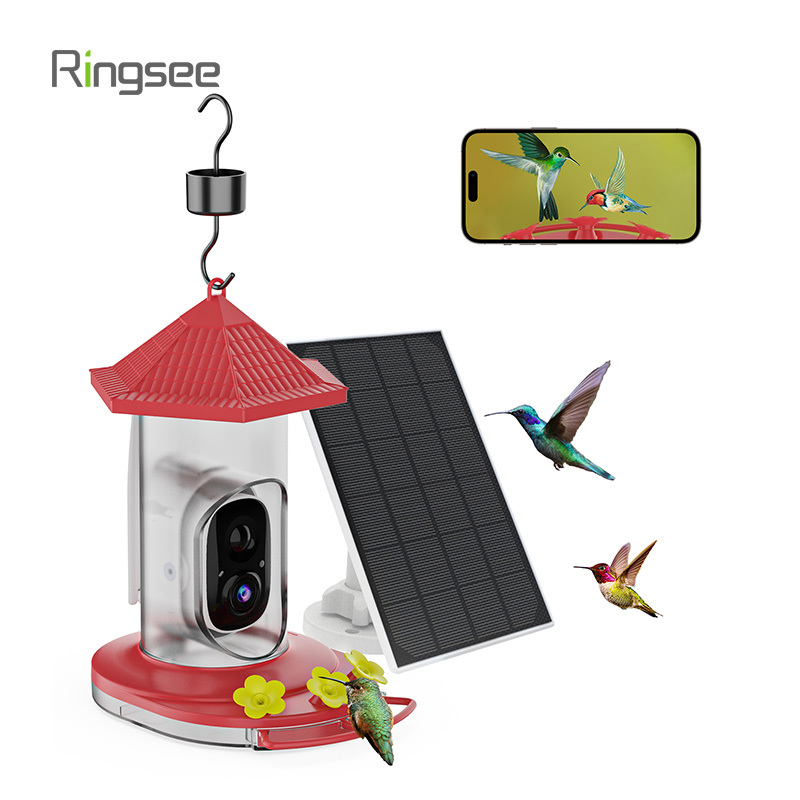
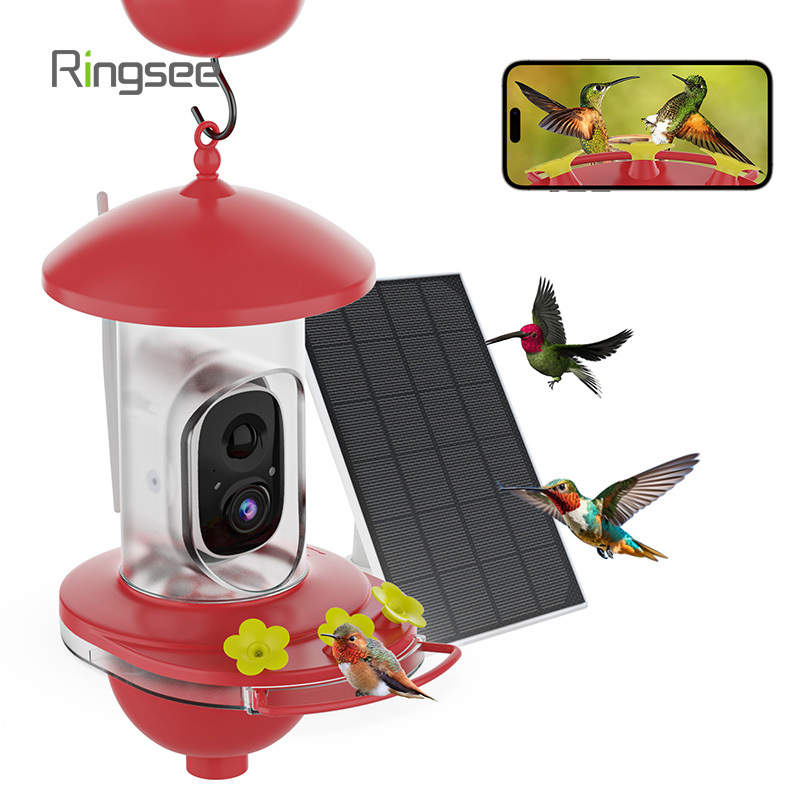
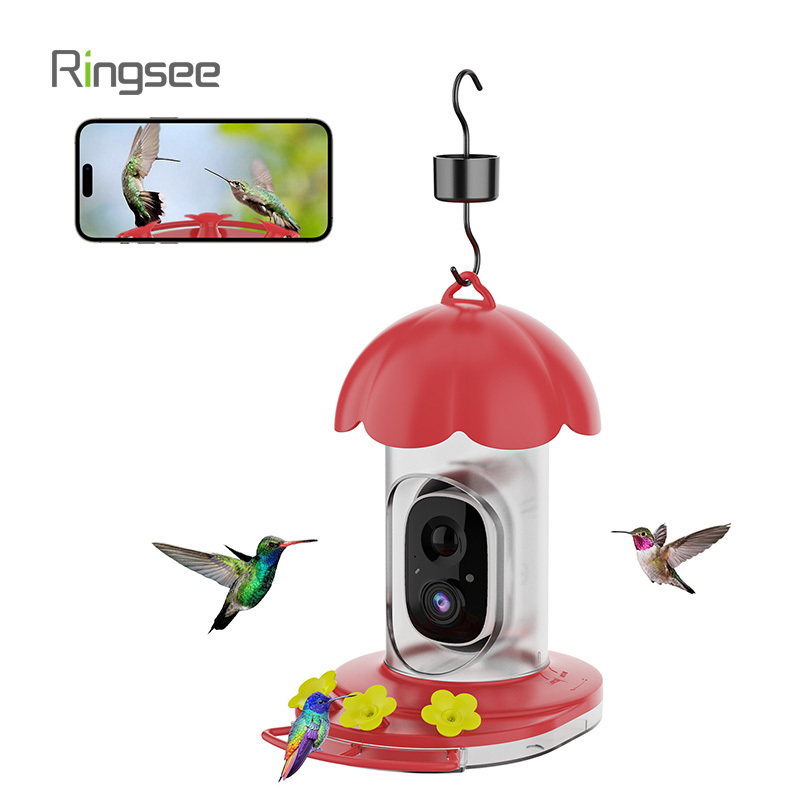
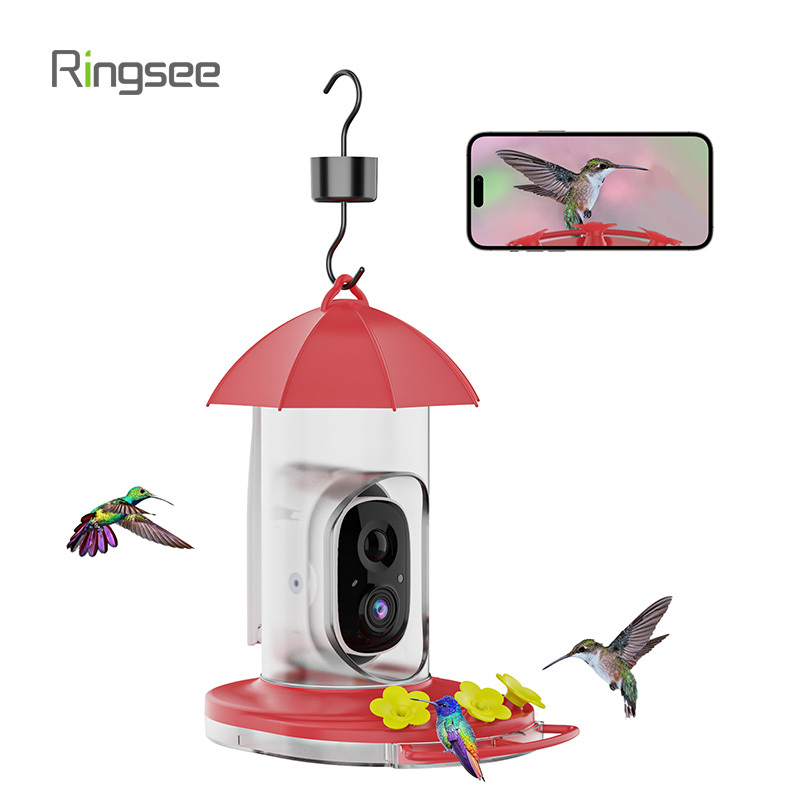



How to Attract Hummingbirds to Your Feeder Camera: The Complete Guide
Publish:
2025-11-26 16:22
Source:
https://www.ring-see.com
Learn how to attract hummingbirds to your feeder with the right placement, nectar recipe, and feeder choice. Create a hummingbird-friendly environment in your backyard today!
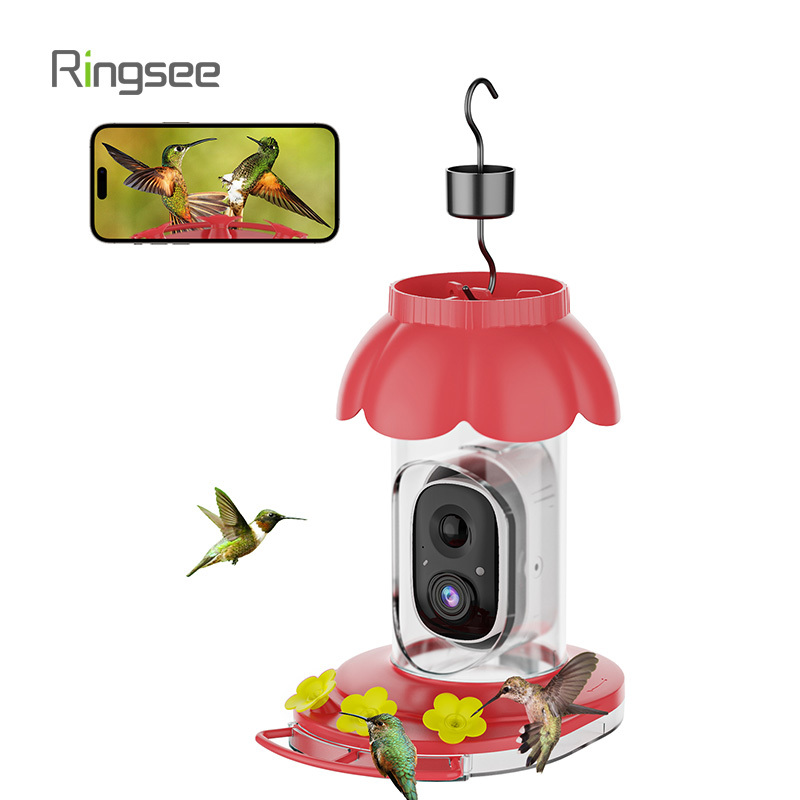
The sight of a hummingbird in your garden is fleeting; capturing its beauty on video requires precision. A smart bird feeder camera is an unparalleled tool for monitoring avian activity, but achieving optimal footage requires more than just installation. It demands a deliberate strategy encompassing habitat creation, feeder maintenance, and placement science.
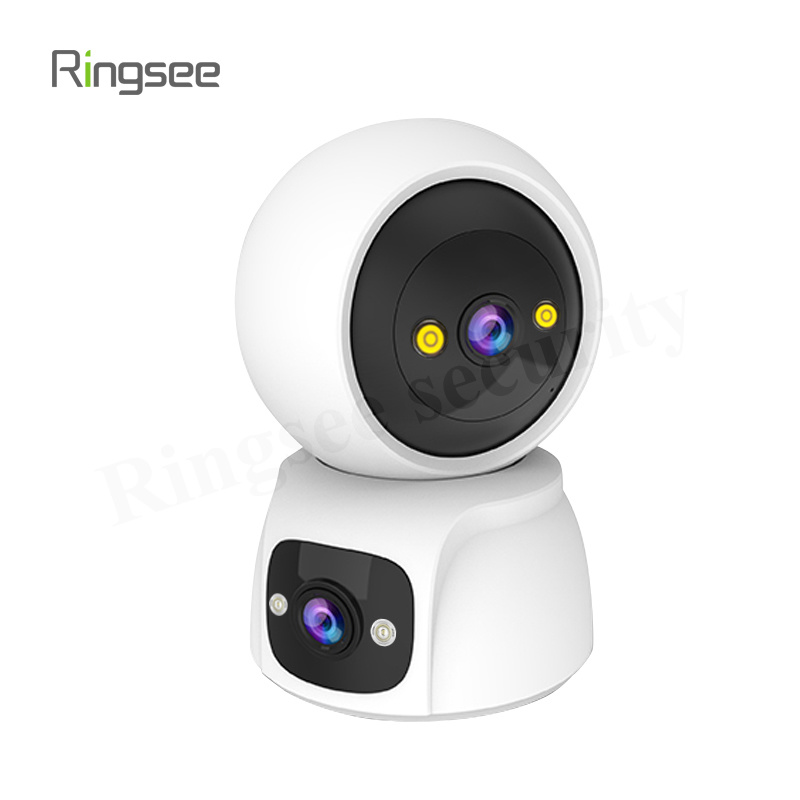
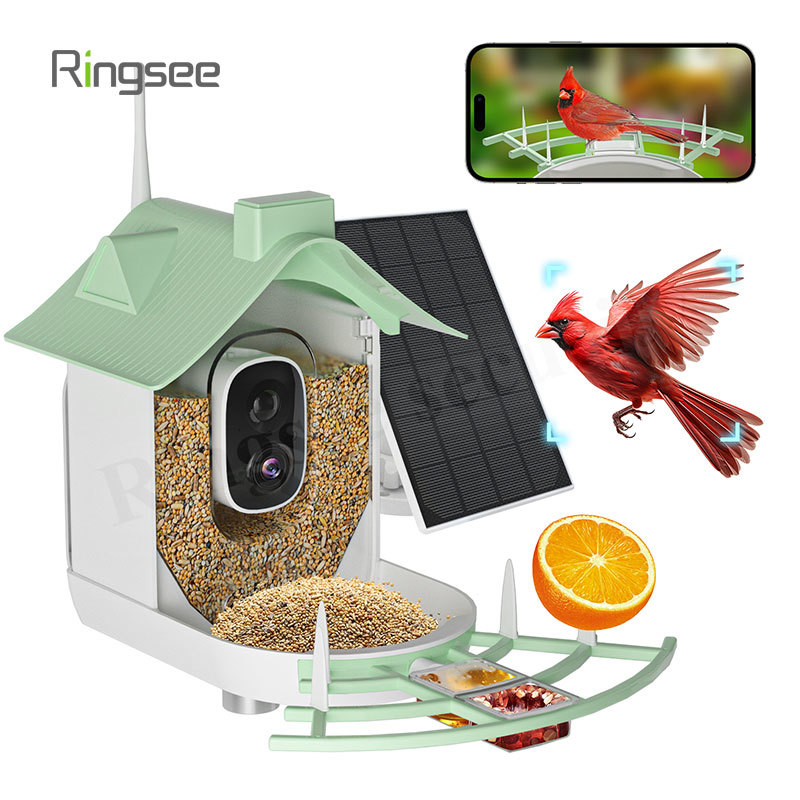
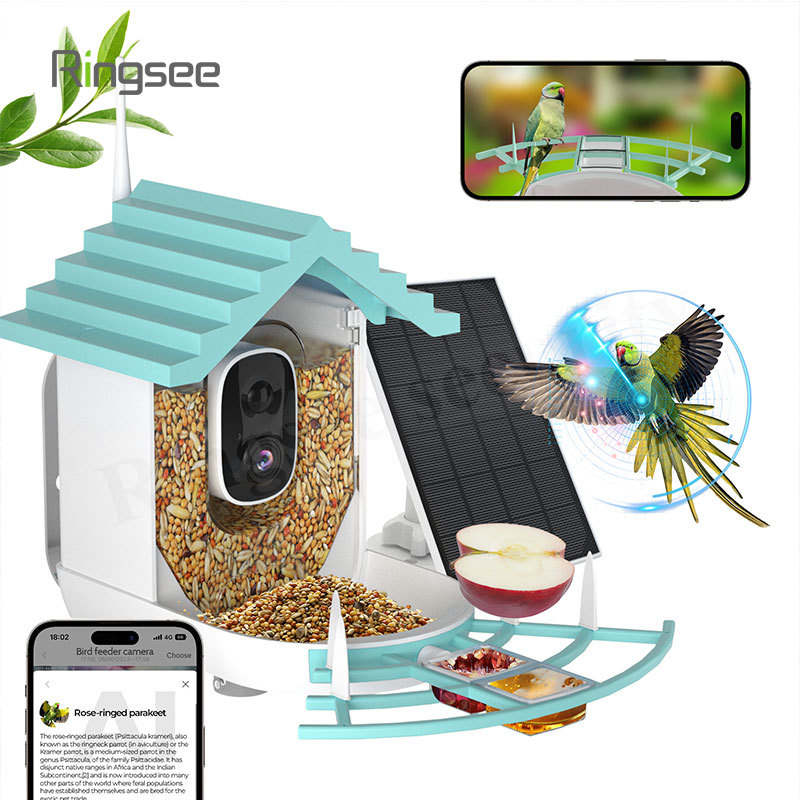
This comprehensive guide details the expert steps necessary to transform your backyard into an irresistible sanctuary, ensuring peak visitation rates and high-quality video monitoring through your Ringsee feeder camera.
I. Strategic Placement: Maximizing Avian Security and Video Quality
Feeder location dictates both bird safety and the clarity of your surveillance feed. Follow these guidelines for superior results:
Placement Principles
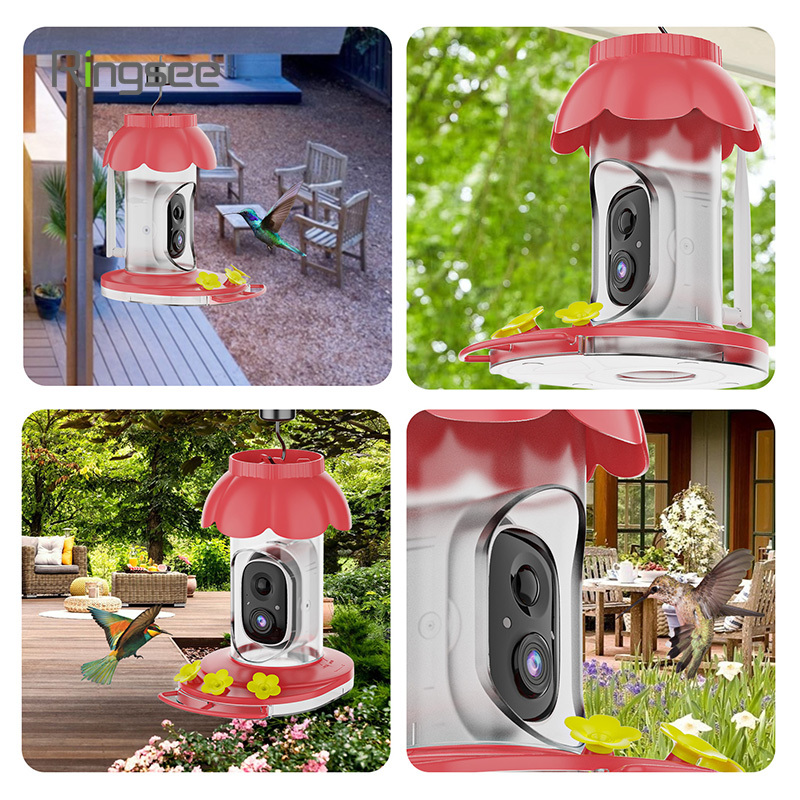
- Mitigate Glare and Nectar Spoilage: Position the feeder in a location that receives morning sun but afternoon shade. This protects the nectar from rapid fermentation (a serious threat to hummingbirds) and prevents harsh glare on the camera lens during prime viewing hours.
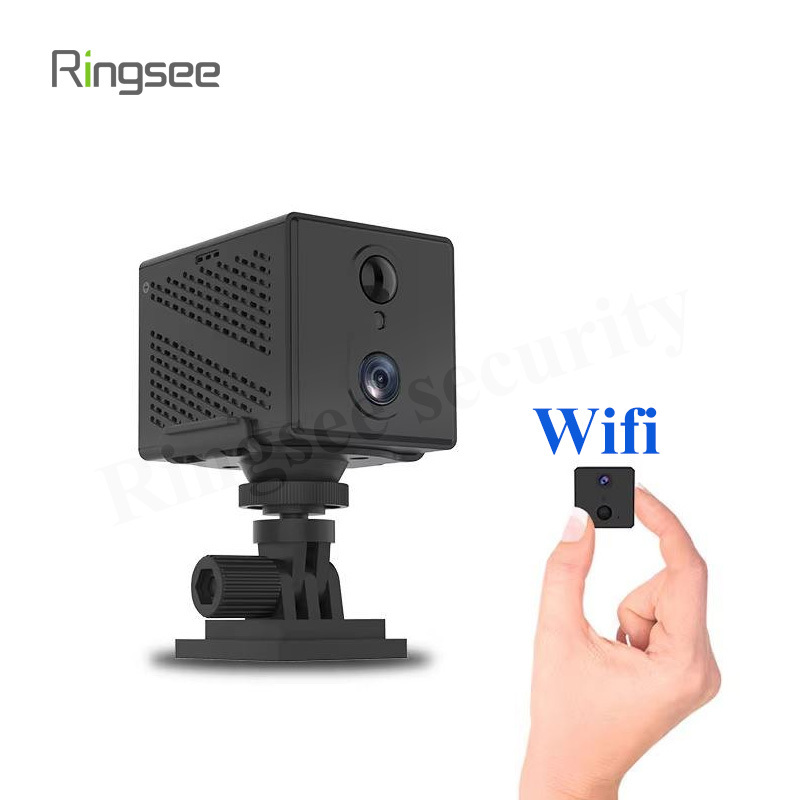
- Ensure Digital Connectivity: Confirm the installation point is within reliable range of your home's Wi-Fi network. Consistent signal strength is crucial for real-time viewing and remote data transfer from your Ringsee hummingbird camera.
- Establish Predator Safety: Hang the feeder approximately 5 to 7 feet off the ground and 10 to 15 feet away from dense brush or tall structures where ground predators (like cats) or ambush predators might lurk. The birds need clear lines of sight for security.
- Utilize Visual Anchors: Hummingbirds are drawn to existing nectar sources. Placing the feeder near red, orange, or pink flowering plants can dramatically expedite the initial attraction phase.
II. The Science of Nectar: Fueling Your Tiny Visitors
The quality of your nectar is paramount to attracting and retaining hummingbirds. Avoid commercial products containing red dyes or artificial chemicals.
The Biologically Appropriate Nectar Formula
The standard recommended mixture is designed to mimic the naturally occurring sugar concentration found in most flowers:
- Ratio: 1 Part Pure White Granulated Cane Sugar to 4 Parts Water.
- Preparation: Combine the ingredients and bring to a boil for one to two minutes to sterilize the mixture and ensure complete dissolution.
- Storage: Always allow the solution to cool fully before filling the feeder. Excess mixture can be stored in an airtight container in the refrigerator for up to 14 days.
Critical Note: Never use honey, powdered sugar, brown sugar, or artificial sweeteners. Honey ferments rapidly and promotes fungal growth, which is often fatal to hummingbirds.
III. Feeder and Camera Hygiene: The Foundation of Visitation
A soiled feeder becomes a vector for bacterial and fungal infections. Consistent, rigorous cleaning is a non-negotiable step in responsible avian monitoring.
Maintenance Schedule
| Ambient Temperature | Nectar Change Frequency |
| Below 85℉ (29 ℃) | Every 2 Days |
| 70℉ to 84℉ (21 ℃ to 28 ℃) | Every 3 to 4 Days |
| Below 70℉ (21 ℃) | Every 5 to 7 Days |
Cleaning Protocol:
- Dismantle and Soak: Disassemble all parts. Soak the feeder and ports in a solution of hot water and white vinegar (a 4:1 water/vinegar ratio is effective). Avoid detergent soap as residue can be toxic.
- Scrub Thoroughly: Use a specialized bottle brush to remove all black mold, especially within the feeder ports and crevices.
- Rinse: Rinse all parts meticulously with clean running water until no trace of vinegar scent remains.
- Lens Care: While cleaning the feeder, gently wipe the camera lens on your unit with a soft microfiber cloth to prevent water spots and dust from degrading video quality.
IV. Choosing the Optimal Monitoring Equipment
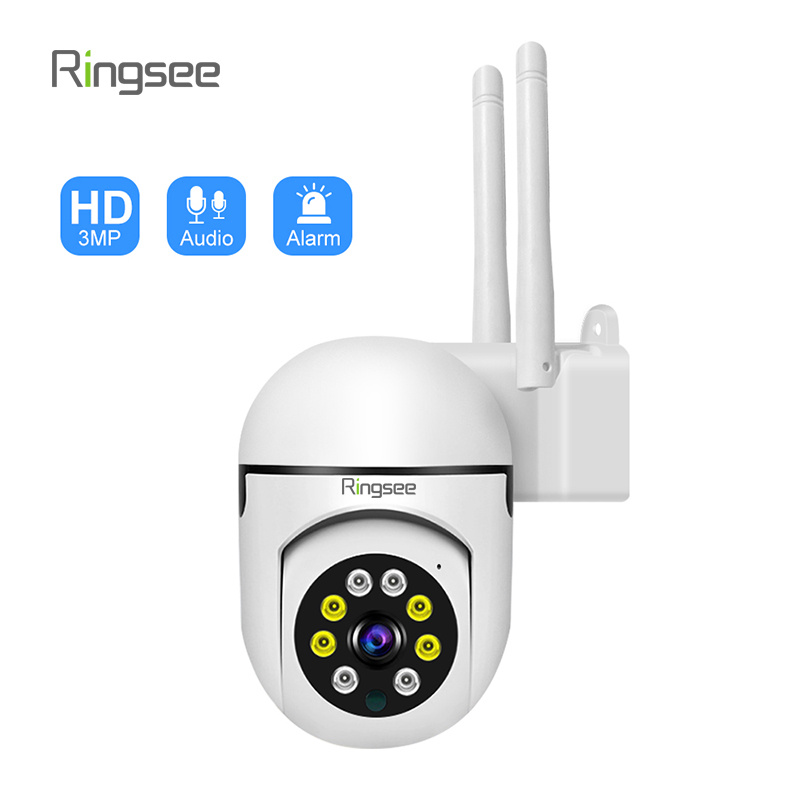
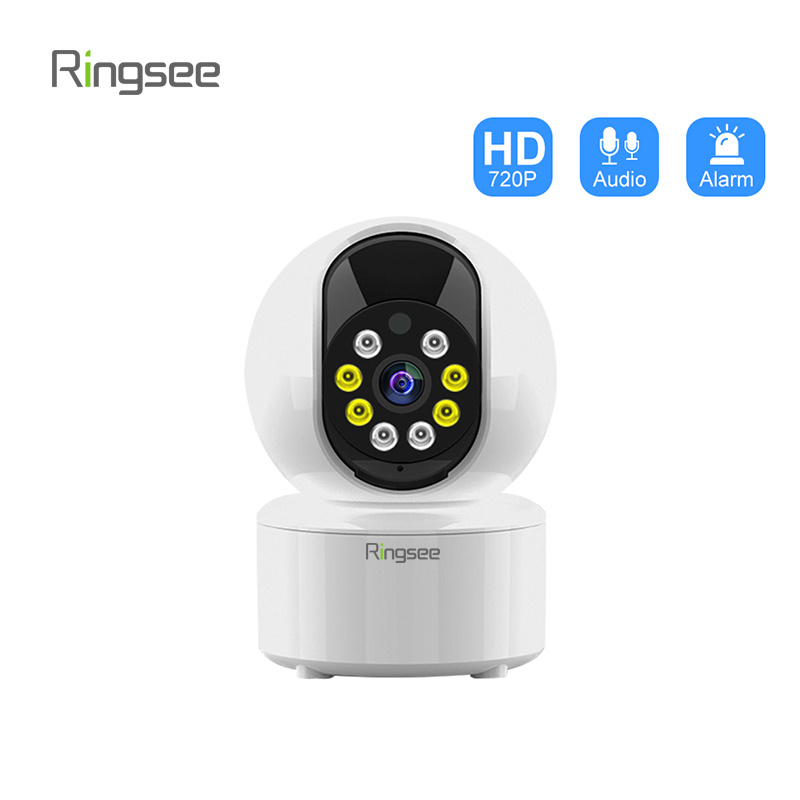
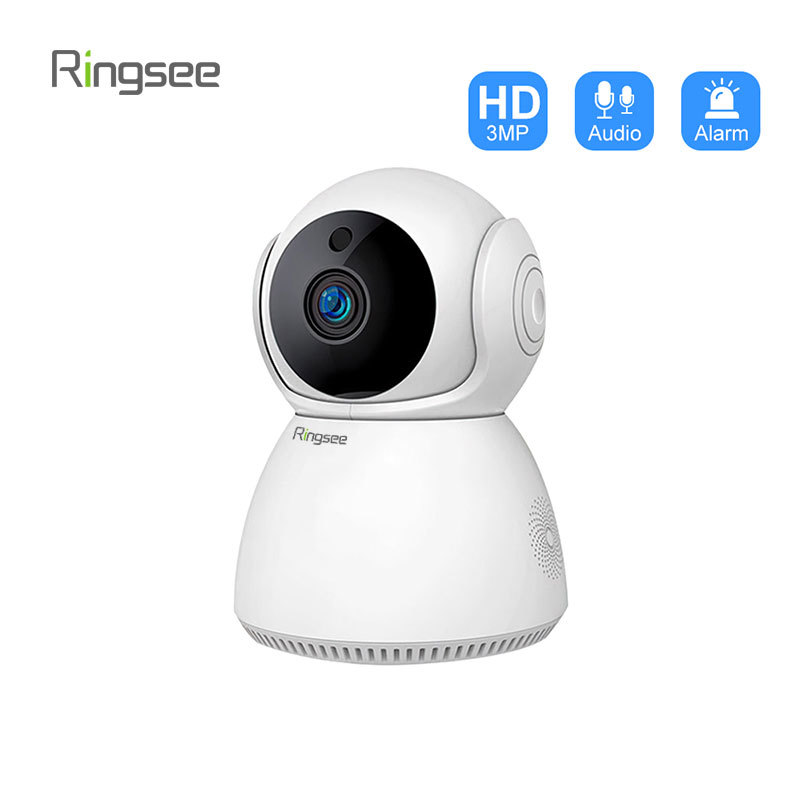
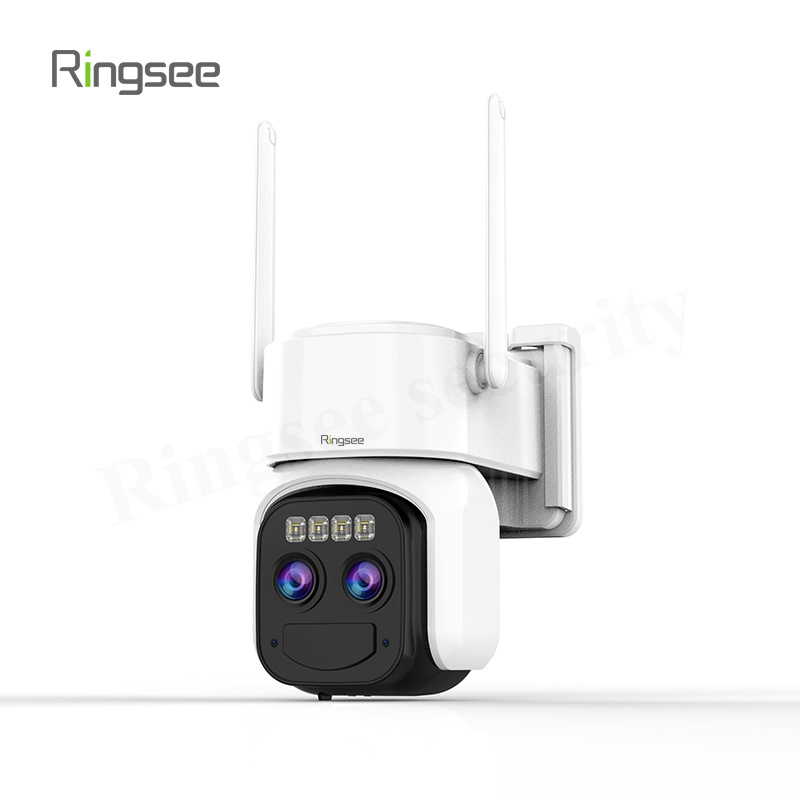
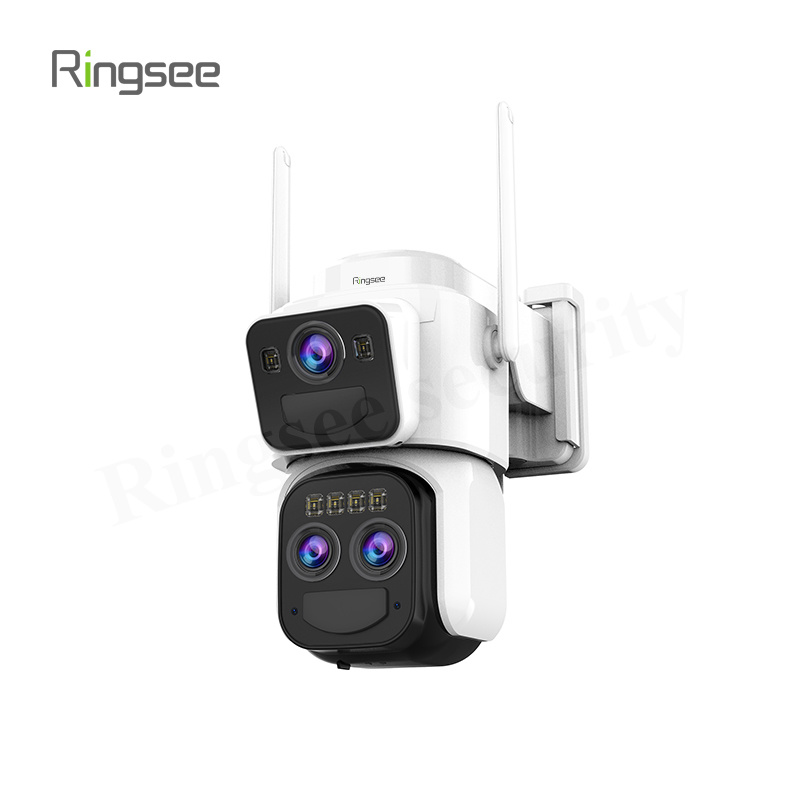
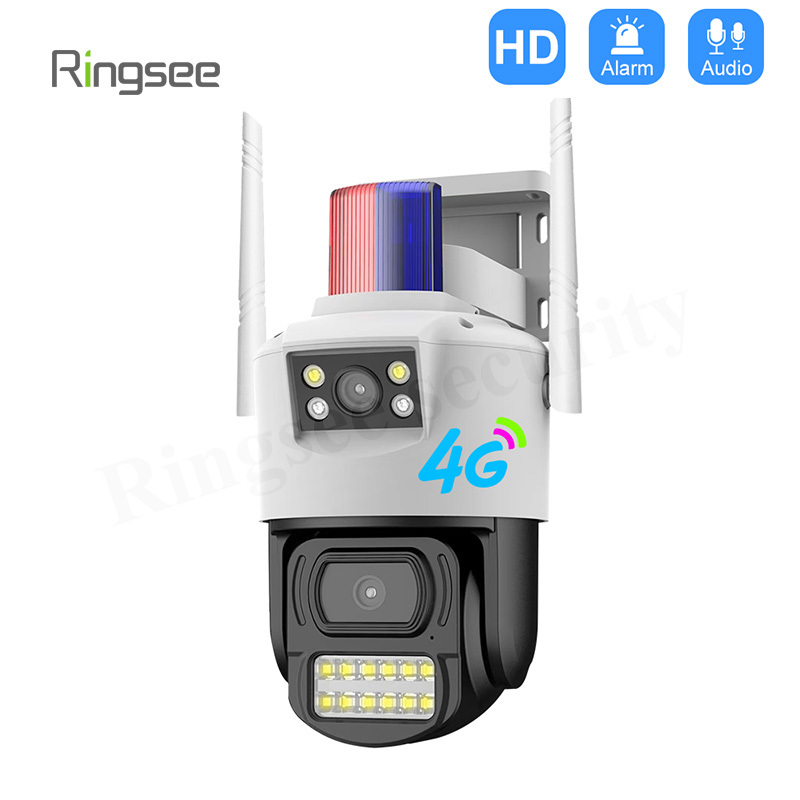
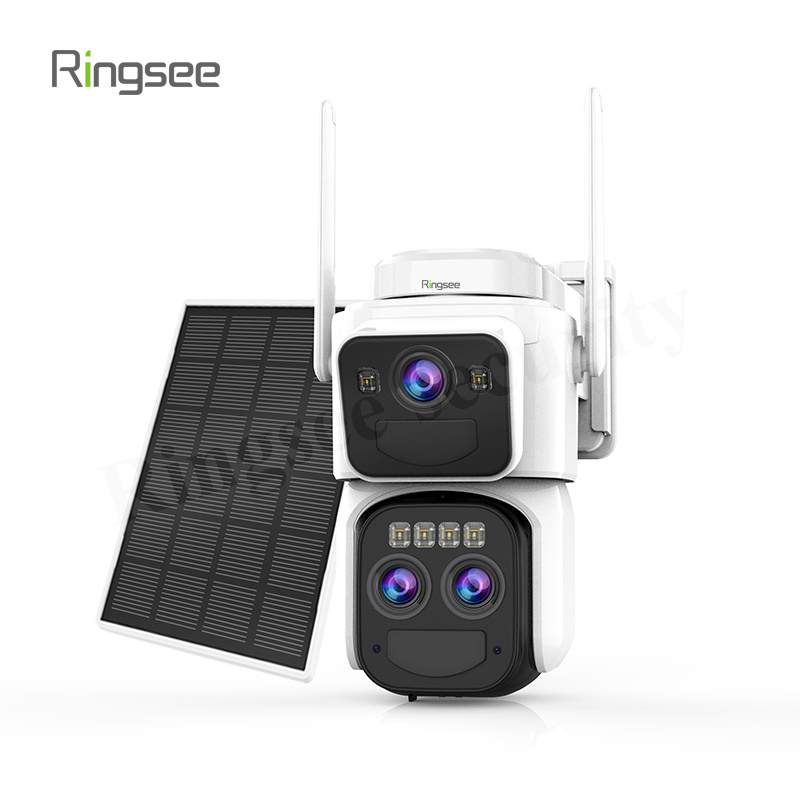
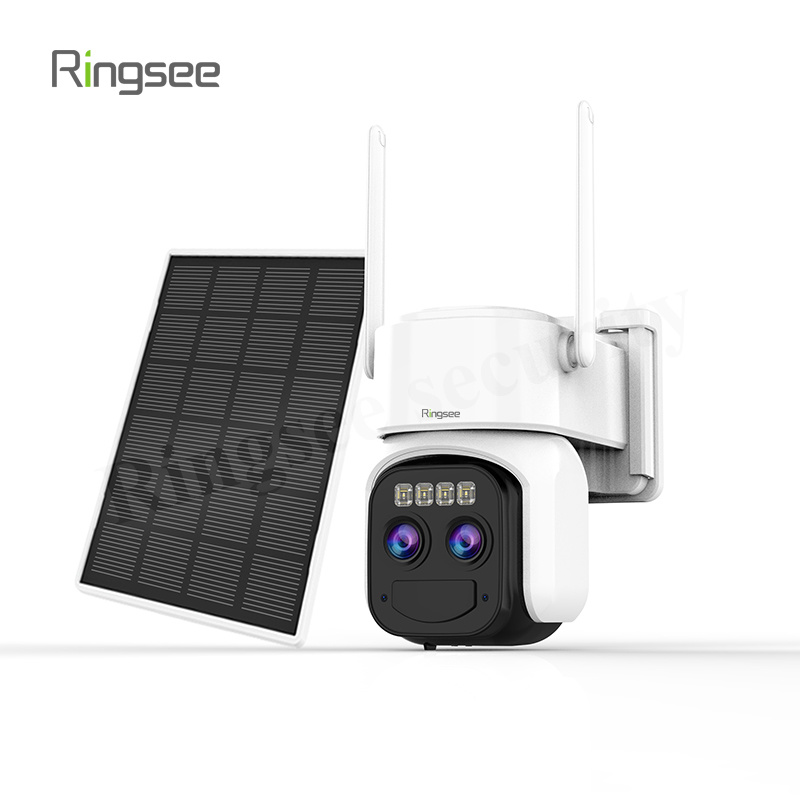
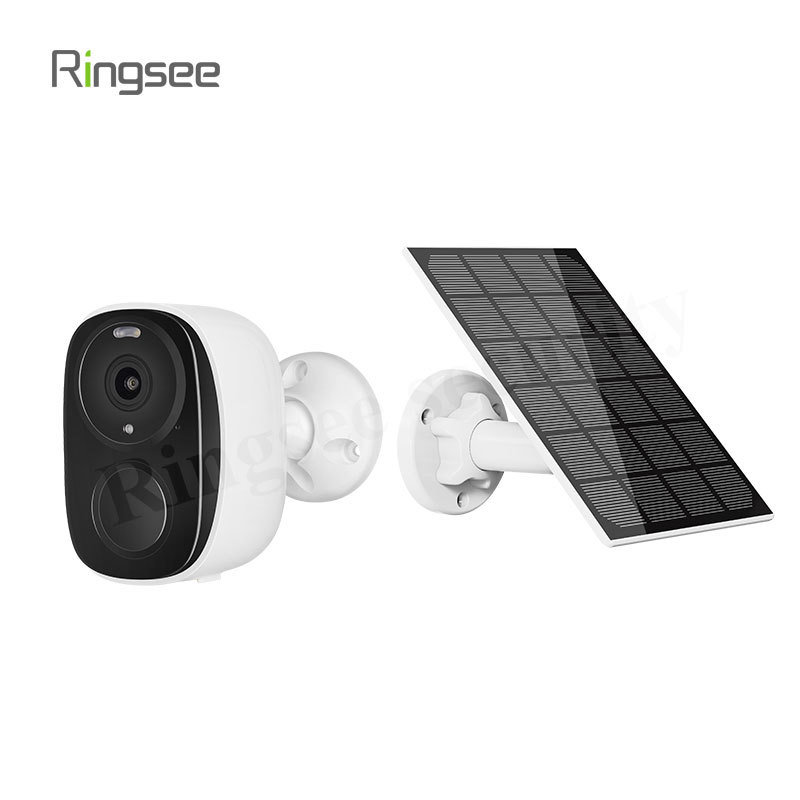
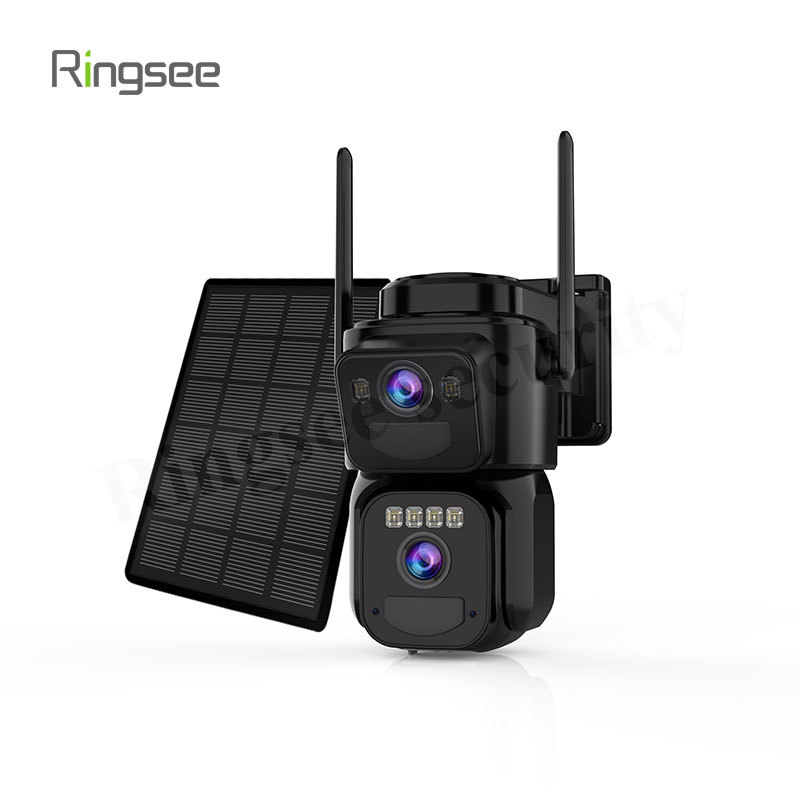
A high-quality feeder ensures bird health, but a high-specification camera ensures superior visual documentation. Look for models like those offered by Ringsee that feature:
- 2K or Higher Resolution: Essential for capturing the fine details of hummingbirds, whose bodies are often smaller than the camera’s minimum focal distance.
- Motion Detection Sensitivity: The detection zone must be fine-tuned to capture the hyper-speed movement of the bird without triggering constant false alerts from wind or shadows.
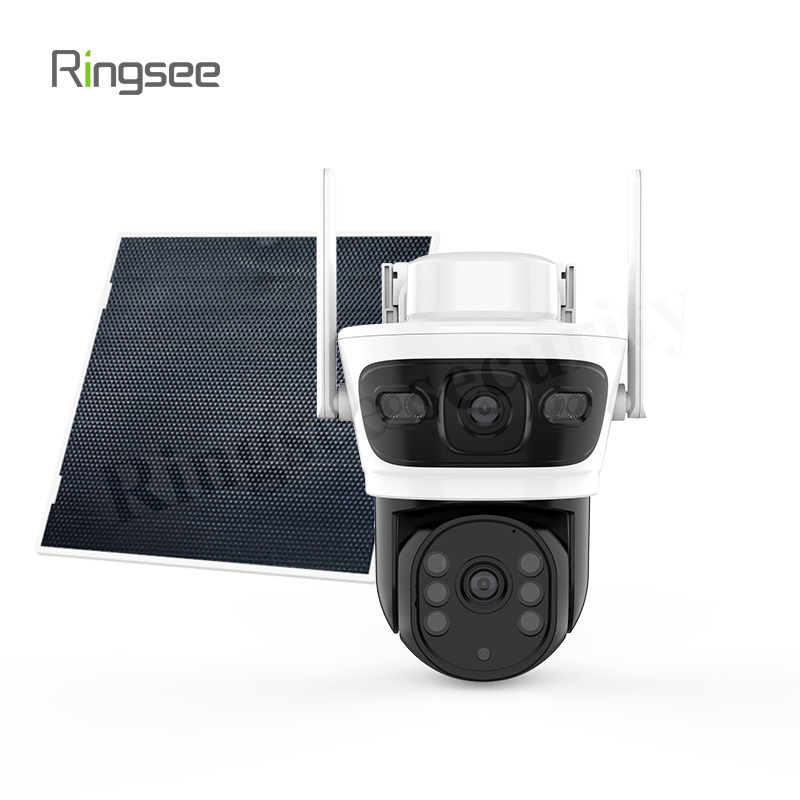
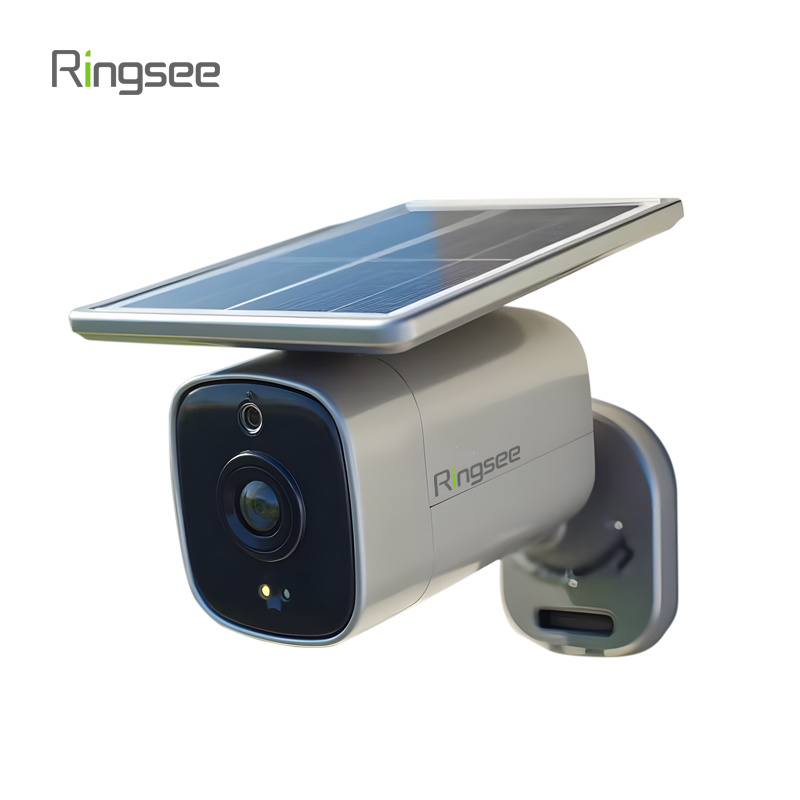
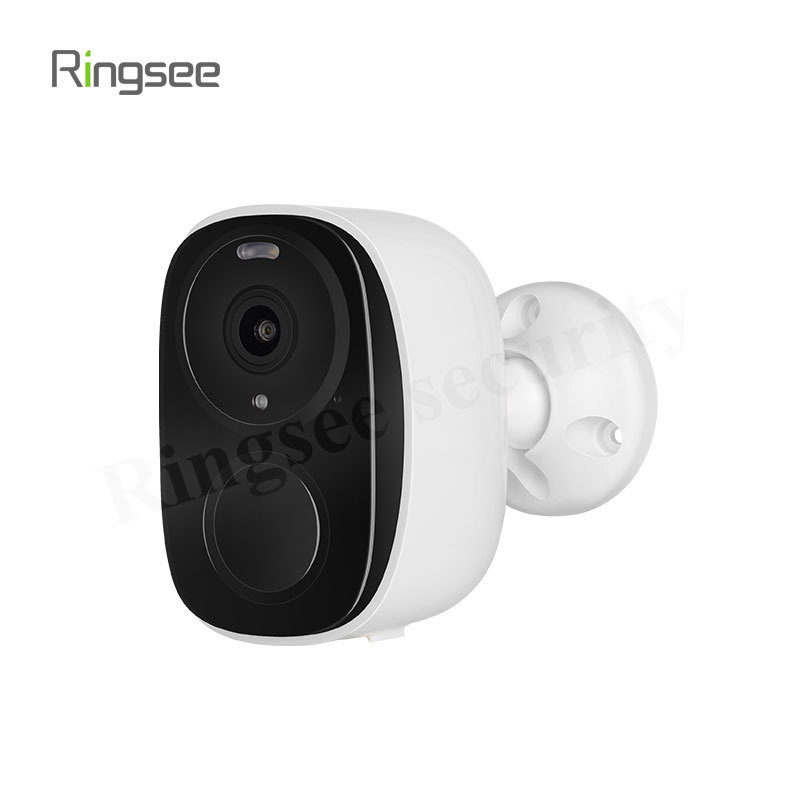
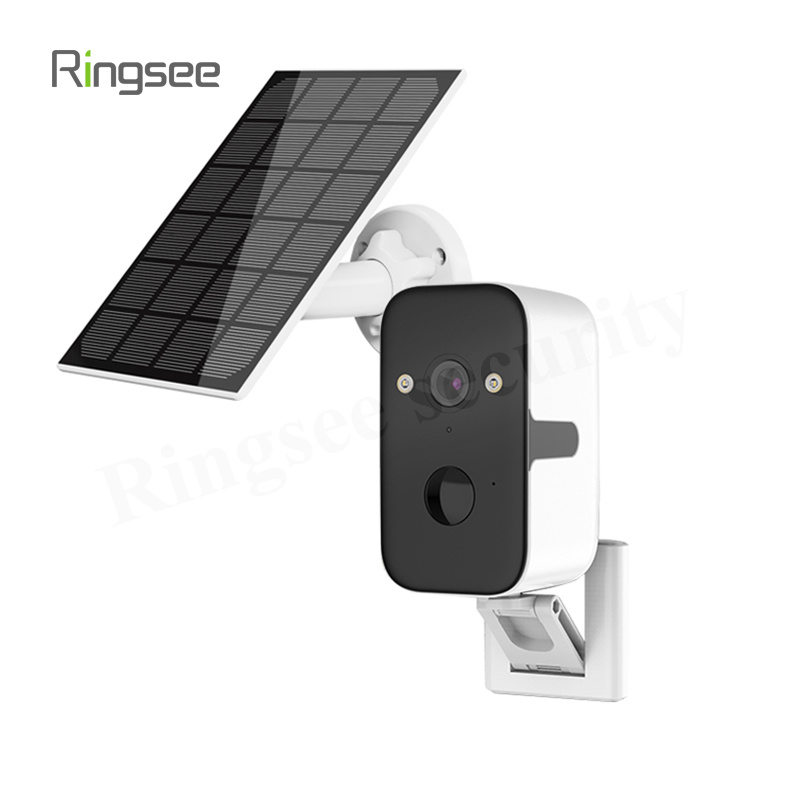
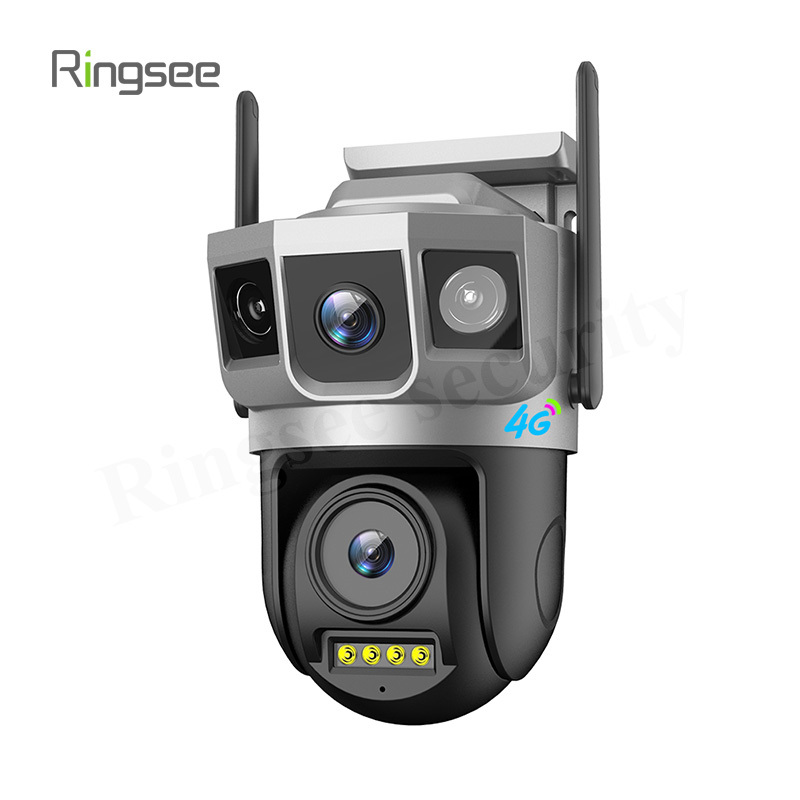
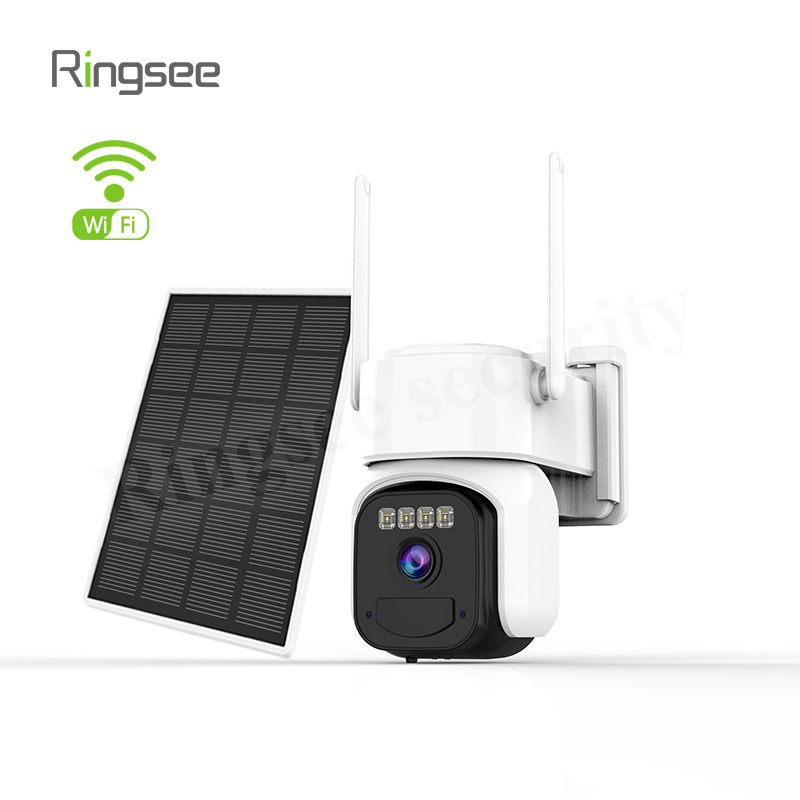
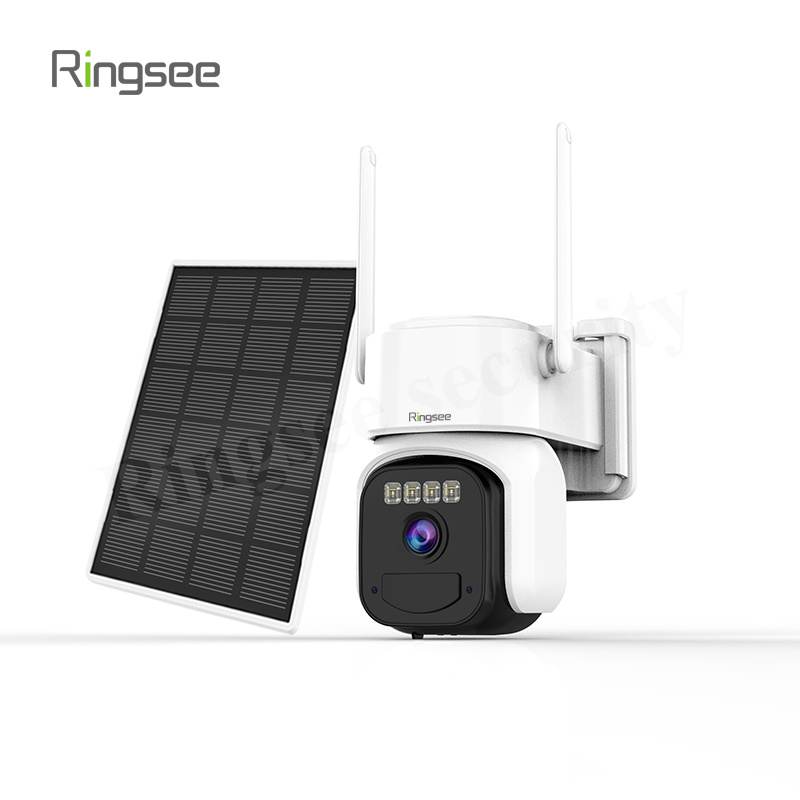
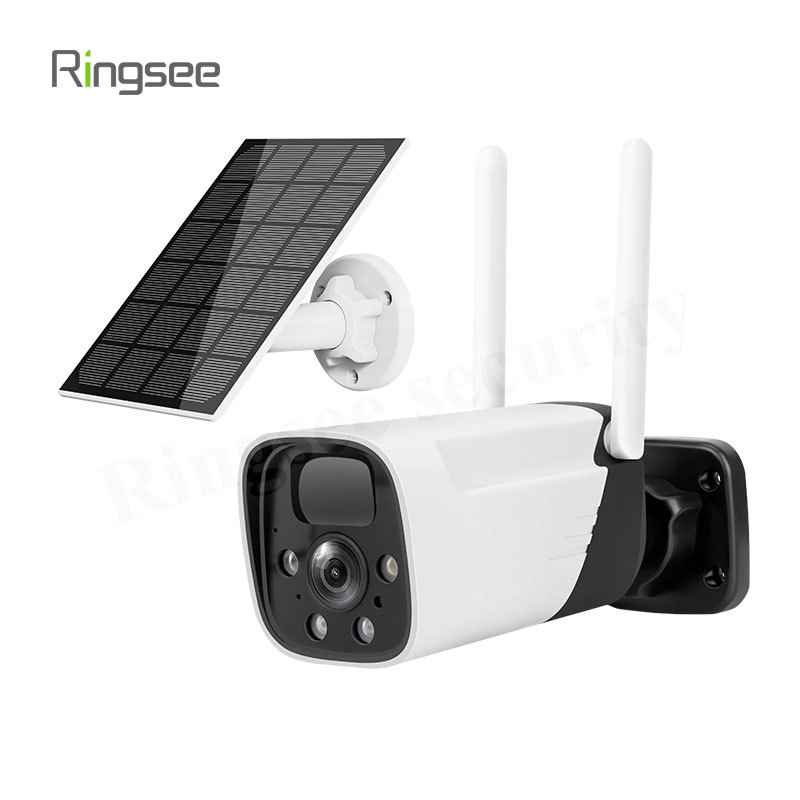
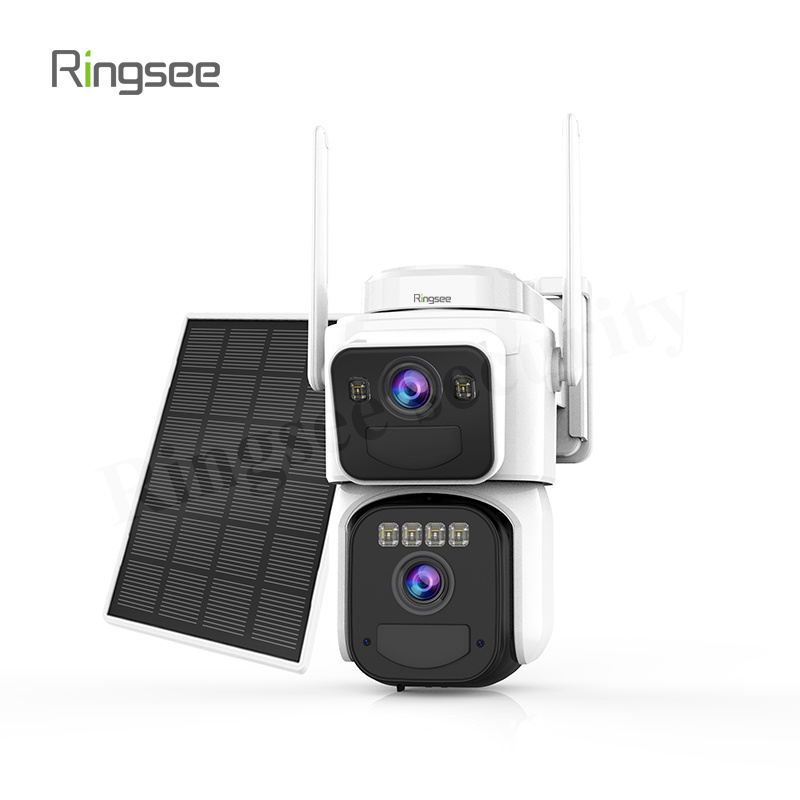
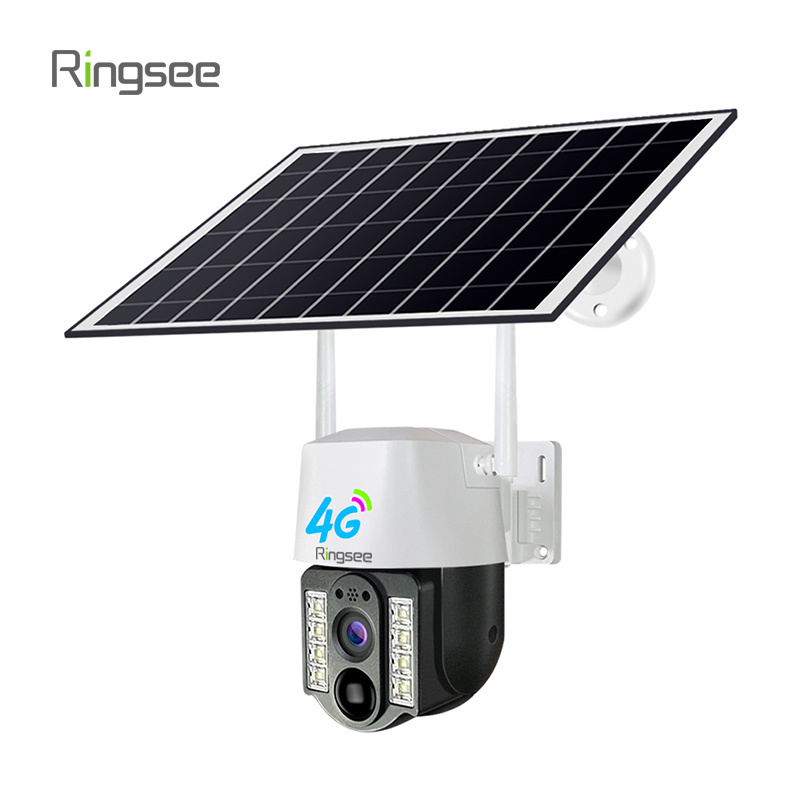
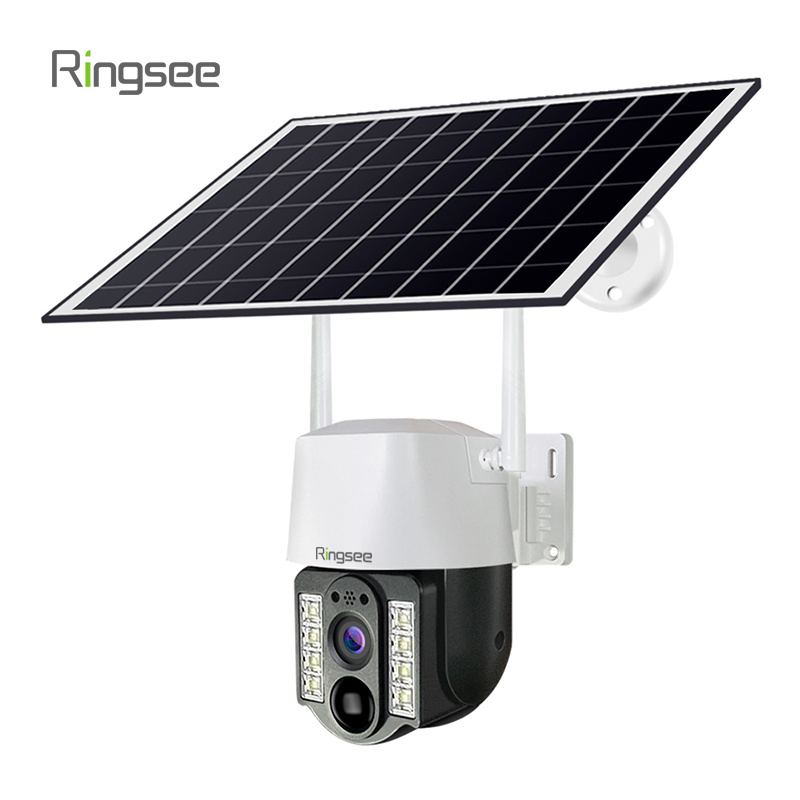
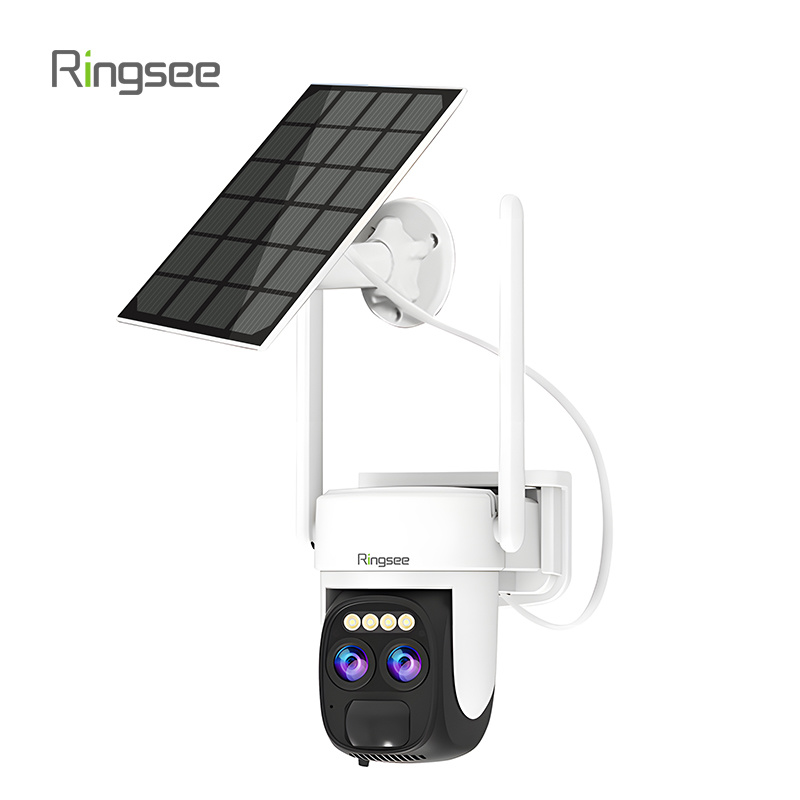
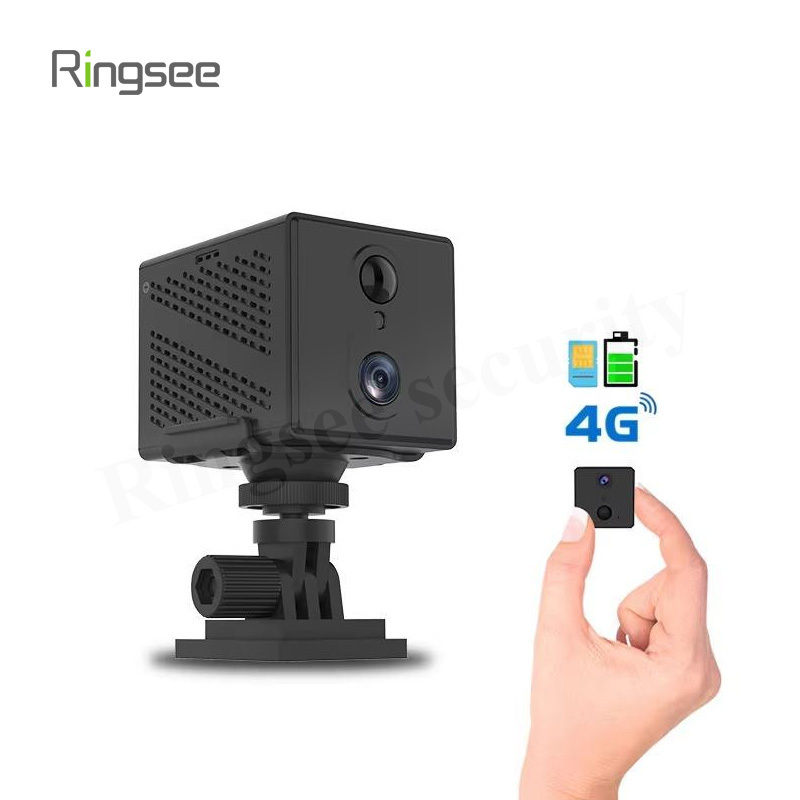
- Integrated Solar Power: Solutions like the Ringsee solar cameras ensure continuous operation, preventing missed opportunities due to battery depletion.
Related News
Security Camera AI Smart Analysis (Human / Vehicle / Cross-Line Detection) Selection Guide
The previous seven articles each solved one problem: power supply (see the "Power & Connectivity 12-Combination Decision Tree") decides whether the device powers on; connectivity (see the "4G + Solar Off-Grid Surveillance Selection Guide") decides whether it communicates; night vision (see the "Night Vision & Low-Light Selection Guide") decides how much you see in the dark; weatherproofing and lightning protection (see the "IP66/IP67 Weatherproofing and Lightning Protection Selection Guide") decides how long the system survives; lens and field of view (see the "Security Camera Lens, Focal Length & Field of View (FOV) Selection Guide") decides whether it captures the target; storage and NVR (see the "Security Camera Storage & Recording Duration / NVR Selection Guide") decides whether the footage stays; and remote access and network security (see the "Security Camera Remote Access & Network Security / VPN Selection Guide") decides whether those images stay protected. But so far the system is still a "faithful recorder" — it captures everything, yet cannot tell the difference between "leaves rustling in the wind" and "someone climbing the fence." From a neutral technical perspective, this article pushes the surveillance system past the value inflection point of "being able to recognize": it breaks down the deployment forms of edge AI vs cloud AI, the real boundaries of the three core algorithms — human, vehicle, and cross-line detection — the generational gap in false-alarm rate between deep learning and traditional motion detection, edge NPU compute and power consumption, privacy compliance red lines, alarm linkage and platform integration, and provides a procurement verification checklist — helping buyers upgrade from "capturing" to "understanding and alerting accurately."
Aug 22,2026
Security Camera Remote Access & Network Security / VPN Selection Guide
The previous six articles each solved one problem: power supply (see the "Power & Connectivity 12-Combination Decision Tree") decides whether the device powers on; connectivity (see the "4G + Solar Off-Grid Surveillance Selection Guide") decides whether it communicates; night vision (see the "Night Vision & Low-Light Selection Guide") decides how much you see in the dark; weatherproofing and lightning protection (see the "IP66/IP67 Weatherproofing and Lightning Protection Selection Guide") decides how long the system survives; lens and field of view (see the "Security Camera Lens, Focal Length & Field of View (FOV) Selection Guide") decides whether the system actually captures the target; and storage & NVR (see the "Security Camera Storage & Recording Duration / NVR Selection Guide") decides whether the footage stays. But all that investment is for nothing if the final door — the network exposure surface and remote access security — is not held: weak passwords scanned, management ports exposed on the public internet, firmware backdoors exploited, attackers can peek, delete recordings, or even borrow the camera as a botnet relay. From a neutral technical perspective, this article breaks down the real attack surface of a surveillance system, weak passwords and tiered accounts, port exposure vs network isolation, VPN (IPSec / OpenVPN / WireGuard) selection comparison, the convenience and risk of P2P cloud access, RTSP/HTTPS transport encryption, firmware supply-chain security, IoT network segmentation, and provides a procurement verification checklist — helping buyers lock down "resisting breach," the last link of the evidence chain.
Aug 22,2026
Security Camera Storage & Recording Duration / NVR Selection Guide
Many projects spend heavily on lens, night vision, and weatherproofing, only to stumble at a neglected final link: footage is never recorded, or not stored for enough days. A contract dispute needs footage from three months ago, but the hard drive only holds 7 days. An NVR loaded with 16 channels of 4K saturates its ingress bandwidth, and playback stutters like a slide show. A desktop-grade drive run 7×24 for half a year develops bad sectors and loses a critical piece of evidence. Using directly applicable storage formulas and typical values, this article breaks down the relationship between bitrate and recording duration, the compression difference between H.264 and H.265 (HEVC), CBR/VBR and dual-stream, the three recording strategies of continuous / event / smart, key metrics of surveillance-grade hard drives, and the three NVR bottlenecks of channel count and bandwidth / decoding. It also provides a retention-day comparison table, an edge + central dual-backup scheme, compliant-retention essentials, and a procurement verification checklist — helping buyers lock down the last link of the evidence chain, "recorded, stored long enough, and retrievable," within budget.
Aug 15,2026
Security Camera Lens, Focal Length & Field of View (FOV) Selection Guide
A security camera is installed only to find "it can't frame the target, can't cover the entrance, or the face is stretched out of shape" — in over 90% of such failures it is not an image-quality problem, but a wrong calculation of lens focal length and field of view (FOV). Using directly applicable formulas and typical values, this article breaks down the basic physical relationship between focal length and FOV, the impact of sensor size on the viewing angle, the trade-offs of fixed vs zoom (including motorized zoom), the three hidden traps of wide-angle distortion / vertical FOV / pixel density (PPF), and provides a coverage comparison table for four scenarios (gate & cashier, plaza & parking, corridor passage, pole-top perimeter), the trade-offs of fisheye vs PTZ, the coupling of focal length with night vision, and a 7-step decision tree — helping buyers lock down "whether you can capture the target" at the design-drawing stage.
Aug 15,2026
Security Camera IP66/IP67 Weatherproofing and Lightning Protection Selection Guide
Whether an outdoor security camera lasts three years or three months rarely depends on image quality — it depends on weatherproofing and lightning protection. Water ingress and fogging, lightning-induced burnout, salt-fog corrosion, and cold-crack failure account for the vast majority of on-site returns of outdoor cameras. Using applicable parameters and typical values, this article breaks down the waterproofing boundaries of IP66/IP67/IP68, the IK impact rating, operating temperature and materials, salt-spray test duration, lightning entry paths, SPD surge protector selection, grounding resistance and equipotential bonding — then provides a protection comparison table for four typical scenarios, a 5-year total-cost comparison and a 6-step decision tree, so buyers can avoid the common failure points at the selection stage.
Aug 08,2026
Links:One Belt Power Technology
Add: 14th Floor, Baoshan Building, Longhua District, Shenzhen China.
Privacy Policy | SEO | CitySite | Support: 300.cn Dongguan