
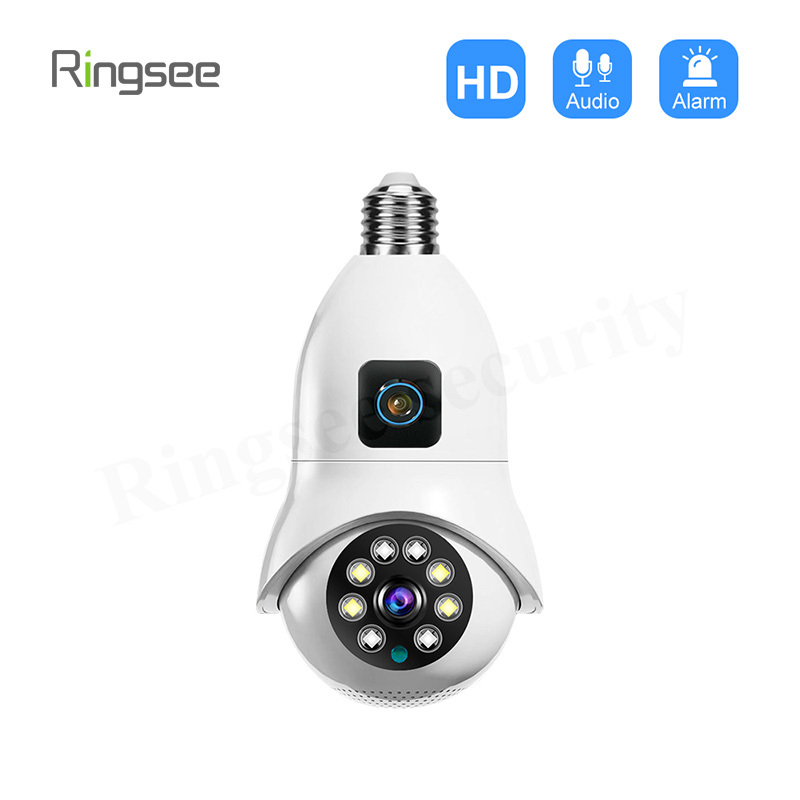
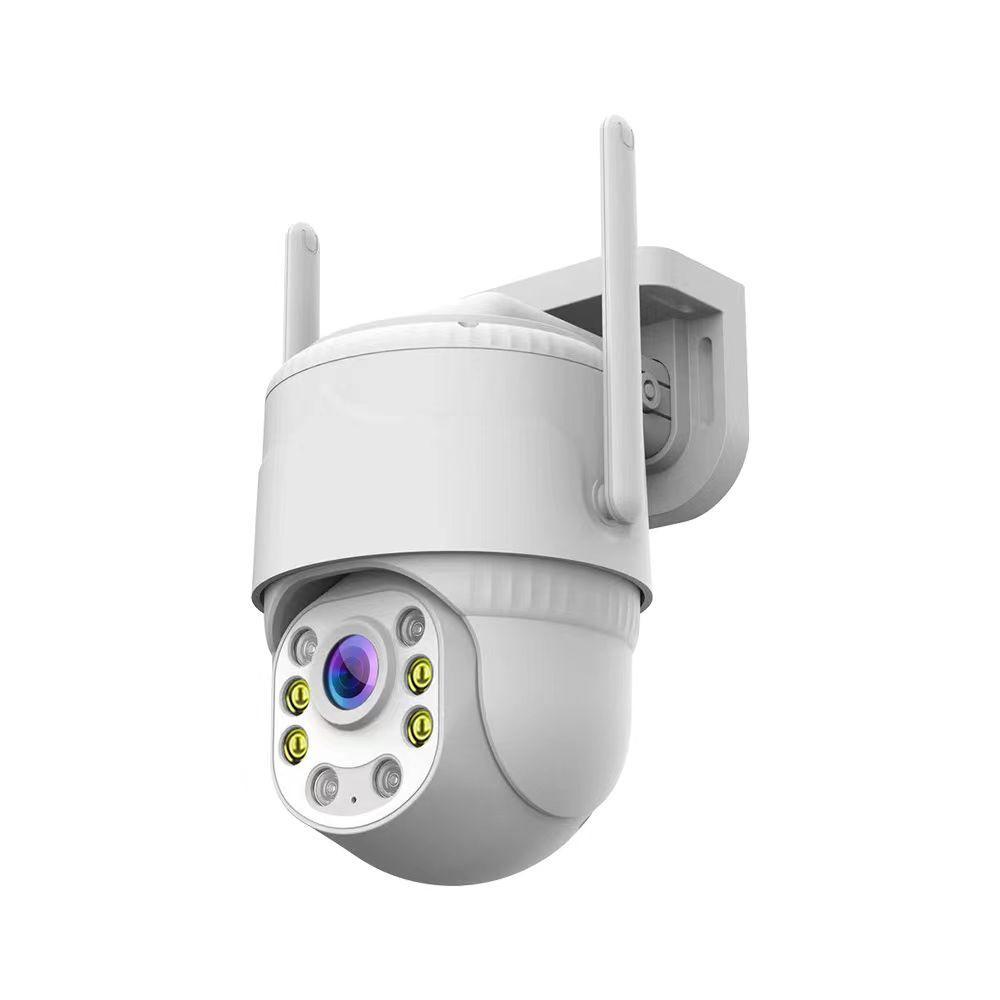





Ultimate Guide to Outdoor Triple-Lens Security Cameras with Full‑Color Night Vision
Publish:
2026-04-01 13:04
Source:
https://www.ring-see.com
Ringsee - Discover how triple-lens outdoor security cameras with full-color night vision and AI detection solve modern surveillance challenges for homes, businesses, and remote properties.
Introduction: Smarter Protection for Complex Security Needs
Whether you’re a homeowner looking to secure your property or a business manager overseeing large perimeters, traditional security cameras often fall short—limited angles, poor night vision, and frequent false alarms.
This is where the outdoor triple-lens security camera with full-color night vision becomes a game-changer. Equipped with advanced technology like AI object detection, solar power options, and multi-angle panoramic views, this next-generation surveillance solution addresses modern security challenges with precision and efficiency.
Common Pain Points in Outdoor Surveillance—and How Triple-Lens Cameras Solve Them
Pain Point 1: Limited Field of View
Single-lens cameras typically cover only a narrow area, requiring multiple units to eliminate blind spots.
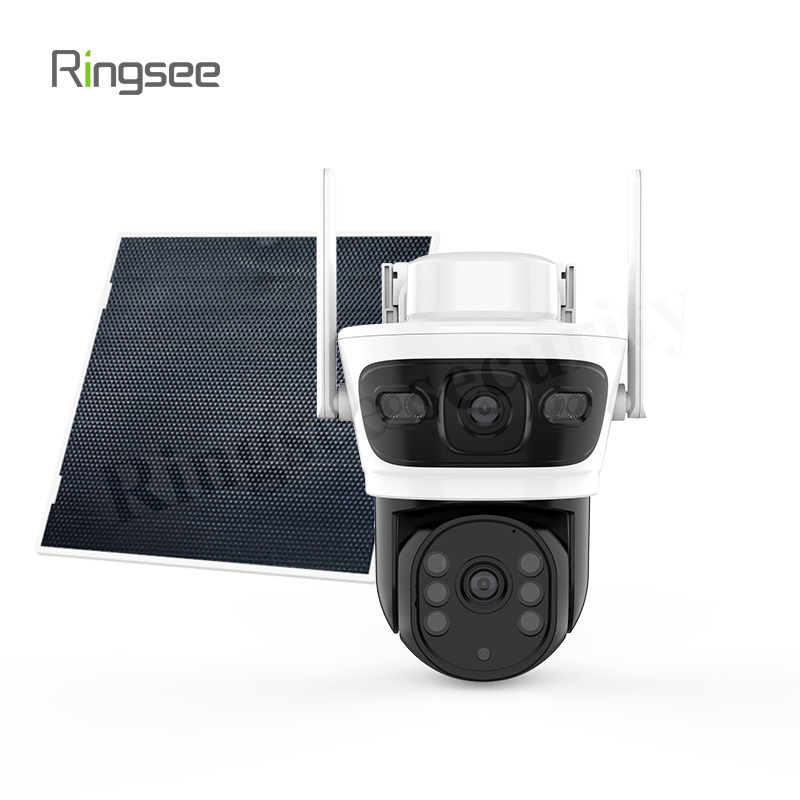
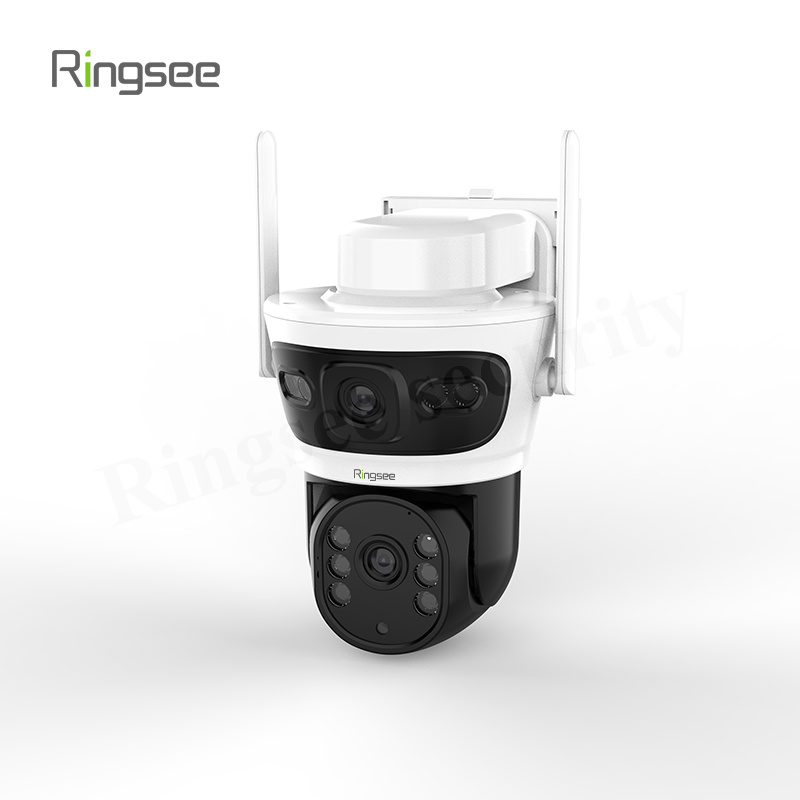
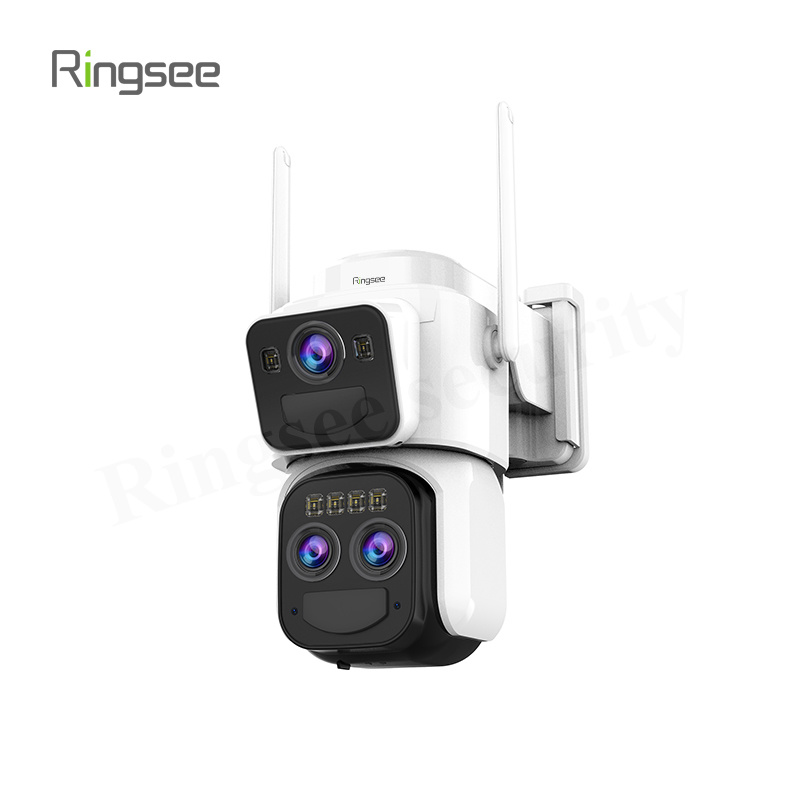
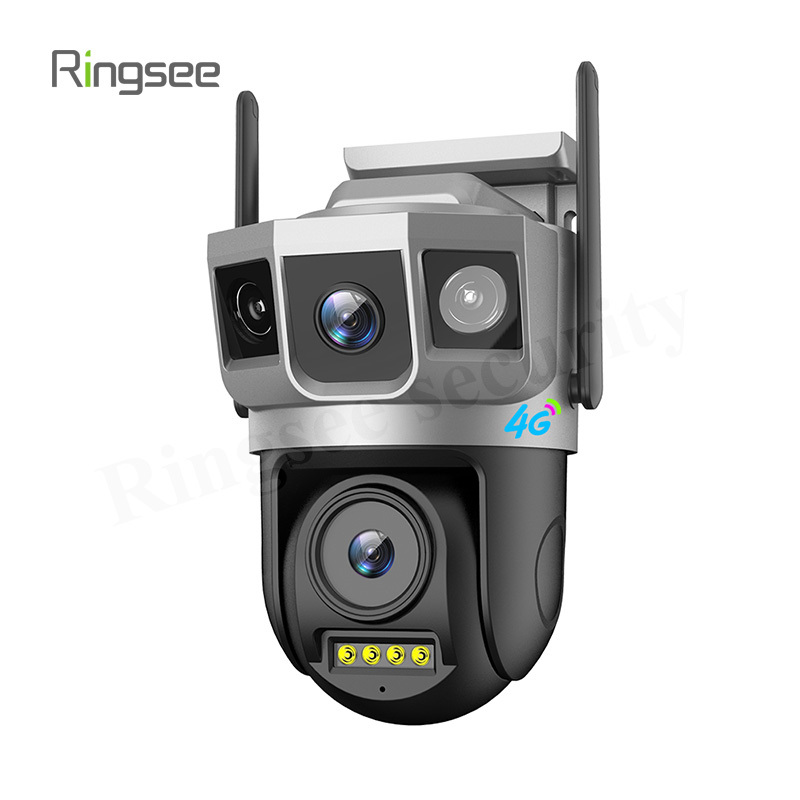
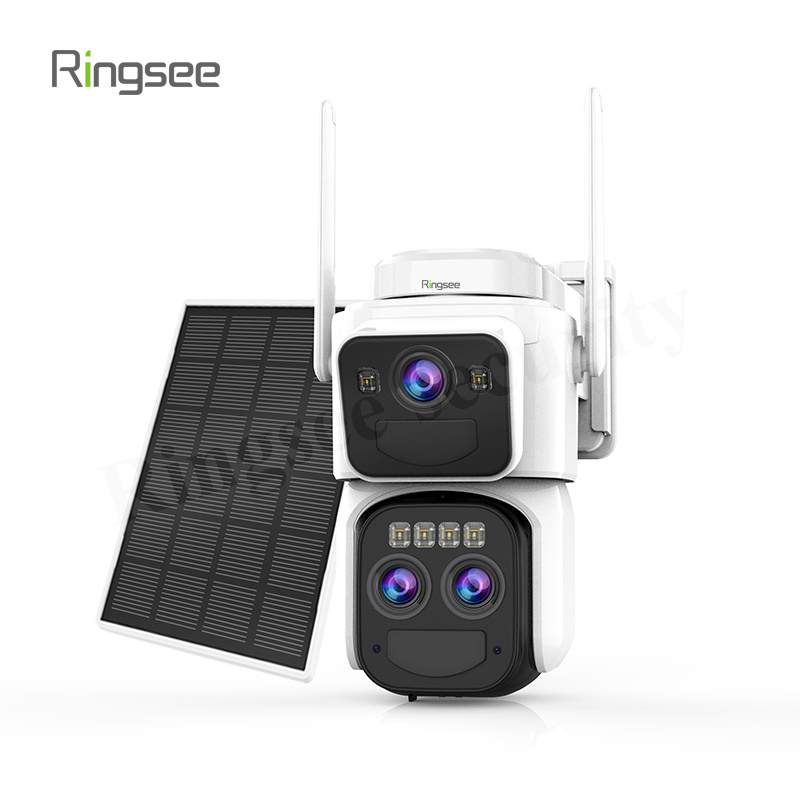
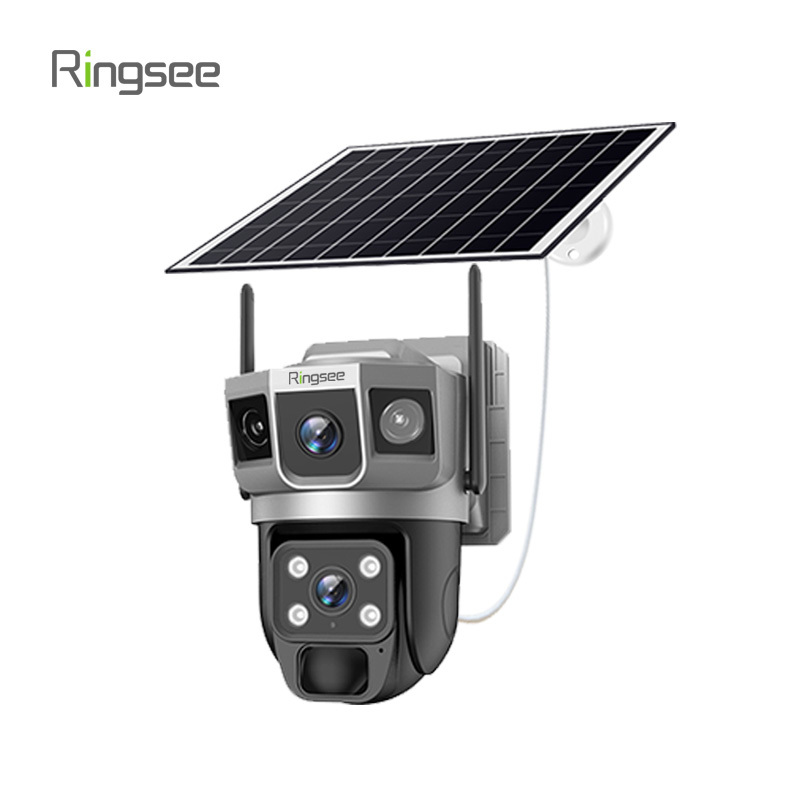
Solution: A triple-lens camera for outdoor use captures wide-angle panoramic footage, zoomed-in views, and focused AI-tracked zones—all in a single device. This not only reduces hardware cost but also simplifies installation and monitoring.
Pain Point 2: Inadequate Night Vision
Standard infrared cameras only provide blurry, black-and-white images at night, making it difficult to identify people or vehicles.
Solution: A full-color night vision security camera uses advanced sensors and supplemental lighting to deliver bright, vivid footage even in low light—ideal for evidence collection and threat deterrence.
Pain Point 3: Too Many False Alarms
Outdoor cameras often get triggered by wind, rain, or moving leaves, overwhelming users with irrelevant alerts.
Solution: Modern AI-powered triple-lens cameras can intelligently distinguish between humans, vehicles, animals, and environmental noise—drastically reducing false alerts and improving response accuracy.
Pain Point 4: Power Supply Limitations
Running cables to outdoor locations can be expensive and impractical, especially for large properties or remote sites.
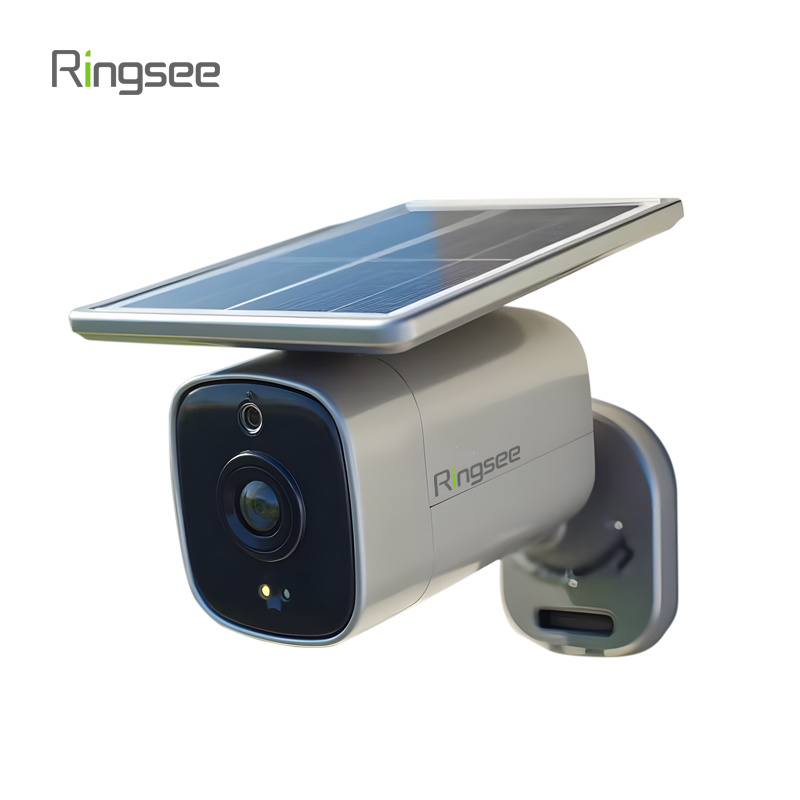
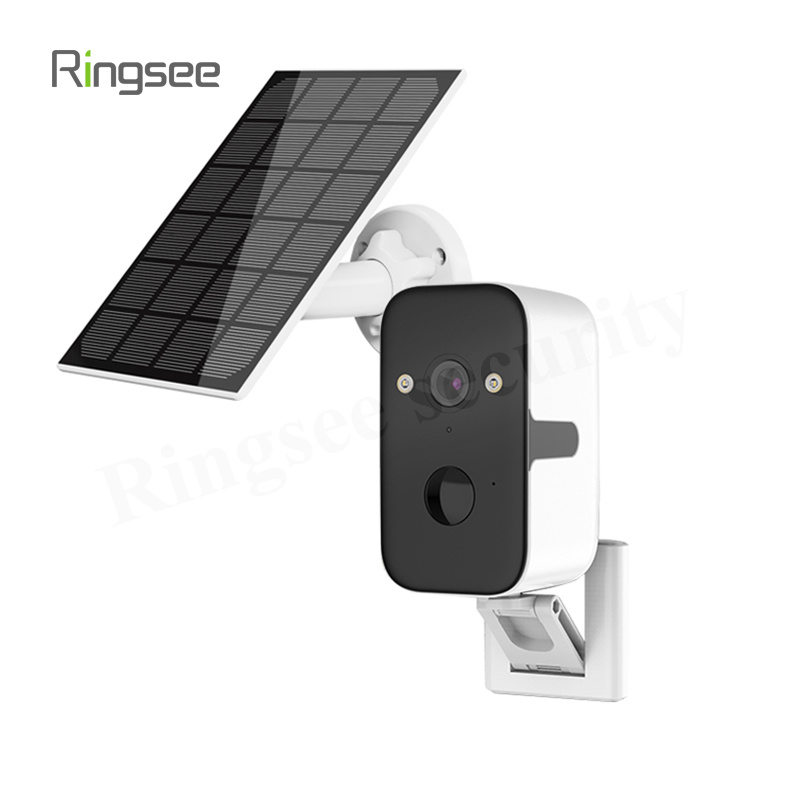
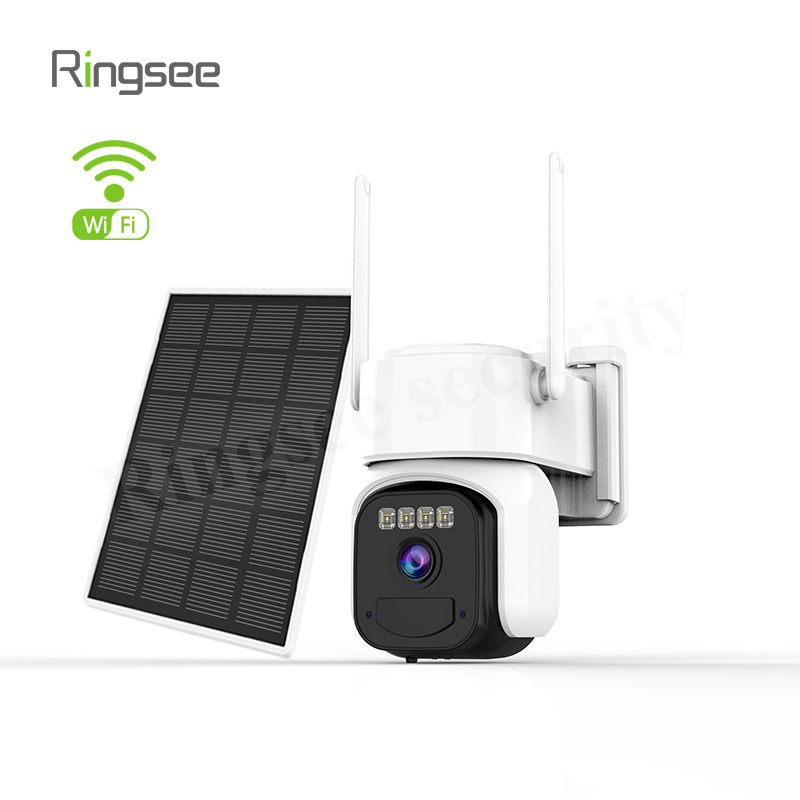
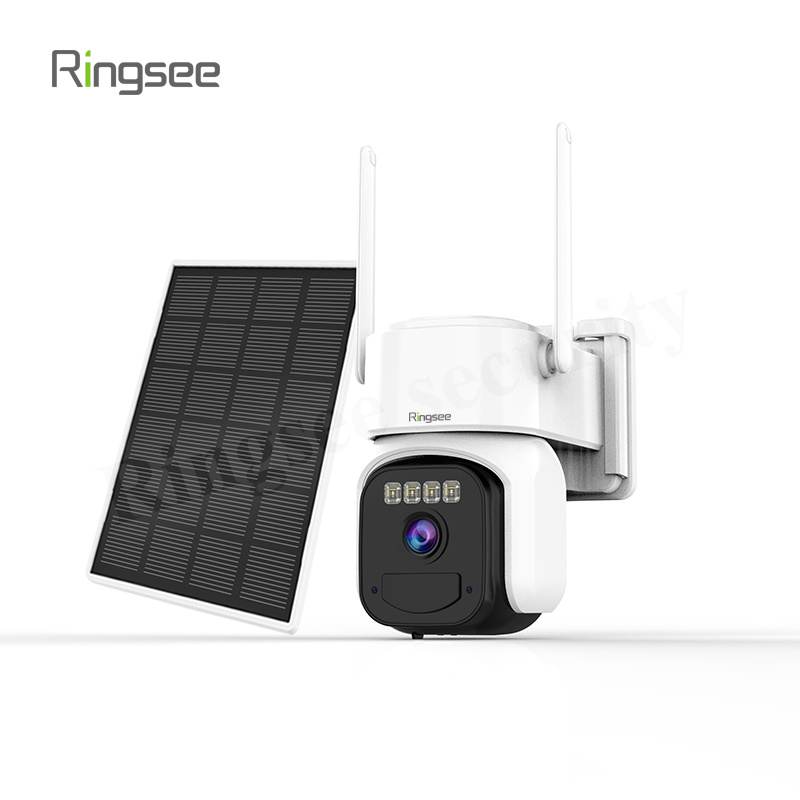
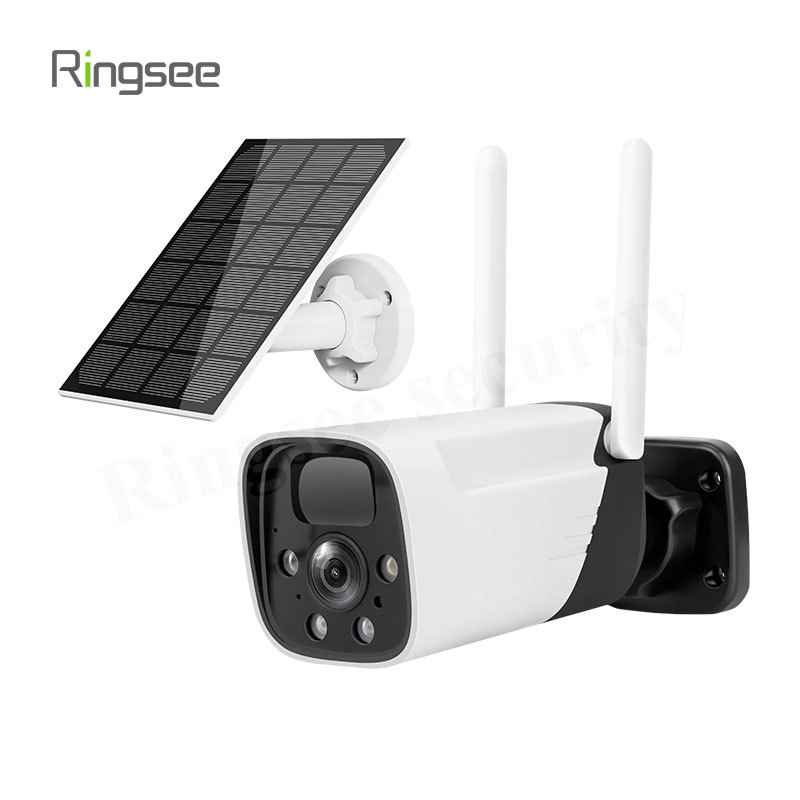
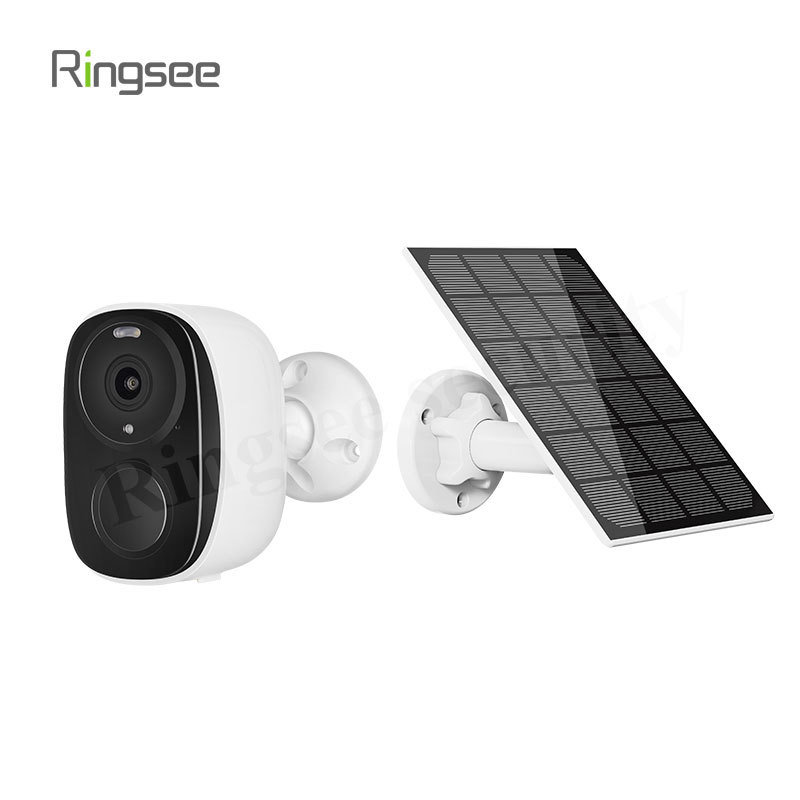
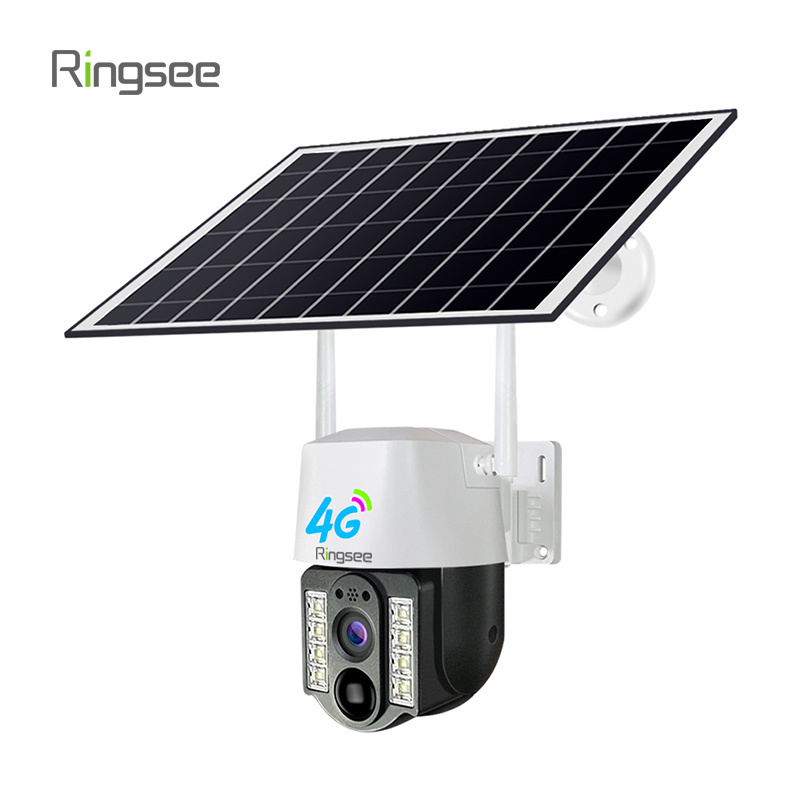
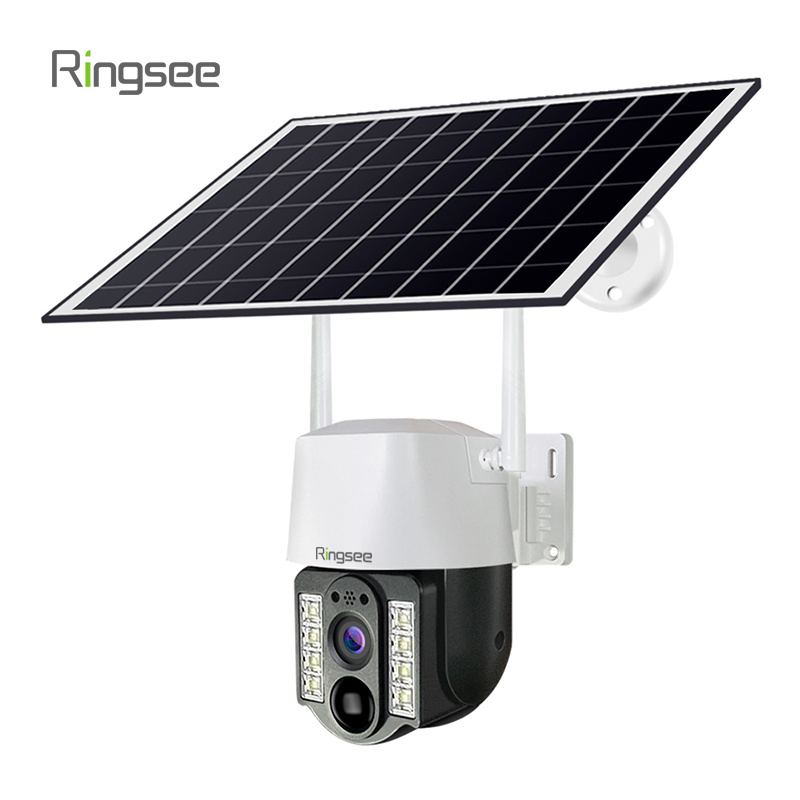
Solution: A solar-powered AI outdoor security camera offers long-term, off-grid operation with built-in batteries—ideal for farms, construction sites, and vacation homes.
Future Trends: What’s Next for Triple-Lens Security Cameras?
As smart home and business technology evolves, triple-lens surveillance systems are expected to play a central role. Here’s what the future holds:
1. Edge AI and On-Device Processing
Future triple-lens systems will process video locally, allowing faster alerts and enhanced privacy by minimizing cloud dependence.
2. Integration with Smart Ecosystems
Expect tighter integration with smart home platforms, enabling voice control, automation, and unified app management.
3. Cloud Intelligence and Predictive Security
AI will not only recognize threats—it will predict them. Smart analytics will analyze behavior patterns and send early warnings before incidents occur.
Real-World Applications: Where Triple-Lens Cameras Make a Difference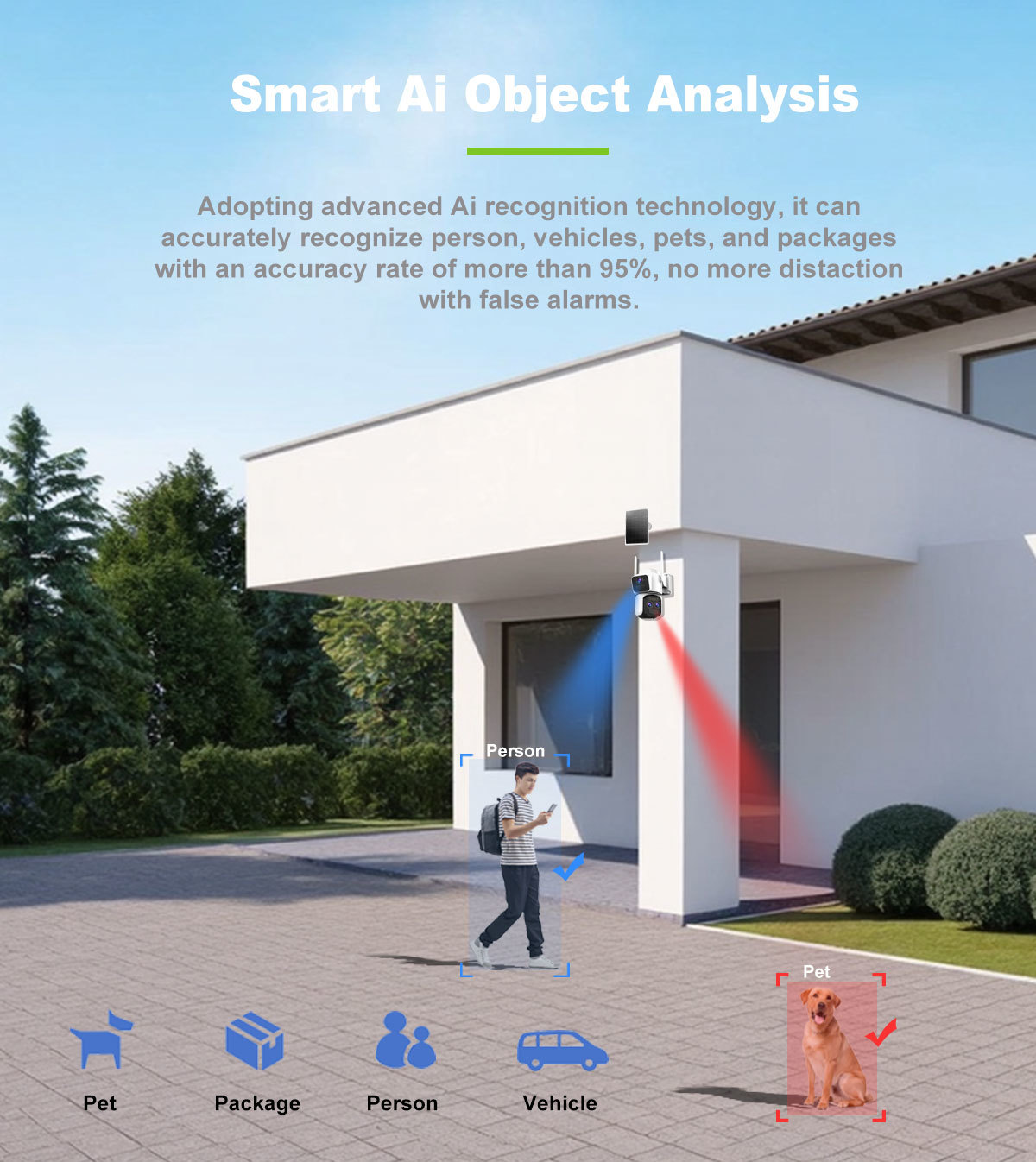
Home Security
Monitor your front yard, driveway, and garage simultaneously
Get real-time alerts when unfamiliar faces or vehicles appear
Clearly see facial details or license plates even at night
Business and Commercial Use
Oversee multiple entry points with fewer cameras
Deter crime with visible full-color footage
Optimize security staff workflows through AI-based alerts
Construction Sites
Secure expensive machinery and materials overnight
Monitor deliveries and site activities remotely
Use solar-powered units for quick, non-invasive installation
Remote Farms and Ranches
Keep watch over barns, fences, and livestock
Operate cameras entirely off-grid with low-power solar panels
Receive alerts on mobile devices even from miles away
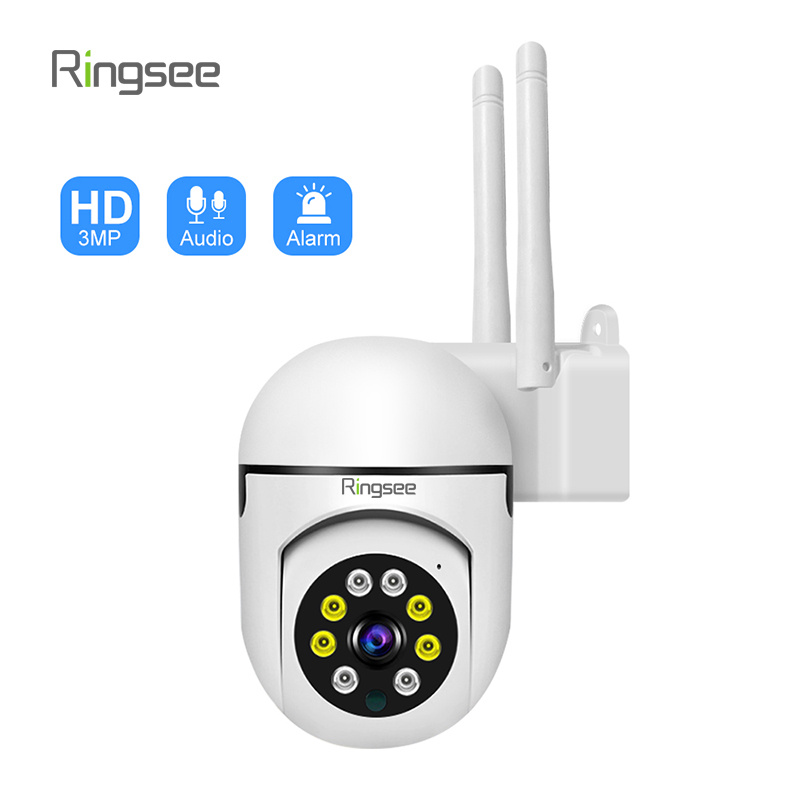
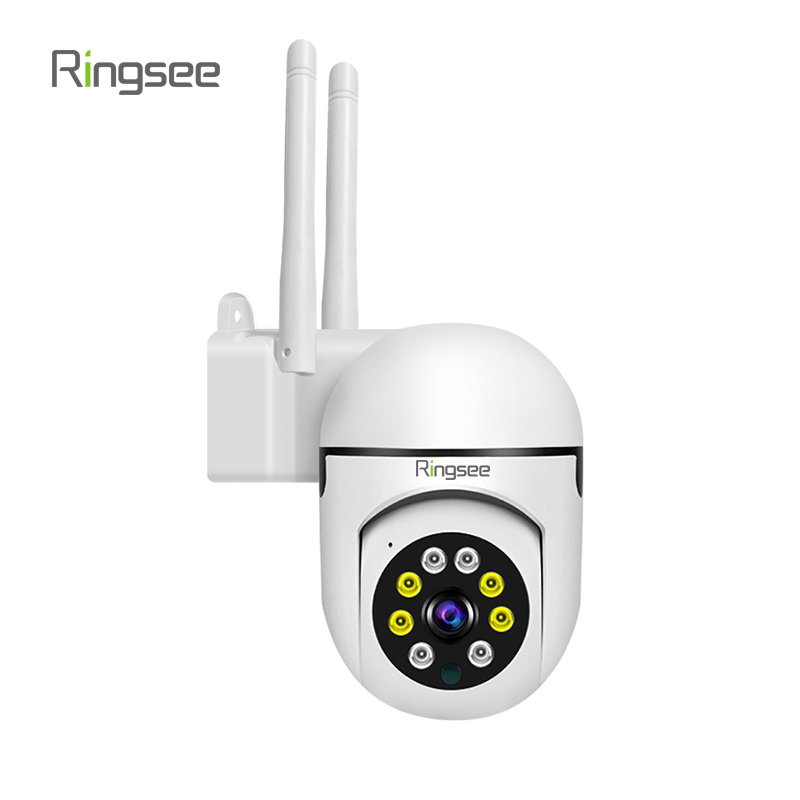
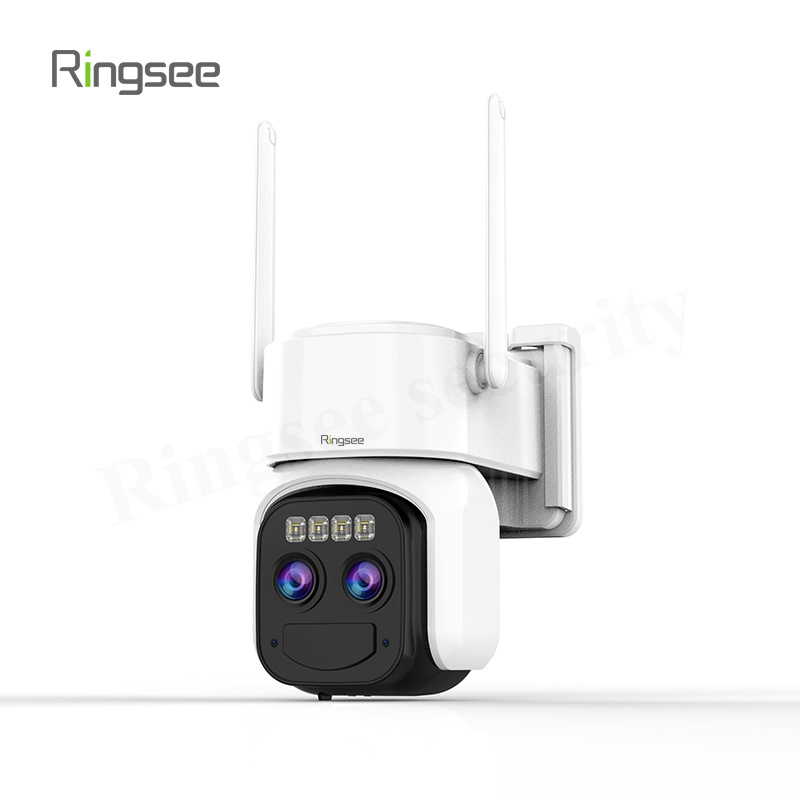
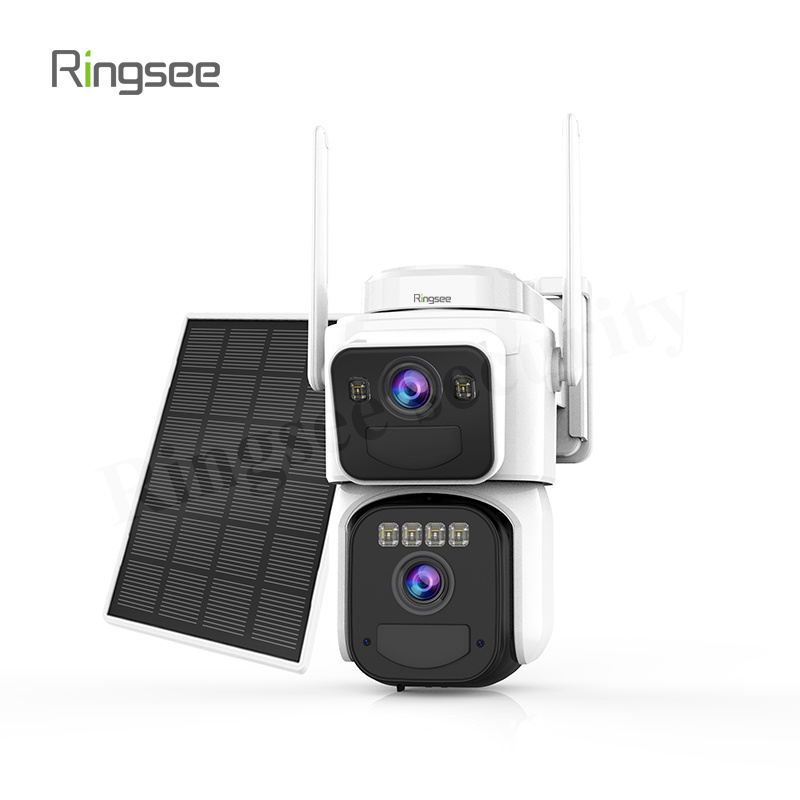
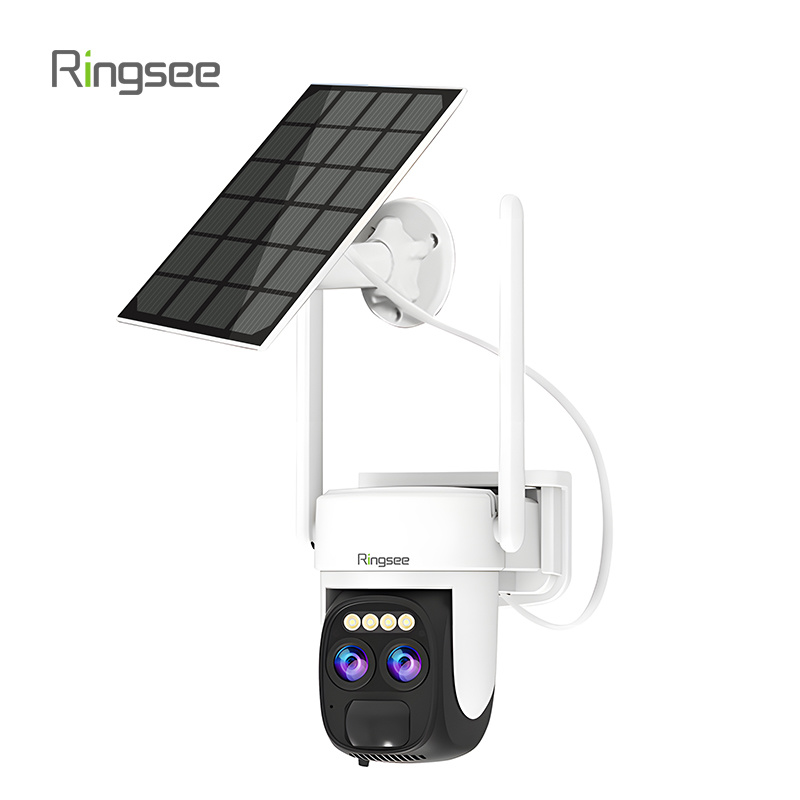
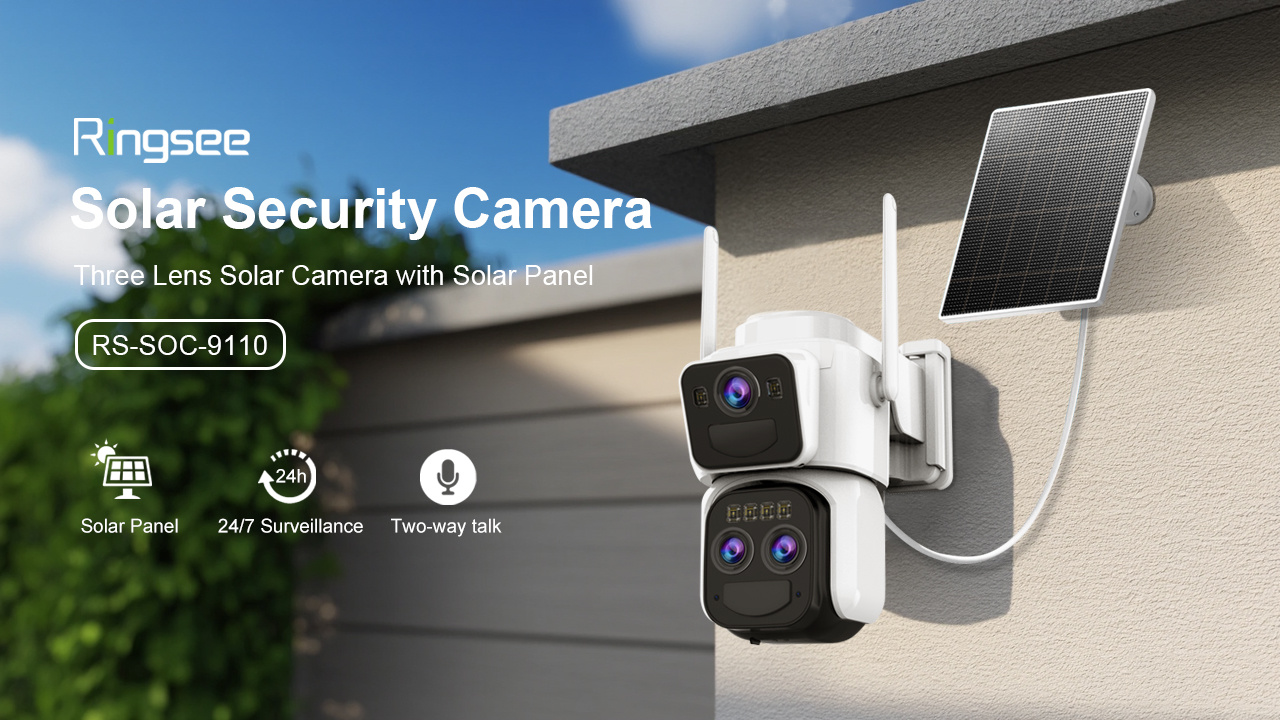
Recommended Model: Ringsee RS-SOC-9110 Triple-Lens Outdoor Security Camera
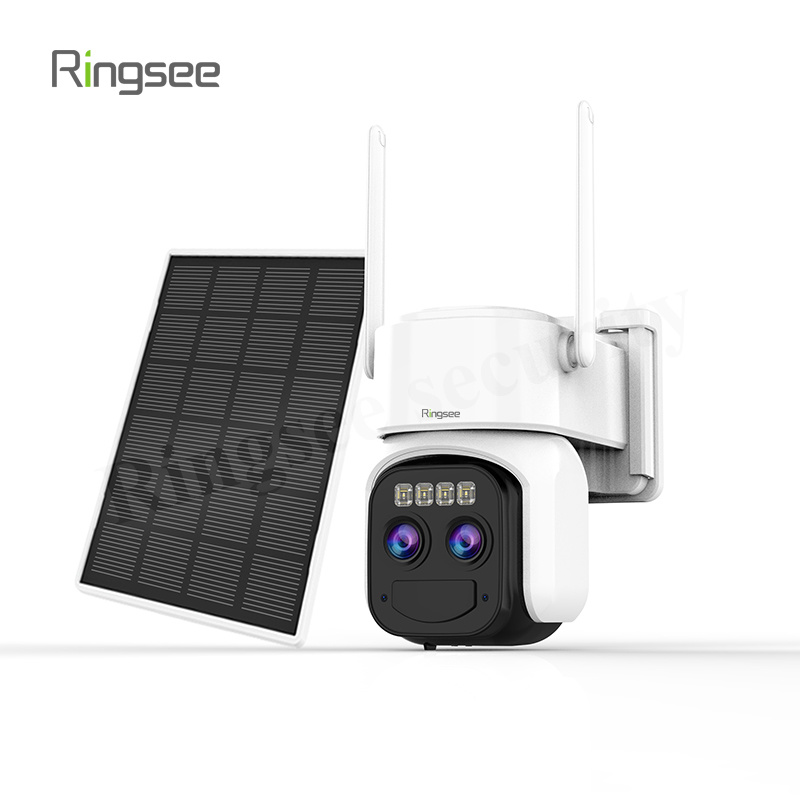
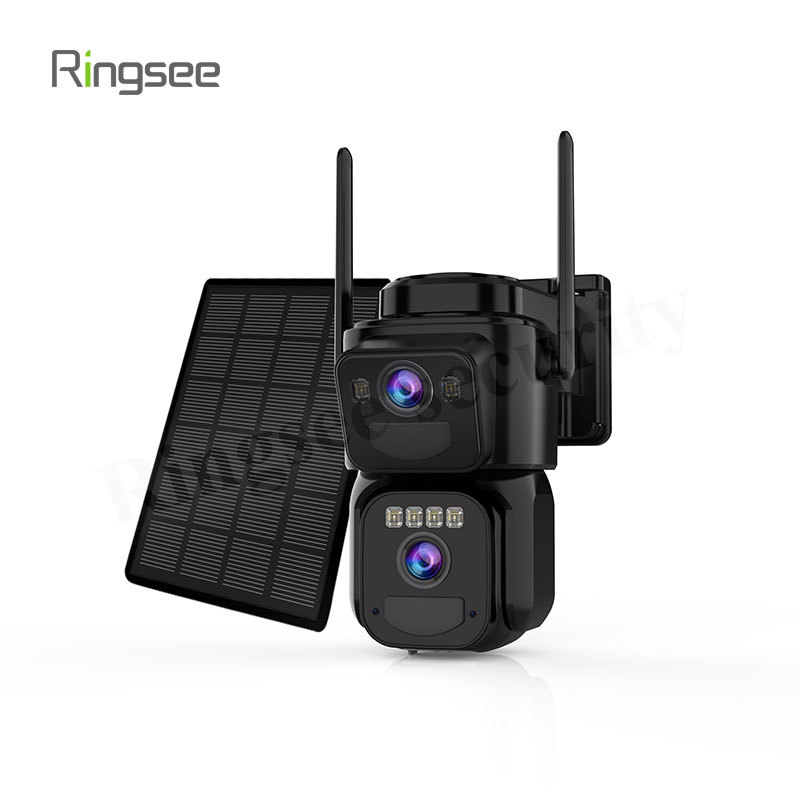
For those seeking a professional-grade solution, the Ringsee RS-SOC-9110 offers a compelling combination of intelligence, durability, and convenience.
Technical Highlights:
Triple-lens configuration for panoramic and zoomed views
3*3MP image clarity for precise monitoring
AI human and vehicle detection to reduce false alarms
Full-color night vision with enhanced low-light sensors
Battery + solar power system for continuous use
IP66 waterproof casing built for rugged outdoor environments
Mobile app control for real-time remote access
This camera is ideal for users looking for an AI triple-lens surveillance system with solar support and advanced night vision.
Installation and Setup Tips
Place the unit 8–10 feet above ground to optimize each lens’s coverage
Choose an angle that captures main pathways, entries, and vulnerable spots
If using a solar panel, ensure it gets 3–4 hours of direct sunlight daily
Test the AI detection zones and customize them via the mobile app
Final Thoughts
The demand for smarter, more efficient outdoor monitoring systems continues to grow—and triple-lens outdoor cameras with color night vision are leading the charge. They don’t just record—they analyze, adapt, and respond. For homeowners, business owners, and property managers, these systems offer a powerful, cost-effective way to stay one step ahead of potential threats.
As a trusted manufacturer of cutting-edge security solutions, Ringsee is committed to providing scalable, AI-powered products that evolve with your needs.
Related News
CCTV Data Compliance: Video Retention, Privacy Masking and Access Control Management
A practical data-compliance guide for surveillance operators under GDPR and comparable regimes: the three-question legality test, retention-period determination, privacy-masking implementation, a three-tier access model with audit trails, facial-recognition red lines, and cross-border transfer rules — so the system that protects your premises doesn't become your biggest liability.
Sep 12,2026
How to Accept and Sign Off a CCTV Project: Acceptance Checklist and Common Corner-Cutting Traps
A practical acceptance guide for security camera installation projects: the three-stage acceptance process (concealed works, trial run, final handover), six common corner-cutting traps — CCA cable, over-length runs, underrated PoE, refurbished drives, model substitution and inflated retention — plus a field test checklist, document requirements and milestone payment structure.
Sep 12,2026
A selection and compliance guide for industrial security cameras: hazardous-area zone classification (gas and dust), how to read the Ex marking field by field, certificate verification (Ex certificate + IECEx/ATEX or local listing), temperature-tier solutions, corrosion-resistant materials, and the four hidden killers — dust, EMI, vibration and backlight.
Sep 05,2026
Distributed Security Architecture Guide
This guide is for IT managers, procurement teams, and security engineers at chain retailers, manufacturers, and property groups. The problem is not 'which camera to buy,' but how dozens or hundreds of locations can be monitored, managed, and audited from one central point. The core architectural challenge is protocol unification, network topology, and platform governance. Without these, every branch becomes an isolated island, forcing staff to log into different systems and delaying incident response.
Sep 05,2026
The previous nine articles each addressed a link in the chain: power supply (see *Power Supply × Networking: 12-Combination Decision Tree*) determines whether the camera powers on; networking (see *4G + Solar Off-Grid Surveillance Solution Selection Guide*) determines whether it connects; night vision (see *Night Vision and Low-Light Selection Guide*) determines how clearly it sees in the dark; protection and lightning protection (see *IP66/IP67 Protection and Lightning Protection Selection Guide*) determine how long the equipment lasts; lens field of view (see *Surveillance Camera Lens and Field of View / Focal Length Selection Guide*) determines whether it captures the target; storage and NVR (see *Storage and Recording Duration / NVR Selection Guide*) determine whether the footage is retained; remote access and network security (see *Surveillance Camera Remote Access and Network Security / VPN Selection Guide*) determine whether the footage is secure; AI analytics (see *Surveillance Camera AI Analytics (Human / Vehicle / Intrusion Detection) Selection Guide*) determine whether the system can "recognize anomalies"; and alarm linkage and platform integration (see *Surveillance Camera Alarm Linkage and Platform Integration (Audible-Visual / Platform / API / ONVIF) Selection Guide*) determine whether it can "act and be controlled" once an anomaly is recognized. Yet until now, every plan has remained at the level of "selection" — the cameras are still on paper. From a neutral technical perspective, this article pushes the topic cluster to its final link: "installed steady, tuned accurate, maintained affordably." It breaks down pre-deployment site surveys, PoE power supply and wiring sequence, Cat5e/Cat6 cabling distance, lightning protection and grounding with SPD, pole and bracket installation, NVR/platform integration, the commissioning and acceptance process, AI false-alarm rate verification, daily maintenance and troubleshooting, and remote security review, and provides a practical delivery acceptance template to help buyers turn "selecting right" into genuinely "reliable in use."
Aug 29,2026
Links:One Belt Power Technology
Add: 14th Floor, Baoshan Building, Longhua District, Shenzhen China.
Privacy Policy | SEO | CitySite | Support: 300.cn Dongguan