





4G/Wifi Solar Cameras vs. Traditional Security Systems: Which is Best for Your Home or Business?
Publish:
2025-04-22 15:17
Source:
https://www.ring-see.com
Discover the pros and cons of 4G/Wifi Solar Cameras versus traditional security systems. Explore cost, installation, reliability, and maintenance concerns for both home and business security. Make an informed decision on the best security solution for your needs.
When it comes to selecting the right security system, consumers and corporate buyers alike face a range of important concerns. Whether it’s about the cost, installation process, reliability, or maintenance, choosing between 4G/Wifi Solar Cameras and traditional security systems can feel overwhelming. Each option offers unique benefits, but the right choice depends on specific priorities.
In this article, we’ll dive into the key issues that both consumers and corporate buyers care about most when comparing 4G/Wifi Solar Cameras with traditional security systems. Let’s take a closer look at how each system measures up.

1. Installation and Setup: What Consumers and Buyers Need to Know
For Consumers:
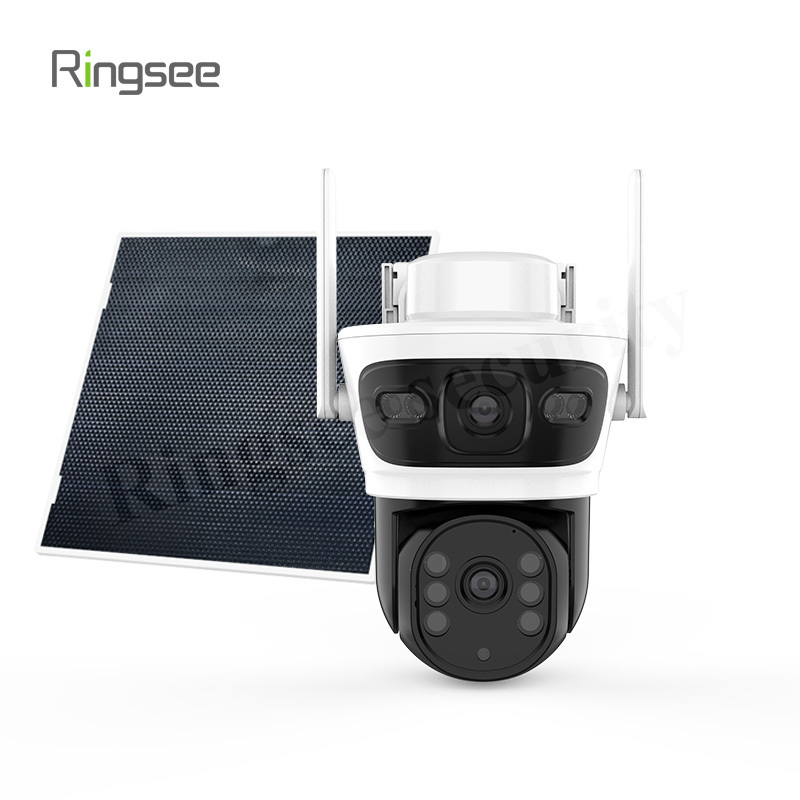
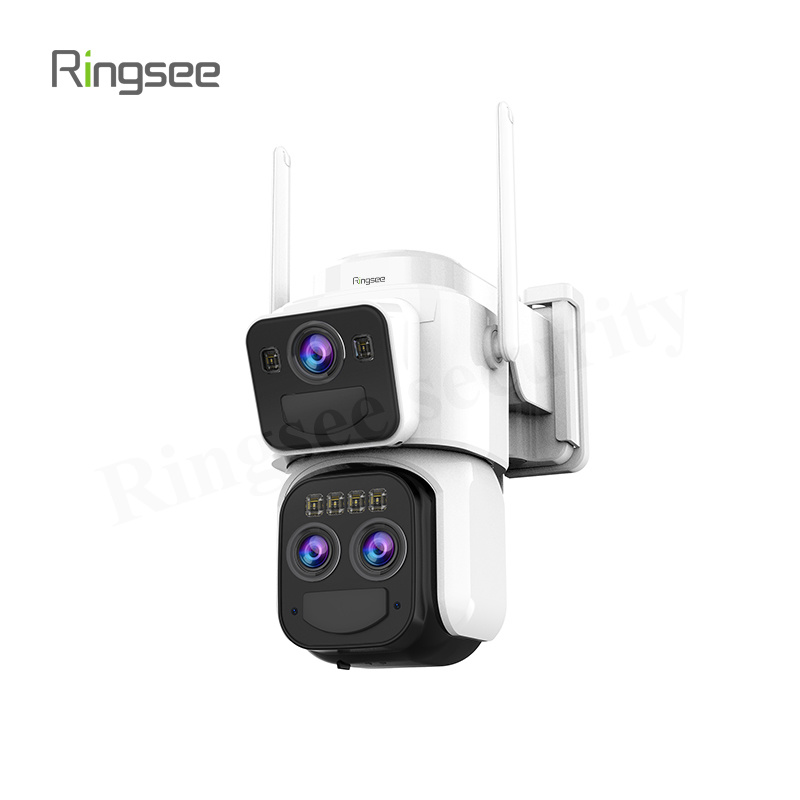
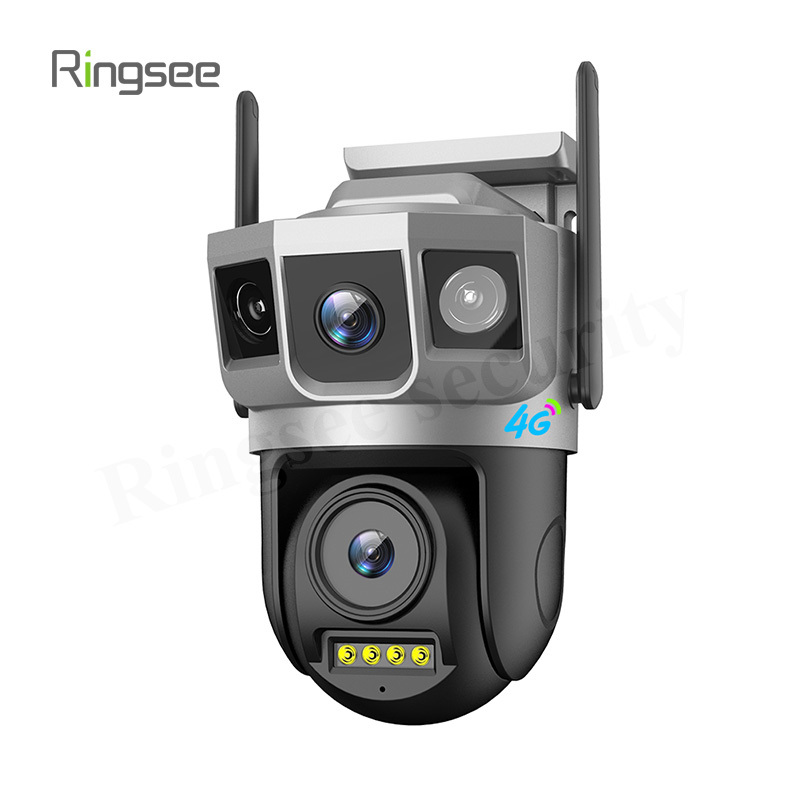
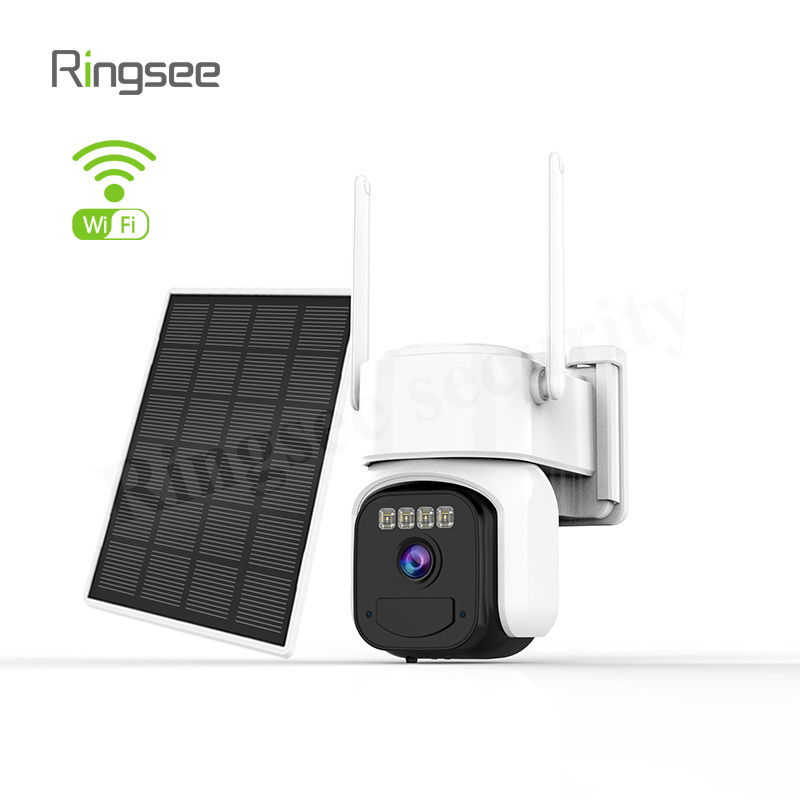
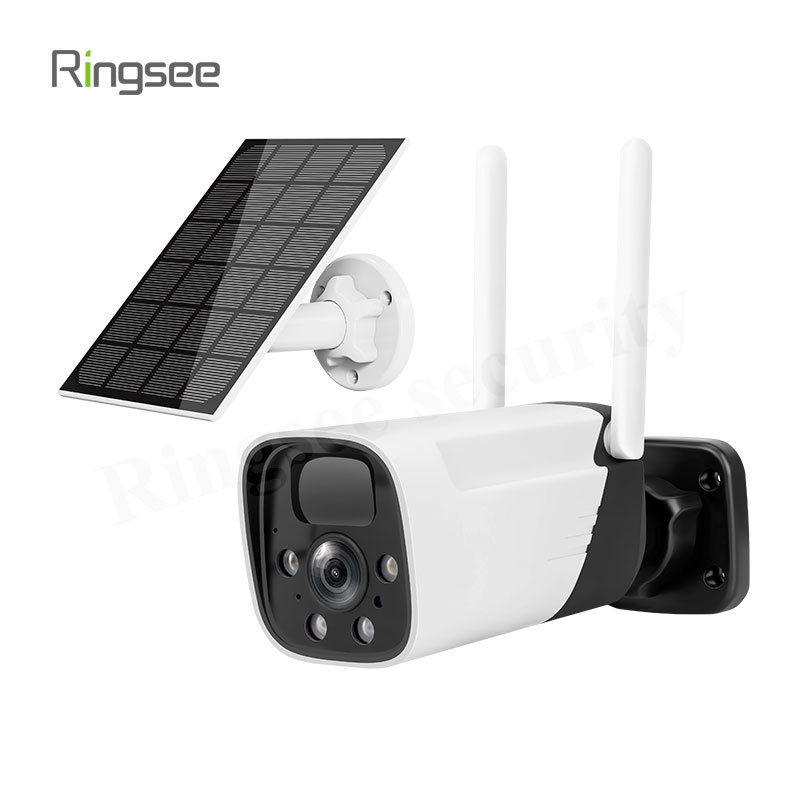
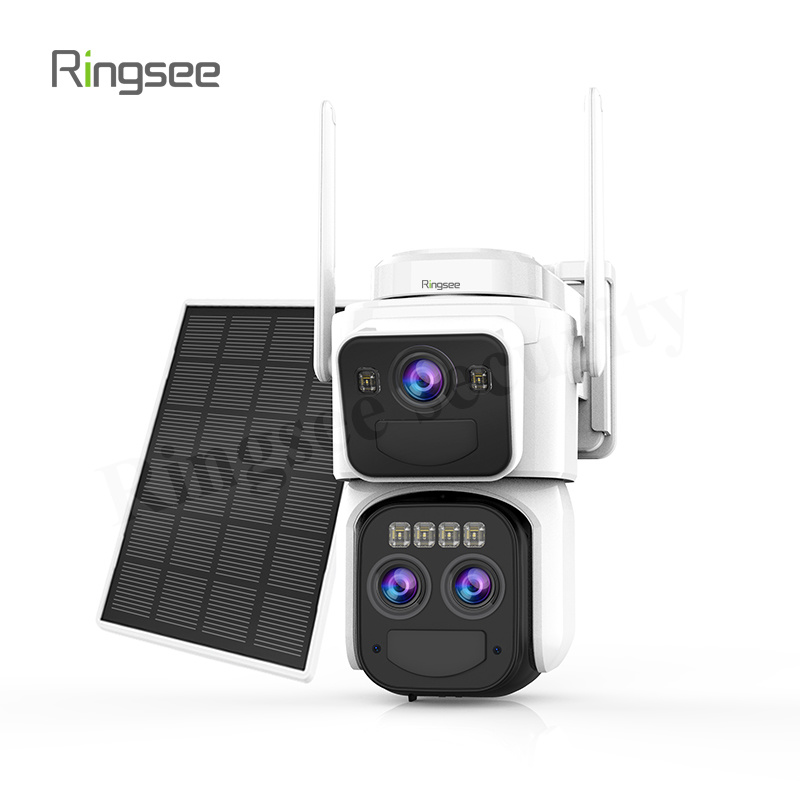
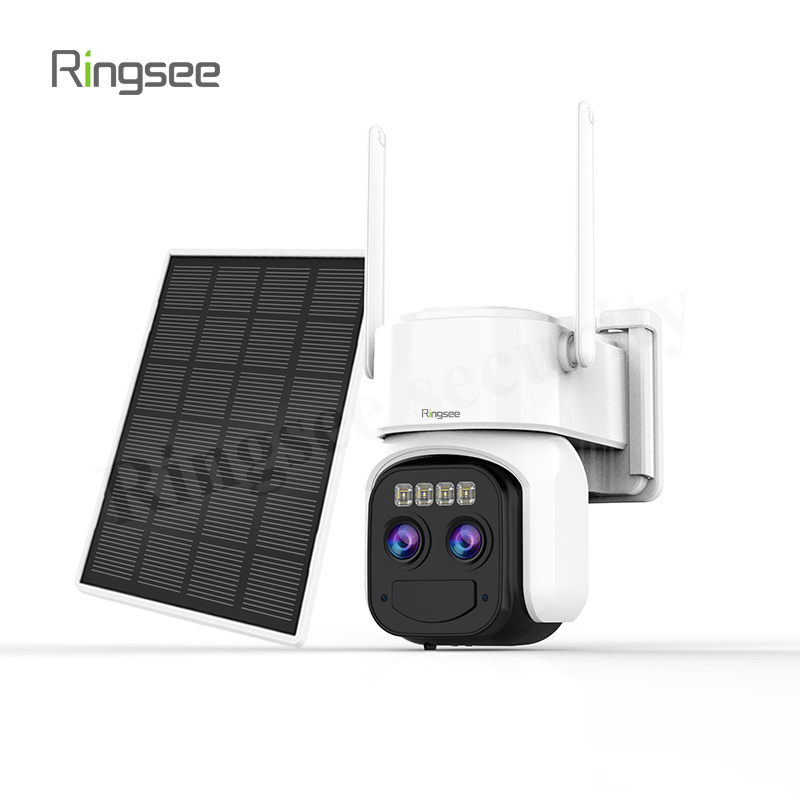
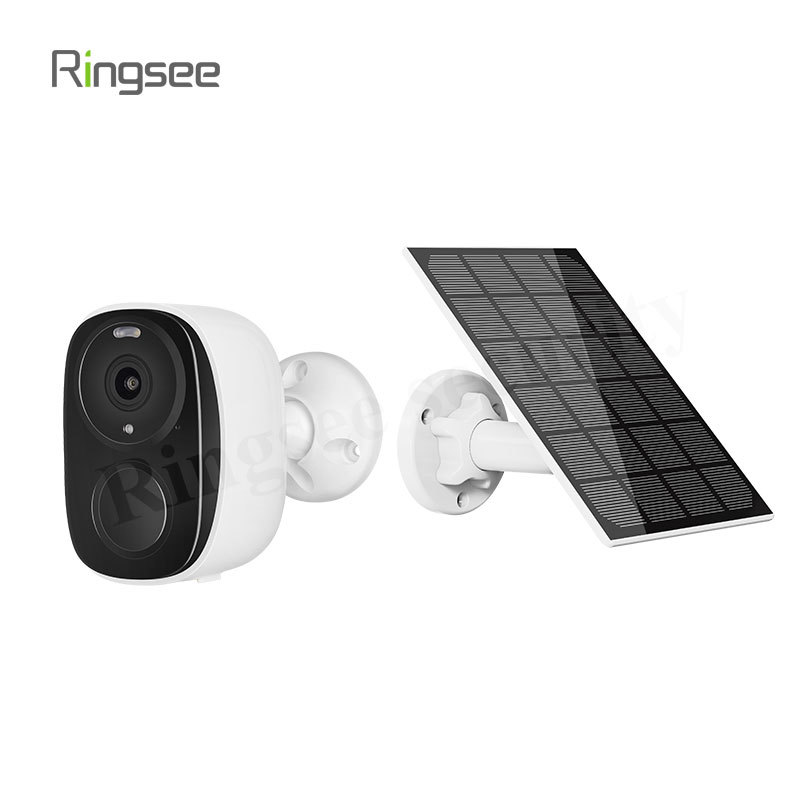
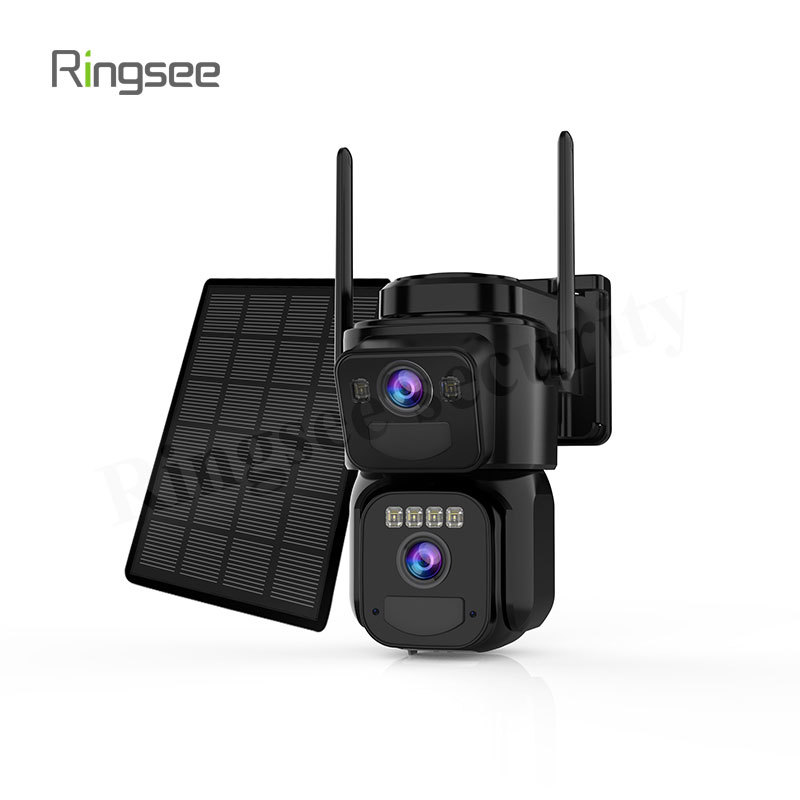
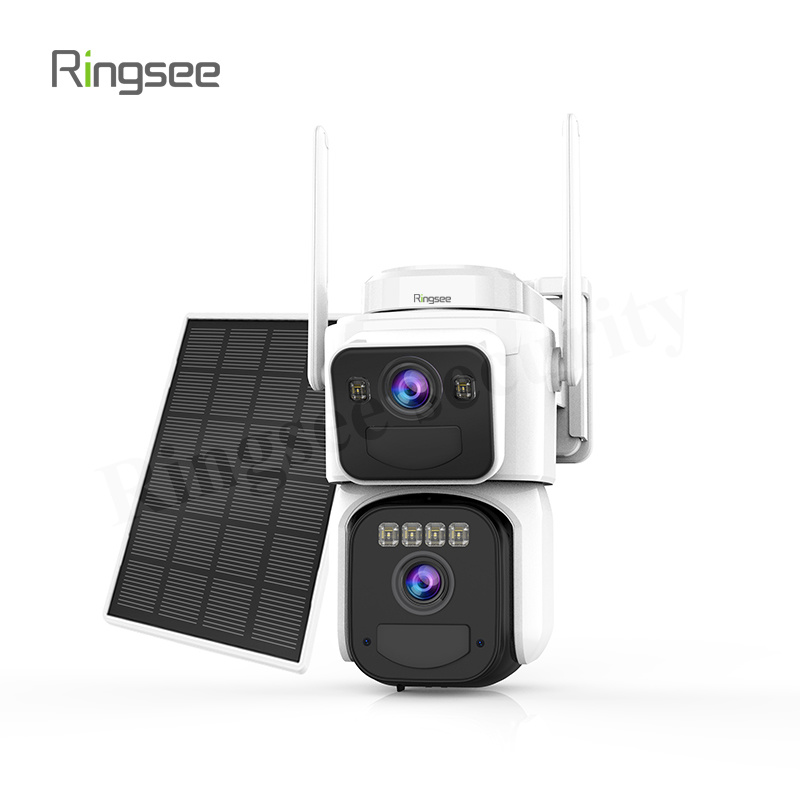
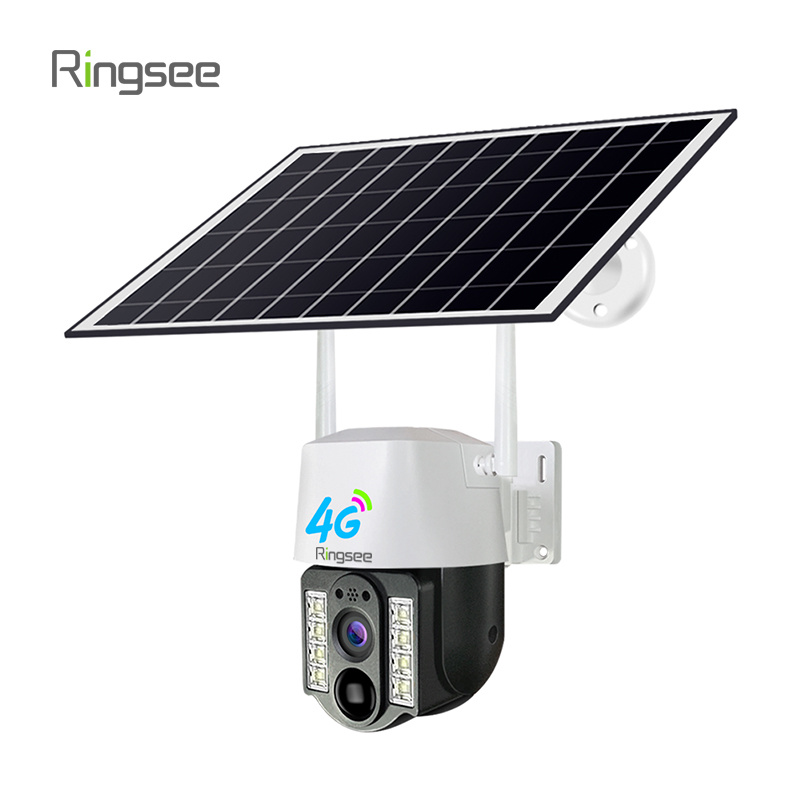
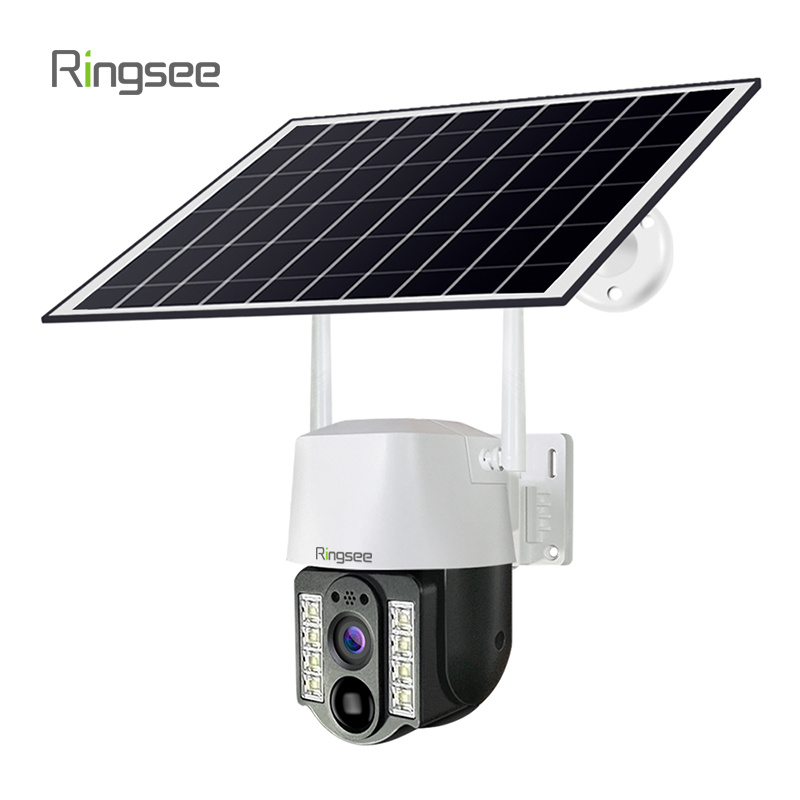
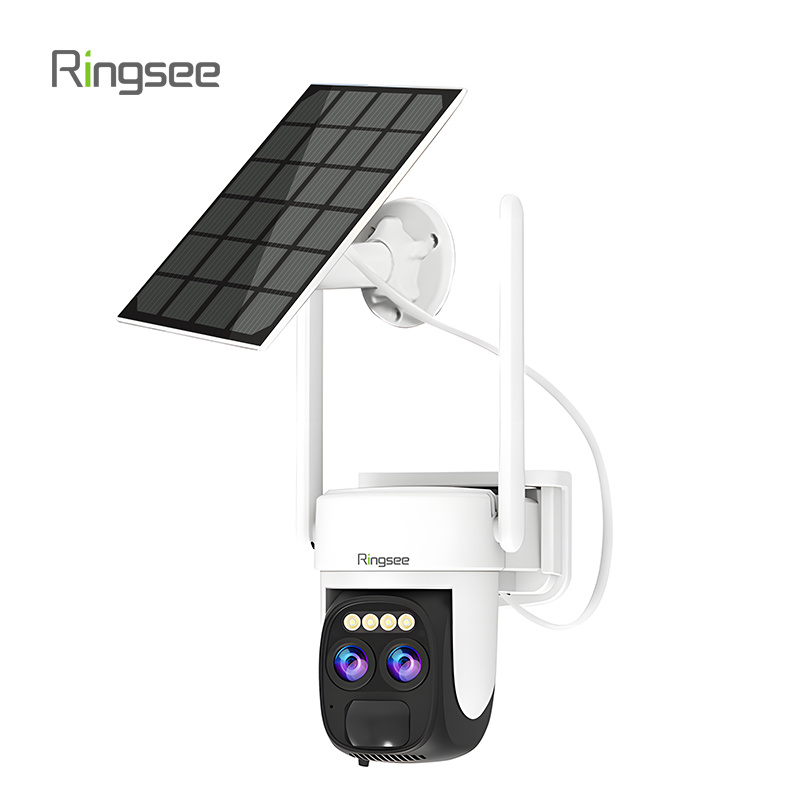
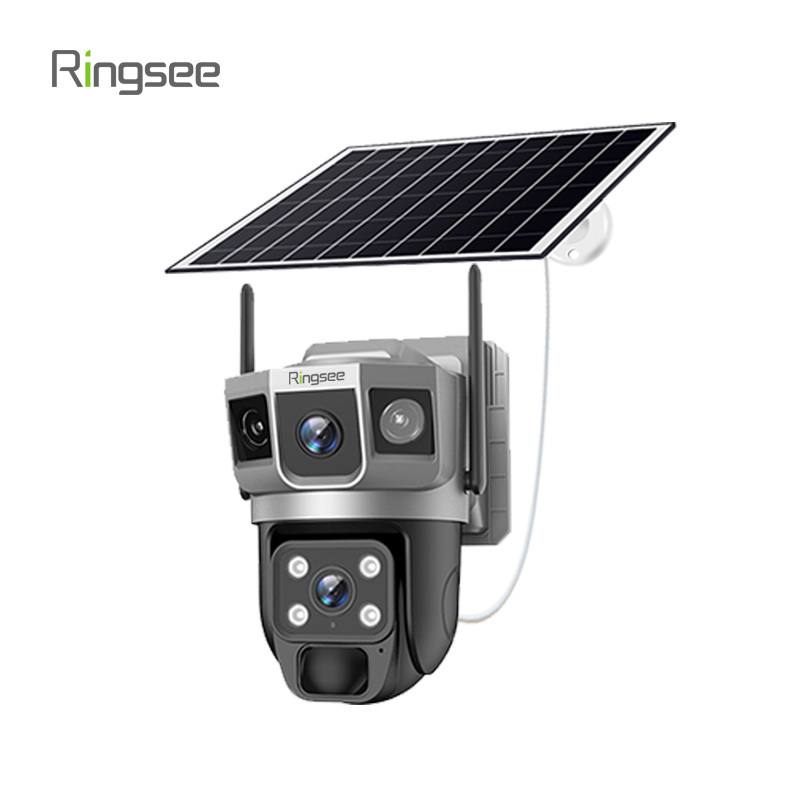
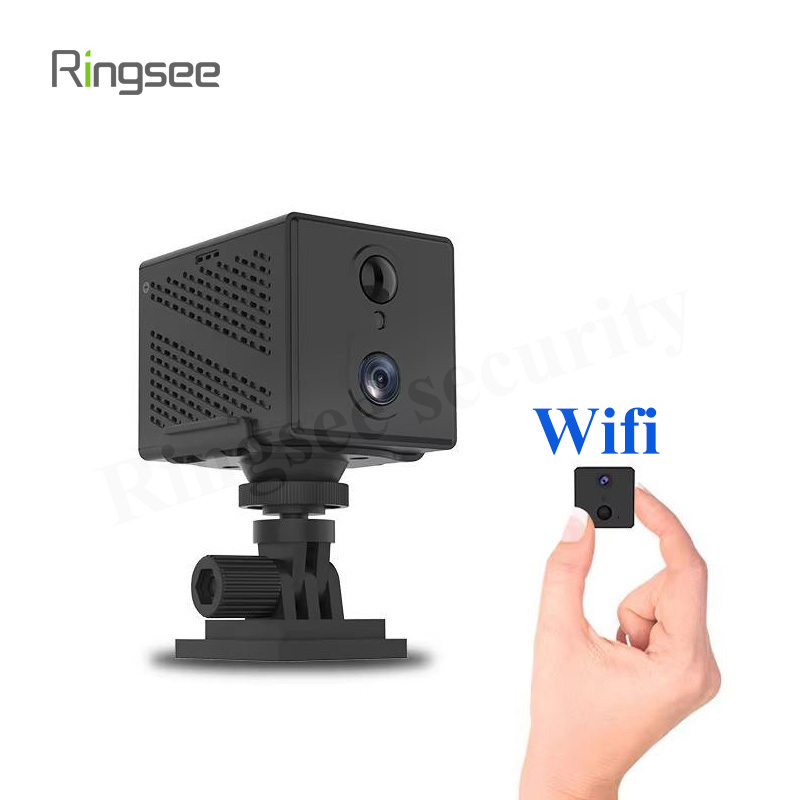
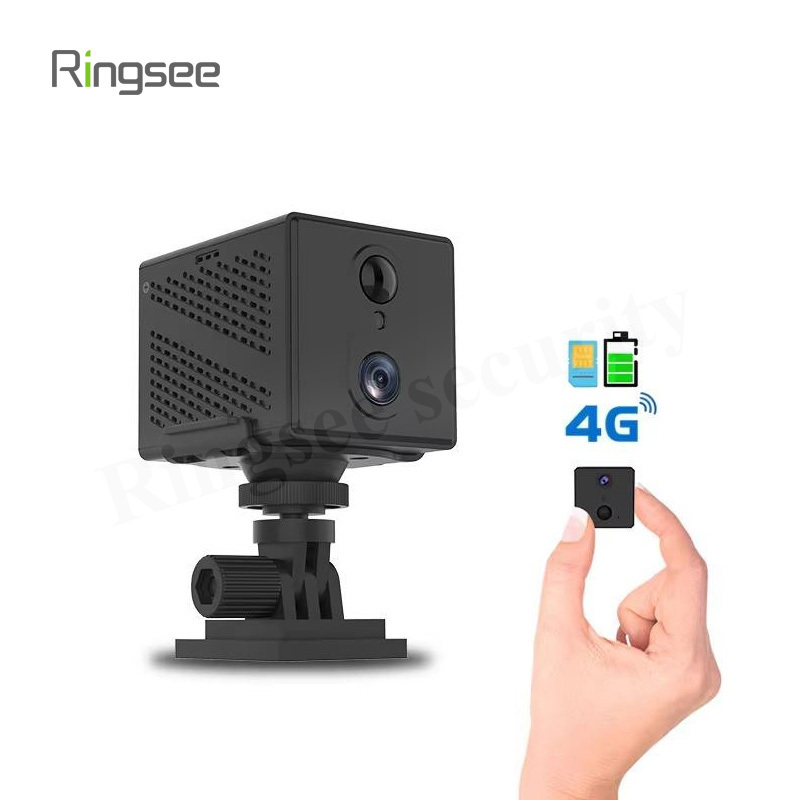
One of the primary concerns for homeowners is ease of installation. Setting up a security system should be quick and painless, especially for those without a lot of technical experience. 4G/Wifi Solar Cameras are designed with DIY installation in mind. These cameras require minimal effort to set up—simply mount the camera, connect to the WiFi or 4G network, and you're done. For many homeowners, this convenience is a game-changer. You don’t need an expert to install your system, and you don’t have to worry about running wires through your house.
On the other hand, traditional security systems, especially wired ones, often require a professional installation service. Running cables, drilling holes, and ensuring everything is correctly connected can be both time-consuming and costly. For homeowners looking for a straightforward solution, this can be a dealbreaker.
For Corporate Buyers: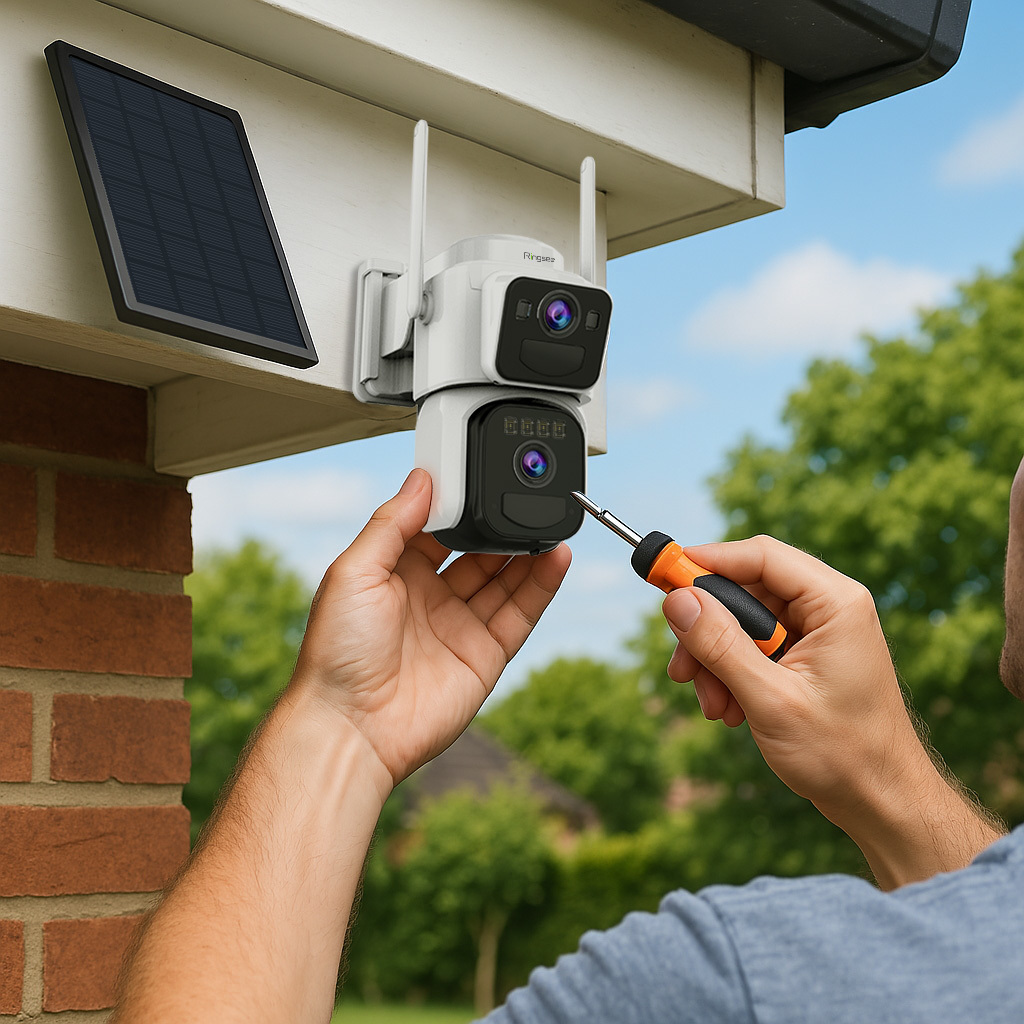
For businesses, particularly those with larger properties or multiple sites, traditional security systems often seem like the more reliable option. Wired systems can provide stable connections with minimal interference. However, this doesn’t mean that 4G/Wifi Solar Cameras don’t offer benefits for businesses too. For companies that operate in remote locations or places where infrastructure like power lines and internet connections may be scarce, solar-powered cameras can be invaluable.
For corporate buyers, the primary consideration will be scale and flexibility. A 4G/Wifi Solar Camera setup might be ideal for smaller properties or areas where installing wired systems is impractical. Larger operations may still prefer a wired system for its centralized control and ability to handle multiple cameras without relying on network coverage.
2. Cost and Ongoing Expenses: Budget Considerations for Consumers and Buyers
For Consumers:
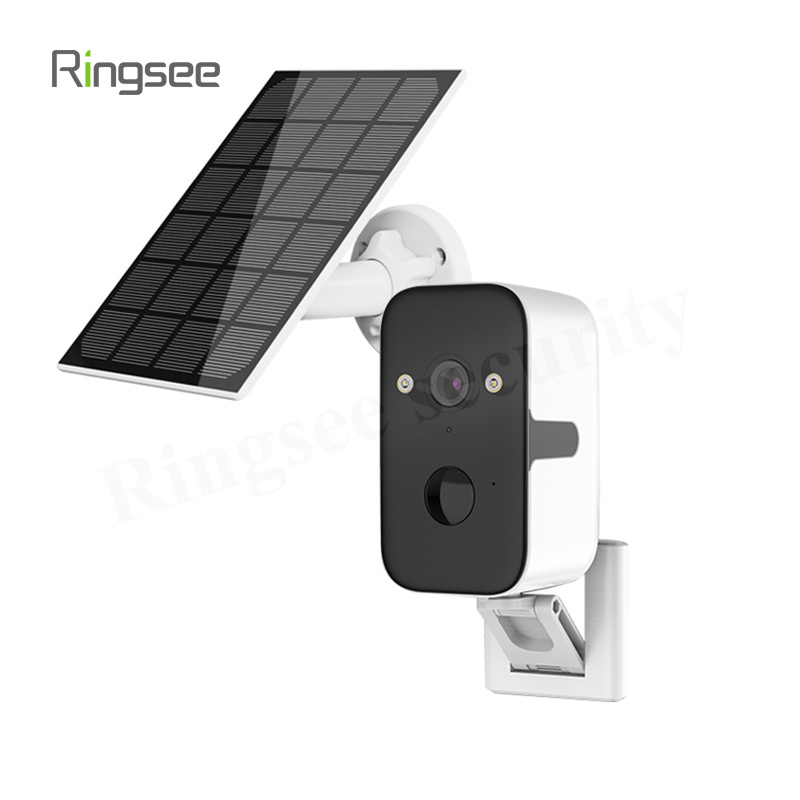
Initial cost is always a significant factor when purchasing security equipment for a home. 4G/Wifi Solar Cameras typically have a higher upfront cost compared to basic wired security systems. However, they can save you money in the long term because they don’t rely on continuous electricity. Solar energy powers the cameras, meaning no ongoing electricity bills to worry about. This makes them especially appealing for budget-conscious homeowners who want to reduce long-term operating costs.
Traditional systems, while potentially cheaper initially, can have hidden costs. You’ll need to pay for installation (if you hire a professional), and you’ll also have ongoing electricity bills since the cameras need to be plugged into the grid. For consumers who don’t mind the extra setup costs but want minimal recurring expenses, traditional systems might seem like a better choice.
For Corporate Buyers:
For businesses, the cost of installing and maintaining a security system is an ongoing concern. Corporate buyers are often dealing with larger properties and more complex needs. 4G/Wifi Solar Cameras could be a more affordable option for businesses that want to avoid hefty installation fees and reduce electricity costs over time. Additionally, companies that don’t have to worry about complex wiring can streamline the installation process, saving both time and money.
However, large-scale commercial properties with higher security needs may still favor traditional systems. These systems often come with advanced features like 24/7 professional monitoring and can be tailored to meet specific security demands. While the initial investment may be higher, for companies with significant security budgets, the benefits of wired connections, reliability, and support from dedicated monitoring services may outweigh the upfront costs.
3. Reliability and Performance: Concerns for Consumers and Corporate Buyers
For Consumers:
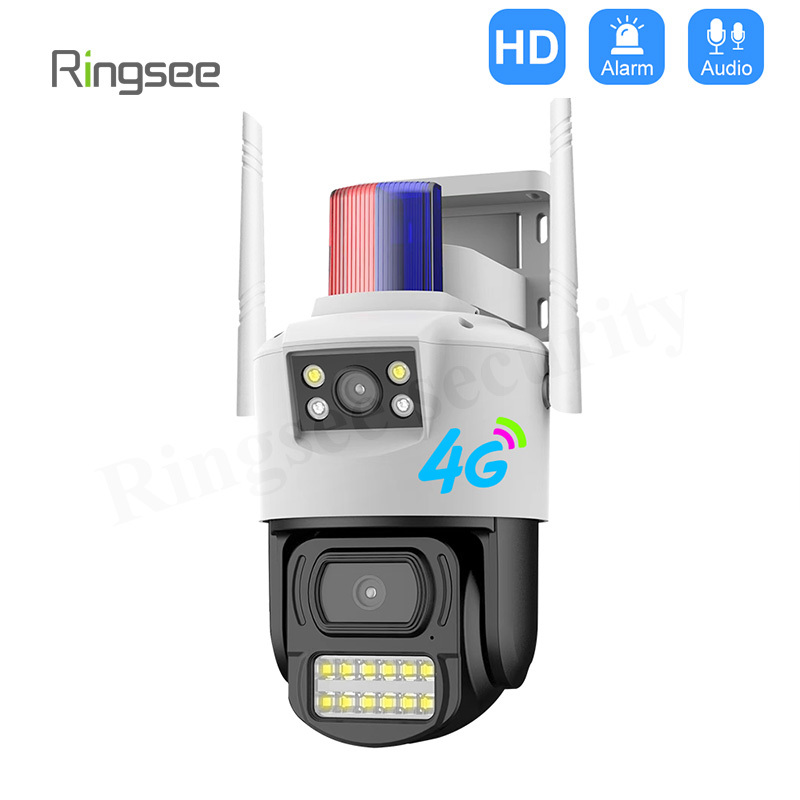
When it comes to reliability, consumers are primarily concerned with how well a system will perform under various conditions. 4G/Wifi Solar Cameras are incredibly reliable when the network coverage is strong, and they can work even during power outages, thanks to their solar panels. However, in areas with poor mobile network signals or frequent weather disruptions, wireless cameras may experience connectivity issues. This is a major concern for homeowners in rural or remote areas.
For traditional security systems, the concern is more about wiring and the potential for malfunctions due to power outages. While wired systems are generally more stable in terms of connectivity, they’re also dependent on a constant power supply. For consumers living in areas prone to power cuts, this can become a significant drawback.
For Corporate Buyers:
Reliability is often even more critical for businesses, especially those in industries like retail, warehousing, or logistics, where security breaches can result in substantial losses. Traditional wired security systems offer stability and dedicated monitoring that can be crucial for business continuity. For companies that need constant surveillance and can afford the infrastructure costs, wired systems might be the safest bet.
On the other hand, 4G/Wifi Solar Cameras offer more flexibility for businesses with remote sites, warehouses, or outdoor facilities. They allow businesses to monitor locations without the need for extensive infrastructure, making them ideal for companies that require security solutions in hard-to-wire areas. However, network stability and battery performance are critical for corporate buyers to consider when choosing solar-powered cameras.
4. Maintenance and Support: Ongoing Concerns for Consumers and Buyers
For Consumers:
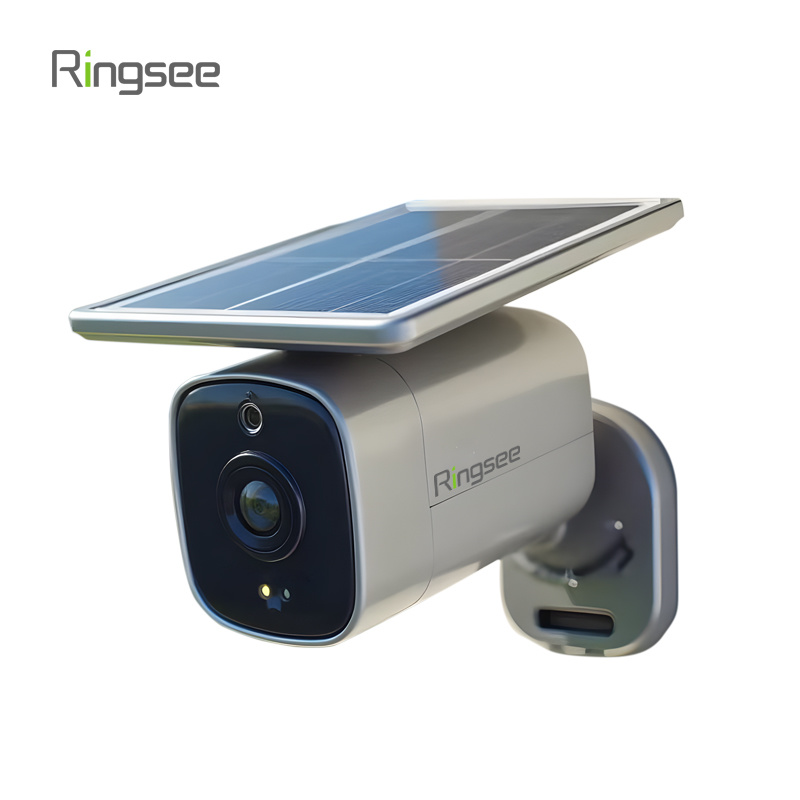
4G/Wifi Solar Cameras are designed for low maintenance. As long as the solar panels are receiving sunlight, the system can remain operational without the need for constant power supply checks. They also require minimal attention beyond cleaning the lenses and ensuring that they are functioning correctly. This can be a big advantage for busy homeowners who don’t want to spend a lot of time troubleshooting or repairing.
In contrast, traditional systems often need regular maintenance, particularly for the wires, power connections, and cameras. If something goes wrong, repairs can be time-consuming and costly.
For Corporate Buyers:
For corporate buyers, maintenance is crucial, as any downtime can affect operations. 4G/Wifi Solar Cameras require very little intervention once installed, making them ideal for businesses with limited maintenance staff. However, for large corporations, the lack of centralized monitoring and professional support for solar-powered cameras might be a concern. Traditional systems are often easier to maintain in terms of system integration and offer options for professional monitoring services.
5. Final Decision: Which System is Right for You?
For Consumers:
If you prioritize ease of installation, lower long-term costs, and minimal maintenance, 4G/Wifi Solar Cameras are an excellent option. They are especially useful for homeowners who want a flexible, eco-friendly, and cost-effective solution to their security needs.
However, if you live in an area with poor network coverage or frequent power outages, a traditional system may be the more reliable choice, offering the stability of a wired connection.
For Corporate Buyers:
Corporate buyers should weigh the scale of their operations, maintenance requirements, and budget. For businesses with remote sites or those seeking flexibility without a complex infrastructure, 4G/Wifi Solar Cameras offer a convenient and cost-effective solution. On the other hand, larger corporations with more extensive security needs may prefer traditional systems for their reliability, centralized monitoring, and ability to handle multiple locations.
Conclusion
Ultimately, whether you’re a consumer looking for an easy-to-install, low-maintenance security solution or a corporate buyer in need of a robust, scalable system, both 4G/Wifi Solar Cameras and traditional security systems have their advantages. By understanding your specific needs—whether they’re related to installation ease, cost, reliability, or maintenance—you can make the most informed choice for your security.
Related News
Target readers: security owners, system integrators, and EHS engineers for petrochemical, oil and gas, pharmaceutical, powder processing, and coal mining sites where explosive gas or combustible dust exists. Core takeaway: a normal camera is itself an ignition source in flammable environments. You must use explosion proof cameras certified to ATEX, IECEx, or China Ex, selected by hazard zone, installed with proper grounding, and documented for compliance. This guide gives a reusable selection, install, and acceptance workflow.
Nov 08,2026
4G 5G Cellular Surveillance Camera Guide: Remote Video without Broadband
Target readers: security owners and integrators for farms, orchards, fisheries, construction, oil and mining sites, vehicle fleets, and remote African villages where broadband is scarce. Core takeaway: when there is no fiber, no broadband, and frequent power loss, a SIM card cellular camera is the easiest and most scalable remote video option. This guide gives a reusable architecture covering power, data, backhaul, AI, and compliant deployment.
Nov 08,2026
Analog CCTV Upgrade Guide: Coax HD Reuse vs Full IP Rebuild, Cost and Timeline Compared
Factory, campus and retail chains running analog surveillance for five or six years face the same wall: blurry images, unretrievable footage, and no path to AI analytics on legacy hardware. This guide breaks down pre-upgrade system inventory, compares the coax-HD reuse route against a full IP rebuild, gives bandwidth and storage recalculation formulas, and lays out a zoned, non-disruptive cutover plan with a selection checklist.
Oct 31,2026
CCTV Maintenance Outsourcing: SLA Tiers, Market Rates, KPI and Contract Playbook
Conclusion first: the real cost of a surveillance system is in its operation. Three years of maintenance typically equals 30% to 50% of the build cost, yet most buyers spend the budget at install and leave operation to whoever happens to notice. Lock the maintenance boundary while signing the build contract. This guide breaks down the in-house versus outsourced decision model, a three-tier SLA (P1 / P2 / P3), per-point market rates and how to read a quote, the two KPIs that decide payment (camera online rate and footage integrity), the five clauses every contract must hold, the 90-day handover that most often loses control, plus a selection checklist and acceptance tests.
Oct 25,2026
Links:One Belt Power Technology
Add: 14th Floor, Baoshan Building, Longhua District, Shenzhen China.
Privacy Policy | SEO | CitySite | Support: 300.cn Dongguan