
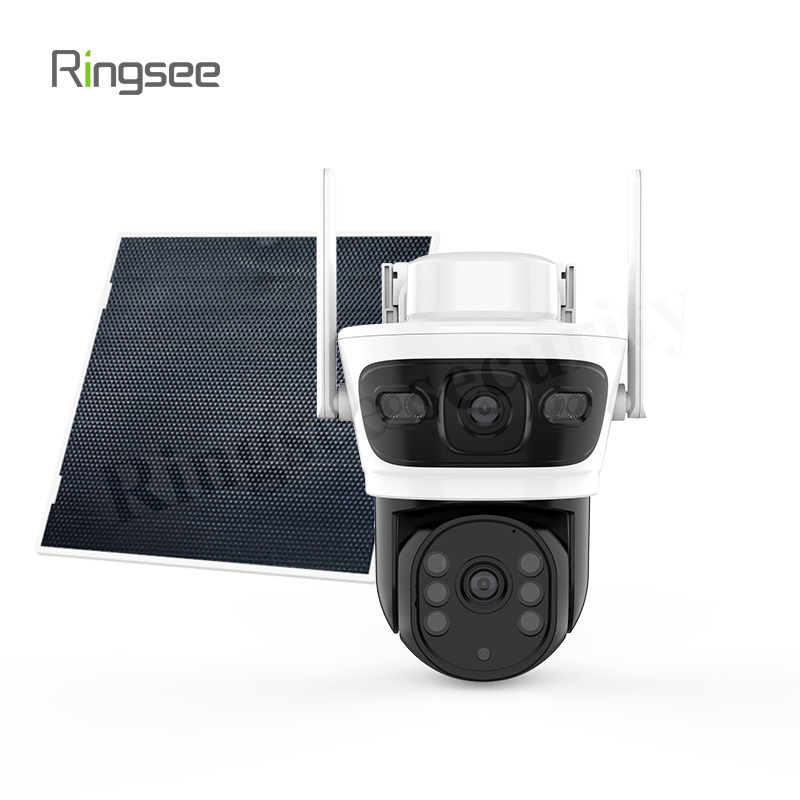
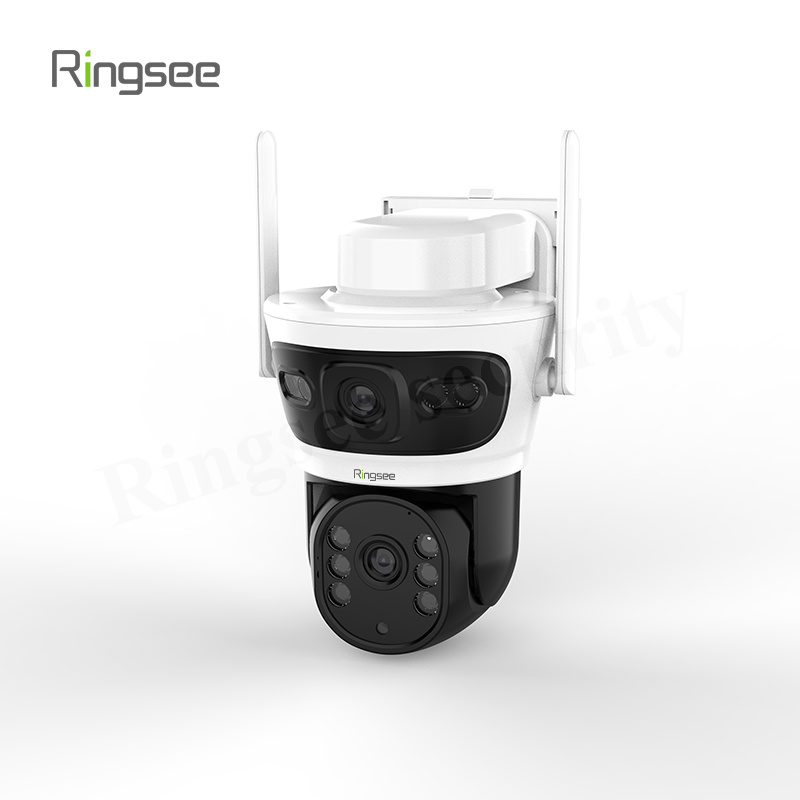
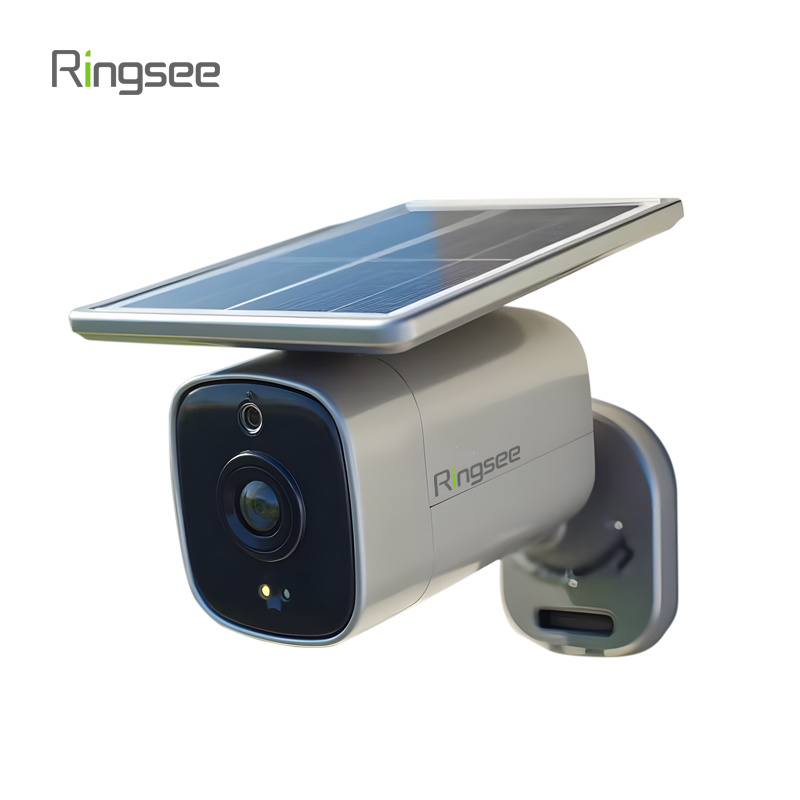
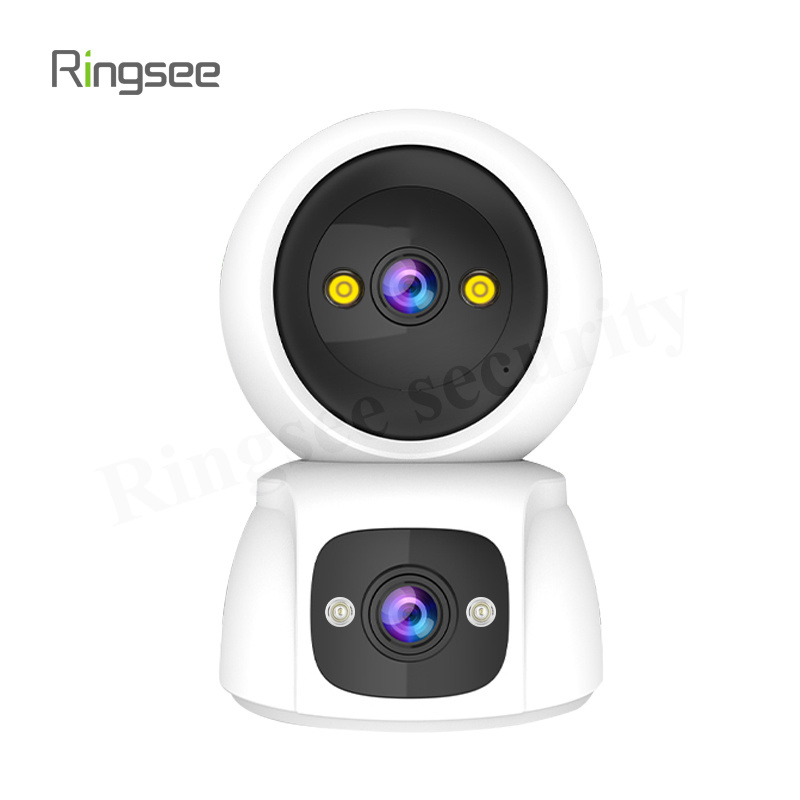
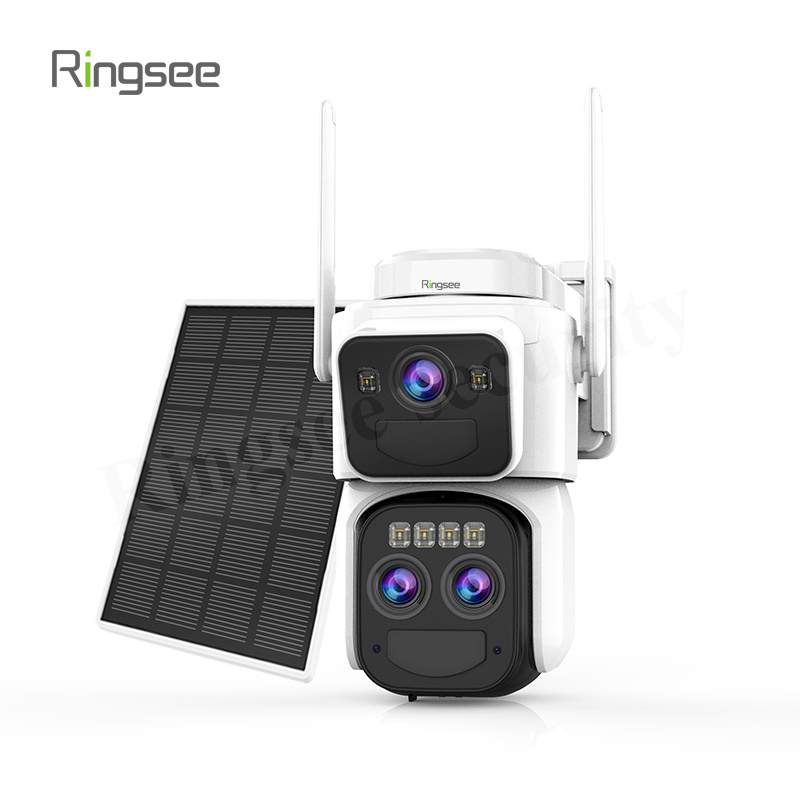
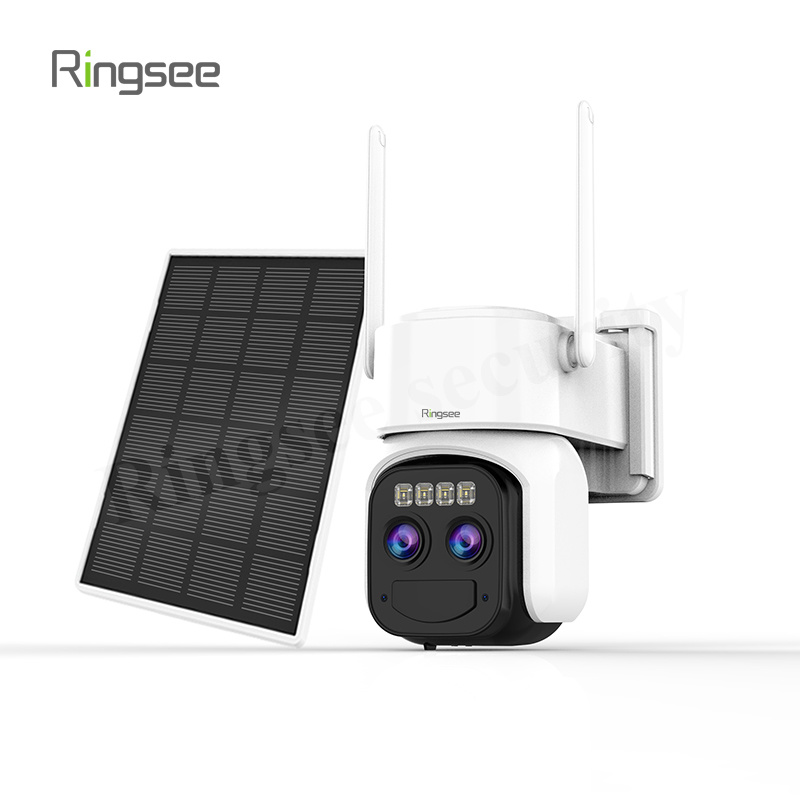
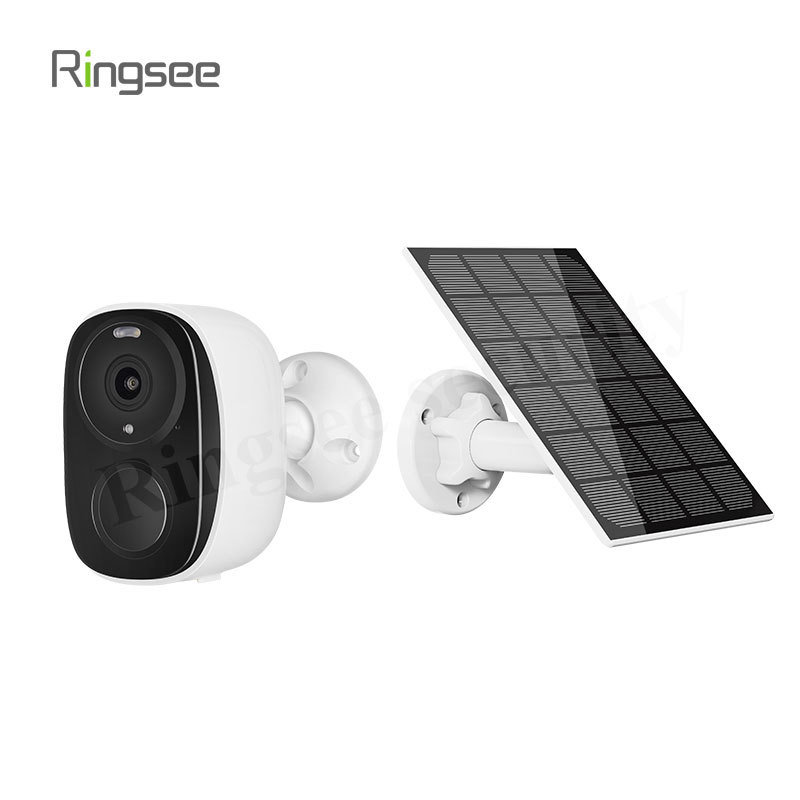
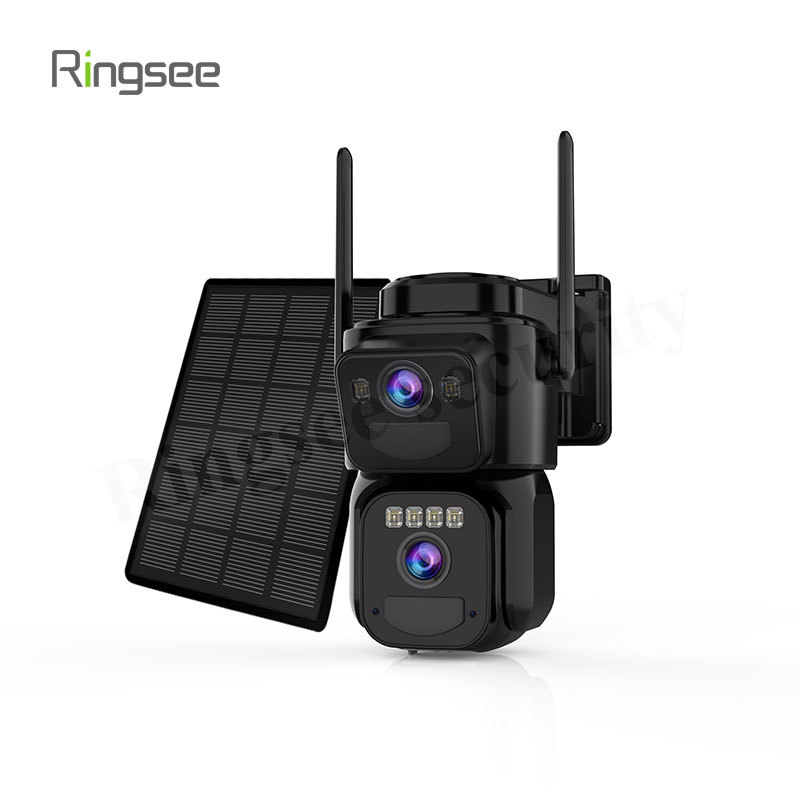

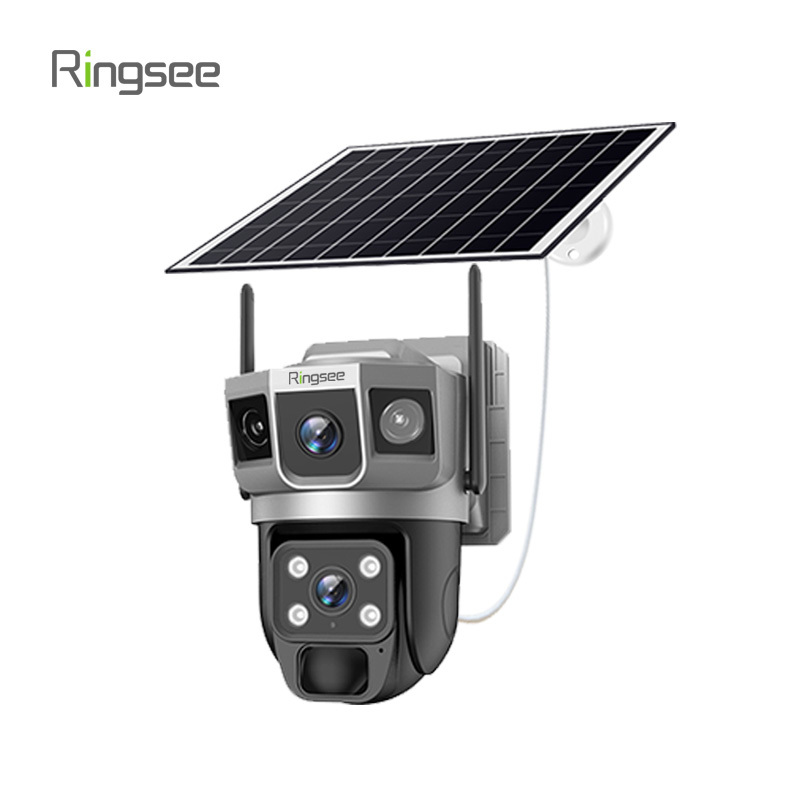




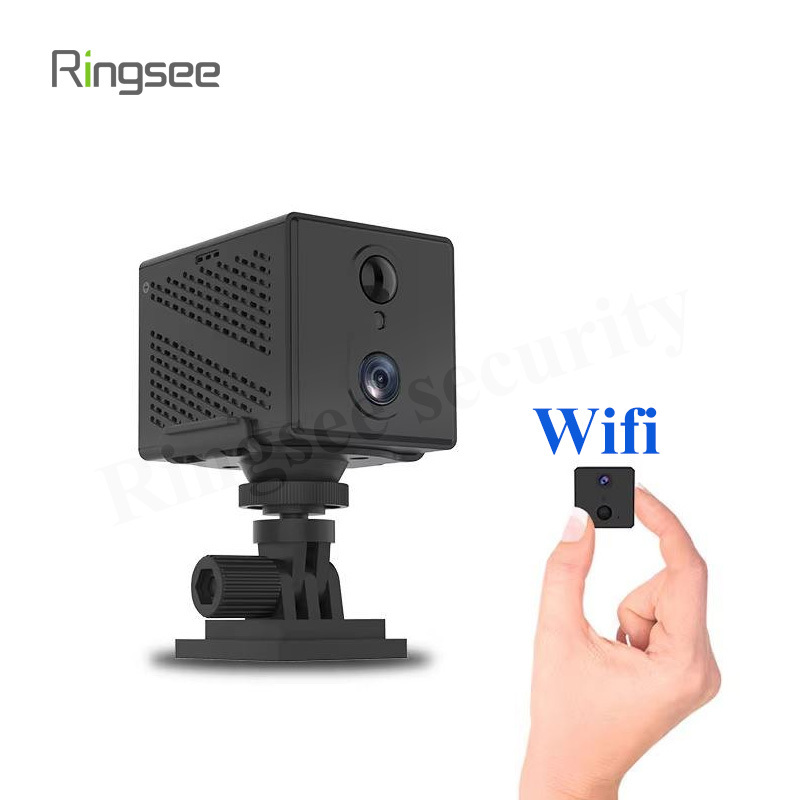
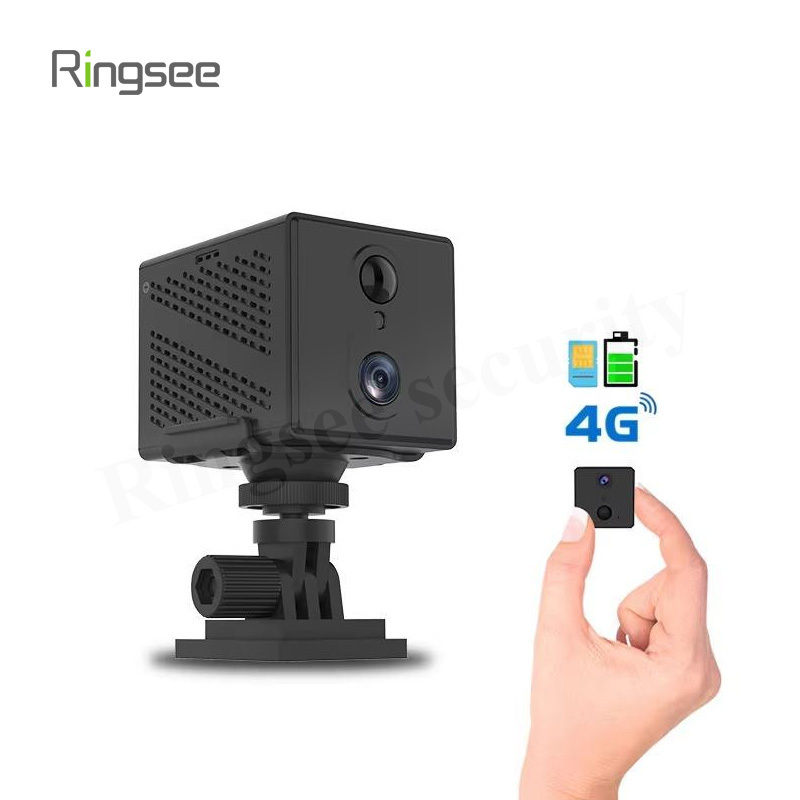
How Motion Detection Makes a 4G Solar Camera Smarter
Publish:
2025-09-20 21:20
Source:
https://www.ring-see.com
Discover how motion detection enhances 4G solar cameras with smarter alerts, better energy efficiency, AI recognition, and real-time protection for modern security needs.
In today’s fast-moving world, outdoor security cameras are no longer just passive recording devices. With the rise of 4G solar cameras, homeowners and businesses can enjoy wireless, eco-friendly surveillance that works even in areas without WiFi or power lines. But what truly makes these cameras smarter is motion detection technology.
This feature transforms a standard camera into an intelligent security tool that provides real-time protection while conserving energy and storage space. Let’s explore how motion detection enhances the performance of a 4G solar camera and why it matters for modern security.
Smarter Alerts, Not Constant Monitoring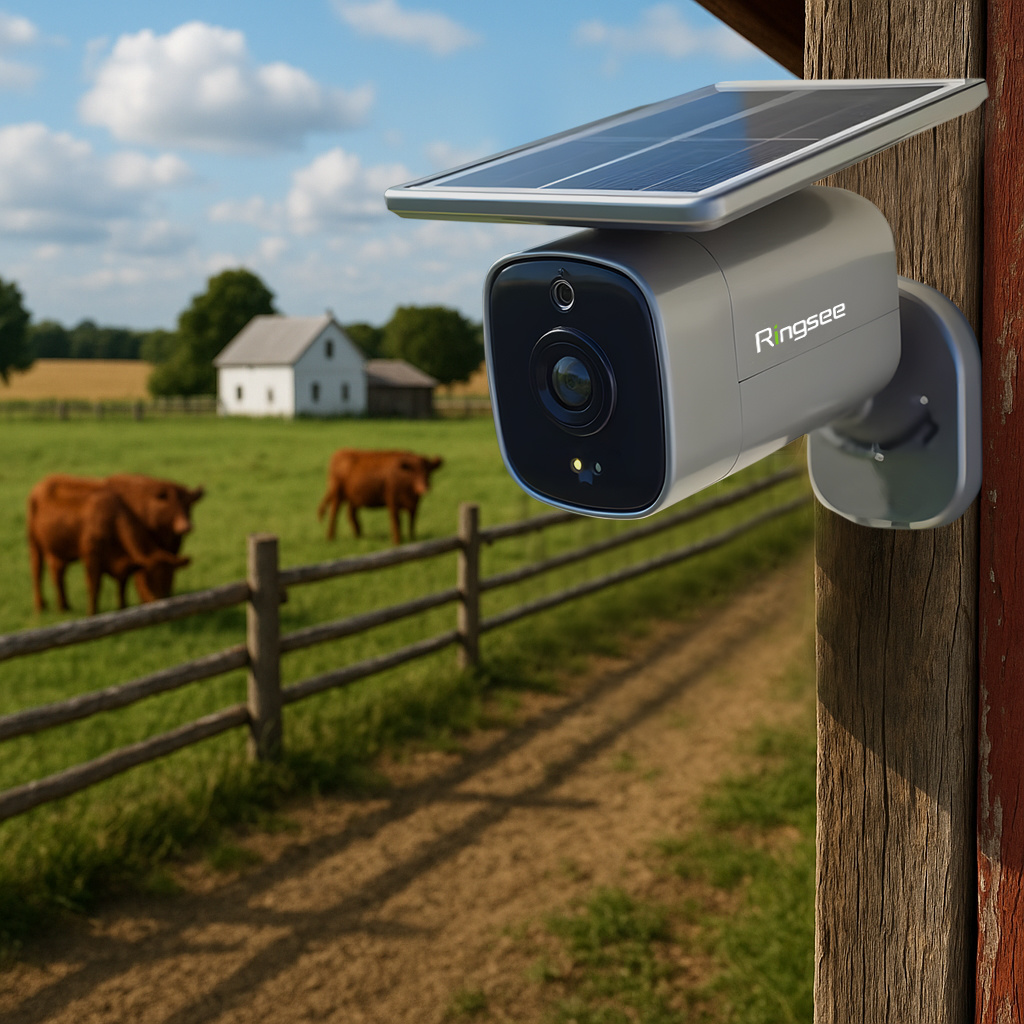
Traditional cameras often record continuously, leading to hours of useless footage. With motion detection, a 4G solar camera only activates when movement is detected. This ensures you get instant notifications on your smartphone when someone enters your property—whether it’s a delivery driver, a neighbor, or an unwanted intruder.
Benefit: You stay informed without being overwhelmed by unnecessary video recordings.
Energy Efficiency for Off-Grid Use
A solar-powered 4G camera relies on limited energy stored in its battery. Continuous operation would quickly drain power. Motion detection solves this problem by keeping the camera in a low-power standby mode and activating only when movement occurs.
Benefit: Longer battery life and reliable performance, even in cloudy weather or low-sunlight conditions.
Optimized Storage Management
Recording 24/7 wastes storage space and makes reviewing footage time-consuming. With motion-triggered recording, only relevant clips are saved. This not only reduces memory card usage but also ensures that every clip captured has potential security value.
Benefit: Easier to review important events without scrolling through hours of empty footage.
Smarter AI Integration
Many modern 4G solar cameras combine motion detection with AI recognition. This means the camera can distinguish between a human, an animal, or even moving objects like vehicles or tree branches.
Benefit: Reduced false alarms and more accurate alerts, so you can focus on real threats.
Real-Time Remote Protection
Because the camera connects via 4G, motion detection alerts can be sent to your phone instantly—no matter where you are. Whether you’re at work, on vacation, or living off-grid, you remain connected to your property.
Benefit: Peace of mind knowing you’re always in control.
Cost-Effective Security Solution
By saving energy, reducing storage needs, and preventing unnecessary cloud fees, motion detection makes 4G solar cameras more cost-effective in the long run. You only pay for what truly matters: smart, efficient protection.
Motion Detection vs. Non-Motion Detection in 4G Solar Cameras
| Feature | With Motion Detection | Without Motion Detection |
|---|---|---|
| Power Consumption | Stays in low-power standby mode until motion is detected, extending battery life. | Records continuously, draining the solar battery faster and risking downtime. |
| Storage Usage | Only saves relevant motion-triggered clips, reducing memory card or cloud usage. | Records 24/7, quickly filling up storage with unnecessary footage. |
| Alerts & Notifications | Sends instant alerts to your phone when motion is detected, keeping you informed in real time. | No alerts; you must manually review footage to spot events. |
| AI Recognition | Can filter events (humans, animals, vehicles) to reduce false alarms. | No intelligent filtering; captures everything, including irrelevant activity. |
| Efficiency | Maximizes solar energy use, ideal for off-grid or remote locations. | Wastes energy and requires more frequent maintenance. |
| Event Review | Easy to find important clips since only motion-triggered videos are saved. | Reviewing footage takes longer due to hours of irrelevant video. |
| Security Value | Acts as a proactive security system by focusing on potential threats. | Functions more like a passive recorder, less effective in emergencies. |
| Cost Effectiveness | Saves on cloud fees, storage devices, and maintenance over time. | Higher long-term costs due to energy use, storage, and upkeep. |
A 4G solar camera with motion detection is more than just a surveillance device—it’s a proactive security solution. From energy savings and smarter alerts to AI-driven accuracy, motion detection transforms how cameras protect homes, farms, construction sites, and remote properties.
For anyone seeking reliable, wireless, and eco-friendly security, motion detection is the feature that makes a 4G solar camera truly smart.
Related News
PoE was power. This is control: CCTV Network Security Hardening Guide
Short answer: video systems get breached the boring way, not through clever exploits - (1) factory default credentials never changed, (2) camera or NVR management ports forwarded to the public internet, (3) no separation between the CCTV network and the office LAN. Do three things: replace every default account and disableTelnet/FTP/UPnP/raw RTSP; put cameras in their own VLAN and only allow the NVR to initiate sessions; and reach video over VPN or a zero-trust gateway instead of a port mapping.
Oct 03,2026
PoE Power Design Guide for Security Cameras: Power Budget, Cable Voltage Drop and Distance Limits
Most "cameras keep restarting at night" incidents are not camera defects — they are power design errors. Three root causes cover the overwhelming majority of PoE failures: the power budget was sized on daytime draw instead of night peak, the cable is too thin so voltage drop exceeds the device undervoltage threshold, and the run simply exceeds the 100-metre channel limit. Memorise three numbers and you avoid most of the traps: 802.3af delivers 15.4 W, 802.3at delivers 30 W, and cable reach stops at 100 m.
Oct 03,2026
Bitrate (Mbps) is the single parameter that determines hard drive size, switch selection, and remote-viewing smoothness. Two formulas answer everything: storage per camera per day (GB) ≈ bitrate × 10.8, and total bandwidth = sum of simultaneous bitrates × 1.3 headroom. This guide covers encoding, calculation, and procurement sizing.
Sep 26,2026
CCTV Night Vision Technology Explained: Infrared vs Starlight Full-Color vs Hybrid Light
Three night vision routes and their real limits: 850nm vs 940nm infrared (red glow and range trade-offs), the lux threshold of true starlight cameras (0.001-0.005 lux), light-pollution risks of warm-light supplement, and AI-triggered hybrid switching — plus a six-point datasheet verification method and a 20-minute night PoC test.
Sep 26,2026
CCTV Lens Selection Technical Guide: Focal Length, Pixel Density & the DORI Standard in Practice
Why can't a 4K camera read faces? Because identification depends on pixel density, not total pixels. Using the EN 62676-4 DORI standard, this guide gives the full focal-length / distance / field-of-view formulas, a lens selection lookup table, and the real impact of sensor size and aperture on night vision.
Sep 19,2026
Links:One Belt Power Technology
Add: 14th Floor, Baoshan Building, Longhua District, Shenzhen China.
Privacy Policy | SEO | CitySite | Support: 300.cn Dongguan