


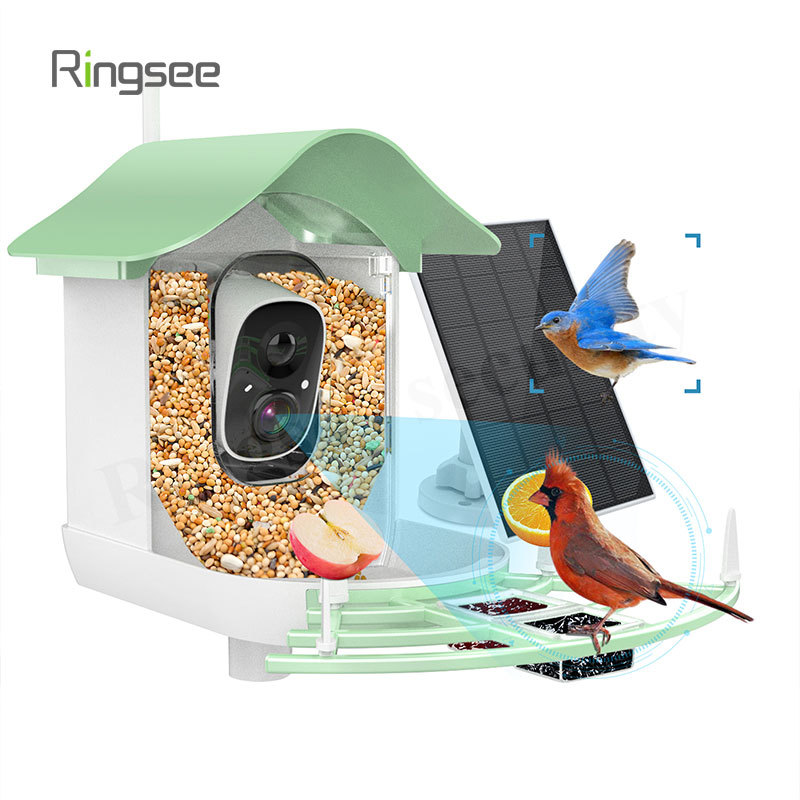
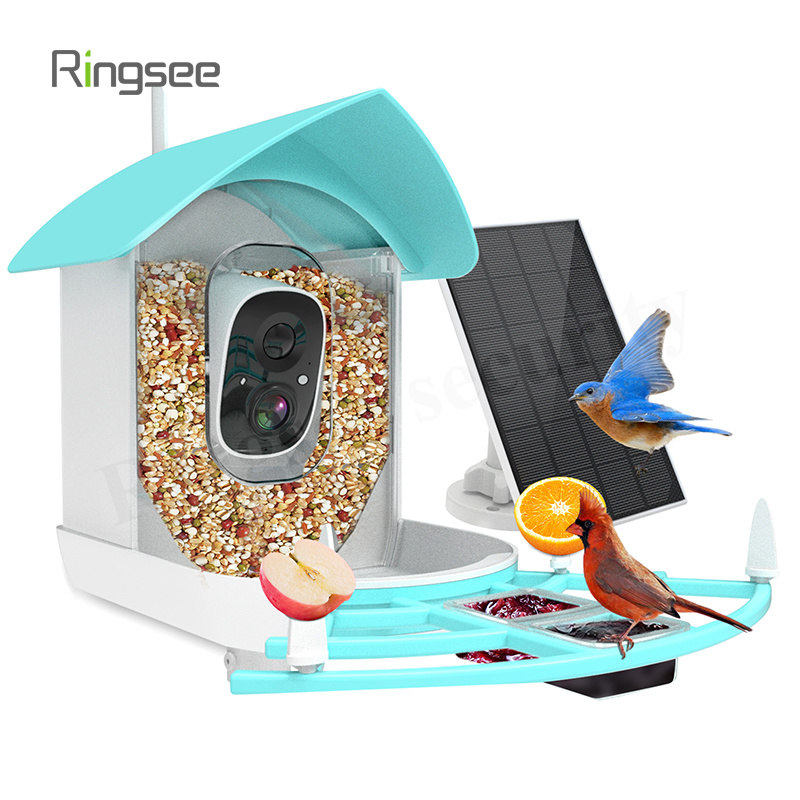
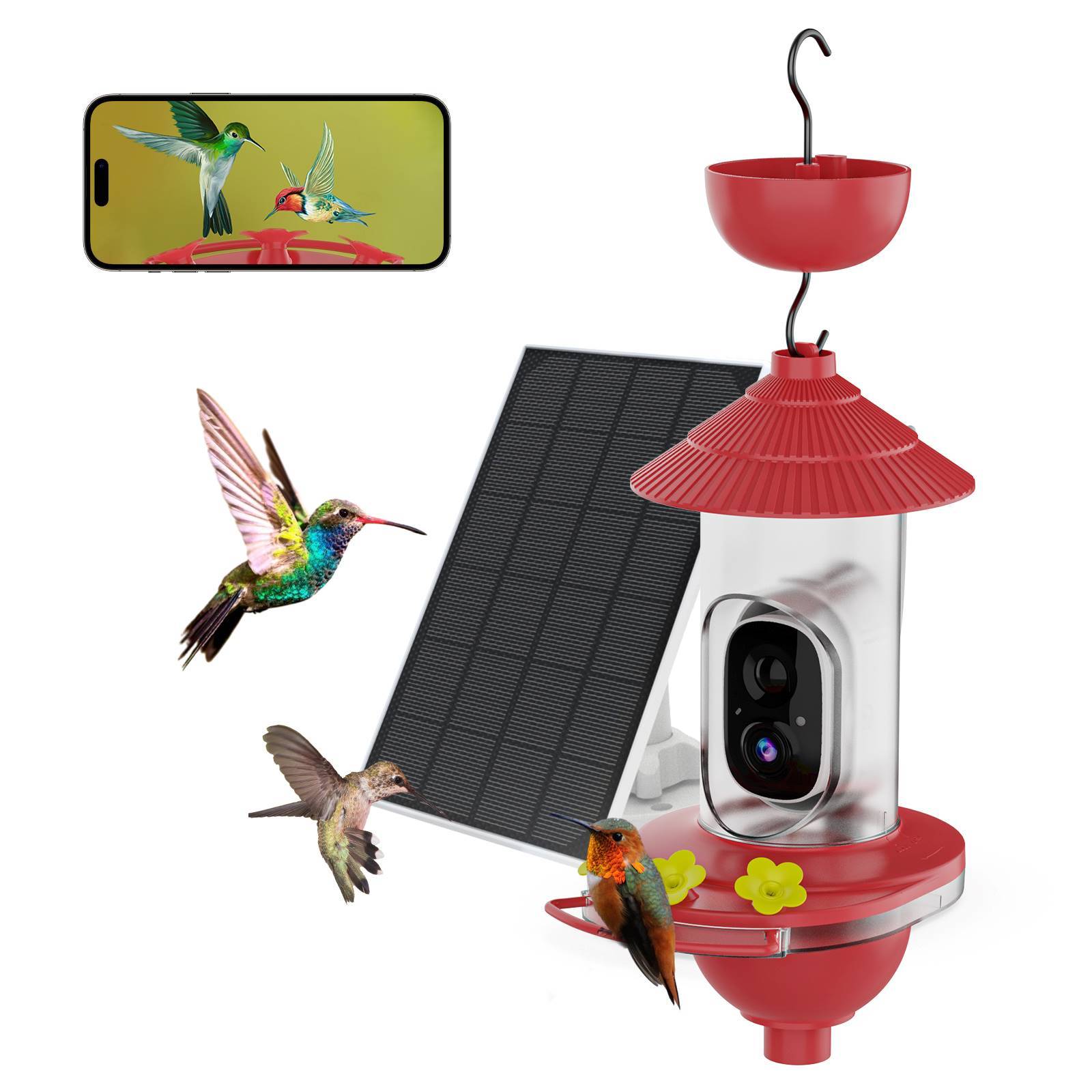
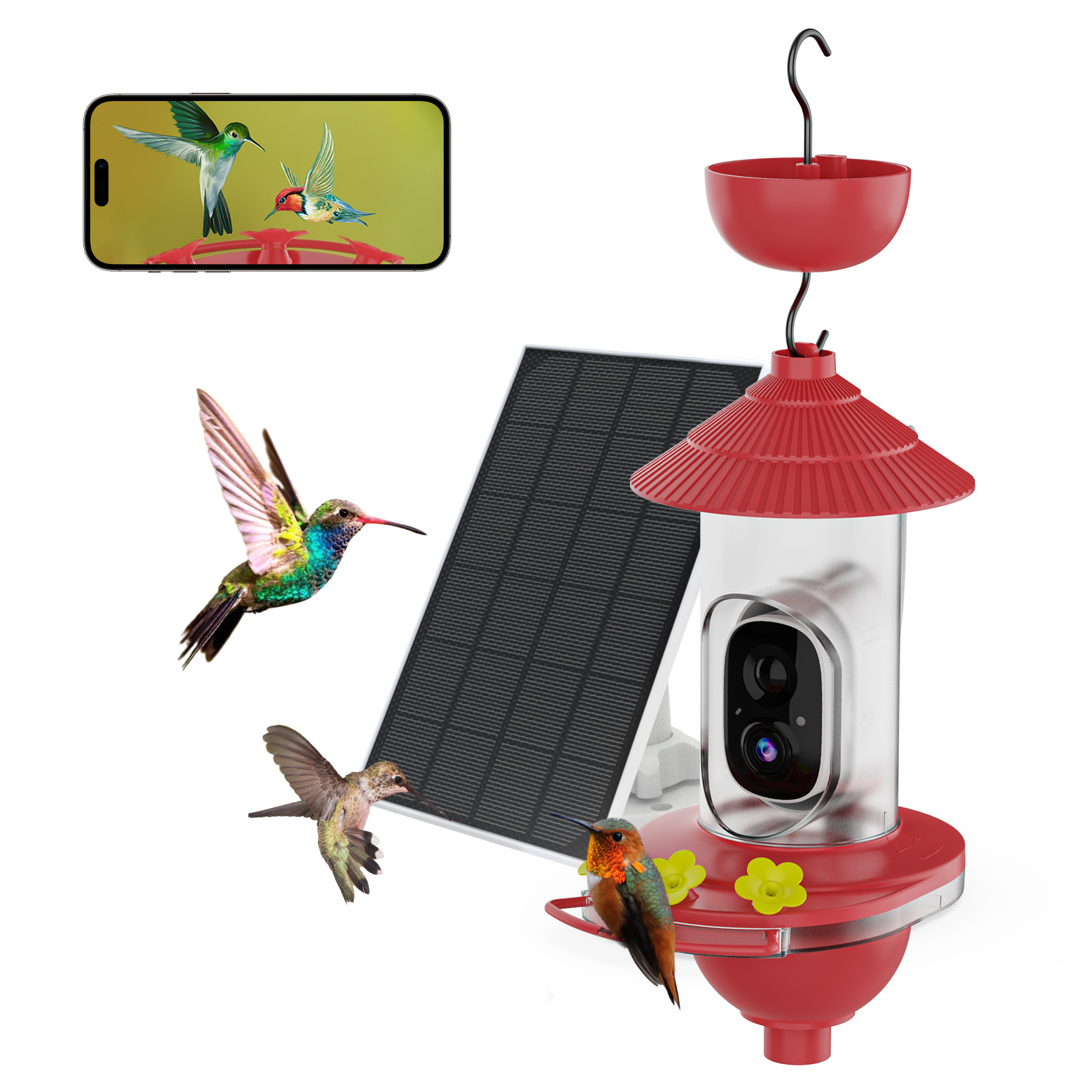
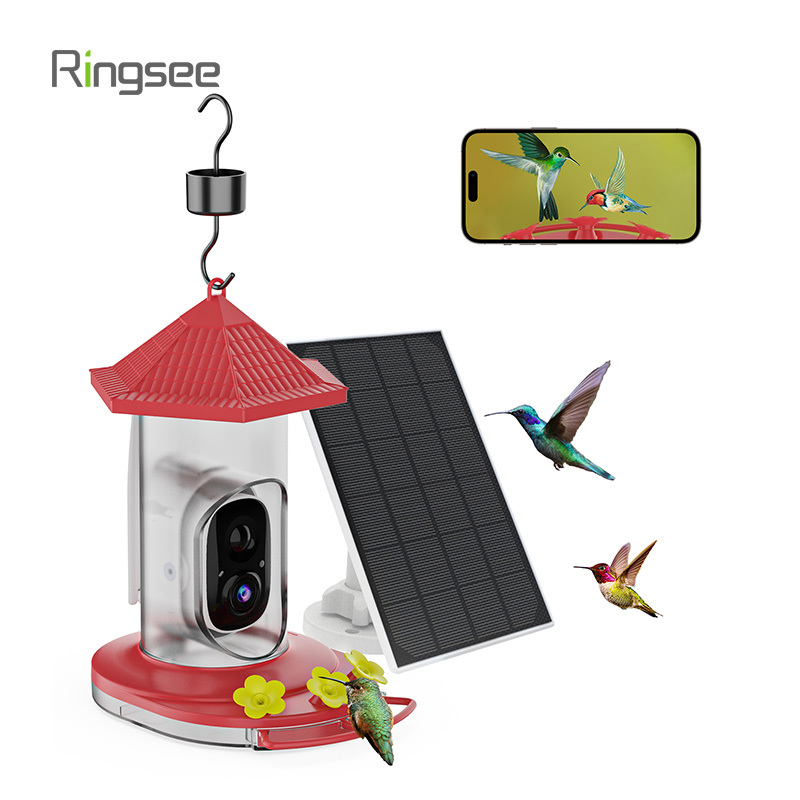
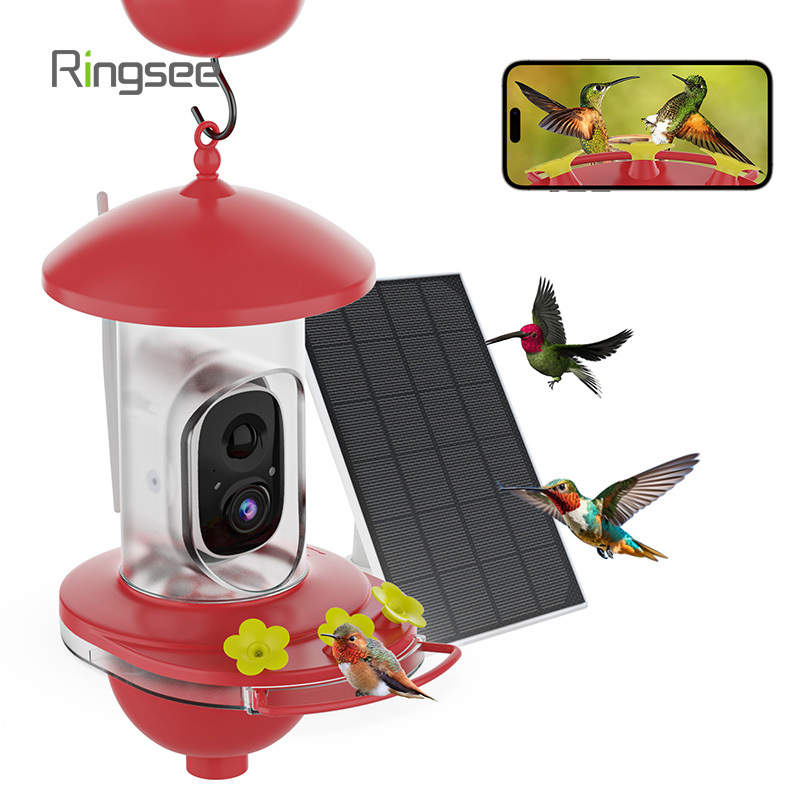
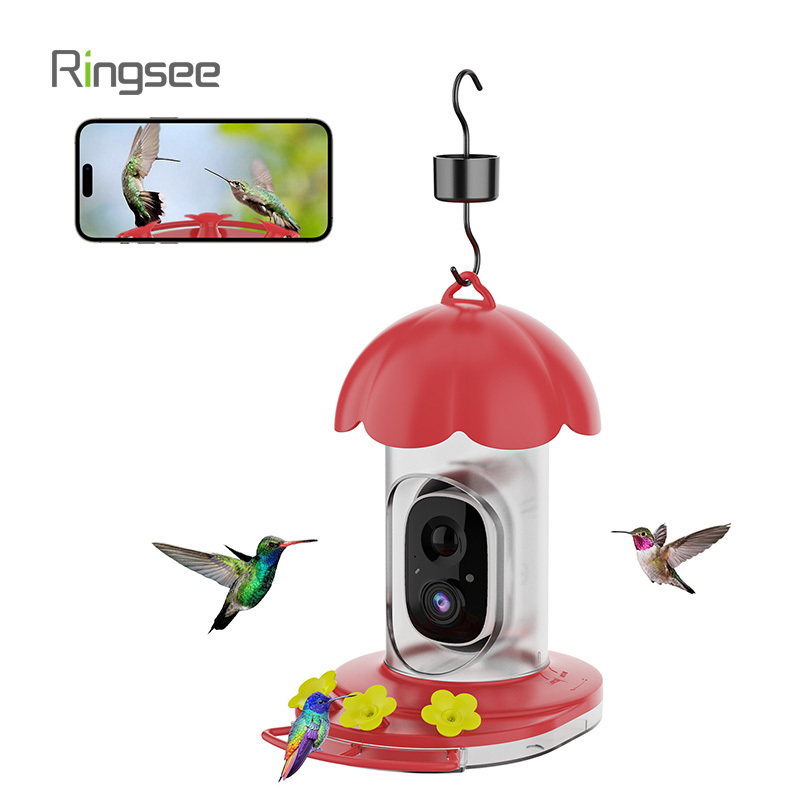
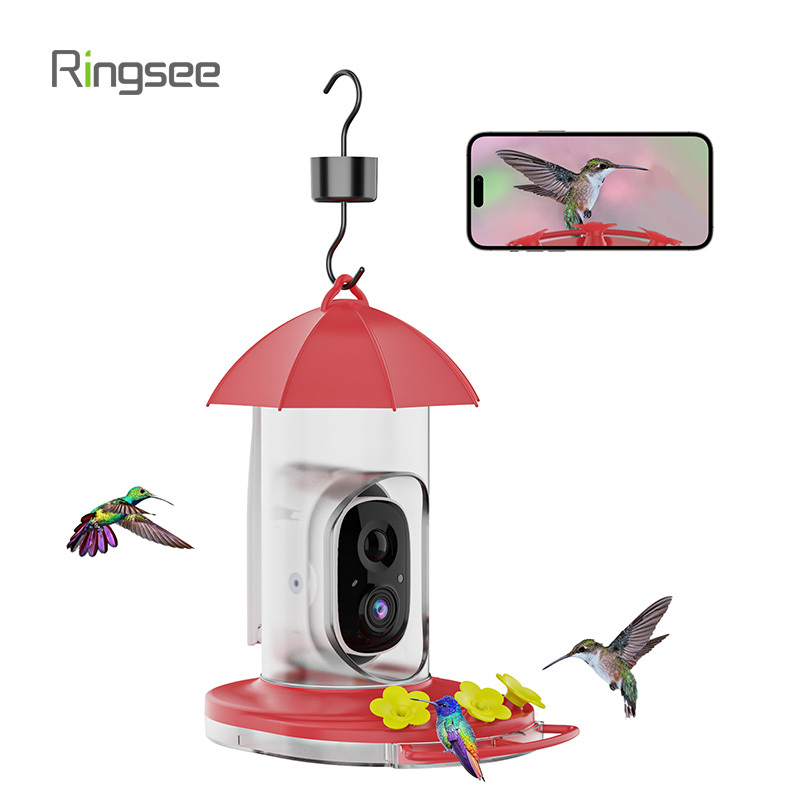



How to Attract Hummingbirds to Your Feeder Camera: The Complete Guide
Publish:
2025-11-26 16:22
Source:
https://www.ring-see.com
Learn how to attract hummingbirds to your feeder with the right placement, nectar recipe, and feeder choice. Create a hummingbird-friendly environment in your backyard today!
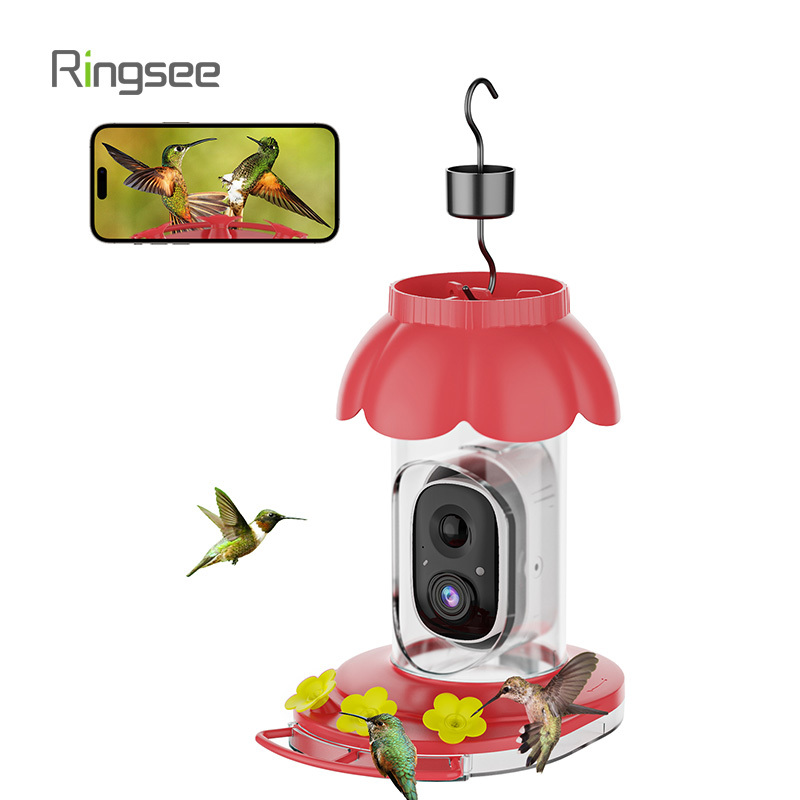
The sight of a hummingbird in your garden is fleeting; capturing its beauty on video requires precision. A smart bird feeder camera is an unparalleled tool for monitoring avian activity, but achieving optimal footage requires more than just installation. It demands a deliberate strategy encompassing habitat creation, feeder maintenance, and placement science.
This comprehensive guide details the expert steps necessary to transform your backyard into an irresistible sanctuary, ensuring peak visitation rates and high-quality video monitoring through your Ringsee feeder camera.
I. Strategic Placement: Maximizing Avian Security and Video Quality
Feeder location dictates both bird safety and the clarity of your surveillance feed. Follow these guidelines for superior results:
Placement Principles
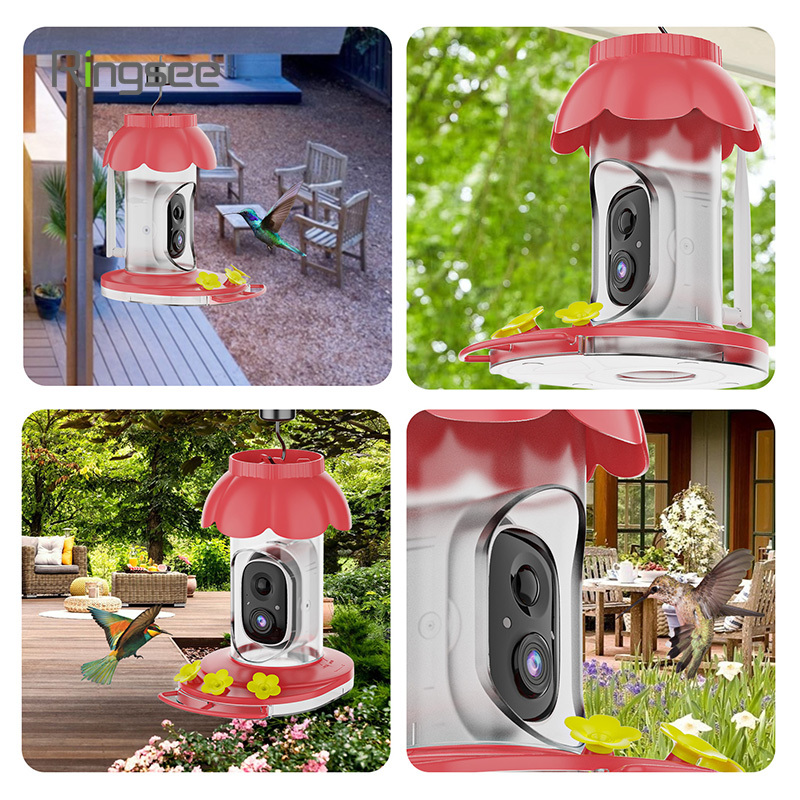
- Mitigate Glare and Nectar Spoilage: Position the feeder in a location that receives morning sun but afternoon shade. This protects the nectar from rapid fermentation (a serious threat to hummingbirds) and prevents harsh glare on the camera lens during prime viewing hours.
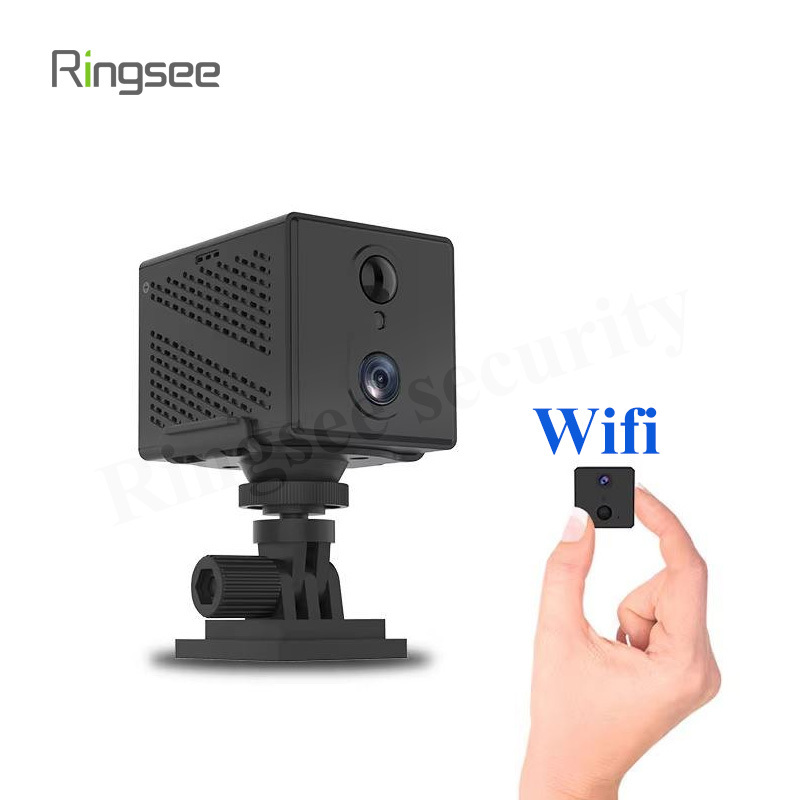
- Ensure Digital Connectivity: Confirm the installation point is within reliable range of your home's Wi-Fi network. Consistent signal strength is crucial for real-time viewing and remote data transfer from your Ringsee hummingbird camera.
- Establish Predator Safety: Hang the feeder approximately 5 to 7 feet off the ground and 10 to 15 feet away from dense brush or tall structures where ground predators (like cats) or ambush predators might lurk. The birds need clear lines of sight for security.
- Utilize Visual Anchors: Hummingbirds are drawn to existing nectar sources. Placing the feeder near red, orange, or pink flowering plants can dramatically expedite the initial attraction phase.
II. The Science of Nectar: Fueling Your Tiny Visitors
The quality of your nectar is paramount to attracting and retaining hummingbirds. Avoid commercial products containing red dyes or artificial chemicals.
The Biologically Appropriate Nectar Formula
The standard recommended mixture is designed to mimic the naturally occurring sugar concentration found in most flowers:
- Ratio: 1 Part Pure White Granulated Cane Sugar to 4 Parts Water.
- Preparation: Combine the ingredients and bring to a boil for one to two minutes to sterilize the mixture and ensure complete dissolution.
- Storage: Always allow the solution to cool fully before filling the feeder. Excess mixture can be stored in an airtight container in the refrigerator for up to 14 days.
Critical Note: Never use honey, powdered sugar, brown sugar, or artificial sweeteners. Honey ferments rapidly and promotes fungal growth, which is often fatal to hummingbirds.
III. Feeder and Camera Hygiene: The Foundation of Visitation
A soiled feeder becomes a vector for bacterial and fungal infections. Consistent, rigorous cleaning is a non-negotiable step in responsible avian monitoring.
Maintenance Schedule
| Ambient Temperature | Nectar Change Frequency |
| Below 85℉ (29 ℃) | Every 2 Days |
| 70℉ to 84℉ (21 ℃ to 28 ℃) | Every 3 to 4 Days |
| Below 70℉ (21 ℃) | Every 5 to 7 Days |
Cleaning Protocol:
- Dismantle and Soak: Disassemble all parts. Soak the feeder and ports in a solution of hot water and white vinegar (a 4:1 water/vinegar ratio is effective). Avoid detergent soap as residue can be toxic.
- Scrub Thoroughly: Use a specialized bottle brush to remove all black mold, especially within the feeder ports and crevices.
- Rinse: Rinse all parts meticulously with clean running water until no trace of vinegar scent remains.
- Lens Care: While cleaning the feeder, gently wipe the camera lens on your unit with a soft microfiber cloth to prevent water spots and dust from degrading video quality.
IV. Choosing the Optimal Monitoring Equipment
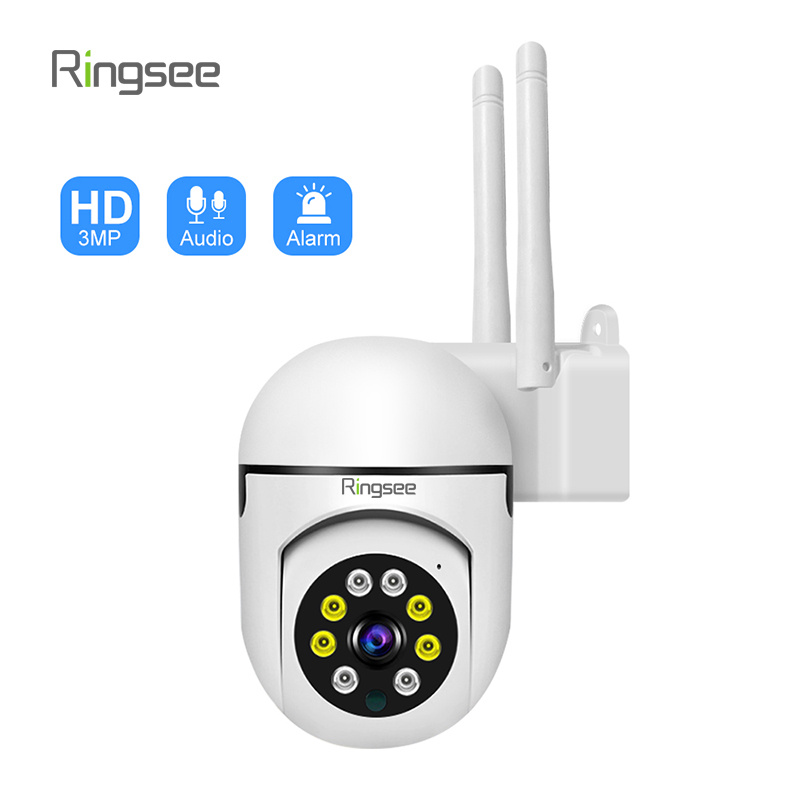
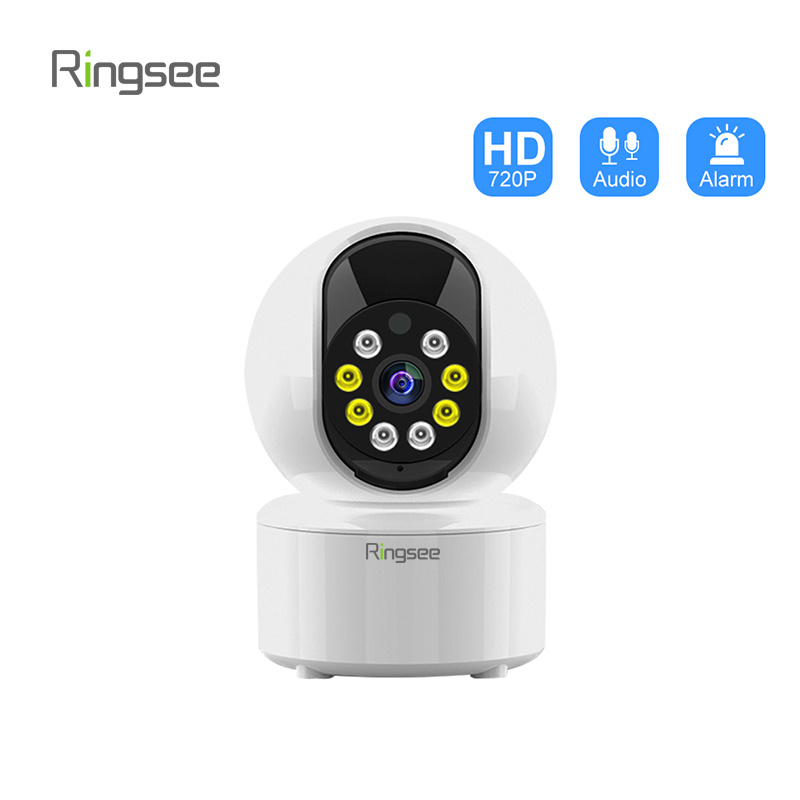
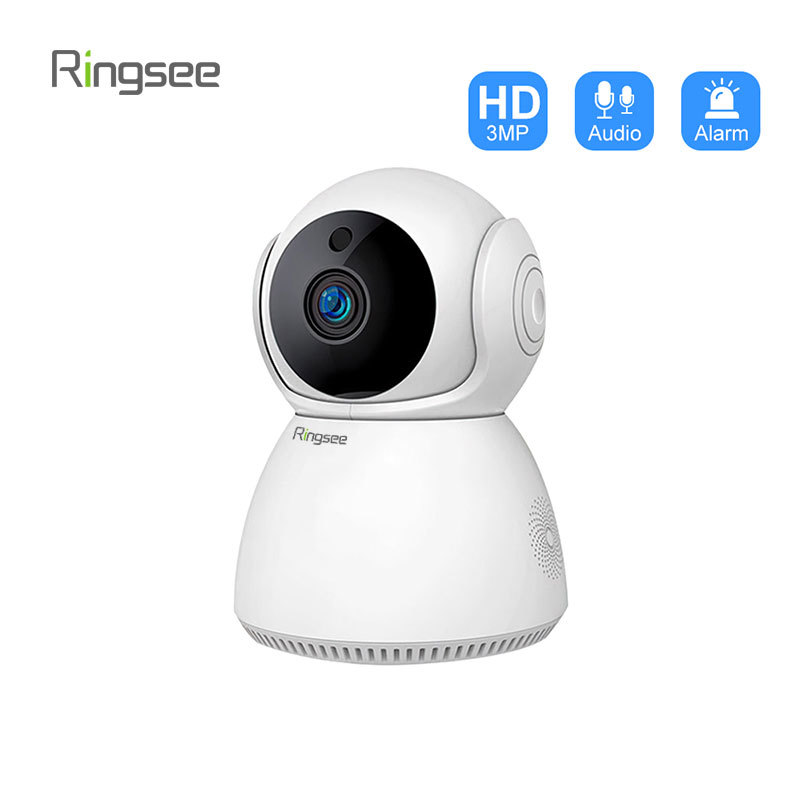
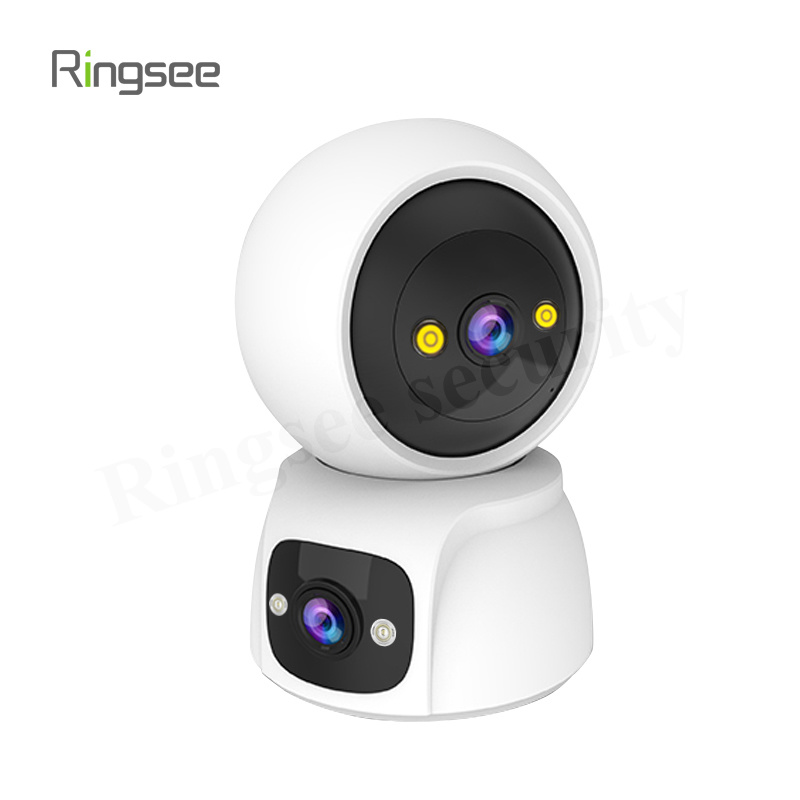
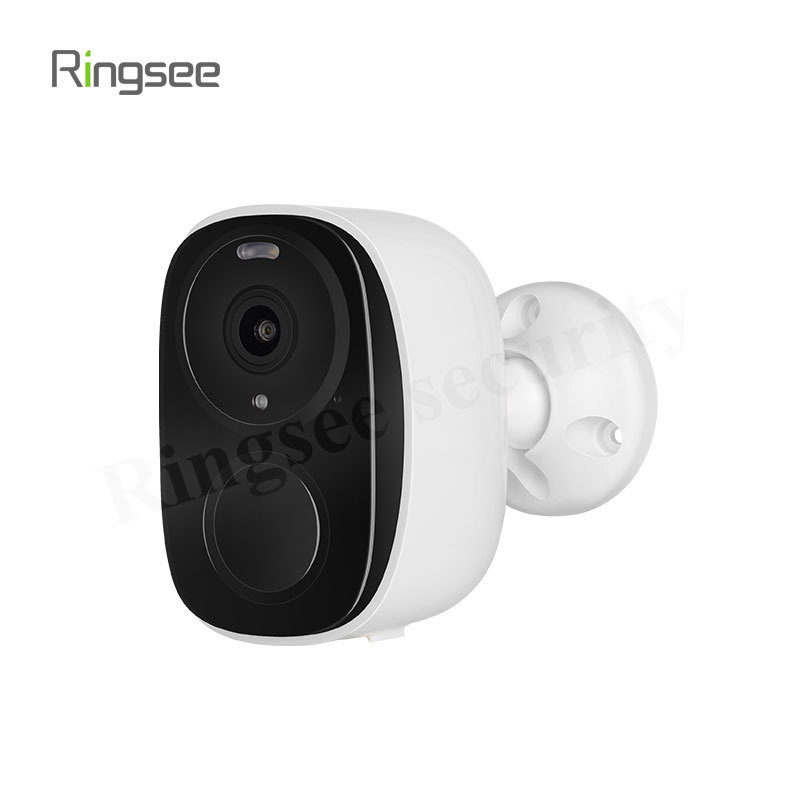
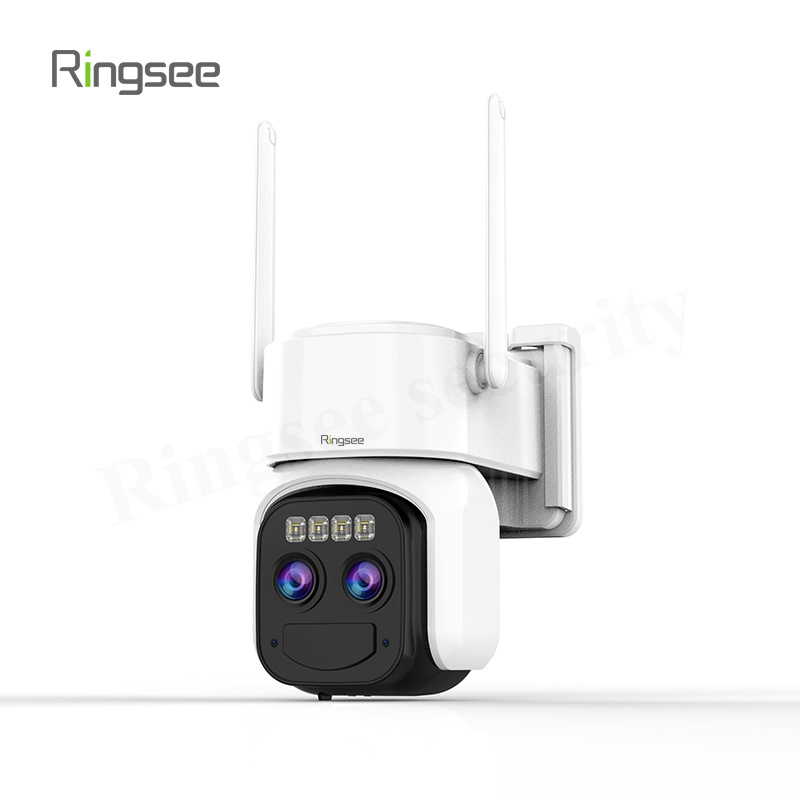
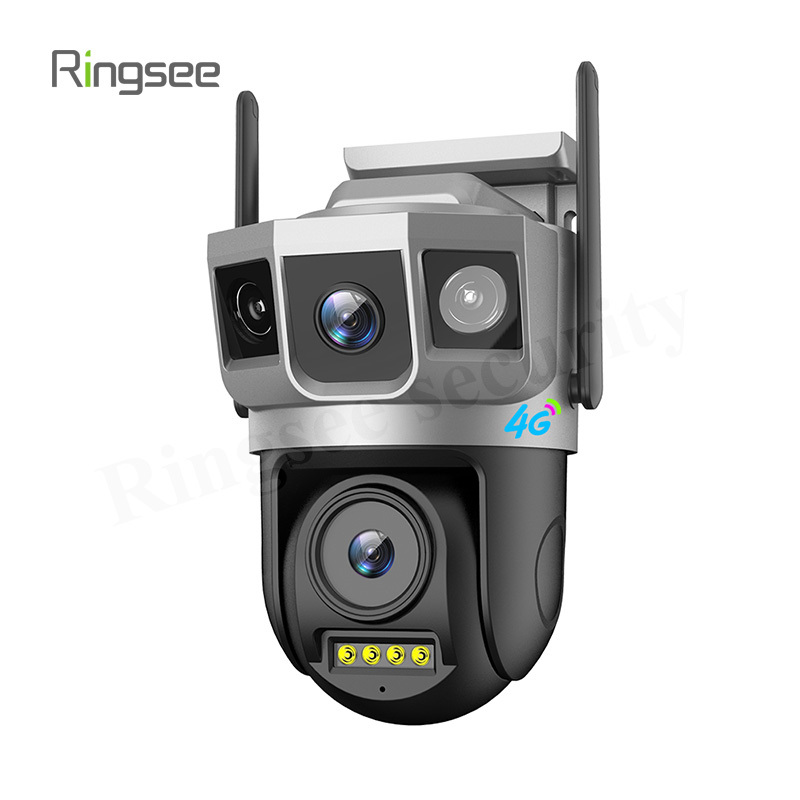
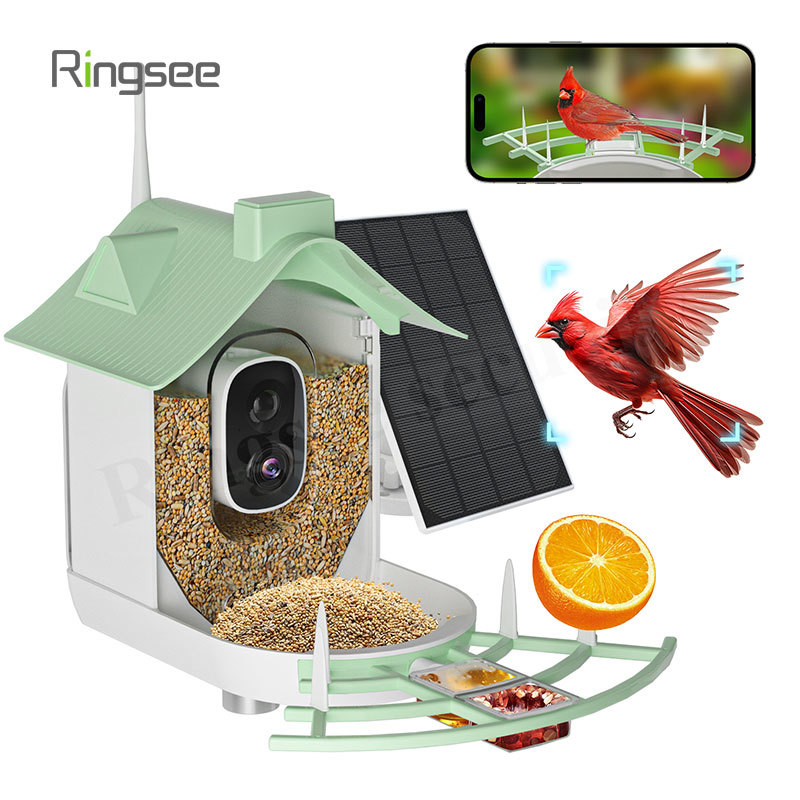
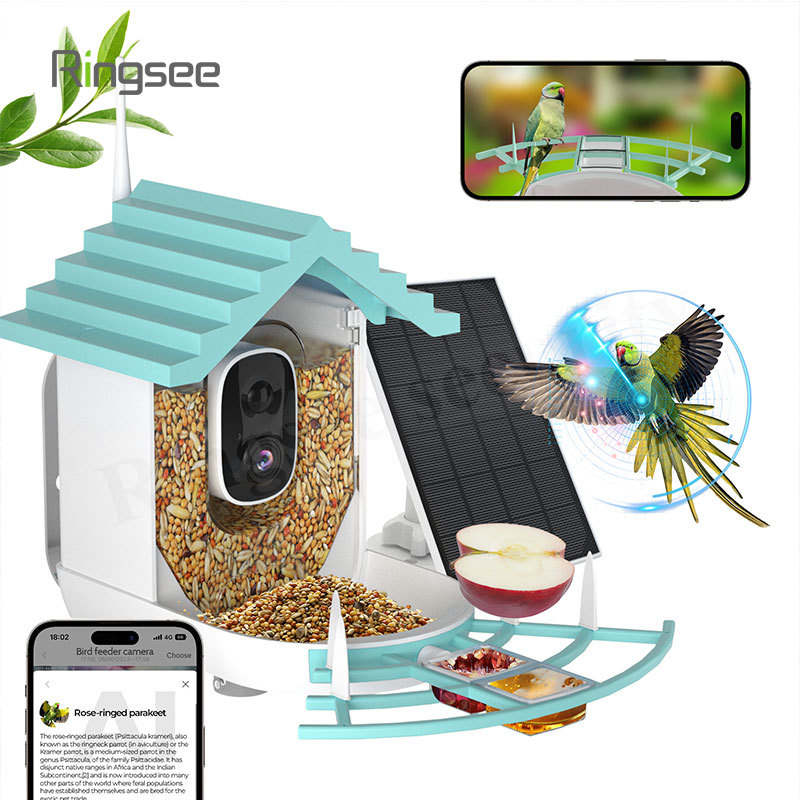
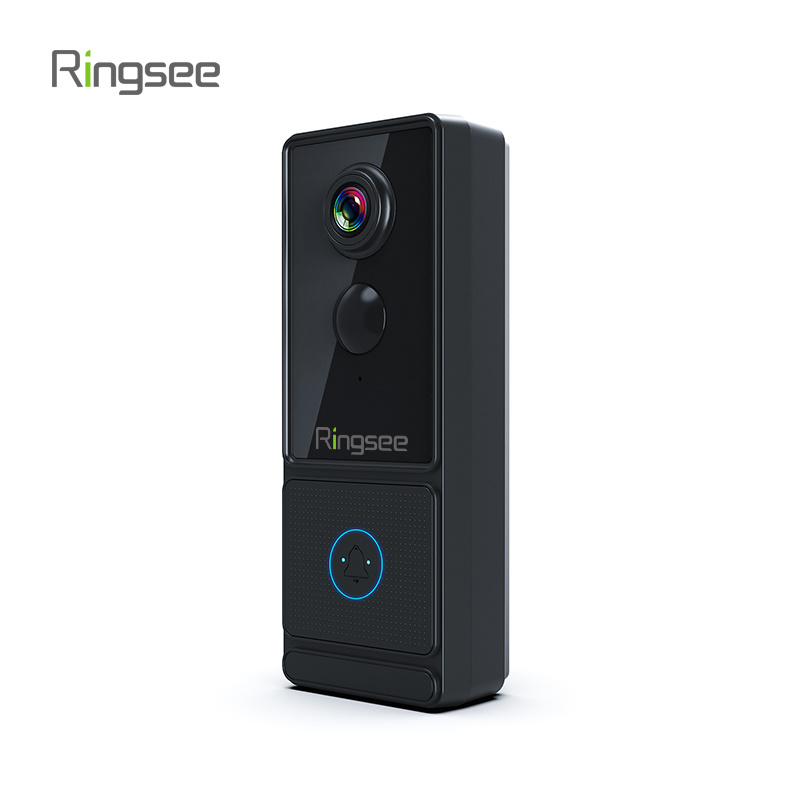
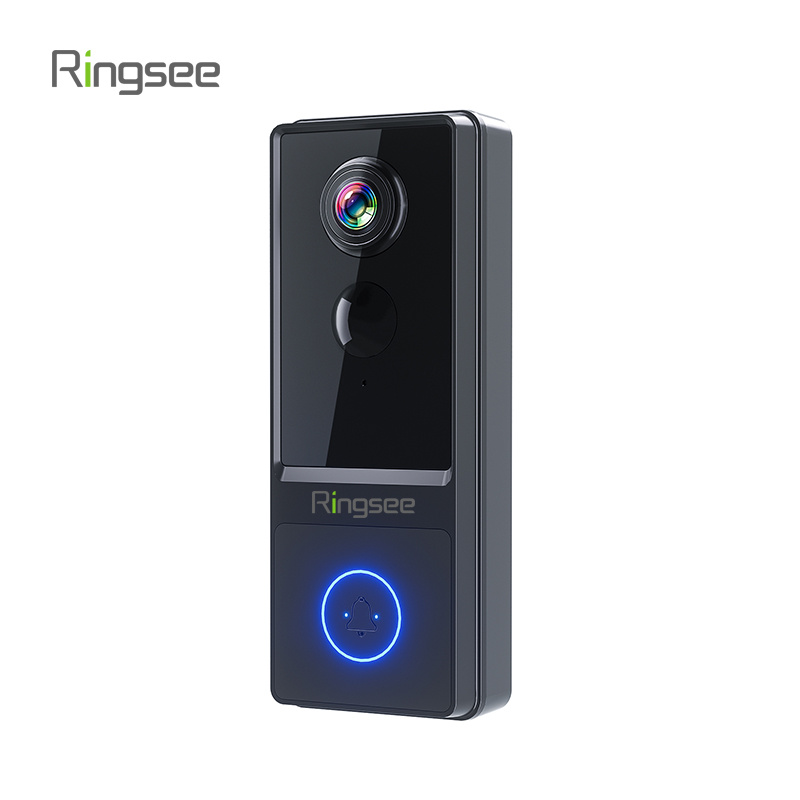
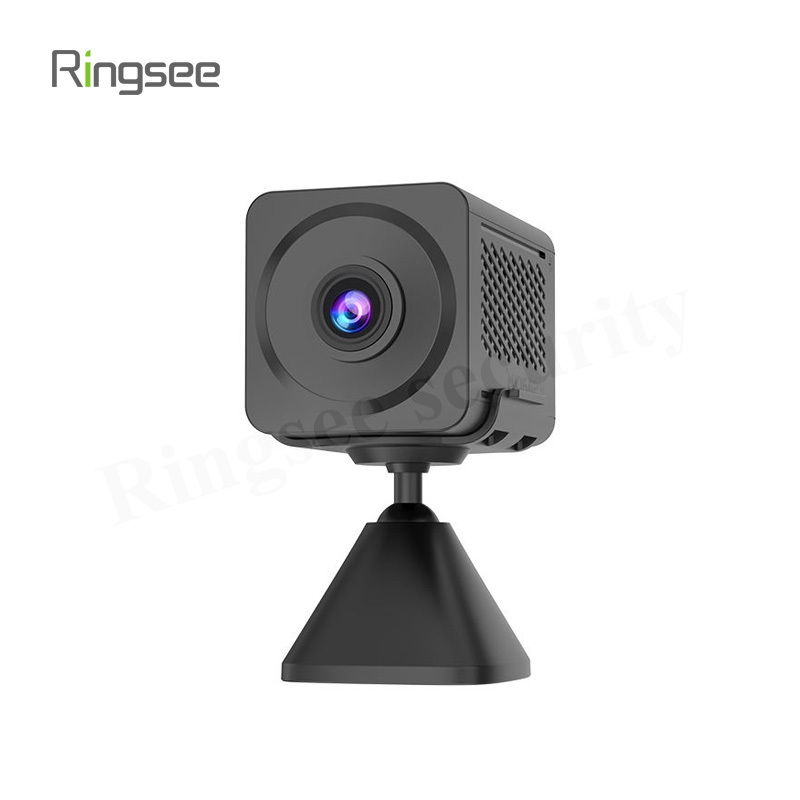
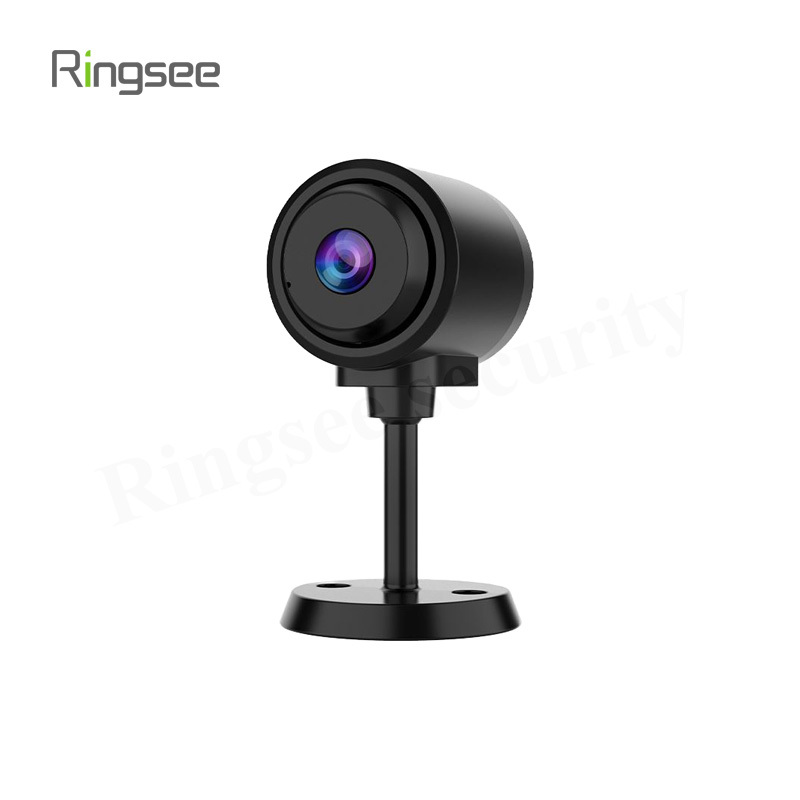
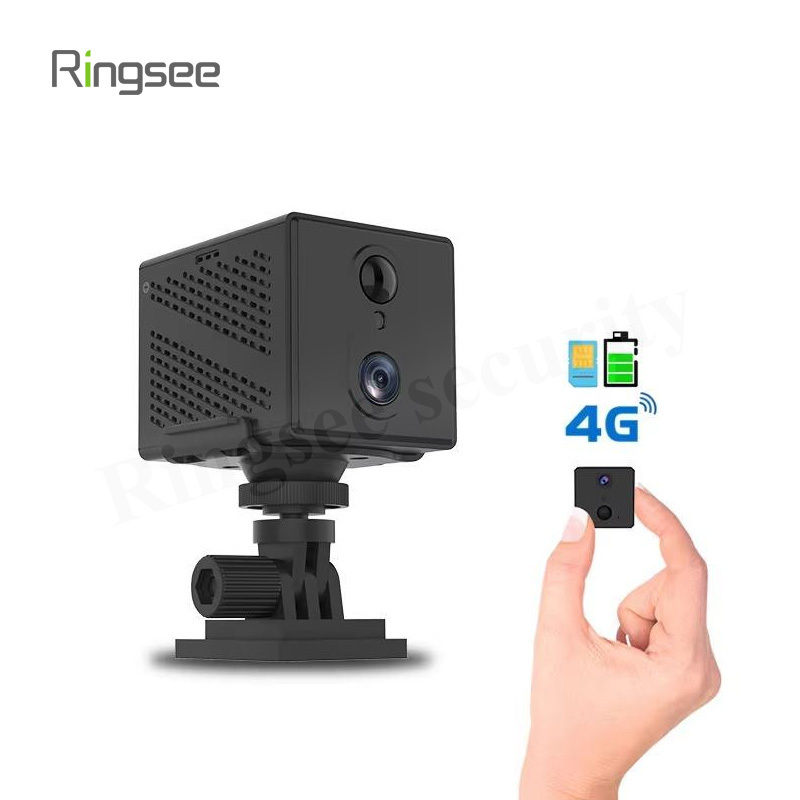
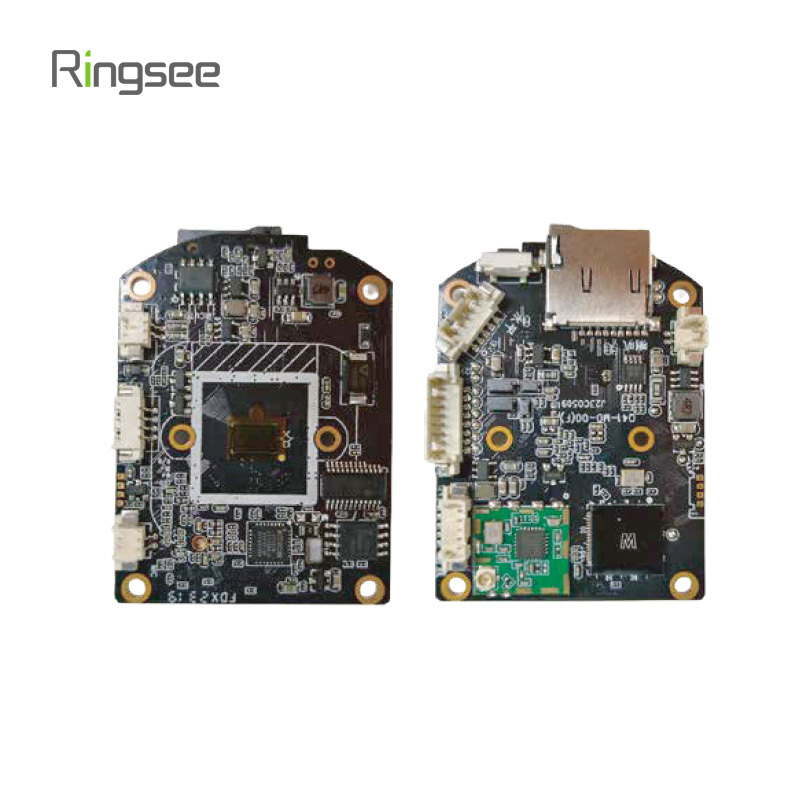
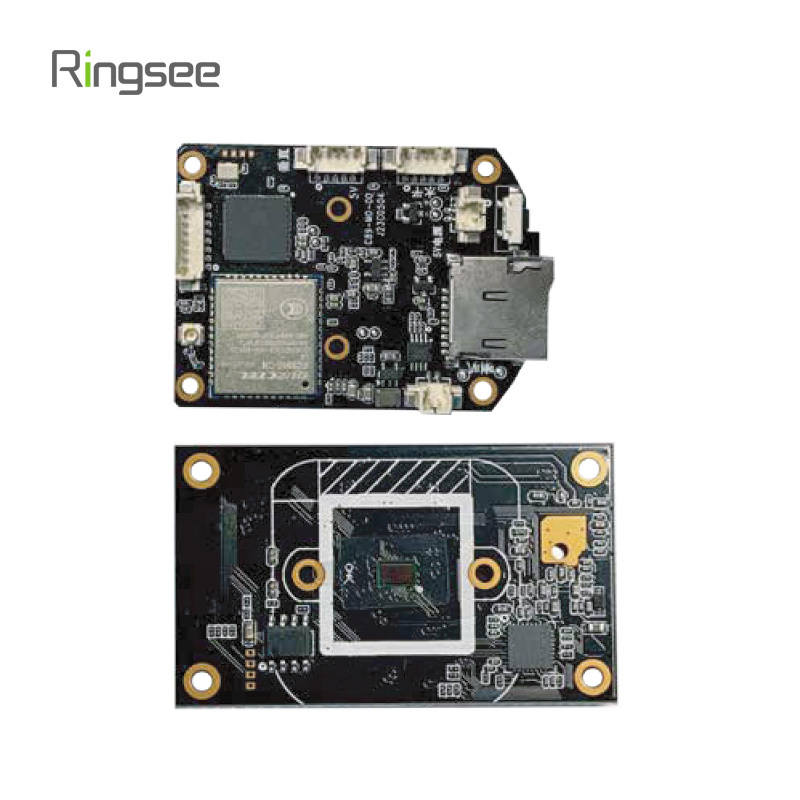
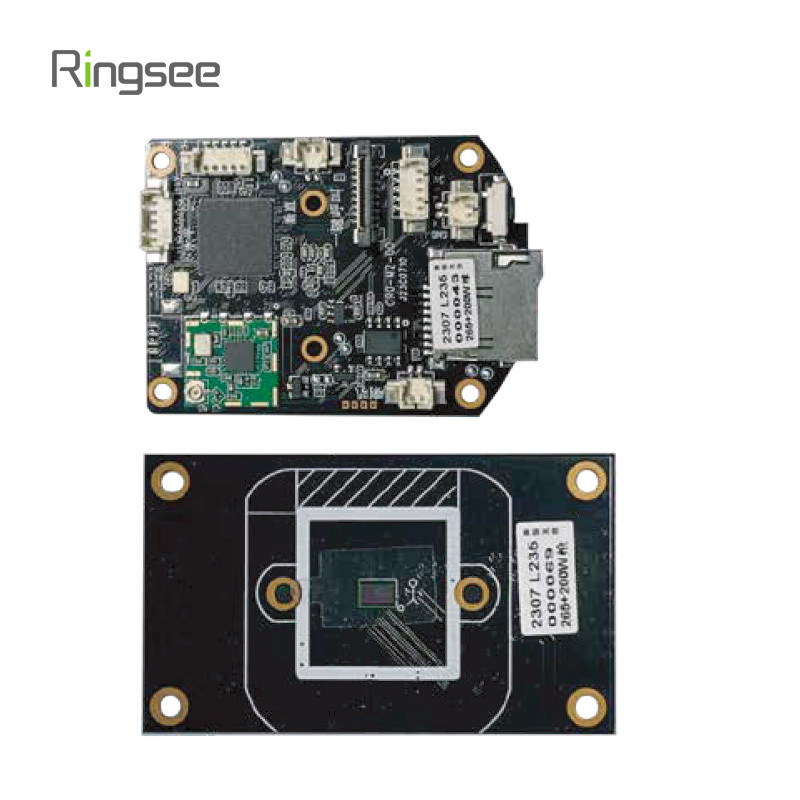
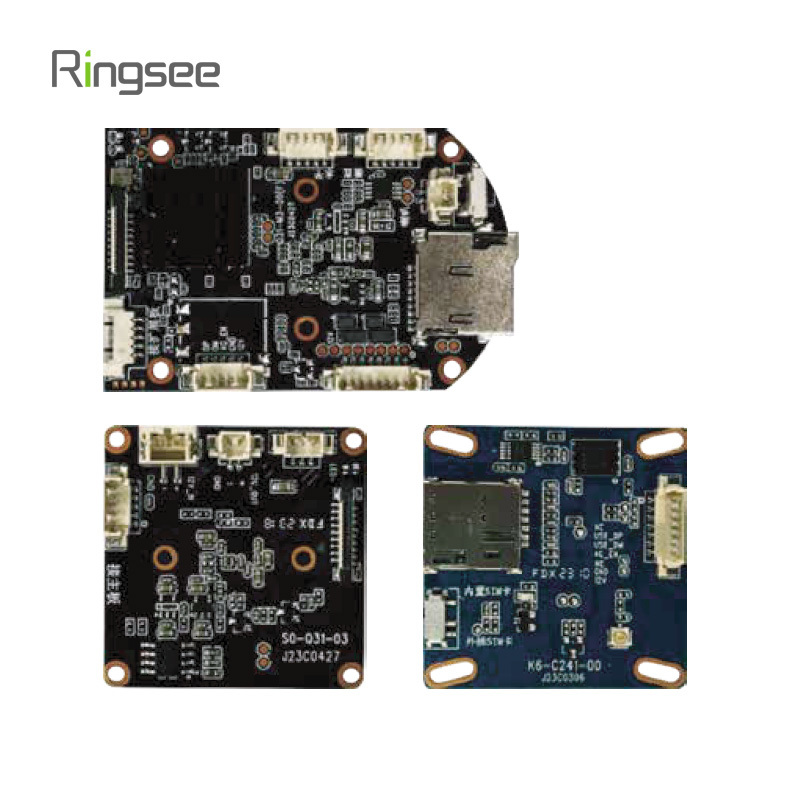
A high-quality feeder ensures bird health, but a high-specification camera ensures superior visual documentation. Look for models like those offered by Ringsee that feature:
- 2K or Higher Resolution: Essential for capturing the fine details of hummingbirds, whose bodies are often smaller than the camera’s minimum focal distance.
- Motion Detection Sensitivity: The detection zone must be fine-tuned to capture the hyper-speed movement of the bird without triggering constant false alerts from wind or shadows.
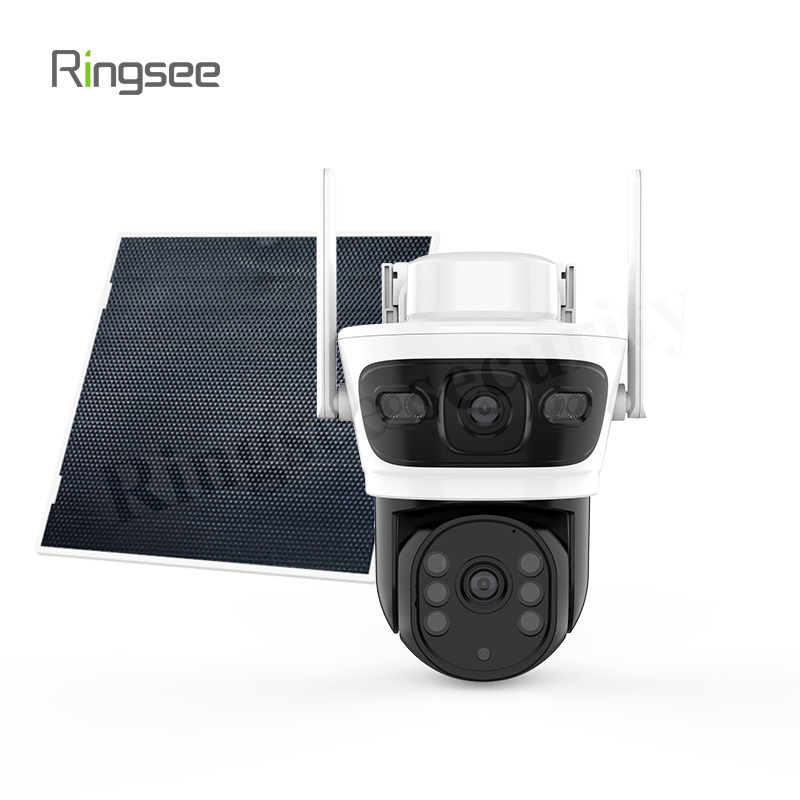
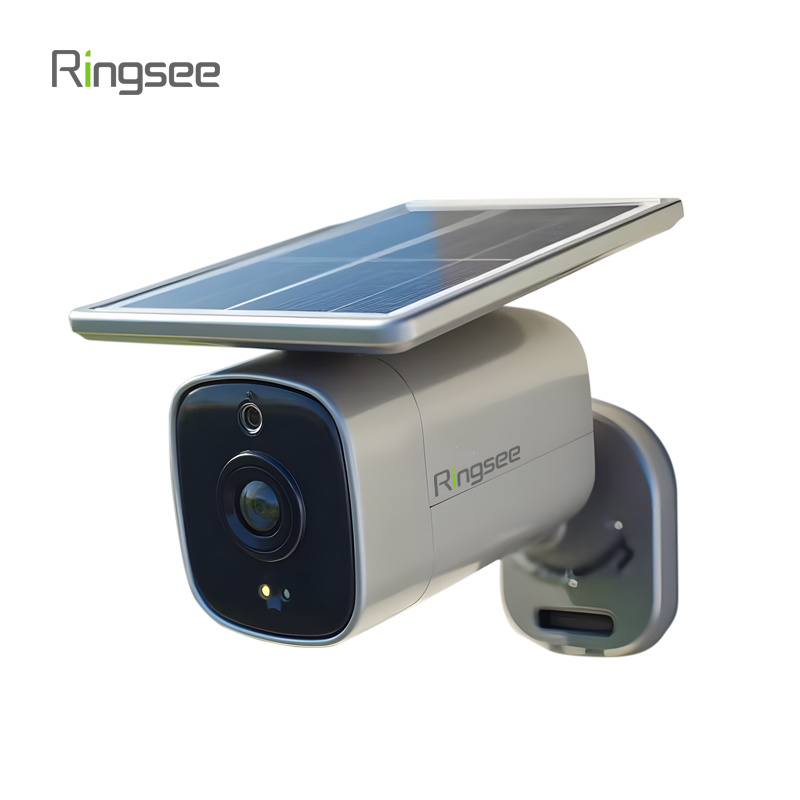
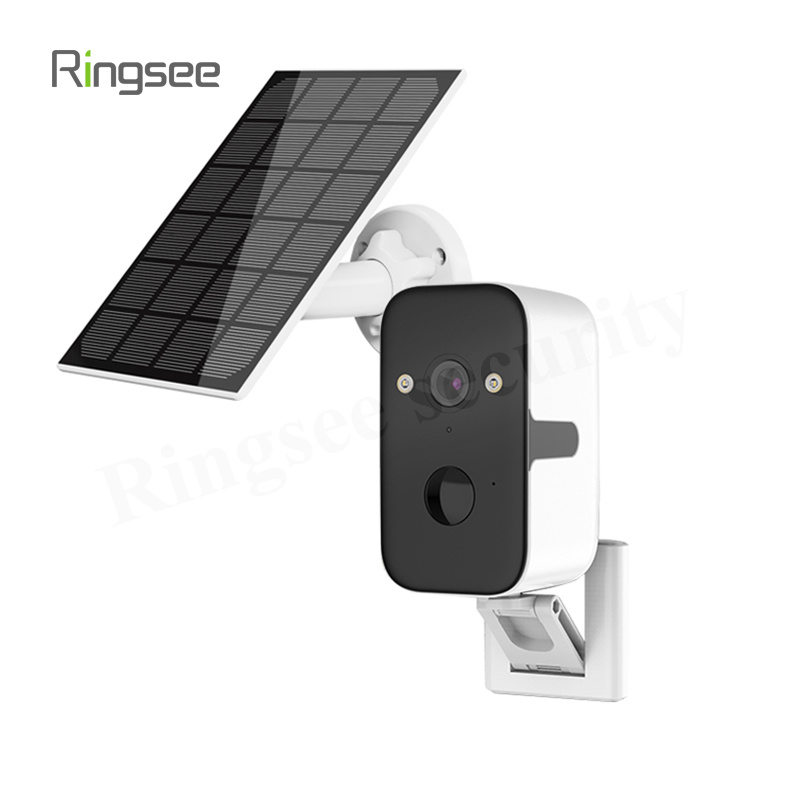
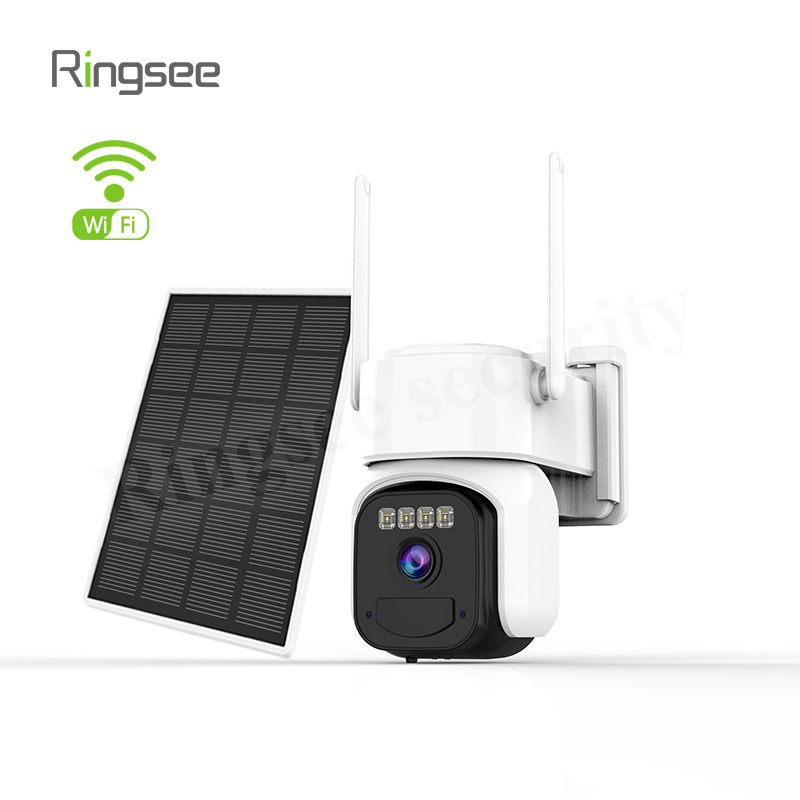
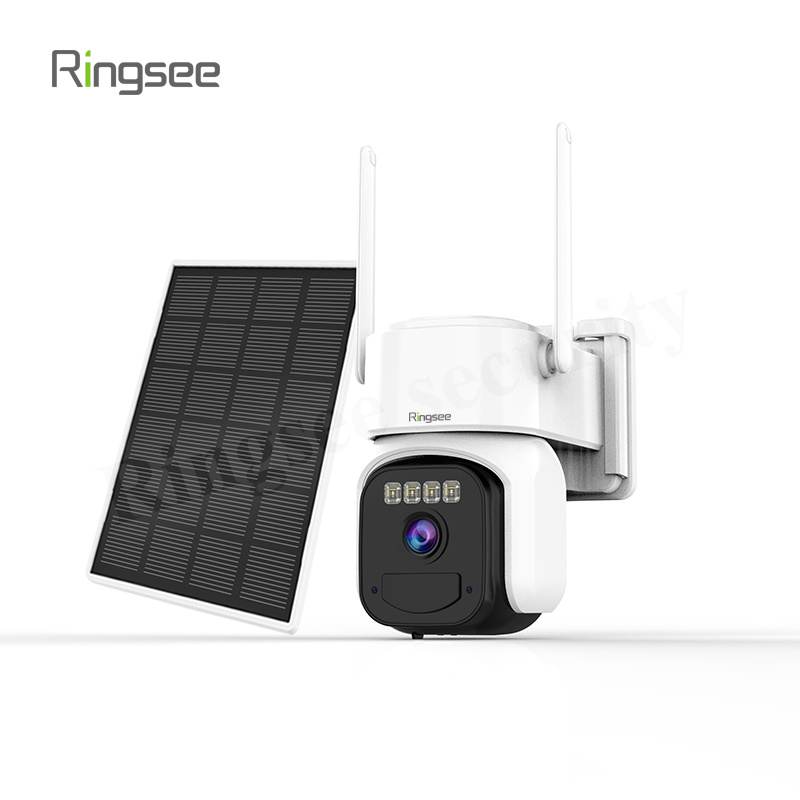
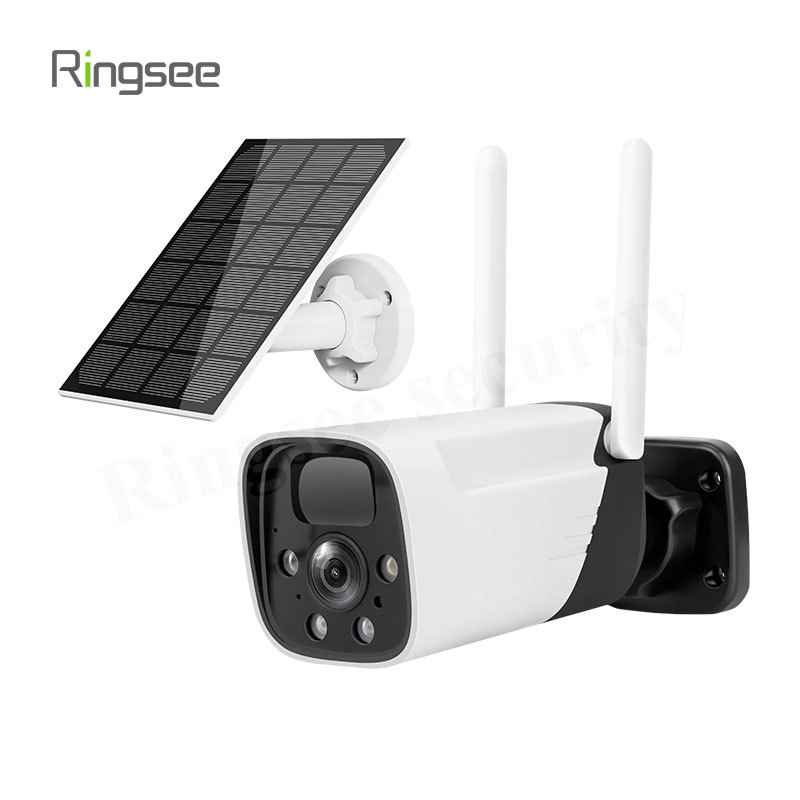
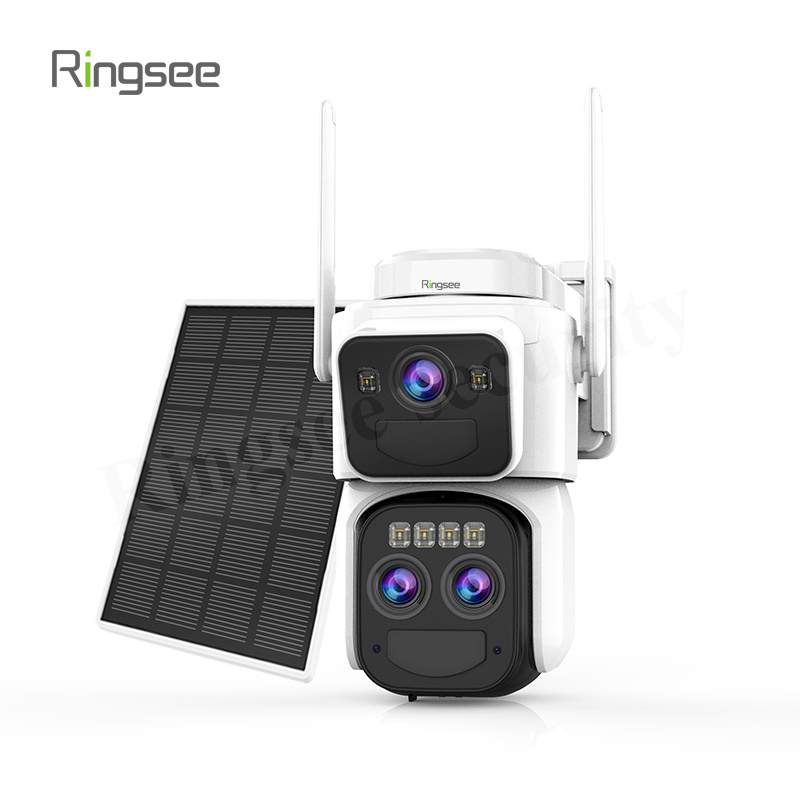
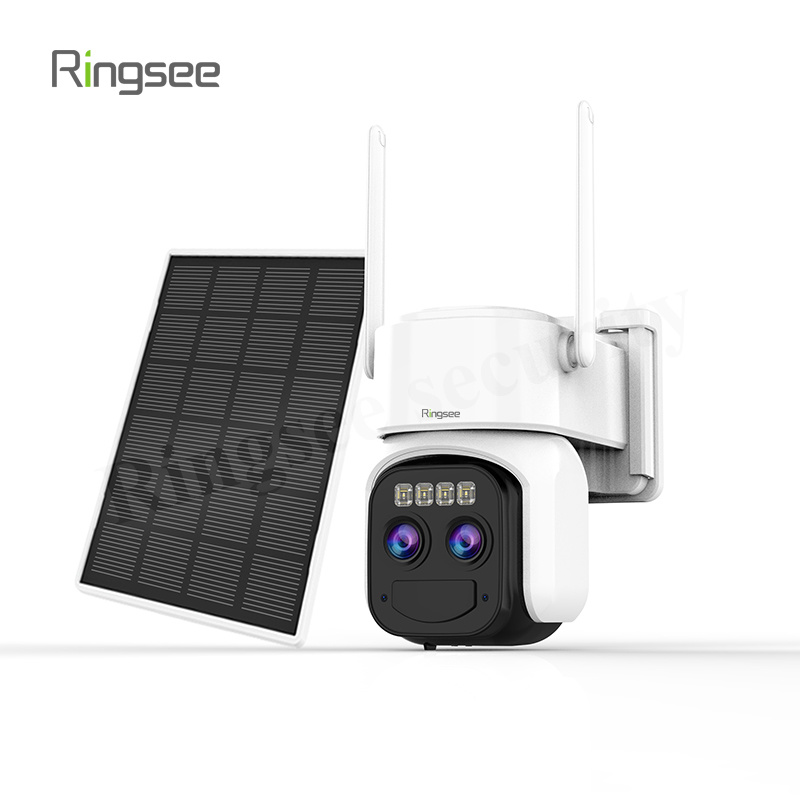
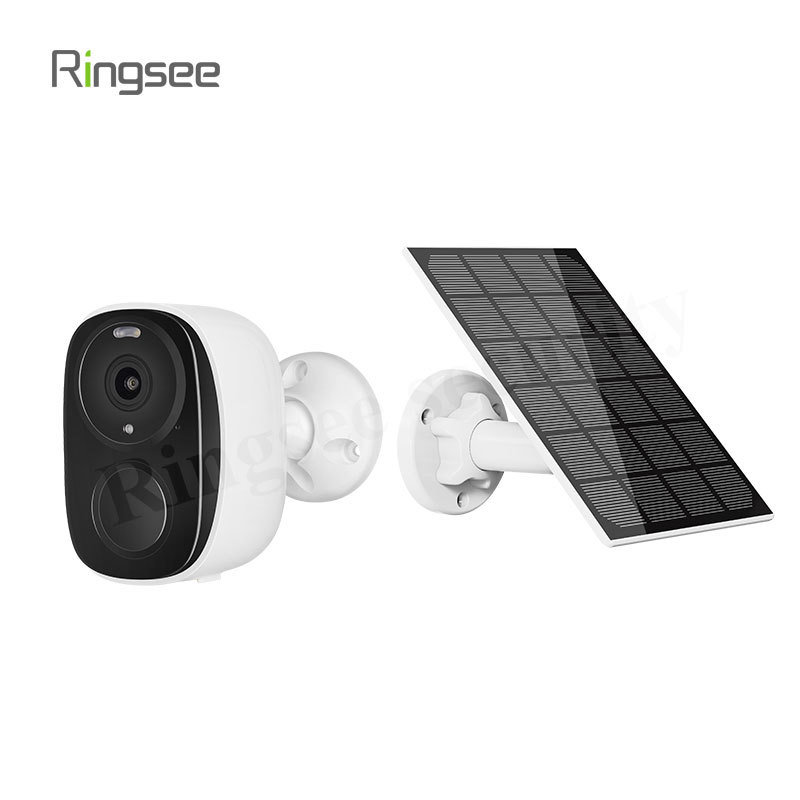
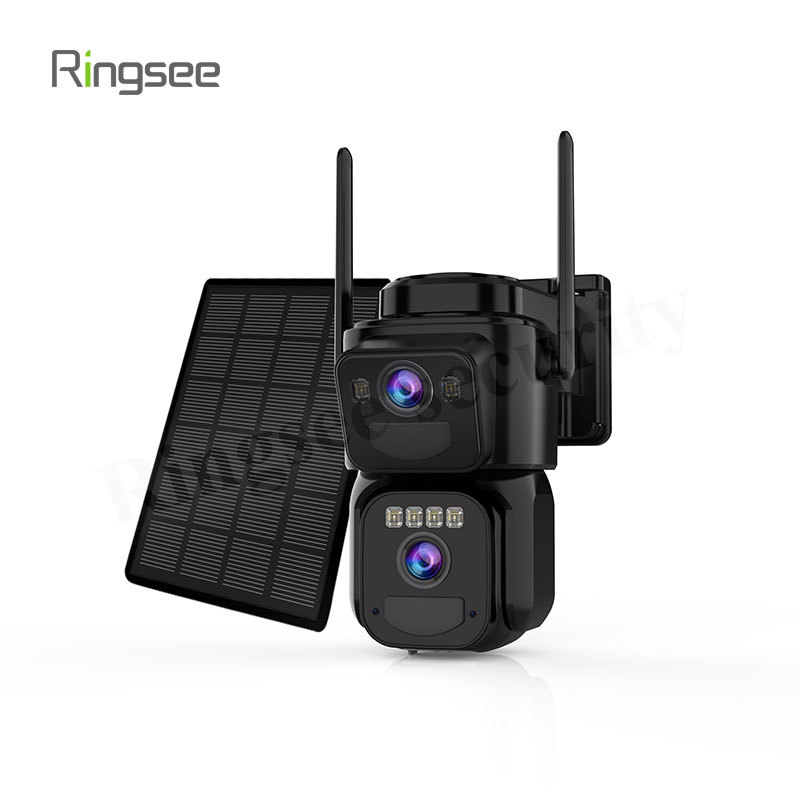
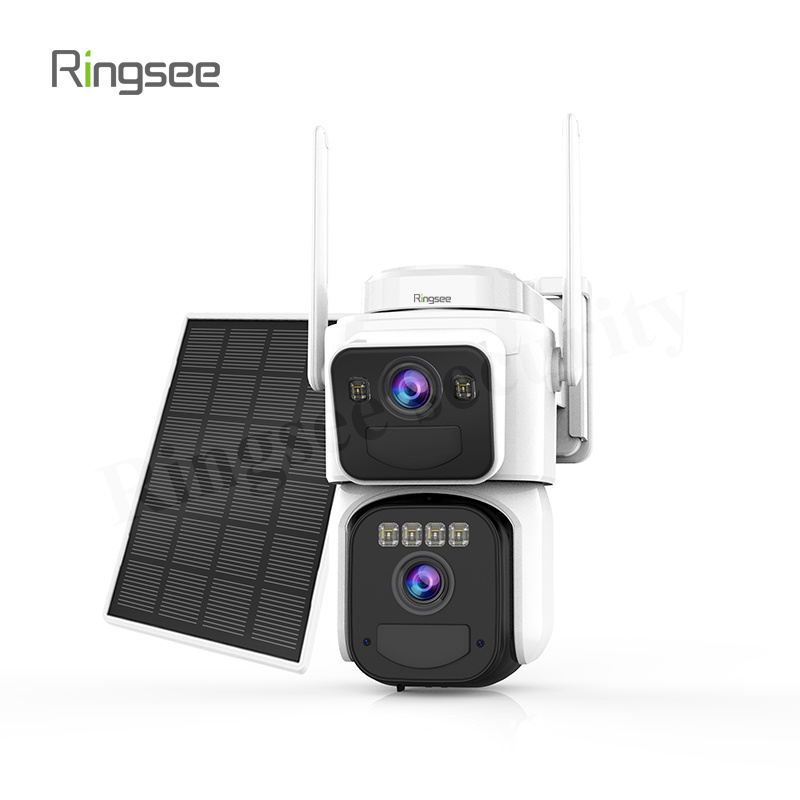
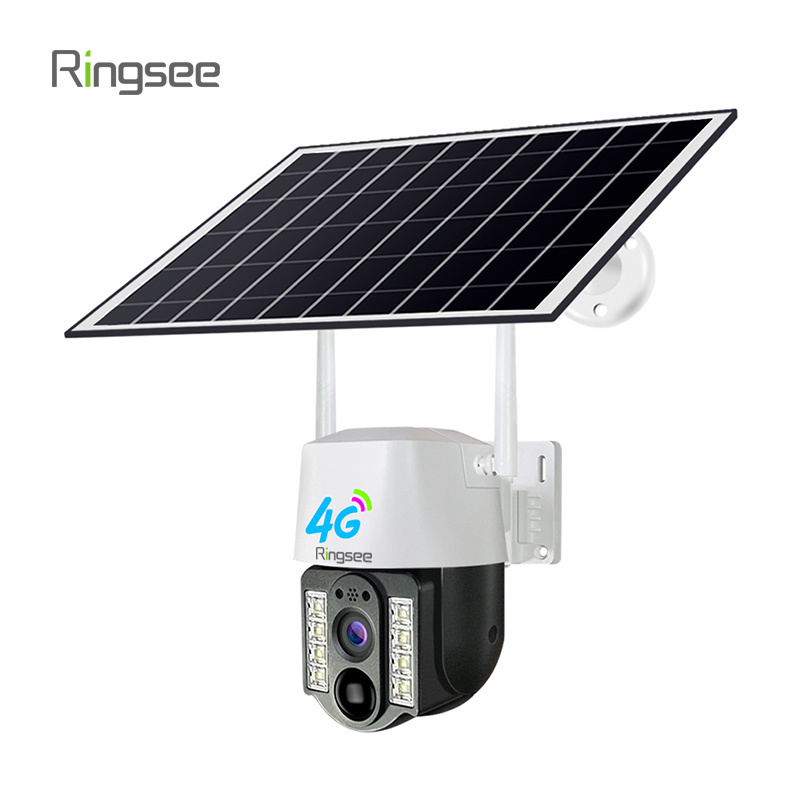
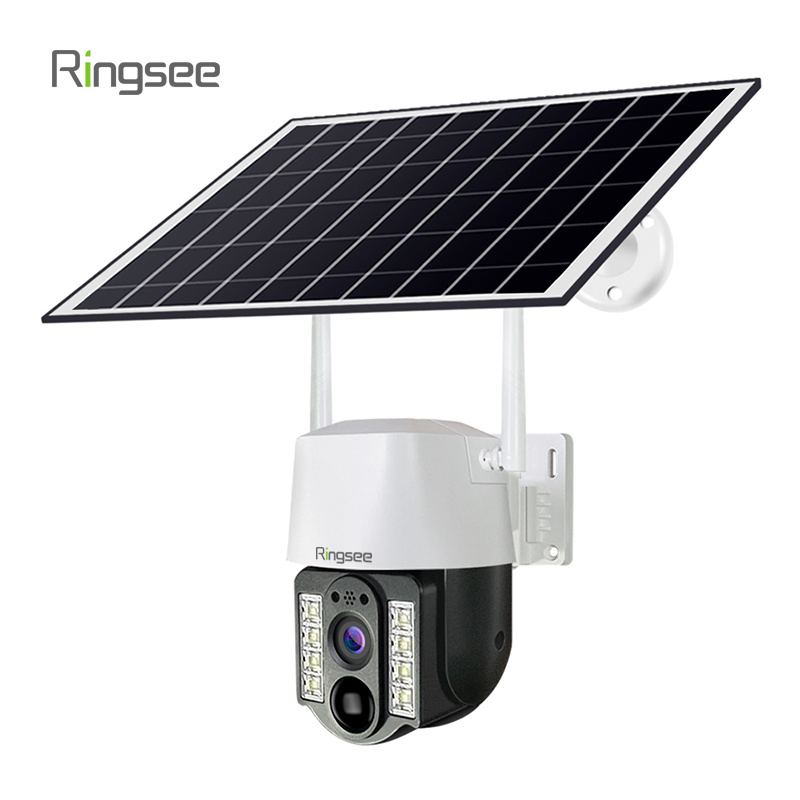
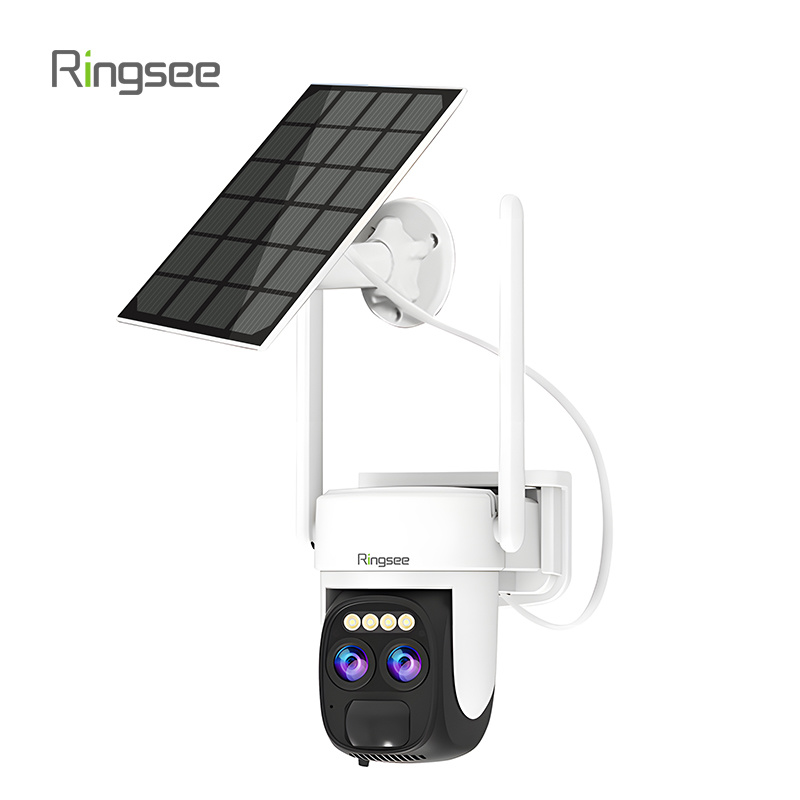
- Integrated Solar Power: Solutions like the Ringsee solar cameras ensure continuous operation, preventing missed opportunities due to battery depletion.
Related News
PoE was power. This is control: CCTV Network Security Hardening Guide
Short answer: video systems get breached the boring way, not through clever exploits - (1) factory default credentials never changed, (2) camera or NVR management ports forwarded to the public internet, (3) no separation between the CCTV network and the office LAN. Do three things: replace every default account and disableTelnet/FTP/UPnP/raw RTSP; put cameras in their own VLAN and only allow the NVR to initiate sessions; and reach video over VPN or a zero-trust gateway instead of a port mapping.
Oct 03,2026
PoE Power Design Guide for Security Cameras: Power Budget, Cable Voltage Drop and Distance Limits
Most "cameras keep restarting at night" incidents are not camera defects — they are power design errors. Three root causes cover the overwhelming majority of PoE failures: the power budget was sized on daytime draw instead of night peak, the cable is too thin so voltage drop exceeds the device undervoltage threshold, and the run simply exceeds the 100-metre channel limit. Memorise three numbers and you avoid most of the traps: 802.3af delivers 15.4 W, 802.3at delivers 30 W, and cable reach stops at 100 m.
Oct 03,2026
Bitrate (Mbps) is the single parameter that determines hard drive size, switch selection, and remote-viewing smoothness. Two formulas answer everything: storage per camera per day (GB) ≈ bitrate × 10.8, and total bandwidth = sum of simultaneous bitrates × 1.3 headroom. This guide covers encoding, calculation, and procurement sizing.
Sep 26,2026
CCTV Night Vision Technology Explained: Infrared vs Starlight Full-Color vs Hybrid Light
Three night vision routes and their real limits: 850nm vs 940nm infrared (red glow and range trade-offs), the lux threshold of true starlight cameras (0.001-0.005 lux), light-pollution risks of warm-light supplement, and AI-triggered hybrid switching — plus a six-point datasheet verification method and a 20-minute night PoC test.
Sep 26,2026
CCTV Lens Selection Technical Guide: Focal Length, Pixel Density & the DORI Standard in Practice
Why can't a 4K camera read faces? Because identification depends on pixel density, not total pixels. Using the EN 62676-4 DORI standard, this guide gives the full focal-length / distance / field-of-view formulas, a lens selection lookup table, and the real impact of sensor size and aperture on night vision.
Sep 19,2026
Links:One Belt Power Technology
Add: 14th Floor, Baoshan Building, Longhua District, Shenzhen China.
Privacy Policy | SEO | CitySite | Support: 300.cn Dongguan