
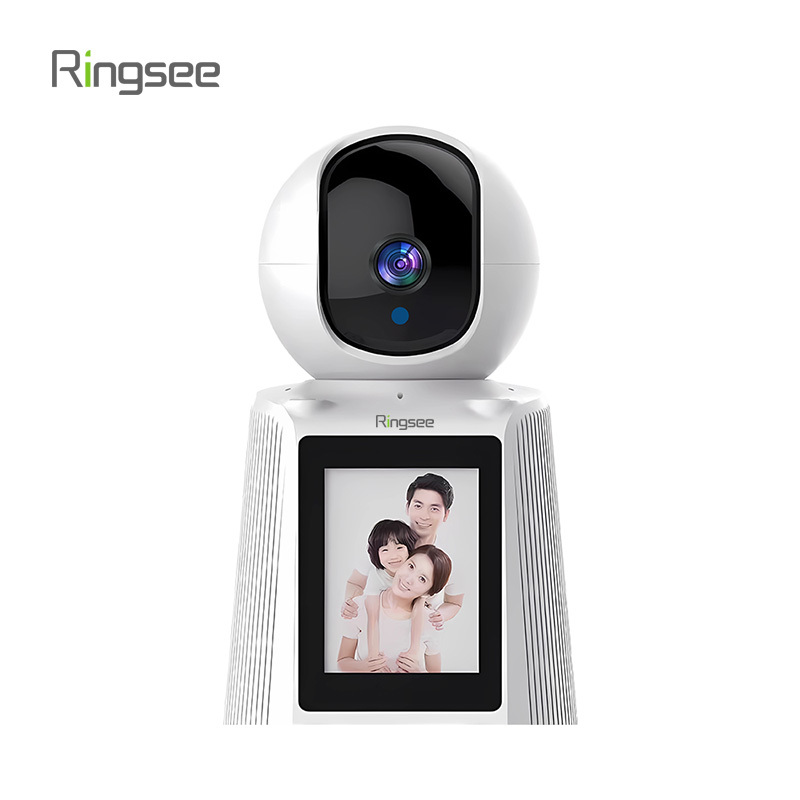
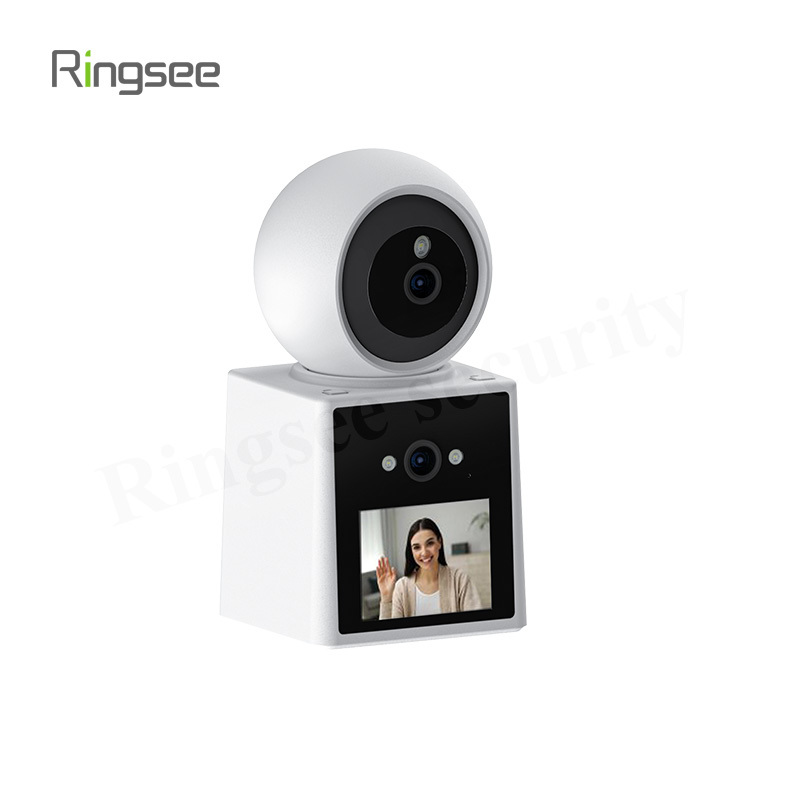
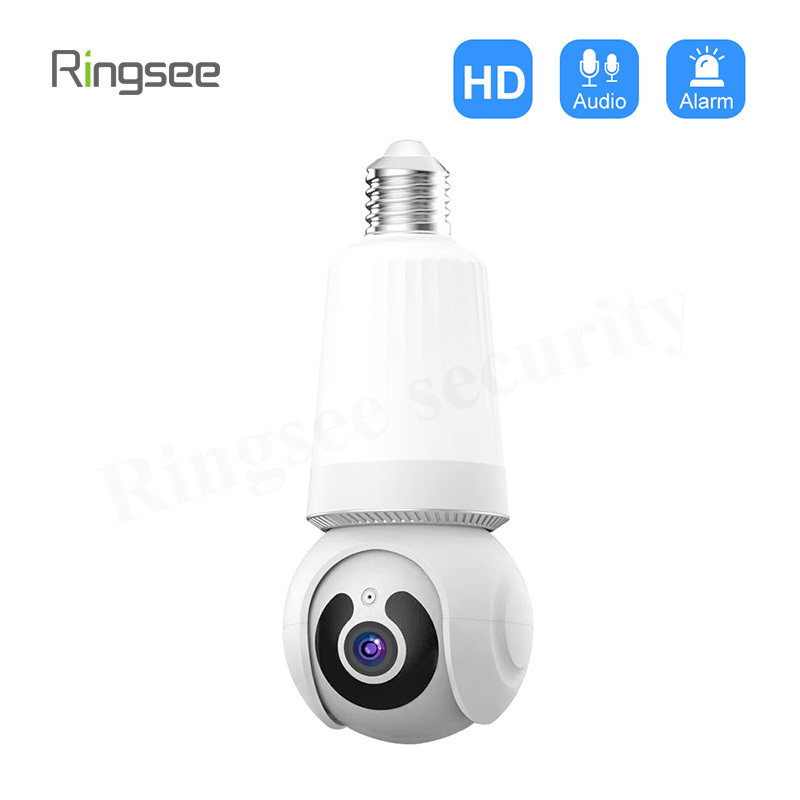
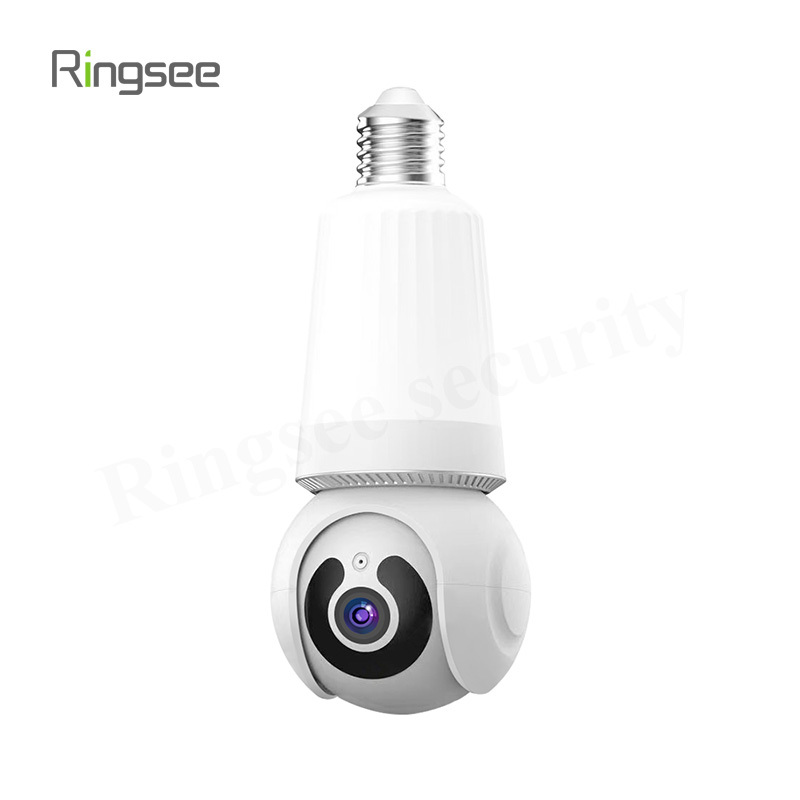





The Evolution of AI Smart Cameras: 2025 Trends, Technology, and Real-World Applications
Publish:
2025-11-26 15:31
Source:
https://www.ring-see.com
AI Smart Cameras are transforming industries by integrating artificial intelligence into surveillance systems. Explore the market trends, advantages, challenges, and future developments of AI cameras in sectors like security, retail, and smart cities. Learn about the expected growth and the role of AI in reshaping video surveillance technology.
The security industry is undergoing a fundamental shift from "passive recording" to "proactive analysis." AI Smart Cameras are no longer just tools for capturing evidence after a crime has occurred; they are intelligent sensors that prevent incidents before they happen.
By 2025, the global market for AI-powered video surveillance is projected to exceed $12 billion, driven by breakthroughs in Edge Computing and Deep Learning. This report explores how these technologies are reshaping security, retail, and smart home sectors, and why businesses are rapidly upgrading their infrastructure.
From "Motion Detection" to "Behavioral Analysis"
Traditional security cameras relied on simple pixel-based motion detection. If a tree blew in the wind or a shadow shifted, the alarm would trigger. This led to "alert fatigue," where security teams ignored warnings due to the sheer volume of false positives.
Modern AI Smart Cameras
Human Detection: Differentiates between a person and a pet or moving vehicle.
Facial Recognition: Identifies known personnel for access control or blacklisted individuals for security alerts.
Behavioral Anomalies: Detects loitering, aggressive movement, or a person falling down (vital for elderly care).
Key Market Trends Driving Growth in 2025
1. The Rise of Edge AI
Historically, cameras sent heavy video files to a central server or cloud for analysis, which caused latency (delays) and high bandwidth costs. The new standard is Edge AI, where the processing happens directly on the camera's chip.
Lower Latency: Decisions are made in milliseconds. If a
Privacy: Sensitive data is processed locally, meaning raw footage of faces doesn't necessarily leave the device.
2. Integration with IoT and Smart Homes
Consumers are moving beyond simple doorbells. They now demand ecosystems where cameras interact with lights, locks, and alarms. For example,
Real-World Applications: Who Needs AI Cameras?
Retail & Business Intelligence
For retailers, security cameras have evolved into business intelligence tools.
Heat Mapping: Store managers use
Queue Management: AI can count the number of people in line and notify management to open a new register if the wait time exceeds a threshold.
Theft Prevention: specialized algorithms can detect "stashing" motions, alerting security to potential shoplifting in real-time.
Smart Cities & Traffic Management
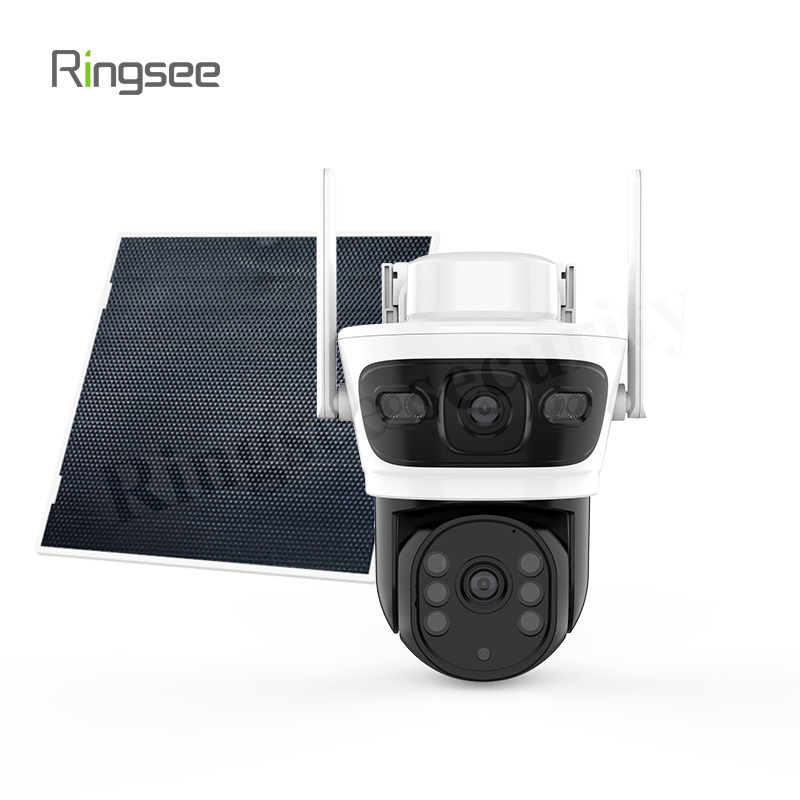
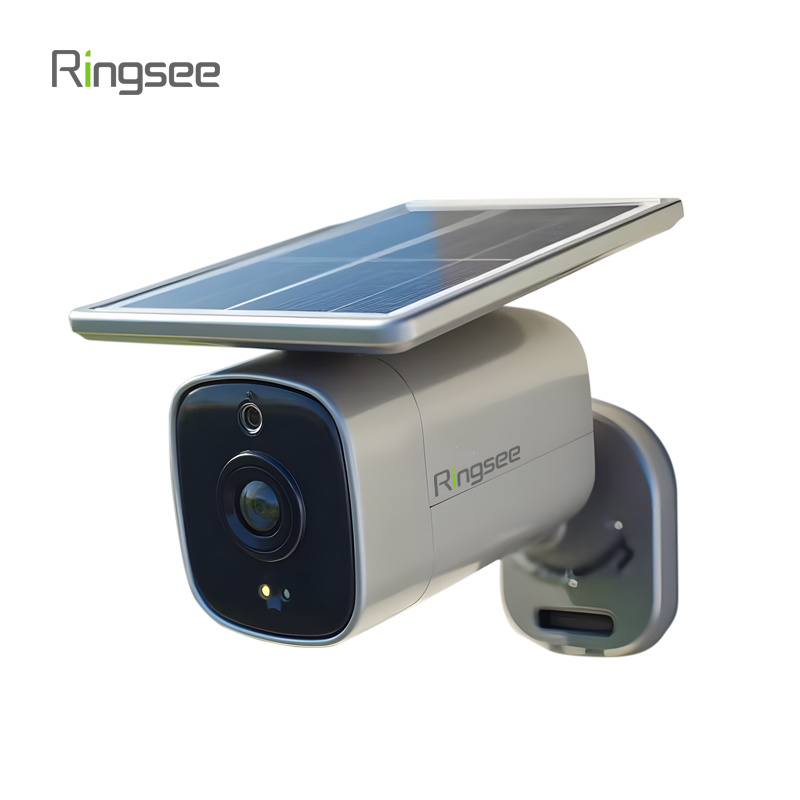
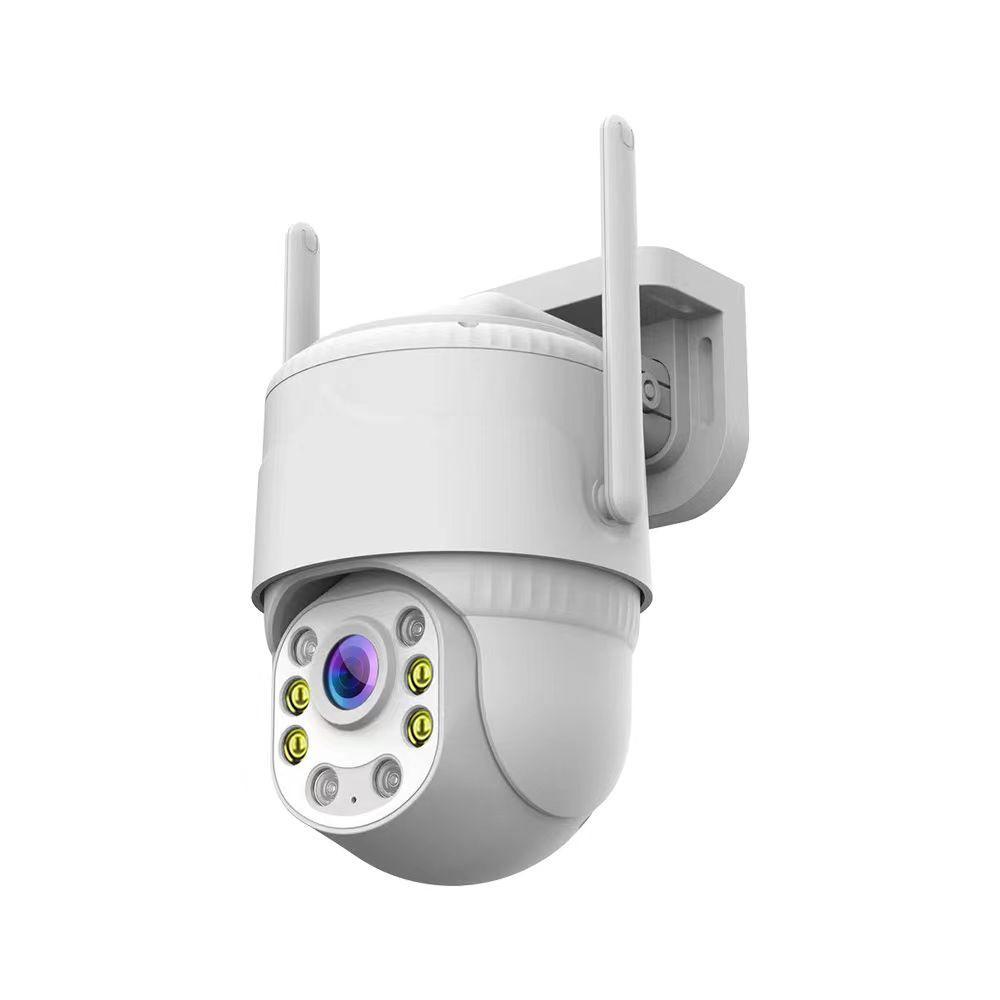
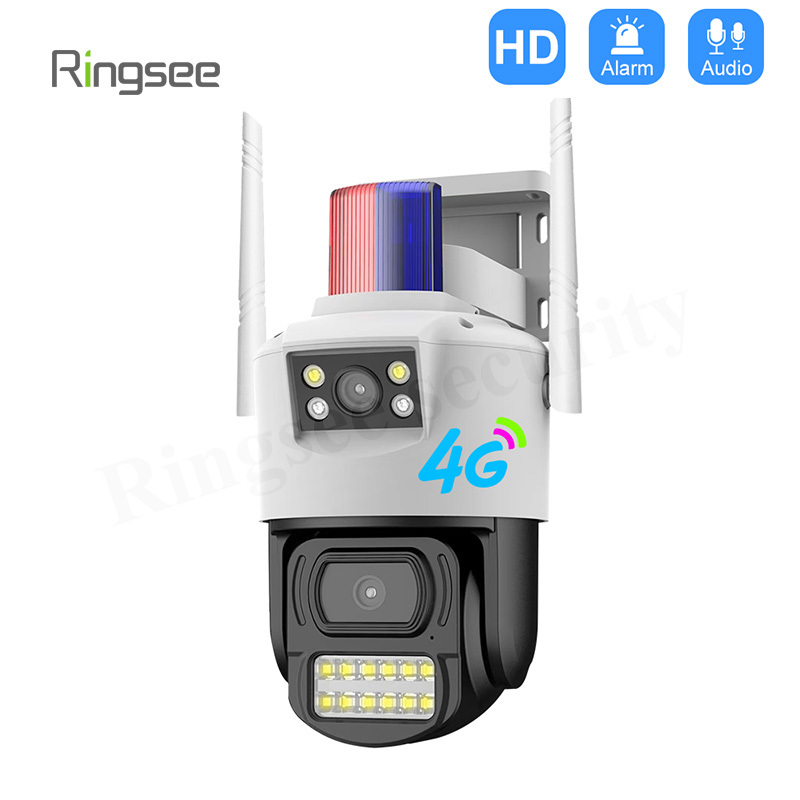
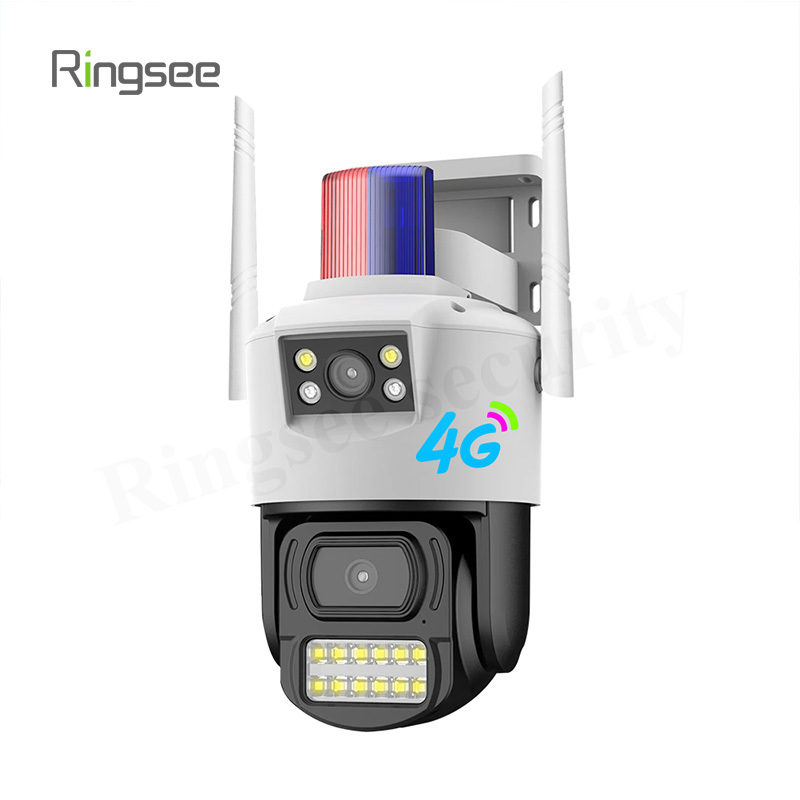
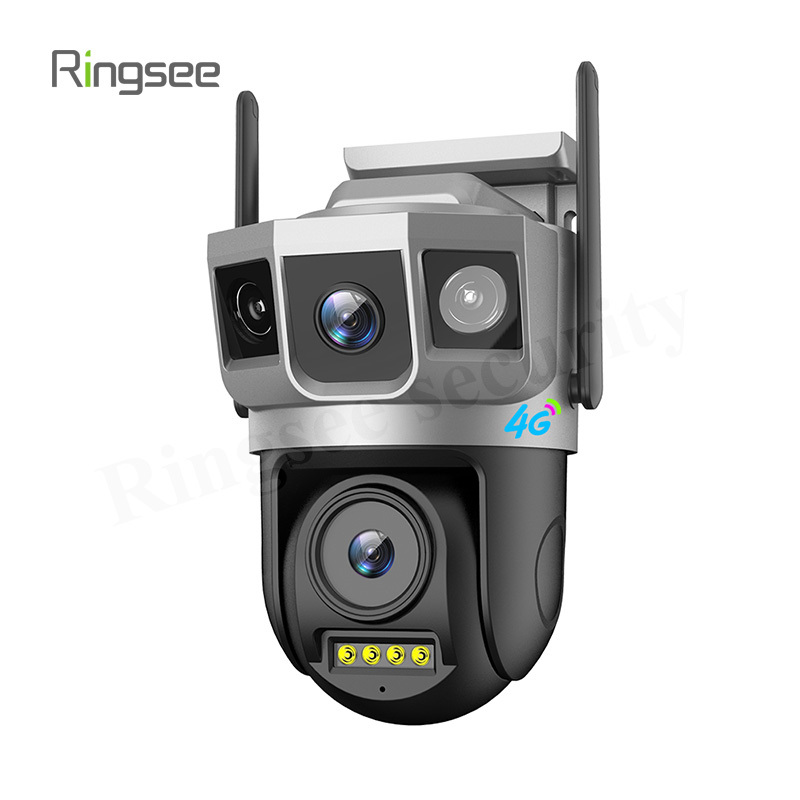
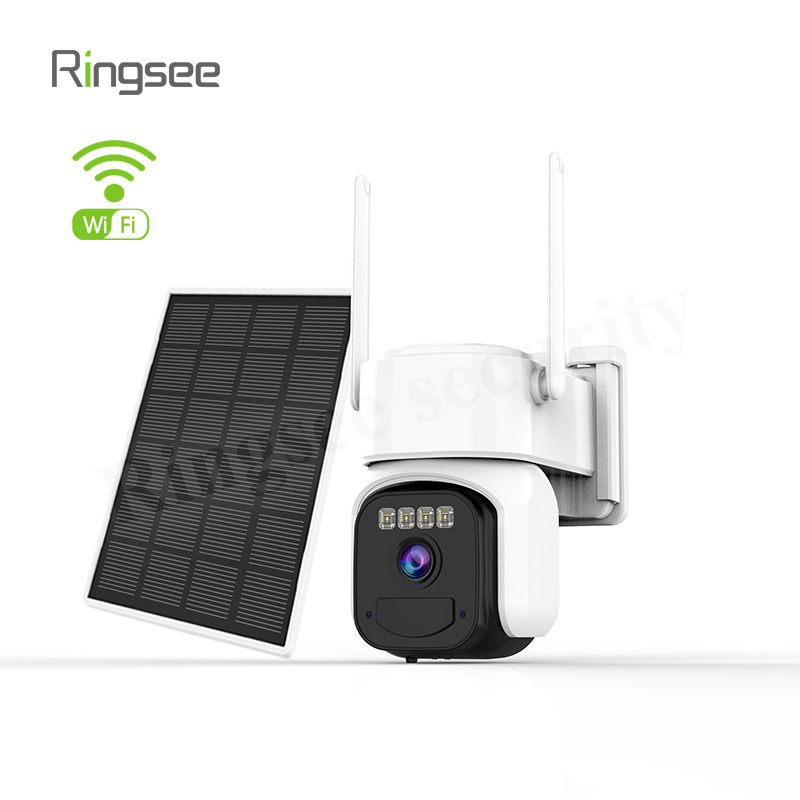
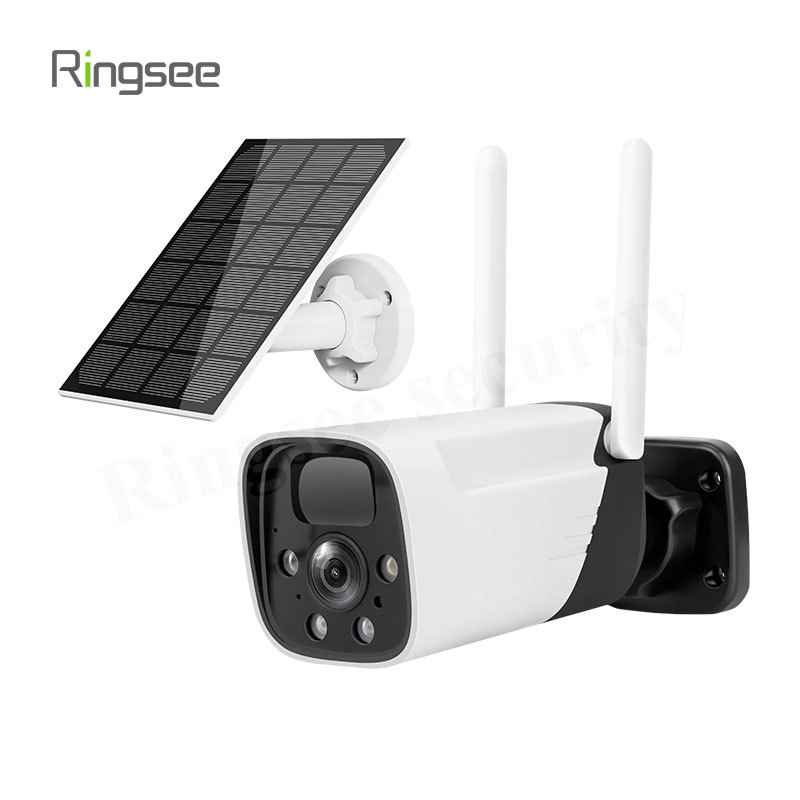
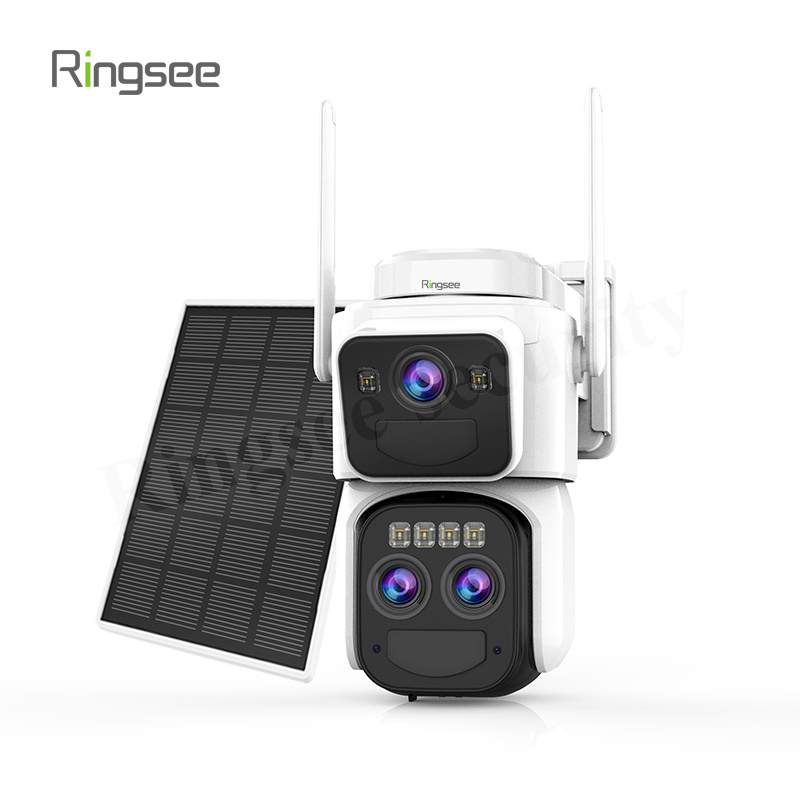
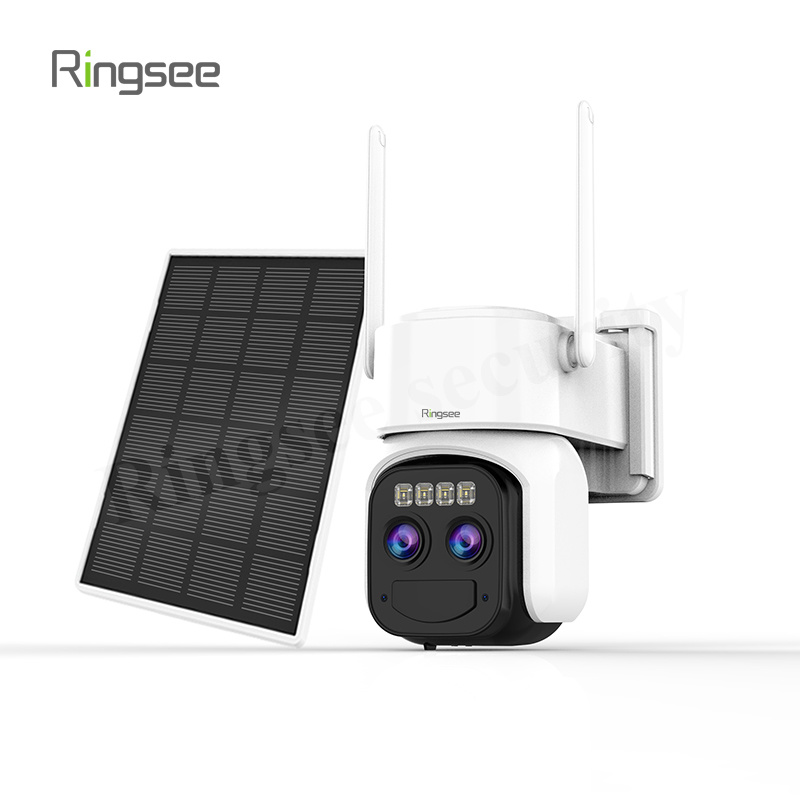
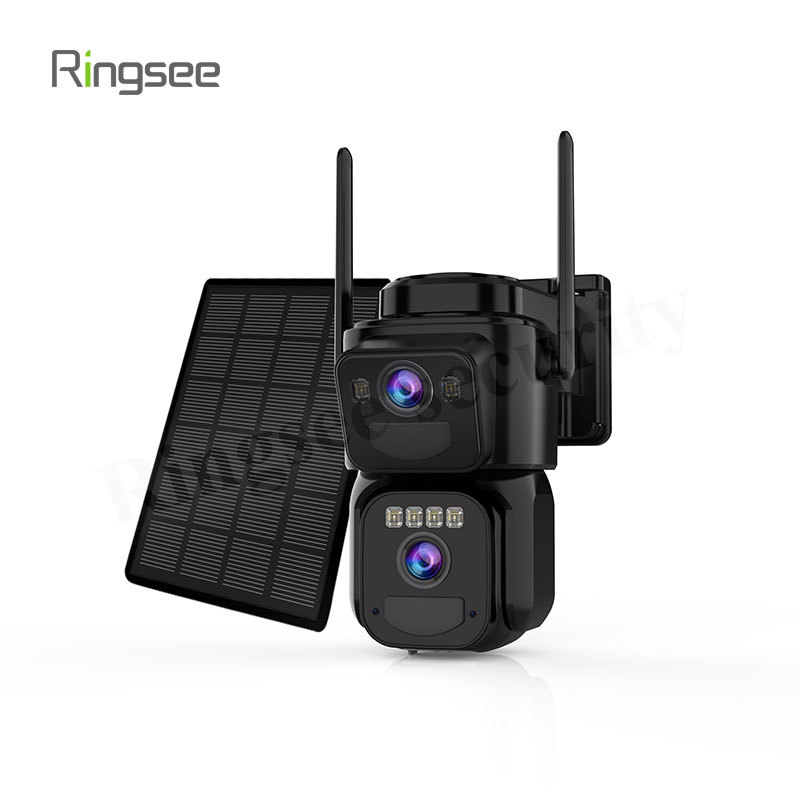
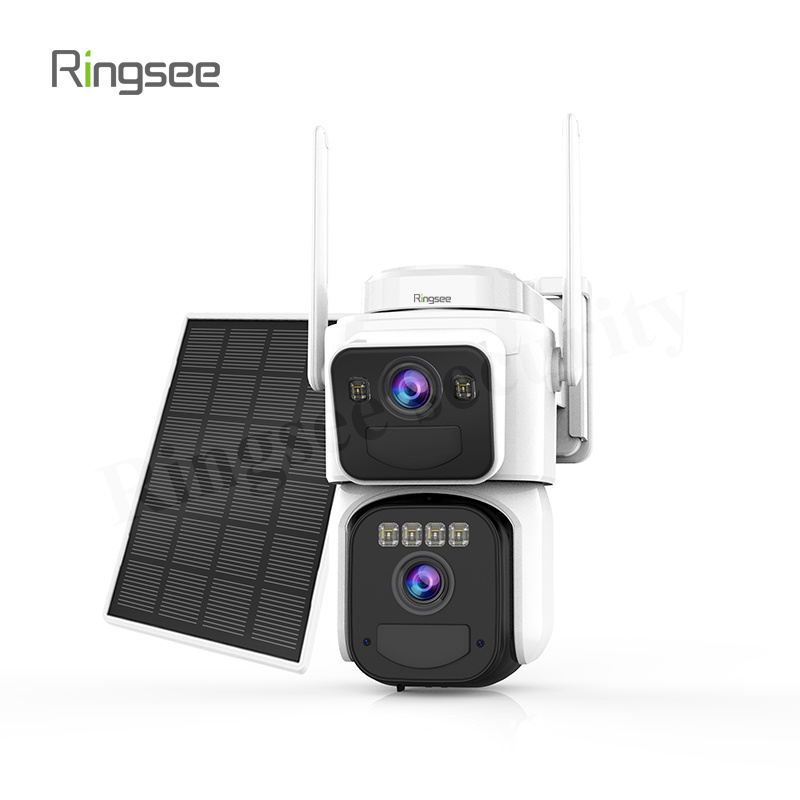
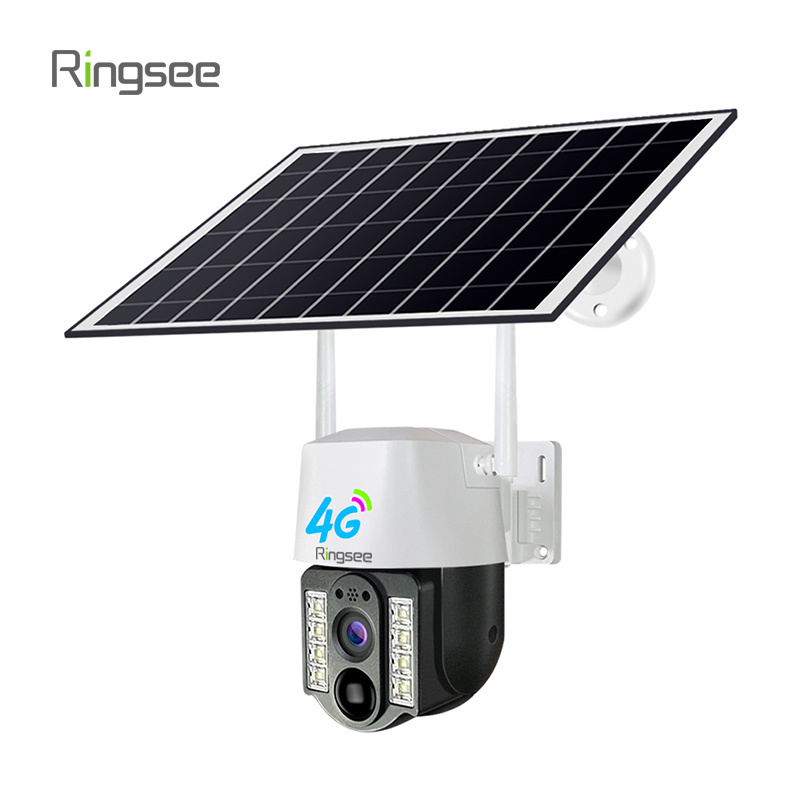
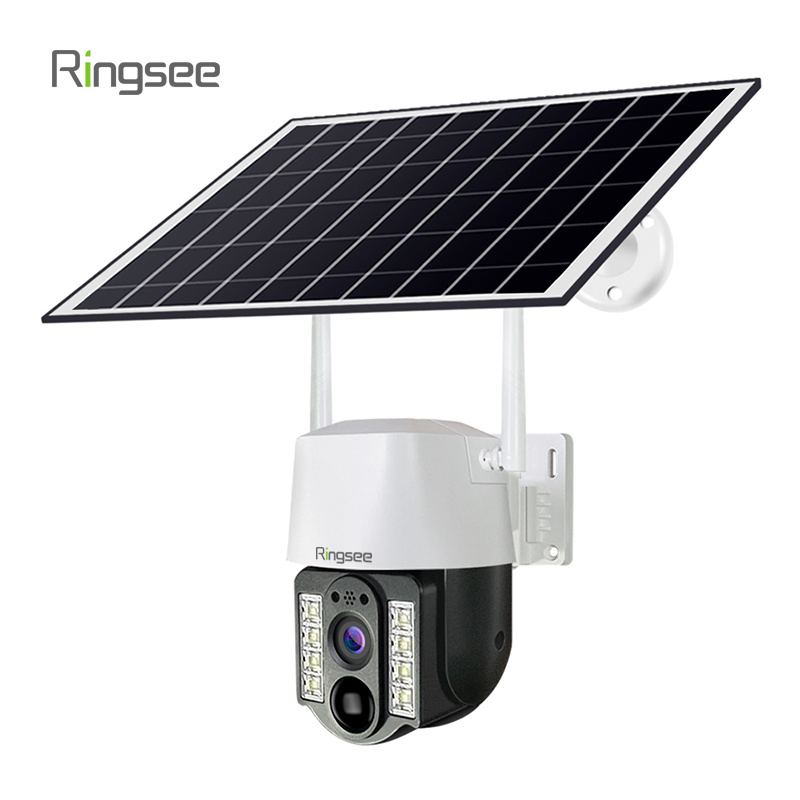
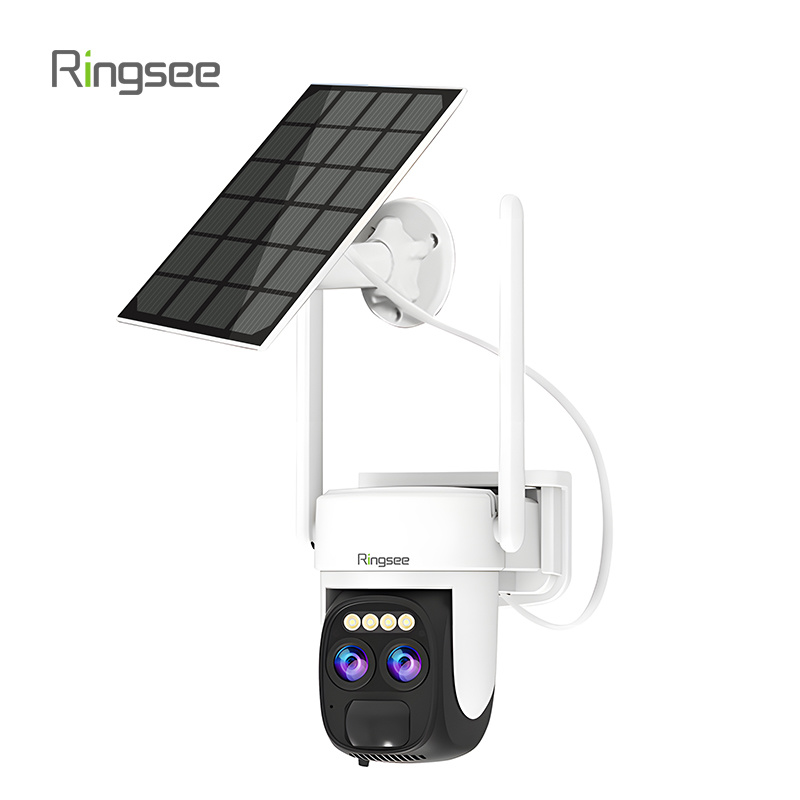
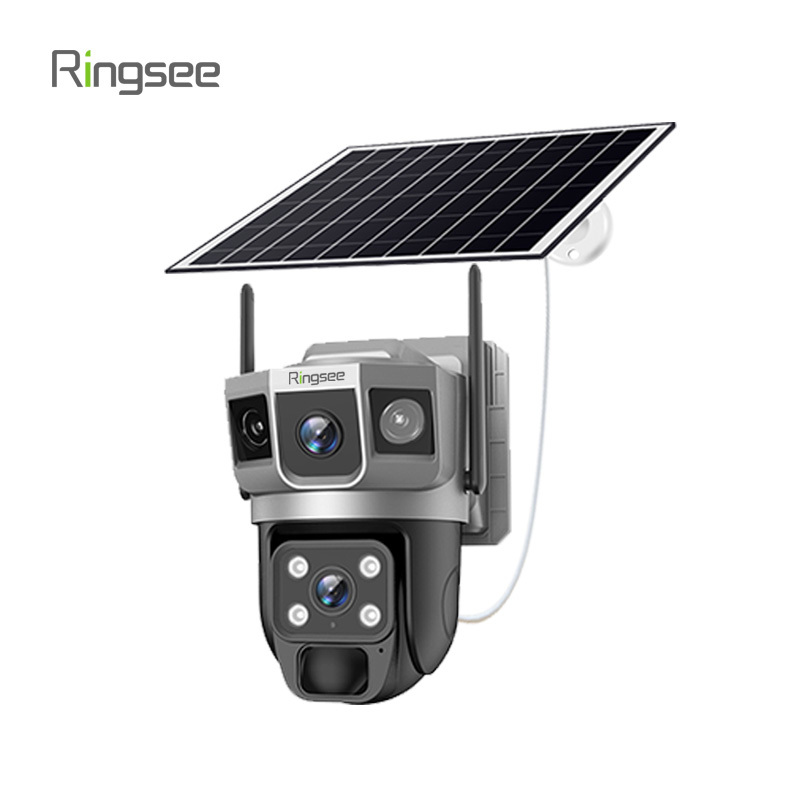
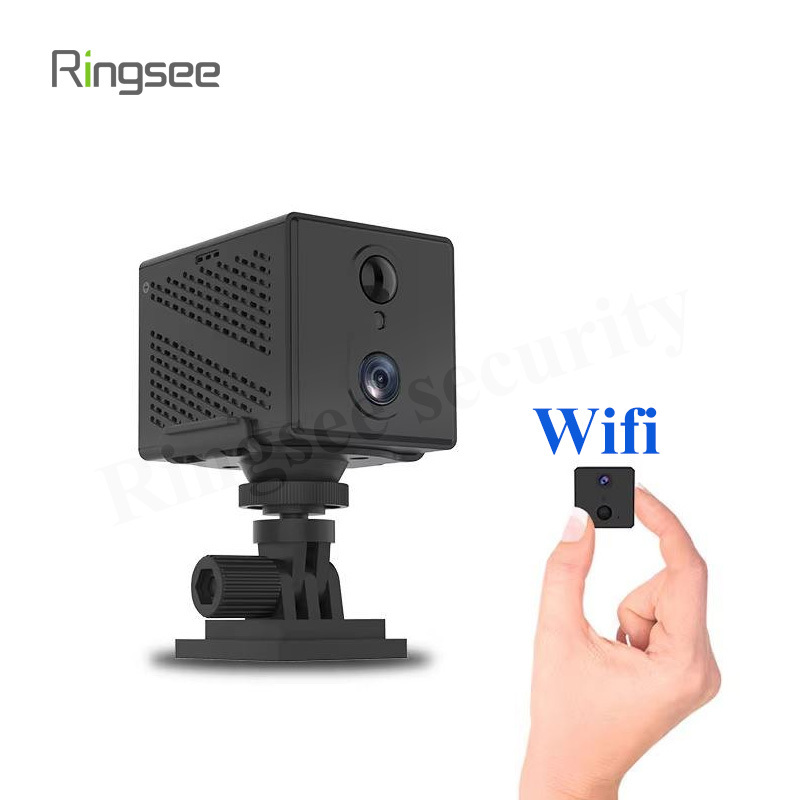
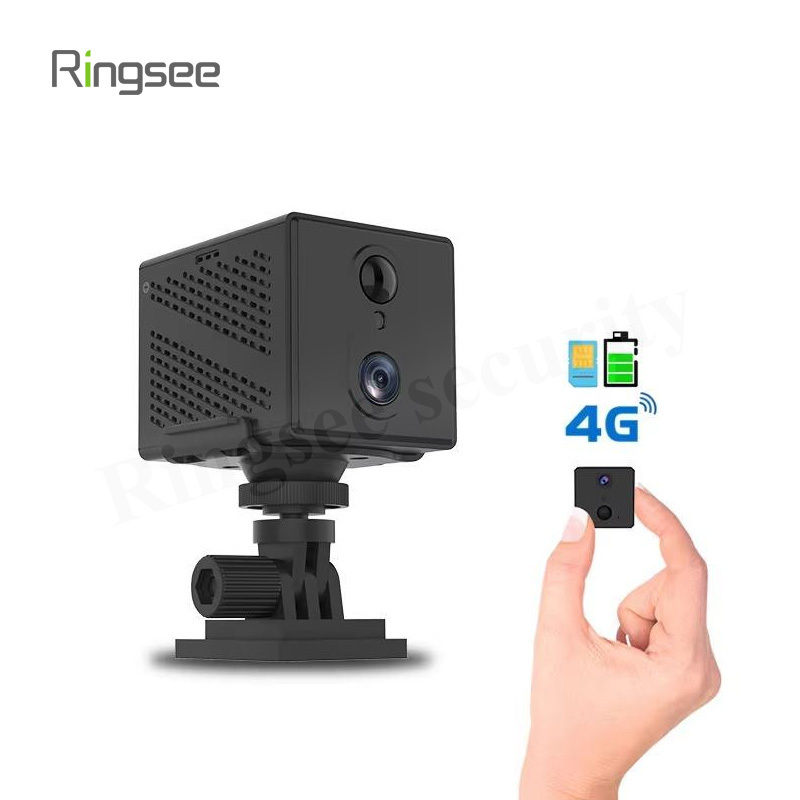
Municipalities are deploying Outdoor 4G/Solar Cameras
Home & Family Safety
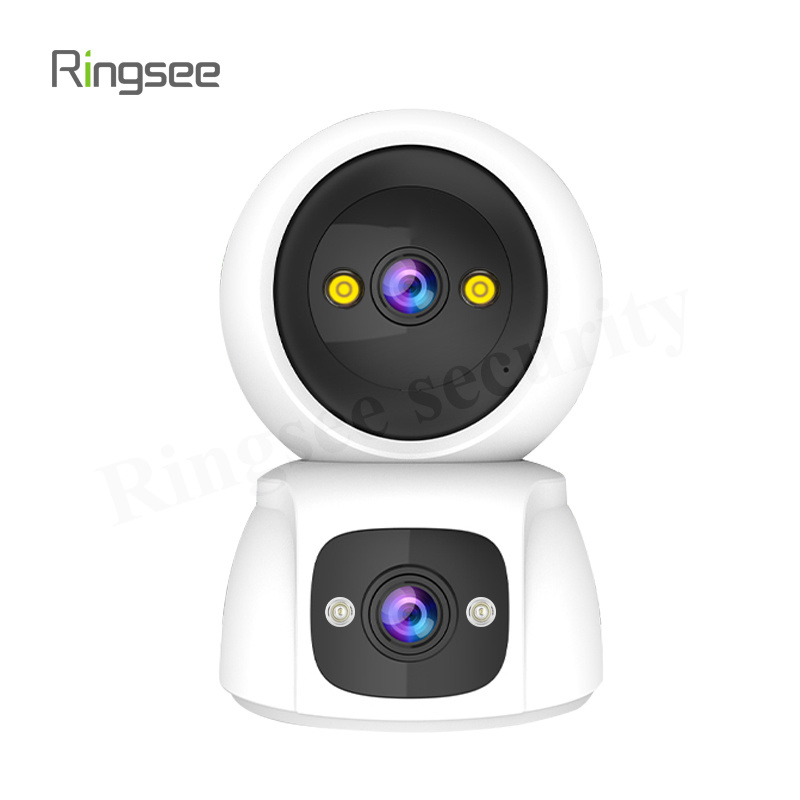
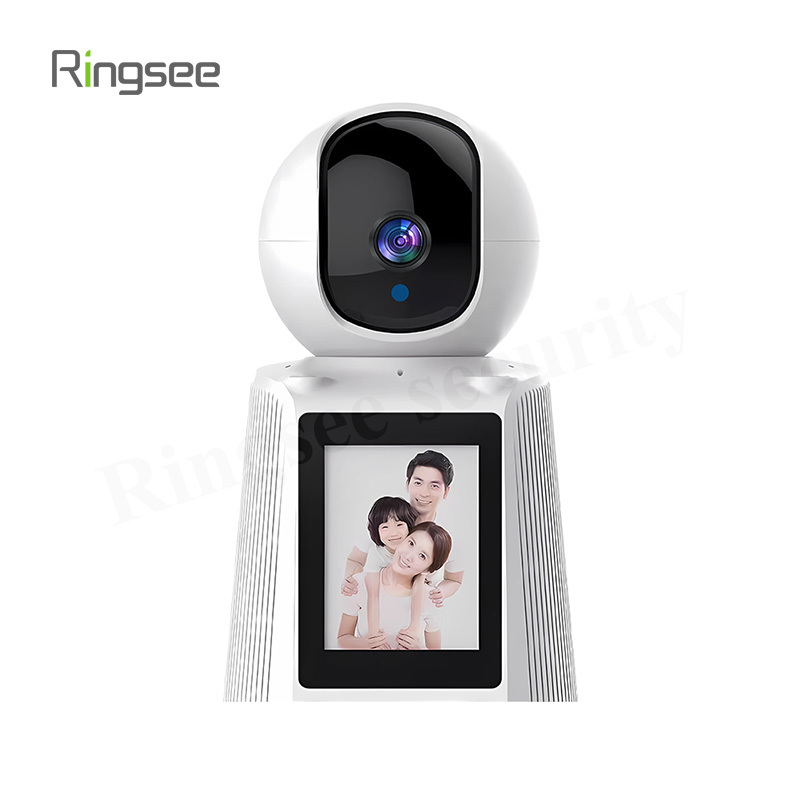
The "Nanny Cam" has been replaced by intelligent Baby Cameras

FAQ: Common Questions About AI Security Cameras
Do AI security cameras record all the time? Most AI cameras are designed to record events to save storage and bandwidth. However, many wired models, such as our AOV Camera Series
How do AI cameras reduce false alarms? Unlike traditional motion sensors, AI cameras use Deep Learning models trained on millions of images. They "know" what a person looks like from various angles. This reduces false alarms caused by rain, bugs, or swaying trees by up to 95%.。
Are AI cameras a privacy risk? Privacy is a valid concern. To mitigate this, many modern systems use "Privacy Masking" to block out sensitive areas (like a neighbor's window) and process data locally (Edge AI) so that video feeds are not constantly streamed to the cloud unless an event occurs.
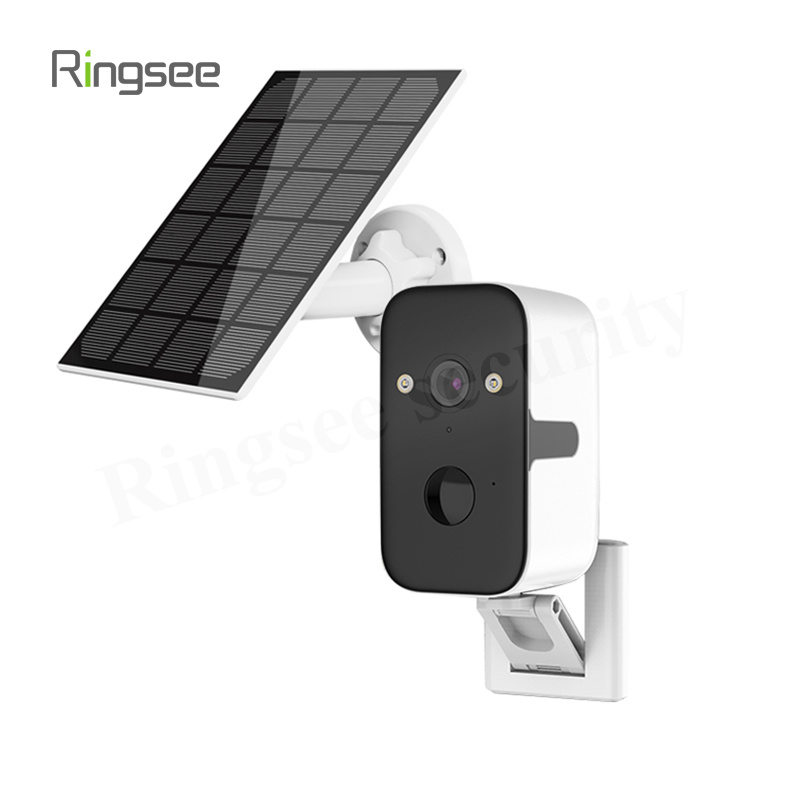
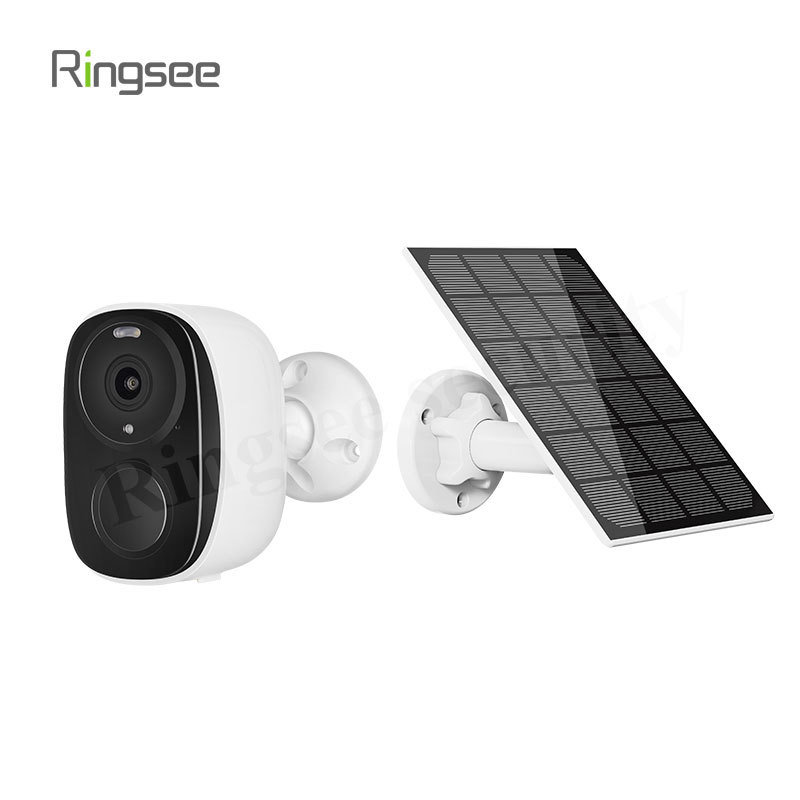
Is the cost of AI cameras worth it for small businesses? While the upfront cost is slightly higher than analog CCTV, the Return on Investment (ROI) is significant. Reducing theft by even 1% or eliminating the cost of a physical security guard can pay for the system in months. Additionally, Low-Power Battery Cameras
Conclusion
The future of security is intelligent, autonomous, and proactive. Whether you are securing a retail storefront, monitoring a remote construction site, or protecting your newborn, switching to an AI-enabled system ensures you are alerted only when it matters.
Prev:
Related News
PoE was power. This is control: CCTV Network Security Hardening Guide
Short answer: video systems get breached the boring way, not through clever exploits - (1) factory default credentials never changed, (2) camera or NVR management ports forwarded to the public internet, (3) no separation between the CCTV network and the office LAN. Do three things: replace every default account and disableTelnet/FTP/UPnP/raw RTSP; put cameras in their own VLAN and only allow the NVR to initiate sessions; and reach video over VPN or a zero-trust gateway instead of a port mapping.
Oct 03,2026
PoE Power Design Guide for Security Cameras: Power Budget, Cable Voltage Drop and Distance Limits
Most "cameras keep restarting at night" incidents are not camera defects — they are power design errors. Three root causes cover the overwhelming majority of PoE failures: the power budget was sized on daytime draw instead of night peak, the cable is too thin so voltage drop exceeds the device undervoltage threshold, and the run simply exceeds the 100-metre channel limit. Memorise three numbers and you avoid most of the traps: 802.3af delivers 15.4 W, 802.3at delivers 30 W, and cable reach stops at 100 m.
Oct 03,2026
Bitrate (Mbps) is the single parameter that determines hard drive size, switch selection, and remote-viewing smoothness. Two formulas answer everything: storage per camera per day (GB) ≈ bitrate × 10.8, and total bandwidth = sum of simultaneous bitrates × 1.3 headroom. This guide covers encoding, calculation, and procurement sizing.
Sep 26,2026
CCTV Night Vision Technology Explained: Infrared vs Starlight Full-Color vs Hybrid Light
Three night vision routes and their real limits: 850nm vs 940nm infrared (red glow and range trade-offs), the lux threshold of true starlight cameras (0.001-0.005 lux), light-pollution risks of warm-light supplement, and AI-triggered hybrid switching — plus a six-point datasheet verification method and a 20-minute night PoC test.
Sep 26,2026
CCTV Lens Selection Technical Guide: Focal Length, Pixel Density & the DORI Standard in Practice
Why can't a 4K camera read faces? Because identification depends on pixel density, not total pixels. Using the EN 62676-4 DORI standard, this guide gives the full focal-length / distance / field-of-view formulas, a lens selection lookup table, and the real impact of sensor size and aperture on night vision.
Sep 19,2026
Links:One Belt Power Technology
Add: 14th Floor, Baoshan Building, Longhua District, Shenzhen China.
Privacy Policy | SEO | CitySite | Support: 300.cn Dongguan