





The Evolving Market for Light Bulb Security Cameras: 2025 Overview and Future Outlook
Publish:
2025-06-25 10:34
Source:
https://www.ring-see.com
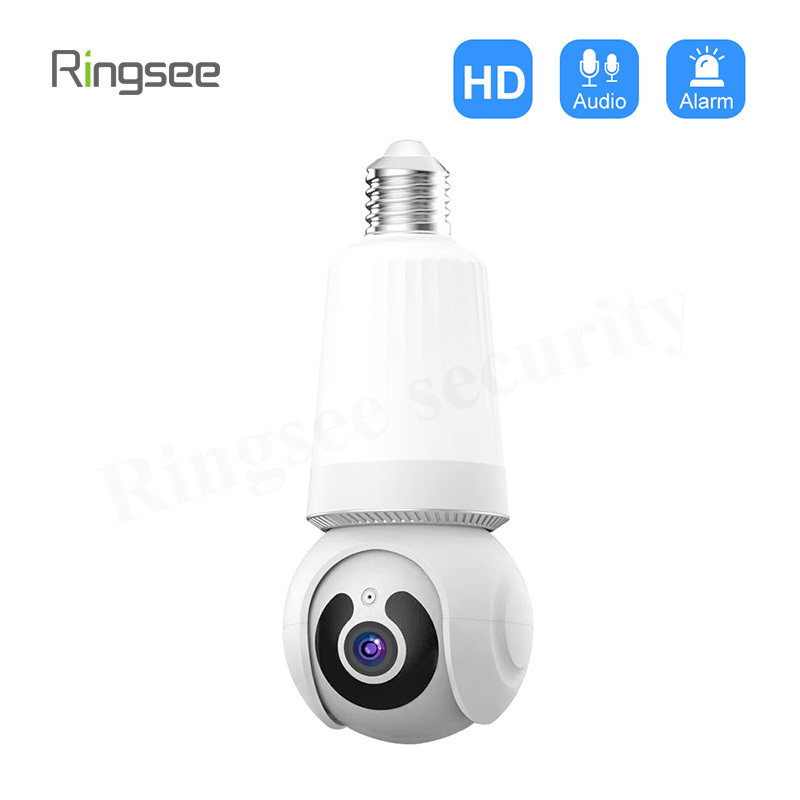
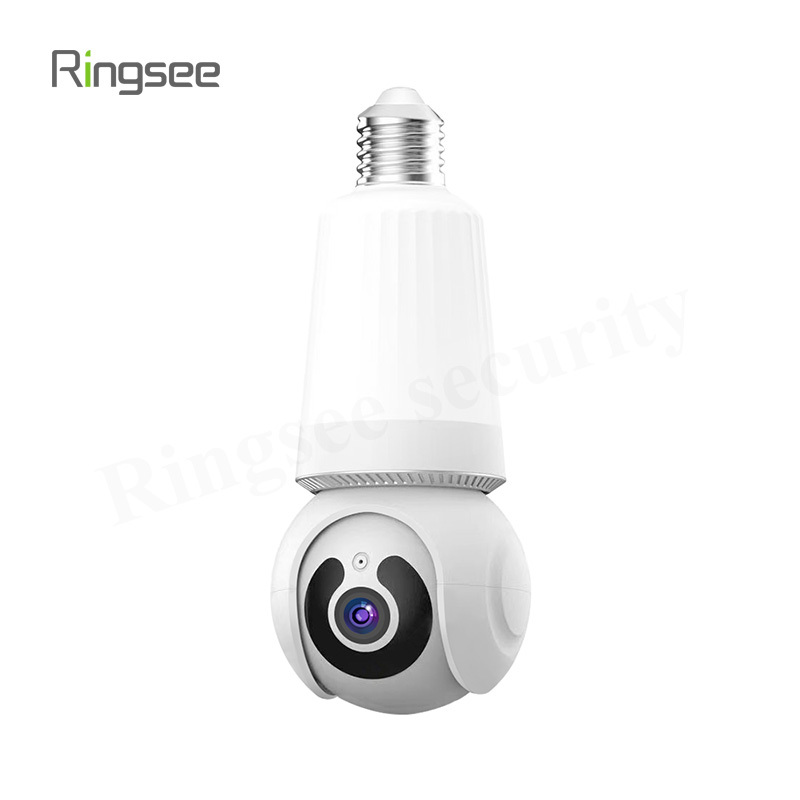
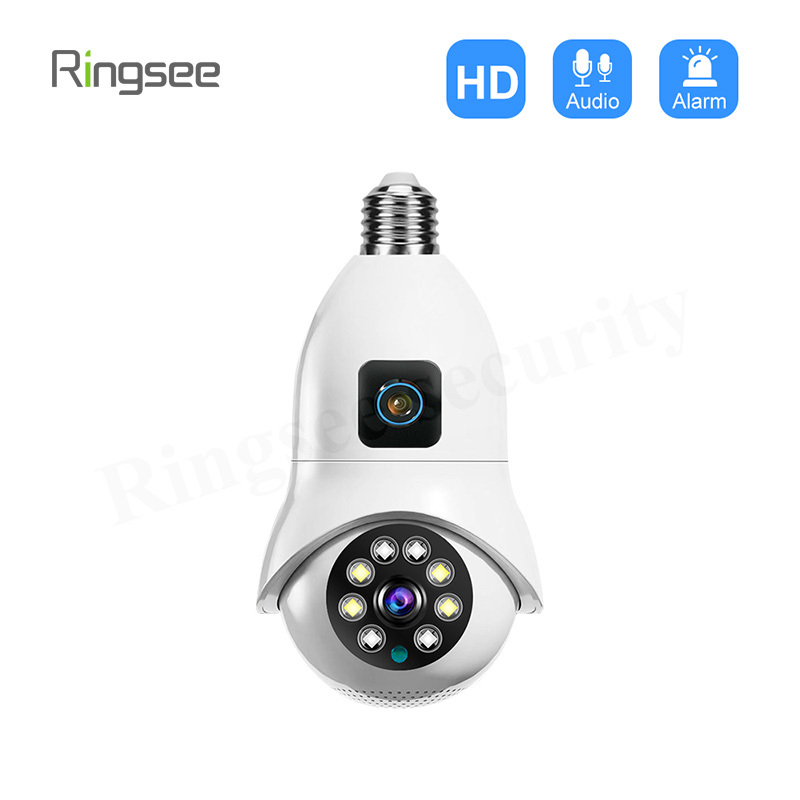
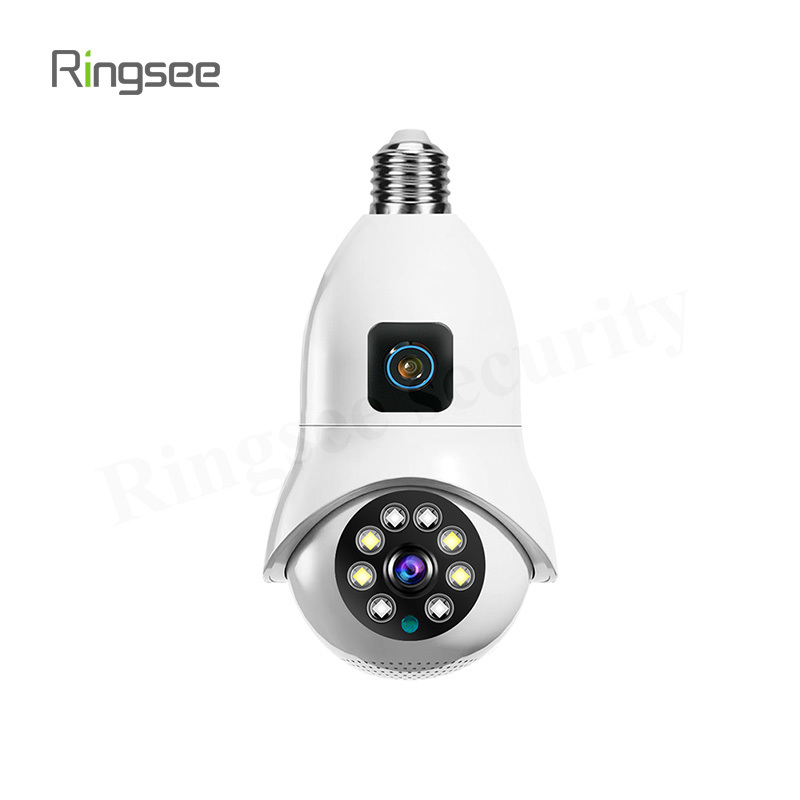
Light bulb security cameras—LED bulbs equipped with integrated surveillance modules—combine illumination and discreet video monitoring in a single, Wi-Fi-enabled device.
Light bulb security cameras—LED bulbs equipped with integrated surveillance modules—combine illumination and discreet video monitoring in a single, Wi-Fi-enabled device. Popular in both residential and light-commercial settings, these cameras offer 360° coverage, built-in motion detection, two-way audio, and easy app-based management. Below, we explore the latest market figures, seasonal sales trends, and the projected trajectory for this niche within the broader smart-lighting/security industry.
Market Size & Annual Sales Volume
2023 Market Valuation:
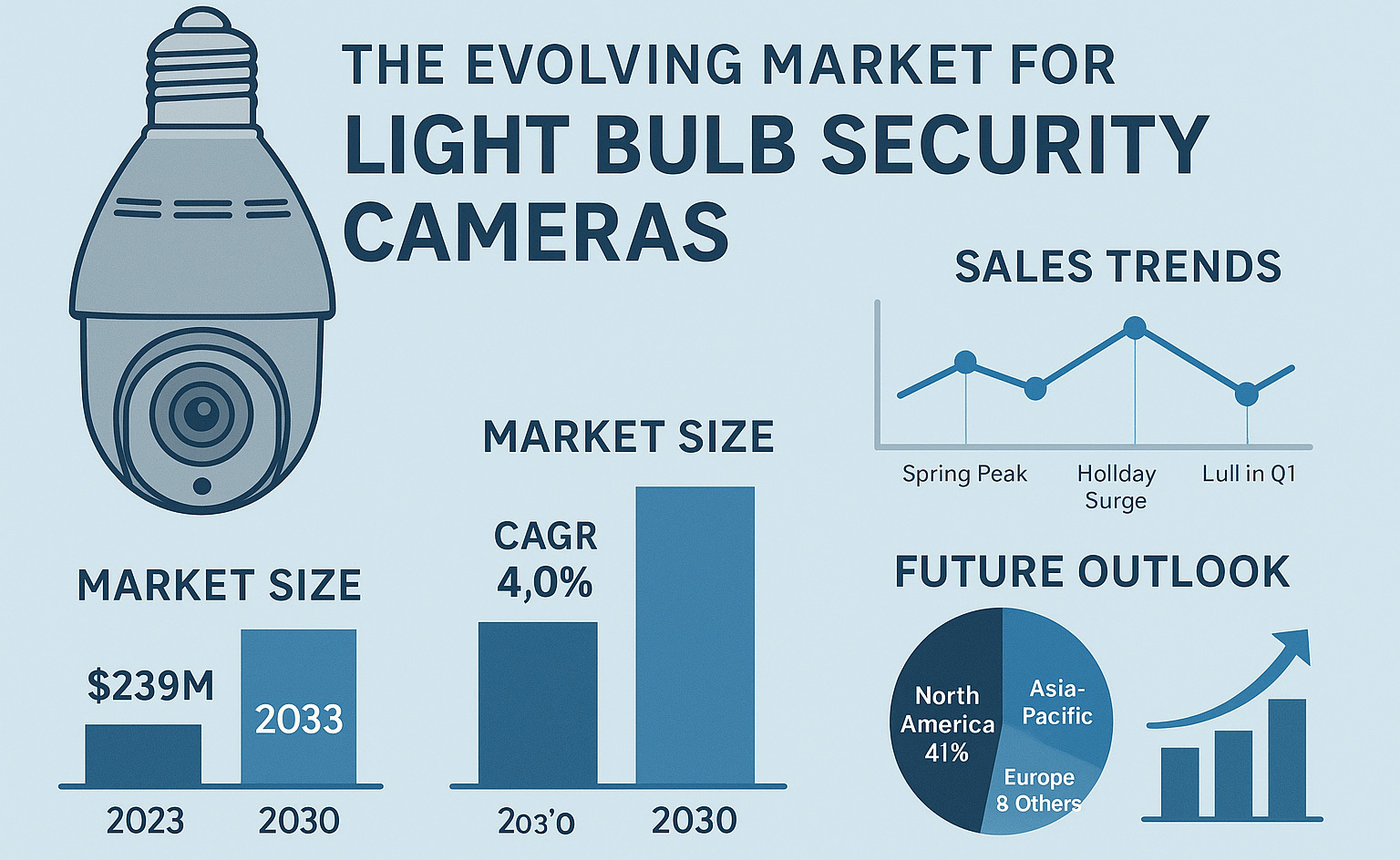
According to Valuates, the global smart home security light bulb segment was valued at US $239.3 million in 2023, with a projected increase to US $313.7 million by 2030 (CAGR 4.0% for 2024–2030).
Alternative Estimate:
A separate report by Verified Market Reports places the 2022 market size at US $1.2 billion, forecasting growth to US $3.0 billion by 2030 (CAGR 12.01% for 2024–2030).
Industry Context:
For comparison, the overall smart home security camera market reached nearly US $10 billion in 2024 and is expected to grow to over US $30 billion by 2030 (CAGR 20.7%).
Quarterly Sales Trends & Seasonality
Spring Peak (Q2):
Google Trends data shows normalized search interest for “Smart Security Cameras” peaking in May 2025, indicating strong consumer engagement during Q2—often linked to spring home-improvement projects.
Holiday Surge (Q4):
Industry analysts generally report that Q4 (October–December) contributes disproportionately to annual revenues—typically 30–35%—driven by gift-giving and year-end promotions.
Lull in Q1:
By contrast, Q1 tends to be the slowest quarter, representing roughly 15–20% of yearly sales as consumers postpone purchases until post-holiday budgets reset.
Technological & Market Developments
AI & Edge Computing Integration
Modern light bulb cameras increasingly incorporate on-device AI for person detection and behavioral analytics, reducing false alarms and privacy concerns by processing data locally.
Energy Efficiency & Connectivity
Battery-powered and solar-augmented lighting modules extend deployment flexibility outdoors, while the proliferation of dual-band Wi-Fi and emerging 5G support ensures reliable real-time monitoring.
Smart Home Ecosystem Synergy
Integration with voice assistants (e.g., Alexa, Google Home) and broader smart-lighting platforms enhances user convenience, paving the way for multi-functional devices that serve as both ambient lighting and security sensors.
Regional Market Share & Future Forecast
North America:
Led the overall smart home security camera market with a 41.1% revenue share in 2024, driven by high smart-home penetration and consumer willingness to adopt advanced security solutions.
Asia-Pacific:
Projected as the fastest-growing region from 2025 to 2030, fueled by rising urbanization, expanding middle-class demand, and strong local manufacturing in China.
Europe & Others:
Europe holds steady around 25% of global sales, with emerging markets in Latin America and the Middle East showing accelerating uptake as infrastructure and connectivity improve.
Outlook & Strategic Implications
To 2030:
Light bulb security cameras are expected to follow the broader smart-lighting CAGR of 5–12%, reaching potentially US $300 million–3 billion in market size by 2030, depending on the source.
Key Growth Drivers:
Enhanced AI capabilities (object recognition, anomaly detection)
Energy-harvesting solutions (solar, battery optimization)
Seamless smart-home integration (unified apps, voice control)
Manufacturer Opportunities:
Customization (OEM/ODM): Flexible form factors and private-label options will appeal to channel partners.
Compliance & Certification: Certifications such as CE, FCC, and RoHS remain critical for global market access.
After-Sales Service: Robust multilingual support and warranty programs differentiate leading suppliers.
By staying at the forefront of AI integration, energy efficiency, and ecosystem compatibility, China’s leading light bulb security camera manufacturers—such as Ringsee, Arlo, and Shenzhen Gospell Smarthome Electronic—can capture an increasing share of both mature and emerging markets through 2025 and beyond.
Related News
When overseas distributors, system integrators, and procurement managers at chain enterprises select a security camera, the spec sheet's "resolution, night vision range, frame rate" rarely reveal the true experiential difference. What really separates the user experience are two underlying technologies: Black Light night vision and AOV (Always-On Video, 24/7 online recording). Written from a buyer's perspective and in plain language, this article explains the principles of these two technologies, how they differ from traditional approaches, and their suitable use cases. It also provides a verification checklist that can be used directly for sample testing and supplier audits, helping you turn "technical understanding" into "precise model selection" — thereby reducing return rates and improving end-customer satisfaction. Whether you are procuring a solar security camera, an AOV low-power camera, or indoor/outdoor smart surveillance, this guide applies.
Jul 25,2026
For overseas distributors, system integrators, and procurement managers at chain enterprises, selecting a security camera is only the first step; what truly determines project delivery quality, supply stability, and profit margins is often the manufacturer behind the product. Written from the buyer's perspective, this article examines six major dimensions—factory strength, R&D reserves, OEM/ODM customization capability, quality system and certifications, supply chain delivery, and after-sales service—providing a practical evaluation framework and an on-site audit checklist, and uses Ringsee (Shenzhen Ruishi Technology Co., Ltd.), a manufacturer with more than 20 years of industry experience, as a reference case to help you establish clear criteria for judging a "quality security camera manufacturer." Whether you are evaluating a solar security camera, a low-power AOV camera, or indoor/outdoor intelligent surveillance solutions, this methodology applies.
Jul 25,2026
How to Manage Multi-Branch/Plant Surveillance? Distributed Security Architecture Guide
A B2B architecture guide for unified management of surveillance across multiple stores, factories, or warehouses. Covers protocol unification (ONVIF/GB28181), three-layer network architecture, VPN/SD-WAN/leased-line options, VMS platform selection, alarm filtering, and cross-region video retrieval.
Jul 19,2026
Security Camera Project Budget Guide — B2B Procurement Cost Breakdown Template
A practical cost breakdown template for security surveillance project budgets — covering equipment, installation, networking, software, maintenance, and hidden costs. Helps B2B procurement managers avoid 20–40% budget overruns.
Jul 19,2026
Bought a security camera but don't know how to use it properly? This guide covers first-time setup, alert tuning to cut false alarms by 80%, remote viewing optimization, video search, smart home integration, and a quarterly maintenance checklist.
Jul 11,2026
Links:One Belt Power Technology
Add: 14th Floor, Baoshan Building, Longhua District, Shenzhen China.
Privacy Policy | SEO | CitySite | Support: 300.cn Dongguan