


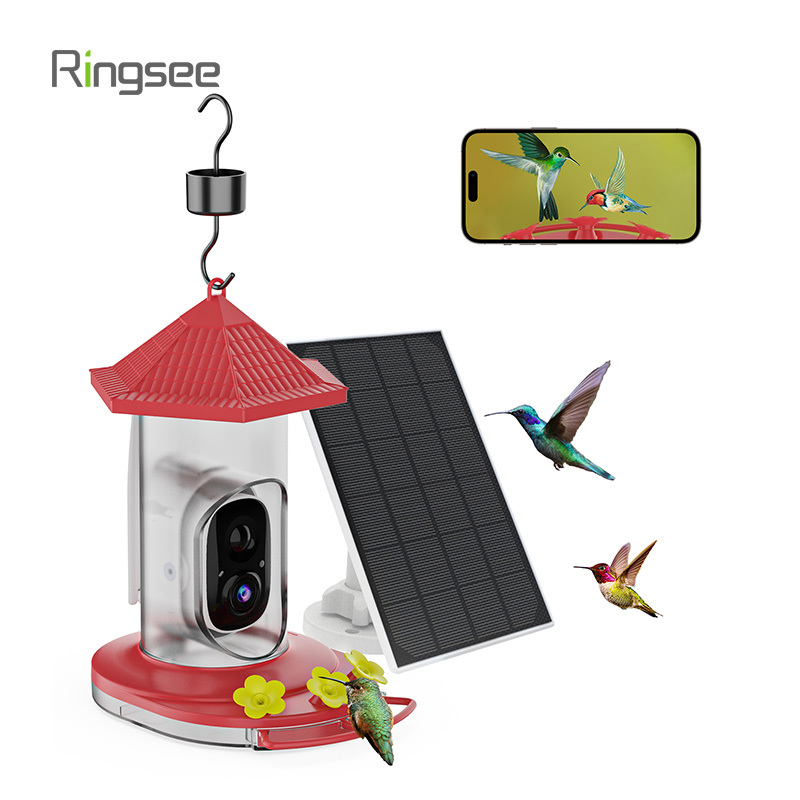
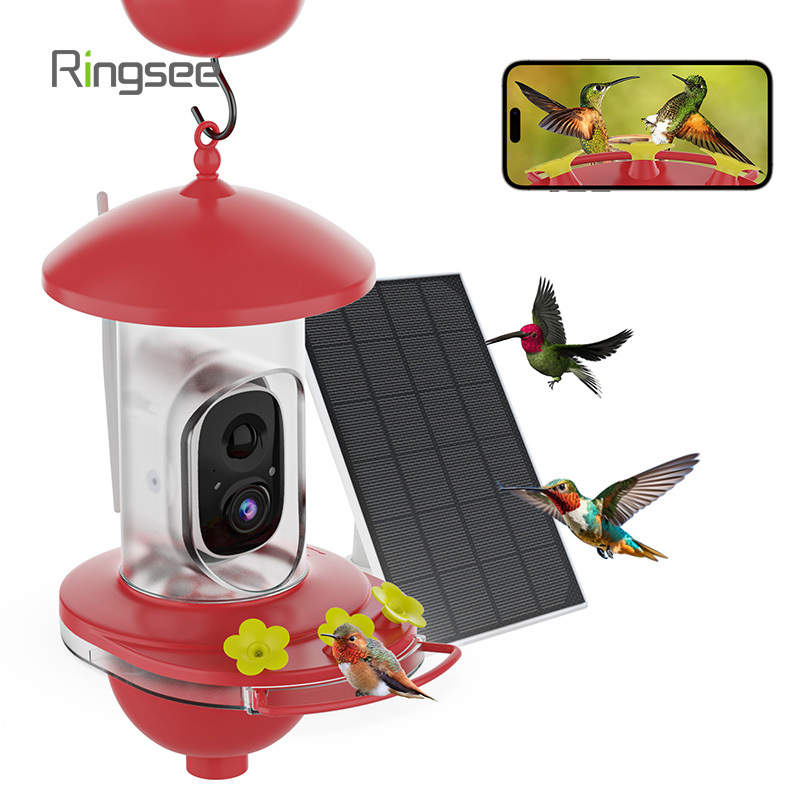
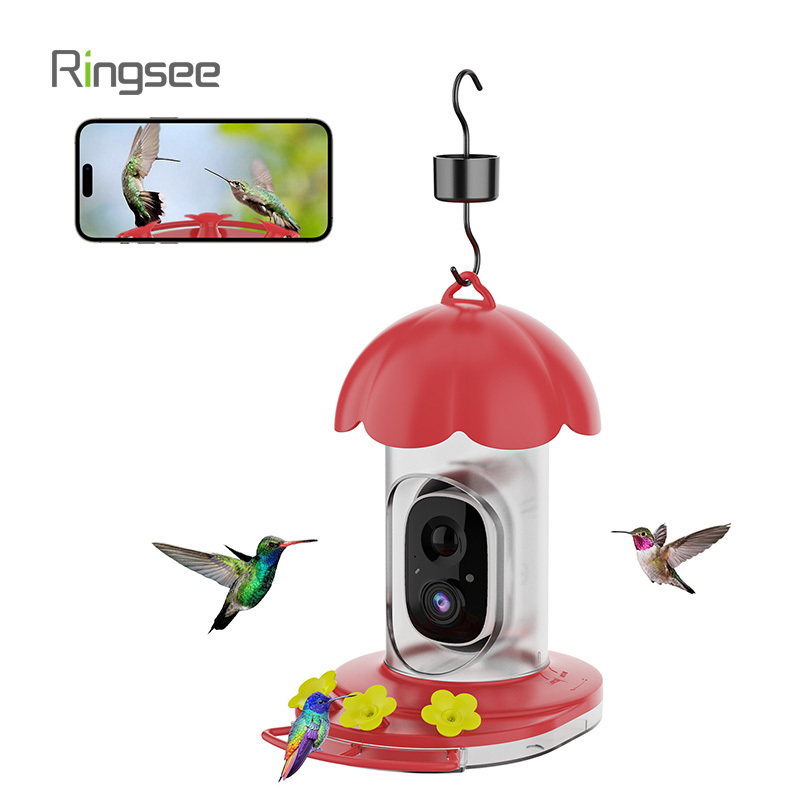
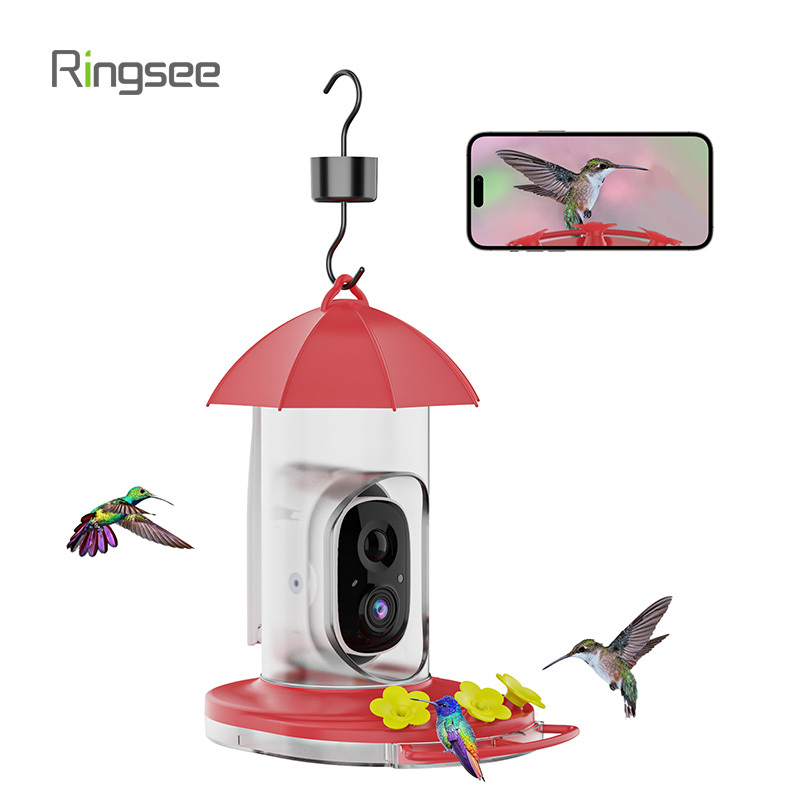



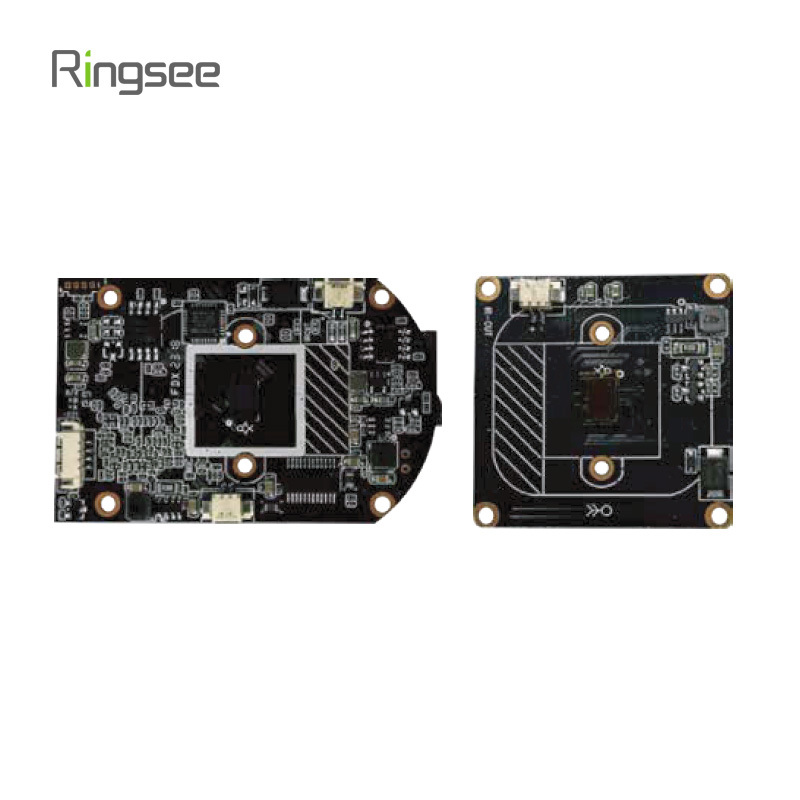
The Future of Remote Monitoring: 4G Solar-Powered AI Security Cameras
Publish:
2025-02-12 11:01
Source:
https://www.ring-see.com
Discover how Ringsee’s 4G solar-powered security cameras provide 24/7 high-definition monitoring for remote areas. Featuring AI smart tracking, full-color night vision, and easy off-grid installation.
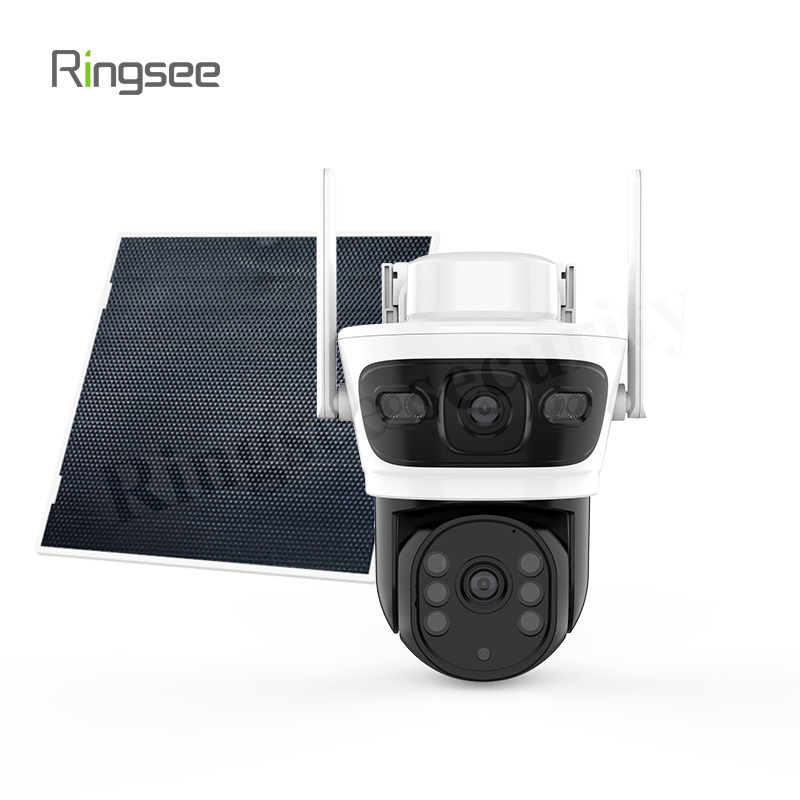
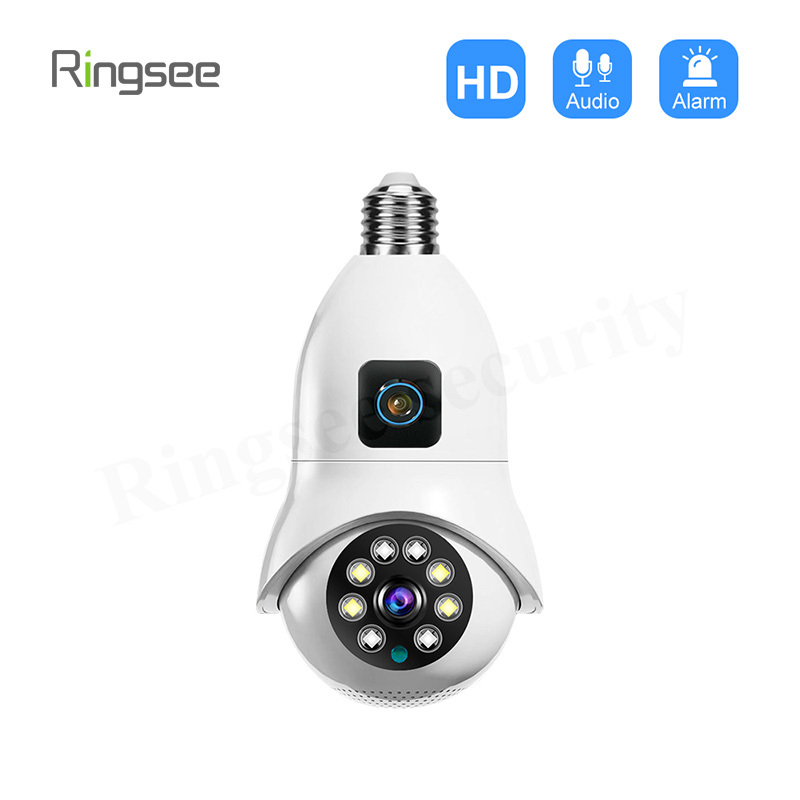
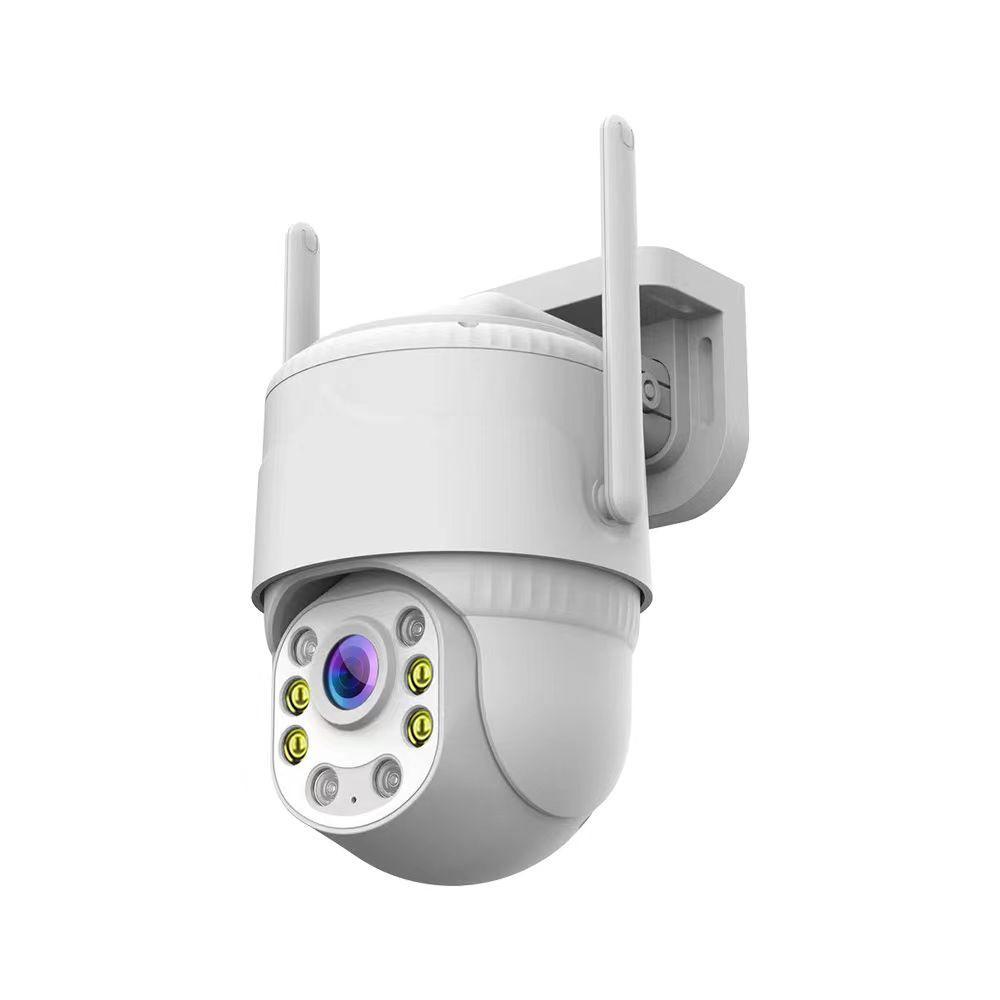
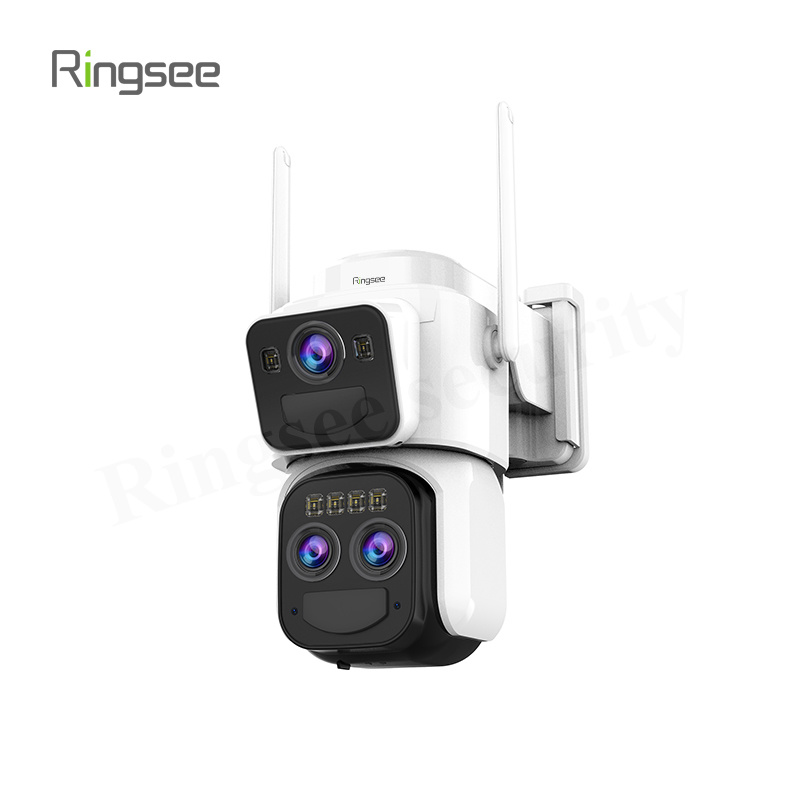
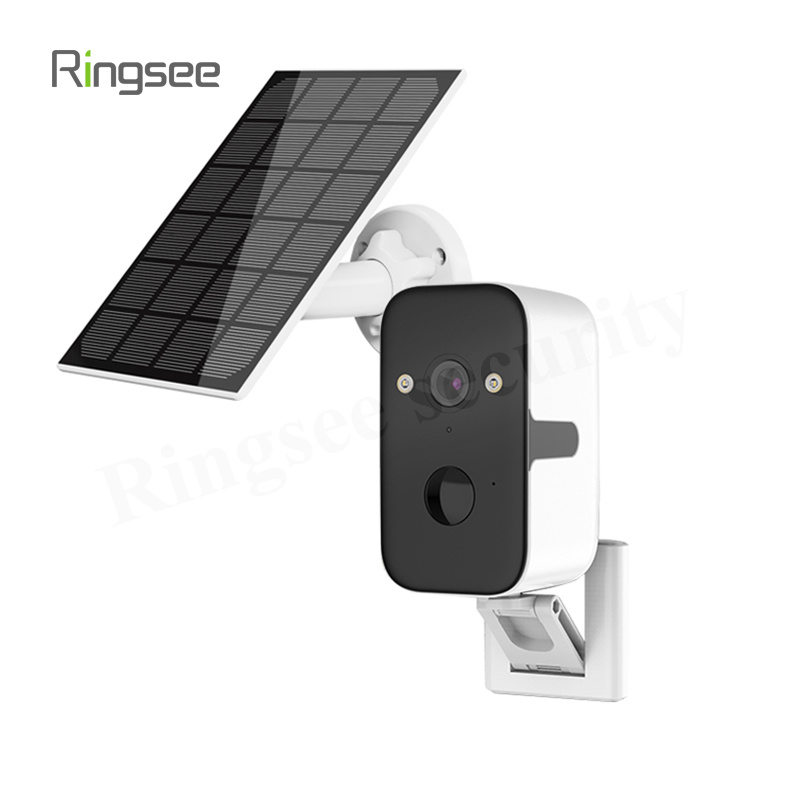
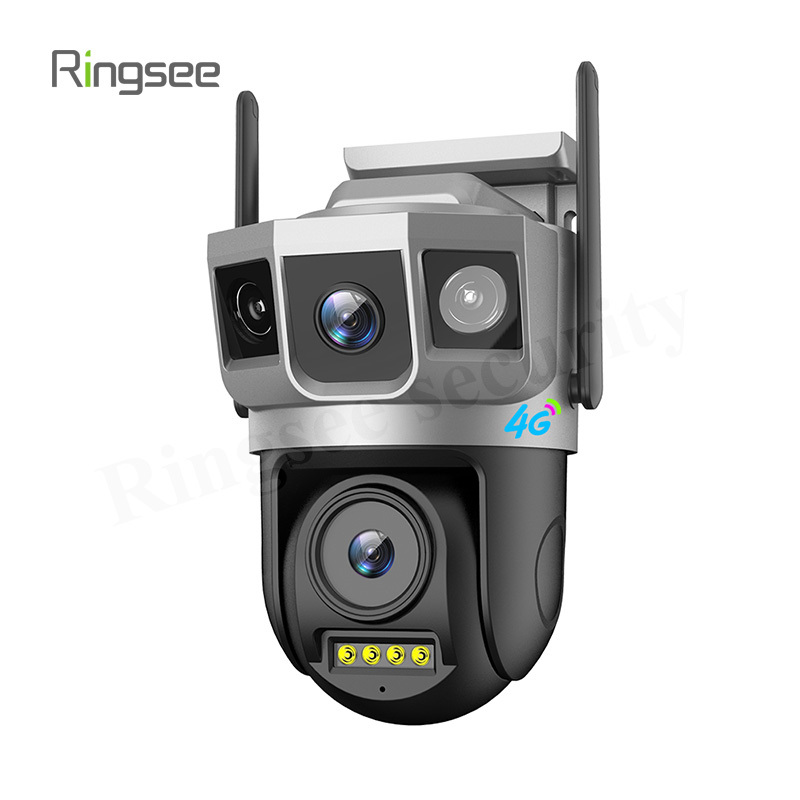
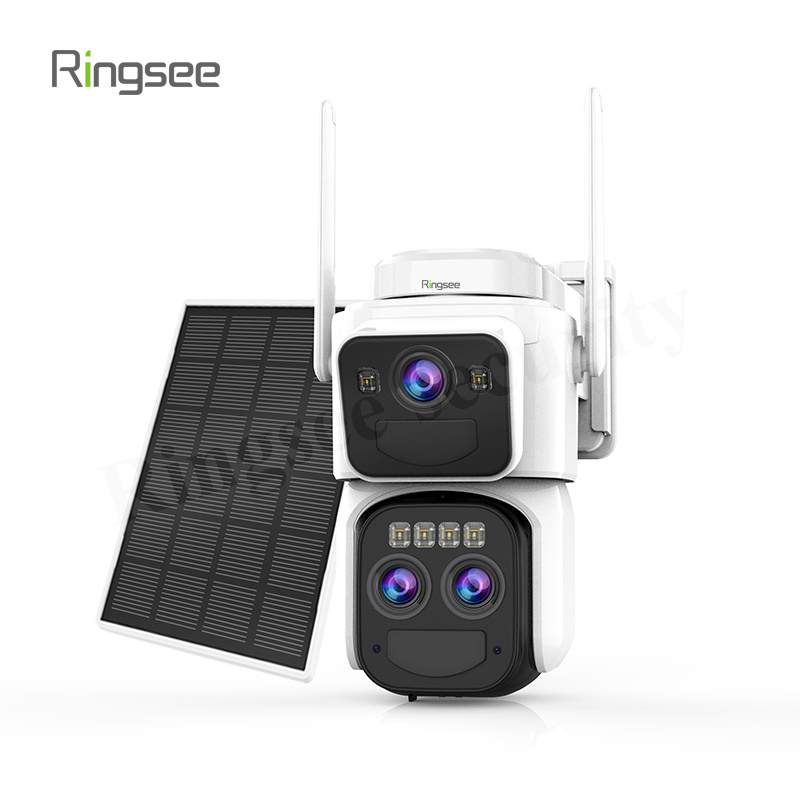
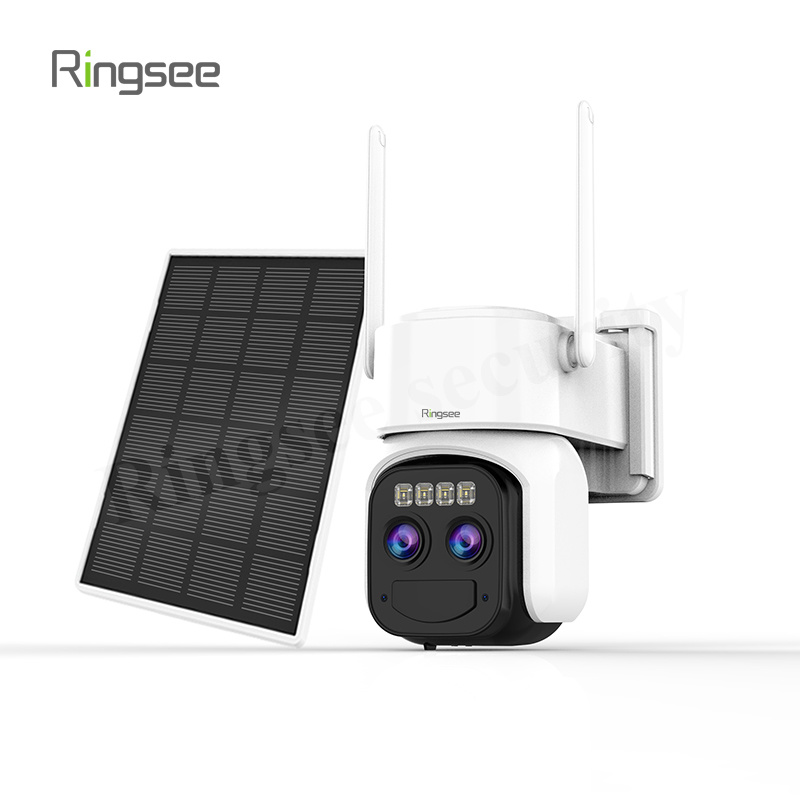
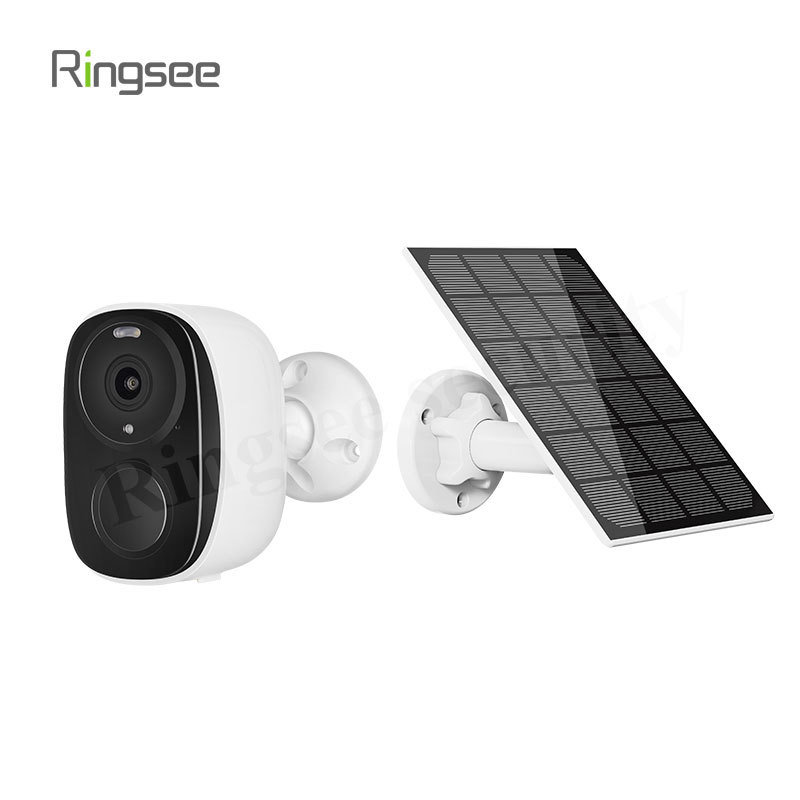
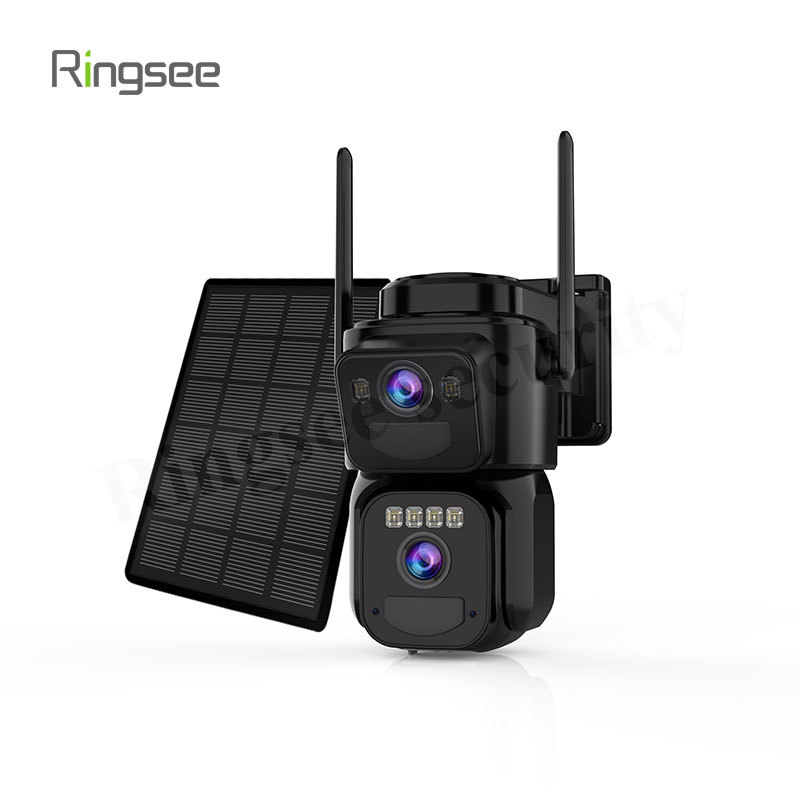
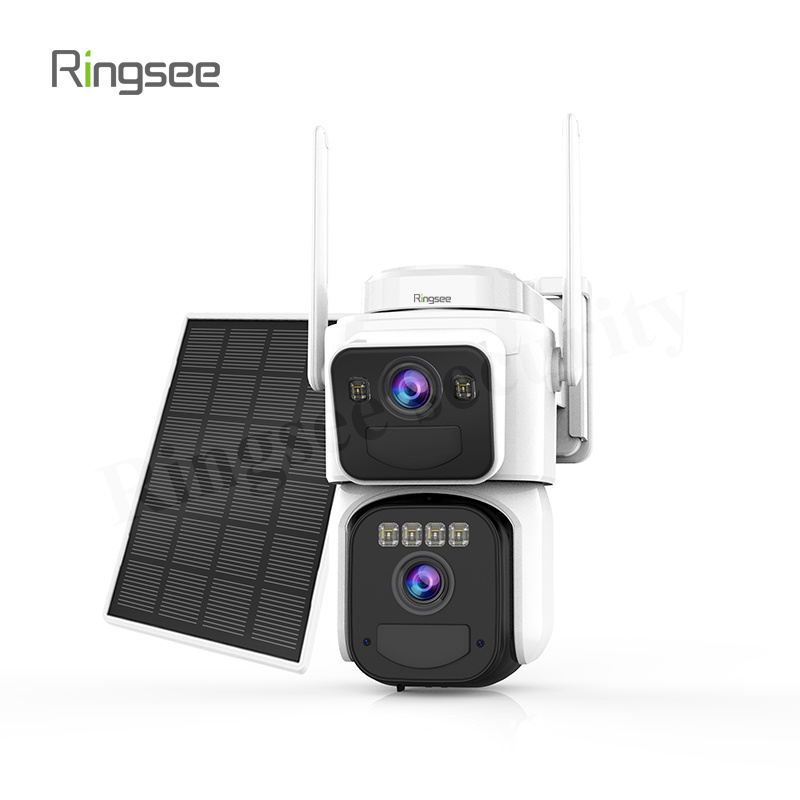
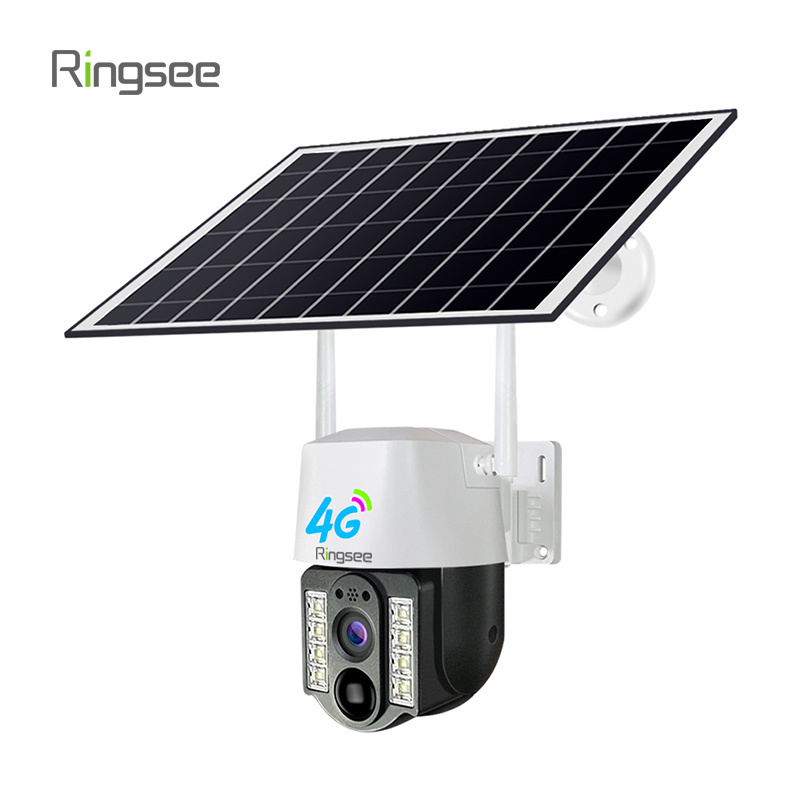
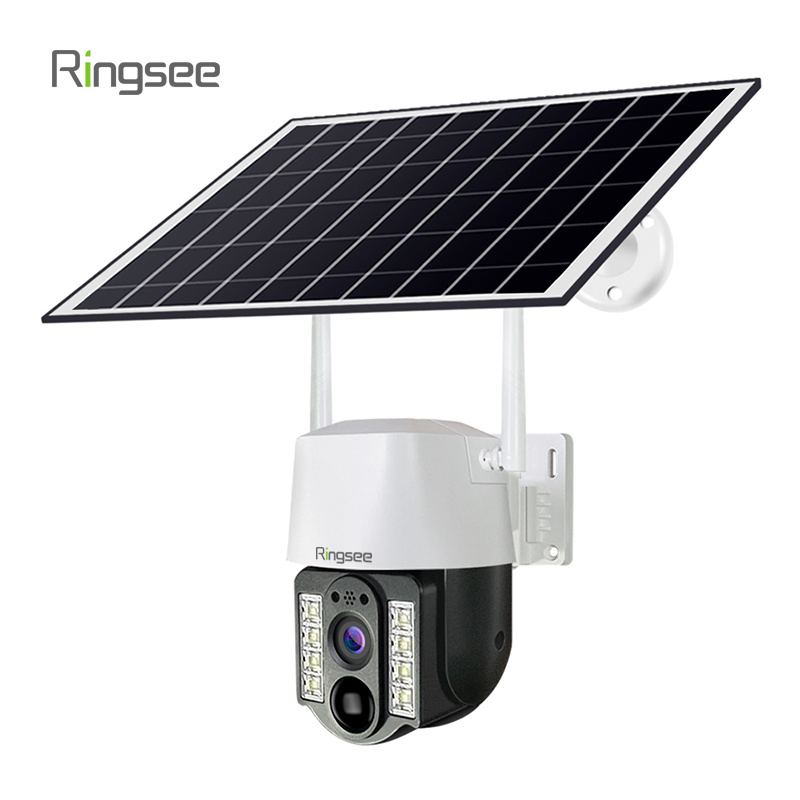
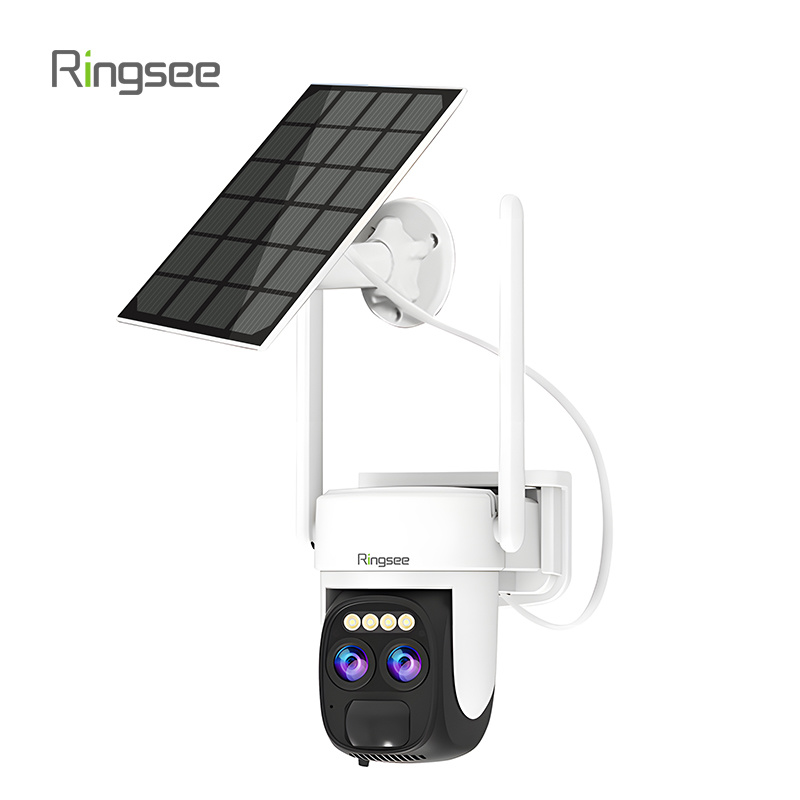
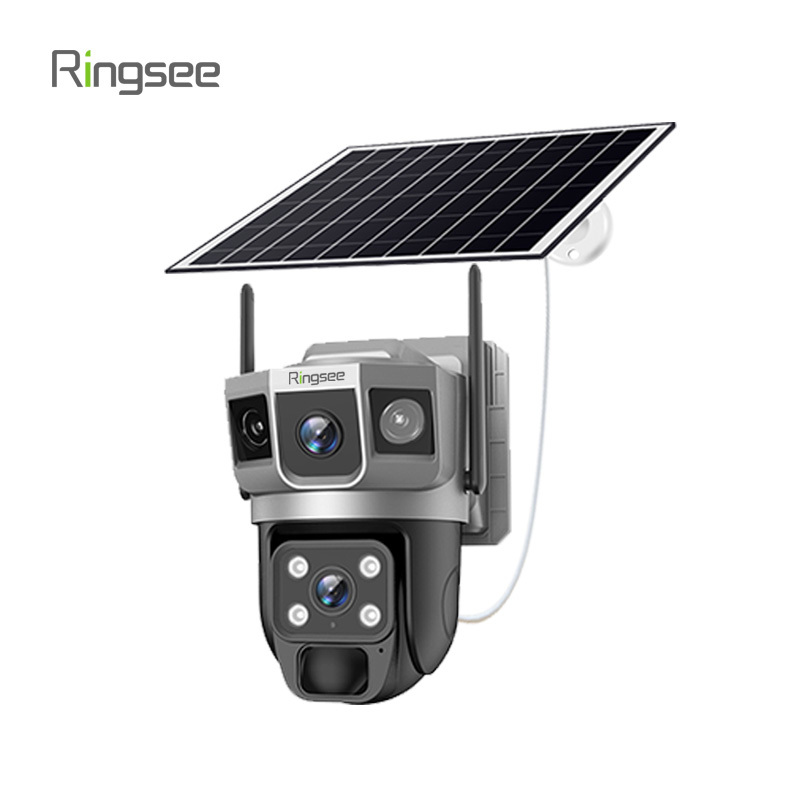
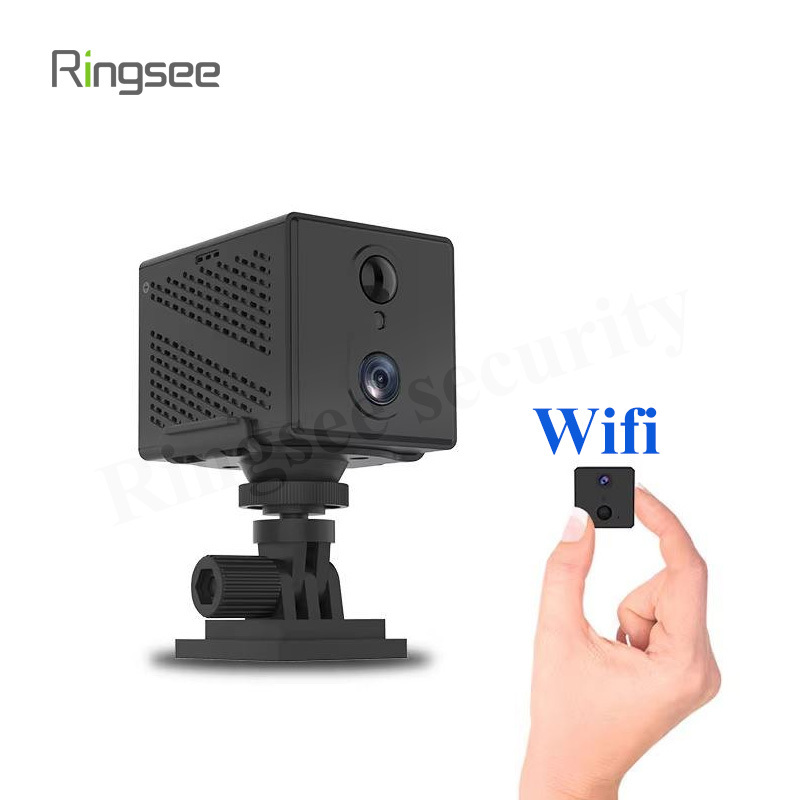
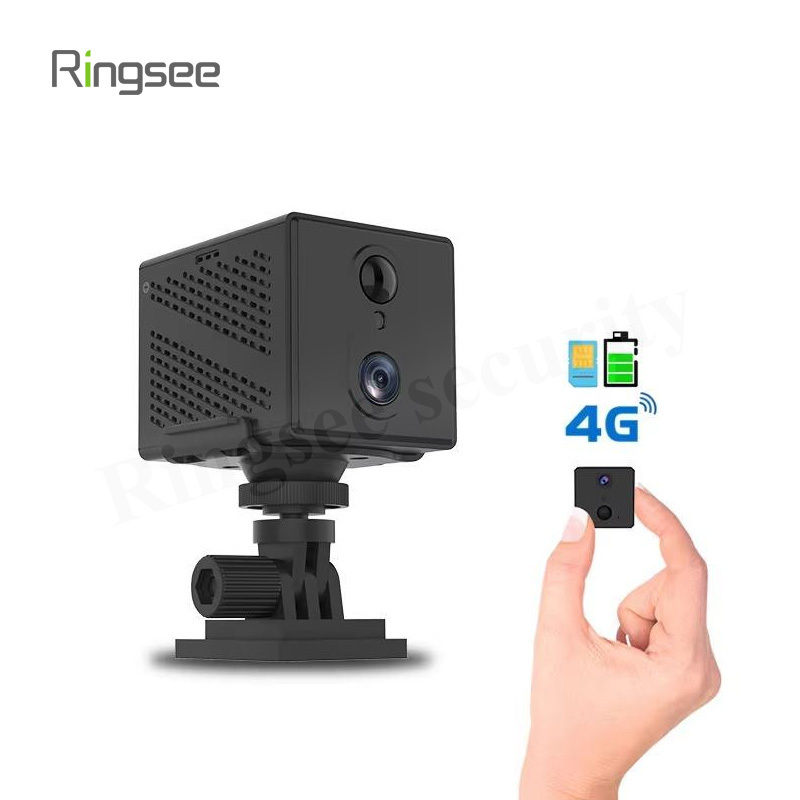
In the rapidly evolving landscape of surveillance technology, the demand for "off-grid" security has never been higher. For locations where Wi-Fi is unavailable and power cables are impossible to run—such as farms, construction sites, and remote vacation homes—Ringsee is proud to introduce our latest innovation in 4G Solar-Powered AI Security Cameras.
High-Efficiency Solar Power & Battery Life
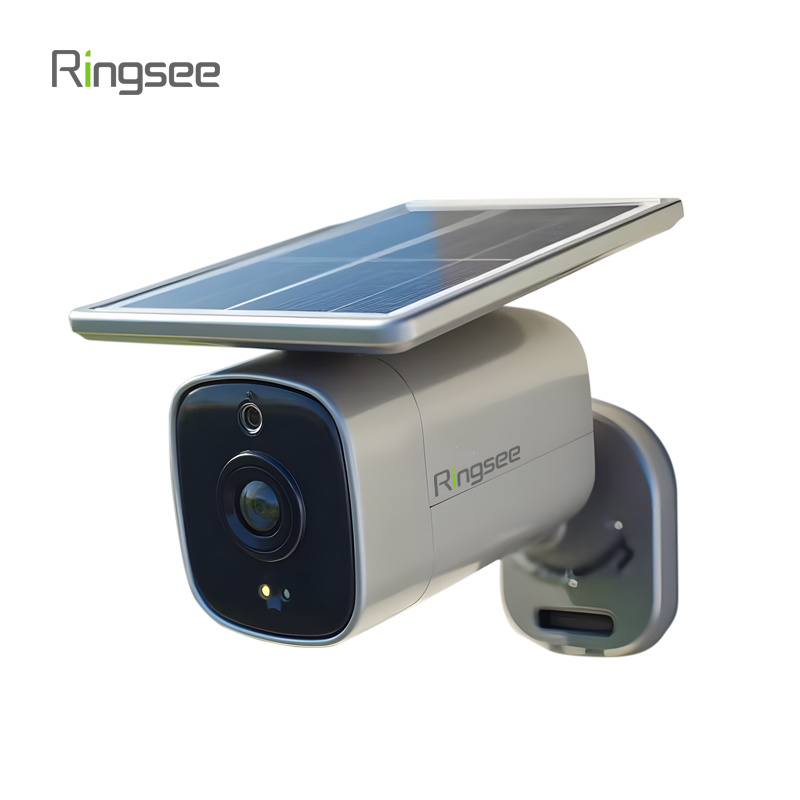
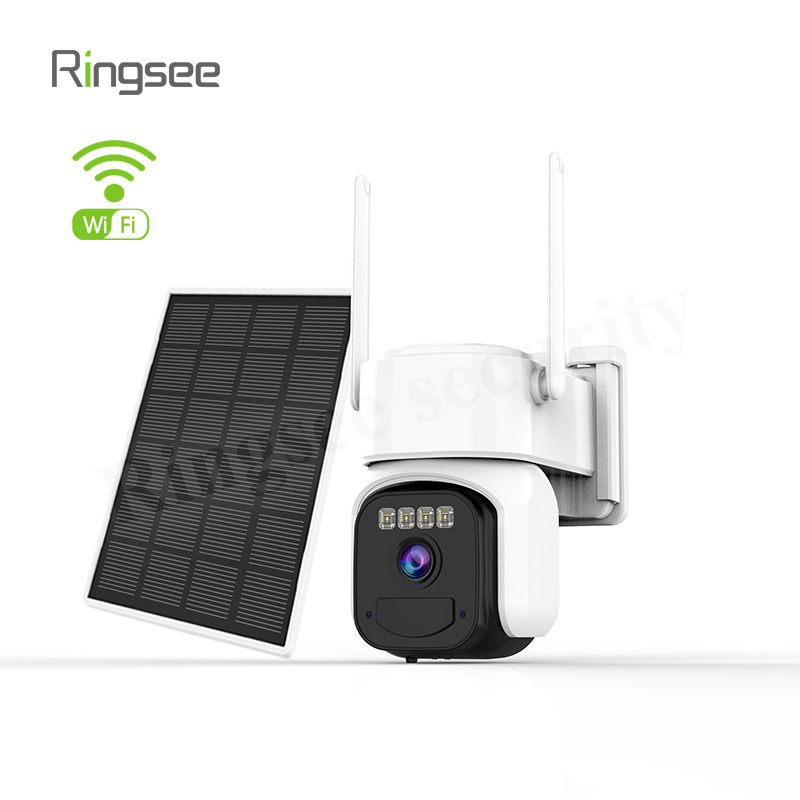
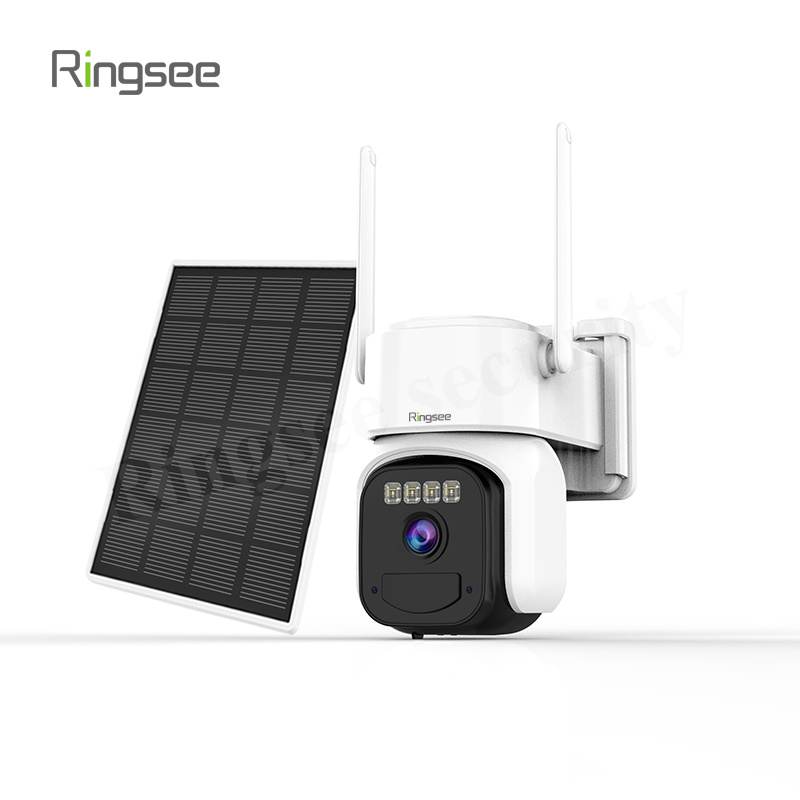
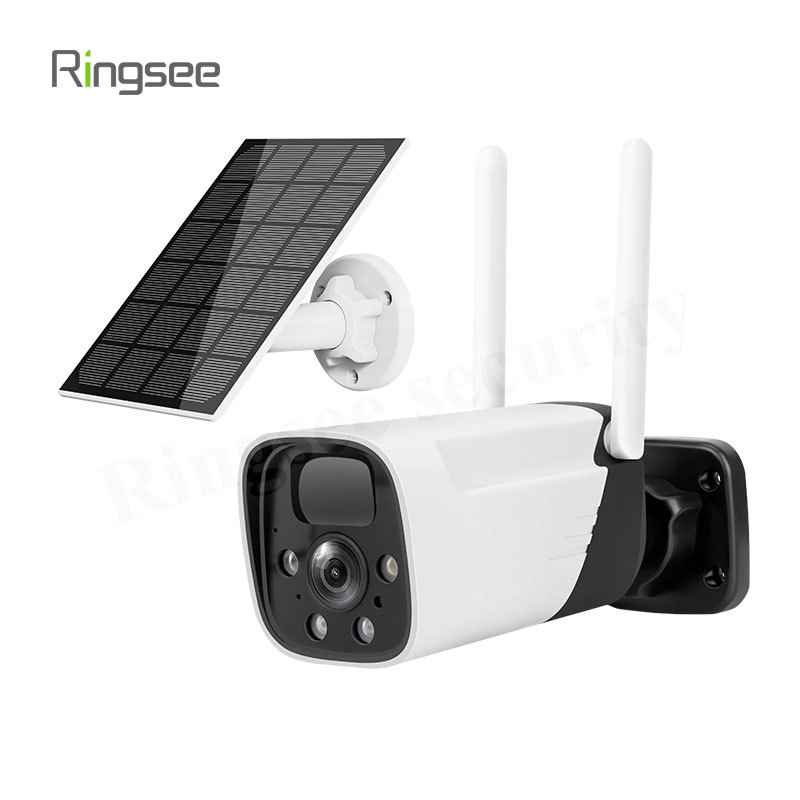
The core of the Ringsee solution is sustainability. Our latest models feature high-conversion monocrystalline silicon solar panels coupled with ultra-low power consumption technology. Even during consecutive cloudy days, the high-capacity lithium battery ensures 24/7 continuous recording, providing users with peace of mind without the need for manual recharging.

4G LTE Connectivity: Security Without Boundaries
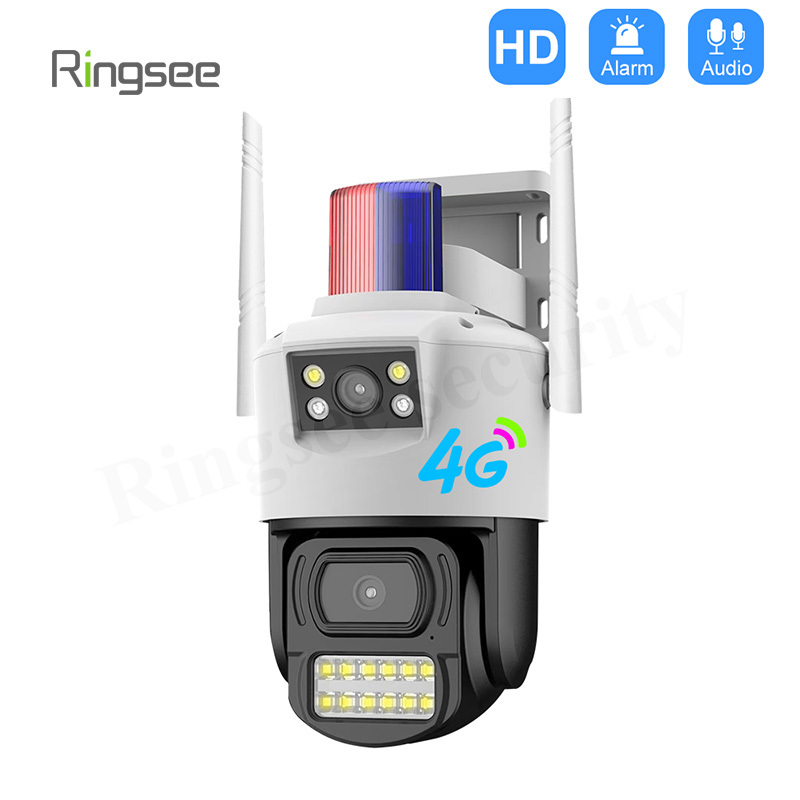
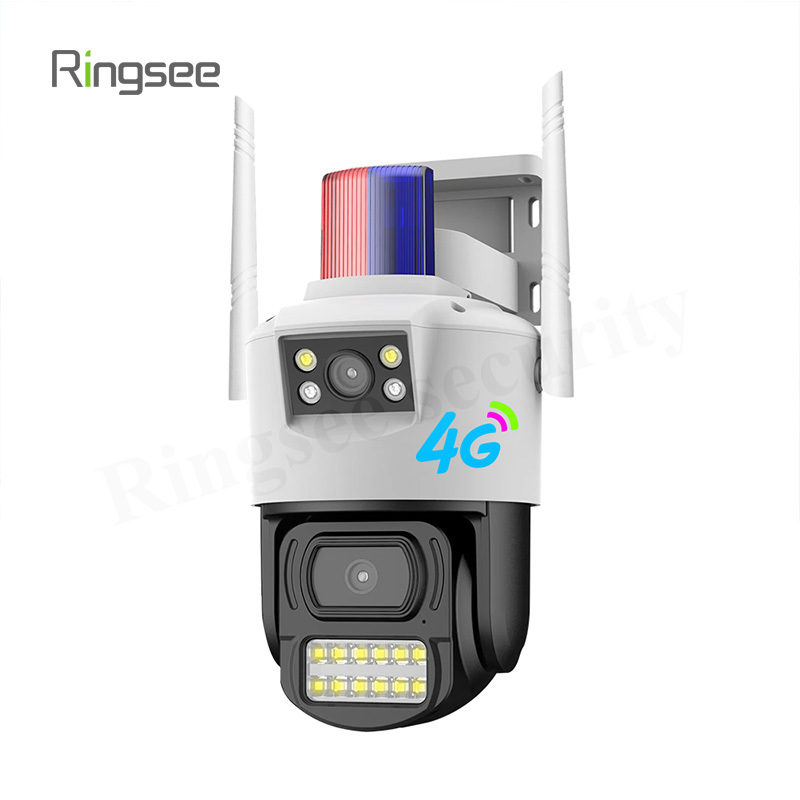
Unlike traditional IP cameras that rely on local Wi-Fi, our 4G series utilizes the mobile network. By simply inserting a SIM card, users can access 4K high-definition live streams from anywhere in the world via the Ringsee app. This makes it the ideal choice for perimeter security and remote asset management.
AI Humanoid Detection and Smart Tracking
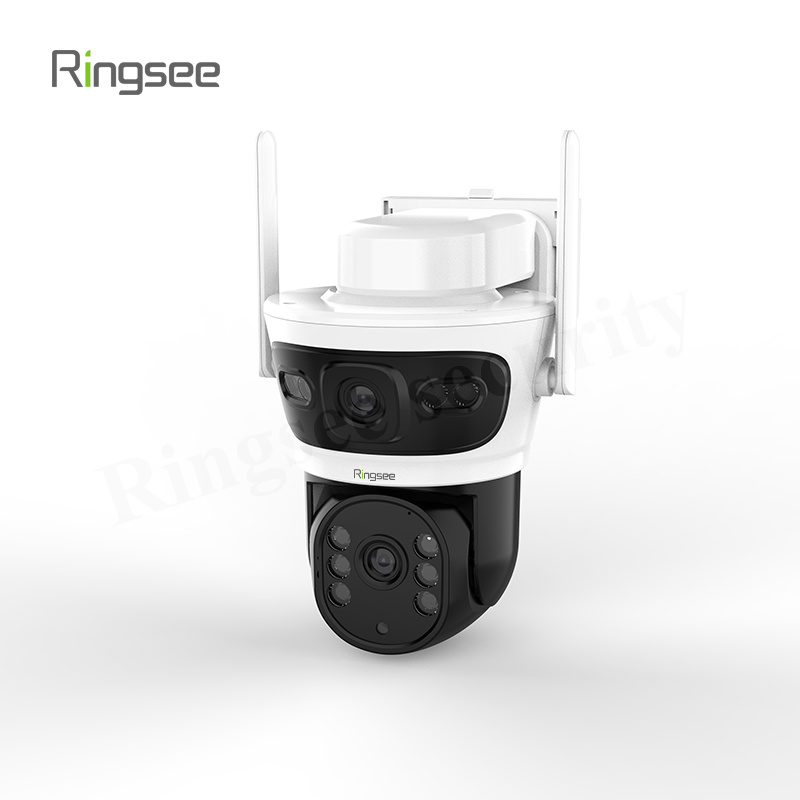
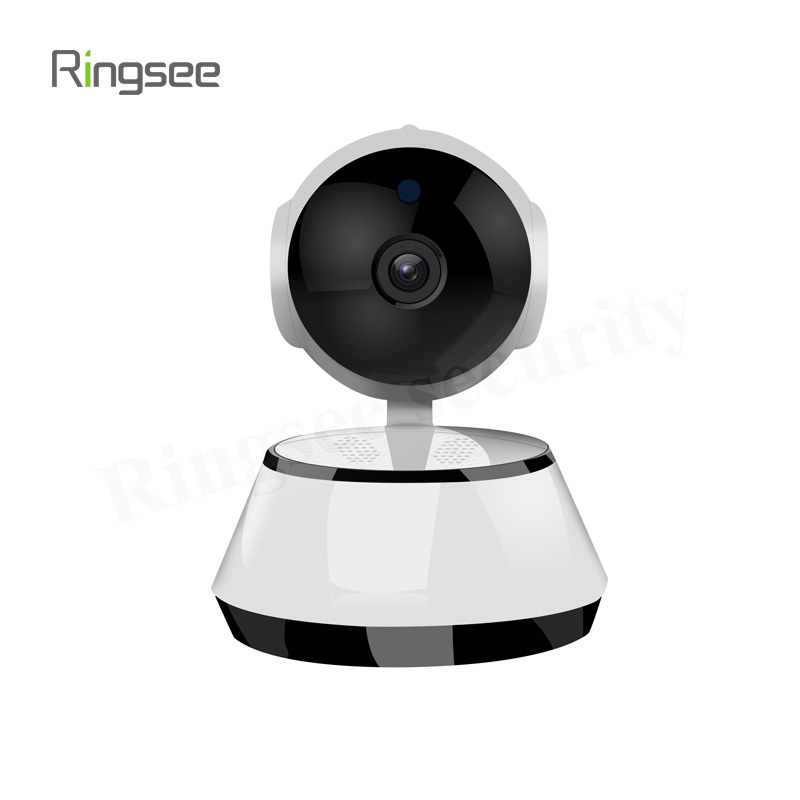
False alarms caused by falling leaves or animals are a thing of the past. Ringsee’s integrated AI algorithms distinguish between human shapes and other movements with 99% accuracy. Once a human is detected, the camera’s Pan-Tilt-Zoom (PTZ) function automatically tracks the subject, ensuring every critical moment is captured in the frame.
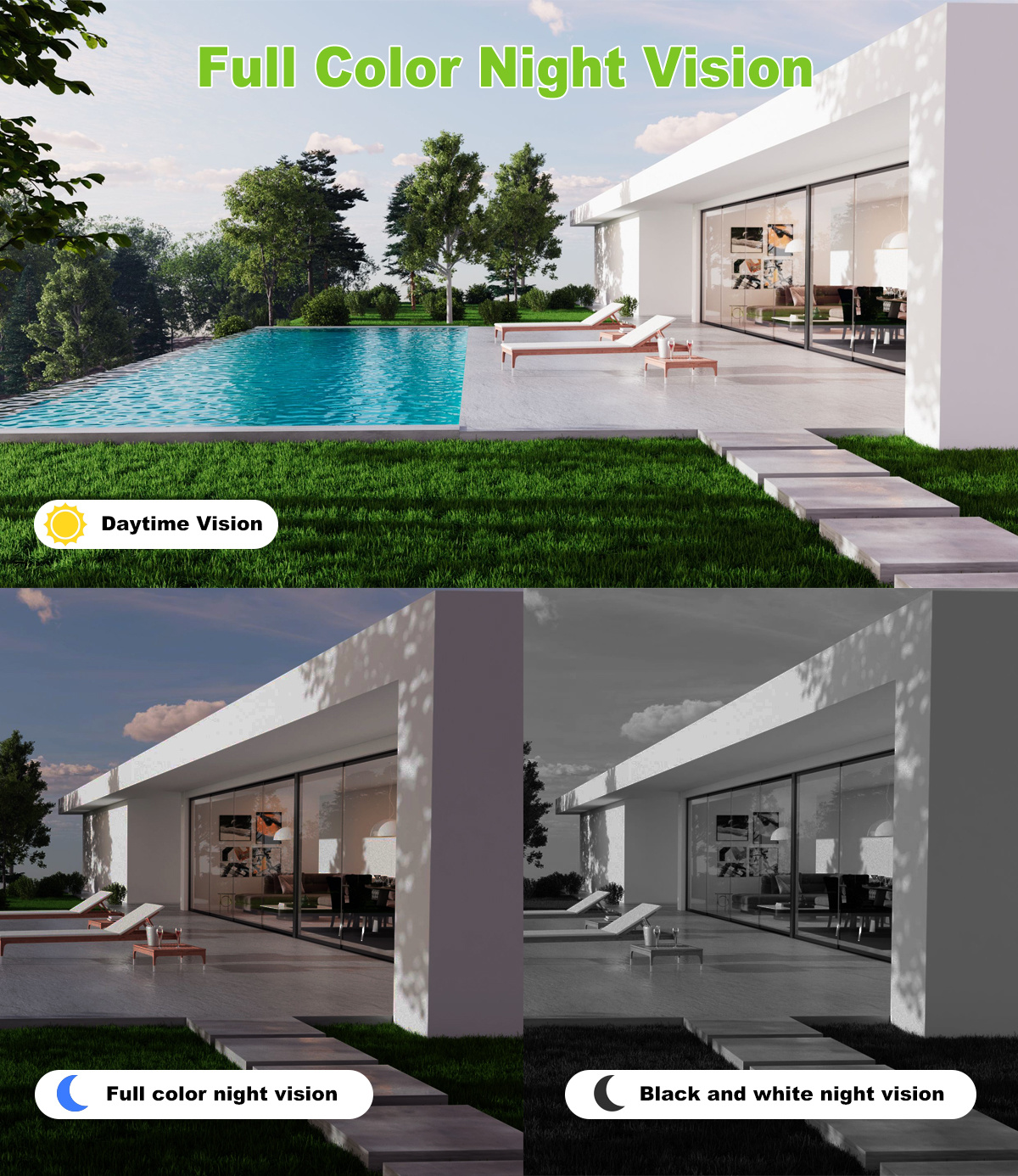
Full-Color Night Vision
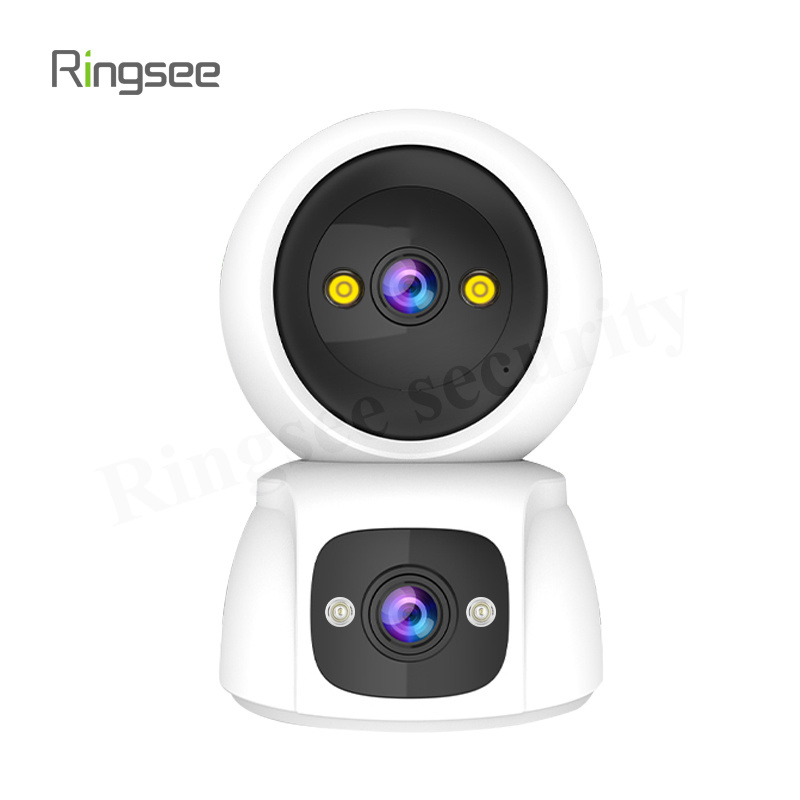
Security doesn't sleep.Equipped with dual-light sources (Infrared and White Light), our cameras provide crystal-clear full-color video even in pitch-black conditions. This serves as a powerful deterrent to intruders while providing superior evidentiary footage compared to traditional black-and-white night vision.
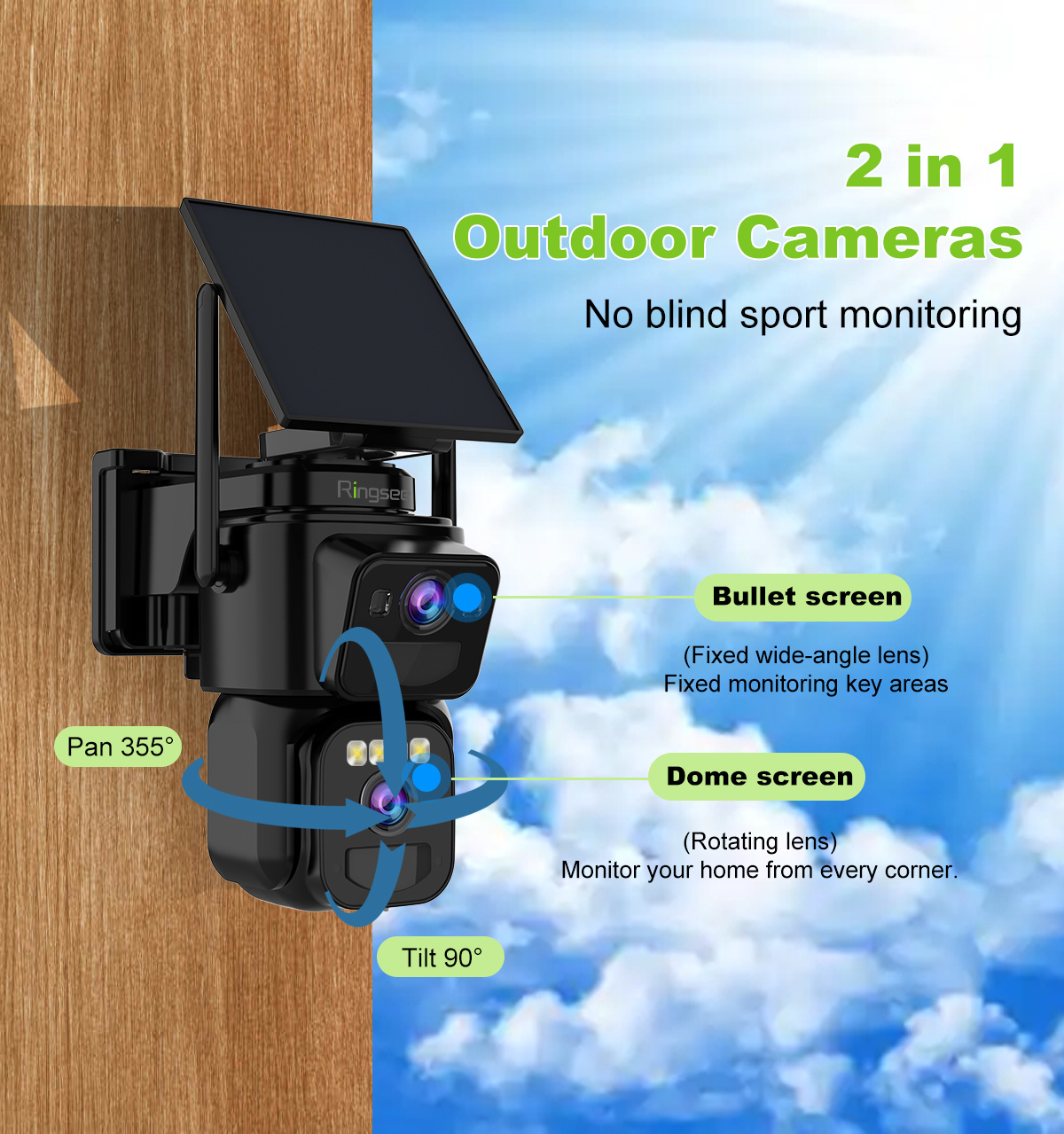
Ringsee continues to push the boundaries of what is possible in smart surveillance. By combining renewable energy with advanced AI and 4G connectivity, we are making the world a safer place, one remote location at a time.
Related News
PoE was power. This is control: CCTV Network Security Hardening Guide
Short answer: video systems get breached the boring way, not through clever exploits - (1) factory default credentials never changed, (2) camera or NVR management ports forwarded to the public internet, (3) no separation between the CCTV network and the office LAN. Do three things: replace every default account and disableTelnet/FTP/UPnP/raw RTSP; put cameras in their own VLAN and only allow the NVR to initiate sessions; and reach video over VPN or a zero-trust gateway instead of a port mapping.
Oct 03,2026
PoE Power Design Guide for Security Cameras: Power Budget, Cable Voltage Drop and Distance Limits
Most "cameras keep restarting at night" incidents are not camera defects — they are power design errors. Three root causes cover the overwhelming majority of PoE failures: the power budget was sized on daytime draw instead of night peak, the cable is too thin so voltage drop exceeds the device undervoltage threshold, and the run simply exceeds the 100-metre channel limit. Memorise three numbers and you avoid most of the traps: 802.3af delivers 15.4 W, 802.3at delivers 30 W, and cable reach stops at 100 m.
Oct 03,2026
Bitrate (Mbps) is the single parameter that determines hard drive size, switch selection, and remote-viewing smoothness. Two formulas answer everything: storage per camera per day (GB) ≈ bitrate × 10.8, and total bandwidth = sum of simultaneous bitrates × 1.3 headroom. This guide covers encoding, calculation, and procurement sizing.
Sep 26,2026
CCTV Night Vision Technology Explained: Infrared vs Starlight Full-Color vs Hybrid Light
Three night vision routes and their real limits: 850nm vs 940nm infrared (red glow and range trade-offs), the lux threshold of true starlight cameras (0.001-0.005 lux), light-pollution risks of warm-light supplement, and AI-triggered hybrid switching — plus a six-point datasheet verification method and a 20-minute night PoC test.
Sep 26,2026
CCTV Lens Selection Technical Guide: Focal Length, Pixel Density & the DORI Standard in Practice
Why can't a 4K camera read faces? Because identification depends on pixel density, not total pixels. Using the EN 62676-4 DORI standard, this guide gives the full focal-length / distance / field-of-view formulas, a lens selection lookup table, and the real impact of sensor size and aperture on night vision.
Sep 19,2026
Links:One Belt Power Technology
Add: 14th Floor, Baoshan Building, Longhua District, Shenzhen China.
Privacy Policy | SEO | CitySite | Support: 300.cn Dongguan