





Support
Does a Solar Outdoor Security Camera Support Full-Color Night Vision?
When it comes to home security, the "dark" has historically been the greatest challenge. For years, we relied on grainy, black-and-white infrared images that made it nearly impossible to identify the color of a getaway vehicle or the specific details of an intruder's clothing.
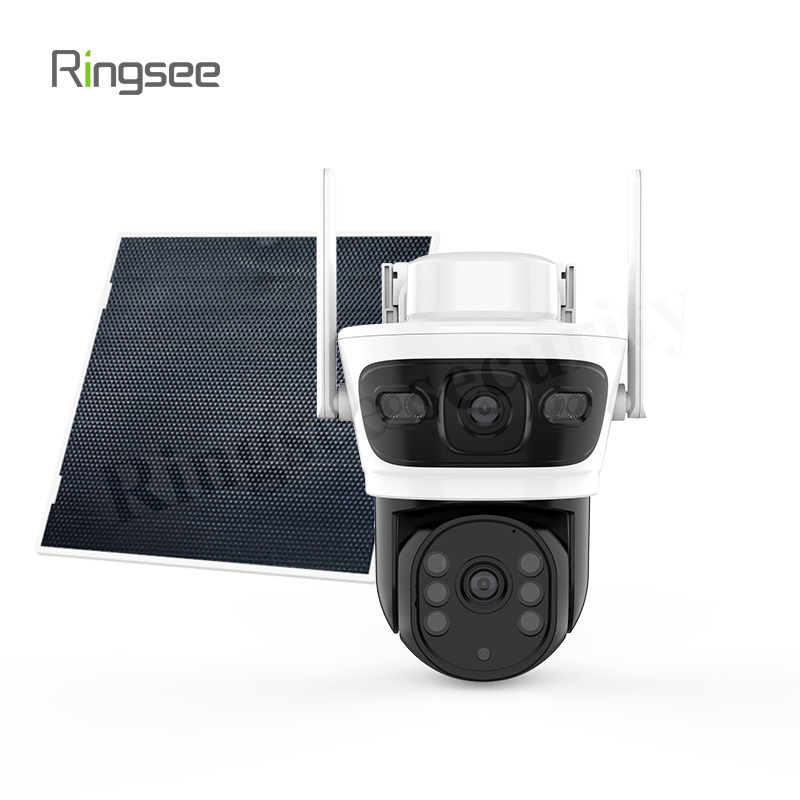
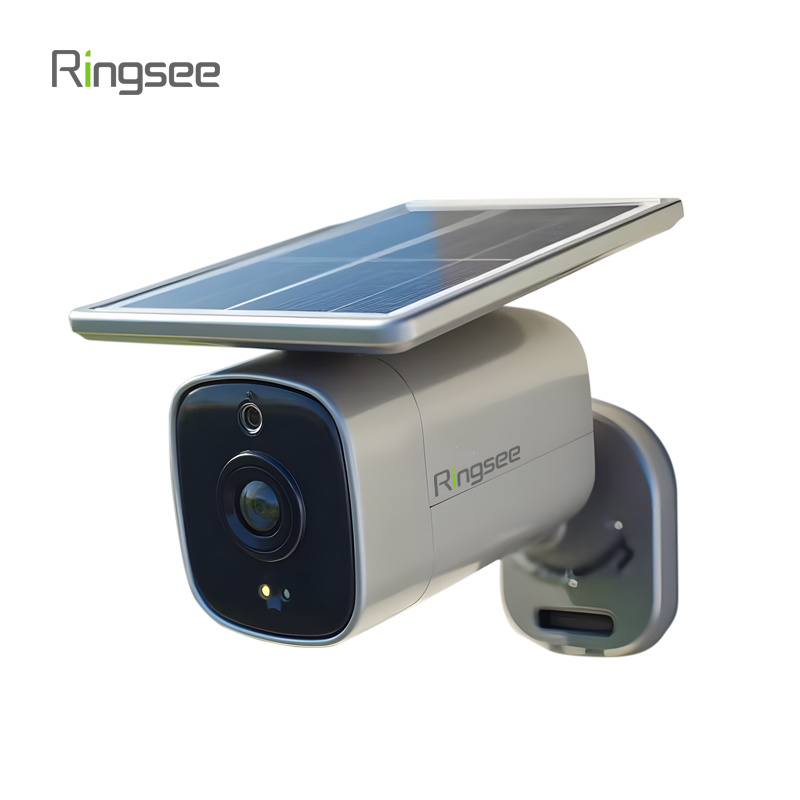
With the rise of eco-friendly technology, homeowners now ask: Does a solar outdoor security camera support full-color night vision? The answer is a resounding yes. Advanced solar-powered security systems, such as those developed by Ringsee

How Full-Color Night Vision Works on Solar Cameras
Traditional security cameras use Infrared (IR) LEDs, which emit light invisible to the human eye but visible to the camera sensor. This results in a monochrome image. Full-color night vision, however, requires light—either from a built-in source or a highly sensitive sensor.
Solar cameras typically achieve full-color images through two primary technologies:
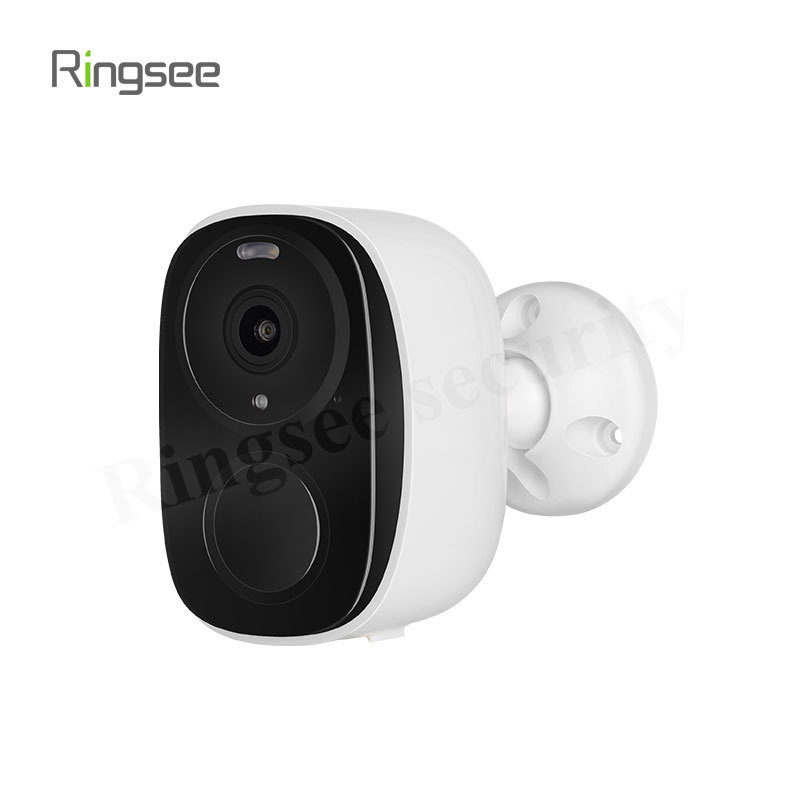
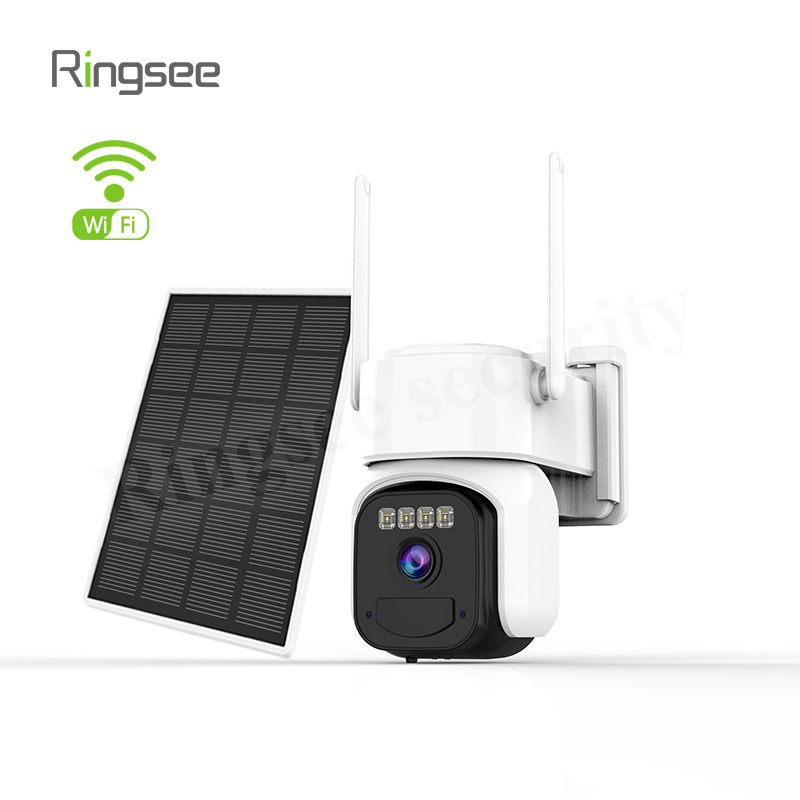
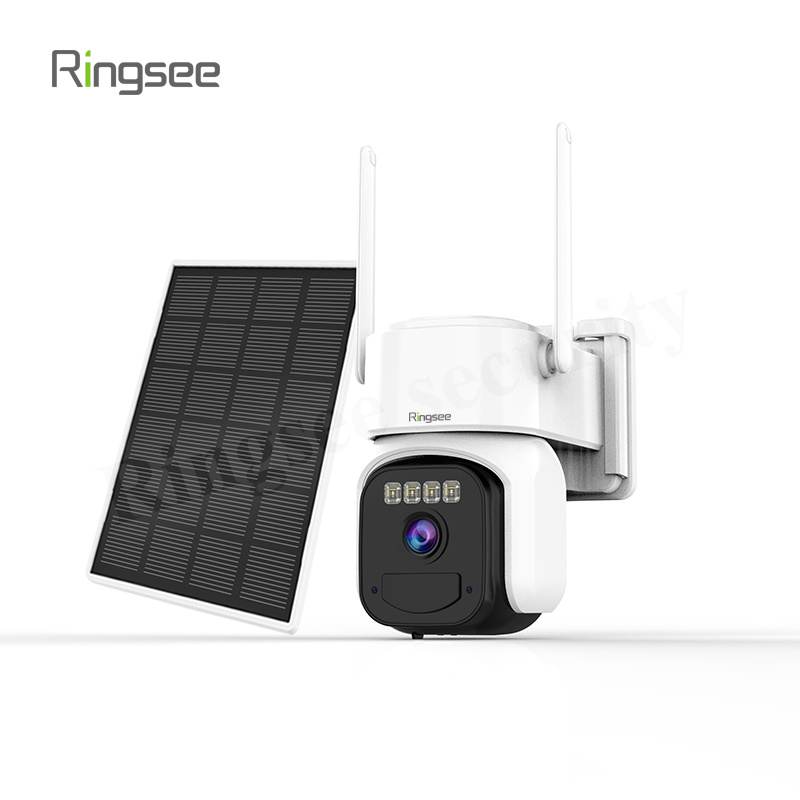
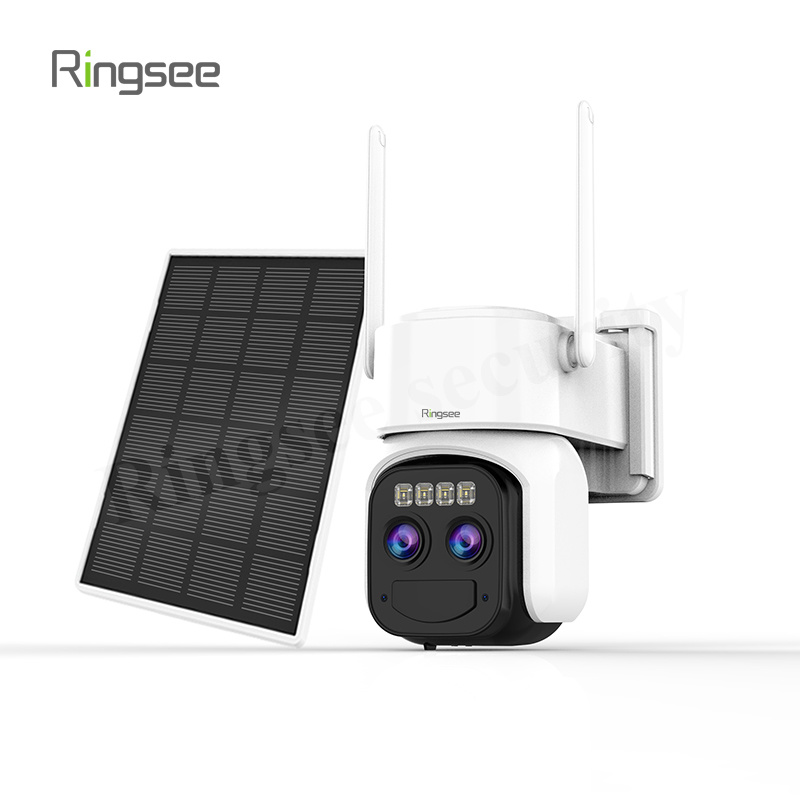
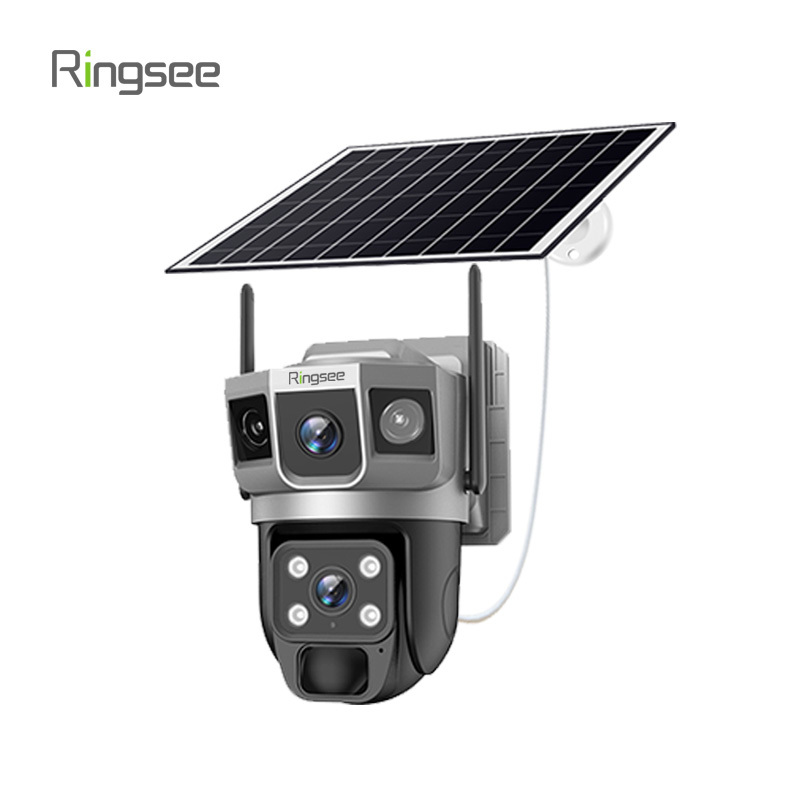
- LED Spotlights (Dual-Light Sources): Many solar cameras feature built-in white-light LEDs. When the PIR (Passive Infrared) sensor detects motion, these spotlights trigger, illuminating the area and allowing the camera to record in vivid color.
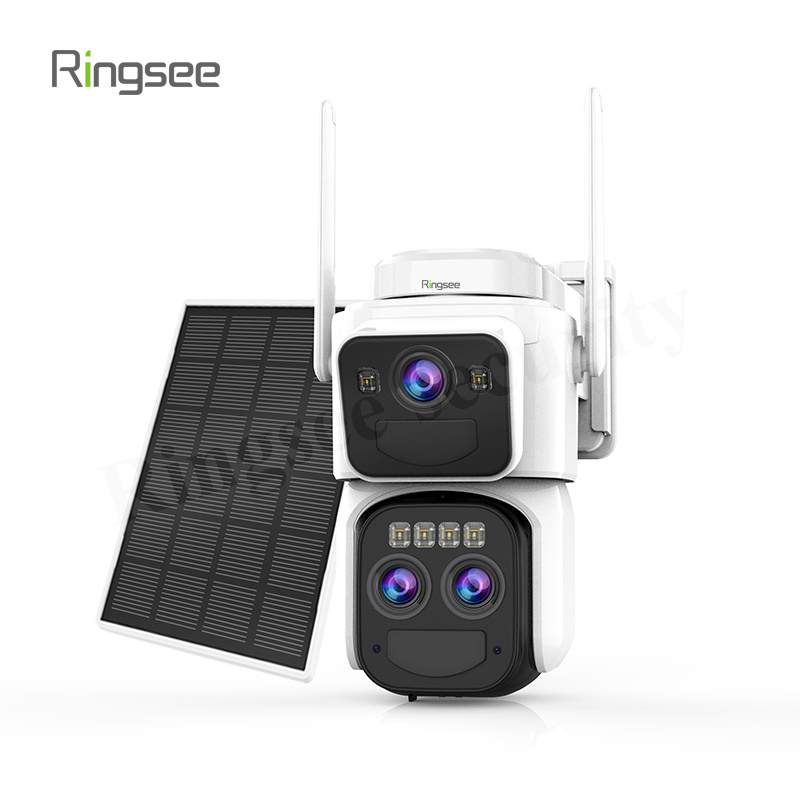
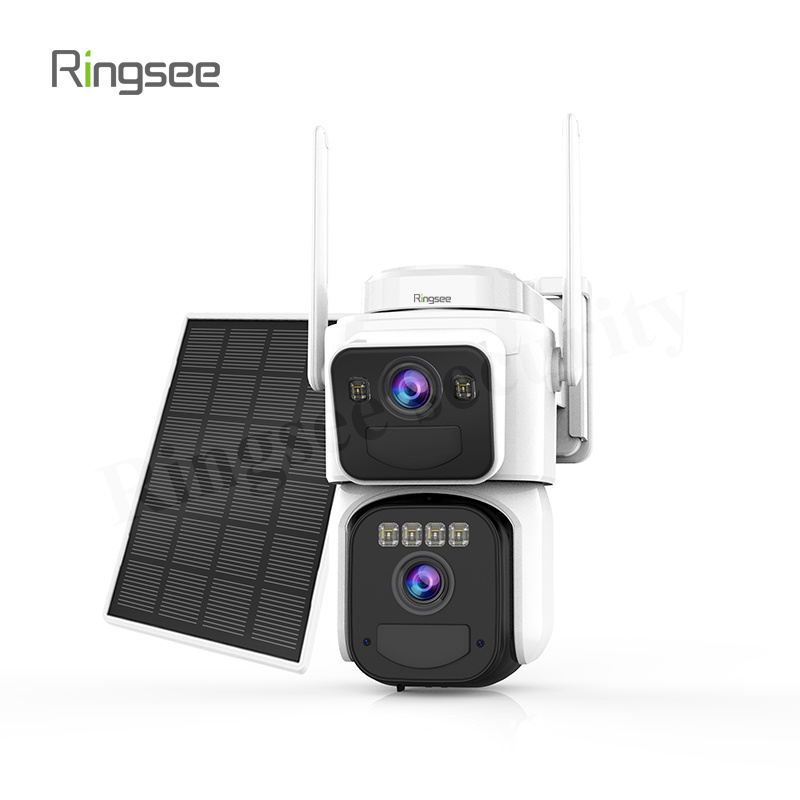
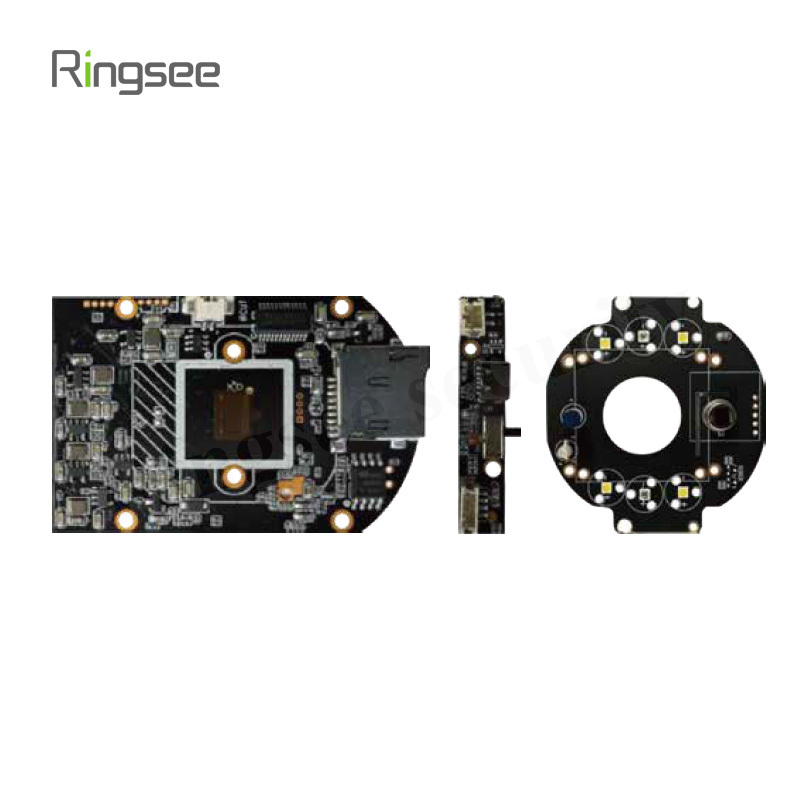
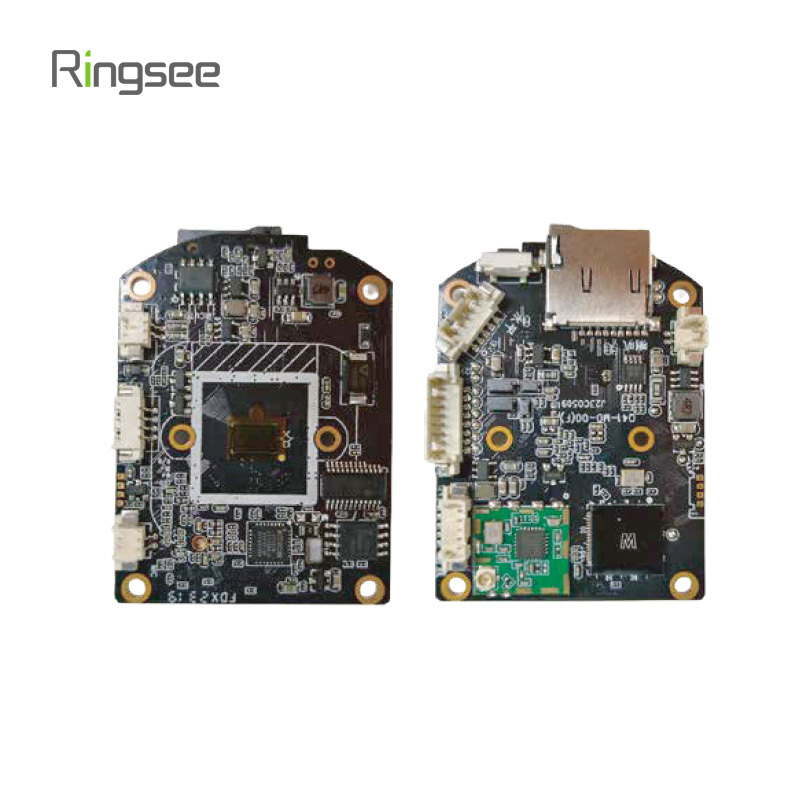
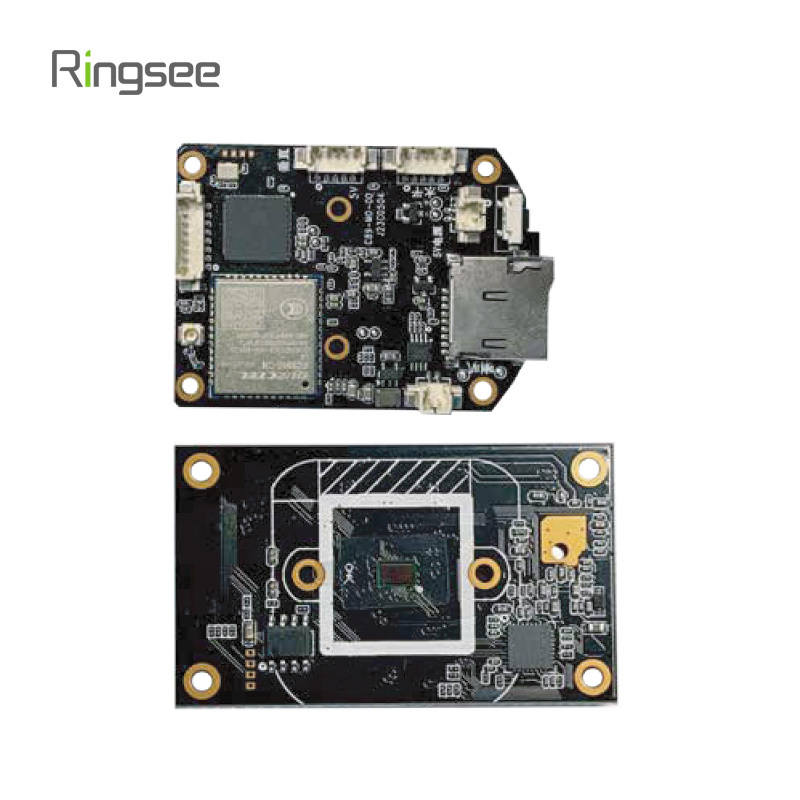
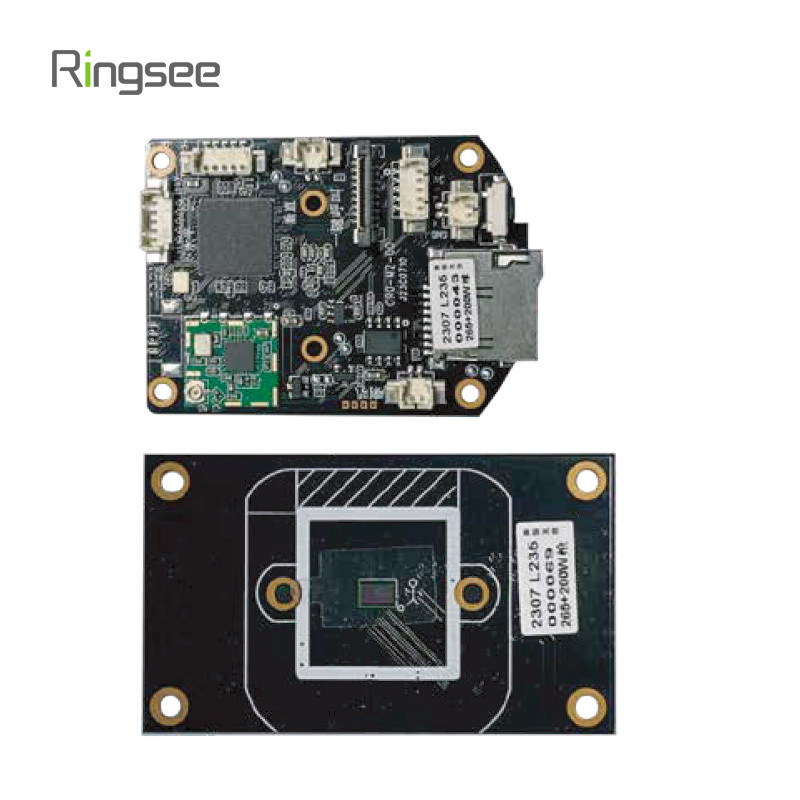
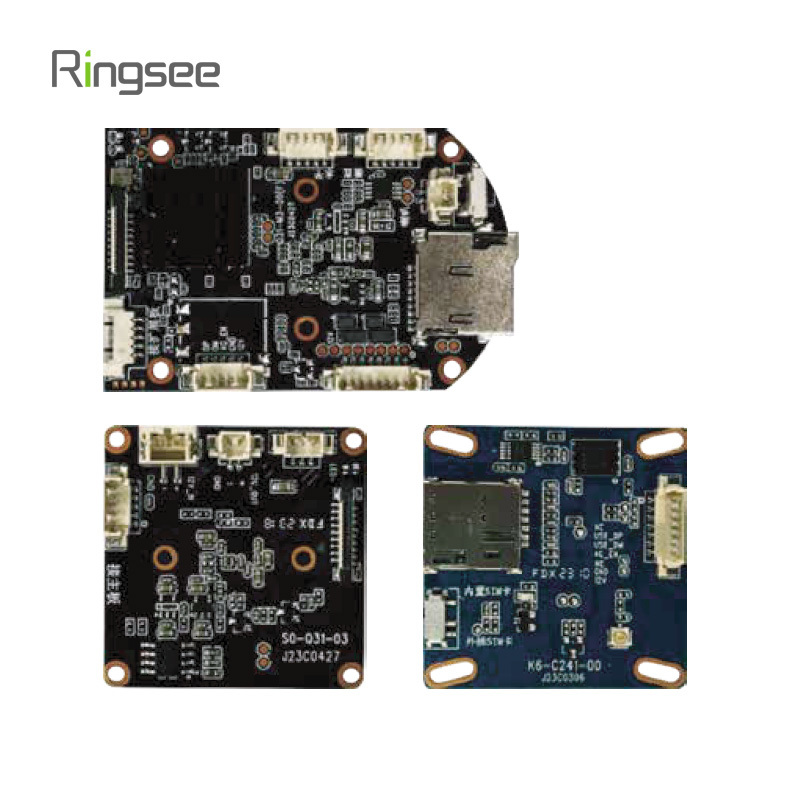
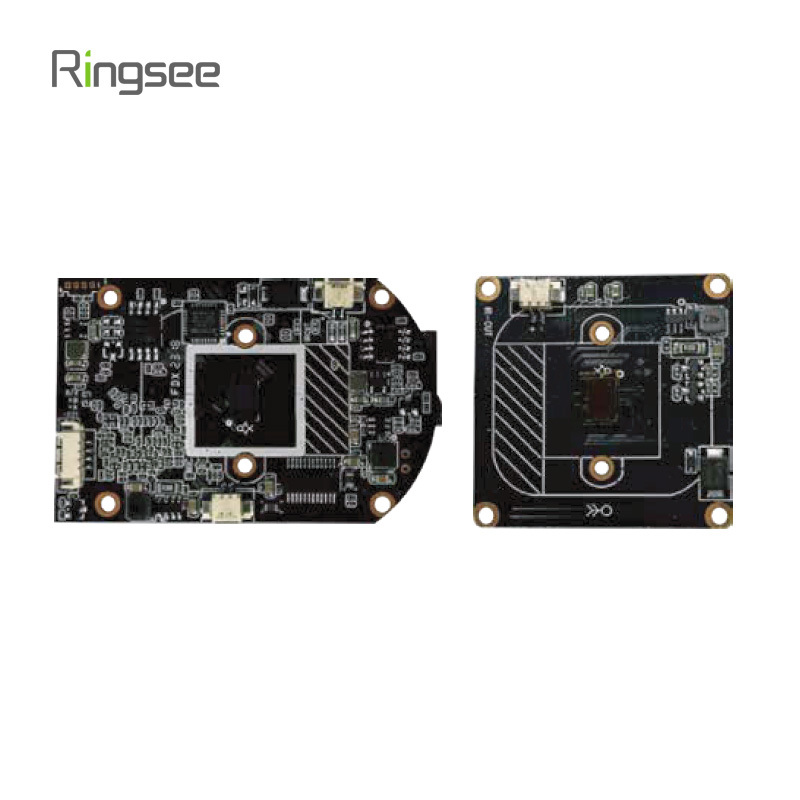
- Black Light Technology: Premium models, like the Ringsee RS-AOV-9103, utilize specialized "Black Light" sensors. These sensors are designed to capture color in extremely low-light conditions (even without a bright spotlight) by maximizing the light-gathering capability of the lens and sensor array.

The Advantage of Solar Power for Night Surveillance
One common misconception is that full-color night vision—which requires power for LEDs or high-end processing—will drain a battery too quickly. This is where solar integration shines.
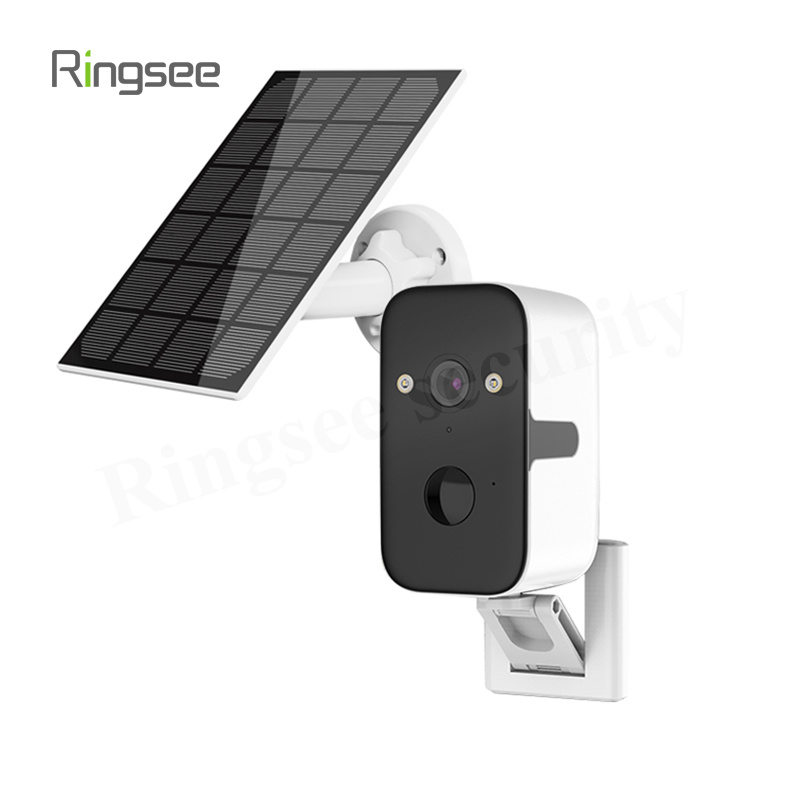
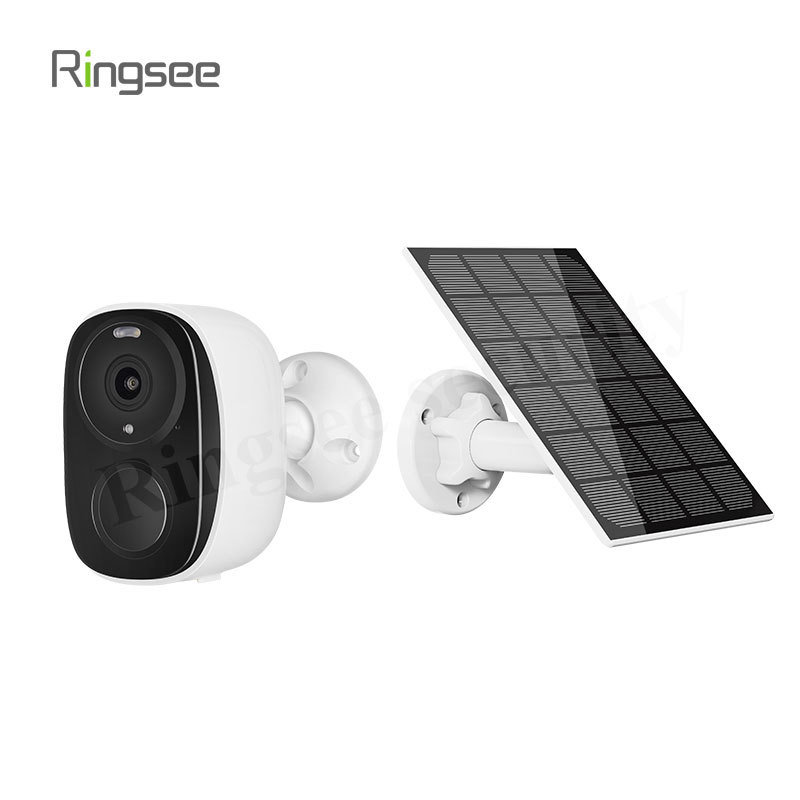
- Continuous Recharging: A high-efficiency solar panel ensures that the camera's internal lithium battery remains topped up during the day. This provides a "power bank" that supports energy-intensive features like color night vision all through the night.
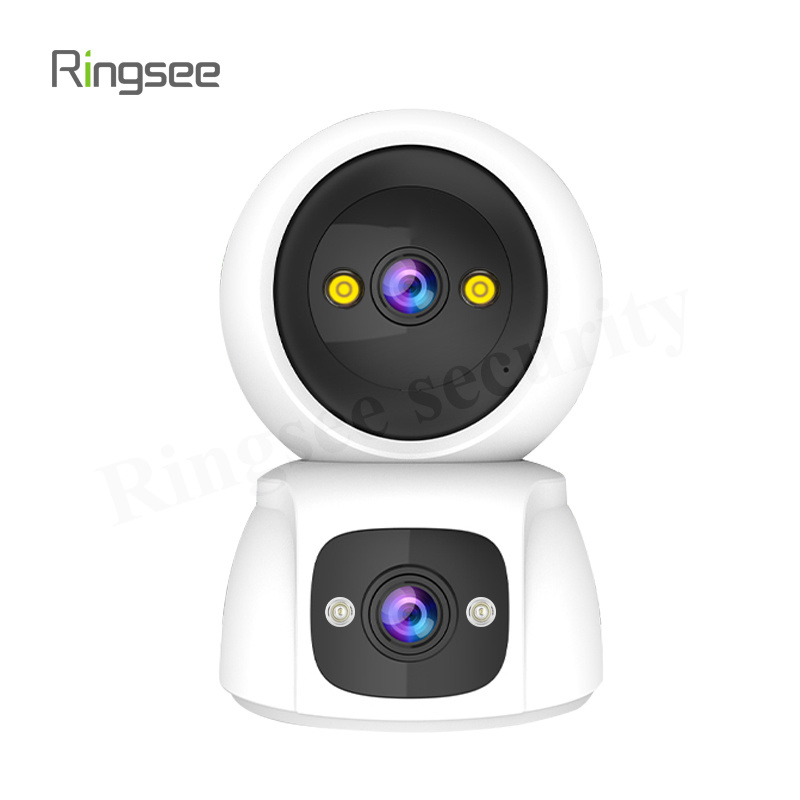
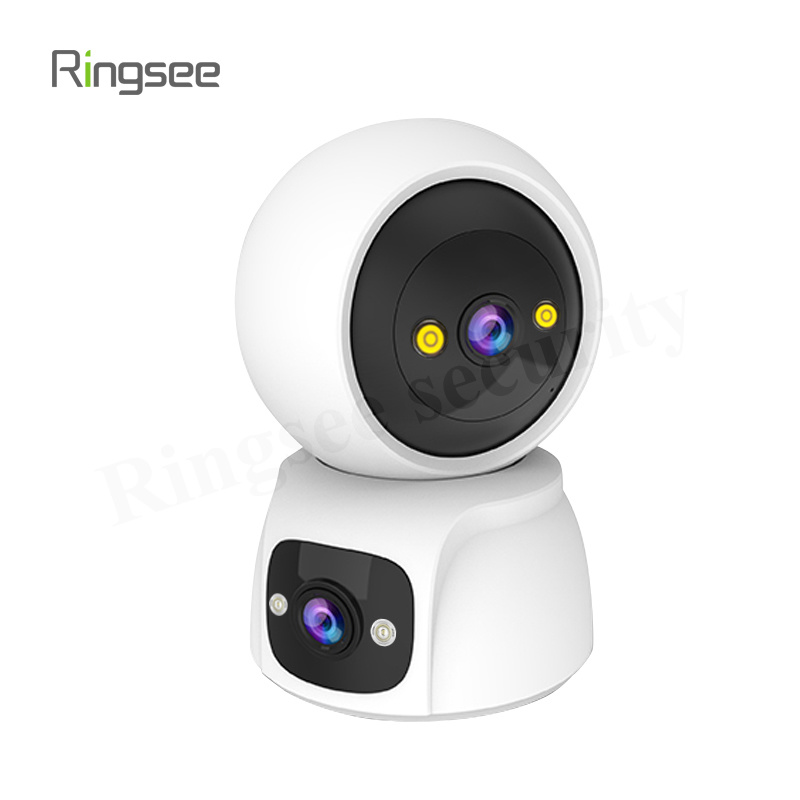
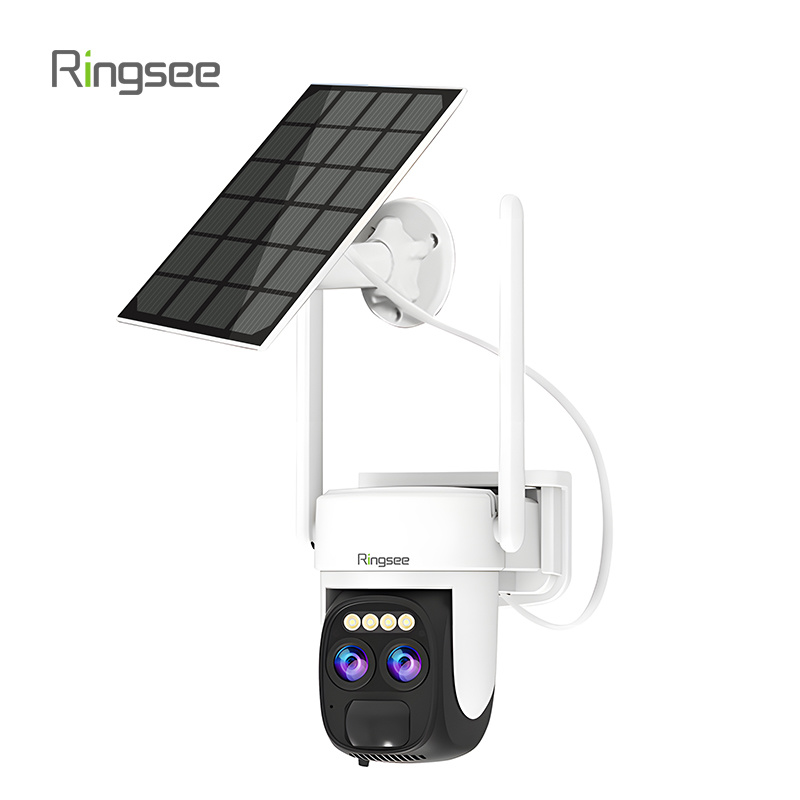
- AOV (Always On Video) Technology: Brands like Ringsee offer AOV Dual-lens cameras. Unlike standard "sleep-and-wake" battery cameras, AOV technology allows for more consistent monitoring without sacrificing the power efficiency needed for solar setups.
- Intelligent Power Management: Most solar cameras are smart enough to stay in "discreet" IR mode until a person is detected, at which point they switch to full-color mode to capture the most useful evidence.
Spotlight on Ringsee’s Innovative Solutions
In the market for solar security, Ringsee has introduced several models that redefine what is possible in total darkness:
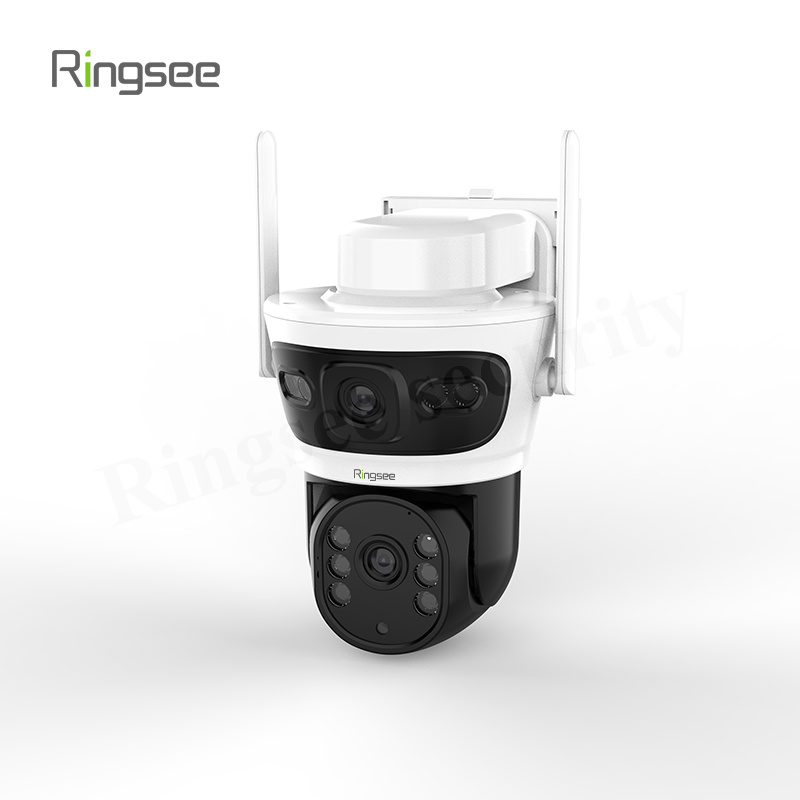
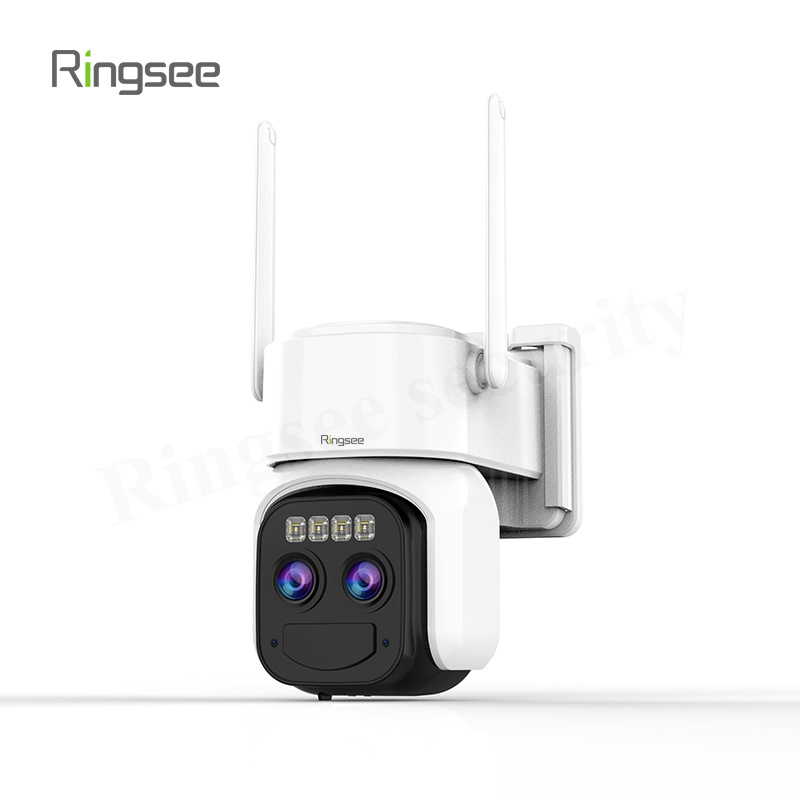
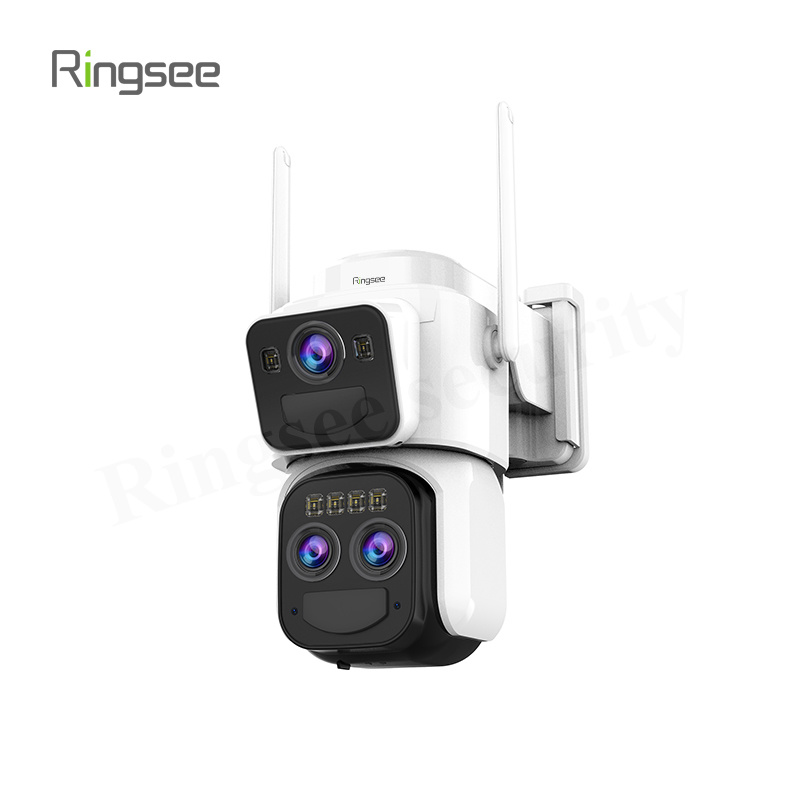
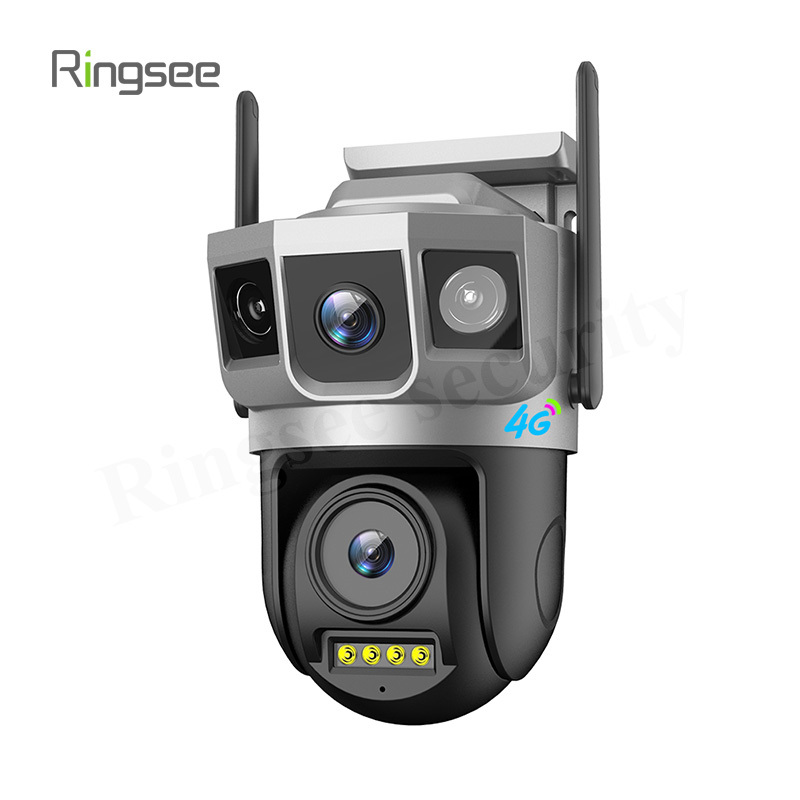
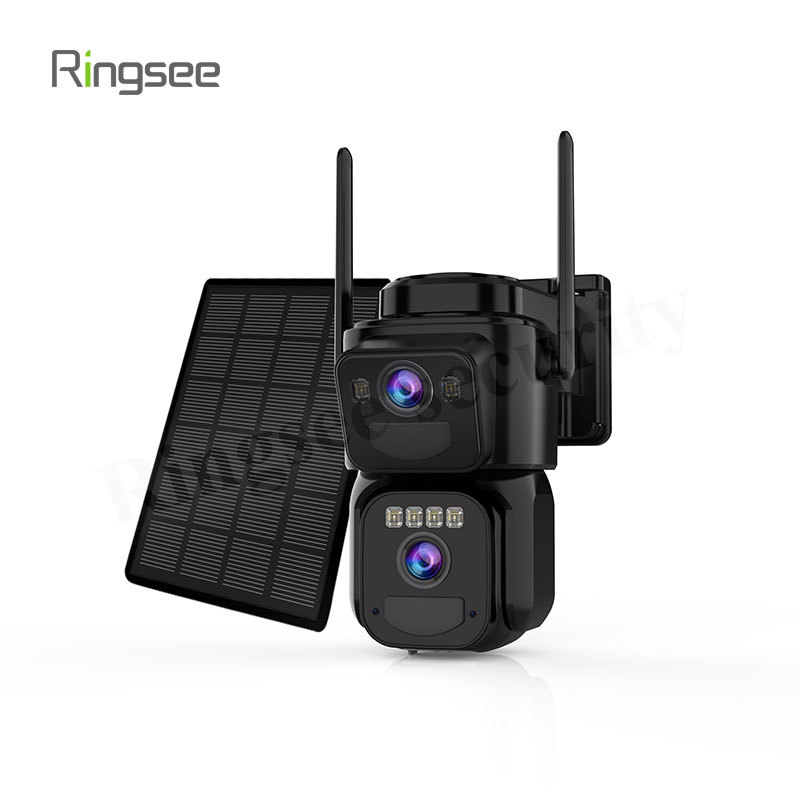
- 2K/4K Dual-Lens & Three-Lens Cameras: Models like the RS-SOC-9110 (Three-lens) provide wide-angle coverage and specialized lenses that work in tandem to ensure that even at night, every corner of your property is visible in high resolution.
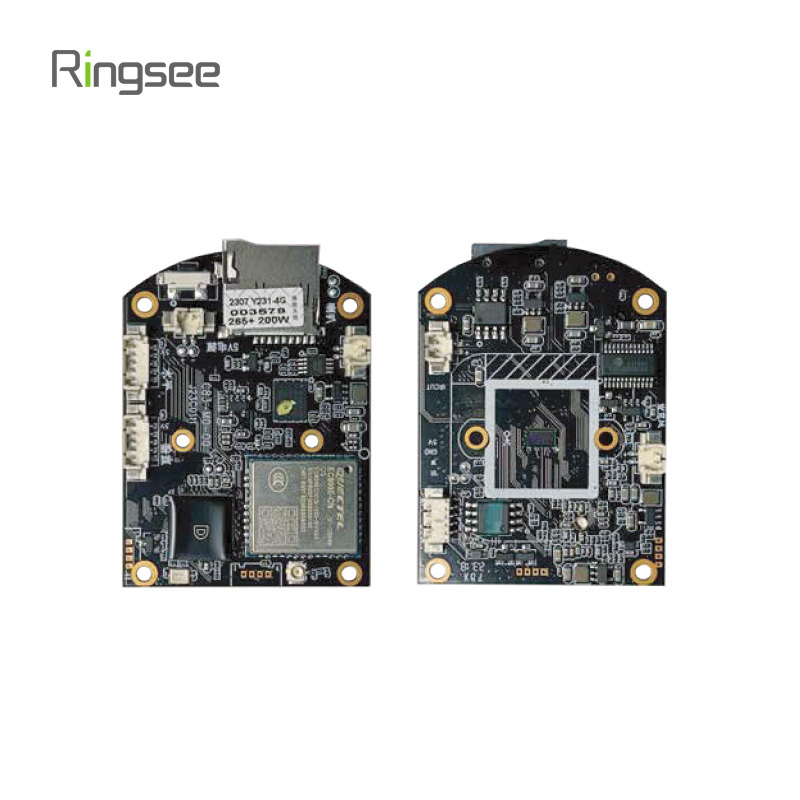
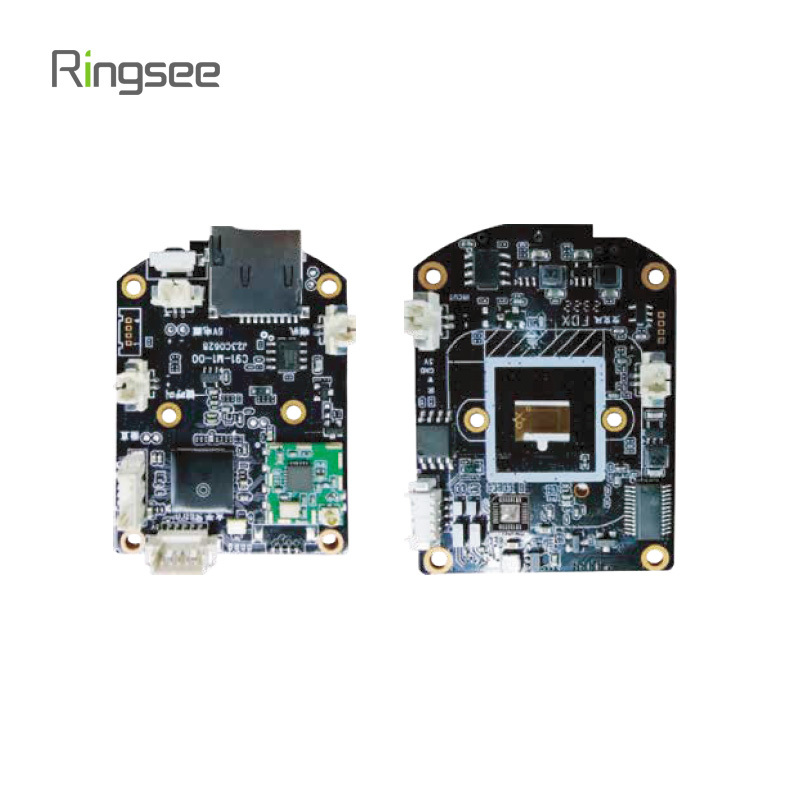
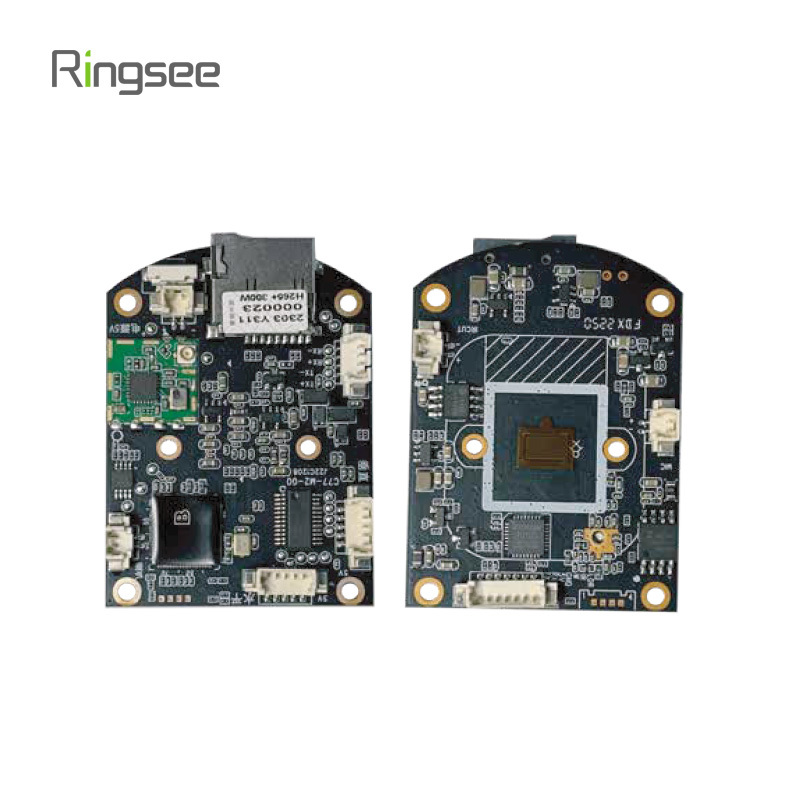
- Black Light Full-Color Modules: By focusing on "low-power" modules, Ringsee ensures that their cameras can maintain 24/7 color monitoring even during periods of low sunlight.
- Multi-Linkage Systems: These cameras don't just "see"; they react. The combination of solar power and full-color modules allows for active deterrence—flashing lights and color recording—the moment a perimeter is breached.
Why You Should Choose Full-Color Over Infrared
While infrared is effective, color night vision offers significant advantages for security:
Improved Identification: You can identify the color of a car, the color of a suspect’s hair, or even the patterns on a jacket.
Visual Deterrence: The activation of a bright white light often scares off a potential intruder before they even reach your door.
Reduced False Alarms: Color imaging provides better contrast, helping AI algorithms distinguish between a human, a pet, or a swaying tree branch.
Summary: What to Look For
When shopping for a solar camera with color night vision, prioritize these specifications:
- Resolution: Look for 2K (3MP/4MP) or 4K for the best detail.
- Lens Count: Dual-lens or Three-lens systems (like the RS-SOC-9108) offer superior depth and field of view.
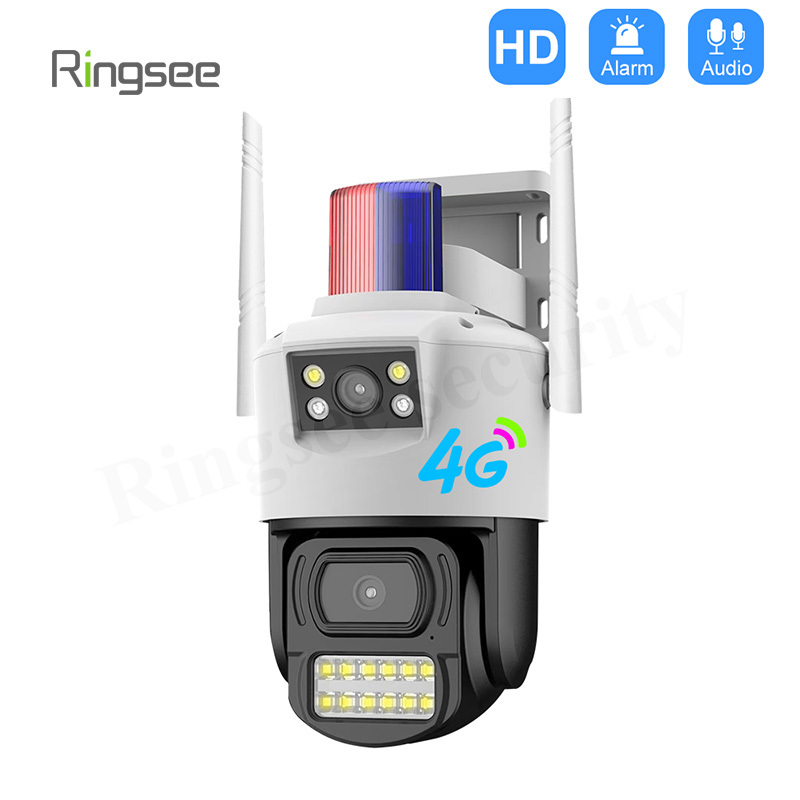
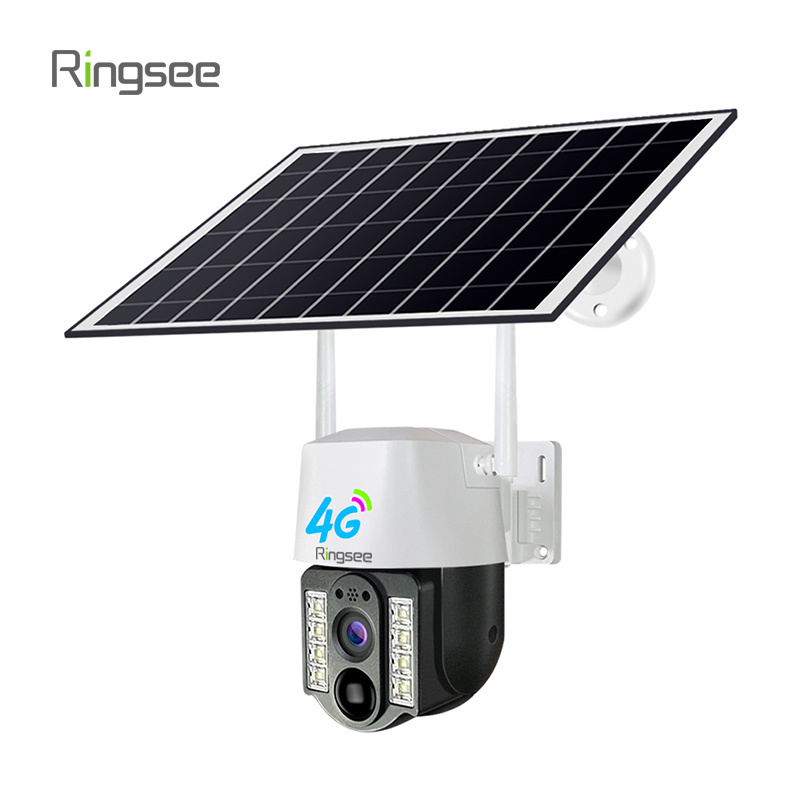
- Connectivity: Choose between 4G LTE (for remote areas) or 2.4G WiFi based on your installation site.
- Battery Capacity: Ensure the solar panel is paired with a high-capacity battery to handle multiple nights of activity.
Links:One Belt Power Technology
Add: 14th Floor, Baoshan Building, Longhua District, Shenzhen China.
Privacy Policy | SEO | CitySite | Support: 300.cn Dongguan