





Solar Outdoor Security Cameras with Full-Color Night Vision: What Buyers Really Need to Know
Publish:
2025-12-31 10:53
Source:
https://www.ring-see.com
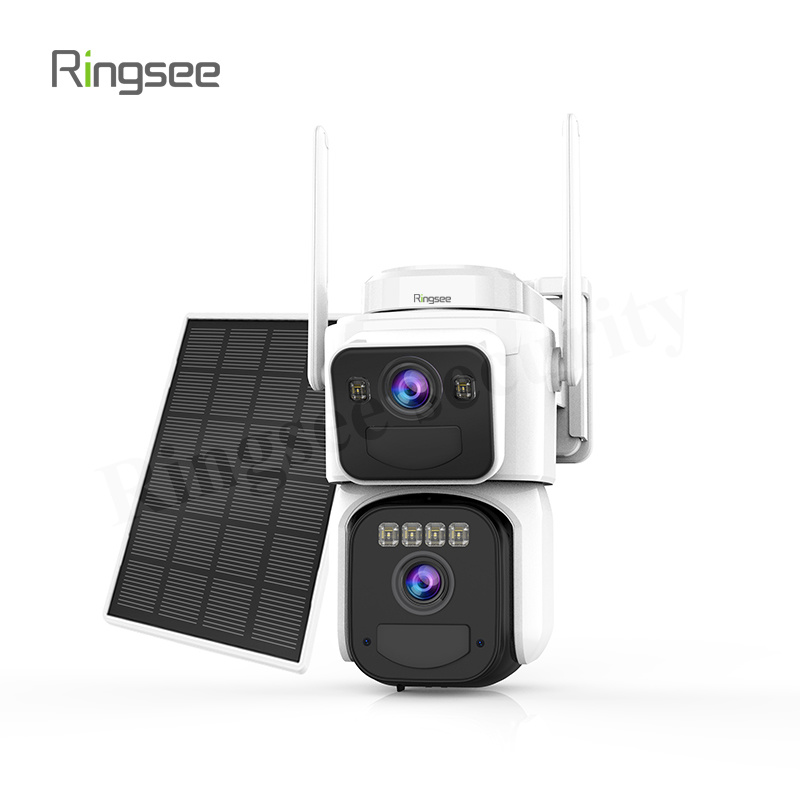
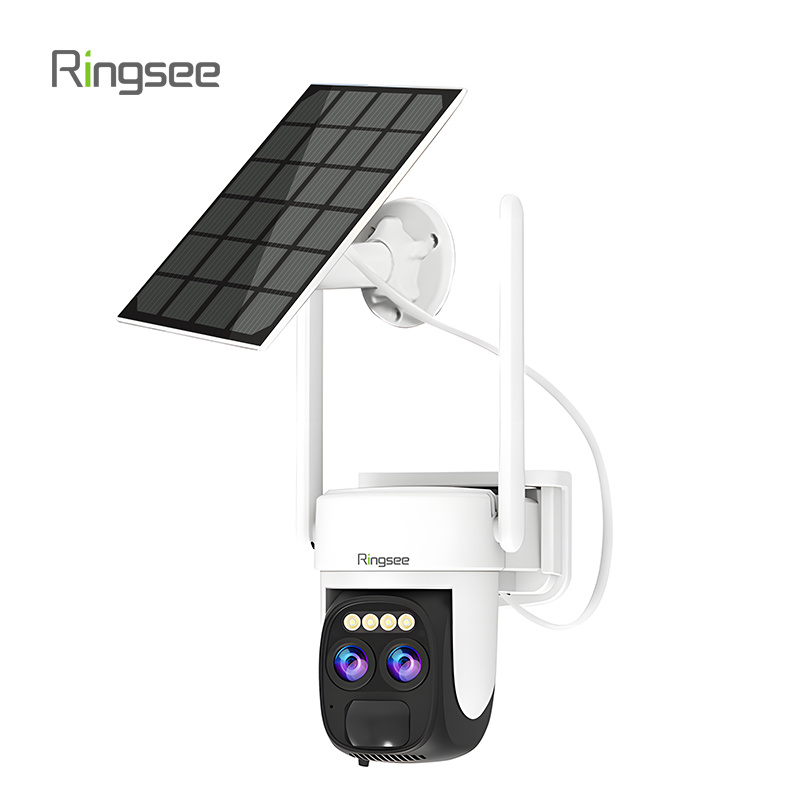
Looking for a solar outdoor security camera with full-color night vision? Learn how wireless, low-power solar cameras deliver clear color video at night, where they work best, and what to consider before buying.
If you’re searching for a solar outdoor security camera with full-color night vision, chances are you’re dealing with at least one of these problems:
- No nearby power outlet
- Poor night footage that only shows black-and-white shapes
- A wired system that’s expensive to install
- A location that needs monitoring 24/7, not just during the day
This guide is written for real buyers, not engineers. It explains how solar outdoor cameras with full-color night vision actually work, when they make sense, and what to look for before you choose one.
Why More Buyers Are Choosing Solar Outdoor Security Cameras

Traditional outdoor security cameras depend on constant power and complicated wiring. That works fine—until you need coverage in places like:
- Backyards and driveways
- Farms and rural properties
- Construction sites
- Warehouses or parking areas
- Remote or temporary locations
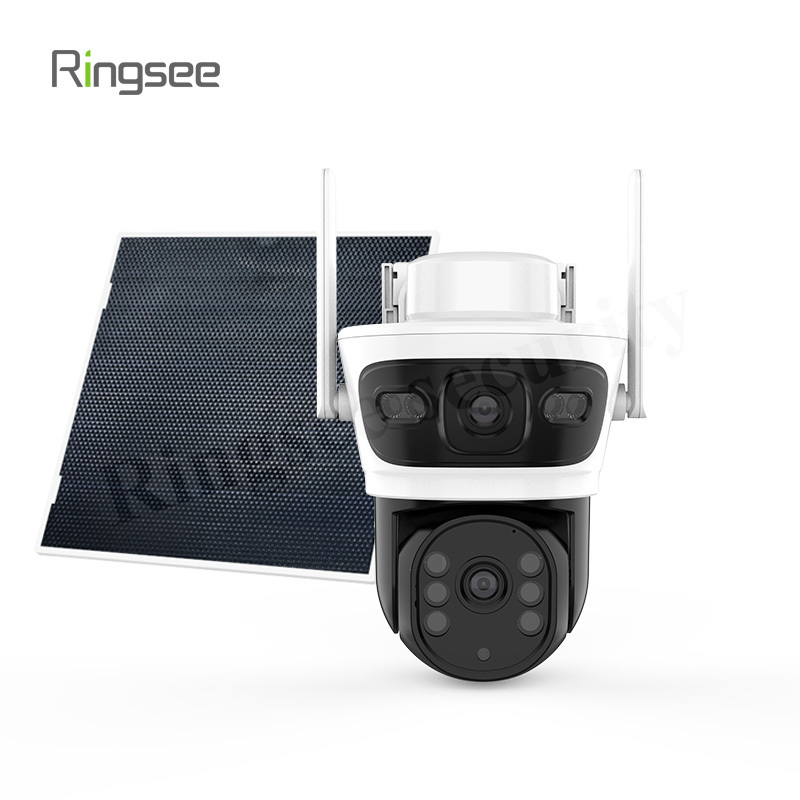
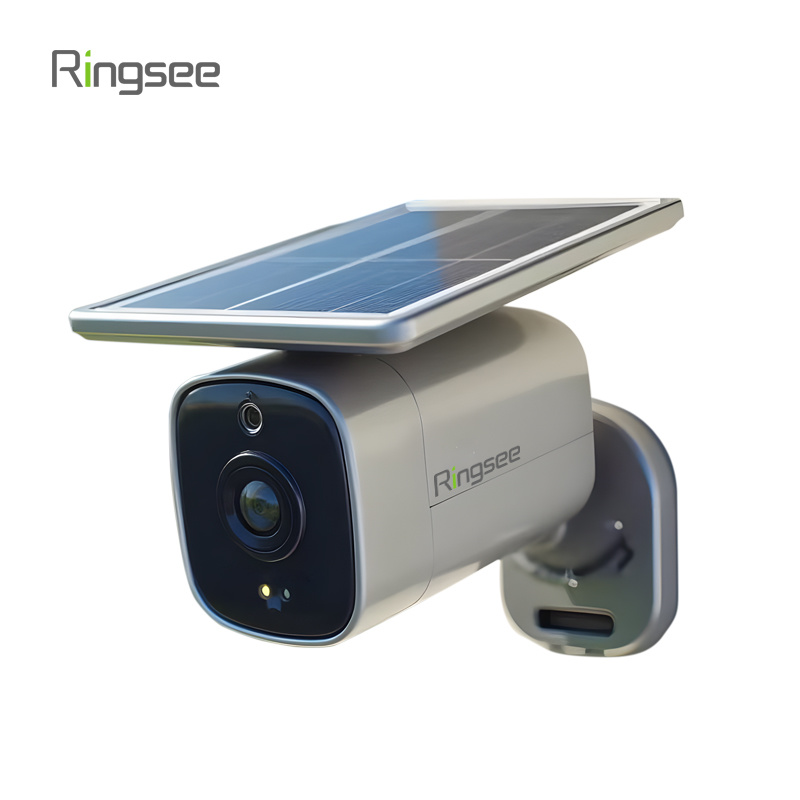
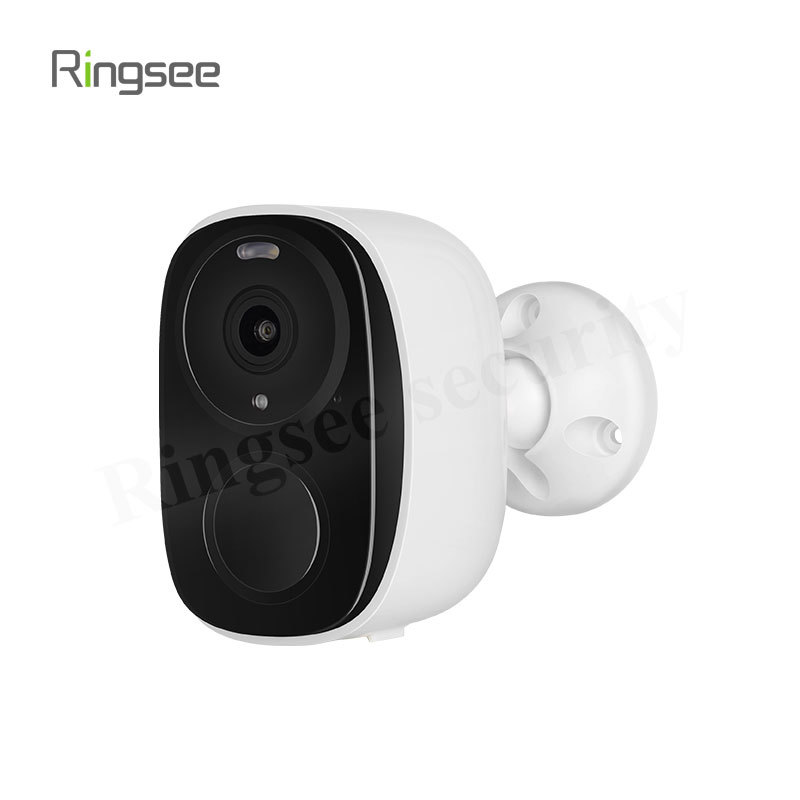
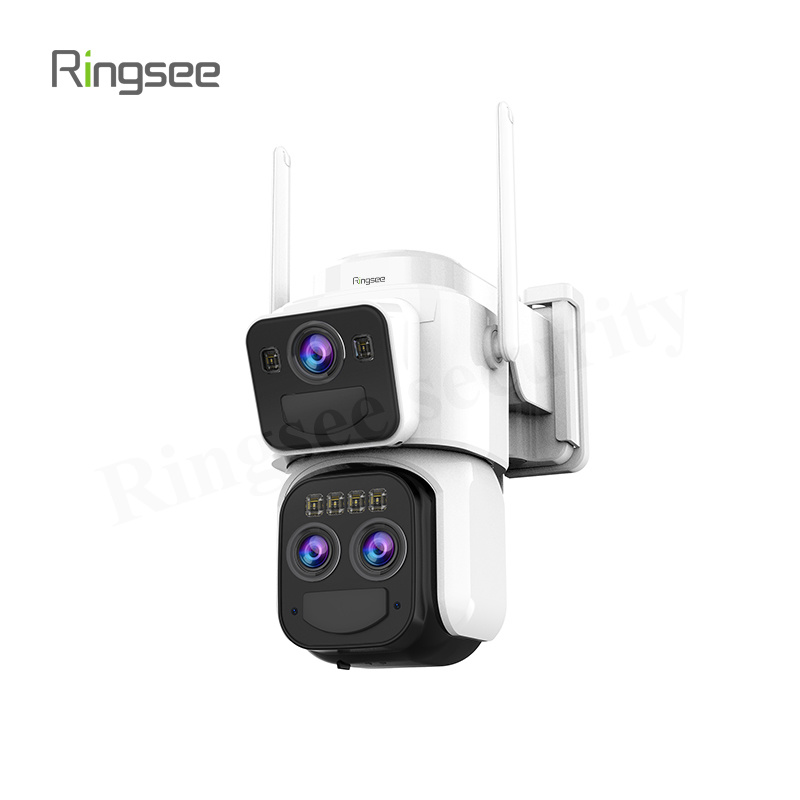
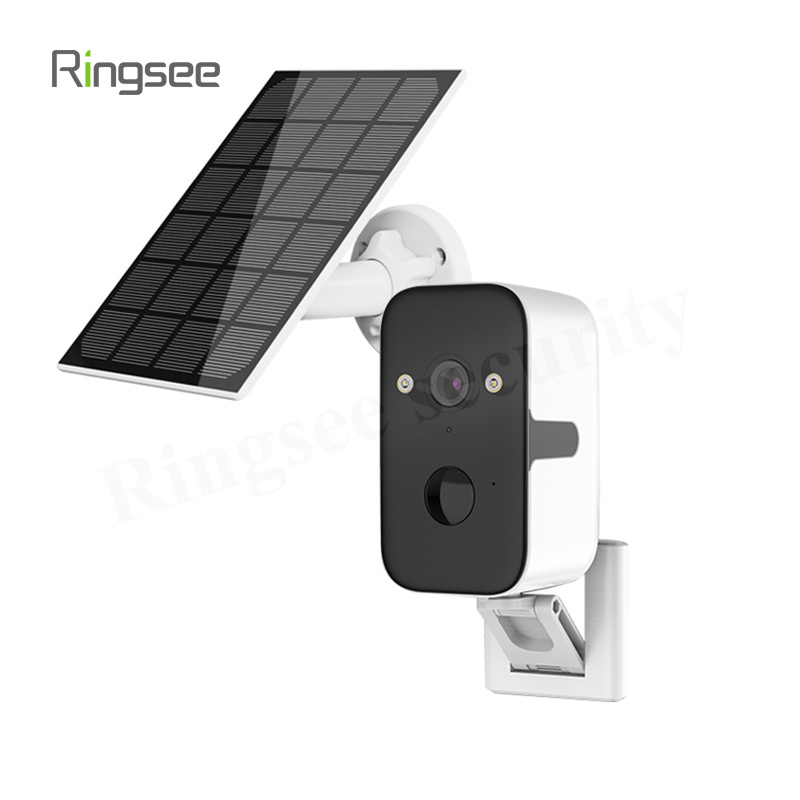
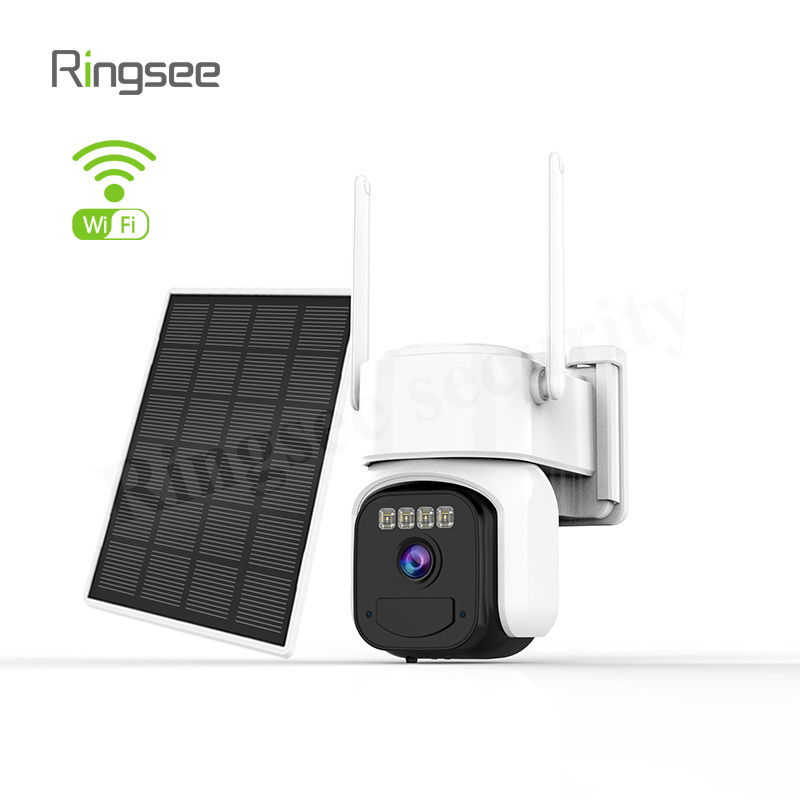
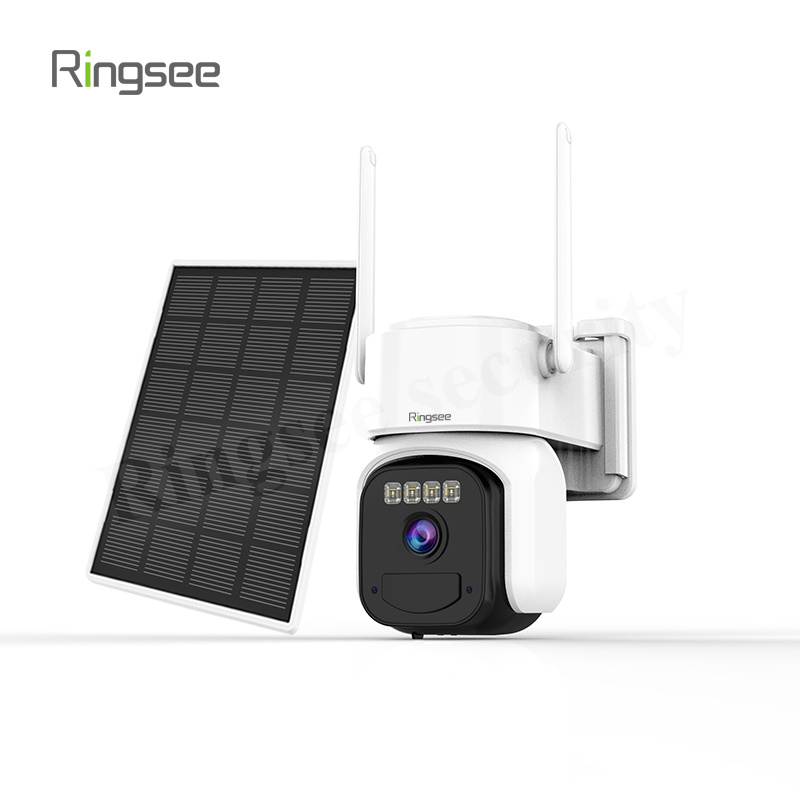
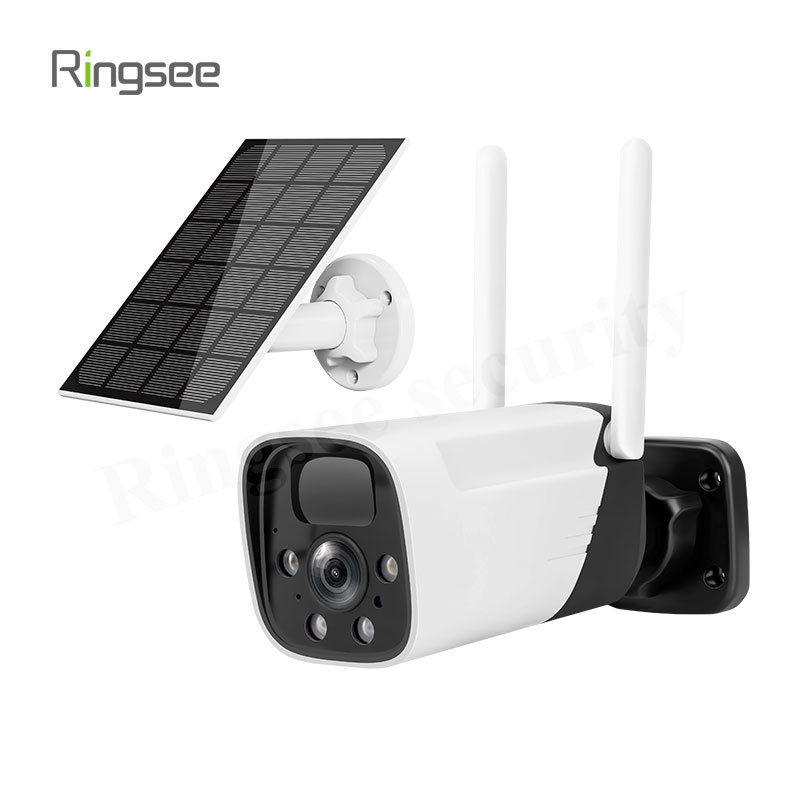
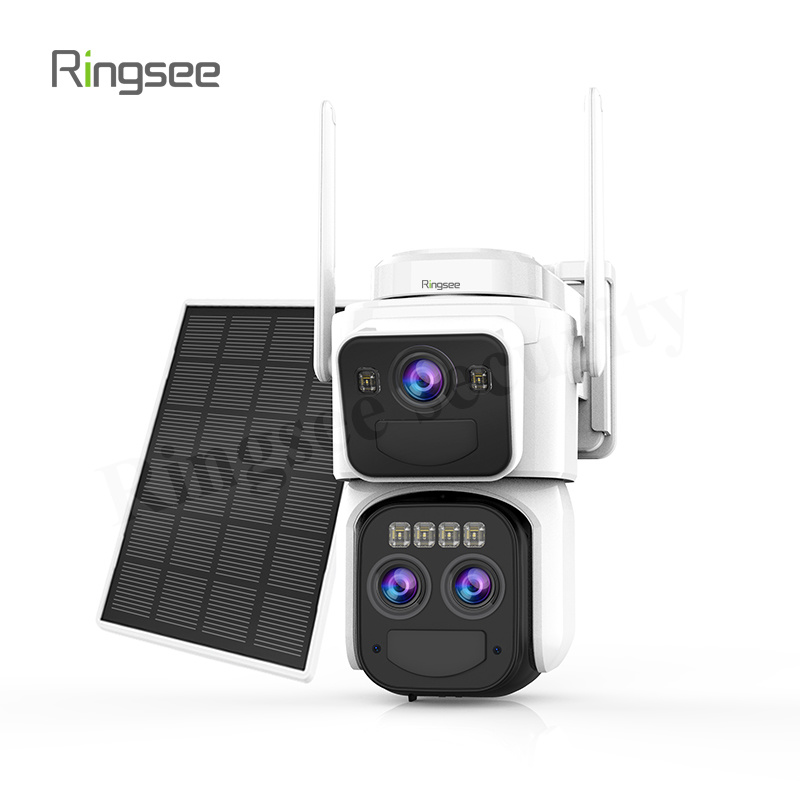
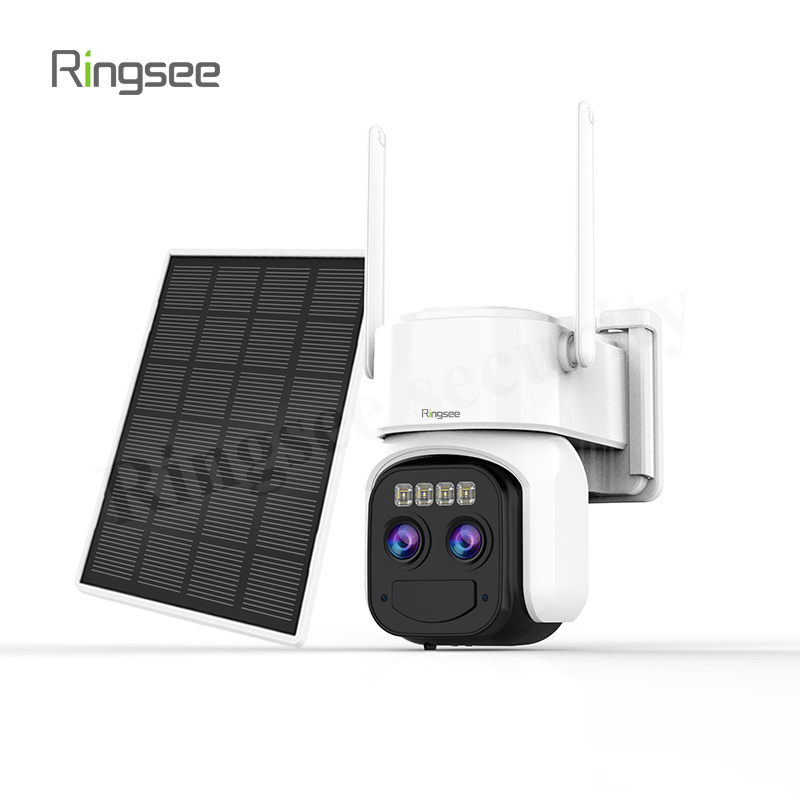
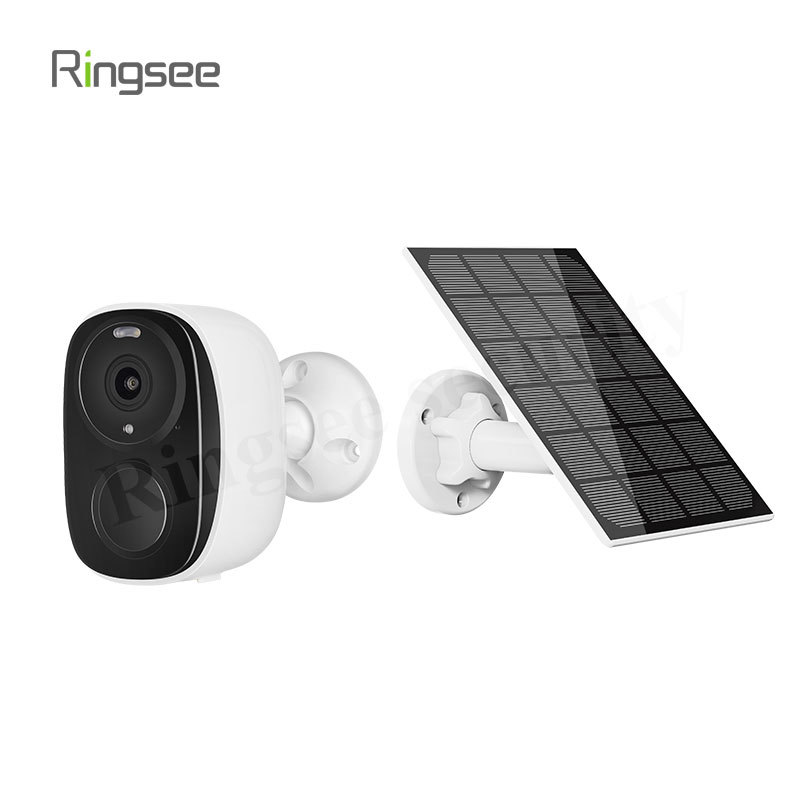
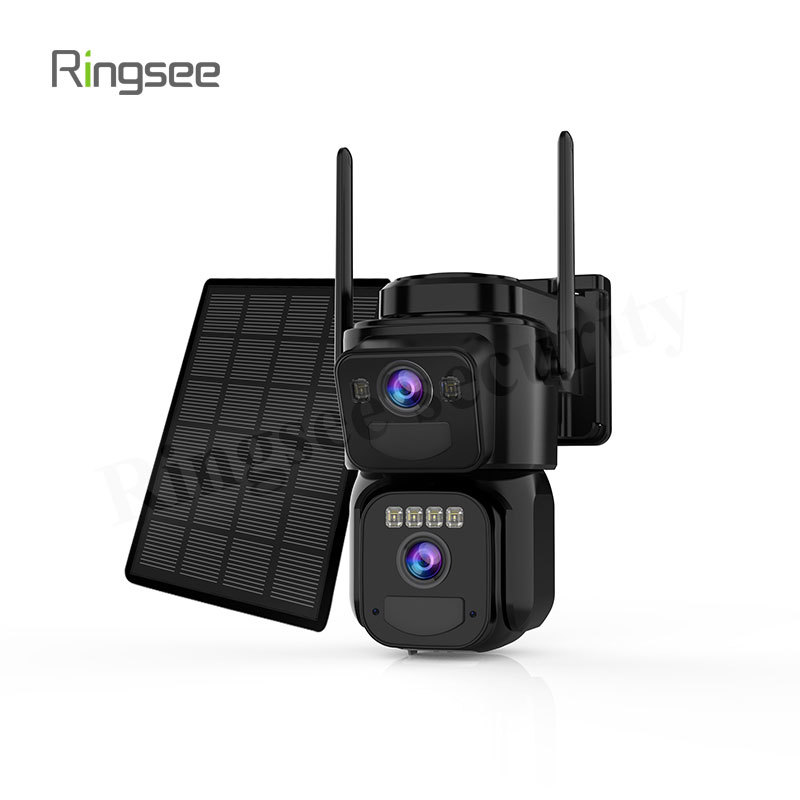
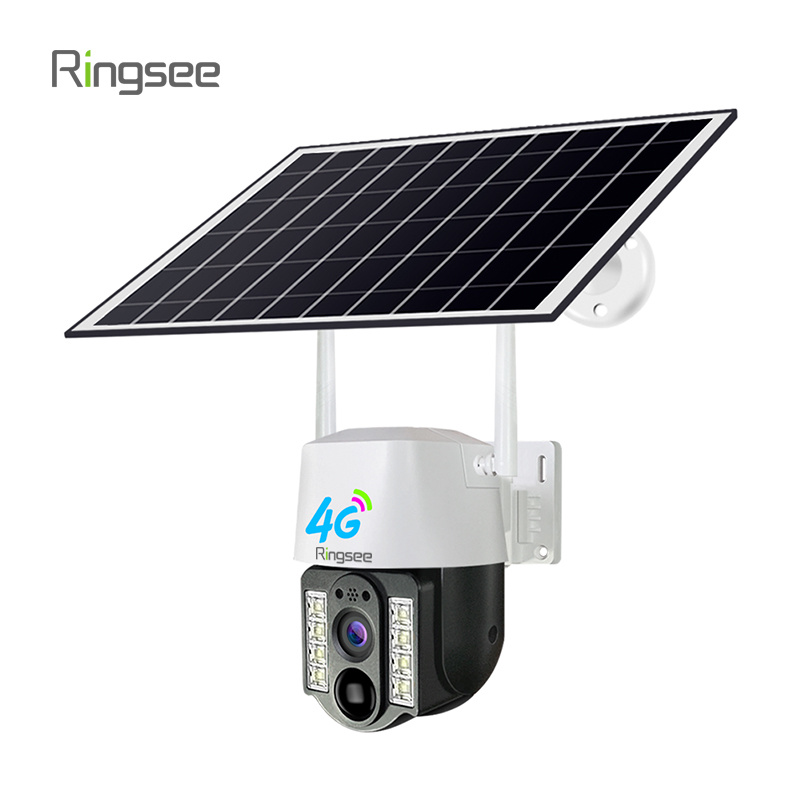
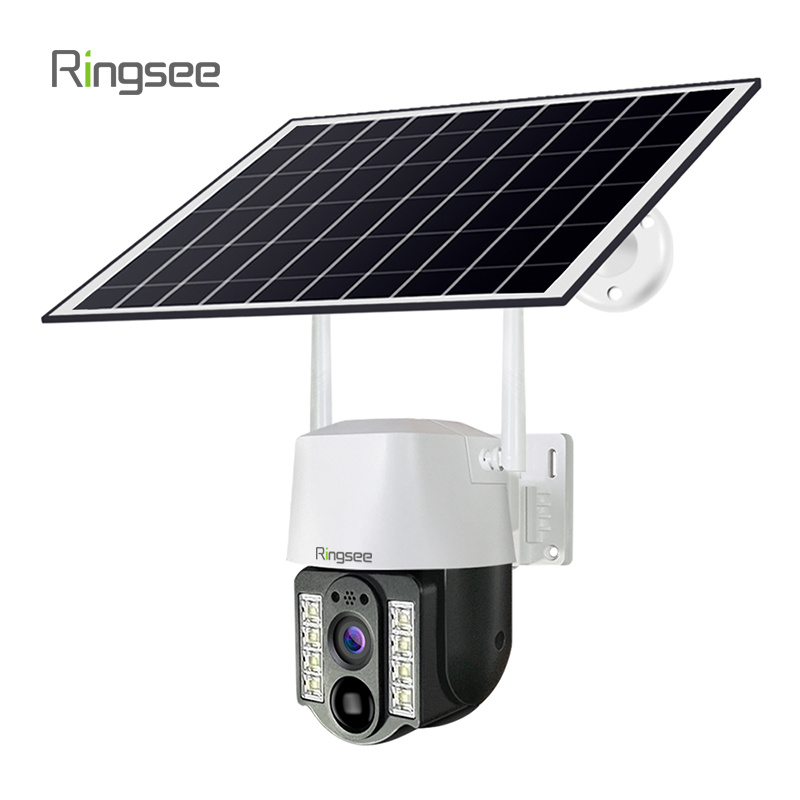
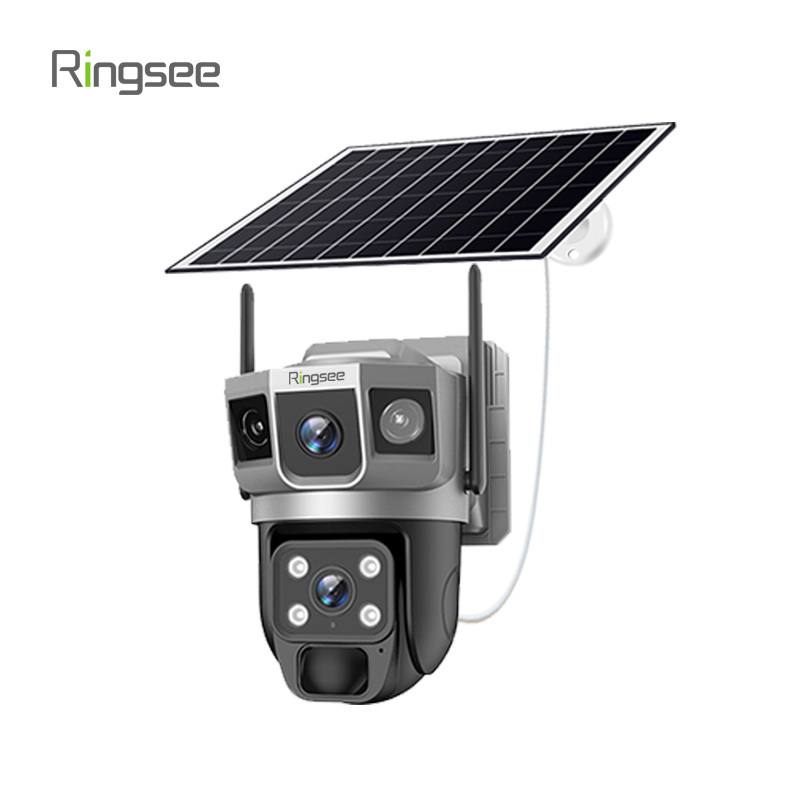
A solar outdoor security camera solves this by running on a rechargeable battery that’s topped up by a solar panel. Once installed, it works independently—no power cables, no trenching, no electrician.
For many buyers, that alone is the deciding factor.
The Real Problem with Night Vision (And Why Color Matters)
Most outdoor security cameras advertise “night vision,” but what they don’t tell you is that standard infrared night vision removes color completely.
That creates real limitations:
- You can’t tell what color a car was
- Clothing details are lost
- Faces are harder to identify
- Video evidence is less useful
This is where full-color night vision changes the experience.
Instead of relying only on infrared LEDs, full-color night vision uses a combination of high-sensitivity image sensors and intelligent lighting to keep color information at night.
For buyers, this means:
Clearer identification of people and vehicles
More usable footage for security or evidence
Fewer “what happened?” moments when reviewing recordings
Can a Solar Camera Really Support Full-Color Night Vision?
This is one of the most common buyer concerns—and a valid one.
Full-color night vision does use more power than black-and-white infrared. The key difference between a good solar camera and a poor one is power management.
Well-designed low-power solar security cameras handle this by:
- Activating color lighting only when motion is detected
- Switching automatically between IR and color modes
- Using AI detection to avoid unnecessary recording
- Balancing battery capacity with solar charging efficiency
In real-world use, this allows full-color night footage without draining the battery overnight.
What to Look for When Buying a Solar Outdoor Camera with Full-Color Night Vision
1. Smart Night Vision Modes
Look for cameras that offer:
- Infrared mode
- Full-color mode
- Smart mode (color only when motion is detected)
This flexibility is critical for long-term outdoor use.
2. Reliable Solar Power Design
Not all solar cameras are equal. Key details include:
- Size and efficiency of the solar panel
- Battery capacity for cloudy days
- Low-power standby performance
A camera that looks good on paper but drains quickly will cause constant frustration.
3. Accurate Motion Detection
False alerts waste power and time. Buyers should prioritize:
- Human detection over basic motion sensing
- Adjustable detection zones
- Sensitivity controls for outdoor environments
4. Connection Type: Wi-Fi or 4G
Wi-Fi solar security cameras work well near homes or offices
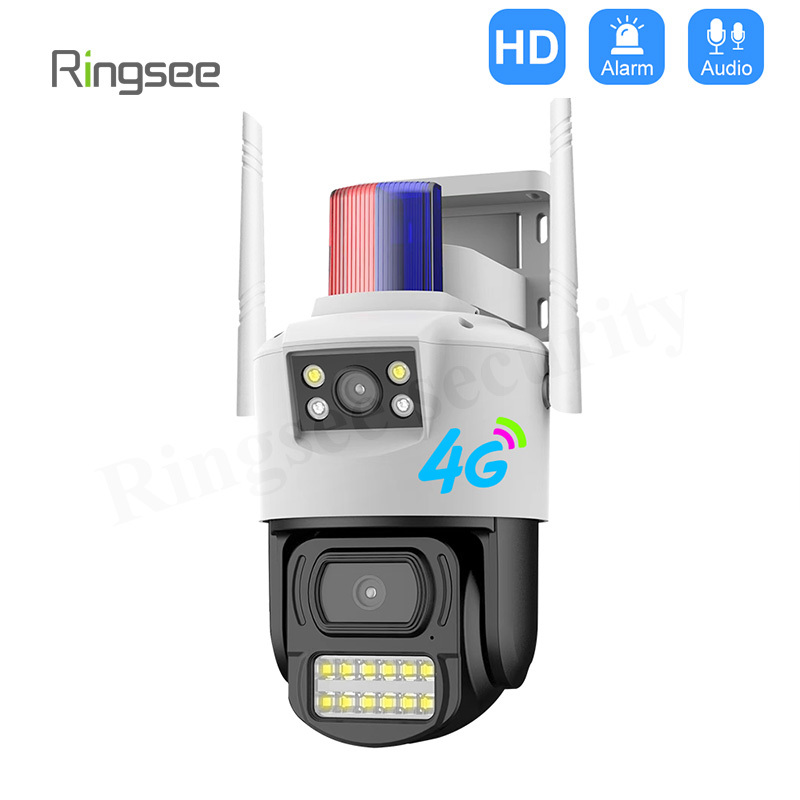
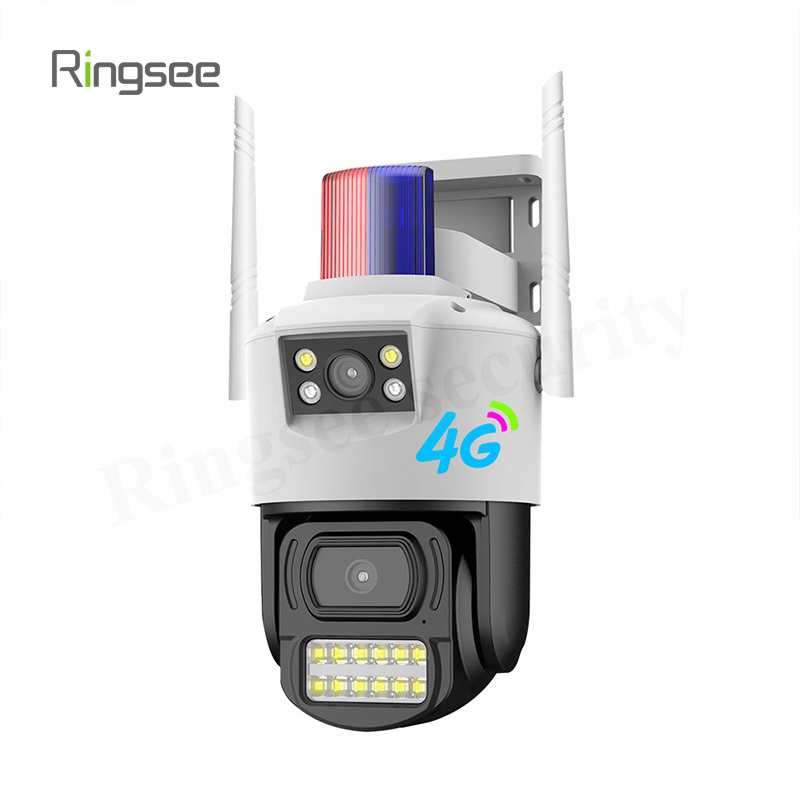
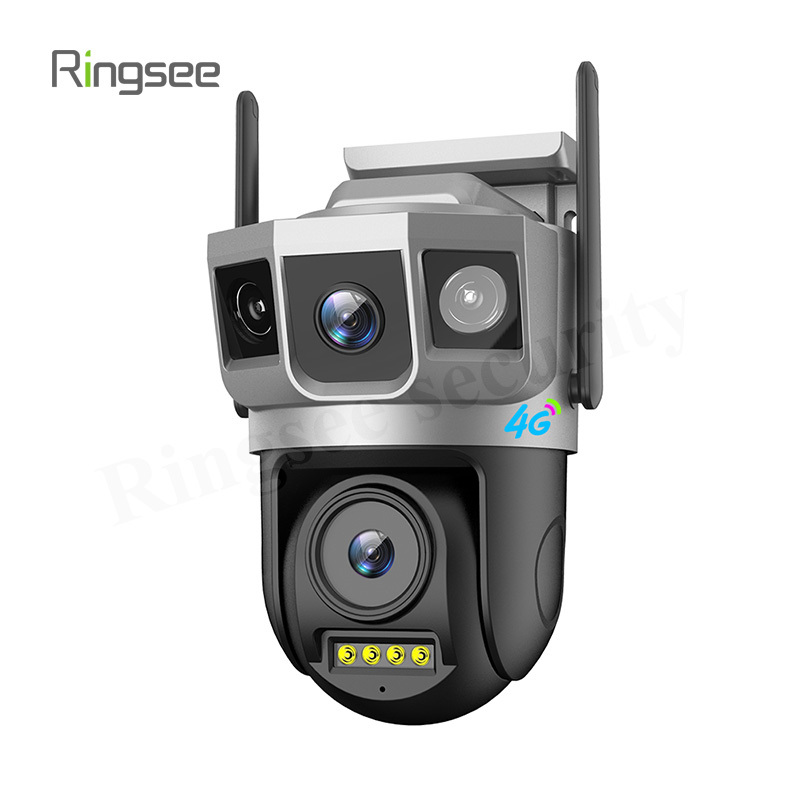
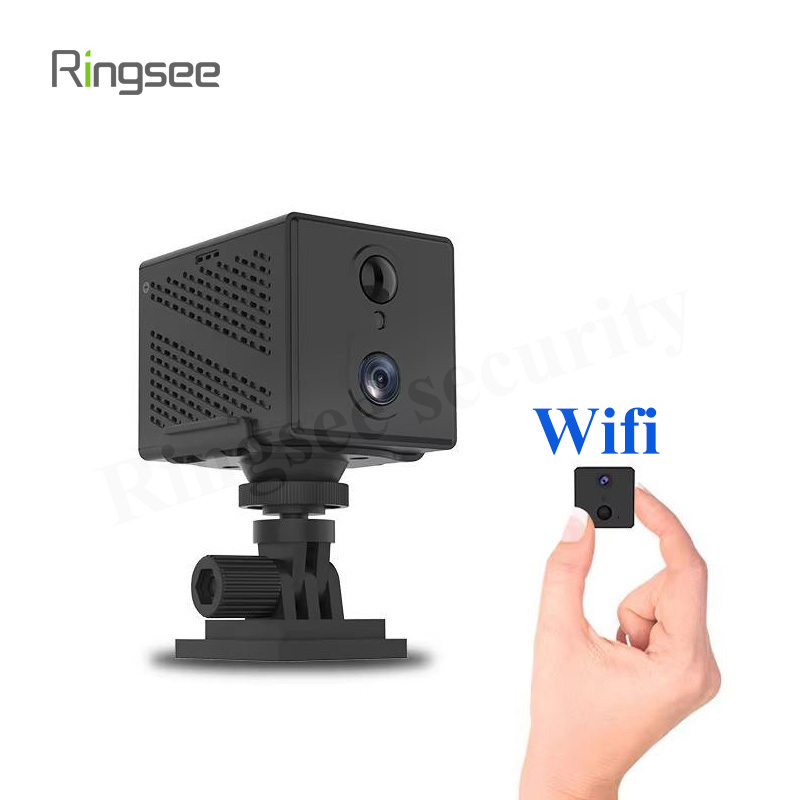
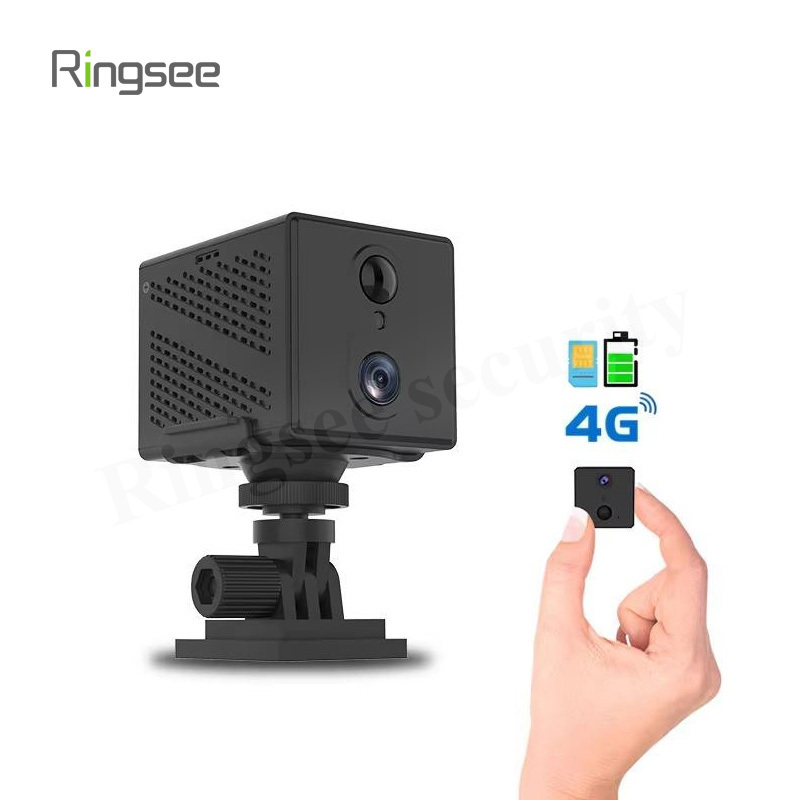
4G solar cameras are better for remote locations without internet access
Your choice should match the installation environment, not marketing claims.
Where Solar Full-Color Night Vision Cameras Are Used Most
From buyer feedback and real deployments, these cameras perform especially well in:
- Home entrances and backyards
- Farms and livestock areas
- Construction sites after working hours
- Warehouses and storage yards
- Temporary or mobile security setups
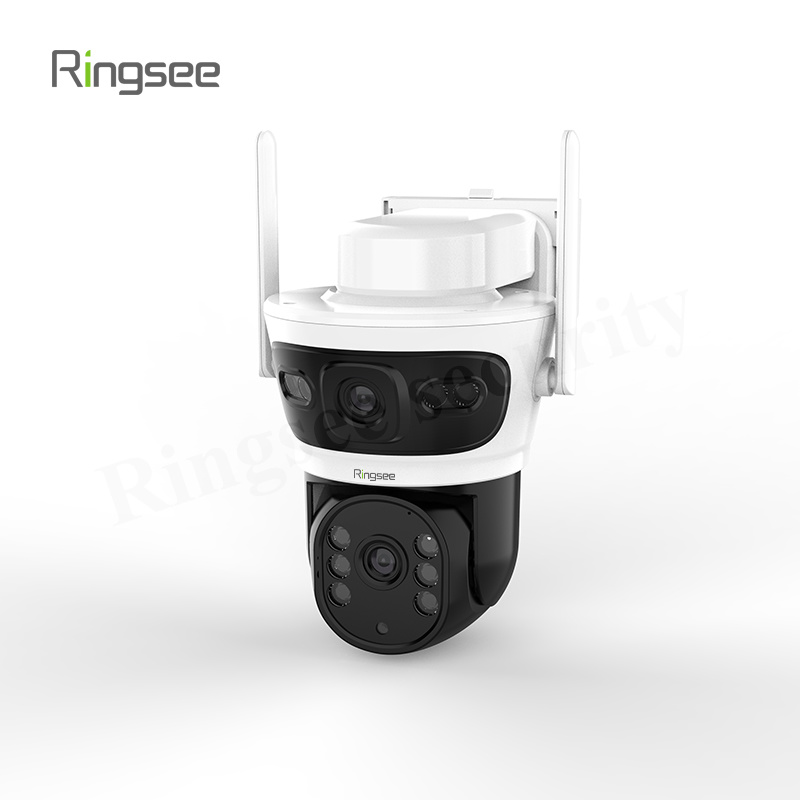
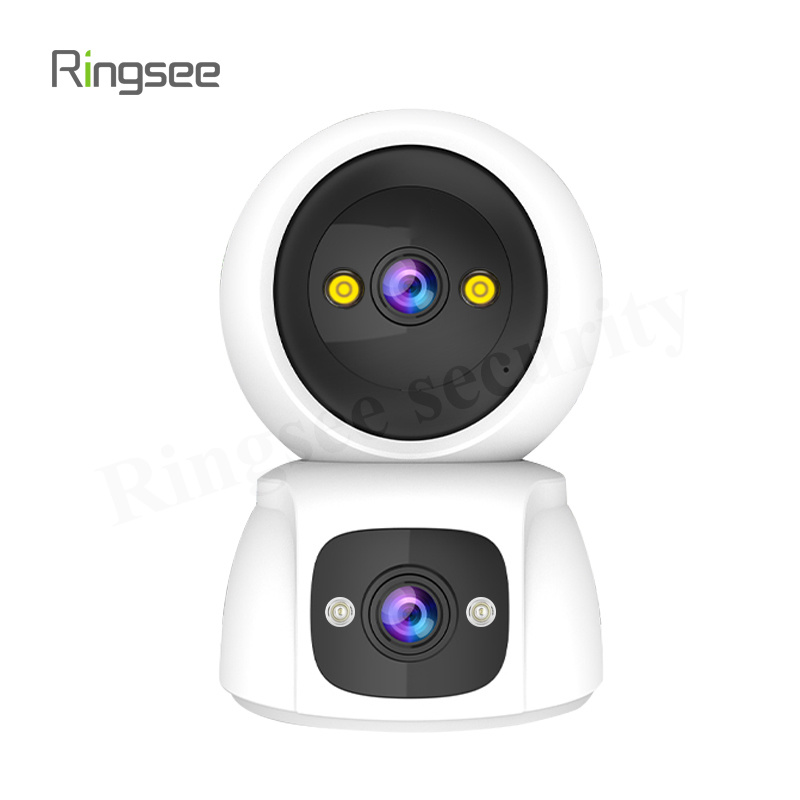
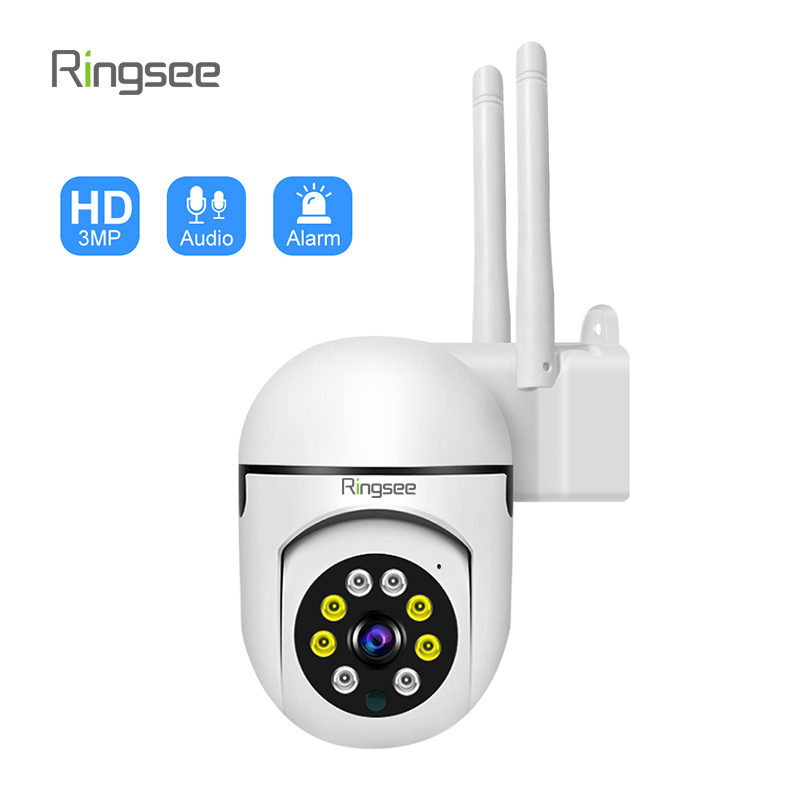
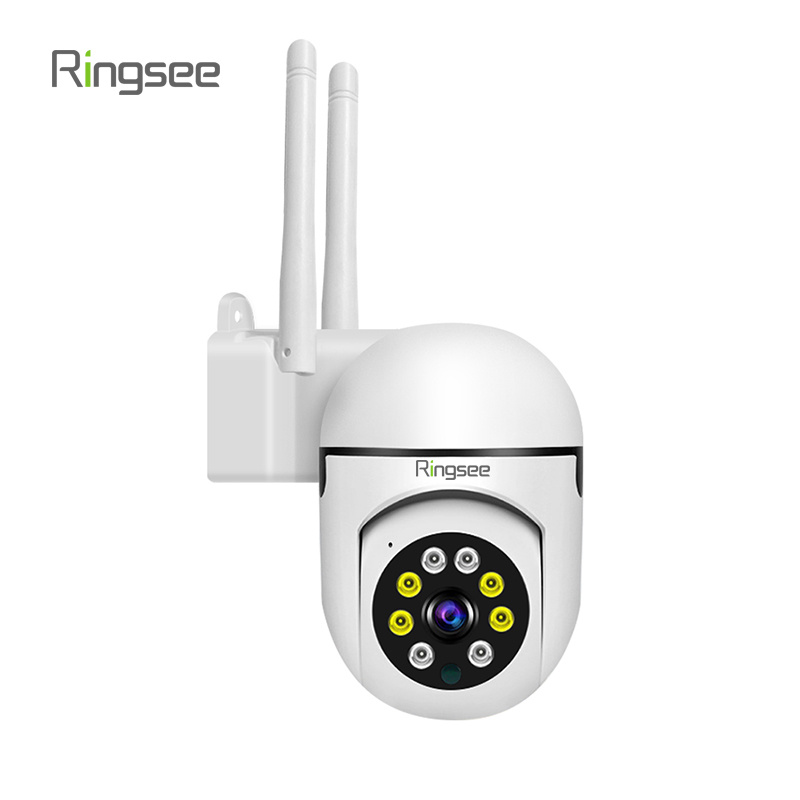
Manufacturers like Ringsee, with long-term experience in outdoor surveillance, design these cameras specifically for unstable power and lighting conditions—something generic indoor brands often overlook.
Are Solar Full-Color Night Vision Cameras Worth It?
For the right situation, yes.
They’re especially valuable when:
- Running power cables is expensive or impossible
- Night identification matters more than basic detection
- You need flexible installation and relocation
- Long-term operating costs matter
They may not replace every wired system—but for outdoor and off-grid use, they often outperform them in practicality.
A solar outdoor security camera with full-color night vision isn’t just about clearer video—it’s about solving real installation and visibility problems.
When chosen correctly, it offers:
- Independence from power outlets
- Better night-time identification
- Lower installation and maintenance costs
- Reliable outdoor security in places wired cameras struggle
For buyers who understand their environment and priorities, this type of camera has become one of the most practical outdoor security solutions available today.
Related News
Target readers: security owners, system integrators, and EHS engineers for petrochemical, oil and gas, pharmaceutical, powder processing, and coal mining sites where explosive gas or combustible dust exists. Core takeaway: a normal camera is itself an ignition source in flammable environments. You must use explosion proof cameras certified to ATEX, IECEx, or China Ex, selected by hazard zone, installed with proper grounding, and documented for compliance. This guide gives a reusable selection, install, and acceptance workflow.
Nov 08,2026
4G 5G Cellular Surveillance Camera Guide: Remote Video without Broadband
Target readers: security owners and integrators for farms, orchards, fisheries, construction, oil and mining sites, vehicle fleets, and remote African villages where broadband is scarce. Core takeaway: when there is no fiber, no broadband, and frequent power loss, a SIM card cellular camera is the easiest and most scalable remote video option. This guide gives a reusable architecture covering power, data, backhaul, AI, and compliant deployment.
Nov 08,2026
Analog CCTV Upgrade Guide: Coax HD Reuse vs Full IP Rebuild, Cost and Timeline Compared
Factory, campus and retail chains running analog surveillance for five or six years face the same wall: blurry images, unretrievable footage, and no path to AI analytics on legacy hardware. This guide breaks down pre-upgrade system inventory, compares the coax-HD reuse route against a full IP rebuild, gives bandwidth and storage recalculation formulas, and lays out a zoned, non-disruptive cutover plan with a selection checklist.
Oct 31,2026
CCTV Maintenance Outsourcing: SLA Tiers, Market Rates, KPI and Contract Playbook
Conclusion first: the real cost of a surveillance system is in its operation. Three years of maintenance typically equals 30% to 50% of the build cost, yet most buyers spend the budget at install and leave operation to whoever happens to notice. Lock the maintenance boundary while signing the build contract. This guide breaks down the in-house versus outsourced decision model, a three-tier SLA (P1 / P2 / P3), per-point market rates and how to read a quote, the two KPIs that decide payment (camera online rate and footage integrity), the five clauses every contract must hold, the 90-day handover that most often loses control, plus a selection checklist and acceptance tests.
Oct 25,2026
Links:One Belt Power Technology
Add: 14th Floor, Baoshan Building, Longhua District, Shenzhen China.
Privacy Policy | SEO | CitySite | Support: 300.cn Dongguan