








Global Market Analysis 2024: Top Security Camera Manufacuturers Brand Performance and Solar Segment Trends
Publish:
2025-05-20 10:20
Source:
https://www.ring-see.com
In 2024, the global security camera market was valued at approximately USD 43.65 billion, reflecting steady growth driven by increasing demand for surveillance across residential, commercial, and governmental sectors.
In 2024, the global security camera market was valued at approximately USD 43.65 billion, reflecting steady growth driven by increasing demand for surveillance across residential, commercial, and governmental sectors. North America remained the dominant regional market, capturing about 27.3% of the total share, followed by Asia-Pacific and Europe. Emerging markets such as Latin America also gained traction, contributing 5.4% of global revenues.
This growth is primarily fueled by ongoing concerns over property safety, urban development, and advancements in artificial intelligence and video analytics technologies.
Market Share of Leading Security Camera Brands
The market continues to be led by several major global manufacturers, with two Chinese giants—Hikvision and Dahua Technology—dominating a significant portion of global shipments:
| Brand | Estimated Market Share (2024) |
|---|---|
| Hikvision | 21.4% |
| Dahua Technology | 16.1% |
| Axis Communications | 19.6% |
| Hanwha Vision | 9.3% |
| Reolink | 4.6% |
| Uniview | 1.5% |
| Others (Milesight, Lorex, etc.) | Remaining Share |
Hikvision and Dahua collectively hold more than 37% of the global security camera market, underscoring their continued dominance in both commercial and residential sectors. Western brands such as Axis Communications and Hanwha Vision remain strong competitors, particularly in enterprise and government applications due to their emphasis on cybersecurity and compliance standards.

Solar Security Cameras: A Fast-Growing Market Segment
The solar-powered security camera segment has emerged as one of the fastest-growing categories in the global surveillance industry. With increasing emphasis on sustainable energy and off-grid solutions, this segment is expected to expand significantly in the coming years.
Market Size and Growth Forecast
Market Value (2023): USD 2.1 billion
Projected Market Value (2033): USD 8.9 billion
Compound Annual Growth Rate (CAGR): 15.6%
The residential solar security camera segment alone generated USD 1.2 billion in 2024 and is projected to grow at a CAGR of 15.5% through 2033, driven by homeowners seeking eco-friendly, low-maintenance surveillance solutions.
Key Growth Drivers
Energy Independence: Solar cameras operate independently of the power grid, reducing electricity costs.
Remote Deployment: Ideal for rural, construction, and off-grid locations with limited power access.
Technological Advancements: Improvements in battery storage, panel efficiency, and AI analytics.
Environmental Awareness: Demand for greener, sustainable home and business technologies.
Market Segmentation
| Category | Subcategories |
|---|---|
| By Connectivity | Wireless, Wired |
| By Application | Residential, Commercial, Industrial, Government |
| By Features | Pan-Tilt-Zoom, AI Detection, Full-Color Night Vision |
| By Region | North America, Europe, Asia-Pacific, Latin America, Middle East & Africa |
Key Manufacturers in the Solar Security Camera Segment
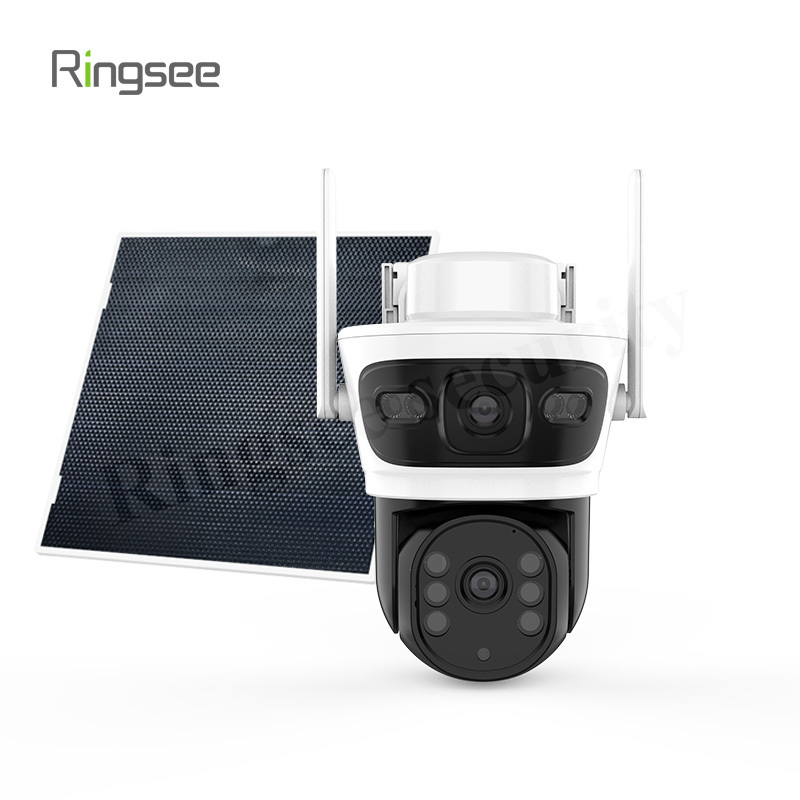
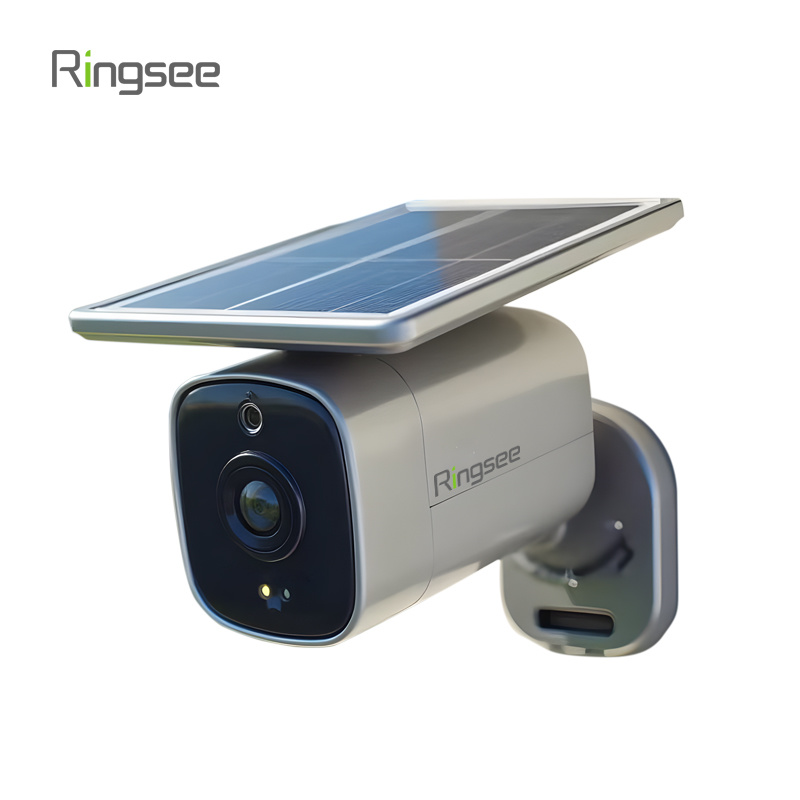
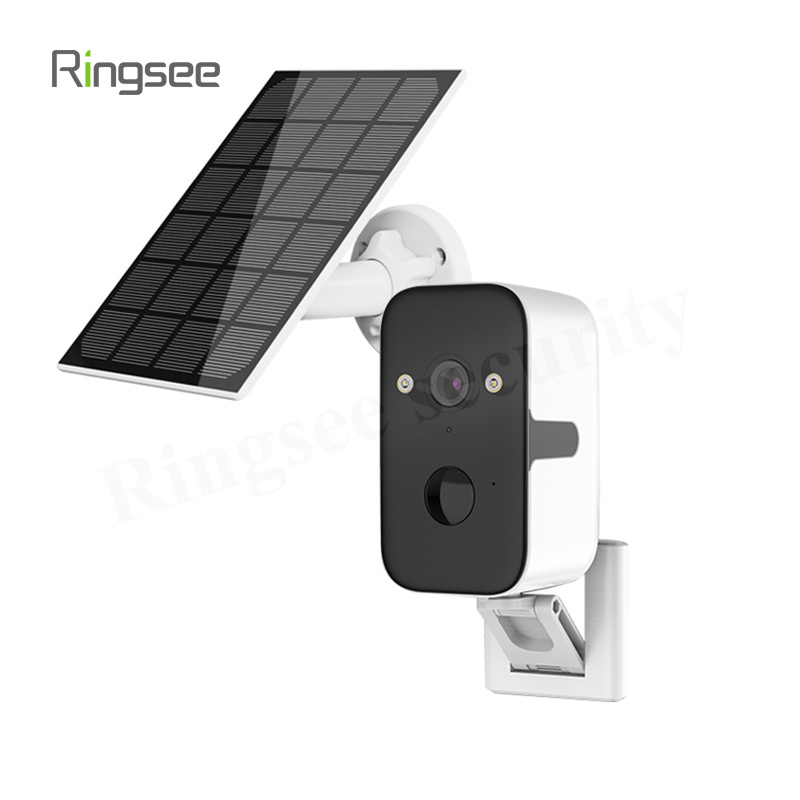
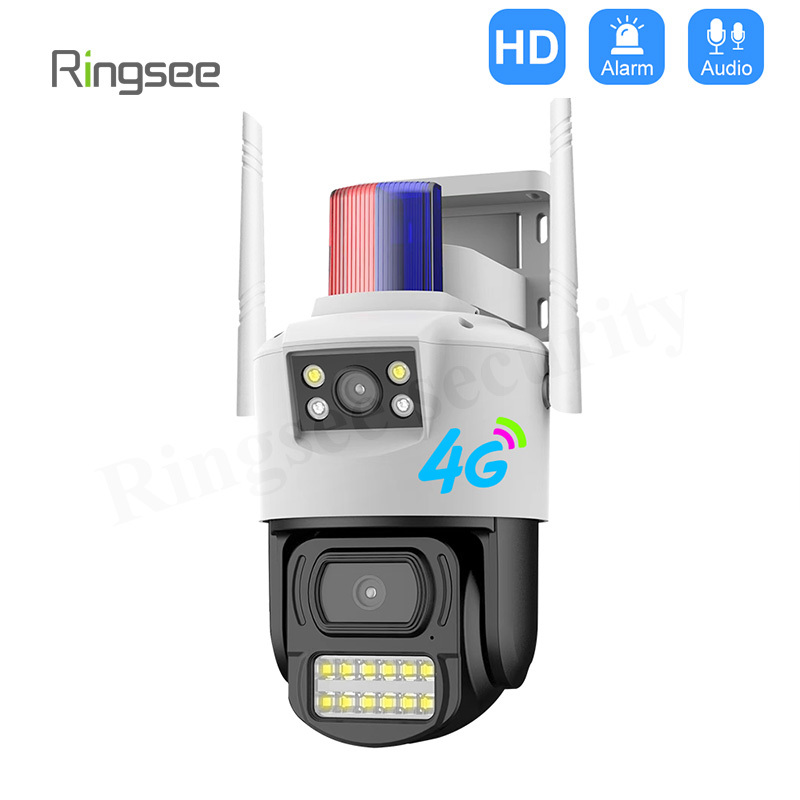
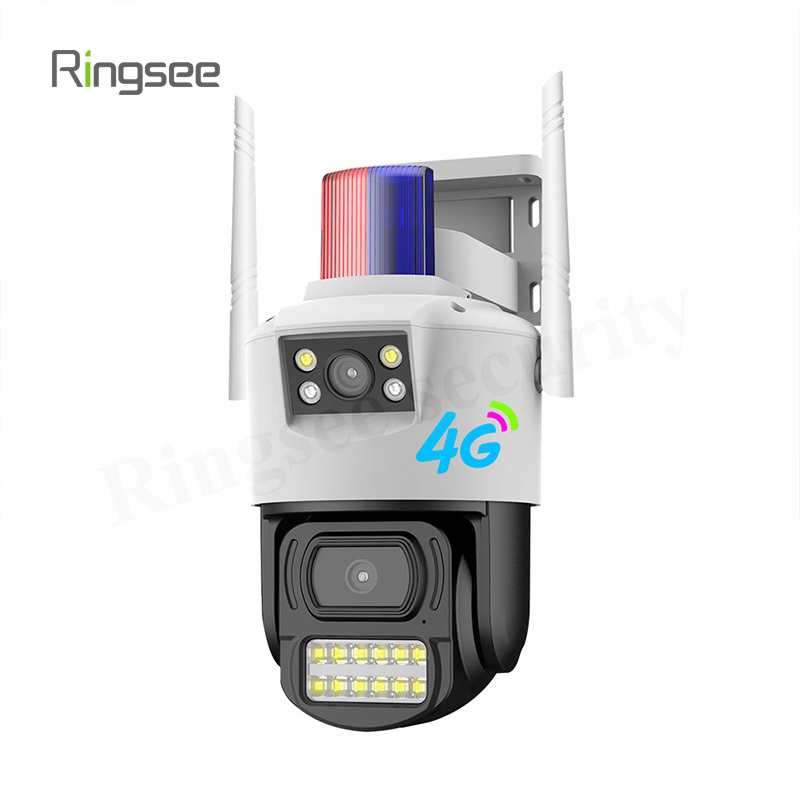
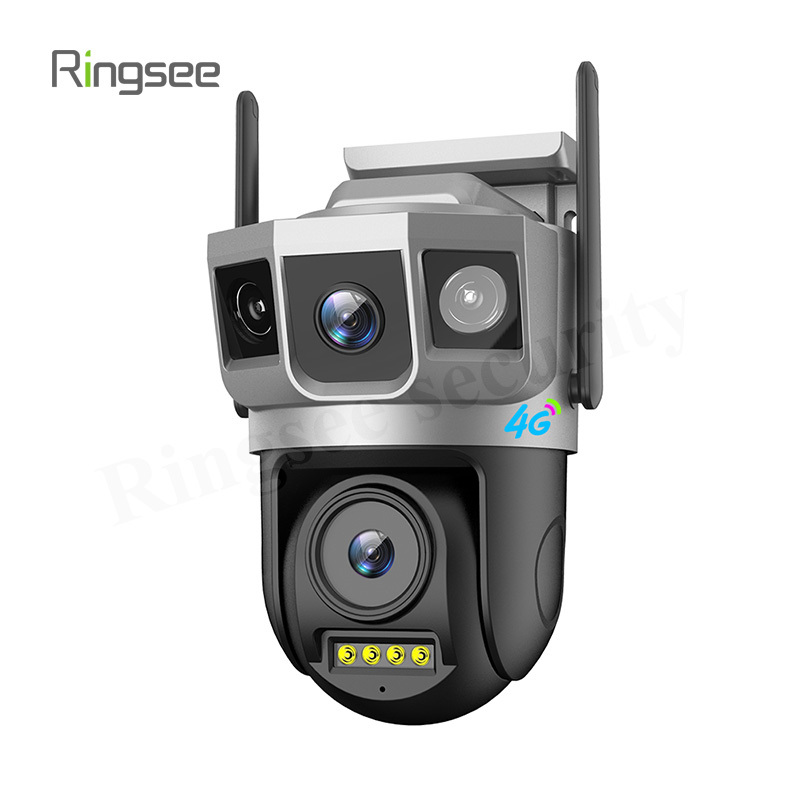
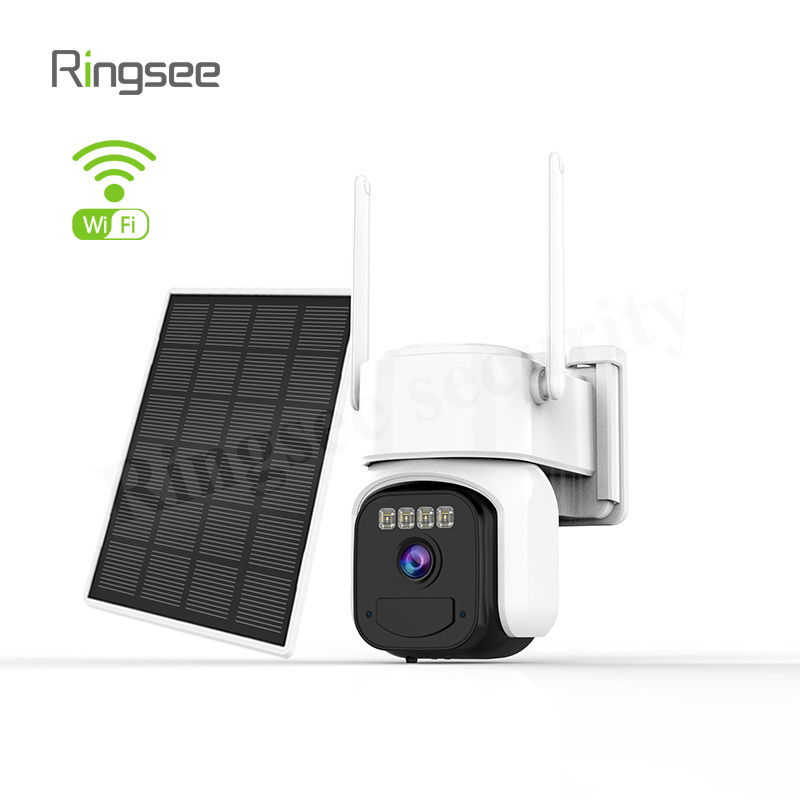
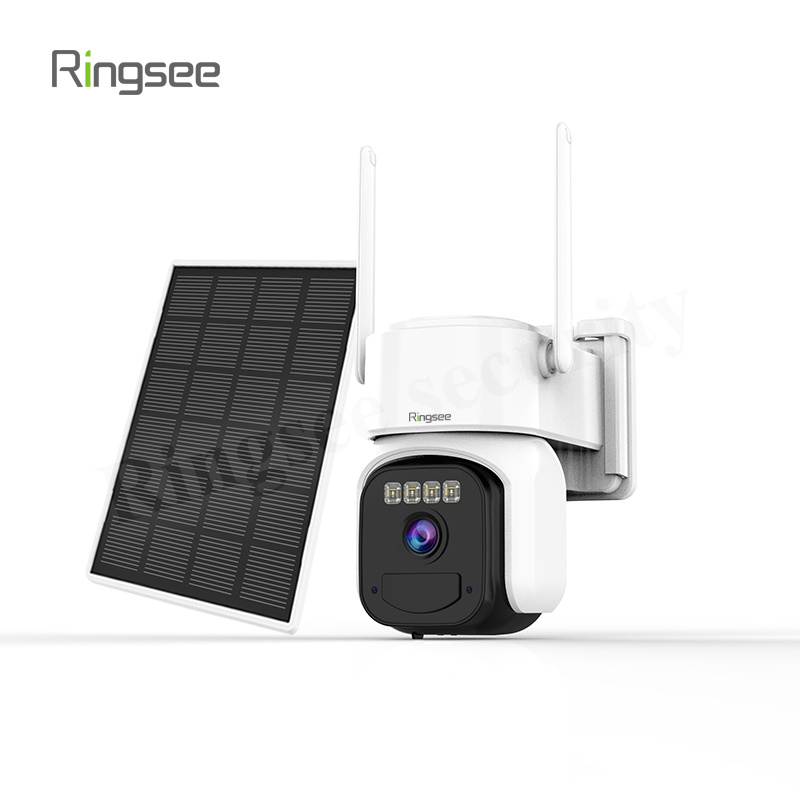
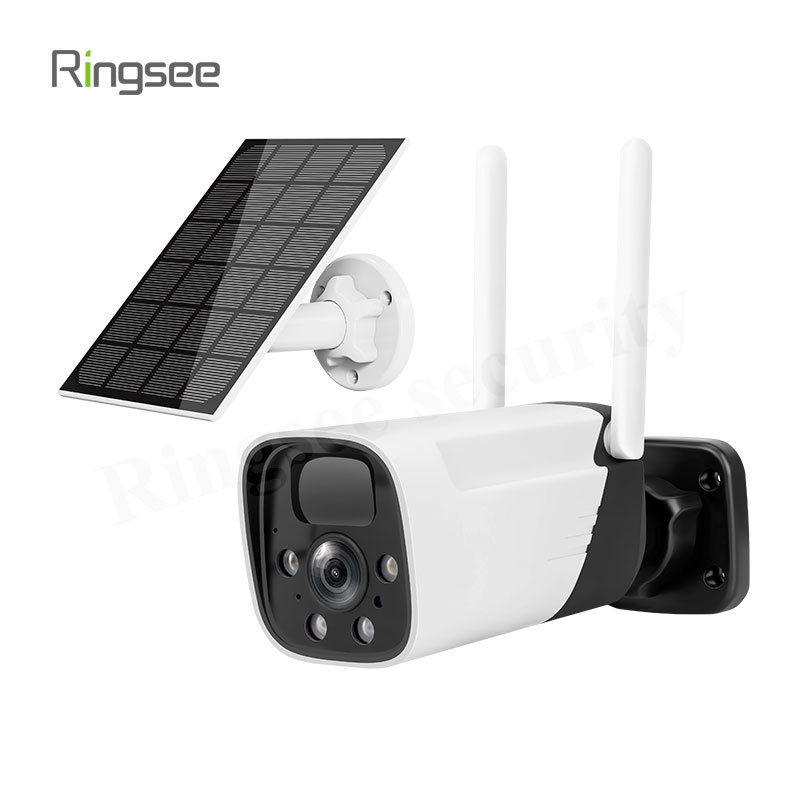
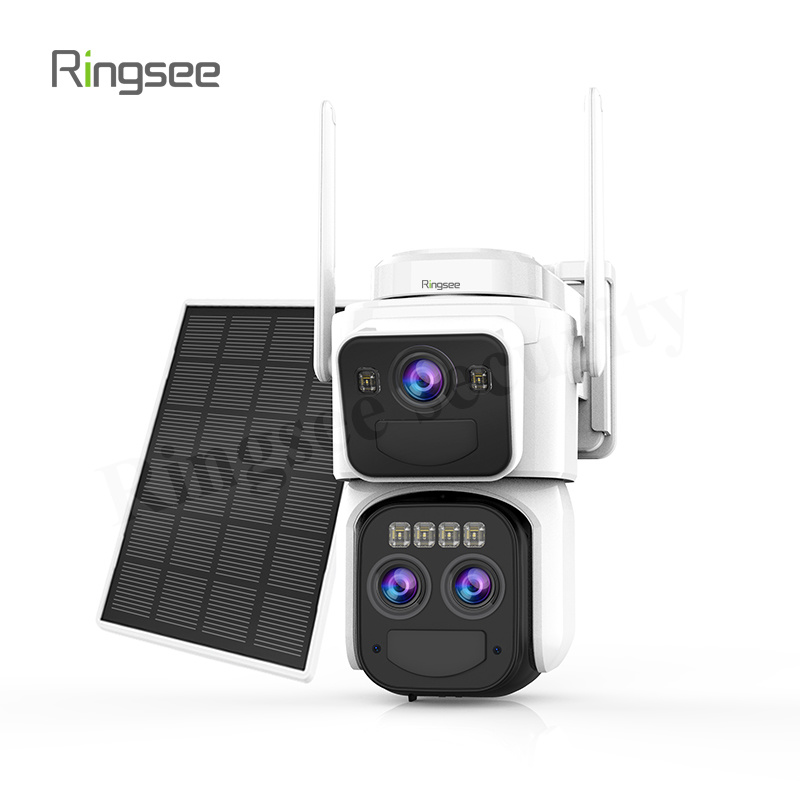
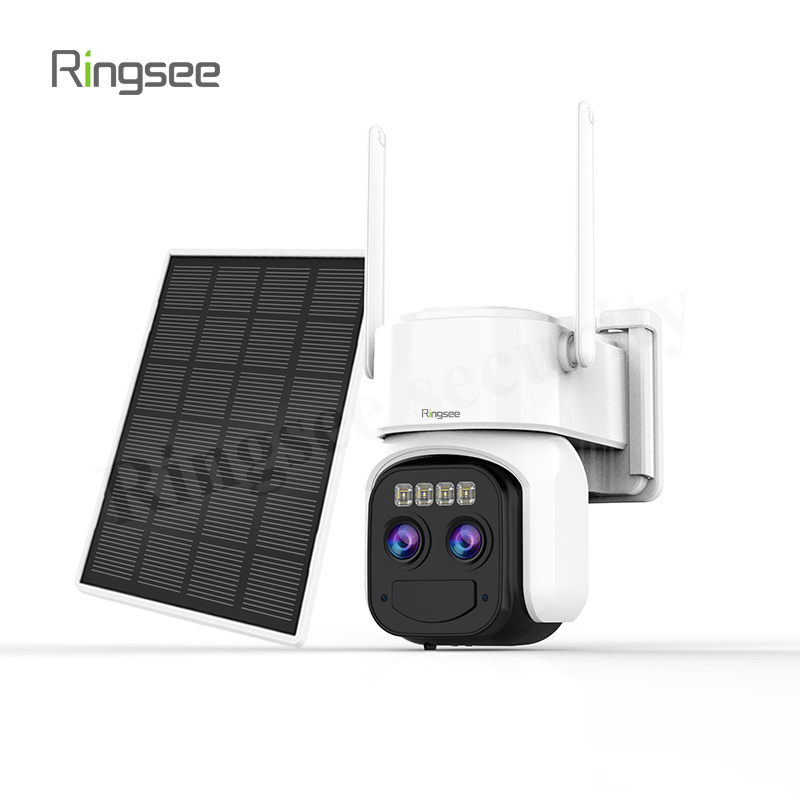
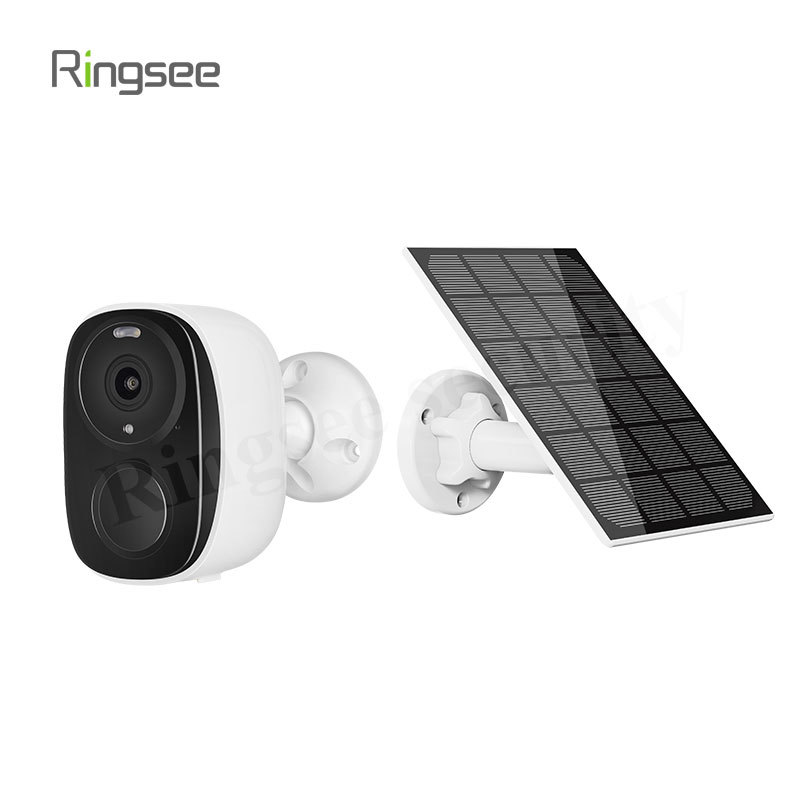
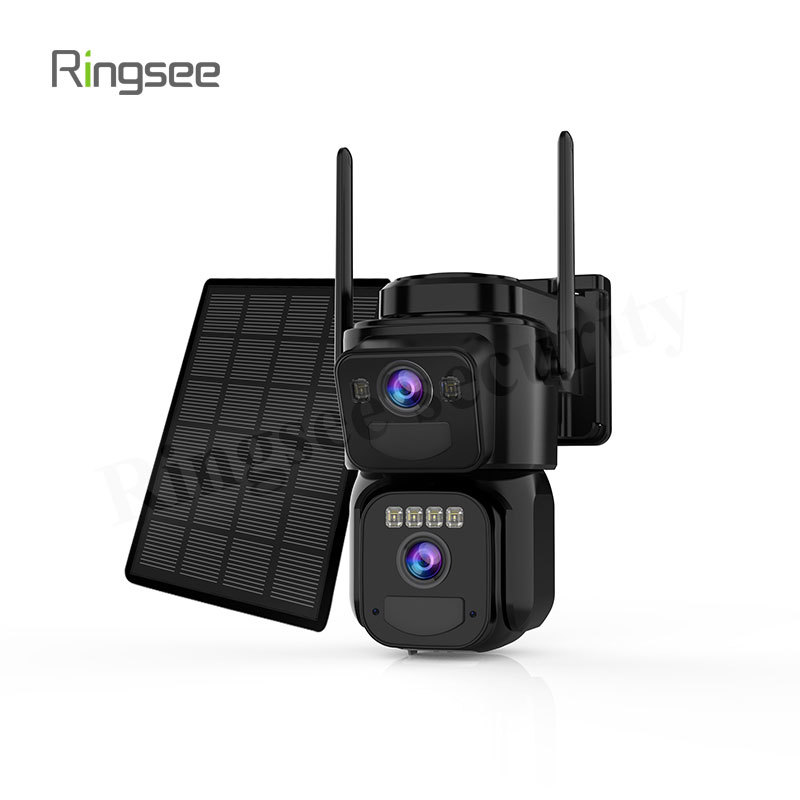
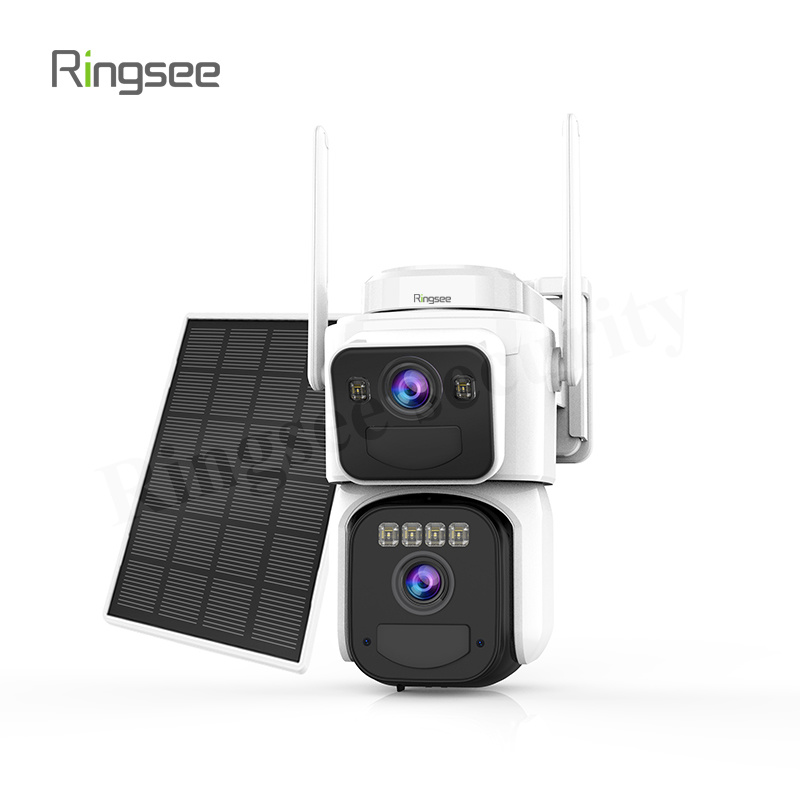
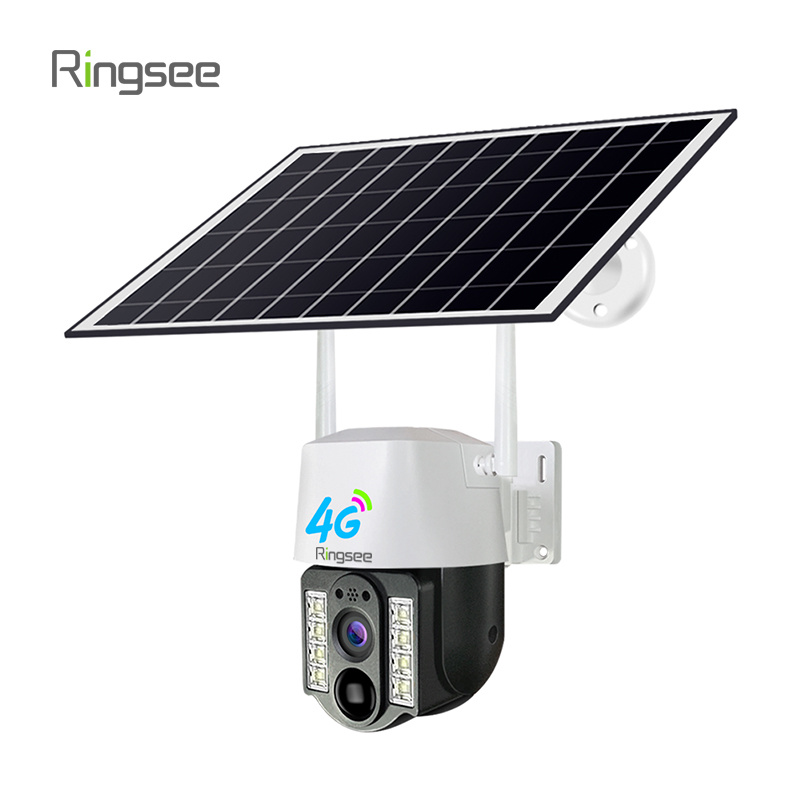
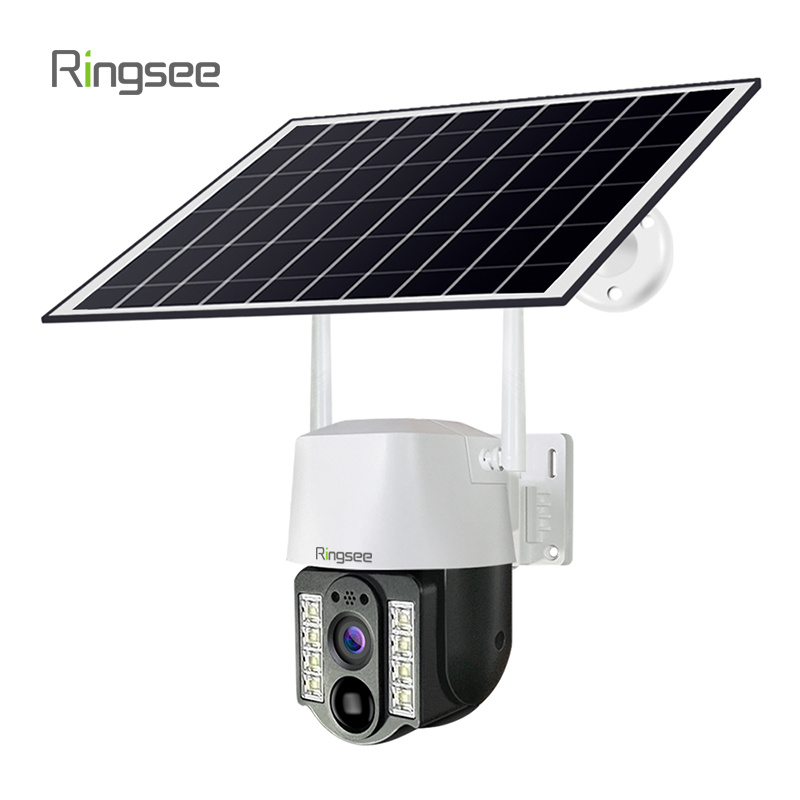
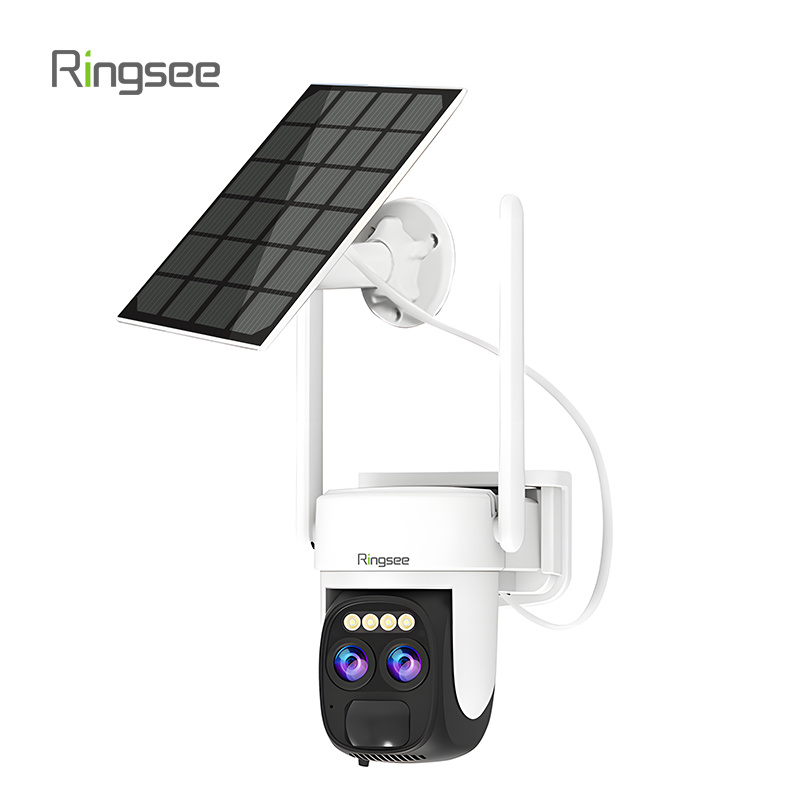
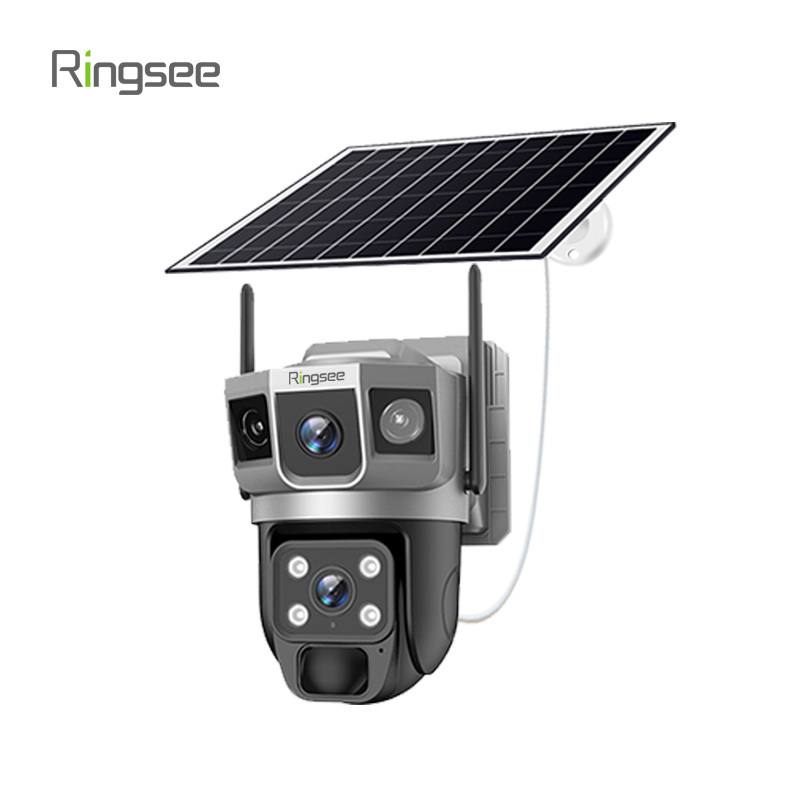
Leading vendors offering solar-powered surveillance solutions include:Hikvision,Dahua Technology,Milesight,Reolink,Wanco,Senter Electronic,Elemage,Sun Surveillance,KAANSKY,UMOVAL IoT,WEILAILIFE, These manufacturers continue to invest in solar innovation, including low-power technologies, 4G connectivity, and integrated AI features, to meet the growing needs of global consumers.
Conclusion
The global security camera market remains robust in 2024, with leading brands maintaining strong market positions and new innovations driving growth in solar-powered solutions. As demand for sustainable and autonomous surveillance increases, the solar security camera segment is poised to become a significant force shaping the future of the industry.
Businesses and consumers alike are encouraged to monitor developments in this evolving market—particularly in AI-powered, eco-friendly camera systems—to stay ahead of security technology trends.
Related News
Target readers: security owners, system integrators, and EHS engineers for petrochemical, oil and gas, pharmaceutical, powder processing, and coal mining sites where explosive gas or combustible dust exists. Core takeaway: a normal camera is itself an ignition source in flammable environments. You must use explosion proof cameras certified to ATEX, IECEx, or China Ex, selected by hazard zone, installed with proper grounding, and documented for compliance. This guide gives a reusable selection, install, and acceptance workflow.
Nov 08,2026
4G 5G Cellular Surveillance Camera Guide: Remote Video without Broadband
Target readers: security owners and integrators for farms, orchards, fisheries, construction, oil and mining sites, vehicle fleets, and remote African villages where broadband is scarce. Core takeaway: when there is no fiber, no broadband, and frequent power loss, a SIM card cellular camera is the easiest and most scalable remote video option. This guide gives a reusable architecture covering power, data, backhaul, AI, and compliant deployment.
Nov 08,2026
Analog CCTV Upgrade Guide: Coax HD Reuse vs Full IP Rebuild, Cost and Timeline Compared
Factory, campus and retail chains running analog surveillance for five or six years face the same wall: blurry images, unretrievable footage, and no path to AI analytics on legacy hardware. This guide breaks down pre-upgrade system inventory, compares the coax-HD reuse route against a full IP rebuild, gives bandwidth and storage recalculation formulas, and lays out a zoned, non-disruptive cutover plan with a selection checklist.
Oct 31,2026
CCTV Maintenance Outsourcing: SLA Tiers, Market Rates, KPI and Contract Playbook
Conclusion first: the real cost of a surveillance system is in its operation. Three years of maintenance typically equals 30% to 50% of the build cost, yet most buyers spend the budget at install and leave operation to whoever happens to notice. Lock the maintenance boundary while signing the build contract. This guide breaks down the in-house versus outsourced decision model, a three-tier SLA (P1 / P2 / P3), per-point market rates and how to read a quote, the two KPIs that decide payment (camera online rate and footage integrity), the five clauses every contract must hold, the 90-day handover that most often loses control, plus a selection checklist and acceptance tests.
Oct 25,2026
Links:One Belt Power Technology
Add: 14th Floor, Baoshan Building, Longhua District, Shenzhen China.
Privacy Policy | SEO | CitySite | Support: 300.cn Dongguan